




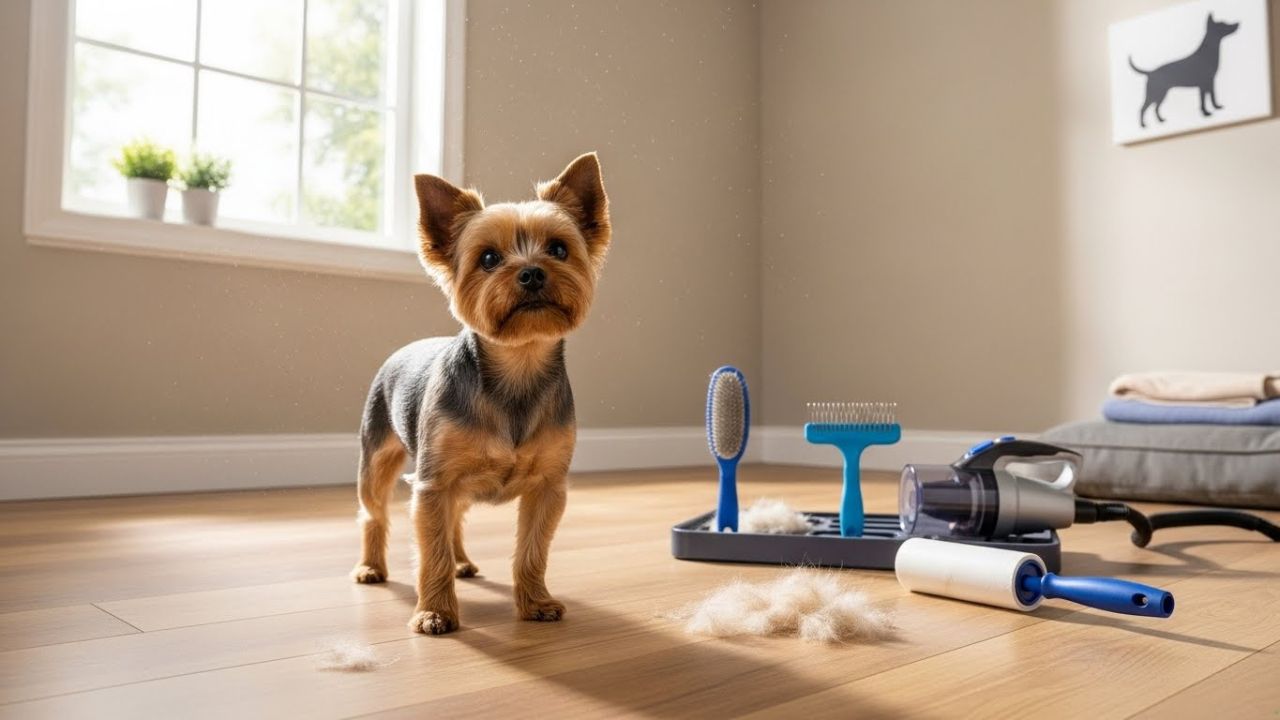
For many dog lovers, constant fur on sofas and clothes can dampen the joy of pet ownership. If you crave companionship without endless lint rolling, choosing a low-maintenance breed can make a noticeable difference. These hairless dogs typically release less loose hair, helping keep living spaces cleaner and allergies more manageable.
Low-shedding doesn’t always mean no shedding, but it often signals coats that trap hair or grow continuously, much like human hair. Many of these best dog breeds also produce less dander, which can be helpful for people with mild sensitivities.
From small apartment-friendly companions to active family dogs, low-shedding breeds come in a wide range of sizes and temperaments. Understanding their grooming needs and energy levels ensures a fur-free home without sacrificing the perfect canine match.
Low-Shedding Dog Breeds To Keep Your Home Fur-Free
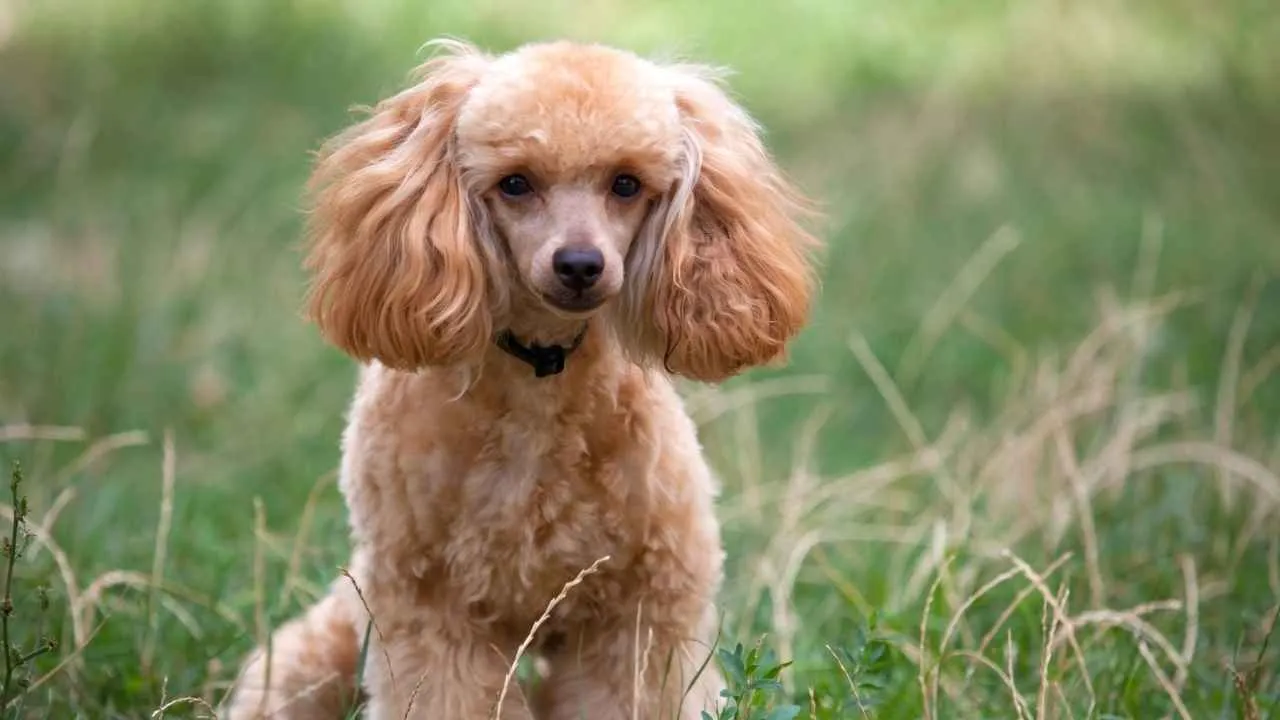
1. Poodle
From Water Retriever to Regal Icon
Originally bred in Germany as skilled water retrievers, Poodles earned their reputation splashing through lakes to fetch game. Their name comes from “pudel,” meaning puddle, reflecting their strong water connection.
Though commonly linked with France, they are known there as Caniche, or “duck dog.” Over centuries, their intelligence and elegance carried them from hunting fields to aristocratic homes.
Brains, Beauty, and Trainability Combined
Poodles are among the most intelligent dog breeds and are exceptionally easy to train. Whether Standard, Miniature, or Toy, they are athletic, alert, and eager to please. They excel in obedience, agility, and service roles.
Grooming That Keeps Fur in Check
The Poodle’s dense, curly coat is low shedding and holds loose hair instead of releasing it around the home. This makes regular professional grooming essential to prevent matting and discomfort. With routine clipping or brushing, their coat remains healthy and manageable.
Why Poodles Are Ideal Low-Shedding Companions
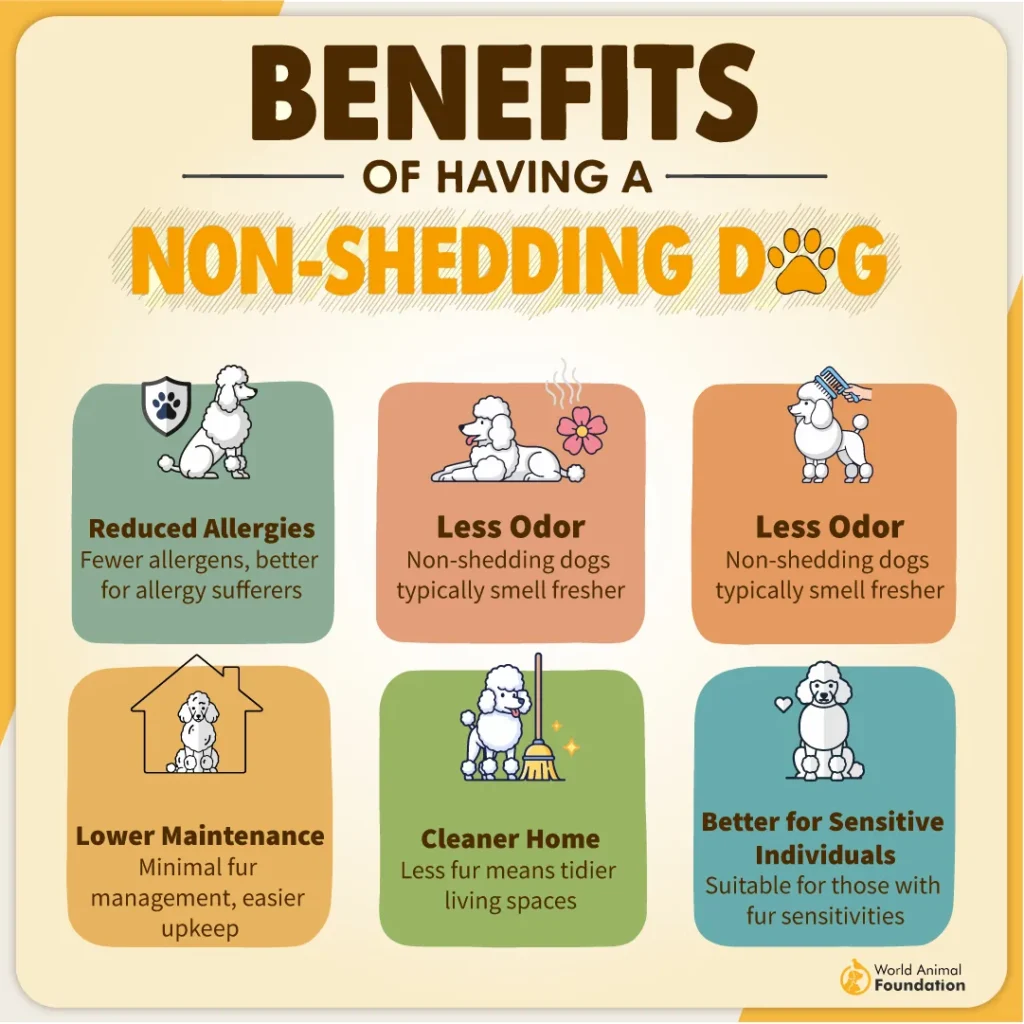
Curly coat traps hair rather than shedding
Produces less dander than many breeds
Minimal fur on furniture and clothing
Coat grows continuously instead of falling out
Excellent choice for tidy, allergy-aware homes
2. Bichon Frise
A Mediterranean Darling with Royal Roots
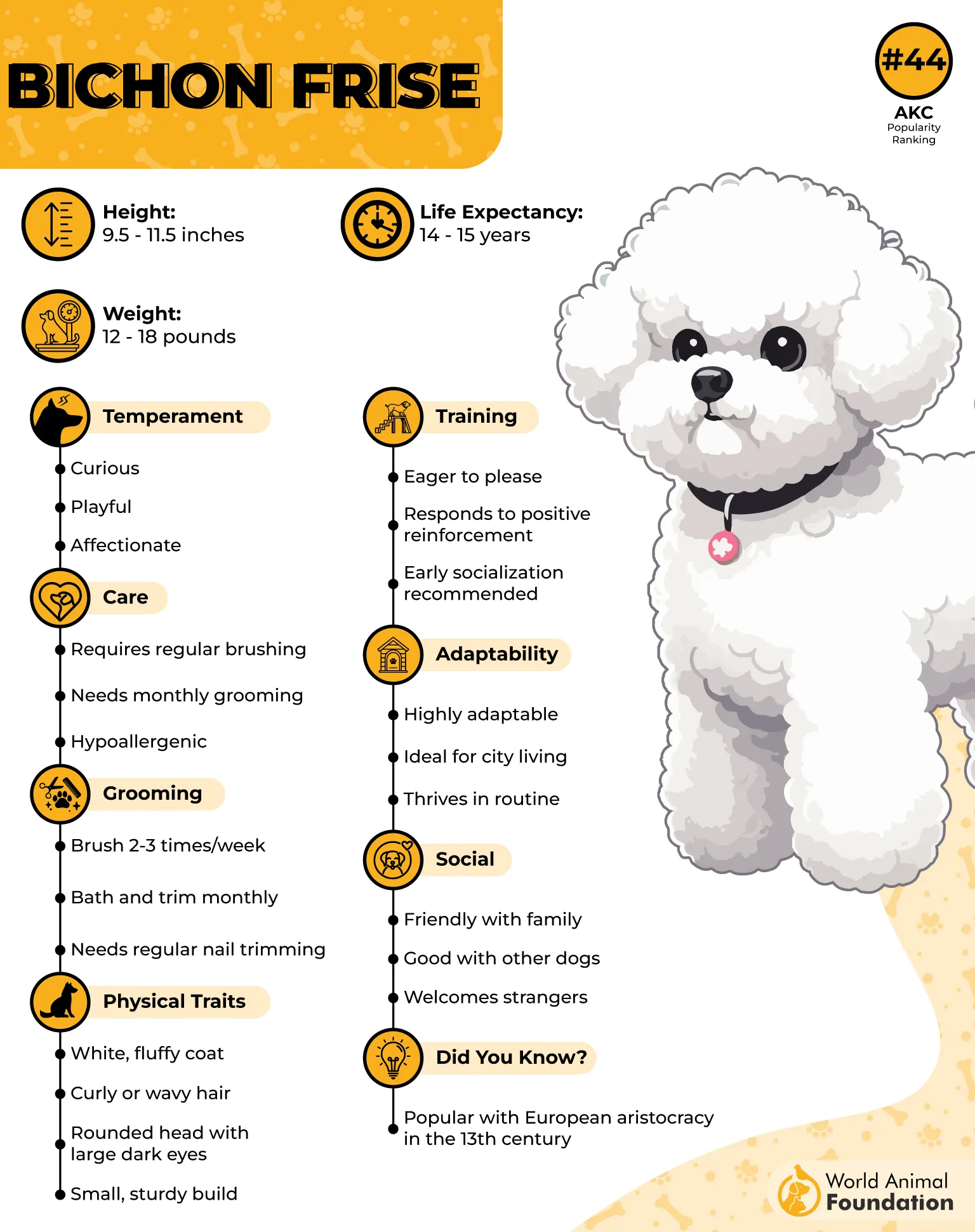
The Bichon Frise traces its origins to the Mediterranean, descending from water spaniels and closely related to breeds like the Maltese and Havanese. In France, they became royal favorites and artistic muses. Their charm carried them from courts to circuses and eventually into modern homes.
Cheerful, Clever, and Easy to Teach
Bichons are lively, affectionate dogs with an eagerness to please that makes training enjoyable. They respond well to positive reinforcement and thrive on attention from their families. While generally friendly with people and pets, housebreaking can require patience and consistency.
Fluffy Coats That Keep Fur Off Floors
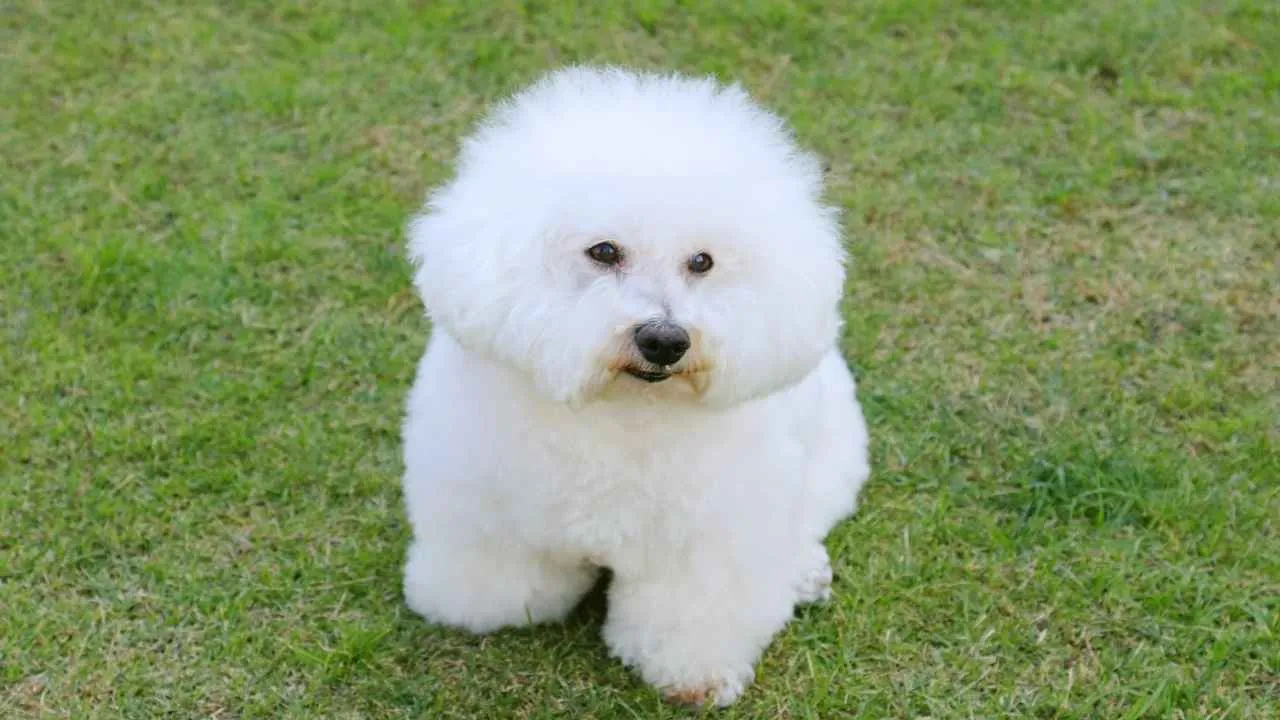
The Bichon’s signature white, curly coat is soft, dense, and low-shedding. Loose hairs stay trapped in the coat rather than falling onto furniture. Regular brushing and professional trimming prevent mats and keep the coat bright.
Why Bichon Frises Are Ideal Low-Shedding Pets
Minimal shedding keeps floors and sofas clean
Curly coat traps loose hair effectively
Produces less airborne dander
Small size means less overall hair to manage
Excellent choice for tidy, indoor living spaces
3. Maltese
An Ancient Lapdog with Timeless Charm
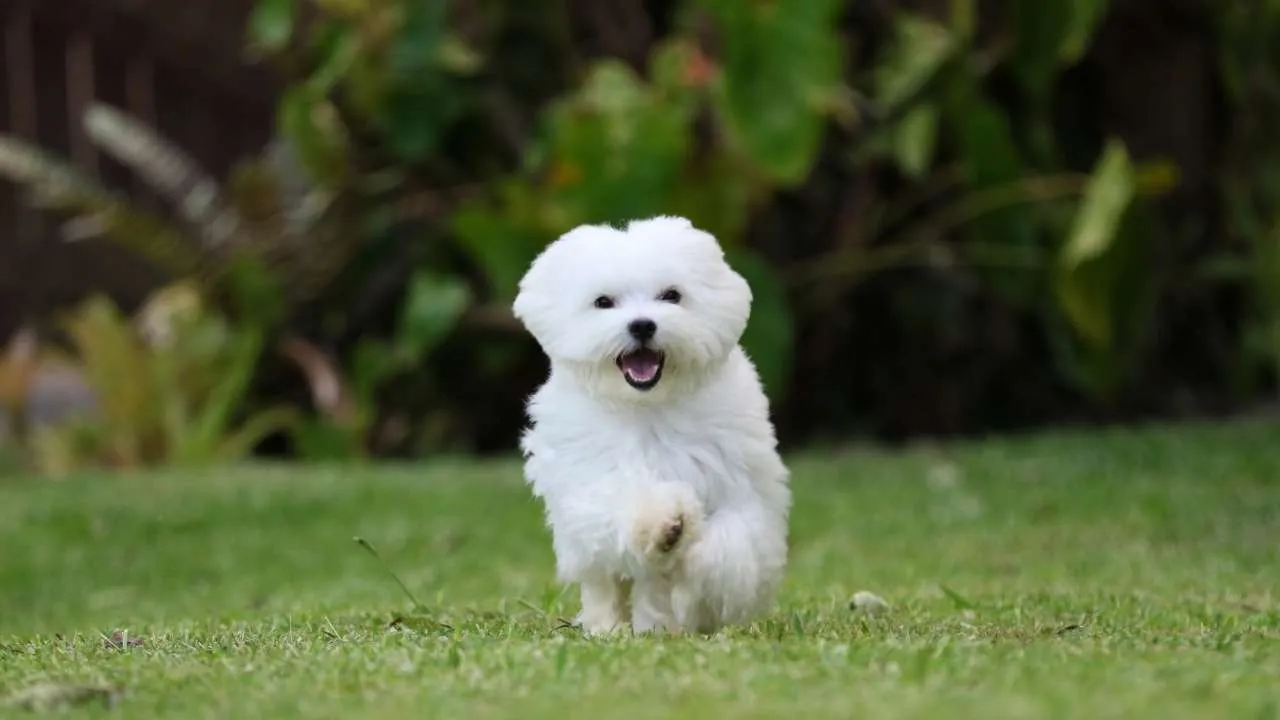
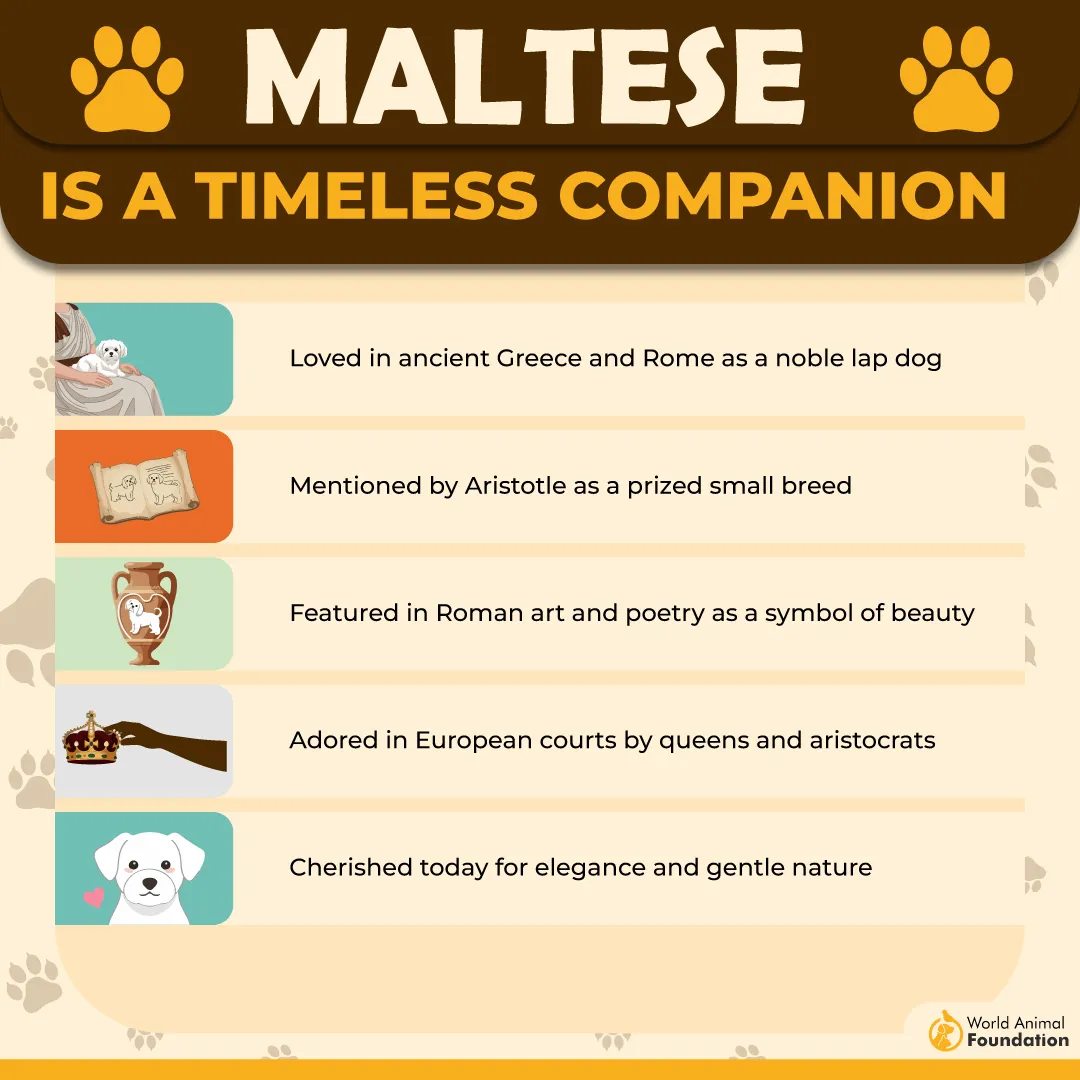
The Maltese is one of the oldest toy breeds, originating on the Mediterranean island of Malta more than 2,000 years ago. Revered by Greeks and Romans, the breed symbolized loyalty and refinement among nobility. Traders spread the Maltese across Europe and Asia, preserving its legacy through centuries.
Small in Size, Big in Personality
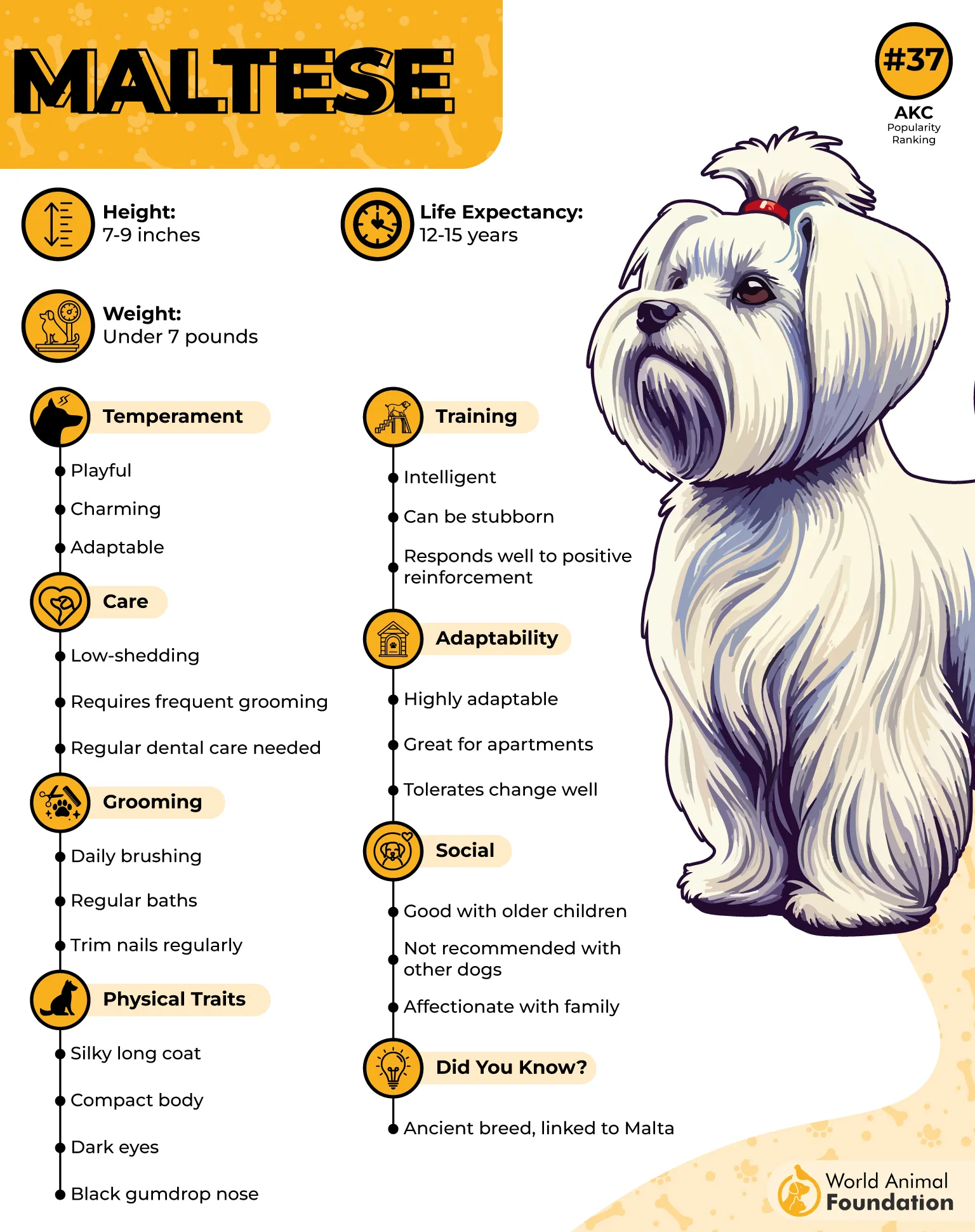
Despite their delicate appearance, Maltese dogs are bold, lively, and surprisingly fearless. They are intelligent and eager learners, especially when training feels like a game with rewards and incentives. Strongly bonded to their families, they thrive on attention and companionship, as per Hill’s Pet.
Silky Coats That Rarely Shed
The Maltese’s signature long, white coat sheds very little, making it a great dog for fur-conscious homes. Hair grows continuously and stays trapped rather than falling onto floors and furniture. Daily brushing and regular bathing prevent tangles and maintain its glossy appearance.
Why Maltese Dogs Are Perfect for Fur-Free Homes
Minimal shedding keeps living spaces clean
Hair grows long instead of falling out
Produces less dander than many breeds
A small body means less overall hair
Ideal for tidy, indoor-focused households
4. Yorkshire Terrier
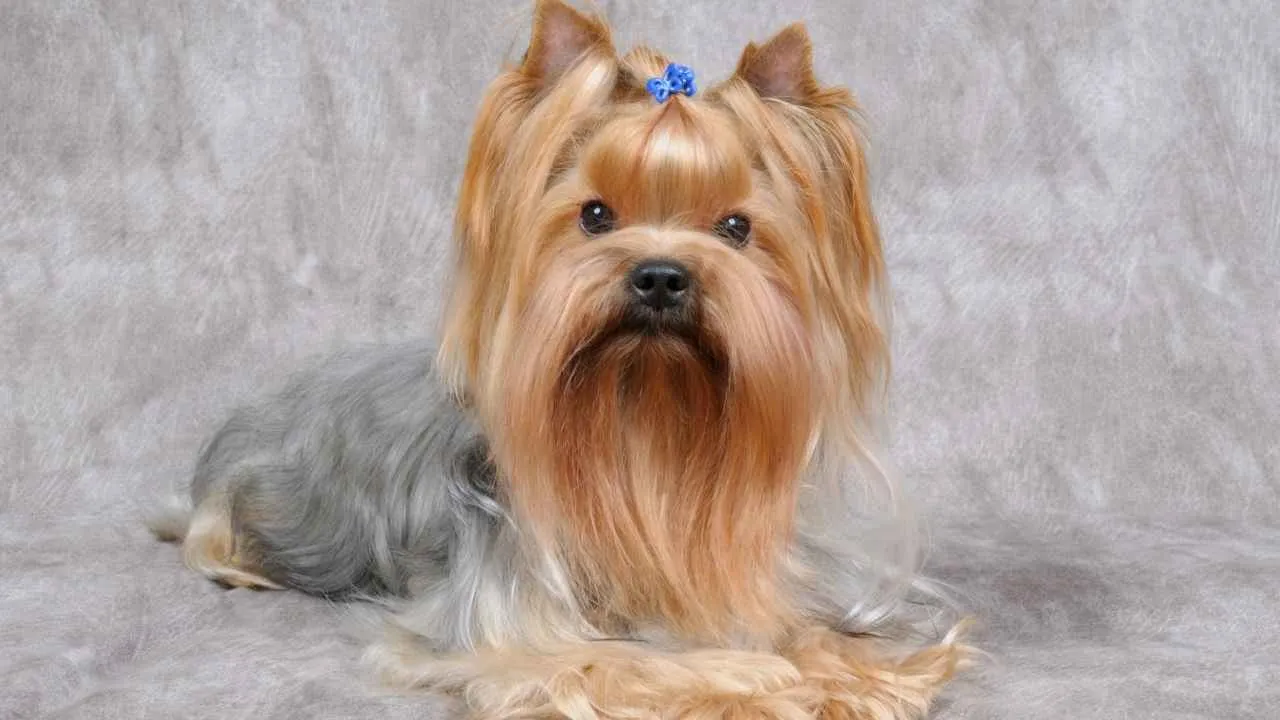
From Mine Shafts to Modern Laps
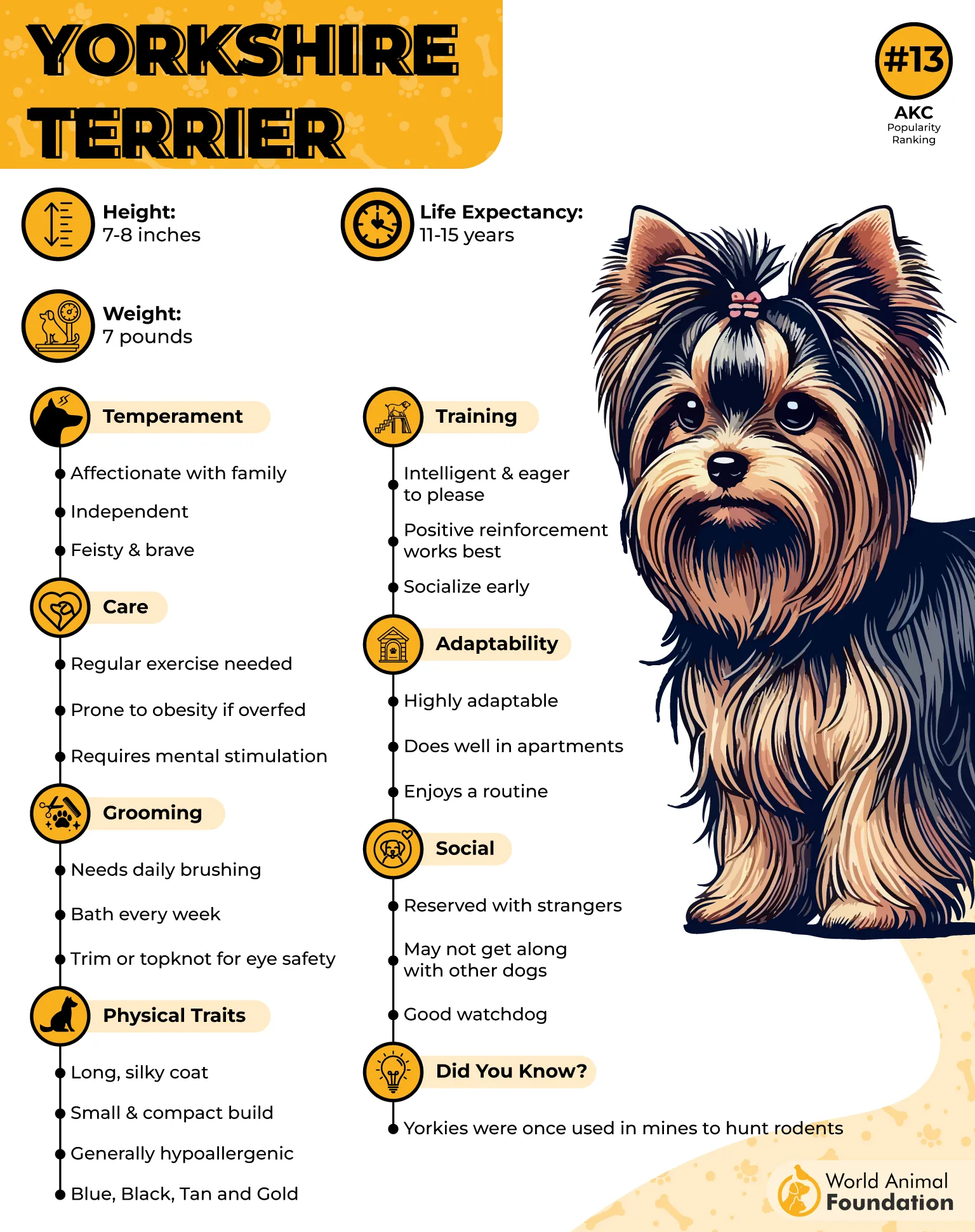
The Yorkshire Terrier originated in Victorian-era England, where it was bred to hunt rats in coal mines and mills. Descended from several terrier breeds, early Yorkies were larger before being selectively miniaturized. Their bravery and determination made them excellent working dogs despite their size.
Big Attitude in a Tiny Package
Yorkies are lively, curious, and full of classic terrier spirit. They form a strong bond with their owners and enjoy both cuddling and adventure. Intelligent but sometimes stubborn, they respond best to consistent, positive training.
Hair-Like Coats That Hardly Shed
The Yorkshire Terrier’s silky coat closely resembles human hair and sheds very little. Instead of falling out, hair continues to grow, reducing loose fur around the home. Regular brushing or professional trims keep the coat tangle-free and healthy, as per PDSA.
Why Yorkshire Terriers Excel as Low-Shedding Pets
Hair-like coat produces minimal shedding
Less fur buildup on furniture and clothing
Ideal for apartments and small homes
Grooming controls loose hair effectively
Great option for neat, allergy-aware households
5. Shih Tzu
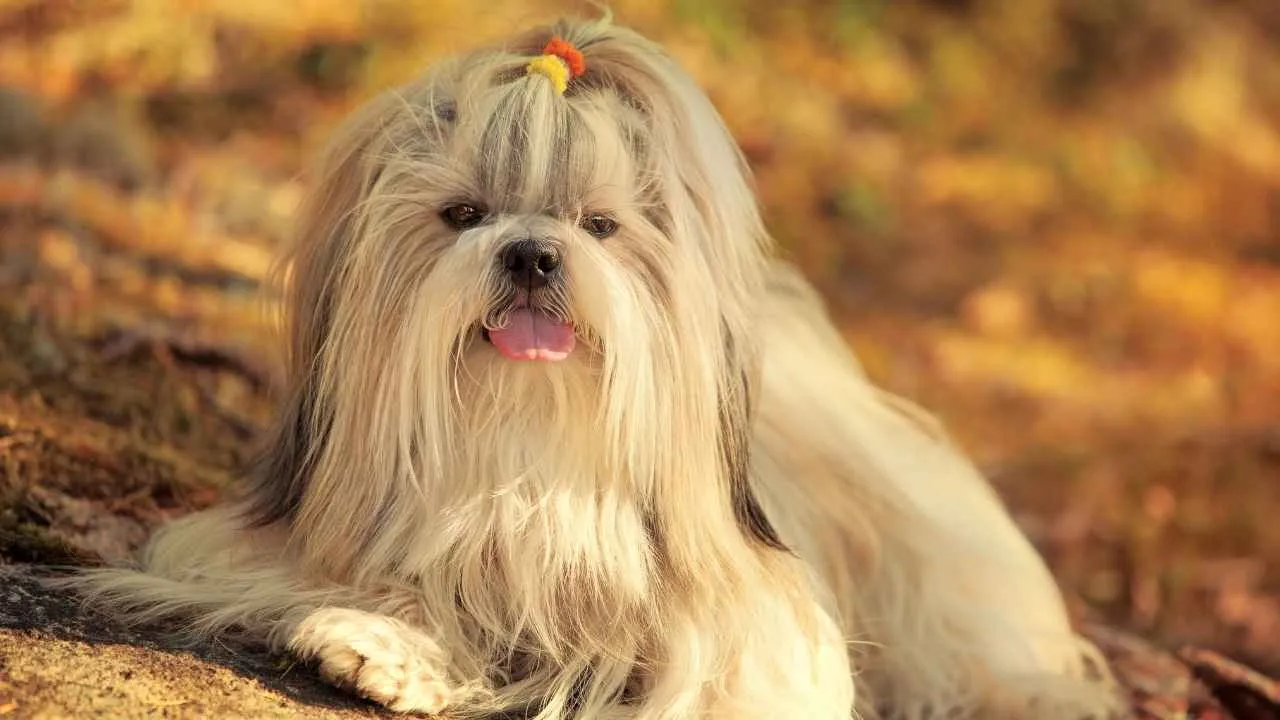
Imperial Origins of the Little Lion
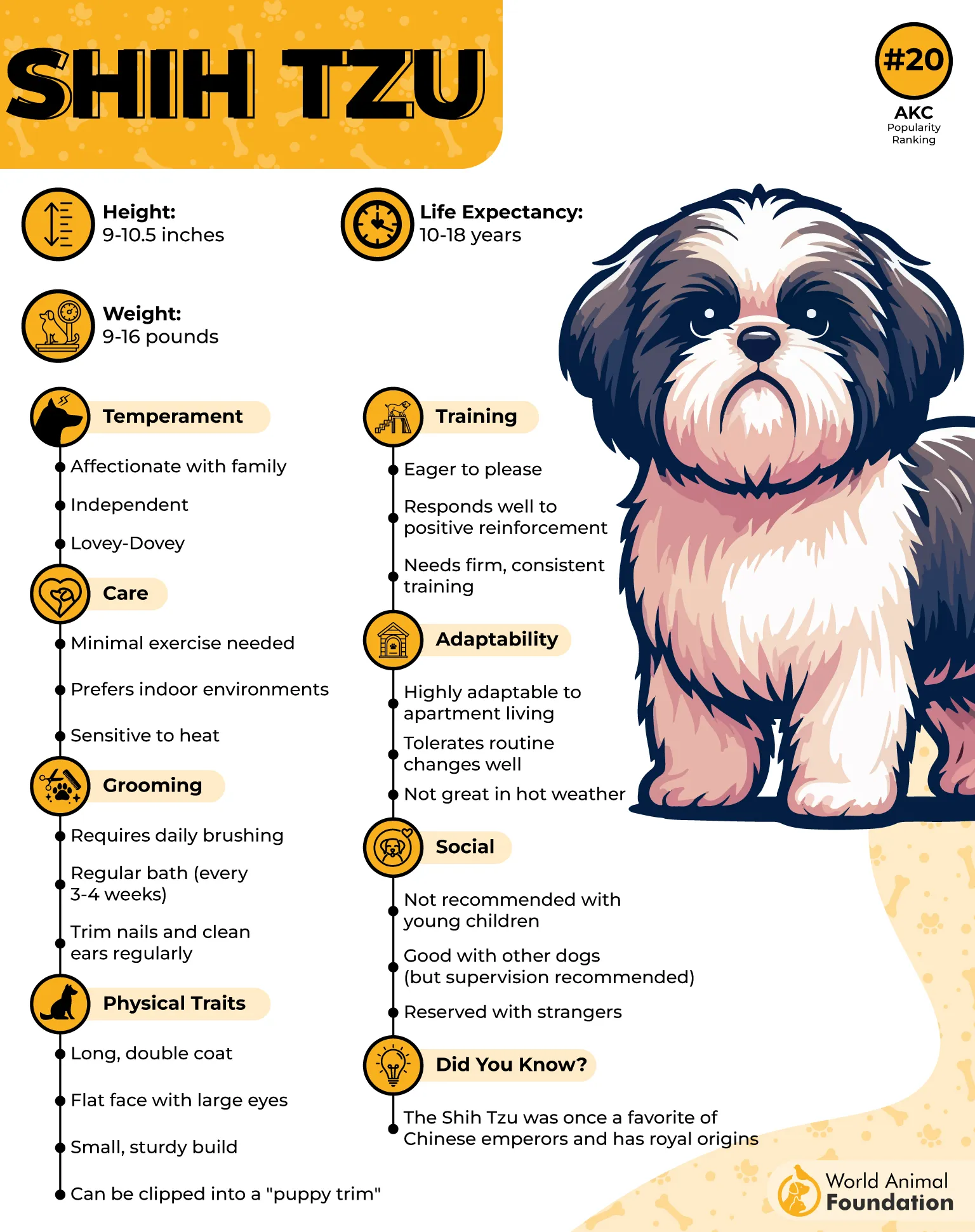
The Shih Tzu was developed centuries ago in the royal palaces of China, bred exclusively as a companion for emperors. Their name means “lion dog,” reflecting their proud stance and flowing coat. Hidden from the world for generations, they later became beloved global companions, as per the AKC.
Affectionate Royals with a Playful Streak
Shih Tzus are loving, people-focused dogs that thrive on attention and closeness. Bred solely as lap dogs, they excel at companionship rather than work or guarding. With moderate exercise and socialization, they adapt beautifully to apartments and family homes.
Flowing Coats with Minimal Fur Fallout
The Shih Tzu’s long, luxurious coat grows continuously and sheds very little. Loose hair stays caught in the coat instead of spreading through the home. Proper grooming ensures a clean, elegant appearance and a fur-free living space.
Why Shih Tzus Are Excellent Low-Shedding Companions
A continuously growing coat reduces shedding
Loose hair remains trapped in the fur
Low dander compared to many breeds
Ideal for apartments and indoor living
Perfect balance of beauty and cleanliness
6. Basenji
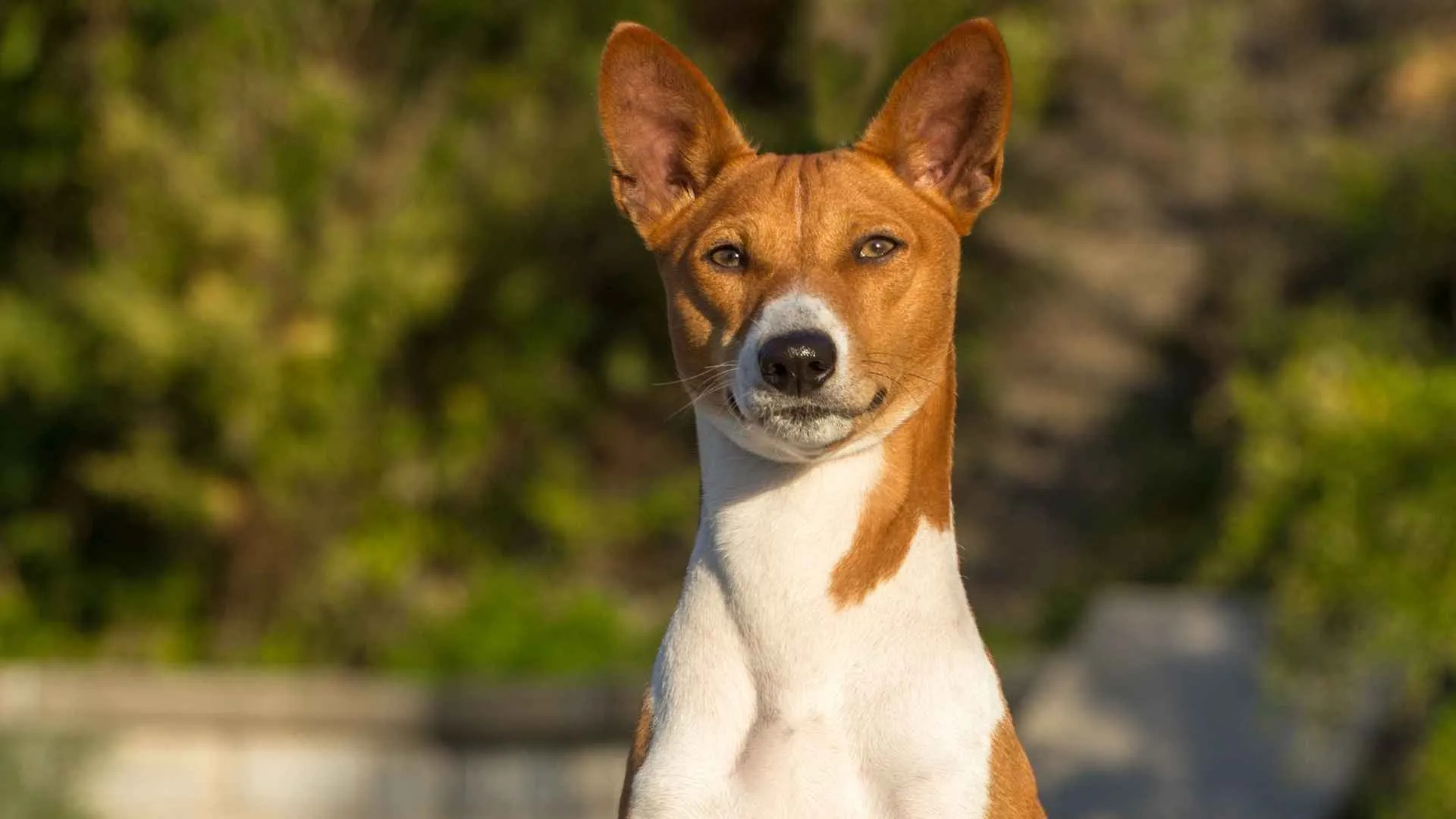
An Ancient Hunter from the Heart of Africa
The Basenji is one of the oldest dog breeds in the world, with roots tracing back thousands of years to ancient Egypt and Central Africa. Depicted in early cave art and Pharaoh tombs, they were prized hunting companions. African tribes later relied on them for tracking and retrieving game.
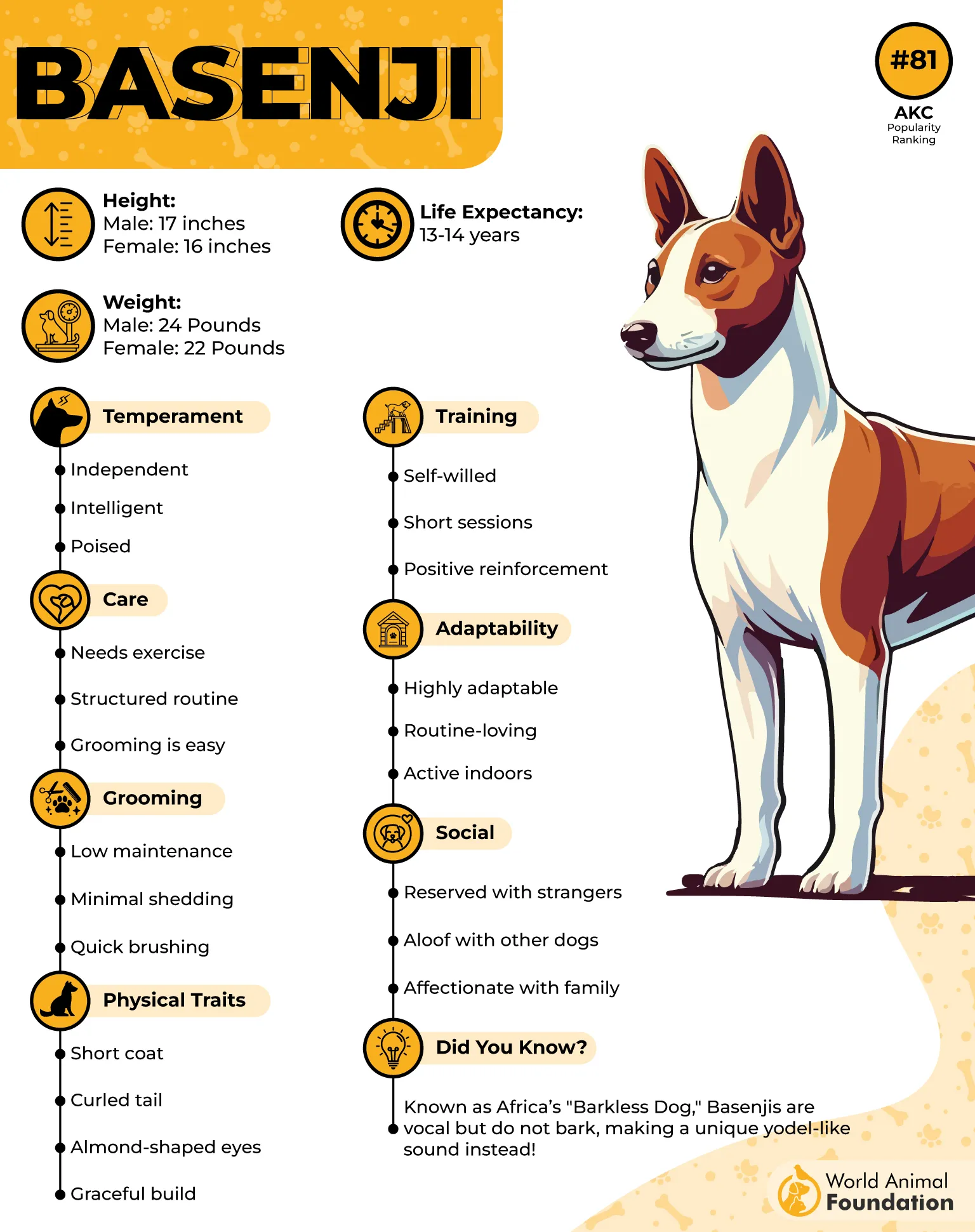
Quiet, Clever, and Cat-Like in Nature
Basenjis are famously known as the “barkless dog,” communicating instead with unique yodel-like sounds. Highly intelligent and independent, they are curious, energetic, and occasionally mischievous. Training requires patience, creativity, and consistency due to its self-directed nature.
Short Coats That Stay Fur-Free
The Basenji’s sleek, short coat sheds very minimally, making grooming simple and efficient. Like cats, they groom themselves and rarely develop dog odor. Occasional brushing keeps the coat glossy and healthy. Their low-maintenance coat is ideal for owners seeking a cleaner home.
Why Basenjis Are Excellent Low-Shedding Dogs
Short, smooth coat sheds very little
Self-grooming habits reduce loose fur
Minimal dog odor keeps homes fresh
Less dander than many other breeds
Perfect for neat, low-maintenance households
7. Havanese
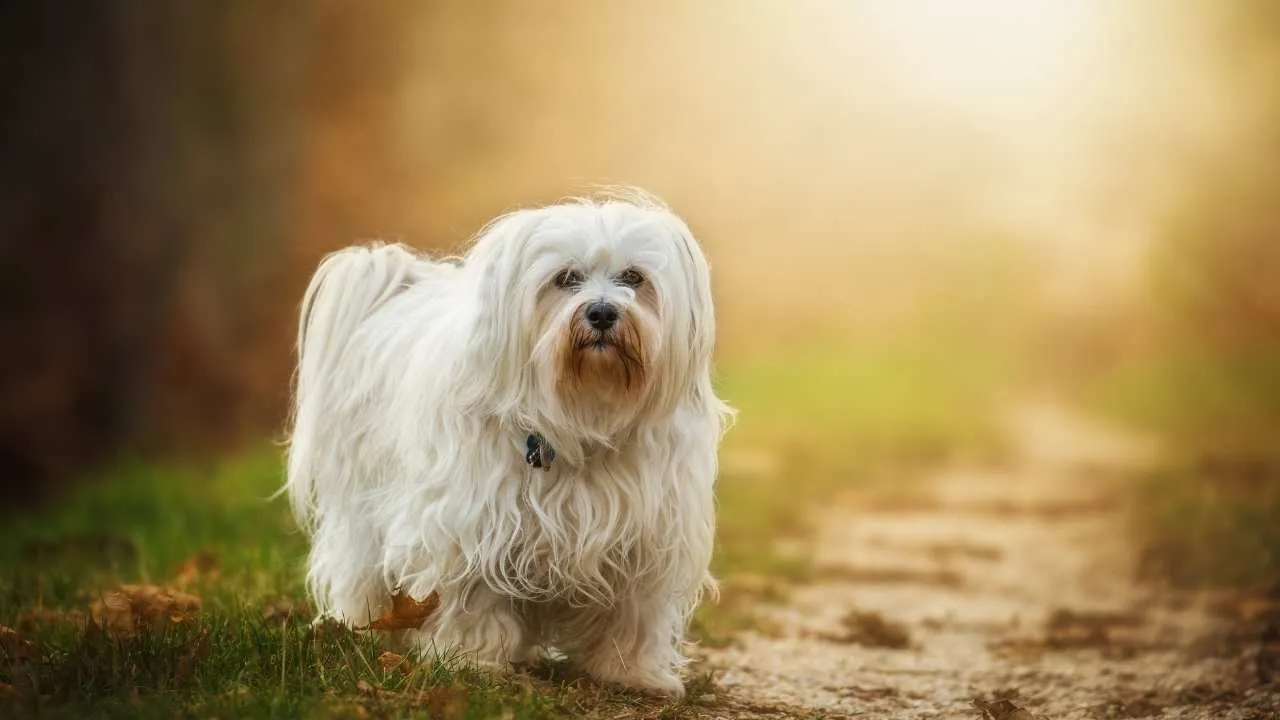
Havana’s Little Charmers: Origins and Royal Connections
The Havanese, Cuba’s only native dog breed, boasts a history steeped in aristocracy. Emerging from the ancient Bichon family, this silky-coated lapdog once graced the homes of Cuban elites and captured the hearts of European visitors in the 18th century, as per PetMD.
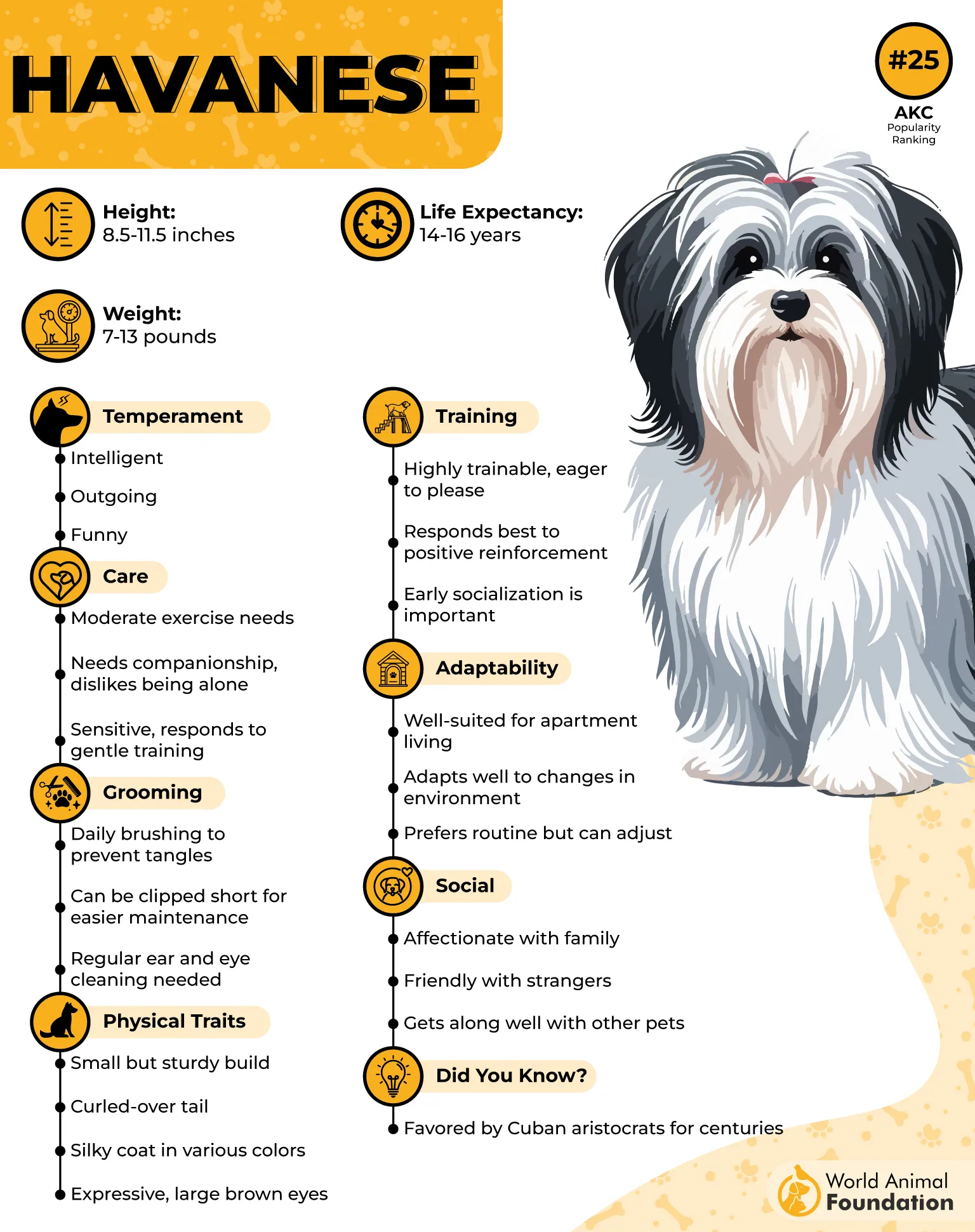
Clever Companions: Training and Personality Perks
Havanese are lively, intelligent, and naturally social, thriving on human interaction. They excel at learning tricks, performing comical antics, and even acting as alert but moderate watchdogs. Despite their small size, they are adaptable city dwellers who love games, walks, and sharing life with their favorite people.
Silky Maintenance Made Simple: Grooming Hints
The Havanese coat is luxuriously soft but surprisingly manageable. Regular brushing three or more times per week keeps mats at bay, while trimming is optional, letting owners choose between a corded style or a fuss-free short cut.
Why Havanese Are Home-Friendly and Fur-Free
Low-shedding coat reduces cleaning time and keeps furniture fur-free.
Hypoallergenic qualities suit allergy-sensitive households.
Regular grooming prevents matting without excessive hair loss.
Adaptable coat length allows owners to customize maintenance needs.
Their affectionate, indoor-friendly nature keeps them out of messy outdoor situations.
Conclusion
Low-shedding dogs with silky hair or a curly coat mean less dog hair on furniture, clothing, and human hair entanglement. For allergy sufferers, hypoallergenic dog breeds or dogs that produce less dander are excellent options to reduce allergic reactions.
Regular grooming, daily brushing, and occasional professional grooming appointments help keep coats healthy and minimize loose hair or dead hair around the home. Low-shedding dogs thrive with proper coat care, such as detangling spray, frequent brushing, and wiping paws after walks, ensuring minimal shedding and less maintenance.
Hairless breeds are perfect for first-time dog owners, apartment living, or families with other pets. Small dogs, barkless dogs, or devoted companions with big personalities can fit into any household while producing minimal shedding.
