




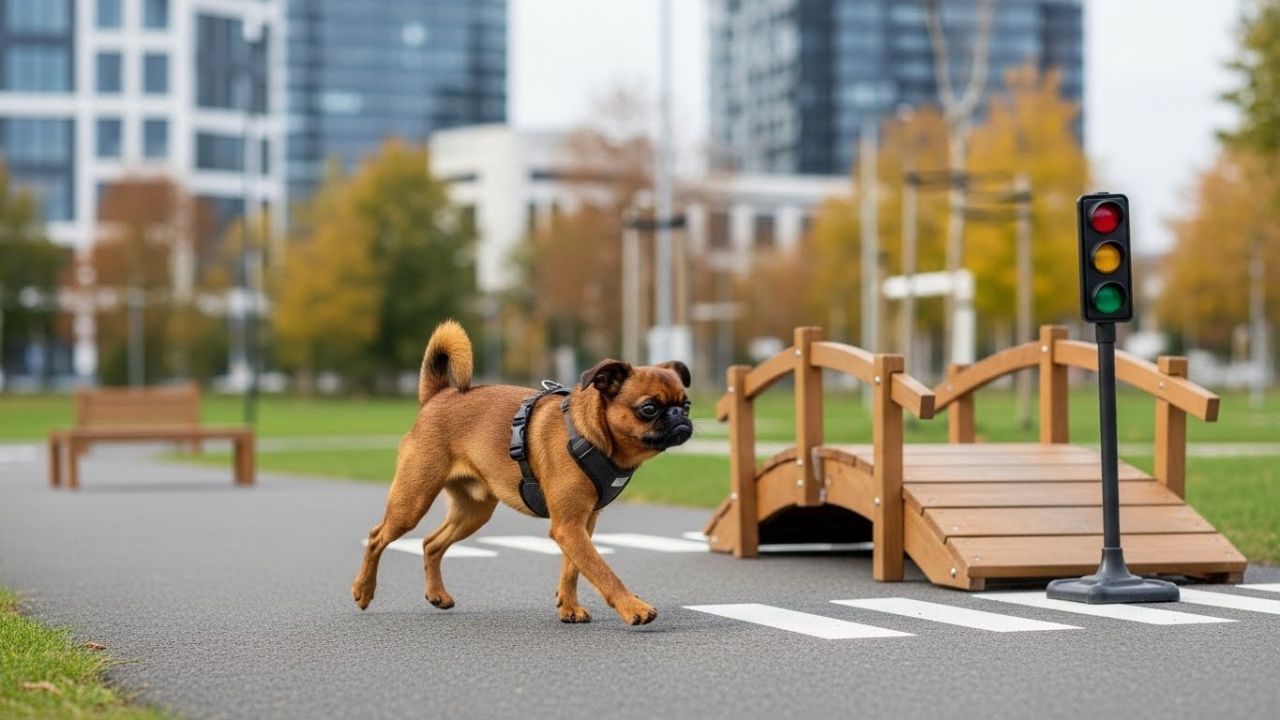
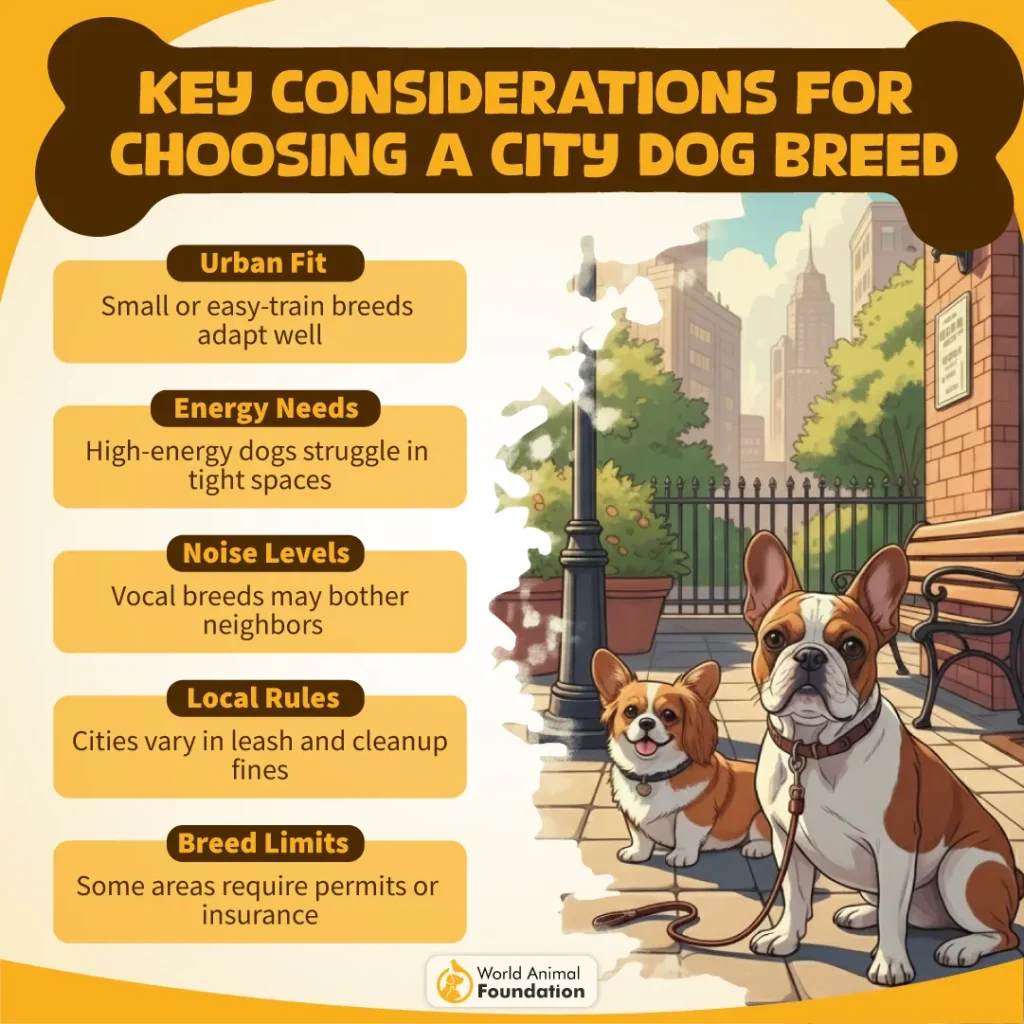
Ever wonder why some dogs glide through crowded sidewalks like seasoned commuters while others act like every scooter is a personal scandal? City life asks a lot of a dog: elevators, traffic noise, tight corners, surprise greetings, and limited green space.
The most trainable dog breeds tend to handle these challenges better because they learn routines quickly, recover faster from distractions, and enjoy working with their people. That does not mean they are robots. It means they are easier to teach the skills that matter in an urban routine, like polite leash walking, calm greetings, quiet settling in cafes, and reliable recall in fenced areas.
In this article, we’ll explore trainable breeds that often thrive in apartments and busy neighborhoods, plus the habits that make any dog a better city citizen.
If you want a dog that fits your schedule instead of fighting it, training-friendly traits can make all the difference.
Trainable Dog Breeds for Managing City Challenges
1. Havanese
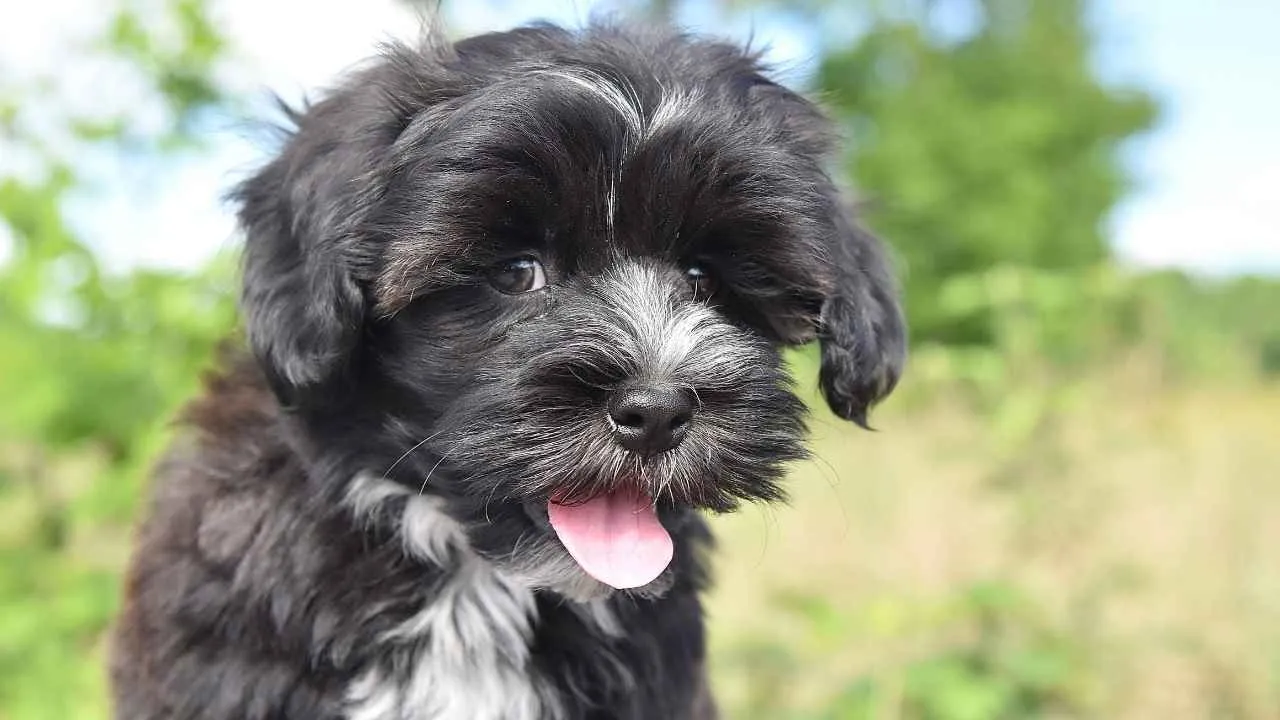
Havanese are small companion dogs often described as cheerful, outgoing, and eager to be with their people. Many breed profiles also highlight that they are the only dog breed native to Cuba, which adds a distinctive bit of history to their charm.
According to the AKC, training tends to go smoothly when it feels like a game, because this breed is intelligent and eager to learn. They can also pick up “cute” bad habits quickly, so consistency matters from day one.
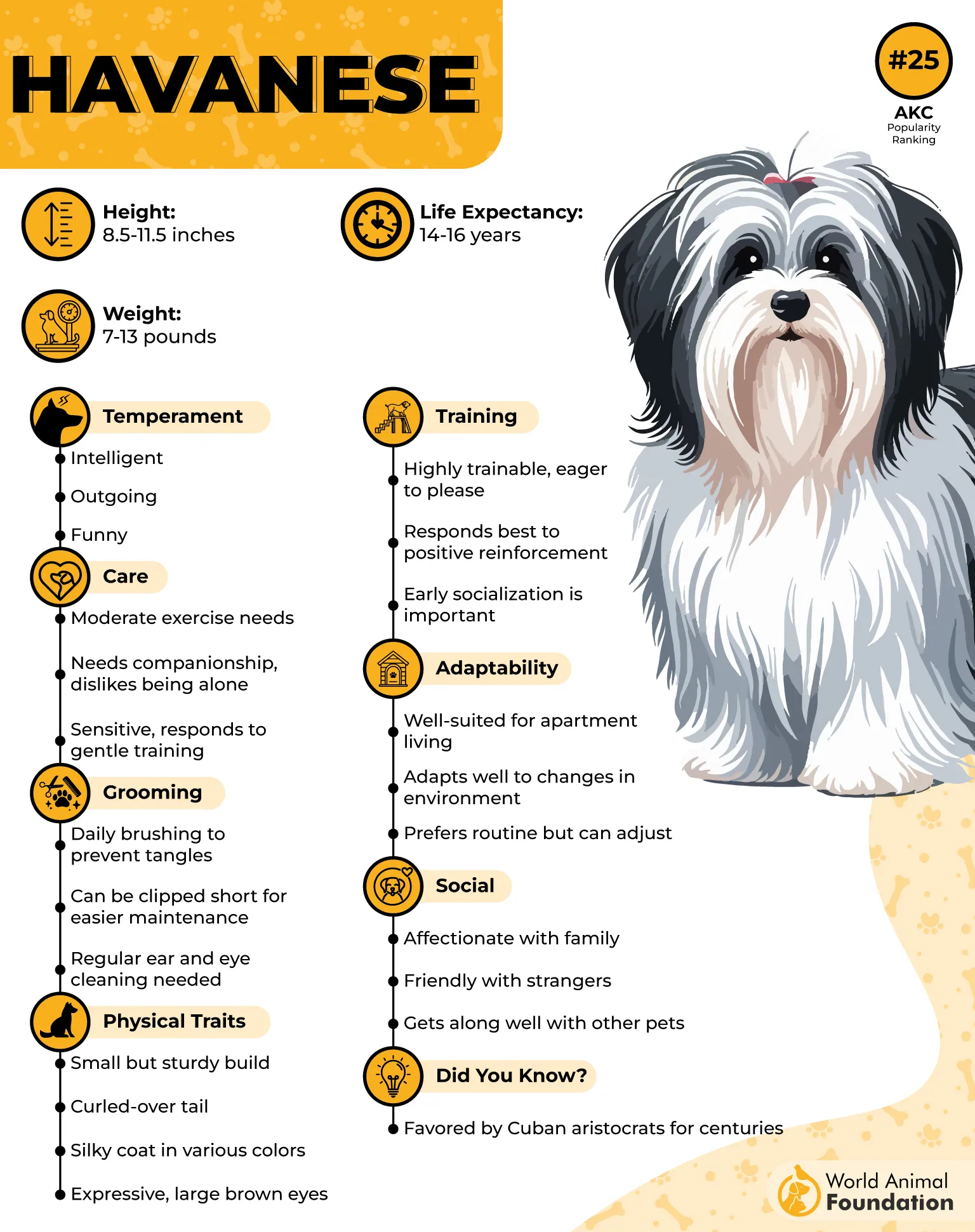
Coat care is a real commitment: they have a long, silky double coat that needs regular grooming, though some owners choose a shorter trim for easier upkeep. Health guidance commonly notes a long average lifespan and points out that, like all dogs, they can be predisposed to certain conditions.
In everyday routines, Havanese are often described as adaptable and able to do well in apartments or smaller homes. With daily attention, gentle exercise, and positive training, they’re frequently portrayed as versatile companions that fit a wide range of households.
Fun Fact
Many breed references describe the Havanese as a historic Cuban lap dog. Despite that “royal companion” background, they’re also known for having a lively, springy way of moving.
2. Papillon
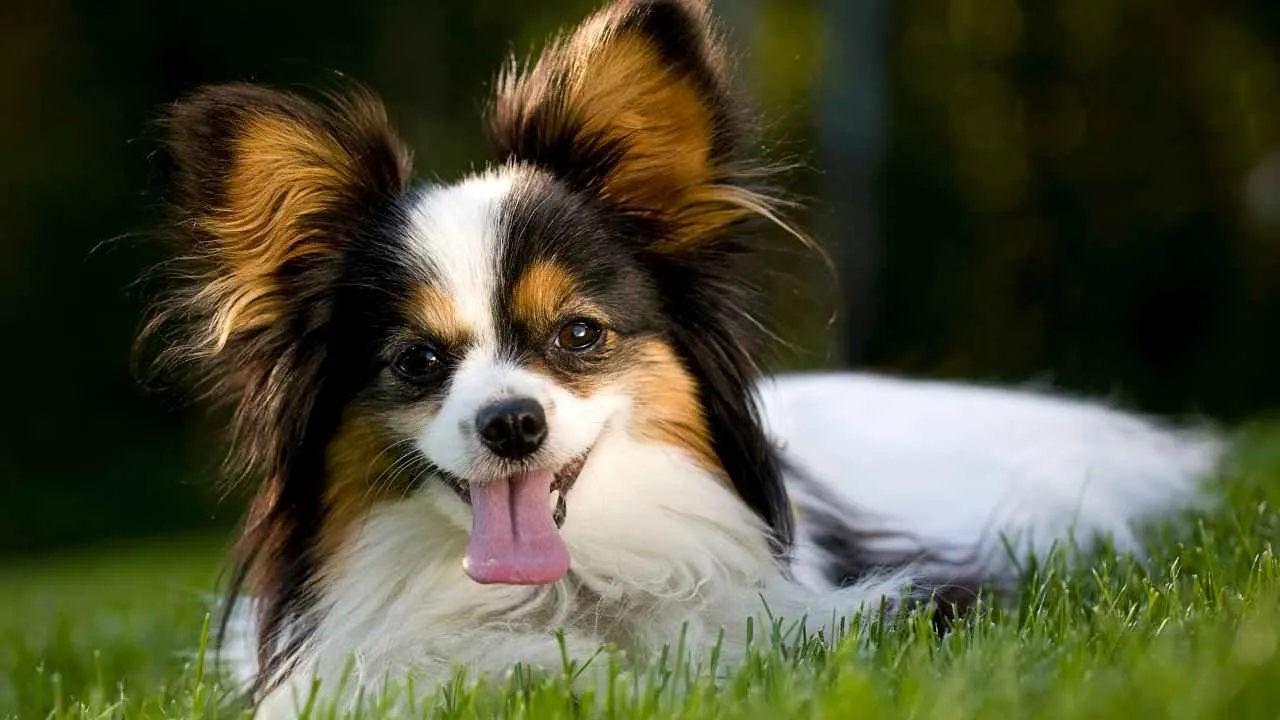
Papillons are a small toy breed with a light build and famously fringed ears, and their name means “butterfly” in French. Breed histories also note they were once known as the “dwarf spaniel,” with a drop-eared variety called the Phalene.
Temperament is mostly clever, sporty, and highly trainable in a compact size. They are recommended for owners who enjoy training, walks, and a bit of grooming, rather than those seeking a low-effort lap companion only.
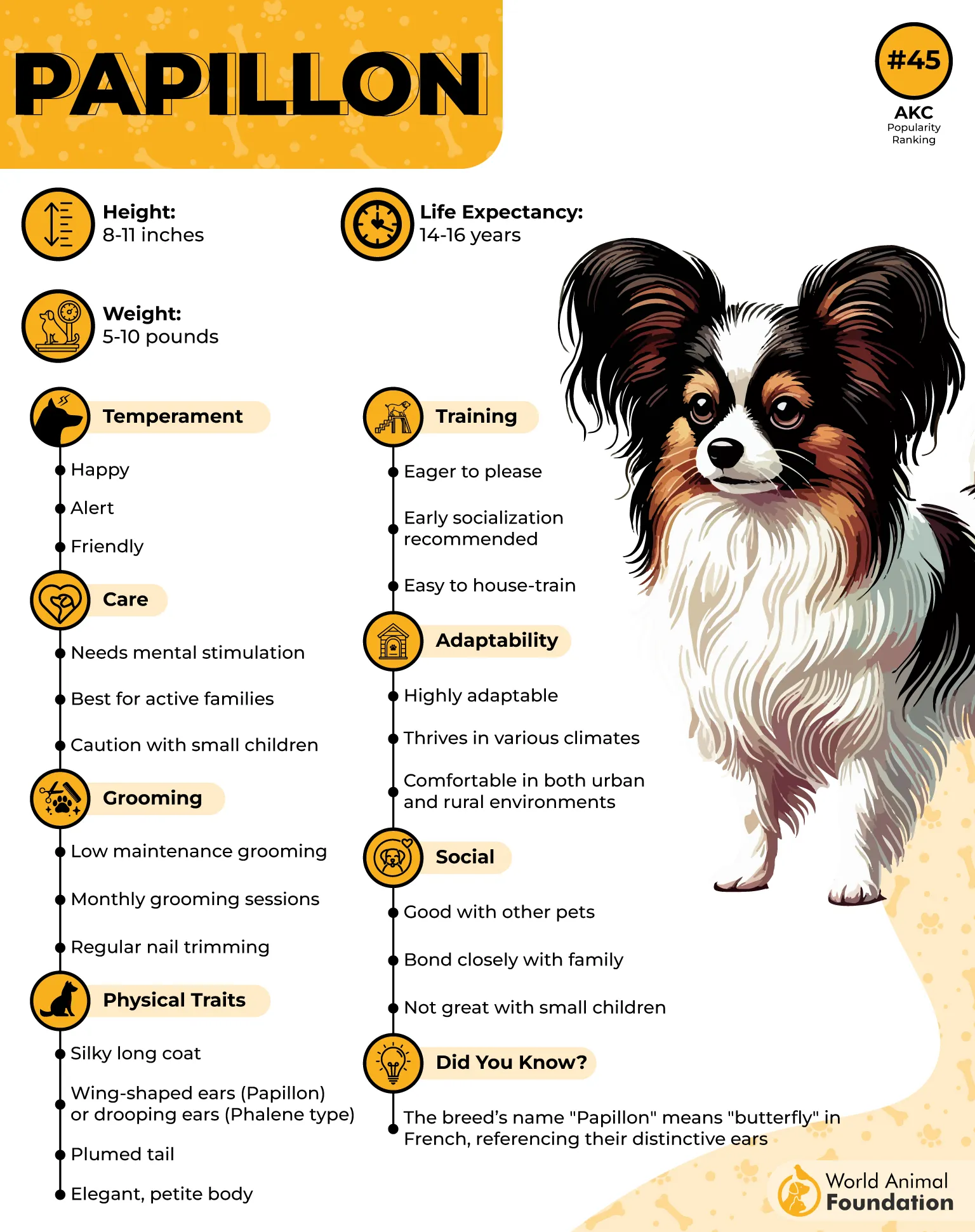
Exercise needs are commonly described as modest, around half an hour daily, though they can do more when offered. Because they are bright and alert, short training sessions can be a surprisingly effective way to tire them out, as noted by Purina.
Their appearance is refined and fine-boned, and breed standards emphasize an elegant, dainty style of movement. They can suit homes with sensible older children, largely because their small size benefits from respectful handling.
Fun Fact
Breed history sources note that Marie Antoinette was an admirer of Papillons. They also mention the breed rose to fame in Spain before becoming fashionable across Europe.
3. Yorkshire Terrier
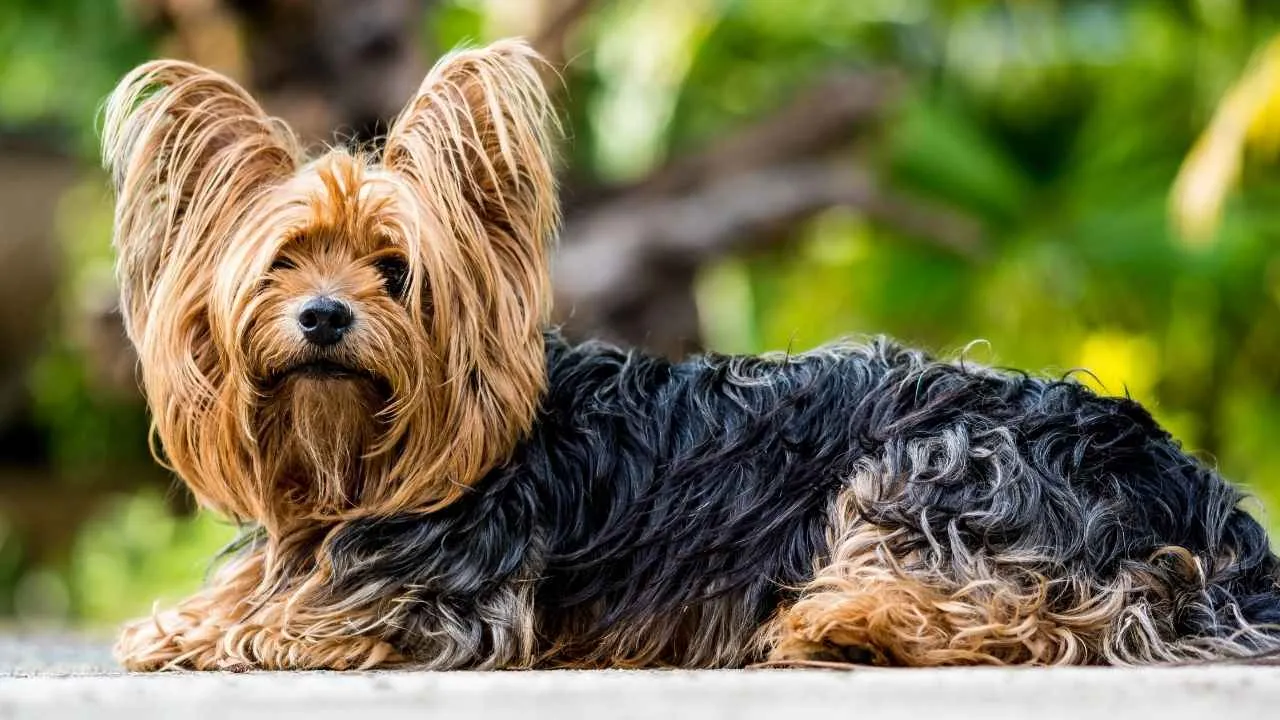
Yorkshire Terriers are a toy-sized breed often described as lively, affectionate, and full of confidence. Many guides emphasize their glamorous long coat, which is a big part of their signature look.
Their small size makes them easy to carry and house, but it does not mean they are low-maintenance. Regular grooming is typically part of Yorkie life, especially if the coat is kept long rather than trimmed shorter for convenience.
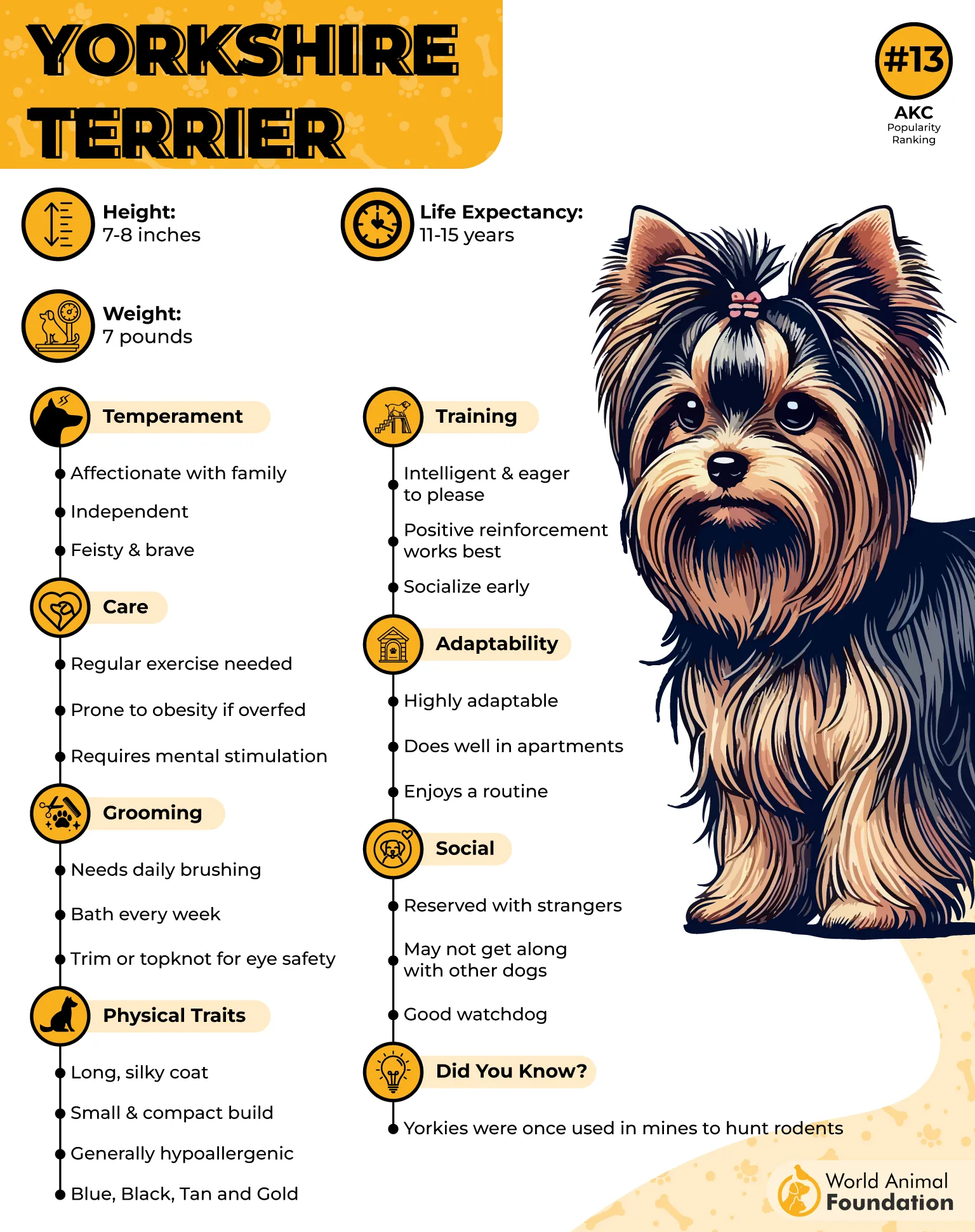
Personality write-ups frequently describe a bold, curious dog who likes to be involved and can be surprisingly vocal. Because of that confident streak, early training with clear boundaries is often recommended to keep manners sharp.
Health and care resources commonly discuss the importance of responsible ownership and planning for veterinary needs. Many owner guides encourage learning about breed tendencies and being proactive, particularly with small dogs that can be more delicate.
Fun Fact
Yorkshire Terriers are among the most popular toy breeds in many rankings over the years. Their enduring appeal comes from pairing a tiny frame with a noticeably big personality.
4. Toy Poodle
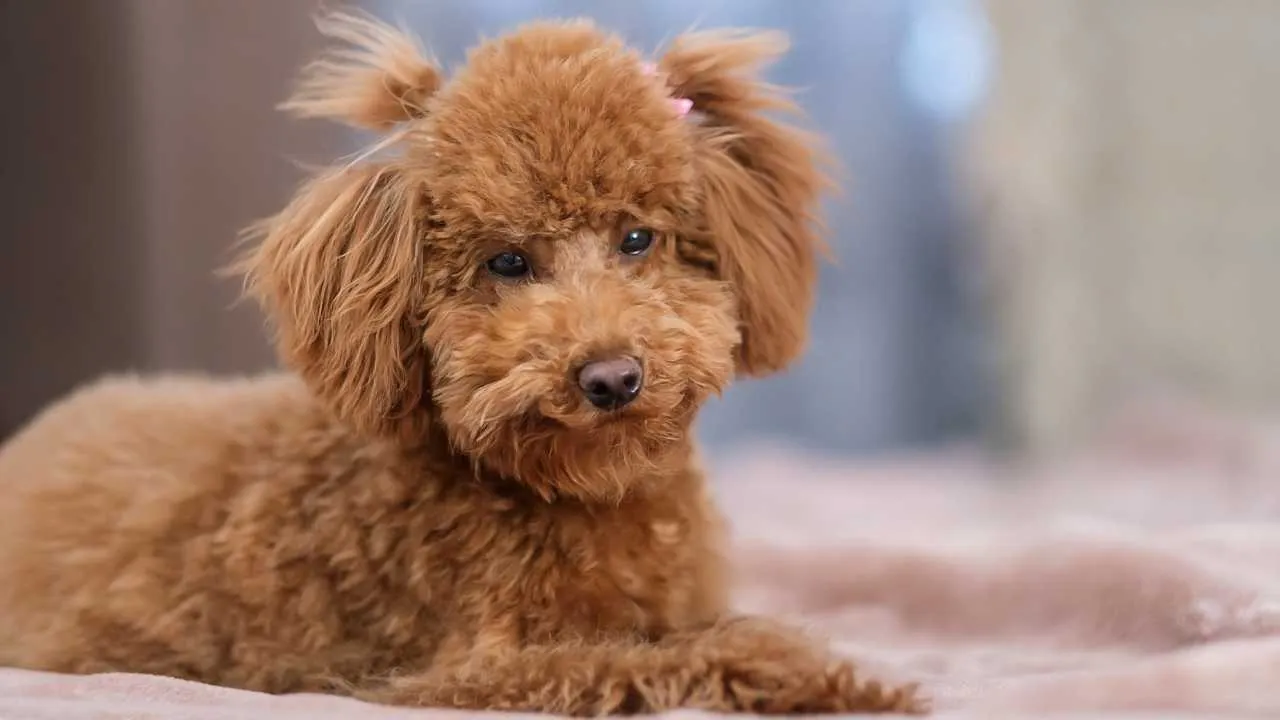
Toy Poodles are the smallest Poodle size and are widely described as exceptionally intelligent and eager to please. Some breed histories note that Poodles were originally developed for hunting waterfowl, even though Toy Poodles today are often happiest as close companions.
According to PetMD, their coat is curly and requires regular grooming, which is a major part of responsible care. Many owners lean on routine brushing and professional trims to keep the coat comfortable and manageable.
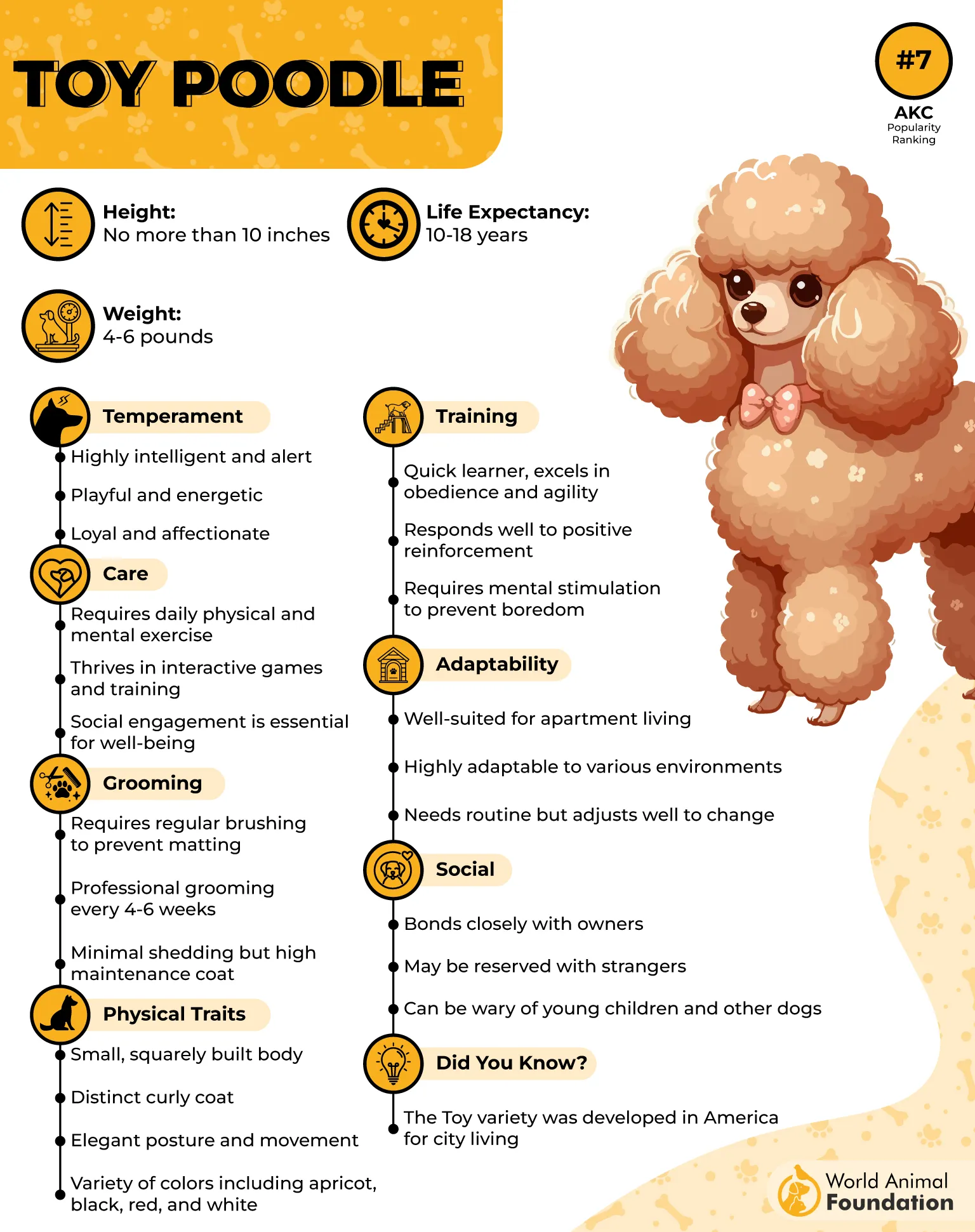
Training is often a highlight with this breed because they tend to learn quickly and enjoy structured interaction. Because they are small dogs, feeding routines and dental care are commonly emphasized, including guidance to consult a veterinarian on diet choices.
Toy Poodles can be active and athletic despite their size, and many thrive with daily play plus short walks. When you combine exercise with brain games, they often settle nicely and stay engaged without becoming frantic.
Fun Fact
Some sources note the Toy Poodle’s coat can cord if left to grow naturally. They are also frequently praised for strong swimming ability, which surprises people who only picture them as lap-sized companions.
5. Shih Tzu
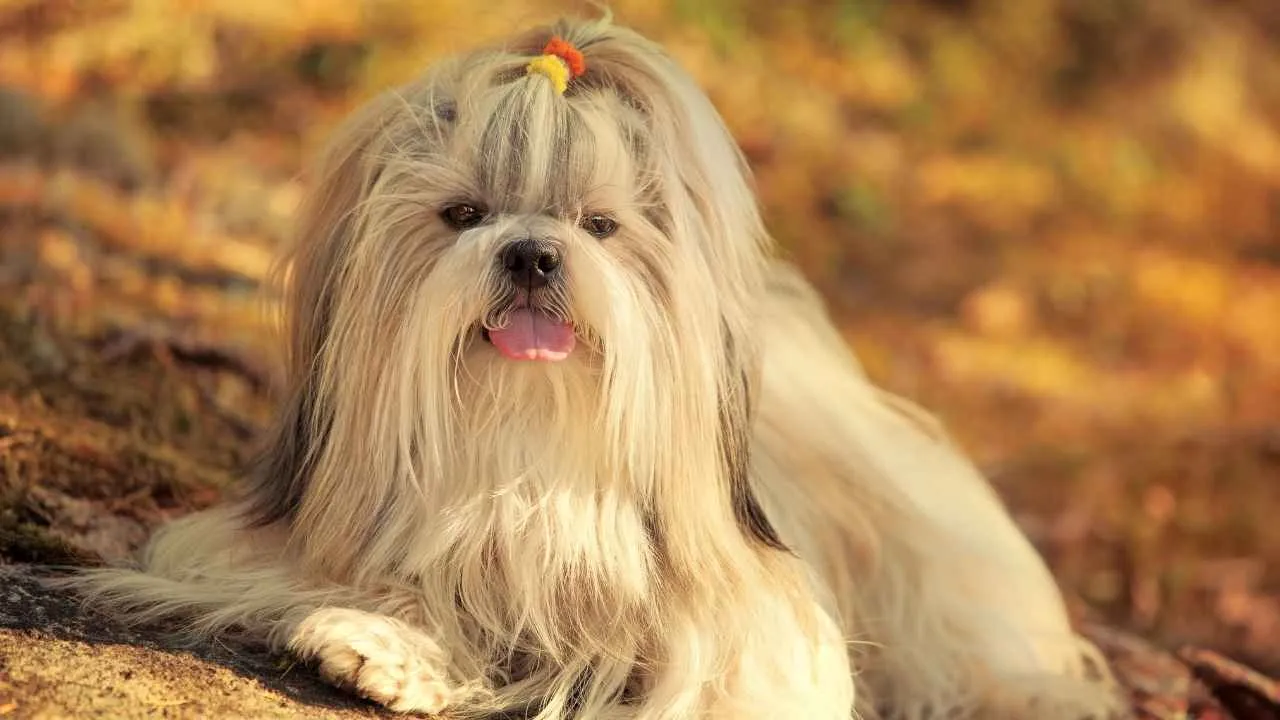
The Shih Tzu is a small companion breed with deep roots in imperial China, often described as affectionate and people-focused. Many profiles highlight their friendly nature and their comfort with being close to humans throughout the day.
Their coat is a major feature, and grooming is a real part of ownership, especially if you keep it long. Regular brushing and routine eye and facial cleaning are commonly recommended because of their facial structure and hair around the eyes.
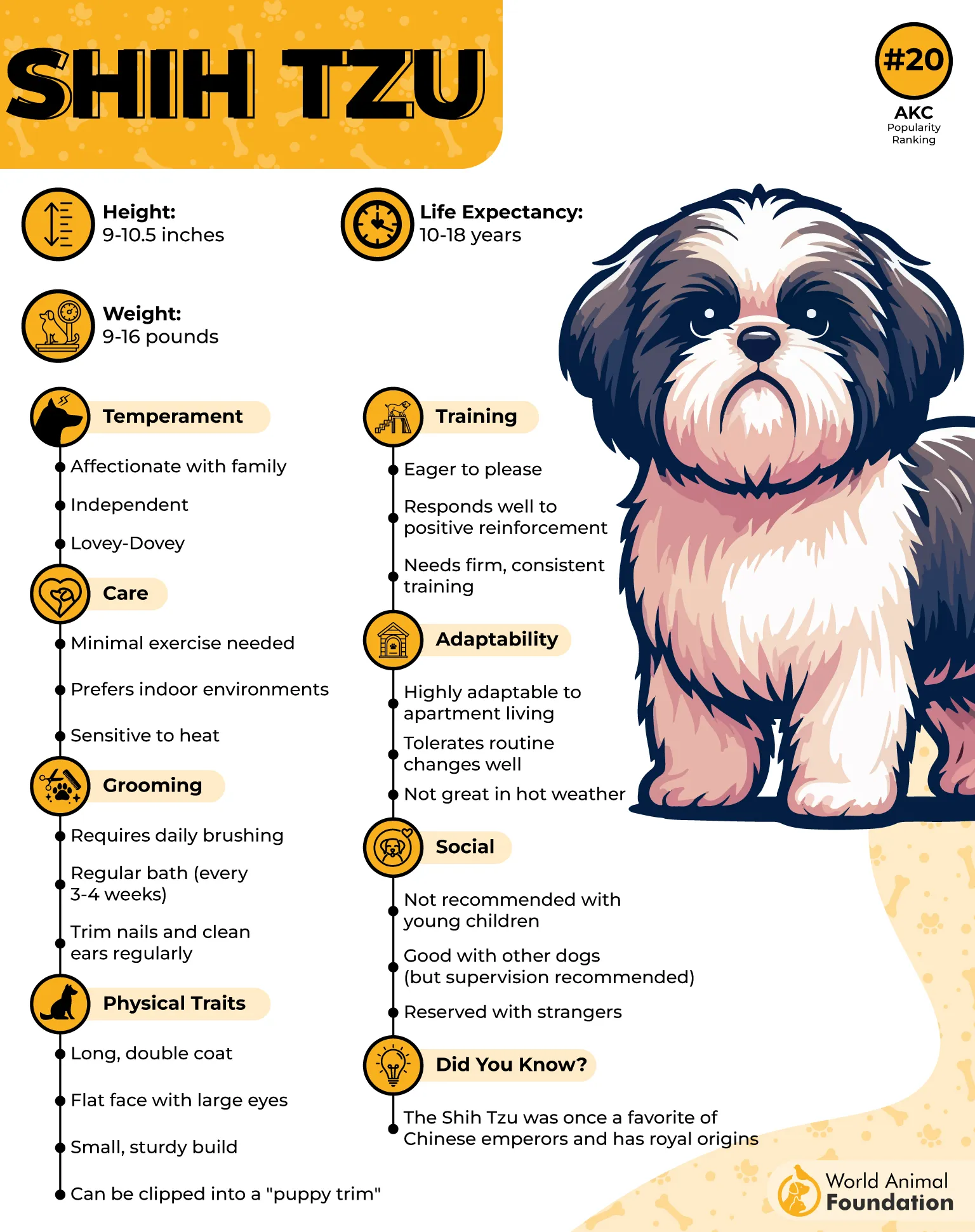
Shih Tzus are usually happy with moderate activity rather than intense workouts, which suits a busy routine. Short walks and playful indoor sessions can meet their needs while keeping them relaxed at home.
Training works best with patience and positive reinforcement, since they can be charmingly independent. With steady practice, they often learn polite habits that make daily routines smoother and more enjoyable.
Fun Fact
The name “Shih Tzu” is commonly translated as “lion dog.” The breed’s traditional styling was meant to resemble a lion in Chinese art.
6. Brussels Griffon
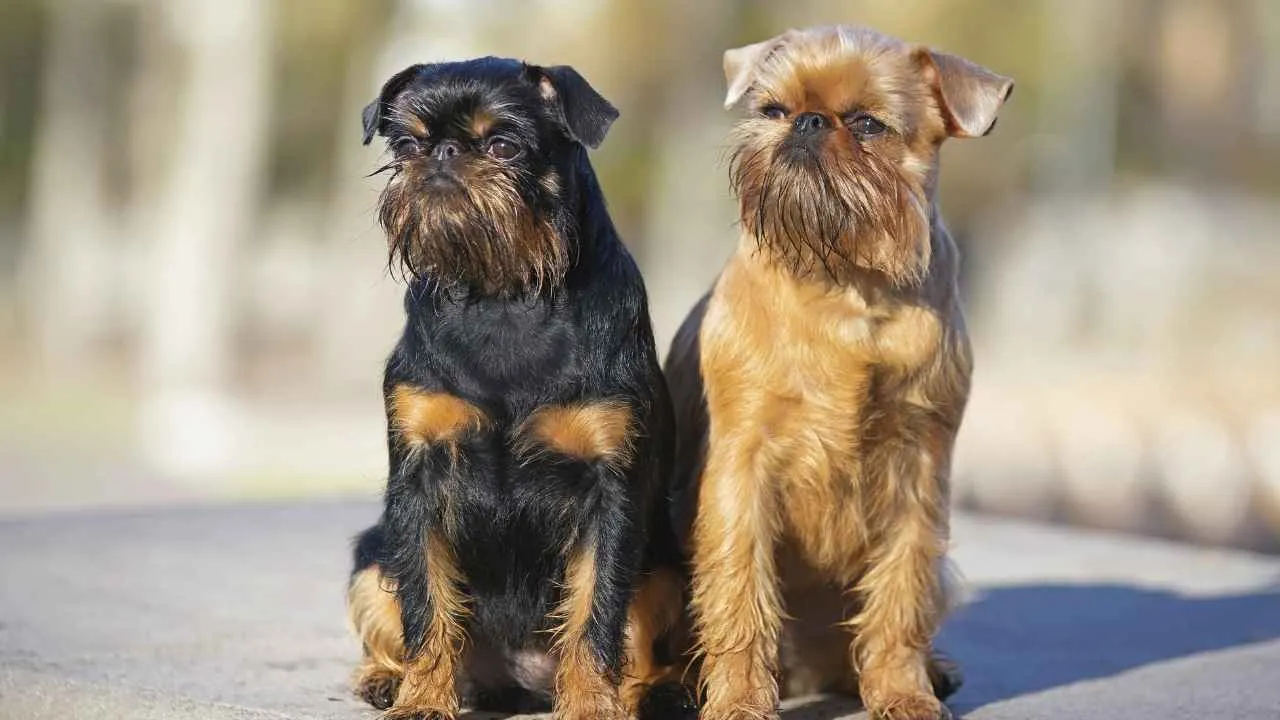
Brussels Griffons are tiny dogs with a big personality and a famously expressive face. They’re often described as highly attached to their people, which can make them feel like a little shadow in the home.
Because they’re clever and alert, they respond well to short sessions that train dogs through rewards and repetition. This approach also reduces frustration behaviors that can pop up when a bright dog is under-challenged.
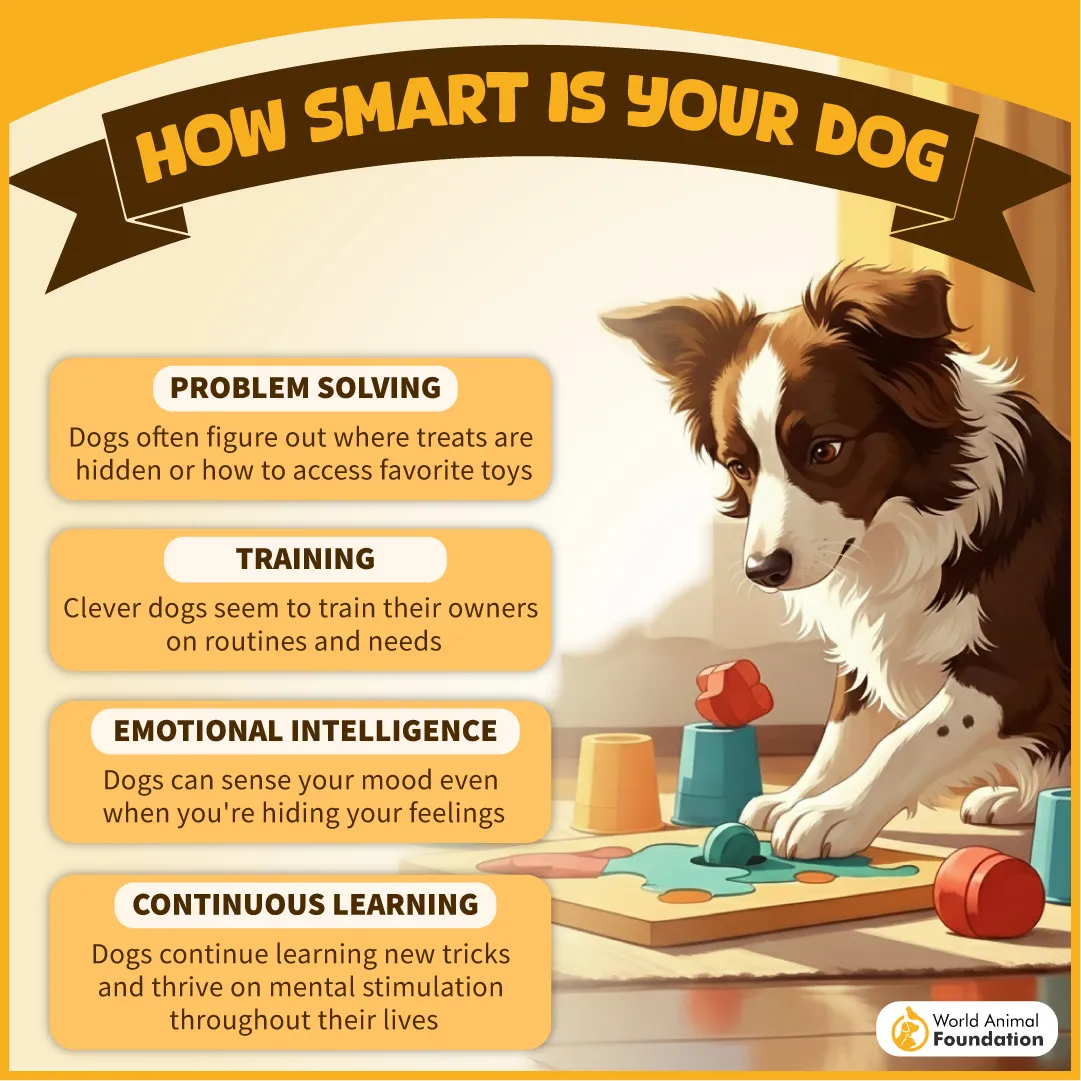
In a city environment, their compact size and indoor-friendly energy can be convenient, but they still need structure. Adding mental stimulation through simple tricks and puzzle play keeps their brains busy without needing huge spaces.
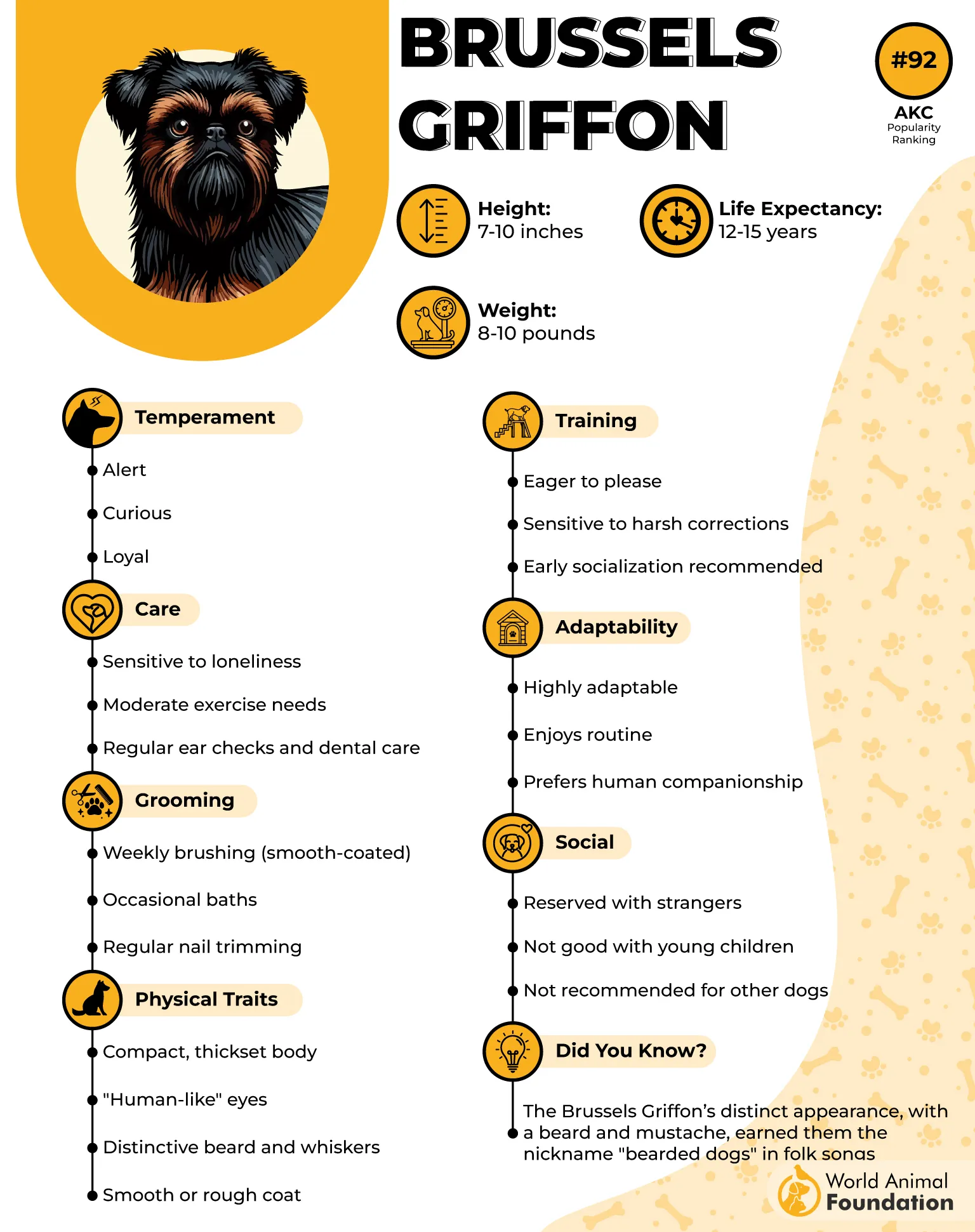
They can be sensitive, so routines and calm handling matter, especially when meeting strangers. When properly socialized, many settle into confident, entertaining companions.
Fun Fact
Brussels Griffons became widely recognizable to the public after appearing in popular movies. Their “human-like” expression is one reason they’re so memorable.
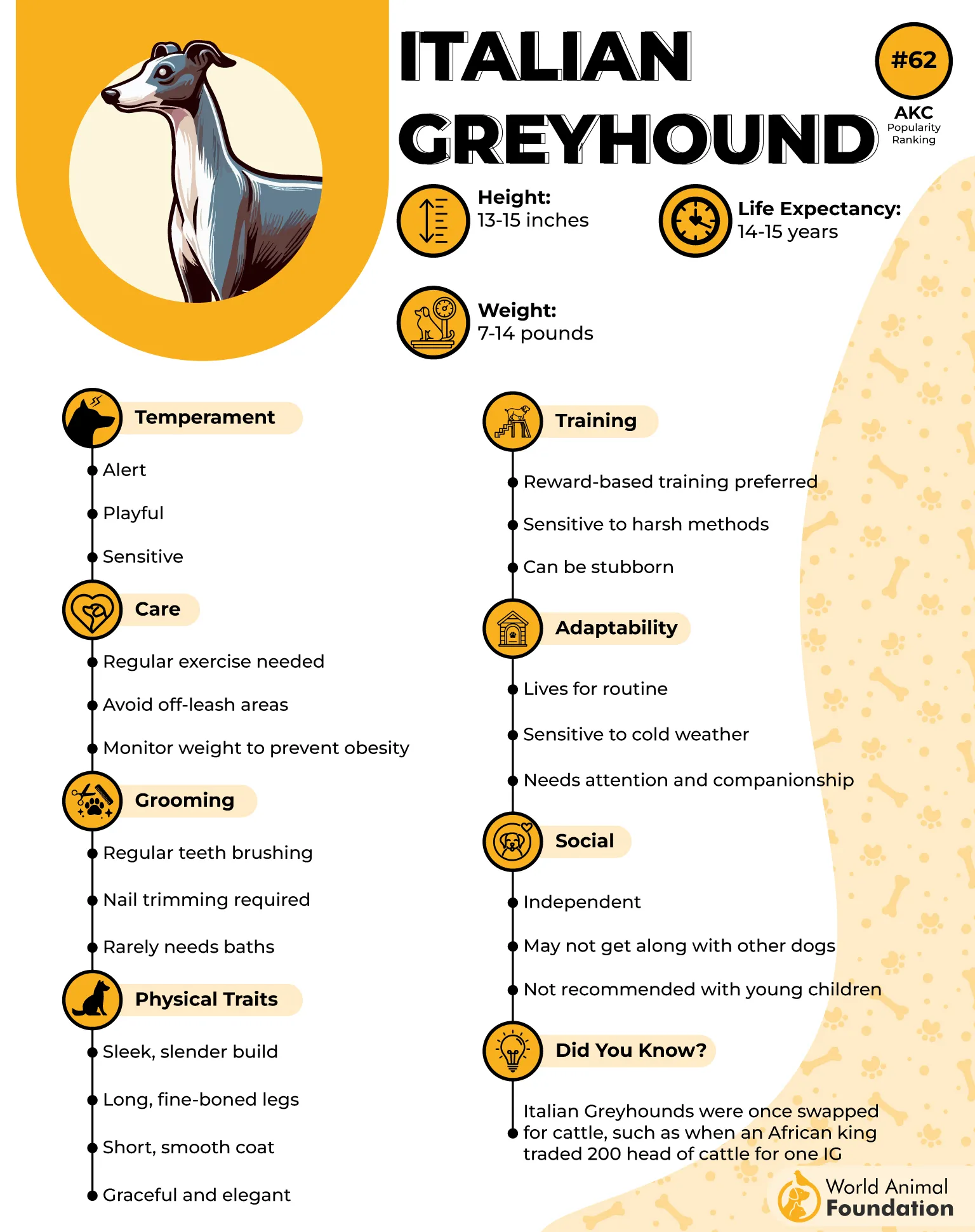
7. Italian Greyhound
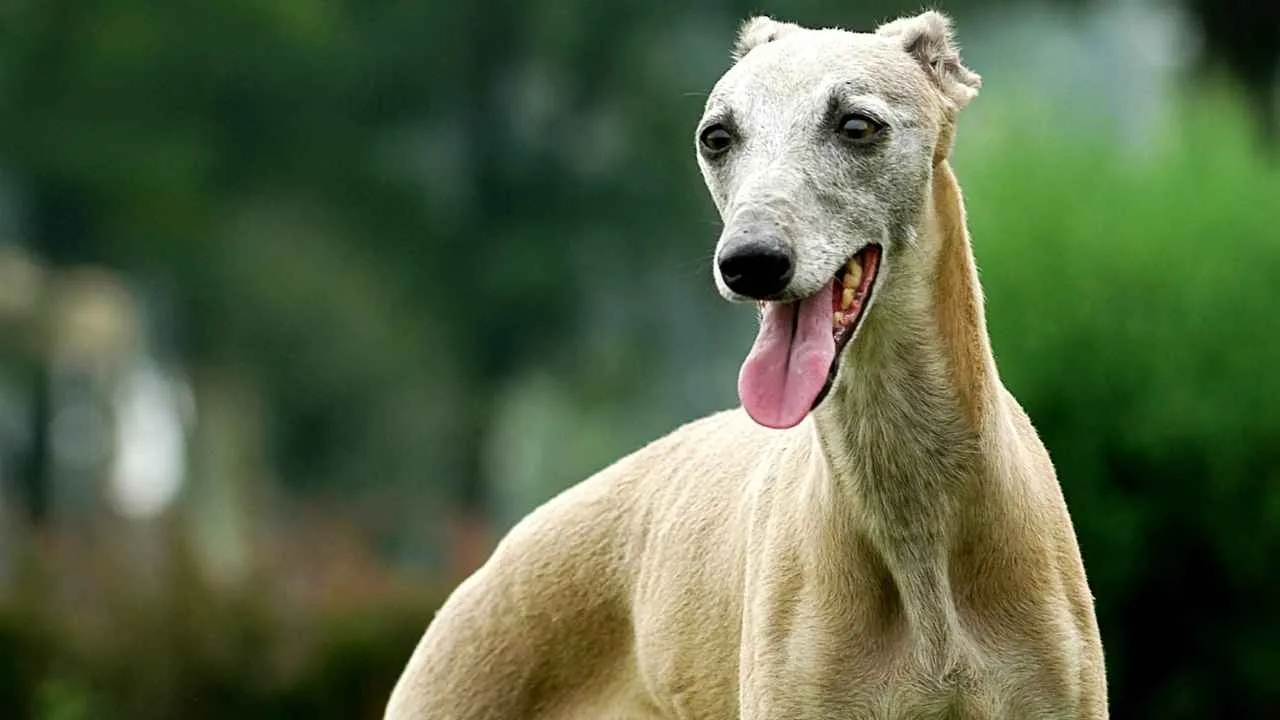
The Italian Greyhound is a slim, graceful sighthound known for speed and a strong love of comfort. Many breed guides describe them as affectionate and happiest when they can curl up somewhere warm near their person.
Their exercise needs are often moderate, with quick bursts of running followed by long stretches of lounging, which can suit city living. Because of their thin coat, they’re commonly described as sensitive to cold and may need extra warmth outdoors.
Training can be gentle and steady, but house-training may require patience, especially with a young puppy. Their delicate frame also means safe footing and careful play are important in busy homes.
They can do well with other dogs when introductions are thoughtful and supervised. For the right lifestyle, they can be a great fit for people who want a quiet, elegant companion.
Fun Fact
Italian Greyhounds have been cherished as companion dogs for centuries and are often associated with European nobility. Their look shows up in historical art far more often than most breeds.
Conclusion
City success often comes down to an intelligent dog breed with solid obedience, realistic energy levels, and the dog’s ability to focus despite noise, crowds, and small animals. In an urban environment, consistent training, mental challenges, and daily physical activity help prevent destructive behaviors, especially for dogs living in smaller spaces with cats, kids, and other animals. Smart planning also means understanding genetic predispositions and keeping up with veterinary care, since even the most popular breeds vary a lot between individual dogs.
For many dog owners, the best fits are friendly family dogs, while larger dogs and some guard dogs may suit experienced dog owners only who enjoy dog sports or structured work. Other dog breeds such as Golden Retriever, Labrador Retriever, and Cavalier King Charles Spaniels are also popular options to adopt for city life.
