




Birds that are great at hunting and foraging are some of nature’s most impressive problem-solvers. These skilled flyers and ground-scouts thrive because they’ve evolved sharp senses, powerful bodies, and clever techniques that help them find food in almost any environment.
Some can spot a moving animal from more than a mile away, while others can detect hidden prey using only sound—an authentic fact that shows just how advanced their abilities really are.
What makes these birds even more fascinating is their versatility. Many are fierce aerial hunters, but they’re just as talented at foraging on the ground, along riverbanks, or deep within forests.
Whether they’re snatching fish so cleanly the water barely stirs or picking through leaves for insects with surgical precision, their skills are nothing short of remarkable.
In this article, we’ll explore the extraordinary world of bird species that excel at both hunting and foraging—animals whose natural talents prove that survival isn’t just about strength, but also strategy, adaptability, and some seriously impressive instincts.
Key Takeaways
Dive into the peregrine falcon’s lightning-fast dives and the barn owl’s silent night hunts.
See how red-tailed hawks and bald eagles rule both cities and wild lands with clever tactics.
Meet the powerful harpy eagle and the ghostly snowy owl—true masters of stealth.
Discover why ospreys and golden eagles are top hunters with unmatched skill and strength.
Birds That Are Great at Hunting and Foraging
1. Peregrine Falcon
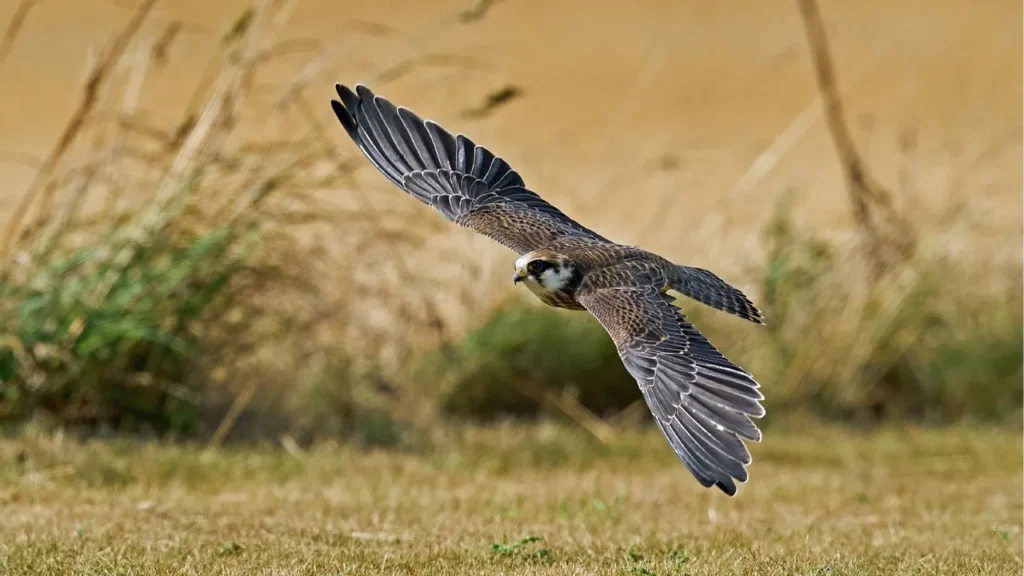
The Peregrine Falcon is known as the fastest animal on Earth and is a true icon of hunting mastery, according to Britannica. Found almost everywhere except Antarctica, this raptor is admired for both speed and precision.
Its sharp eyesight and agile flight make it one of the most skilled aerial predators. Many cultures consider it a symbol of power and bravery.
How It Hunts:
Peregrines soar high and watch for birds below. Once a target is chosen, they fold their wings and dive in a powerful stoop that can knock prey out of the sky.
Their nostril structure helps them handle the intense air pressure during these dives. They strike with incredible force, making escape nearly impossible.
What Makes Them Exceptional:
They are bold hunters and will even ambush other raptors when defending their nests. After nearly disappearing due to pesticides, they made a remarkable recovery.
Their mix of speed, accuracy, and adaptability places them among the world’s greatest hunting birds. Their comeback story shows just how resilient these falcons can be.
2. Red-Tailed Hawk

The Red-Tailed Hawk is one of North America’s most familiar raptors and a common sight across fields, forests, and even cities. Its reddish tail and loud, ringing scream make it easy to recognize.
These hawks are highly adaptable and thrive in almost any landscape. Their presence often signals a healthy ecosystem.
How It Hunts:
This hawk relies on patience and sharp vision. It perches on poles or trees and watches for movement from rodents, rabbits, or snakes. When ready, it launches into a smooth glide and uses its broad wings to control every turn. This calm, steady style makes it a highly efficient hunter.
Why They Stand Out:
Red-Tailed Hawks live almost anywhere, giving them a major advantage as hunters. Though they mainly eat small mammals, they occasionally target chickens—earning the nickname “chickenhawk.”
Their versatility, confidence, and soaring abilities make them one of the most successful and recognizable birds of prey.
3. Barn Owl
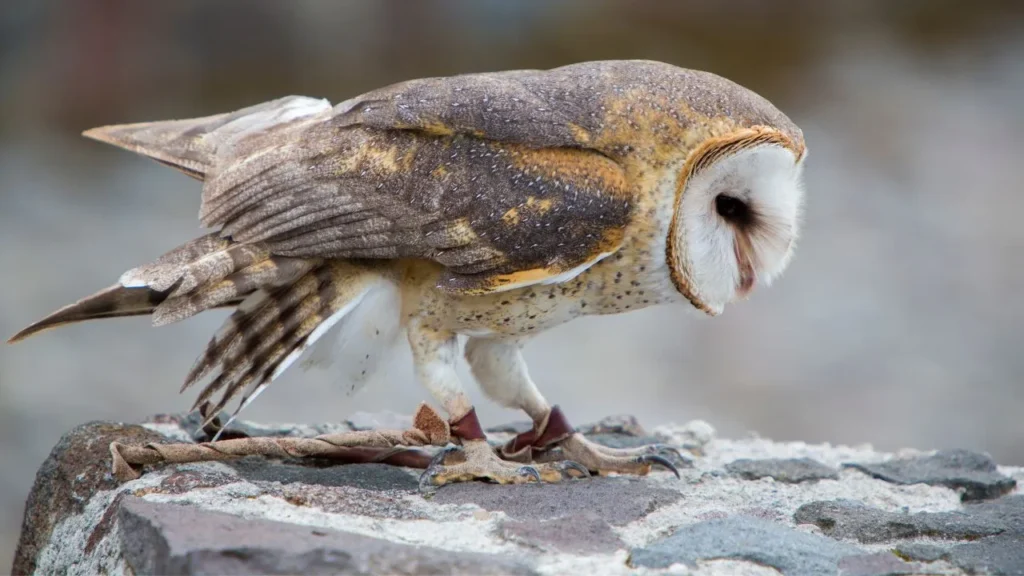
The Barn Owl is known worldwide for its ghost-like appearance and pale heart-shaped face. It often becomes a symbol of quiet nights and open farmlands. Found on nearly every continent, it prefers dark, calm places to rest during the day. Its eerie but beautiful presence has fascinated people for centuries.
How It Hunts:
Barn Owls are experts in silent flight, thanks to soft feathers that reduce sound. They glide over fields and listen for even the faintest noises from hidden rodents. Their facial disc channels sound directly to their ears, helping them pinpoint prey in complete darkness. Their strikes are fast and accurate.
Why They Stand Out:
Their silence, precision, and incredible hearing make them unmatched nighttime hunters. They manage to find prey that others can’t detect at all.
With haunting calls and graceful flight, Barn Owls remain top examples of effective nocturnal foraging. Their unique hunting skills help farmers by naturally controlling rodent populations.
4. Bald Eagle
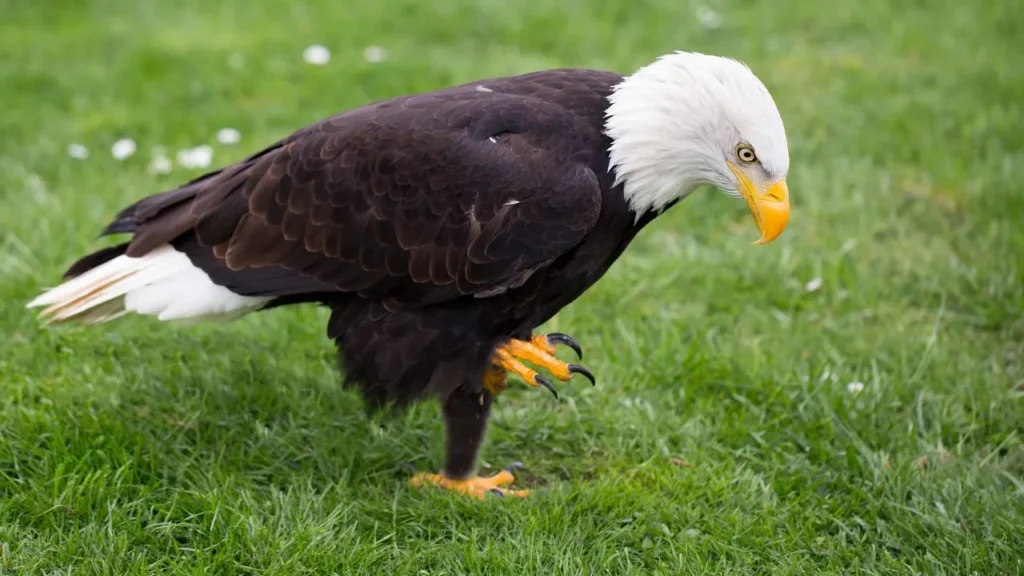
The Bald Eagle is one of the most iconic birds in North America and is known worldwide as a symbol of strength. With its sharp gaze and impressive wings, it commands attention wherever it appears.
Although powerful, it is also a smart and opportunistic forager. Its presence alone often dominates a landscape.
How It Hunts:
Bald Eagles are superb fishers and swoop down with speed to catch fish using their strong talons. Their vision is incredibly sharp, allowing them to spot prey from great distances.
They also steal food from other birds by chasing them until they drop their catch. This mix of strategy and skill makes them very effective hunters.
Why They Stand Out:
Their blend of power and intelligence helps them thrive. They are fierce when hunting, yet willing to scavenge when it’s easy. Bald Eagles often gather near salmon runs where food is plentiful. Their adaptability and strong survival instincts keep them at the top of the food chain.
5. Great Horned Owl
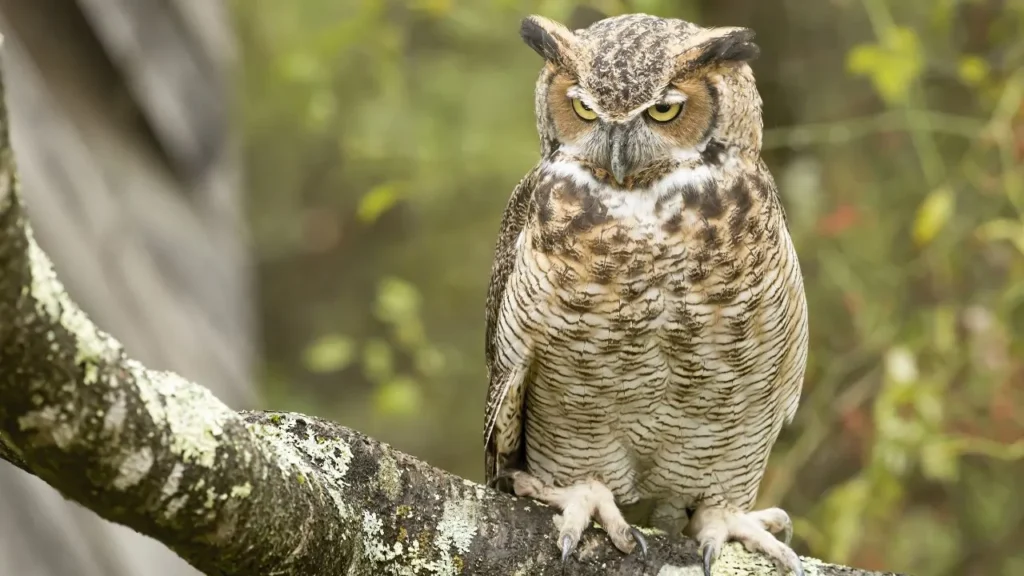
The Great Horned Owl is one of the most widespread owls across the Americas. With fierce yellow eyes and prominent feather tufts, it has a classic storybook look. It thrives in forests, deserts, and even suburban neighborhoods. Its deep hooting call is often heard echoing at night.
How It Hunts:
These owls are powerful nighttime predators. They use excellent vision and sharp hearing to locate animals in darkness.
Their mighty grip can take down animals larger than themselves, and they fly silently through the night while searching for prey. Their stealth makes them incredibly effective hunters.
Why They Stand Out:
Often called the “tiger of the sky,” as mentioned by Bird on the Hand, they prey on rabbits, skunks, snakes, and many other animals. They nest earlier than most birds, sometimes during winter. Their strength, silent flight, and bold hunting style make them one of the most impressive foragers in the wild.
6. Osprey
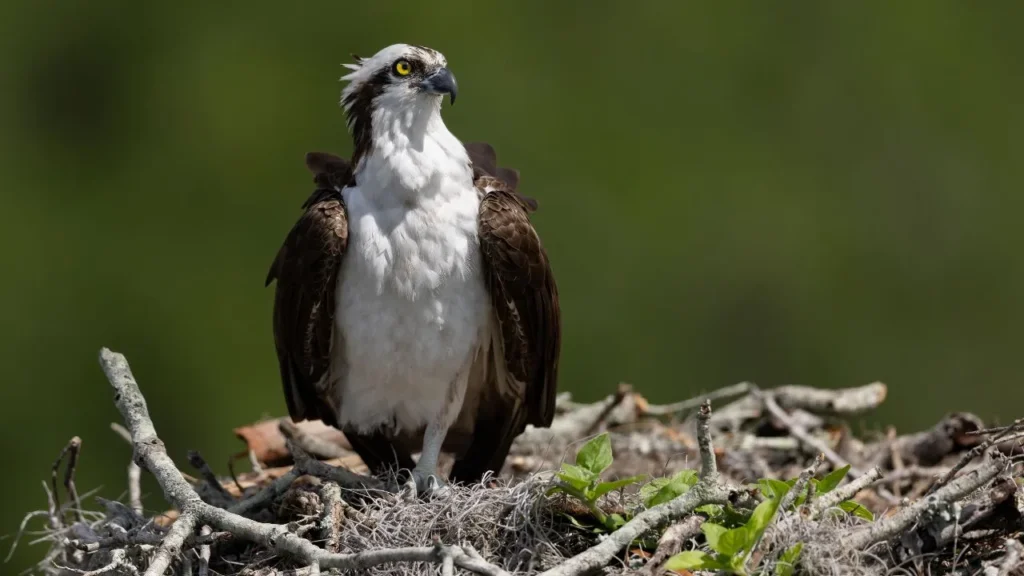
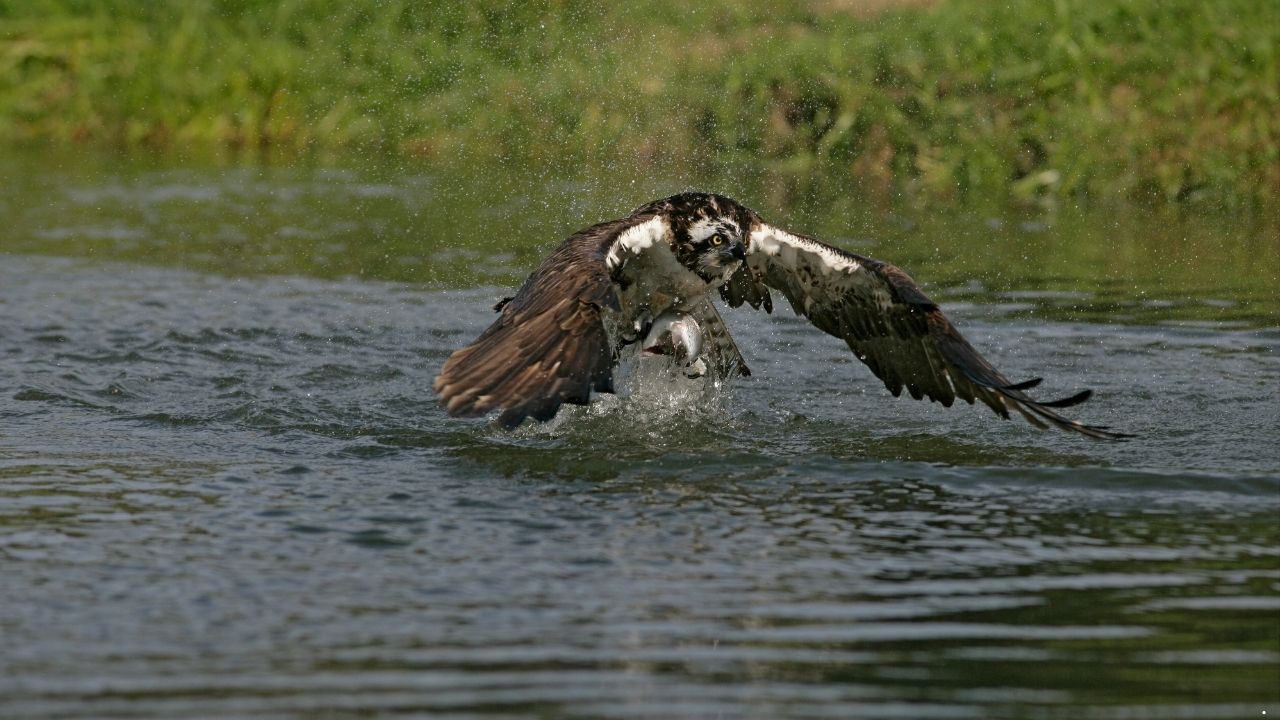
The Osprey is one of the most specialized fish hunters on the planet. Found near lakes, rivers, and coasts worldwide, it depends almost entirely on fish. This bird’s unique body structure reflects its watery lifestyle and makes it stand out among raptors.
How It Hunts:
Ospreys hover above the water and scan for fish using polarized vision that cuts through glare. When they spot one, they dive feet-first, sometimes plunging completely underwater before rising with their catch. Their timing and accuracy are incredible to watch.
Why They Stand Out:
Their reversible outer toes and tiny spicules help them grip slippery fish. They also close their nostrils during dives and carry fish headfirst to reduce drag while flying. These clever adaptations make Ospreys some of the most efficient and skilled fishing birds in the world.
7. Harpy Eagle
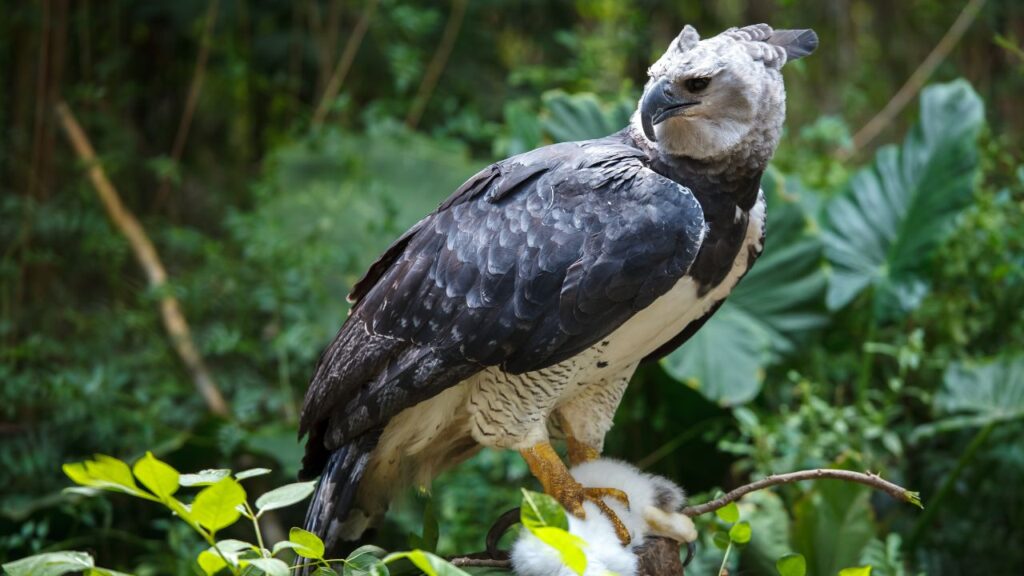
The Harpy Eagle is one of the most powerful birds of prey in the world. It lives deep in the rainforests of Central and South America and rules the treetops with unmatched strength. Its massive talons and striking appearance make it a truly imposing raptor.
How It Hunts:
Harpy Eagles perch quietly and wait for animals like monkeys or sloths to move within reach. They launch through thick foliage with speed and grab prey with bone-crushing talons. Their stealth and explosive power allow them to hunt in dense jungle conditions that many birds cannot handle.
Why They Stand Out:
Often called “royal hawks,” as per One Earth, they rely on silence and precision. Sadly, habitat loss threatens their populations in many regions.
Even so, their skill, strength, and dominance make them one of the most impressive rainforest predators. Their hunting style shows how perfectly adapted they are to their environment.
8. Golden Eagle
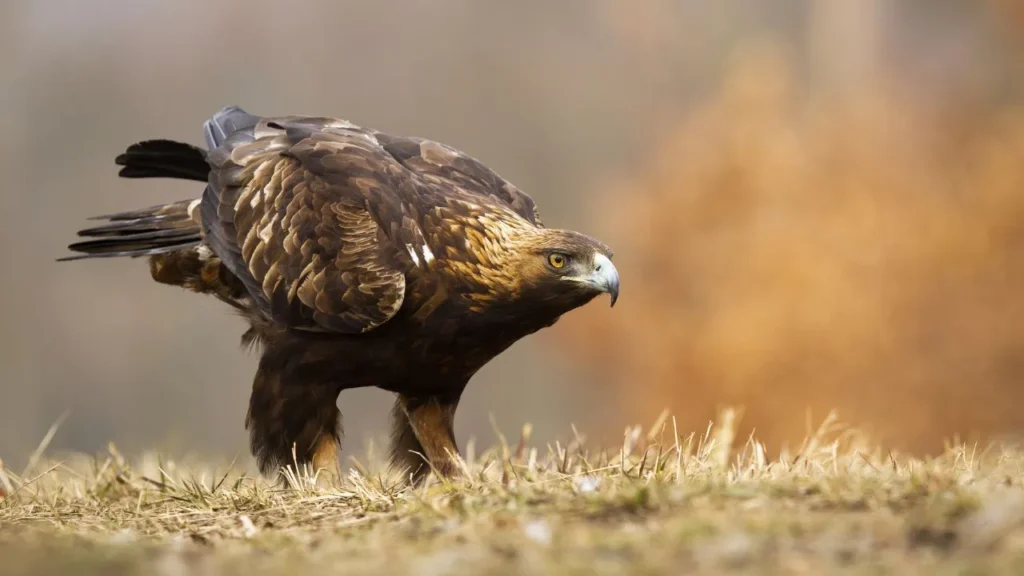
The Golden Eagle is admired worldwide for its power and graceful flight. Recognized by its golden feathers, it is one of the most respected birds across the Northern Hemisphere. It thrives in open mountains, cliffs, and wide landscapes. Its hunting strength has inspired cultures for generations.
How It Hunts:
Golden Eagles soar high and watch for mammals like marmots, rabbits, or young deer. When a target is spotted, they dive with impressive speed. Their strong talons help them secure prey quickly. They sometimes take on animals larger than themselves using strategy and sheer force.
Why They Stand Out:
They combine agility, strength, and intelligence, making them one of the most successful raptors alive. Their ability to adapt to different environments helps them survive almost anywhere. Watching a Golden Eagle hunt is a thrilling display of wild power.
9. Snowy Owl

The Snowy Owl is a striking bird of the Arctic tundra. Its white feathers blend perfectly into snowy landscapes, giving it outstanding camouflage. Unlike most owls, it often hunts during the day because of the endless Arctic summer light. Its yellow eyes and calm posture make it unforgettable.
How It Hunts:
Snowy Owls glide low over the snow and listen for rodents like lemmings under the surface. Their hearing and vision help them locate prey even in harsh conditions.
Once they spot movement, they swoop down quickly and catch it with precision. Their hunting method blends patience and sudden action.
Why They Stand Out:
They breed on the tundra, raising more young when food is plentiful. They fiercely protect their nests from predators. In some winters, they travel far south and amaze people with their ghost-like presence. Their survival skills make them true Arctic hunting specialists.
Conclusion
Many species of hunting and foraging birds—from smaller birds to large birds—thrive in open grasslands, forests, and coastal areas. With long pointed wings, strong legs, and sharp beaks, they feed on a wide diet that includes game, squirrels, reptiles, and other live prey.
Even medium-sized birds rely on clever self-defense to survive many predators, especially on moonless nights when danger is harder to detect. Their favorite food may differ across several species, but each bird has evolved unique ways to hunt, taste, and adapt in a world full of challenges.
These birds often travel alone or in a flock, and some shore birds and buzzards feed on carrion when hunting is scarce. It is believed that their survival strategies help maintain balance in nature, but human activity threatens many of them.
Conservation efforts now focus on protecting habitats and ensuring that both short- and long-lived species can continue to thrive. As long as we support these efforts, future generations will still witness the impressive hunting skills of these remarkable birds.
