




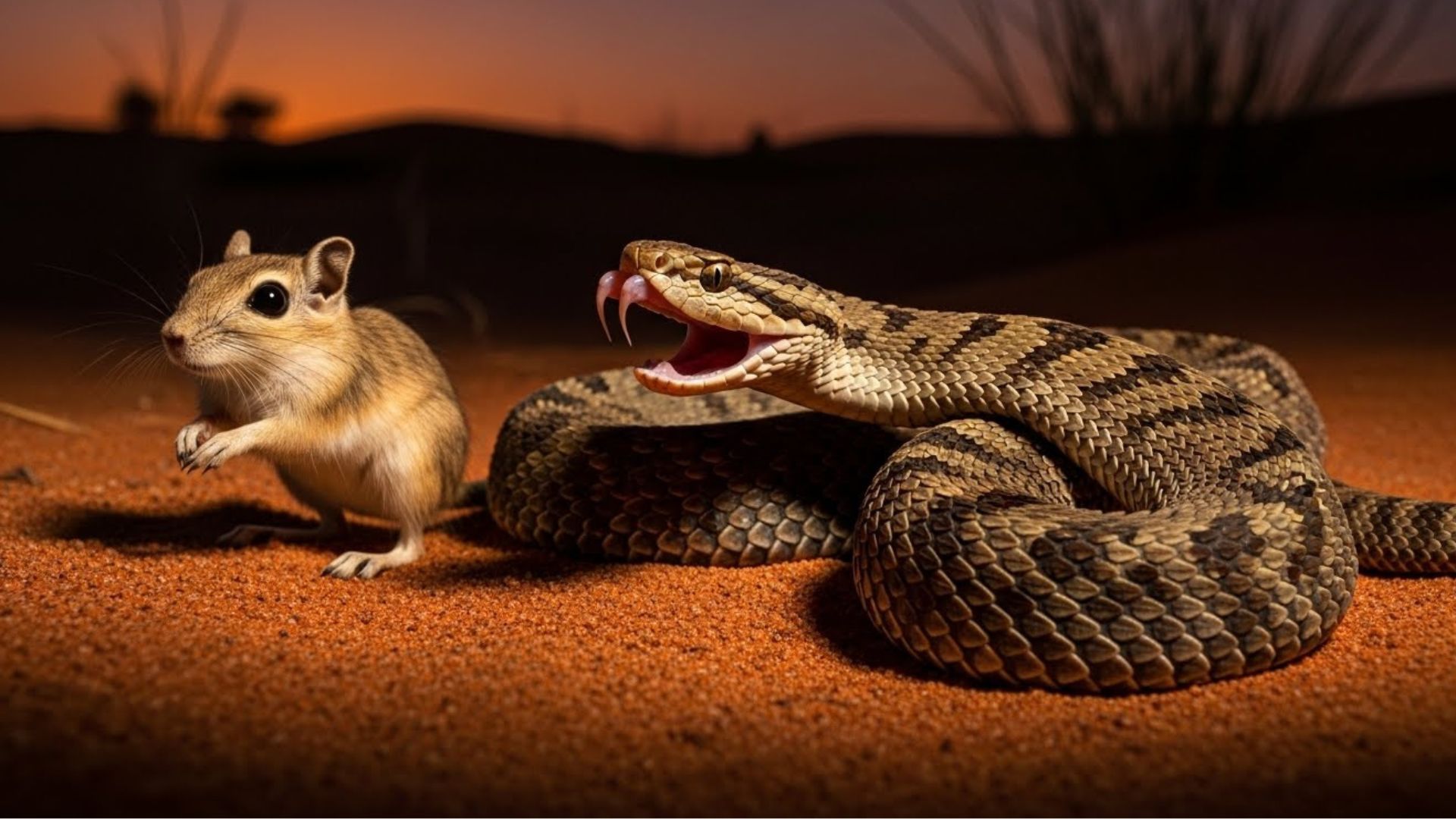
Not all snakes hunt the same way. While many rely on stealth and speed, others have evolved remarkably unique hunting techniques that make them some of nature’s most fascinating predators.
From ambush specialists to masters of deception, these snakes use intelligence, patience, and precision to secure their next meal. Some snakes lure prey with tail movements that mimic insects, while others strike with lightning speed from concealed positions.
Certain species track prey using heat-sensing pits, allowing them to hunt even in complete darkness. These techniques aren’t just impressive—they’re essential for survival in competitive environments where every meal counts.
We’ll explore snakes with the most unique hunting methods, revealing how evolution has shaped their behaviors and abilities. These snakes prove that survival isn’t just about strength—it’s about strategy, timing, and innovation.
Quick Insight: Not all snakes hunt the same way. Some use caudal luring to mimic prey with their tails, others rely on heat-sensing pits, and a few even ambush from trees—proving that snake hunting strategies are as diverse as their habitats.
7 Snakes That Have Unique Hunting Techniques
1. King Cobra
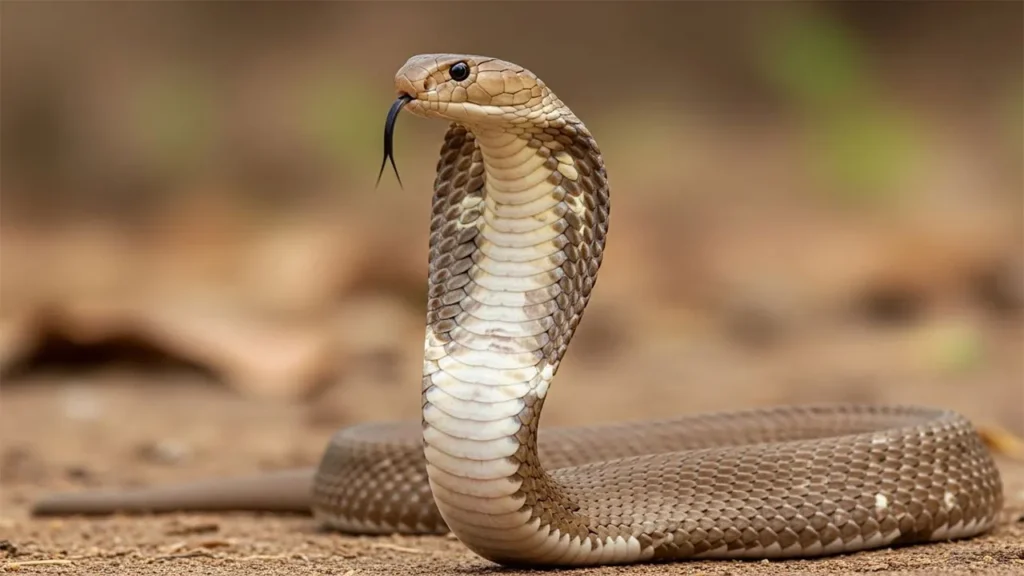
When you think of the King Cobra, “intimidating” probably comes to mind first—and rightly so! These serpents aren’t just long; they’re epically long, sometimes stretching up to 18 feet. But what really makes them stand out isn’t their size—it’s their hunting style.
Unlike your average “slither-and-strike” snake, the King Cobra is more like a tactician with a PhD in serpent warfare. Its favorite prey? Other snakes, including venomous ones. Imagine a predator that not only seeks out its kind but is brave enough to challenge them head-on. Talk about eating your feelings… literally.
The King Cobra hunts with patience and precision. It will track its prey using its forked tongue, taste-testing the air to figure out exactly where dinner is hiding. Once it’s ready, it strikes with lightning speed, injecting venom that’s so potent it can stop a full-grown elephant in its tracks—though thankfully, that’s not on the daily menu.
And here’s the bonus fun fact: King Cobras can “stand up” and look a human in the eye. So if you ever see one doing that, just remember—it’s not being rude, it’s just sizing you up as a potential participant in the food chain.
In short, King Cobras are the ultimate combination of brains, bravery, and a bite that could ruin your day. If snakes had LinkedIn profiles, this one would be titled: “Expert Predator | Snake Specialist | Fearless Leader.”
2. Green Tree Python
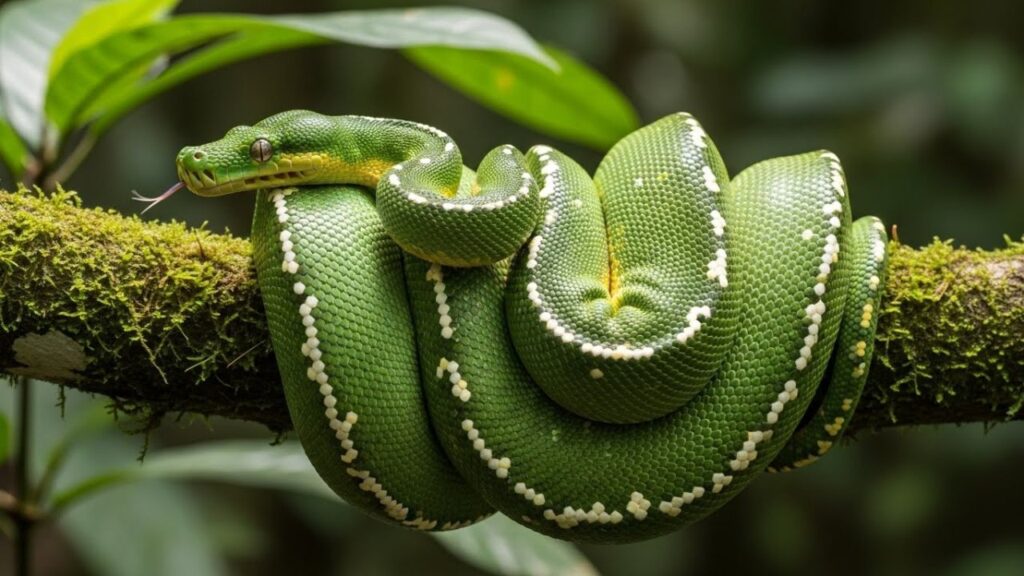
If the King Cobra is the tactician, the Green Tree Python is the ninja. This vibrant, emerald serpent isn’t interested in chasing down prey—it prefers to wait, blending seamlessly into the lush rainforest canopy like a leafy green scarf that just happens to bite.
Green Tree Pythons are masters of the ambush. They spend hours—or even days—coiled on branches, perfectly camouflaged, waiting for an unsuspecting bird, lizard, or small mammal to wander by. And when prey comes close enough? Snap!
In a fraction of a second, they strike, holding on tight with those muscular coils and slowly constricting until dinner has no chance of escape.
But here’s the fun part: their hunting technique is part patience, part yoga. Watching a Green Tree Python strike is like seeing a green rope with attitude gracefully spring into action. They’ve got branch-hugging skills that would make any gymnast jealous—and all of it in the name of dinner.
Oh, and did I mention their colors? Some are neon green, others start out yellow or red as juveniles. It’s like a natural fashion statement: “I’m deadly AND stylish.” In the snake world, that’s a two-for-one.
So, if you’re imagining your snake superheroes, the Green Tree Python is the stealthy, leafy ninja who doesn’t need flashy moves—it just waits, watches, and wins.
3. Boa Constrictor
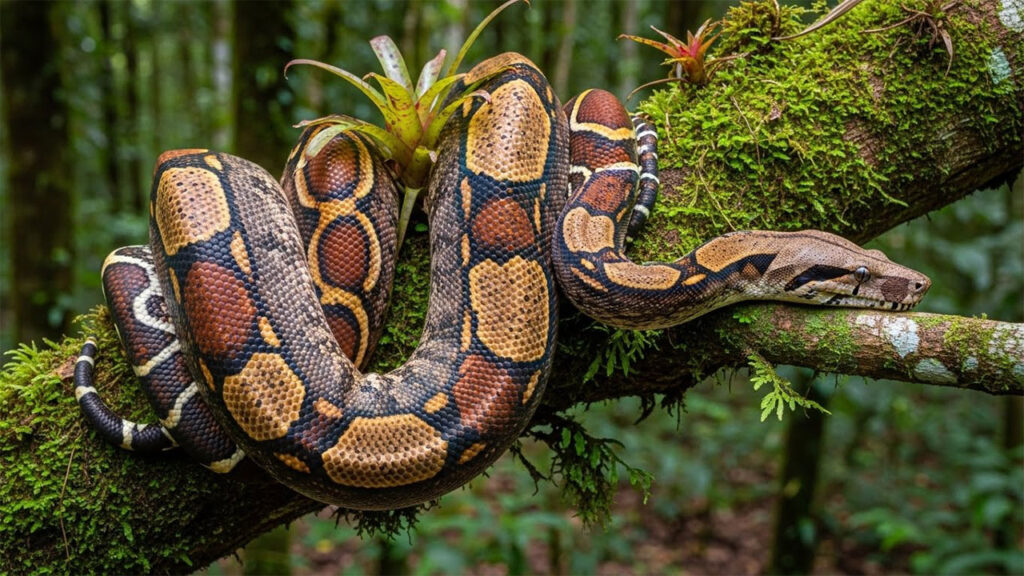
If the King Cobra is the tactician and the Green Tree Python is the stealthy ninja, the Boa Constrictor is basically the bodybuilder of the snake world—with a taste for dramatic dining.
Boas are non-venomous, but don’t let that fool you. As per Wikipedia, their hunting technique is pure brute force: they grab their prey with sharp teeth, wrap it up in their muscular coils, and squeeze… and squeeze… until the unlucky dinner can no longer breathe.
Think of it as the deadliest bear hug you’ve ever seen. A few minutes in those coils and the prey is toast—or, more accurately, snake brunch.
Their menu is impressively varied: small rodents, birds, frogs, even larger critters like monkeys, armadillos, and wild pigs. Yes, they have zero shame when it comes to size—they’re basically the sumo wrestlers of the rainforest. Young boas start with mice and lizards, but as they grow, their meals get progressively more ambitious.
Boas are ambush predators at heart. They love lying in wait, hidden in foliage, until the perfect meal wanders close enough.
But they’re not lazy—if food is scarce, they’ll go on a nocturnal hunt, creeping silently under the cover of night. It’s the perfect mix of patience and power, like a ninja who also bench-presses small mammals.
4. Tentacled Snake
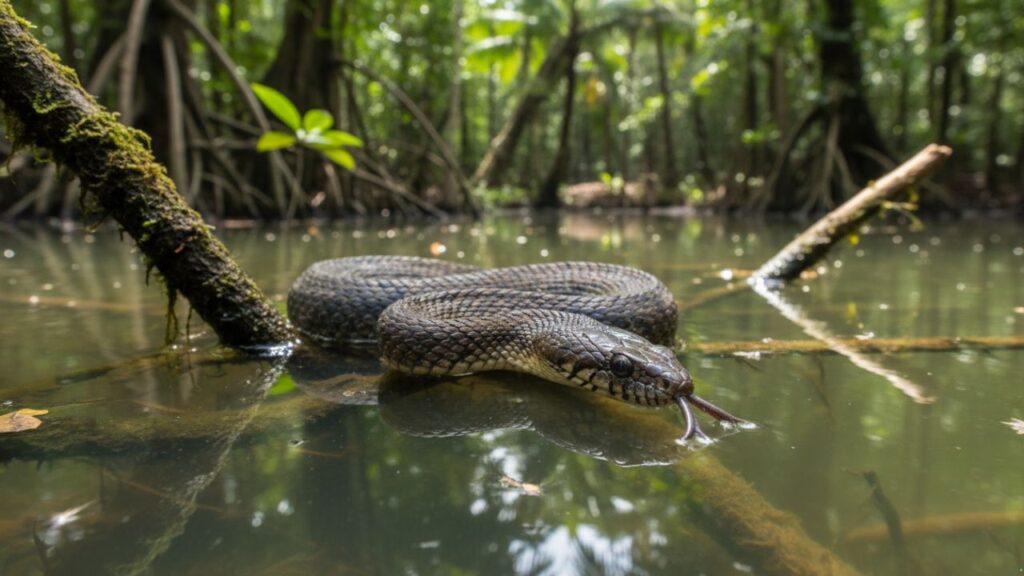
If you thought snakes couldn’t get any weirder, meet the Tentacled Snake, a master of surprise attacks and one of the strangest hunters in the aquatic world. These snakes live almost entirely underwater in Southeast Asian freshwater habitats, where they’ve evolved a hunting style that’s part ambush, part psychic. (Yes, psychic. Kind of.)
The Tentacled Snake has two small, finger-like appendages on its snout—tentacles, if you will—that act like highly specialized sensors. When a fish swims nearby, the snake can detect the vibrations in the water and react before the fish even knows it’s in trouble. It’s as if the snake can predict the future.
Here’s the best part: it doesn’t chase its prey. No swimming frantically after dinner. Instead, it hangs perfectly still in a “J” shape, waiting for an unsuspecting fish to swim right into striking range.
Then, in the blink of an eye, it snaps its head, catching the fish with astonishing speed. Scientists call it a “purely reactive strike,” but we could just call it “future-predicting fish annihilation.”
Tentacled Snakes are basically the ninjas of rivers: silent, precise, and absurdly efficient. And while their looks might make you think they’re aliens, their hunting strategy proves that evolution sometimes takes a wild turn—and it works spectacularly well.
If there were an underwater psychic snake Olympics, the Tentacled Snake would take gold, silver, and bronze—mostly because no fish ever survives to see the podium.
5. Death Adder
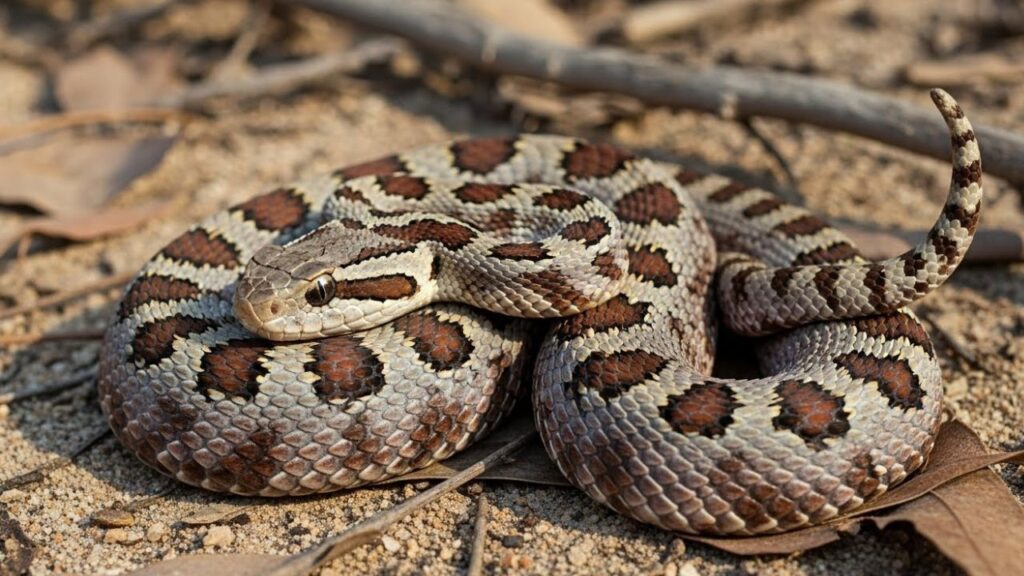
If you thought snakes couldn’t be patient killers, the Death Adder is here to prove you wrong. Native to Australia and nearby islands, this snake might look like a harmless twig on the forest floor—but don’t be fooled. It’s basically a tiny, venomous ninja armed with one of the fastest strikes in the animal kingdom.
The Death Adder’s hunting style is the ultimate in patience and deception. It doesn’t chase prey. Oh no. It sits. Still. Motionless. Waiting. Like a green-and-brown camouflaged statue.
Then comes the magic trick: it wiggles the tip of its tail, which looks remarkably like a tasty worm or insect, to lure in unsuspecting birds, lizards, or mammals. This clever bit of baiting earns it the title of “master angler of the snake world.”
Once a curious creature comes close enough, the Death Adder strikes with blinding speed—often faster than the blink of a human eye—and injects potent venom that paralyzes prey almost instantly. Dinner doesn’t get a single chance to run, hop, or fly away.
Fun fact: despite its fearsome reputation, the Death Adder is surprisingly shy around humans. Most bites happen because someone accidentally steps too close or tries to pick it up. So basically, it’s a polite assassin—unless provoked.
6. Rattlesnake
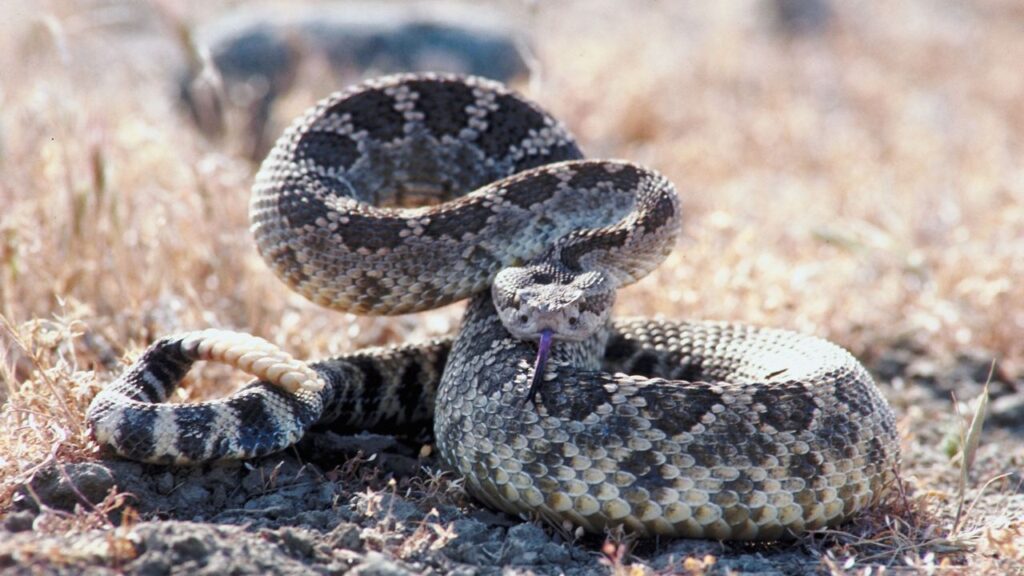
Meet the Rattlesnake, the rock star of the desert who brings both attitude and deadly precision to hunting. These snakes aren’t just venomous; they’re tactical show-offs with a flair for dramatic entrances.
Rattlesnakes are primarily ambush predators. They lie in wait, often partially buried in sand or hidden among rocks and vegetation, until the perfect prey—a rodent, bird, or lizard—wanders close.
Then, with a flick of their tail that produces their famous rattle, they announce: “Dinner is served!” Okay, sometimes the rattle is more of a warning than a dinner bell… but let’s be honest, it’s a pretty stylish way to say, “Back off, or else.”
Once the prey is within striking distance, the rattlesnake doesn’t waste time. It lunges with lightning speed, delivering venom that immobilizes the target almost instantly. Then it waits patiently as the venom does its work, making sure that escaping prey is just a bad idea.
Fun fact: Rattlesnakes have heat-sensing pits on their faces, which act like natural infrared goggles. Even in complete darkness, they can detect the warm bodies of rodents lurking nearby—basically giving them superhero vision for hunting.
In short, the Rattlesnake is the desert’s tactical hunter with style, stealth, and a soundtrack. Ambush? Check. Venom? Check. Dramatic rattle? Oh, absolutely. It’s like the James Bond of snakes: smooth, deadly, and unforgettable.
7. Vine Snake
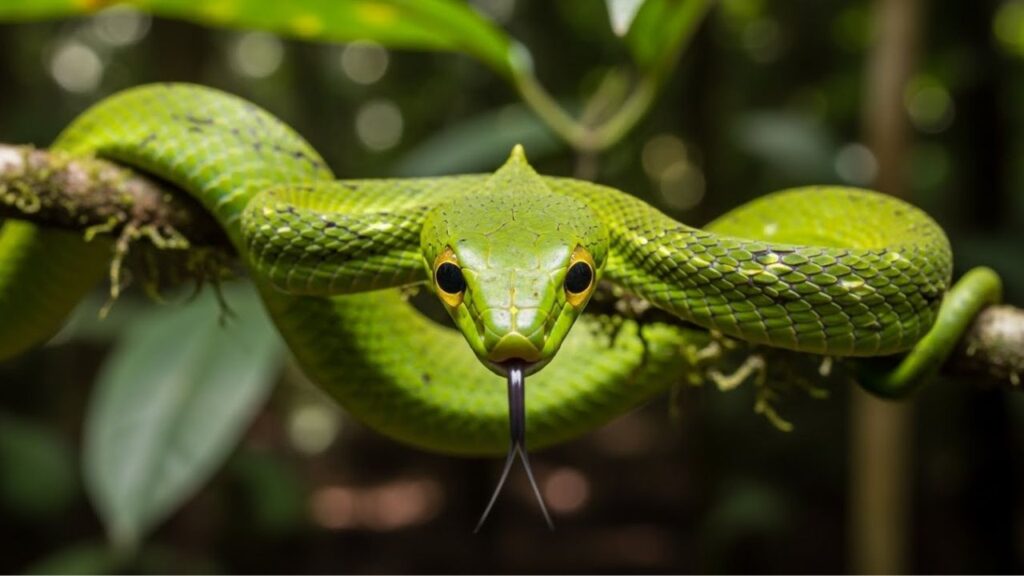
If stealth were an Olympic sport, the Vine Snake would take home the gold. Found across Asia, Africa, and the Americas, this slender, twig-like serpent is basically nature’s perfect mimic. At first glance, it just looks like a branch swaying in the wind—until it strikes.
Vine Snakes are ambush predators with a flair for subtlety. They rely on camouflage to get close to frogs, lizards, and birds without being noticed. Imagine a snake dressed in invisible ink, lounging in a tree, waiting for dinner to stroll by. That’s the Vine Snake in action.
And their fangs? Totally unique. According to A-Z Animals, unlike most snakes, the Vine Snake has grooved fangs that allow venom to slowly drip into prey as it chews. It’s a bit like marinating your meal while you take your time—efficient and kind of horrifying.
While only the African twig snake is truly dangerous to humans, these fangs make the Vine Snake a highly effective predator in its own right.
In short, the Vine Snake is the ultimate ambush artist: blend in, wait patiently, strike precisely, and let the venom do the work. It’s stealth, patience, and a touch of subtle menace, all rolled into one twiggy package.
Conclusion
Snakes that have unique hunting techniques include diverse snake species such as sea snakes, garter snakes, king snakes, and pit vipers, as well as various venomous snakes. These snakes use patterned scales, powerful bodies, and neurotoxic venom to catch prey, kill, and incapacitate unsuspecting prey like toads and other amphibians.
Some are nocturnal, relying on sight, ground vibrations, and their nervous system to detect potential mates or their next meal, allowing them to step carefully through their environment. Across Southeast Asia and other regions, many species of snakes have evolved unique hunting techniques that help them thrive, demonstrating how life in the wild is shaped by danger, killing, and the many snakes that employ specialized strategies to survive and secure food efficiently.
