




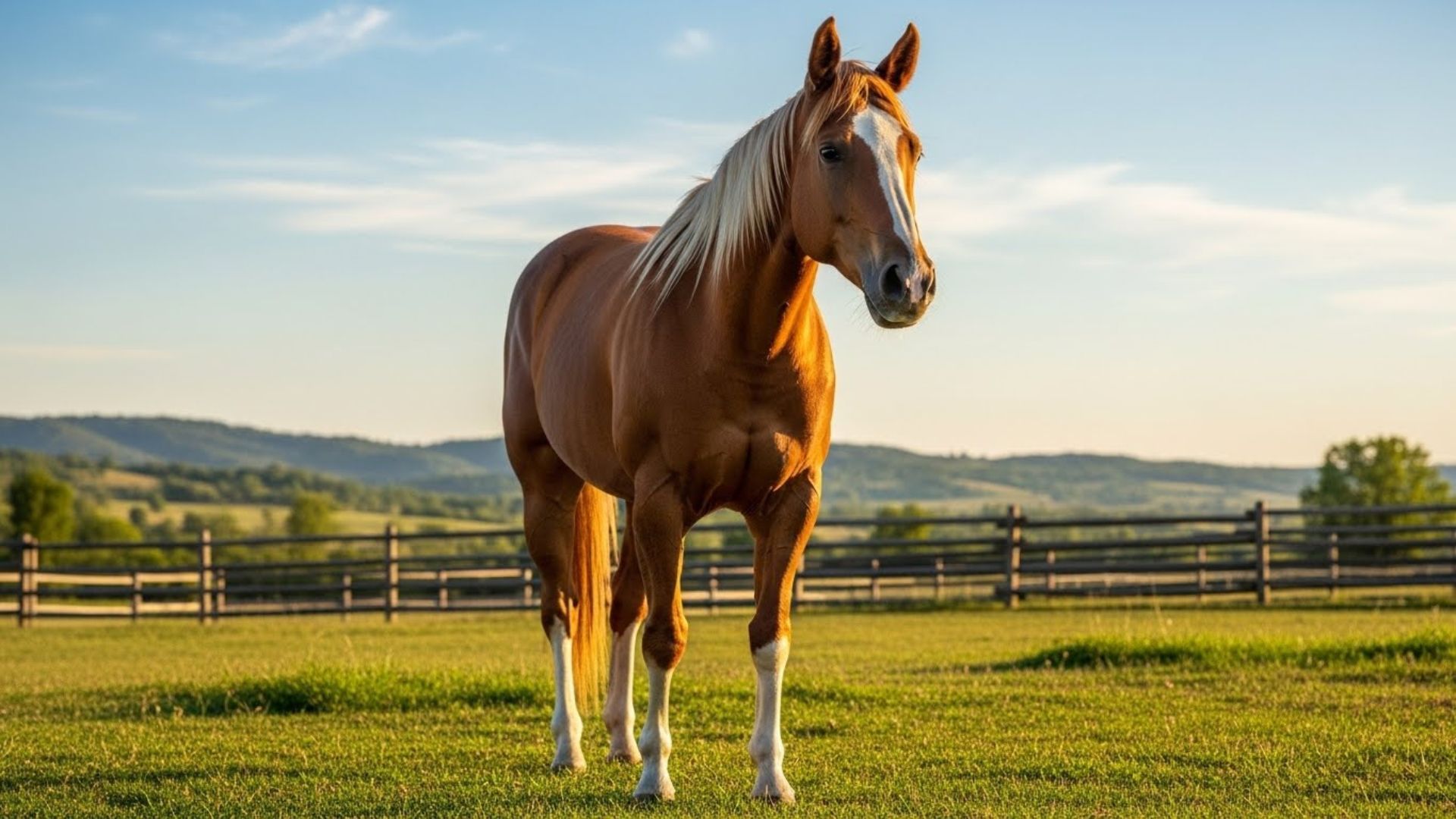
What kind of horse does a beginner truly need? Many imagine something gentle, but gentleness alone is not enough. A first-time owner benefits from a horse that responds consistently, moves with a steady rhythm, and reads human energy with quiet clarity.
These qualities prevent new riders from feeling overwhelmed while learning the basics of balance, posture, and communication. A beginner should not have to guess what a horse might do next. They should feel supported by a temperament that encourages small successes and forgives early mistakes.
Some horses naturally provide this sense of security because their instincts lean toward calm decision-making rather than sudden reactions. When paired correctly, a new rider discovers that learning becomes enjoyable instead of intimidating.
As you move through this article, you will find a clear explanation of the traits that shape an ideal first partnership and why these qualities create such a strong foundation.
Key Takeaways
A beginner’s horse should do more than stand still; it should move with a steady rhythm and sense human energy.
American Quarter Horses and American Paint Horses combine calm temperament with steady guidance, making early lessons safe and enjoyable.
Morgan and Haflinger horses follow cues attentively while staying relaxed, letting new riders focus on learning posture, balance, and rhythm.
By the end, you’ll see which seven horses make first rides safe, fun, and unforgettable.
Horses That Are Most Suitable for First-Time Owners
1. American Quarter Horse

American Quarter Horses are known for their calm disposition, making them approachable for those new to horseback riding. Their steady attitude allows them to respond well to guidance and gentle instruction. This makes them a popular choice among the best horse breeds for first-time owners.
Versatility in Action
These horses excel in both English and Western disciplines, and they enjoy trail rides that match their energy levels, as per Britannica. Their adaptability means they can adjust to a variety of tasks without becoming stressed.
This versatility comes with a few points worth noting:
Easy to handle on trails
Quick to learn new commands
Responsive during basic exercises
Reliability Across Activities
They offer dependable performance whether navigating open fields or arenas, supporting first-time riders in building skill and comfort. Early, consistent guidance enhances their natural steadiness. Their combination of energy and temperament makes them practical for beginners.
2. American Paint Horse
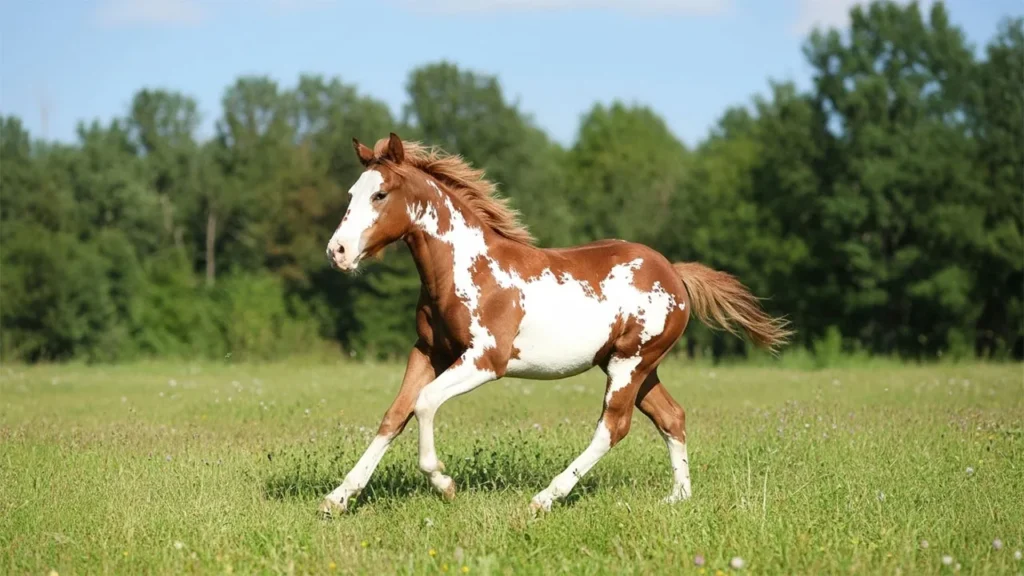
American Paint Horses are naturally calm and easygoing, making them approachable for beginners. Their steady attitude helps first-time owners feel confident during daily handling, as mentioned in PetMD. Gentle interactions allow young or inexperienced riders to build trust quickly.
Trainability and Adaptability
Their intelligence makes them highly responsive to training, and they adapt well to various routines. Early guidance encourages cooperation and understanding between horse and handler.
Key points about working with Paint Horses:
Quick to learn basic commands
Adjust well to different riding styles
Comfortable around other horses
Reliable in Riding Situations
Paint Horses are smooth movers that provide consistent responses under saddle, making them suitable riding horses. Their calm nature ensures that even new riders can handle them safely in different settings. This stability helps develop riding confidence steadily.
3. Morgan
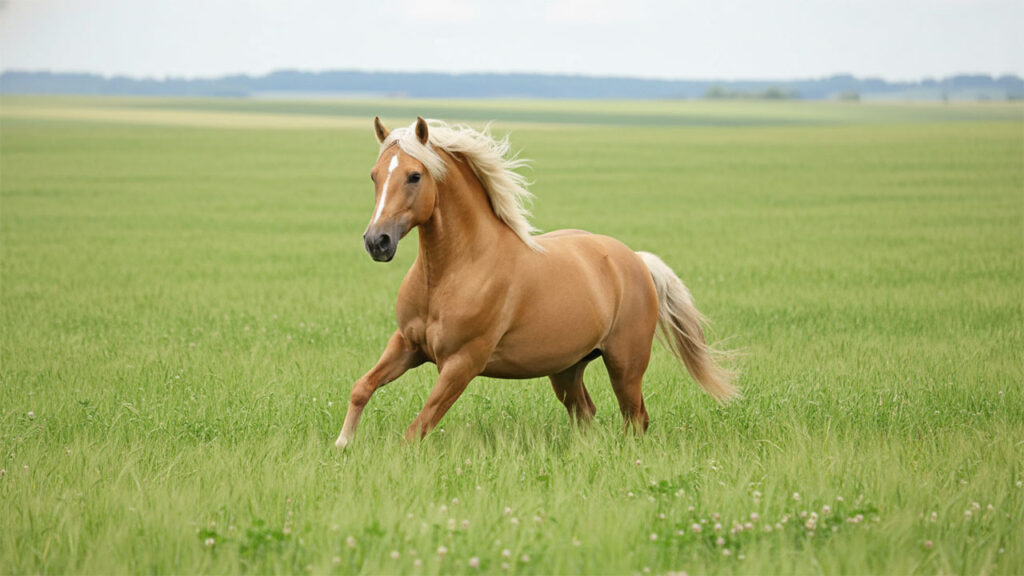
Morgan horses are responsive and eager to engage, adjusting smoothly to a rider’s pace. Their calm disposition makes them forgiving for beginners, while still offering engagement for experienced riders. This steadiness makes them approachable for anyone starting with horses.
Easygoing Yet Engaged
These horses learn quickly and respond to guidance without hesitation, making them reliable partners in riding. Their willingness to please encourages confidence in new riders.
However, you can see their calm, attentive side in these behaviors:
Quick to follow simple cues
Calm under mild pressure
Easy to maintain and feed
Practical and Forgiving
Their stoic nature means they remain steady in varied conditions, letting beginners focus on learning rather than reacting to the horse. Morgans require minimal fuss for care and upkeep. For novice riders, choosing the right horse can make a significant difference in the learning experience.
4. Thoroughbred
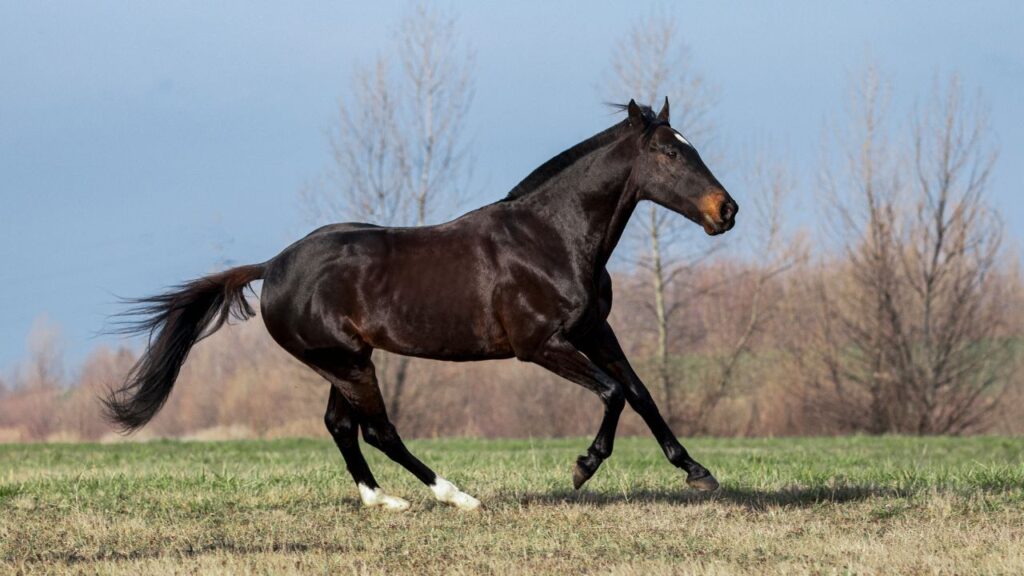
Thoroughbreds offer a lively and alert presence that responds quickly to guidance and training. While some can be intense, especially retired racers, others remain calm and steady when introduced to consistent routines. Their versatility makes them suitable for English, Western, jumping, and more disciplines.
Training Potential and Versatility
With proper guidance, non-race Thoroughbreds can become excellent partners for those learning the basics of riding. Focused attention early on helps them adapt to a variety of tasks.
Helpful points for horse owners:
Quiet and steady with consistent routines
Easily introduced to multiple riding styles
Respond well to patience and clear commands
Energy Management
Retired racers may have higher drive, requiring gradual training to become manageable. Understanding their natural energy helps a horse owner set realistic expectations. Non-raced Thoroughbreds usually settle into a predictable rhythm suited for beginners.
5. Appaloosa
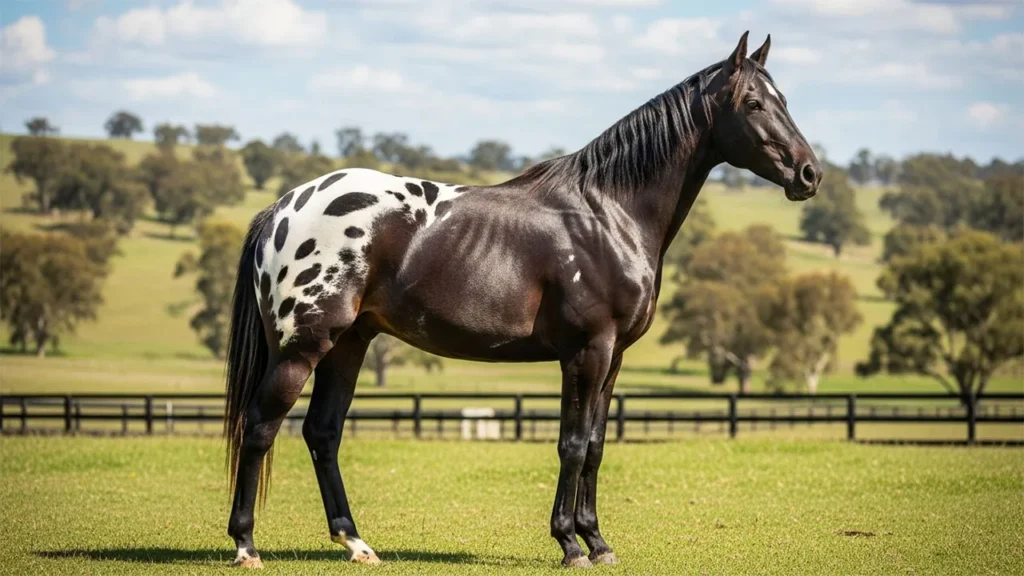
Appaloosas catch attention with their spotted coats, which appear in patterns like blanket, leopard, and snowflake. Their striking colors make them easy to identify, and each horse presents a truly individual pattern, as WebMD notes. Calm and willing, they adapt well to consistent guidance from new horse owners.
Easygoing Temperament and Trainability
These horses respond well to instruction and enjoy learning, which helps build confidence in beginners. They are patient and attentive, making lessons smoother and more encouraging.
Helpful details for working with Appaloosas:
Adapt quickly to routine and commands
Comfortable with gentle handling
Engage readily in basic groundwork
Balance of Calmness and Awareness
Appaloosas show steady attention during daily activities, noticing subtle cues while remaining relaxed. This makes it easier for new owners to understand their responses and maintain a positive training environment. Their natural steadiness helps keep interactions safe and predictable.
6. Haflinger
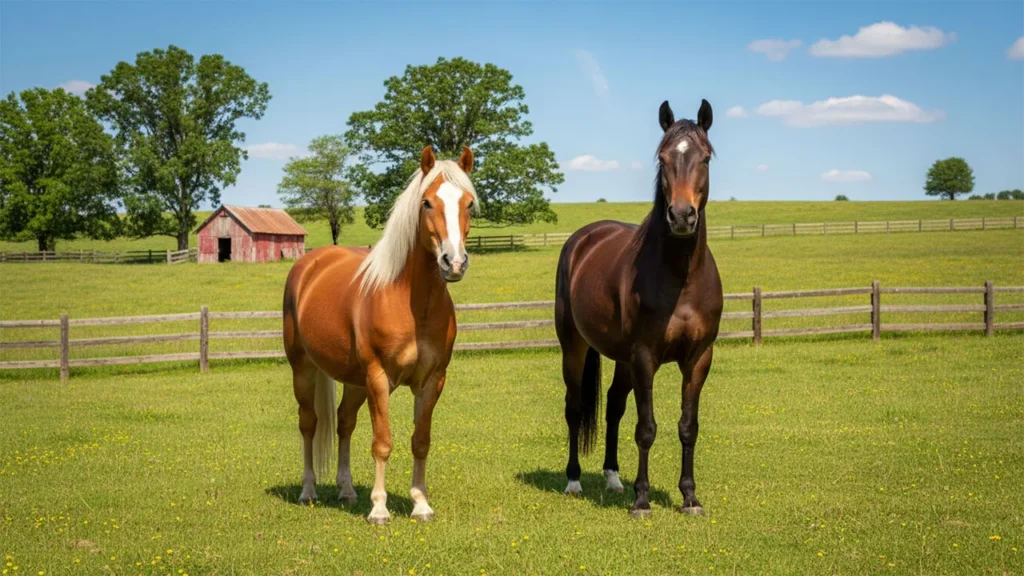
Haflingers are gentle and curious horses that easily adjust to new situations. Their chestnut coat and approachable demeanor make interactions smooth and enjoyable. Calmness and curiosity make them well-suited for first-time equine owners seeking a steady companion.
Willingness to Work and Learn
These horses show eagerness to participate in activities, making daily handling straightforward. They enjoy structured interaction and respond positively to clear guidance. This creates opportunities for both enjoyment and productive bonding.
Simple ways Haflingers excel for beginners:
Quick to understand simple commands
Patient during grooming and tacking
Adaptable to a variety of beginner-friendly activities
Ease of Interaction
Haflingers enjoy spending time around people and approach tasks with attentiveness. Their friendly nature encourages gentle handling and consistent care routines. Engagement with them tends to be relaxed and predictable, supporting confidence in owners new to horses.
7. Welsh Pony

Welsh ponies have a remarkable ability to adjust to challenging conditions, handling rough terrain with ease. Their strong build and sure-footedness reflect years of working in demanding roles. Early experience in hauling and farm work shaped a pony that is resilient and attentive.
Work Ethic in Small Package
These ponies developed endurance through daily labor, proving capable of long hours without losing focus. Their intelligence allows them to learn routines quickly, making them approachable for new riders.
Points to note about their capabilities:
Quick to respond to guidance
Maintains energy during extended tasks
Comfortable in varied environments
Dependable in Daily Activities
Welsh ponies remain consistent in behavior, moving steadily and confidently across different settings. Their natural balance helps them stay composed during unexpected challenges. This reliability makes them a practical choice for novices looking for a manageable mount.
Conclusion
Choosing a first horse is about more than size or color. A good beginner horse blends a gentle disposition with responsiveness, allowing a new rider to build confidence safely. Each young horse brings unique qualities, so understanding an individual horse’s temperament is key to success.
Generally, calm animals with patience and consistency make early lessons enjoyable and productive. Easy-to-train horses respond clearly to guidance, helping first-time owners develop skills without frustration. Selecting a mount that balances attentiveness and approachability ensures the first horse becomes a reliable companion, making the experience both safe and memorable.
