




Birds of prey are some of the most impressive hunters on the planet—but did you know there are species so rare and so elusive that most people don’t even realize they exist?
With over 10,000 bird species spread across the globe, it’s no surprise that some remain hidden in remote forests, rugged mountains, and untouched islands.
Human activity, shrinking habitats, and shifting climates have made survival tougher than ever for these incredible predators. Yet, despite the challenges, these birds still soar, glide, and hunt with extraordinary skill—often far from human eyes.
In this article, we’ll take a look at some of the rarest birds of prey you didn’t know existed—the rare, the mysterious, and the surprisingly overlooked.
Whether you’re a casual bird lover or a full-time wildlife enthusiast, get ready to explore some extraordinary raptors whose stories prove just how wild and wonderful our planet truly is.
Key Takeaways
Discover rare raptors like the Philippine eagle, Harpy eagle, and Black-and-chestnut eagle you never knew existed.
Step inside the secret world of elusive hunters such as the Papuan eagle and Flores hawk-eagle.
Uncover what makes these birds unforgettable, from the Harpy eagle’s massive talons to the Philippine eagle’s fierce hunting skills.
Explore how shrinking habitats are reshaping the future of these mysterious predators.
Birds of Prey You Didn’t Know Existed
1. Philippine Eagle
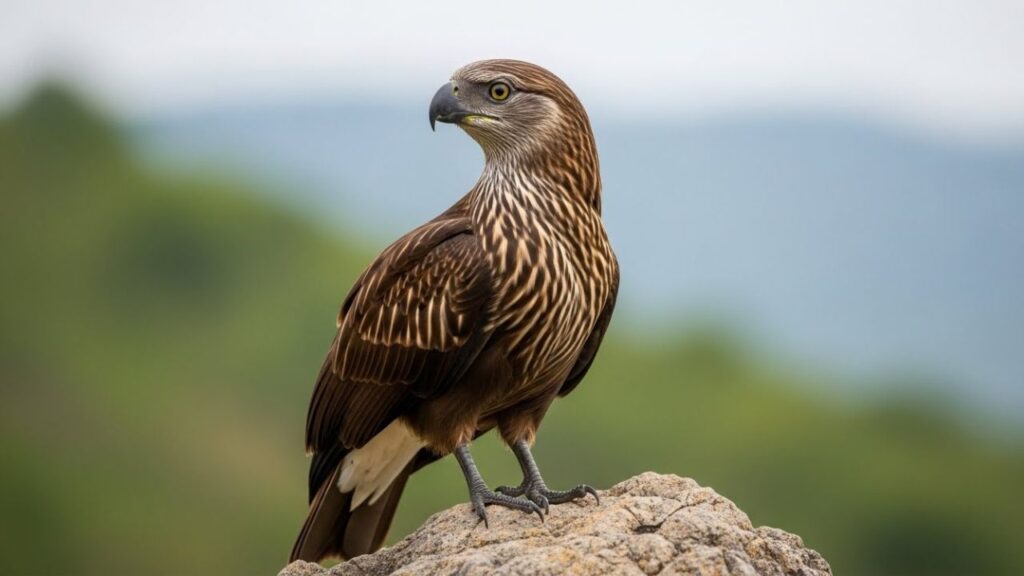
The Philippine eagle is a critically endangered raptor found only in the Philippines. With its brown-and-white feathers and shaggy crest, it stands out instantly. This powerful bird lives in the last remaining old-growth tropical rainforests on Luzon, Samar, Leyte, and Mindanao.
What Makes It Unique
Needs huge forest territories—up to 11,000 hectares per breeding pair
Hunts flying lemurs, palm civets, snakes, and monitor lizards
Known for its strong hunting skills and apex-predator status
Why It’s Disappearing
The species is threatened by deforestation, logging, mining, and agricultural expansion. Hunting, trapping, and pesticides add more pressure. Population estimates range from 250 to 750 individuals, with about 392 breeding pairs and low juvenile survival.
2. Harpy Eagle
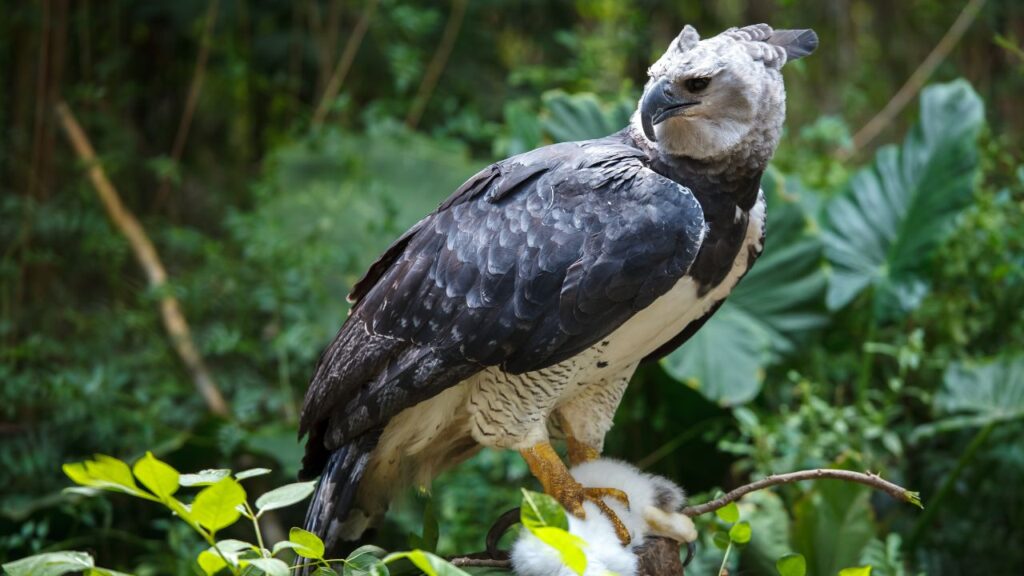
The harpy eagle is a fierce-looking raptor known for its dramatic crown of feathers, which it raises when threatened.
This eagle is native to the tropical rainforests of Central and South America and rules the forest canopy with unmatched strength. Its massive talons rival the size of a grizzly bear’s claws, allowing it to snatch large animals straight from the treetops.
What Makes It Unique
Hunts large prey such as sloths, monkeys, macaws, and big snakes
Can spot animals on the forest floor from incredible heights
Builds nests in the tallest trees and uses them as lookout points
Mates for life and raise only one chick every three years
Why It’s Disappearing
Despite being an apex predator, the harpy eagle is declining across much of its range. According to The Peregrine Fund, it has disappeared from countries like El Salvador and is listed as Near Threatened, though many experts say the situation is more serious. The biggest dangers are deforestation and shooting. Their slow reproduction makes every adult a major setback.
3. Black-and-Chestnut Eagle

The black-and-chestnut eagle is a striking raptor found high in the Andes Mountains, from Venezuela to Argentina. It prefers dense montane forests and often nests in tall trees along steep slopes.
With its shiny black wings, deep chestnut belly, short crest, and bright yellow eyes, this eagle is one of the most beautiful yet least-known birds of prey in South America.
What Makes It Unique
Soars gracefully over forests but often stays hidden inside the canopy
Most active in the early morning
A top predator that helps keep ecosystems balanced
Hunts a variety of animals and rarely faces natural predators
Why It’s Disappearing
Fewer than 1,000 mature individuals remain, and the species has lost over 60% of its habitat due to deforestation for agriculture, according to the Cornell Lab.
As natural prey declines, these eagles sometimes take domestic fowl—up to 36% of their diet in some regions. This leads to conflict with farmers, resulting in retaliatory killings. From 2000 to 2022, at least 60 individuals were recorded as killed.
4. Papuan Eagle
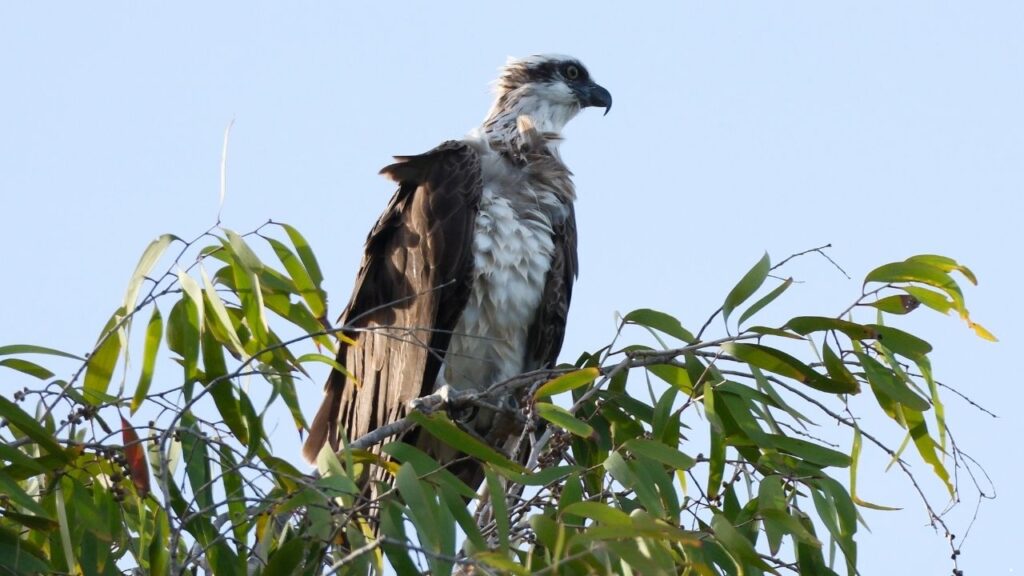
The Papuan eagle, also called the New Guinea eagle, is a rare forest-dwelling raptor found only on the island of New Guinea. It lives in dense, undisturbed tropical rainforests and is highly dependent on these intact habitats.
Unlike many large eagles, it often hunts on the ground, catching marsupials, rats, pigs, and birds. It can even pull animals out of tree cavities, making it a uniquely skilled predator.
What Makes It Unique
Hunts on the ground as well as in
Specialized in extracting prey from tree cavities
Found only in New Guinea’s tropical forests
Reproduces very slowly, with only one documented active nest containing a single chick
Why It’s Disappearing
The Papuan eagle is legally protected, but hunting remains a major threat. Its tail and flight feathers are prized for traditional headdresses, leading to heavy pressure on the species. Deforestation for agriculture and new infrastructure projects also destroys its habitat.
Logging roads open remote areas to hunters, making the problem worse. Current estimates suggest 3,000–3,700 mature individuals, showing a decline from earlier numbers.
5. Red-Headed Vulture
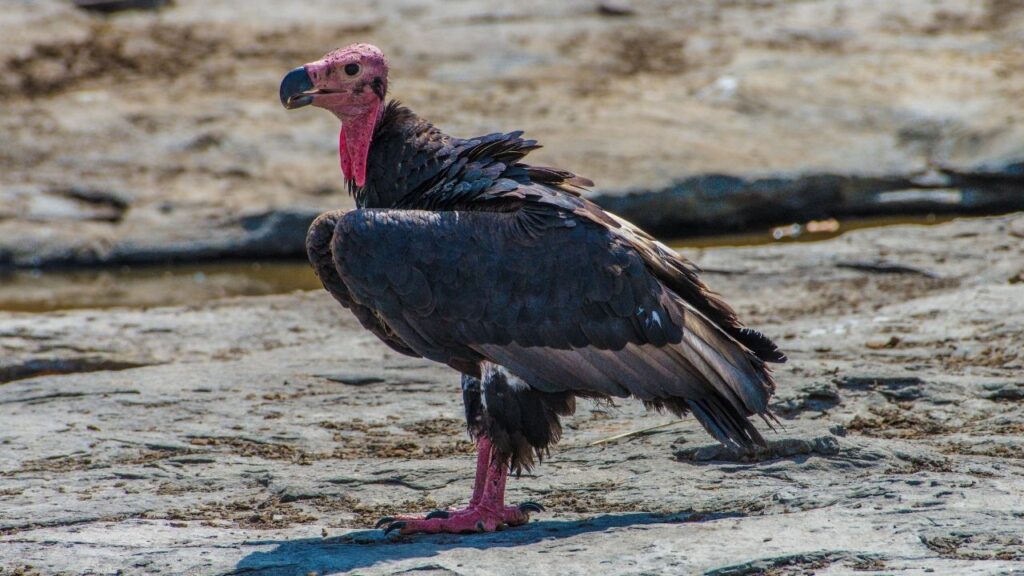
The red-headed vulture is a striking bird of prey found across India, Nepal, Bangladesh, and parts of Southeast Asia.
Its bright red head, neck, wattle, legs, and thighs stand out against its dark wings and back, making it one of the easiest vultures to identify. Although it looks fierce, this species is surprisingly timid and often abandons its meal when other vultures approach.
What Makes It Unique
Has vivid red, featherless skin on the head and legs
Usually feeds alone or in pairs, unlike other vultures that gather in large groups
Shows beautiful aerial courtship displays with diving, twisting, and swooping
Eats mostly carrion and remains silent most of the time, except for occasional croaks or hisses
Why It’s Disappearing
Red-headed vultures once thrived across South Asia, but their numbers have dropped sharply. Medications used in livestock—especially those left in carcasses—have poisoned many vultures, leading to widespread declines.
As a mostly solitary feeder, the loss of safe food sources hits this species especially hard. With shrinking populations and ongoing threats, this uniquely colored and quiet scavenger is now one of the rare birds of prey that many people don’t even realize exists.
6. Pallas’s Fish Eagle
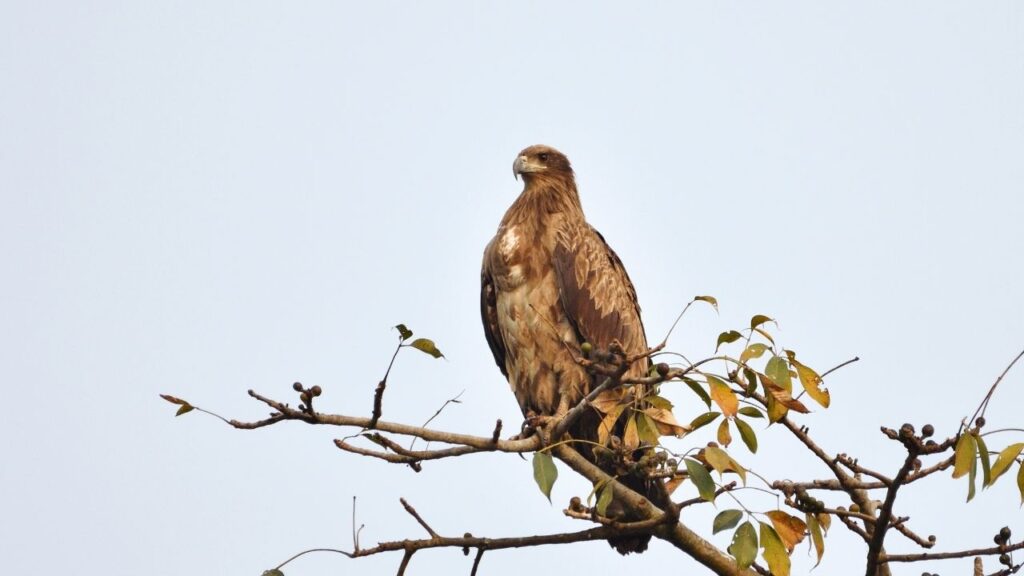
The Pallas’s fish-eagle is a majestic raptor found across India, Bangladesh, Myanmar, and parts of Central Asia.
It has a sandy-brown hood, a pale face, dark brown wings, and a bold white band on its black tail—making it easy to recognize. This wetland-dependent eagle mainly feeds on fish but can also hunt rodents and waterbirds when needed.
What Makes It Unique
Migrates long distances, sometimes over 4,000 km
Capable of flying above 6,000 meters, crossing the Himalayas
Can lift heavy prey, including large waterbirds
Partially migratory, wintering as far as northern India and the Persian Gulf
Why It’s Disappearing
Birda mentions that fewer than 2,500 mature individuals remain. Its population is falling due to wetland loss, deforestation of nesting sites, pollution, and overfishing.
In Mongolia, hydroelectric projects damage important wintering areas. In India and Bangladesh, wetlands are shrinking, and invasive plants reduce available prey.
7. Flores Hawk Eagle
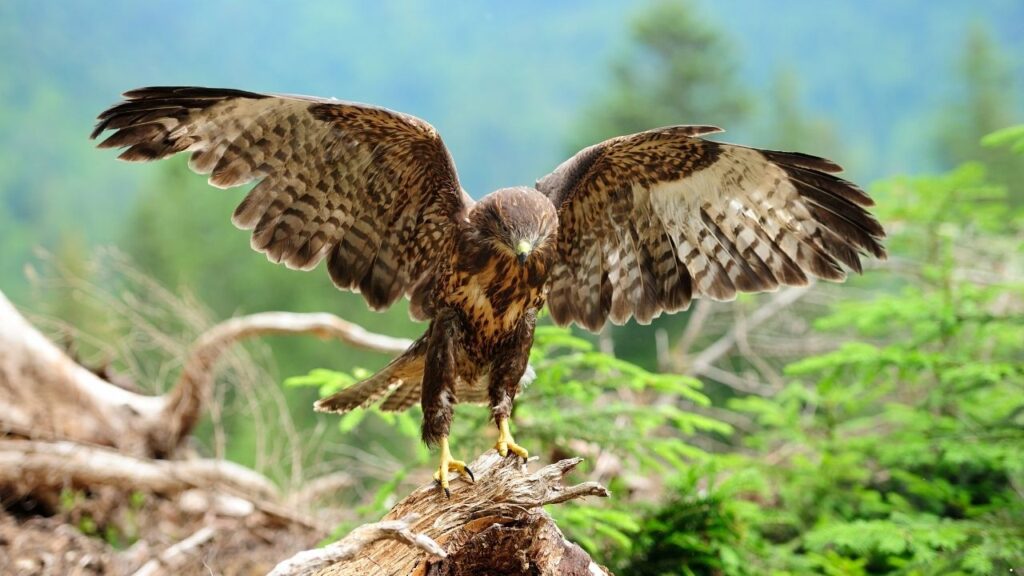
The Flores hawk-eagle is an extremely rare raptor found only on the Lesser Sunda Islands of Indonesia. It mainly lives in lowland and submontane forests but has also been seen hunting over cleared or degraded areas.
While early studies suggested only about 320 mature individuals, newer observations hint that the population may be larger—if the species can adapt to changing habitats. Most birds are found on Flores, with smaller groups on Sumbawa, Lombok, Alor, Rinca, and Komodo.
What Makes It Unique
Found nowhere else in the world
Lives in forested areas but can also hunt over deforested landscapes
Rare and poorly studied, with many aspects of its behavior still unknown
Known to prey on poultry, which causes conflict with local communities
Why It’s Disappearing
The biggest threats are hunting and persecution. Many locals consider the eagle a pest because it targets domestic poultry.
Deforestation has also reduced much of its original habitat, although forest loss has slowed recently. Unfortunately, conservation action is still limited, and no recent large-scale surveys exist.
Conclusion
Carnivorous birds, often called raptors, play a vital role in maintaining the balance of ecosystems. These powerful hunters use their broad wings, strong feet, long legs, and powerful talons to catch a wide range of prey—from small mammals and insects to venomous snakes and even small deer.
Many raptors are indicator species, meaning their health reflects the state of their habitats, such as vulnerable grasslands and forests. Sadly, habitat loss threatens their survival, putting not only the largest birds but also small birds and young birds at risk.
Their life prey varies widely, showing their incredible diversity—from insects and small mammals to other animals across grasslands and forests. Protecting these incredible birds means safeguarding entire habitats and the delicate balance of nature itself.
There are other birds of prey as well that you should know about. These include the Bald Eagle, Red-Tailed Hawk, Peregrine Falcon, Great Horned Owl, Steller’s Sea Eagle, Turkey Vulture, Golden Eagle, Northern Goshawk, Black Vulture, Andean Condor, Osprey, and Harris Hawks.
