




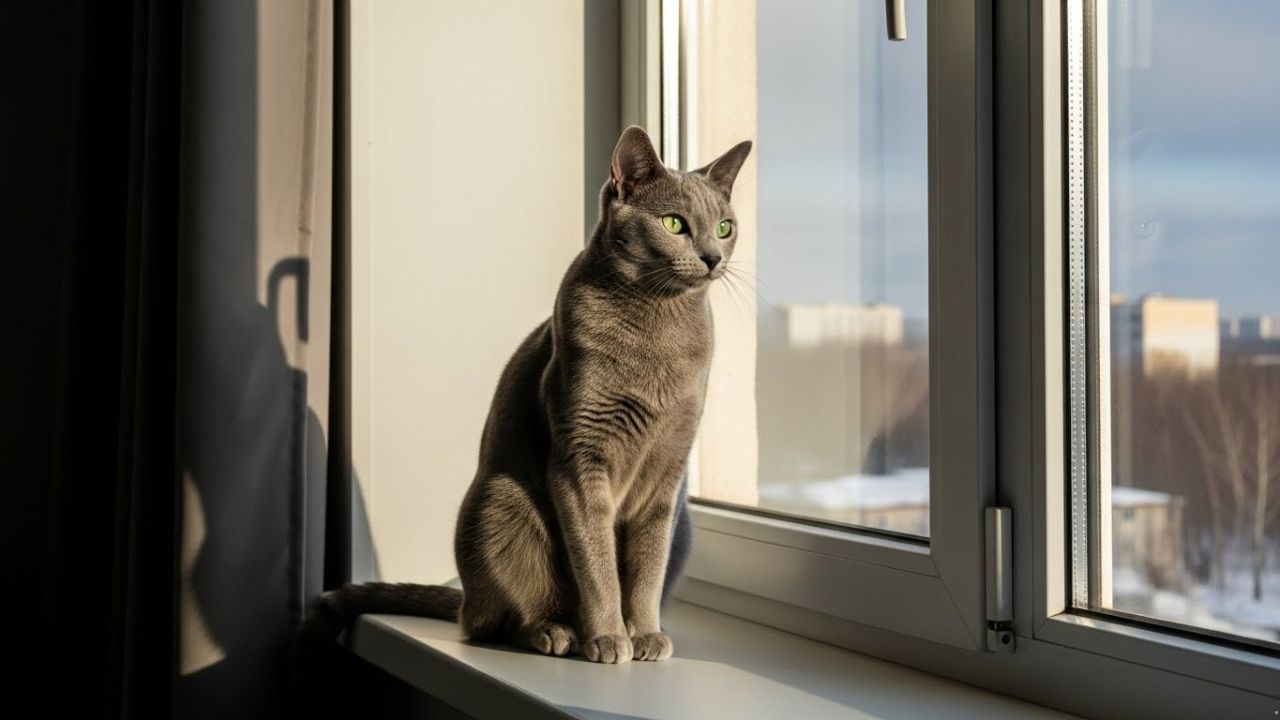
Some cats flourish with a little extra independence, making them a great choice for households where people are often away during the day. These confident, easygoing pets are comfortable entertaining themselves, resting in their favorite spots, and keeping a steady routine without constant attention.
Whether you work long hours, travel occasionally, or simply prefer a pet that enjoys peaceful alone time, certain breeds and personalities fit this lifestyle especially well.
This guide explores the types of cats that adapt naturally to solo time, what traits to look for, and how to support a healthy, happy environment for an independent feline companion.
Cat Breeds That Are Great at Being Alone
1. British Shorthair
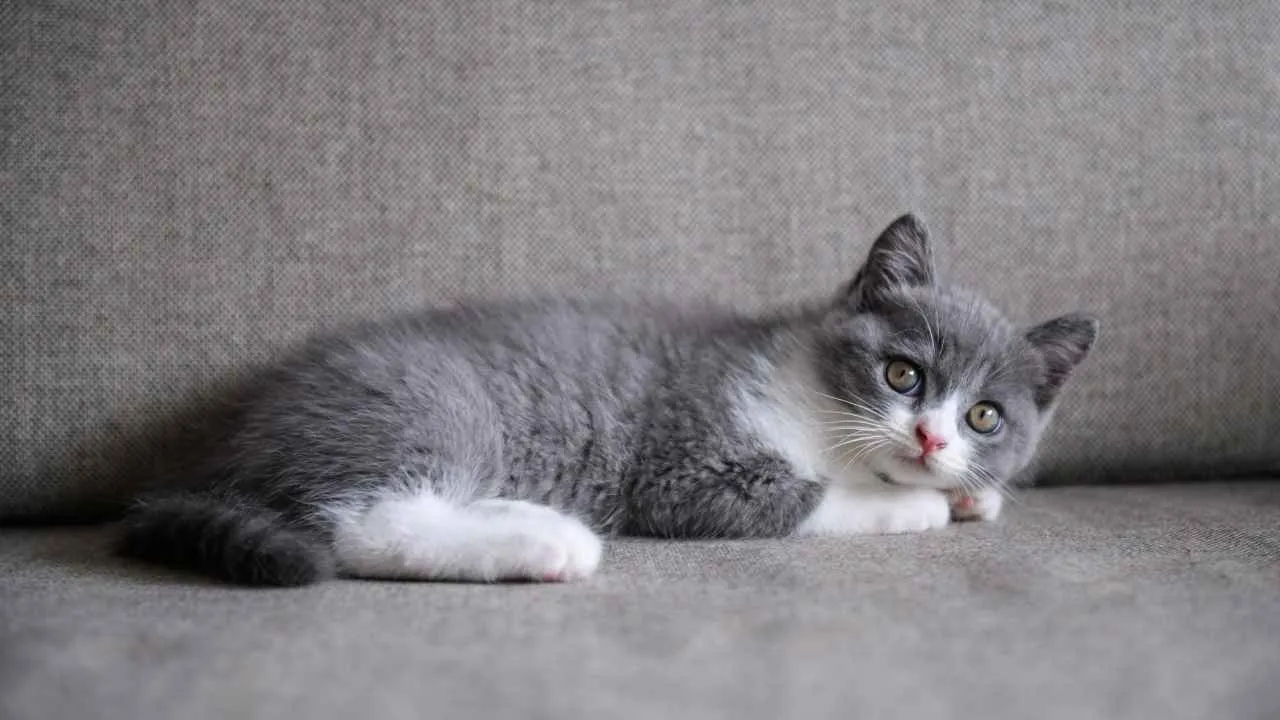
The British Shorthair is a robust, medium to large cat with a dense, plush coat and a round face that gives it a soft, friendly look. Known for its calm and relaxed personality, this breed often enjoys quiet time on a favorite perch or resting in a sunny window. They show affection without being overly demanding, making them easy to enjoy without constant supervision.
While affectionate with family members, British Shorthairs are not typically clingy and value their independence. They can entertain themselves for long stretches, content to nap or explore their environment while you are away. Their gentle nature and easygoing temperament help them fit well into homes where adults work during the day or have varied schedules.
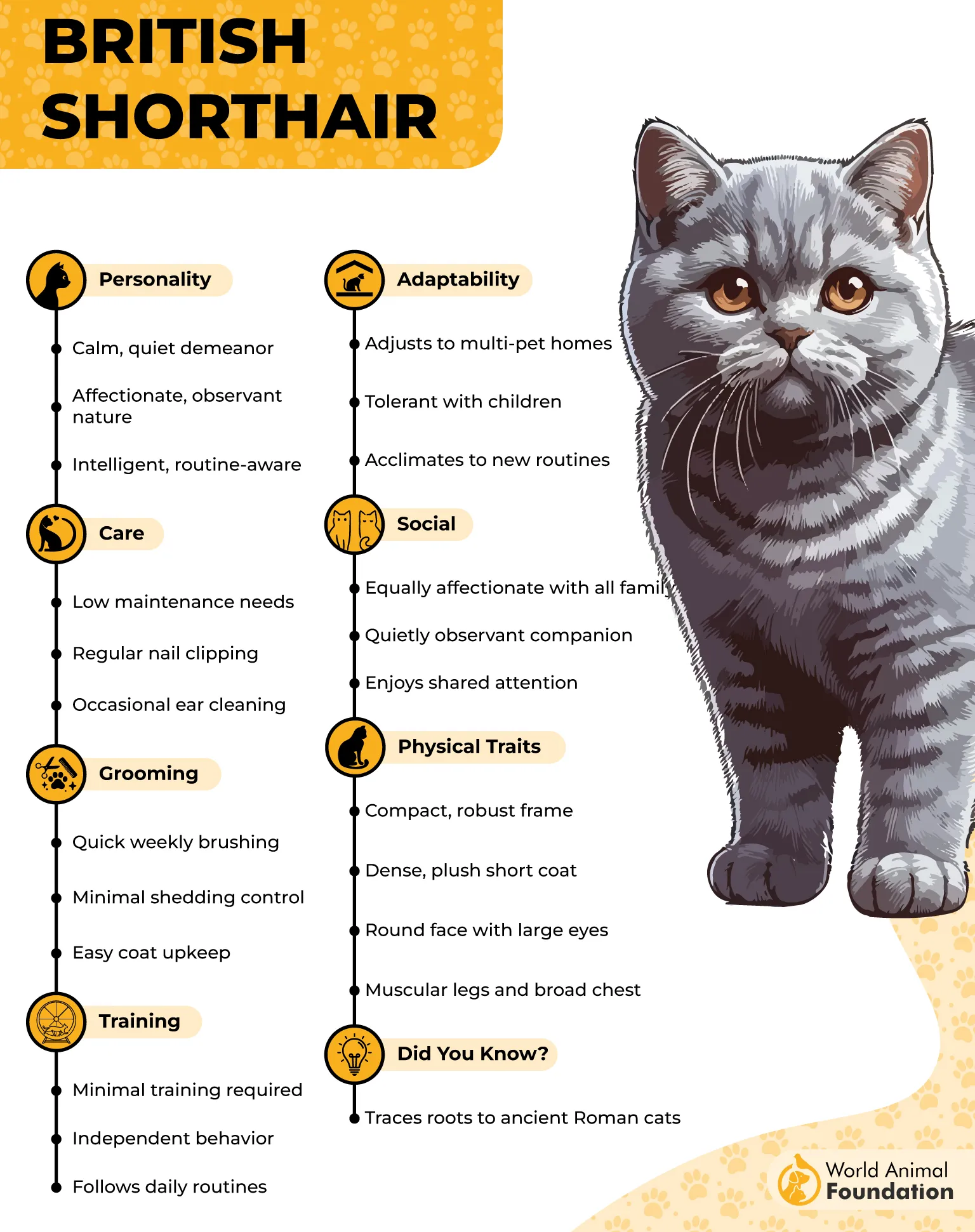
Grooming is straightforward thanks to the short, dense coat, and most cats of this breed shed moderately throughout the year. Regular brushing during shedding seasons helps maintain coat health and reduce loose hair around the house. Their quiet voice and steady temperament make them friendly companions without an overwhelming need for attention.
Why This Cat Is a Good Fit
Comfortably occupies spaces alone while enjoying relaxed exploration and rest.
Grows attached to family without needing constant interaction.
Minimal grooming and a calm disposition suit owners with busy routines.
2. Russian Blue
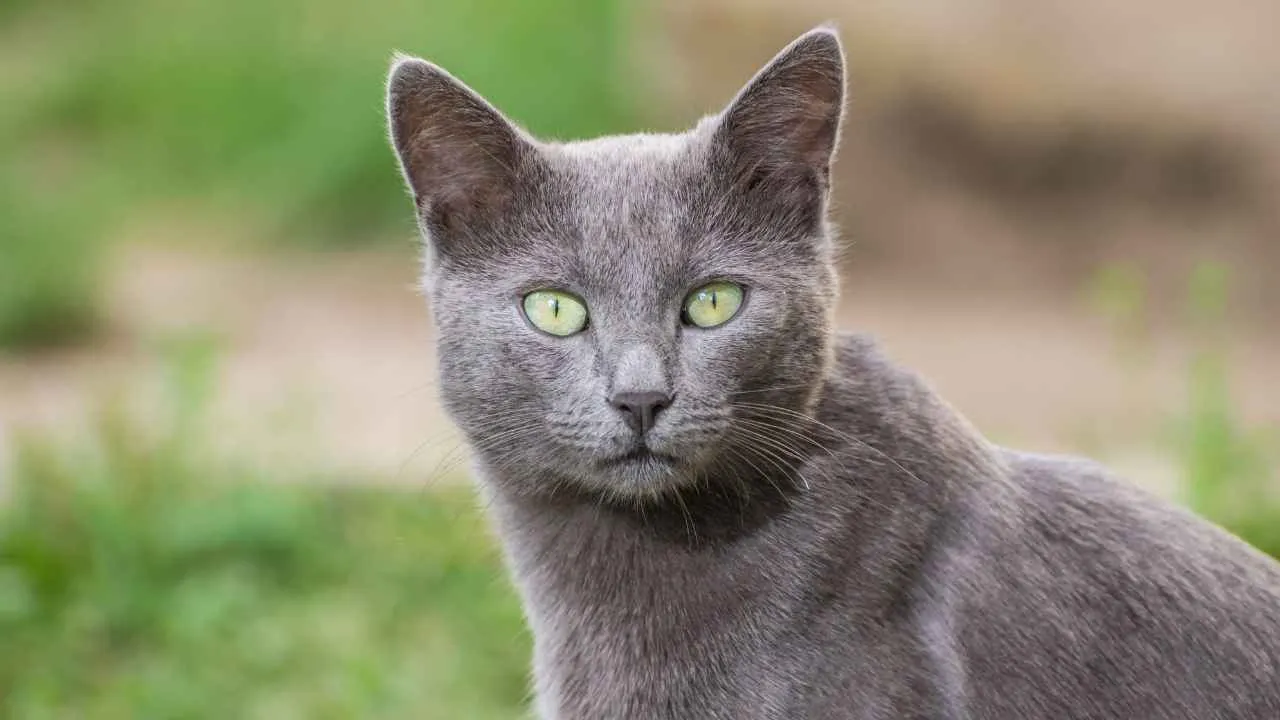
The Russian Blue is an elegant medium-sized cat with a dense double coat of soft blue-gray fur and brilliant green eyes that stand out against its graceful features. It is known for an intelligent presence and calm personality that often blends independence with selective affection. As per PetMD, Russian Blues enjoy interactive play at home, yet can easily keep themselves occupied.
Although loyal to their people, these cats tend to appreciate routine and gentle environments, making them comfortable in homes where alone time is part of daily life. They may greet you at the door with a quiet, warm demeanor, but are equally content relaxing in a cozy spot until your return. Their reserved nature around strangers can seem shy, yet in familiar settings, they engage with curiosity and poise.
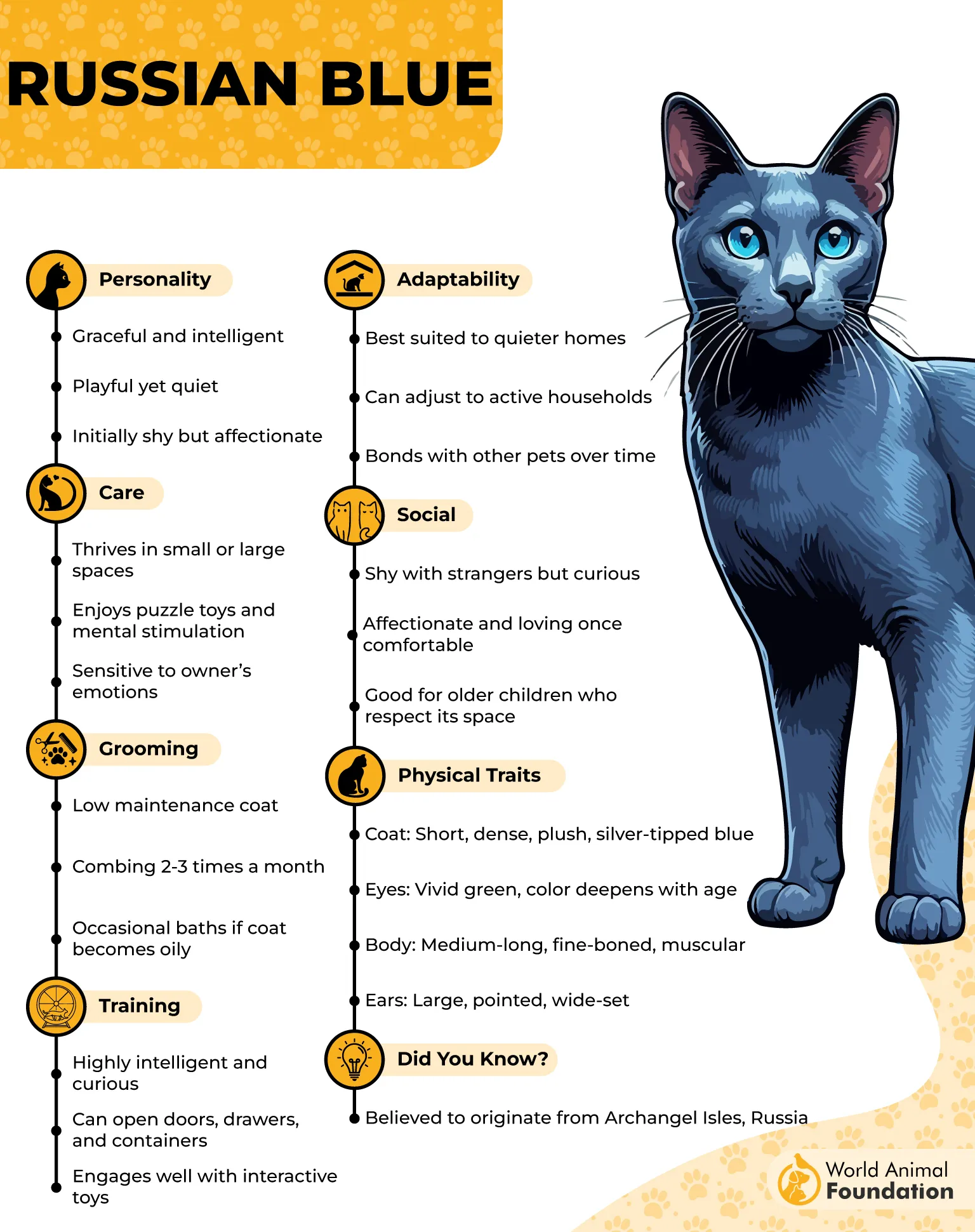
This breed’s short, dense coat is low maintenance and benefits from occasional brushing to keep loose hairs under control. Russian Blues rarely vocalize loudly, adding to their calm household presence. Their balanced personality makes them a choice pick for people who want a cat that is both graceful and self-sufficient.
Why This Cat Is a Good Fit
Enjoys peaceful independence while staying happily engaged with its environment.
Tolerates alone time with calm, quiet confidence.
Short coat and poised nature suit homes with predictable schedules.
3. Himalayan
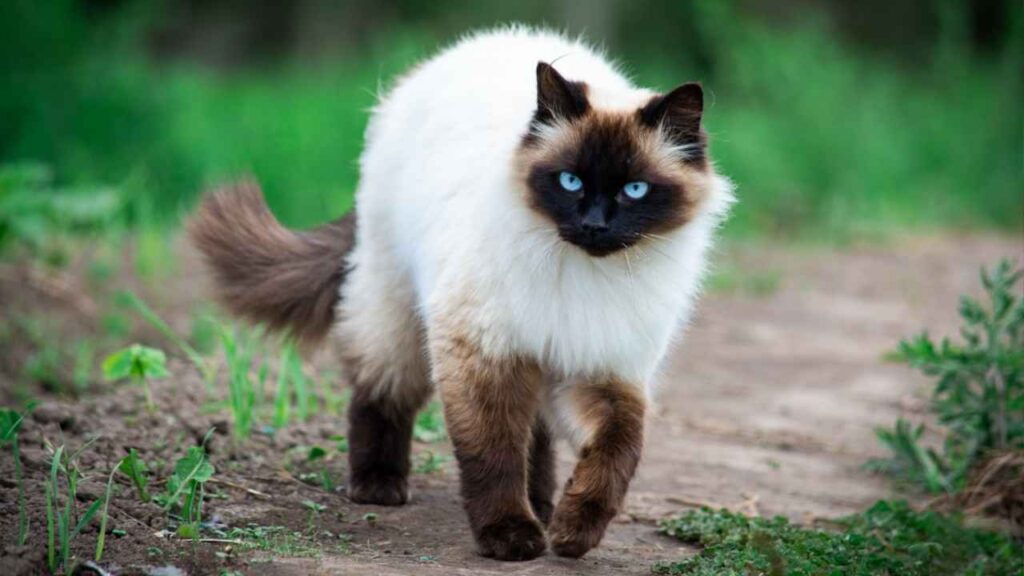
The Himalayan cat combines the long, flowing coat of its Persian lineage with striking blue eyes and color-point markings from Siamese ancestry. This breed has a gentle and affectionate temperament, often preferring close companionship but enjoying plenty of rest. Their calming presence brings softness to a home, though they may seek attention during quieter times of day.
These cats enjoy moderate play and are generally sociable with family members, but they can also handle stretches of solitude if provided with cozy resting areas and gentle toys.
Because they bond with their people, Himalayans often look forward to quiet moments of interaction when you are home. Still, their mellow energy and easygoing nature make alone time tolerable and comfortable.
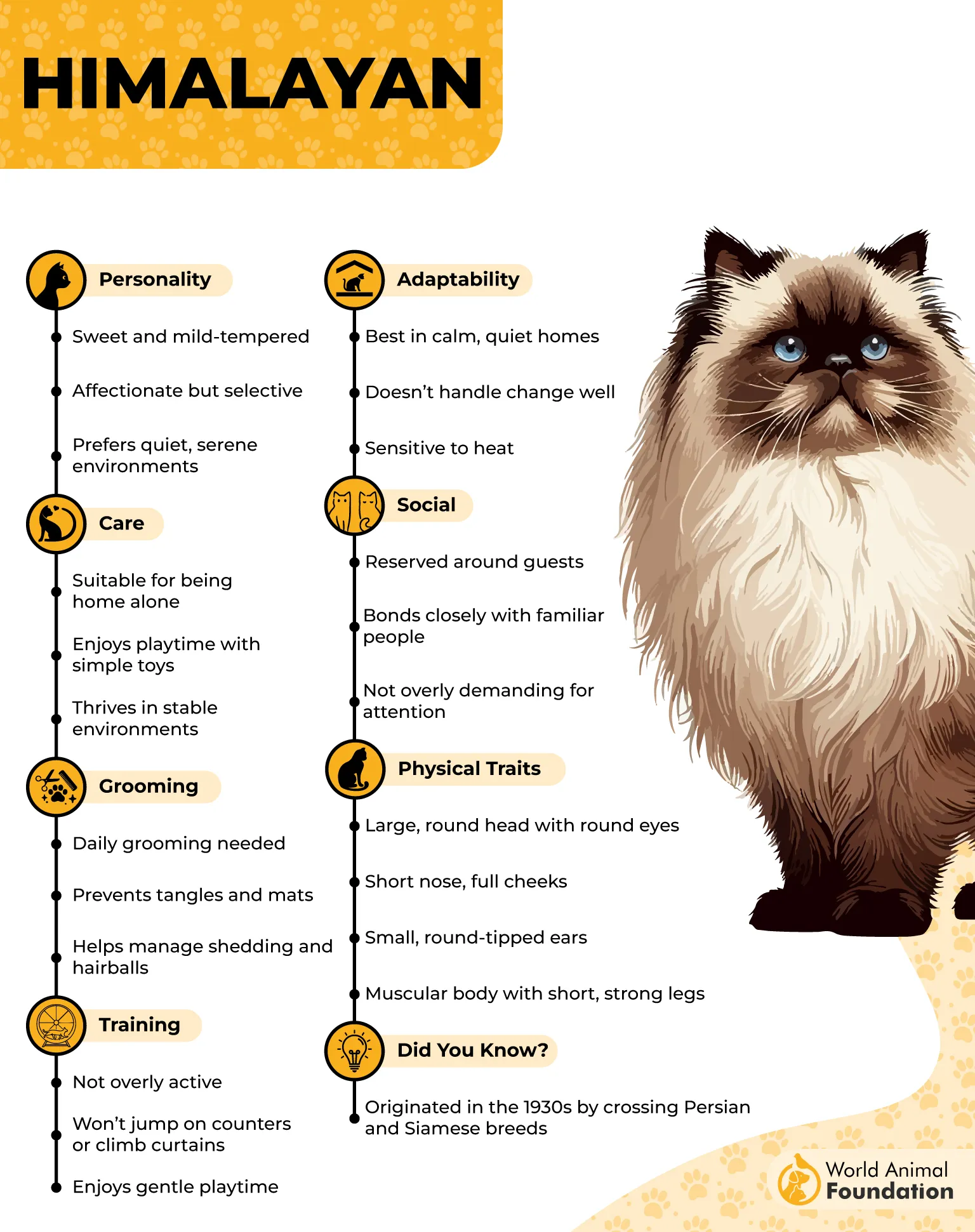
Due to their long, dense fur, Himalayans require daily grooming to prevent mats and keep the coat in good condition, as noted by WebMD. This care routine becomes a shared activity that many owners find rewarding. Their soft voice and serene personality make them calming companions who balance affection with quiet independence.
Why This Cat Is a Good Fit
Mellow disposition allows the cat to relax peacefully for hours alone.
Affectionate yet self-content when home routines are predictable.
Daily grooming becomes a bonding habit that supports their physical well-being.
4. Korat
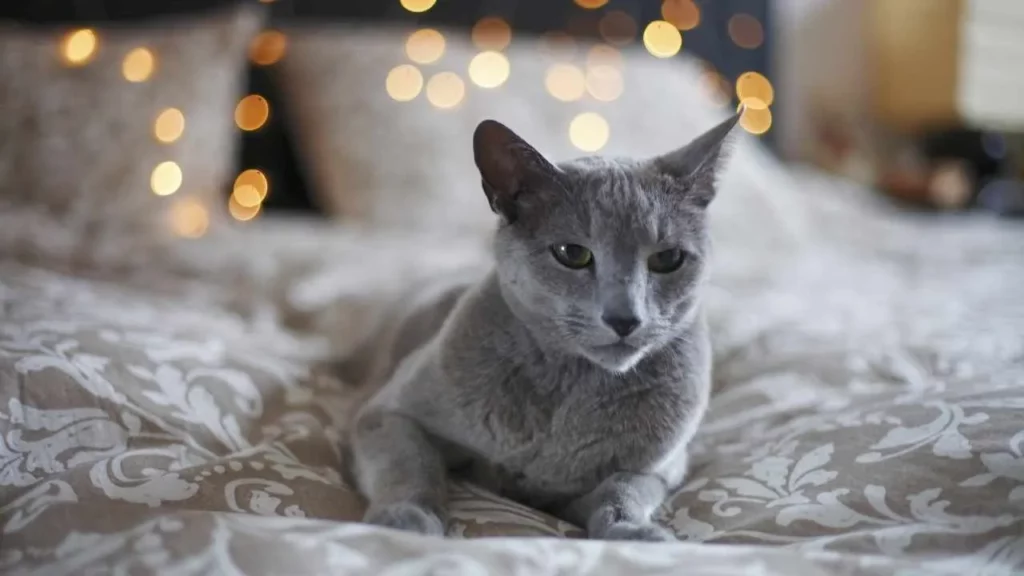
The Korat is a sleek, medium-sized cat with a distinctive silver-blue coat and striking green eyes that reflect its unique heritage. Originating in Thailand, this breed is known for keen intelligence and a playful, curious demeanor. Korats often form deep bonds with their people, enjoying engagement when you are present yet handling periods of solitude with thoughtful exploration.
These cats are energetic and attentive, showing they can adapt to quiet moments by finding interesting spaces to observe or low-key toys to investigate. Their short, smooth coat is easy to care for, requiring only occasional brushing to keep the fur sleek and healthy.
While many Korats enjoy interaction and follow their favorite humans from room to room, they can handle alone time provided they have safe, enriched spaces with access to windows or high vantage points.
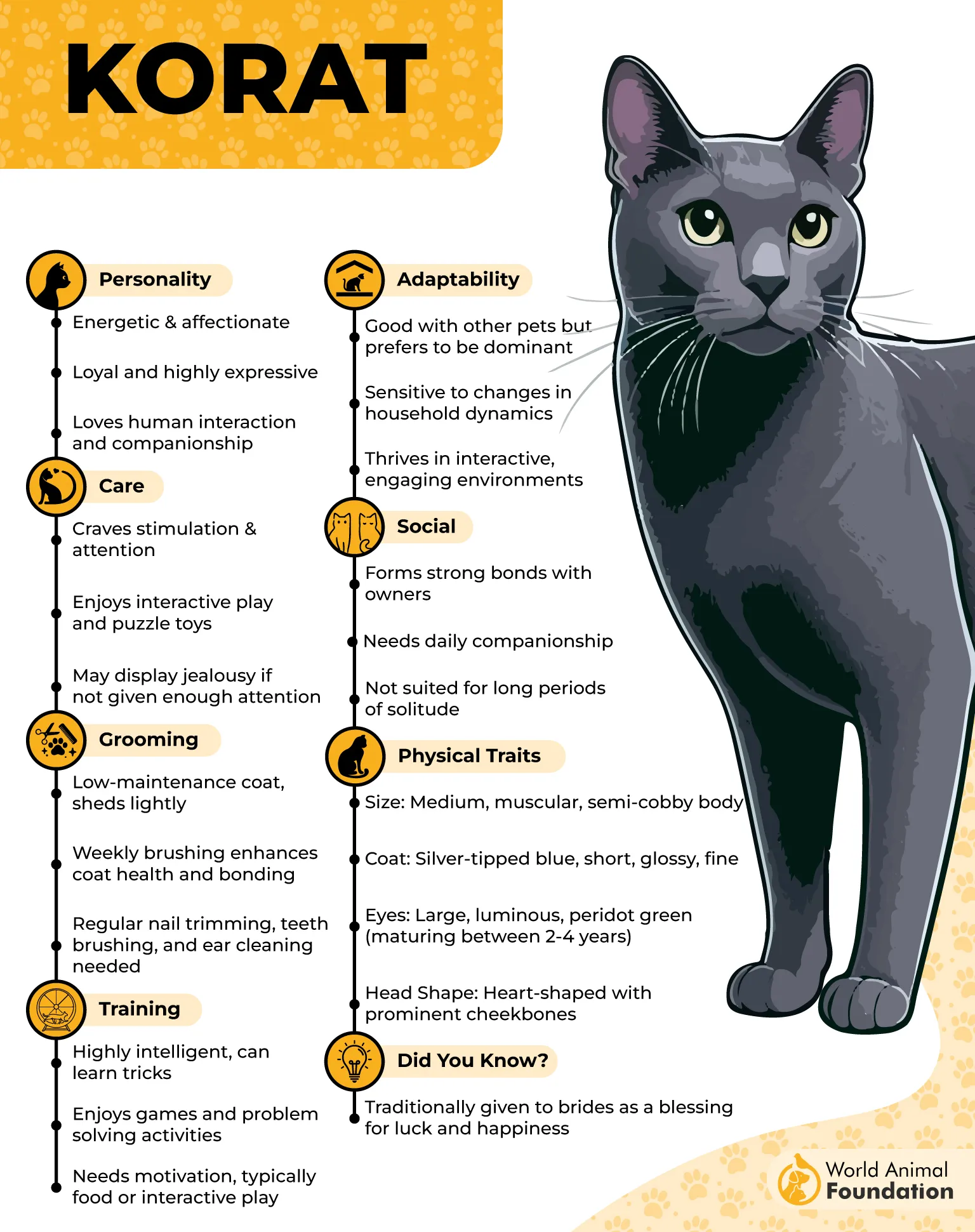
As per Hill’s Pet, Korat cats are known for expressive communication and lively eyes that track activity even in calm surroundings. They bond strongly with family while also showing enough confidence to explore their own company. Their combination of intelligence and adaptable energy makes them versatile companions.
Why This Cat Is a Good Fit
An intelligent temperament helps the cat stay engaged even without constant company.
Sleek coat and low grooming make care simple during busy days.
Enjoys exploring and playing independently when properly stimulated.
5. Burmese
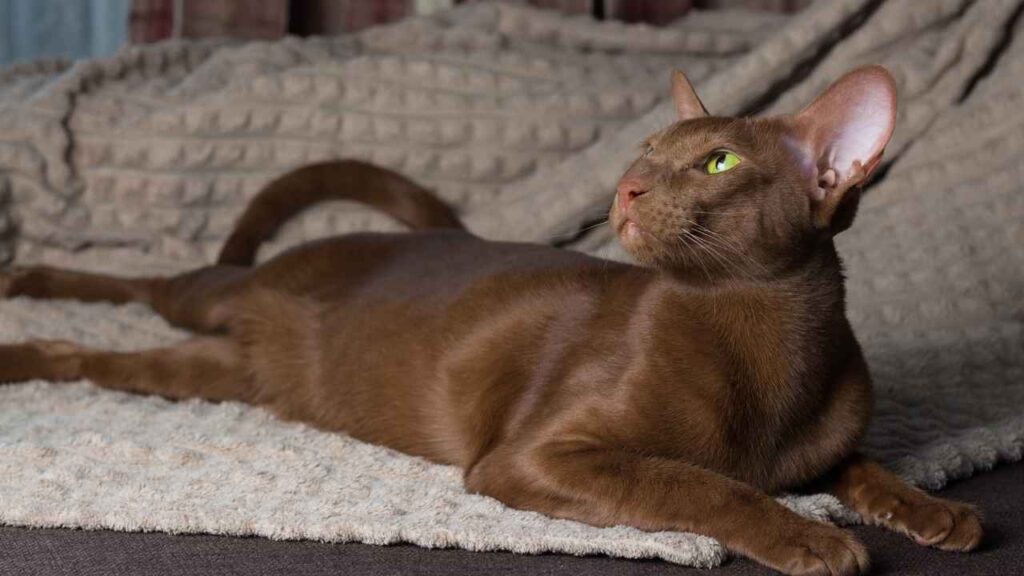
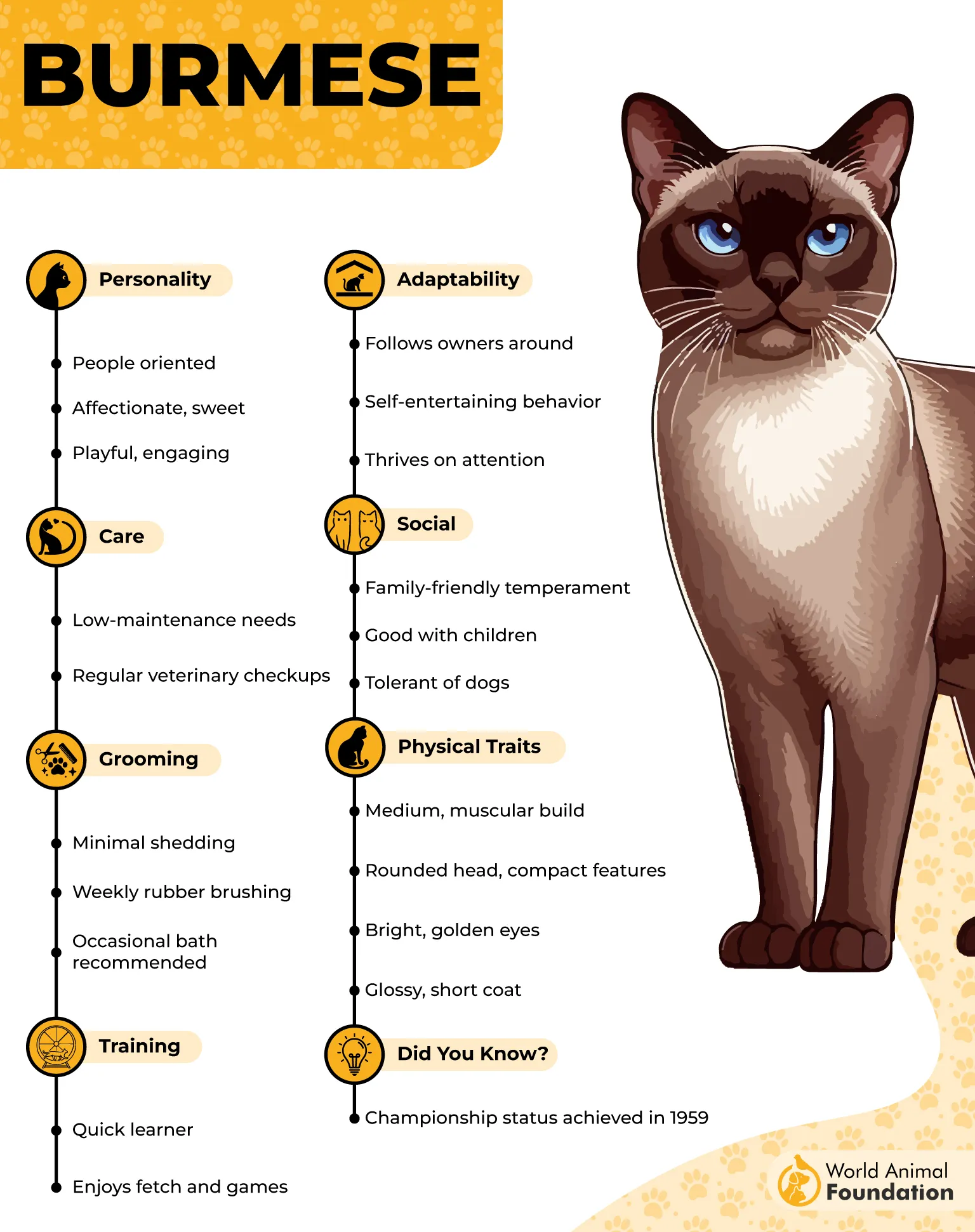
The Burmese is a compact, muscular cat with a sleek coat and expressive eyes that give it a bright, alert look. This breed is often described as people-focused, enjoying close companionship without losing its independent nature. While active and playful, many Burmese settle easily when left to their own devices, especially when the home offers engaging spaces.
Their lively personality benefits from interactive toys and regular playtime when you are home, helping them unwind during quieter hours. Burmese cats thrive on human interaction, yet many adapt well to apartment living as long as their environment offers mental stimulation. With a friendly nature and smooth coat, they remain easy to care for and manage, making them approachable for first-time pet parents.
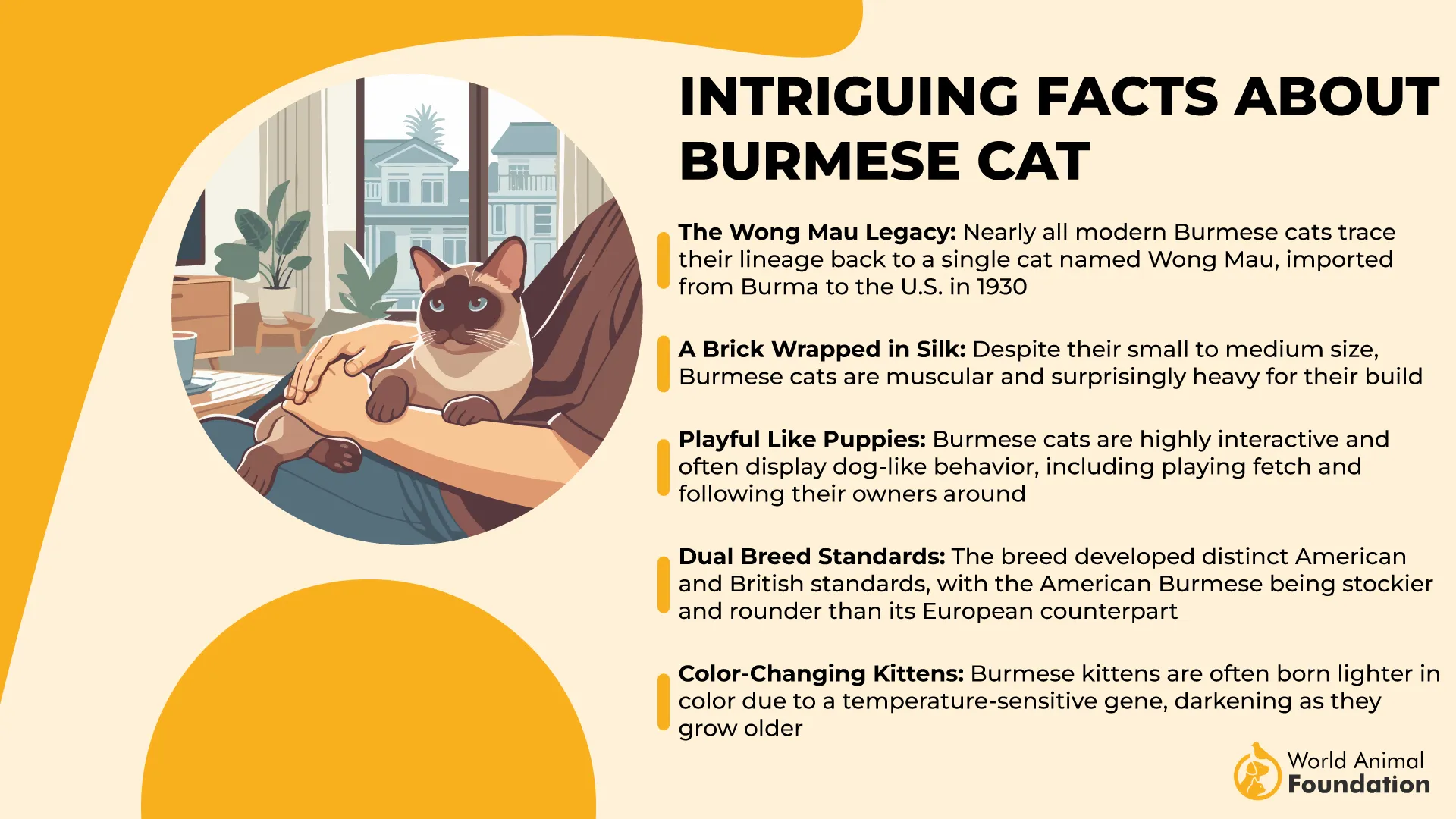
Although they enjoy spending time with their family, Burmese cats can stay content for long periods when comfortable and secure. Providing toys and a clean litter box helps prevent boredom in this smart breed. Their sweet, even-tempered presence makes them an excellent choice for households that balance affection with occasional alone time.
Why This Cat Is a Good Fit
Adjusts well to being left alone when provided enrichment and a calm routine.
Sociable yet adaptable, making solo hours manageable without trouble.
Enjoys quality time but remains perfectly happy during extended periods of independence.
6. Siberian
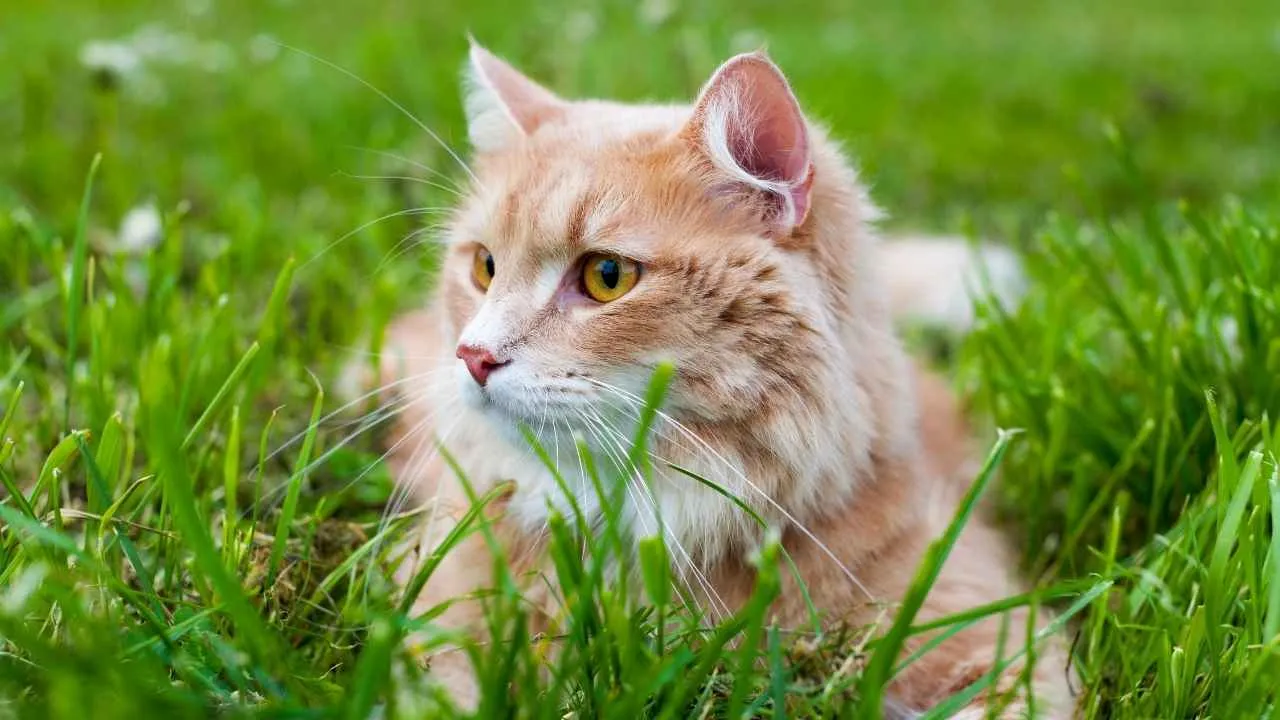
The Siberian is a strong, athletic cat with a thick triple coat that reflects its forest heritage. Despite its powerful build, this breed has a sweet-natured personality and a balanced temperament that fits many different households. Known for confidence and curiosity, a Siberian explores calmly and handles alone time with maturity.
This breed enjoys climbing structures and benefits from a cat tree or perches where it can observe the world. Because Siberians are agile and physically capable, mental stimulation is essential to keep them engaged. Their coat is long and luxurious, requiring regular grooming to stay in healthy condition and prevent tangles.
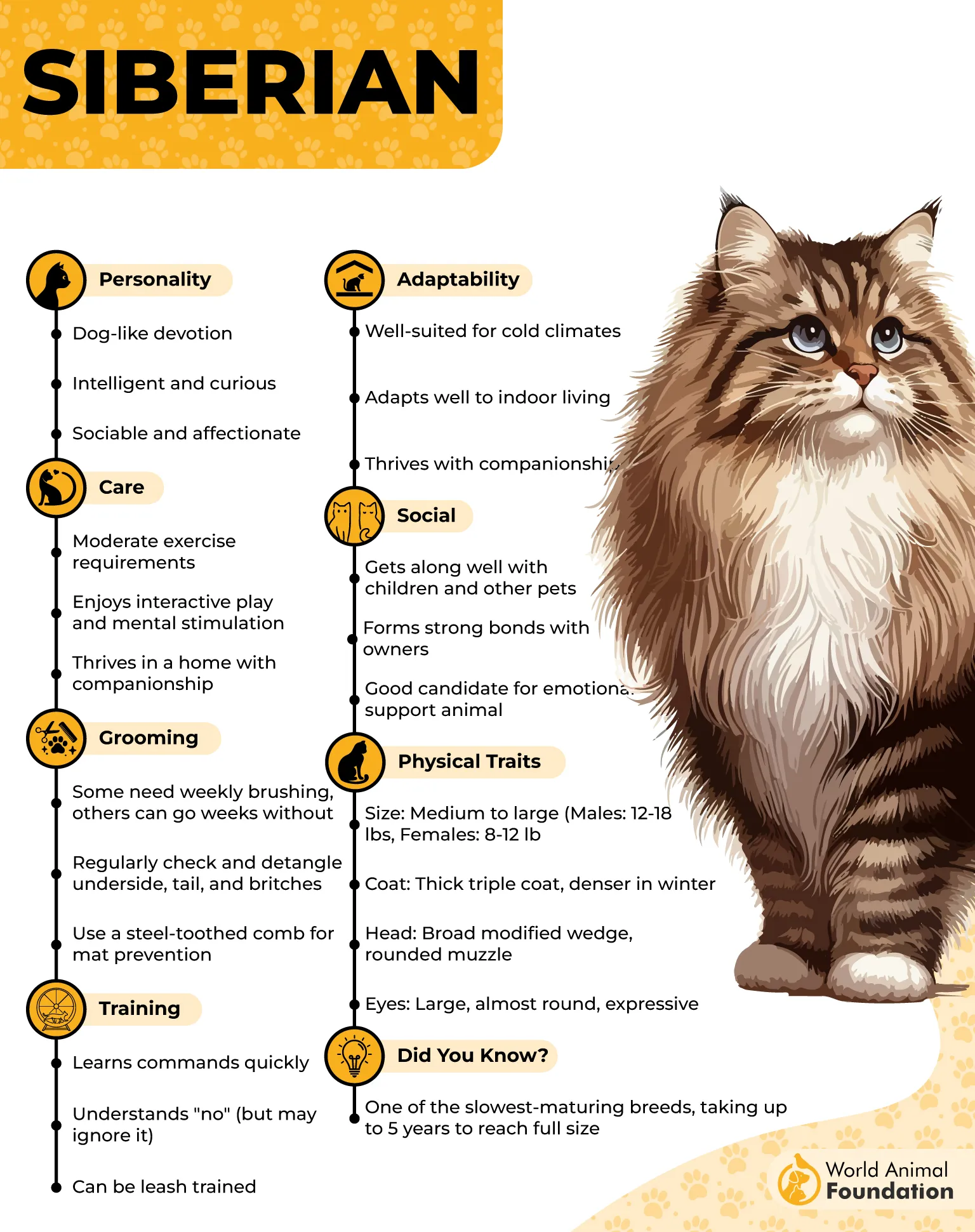
Siberians often form bonds with family members while still showing independence during the day. They coexist well with other pets when early socialization is done thoughtfully. Their gentle giants’ reputation and adaptable habits make them capable of managing alone time without destructive behavior.
Why This Cat Is a Good Fit
A confident presence allows the cat to remain calm when left alone for hours.
Enjoys exploring and using climbing structures that keep it busy in independent living.
Balanced temperament helps prevent boredom during extended periods.
7. Turkish Angora
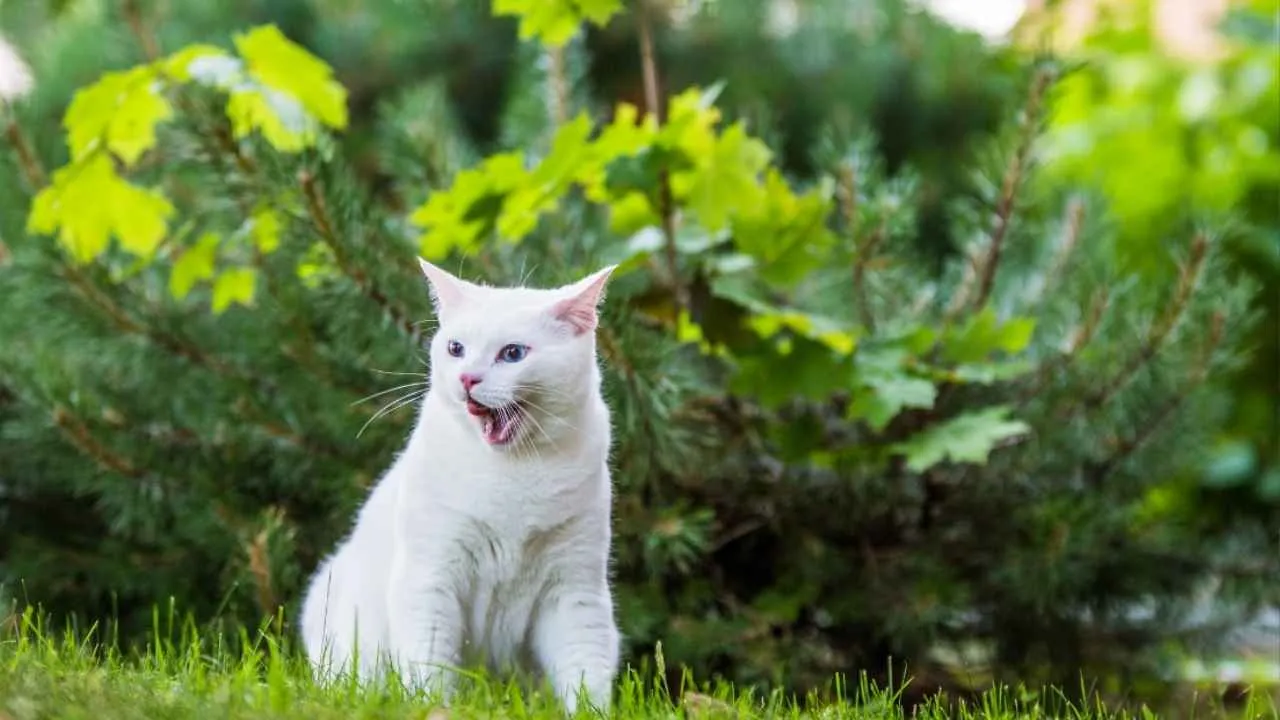
The Turkish Angora is a graceful, long-coated cat with a silky body and lively expression. This breed is energetic, alert, and enjoys exploring its surroundings with curiosity. While affectionate with its family, it shows enough independence to manage its own routine when the house becomes quiet.
Turkish Angoras appreciate stimulation and benefit from providing toys that let them channel their high energy. They adapt well to independent living when their environment includes spaces to climb, observe, and rest comfortably. Their coat remains soft with consistent care, making regular grooming an essential part of their routine.
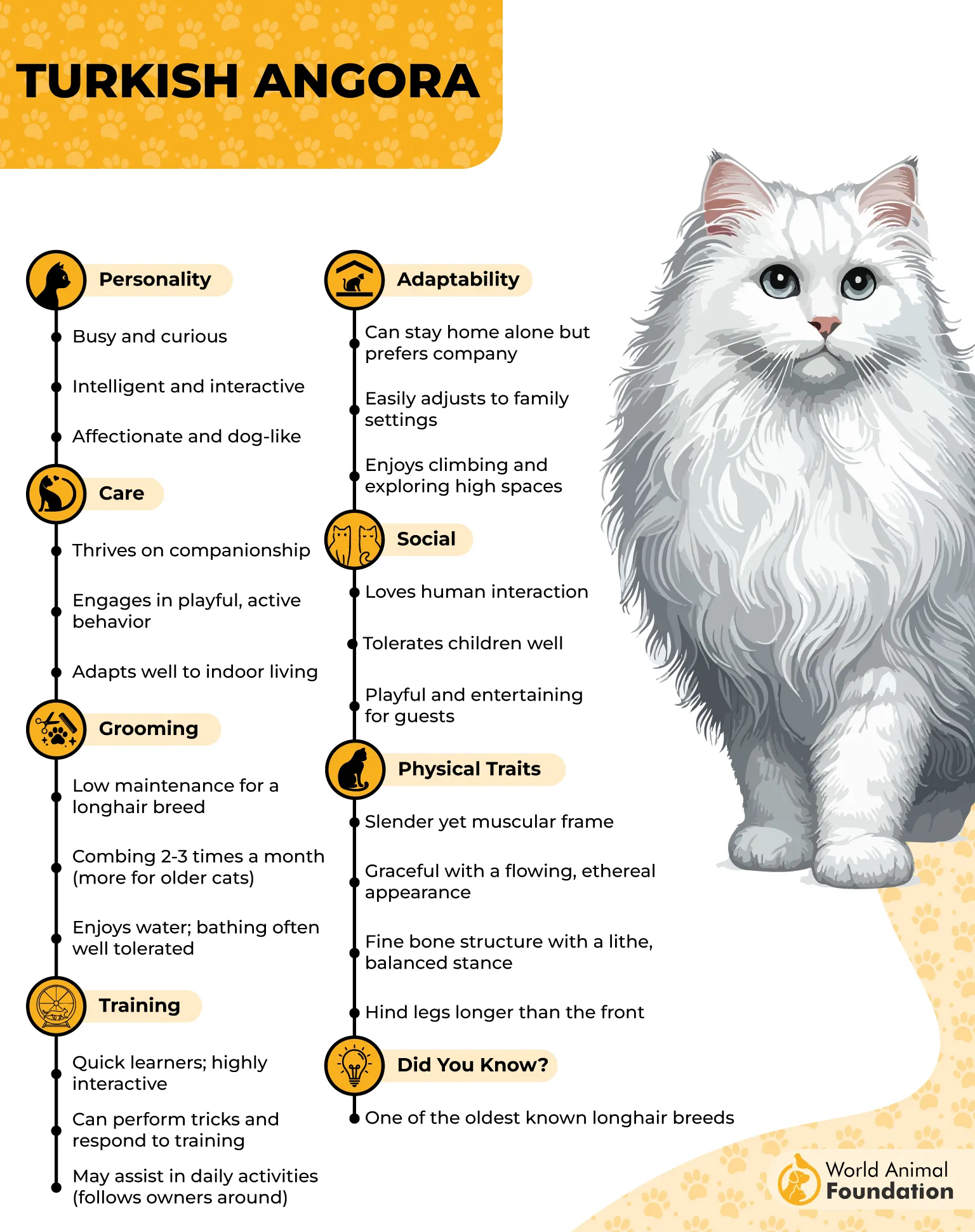
Although social by nature, the Turkish Angora does not require constant human attention to stay content. It can entertain itself with toys, gentle activity, and a clean litter box during the day. This adaptable attitude makes the breed suitable for pet parents who spend days a week outside the home.
Why This Cat Is a Good Fit
A confident personality allows the cat to stay engaged when left alone.
High energy balanced with self-directed play reduces separation-related behaviors.
Thrives in environments where mental stimulation supports independence.
Conclusion
Finding cats that are great at being alone starts with recognizing which personalities are comfortable with quiet routines and minimal oversight. Many of the best cat breeds balance independence with a sociable nature, giving pet parents a companion that does not struggle with separation anxiety. A laid-back kitty that can relax, enjoy fresh water and food, and stay calm around animals or dogs can fit well into homes with little attention due to varying schedules.
Creating a predictable routine, offering enriching spaces, and keeping up with regular veterinary check-ups helps any new cat feel secure while adapting to independent time. Cats that manage solo hours still enjoy quality moments when you return, blending self-reliance with warm social nature.
For even more options, other breeds such as the Norwegian Forest Cat, Maine Coon, Scottish Fold, Exotic Shorthair, American Shorthair, Devon Rex, and others also adapt well to independent lifestyles.
