




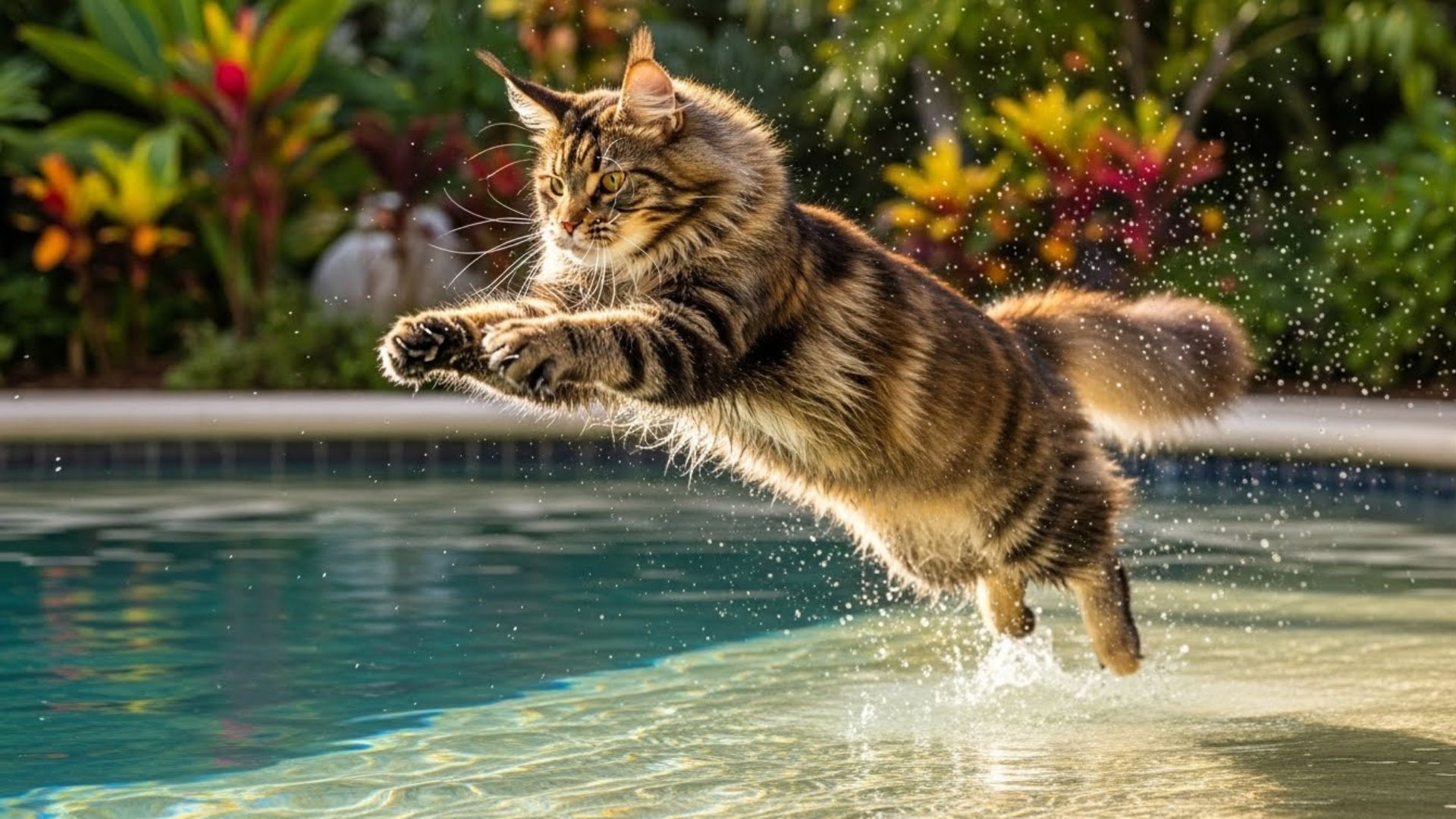
Cats may be notorious for sidestepping bath time, but some breeds break the stereotype entirely. These extraordinary felines don’t just tolerate water—they actively seek it out, splashing in sinks, pawing at streams, and sometimes diving right in. Their bold curiosity sets them apart, offering a glimpse into a side of cat behavior many pet owners never expect.
Much of this aquatic affection comes from deep-rooted instinct. Many water-loving cats descend from ancestors who lived near rivers or coastlines, where hunting and survival depended on interacting with water. Over generations, this connection shaped not only their comfort with getting wet but also their physical traits—such as water-resistant coats that dry quickly after a swim.
Today, these unique tendencies shine through in playful behaviors like fishing for floating toys or investigating every dripping faucet within reach. Whether driven by history or temperament, these breeds display a genuine fascination with water that surprises and delights. Ahead, explore the cat breeds that embrace their watery world with enthusiasm and charm.
Cat Breeds Known for Their Love of Water
1. Turkish Van
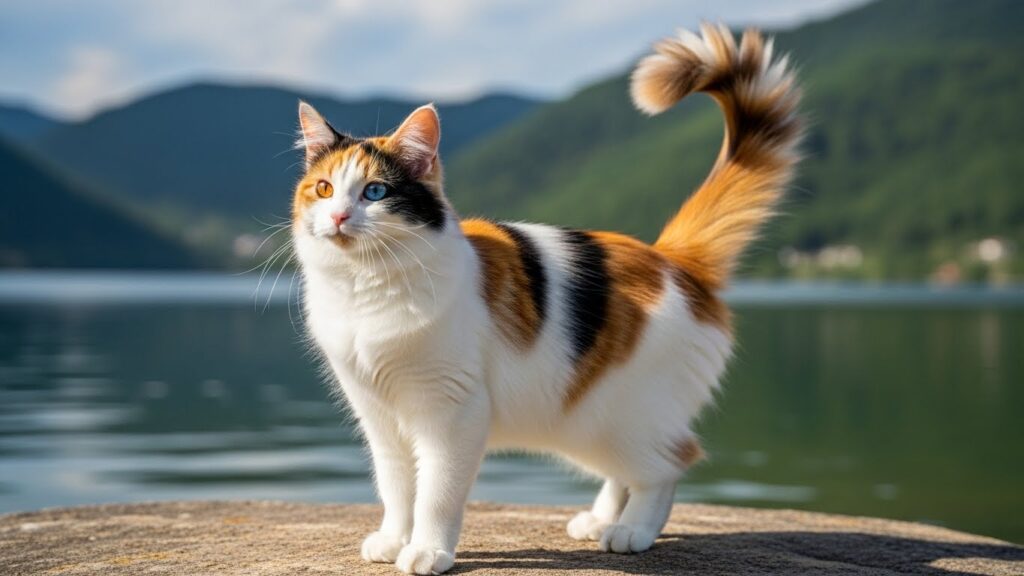
Often called the Swimming Cat, the Turkish Van is a playful, energetic breed native to Turkey’s Lake Van region. Britannica states that the Turkish Van is a semilonghaired domestic cat breed best known for its distinctive coloring: a mostly white body with patches of color limited to the head and tail.
This cat carries a long history of thriving near water—so much so that legends even place its ancestors on Noah’s Ark.
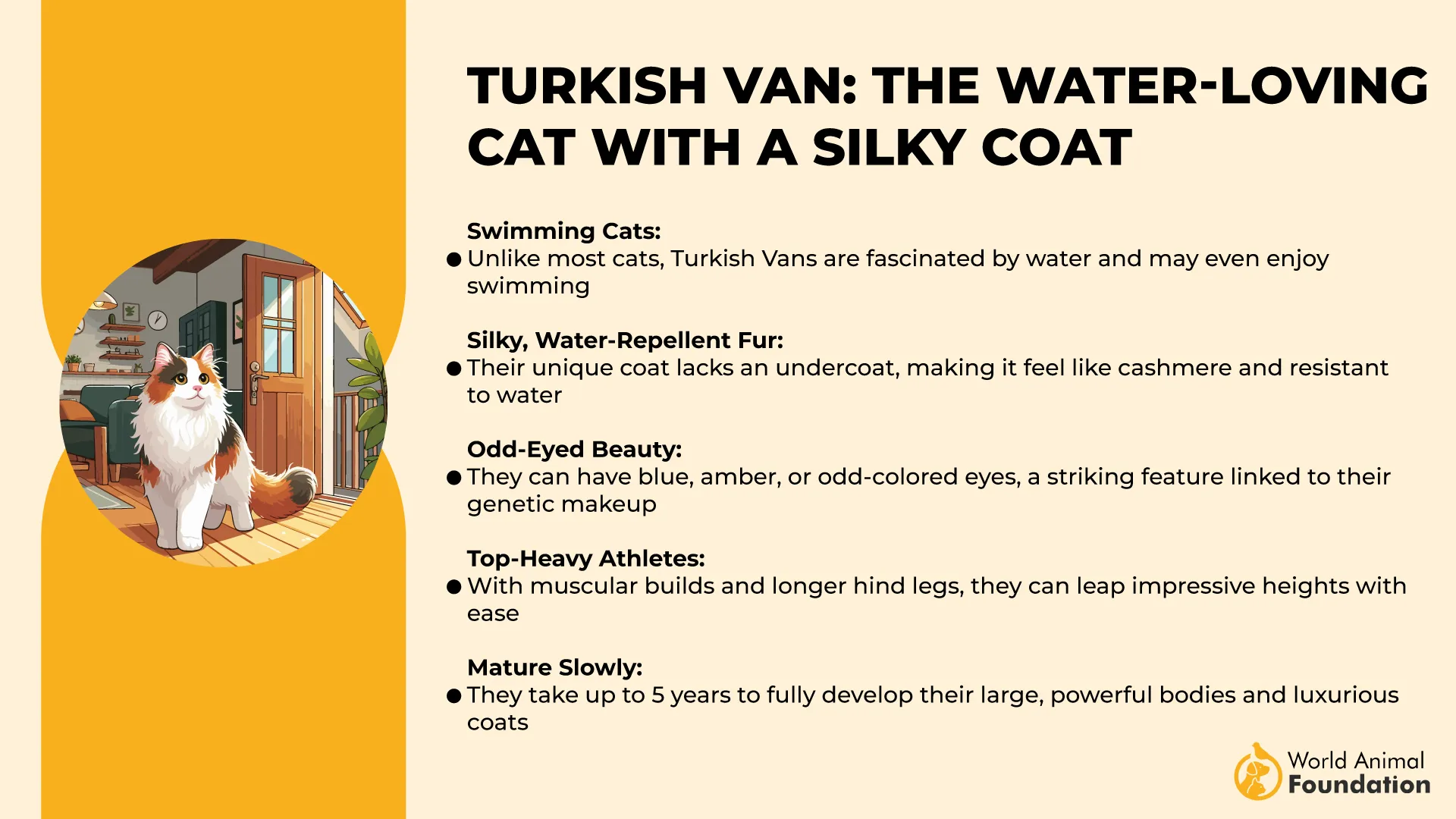
Unlike most felines, Turkish Vans are naturally drawn to water, a trait shaped by generations of swimming and fishing for survival. Their seasonal coat, thick in winter and significantly lighter in summer, made it easier for them to plunge into lakes without becoming weighed down.
Their unusual affinity for swimming also stems from confidence and curiosity—two traits that set them apart from cats that instinctively avoid getting wet. With fur that dries remarkably fast, they can enjoy aquatic play without the discomfort many other breeds experience.
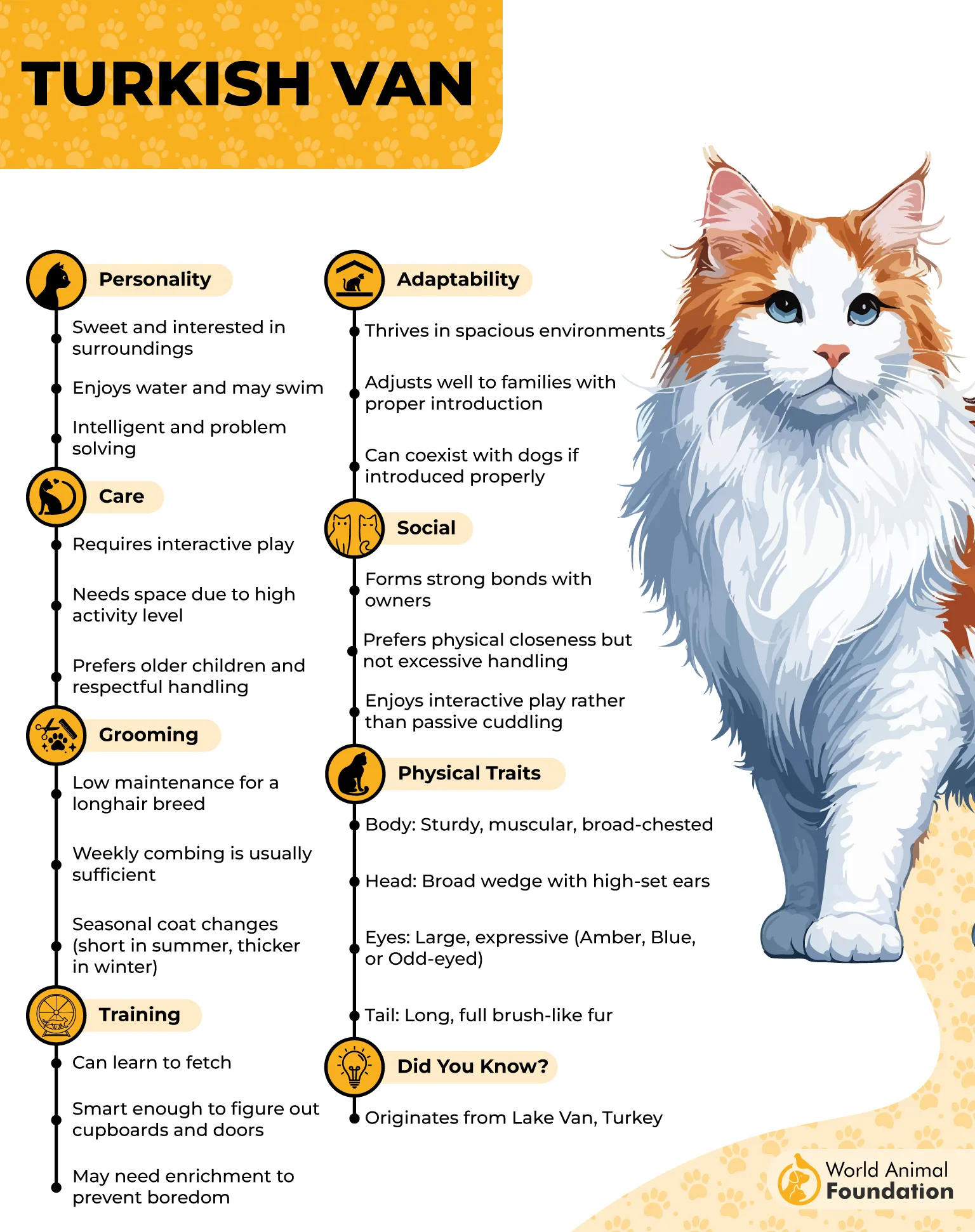
This love of water can come with quirks, though. Vans are clever enough to turn on faucets, so owners may need to prevent accidental indoor “floods.” Fun Fact: Their water-resistant coat can leave them nearly dry even after a full swim.
2. Bengal
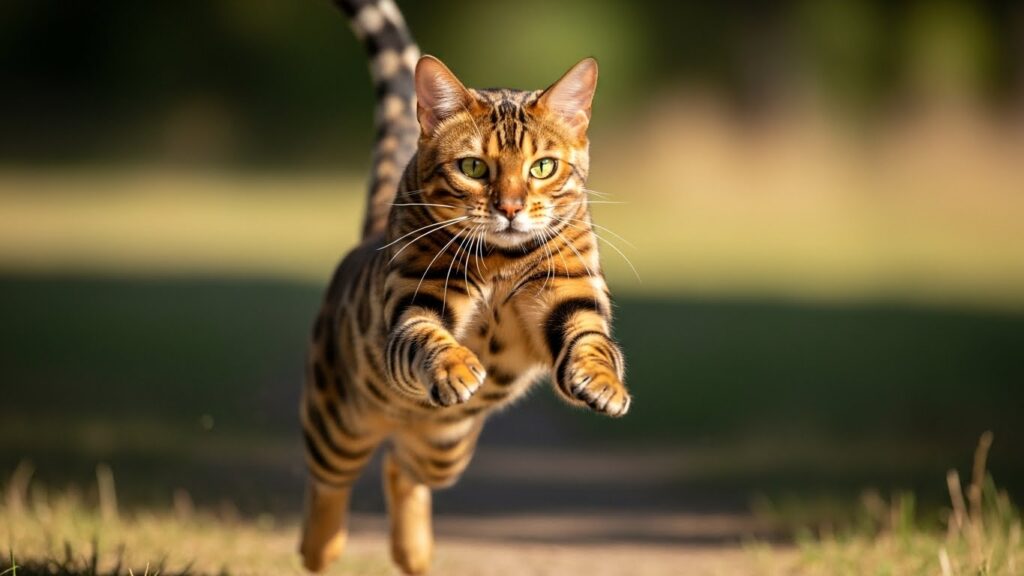
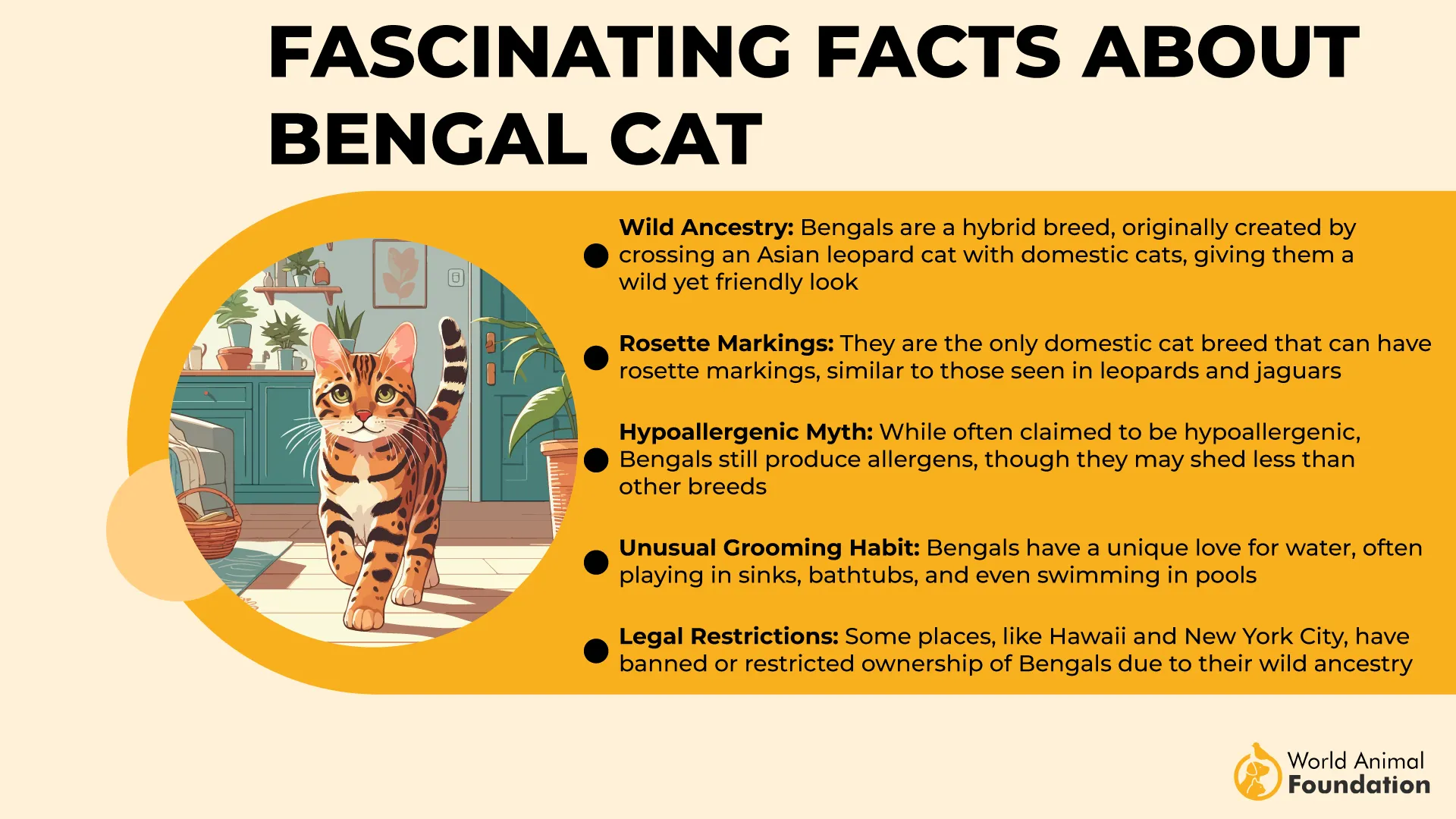
Born from a cross between domestic cats and the wild Asian Leopard Cat, the Bengal is instantly recognizable for its sleek, exotic coat and lively personality.
According to PetMD, when you observe a Bengal cat, it can easily be mistaken for a small leopard, and this comparison is quite accurate. Highly social and intelligent, this energetic breed forms strong bonds with its humans and thrives on interactive play.
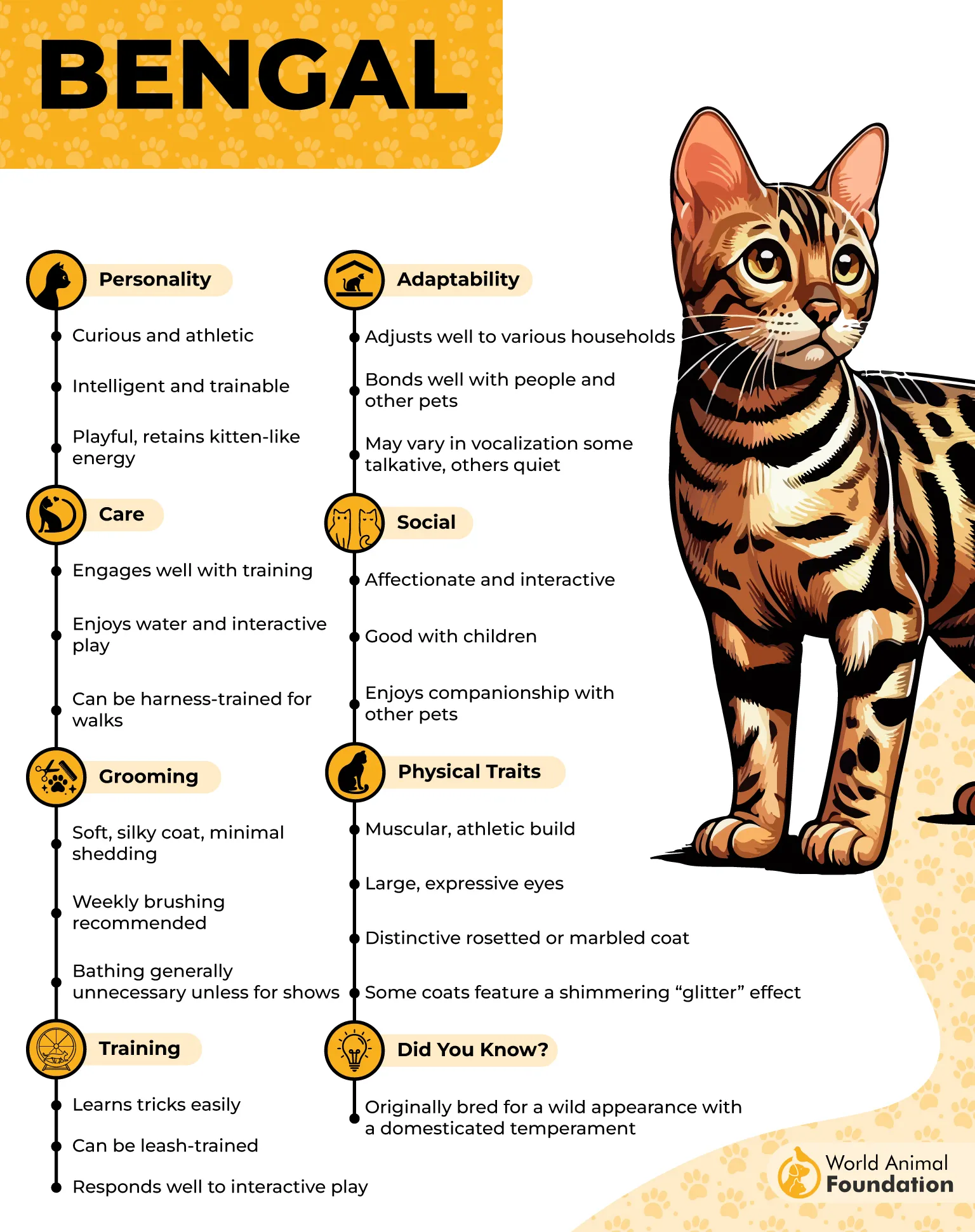
Their wild lineage plays a big role in their natural comfort around water. Bengals don’t just tolerate getting wet—they often seek it out, fearlessly splashing or dipping into anything from puddles to bathtubs. This confidence makes water-based play an easy favorite.
Many Bengals even prefer moving water over still bowls, gravitating toward fountains, faucets, or any source that mimics the flowing streams their ancestors once relied on. Their curiosity often leads them to investigate showers or join their owners near sinks.
At home, these cats eagerly engage with water-themed enrichment, happily pawing at floating toys or exploring shallow tubs. Fun fact: Bengals are so captivated by water that many will swat at objects bobbing in bowls or hop into filled bathtubs for a playful splash.
3. Maine Coon
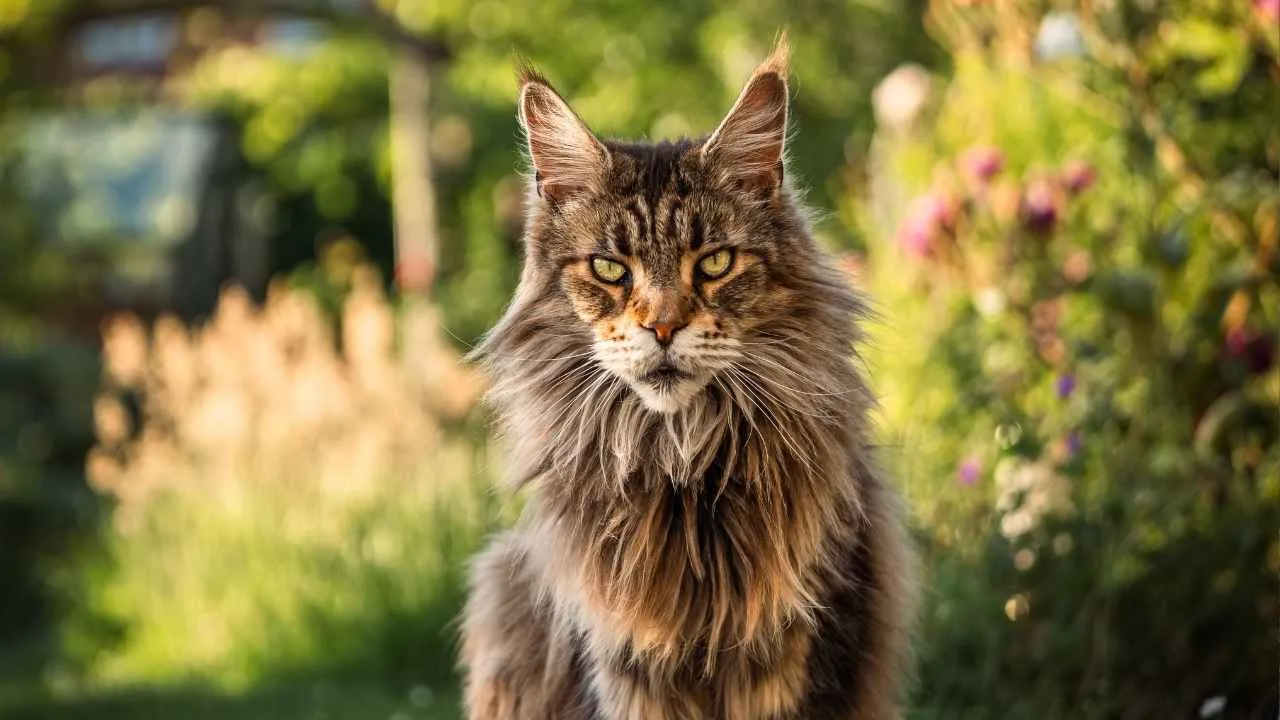
Often called the “gentle giant,” the Maine Coon—also known simply as the Coon Cat—is one of the largest domestic cat breeds and is admired for its loyal, sociable nature.
According to WebMD, Maine Coon cats belong to a large-sized breed and are known for their affectionate and friendly nature. Historically valued as skilled mousers aboard ships, they developed a natural ease around water that still defines them today.
Their fascination with water often shows up in surprising ways. Many Maine Coons enjoy joining their owners in the bathroom, intrigued by the shower or bathtub, and some even learn to mimic routines they observe—true “copy cats” in action. Their intelligence makes them quick to experiment with water sources around the home.
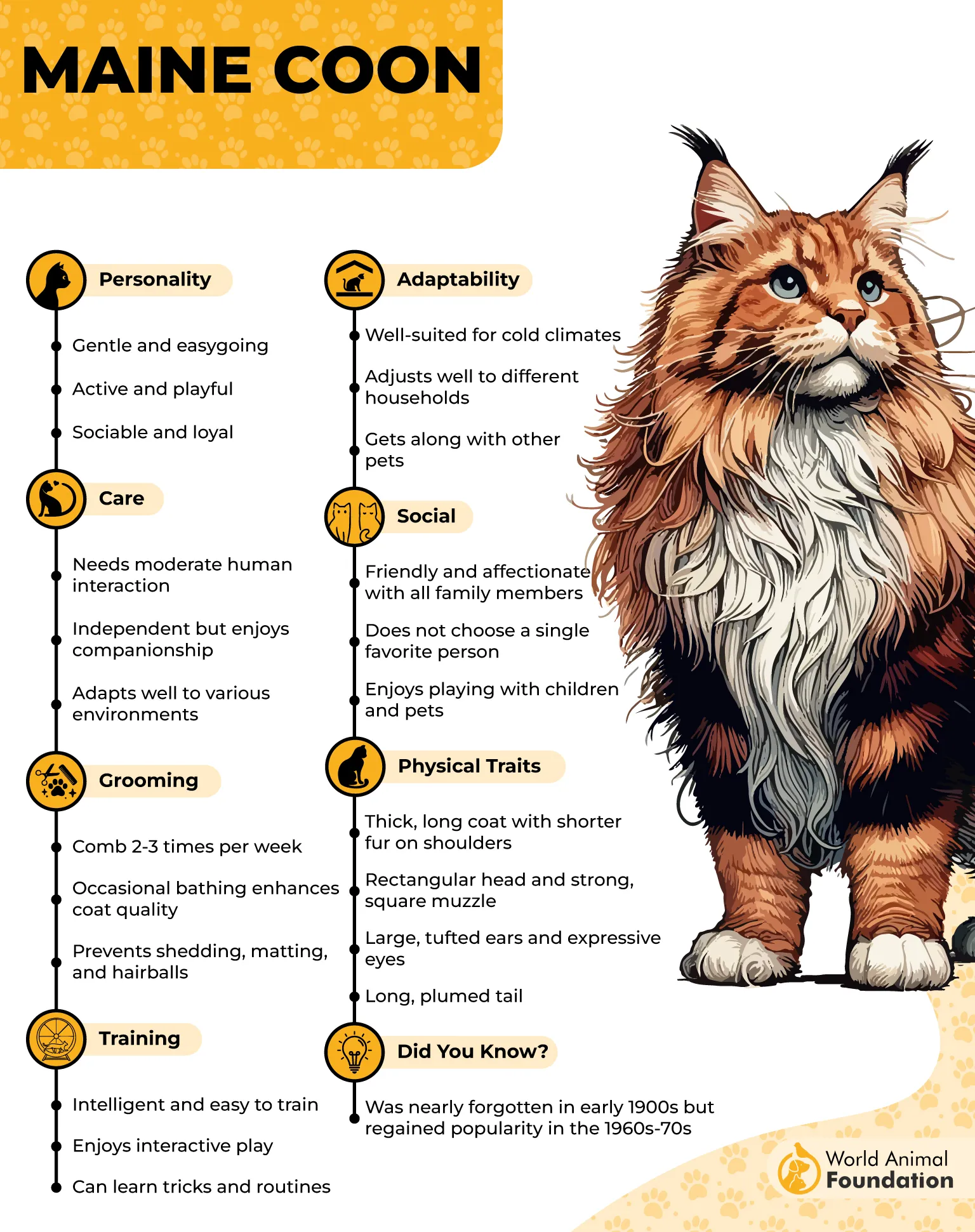
Because they’re so drawn to the movement of water, Maine Coons are known for enthusiastic splashing. Heavy bowls and pet fountains help satisfy their curiosity while minimizing the puddles they tend to create. Their water-resistant fur keeps them comfortable during these wet adventures.
Their seafaring past may explain why some Maine Coons even attempt swimming, placing them among the few breeds naturally inclined to give it a try. Fun fact: A longtime Maine Coon breeder is known to hop into the tub with his cats to bathe them.
4. Abyssinian
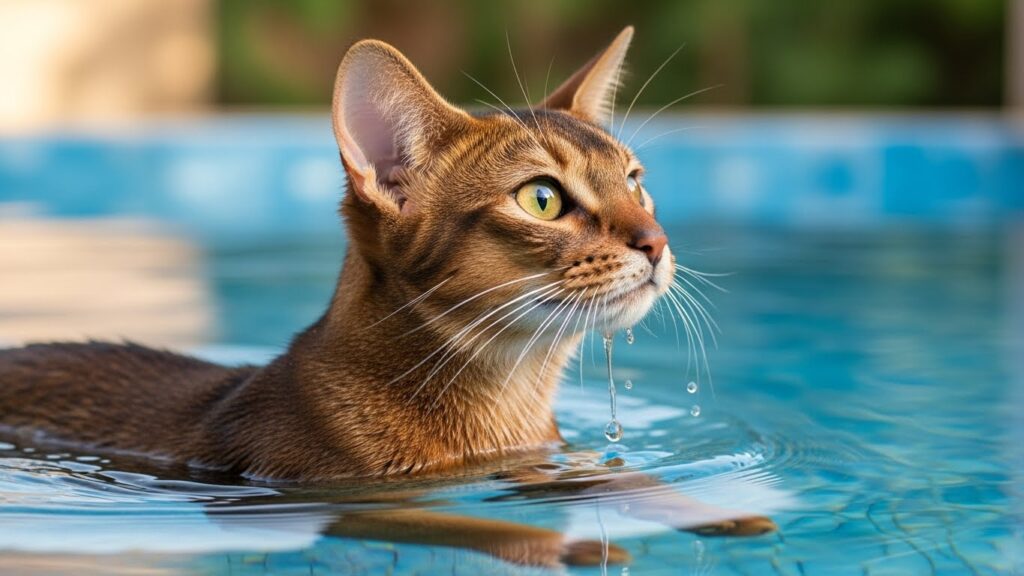
Graceful and instantly recognizable, the Abyssinian stands out with its ticked, silky coat and striking green or gold eyes. Often described as loving, playful, and laid-back, this breed carries a long history and an athletic build that naturally lends itself to agile movement—and, surprisingly, a fondness for water.
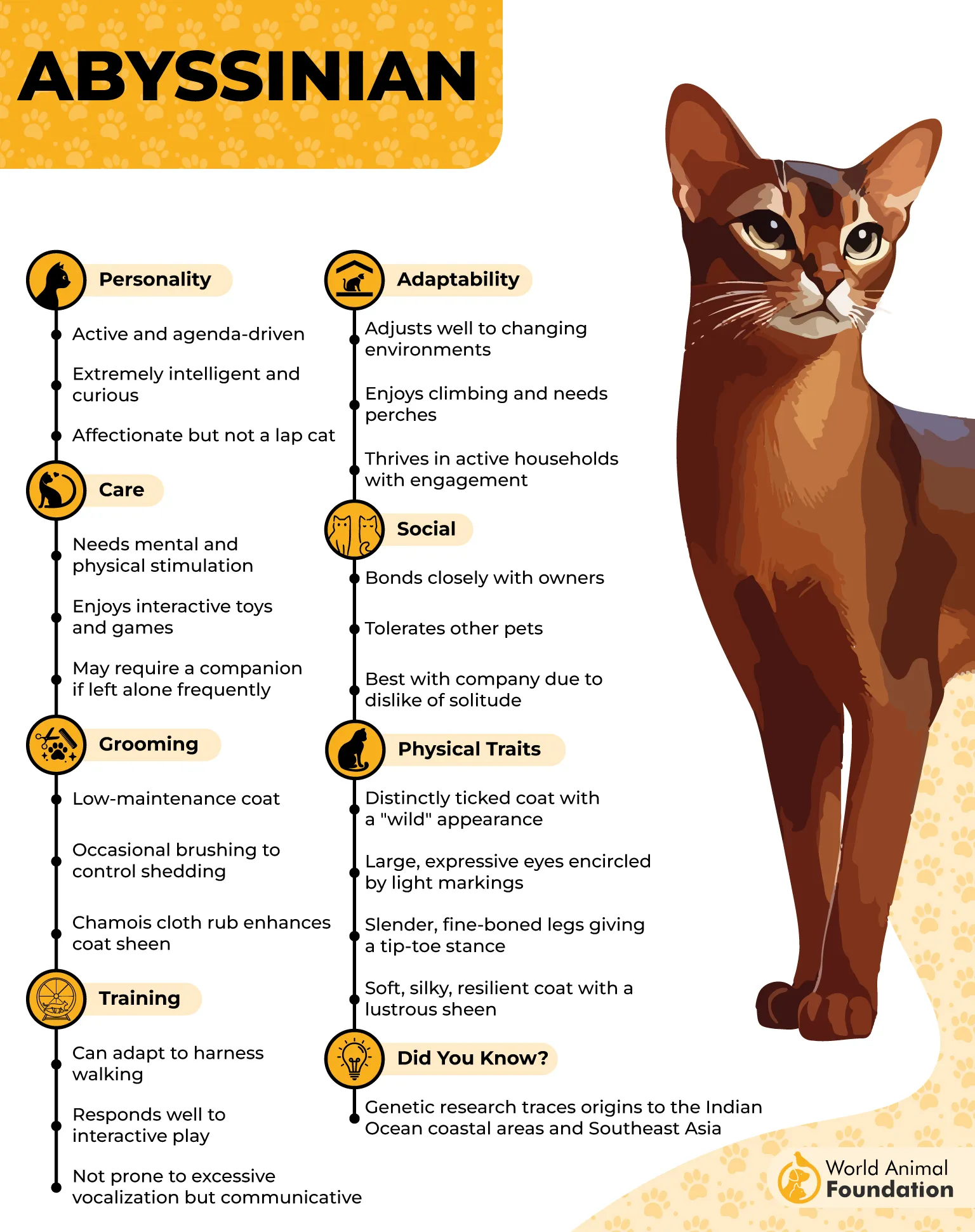
Their adventurous spirit often draws them toward anything that splashes or trickles. Abyssinians are known to dab at running faucets, investigate garden ponds, and treat bubbling fountains as personal playgrounds. Their curiosity and confidence make them far more willing than most cats to get their paws wet.
Part of their aquatic comfort stems from their sleek, lightweight fur, which never becomes heavy when damp. This streamlined body makes them efficient swimmers, a trait highlighted by breeders who note their natural ease in the water. Even the smallest drip can capture their attention, transforming everyday moments into active play.
Their historical ties to seafaring life may also explain their affinity for water. Abyssinians traveled alongside sailors as mousers, and their sharp vision made them valuable companions who could detect subtle movements on the water—some even believed they could sense approaching storms.
5. British Shorthair
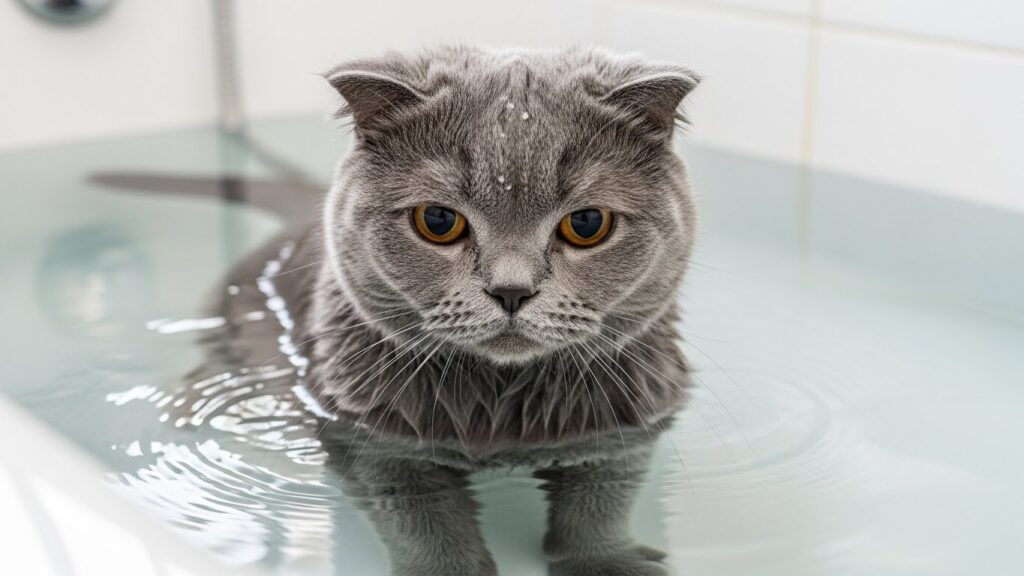
Often called the Brit or Brit Shorthair, this calm, steadfast breed is known for its plush coat, rounded features, and collected temperament. Though not overly clingy, the British Shorthair enjoys staying near its people and quietly observing every corner of the home.
Their curiosity naturally extends to moving water. Many British Shorthairs become fixated on streaming faucets or rippling bowls, often reaching out a paw to test the surface. Some even wander into the shower out of pure fascination, eager to investigate the shifting patterns and sounds.
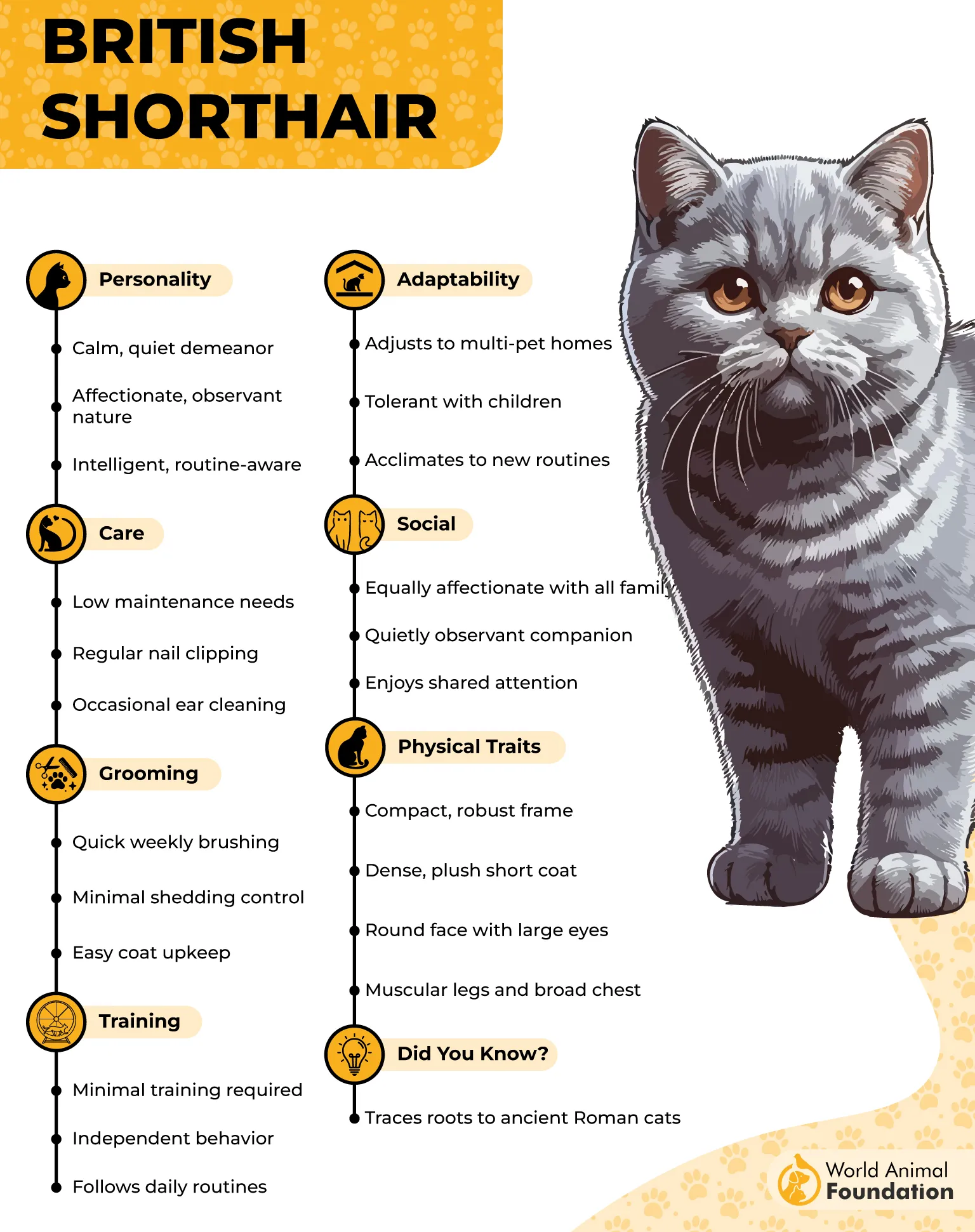
Because they like to be involved in household happenings, these cats often treat water play as part of their daily routine. Whether batting at floating toys or stirring their water dishes, their steady, thoughtful nature makes them surprisingly fond of gentle splashing.
Their intelligence also encourages interactive water-based enrichment. A British Shorthair may happily engage with trick fountains or puzzle toys that incorporate flowing water, satisfying both mind and instinct.
Fun fact: They’re known to “meow” specifically when they want something—especially when requesting fresh running water.
6. Egyptian Mau
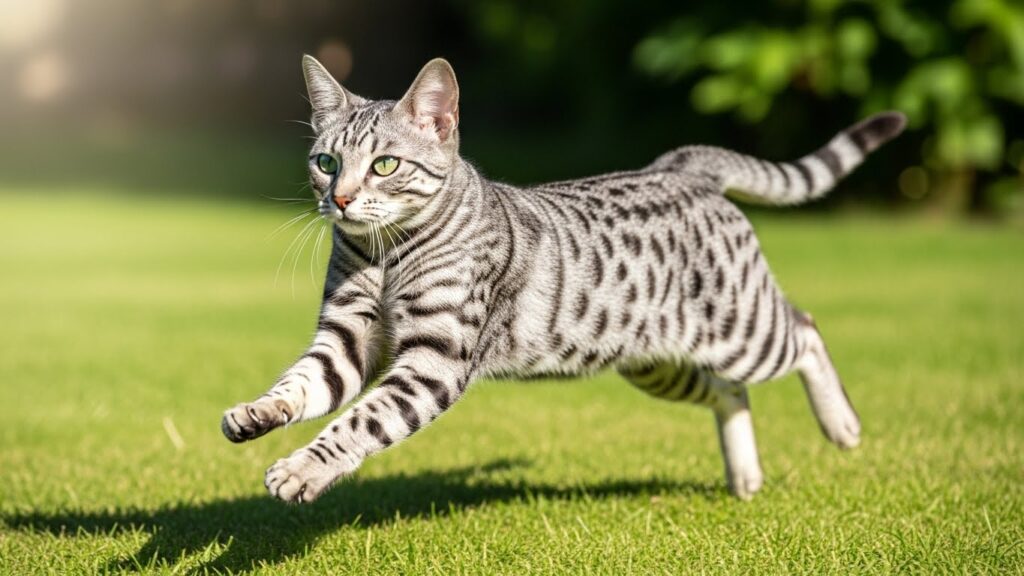
The Egyptian Mau—also known simply as the Mau—is a striking, athletic breed recognized for its naturally spotted coat and expressive green eyes. Known for being active, faithful, and highly attentive, this cat often bonds closely with its family while showing off an impressive level of agility.
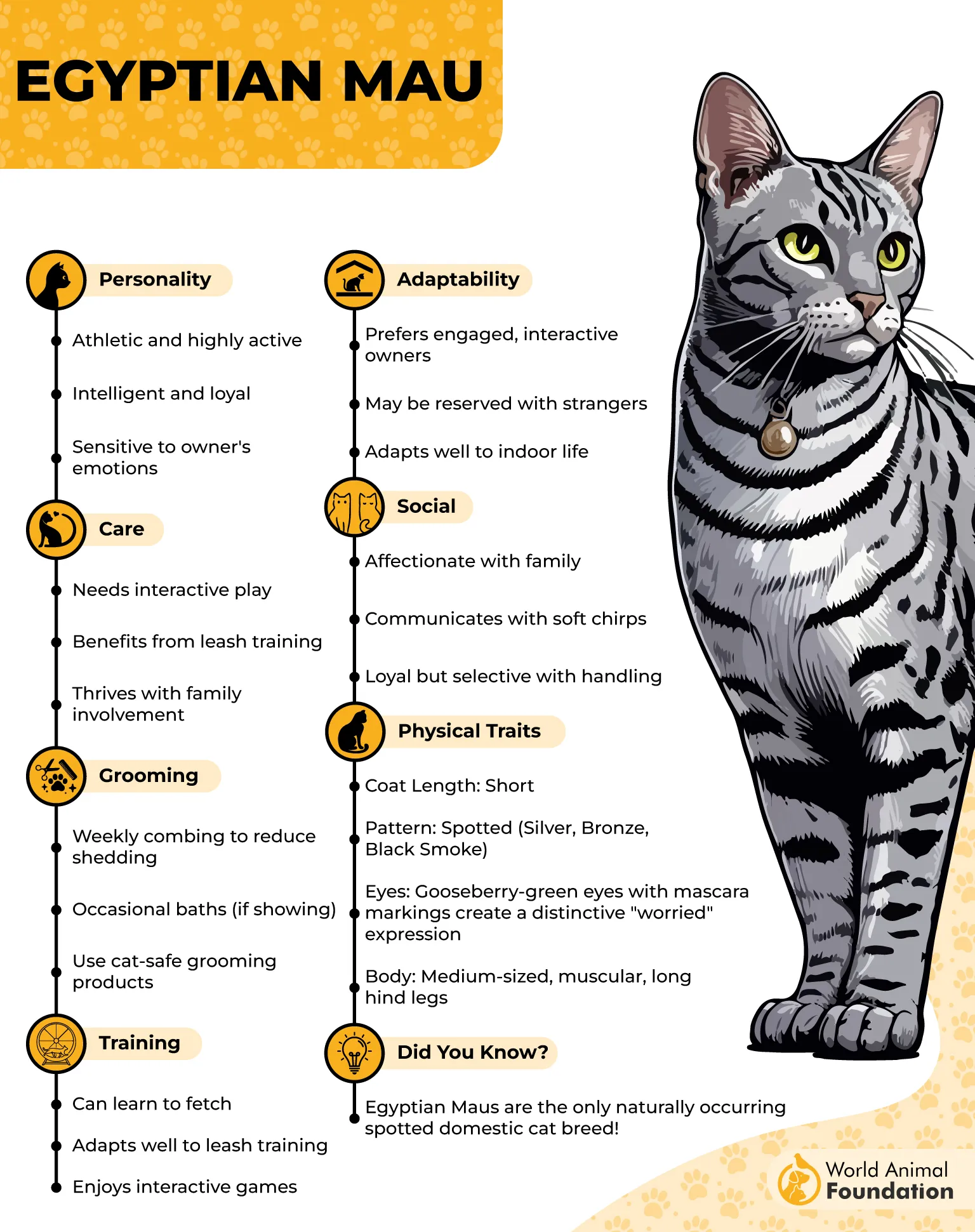
Their love of water sets them apart, much like the Bengal, as many Maus eagerly interact with sinks, fountains, and even shallow pools. Some owners have noted their remarkable ability to turn on faucets, driven by curiosity and a fascination with moving water.
Because of their playful and energetic nature, Maus often explore water as part of their daily activities. They may tap, splash, or investigate water bowls, turning simple hydration into an engaging pastime. These traits make them a standout among breeds drawn to aquatic play.
This breed also exhibits a unique drinking habit: they frequently dip a paw into the water before taking a sip. This instinct is believed to trace back to wild ancestors who masked their scent by urinating in streams—a fascinating glimpse into their history.
7. Norwegian Forest Cat
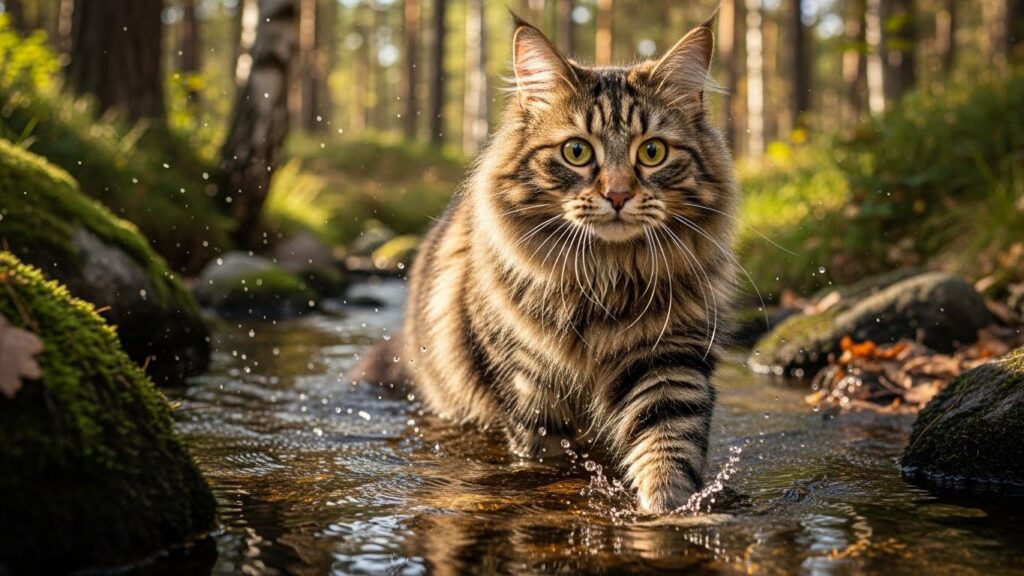
The Norwegian Forest Cat—also called the Wegie—is a sturdy, long-haired breed shaped by the cold, snowy climate of its homeland. Known for its social yet independent nature, this cat developed thick, water-resistant fur that once helped it survive the harsh Nordic landscape.
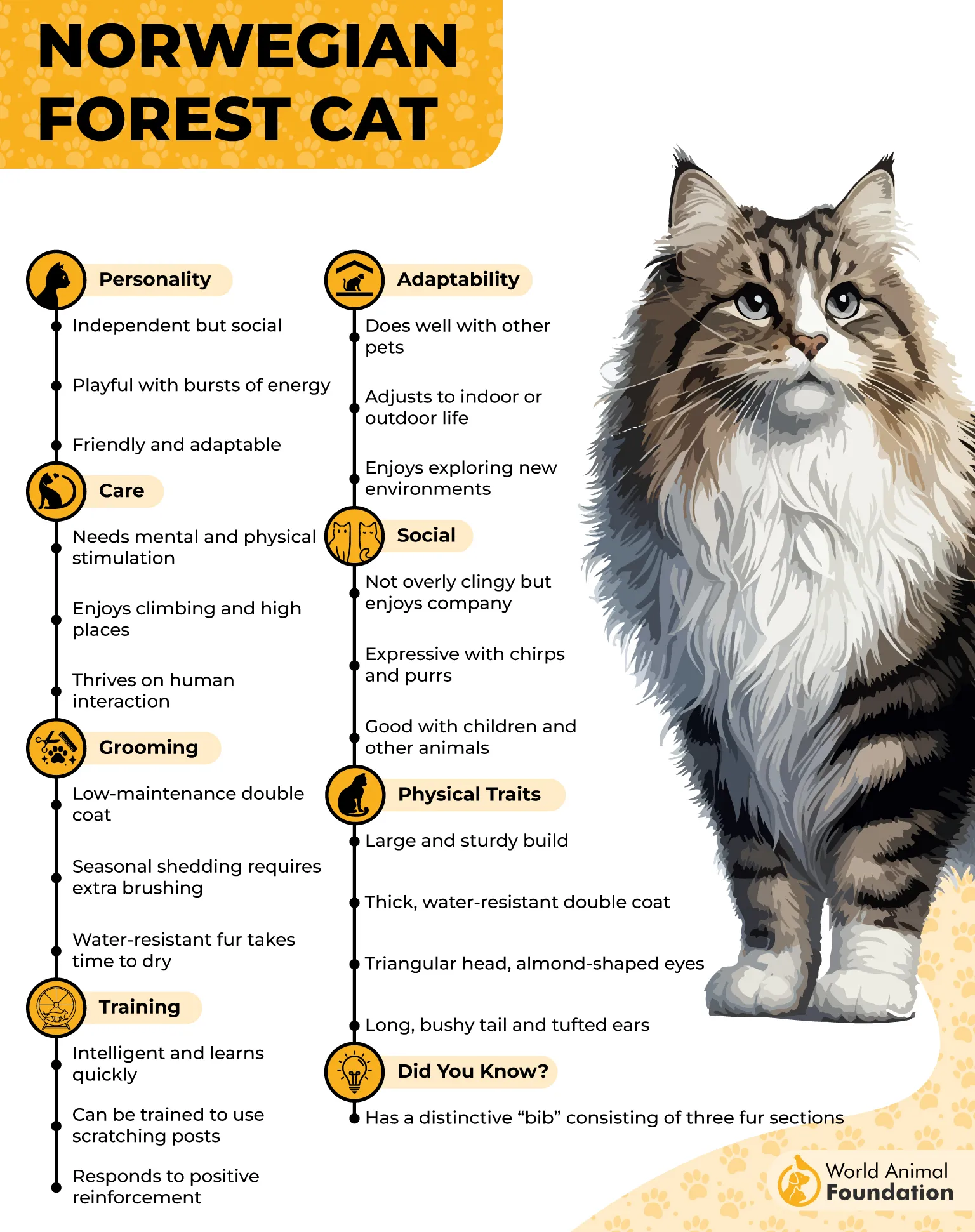
Because of their lineage in damp, forested regions, Norwegian Forest Cats naturally feel at ease around water. Their dense, triple-layered coat repels moisture, allowing them to explore wet environments without discomfort, a trait commonly shared by many water-loving felines.
These agile climbers are also skilled hunters, and their comfort near streams or lakes made fishing a practical behavior. Like other breeds drawn to water, they pair physical capability with curiosity, often pawing at dripping faucets or investigating shallow basins.
Their instinctive attraction to movement in water means they may try to “fish” indoors as well. This behavior reflects a hallmark trait of water-loving cats: blending play with ancestral survival skills. Fun fact: Norwegian Forest Cats are known to enjoy catching their own fish when living in the wild.
8. Savannah
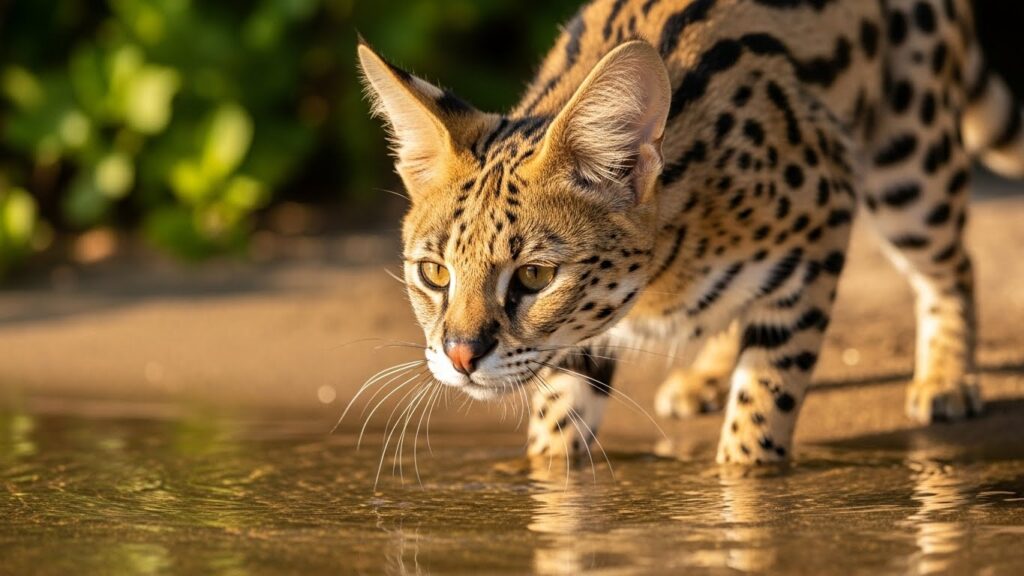
The Savannah, a striking hybrid of domestic cat and African serval, is known for its long legs, spotted coat, and high energy. Affectionate, bold, and a bit territorial, this medium-to-large cat can weigh 12–25 pounds and often enjoys an active life well into its late teens.
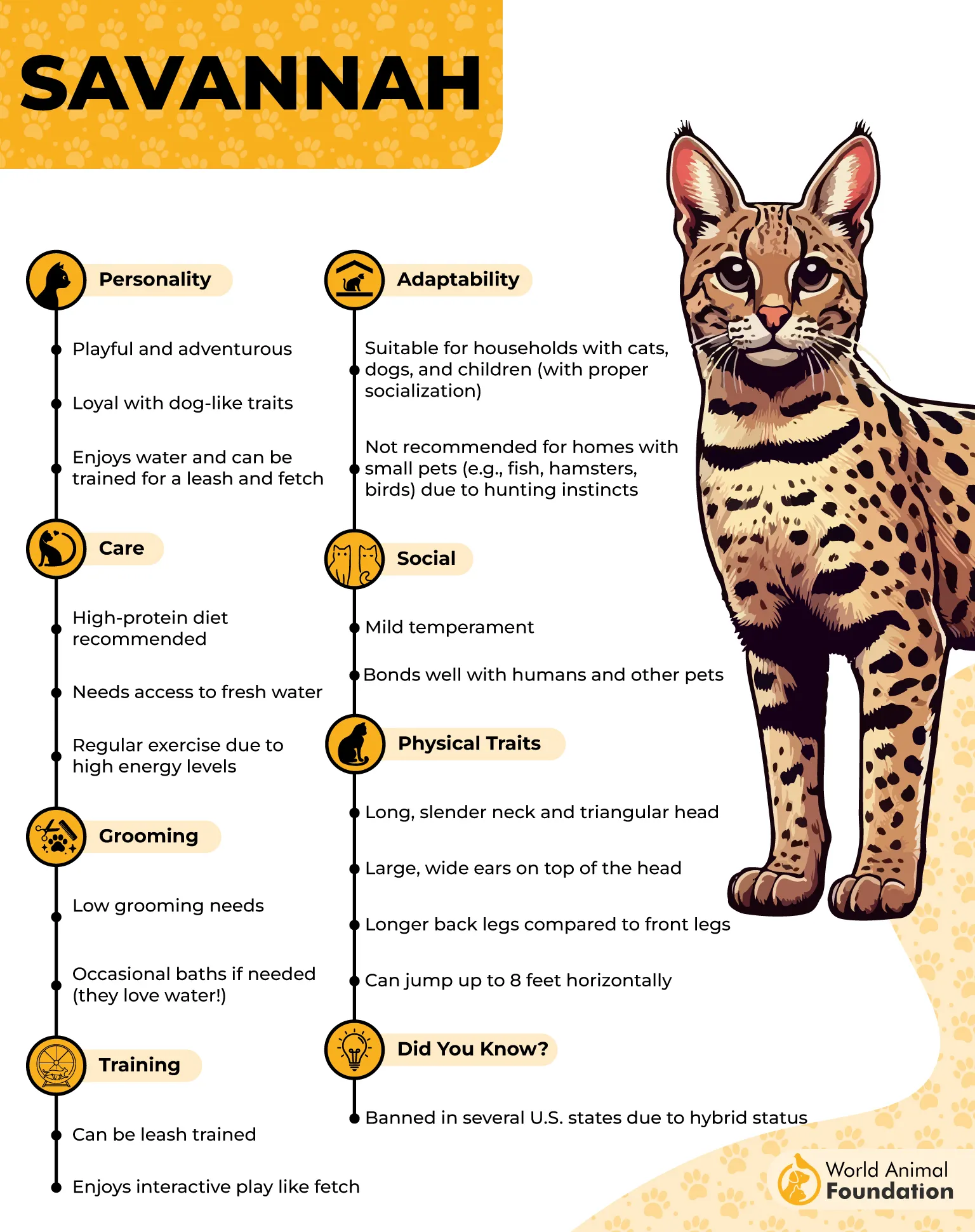
Although its wild roots trace back to African plains, the Savannah’s serval ancestry also links it to wetlands and rivers, helping explain its fascination with water. Many Savannahs are captivated by dripping taps and splashing sinks, happily patting at ripples instead of shying away.
To safely introduce your Savannah to water, start small with a shallow basin or bathtub and let them explore at their own pace. Toss in floating toys or treats near the surface so they associate water with fun and rewards, always keeping sessions short and positive.
As their confidence grows, you can gradually increase the depth while avoiding sudden noises or movements that might startle them. With patient supervision, your Savannah may progress from pawing at puddles to wading or even swimming, since many are naturally drawn to water and will eagerly seek it out whenever possible.
9. Burmese
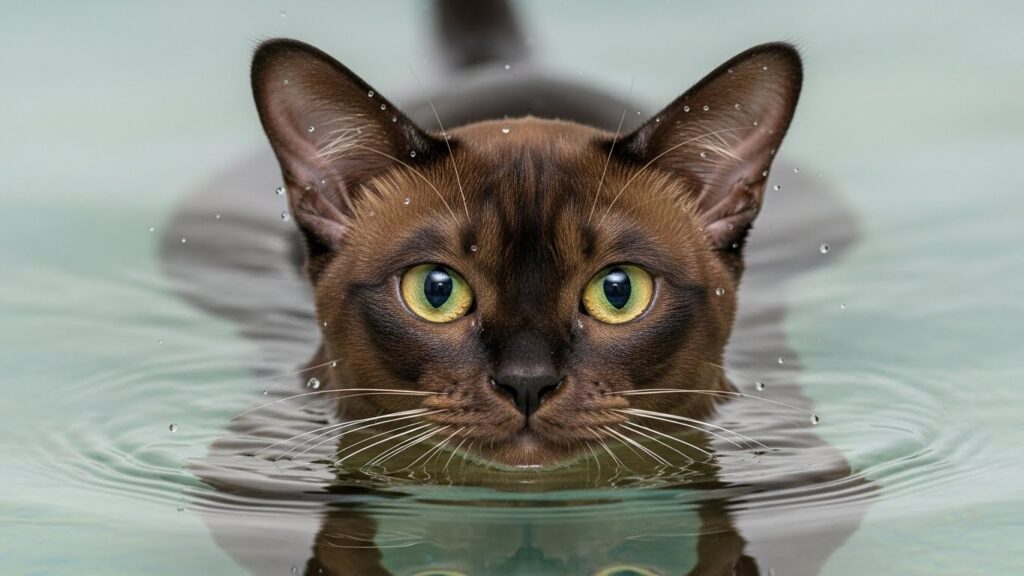
The Burmese, sometimes called a dog-like companion cat, is a compact, people-oriented breed known for its outgoing, curious, playful nature.
Their mellow temperament and strong attachment to their humans make them easygoing housemates who adapt well to busy family life.
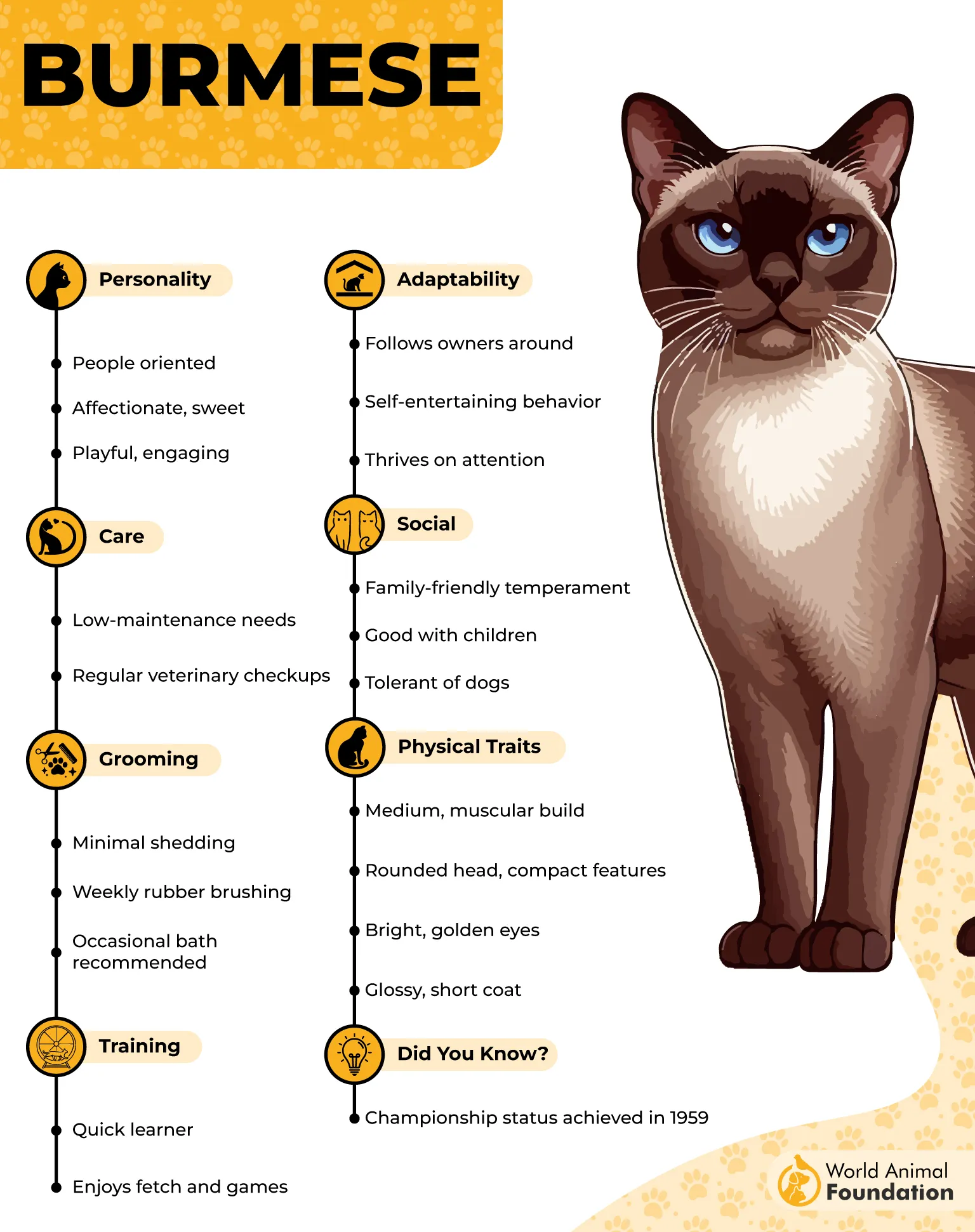
While Burmese kittens aren’t born as full-on water fanatics, early gentle exposure can turn them into confident splashers.
Many adults will happily explore a shallow tub, tolerate baths, or watch calmly as you run the sink.
Because water is such a fascinating mystery to them, try offering supervised “water stations” around the home.
Low bowls or trays with a thin layer of water and a few floating toys let your Burmese investigate, scoop, and dab with their paws.
You can also enrich them with slow-dripping faucets, ice cubes skittering in a dish, or fishing-style wand toys hovering over the water’s surface.
These smart, energetic cats often enjoy such games so much that they’ll even learn to play fetch and follow you from room to room well into their 10–16 year lifespan.
10. Selkirk Rex
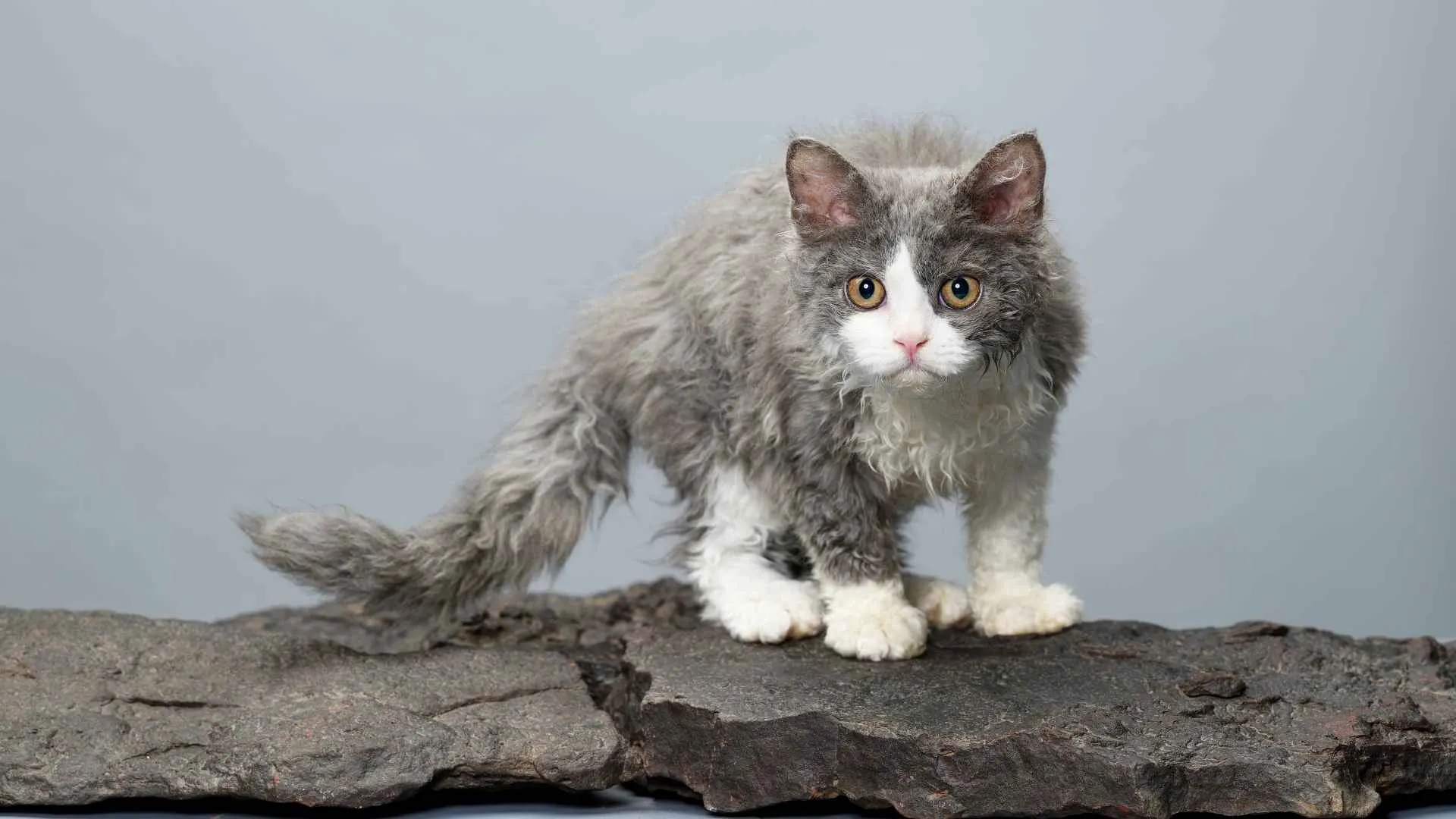
The Selkirk Rex is a plush, curly-coated companion, available in both long-haired and short-haired varieties and famed for its teddy-bear look. Affectionate and people-focused, this cat often shadows its owner from room to room, rarely happy to be left alone.
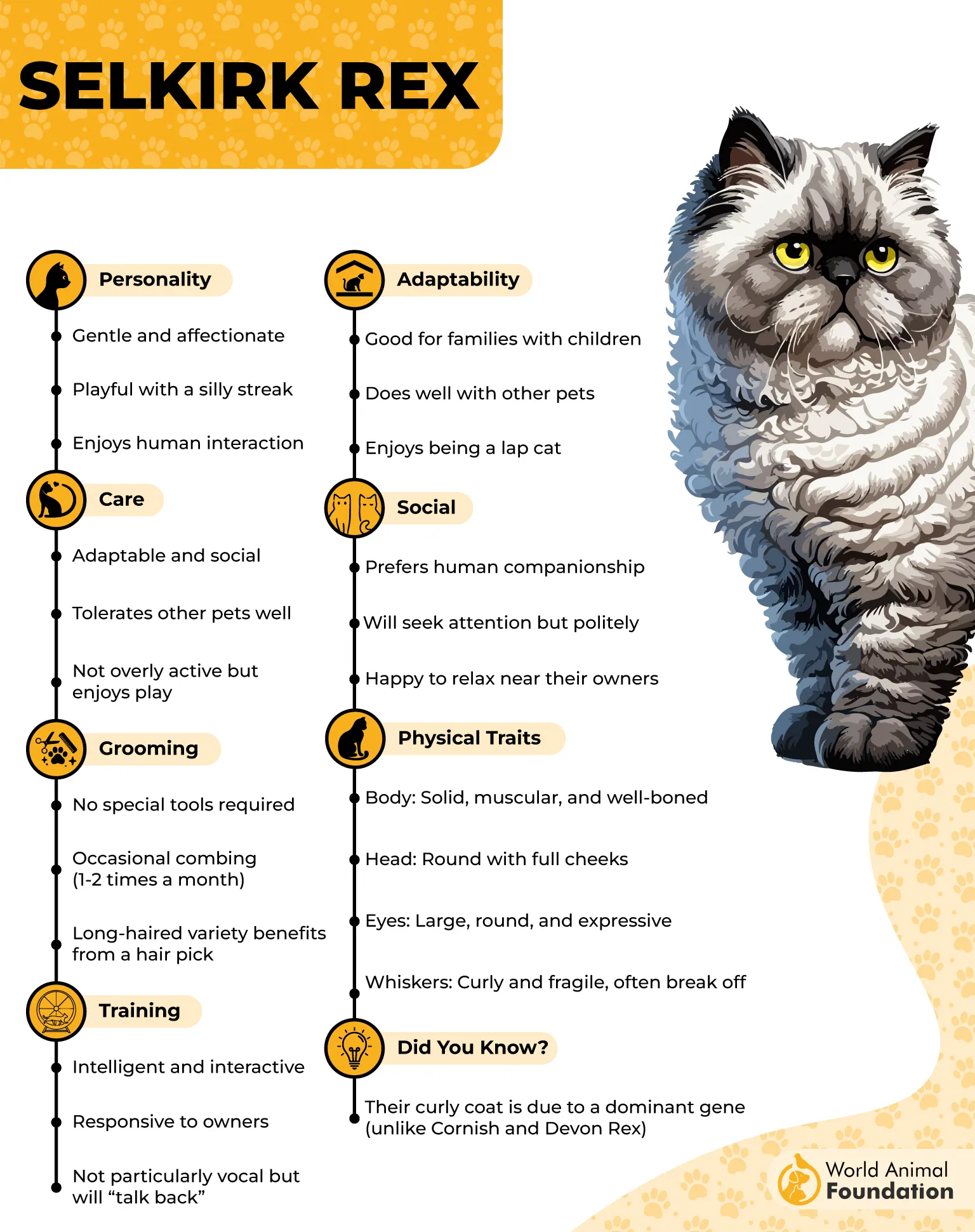
Unlike many felines, the Selkirk Rex treats water as a playground rather than a threat and barely reacts when its fur gets wet. Splashing paws in a sink or exploring a shallow basin is pure entertainment, and even bath time is met with curiosity instead of fear.
Flowing water is especially irresistible to this breed, which may hop into the shower spray or perch on the rim of the tub to supervise. That same playful, clownish streak means they’ll happily “help” with dishes or investigate any dripping faucet, turning everyday moments into shared fun.
Because water-loving cats can still get bored, it’s important to pair aquatic play with toys, puzzles, and scratching posts to keep their minds busy. Typically weighing 6–16 pounds, these smart, sociable, versatile cats can remain lively companions for 15–20 years.
Conclusion
Not all felines fit the “water-hating” stereotype—certain breeds are true standouts among water cat breeds. While many cats may only dabble with a dripping tap, some cat breeds that like water go much further, from cats playing in the kitchen sink to tracking water running from faucets. For any cat owner or pet parents curious about this trait, it helps to remember that comfort around fresh water and nearby water bodies can be linked to history, temperament, and early exposure, sometimes starting at a young age.
Breeds like the Selkirk Rex show that cats swim isn’t just a myth—and love swimming can be part of a cat’s routine, not a rare fluke. Alongside Turkish van cats, people often mention savannah cats, siamese cats, and Siberian cats when talking about breeds that like water and intelligent cats that enjoy enrichment (some can even walk on a leash). Even if your pet is one of the beautiful cats who prefers dry paws—like British Shorthair cats, Turkish Angora, American Bobtail, or Japanese Bobtail—safe, supervised water play can still be a fun option for other cats too.
