




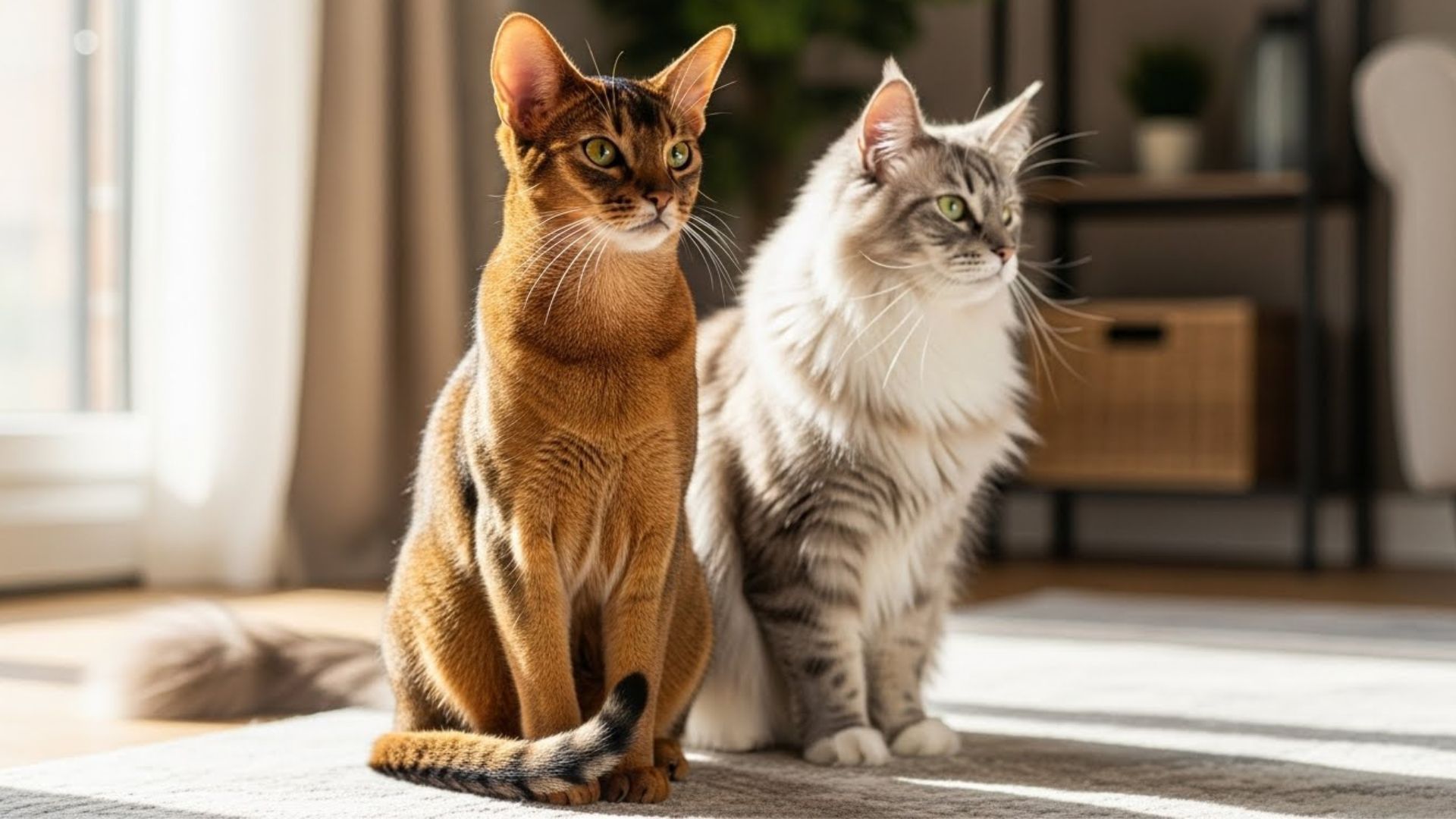
Bringing a new cat into your home can be an exciting step—but in a multi-cat household, harmony matters just as much as charm. While many cats form deep bonds with their humans, not all are eager to share their space with fellow felines.
Because cats are naturally independent and territorial, choosing a breed known for sociability and adaptability can make all the difference when building a peaceful, multi-cat environment.
Some cats are far more comfortable living alongside others, displaying patience, emotional balance, and a willingness to socialize. These even-tempered breeds are often less possessive of space, more tolerant of change, and better equipped to navigate the dynamics of shared living.
That said, compatibility doesn’t always happen overnight—forming bonds between cats can take weeks or even months, especially when a new pet joins the family.
If you’re considering adding another kitty or want to ensure long-term household harmony, selecting the right breed is a smart place to start. This article highlights cat breeds most likely to get along well with other cats, making them ideal companions for multi-cat homes.
Cat Breeds That Are Most Likely to Get Along with Other Cats
1. Abyssinian
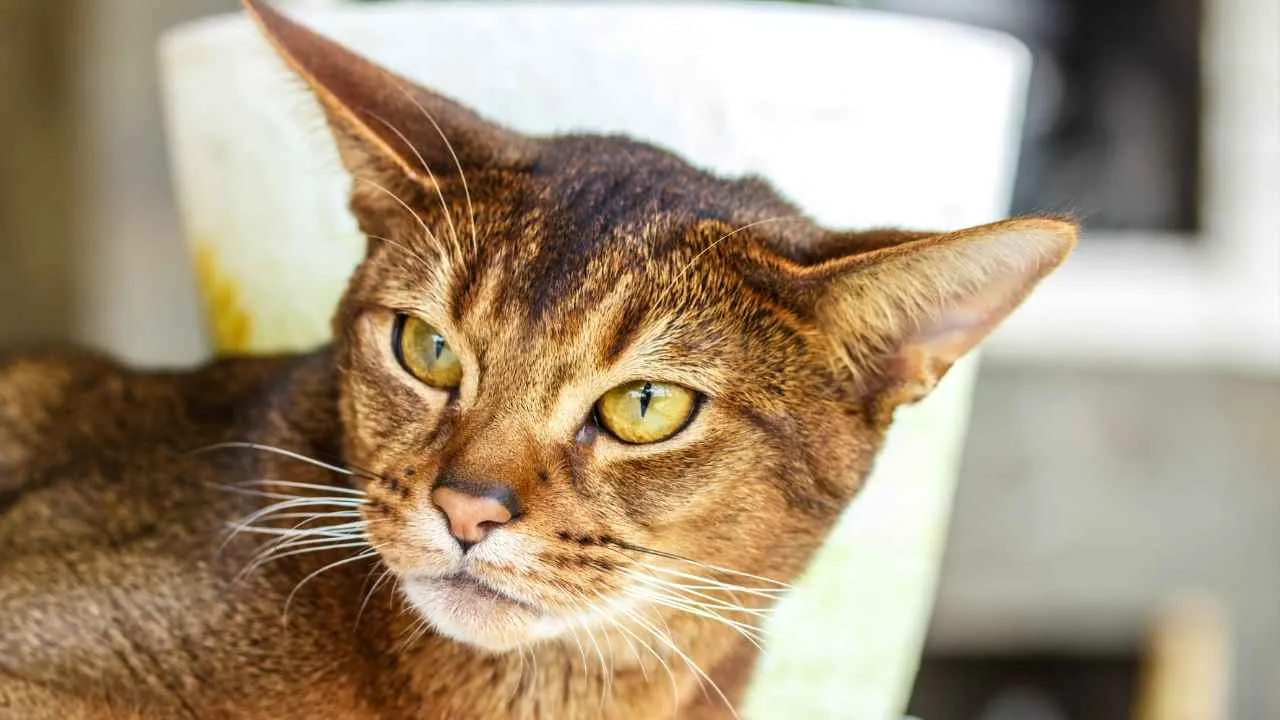
Often nicknamed the “cat of the dog world,” the Abyssinian stands out for its sleek, ticked coat, expressive eyes, and highly social personality.
According to Britannica, the Abyssinian is a domestic cat breed that likely originated in Egypt and is widely regarded as the modern cat that most closely resembles the sacred cats of ancient Egypt. This breed is energetic, people-focused, and thrives in homes where interaction is constant and shared.
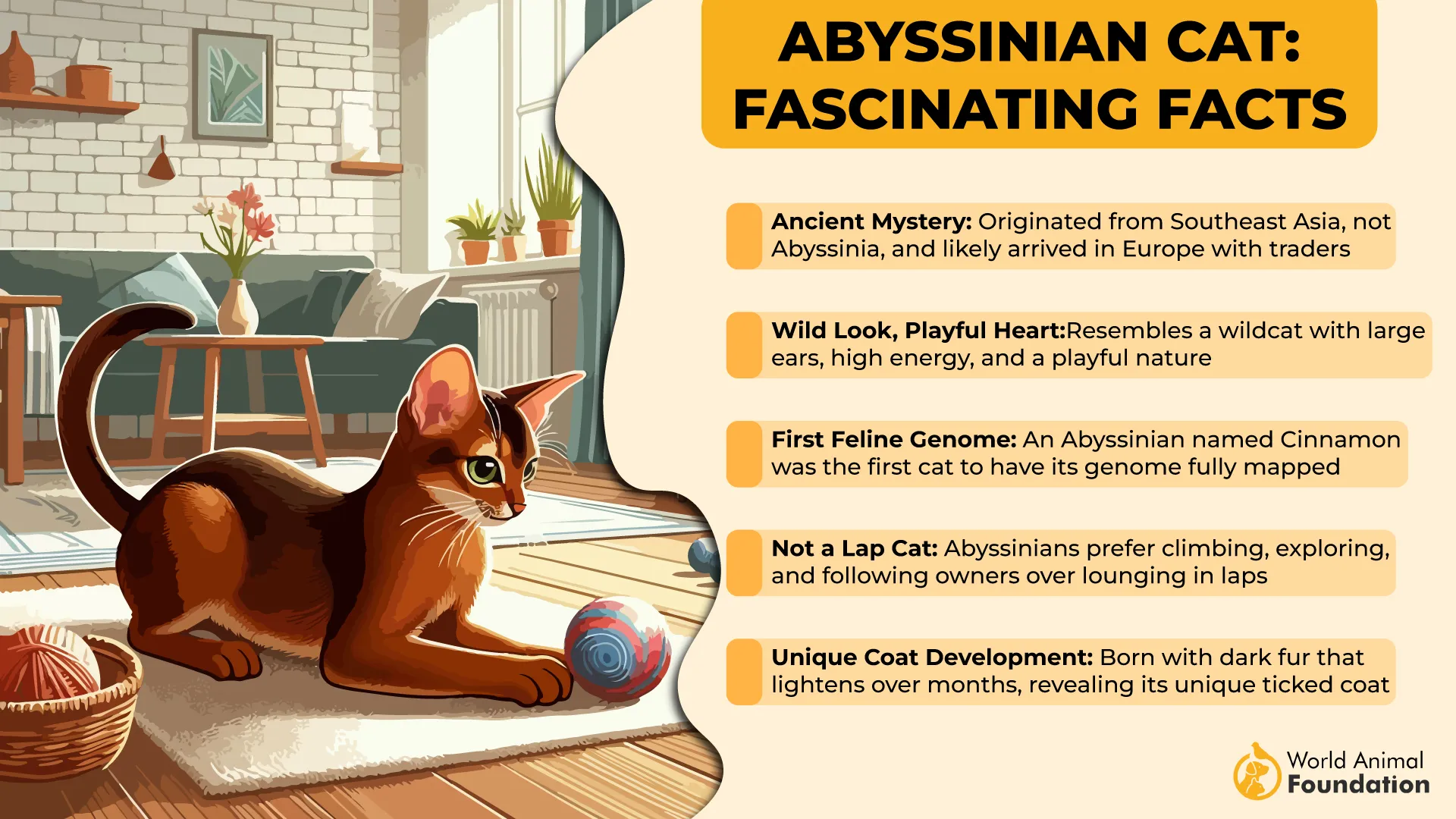
When it comes to getting along with other cats, the Abyssinian checks all the boxes of what “cat-friendly” really means. They are confident without being territorial, curious without being aggressive, and comfortable sharing both space and attention with feline companions.
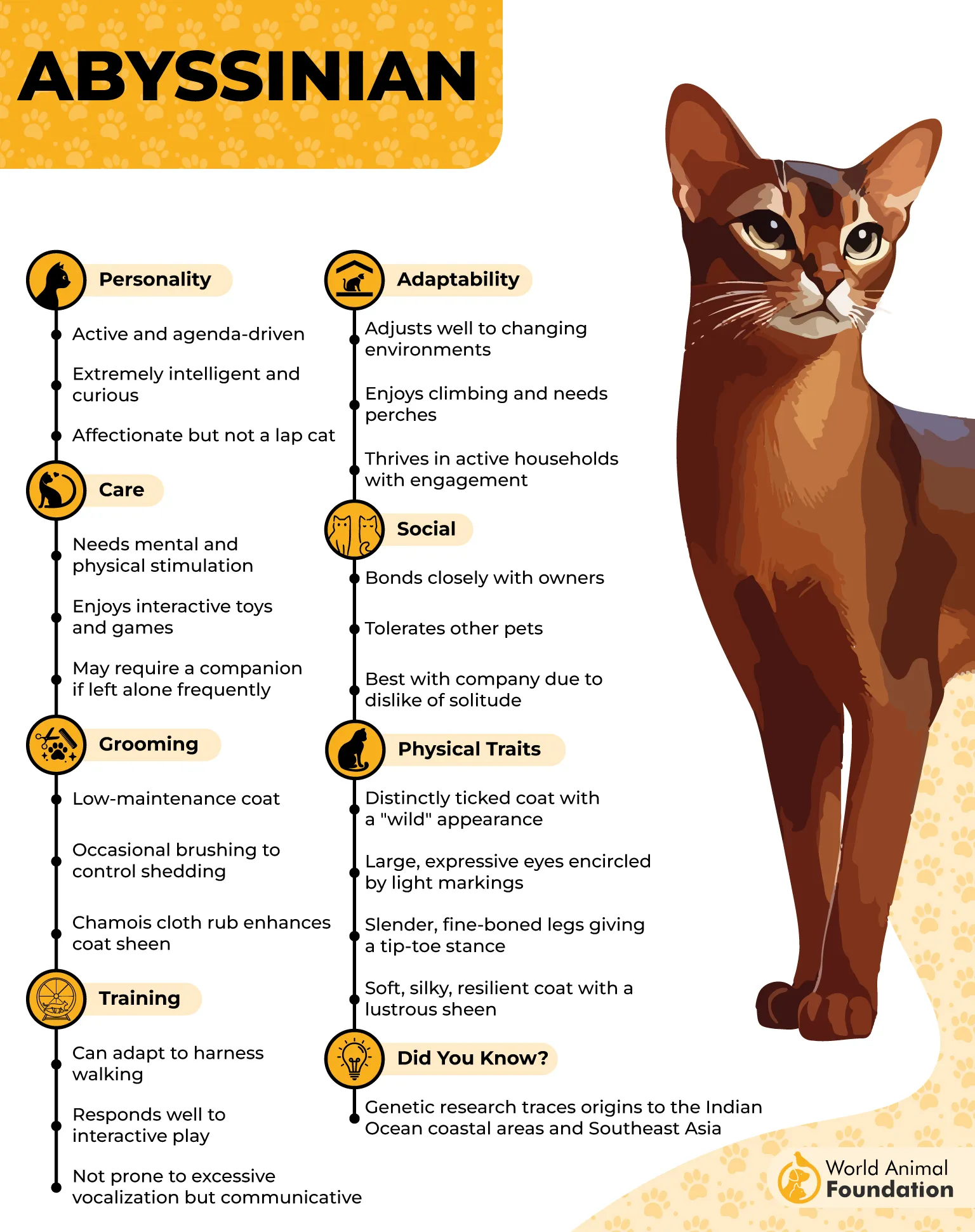
Rather than isolating themselves, Abyssinians actively seek engagement. They enjoy group play, follow household routines, and adapt well to living with multiple pets. Their willingness to socialize helps reduce tension, making them an excellent choice for established multi-cat homes or families planning to add another kitty.
Strong bonds are a defining trait of this breed. Abyssinians are known to connect not only with humans but also with other animals, often forming close friendships instead of rivalries.
Fact: Abyssinians are generally known to get along well with children, dogs, and other cats.
2. Bengal
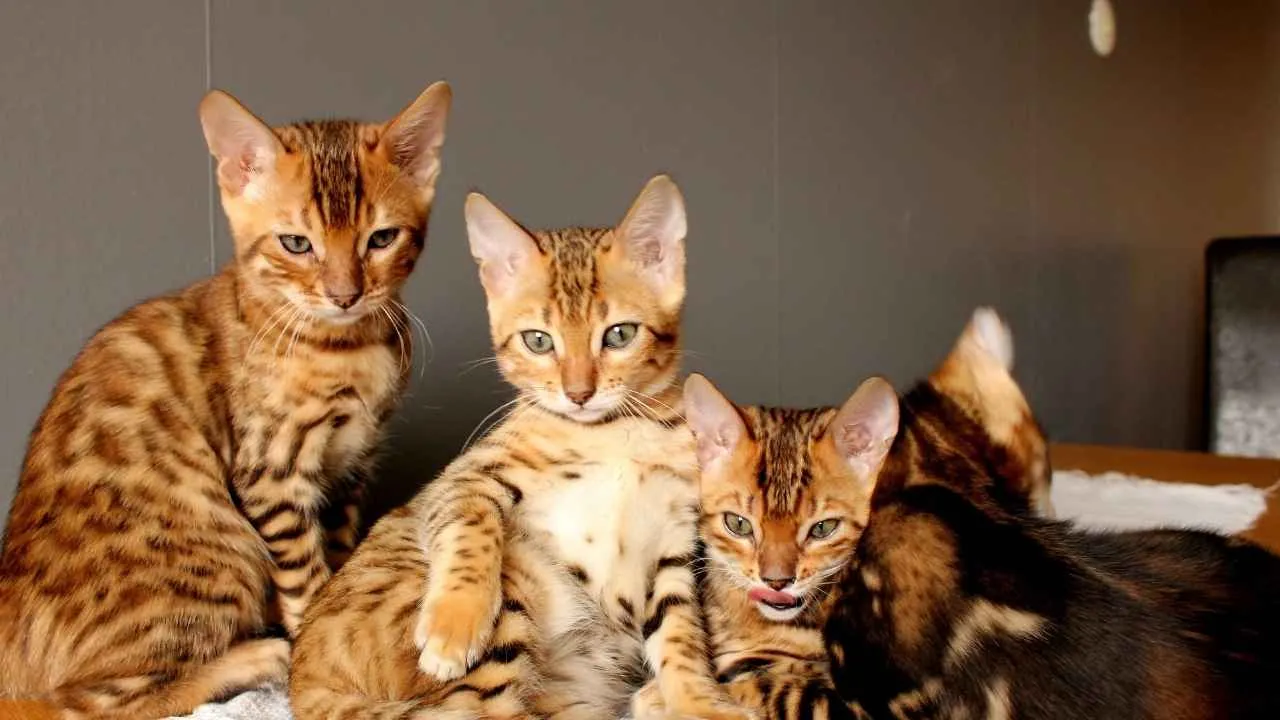
Also known for its leopard-like appearance, the Bengal is a striking breed with a sleek, spotted, or marbled coat and an energetic presence.
According to PetMD, the Bengal cat’s leopard-like look is so convincing that it may be mistaken for a miniature leopard, and that impression is largely correct. Despite its wild look and jungle ancestry, this cat is confident, outgoing, and far from timid.
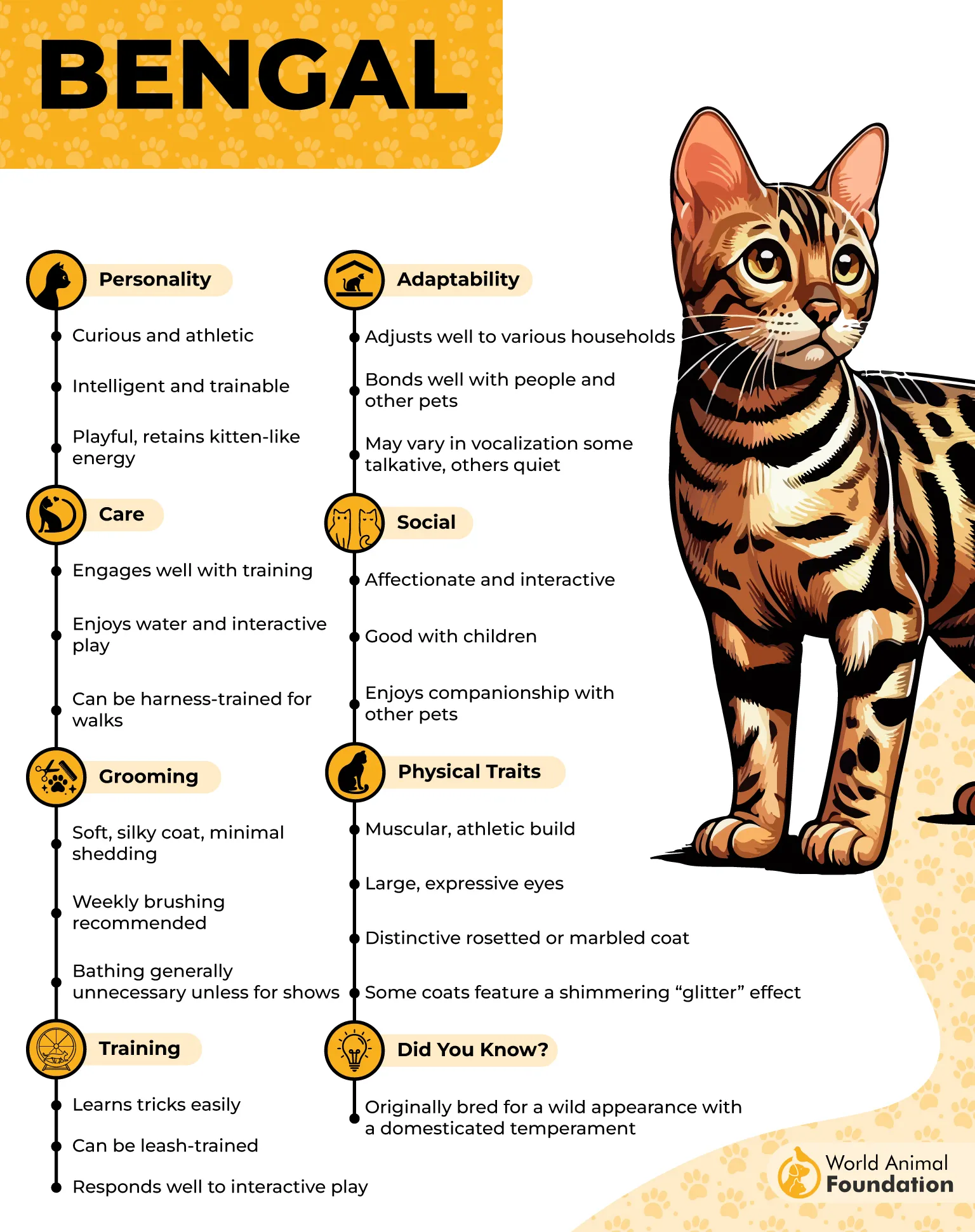
Bengals tend to thrive in multi-cat households because they’re naturally social and eager to engage with others. Rather than retreating from new feline companions, they often attempt to form bonds quickly, making them a strong match for homes with existing cats.
Highly active and athletic, Bengals do best when they have another cat—or even a small dog—to share playtime. Their love for chasing, climbing, and exploring means they appreciate companions that can keep up with their pace and curiosity.
While affectionate enough to enjoy lap time on their own terms, Bengals truly shine when their social and physical needs are met.
Fact: Bengals are known for their clever paws and have been caught turning lightswitches on and off.
3. Exotic Shorthair
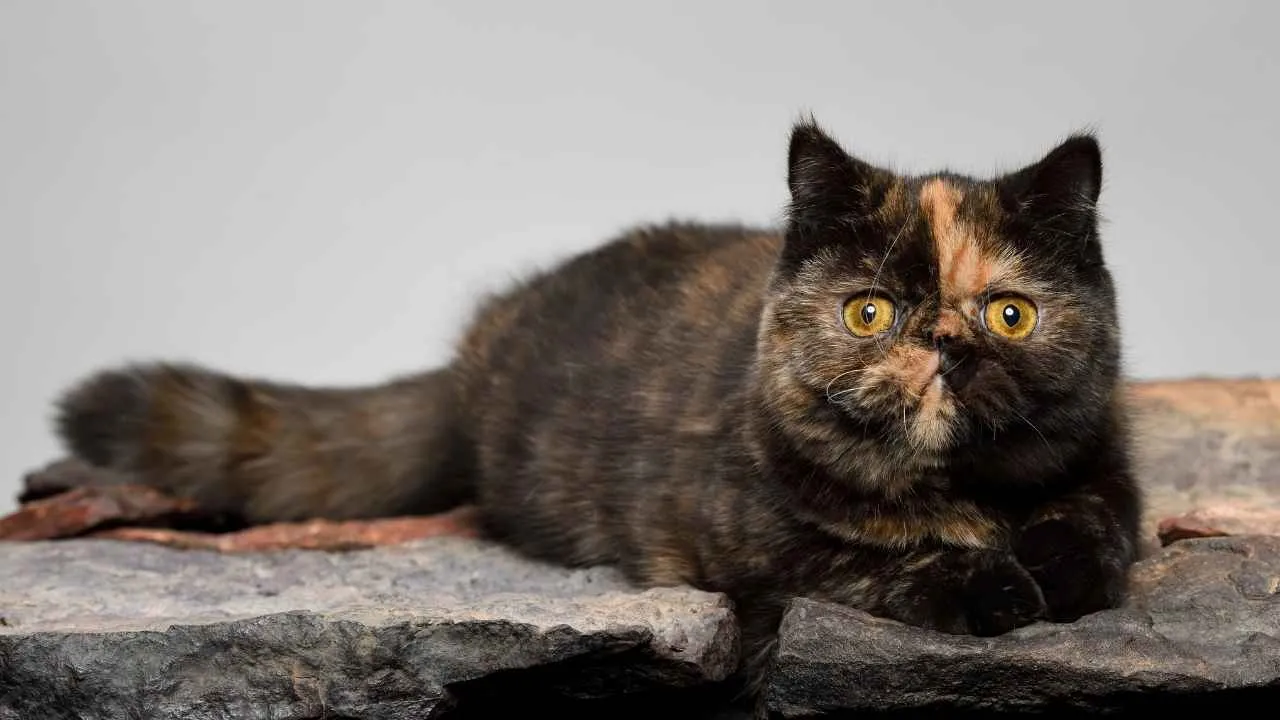
Often compared to the “cat version of a Pug,” the Exotic Shorthair belongs to the Persian Breed Group alongside Persians and Himalayans. According to WebMD, Exotic Shorthairs are known for being affectionate and gentle cats.
With a round face, plush short coat, and relaxed demeanor, this is one of the oldest and most recognizable companion-friendly breeds.
When it comes to multi-cat households, the Exotic Shorthair stands out for its tolerant and accepting nature. These cats are known to coexist peacefully with other felines, showing little territorial behavior and an easy willingness to share space, attention, and routines.
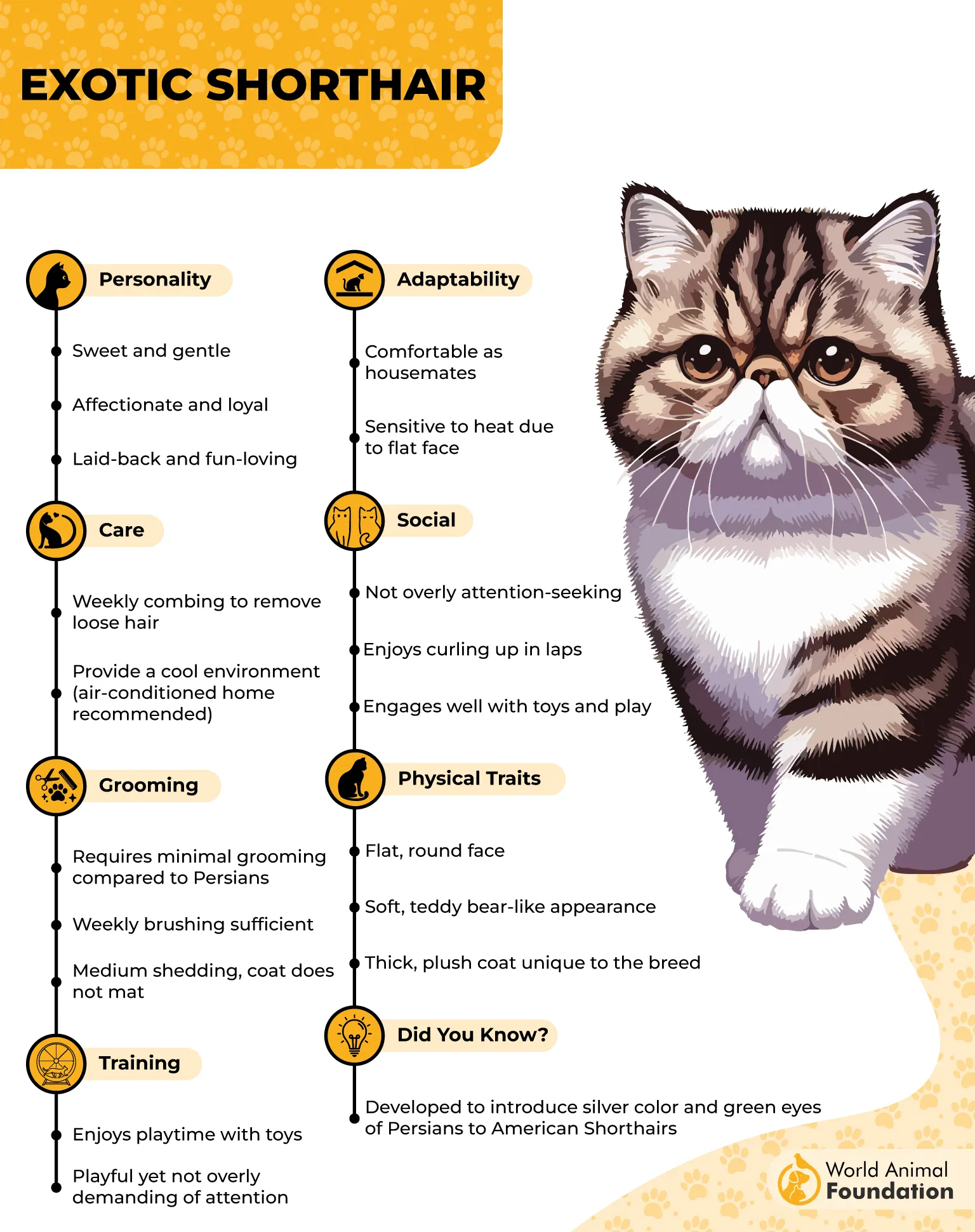
Their calm personality doesn’t mean a lack of interest in others. Exotic Shorthairs are socially curious and enjoy gentle play, often bonding through simple activities like chasing toys or quietly observing their surroundings alongside another cat. This balance of playfulness and patience helps them integrate smoothly into homes with multiple pets.
Living with an Exotic Shorthair also means maintaining basic grooming and companionship. They dislike being left alone and thrive in homes with constant interaction, whether from people or other animals. Fact: Exotic Shorthairs are known to get along well with children, other cats, and even dogs.
4. Ragdoll
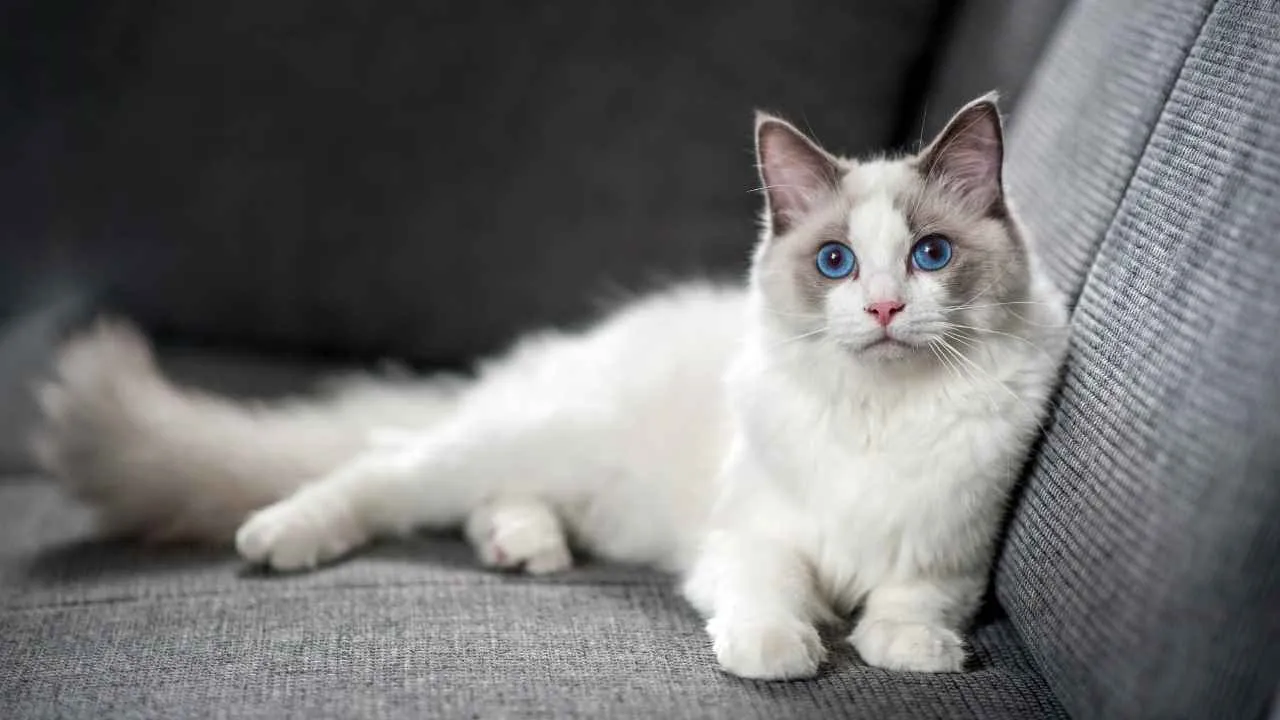
Sometimes called “puppy-like cats,” Ragdolls are instantly recognizable for their large size, soft coats, and signature habit of going limp when picked up. The breed earned its name from this relaxed trait, which perfectly reflects its gentle and unbothered personality.
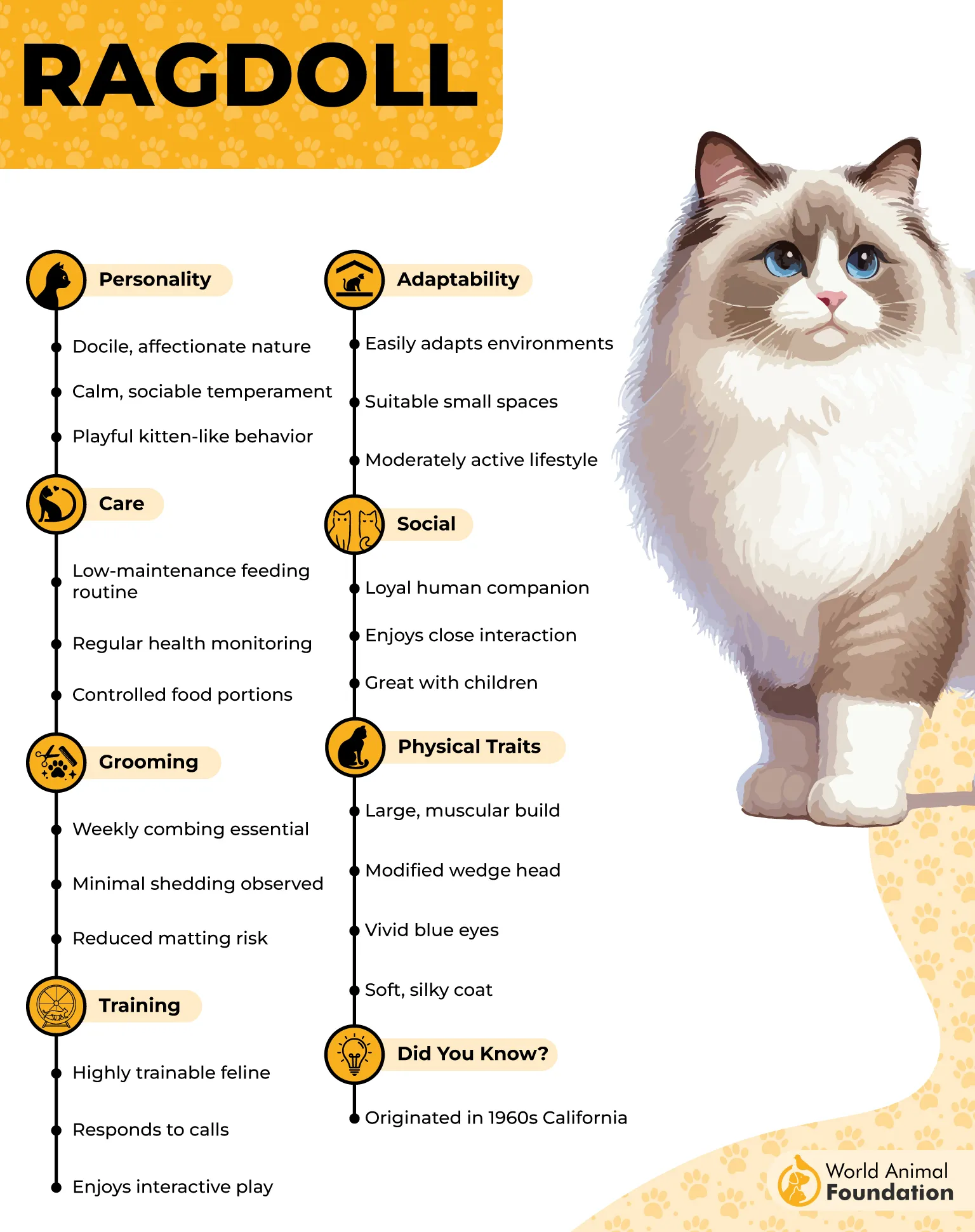
When it comes to peaceful cat-to-cat relationships, the Ragdoll is an excellent choice. Known for being exceptionally laid-back, this breed rarely displays territorial behavior and is usually happy to accept new feline companions with minimal resistance. Their calm nature helps ease tension in multi-cat households.
Ragdolls are social without being overbearing. They enjoy playtime with toys and climbing structures, but they’re just as content sharing space, lounging, or napping beside another cat. Their friendly disposition allows them to coexist comfortably with cats of varying energy levels.
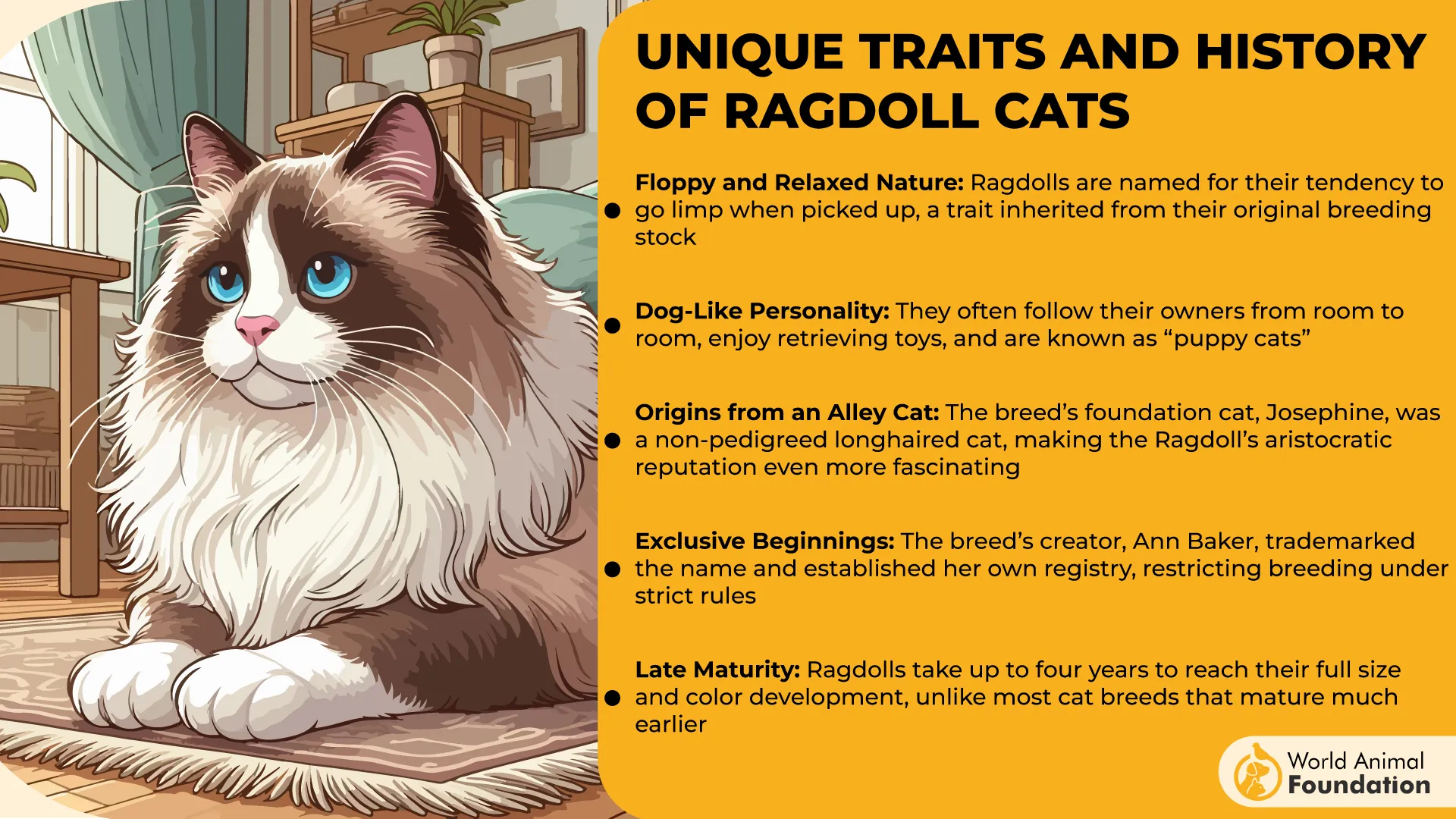
For homes focused on harmony, Ragdolls offer steady affection and emotional balance. They thrive on companionship and adapt well to shared environments when introductions are handled thoughtfully. Fact: Ragdolls are often compared to dogs and can even learn to play fetch.
5. Persian
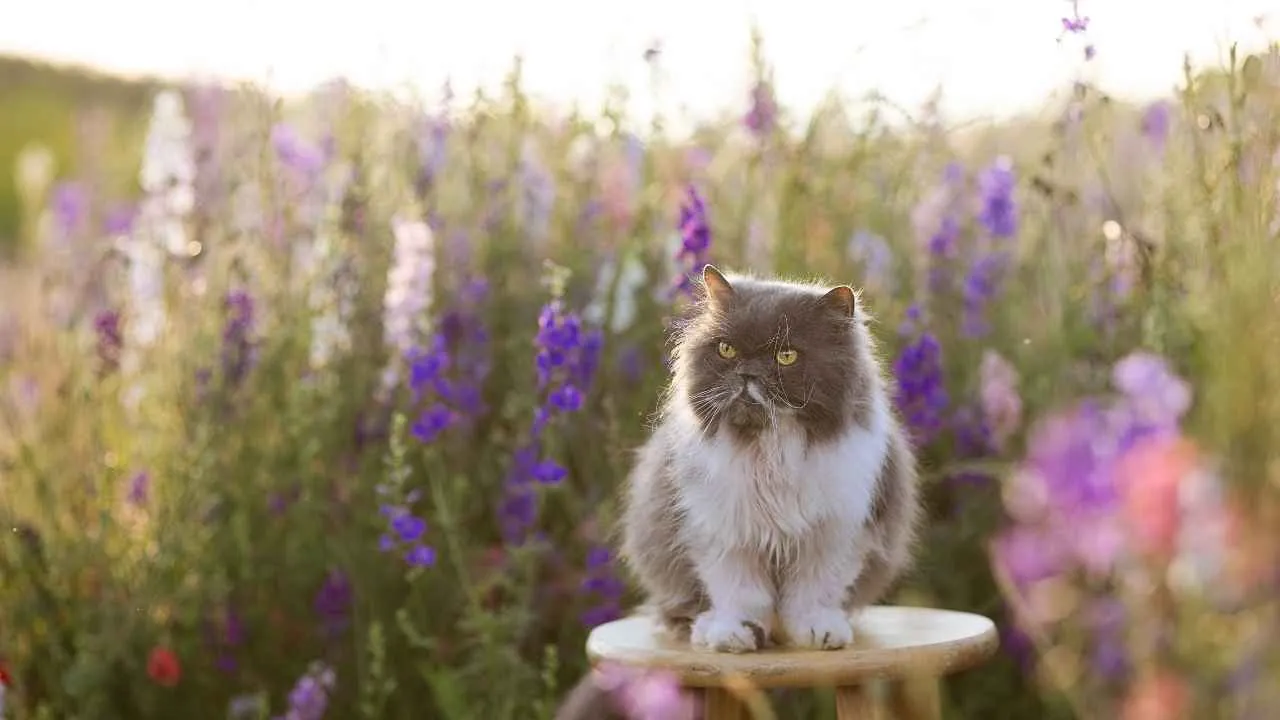
Also known as the Persian Longhair or Shirazi, the Persian is an ancient breed admired for its long coat, flat face, and calm presence. This cat is famously gentle, preferring relaxed surroundings and predictable routines.
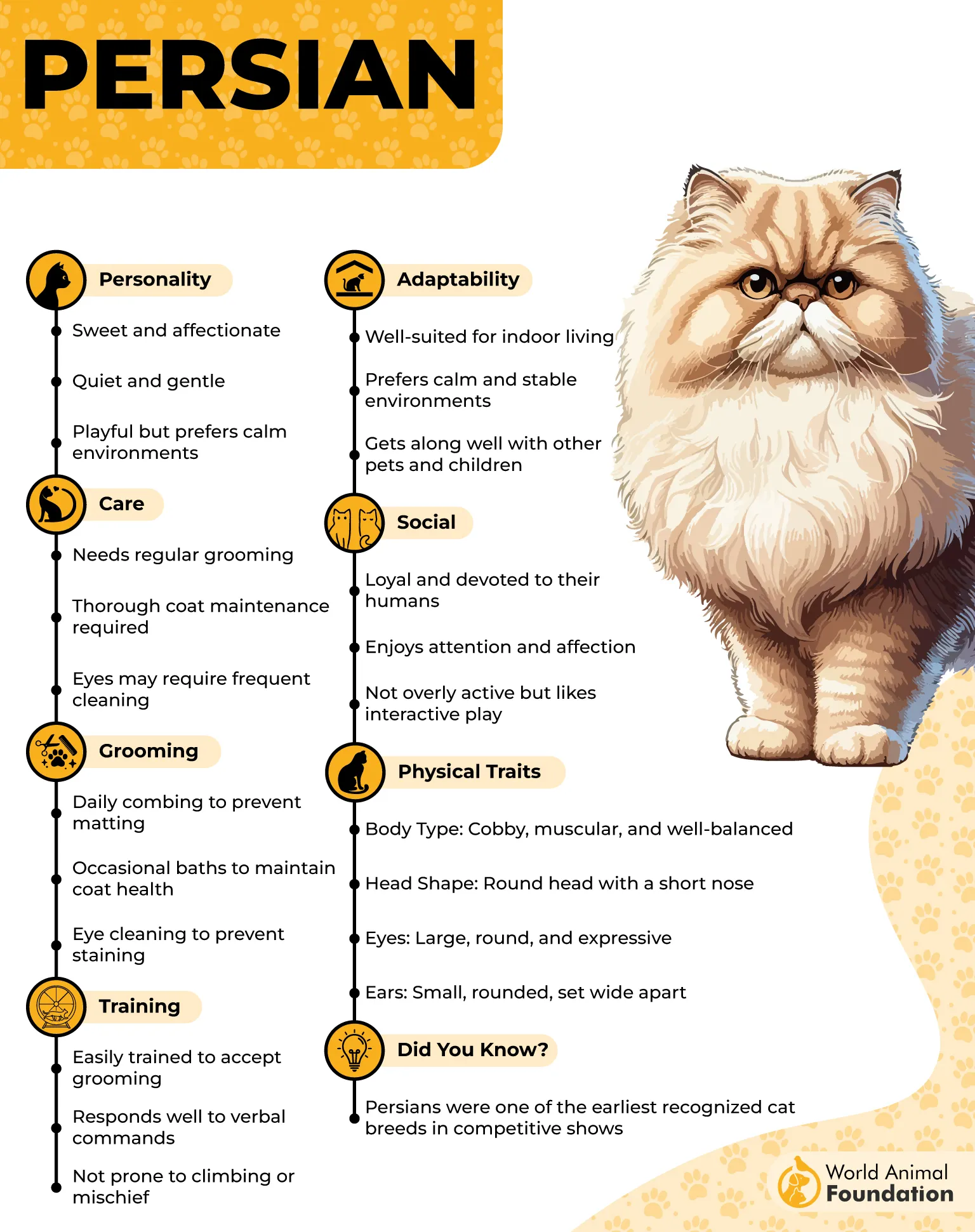
When it comes to living with other cats, Persians are notably tolerant and sociable. Their laid-back personality allows them to accept new feline companions without much resistance, making them a steadying influence in multi-cat homes.
Looking at kittens vs. adult cats, Persians tend to handle both well, though their patience truly shines with energetic kittens. While playful youngsters may test boundaries, an adult Persian is unlikely to react aggressively, often choosing quiet observation over confrontation.
That said, Persians can also show brief bursts of kitten-like energy themselves, which helps them bond during play. Their adaptable nature allows them to coexist peacefully with other cats, children, and even different pets when treated gently.
Fact: Persians are known to be placid cats that alternate between long naps and sudden, playful zoomies.
6. Birman
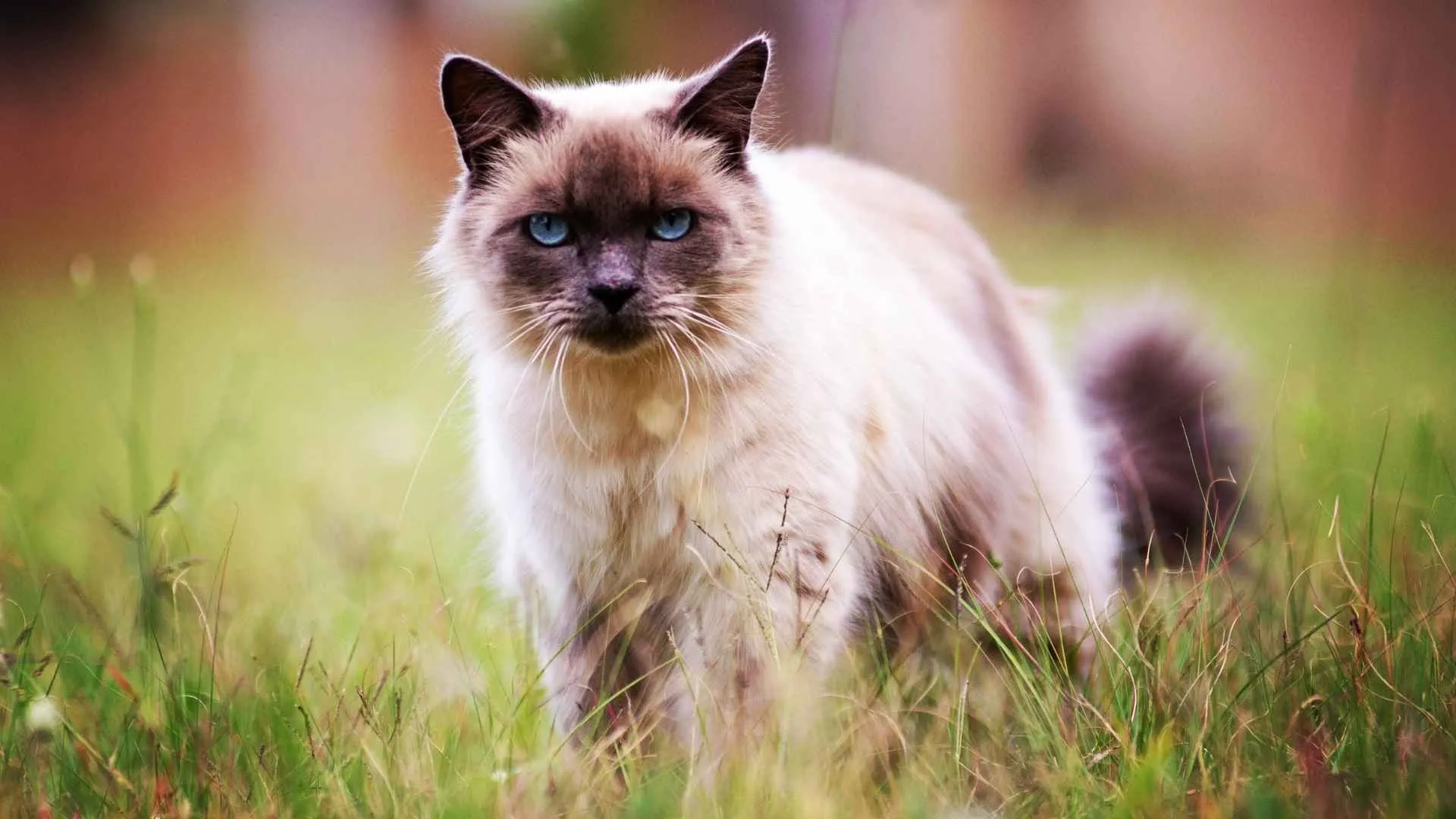
Also known as the “Sacred Cat of Burma,” the Birman is instantly recognizable by its silky coat, deep color-point markings, and calm, expressive eyes. This breed is admired for its gentle temperament and natural ease around both people and other pets.
In multi-cat households, Birmans tend to shine thanks to their patience and tolerant nature. They’re rarely confrontational and usually adjust well to sharing space, making them a strong choice when introducing a new feline companion. Their soft-spoken communication helps keep tensions low.

When cats are bonding, Birmans often show it through quiet togetherness—resting nearby, following one another calmly, or engaging in relaxed play. Their affectionate but non-dominant personality allows other cats to feel secure rather than threatened.
If bonding doesn’t happen immediately, Birmans typically remain composed rather than reactive, giving relationships time to develop naturally.
Fact: Affectionately nicknamed the “Velcro cat,” the Birman responds in a soft, pleasant voice and often follows loved ones from room to room.
7. Cornish Rex
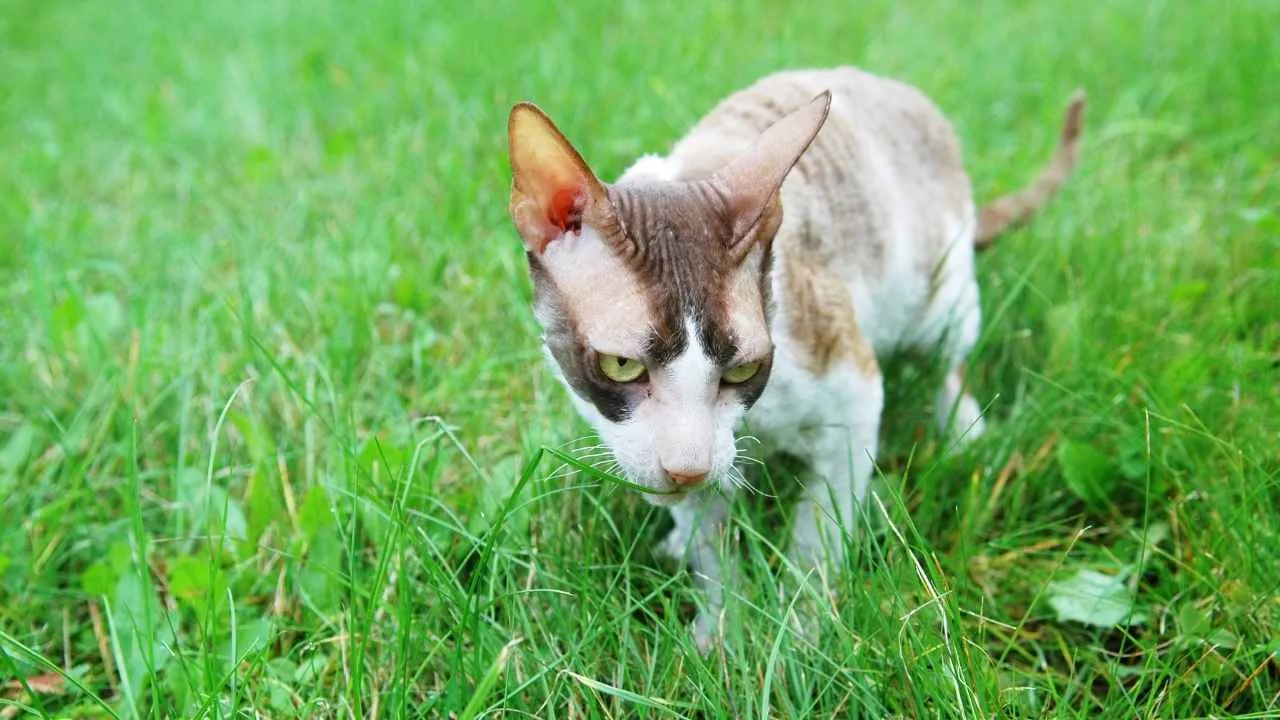
Also known simply as the Rex, the Cornish Rex stands out with its lean, statuesque body, arched back, large ears, and ultra-soft, tightly curled coat that lacks guard hairs. Its egg-shaped head and prominent Roman nose make this breed unmistakable.
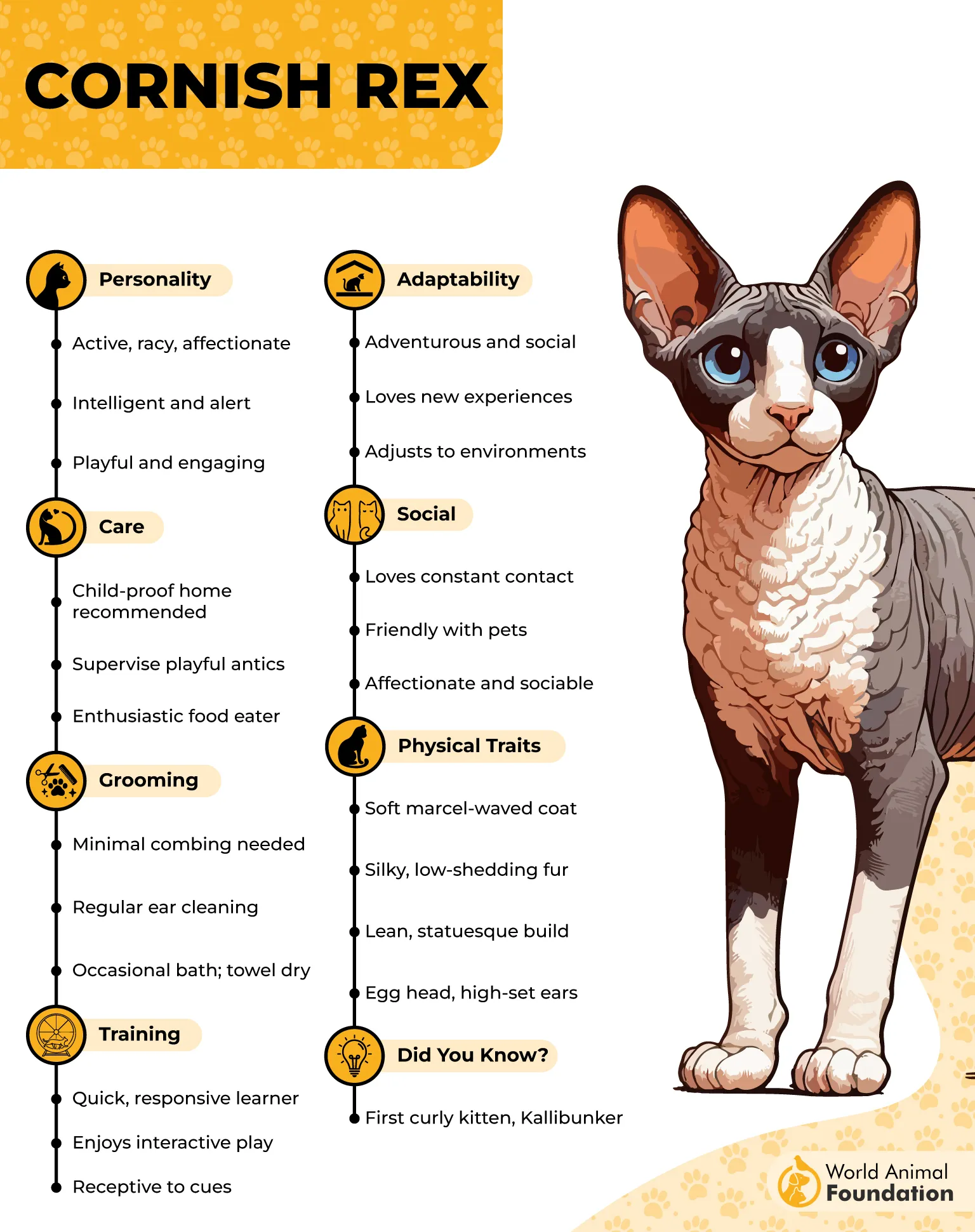
Highly social by nature, the Cornish Rex thrives in multi-cat households where interaction is constant. These cats adore companionship and tend to form strong bonds with other friendly, curious cats, making loneliness one of the biggest triggers for stress or conflict if ignored.
One common mistake that causes tension among cats is mismatched energy levels. The Cornish Rex remains playful and kitten-like well into adulthood, so pairing them with equally active feline companions helps prevent frustration, boredom, or unwanted dominance behaviors.
Another frequent issue is a lack of stimulation or isolation. This intelligent, people-focused breed prefers being in the center of activity and generally coexists well with other cats and even cat-friendly dogs when properly introduced.
Fact: According to the TICA president, the Cornish Rex is considered “highly social” and dislikes being left alone for long periods.
8. Maine Coon
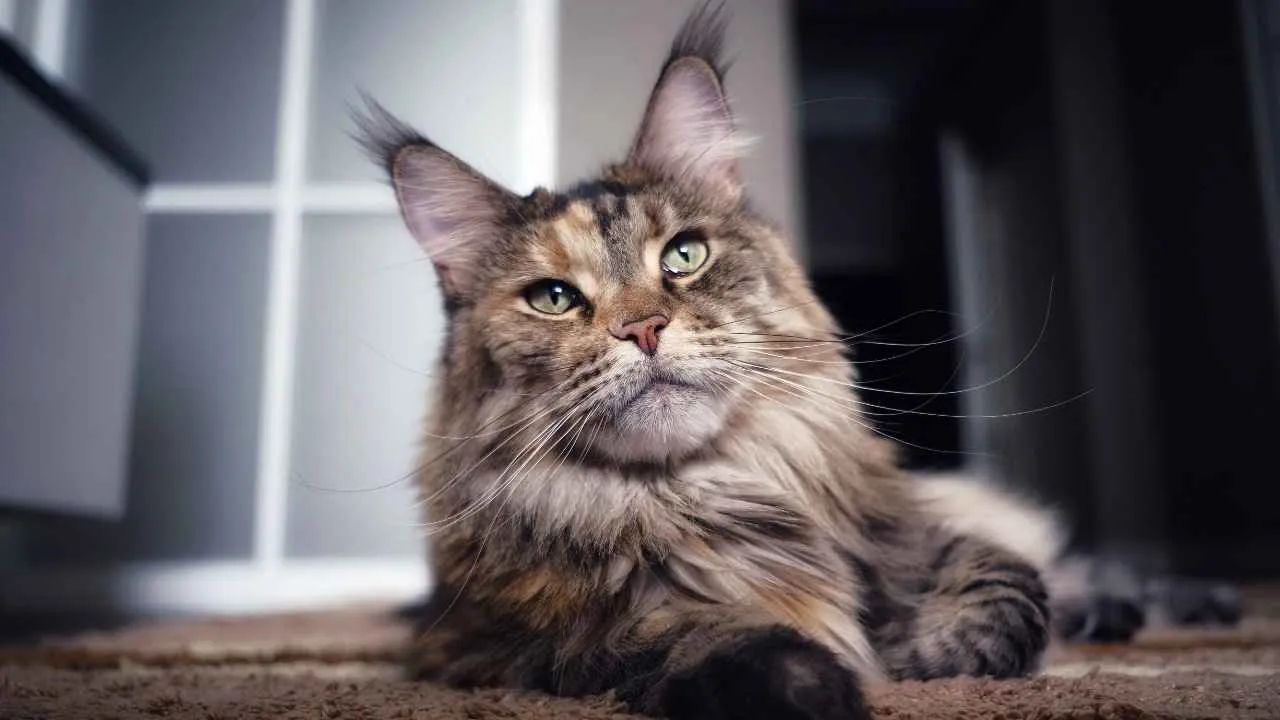
Also known as the American Longhair, the Maine Coon is one of the oldest native U.S. cat breeds, instantly recognizable by its large frame, shaggy coat, and tufted ears. Despite its impressive size, this breed is famously gentle and easygoing.
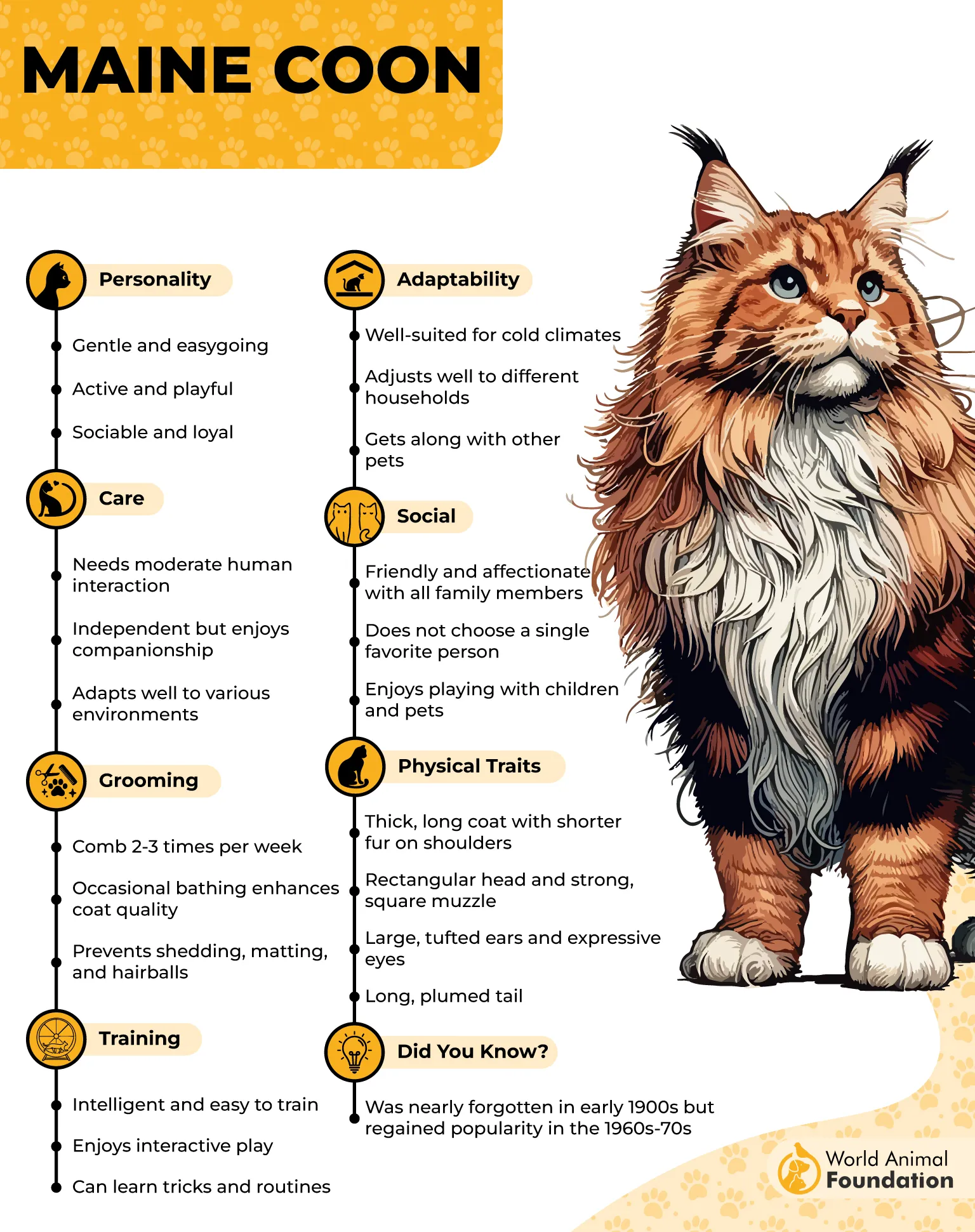
When it comes to living with other cats, Maine Coons are naturally sociable and tolerant. Their calm, friendly temperament helps reduce tension in shared spaces, making introductions smoother and helping other cats feel at ease rather than threatened.
These cats thrive in busy households and tend to remain playful well into adulthood, which encourages positive interaction with feline companions. Their curiosity and intelligence mean they enjoy being part of household routines, rather than competing for dominance or territory.
To maintain harmony in a multi-cat home, Maine Coons benefit from shared playtime, ample space, and consistent routines that keep everyone engaged. They bond easily without becoming possessive, which supports long-term peace among cats.
Fact: Maine Coons can grow over 3 feet long and weigh more than 20 pounds, yet are known for their gentle nature.
9. Japanese Bobtail
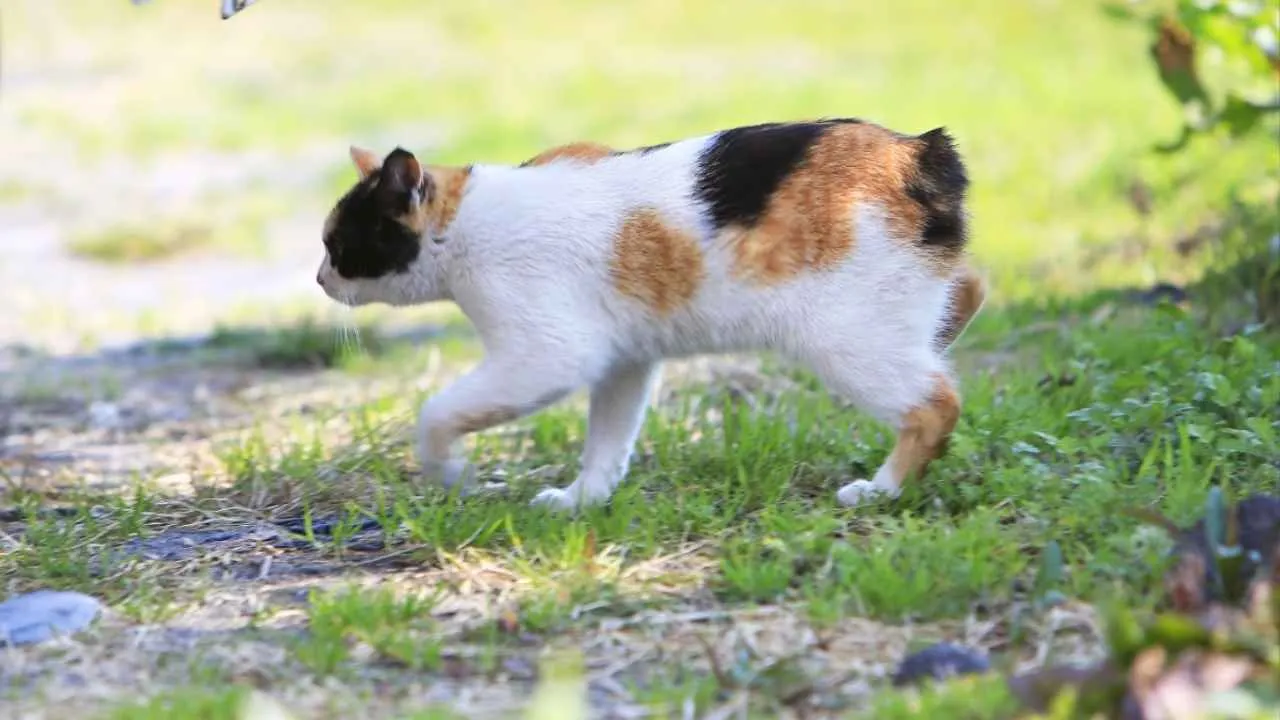
Often linked to the Maneki-neko, or “good luck cat” of Japan, the Japanese Bobtail is instantly recognized by its short, pom-pom tail—no two are alike. This ancient breed is lively, intelligent, and deeply connected to both people and other pets.
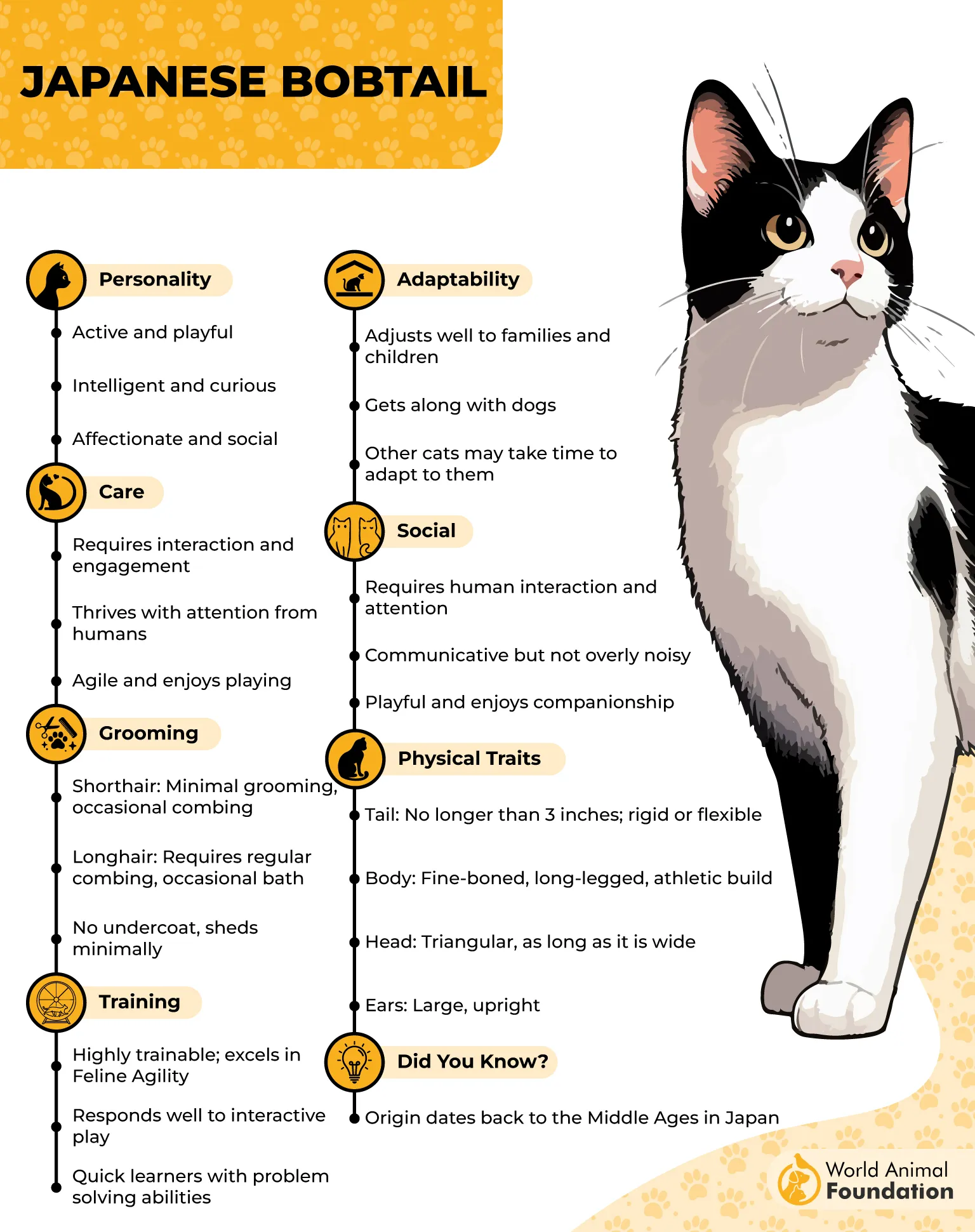
In multi-cat homes, Japanese Bobtails tend to integrate quickly. Their fearless yet friendly temperament allows them to form fast bonds with other cats, balancing high energy with an ability to relax and share space peacefully. They enjoy companionship rather than competition.
These cats are strongly human-oriented and socially confident, which often helps diffuse tension in shared environments. They’re loyal, playful, and comfortable interacting with children, cats, and even dogs, making them a stabilizing presence in busy households.
If conflicts do arise—such as excessive vocalizing, stress, or territorial behavior—it may be time to consult a veterinarian or feline behaviorist.
Fact: Japanese Bobtails are considered unusually talkative and are known for producing a wide range of soft, melodic vocal tones.
Conclusion
Creating harmony in a multi-cat home starts with understanding that cats are naturally solitary animals, yet some top cat breeds are far more open to sharing space. Breeds recognized by experts and organizations like the International Cat Association tend to be generally friendly, generally easy-going, and better at reading cat behavior, including tolerance of others’ scent.
For cat owners considering a second cat, choosing social breeds that adapt easily can make introductions smoother and life calmer around the house.
Well-known companions such as ragdoll cats, siamese cats, birman cats, persian cats, maine coon cats, scottish fold, russian blue, sphynx cats, himalayan cats, or even a relaxed tuxedo cat are often praised as great family pets and affectionate lap cats with a dog-like loyalty.
With shared resources like cat trees and a clean litter box, these cats become great companions, proving that some breeds truly enjoy feline company as much as humans.
