




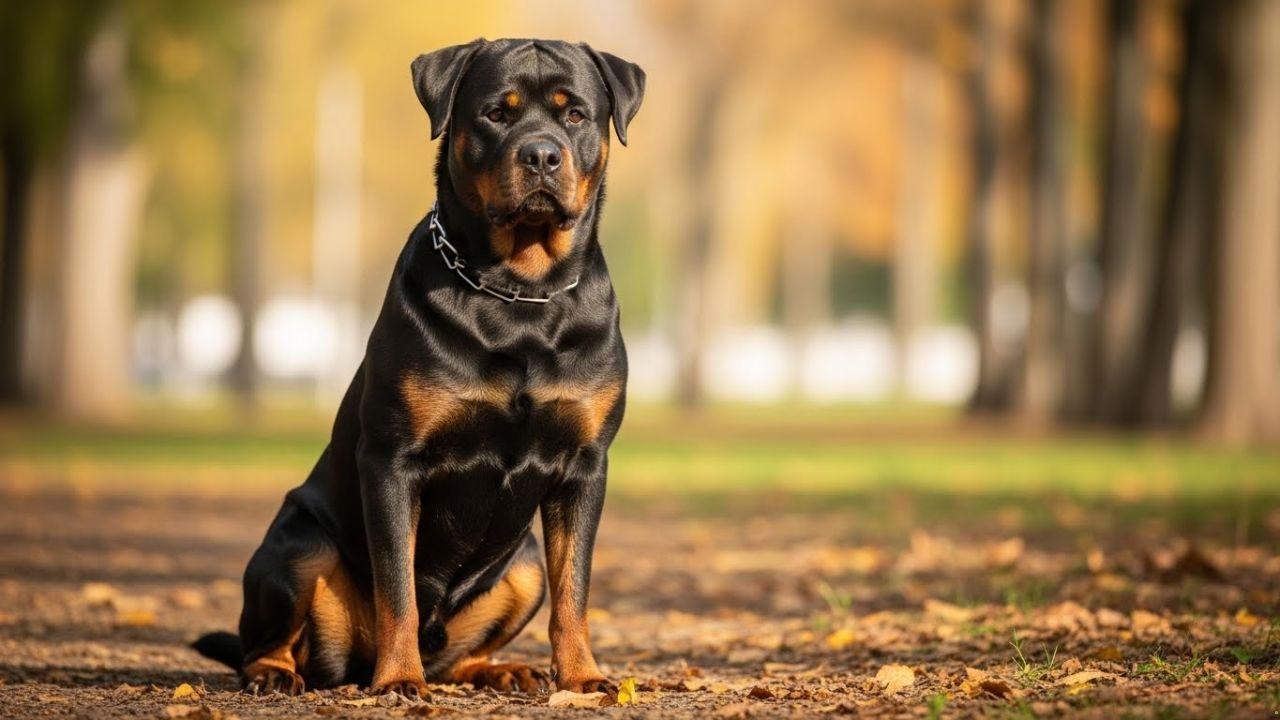
Are you longing for a furry friend who can stay with you for many years to come? Sadly, some breeds may not be an ideal choice for you due to their short lifespans. The average life expectancy of a dog is around 10 to 13 years.
Some giant dog breeds typically live only 7 to 10 years. Large breeds usually have shorter lives compared to small dog breeds. Large dog breeds are more susceptible to certain cancers, hip dysplasia, and cruciate ligament tears.
They are also more likely to develop arthritis early in life. Scientists believe that large breeds tend to live shorter lives because their bodies were not able to evolve better cancer mechanisms to match their size.
This article will help you understand dog breeds with limited lifespans.
Understanding 7 Dog Breeds With Limited Lifespans
1. Leonberger
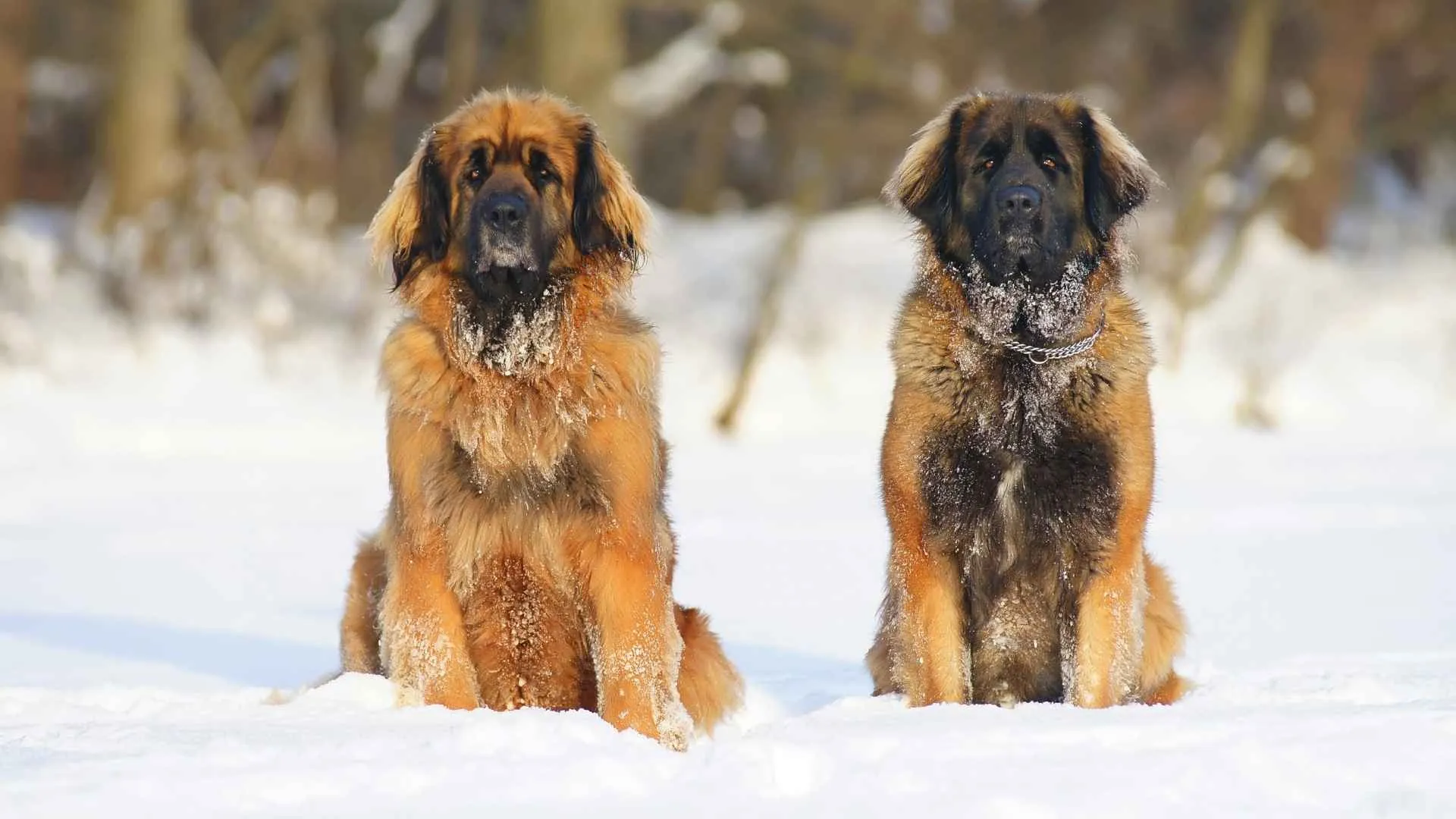
Leonbergers are friendly, playful, and gentle dogs known for their aristocratic grace. These large dogs die young, only at the age of 7 years. The primary reason is the large size, which accelerates aging and makes them prone to various diseases.
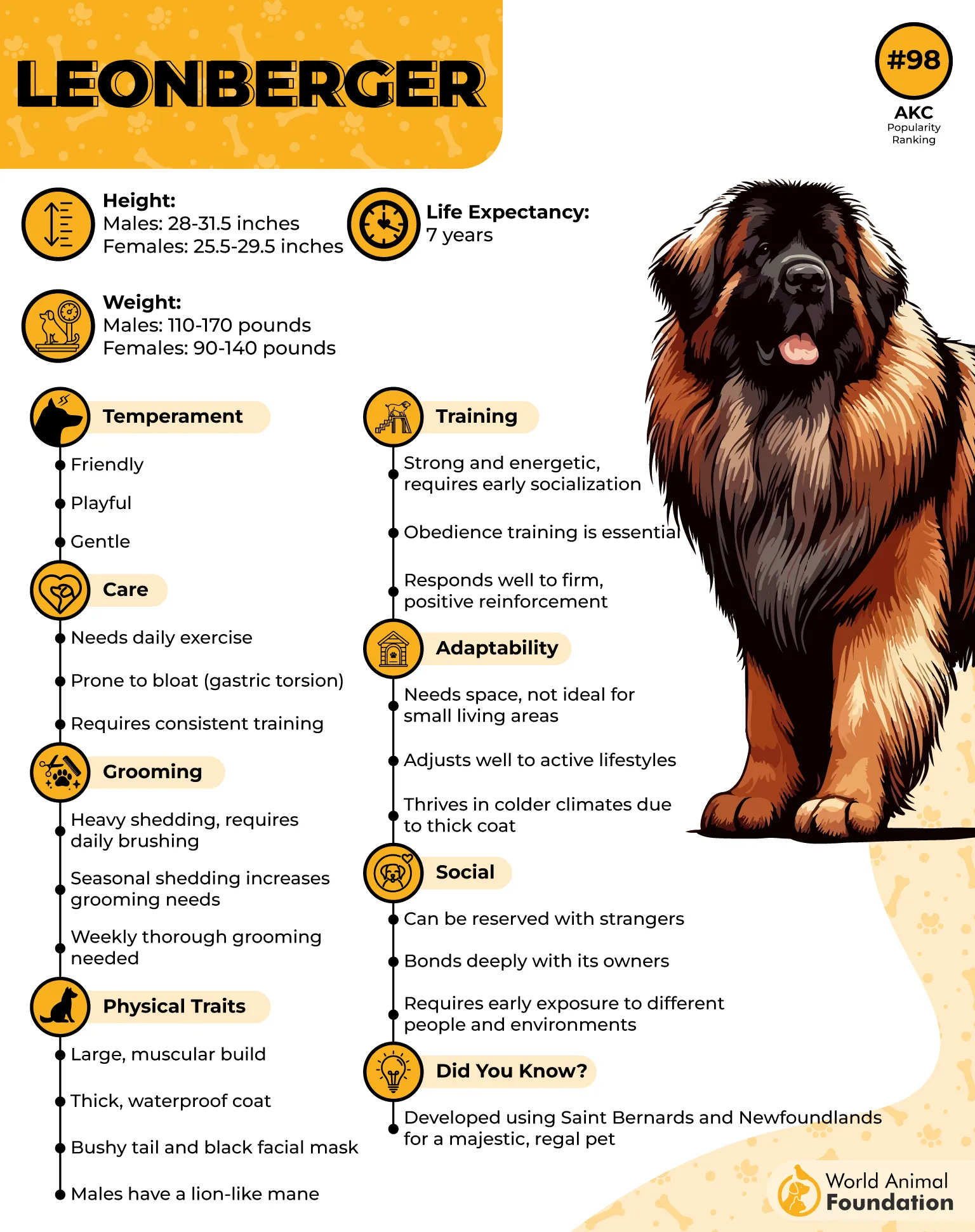
Leos, like other large dogs, are prone to a life-threatening condition called gastric dilatation (GDV) or bloat. In this disease, the stomach twists upon itself, reducing the blood flow to the stomach and causing continued gas distension.

As a result, the stomach becomes enlarged. Leonbergers also experience compromised joint health as they age. For instance, they can suffer from hip dysplasia, as noted by WebMD. Heart disease is another common cause of death among Leonbergers.
They are susceptible to certain types of cancers, such as osteosarcoma and hemangiosarcoma. Regular vet visits, proper diet, and daily exercise can significantly increase your Leo’s lifespan.
2. Newfoundland
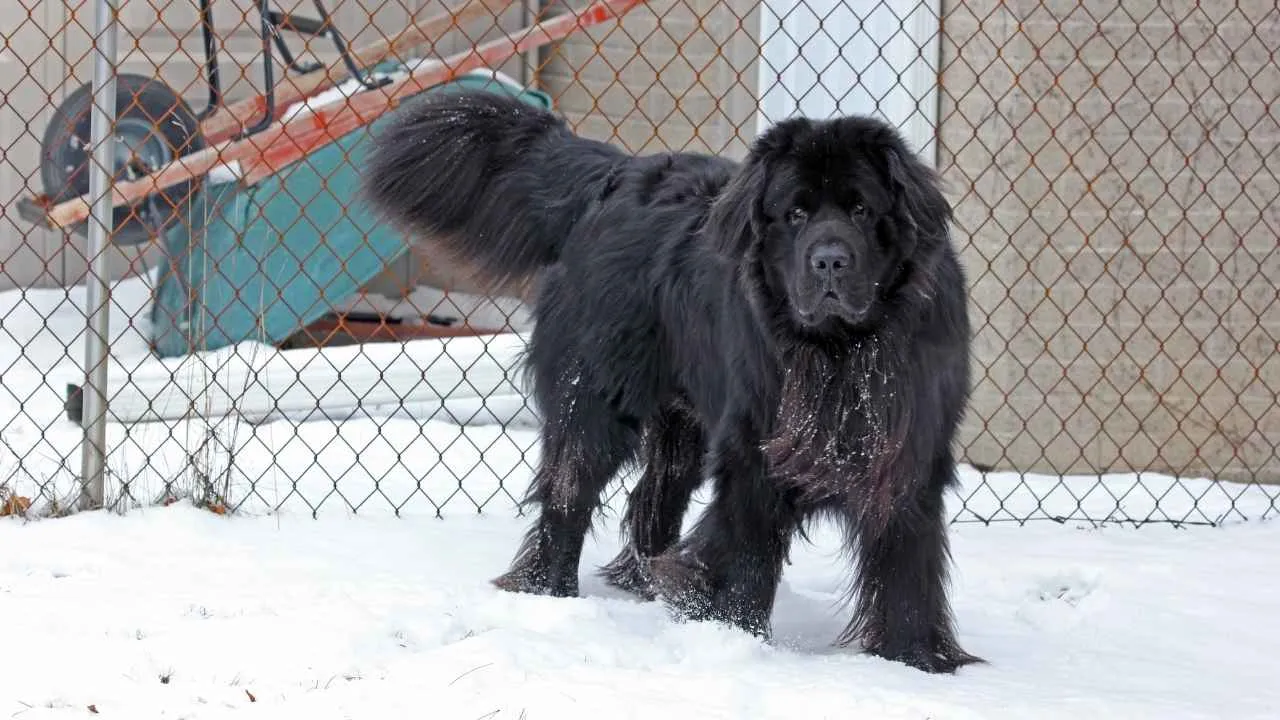
Newfoundland dogs are powerful dogs with a sweet temperament. They make loyal and devoted companion dogs. But unfortunately, do not stay with you for too long. These big, fluffy dogs have an average lifespan of 9 to 10 years.
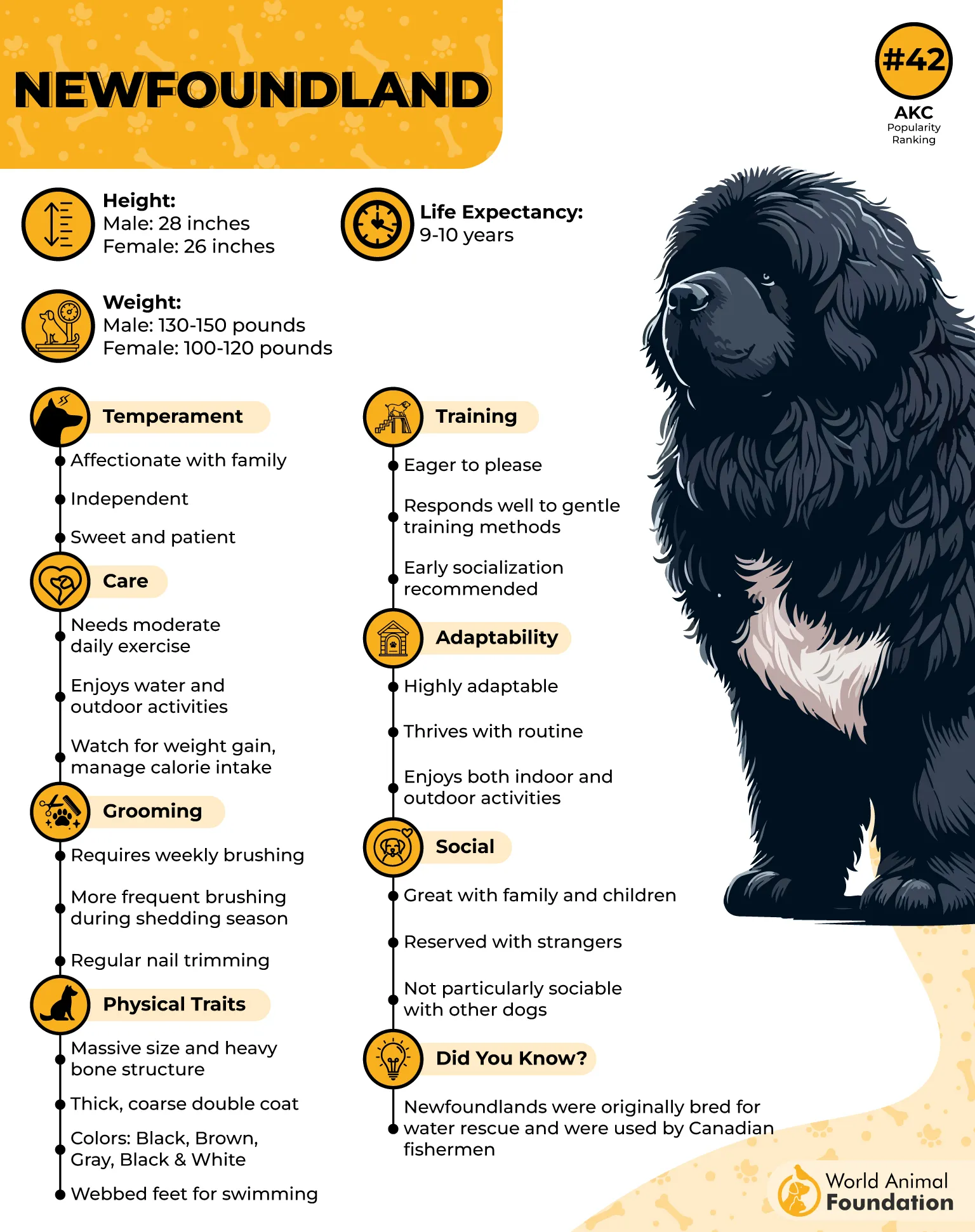
We all know Newfies as ‘Nana’ from Peter Pan. They are tolerant around kids and have earned a reputation as “nanny dogs.” However, these loving pooches are prone to many health concerns throughout their life.
Like other large dogs, Newfies are vulnerable to health issues like hip and elbow dysplasia, bone cancer (osteosarcoma), GDV, and dilated cardiomyopathy. They can also develop cystinuria, i.e., cysts in the urinary system.
Prospective dog owners should contact reputable breeders who scan for such health problems, explains the American Kennel Club.
3. Rottweiler
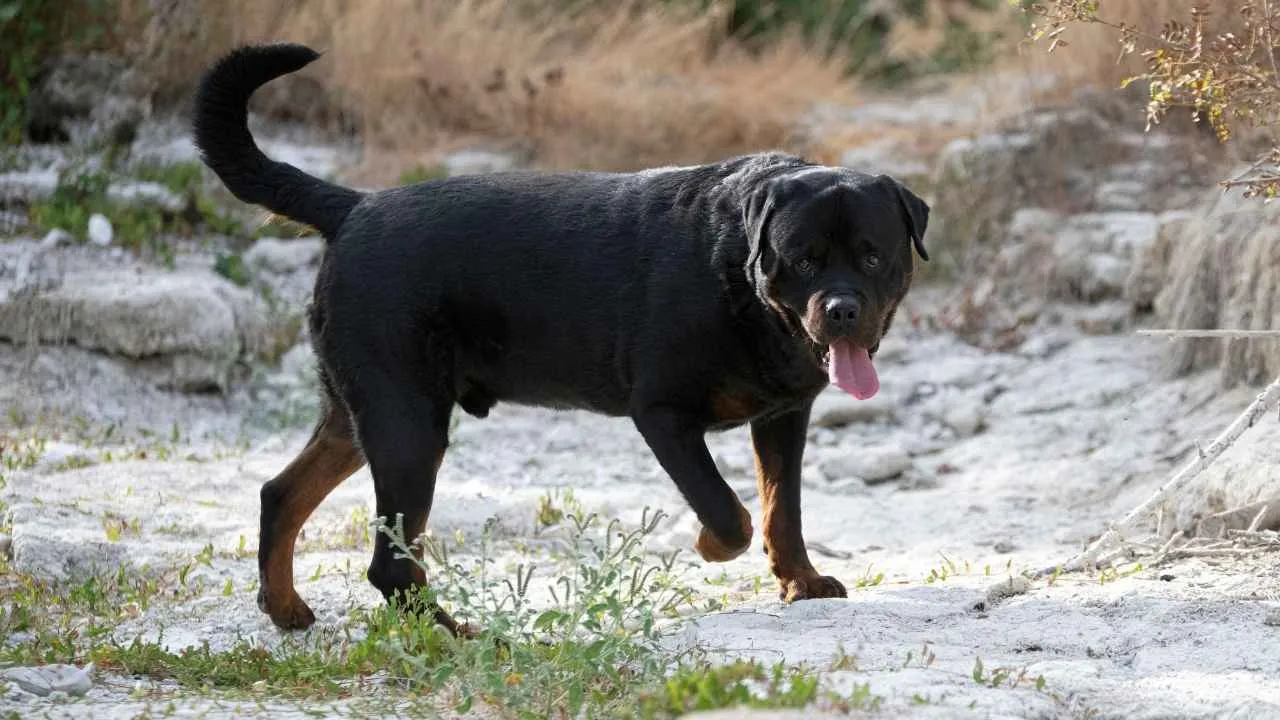
Rottweilers are muscular and confident guardians loved for their incredible loyalty and guard dog instincts. Sadly, these loving companions do not stay alive for too long. This dog’s life expectancy is only around 9 to 10 years.
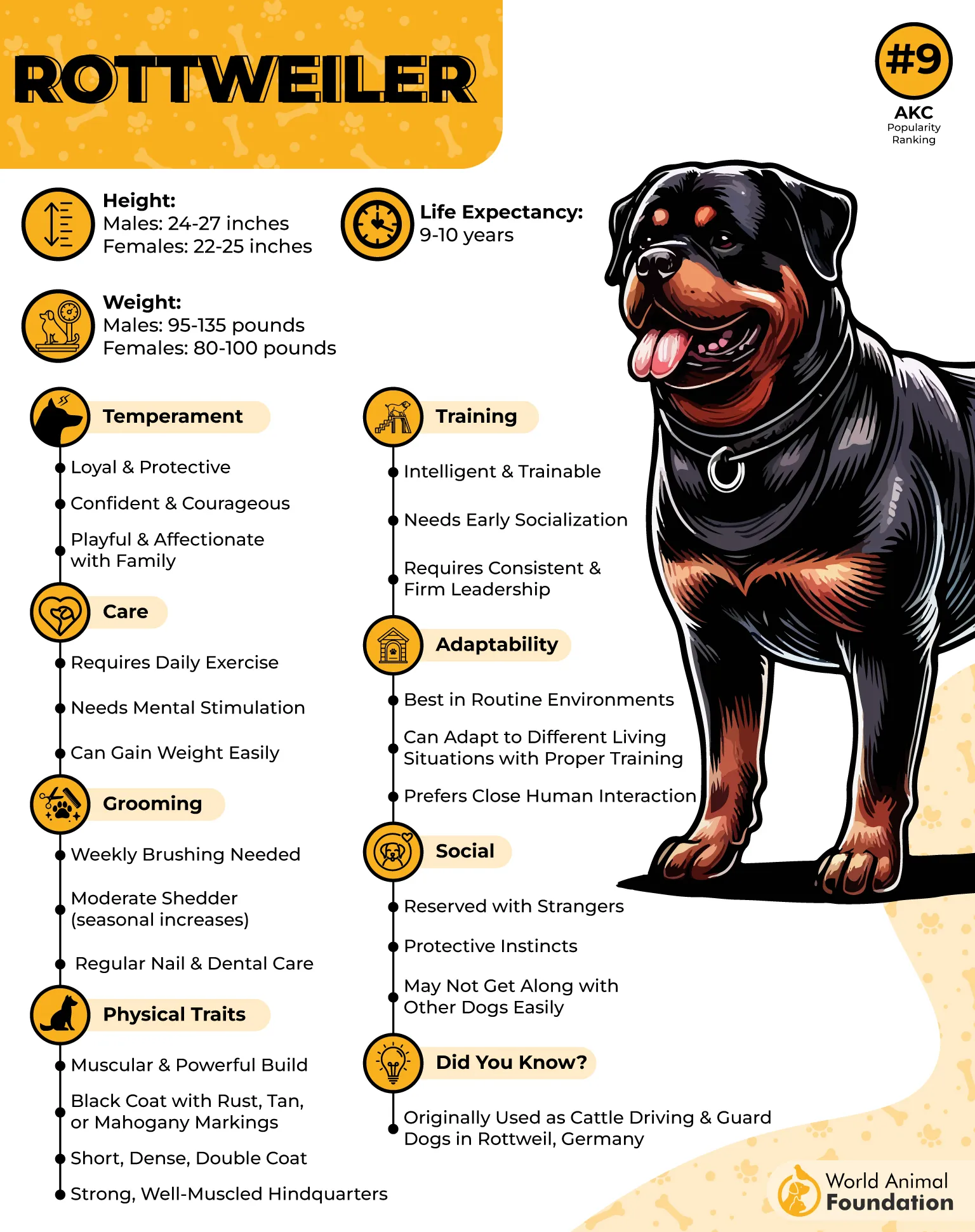
These deep-chested dogs are prone to hip and elbow dysplasia, cranial cruciate ligament rupture, osteosarcoma, entropion, subaortic stenosis, and GDV. Rottweilers are prone to obesity, so pet parents should make sure to provide a balanced diet and regular exercise for their Rottweiler.
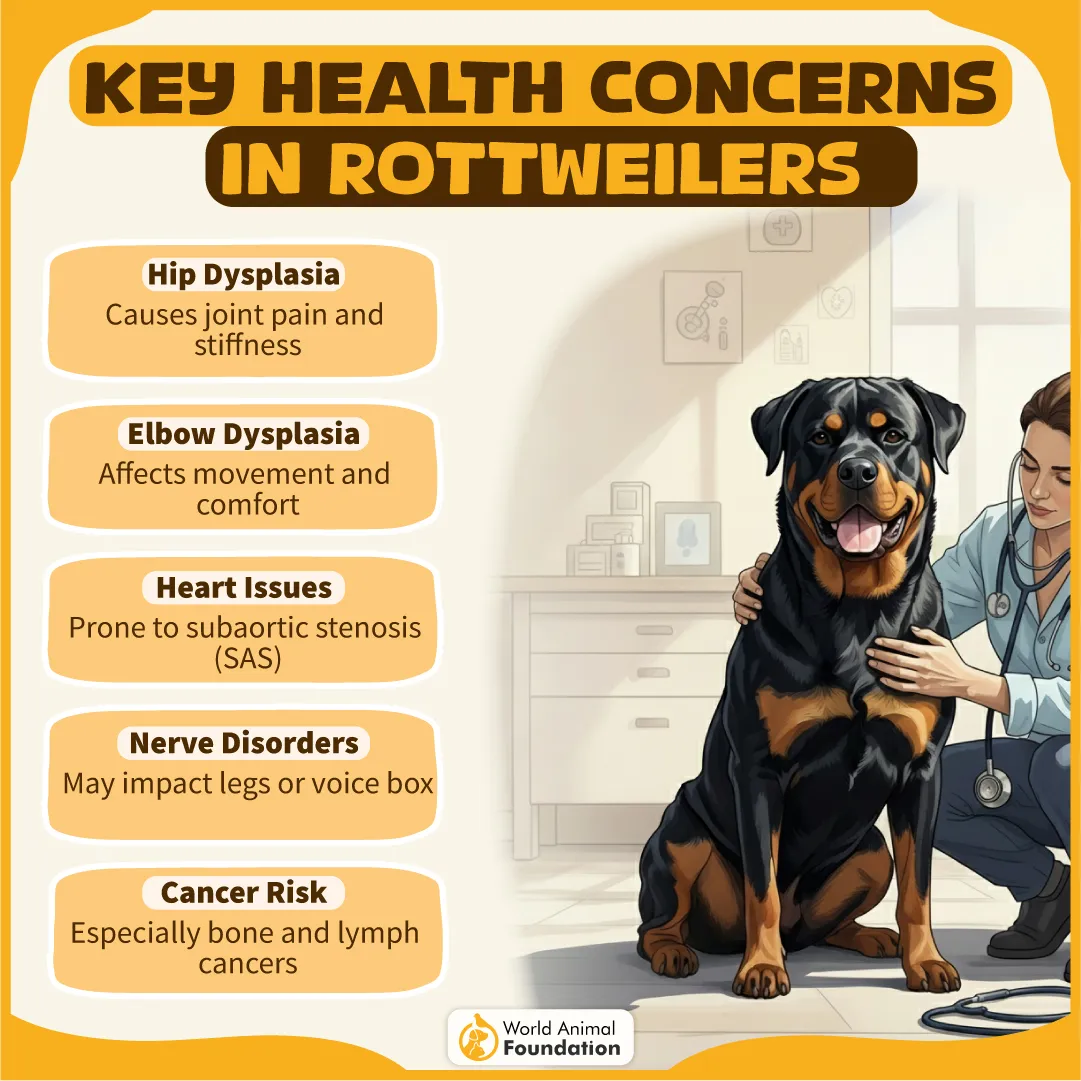
A major cause behind Rottweilers’ short lifespan is a lack of genetic diversity, which can lead to certain diseases, like those mentioned earlier. Rottweilers are intelligent and eager to please dogs, who can be trained easily. But their size and strength require experienced handlers.
4. Broholmer

Broholmer is a giant breed with a relatively shorter lifespan of only 8 to 10 years. They have been nicknamed ‘butcher’s dog’ because they were often seen lying at the doorsteps of butchers. Having a heart of gold, these canines love to snuggle and stay by their owner’s side.
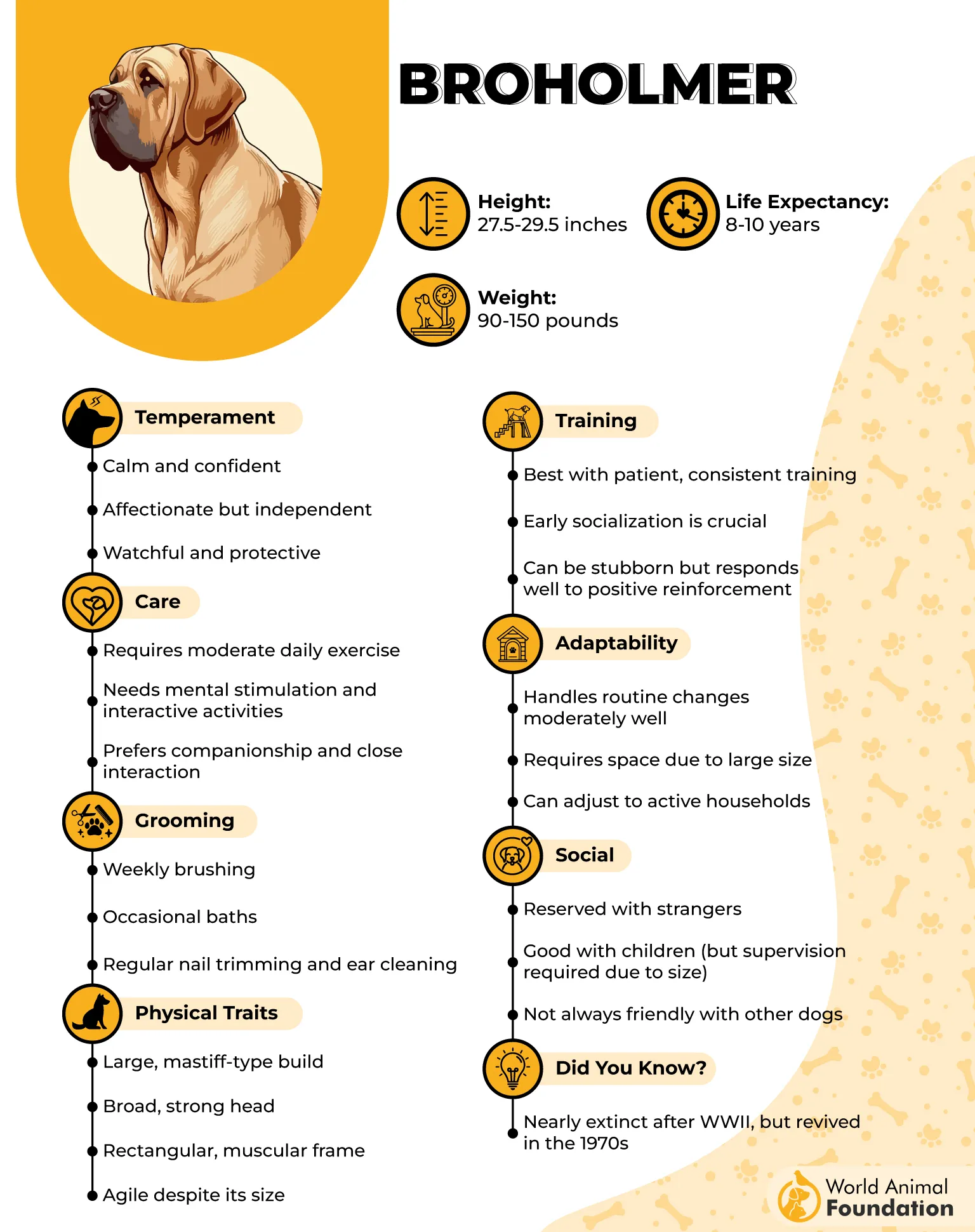
These calm, good-natured, and watchful dogs are generally healthy. However, they also struggle with the same issues that all large dogs work with. This includes hip dysplasia, elbow dysplasia, certain types of cancer, allergies, and seizures.
They can also experience digestive problems, which can be avoided by taking care of their diet and providing them with regular exercise. Good breeders utilize health screening and genetic testing of their breeding stock to reduce the likelihood of diseases.
Broholmers make excellent service dogs and are perfect for helping people with physical disabilities. They can be trained to perform a variety of tasks such as opening doors, fetching medicines, pushing stuck wheelchairs, and much more.
5. Bulldog
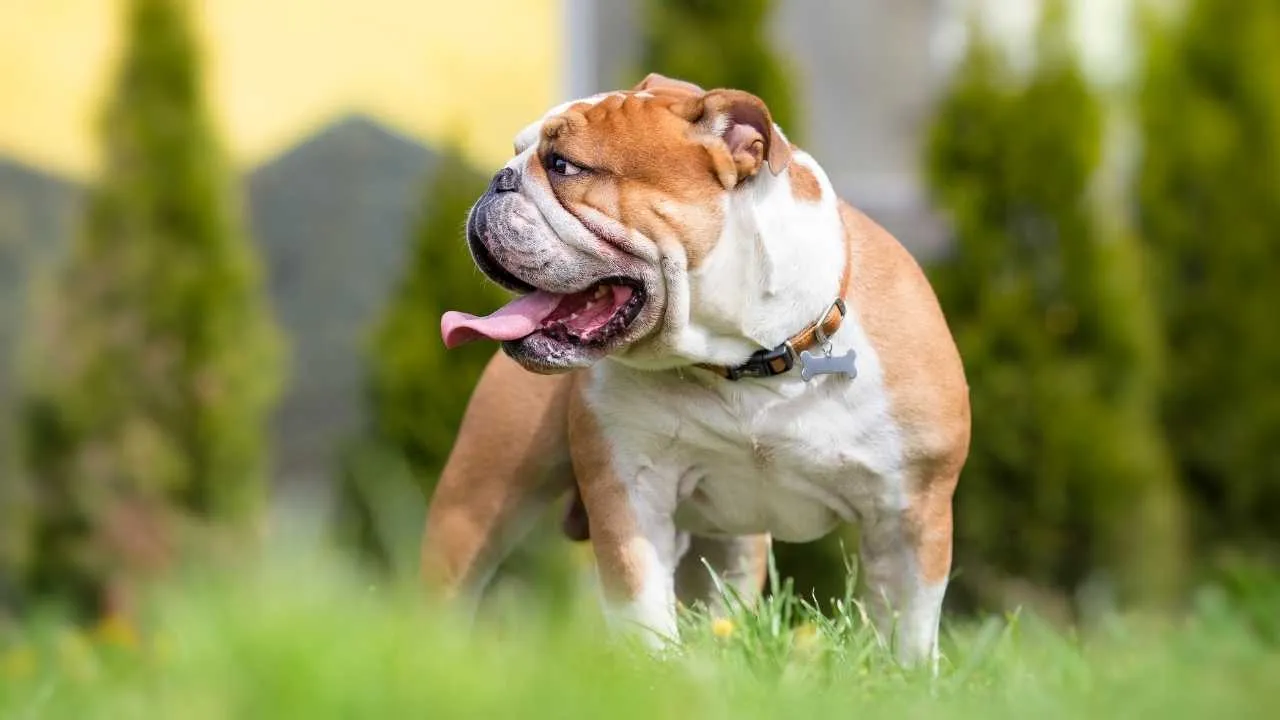
Bulldogs are friendly, courageous, and calm dogs with a muscular build. They have relatively shorter lives compared to many breeds. Bulldogs have an average lifespan of around 8 to 10 years. These wrinkly dogs need only moderate exercise to stay healthy, despite their large size.
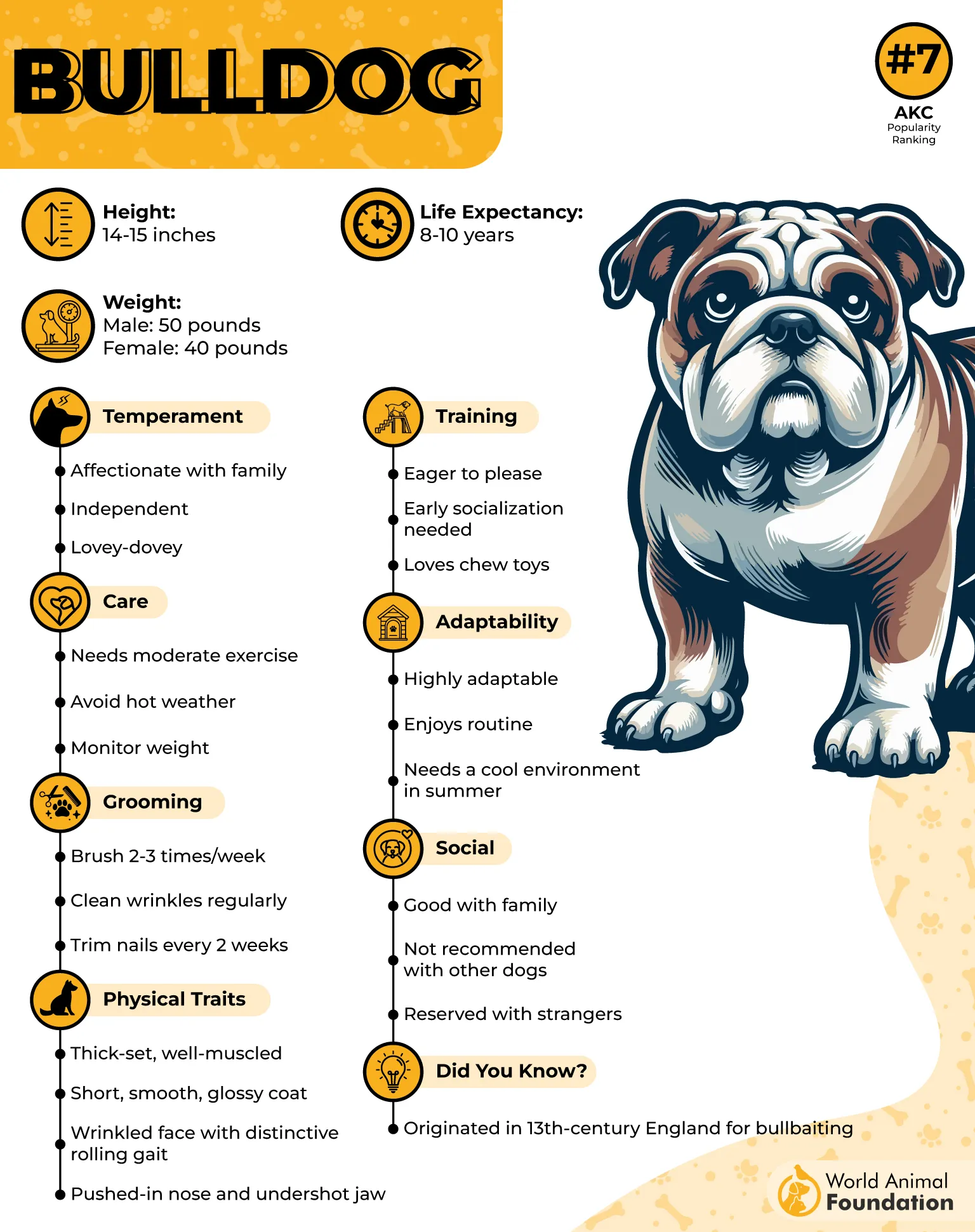
Bulldogs are brachycephalic dogs having short muzzles, which makes them prone to respiratory problems like Brachycephalic Obstructive Airway Syndrome (BOAS). This condition also makes them vulnerable to overheating.
This health issue significantly reduces a Bulldog’s lifespan. If a Bulldog is overexcited or breathing too hard, its tongue will hang out unusually far. Immediate soaking with cool water and giving ice can help cool the dog.
Bulldogs are sweet, devoted, and easygoing dogs who love to please their owners. They love to chew, so investing in chew toys is a good option if you have a bulldog.
6. Saint Bernard
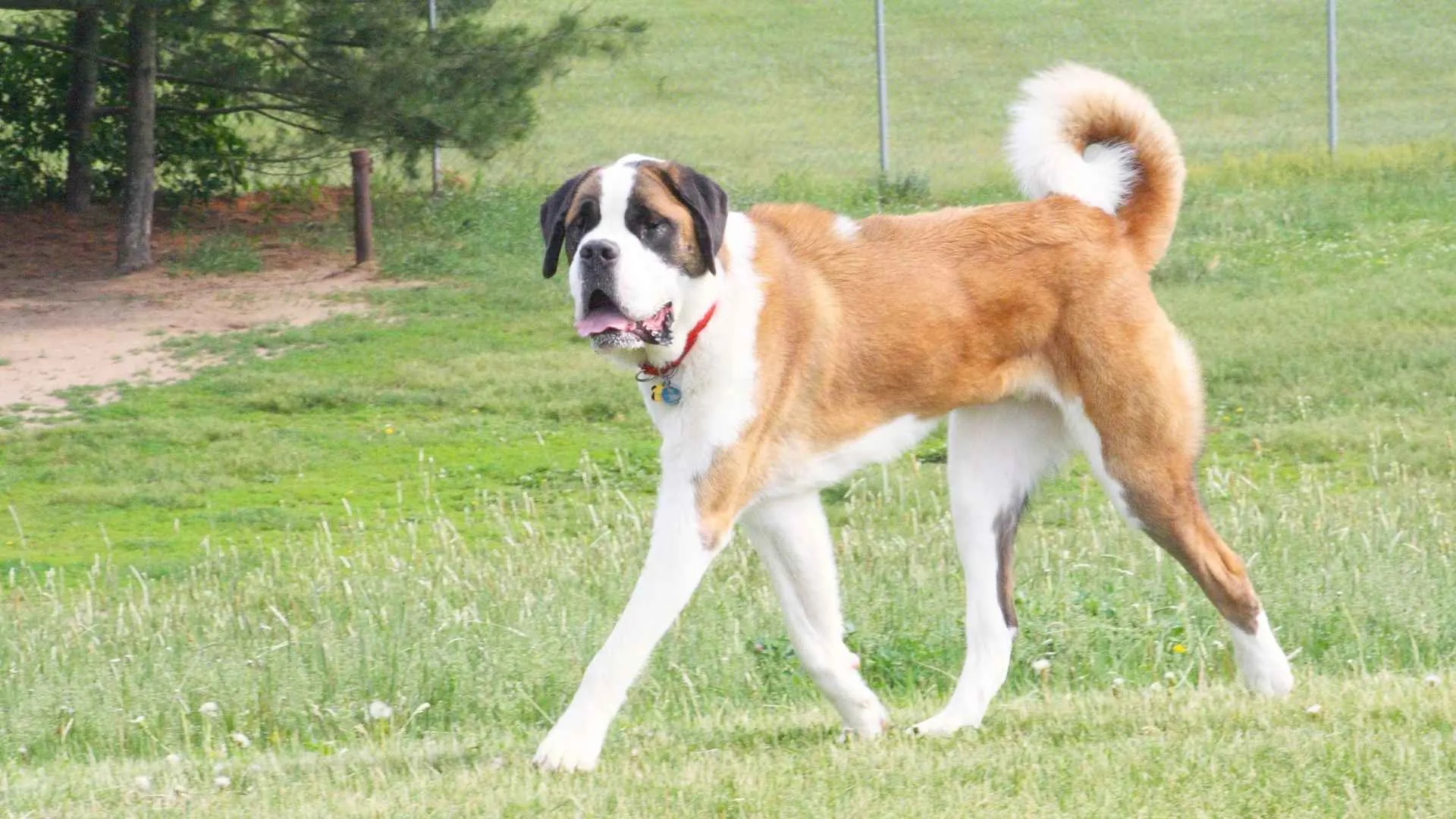
Saint Bernard is a powerful working dog from the Swiss Alps. These canine companions have a shorter lifespan compared to many other breeds. The dog’s lifespan ranges between 8 and 10 years only. Like other giant dog breeds, the main reason behind a shorter lifespan is susceptibility to several diseases.
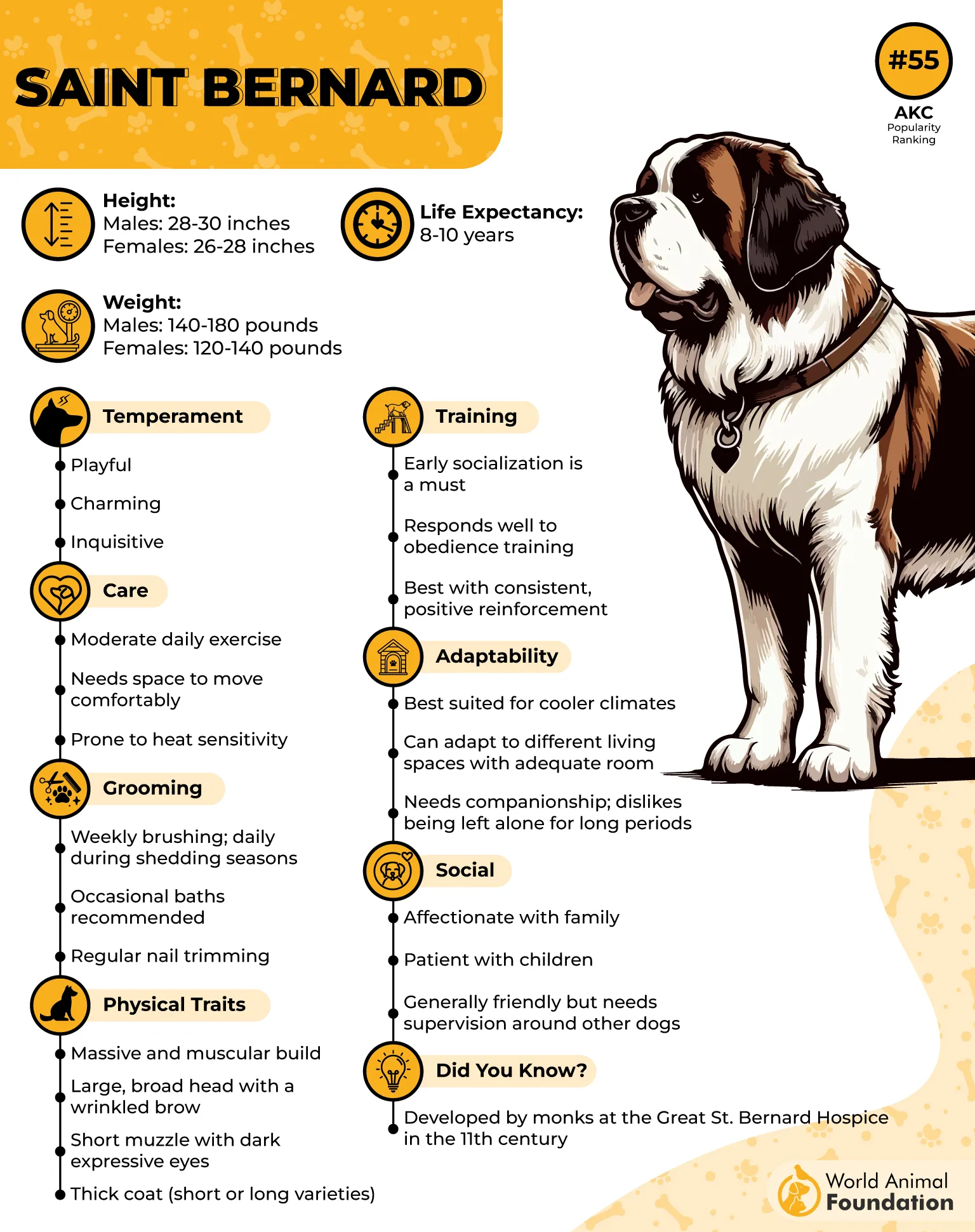
Saint Bernards are likely to suffer from hip dysplasia, gastric torsions, and epilepsy. These deep-chested dogs can also develop bloat or gastric dilatation volvulus (GDV). Cancers and heart disease are also common in Saint Bernards.
Having a mellow demeanor, Saint Bernards can be a great addition to your family. They have a reputation for being gentle around kids who know how to properly interact with dogs. These people-oriented dogs can develop separation anxiety when left alone for too long.
7. Great Dane
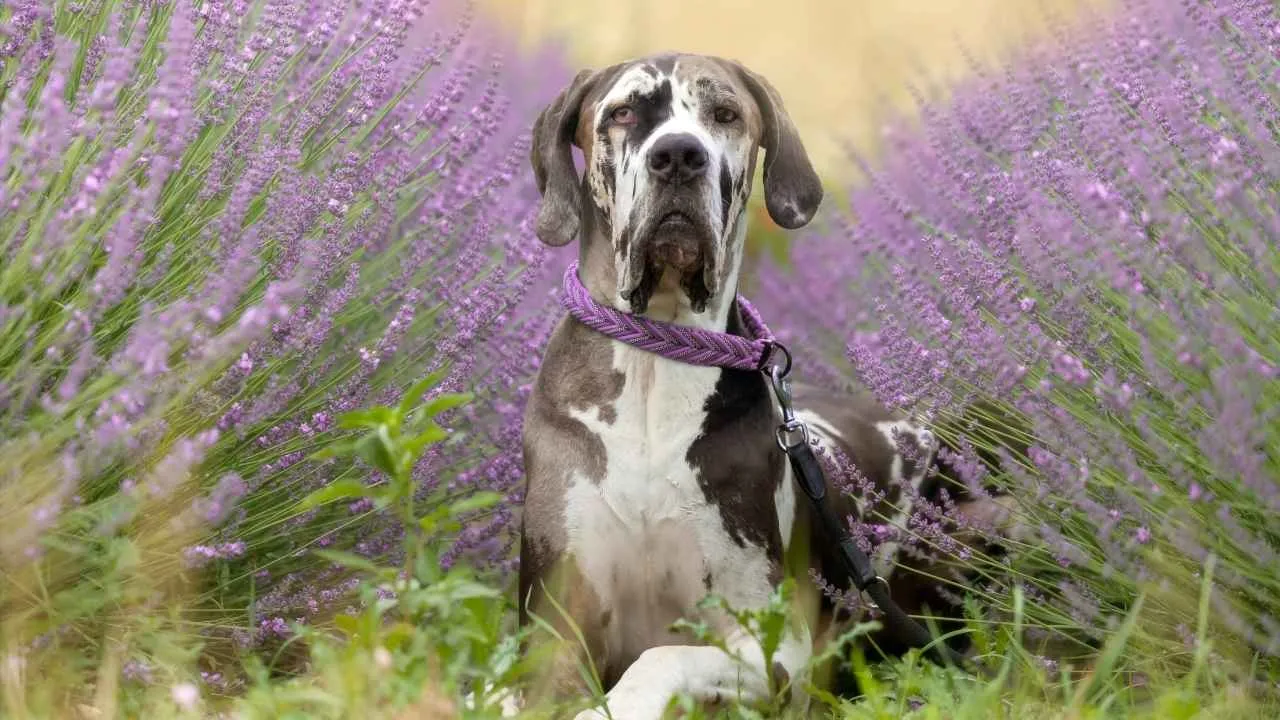
Great Danes are friendly and patient canines with a lifespan of 7 to 10 years. One of the tallest dog breeds, Danes are true gentle giants. They are easygoing, but look quite intimidating, so their mere presence is enough to make intruders think twice.
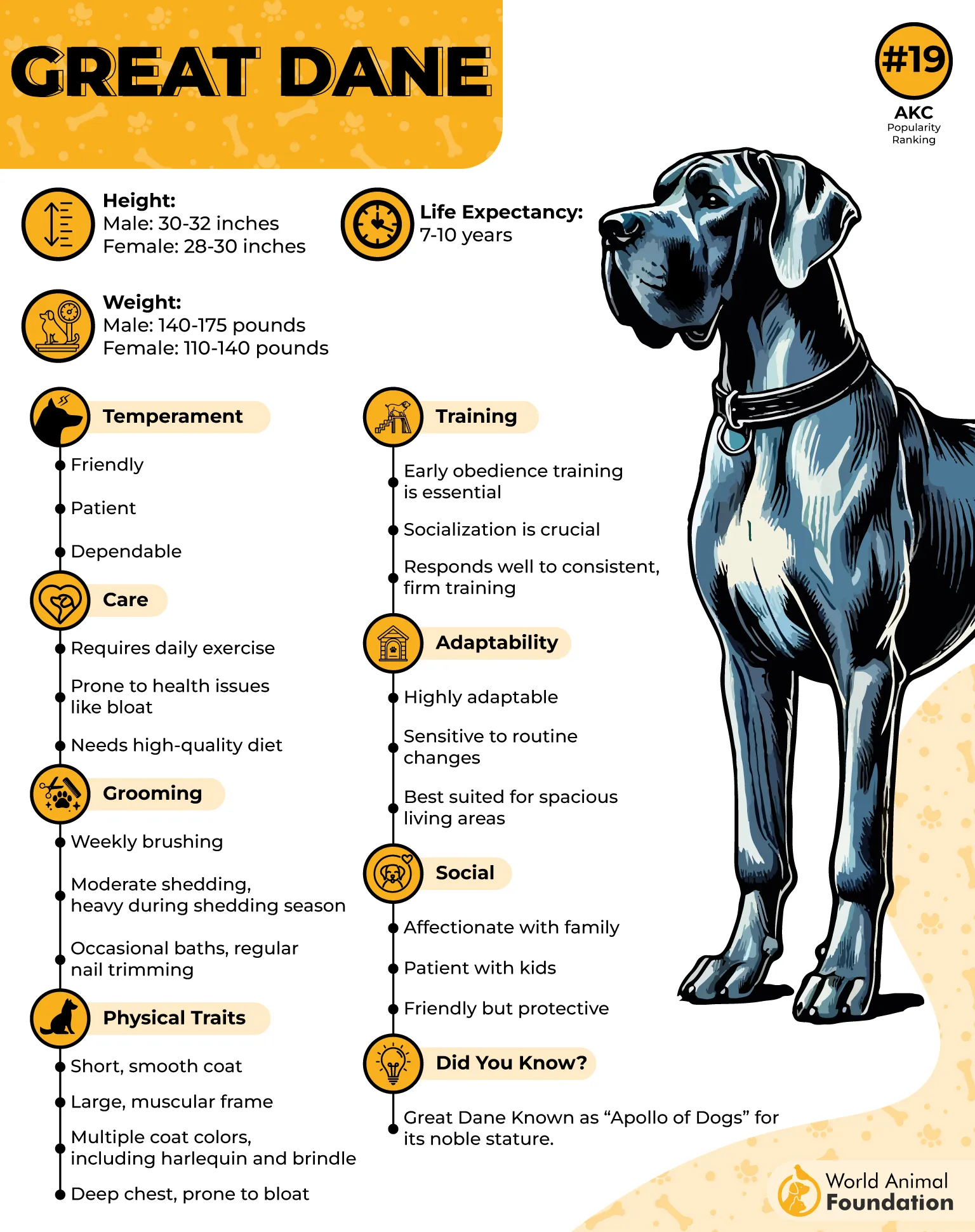
The reason behind this dog’s lifespan is its susceptibility to certain health issues and large size, which accelerate aging. Great Danes are susceptible to many health problems, including GDv or bloat, hip dysplasia, osteosarcoma, and dilated cardiomyopathy.
Danes are also vulnerable to a neurological condition, Wobbler Syndrome. This disease affects the dog’s long neck and large head and causes neck pain and a wobbly gait. Great Danes are moderately playful canines who do well in homes where they get enough space for exercise and play.
Conclusion
Dogs make wonderful companions, but some breeds have lower annual life expectancy compared to others. Sadly, such canines do not stay much longer with their pet parents.
Canine lifespan largely depends on a dog’s size and certain environmental factors. Usually, larger breeds have longer lifespans. Canine longevity can be significantly increased by providing a balanced diet, proper exercise, and regular vet checkups.
Smaller breeds like Toy Poodles, French Bulldogs, Cavalier King Charles Spaniels, and Yorkshire Terriers tend to live longer than large dogs. If you want to adopt a pooch who can stay with you for many years to come, you can adopt a smaller breed.
