




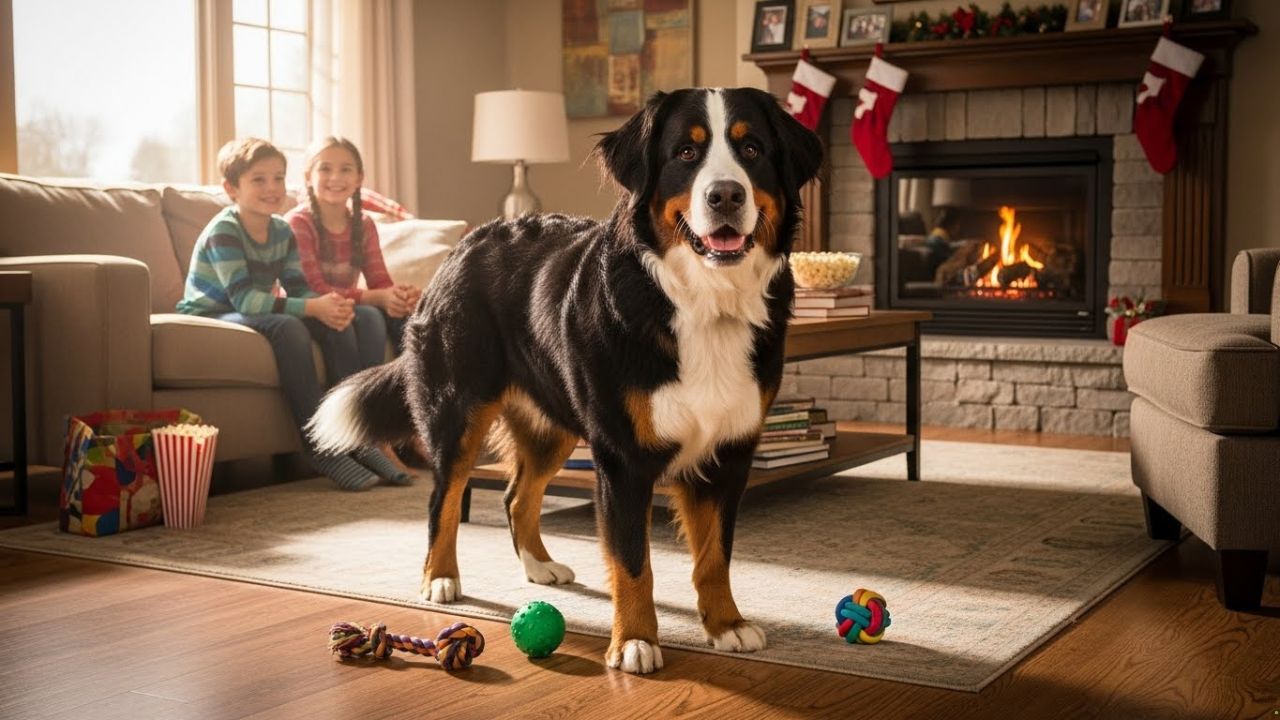
Big dogs don’t just walk into a room; they redefine it. Their size sparks curiosity, admiration, and plenty of questions about what life with a truly massive canine is like.
What draws families to these gentle giants isn’t just scale, but presence. There’s comfort in a dog that feels steady, expressive, and reassuring, like a piece of furniture with feelings.
Despite outdated stereotypes, size rarely equals aggression. Many giant breeds are famously calm, patient, and people-focused, proving that the biggest dogs often have the softest reactions and the longest fuses.
Of course, a big heart comes in a big body. These large dogs lean in, love deeply, and bond fiercely, turning family moments into scenes framed by paws, tails, and nudges.
Before welcoming one home, families should consider space, time, and commitment. Giant dogs reward preparation, patience, and planning, offering loyalty and companionship on a scale that matches their impressive size.
Best Huge Dog Breeds for Families Seeking a Big Companion
1. Great Dane
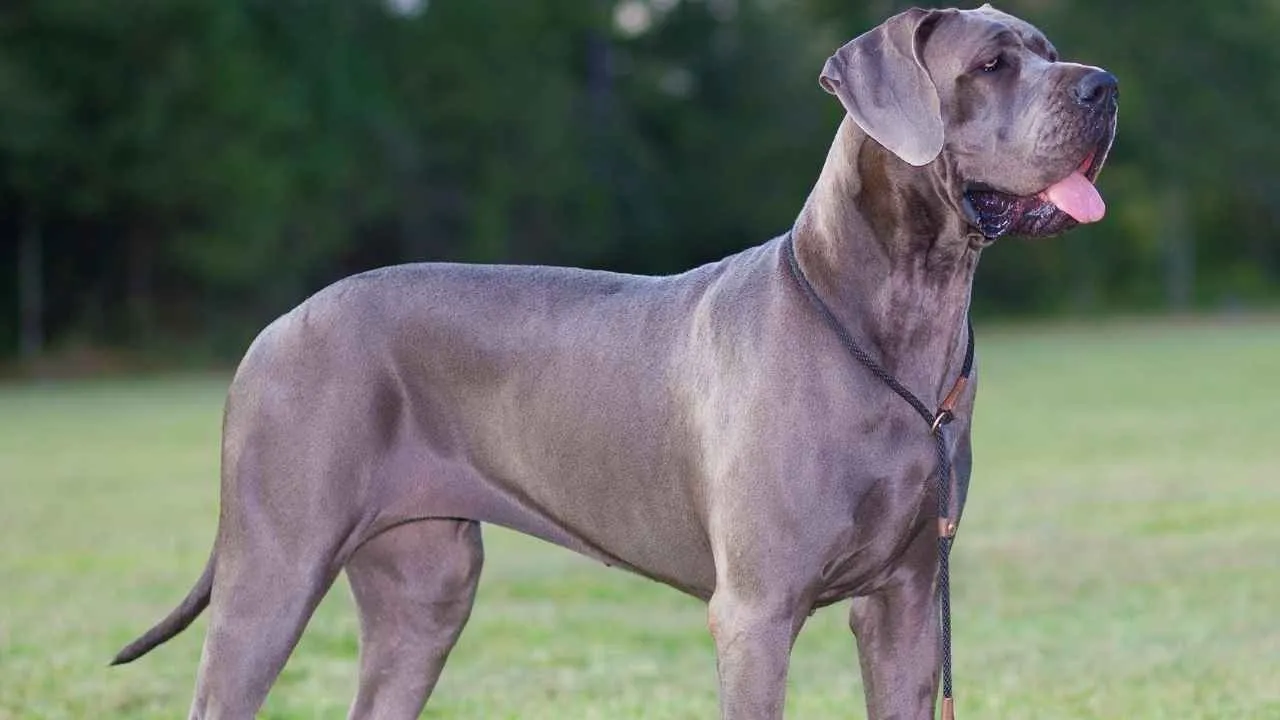
The Great Dane is the definition of eye-catching scale, standing tall enough to rest its head on a kitchen counter without trying. These dogs are massive in height but surprisingly light-footed, carrying themselves with an easy, almost elegant calm. Behind those soulful eyes lives a temperament that leans gentle, people-focused, and quietly affectionate.
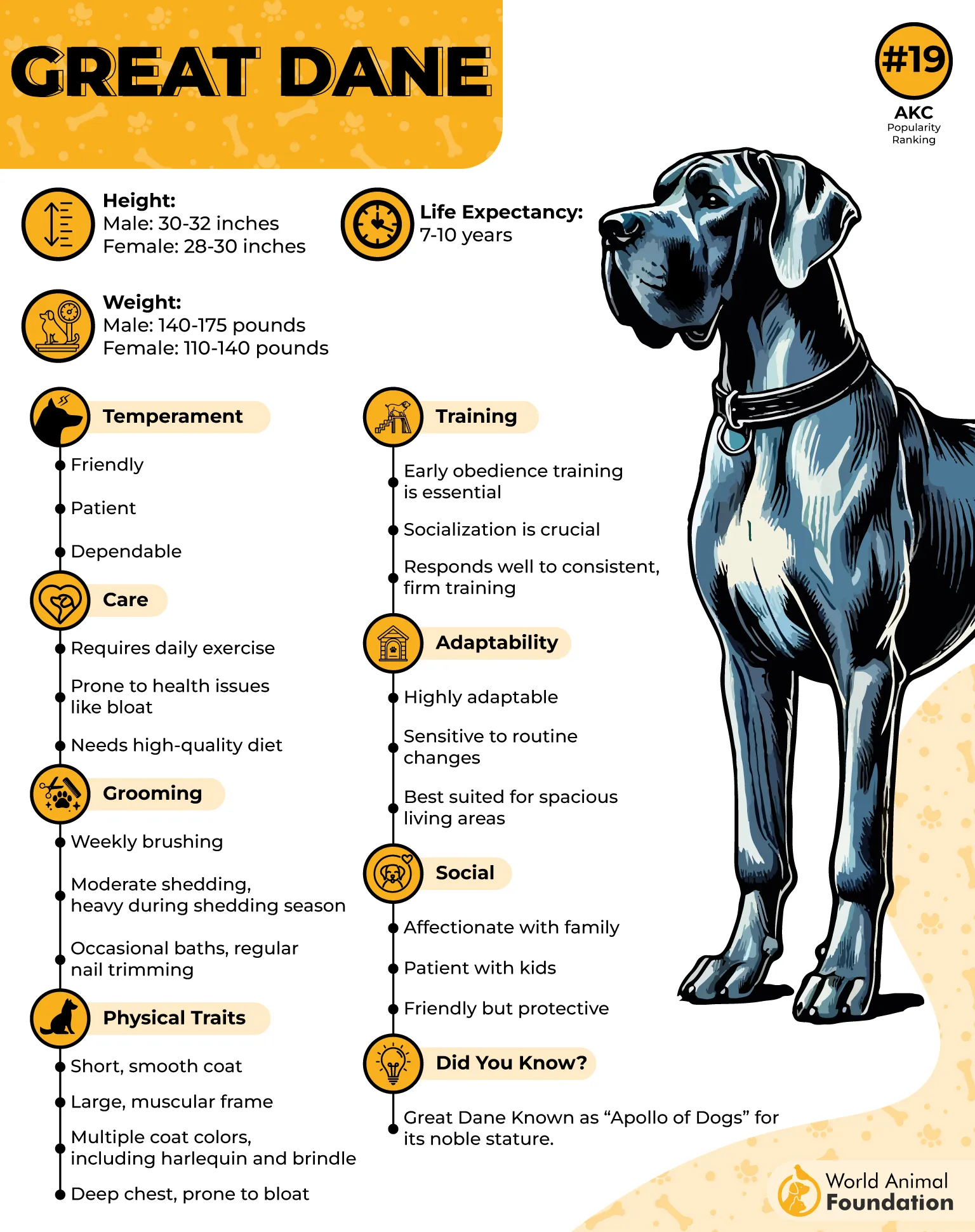
Families often discover that this giant fits neatly into daily life when expectations are realistic. Great Danes adore children and prefer being close to their people, usually choosing the couch over the yard. They don’t need endless exercise, but they do need room to stretch out and move comfortably indoors.
Training & Intelligence
Responsive to positive reinforcement and routine
Sensitive to tone, making gentle training methods most effective
Early socialization helps build confidence in large bodies
Diet, Grooming & Maintenance
Large meals split into portions to support digestion
Short coat with minimal grooming needs
Joint support and quality nutrition are essential
AKC claims that families should prepare for higher food costs, larger vet bills, and the emotional responsibility of a shorter lifespan. Their size requires planning, from sturdy furniture to safe walking equipment.

What surprises many owners is how deeply personal Great Danes are. They don’t just live with families; they emotionally anchor themselves to them, becoming towering companions with quietly devoted hearts.
2. Bernese Mountain Dog
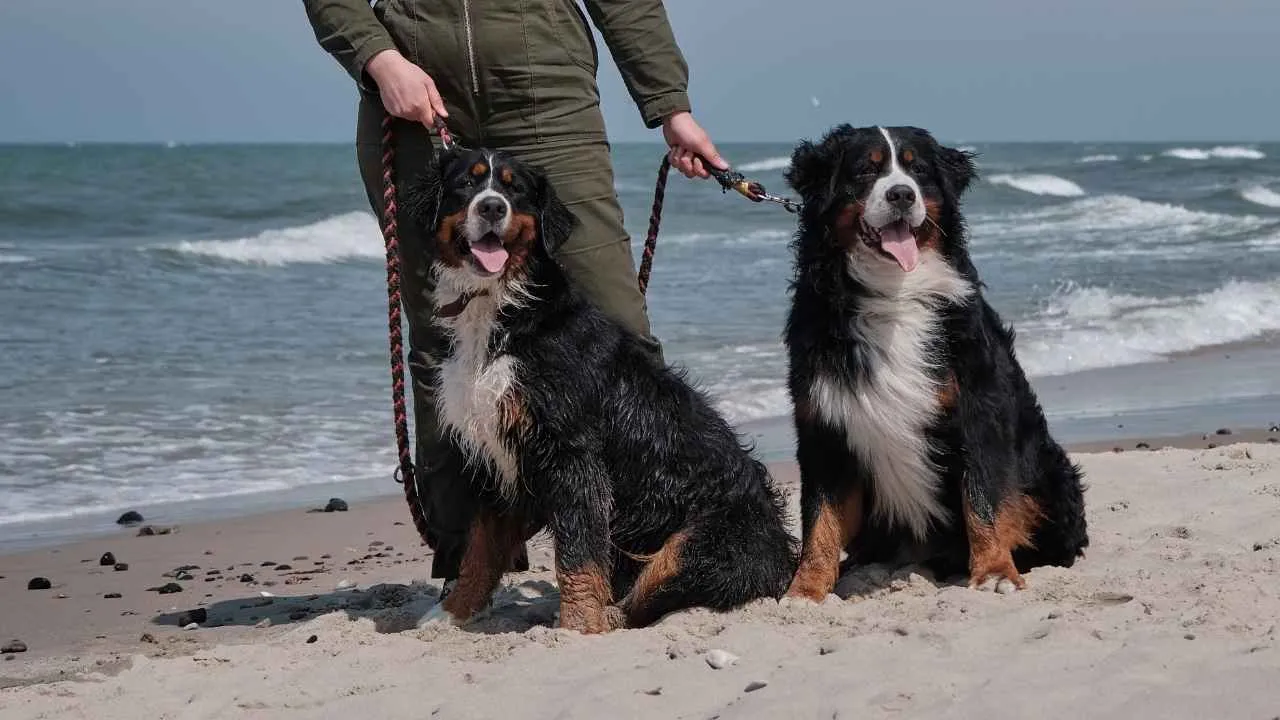
The Bernese Mountain Dog brings both size and softness in equal measure, with a broad frame wrapped in a striking tri-colored coat. Built for work in alpine regions, this breed balances strength with an easygoing, friendly demeanor. Their expressions often look thoughtful, as if carefully considering the world around them.
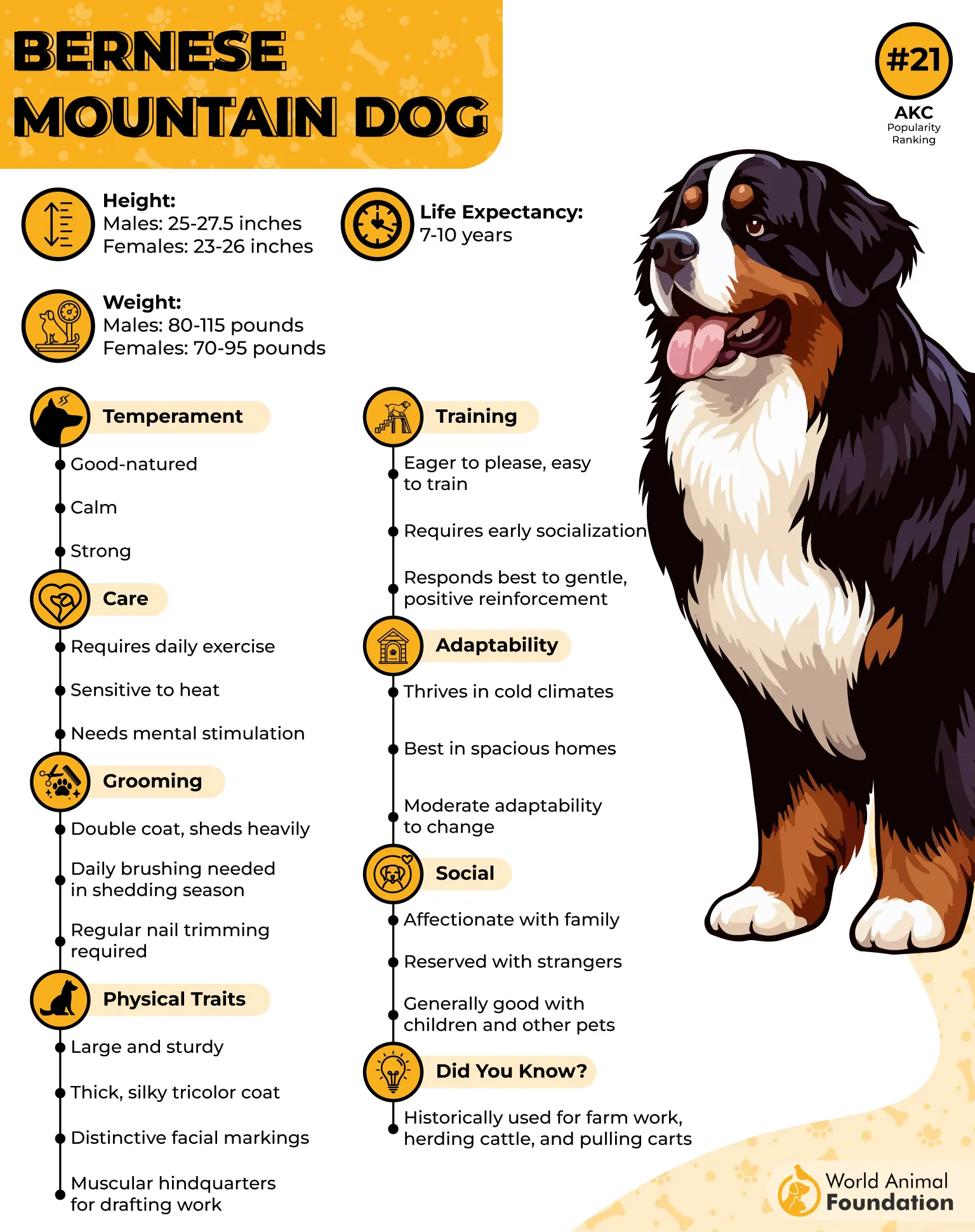
Britannica notes that for families, Bernese dogs tend to shine as patient and affectionate companions. They enjoy being involved in household activities and thrive in homes that value togetherness. Space is helpful, but their real requirement is human interaction and a predictable routine.
Training & Intelligence
Eager to please and food-motivated
Responds well to calm, consistent instruction
Benefits from early obedience to manage size
Diet, Grooming & Maintenance
A thick coat requires regular brushing
Seasonal shedding should be expected
A balanced diet supports joint and coat health
Families should prepare for grooming time, cooler climate preferences, and health monitoring. Regular veterinary care plays a key role in long-term comfort.
What many don’t expect is how emotionally intuitive this breed can be. Bernese Mountain Dogs often sense moods and respond with quiet closeness, becoming steady companions that feel less like pets and more like family members.
3. Saint Bernard
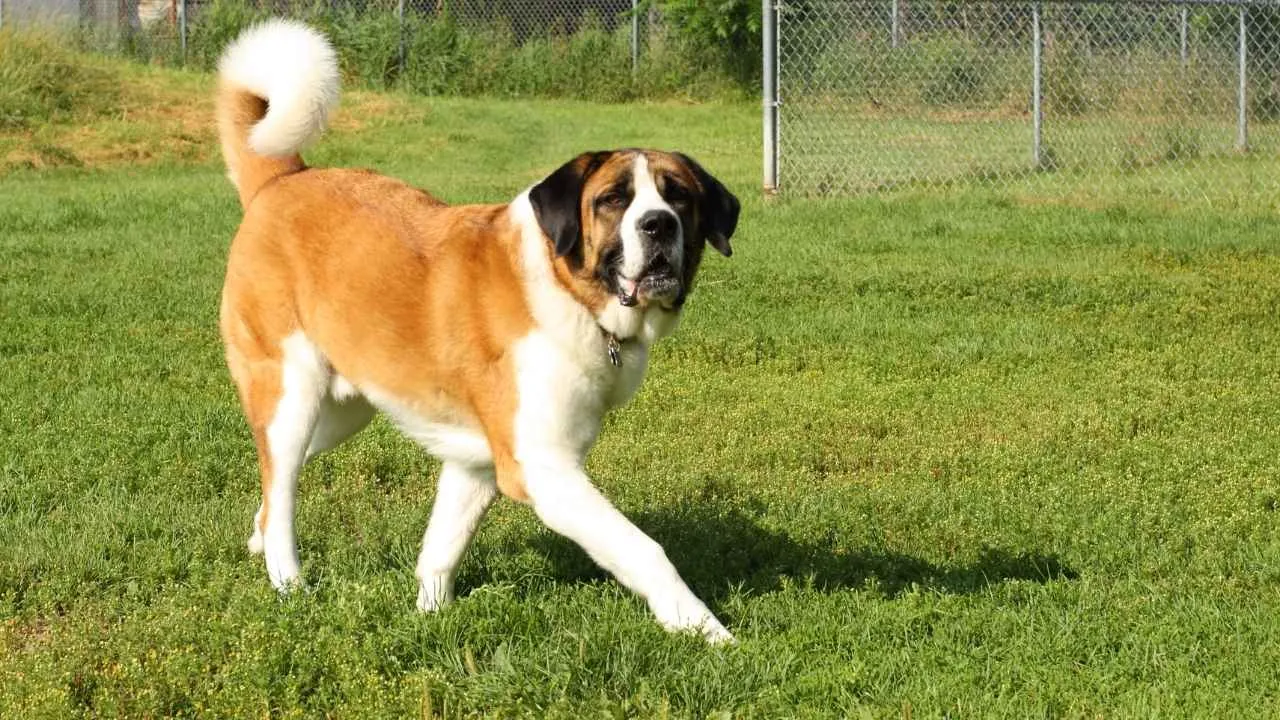
Saint Bernards are built like living landmarks, broad-chested and unmistakably powerful. Their size is matched by a famously calm temperament, often expressed through slow movements and patient observation. These dogs project reassurance before they even interact.
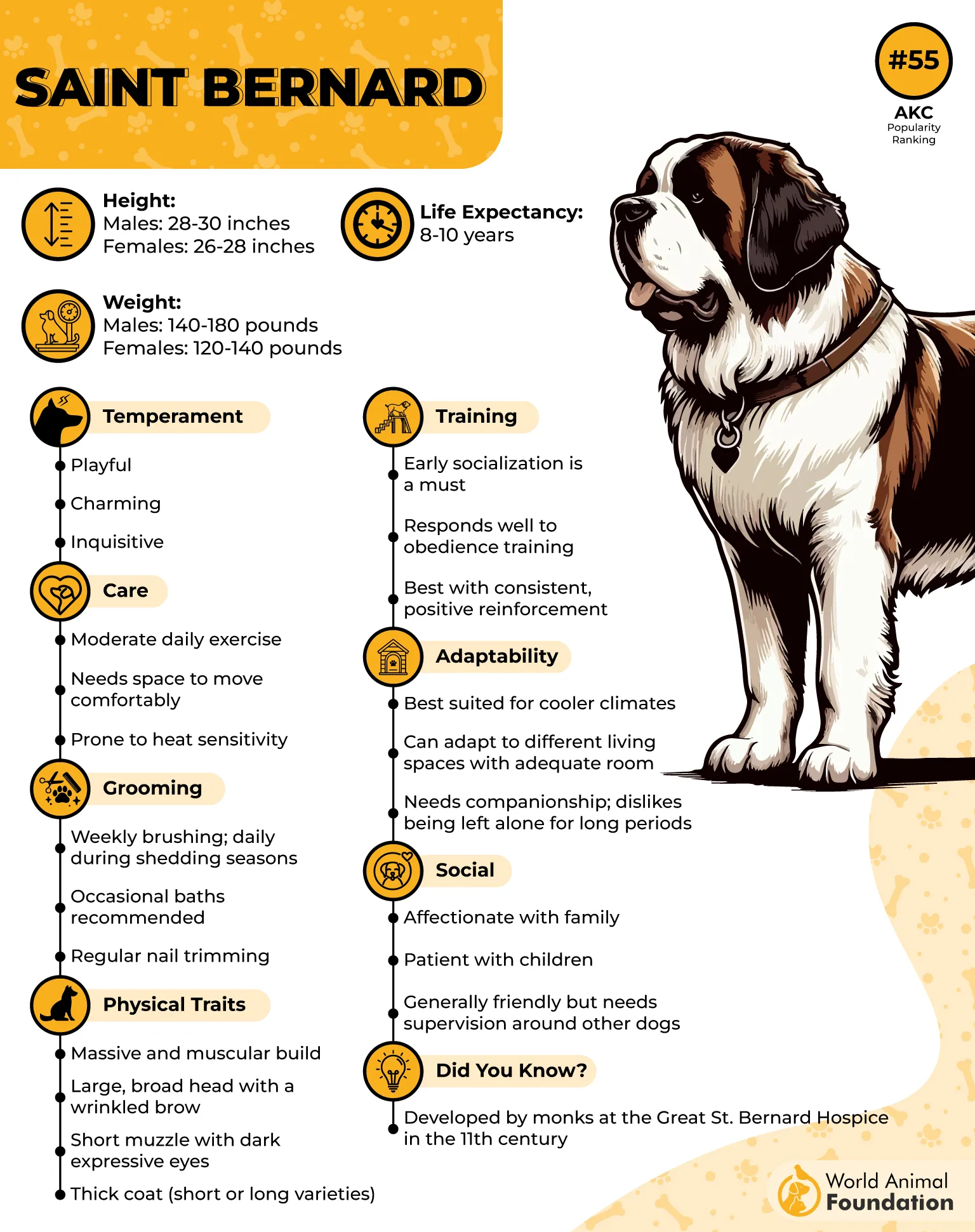
In family environments, Saint Bernards tend to be tolerant and nurturing, particularly with children. They prefer relaxed homes and benefit from space to move without feeling crowded. Short daily walks and comfortable lounging suit them just fine.
Training & Intelligence
Learns steadily with repetition
Prefers calm guidance over high-energy sessions
Early manners training prevents accidental knockovers
Diet, Grooming & Maintenance
A large appetite requires structured feeding
Drool management is part of daily life
Coat care varies by variety, but remains manageable
Families should prepare for drool, shedding, and higher upkeep costs. Their size demands thoughtful handling and consistent routines.
PetMD reveals that many owners are surprised by how observant Saint Bernards are. They quietly watch over family life, offering companionship that feels grounding, steady, and deeply comforting in ways smaller dogs rarely replicate.
4. Newfoundland
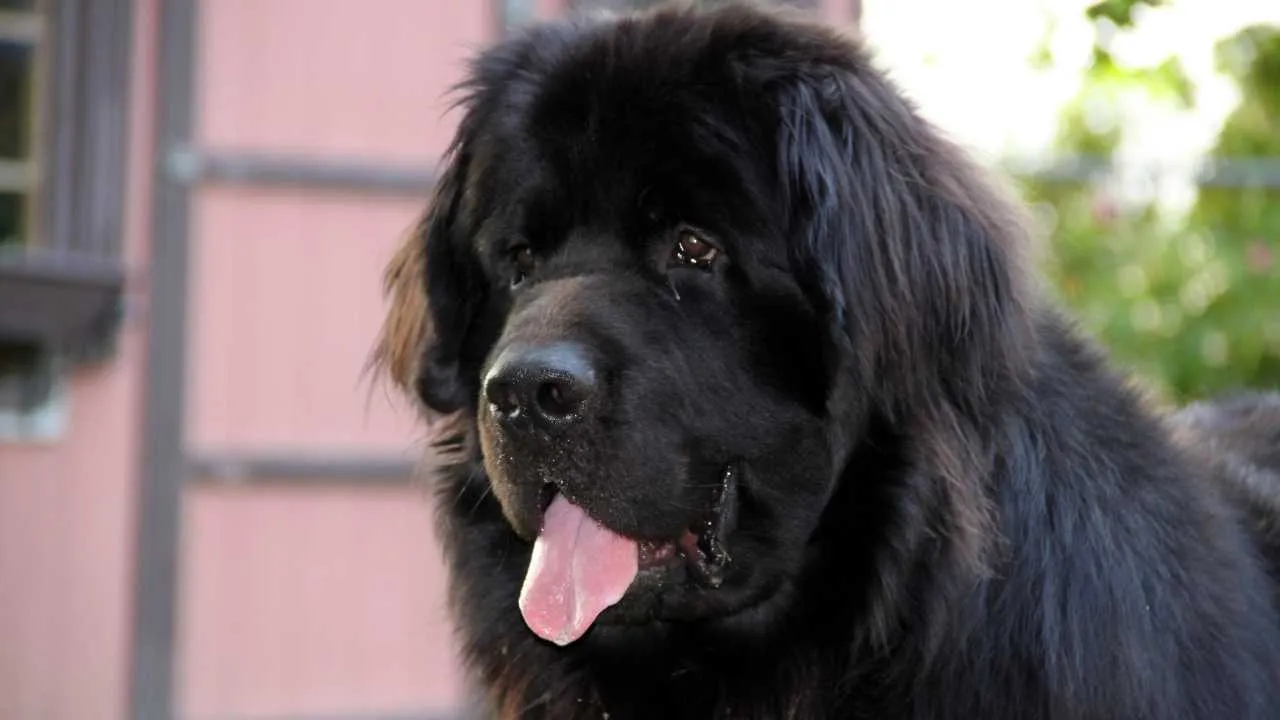
The Newfoundland is a powerhouse wrapped in a teddy-bear appearance, combining sheer mass with remarkable gentleness. Known for calm confidence, these dogs often move slowly and deliberately, radiating patience. Their expressions tend to be soft and attentive.
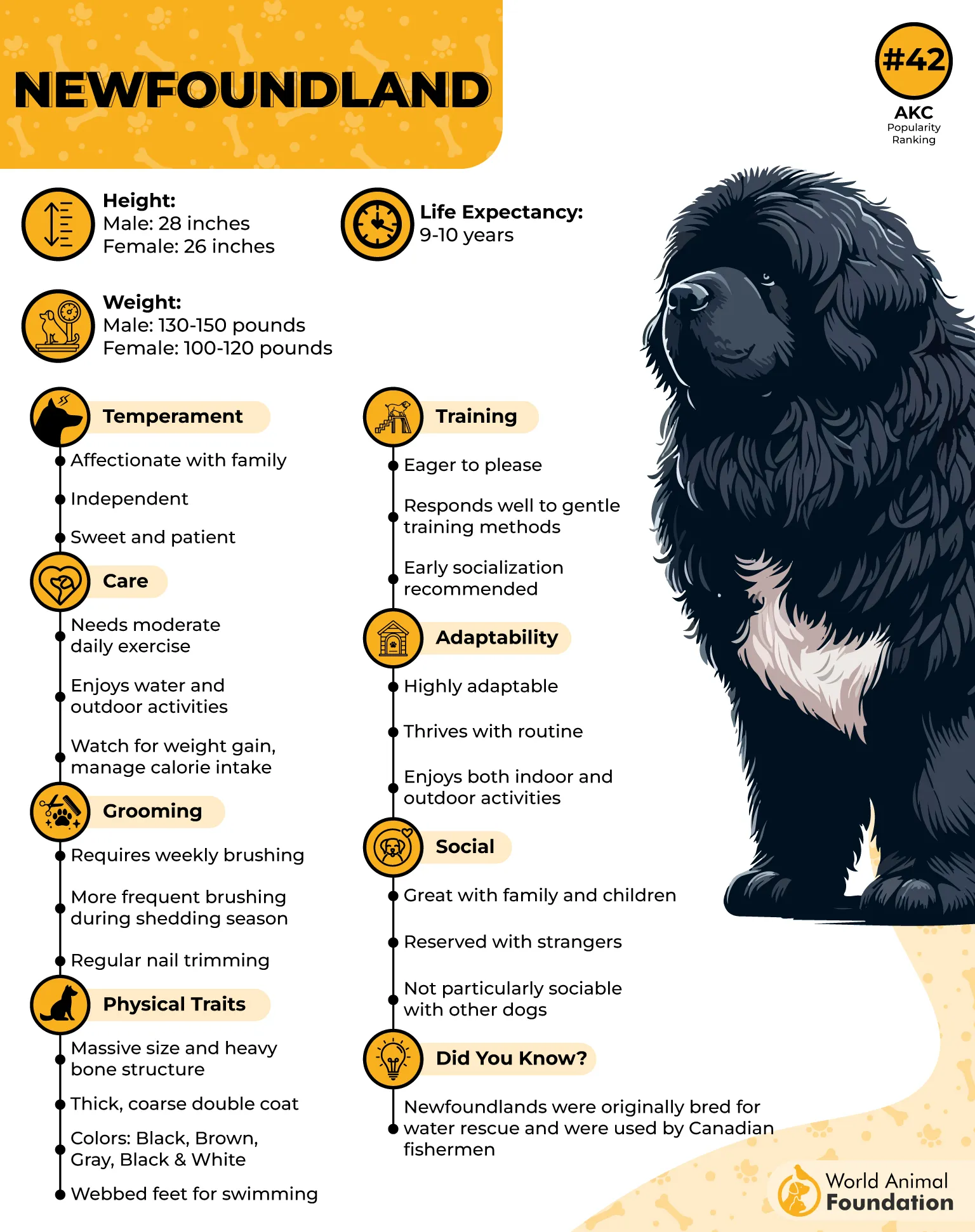
For families, Newfoundlands are famously nurturing and attentive around children. They enjoy space but are content indoors when properly exercised. Homes that value calm routines and affection suit them well.
Training & Intelligence
Highly intelligent and cooperative
Excels with structured, reward-based training
Thrives when given purposeful tasks
Diet, Grooming & Maintenance
A thick, water-resistant coat needs frequent brushing
Drooling and shedding are ongoing realities
High-quality diet supports joints and coat
Families should prepare for grooming time and a commitment to regular maintenance. Their size also means planning for travel and home layout.
What often surprises owners is the Newfoundland’s emotional steadiness. These dogs bring a soothing presence into family life, forming bonds that feel protective, loyal, and deeply reassuring over time.
5. Leonberger
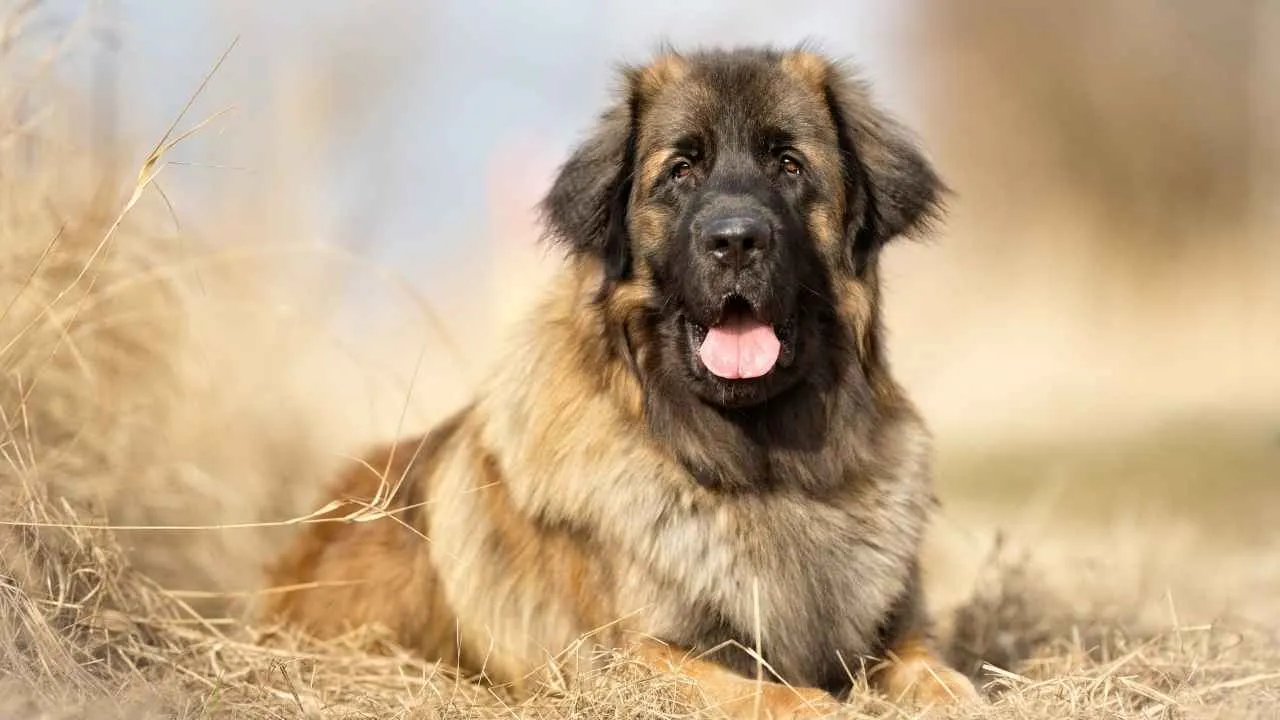
Leonbergers are imposing at first glance, blending a lion-like appearance with controlled strength. Their temperament tends toward balanced and confident, paired with a friendly curiosity. They often seem aware of their size and move with care around people.
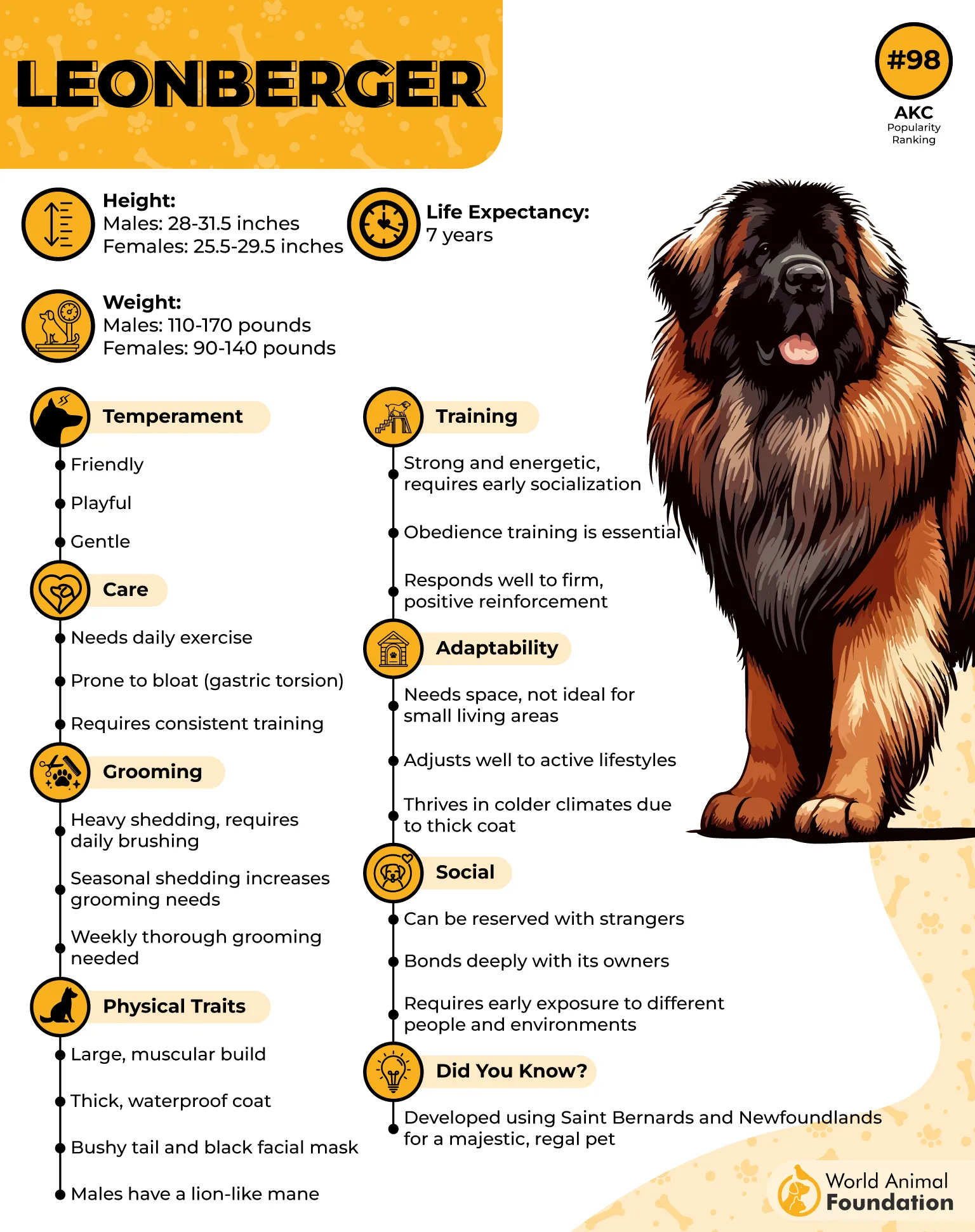
In family settings, Leonbergers are affectionate without being overwhelming. They enjoy outdoor space and structured activity, but also settle well indoors. Active families often find them a natural fit.
Training & Intelligence
Quick learners with strong memory
Enjoy mental stimulation and variety
Consistency builds reliable behavior
Diet, Grooming & Maintenance
A dense coat requires routine brushing
Seasonal shedding can be heavy
Nutrition supports energy and joint health
Families should prepare for grooming commitments and early training investment. Their size rewards proactive planning.
What many don’t anticipate is how playful Leonbergers can be. They blend dignity with joy, growing into companions that feel both impressive and warmly involved in everyday family life.
6. Great Pyrenees
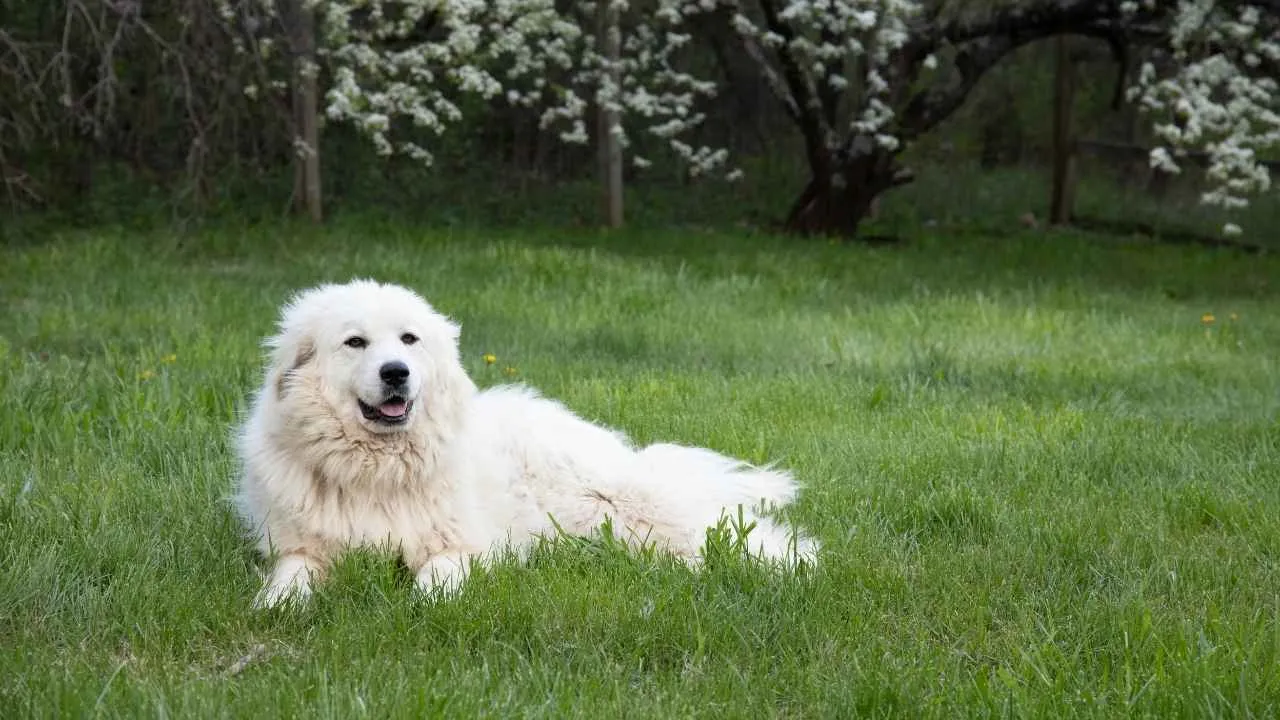
The Great Pyrenees carries a majestic presence, large-framed and coated in flowing white fur. Bred for independent work, their personality is calm, thoughtful, and quietly confident. Their watchful nature often shows in stillness rather than action.
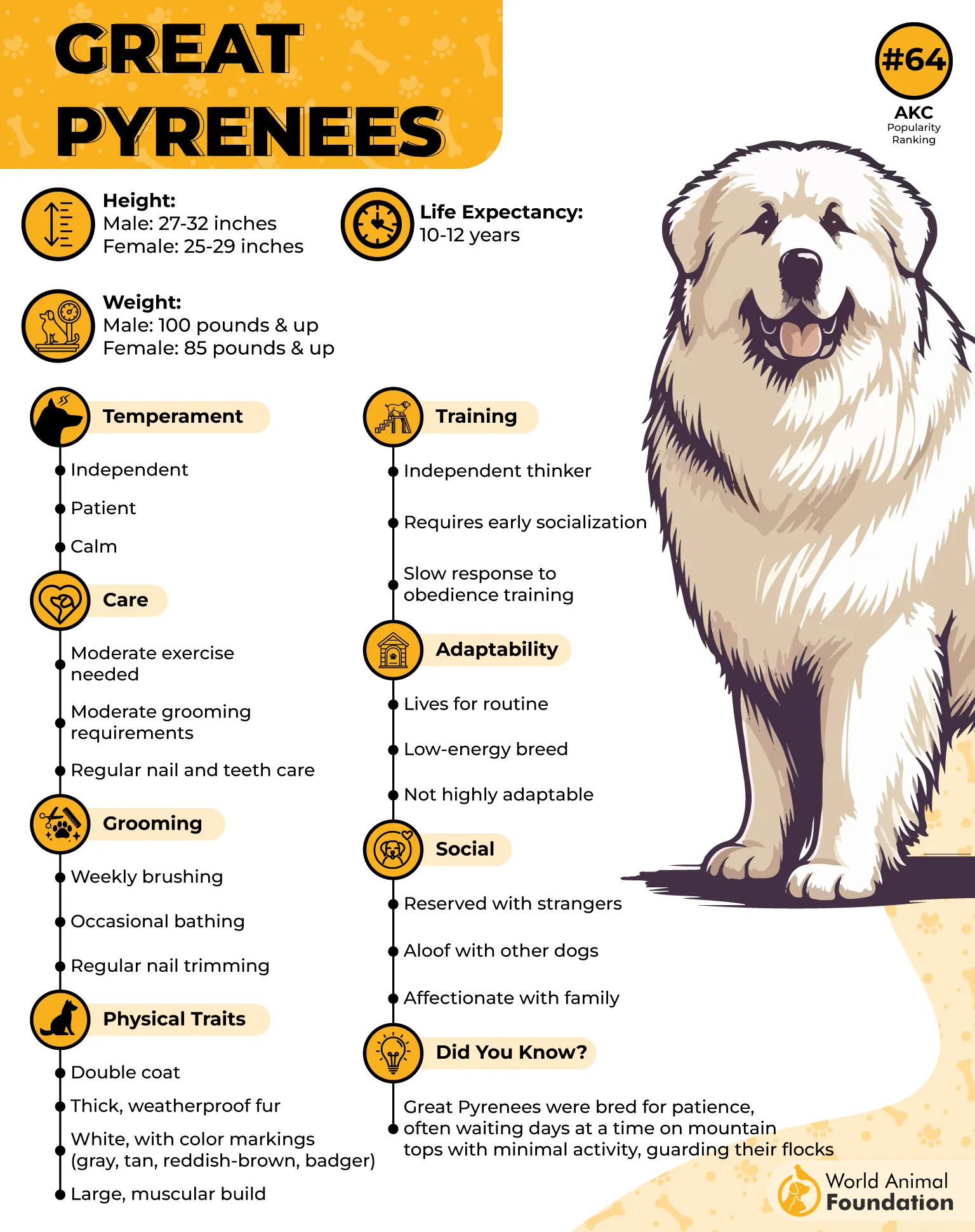
Families often appreciate their protective instincts and gentle interactions with children. They prefer space and do best in homes that respect their independence. A yard offers comfort, but connection matters more.
Training & Intelligence
Intelligent but self-directed
Responds best to patient, respectful training
Early boundaries support harmony
Diet, Grooming & Maintenance
A thick coat requires regular care
Moderate appetite for size
Seasonal shedding is significant
Families should prepare for a dog that thinks independently. Consistency and trust-building are key.
What surprises many is how affectionate the Great Pyrenees can be with their people. They form quiet, loyal bonds that feel protective and deeply rooted in family life.
7. Irish Wolfhound
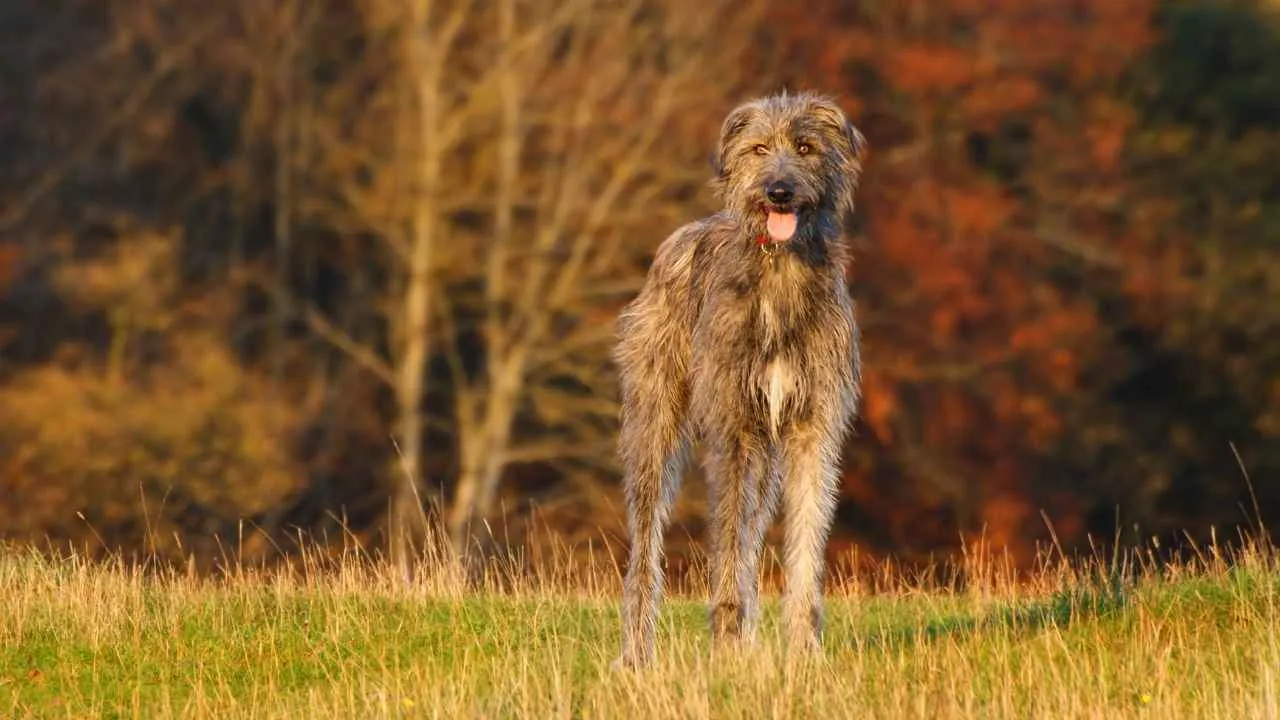
Irish Wolfhounds are among the tallest dogs in the world, with a lean, towering frame that commands attention. Their temperament is gentle and composed, often described as quietly affectionate. They carry an old-soul quality in their demeanor.
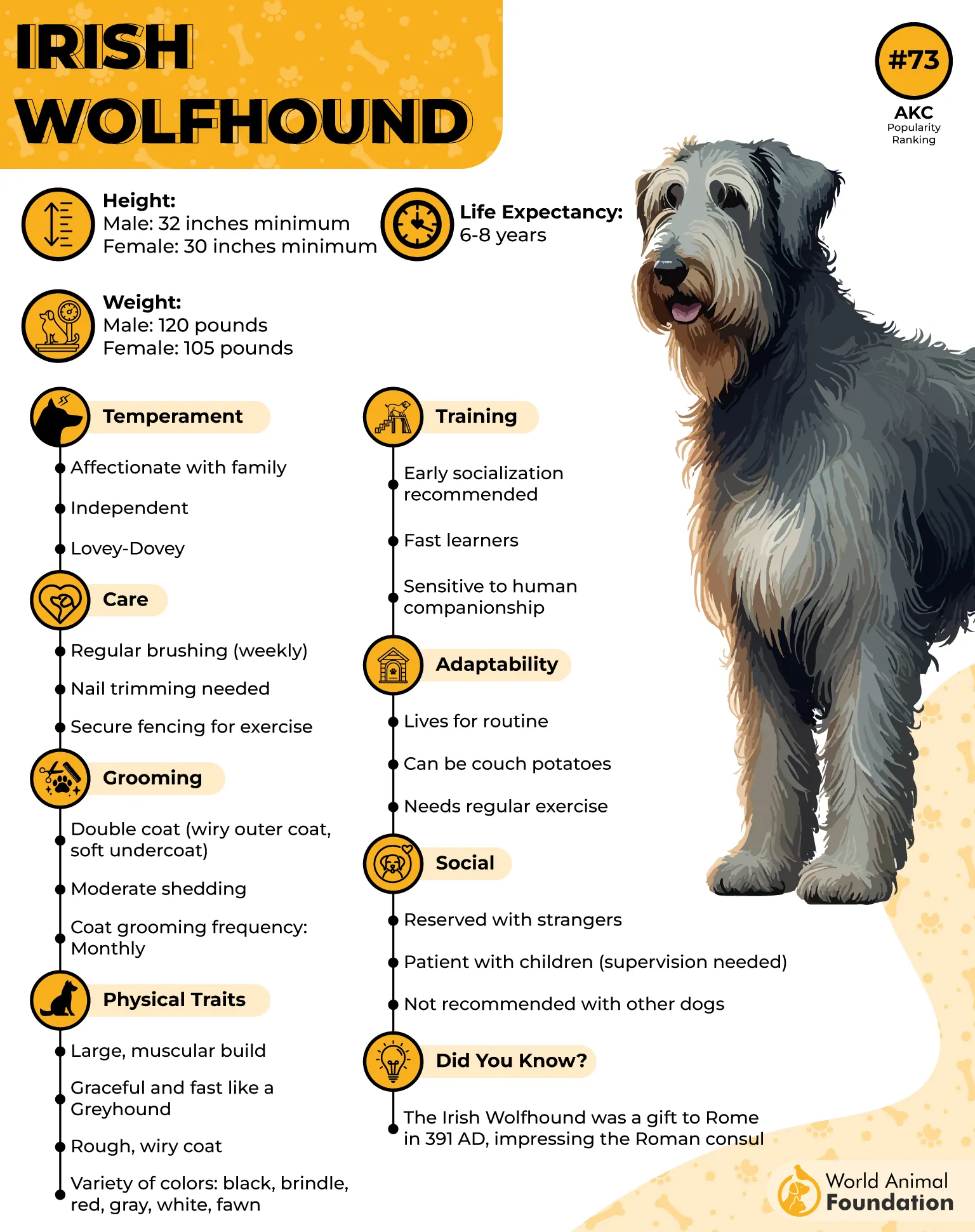
For families, Irish Wolfhounds are calm companions who enjoy peaceful households. They don’t require constant activity but appreciate space to stretch and relax. Their presence is more serene than demanding.
Training & Intelligence
Learns steadily with patient instruction
Responds well to gentle guidance
Early leash training is important
Diet, Grooming & Maintenance
Large portions balanced for growth
Rough coat needs light, regular grooming
Joint care is a priority
Families should prepare for emotional commitment due to a shorter lifespan. Their size also means thoughtful planning.
What many don’t expect is how deeply Irish Wolfhounds bond with their families. They become quiet constants in the home, offering companionship that feels noble, tender, and profoundly meaningful.
Conclusion
Large dog breeds, originally bred for work or protection, often combine an intimidating appearance with a gentle disposition and incredibly gentle, affectionate nature.
While this guide covered select large breeds and tallest dog breeds, families may also explore golden retrievers, labrador retriever, german shepherds, or even an alaskan malamute, all beautiful dogs with their own unique charm.
From Great Pyrenees dogs with a thick double coat to Bernese mountain dogs, which offer patient temperament and gentle spirit, these large breeds can be wonderful companions when matched to the family’s lifestyle.
Consider ample space, proper training, and consistent training to choose the right breed that becomes a devoted companion and truly one of the great pets for active households or relaxed homes alike.
