




Bringing home your first cat is equal parts thrilling and “wait… am I ready for this?” Between carriers, litter boxes, and the realization that your new roommate may prefer sleeping on your clothes over any bed you buy, it’s normal for first-time cat parents to feel a little overwhelmed. The good news: a little breed research can make those first weeks a lot smoother.
If you’re adopting (which is always encouraged), your new companion may not be purebred—and that’s totally fine. But whether you’re adopting or seeking a pedigreed cat, it’s smart to think about temperament and day-to-day needs before you commit. Grooming, energy level, vocalness, adaptability, curiosity, affection, and even appearance can all shape what living together actually feels like.
Most importantly, remember that every cat is an individual, even within a breed. To help you find a match that fits your lifestyle and reduces first-timer stress, we’ve rounded up 10 cat breeds that tend to be beginner-friendly—ranging from playful and active to calm, easygoing, and low-maintenance.
Best Cat Breeds for First-Time Owners
1. Ragdoll
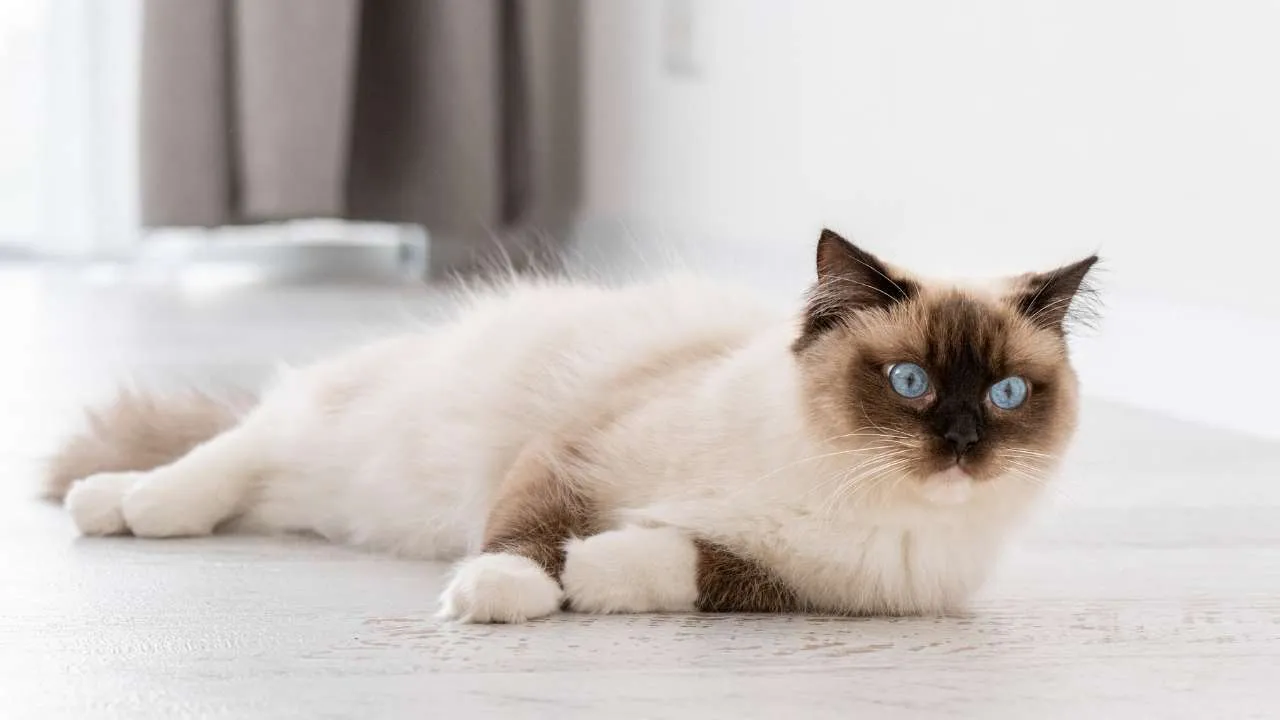
The Ragdoll—sometimes nicknamed the “floppy cat” —is a large, easygoing breed known for a pointed pattern, striking blue eyes, and a plush, silky coat.
Britannica states that the Ragdoll is a long-haired cat breed known for going limp when lifted, as it tends to relax its muscles and resemble a floppy rag doll.
Though longhaired, its look is balanced and free of extreme features, which helps keep care straightforward.
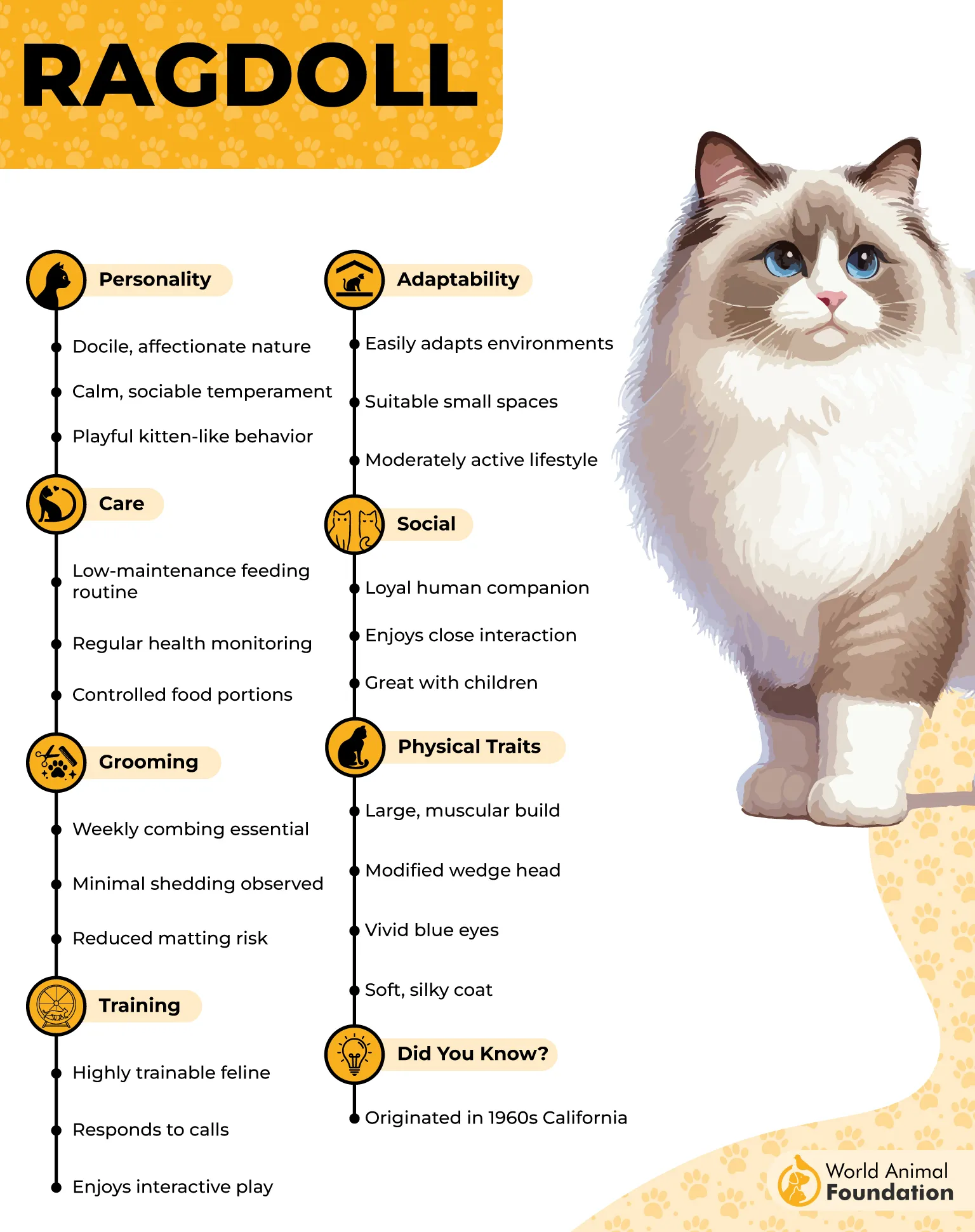
What makes it beginner-friendly is temperament: Ragdolls are famously gentle and docile, even during play. They tend to be calm, cuddly, and people-focused, making them a comforting match for first-time owners who want affection without constant chaos.
They also fit busy routines surprisingly well. This breed is friendly, well-mannered, and often greets you when you get home, offering that “best-buddy” companionship many new cat parents hope for. With consistent, positive attention, they can even learn simple skills.
Grooming stays manageable compared to many long-coated cats, but regular brushing keeps that soft coat looking its best.
Fast fact: Ragdolls can be taught tricks like fetch and come, despite their relaxed reputation.
2. American Shorthair
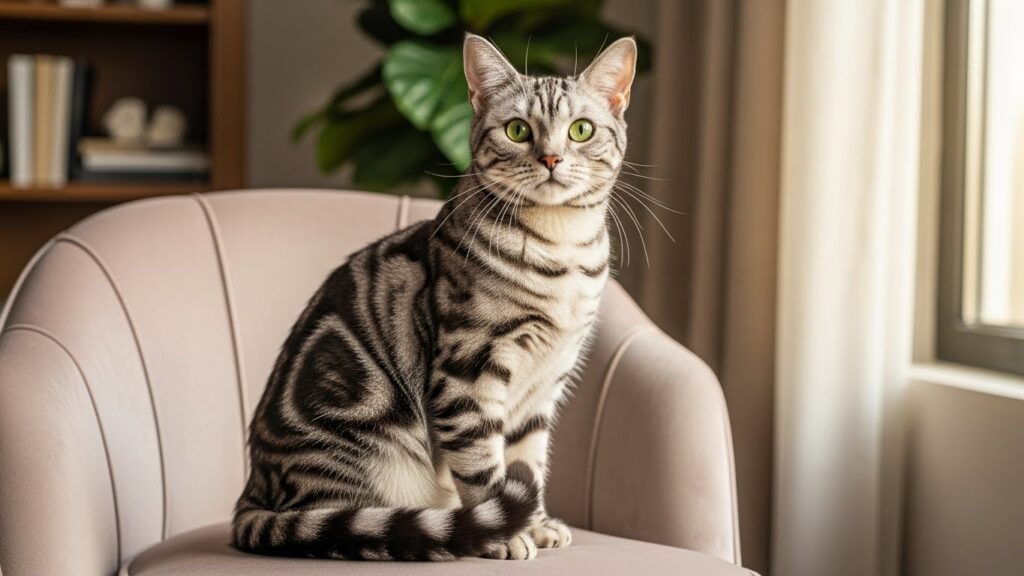
The American Shorthair (often called ASH) is a classic companion cat with a muscular, stocky, working-built body and a short, soft coat.
Purina notes that she is adaptable and good-natured, qualities that make her an excellent companion for families. With lots of colors and patterns, it’s a flexible pick for first-time owners who want an easygoing pet that still feels “solid” and confident.
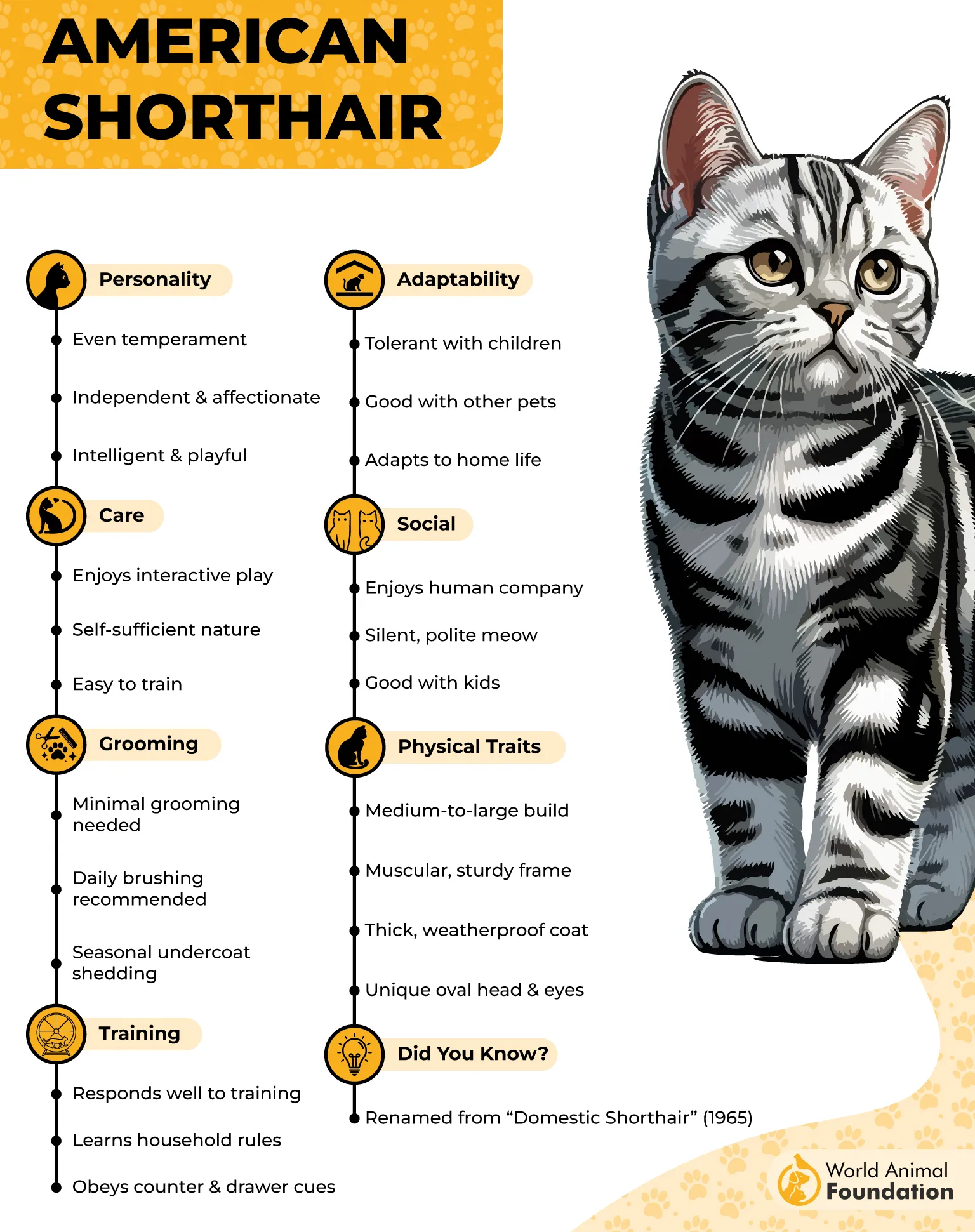
If you’re after low-maintenance affection, this breed checks the box. American Shorthairs tend to be family-oriented, friendly, and sweet with kids, making them natural playmates in busy homes without being overly demanding or intense.
Care is refreshingly simple: that sleek fur usually needs only weekly brushing, and their moderate energy level is manageable for beginners. Plan on daily play sessions—think wand toys, puzzle feeders, and cat trees—because they’re natural mousers who enjoy pouncing and climbing.
They’re also big on downtime, happily curling up with their people after a bit of activity.
Fast fact: American Shorthairs are typically low-maintenance and healthy, rarely needing more than annual veterinary checkups.
3. British Shorthair
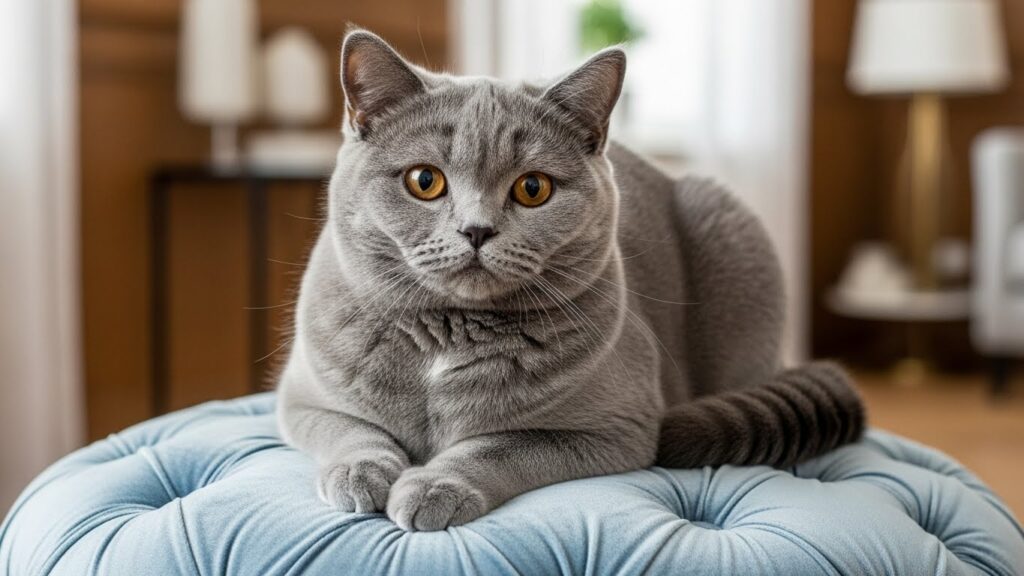
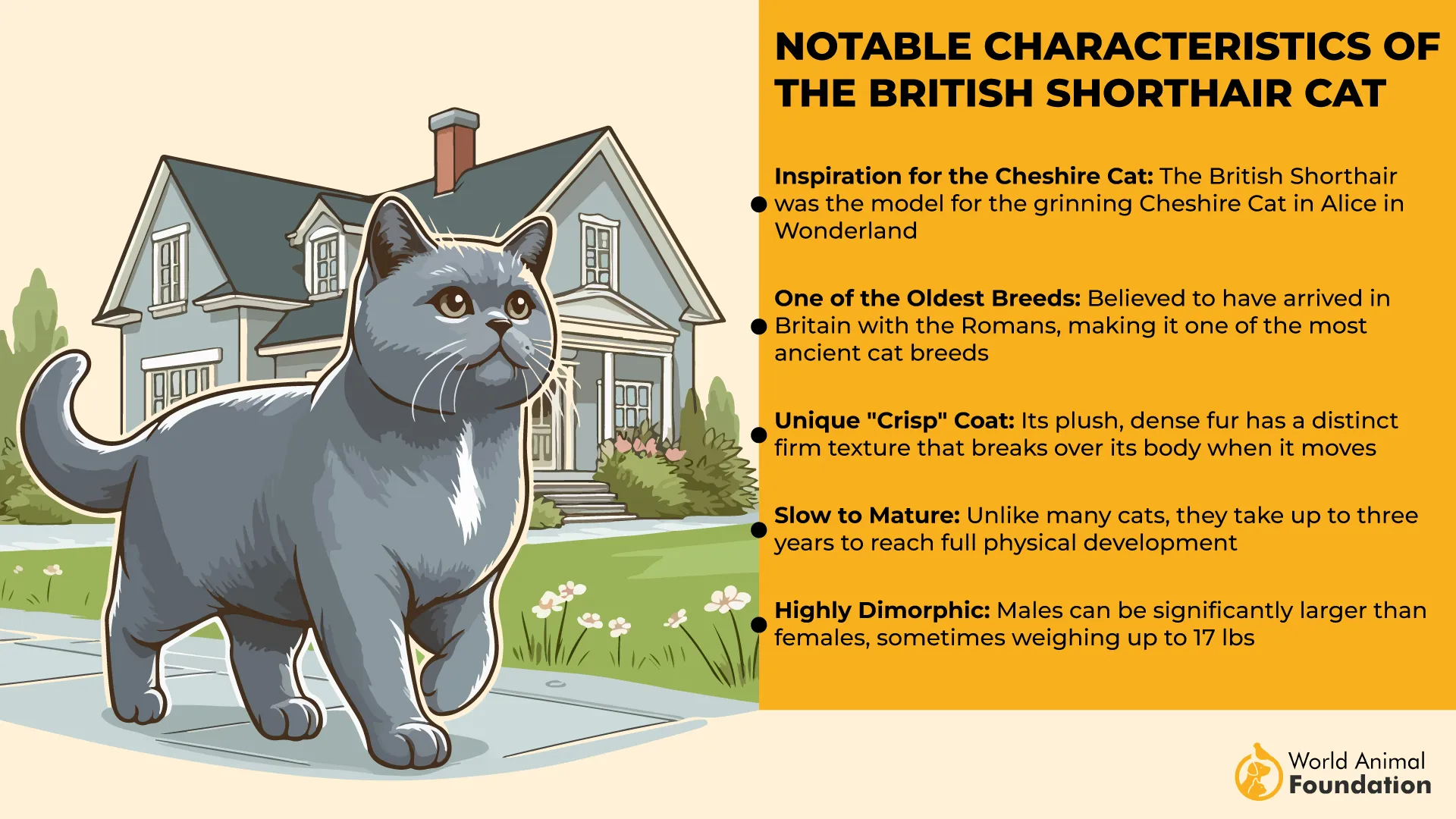
The British Shorthair (often praised as a classic “teddy-bear” cat) is known for a round face. Britannica states that the British Shorthair is a cat breed noted for its sturdy build, generally robust health, and tendency to sleep a great deal.
Calm, quiet, and dignified, it’s a beginner-friendly choice that fits smoothly into many homes.
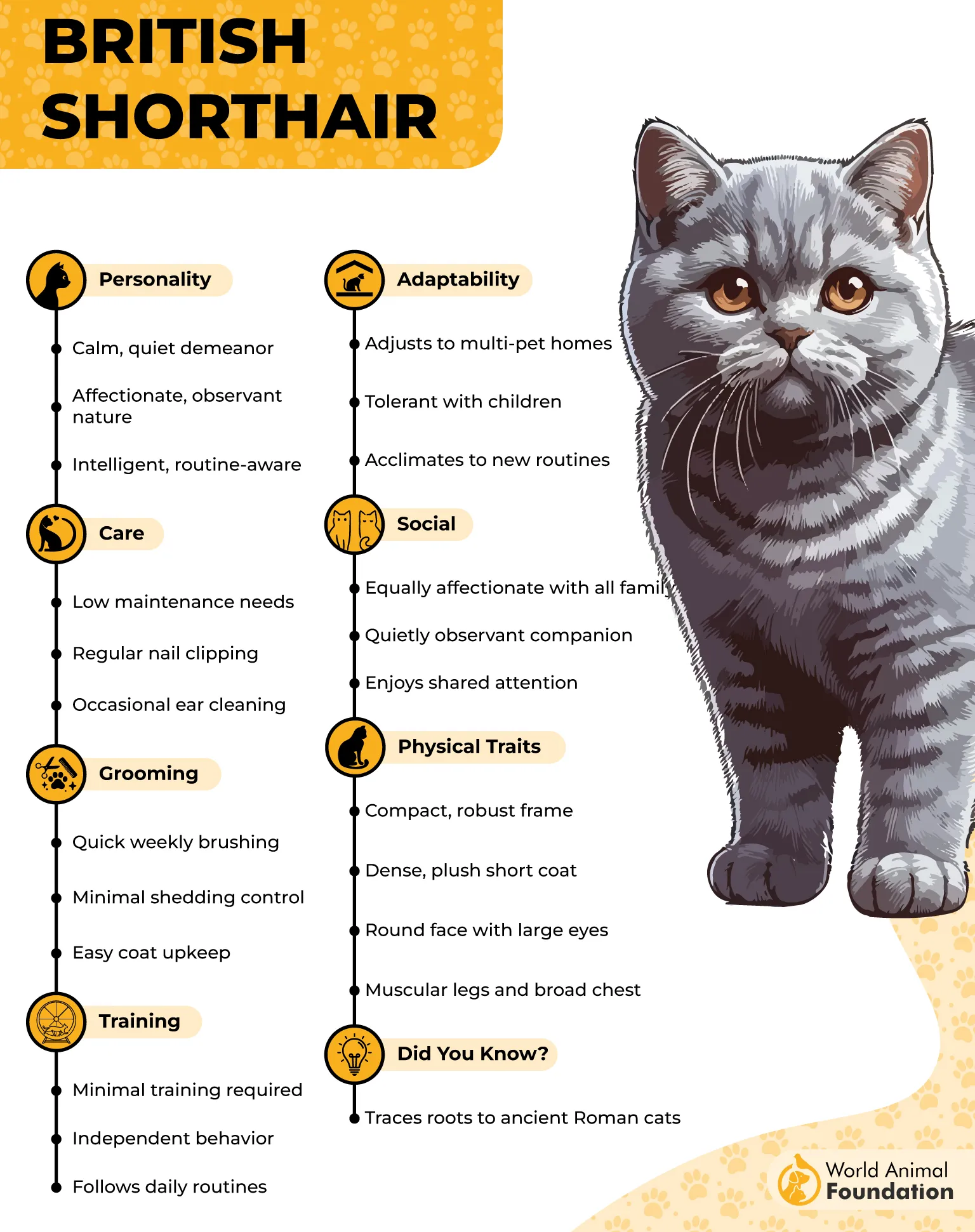
For first-time owners, the appeal is simple: low drama and low maintenance. Their grooming needs are modest, they’re not demanding athletes, and they tend to do well in relaxed households—including apartments—without needing nonstop entertainment.
When it comes to affection, think “close by” more than “on top of you.” British Shorthairs form strong bonds and like to be near their people, but they can be content spending time alone when the family is out, which makes daily routines easier for new cat parents.
They’re also typically good with children and other animals, offering an easygoing temperament that supports a peaceful multi-pet home.
Fast fact: Many British Shorthairs aren’t big on lap cuddles because their thick fur can make close contact feel too warm, even though they still like staying nearby.
4. Burmese
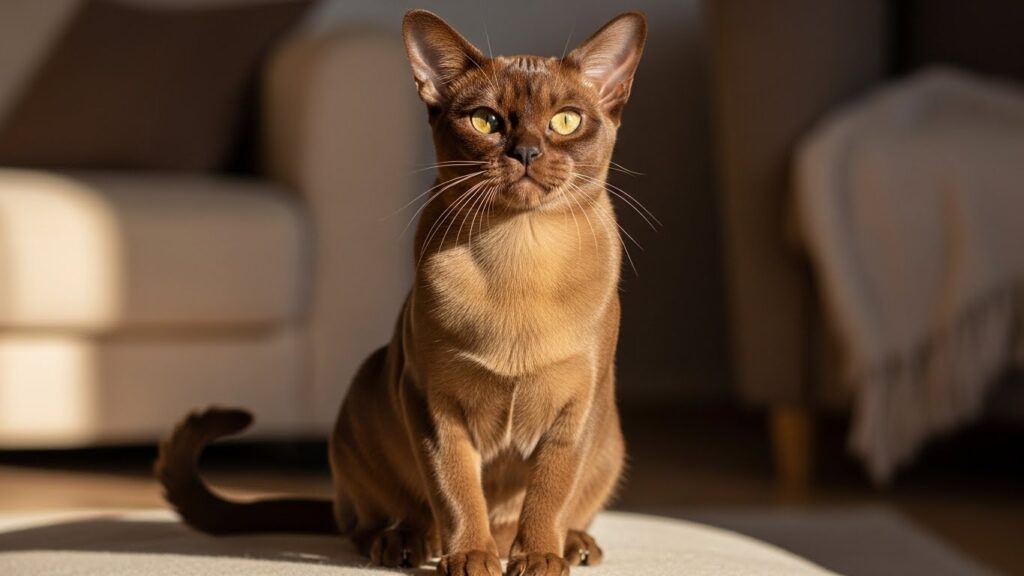
The Burmese (including American Burmese and British Burmese) is a medium-sized, people-first cat with big, round eyes, a rounded head, and short, satin-like fur. Often compared to the Siamese and Oriental, they can be chatty too—just usually with a sweeter, softer tone.
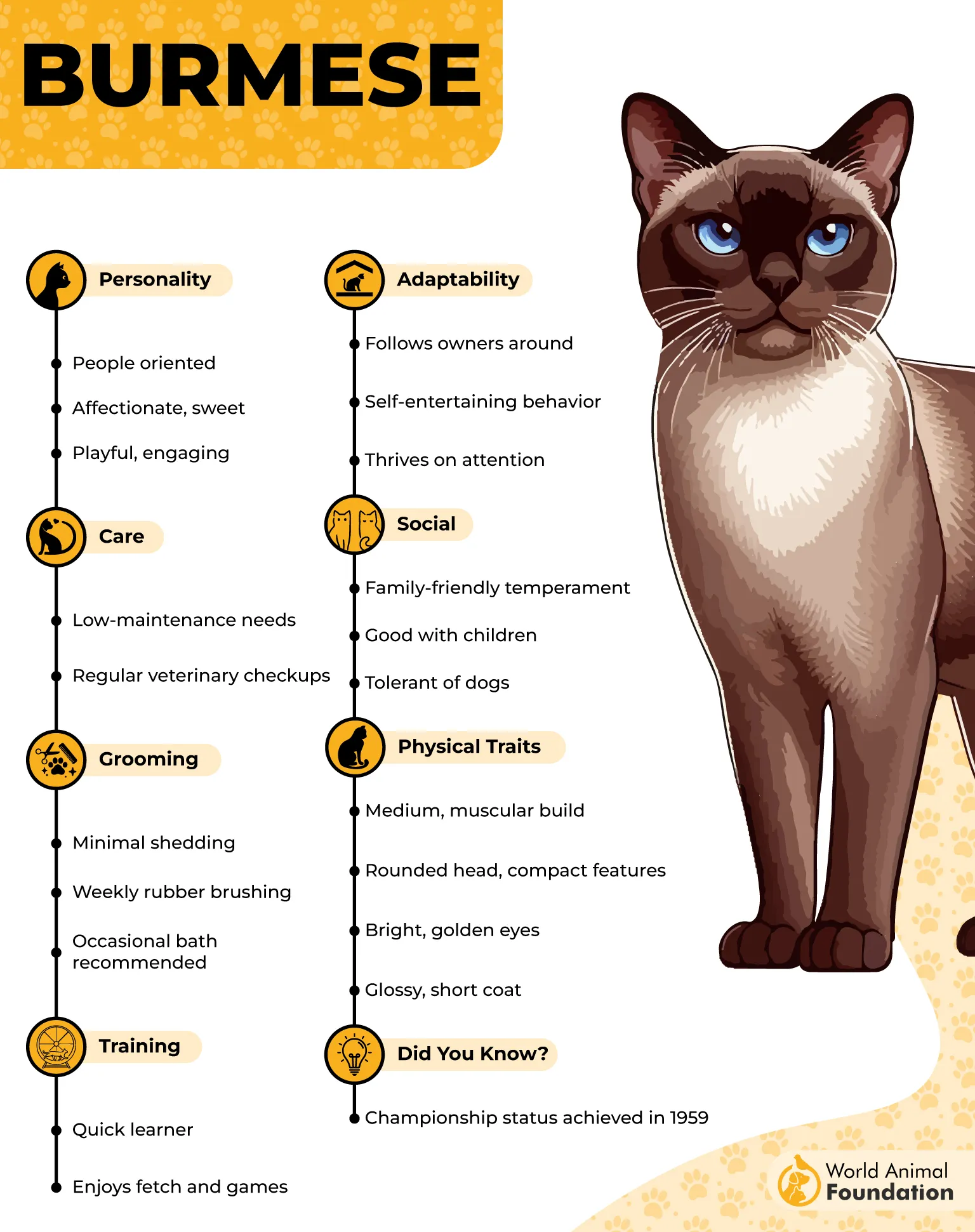
For first-time owners, their easy care is a big win: the short, glossy coat is low-maintenance and typically needs only weekly brushing (or a quick wipe). They’re confident, social, and happiest when they’re included in daily routines rather than left to entertain themselves all day.
Apartment living is where the Burmese really shine. They don’t need a huge space as much as they need you—these cats tend to trail their people from room to room with a dog-like devotion. Add a few toys and a cozy perch, and they’re content in smaller homes.
They’re also known to fit well into family households when introduced thoughtfully, including homes with gentle kids and other pets.
Fast fact: Burmese cats can “talk” in a low, slightly raspy voice, but they’re generally considered soft-spoken.
5. Scottish Fold
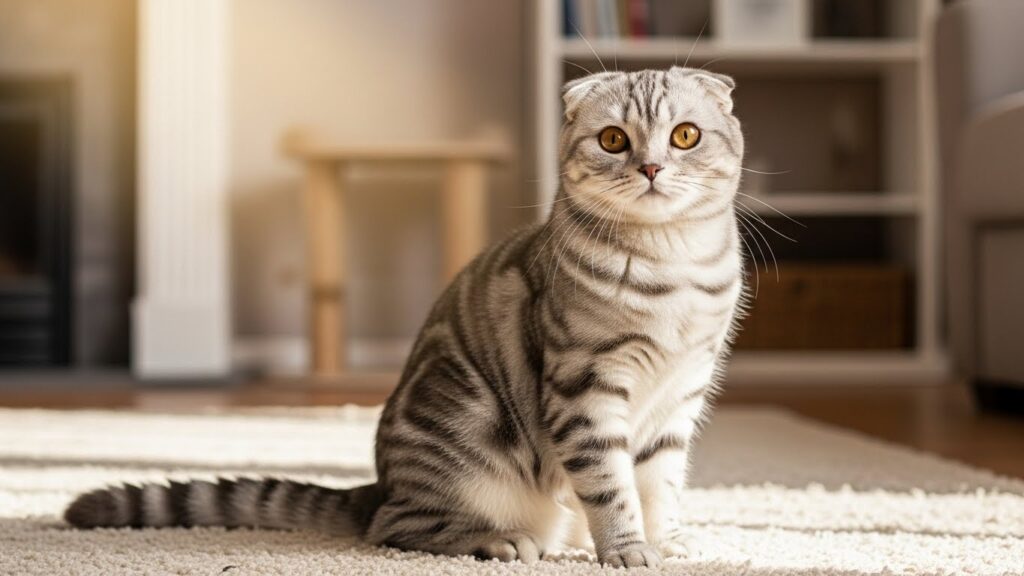
The Scottish Fold (sometimes simply called a “Fold”) is famous for its forward-folded ears, which can create an owl-like look—especially alongside its round head and big, expressive eyes. Not every cat has folded ears, though; some Scottish Folds are born with straight ears.

For first-time owners, this breed often feels refreshingly easy to live with: sweet, affectionate, and polite in the home. They tend to “ask” for attention in a gentle way, using a soft voice and generally keeping the chatter to a minimum.
They also adapt well to different setups, from busy family homes with kids to quieter one-person households. Coat type matters for upkeep—short-haired Scottish Folds are usually simple to maintain, with weekly brushing often doing the trick.
When deciding adult cat vs. kitten, beginners should know that kittens take more patience and structure, and Scottish Fold kittens don’t show ear folding right away.
Fast fact: Scottish Fold kittens’ ears typically don’t begin folding until three to four weeks of age.
6. Siamese
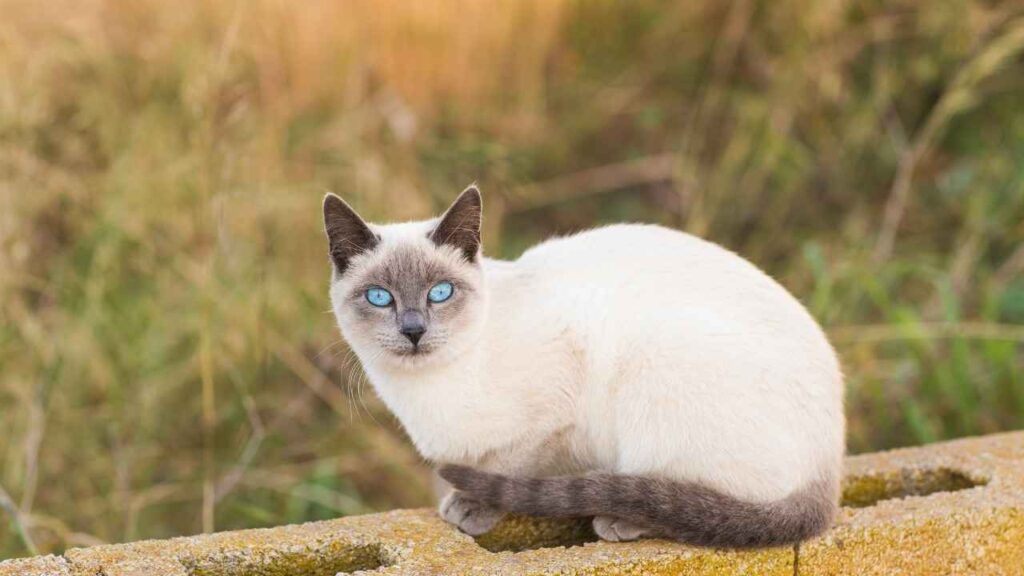
The Siamese (often called a “Meezer”) is a sleek, point-colored cat with a wedge-shaped head, long legs, a slender tail, and striking, deep-blue, almond-shaped eyes. Built like a ballet dancer—lean, tubular, and muscular—this breed is as recognizable as it is people-focused.
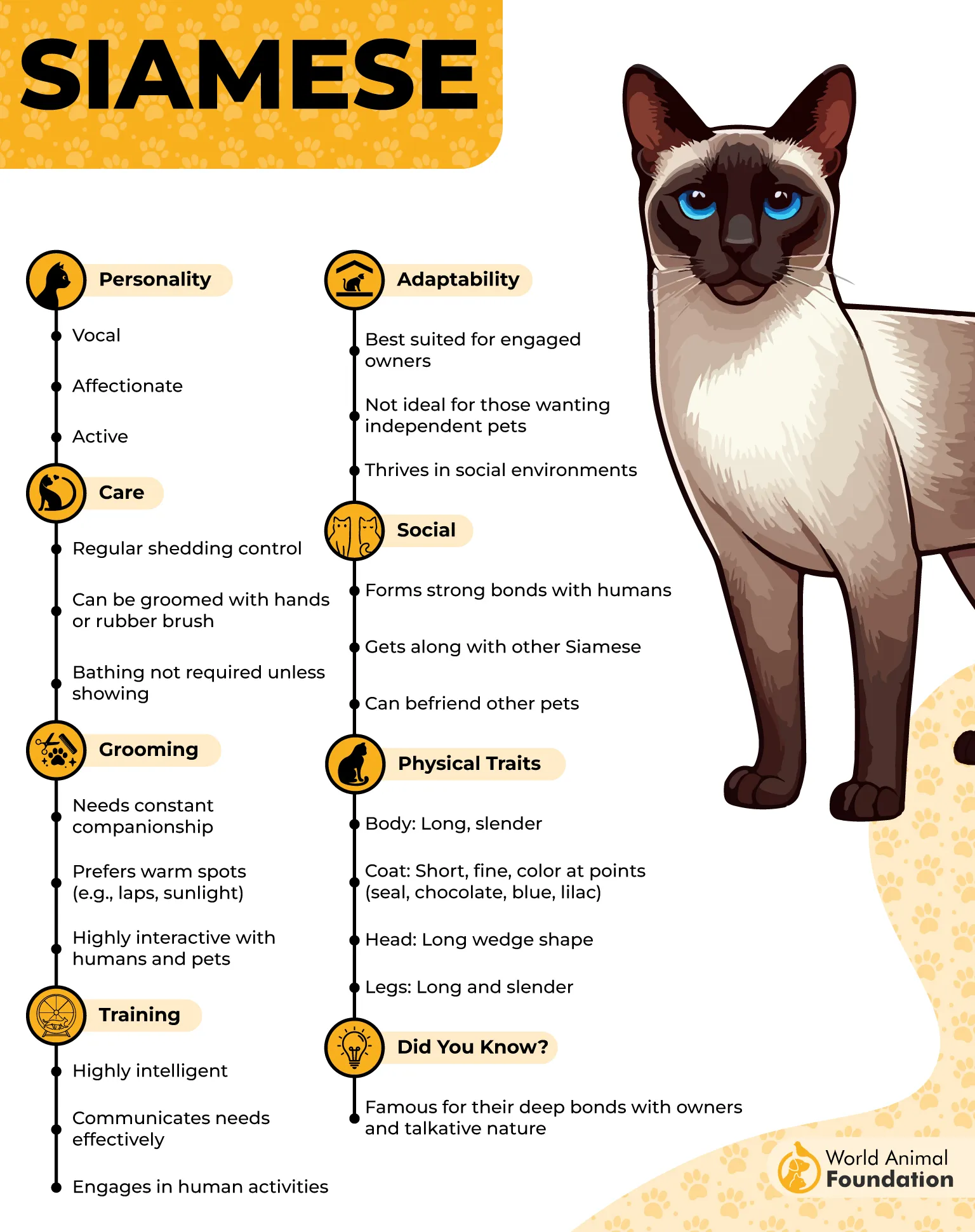
For first-time owners, the Siamese can be a dream if you want an interactive, affectionate buddy. They’re friendly, adaptable, and famously clingy in the best way—think “cat hugs,” constant supervision, and a shadow that follows you from room to room.
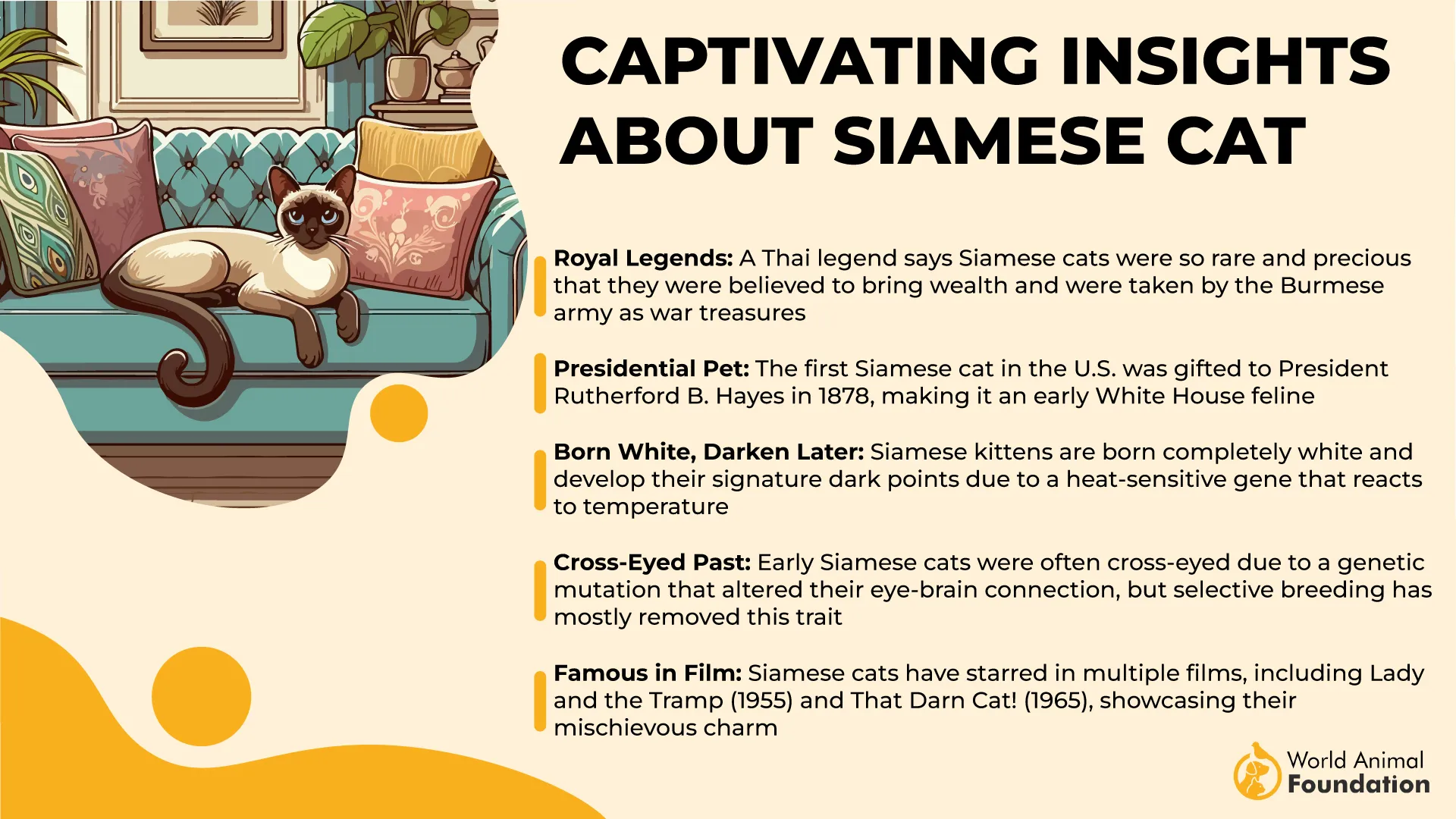
One heads-up: they’re talkers. Siamese cats don’t do subtle hints; they communicate with a distinctive, raspy yowl and plenty of opinion, which can be charming… or a lot, depending on your household. If you’re adopting from a shelter, their social nature can shine with a patient transition and consistent attention.
Grooming is refreshingly simple thanks to that short, silky coat—quick pets or a light rub-down keep it glossy.
Fast fact: Siamese are so vocal that they’ll “talk” until they become the center of your attention again.
7. Maine Coon
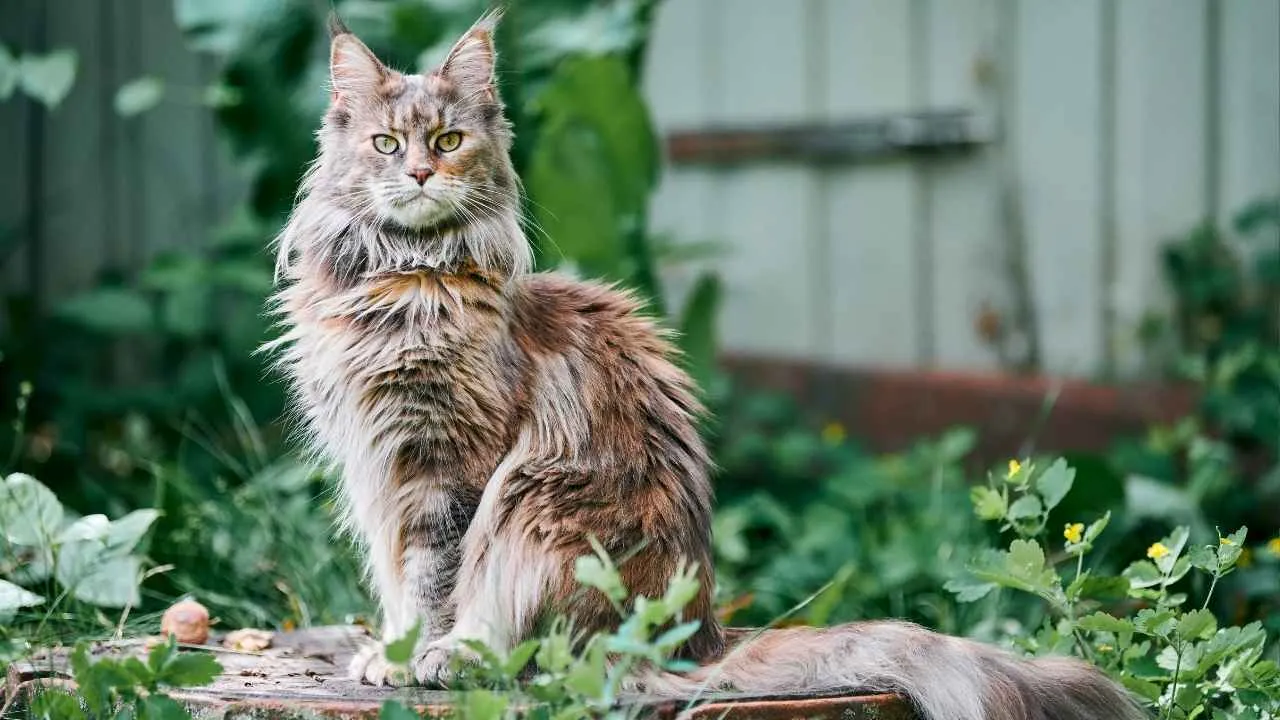
The Maine Coon—often called the “gentle giant”—is a dog-like cat with a big body, a mellow vibe, and a long, shaggy coat. Known for following you from room to room, this curious companion surprises many first-timers with a high-pitched meow that doesn’t match its lion-ish look.
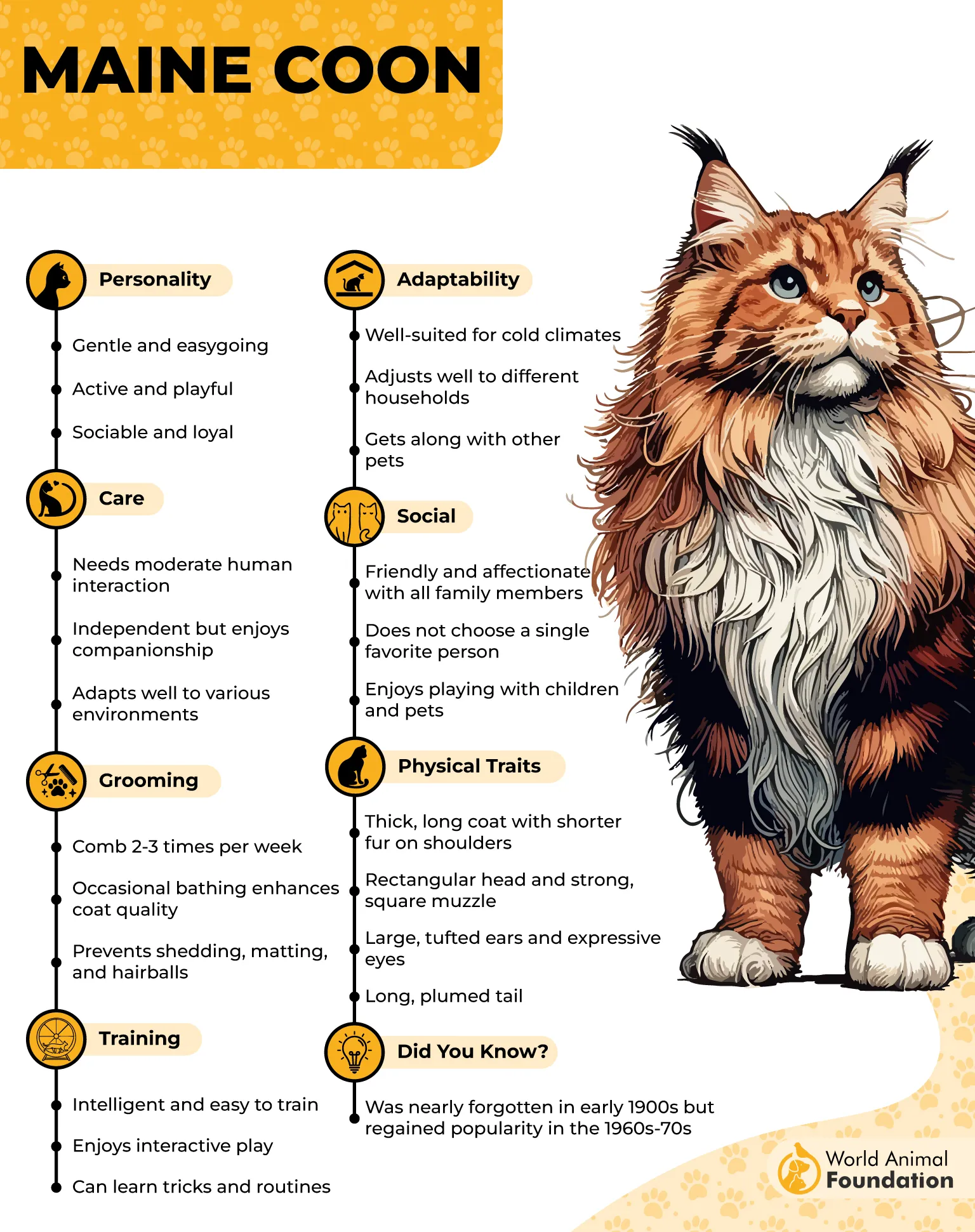
For new owners, their easygoing nature is a huge plus: they don’t demand nonstop exercise and tend to roll with the household routine. That said, their distinctive coat needs upkeep, so a comb and brush quickly become part of your starter kit.
Grooming is manageable with consistency—aim for brushing two to three times a week to prevent tangles in that uneven, multi-length fur. You’ll also want sturdy scratching posts and a roomy bed, since they’re one of the largest cat breeds.
Food and hydration matter, too. Maine Coons burn energy while playing, so plan for quality, protein-rich meals and always-available water.
Fast fact: Their shaggy coat has three different lengths, which is why frequent combing helps keep it knot-free.
8. Birman
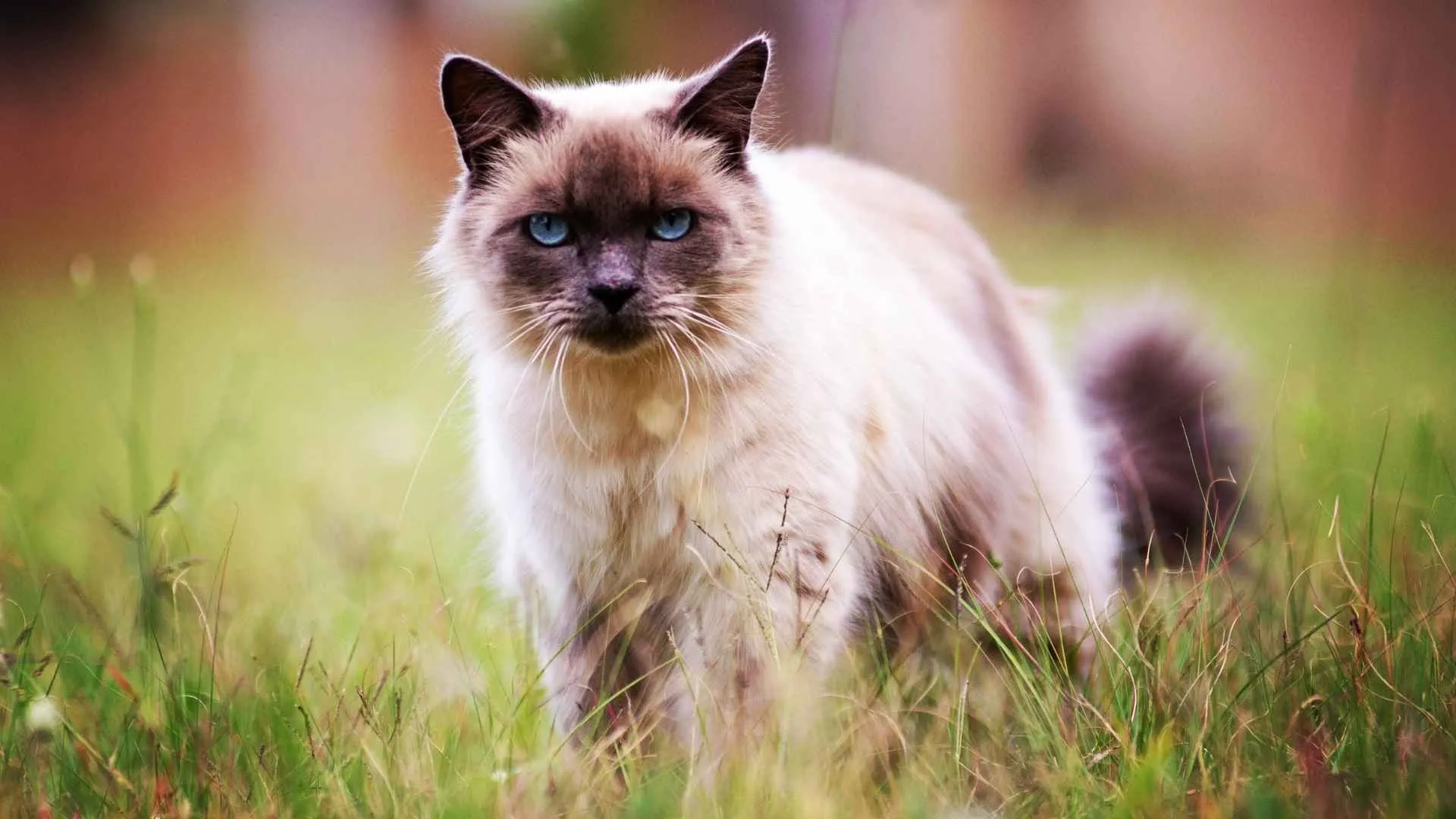
The Birman—a pointed breed sometimes called the “cat with white gloves”—is famous for blue eyes, a round face with a Roman-shaped nose, and four bright white feet that look like tiny socks. Despite the long, silky look, their single coat is known for resisting mats, which is a big win for beginners.

Temperament-wise, Birmans are sweet, affectionate, and typically quiet. Instead of loud yowls, many communicate with gentle little chirps, and they tend to be patient and tolerant—helpful traits when you’re still learning your cat’s routines and signals.
Care stays simple: offer daily affection, a consistent feeding schedule, and cozy resting spots, because this breed often prefers relaxing to racing around. Light play is still important, but don’t expect a nonstop athlete—most Birmans are happiest curled beside you.
For grooming, keep it easy and consistent so the coat stays neat and comfortable.
Fast fact: Brush your Birman a few times a week, and many of them enjoy the extra attention.
9. Exotic Shorthair
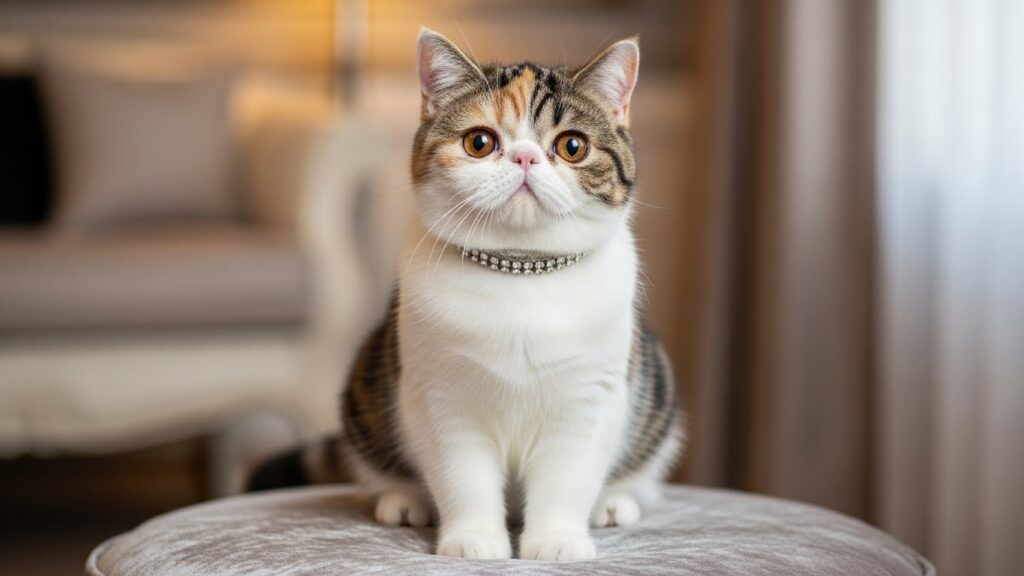
The Exotic Shorthair—often nicknamed the “lazy man’s Persian”—offers the Persian look in an easier-care package. It has a short coat, but the fur is still thick, dense, and plush, giving this breed a rounded, teddy-bear vibe.
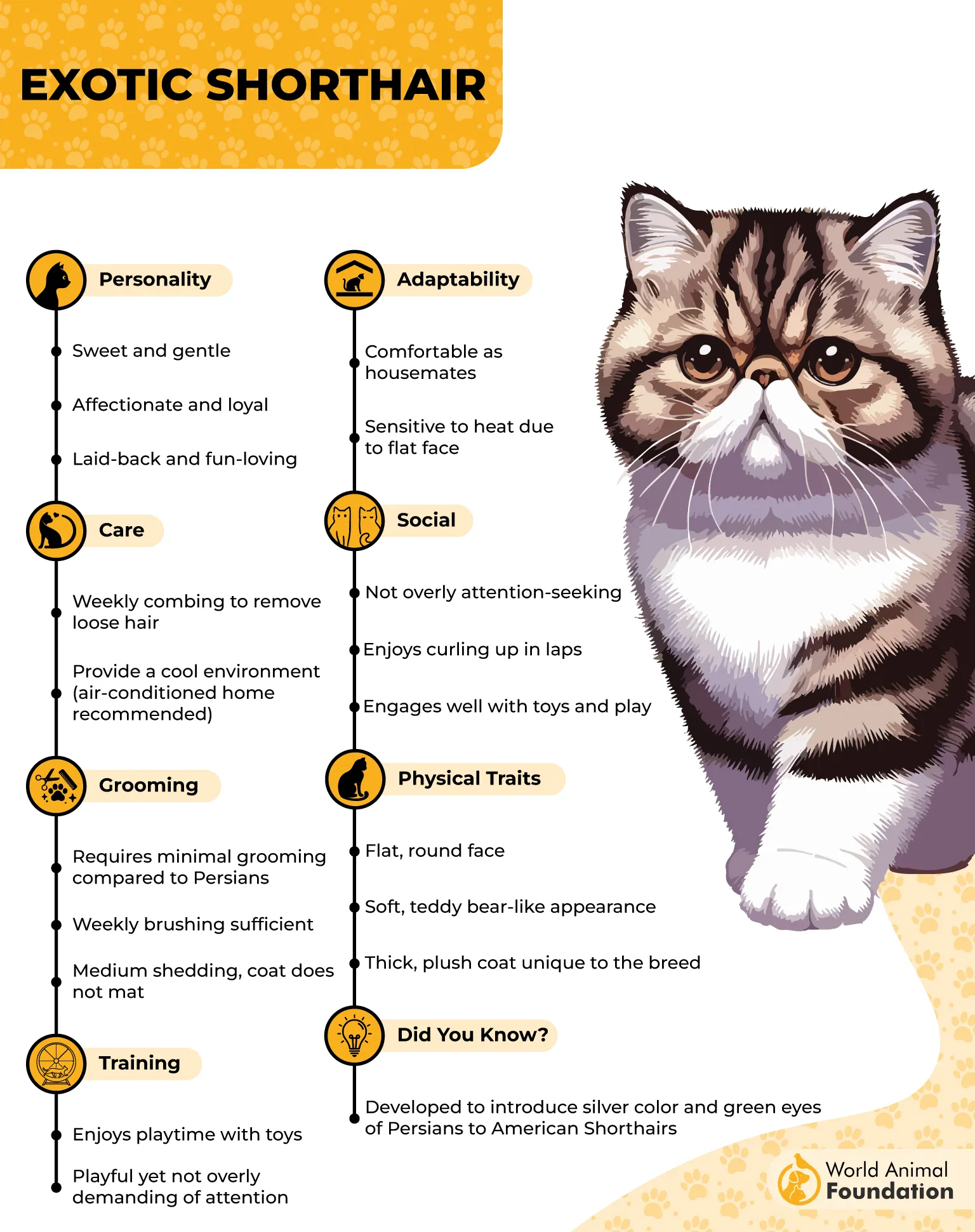
For first-time owners, that low-effort coat can help you avoid a classic beginner mistake: underestimating grooming time. Exotics still benefit from basic upkeep, but they’re far less intimidating than long-coated breeds while keeping that same sweet, gentle style.
Personality-wise, they’re calm, quiet, and loyal without being clingy. You’ll get a very affectionate lap companion who enjoys snuggling, yet won’t shadow you from room to room—great if you want love plus a little breathing space. They also tend to do well with respectful kids and other pets.
Another rookie misstep is missing subtle health changes as cats age.
Fast fact: Exotic Shorthairs can develop cataracts over time, and signs may include clumsiness, bumping into things, or hesitating to jump.
10. Sphynx
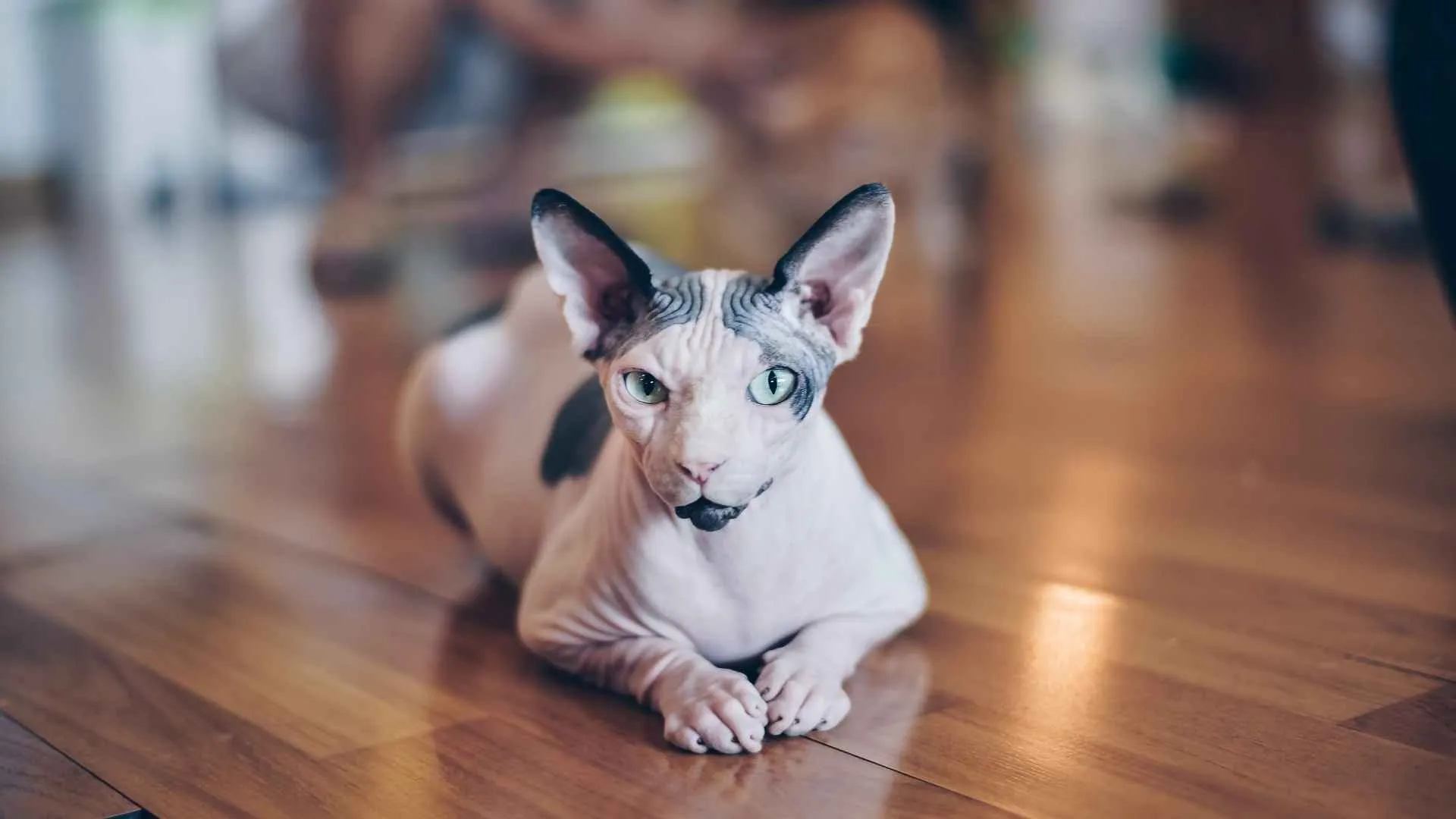
The Sphynx—often called the “hairless cat” (though some have a fine fuzz)—is a distinctive, wrinkle-faced companion with big, wide eyes and an even bigger personality. For first-time owners who want a social, people-focused cat, this breed is famous for sticking close to its favorite human.
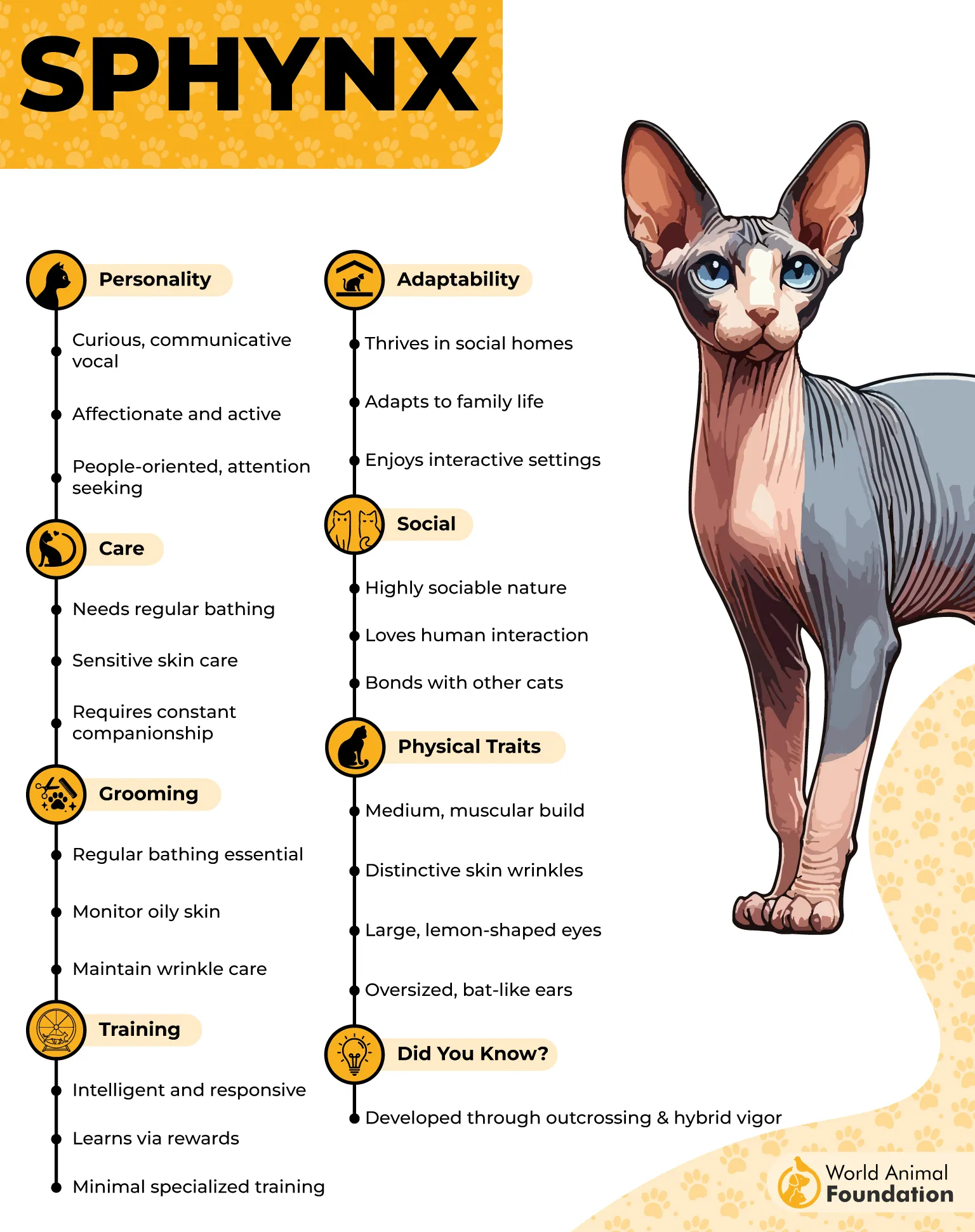
Expect energy and entertainment: Sphynx cats can be acrobatic, playful, and a little mischievous, with a goofy sense of humor. They’re also known for occasional clumsiness, which only adds to their charm if you like a cat that keeps you laughing (and on your toes).
Lifestyle fit matters because the lack of fur changes daily life. They actively seek warmth—curling into laps, snoozing near laptops, or tunneling under blankets—so they’re best for owners who don’t mind a constant cuddle shadow and can keep the home cozy.
They can also appeal to households worried about pet dander, but it’s still smart to plan for their unique care needs.
Fast fact: Due to having little to no fur, Sphynx cats will deliberately hunt out warm spots like laps, computers, and under the covers.
Conclusion
For any first-time cat owner, the “best cat breeds” are the ones whose grooming needs, energy level, and affectionate personalities fit your real life.
Some breeds tend to be more beginner-friendly—these breeds, for first-time owners, often have steady temperaments, enjoy gentle human interaction, and adapt well to different living situations and other cats.
Whether you’re drawn to an elegant Russian Blue, chatty Oriental Shorthair, or another perfect feline friend, focus less on looks and more on what daily life together will feel like.
Think about long hair vs. short hair, how much regular grooming you can handle, how shy or highly affectionate you’d like your kitty to be, and what level of mental stimulation you can provide.
Even “easy” cat breeds for first timers still need good nutrition, good health checks, and a trusted vet as they reach their full adult weight—that’s true for all cat owners and new cat owners, no matter which other breeds they choose.
First-Time Cat Breeds: Can You Score 5/5? 🐾
Which beginner-friendly breed is nicknamed the “floppy cat”?
Which breed is often praised as a classic “teddy-bear” cat?
Scottish Fold kittens’ ears typically begin folding at what age?
Which talkative breed is known for a distinctive, raspy yowl?
Which breed deliberately hunts out warm spots like laps and laptops?
