




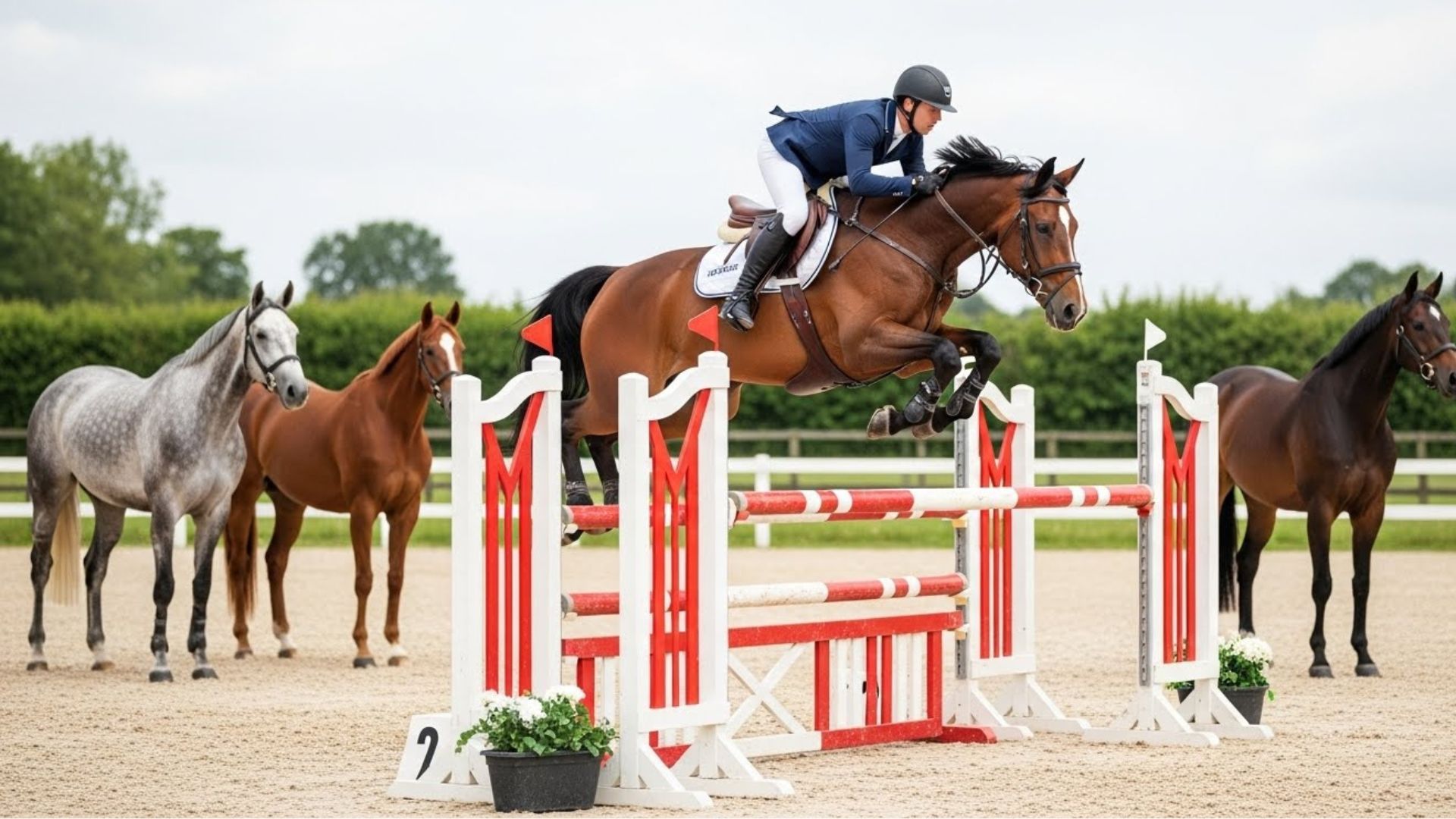
Competitive show jumping appears to be about speed and height, yet the horses that succeed rely just as much on balance, rhythm, and careful intelligence. The obstacles may seem intimidating, but the real challenge lies in coordinating power with accuracy.
Horses suited for this sport do not simply rush toward fences. They measure the approach, gather strength thoughtfully, and release it at the perfect moment. Their movements are powerful but not unruly, controlled but never hesitant.
They understand how to adapt stride length, maintain a calm energy, and stay attuned to the rider, even in a busy arena. The contrast between the sport’s intensity and the horse’s required composure reveals the depth of the discipline.
In this article, you will discover the essential qualities that allow certain horses to handle these demanding courses with consistent and confident execution.
Key Takeaways
In the world of show jumping, a horse’s intelligence and rhythm can make all the difference over challenging courses.
Dutch Warmbloods and Hanoverians combine strength and balance, clearing high fences with a controlled yet powerful leap.
Belgian Warmbloods and Holsteiners bring agility and responsiveness that allow them to navigate technical courses smoothly.
By the end, you will see which horses combine elegance and athleticism to dominate the ring with consistency.
Horses That Are Best for Competitive Show Jumping
1. Dutch Warmblood
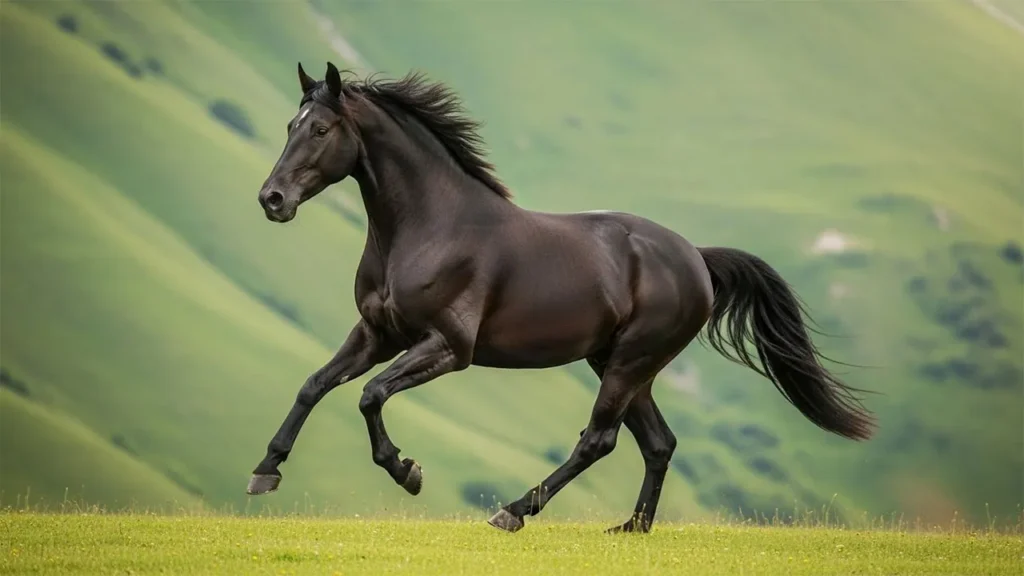
A Dutch Warmblood often shows a balanced mix of power and poise that suits the intensity of modern show jumping. Their natural scope and confident movement help them take on demanding courses with sharp turns and high fences.
Refined Ability
Their quick learning and willingness to work let riders develop new skills without unnecessary struggle, as WebMD notes. These horses respond well to steady guidance, which supports smooth progression in training for competitive events.
You can see their responsive nature in these skills:
Shows consistent focus during technical work
Displays steady rhythm over varied obstacles
Competition Presence
They frequently appear in Olympic and global show jumping events due to their blend of strength and trainability. Their controlled energy gives riders space to refine timing on fast-paced courses. They remain responsive under crowded and noisy conditions, which matches the demands of high-level sport.
2. Hanoverian
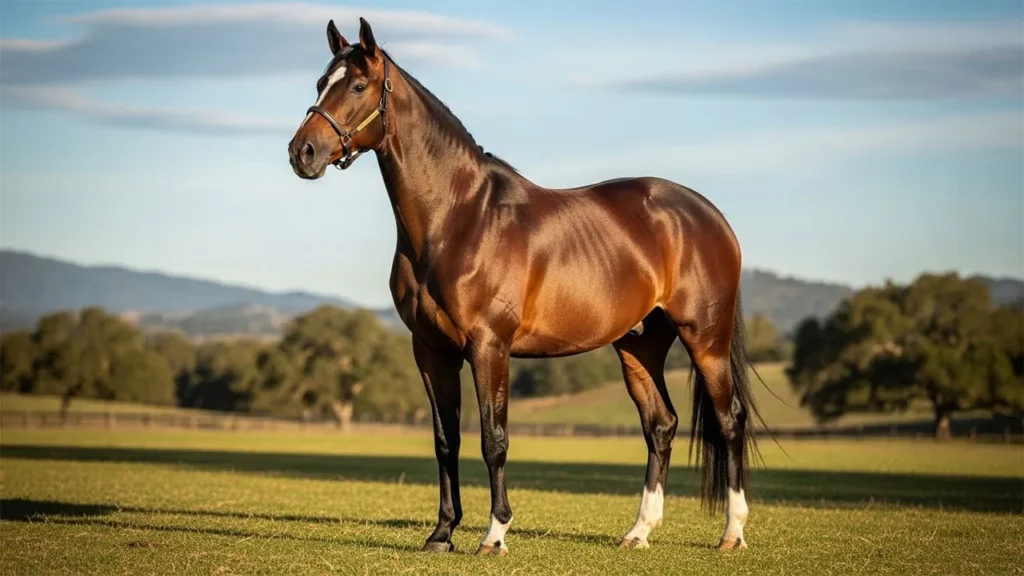
A Hanoverian often shows a clean, rhythmic stride that makes jumping courses feel controlled and fluid. Their strong hindquarters help them push powerfully off the ground. This natural athletic flow fits well with the demands of competitive show jumping.
Impressive Physical Ability
Their build helps them stay organized between fences and confident in tight approaches. Hanoverians have appeared in major equestrian events, including the Olympics.
This is what supports their performance:
Reliable power in takeoff
Steady flow through combinations
Quick response during course adjustments
Trainable Mind for Structured Riding
They usually work with a steady mindset, making them suitable for riders who practice technical patterns. Their willingness to stay engaged helps them learn complex jumping routes. This focus often benefits long sessions that involve pace changes or strategic turns.
3. Belgian Warmblood
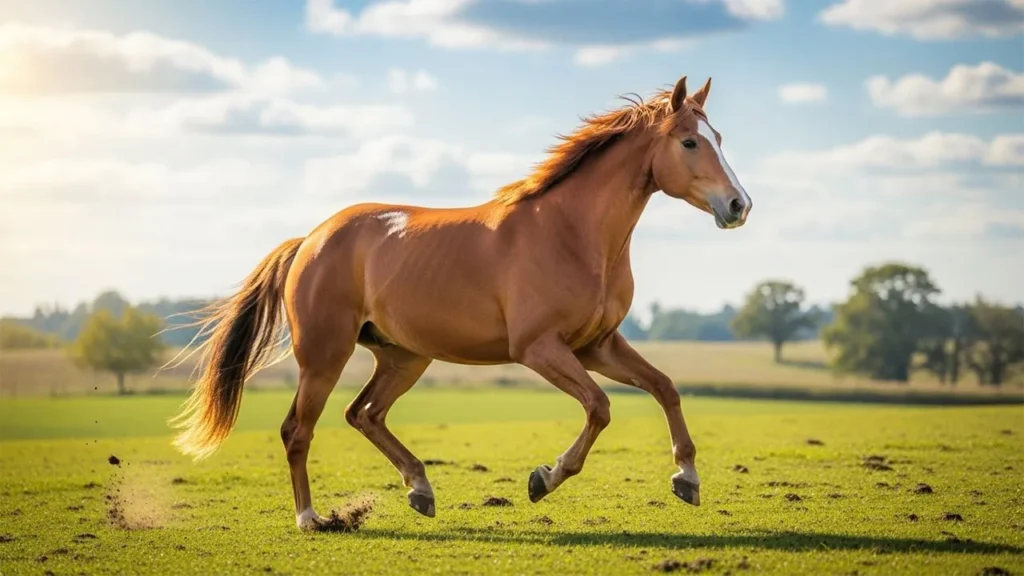
A smooth blend of agility and strength sets the Belgian Warmblood apart in competitive arenas. Its sharp awareness and refined body control support confident movement over technical courses. Riders often choose this breed for its reliable rhythm and focused mindset during demanding jumps.
Performance Highlights
They respond well to skilled guidance and show a natural understanding of jump placement. Their strong limbs and efficient takeoff mechanics allow them to handle height without hesitation.
You can see their natural skill reflected in these points:
Clean, upward jump style
Steady approach even under pressure
Athletic frame suited for tight turns
Competition Polish
The breed’s cooperative nature helps riders fine-tune timing during complex sequences. Their mental steadiness contributes to smoother transitions between fences, as per eHorses. This consistency supports riders who need sharp performance throughout long and technical rounds.
4. Holsteiner
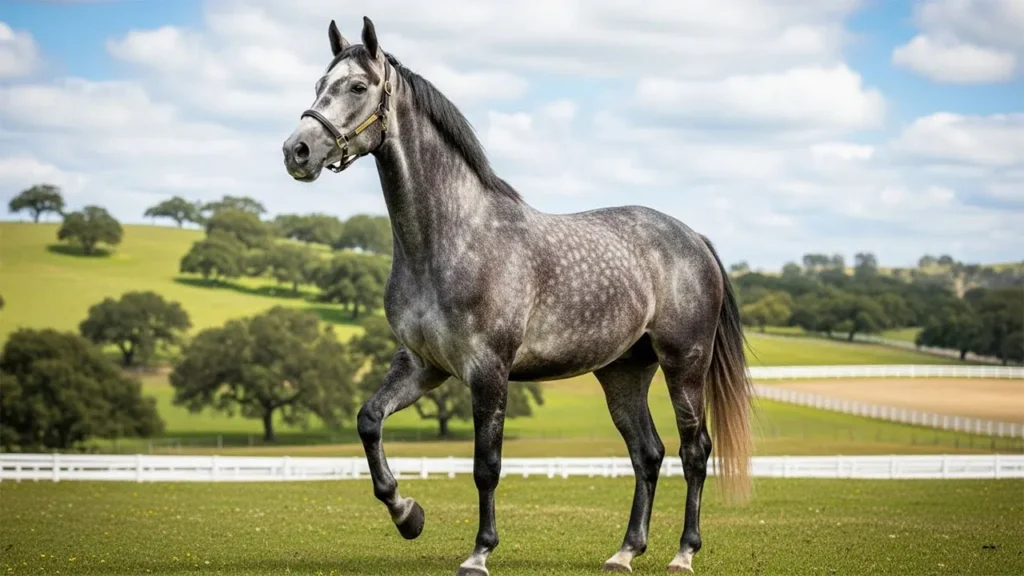
Holsteiners demonstrate remarkable power and agility, moving with precision over challenging jumps. Their muscular build supports endurance during competitions, making them natural performers in the arena. Calm yet confident, they adapt easily to the flow of fast-paced courses.
Versatility Across Disciplines
These horses participate in a variety of equestrian sports beyond show jumping, demonstrating focus and responsiveness, as PetMD claims. Their intelligence and willingness to work make them reliable partners for demanding routines.
Skills that highlight their athletic edge:
Quick response to subtle cues
Smooth transitions between gaits
Consistent focus under pressure
Performance Matched With Temperament
Holsteiners combine physical capability with an approachable, trainable nature, making them manageable in and out of competition. They remain steady in stressful situations, allowing riders to maintain control. Their confident presence enhances communication between horse and rider.
5. Irish Sport Horse
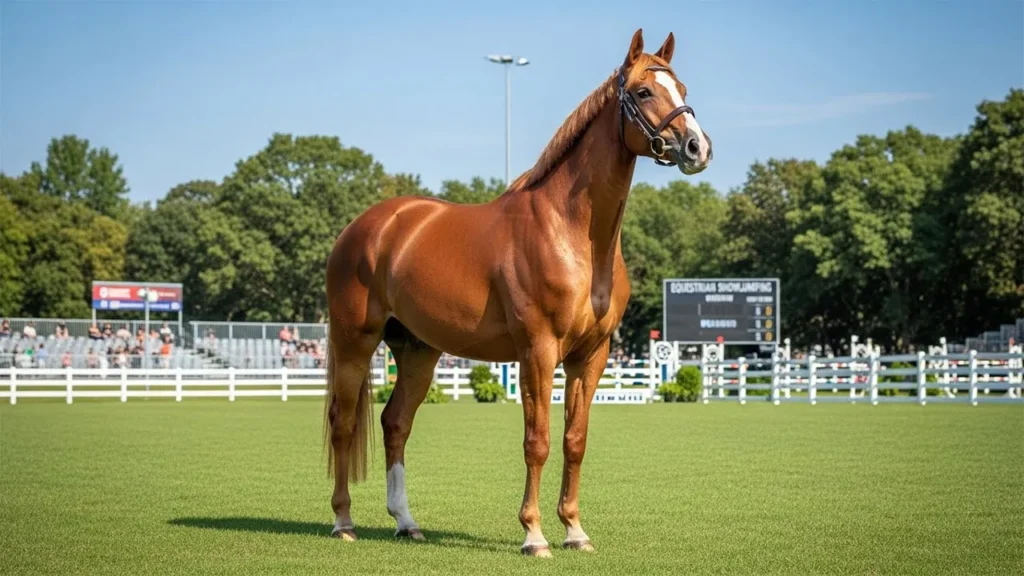
Strength and elegance define the Irish Sport Horse, allowing it to tackle challenging jumps with precision. Their balance and rhythm make negotiating courses seem effortless. Riders rely on their natural poise to handle complex, high-pressure competitions.
Adaptable Competitor
These horses thrive across multiple equestrian disciplines, displaying versatility and focus. Their strong constitution supports sustained activity while maintaining energy and responsiveness.
Their talent becomes clear in these highlights:
Sharp coordination over fences
Smooth transitions between movements
Consistent focus during fast-paced rounds
Trainable and Responsive
Selective breeding emphasizes obedience and learning, producing horses that respond promptly to cues. Early, structured training enhances precision in every jump and stride. This intelligence, paired with athleticism, positions them among the top international competitors.
6. Thoroughbred
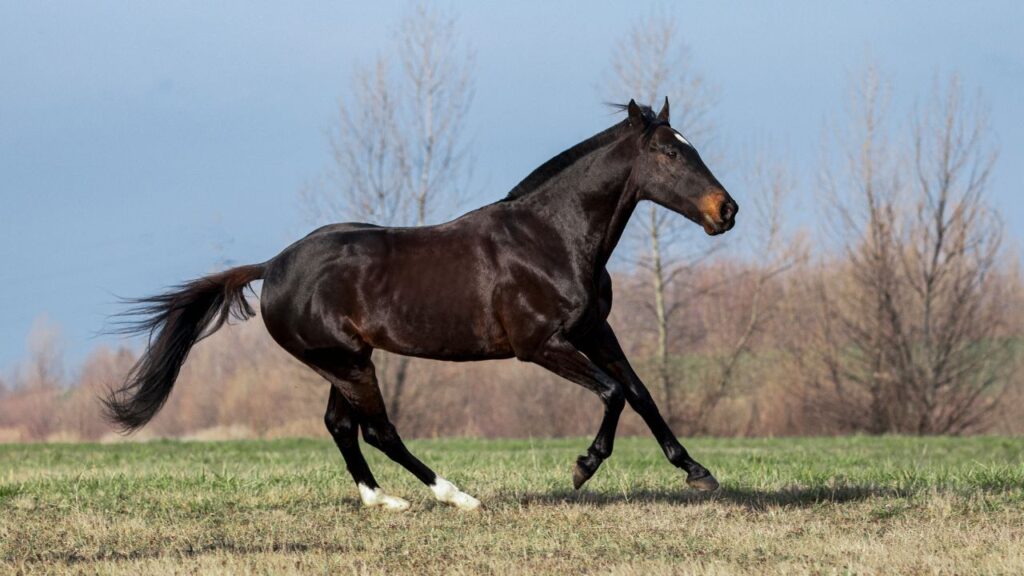
Thoroughbreds move with remarkable agility, combining a sleek build with powerful hindquarters that generate explosive thrust. Their speed and refined form make them ideal for navigating challenging jump courses. They can adjust their stride quickly without losing rhythm or balance, even on complex terrain.
Versatile Performers
Although widely recognized for racing, many Thoroughbreds excel in jumping and dressage after retraining. Their intelligence and boldness make them attentive partners for advanced riding tasks.
Their jumping ability is shown in these actions:
Muscular hindquarters provide a strong lift
Quick response to subtle cues
Smooth, rhythmic gaits that improve fence clearance
Energy Channelled Effectively
Thoroughbreds respond well to consistent, structured training that directs their spirited energy. Alertness allows careful assessment of obstacles while maintaining momentum. Focused guidance ensures they navigate tight turns and challenging jump sequences efficiently.
7. Selle Français
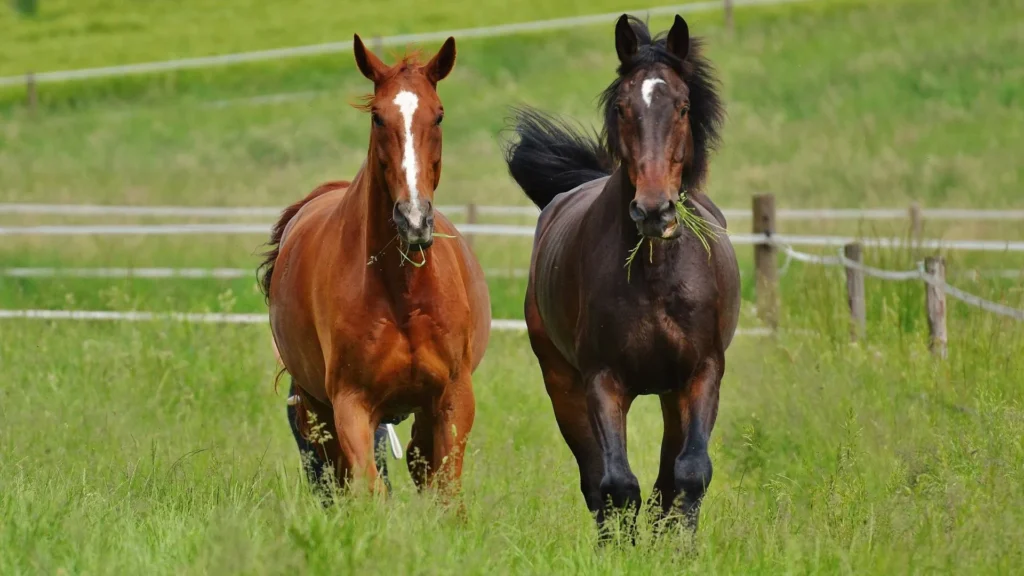
Selle Français horses excel in tight turns and quick lifts thanks to their strong hindquarters and flexible joints. Their muscular yet elegant frame allows them to tackle high jumps with precision, as per Okstate. Natural coordination helps them maintain rhythm over multiple obstacles in succession.
Focused and Responsive
These horses are highly trainable and respond rapidly to subtle cues, making them excellent for demanding show jumping routines. Their energy can be directed efficiently when guided through structured training programs.
Here’s how their training and energy come to life:
Strong, springy legs enhance lift
Quick adjustment mid-stride
Sharp focus on each obstacle
Confidence Meets Calculated Movement
Selle Français exhibits boldness without rushing, carefully gauging distances and effort for each jump. Their attentiveness to terrain and fences ensures smooth landings. Controlled strength allows them to clear complex courses without losing momentum.
8. Oldenburg
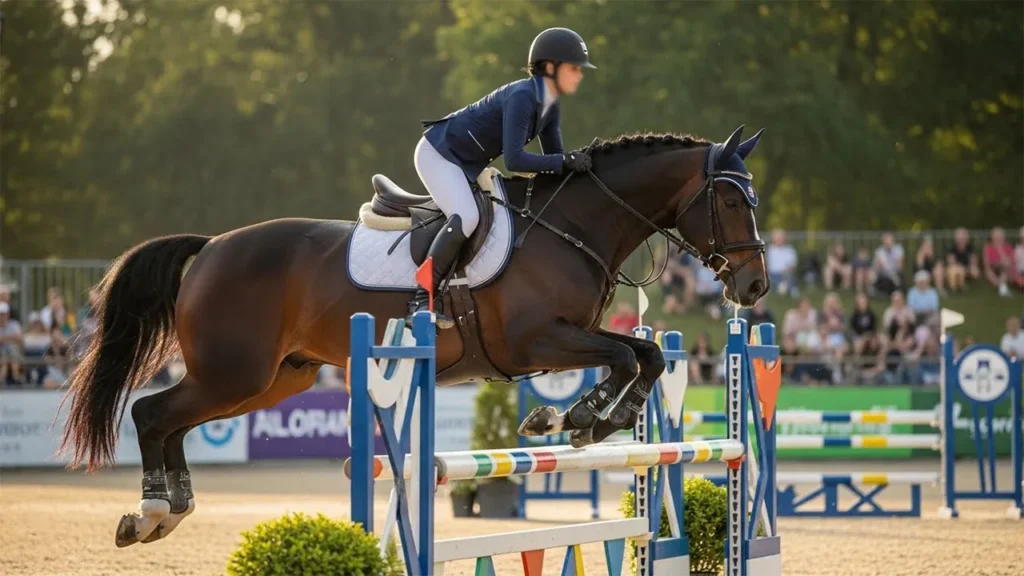
Oldenburgs demonstrate impressive athleticism, allowing them to clear obstacles with remarkable precision. Their muscular build supports both strength and fluidity, giving them confidence in the ring. Riders often notice their responsiveness when adjusting pace and stride mid-course.
Focused and Trainable Nature
These horses adapt quickly to training, absorbing techniques efficiently for competitive show jumping. Their alert mindset helps them remain consistent during challenging courses.
Key points that highlight their sporting edge:
Quick adjustment to complex jumps
Calm under pressure in competition
Smooth transitions between strides
Adaptable Athletes for High-Level Sport
Bravery and willingness to engage obstacles make them well-suited for challenging courses. They retain composure even when jumps are demanding or courses are unfamiliar. Daily training emphasizes rhythm, timing, and the kind of confidence essential for show jumping success.
9. Westphalian
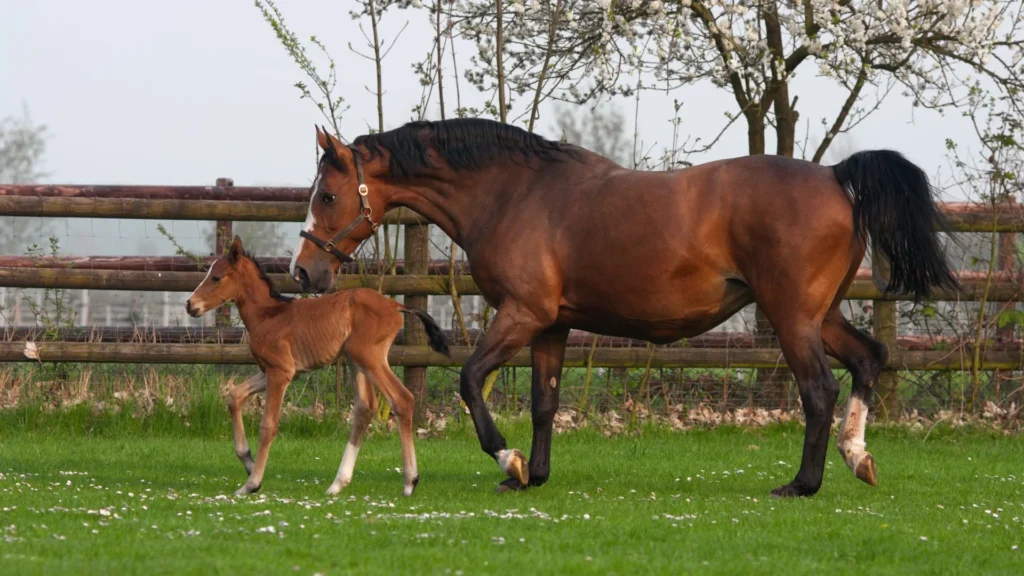
Westphalians demonstrate remarkable athleticism with a fluid stride that suits challenging show jumping courses. Their ability to balance speed with control makes them effective in competitive environments. Top performers often exhibit a focused, alert attitude while maintaining composure under pressure.
Assessment Through Performance
The breed undergoes careful testing to evaluate temperament, rideability, and work ethic. Stallions are selected for breeding based on their performance and ability to excel in sport. This process ensures consistency in skill and willingness to engage in training.
You can see their athleticism and focus reflected here:
Strong aptitude for jumping and dressage
Responsiveness to structured training
Adaptability across different eventing challenges
Personality Shapes Potential
Individual Westphalians vary in temperament, with some displaying spirited sensitivity while others remain calm and steady. Competition-level horses often have keen awareness and quick reactions that help them navigate complex courses.
10. Trakehner
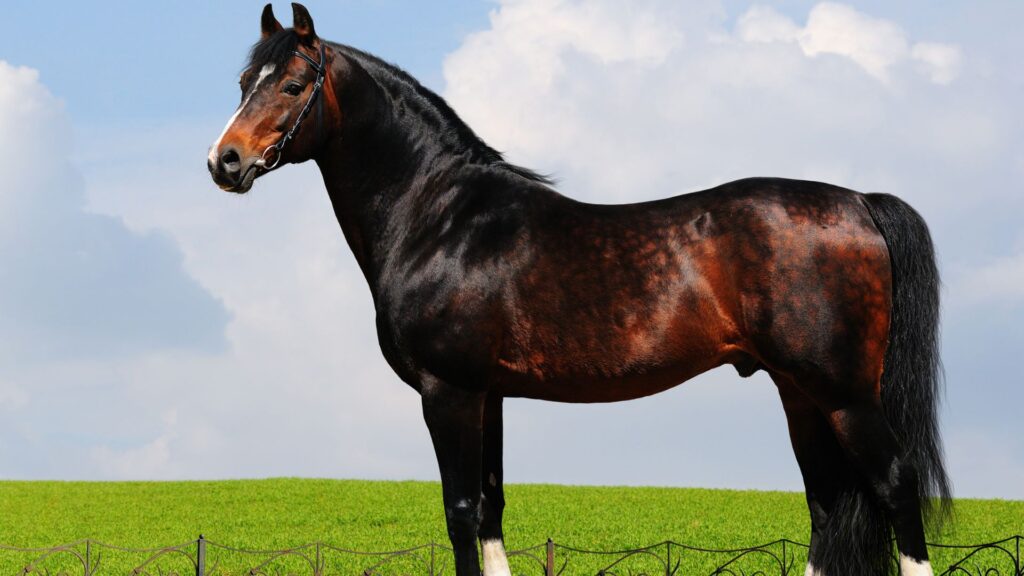
Trakehners move with elegance that complements their powerful build. Sloping shoulders and a strong croup create smooth balance and thrust over fences. Their floating trot allows them to cover ground with remarkable rhythm and precision.
Refined Structure for Performance
Muscular bodies with clearly defined joints make them capable of sharp, controlled movements. Quick learning and intelligence help them adapt to complex courses efficiently.
The following aspects show their capabilities:
Sculpted muscles enhance jumping power
Limbs and joints support precision landings
Calm, focused nature aids consistent performance
Consistency and Reliability
These horses approach each jump with measured energy and attentiveness, enabling steady execution. Their work ethic is evident in training sessions and competitions. Mental sharpness ensures that challenging sequences are handled confidently.
Conclusion
The world of show jumping highlights how certain breeds rise to the demands of complex courses through balance, timing, and natural ability. Riders often look at warmblood breeds because they offer a steady mix of power and control that supports success in jumping competitions. Each jumping horse in this guide reflects traits that shape confident performance.
The best horse breeds for this sport combine careful thinking with athletic strength. Their rhythm and awareness allow them to handle tight turns and fast changes. With the right partnership, these horses bring consistent progress and reliable results to every competitive round.
