




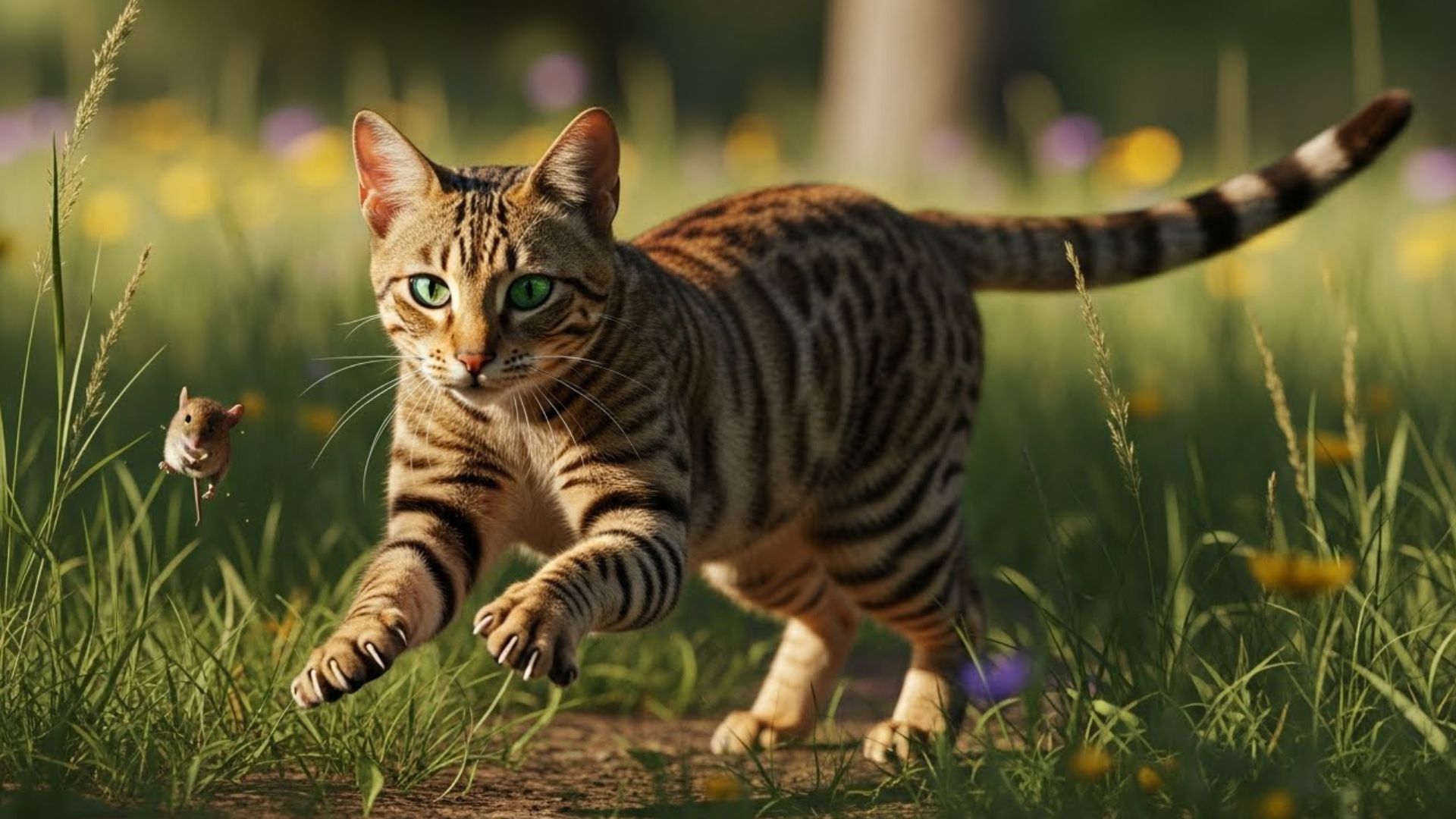
Cats don’t just knock things off tables for fun—they’re finely tuned little predators with instincts that go way beyond stalking a sock. From their silent paws to their laser-focused stare, many cats are hardwired for the hunt, and some breeds are especially famous for their skill at tracking, pouncing, and catching prey.
Whether they’re flushing mice out of barns, keeping homes rodent-free, or just zooming after toy “prey” in your living room, these natural-born hunters showcase the agility, intelligence, and precision that have fascinated humans for centuries. Watching one lock onto a target, crouch low, and spring into action is like seeing a tiny lion at work.
In this article, we’ll explore cat breeds known for their exceptional hunting abilities—those that excel at seeking, chasing, and capturing with style. Whether you’re curious about which feline would make the best mouser or you just want to understand your cat’s inner predator a bit better, these skilled hunters are sure to impress.
Cat Breeds Known for Their Hunting Skills
1. Abyssinian
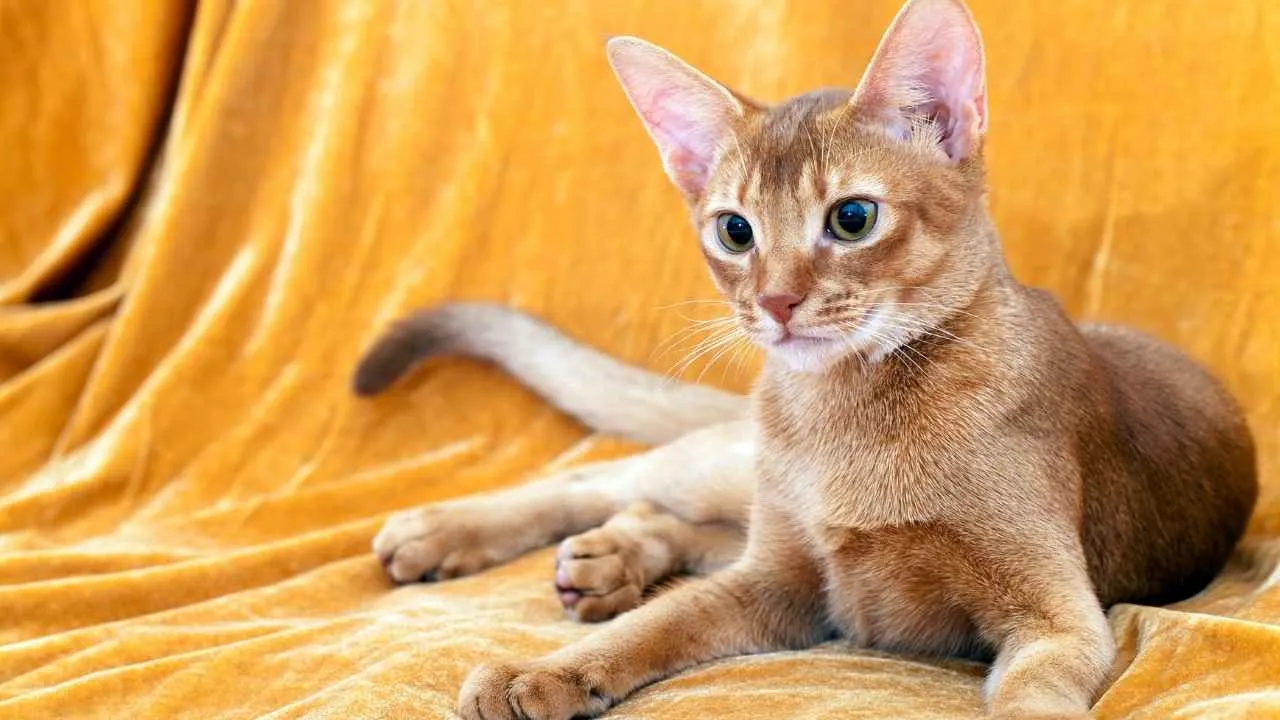
The Abyssinian—often affectionately shortened to “Aby”—is a sleek, muscular cat with an unmistakably athletic look.
Britannica states that the Abyssinian is a domestic cat breed, likely of Egyptian origin, and is often considered the living cat that most closely resembles the sacred cats of ancient Egypt.
With alert ears and an always-on gaze, this elegant breed practically broadcasts “born hunter” from across the room.
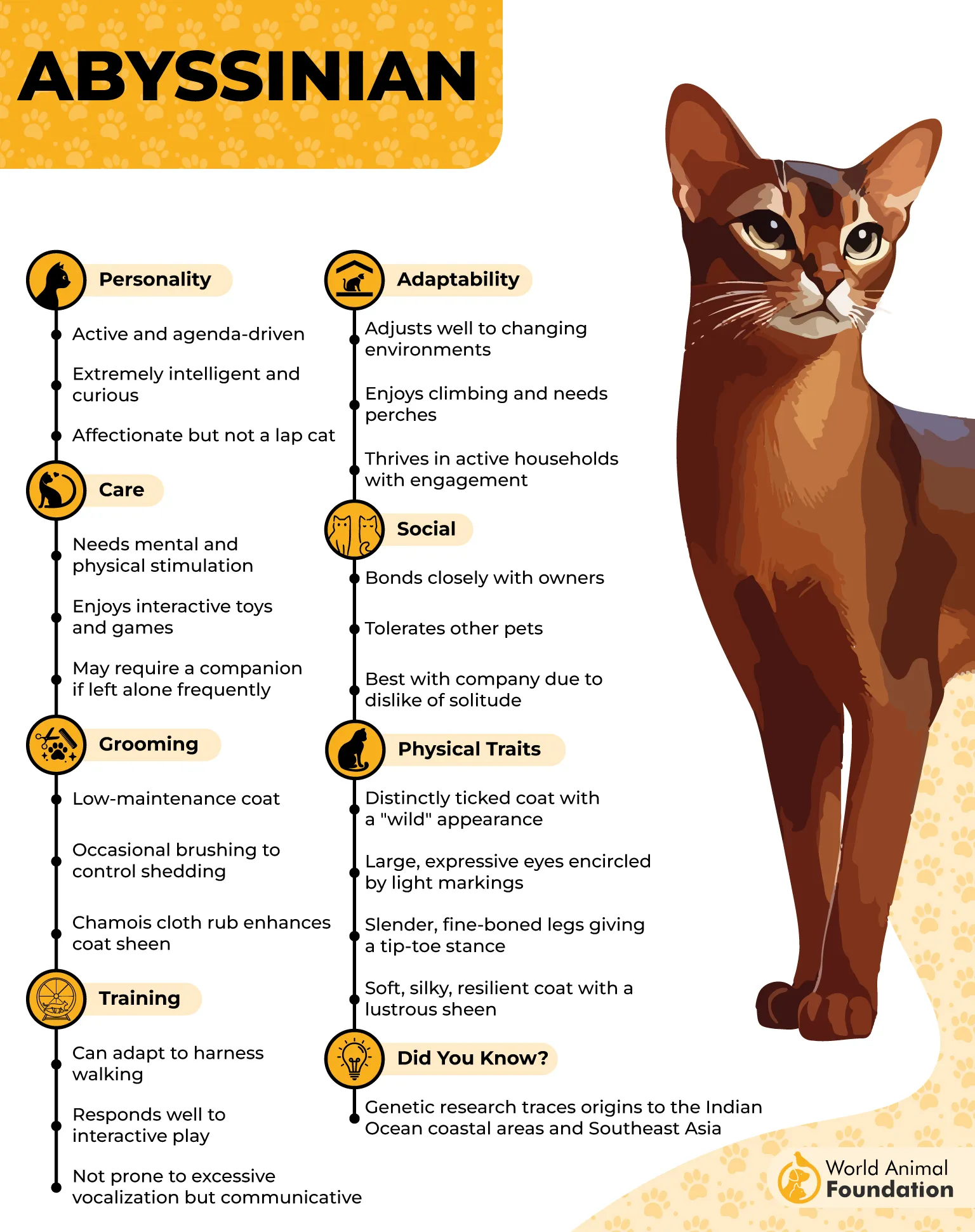
Their predatory instinct is powered by nonstop curiosity. Abyssinians love to patrol high shelves, peer into corners, and investigate every rustle, turning your home into a personal safari where any moving object might become “prey.”
Agility and intelligence work together in this breed. They’re fast, coordinated, and excellent problem-solvers, which means they don’t just chase—they strategize, using swift, precise movements that echo true feline hunting behavior.
Because that drive is so strong, they thrive on interactive play and mental challenges that mimic the hunt, like puzzle toys and feather wands.
Fun fact: Abyssinians are thought to resemble ancient Egyptian cats once revered for their majestic appearance.
2. Bengal
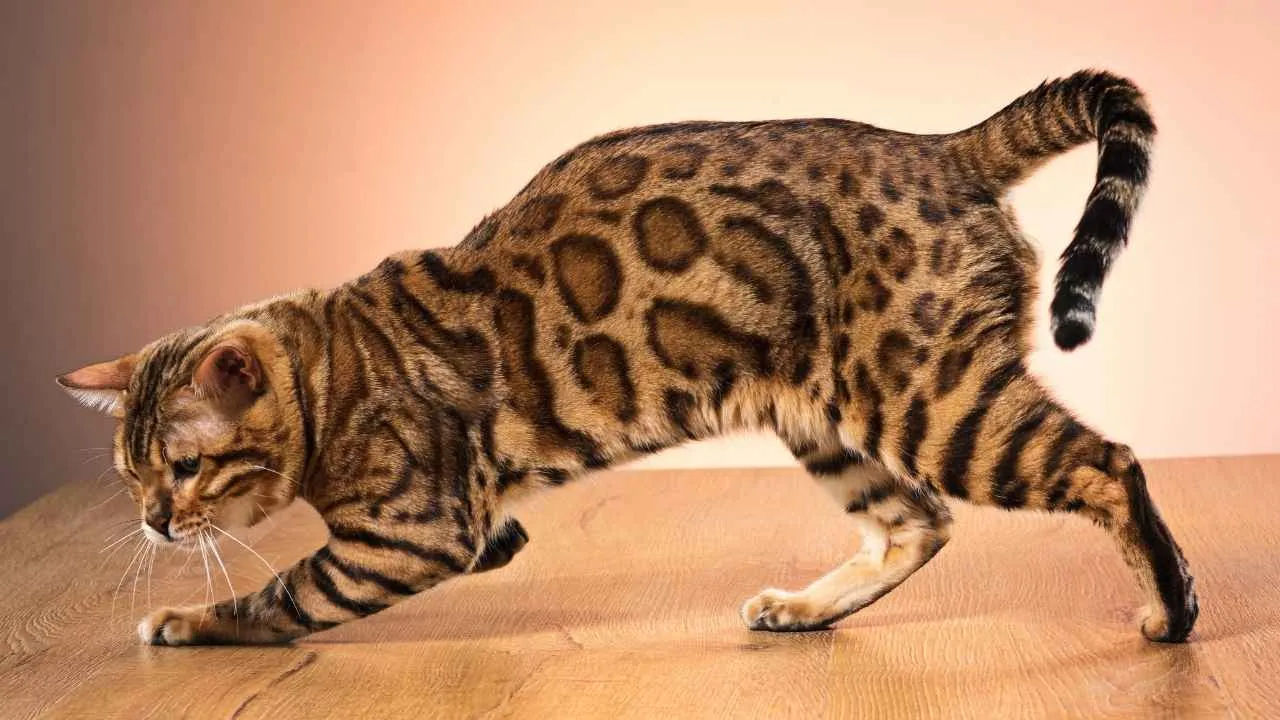
The Bengal is instantly recognizable for its leopard-like spots and marbled coat, but this domestic athlete brings more than wild looks to the table.
Bred from Asian leopard cat ancestry, it carries unmistakably strong hunting instincts into the home. PetMD notes that when you see a Bengal cat, it’s easy to think you’re looking at a tiny leopard—and that impression is pretty accurate.
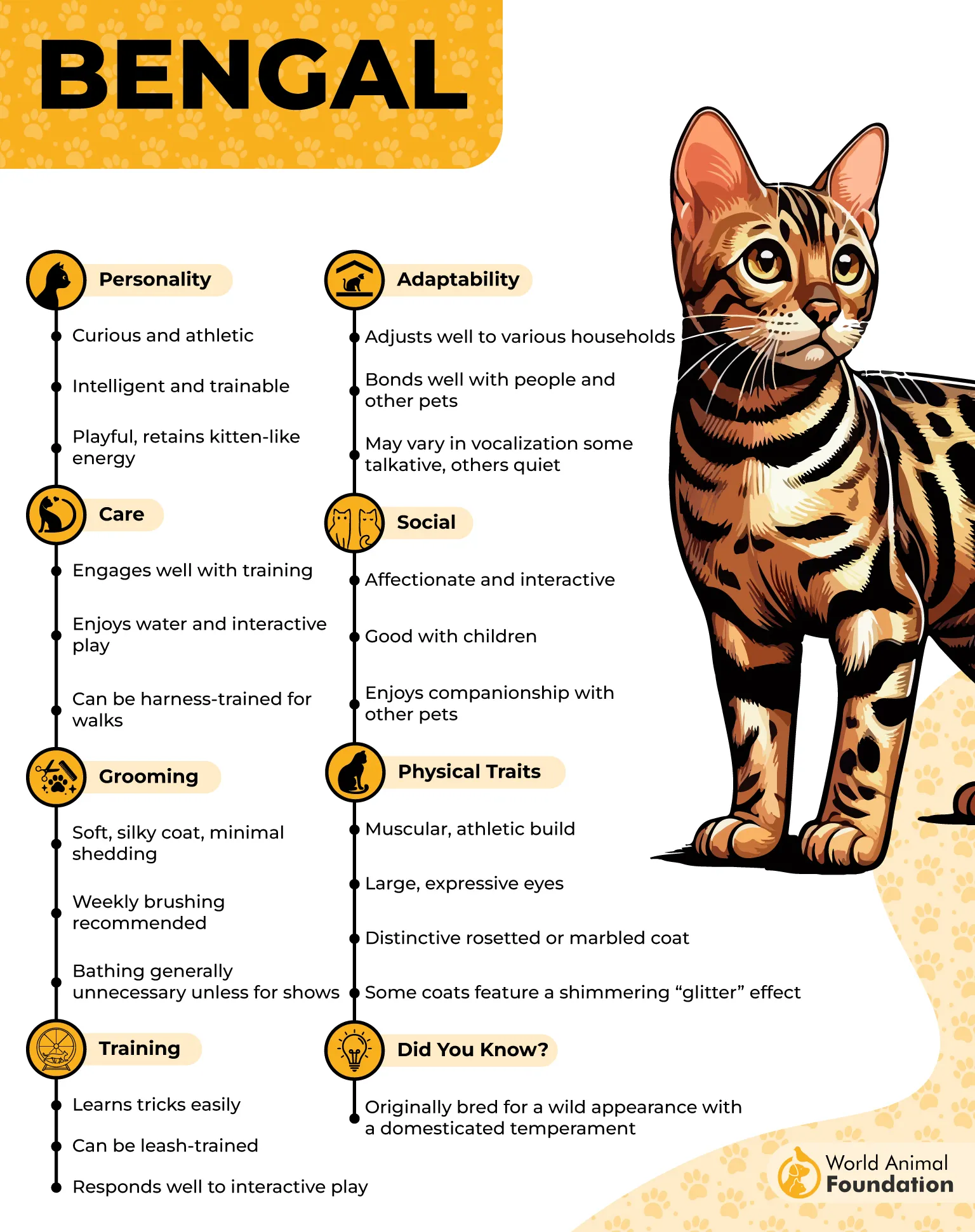
As a mouser, the Bengal combines speed, agility, and a muscular, springy build that makes leaping onto high perches or across gaps look effortless. Those powerful hind legs and sharp reflexes turn any moving target—real or toy—into potential “prey.”
Mentally, this is one of the sharpest house cats around. Bengals use their intelligence to stalk, strategize, and “problem-solve” routes to whatever they’ve decided to chase, so interactive hunting-style games are practically a requirement.
Many owners notice their Bengals’ play mimics serious practice: low stalking, explosive pounces, and even a distinctive chirping sound while “tracking.”
Fun fact: Bengals are one of the few cat breeds that genuinely enjoy water, sometimes even joining you near sinks or tubs.
3. Siamese
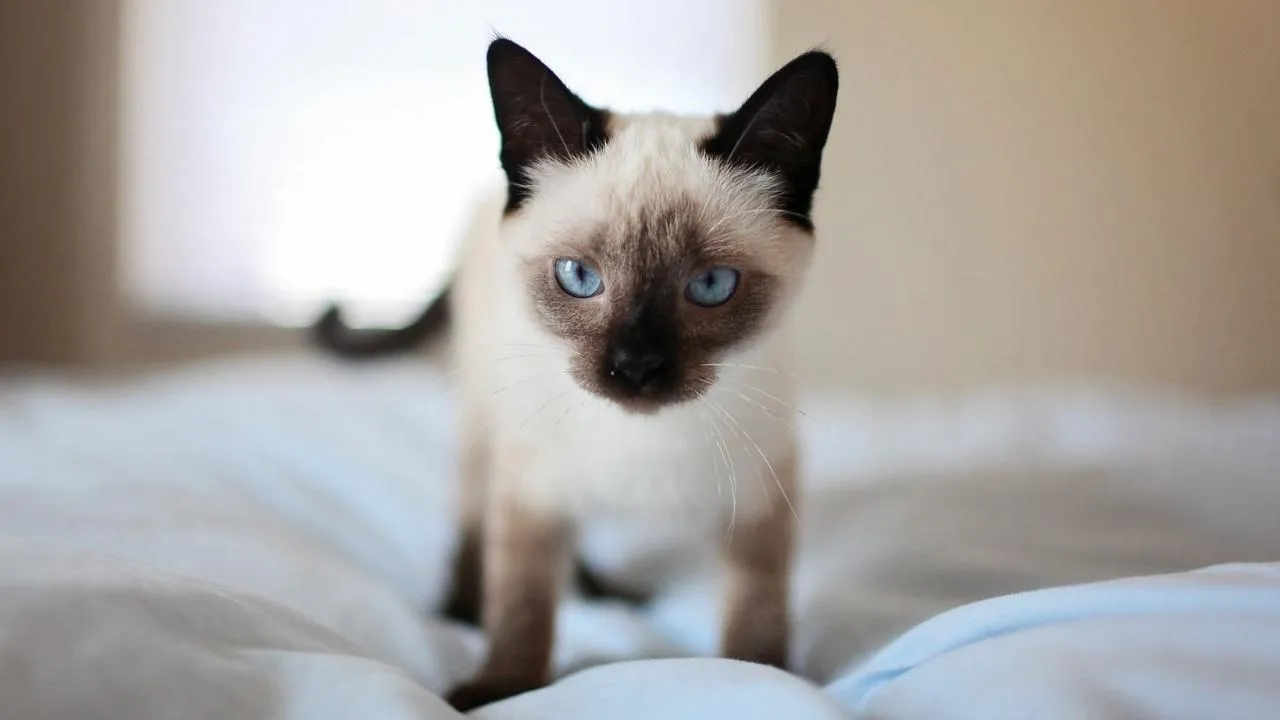
The Siamese—with its slim, athletic frame, wedge-shaped head, and piercing blue eyes—looks every bit the sleek, exotic hunter.
WebMD notes that the Siamese is a cat breed that originated in Thailand. Elegant yet intense, this ancient breed blends a refined appearance with serious prey-chasing instincts.
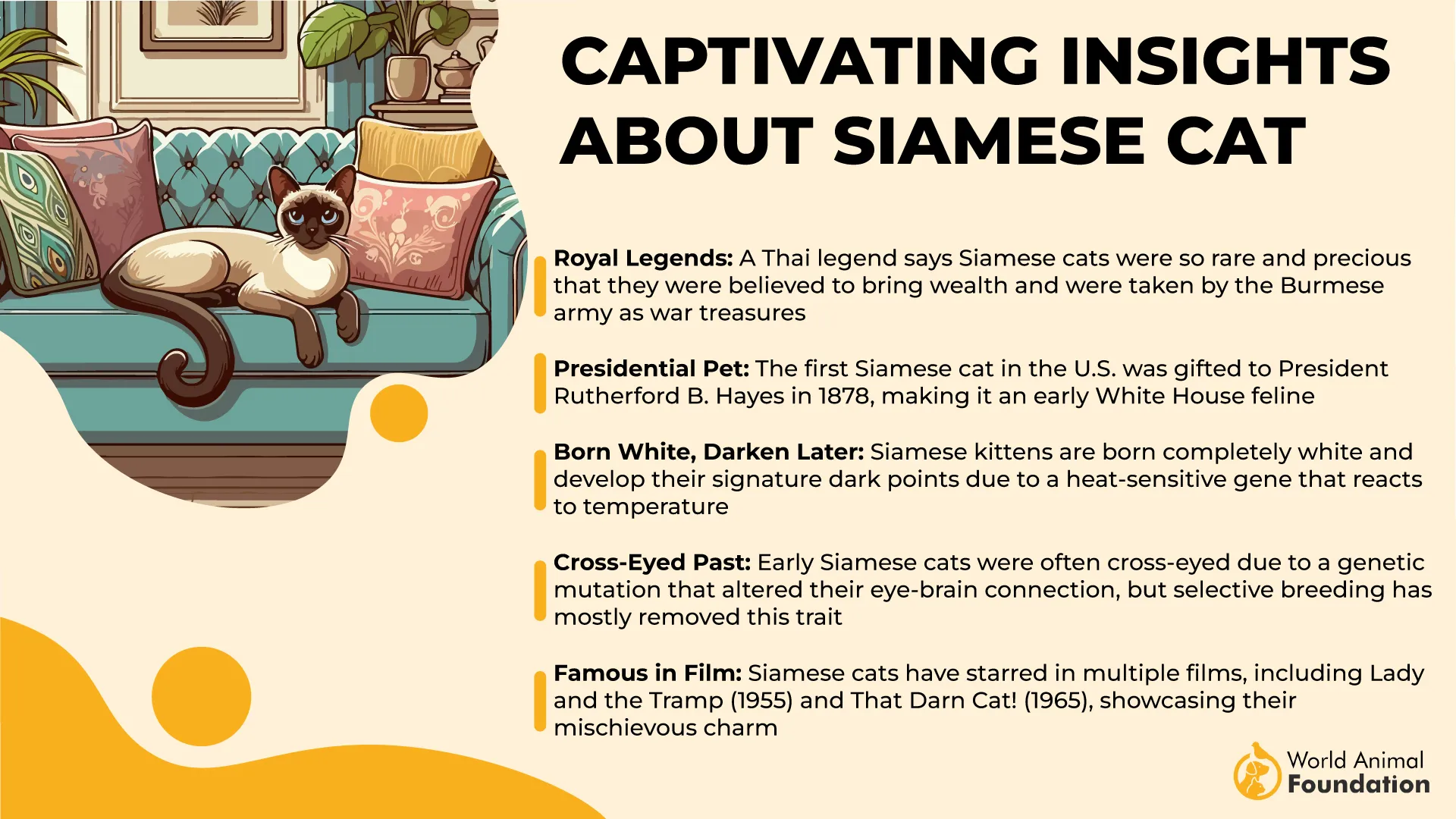
Behind that stylish, “wild” look is a sharp mind and a strong prey drive. Siamese cats are quick, agile, and highly focused, making them natural pros at stalking, sprinting, and pouncing on anything that moves.
They love interactive hunting-style games, from feather wands to fast-moving toys, and they thrive when given plenty of mental and physical challenges. Their speed and precision turn your living room into a mini hunting ground if you give them the chance.
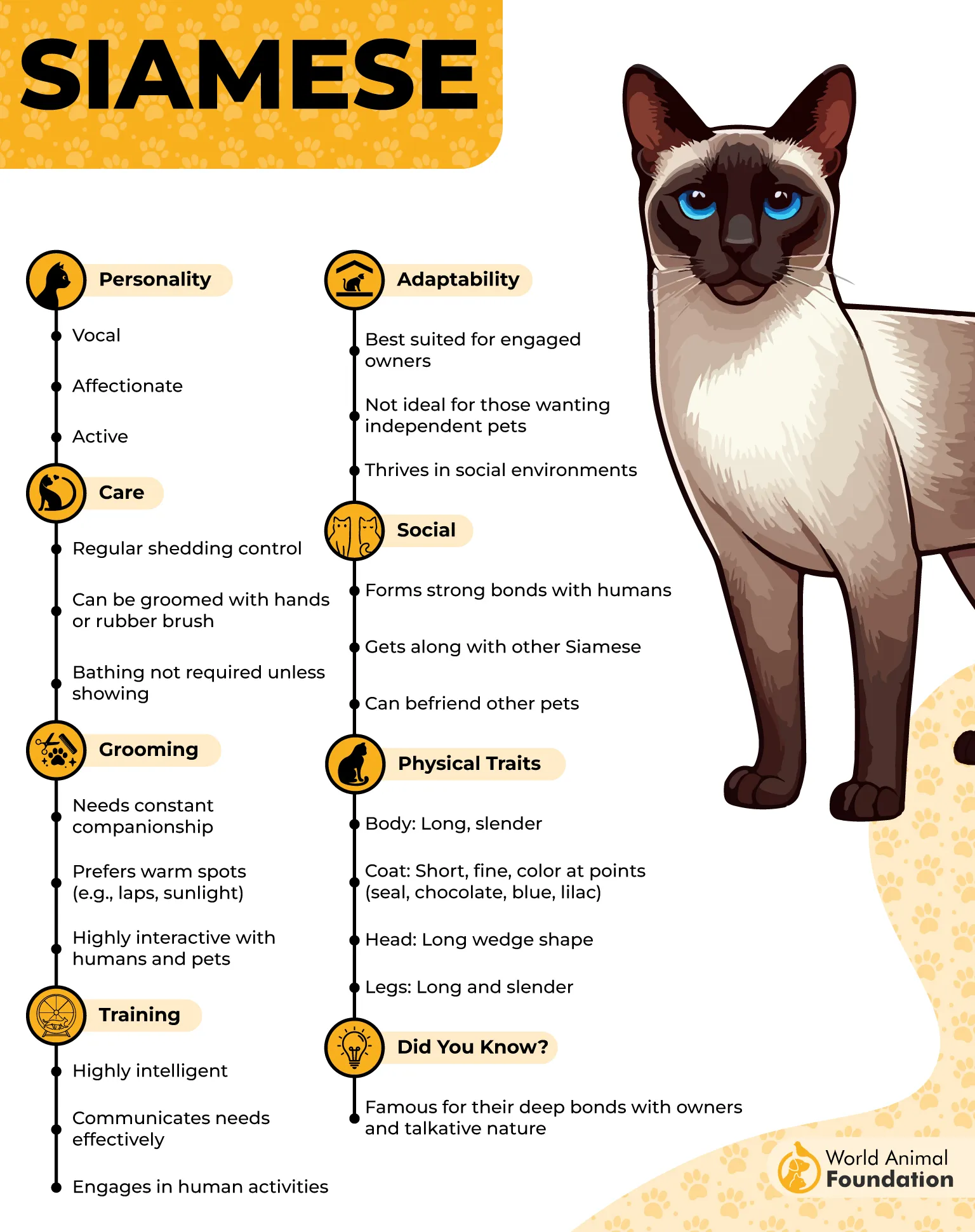
True to their chatty reputation, Siamese cats will “commentate” their hunts with melodic meows and chirps. Fun fact: the Siamese is one of the oldest and most recognizable cat breeds, historically associated with royalty.
4. Maine Coon
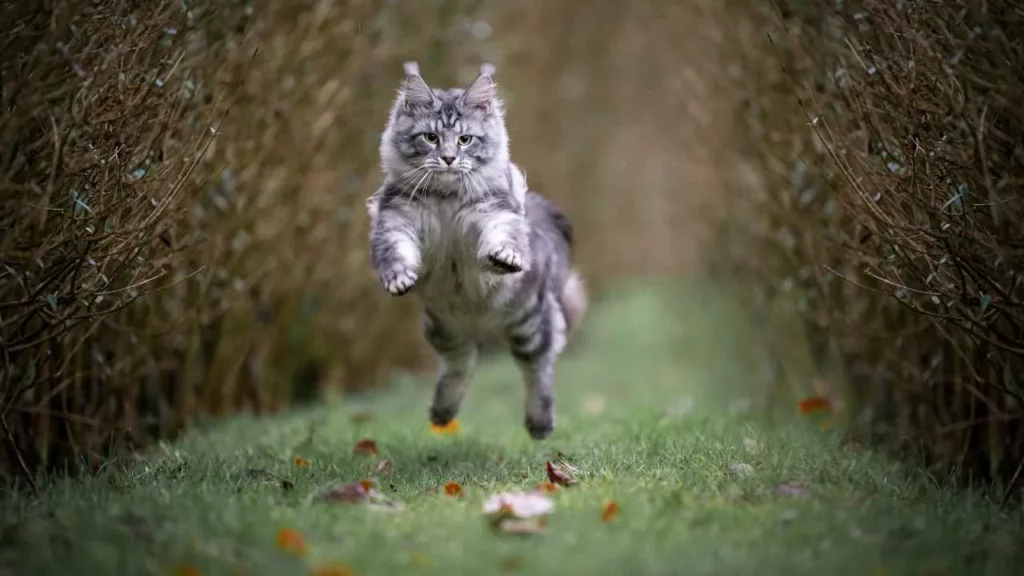
The Maine Coon, famously nicknamed the “gentle giant,” pairs a massive, rugged frame with a surprisingly sweet temperament.
With tufted ears, a bushy tail, and thick weatherproof fur, it looks perfectly built for forest edges, barns, and chilly outdoor terrain.
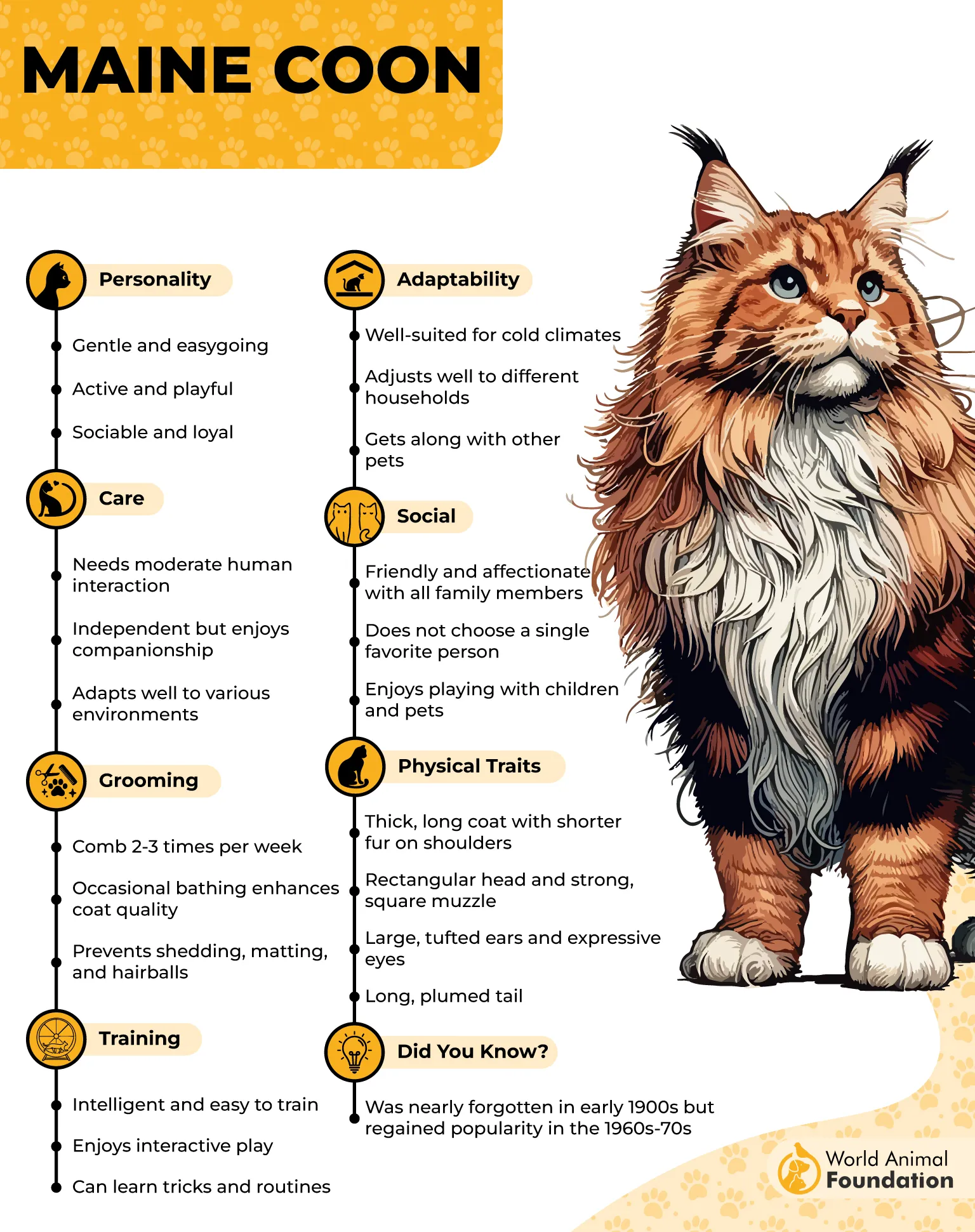
Historically working around farms and docks, this breed’s environment sharpened its instincts as an expert mouser. Give a Maine Coon access to varied spaces—shelves, cat trees, and hidey-holes—and you’ll see that same heritage in the way it stalks toys and shadows.
Mental challenge matters just as much as physical space. Puzzle feeders, interactive toys, and hunting-style play sessions help channel their intelligence and curiosity into “practice hunts” that keep their skills sharp indoors.
Even inside, they move with quiet grace, pouncing with power but almost no sound—a nod to their working past.
Fun fact: Maine Coons are among the best mouse hunters and are one of the oldest natural breeds in North America, once prized on farms and ships for pest control.
5. American Shorthair
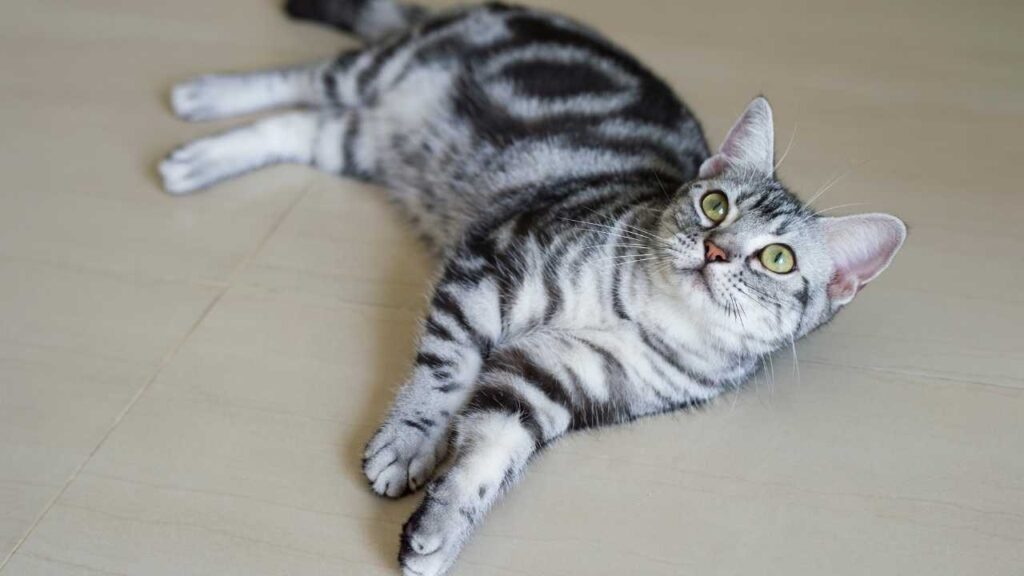
The American Shorthair (once known as the Domestic Shorthair) is a classic working mouser with a sturdy, athletic body and sharp senses. Originally developed for pest control, this breed pairs calm confidence with the focus of a born hunter.
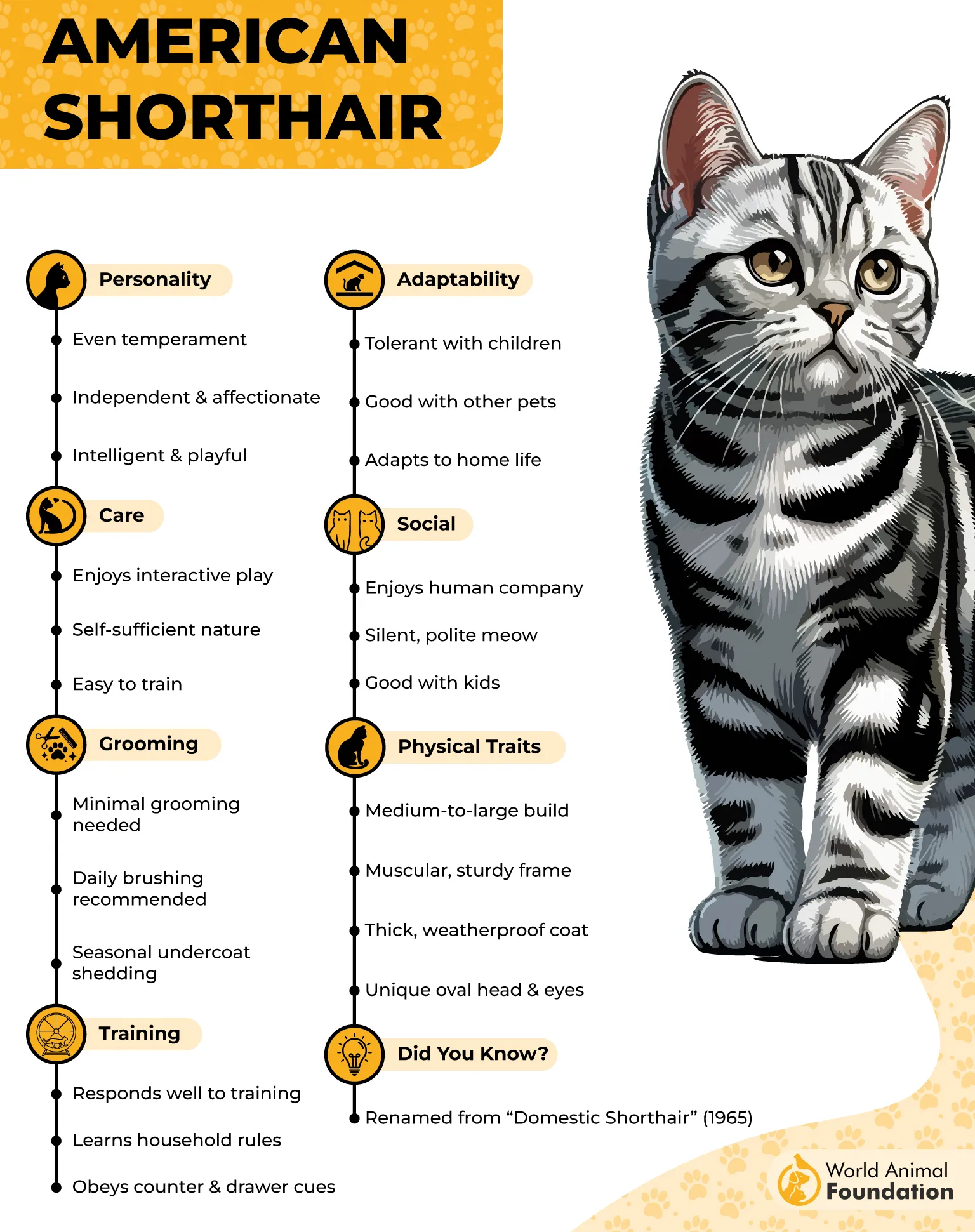
In the hunting department, they’re all about patience and precision. American Shorthairs will quietly stalk, wait, and strike at the right moment—skills that made them reliable rodent controllers in homes, farms, and everywhere in between. Their adaptable nature also helps them thrive in many settings.
To channel those instincts safely, make play feel like a “hunt.” Puzzle feeders, wand toys, and short chase sessions let them practice stalking and pouncing without turning your hands into prey. Rotate toys to keep things interesting and provide daily activity so that the hunting drive doesn’t become boring.
They’re also smart and responsive to reward-based lessons, and many enjoy athletic training games—like jumping to marked spots—or even harness practice for controlled exploring.
Fast fact: American Shorthairs came to America on the Mayflower, serving as ship mousers.
6. Savannah
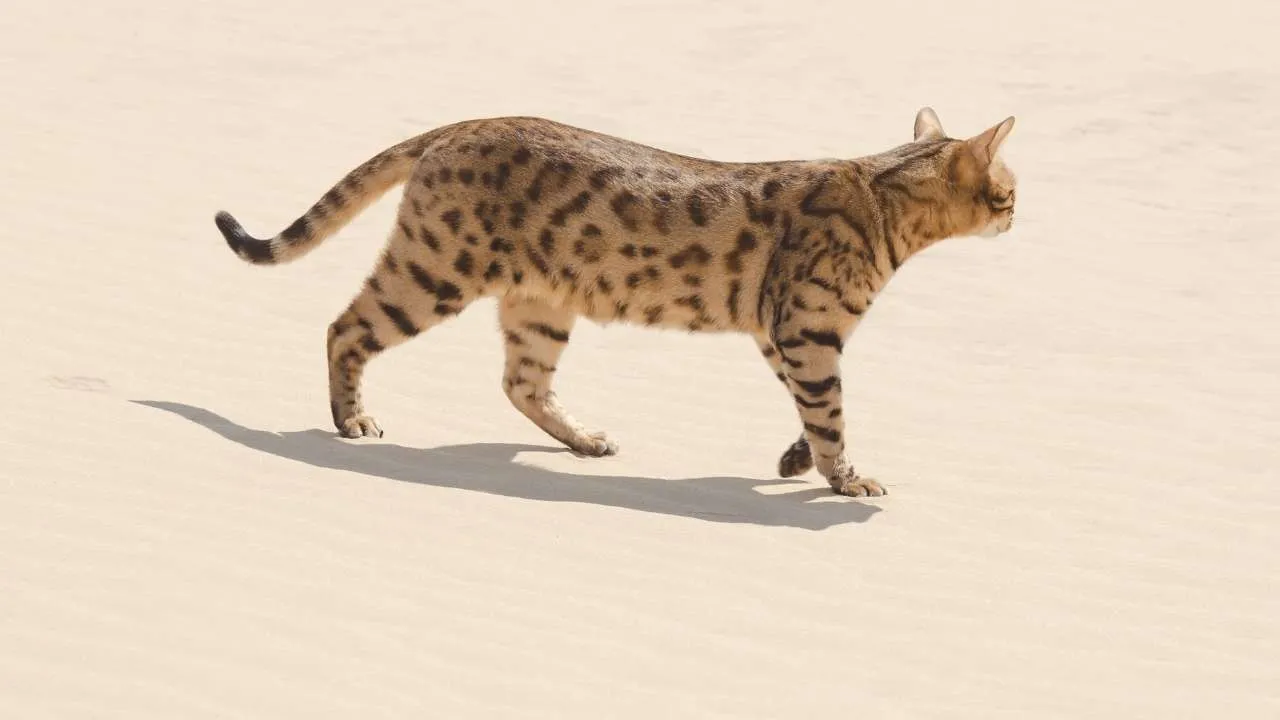
The Savannah cat—a hybrid between a domestic cat and an African serval—is instantly recognizable for its tall, lean frame, long legs, and bold spotted coat. With an exotic, wildcat look and piercing, alert eyes, this breed was practically built for speed, agility, and precision.
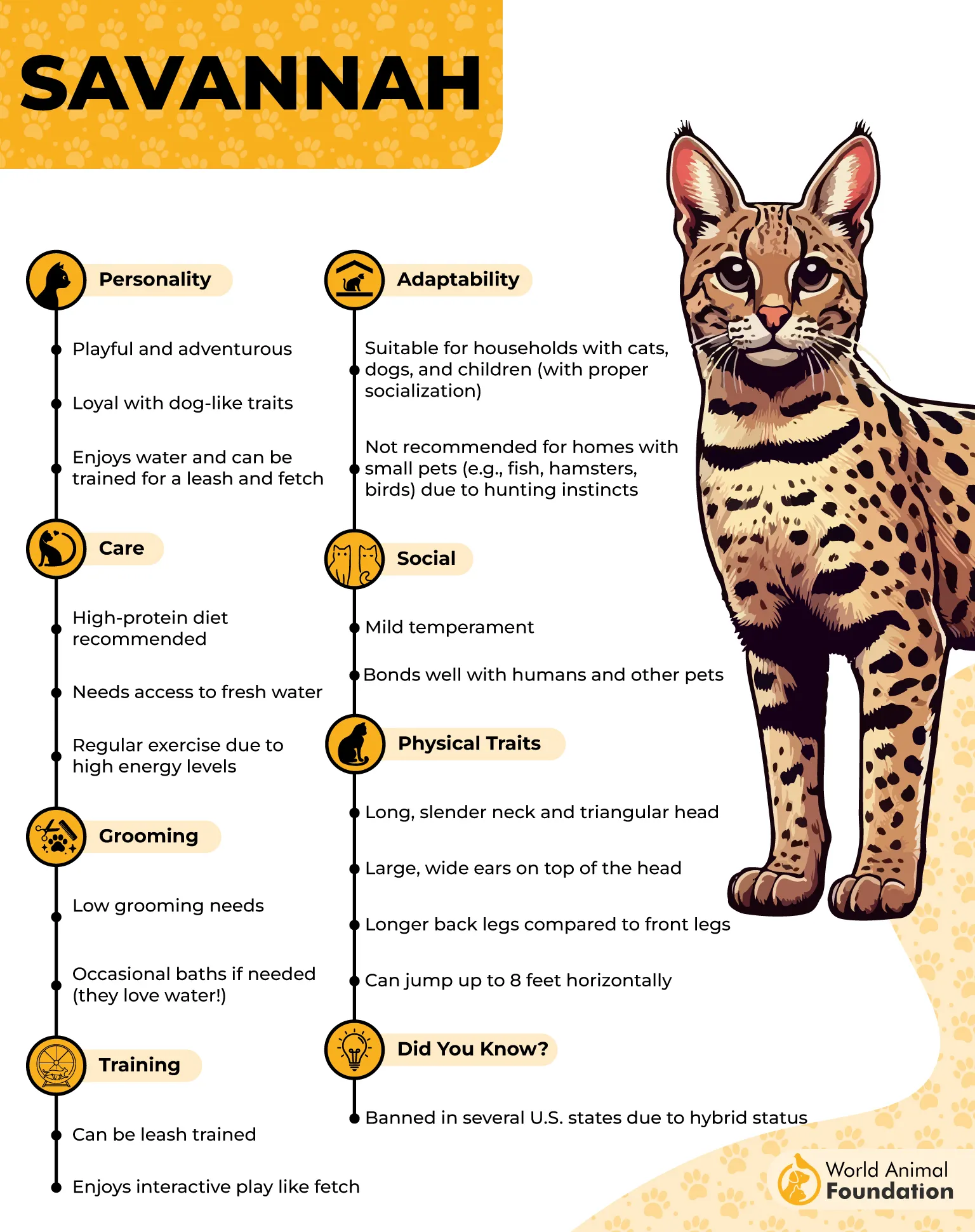
As hunters, Savannahs are the full package: sharp senses, quick reflexes, and a strong instinct to stalk, pounce, and chase. That makes them fascinating to watch—but also means they can be extremely effective predators if allowed to roam freely.
Because of their heightened hunting ability and size, free-ranging Savannahs can pose serious risks to local wildlife, especially in fragile ecosystems. Many owners choose secure enclosures, leash walks, and plenty of interactive “prey-style” play to satisfy instincts without harming songbirds, small mammals, or reptiles.
It’s also important to know that some regions heavily regulate or even ban Savannahs due to wildlife concerns—Australia, for example, prohibits their import because of their potential impact on native species.
Fast fact: Savannahs often bond deeply with their people and are known for being vocal and dog-like in their attachment.
7. Norwegian Forest Cat
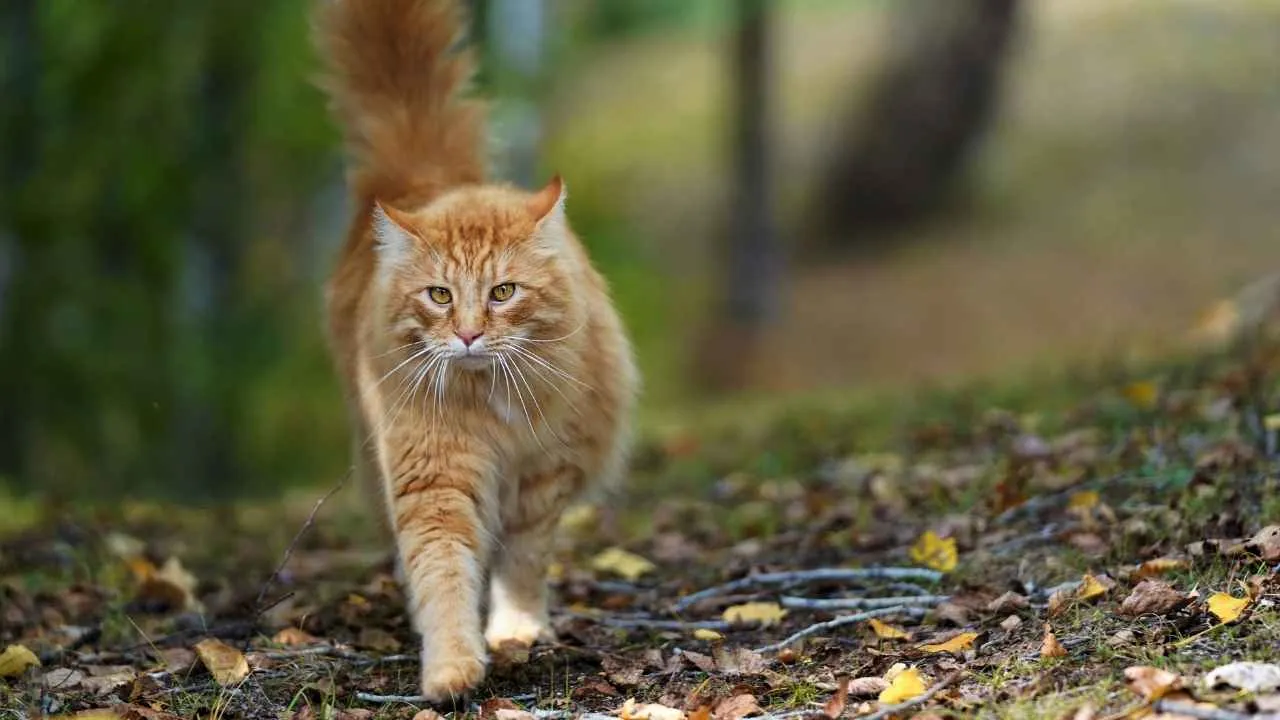
The Norwegian Forest Cat (often nicknamed the “Wegie”) is a rugged, myth-linked breed from Norway with a majestic look and a famously thick, weather-ready coat.
Built with strong muscles, sharp reflexes, and serious climbing talent, it’s the kind of cat that looks like it belongs in the woods—because it basically does.
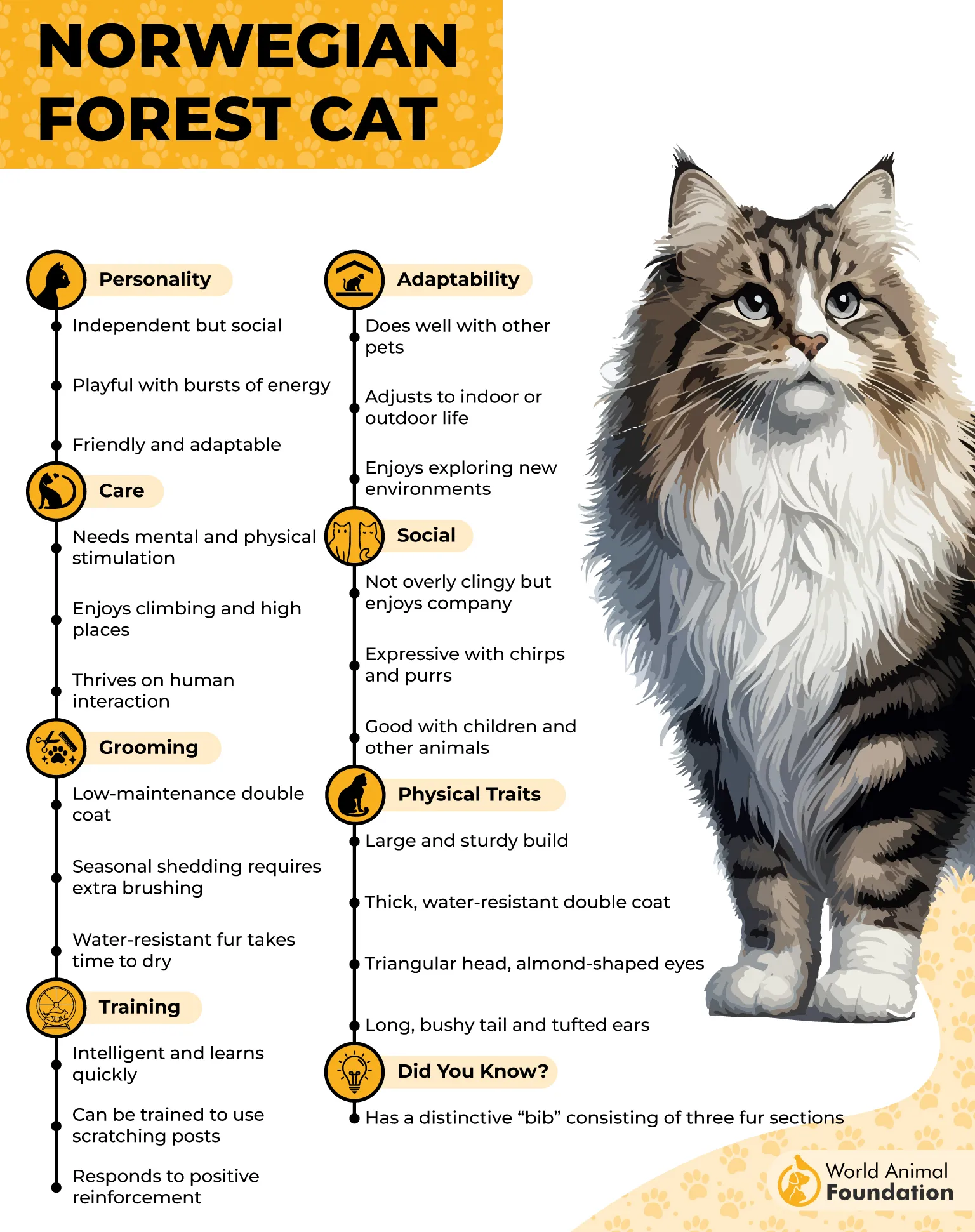
As hunters, Wegies are stealthy and patient, content to watch, wait, and strike at exactly the right moment. Their powerful claws and athletic bodies help them scale trees and chase prey upward, turning vertical spaces into part of their hunting toolkit.
For households considering a natural mouser, this breed offers a useful mix: independent enough to stay busy, yet affectionate and gentle with people. They can thrive outdoors as swift hunters, but they’re also adaptable to indoor life—especially if you provide climbing zones, interactive play, and puzzle-style “hunt” games.
Just know their curiosity runs high, so secure windows and doors matter if you don’t want an explorer on the loose.
Fast fact: Norwegian Forest Cats were once kept as ship companions for Vikings to help keep vessels free of vermin.
Conclusion
When you look at breeds known for their hunting skills, it’s easy to see how cats hunt using keen senses, agility, and often a strong, muscular build to track and pounce on small prey and even birds or other pests.
Whether it’s a Norwegian Forest Cat or a sharp-eyed mixed breed, that urge to stalk and “hunt effectively” is deeply ingrained—even in fluffy kittens who are just starting to practice their moves. For many owners, it’s fascinating to watch a feline friend show off these natural behaviors.
At the same time, many of these excellent hunters live as indoor cats, where responsible environmental enrichment becomes key. Wand toys, puzzle feeders, and even laser pointers (used safely) can offer mental engagement and physical exercise without letting them kill wildlife.
In the end, celebrating their instincts while guiding them thoughtfully lets you enjoy the best of both worlds: a content, fulfilled hunter curled up purring beside you.
