




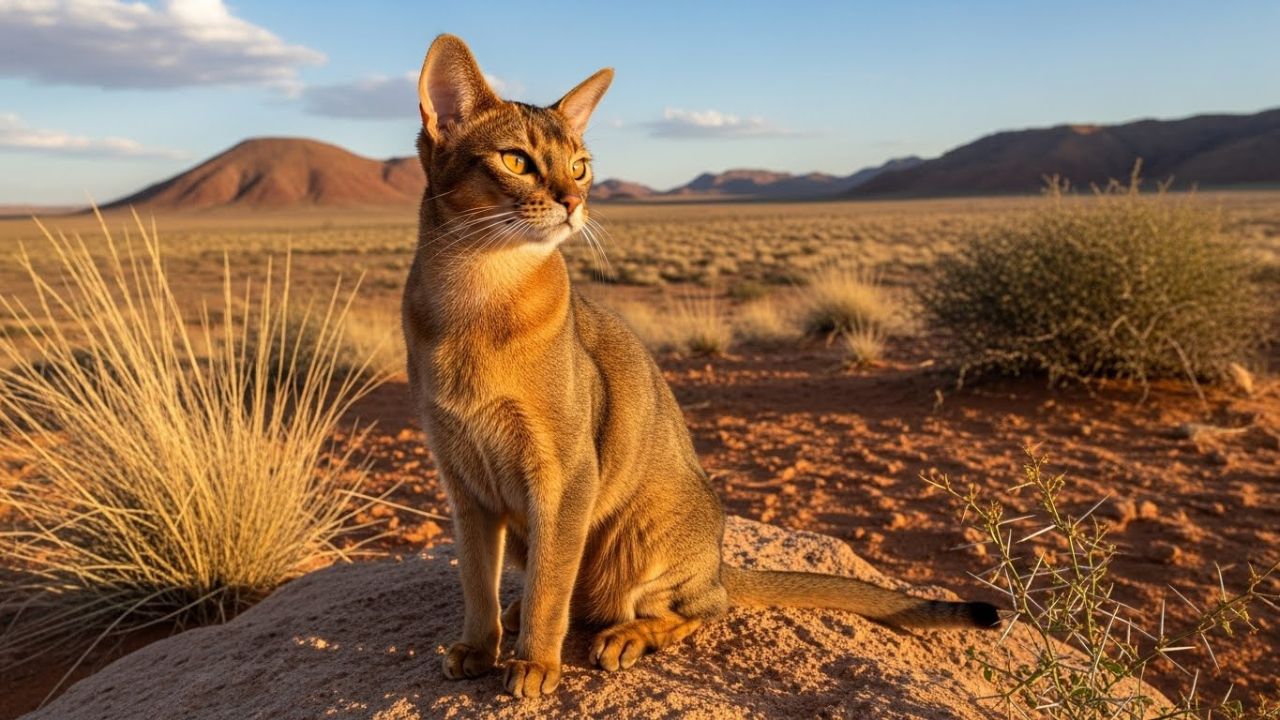
Cats have walked beside humans for thousands of years, quietly shaping—and being shaped by—civilizations around the world. From revered temple companions to working cats that adapted to harsh environments, each breed carries a genetic story influenced by geography, culture, and human interaction.
Over time, these natural and selective forces gave rise to the diverse feline breeds we recognize today, each with traits that hint at its remarkable past.
Some cats stand out not only for their beauty or temperament, but for histories deeply rooted in legend and tradition. Their physical features and behaviors often mirror roles they played centuries ago, making them living connections to the past.
While many origins are supported by historical records, others blend fact with folklore. Cat evolution and breeding history often reflect a mix of research, archaeological evidence, and stories passed down through generations. This article explores cat breeds whose evolutionary journeys are as fascinating as the cats themselves.
Cat Breeds That Have a Fascinating Evolutionary History
1. Egyptian Mau
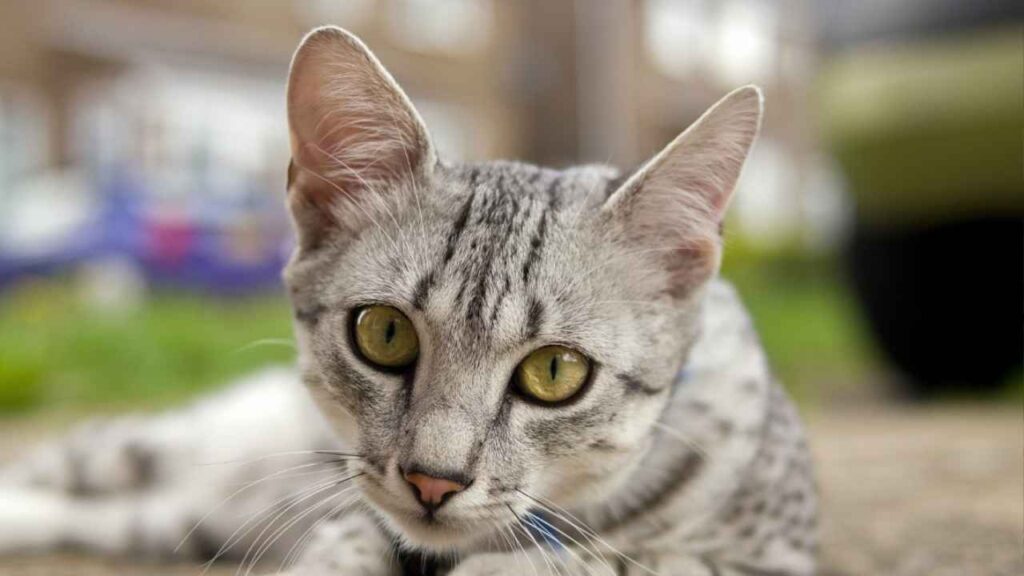
Often simply called the Mau, this ancient breed is instantly recognized by its naturally gooseberry-green almond eyes and sleek, athletic build.
According to PetMD, the Egyptian Mau is a graceful, spotted cat. Its elegant appearance closely mirrors cats depicted in ancient Egyptian art.
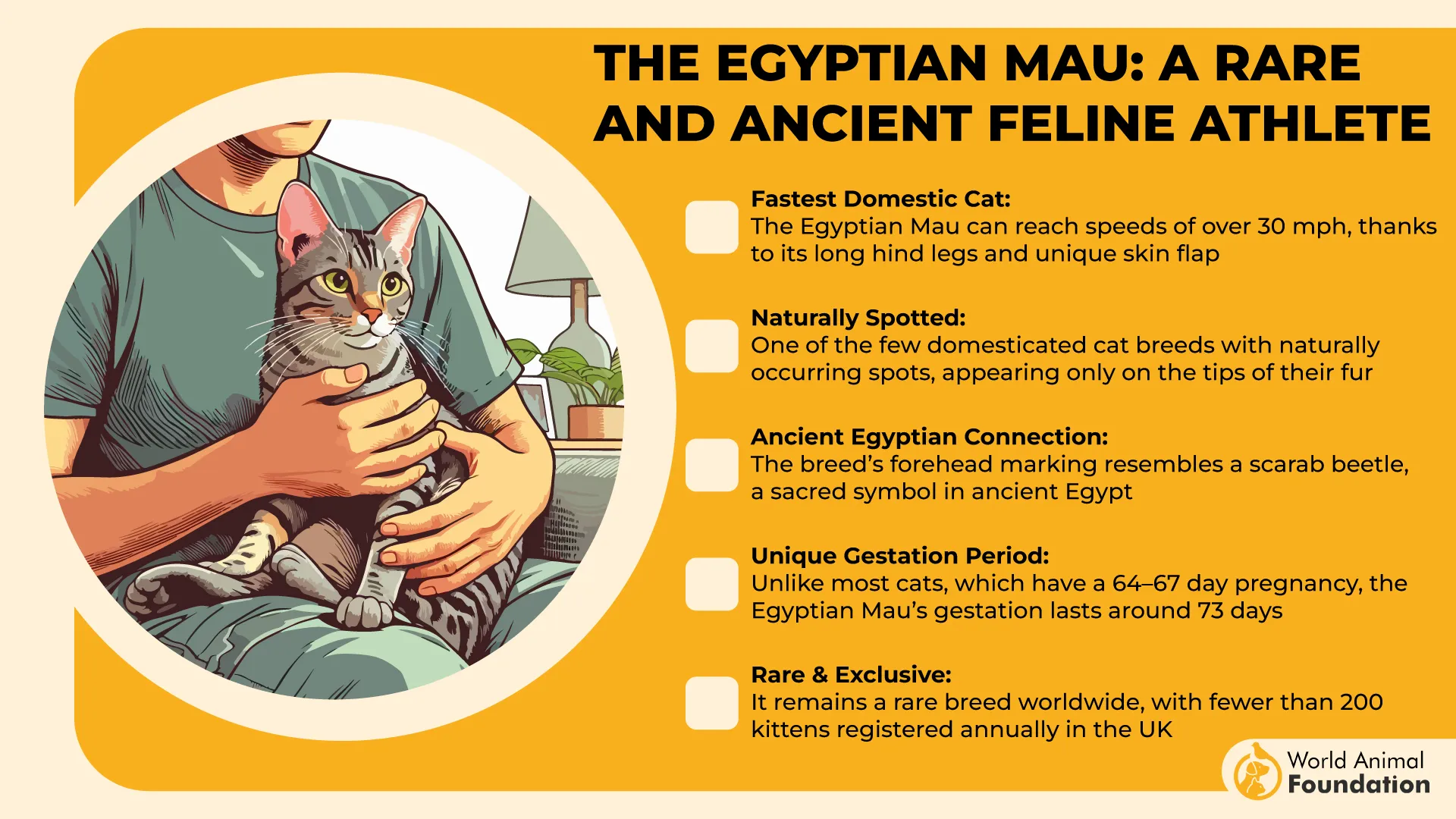
The Egyptian Mau’s evolutionary history is especially remarkable, as it’s believed to be among the oldest domesticated cat breeds. Tomb paintings dating back over 3,000 years show spotted cats resembling today’s Mau, suggesting their traits evolved through natural selection rather than modern breeding.
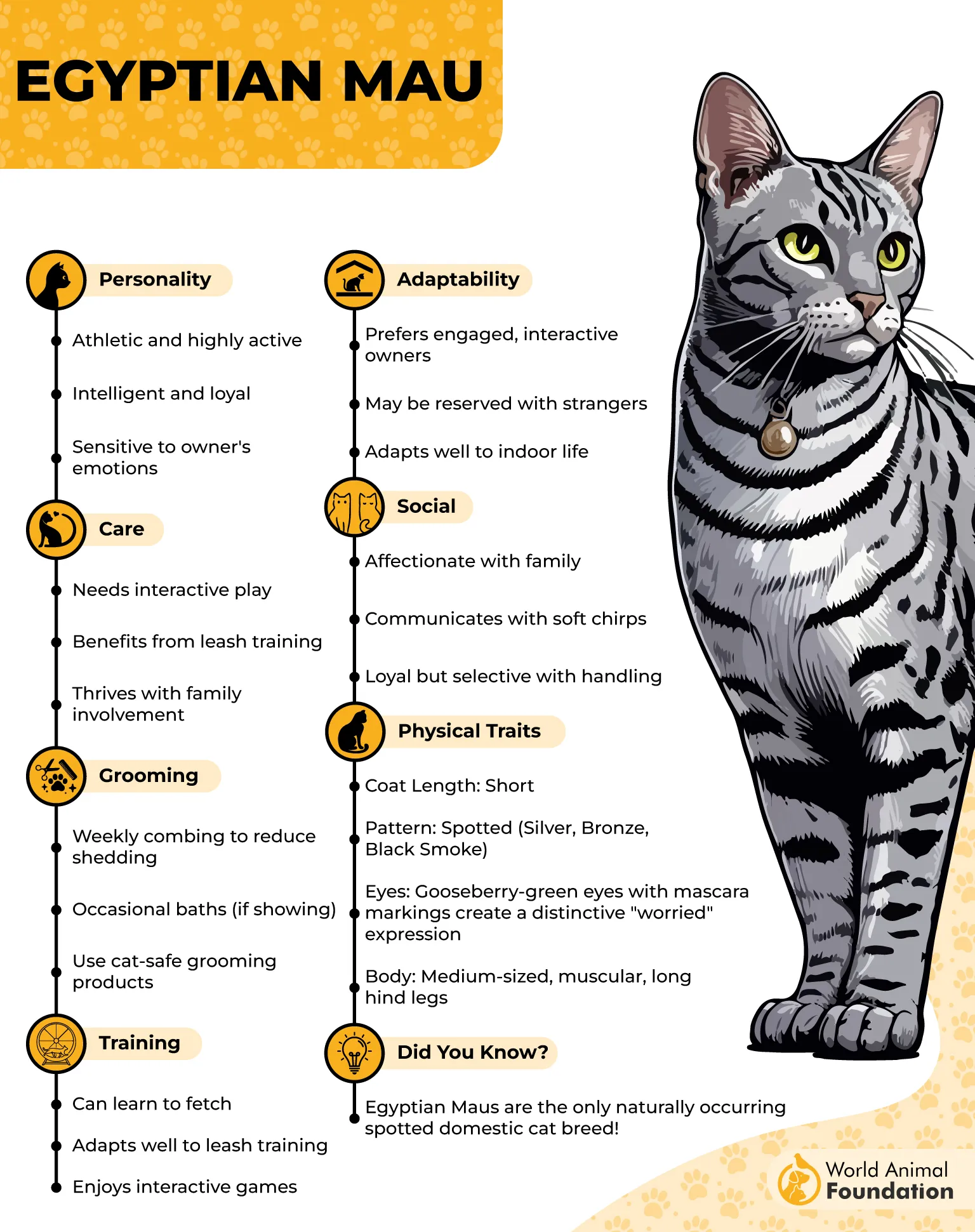
Those distinctive spots once served a practical purpose. Along the Nile, their irregular patterns provided camouflage while hunting, while a loose skin flap along the flank enhanced flexibility, speed, and agility—key survival advantages that remain visible today.
Modern Maus still reflects this evolutionary refinement. With long hind legs and high shoulder blades, they move with a cheetah-like gait and are exceptional sprinters, combining beauty with function.
Fact: Egyptian Maus can reach speeds of up to 30 miles per hour, making them the fastest domestic cat breed.
2. Maine Coon
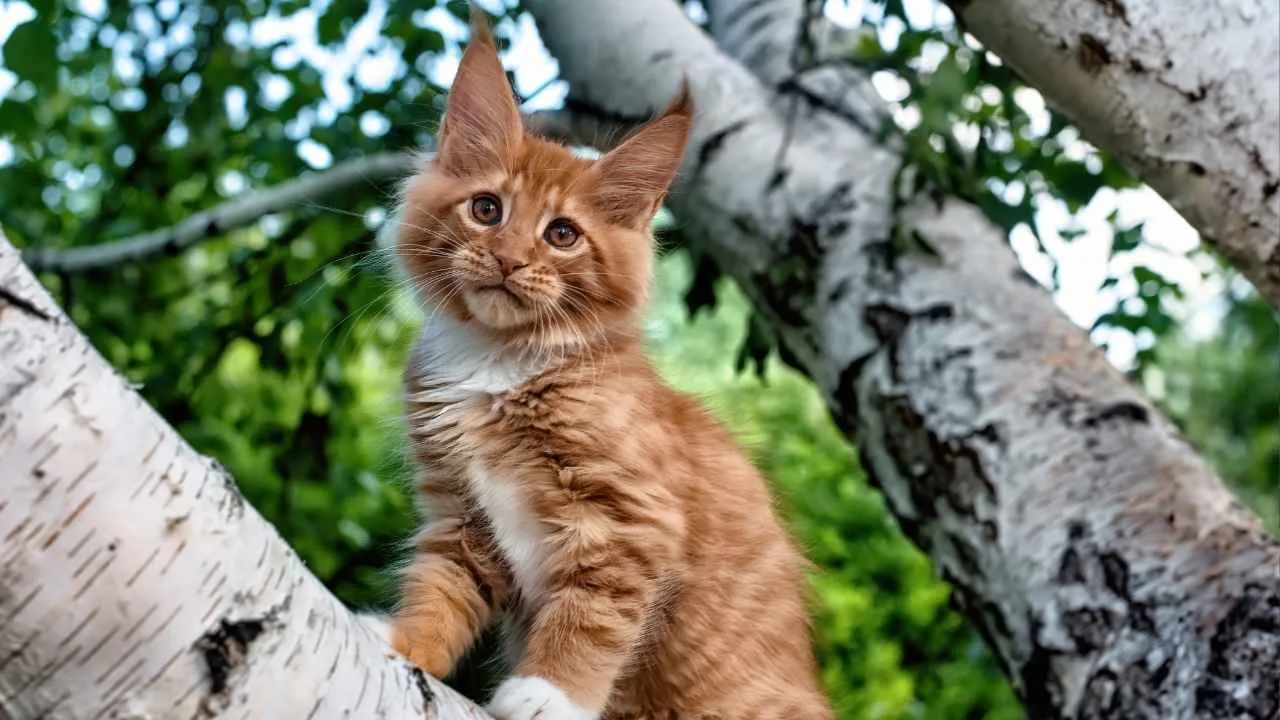
Often called the gentle giant, the Maine Coon is one of the oldest natural cat breeds in North America. Known for tufted ears, bushy tail, and rugged appearance, it developed as a working cat in the northeastern United States.
According to Purina, the Maine Coon is an exceptionally large cat with a strong, muscular, and athletic build that matches its impressive size.
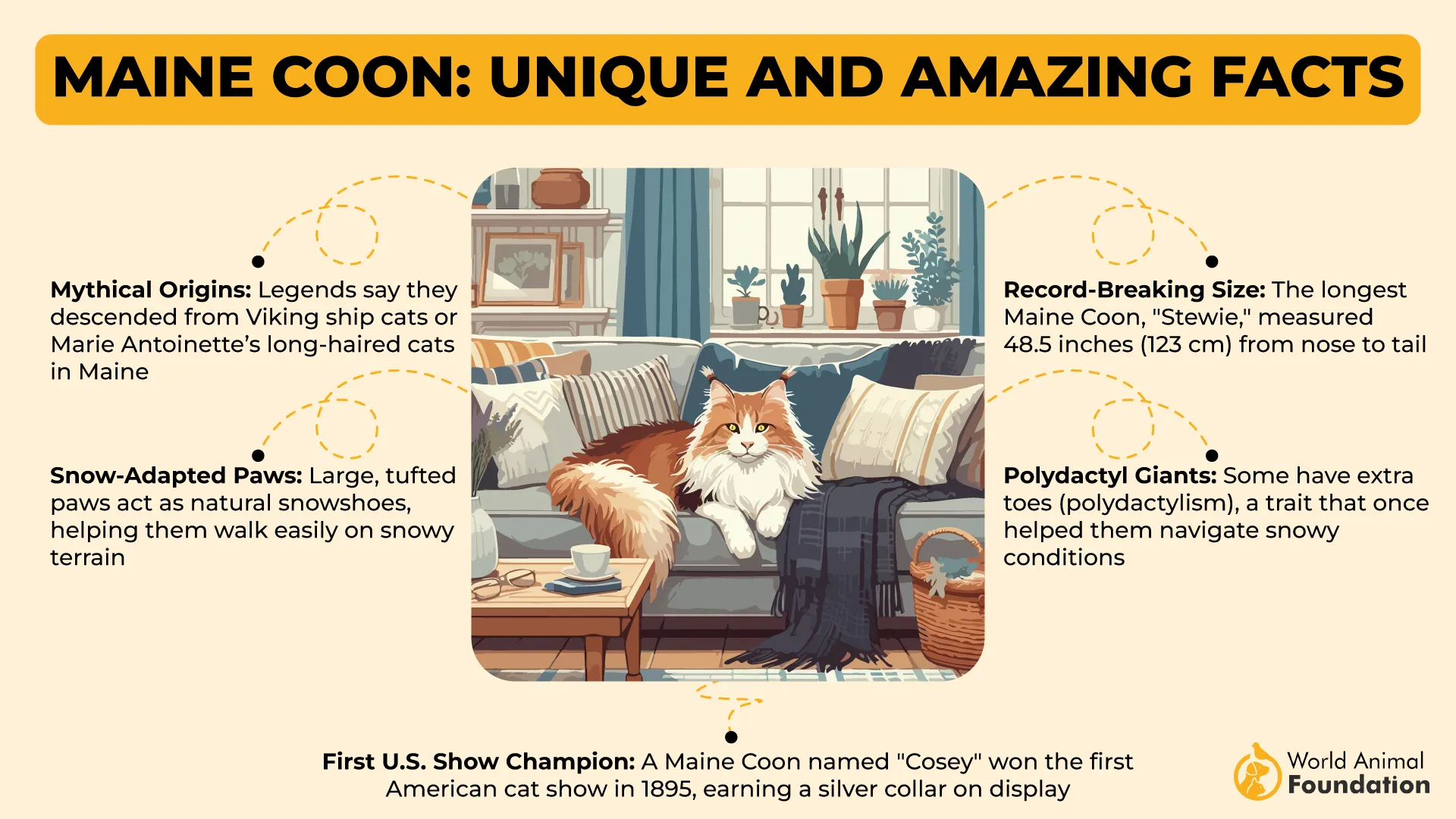
The Maine Coon’s evolutionary path reflects survival in harsh climates. Its oversized, tufted paws act like snowshoes, while a long, water-resistant coat and thick tail provide insulation against New England winters—traits rarely seen in smaller, warm-climate breeds.
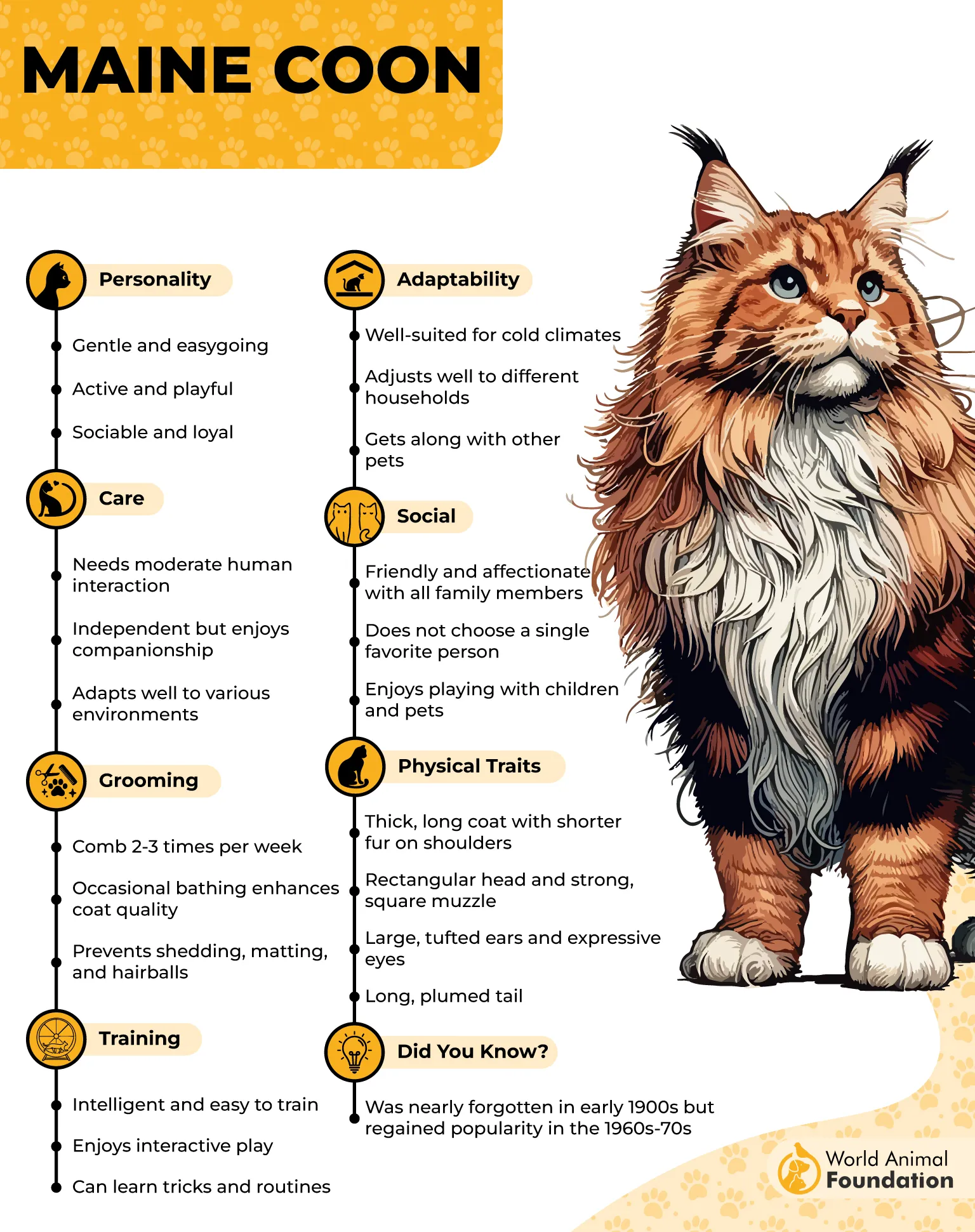
Legends once linked the Maine Coon to raccoons or Marie Antoinette’s long-haired cats, but science tells a different story. These cats likely evolved naturally from European cats brought by settlers, adapting through natural selection rather than selective breeding.
When comparing big cats versus small cats, the Maine Coon represents an evolutionary path shaped by climate and utility. Similar traits seen in Norwegian and Siberian Forest Cats are the result of convergent evolution, not direct lineage.
Fact: Genetic studies show Maine Coons belong to the Western European cat branch and are closest to cats from the northeastern U.S.
3. Bengal
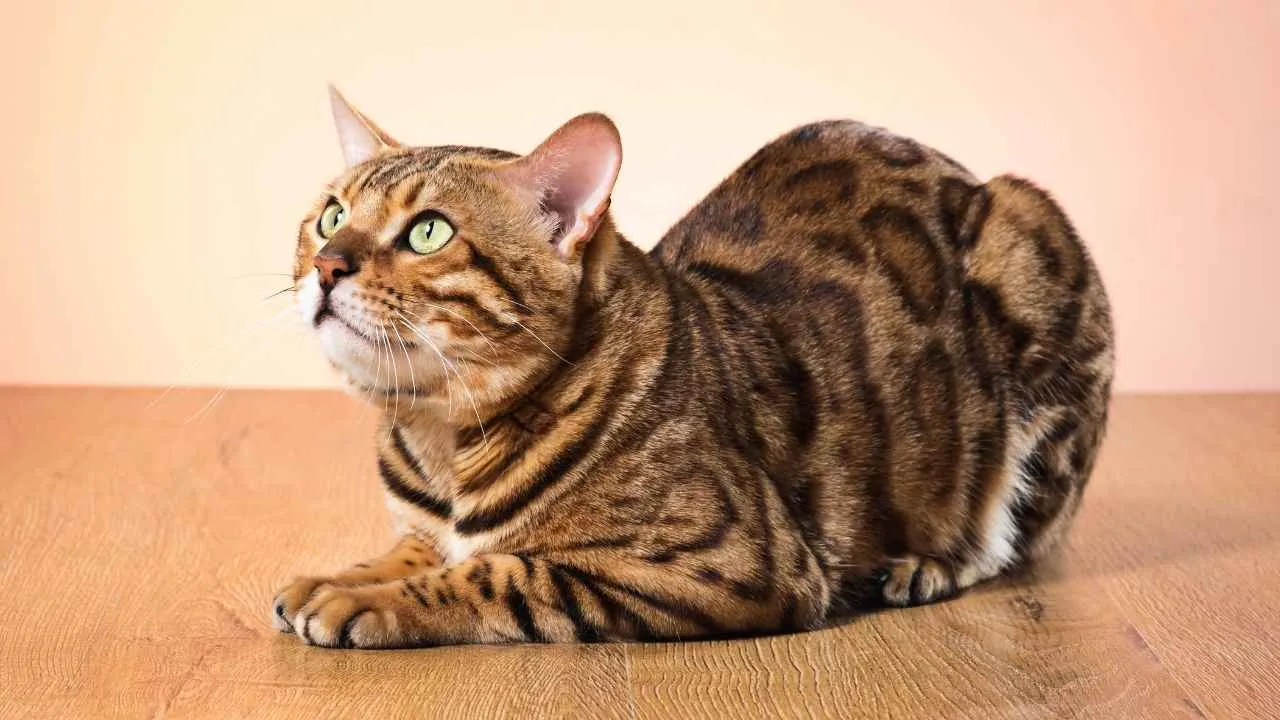
Also known simply as the Bengal cat, this striking breed traces its roots to the Asian leopard cat (Prionailurus bengalensis), a small wild feline from Southeast Asia. Developed in the 1960s by breeder Jean Mill, the Bengal was designed to showcase wild beauty in a domestic companion.
According to WebMD, Bengal cats are distinguished by their leopard-like coats and can be an excellent choice for families.
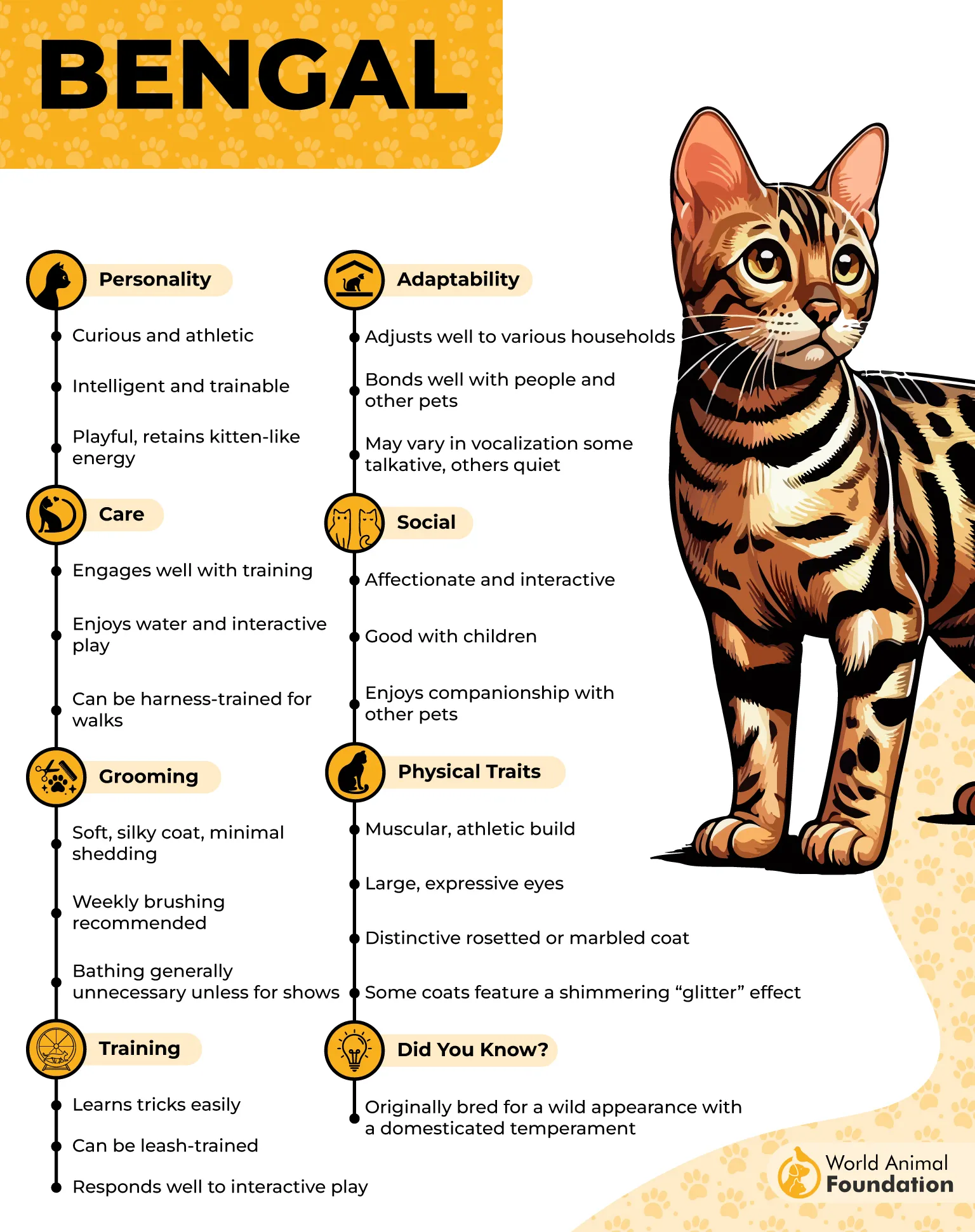
That hybrid origin gives Bengals an evolutionary story tied to adaptability across environments. Their sleek, muscular build and short coat reflect ancestors suited to forests and varied terrain, while selective breeding softened temperament without erasing the dramatic leopard-like spots and marbling.
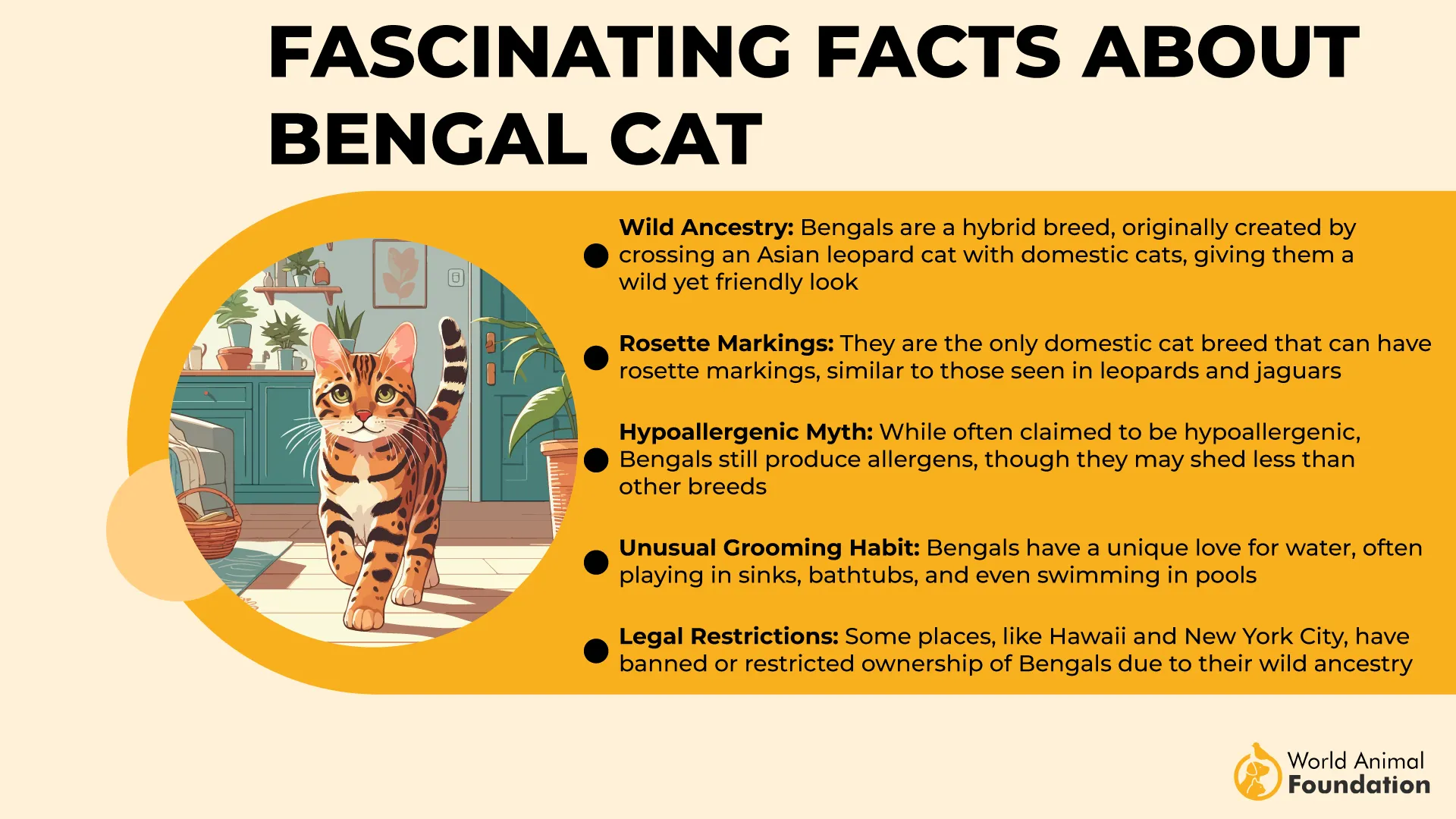
Bengals are often associated with environments where agility matters. They’re known for curiosity around water, athletic movement, and a comfort with active, changing surroundings—traits that echo wild survival skills refined into domestic life.
Their evolutionary refinement continued as breeders introduced cats like the Abyssinian, Burmese, and Egyptian Mau to stabilize health and personality.
Fact: A UK veterinary study found Bengals have an average life expectancy of about 8.51 years, compared to 11.74 years across all cat breeds.
4. Abyssinian
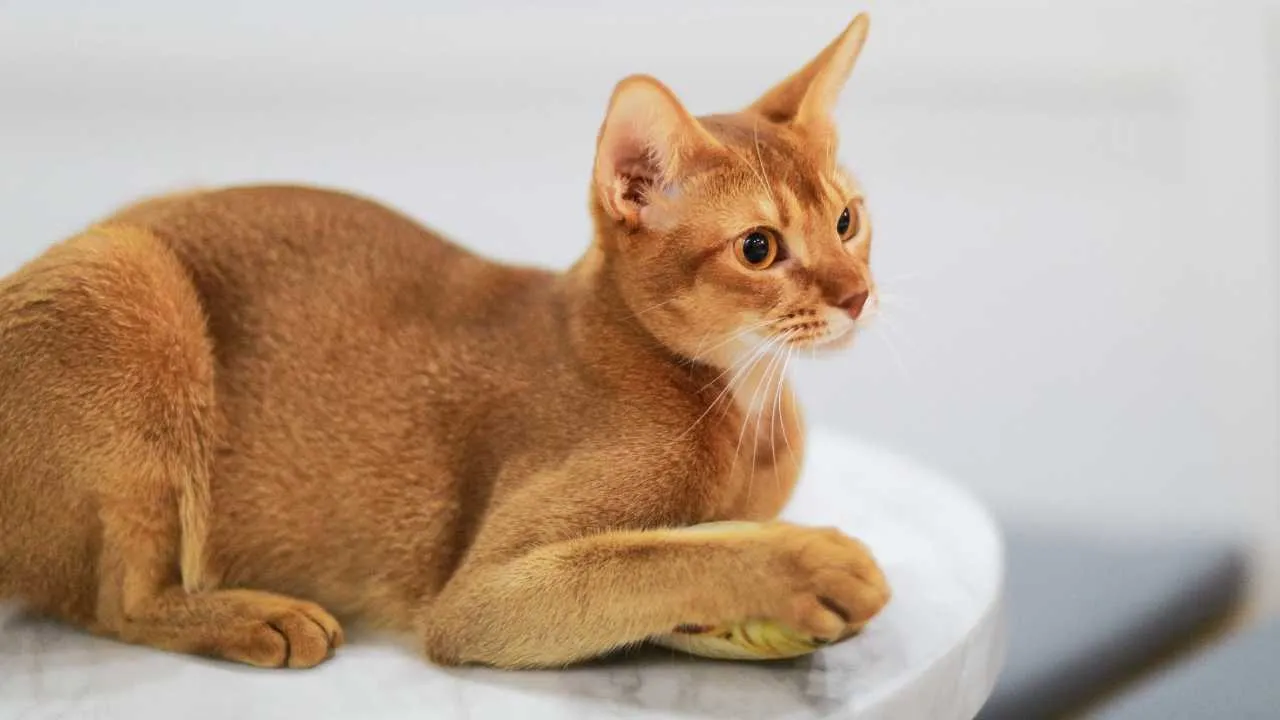
Also called the Aby, the Abyssinian is a medium-sized, lean, and muscular cat with a short, ticked coat that gives it a distinctly wild look. Its appearance closely resembles cats seen in ancient Egyptian art, adding to its mystique.
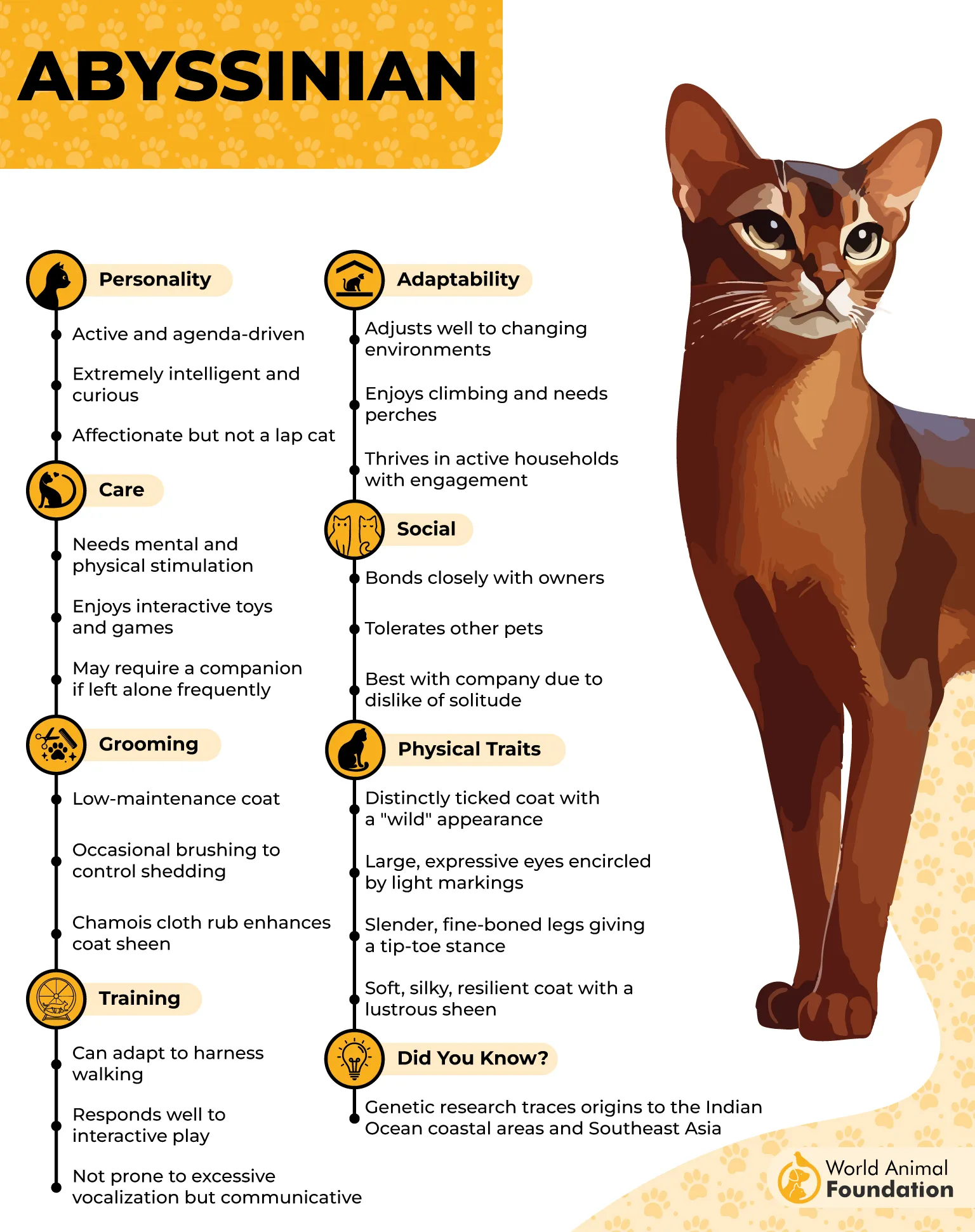
This breed’s evolutionary roots are tied to survival and hunting efficiency. The Abyssinian’s agile body, long legs, and alert posture reflect traits shaped by the need to stalk, climb, and chase prey in challenging environments.
Highly active and curious, Abyssinians display behaviors linked to their hunting past. They love high vantage points, rapid movement, and interactive play, mimicking natural predatory patterns while engaging closely with their human families.
Their intelligence and social nature also reflect adaptive evolution. Abyssinians thrive with companions and stimulation, using soft vocalizations and constant motion to interact rather than remaining sedentary.
Fact: Genetic studies trace the Abyssinians’ origins to coastal regions along the Indian Ocean rather than Ethiopia.
5. Norwegian Forest Cat
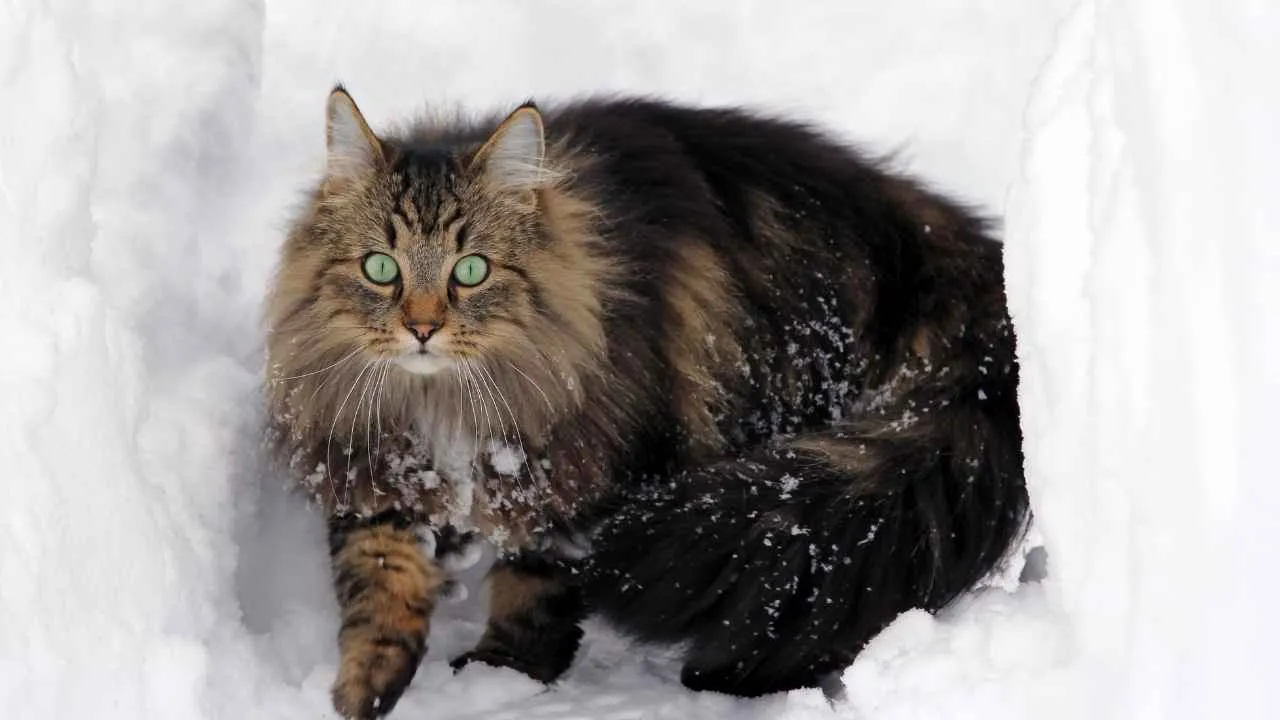
Also known as the Skogkatt or affectionately as a “Wegie,” the Norwegian Forest Cat is a majestic breed that originated in Norway. With its thick, water-resistant coat and powerful build, it reflects centuries of survival in harsh Scandinavian landscapes.
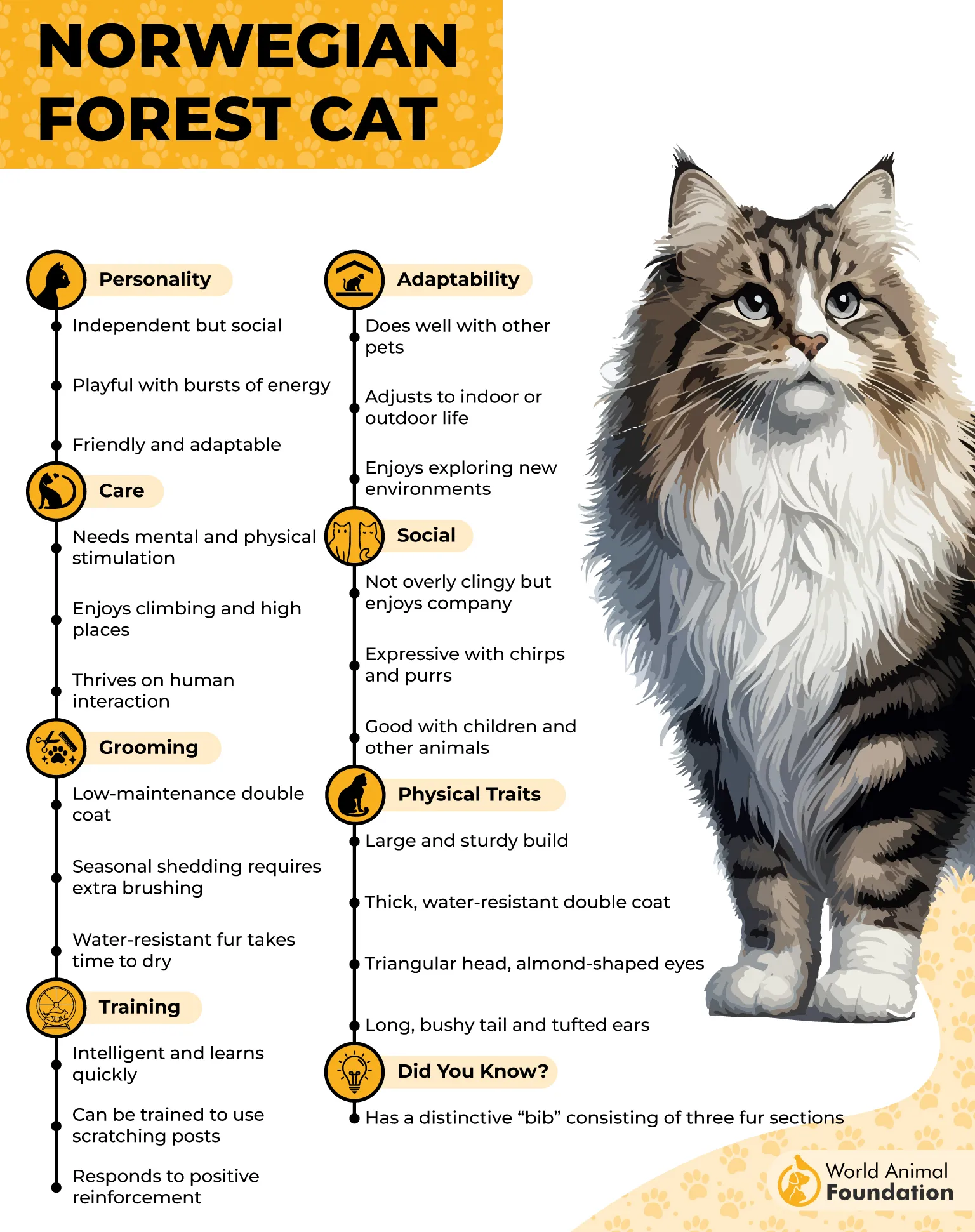
The breed’s evolutionary story is rooted in natural selection rather than early human breeding. Long before becoming household companions, these cats roamed forests and farms, developing climbing skills and cold-weather adaptations essential to life in northern Europe.
Legends tie the Skogkatt to Norse mythology, where massive forest cats were said to pull the goddess Freya’s chariot. Historically, their ancestors also served as ship cats on Viking voyages, protecting food supplies while traveling across seas.
Understanding the domestic cat’s origin story is incomplete without this breed. Nearly lost after World War II, Norwegian Forest Cats were preserved through dedicated breeding programs, securing their place in modern feline history.
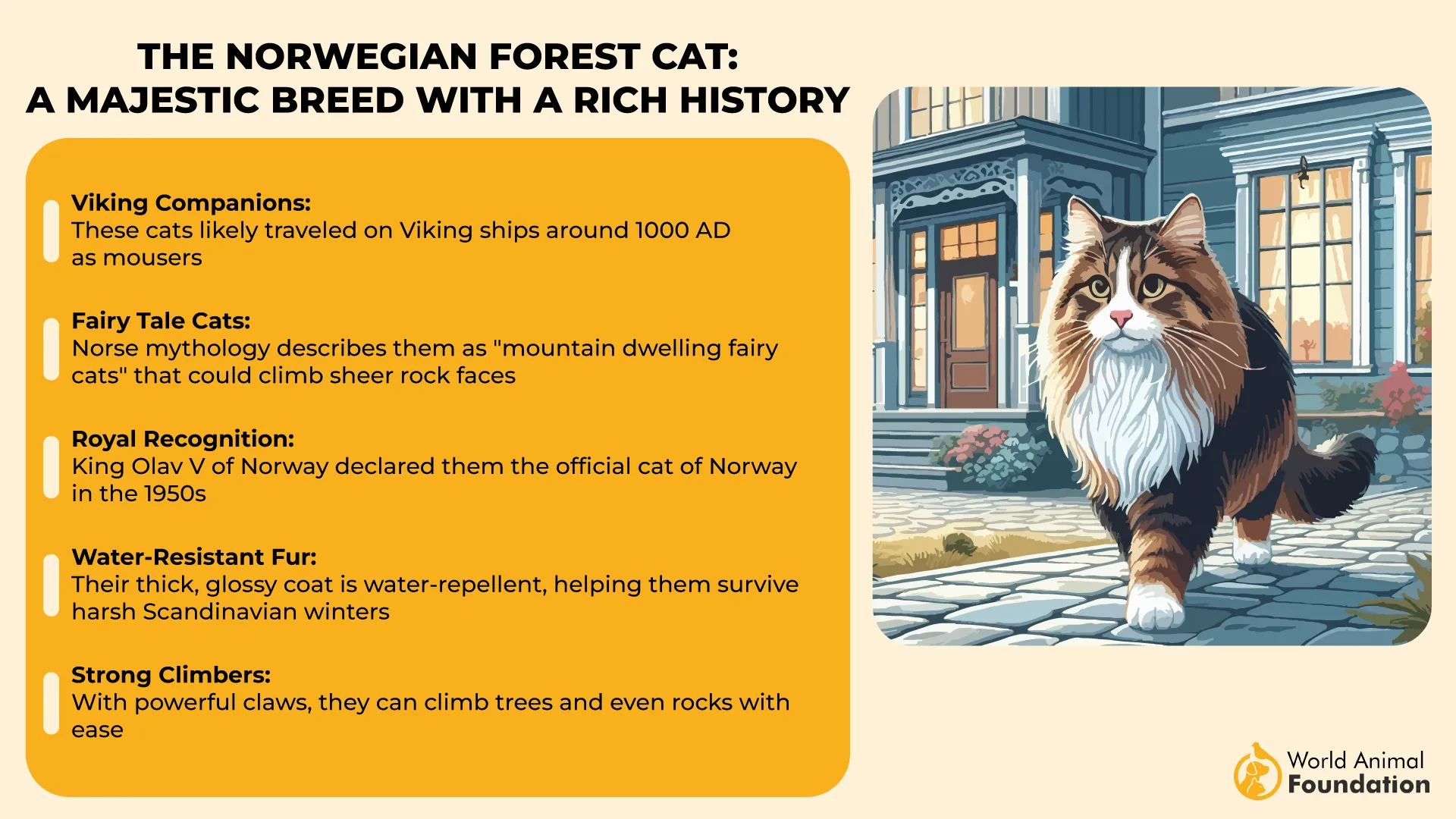
Fact: The Norwegian Forest Cat evolved naturally in Scandinavia and was later declared the official cat of Norway.
6. Scottish Fold
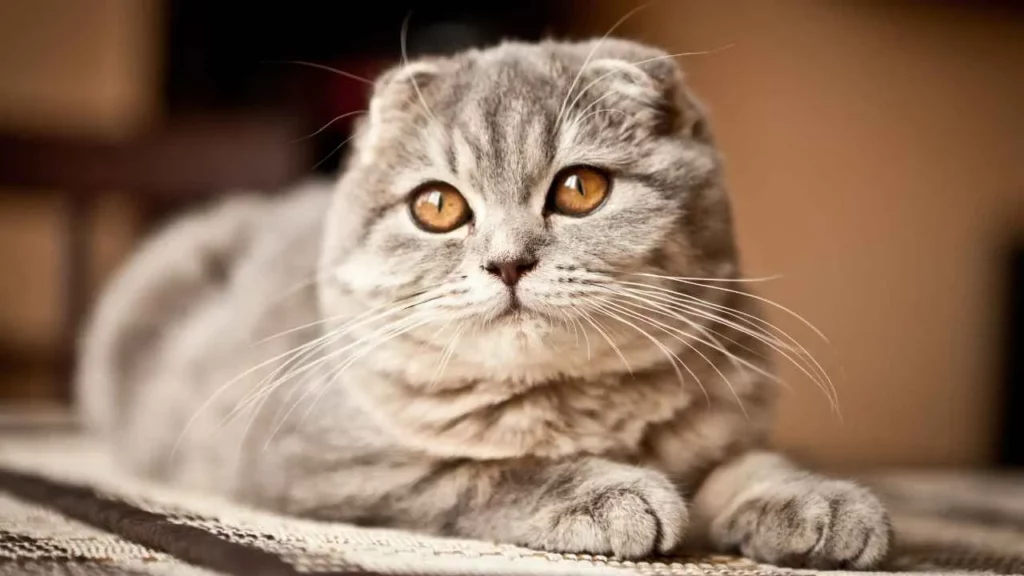
Also known simply as the Fold, the Scottish Fold is instantly recognizable for its forward-folded ears, round face, and large, expressive eyes. The breed originated in Scotland and traces back to a single white farm cat discovered in the early 1960s.

Its evolutionary story is rooted in genetics rather than selective aesthetics alone. The folded ears result from a spontaneous mutation affecting cartilage development, giving the breed its owl-like appearance and setting it apart within the feline family tree.
DNA research has since deepened understanding of this trait. Scientists identified the mutation as affecting the TRPV4 gene, a calcium ion channel involved in cartilage formation. This discovery highlights how a single genetic change can shape an entire breed’s physical identity.
From an evolutionary standpoint, Scottish Folds demonstrate how careful outcrossing with British and American Shorthairs preserved genetic diversity while maintaining the defining fold.
Fact: In 2016, researchers confirmed the folded-ear mutation is linked to the TRPV4 gene, also associated with cartilage disorders in humans.
7. Sphynx
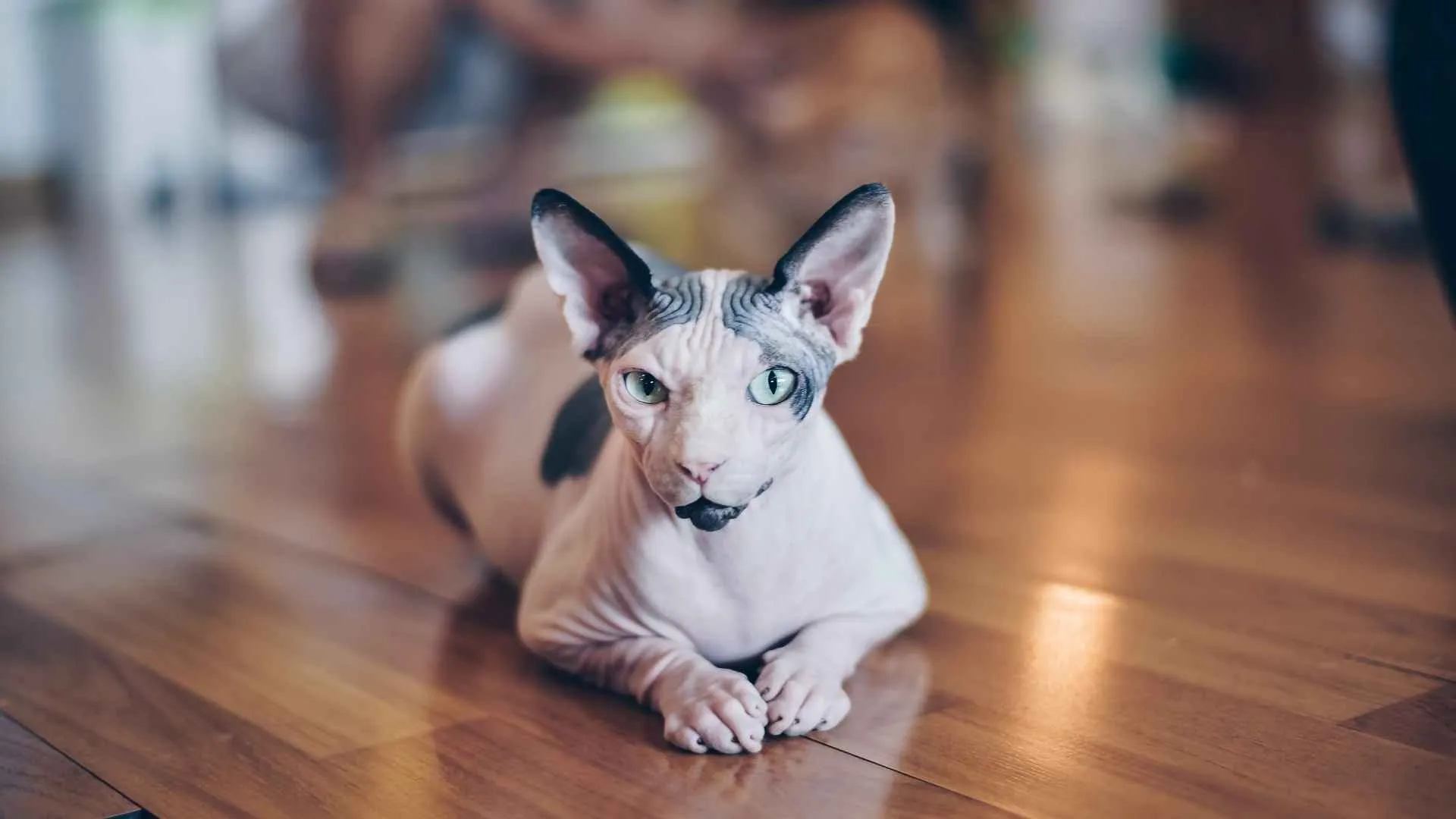
The Sphynx, sometimes referred to simply as the Canadian Hairless, stands out for its furless look, wrinkled skin, oversized ears, and expressive eyes. Despite appearing bare, it’s often warm to the touch due to a naturally high metabolism.
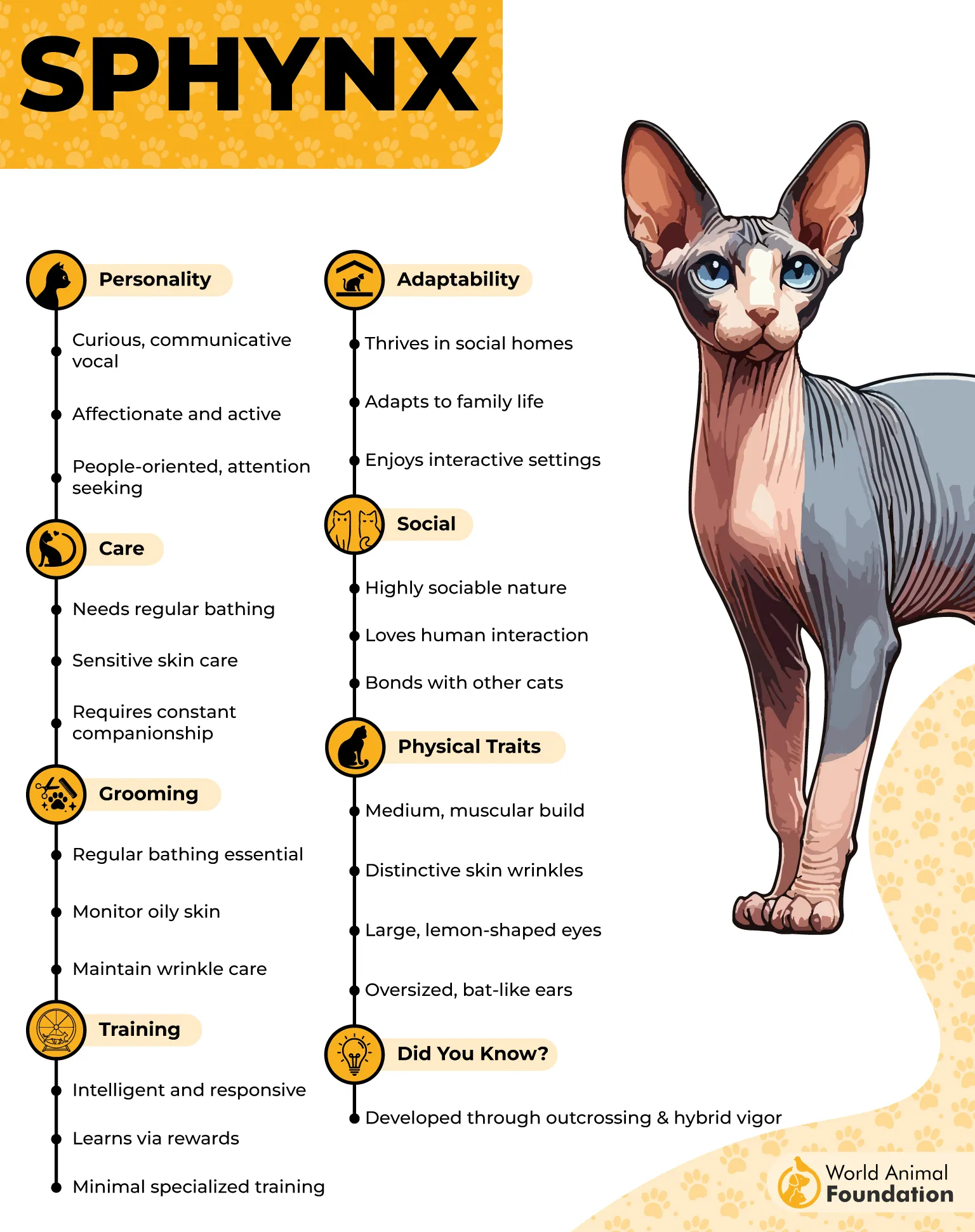
From an evolutionary standpoint, the Sphynx challenges assumptions about survival traits. Rather than ancient origins, the breed emerged through a spontaneous genetic mutation in Toronto in 1966, when a domestic cat gave birth to a hairless kitten named Prune—an example of how variation can redefine adaptation.
This breed’s evolution highlights how survival isn’t only about camouflage or fur. The Sphynx compensates with efficient temperature regulation, social intelligence, and an energetic, exploratory nature that encourages close bonds with humans, ensuring care and protection.
Modern evolution also emphasizes preparedness. Because purebred Sphynx cats often have uncommon blood types, understanding genetic differences is crucial for survival today, especially in emergencies.
Fact: Sphynx cats frequently have type B blood, making blood typing especially important for this breed.
Conclusion
The evolutionary story of cats traces a gradual process shaped by human history and survival. Millions of years ago, true cats with sharp teeth and retractable claws hunted large prey and smaller mammals during the Ice Age. Breeds like the Egyptian Mau, closely associated with ancient civilizations, offer a rare glimpse into how cats were once worshipped, protected, and woven into daily life.
Over time, a genetic trait favored adaptability, linking wild cats like the African wildcat—the primary ancestor and direct ancestor of Felis catus—to the modern cat species.
As cats began frequenting early human settlements in the Fertile Crescent and Middle East, stored grain attracted rodents, and cats found opportunity in controlling rodent populations near grain stores.
By 10,000 years ago, a mutually beneficial relationship formed between human communities and feline companions. From ancient Egypt, where cats gained sacred status as sacred animals, to the Roman Empire and beyond, house cats spread across regions, influenced by European wildcat lineages.
Today, modern cats—once feral cats—are beloved household companions for cat owners, sharing homes, cat food, and even cat litter, while carrying echoes of their wild ancestors within the cat family.
