




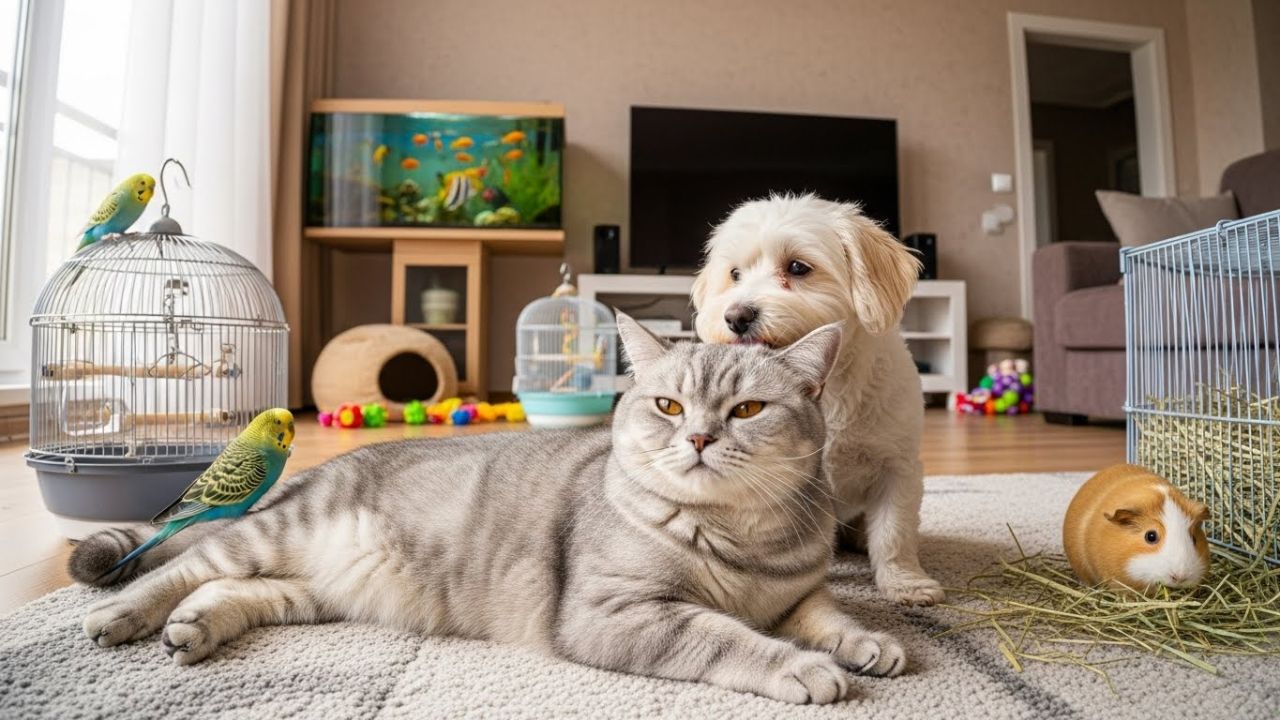
Cats are often labeled as distant or independent, especially when compared to dogs, which are praised for their loyalty and devotion. Yet beneath that calm, self-possessed exterior lies a wide emotional range. In fact, many cat owners recognize affection as one of the strongest emotions their cats display, proving that felines are far more expressive and loving than they’re sometimes given credit for.
That affectionate side becomes especially important in homes shared with other pets. While some cats prefer solitude and may resist socializing—particularly with other animals—certain breeds are naturally more sociable. These cats tend to be easygoing, adaptable, and comfortable navigating the dynamics of busy households that include dogs, other cats, or young children.
Because cats are instinctively solitary, choosing the right breed can make all the difference when harmony matters. Social, non-territorial cats are far more likely to coexist peacefully and form positive bonds with other pets. Guided by insights from feline experts, this article explores cat breeds known for getting along best with other animals, helping you create a more balanced, happy multi-pet home.
Cat Breeds That Get Along Best with Other Pets
1. Ragdoll
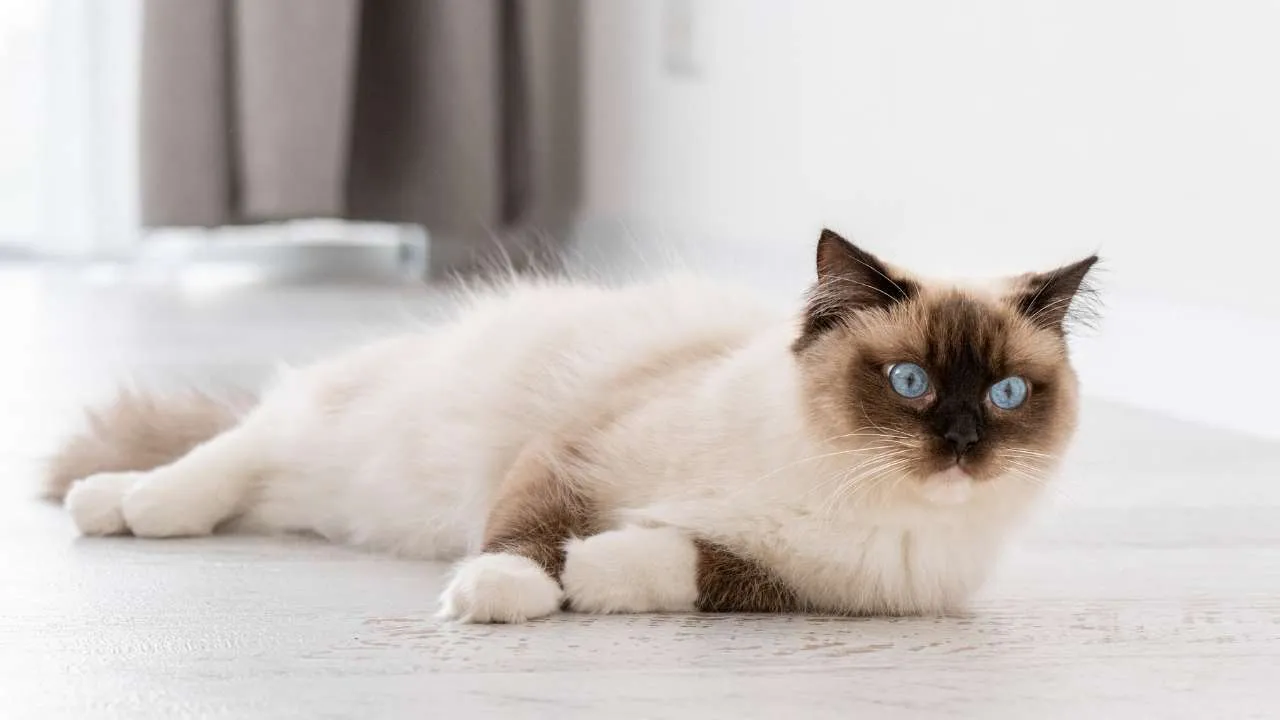
They are also known simply as the Ragdoll cat. According to Britannica, this cat has a smooth, full, silky coat and a pale body accented by darker color points—such as chocolate, seal, lilac, or blue—on the face, ears, tail, legs, and occasionally the feet, which may also appear white.
True to its name, the Ragdoll is famously relaxed when held and comfortable being carried around the house.
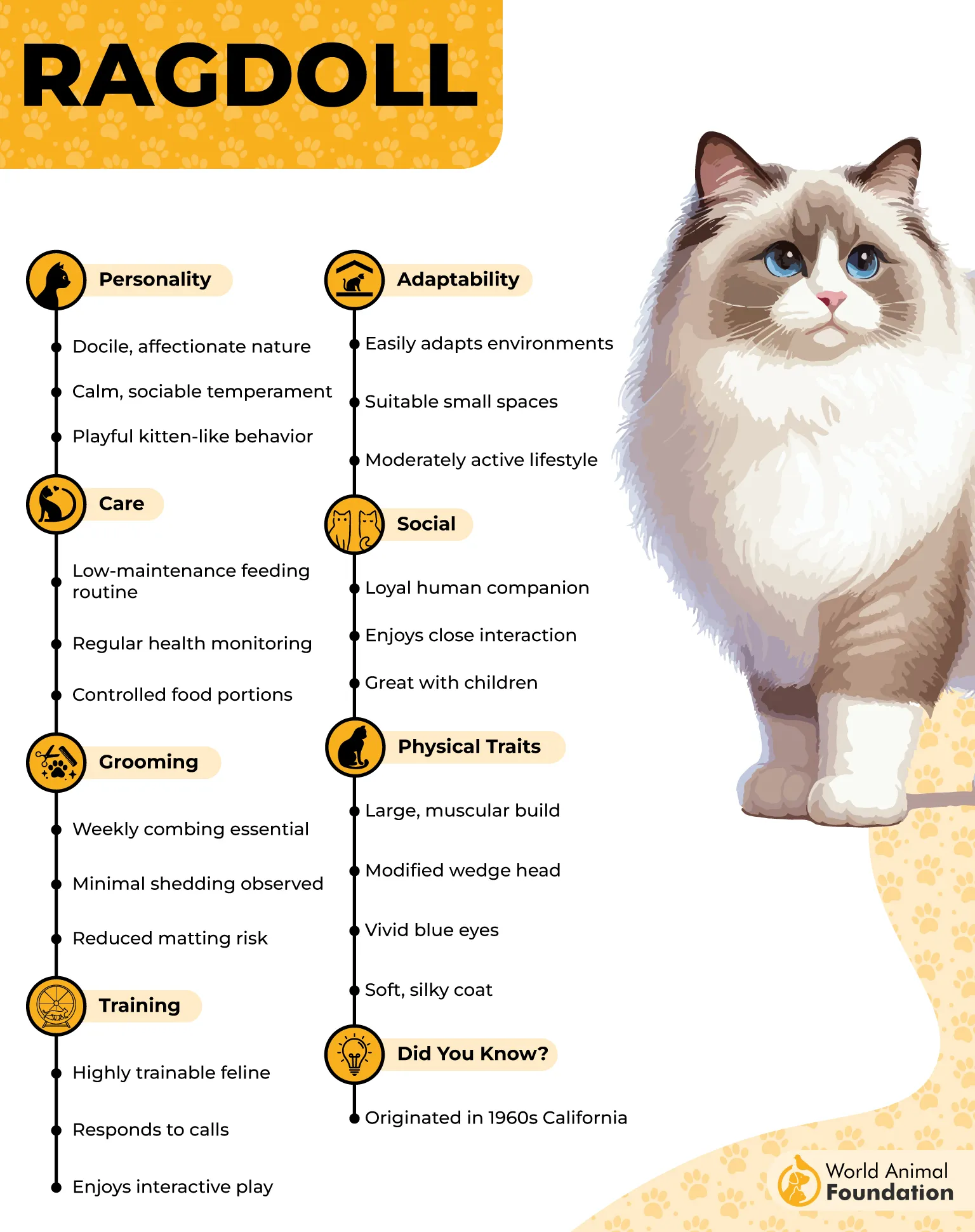
What makes Ragdolls especially good with other pets is their gentle, easygoing temperament. They’re naturally calm and tolerant, which helps them coexist peacefully with other cats and even dogs without showing territorial behavior or aggression.
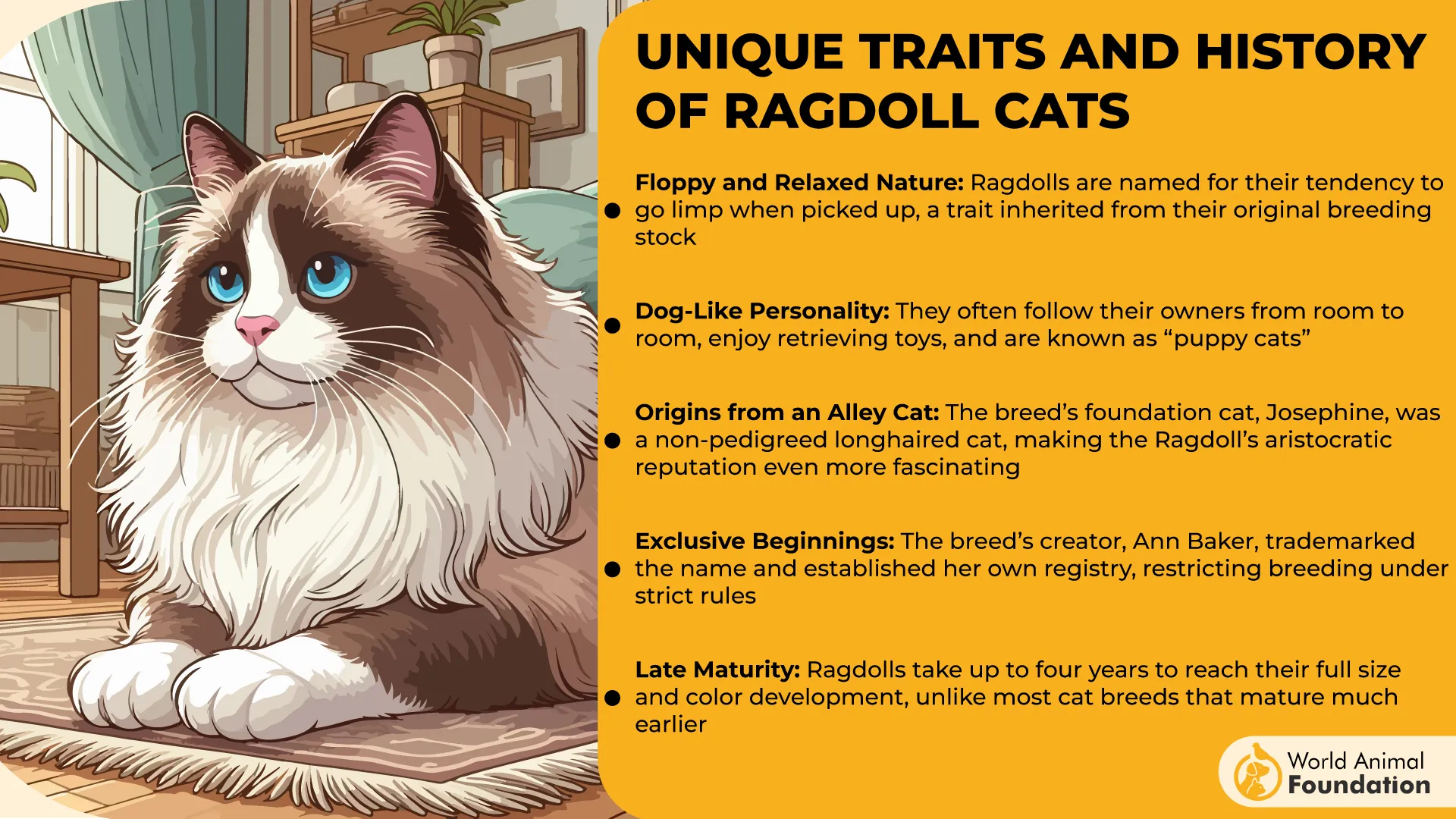
Highly affectionate and people-oriented, Ragdolls often follow family members from room to room and greet them at the door. Their dog-like friendliness and willingness to play—fetch included—allow them to bond not just with humans, but with other animals in the household.
Although playful, they’re not overly energetic and prefer floor-level lounging to high perches. This laid-back attitude, paired with patience around children and pets, makes introductions smoother.
2. Maine Coon
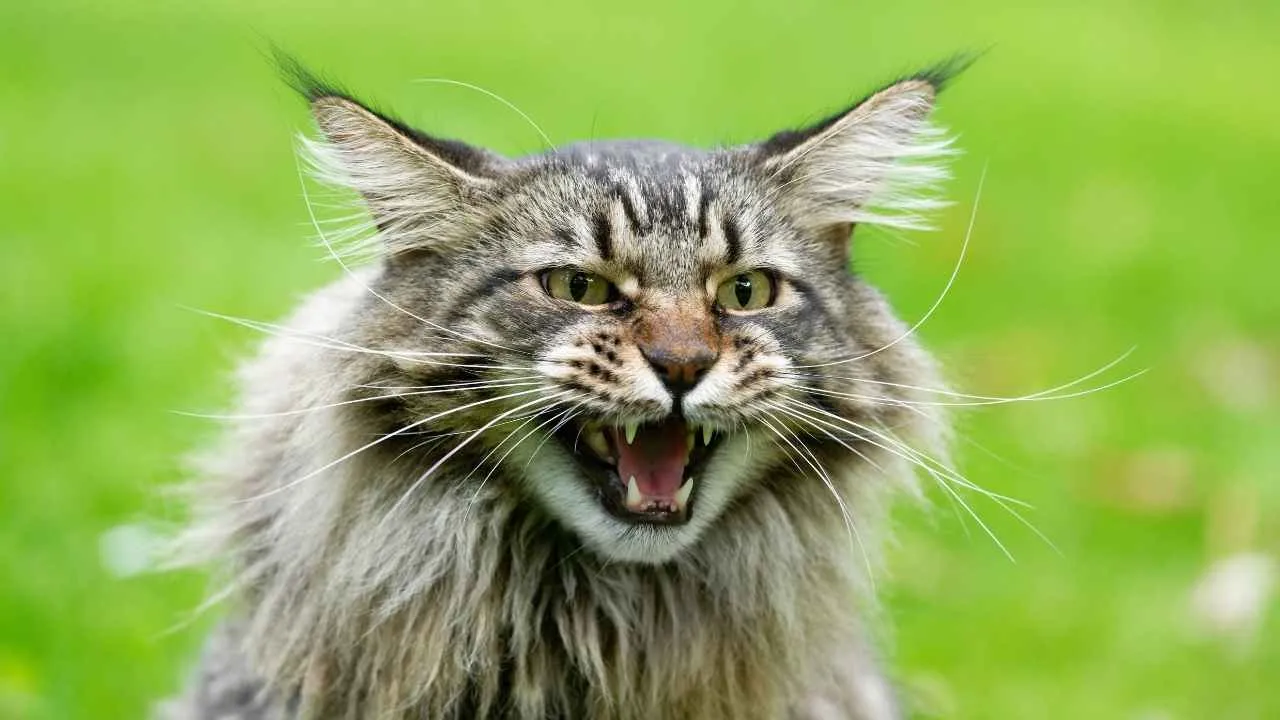
Often called the “gentle giant” of the cat world, the Maine Coon is known for its large size, tufted ears and paws, and striking variety of coat colors and patterns.
According to PetMD, the Maine Coon—well known for its large size—originated in Maine, and it still serves as the state’s official cat. This breed combines a powerful appearance with a famously kind and adaptable personality.
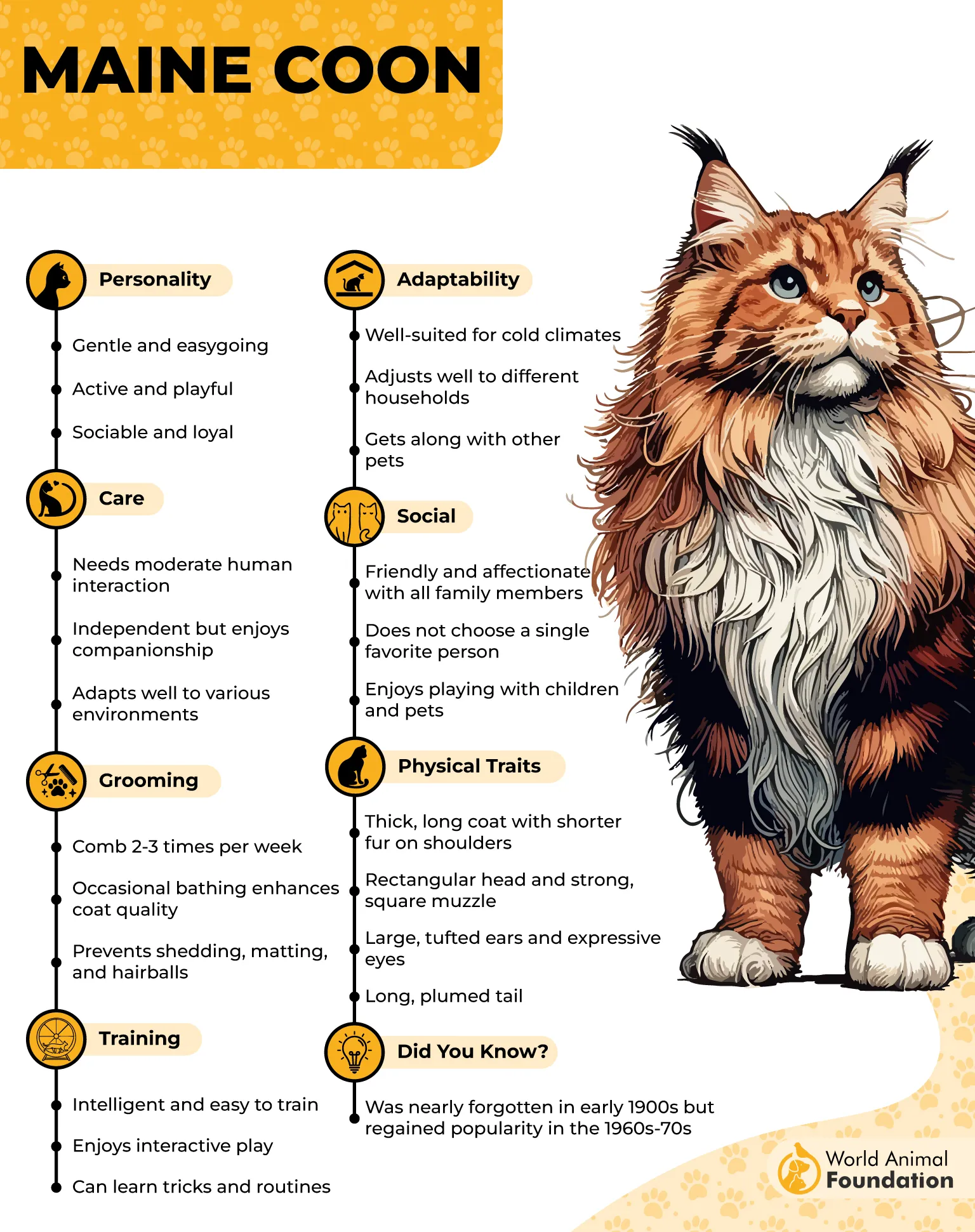
When it comes to multi-pet homes, Maine Coons excel. Their affectionate, social temperament allows them to bond easily with other cats, children, and even dogs. They’re playful without being pushy, making them ideal companions for pets that enjoy interaction and shared activities.
Maine Coons are also intelligent and frequently described as dog-like. Many learn basic commands and enjoy engaging with their surroundings, which helps them integrate smoothly alongside other animals. Their curiosity—even a fondness for water—adds to their relaxed confidence in shared spaces.
Personality traits like patience, friendliness, and adaptability are key in a multi-pet cat, and the Maine Coon embodies all three.
Fact: Experts note that the Maine Coon’s social temperament helps it coexist comfortably with other animals, including dogs.
3. British Shorthair
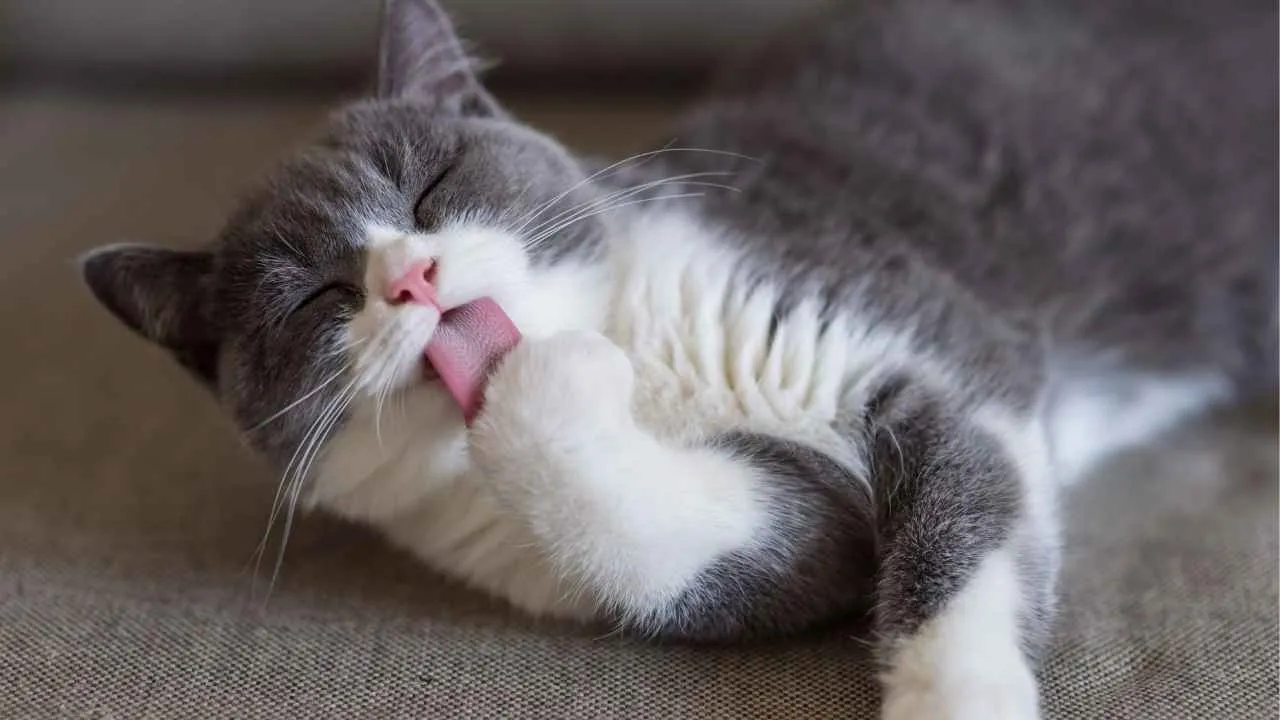
The British Shorthair, sometimes called the British Blue, is an ancient breed admired for its round face, dense coat, and sturdy build.
According to WebMD, British Shorthairs are generally calm cats and are often comfortable being independent. Known for an easy-going temperament, this cat has long been valued as a calm and reliable companion.
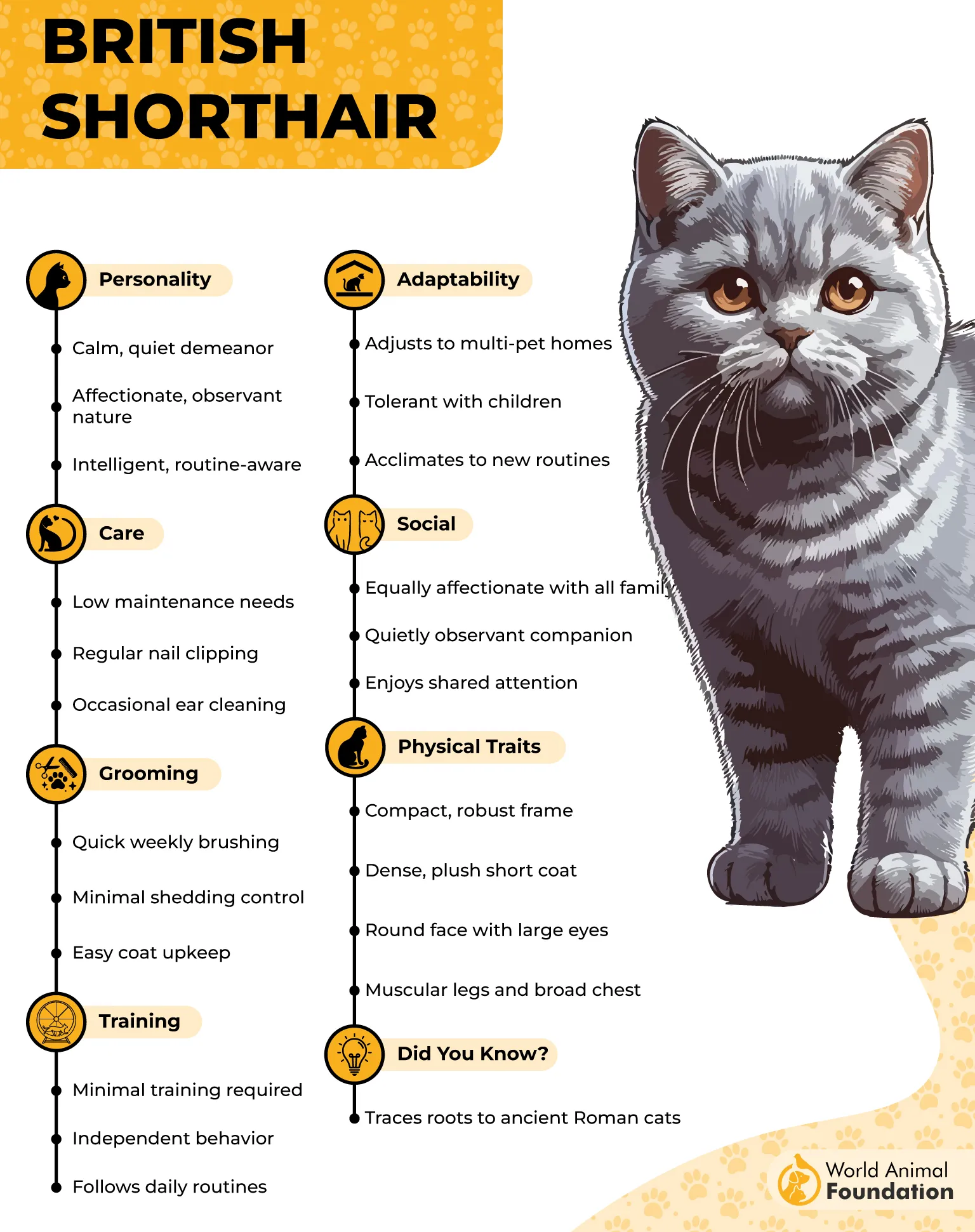
In homes with multiple pets, the British Shorthair tends to coexist peacefully. Their relaxed, unobtrusive personality allows them to share space comfortably with other cats and makes them one of the cat breeds known for being friendly with dogs when introductions are handled gradually.
Rather than being overly demanding, these cats prefer a balanced routine. They enjoy playtime and exploration around the house but aren’t hyperactive, which helps maintain harmony in households that include dogs or other animals with varying energy levels.
Providing enrichment is key to keeping them content alongside other pets. Cat trees, perches, and scratching areas encourage healthy activity without competition.
Fact: British Shorthairs are described as intelligent, quiet cats that rule their indoor kingdoms with a calm demeanor, making them great family pets.
4. Birman
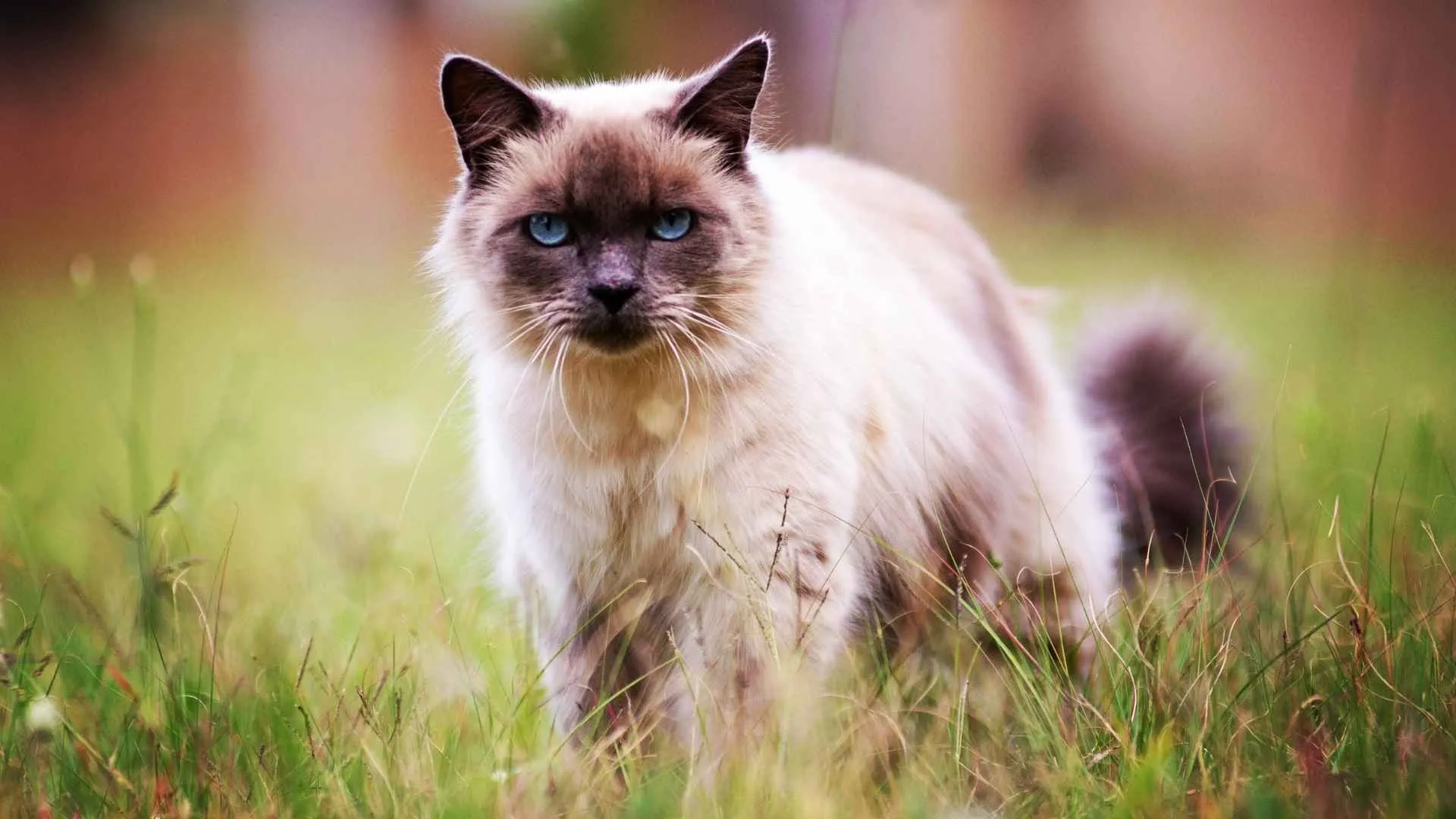
Also known as the Sacred Cat of Burma, the Birman is a long-haired, color-pointed breed first recognized in France in 1925. It’s admired for deep blue eyes, silky fur, and distinctive white “gloves” on each paw.
Birmans are naturally easygoing and patient, traits that help them bond quickly with other pets. Their calm, affectionate temperament makes them especially well-suited to homes with cats, children, and cat-friendly dogs.

When introducing a Birman to a dog, their gentle confidence works in your favor. They tend to remain relaxed rather than reactive, responding with curiosity instead of fear. Slow introductions, shared routines, and supervised interactions help reinforce trust on both sides.
Another advantage is their quiet communication style. Instead of loud meows, Birmans use soft, chirp-like sounds and prefer staying close to their people—earning them the nickname “Velcro cat.”
Fact: TICA describes Birmans as an ideal choice for families, seniors, other cats, and cat-friendly dogs due to their laidback personality.
5. Burmese
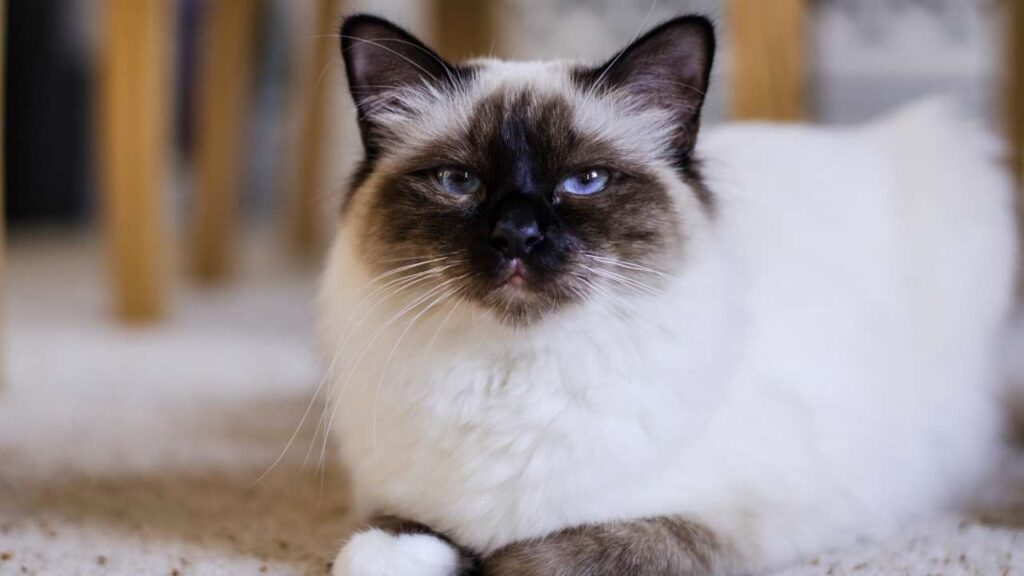
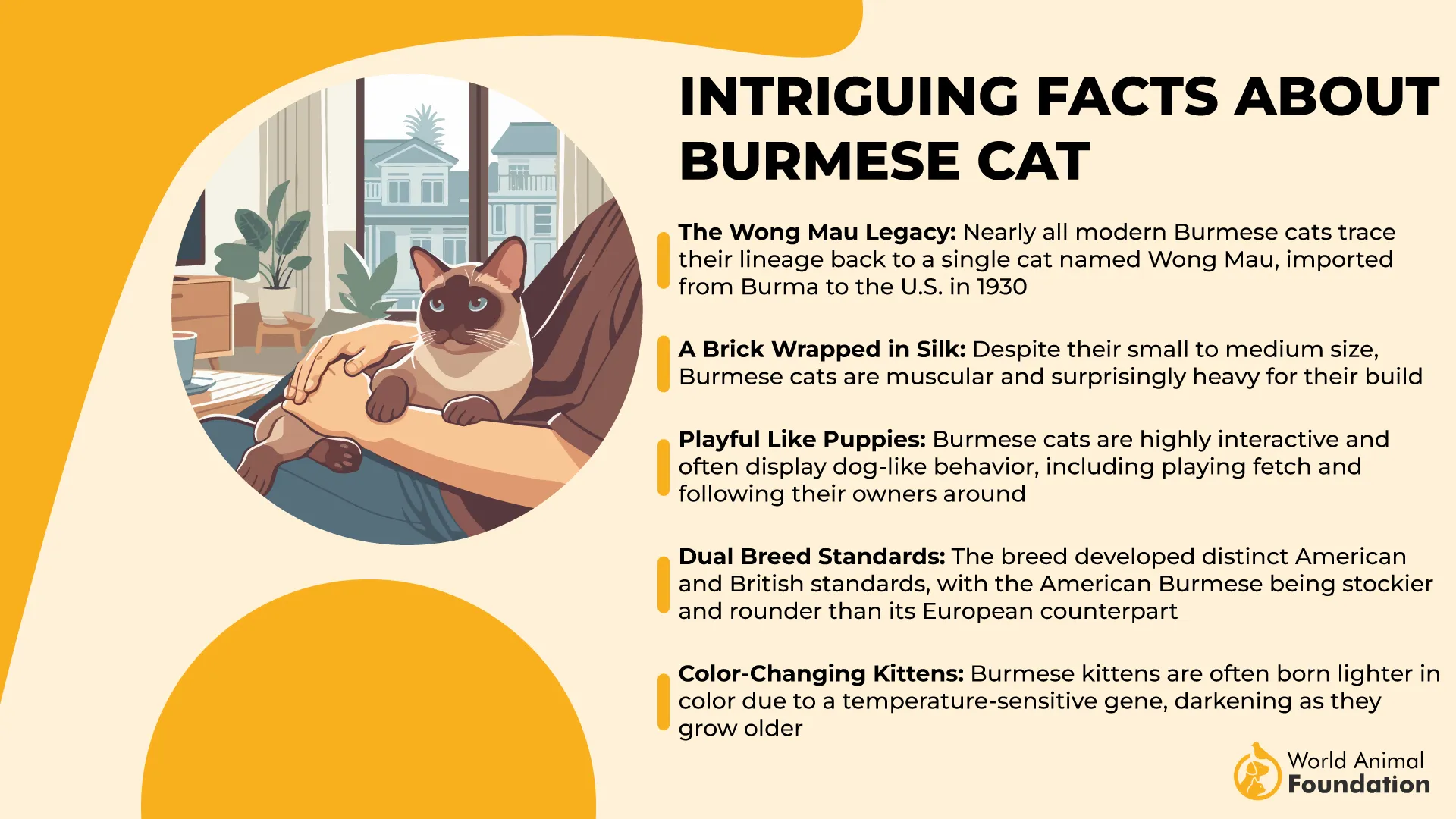
Sometimes called the Burma cat, the Burmese is a sleek, muscular breed with a glossy coat and expressive eyes. Known for its charm and confidence, this cat quickly wins over families—even people who once claimed they weren’t “cat lovers.”
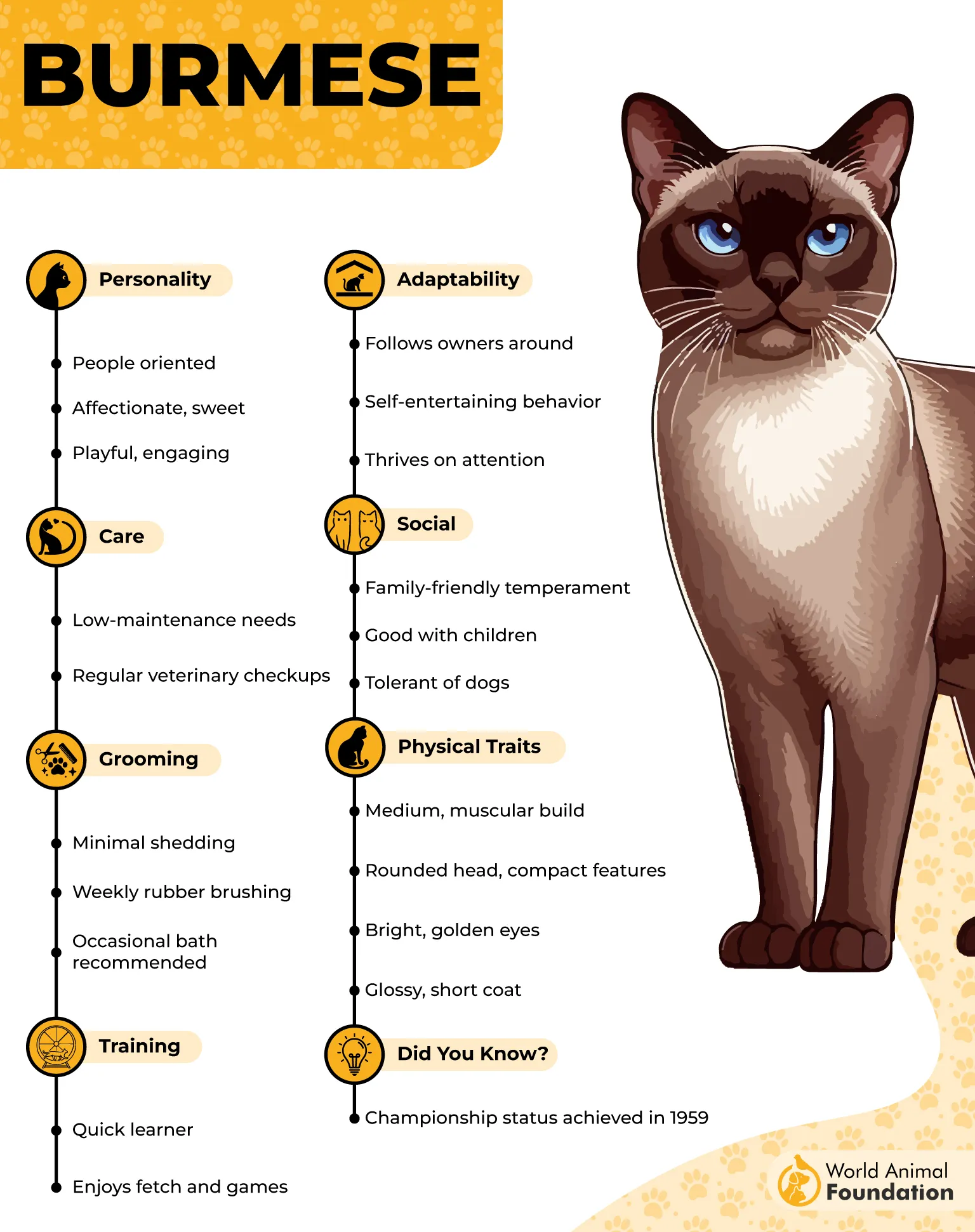
Burmese cats are famously social, making them an excellent choice for homes with other pets. They tend to bond easily with other cats and are gentle enough to coexist peacefully with friendly, easygoing dogs, helping reduce tension in shared spaces.
Their personality plays a big role in creating a peaceful multi-pet home. Energetic and often described as dog-like, Burmese cats enjoy interactive play, follow their humans from room to room, and thrive when included in daily family life rather than isolated.
Affectionate and people-oriented, they crave companionship and rarely prefer being alone. This strong social drive often encourages positive interactions with other animals in the household.
Fact: According to the CFA, Burmese cats are so appealing that they frequently convert people who thought they didn’t like cats.
6. Abyssinian
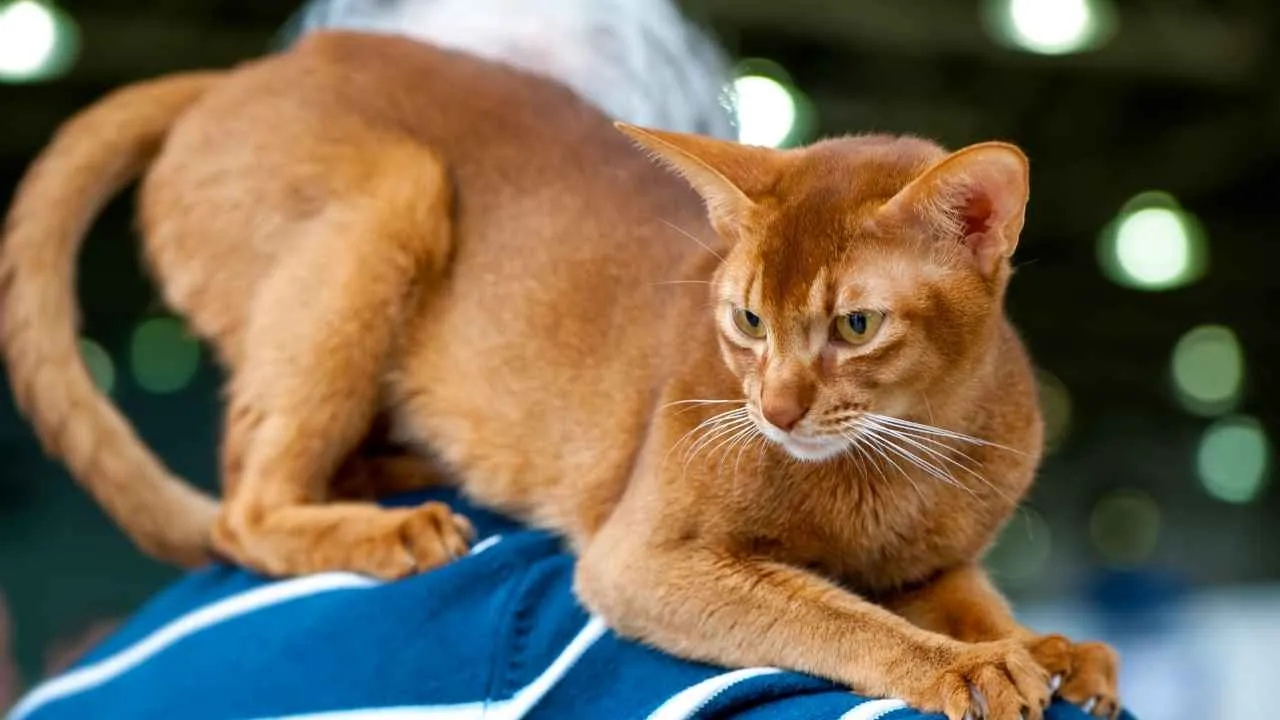
Often nicknamed the “cat of the dog world,” the Abyssinian is known for its sleek build, alert expression, and boundless curiosity. This ancient breed is highly people-oriented and thrives in lively homes with other pets.
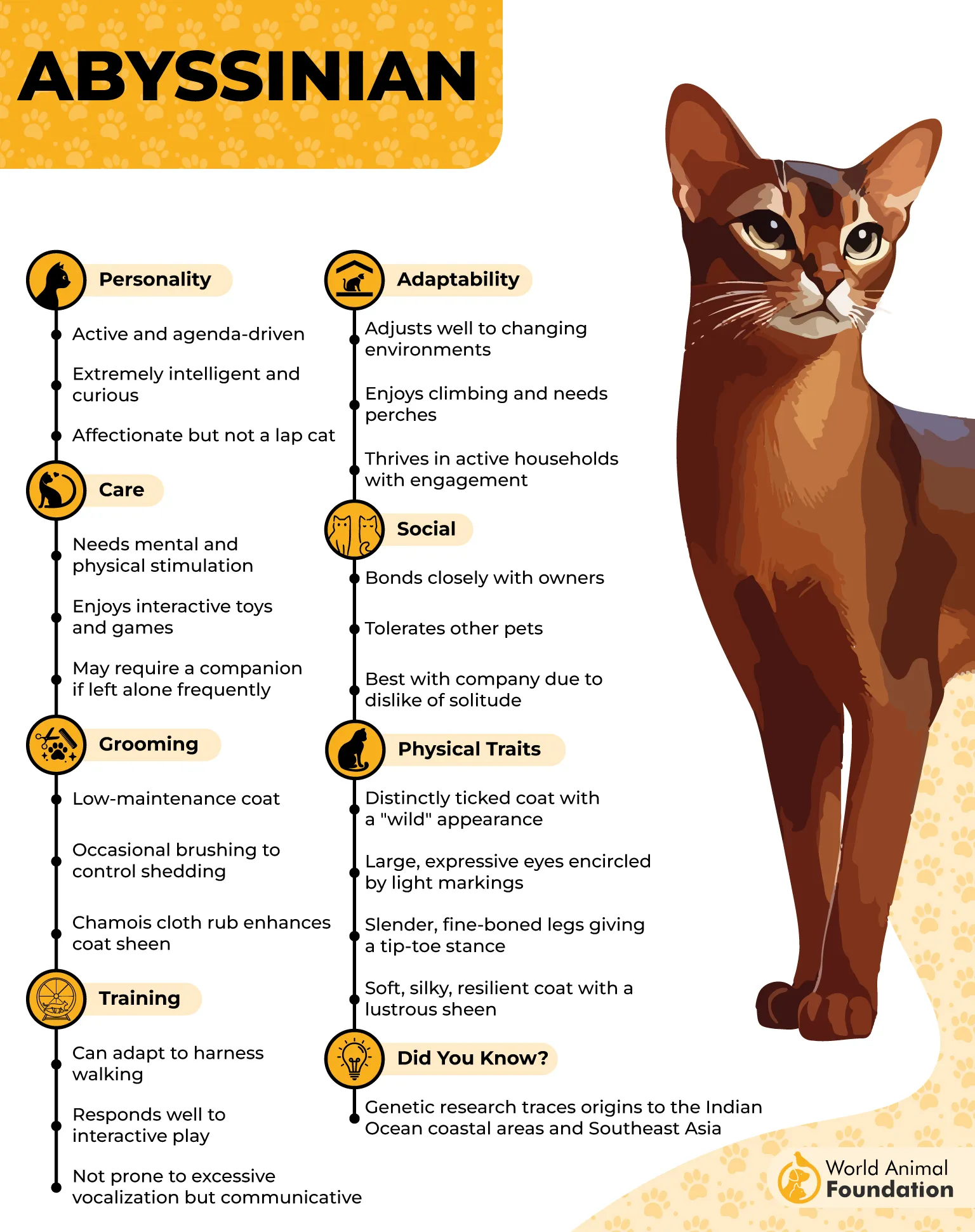
Abyssinians tend to bond easily with dogs and other cats thanks to their confidence and playful energy. Their activity level often mirrors that of dogs, which helps them form natural friendships rather than viewing other pets as intruders.
However, even social cats can feel overwhelmed when introduced to new animals or environments. Signs of stress may include hiding under furniture, avoiding interaction, or retreating to corners. Maintaining a steady routine and allowing gradual introductions can help ease this transition.
To reduce stress, offer cozy hiding spots, familiar toys, and gentle encouragement through treats and calm interaction. These steps help Abyssinians feel secure while adjusting to multi-pet living.
Fact: According to feline experts, Abyssinians are generally great with children, dogs, and other cats.
7. Siberian
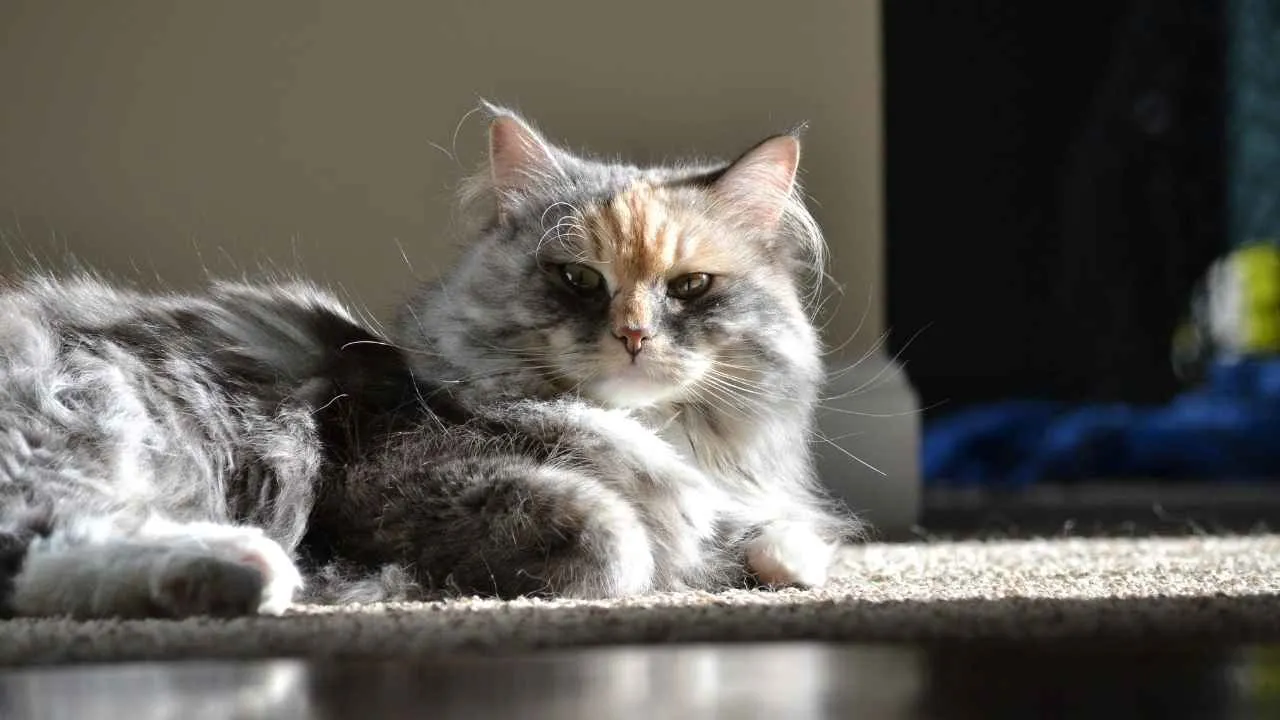
Formally known as the Siberian Forest Cat, and once called the Moscow Semi-Longhair or Russian Longhair, the Siberian is a centuries-old natural breed from Russia. It’s a medium- to large-sized, muscular cat with a thick coat and bushy tail.
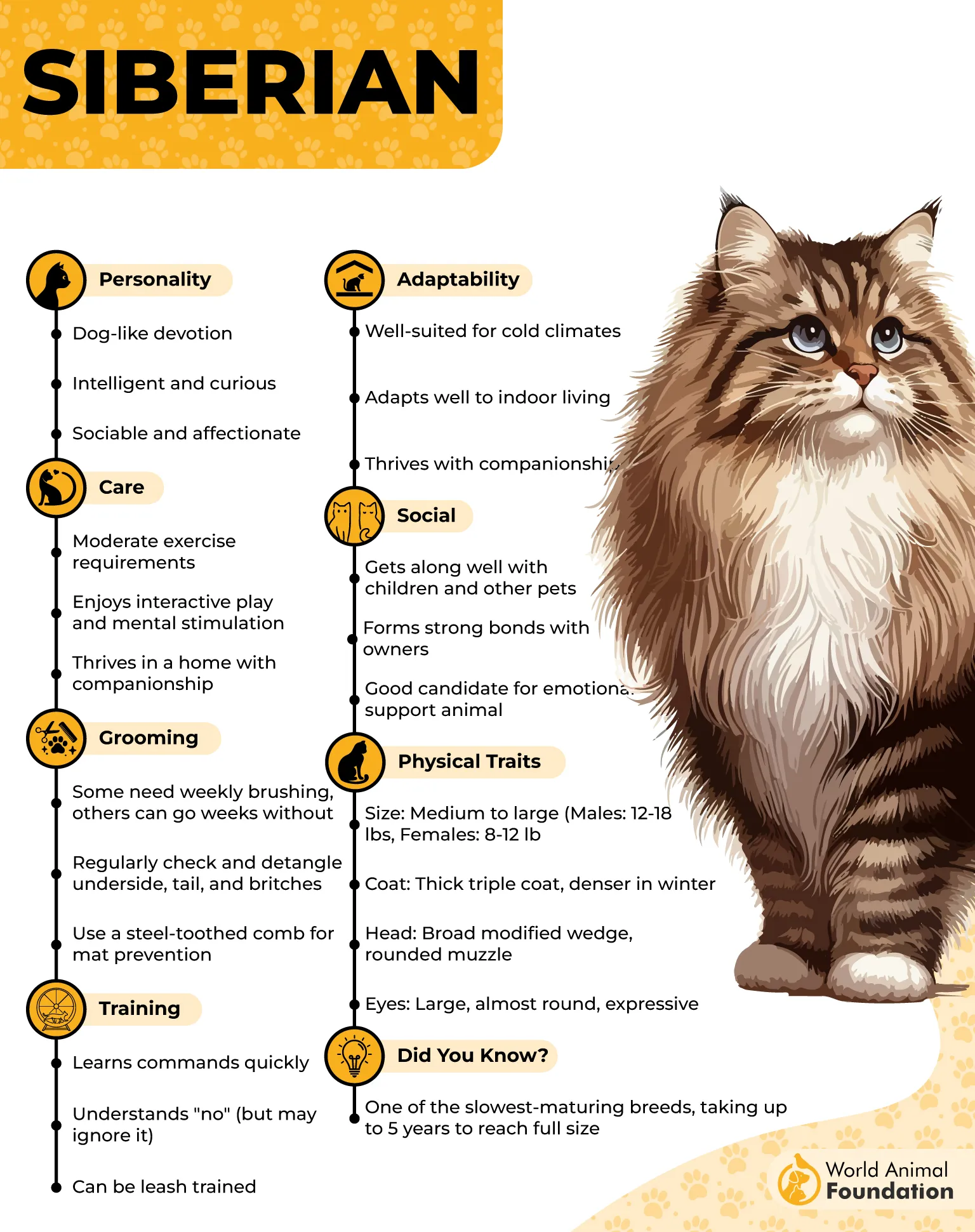
Siberians are famously social and confident, which helps them integrate smoothly into multi-pet households. Their playful, clown-like energy makes them welcoming rather than territorial, allowing them to coexist comfortably with other cats.
This breed is often described as dog-like in personality. Siberians enjoy interactive play, problem-solving, and even learning tricks, which makes them especially compatible with dogs and active pets that appreciate engagement and shared activities.
When choosing the right cat for your pet family, temperament matters as much as history. Siberians are known for bonding easily with children and animals alike, thriving in lively homes where companionship is constant.
Fact: According to TICA, Siberians get along well with everyone, including other cats, pets, and children.
Conclusion
Choosing cats that get along best with other pets comes down to understanding a cat’s behavior and cat’s personality. While most cats are naturally cautious, certain top cat breeds are more even-tempered and social, making them easier to introduce to a new pet.
Whether it’s a confident Siamese cat or calm Persian cats, these cats are more likely to accept others’ scent, share space, and become true friends rather than rivals.
From a playful kitten to an established adult cat, successful bonding takes patience when bringing home another animal. Cats with a dog-like personality often stand out as the friendliest cat types, forming bonds with pets and humans alike.
With time, shared routines, and safe spaces like a favorite bed, these cats grow into great companions, proving that the right breed—and approach—can turn a mixed-pet home into a peaceful one.
