




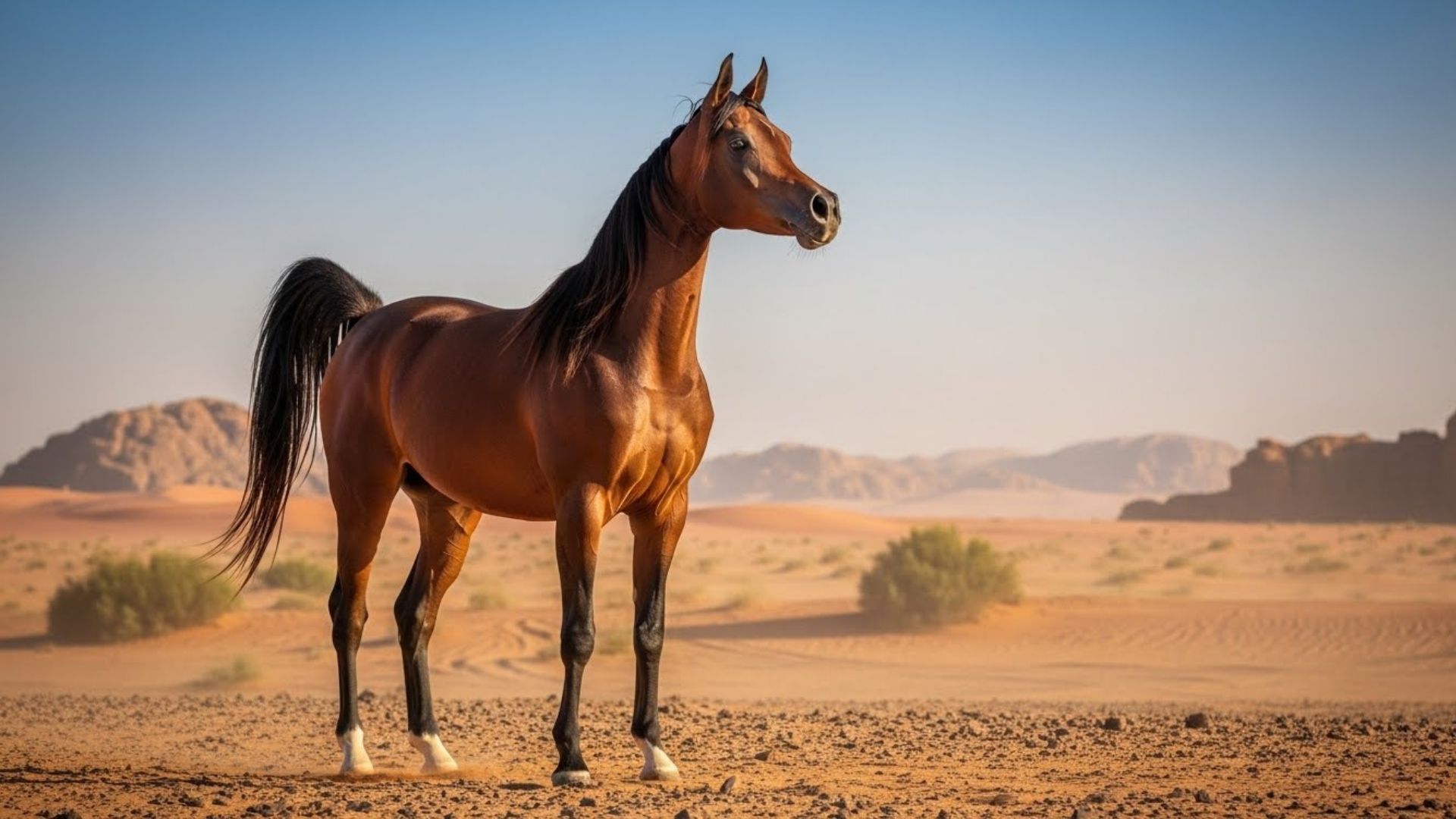
What allows a horse to keep going after strain, fear, or exhaustion without losing trust or composure? Resilience provides that answer.
It is the foundation that enables horses to adapt to demanding environments, changing routines, and physical challenges over time. Unlike raw strength, resilience reflects recovery, patience, and stability under pressure. A resilient horse absorbs stress, processes it, and continues forward with balance intact.
This quality influences how horses respond to training, handle setbacks, and maintain long-term soundness both physically and mentally. Resilience also shapes the partnership between horse and human, creating reliability when conditions are unpredictable.
As you continue reading, you will gain insight into the traits, behaviors, and lived experiences that define equine resilience and reveal why it remains essential to their survival and success.
Key Takeaways
Resilience defines a horse that keeps moving through strain, fear, or exhaustion while staying calm and attentive.
Arabians show this in endurance events, maintaining pace and energy where others tire, proving that stamina built over time matters.
Mongolian Horses and Icelandic Horses thrive in harsh environments, traveling long distances with minimal resources and steady balance.
By exploring these seven breeds, you will see how resilience shapes not just performance but the unique bond between horse and rider.
Horses Known for Their Resilience
1. Arabian
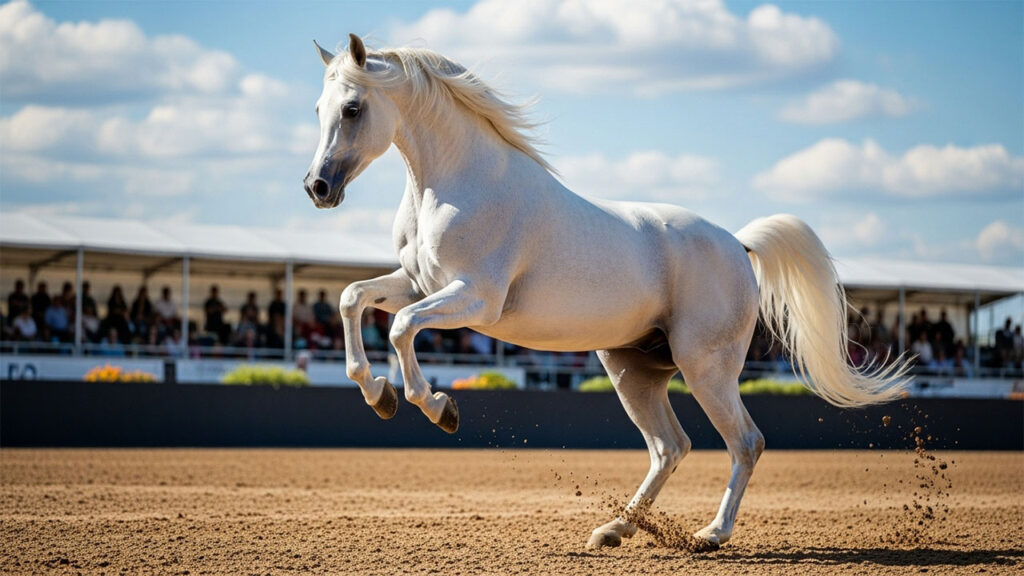
Sharp awareness shapes the way an Arabian horse responds to people and surroundings. Their gentle nature allows easy handling, even in busy or unfamiliar settings. This mental balance plays a key role in how they sustain effort over long distances.
Endurance Built Over Time
Long hours of movement shaped a horse that stays consistent when conditions test stamina. Their ability to maintain pace without rapid fatigue places them among the most reliable endurance competitors.
That resilience shows up in specific ways:
Efficient energy use
Strong recovery rate
Consistent pacing
Proven in Extreme Challenges
Endurance events like the Tevis Cup repeatedly highlight their ability to last where others fall behind, as per Arabian Horse World. Arabian or part-bred Arabians have claimed victory in nearly every edition of this demanding race. Such results point to physical durability paired with mental focus.
2. Icelandic Horse
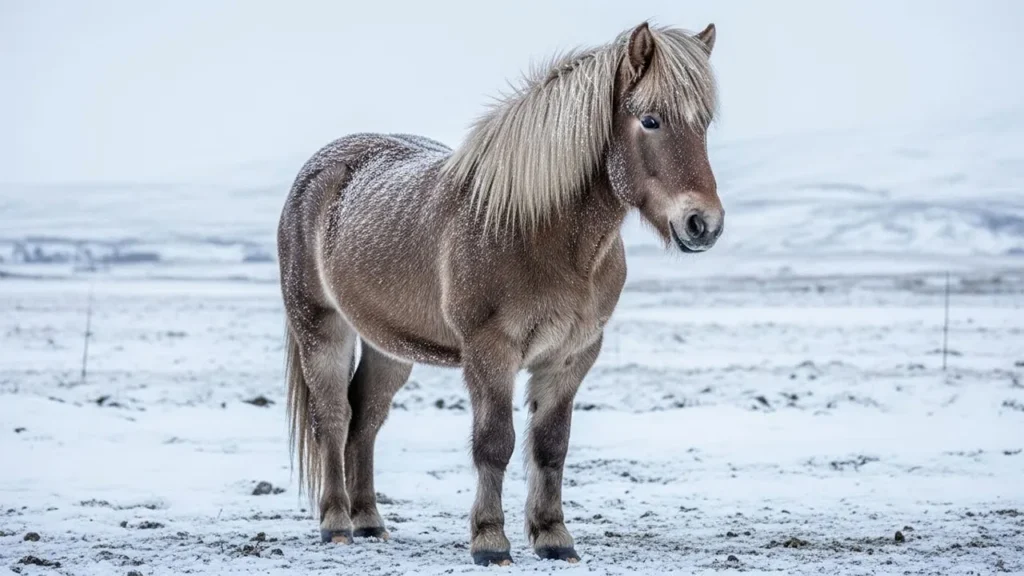
Winter readiness defines this horse through physical systems shaped by extreme exposure. A dense undercoat sits beneath a waterproof outer layer, allowing constant outdoor living in subarctic conditions. This natural insulation supports resilience, where prolonged cold would weaken most equines.
Efficiency That Sustains Strength
Metabolic balance plays a major role in how this horse withstands harsh conditions. Less feed is required to maintain body condition, even during long periods of severe weather. Survival depends on more than warmth alone.
That balance shows itself in practical ways:
Low feed demand
Stable body condition
Reliable energy output
Movement Designed for Rough Ground
A smooth four-beat lateral gait allows steady travel across uneven volcanic surface, as per Horses of Iceland. This motion reduces fatigue while maintaining speed and balance over long distances. Terrain that slows other horses remains manageable through controlled movement.
3. Mustang
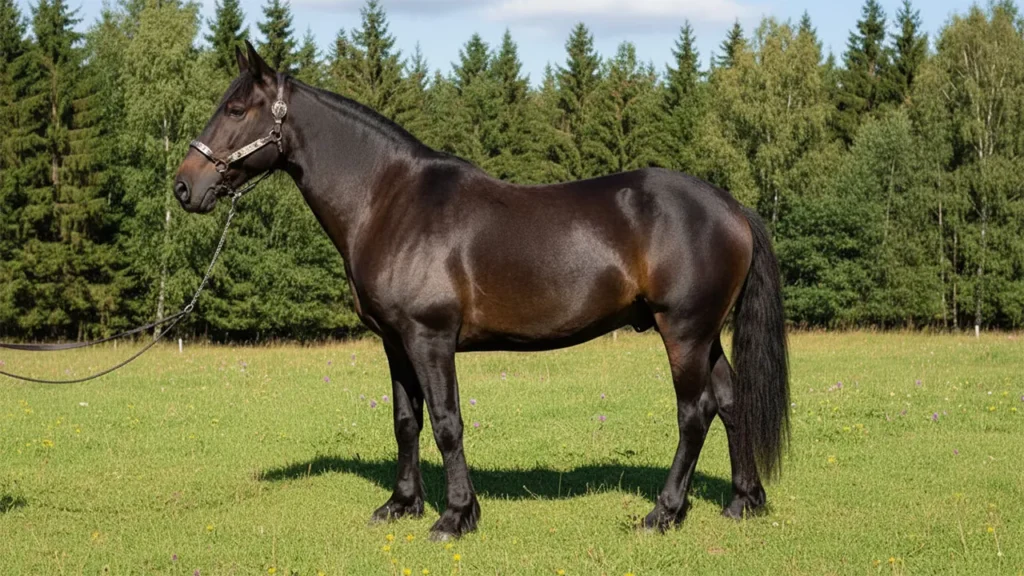
Alert movement and sharp decision-making guide this horse’s handling of open terrain. Life without constant support refined instincts that favor efficiency and calm choices. That mindset supports resilience shaped through daily challenges rather than controlled settings.
Stamina Built Through Distance
Daily travel across wide ranges demanded steady pacing and careful energy use. Over time, this habit developed lasting endurance that suits long efforts.
That moment highlights a few clear strengths:
Long-distance stamina
Brave, steady responses
Low spook tendency
Tested on a Demanding Course
In 1960, a 13-year-old gelding named Marko B won the Tevis Cup. The event covers 100 miles of rugged terrain in a single day. That victory stood out in a field rarely topped by anything other than Arabians.
4. Mongolian Horse
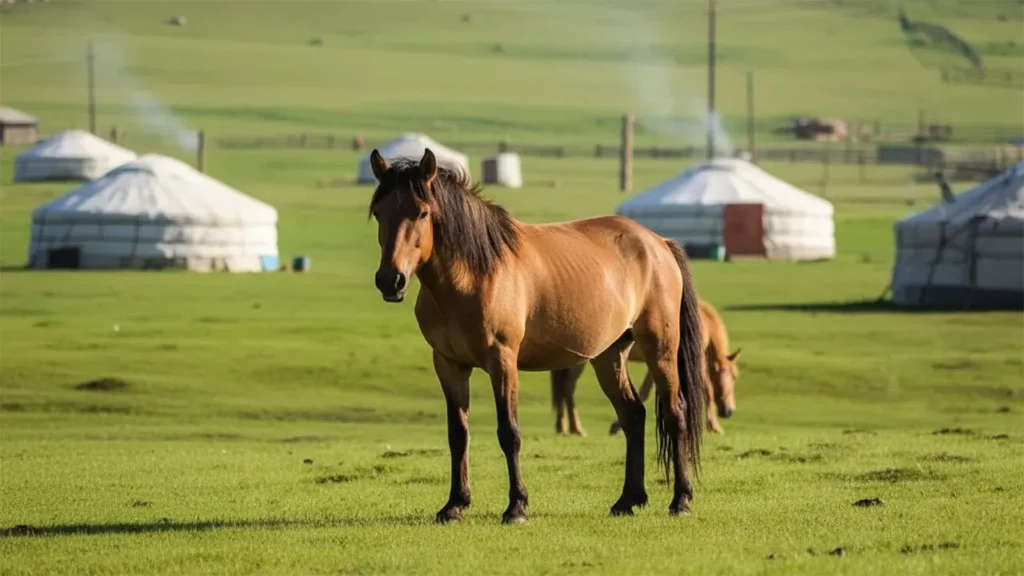
Quiet behavior defines this horse at first glance, yet time spent roaming freely builds a cautious edge. Long periods without close human contact sharpen awareness rather than dull it. This balance between calm and alertness plays a key role in its ability to endure harsh conditions.
Endurance Forged Through Daily Survival
Life outdoors year-round demands constant movement in search of food and water. Traveling long distances becomes routine rather than effort. That reality shapes a horse able to conserve energy while staying reliable over extended journeys.
The pattern becomes clear when you look closer:
Steady travel with minimal resources
Strong tolerance for extreme cold
Consistent pace over long terrain
Built for Distance, Not Comfort
Participation in the 621-mile Mongol Derby highlights how naturally suited this horse is for endurance challenges. Covering ground matters more than speed bursts. Even a smaller stature does not limit its ability to gallop uninterrupted for long stretches.
Fact: The breed has remained largely unchanged for thousands of years, preserving traits that supported long campaigns during the era of Genghis Khan.
5. Norwegian Fjord
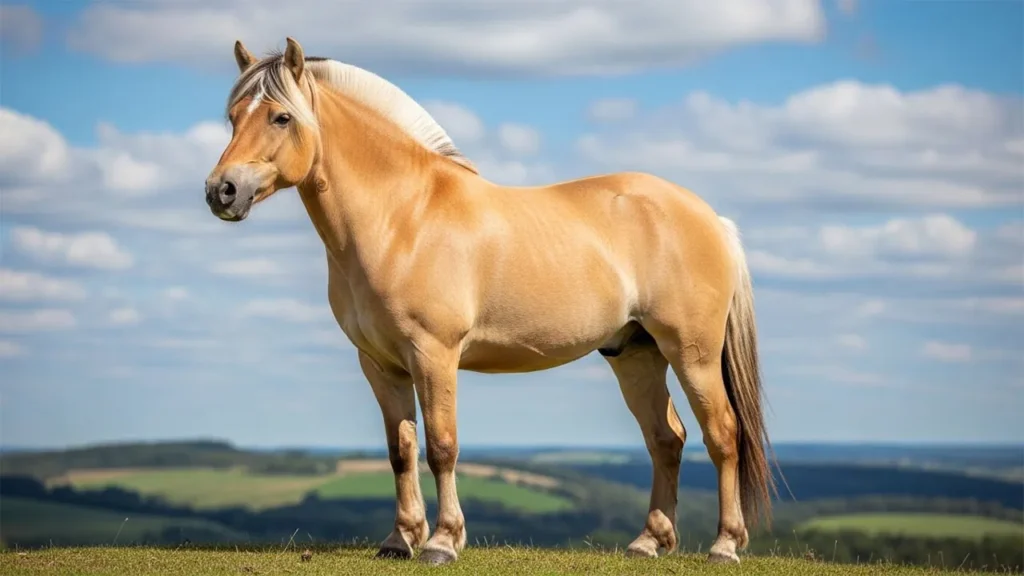
Strong balance defines this horse long before strength is noticed. A compact frame paired with a crescent-shaped neck allows steady movement across uneven ground without hesitation. That physical control places it among horse breeds respected for working where stability matters most.
Work That Never Cut Corners
Steep paths and unpredictable footing shaped a horse that moves with careful intent rather than speed. Natural proportions help it stay upright under strain while maintaining incredible stamina over long working hours.
That steadiness comes from practical traits refined through daily labor.
Confident footing
Compact power
Cold-weather protection
Calm Under Pressure
A thick double coat shields the body during wind, rain, and freezing temperatures without limiting movement, as WebMD notes. Mental steadiness allows progress through tense situations without panic or resistance. This combination supports methodical work when stress would overwhelm less prepared horses.
6. Appaloosa
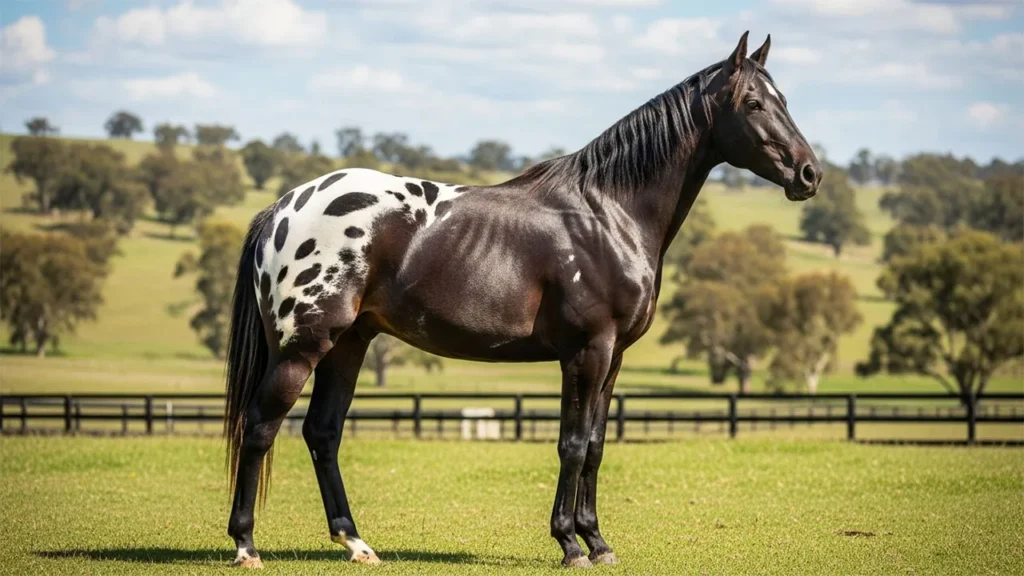
Gentle affection shapes how an Appaloosa approaches work, creating a horse that stays cooperative under pressure. This willingness to learn supports resilience when conditions turn demanding. A steady mindset helps them conserve body heat during long stretches on the trail.
Endurance Tested Over Real Miles
History shows their stamina through demanding rides rather than controlled settings. The Chief Joseph Trail Ride challenges this breed across rugged terrain for five consecutive days. That context explains why their resilience earns respect over time.
Did You Know: The Chief Joseph Trail Ride spans 100 miles in five days, while completing the full historic route takes thirteen years.
That endurance shows up in simple, telling ways:
Maintains pace across uneven ground
Recovers steadily after long rides
Stays attentive without resistance
Strength Rooted in Purpose
Bravery and courage shaped this horse into a dependable partner during extended travel. Riders note how their spirited nature remains balanced rather than reckless. These unique traits support consistency when fatigue sets in.
Did You Know: The Chief Joseph Trail Ride spans 100 miles in five days, while completing the full historic route takes thirteen years.
7. Shire Horse
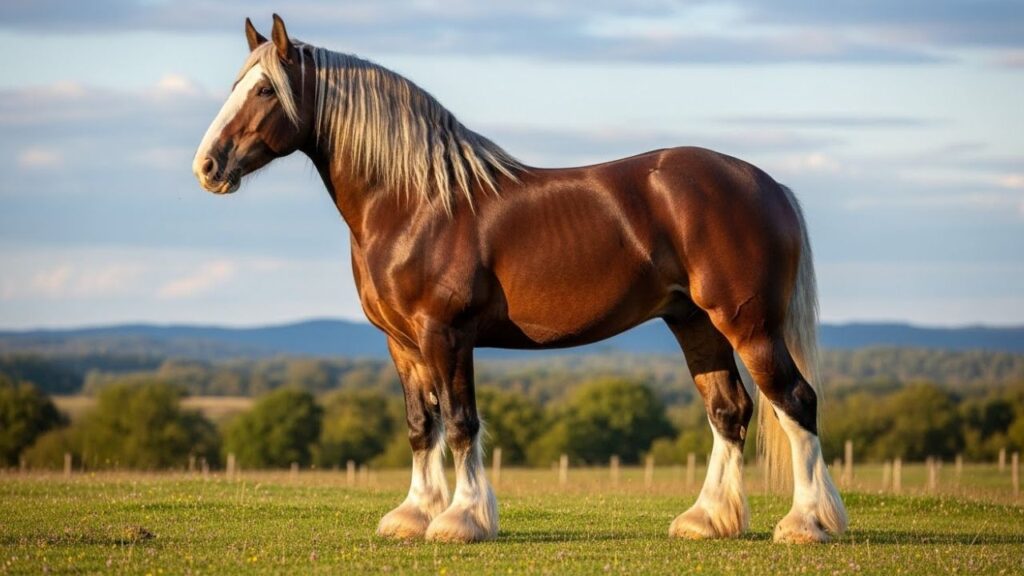
Shire Horses display immense muscle and power, making them capable of tackling heavy-duty tasks with ease. Their size allows them to pull large loads steadily, even under demanding conditions. Calm and deliberate, they move with purpose and efficiency across fields or work sites.
Versatile Workers
These horses adapt to a variety of roles, from pulling carts to forestry work, showing both stamina and patience. Their gentle nature makes them approachable in busy or noisy environments.
You can see their versatility in these simple ways:
Handles long hours without fatigue
Responds smoothly to harnessed work
Maintains balance on uneven terrain
Calm and Focused Temperament
Even with their enormous size, Shire Horses remain composed around people and equipment. Their careful movements prevent accidents while allowing them to maintain steady performance. Observing them in action shows a mix of reliability and quiet determination.
Conclusion
Resilience in horses reveals itself through calm recovery, steady focus, and the ability to continue forward when conditions shift. Certain horse breeds develop this strength through endurance riding, exposure to extreme climates, and daily work in challenging environments. Their physiological traits help regulate body temperature, supported by proper nutrition and patient care.
Some show a docile nature, while others become gentle giants whose size never limits composure. Learning how these horses adapt also clarifies how other breeds respond under pressure. In the end, resilience is not dramatic. It is readiness that remains when effort, weather, and distance test limits endurance.
