




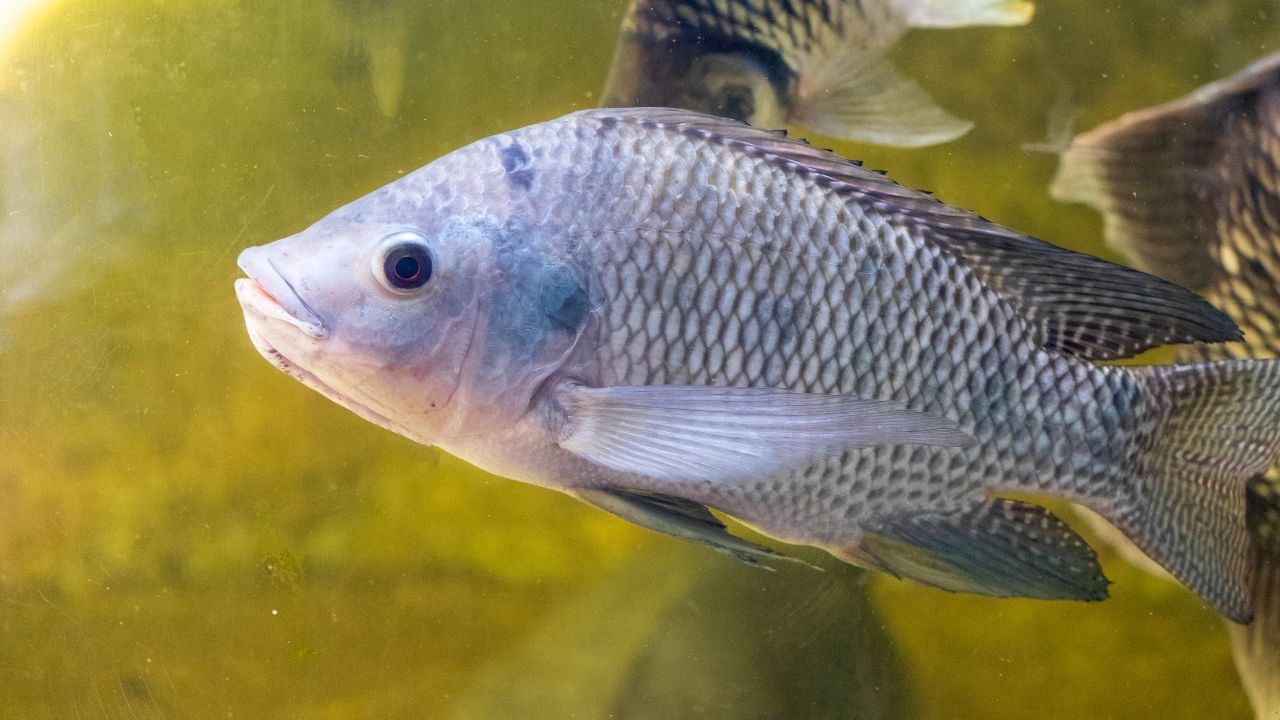
When we think about environmentalism, we often picture planting trees or reducing plastic waste. However, the aquatic world plays a massive role in the health of our planet. Whether it’s through sustainable aquaculture or biological pest control, specific fish species are unsung heroes in the fight for a greener Earth.
Choosing the right fish—whether for your dinner plate or your pond—can have a profound impact. Some species are incredibly efficient at converting feed into protein, reducing the carbon footprint of our food systems. Others act as natural janitors, cleaning waterways of invasive weeds and mosquito larvae without the need for harsh chemicals.
In this guide, we will explore seven environmentally-friendly fish. We will look at how they contribute to sustainability, why they are excellent choices for eco-conscious farming, and how they help maintain the delicate balance of our ecosystems.
Fish That Are Great for the Environment
1. Tilapia
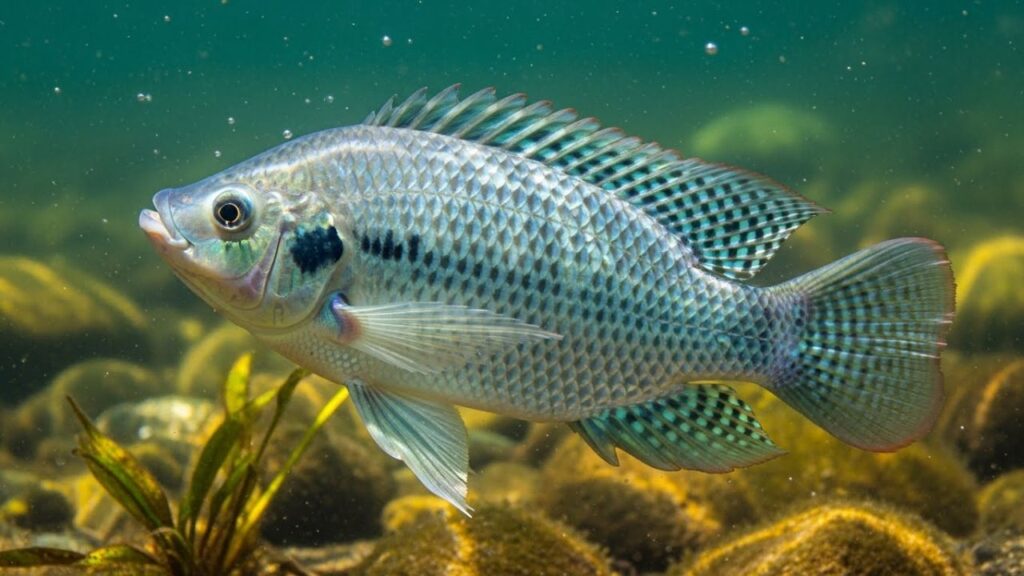
Tilapia is often hailed as the “aquatic chicken” for its versatility, but its environmental credentials are equally impressive. Fast-growing and hardy, tilapia is environment-friendly and easy to grow for both small- and large-scale farmers.
Efficient Feed Conversion
One of the most significant issues in aquaculture is the reliance on wild-caught fish to feed carnivorous species. Tilapia offers a sustainable solution. Britannica mentions that they are omnivorous and can be raised on plant-based diets. It is far more efficient and reduces pressure on wild fish stocks, which are often used to produce fishmeal to feed carnivorous farmed fish like salmon.
Lower Carbon Footprint
When we look at the environmental impact of our protein sources, tilapia shines. Tilapia farming generally has lower nitrogen and phosphorus emissions per kilogram of protein produced than land-based meats like chicken, pork, and beef. This makes it a better choice for those looking to reduce their carbon footprint through their diet.
Bioremediation and Integrated Systems
Tilapia are hardy and can be used in integrated multi-trophic aquaculture (IMTA) or aquaponics systems. In these setups, their waste is used as nutrients for growing plants, effectively acting as a natural biofilter and creating a sustainable food production loop.
2. Grass Carp
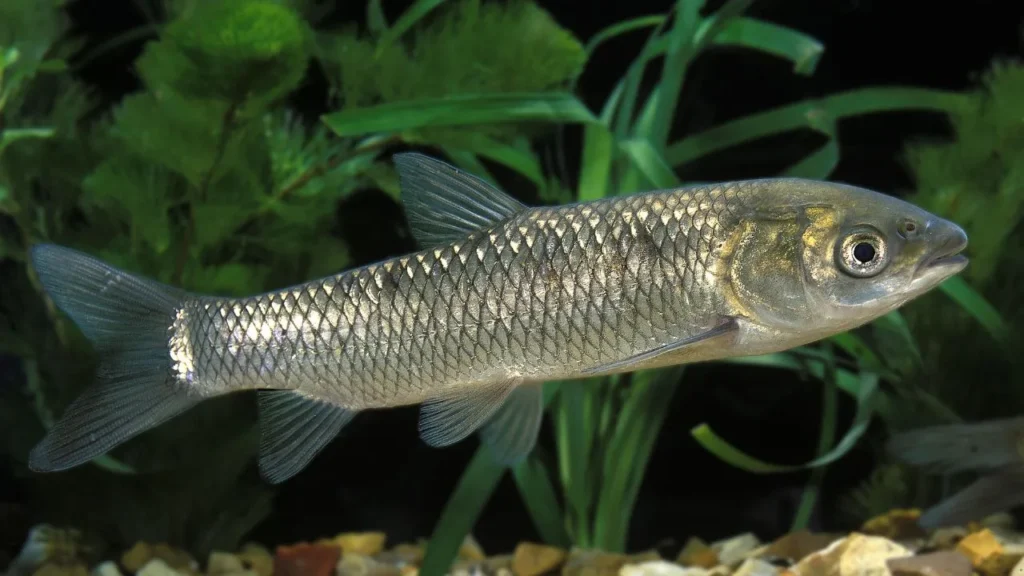
If you have a pond choked with weeds, the Grass Carp is nature’s lawnmower. It is highly sustainable when raised in controlled ponds.
Natural Weed Control
Grass carp consume large amounts of aquatic plants—up to two or three times their body weight daily. This makes them a powerful, non-chemical biological control agent for nuisance and invasive vegetation.
Reduced Herbicide Use and Improved Water Quality
Utilizing grass carp can significantly decrease or eliminate the need for chemical herbicides. These chemicals can be expensive, require repeated applications, and potentially have adverse side effects if misused. By preventing excessive plant growth and subsequent decay, grass carp help maintain oxygen levels and avoid fish kills caused by an abundance of decaying organic matter.
Cost-Effective and Long-Lasting
A single stocking of sterile, triploid grass carp can provide effective vegetation control for 5 to 15 years. This makes it a long-term, economical solution for pond management. Since grass carp cannot reproduce in ponds and lakes, they are an excellent biological control agent. They are usually most effective after their first growing season until around age eight.
Note: While grass carp is an economical, long-lasting, and effective option, it is not appropriate for every pond. Always check local regulations.
3. Mosquitofish
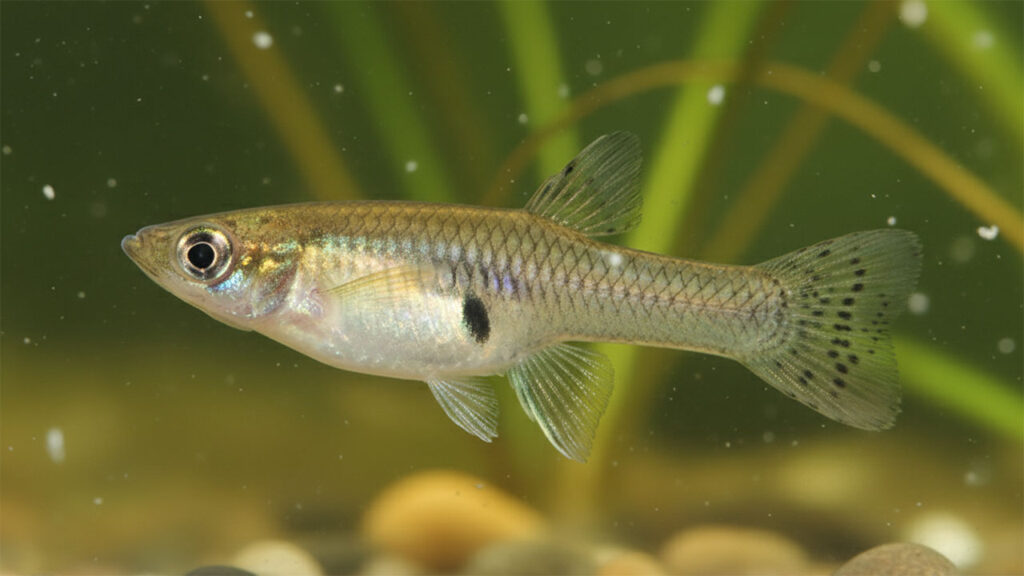
Small but mighty, the Mosquitofish (Gambusia affinis) is a champion of public health and environmental balance.
Natural Predators
As their name suggests, they are voracious predators of mosquito larvae, with a single fish able to eat hundreds per day. This natural predation helps keep mosquito populations in check.
Chemical-Free Control
They offer a biological control method that eliminates the need for chemical insecticides, which can be broadly harmful to the environment and other marine life. By relying on these small fish, we can protect non-target insects and local wildlife from toxic sprays.
Hardy and Adaptable
The species thrives in a wide variety of water types, being very tolerant of both high water temperatures and very low dissolved oxygen levels. They can tolerate organic pollution, making them easy to maintain in artificial habitats like ornamental ponds, unused swimming pools, and water troughs.
4. Catfish
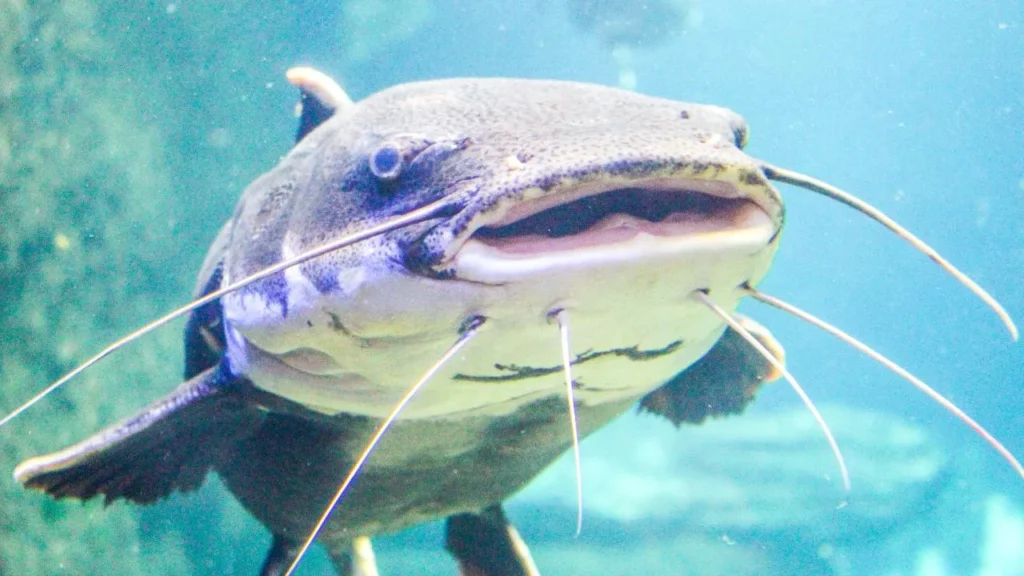
Catfish farming, particularly in the United States, has become a model for sustainable seafood.
Efficient Protein and Self-Contained Systems
Catfish farming yields high protein output with relatively low water usage compared to other forms of aquaculture. U.S. farms typically use enclosed ponds. This is crucial because it prevents pollution runoff into natural ecosystems, unlike some open-water farms.
Habitat Creation
Interestingly, these commercial ponds often act as artificial wetlands. They support bird populations and biodiversity, effectively creating a new habitat for local wildlife.
Sustainable Feed and Waste Management
Catfish feed is often made from crops rather than relying heavily on fishmeal or fish oil from wild fish. This reduces pressure on marine ecosystems. Furthermore, nutrient-rich pond water can be reused as fertilizer, and fish byproducts are repurposed into oil or feed, creating a system with minimal waste.
5. Silver Carp
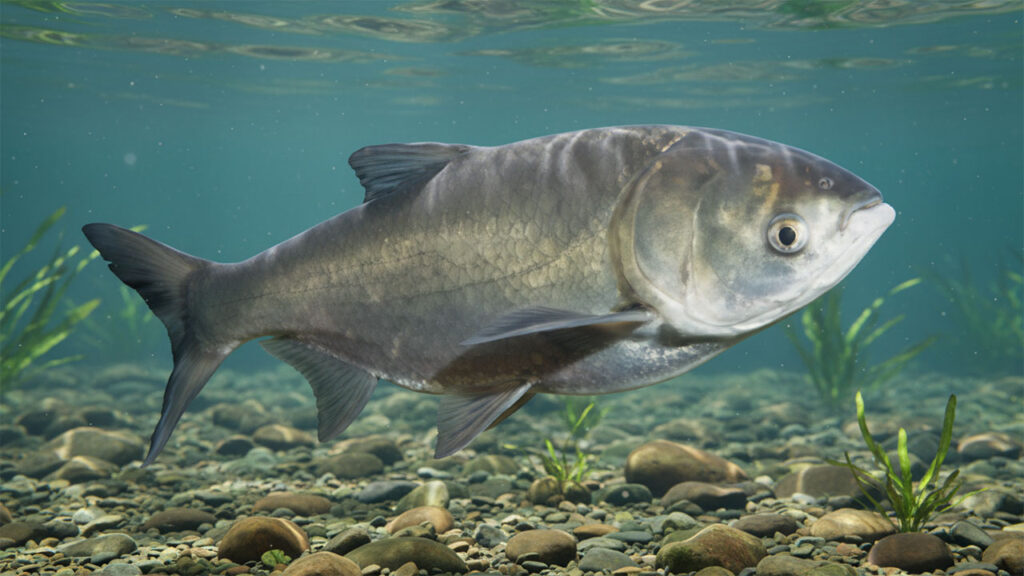
Silver carp is a complex topic. While they are often viewed as invasive pests in American rivers, in controlled environments, they are beneficial to the environment.
Algae Control and Water Quality
FWS says they have toothless mouths and are excellent filter feeders. This fish population consumes vast amounts of phytoplankton, effectively reducing algal blooms, especially cyanobacteria (blue-green algae). Their feeding increases water clarity and can help create more balanced aquatic systems by suppressing unwanted algae.
Nutrient Cycling
When compared to other species, they process organic matter, excreting it to the bottom, which can benefit benthic organisms (bottom-dwellers).
Caution: Use them carefully as biological controls in ponds and reservoirs to clean water, but keep them out of natural rivers and lakes where they become destructive invaders.
6. Guppy Fish

The humble Guppy is more than just a pretty pet; it is a vital tool for disease control and scientific research.
Mosquito Control (Biocontrol)
Much like Mosquitofish, Guppies are effective predators of mosquito larvae and pupae in isolated, stagnant water sources like household water containers and artificial ponds. In particular, controlled public health projects (such as those in rural Cambodia) have led to reductions in mosquito populations and a potential decrease in mosquito-borne diseases, such as dengue fever.
Scientific Research
Guppies are a “model organism” for scientists, used to study evolution, adaptation, and ecosystem interactions in real time. What is learned from guppy populations helps scientists understand general biological processes and how species adapt to environmental changes.
It is known to be very tolerant of and adaptable to new environments, and able to consume multiple food sources. A single adult guppy should be housed in a 5-gallon aquarium or larger to ensure healthy stocks.
7. Salmon
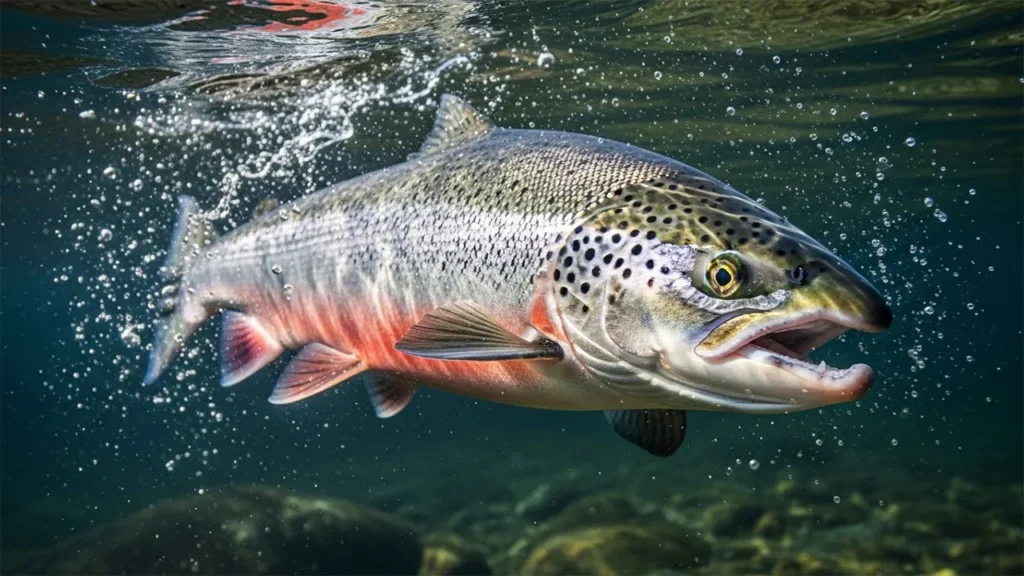
Salmon is one of the most popular fish in the world, but the conversation around it is often split between wild-caught and farmed. Atlantic Salmon Trust says both have environmental angles worth considering. On the U.S. West Coast, well-managed fisheries produce wild salmon, offering environmentally responsible choices for seafood lovers.
Farmed Salmon: Efficiency
Farmed salmon produces significantly fewer greenhouse gases per kilogram than beef and even chicken. It requires less land and freshwater compared to terrestrial meats, making it an eco-efficient animal protein. It is rich in omega-3 fatty acids and protein, supporting human health while potentially easing pressure on land resources.
Wild Salmon: The Keystone Species
Wild salmon, particularly Pacific and Atlantic varieties, are crucial for ecosystem health. They act as a keystone species, bringing nutrients from the ocean to forests and rivers. Their carcasses enrich habitats, supporting other wildlife and plant life, acting as a natural solution to climate change.
However, when choosing salmon, paying attention to the source is vital to avoid supporting farms that pollute the ocean floor or wild fisheries with poor catch limits.
Conclusion
When shopping for dinner, look for certifications like the Marine Stewardship Council (MSC) for wild-caught options or Seafood Watch recommendations for farmed varieties. Seafood derived from sustainable fisheries isn’t just about avoiding overfishing; it’s about supporting fishing methods that minimize bycatch of non-target species and avoid damaging the ocean floor with heavy trawls.
For those looking for more sustainable seafood options, rainbow trout farmed in well-managed systems provides a high-quality protein source with minimal environmental impact.
From small fish like sardines, herring, and anchovies—which are lower on the food chain and generally reproduce quickly—to well-managed fisheries producing rainbow trout or halibut, there are many delicious and responsible options. Even shellfish like mussels, clams, and oysters are incredibly ocean-friendly choices because they filter the water as they grow, actually leaving the environment cleaner than they found it.
By making sustainable choices, we reduce pressure on fish stocks, rescue vital habitats like mangroves, and ensure that marine life continues to swim in our oceans for generations to come. So, the next time you see fresh fish on the menu or plan your backyard pond, remember that the best options are the ones that help our planet thrive.
