




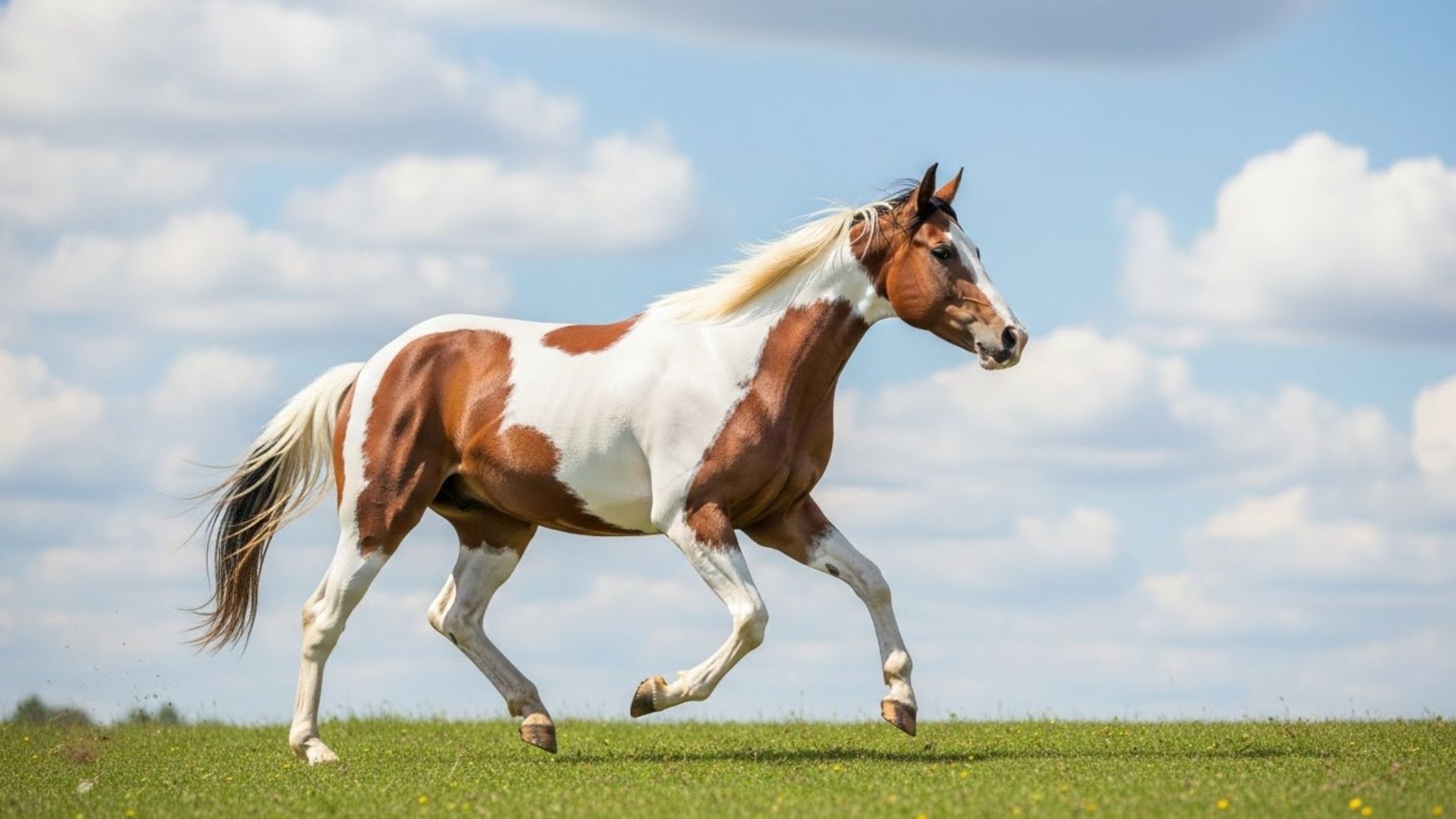
At first glance, a horse’s size suggests power, strength, and command. Yet anyone who has ever stood quietly beside one knows a different truth. Despite their imposing presence, horses offer a gentleness that feels almost protective.
Their awareness of human emotion is subtle but precise, and this sensitivity forms the foundation of their healing influence. People often approach them with hesitation, only to discover calm waiting on the other side.
A horse responds to tension with patience, steady breathing, and a kind of attentiveness that encourages emotional release. This surprising balance between strength and compassion creates an environment where healing feels supported rather than forced.
As you continue with this article, you will learn how horses use their calm nature, emotional awareness, and steady presence to guide people toward confidence, comfort, and a deep sense of inner renewal.
Key Takeaways
Standing beside a horse can be like finding a moment of stillness, a rare pause where comfort and patience meet.
Paint Horses draw people in with their bold patterns and steady presence, helping clients open up naturally in therapy sessions.
American Quarter Horses and Appaloosas add a mix of calm focus and playful energy, making each interaction feel supportive and engaging.
By the end, you’ll see which horses can transform moments of hesitation into trust, confidence, and deep renewal.
Horses Known for Their Healing Abilities
1. Paint Horse
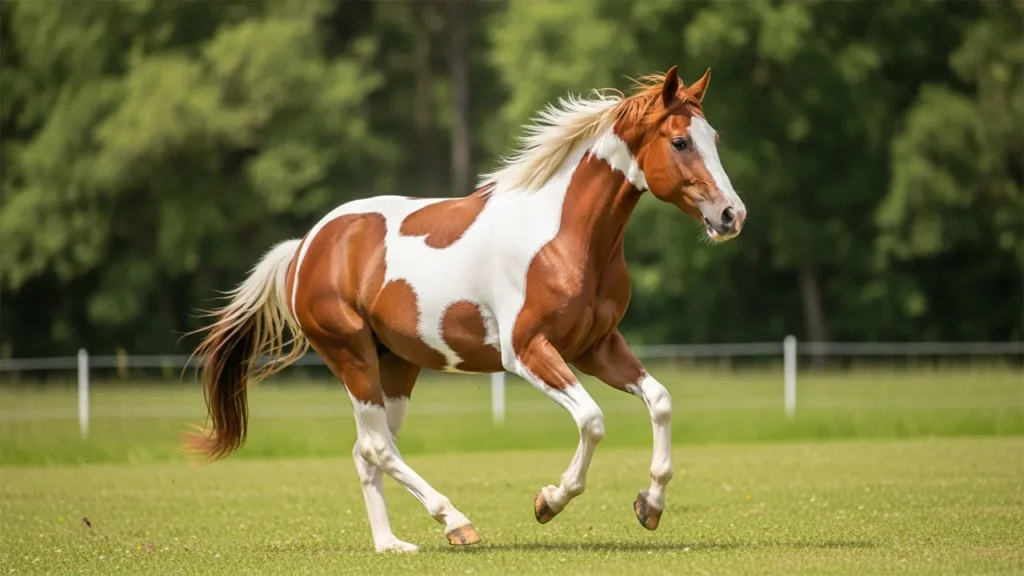
The Paint Horse often draws attention with its bold patterns, which help people feel more at ease during sessions. Its calm presence creates a welcoming atmosphere where clients naturally open up. This gentle start sets the tone for healing work in equine therapy.
A Partner That Supports Emotional Ease
Its steady nature and willingness to connect make interactions feel safe for those exploring difficult feelings. People often respond to the horse’s quiet patience, which helps them express human emotions with less hesitation.
These points highlight its therapeutic strength.
Easily adapts to creative therapy setups
Responds well to soft guidance
Helps reduce tension in sensitive clients
A Natural Fit for Creative Programs
Paint Horses often shine in expressive sessions where their colorful appearance encourages engagement, as Equestrian Studio notes. Their reassuring behavior brings comfort to individuals working through emotional or physical challenges. This blend makes them a valued presence in programs that rely on healing power.
2. American Quarter Horse
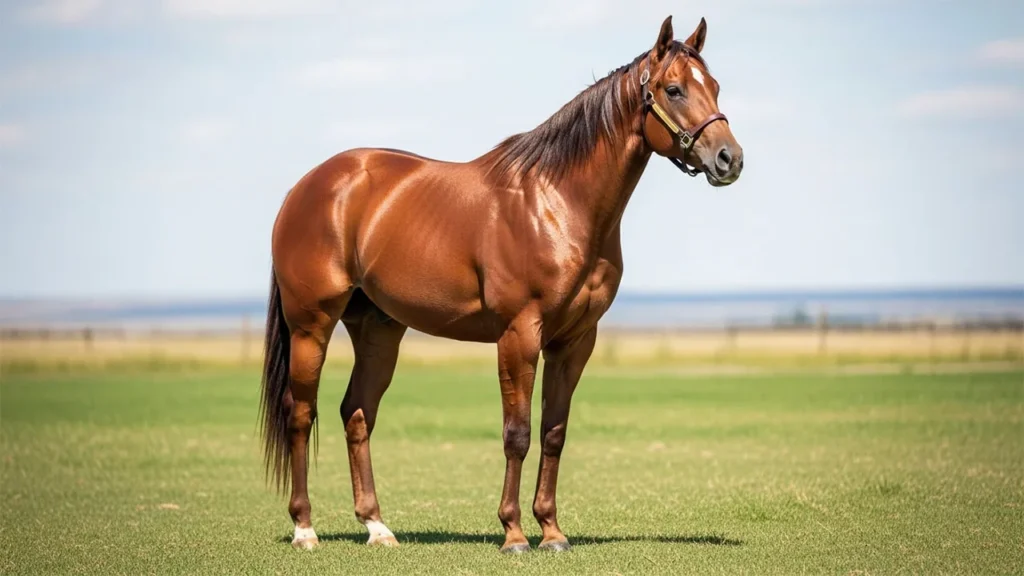
A natural sense of calm defines the American Quarter Horse, making people feel safe the moment they approach. Their gentle reactions help clients settle into therapeutic environments without tension. This steady temperament allows sessions to begin smoothly.
Supportive Presence
Their muscular build and quiet focus create a stable base for individuals seeking physical or emotional support, as PetMD mentioned. Their movements feel predictable, which helps participants relax as they interact.
You can feel their grounded nature in these moments:
Soft responses
Consistent pacing
Quick understanding
Guided Learning
Their sharp reflexes make structured activities easier for clients exploring equine-assisted learning tasks. They respond to subtle changes, helping individuals notice how communication shifts during each exercise. This awareness strengthens engagement throughout the session.
3. Appaloosa
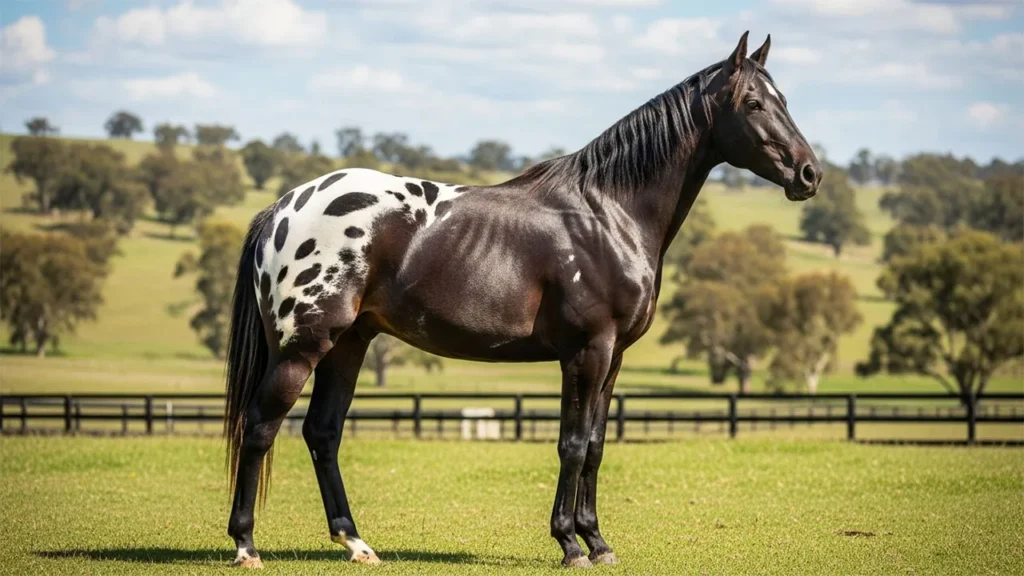
The Appaloosa brings an uplifting energy through its colorful coat and expressive personality. This easygoing nature helps people feel more at ease during therapeutic sessions. Its adaptable mindset allows smooth participation in both active and quiet healing work.
Engaging Support
Their cheerful interaction style encourages confidence and emotional healing in gentle, non-overwhelming ways. Their steady reactions help clients gain comfort during moments of emotional regulation.
Their supportive spirit shows up in simple ways:
A welcoming nature that eases tension
Steady behavior during structured activities
Playful spark that builds engagement
Interactive Value
Whether involved in light games or peaceful reflection, the Appaloosa contributes positive involvement that feels grounding. Its gentle humor softens difficult emotions during healing-focused activities. This approachable temperament makes therapeutic participation less intimidating.
4. Haflinger
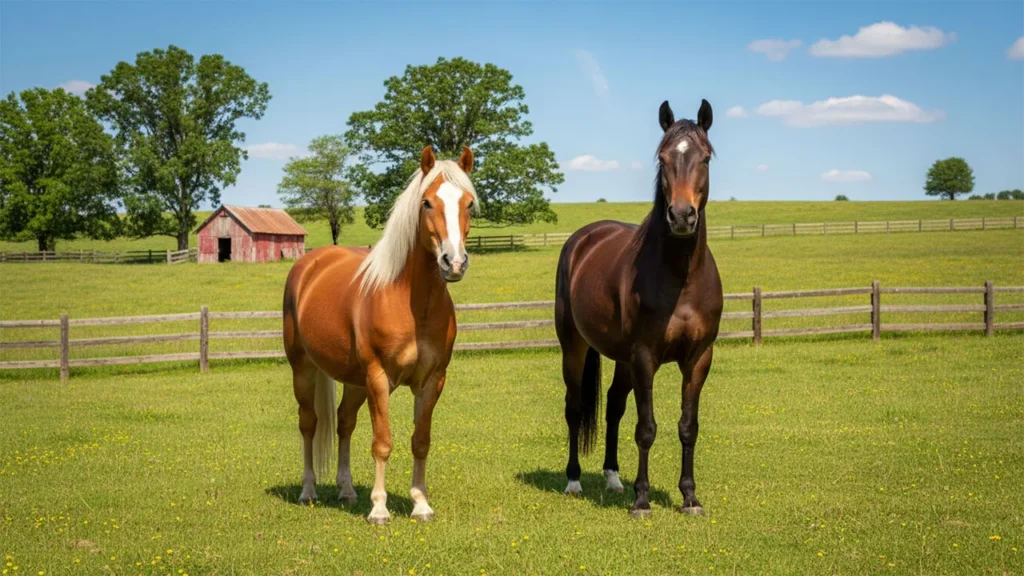
Haflingers exude a quiet presence that helps clients feel safe and centered during therapy. Their golden coats and expressive eyes naturally create a welcoming atmosphere. This calmness allows participants to relax and engage more fully in equine-assisted therapy.
Patient Support in Every Session
Their steady nature makes them ideal for exercises that demand focus and endurance. Haflingers remain attentive to subtle cues, encouraging cooperation without pressure. Their temperament supports both physical and emotional guidance during therapy activities.
You can see their steady, guiding nature in action:
Encourages consistent engagement during sessions
Responds predictably to gentle guidance
Promotes confidence in interaction
Joyful Spirit Enhancing Healing
A cheerful attitude adds lightness to sessions, supporting mental and emotional well-being. Haflingers help foster a positive atmosphere that aids focus and relaxation. Their consistent demeanor reinforces the healing power of horses in every interaction.
5. Connemara Pony
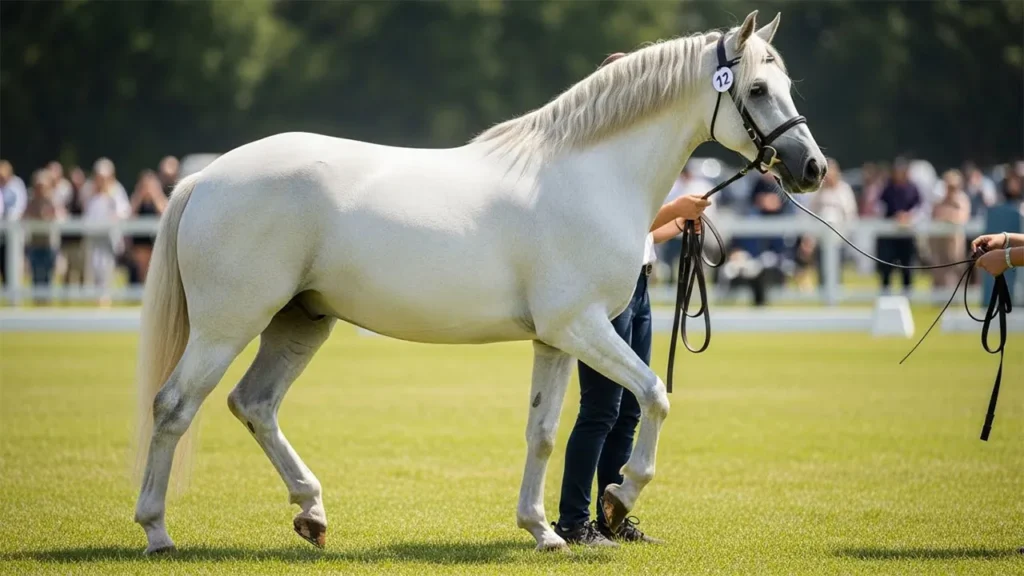
Connemara Ponies bring a lively energy that makes them engaging in equine programs. Their spirited personality allows them to respond quickly to guidance, creating a natural flow in therapy sessions. These ponies adapt easily to different activities, encouraging participation and focus.
Engagement and Adaptability
Their responsiveness makes each session interactive and motivating for clients. By adjusting to individual needs, they offer gentle support while encouraging progress.
You can see their gentle guidance in action here:
Encourage confidence through guided exercises
Adapt smoothly to varied therapeutic tasks
Support interactive equine facilitated learning
Fostering Growth Through Interaction
Connemaras combine attentiveness with energy, helping clients explore movement and balance. They respond well to cues, making it easier to track improvement over time. Their presence subtly guides participants through the healing process in a structured yet comfortable way.
6. Shetland Pony
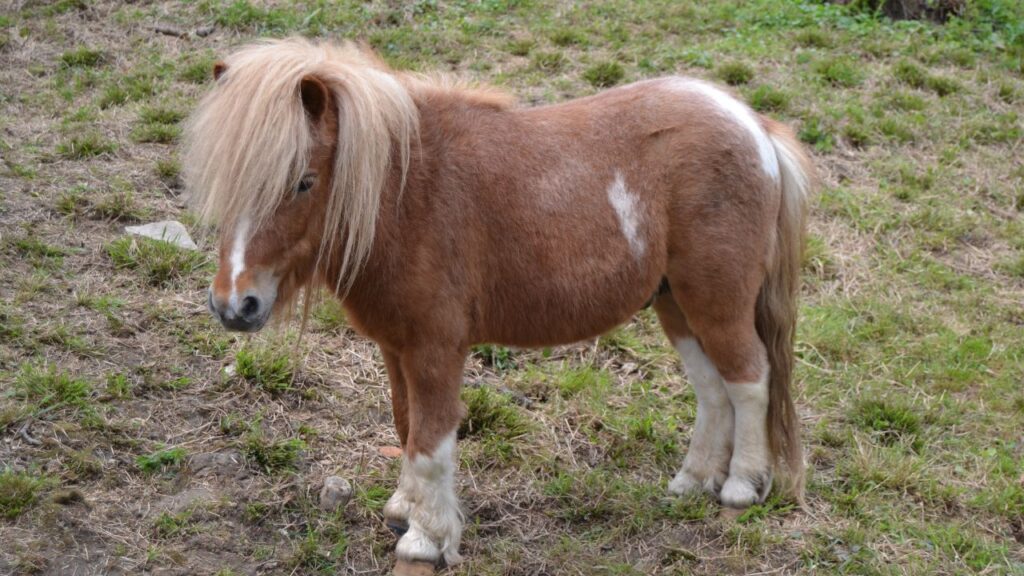
Shetland Ponies offer calm and comforting energy that helps soothe anxiety. Their compact size and steady presence make them approachable for beginners in therapeutic settings. They respond attentively, creating a sense of ease for anyone interacting with them.
Support Through Healing Work
Their adaptability allows them to engage in varied therapy sessions, providing meaningful interactions for participants. Short, consistent sessions often yield noticeable progress in emotional regulation.
You can see their calming influence in these points:
Encourage self-awareness during guided activities
Provide gentle cues that aid relaxation
Foster engagement in a healing journey
Intuitive Awareness
Shetlands display an intuitive nature that helps them sense moods and adjust their responses. Their calm observation creates a safe environment where participants feel understood. This sensitivity enhances the psychological benefits of equine-assisted therapy.
7. Thoroughbred
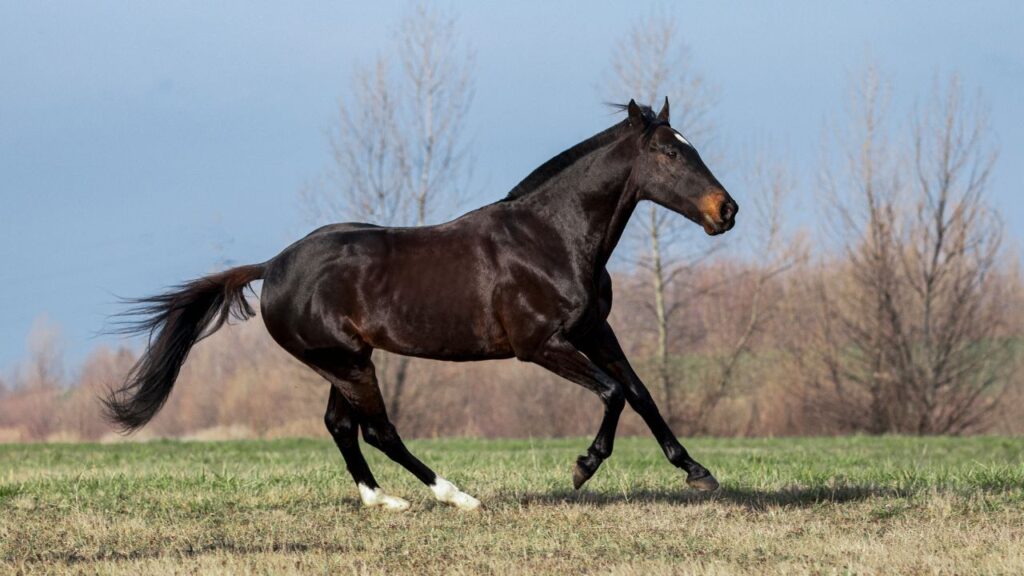
Thoroughbreds bring remarkable spirit and agility to therapeutic sessions, helping clients engage fully in movement and coordination. Their athletic nature allows for varied activities that challenge both balance and focus. This dynamic presence encourages participation and keeps sessions stimulating.
Engagement Through Adaptability
Highly intelligent and responsive, these horses adjust easily to the needs of each session, guiding clients through gentle challenges. Their energy can motivate trauma survivors to explore new possibilities in a safe space.
Their adaptability shines through in these benefits:
Improving coordination and balance
Encouraging emotional resilience
Supporting focus and attention
Motivation That Promotes Growth
Their enthusiasm can spark confidence, helping clients approach new tasks with determination. Thoroughbreds invite a deeper understanding of movement and personal limits. This interaction helps participants feel more capable and empowered through each exercise.
8. Percheron
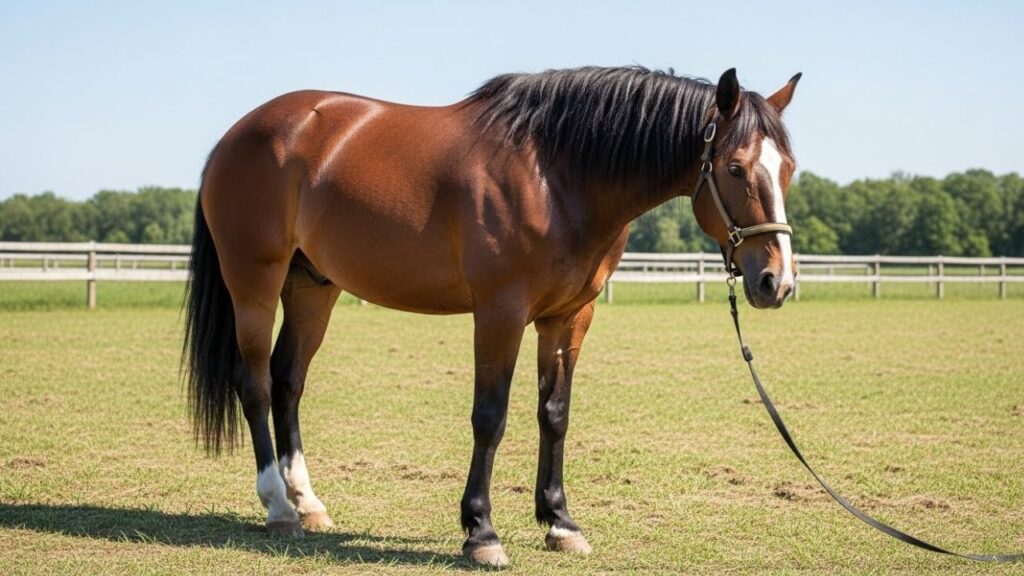
Percherons exhibit a calm presence that immediately influences those around them. Their muscular build supports both dressage and competitive pulling without strain. Observing their movements reveals a subtle use of body language that adds to their calming effect.
Strength and Elegance in Motion
These majestic animals excel in horse pull contests, where teams are matched against increasing weights. Their dedication to the task shows focus and balance that few breeds maintain naturally.
Here’s how their talent and poise stand out:
Exceptional coordination in heavy work
Smooth transitions during riding and dressage
Ability to remain composed under pressure
Adaptability and Reliability
Once trained, they respond consistently to cues while maintaining patience and focus. Their history as draft and war horses is reflected in the endurance they carry into modern work, as per Britannica. Quiet confidence and steady energy contribute to their reputation as healing companions.
9. Morgan Horse
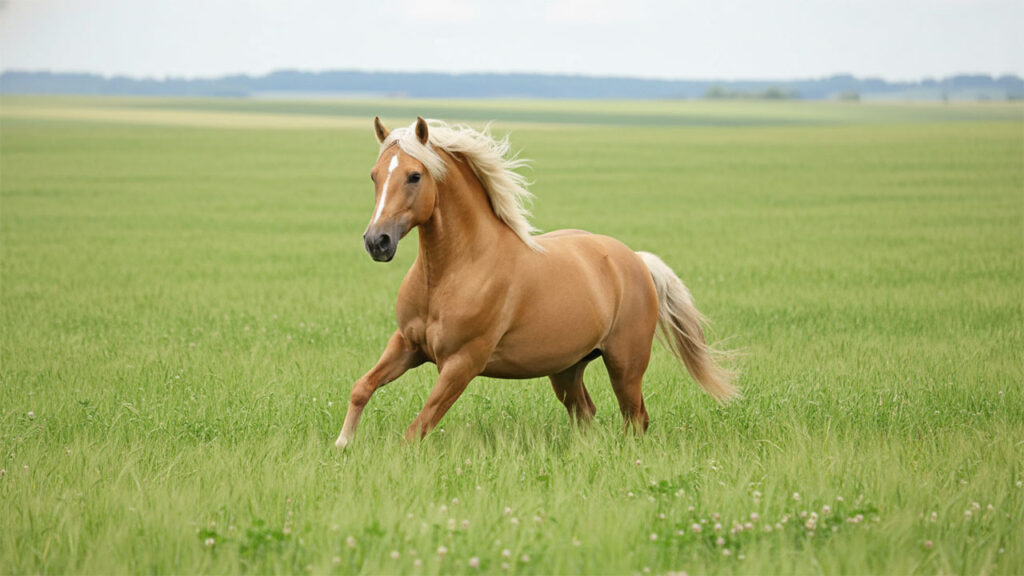
Morgan Horses have a solid build paired with a calm demeanor that makes them ideal in therapeutic settings. Their presence provides both physical support and a soothing emotional influence. Activities that require balance and coordination highlight their natural poise and attentiveness.
Responsive and Engaging
Their willingness to follow guidance helps clients feel supported and confident during sessions. They are attentive to subtle cues, making interaction smoother and more rewarding.
Practical aspects that enhance therapy sessions:
Adapt easily to different exercises
Encourage confidence through steady movement
Promote relaxation with a consistent rhythm
Facilitating Connection and Trust
Morgans respond to interaction with patience, helping participants develop communication skills. Their alertness allows them to match the pace and energy of each activity. This attentiveness fosters an environment of understanding and reassurance.
10. Clydesdale

Clydesdales show a calm and patient nature that inspires a sense of safety around them. Their massive frame moves with surprising grace, which adds to their comforting presence. Horses of this size can encourage trust and help build emotional stability in therapy settings.
Supportive Strength in Action
Their power is often applied in therapeutic programs where lifting or pulling carts is needed. This physical capability provides clients with tangible examples of progress and achievement. They also remain composed under tasks that require focus and endurance.
Their healing impact is shown in these actions:
Steady gait that encourages relaxation
Calm reactions in new environments
Ability to assist in physical exercises
Presence That Calms and Connects
Their striking appearance and quiet demeanor help clients feel at ease quickly. Observation of such large, composed horses can reduce stress and foster emotional connection. They naturally provide reassurance through simply being attentive and steady.
Conclusion
Horses offer a sense of comfort that traditional therapy cannot always create on its own. Their presence encourages people to slow down and notice their emotional state with greater clarity. This gentle support gives each session meaningful therapeutic value. Individuals working through post-traumatic stress disorder often find strength in these quiet moments of connection.
The steady rhythm of a horse’s movement creates safety, and their attentive nature invites trust. These healing experiences grow through simple interactions that feel sincere and unforced. In the end, horses help people rebuild confidence, balance, and a sense of inner calm.
