




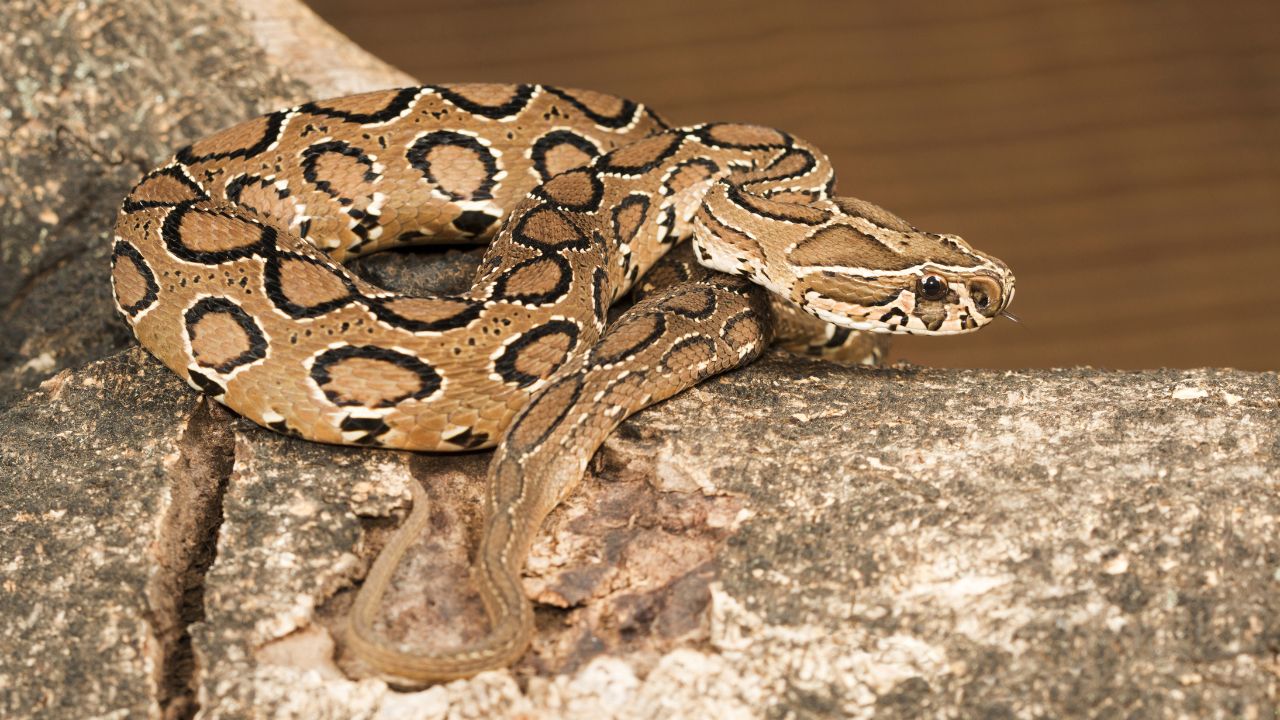
Imagine a world where temperatures soar above 120°F in the day, drop below freezing at night, or rain never falls for months. Most animals would struggle to survive—but some snakes don’t just endure—they thrive. These resilient reptiles are nature’s ultimate survivalists, with unique adaptations that let them conquer harsh deserts, frozen tundras, and even rugged mountain terrains.
Extreme environments demand more than courage—they require specialized skills. Some snakes store water and regulate their metabolism to survive scorching deserts. Others can hibernate or slow their heart rates in frigid climates.
From the heat-loving sidewinders that glide effortlessly across desert sands to the high-altitude vipers braving icy peaks, these species redefine what it means to be tough in the wild.
We’ll explore the snakes that can survive in extreme environments, revealing the secrets behind their extraordinary endurance. You’ll learn about their behaviors, physical adaptations, and astonishing survival strategies that make them some of the most fascinating creatures on the planet.
Get ready to enter the world of snakes that laugh in the face of extremes and redefine resilience in nature!
Quick Insight: Snakes have thrived for millions of years in diverse environments. Their survival often depends on behavioral and physiological adjustments—like seeking shade during heatwaves or slowing metabolism—to withstand rising temperatures and changing climates.
Snakes That Can Survive in Extreme Environments
1. Sidewinder Rattlesnake
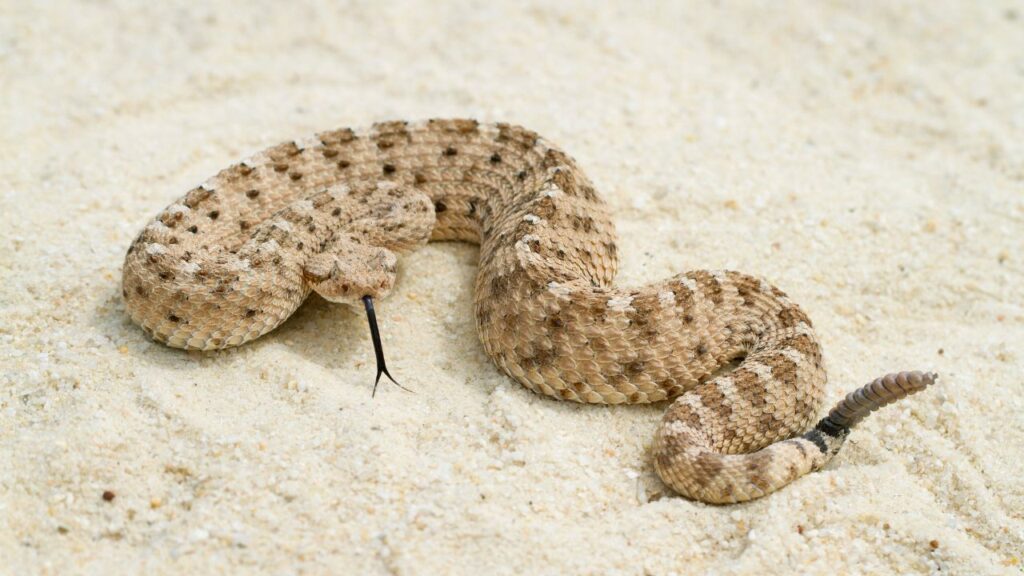
Meet the Sidewinder Rattlesnake, the desert’s own version of a stealthy ninja with a quirky side hustle: side-stepping across scorching sand like it’s dancing to a secret rhythm.
Unlike your average snake that slithers straight ahead, the Sidewinder has perfected a sideways shuffle, allowing it to glide over loose, blazing-hot sand without melting into a puddle of scales. Talk about style and survival skills!
These clever serpents have a talent for conserving water and energy—because in the desert, even snakes know you don’t waste resources. Their sandy-hued skin acts as perfect camouflage, turning them into near-invisible desert ghosts.
One moment, you’re admiring the vast, golden dunes; the next, poof—a Sidewinder has silently slithered past you without so much as a rattle.
Found in the arid regions of the southwestern United States, these snakes are basically the desert’s secret agents.
Their sideways dance might look funny to us, but it’s a brilliant strategy to minimize contact with the scorching sand and stay one step ahead of both predators and prey. Who knew survival could look so… groovy?
2. Saharan Horned Viper
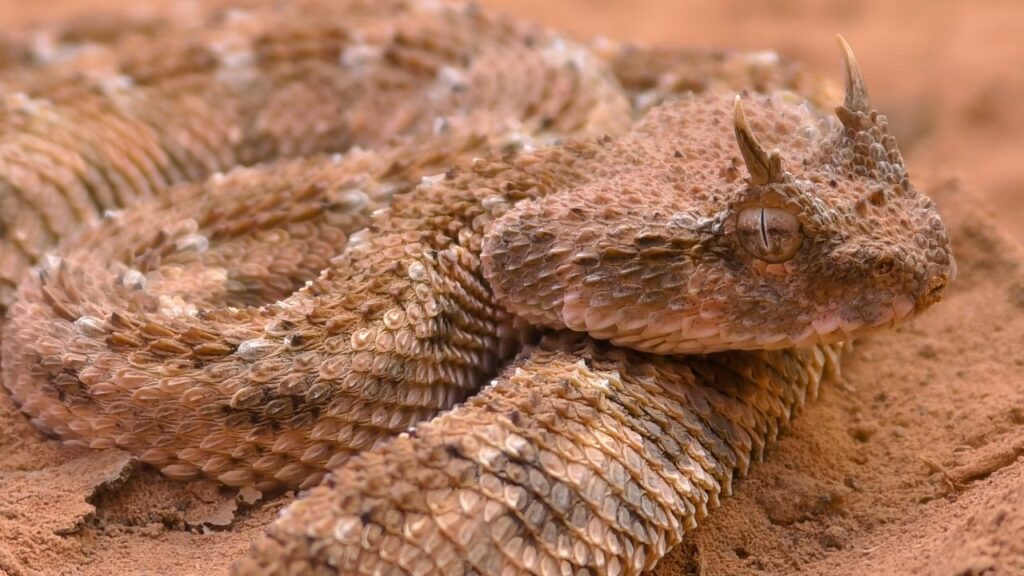
Meet the Saharan Horned Viper, the ultimate hide-and-seek champion of the Sahara Desert. Sporting tiny “horns” above its eyes, this snake isn’t just stylish—it’s a survival expert with a PhD in stealth.
Instead of wandering around looking for trouble, it buries itself in the sand like a sneaky desert ninja, leaving just its eyes and horns peeking out. One of the most notable features of this species is the pair of supraorbital “horns” located above each eye.
Think of it as the desert version of a sandy periscope, scanning for unsuspecting prey… and staying out of trouble at the same time. Camouflage is the name of the game here. In the blazing Sahara sun, this clever viper can blend perfectly with the dunes, making it nearly invisible.
Predators? They won’t even know it’s there. Dinner? One second, nothing; the next, an ambush strikes with lightning speed. The Saharan Horned Viper has truly mastered the art of “hide, wait, strike,” proving that in extreme conditions, patience—and perfect camouflage—pays off.
As per Wikipedia, these snakes prefer dry, sandy landscapes with scattered rocky areas, generally avoiding coarse sand. They can sometimes be found near oases and at elevations up to 1,500 meters (4,900 feet). They thrive in cooler climates, favoring regions where the average annual temperature is around 20 °C (68 °F) or lower.
Surviving one of the hottest, harshest places on Earth is no small feat, but this little desert dweller does it with style, horns, and a sandy smile you’ll never see coming.
3. Russell’s Viper

Say hello to Russell’s Viper, a snake that proves you don’t need flashy colors to be both dangerous and impressive. Found across the fields and forests of South and Southeast Asia, this snake thrives in hot, humid environments where most creatures would be sweating bullets—or, well, scales.
Russell’s Viper isn’t just tough—it’s fast. Its lightning-quick strikes make it a master hunter, capable of taking down prey before they even realize danger is near.
And don’t be fooled by its calm, unassuming coils: one second it’s lounging in the grass, the next it’s the fastest “oops-I’m-dead” moment your unlucky prey will ever experience.
Despite its venomous reputation, this viper is a survivor in extreme conditions, from monsoon-soaked fields to sun-baked rice paddies.
Britannica noted this species ranges from India to Taiwan and Java, and is most commonly found in open landscapes. It poses a significant risk to humans, as it frequently inhabits farmlands where people and its rodent prey are plentiful, making it a leading cause of snake bite incidents within its range.
It’s like the ultimate multitasker: dodging humans, hunting rodents, and thriving in environments that would make most snakes break a sweat. You might say it’s the overachiever of the snake world—but in this case, that’s exactly what keeps it alive.
4. Garter Snake
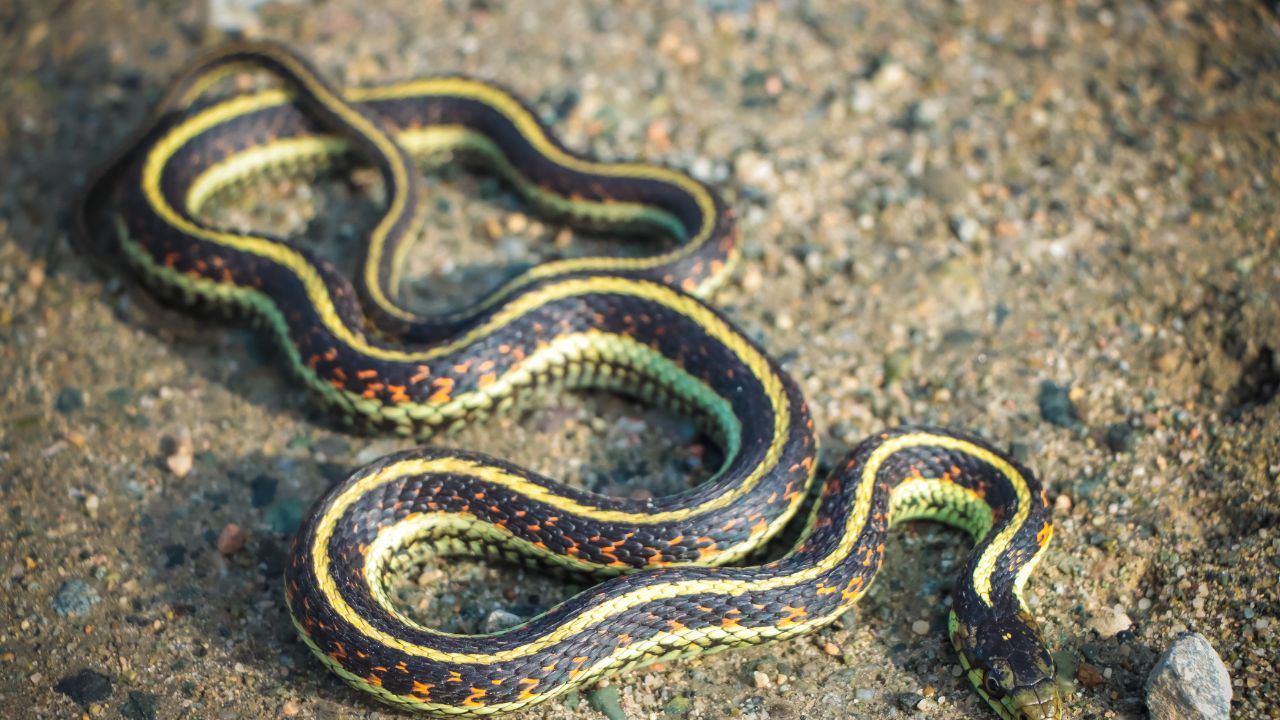
Meet the Garter Snake, North America’s very own expert in “Netflix and hibernate.” While some snakes are busy basking in scorching deserts or tiptoeing across sun-baked sands, the Garter Snake has mastered the art of surviving freezing winters without a single complaint.
When the temperature drops and snow blankets the landscape, these snakes don’t panic—they do what they do best: gather together in cozy hibernacula, essentially snake-sized winter lodges, and snooze through the cold months.
Picture hundreds of snakes curled up together in a giant reptilian slumber party, conserving energy and dreaming of spring. This hibernation strategy isn’t just about staying warm; it’s a clever survival tactic. By going dormant, Garter Snakes avoid the perils of ice, snow, and scarce food.
When spring finally arrives, they wake up ready to hunt, mate, and explore their environment as if nothing ever happened—nature’s way of hitting the reset button.
And adaptability doesn’t stop at winter. Garter Snakes are ecological all-stars, thriving in forests, meadows, wetlands, gardens, and even near human settlements. Their ability to survive both the harsh cold of winter and the unpredictability of changing climates showcases evolutionary ingenuity at its finest.
They may not be the fastest or deadliest snake in the world, but their resilience, resourcefulness, and knack for cozying up in the cold prove that sometimes, survival is less about action and more about strategy… and a little bit of communal hibernation.
5. Himalayan Pit Viper
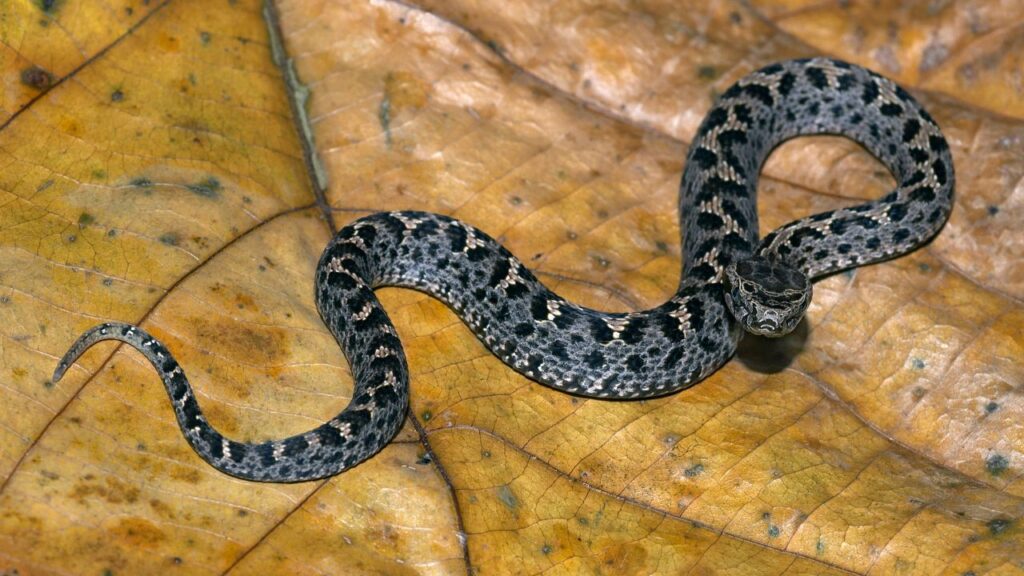
Meet the Himalayan Pit Viper, the snake that thrives where most creatures gasp for air. Perched high in the rugged mountains of Asia, this cold-blooded adventurer doesn’t just survive at extreme altitudes—it thrives.
With temperatures that can swing from sun-baked warmth to icy chills in a single day, this snake has perfected the art of high-altitude living.
Equipped with heat-sensing pit organs, it can detect the tiniest movements of prey, even in dim light or under snow patches. Talk about having built-in night-vision goggles!
This clever adaptation allows it to ambush unsuspecting rodents and small mammals with the precision of a seasoned mountaineer navigating treacherous cliffs.
Unlike lowland snakes that bask lazily in the sun, the Himalayan Pit Viper is all about strategic sunbathing, curling up on rocks to absorb just enough heat to stay active while avoiding frostbite.
Its cold-weather toughness, mountain-savvy hunting skills, and ability to survive where oxygen is thin make it one of nature’s ultimate high-altitude specialists. Basically, it’s the Everest climber of the snake world—minus the heavy backpack but with all the attitude.
6. Yellow-bellied Sea Snake
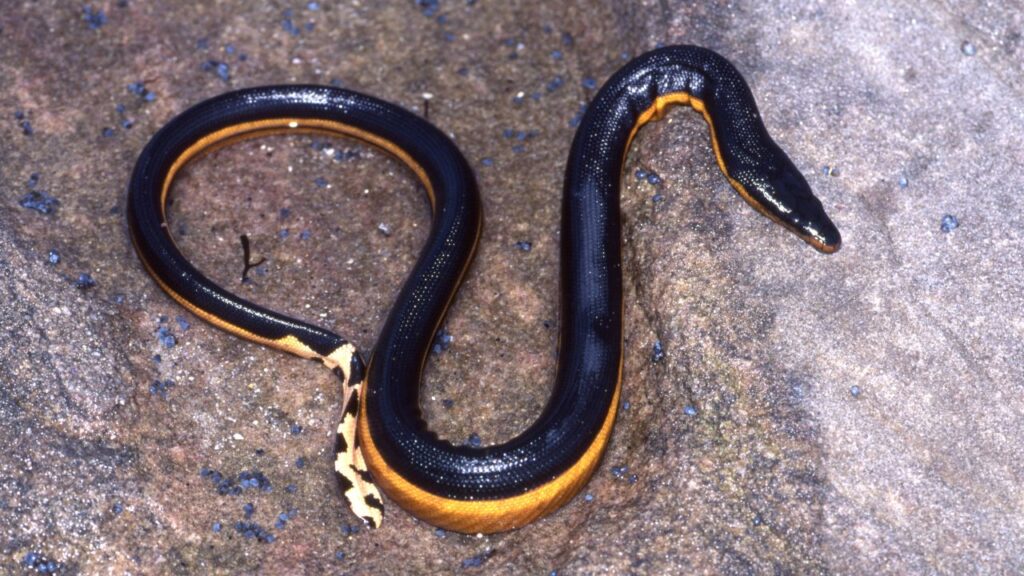
Meet the Yellow-bellied Sea Snake, the snake that truly lives life underwater. Unlike its land-dwelling cousins, this serpent has swapped deserts, forests, and mountains for the vast, salty seas. Step on land? Not a chance—it’s as awkward on land as a fish wearing roller skates.
This snake is built for the ocean, and it shows. Its nostrils sit high on its snout like tiny snorkels, letting it breathe without interrupting a leisurely swim, while its flattened, tapered belly works like a built-in keel, giving it stability and grace as it glides through coral reefs and open waters.
According to the Australian Museum, this snake spends most of its life underwater, and it can hold its breath for a jaw-dropping 90 minutes—or even longer—before surfacing for a quick gasp of air. Basically, it’s the Olympic free diver of the snake world.
And don’t let its graceful underwater ballet fool you: this snake packs a venomous punch. Its venom can cause muscle pain, stiffness, drowsiness, vomiting, and—even in rare untreated cases—paralysis or death.
In other words, admire it from a distance, because this snake is both elegant and lethal—a perfect blend of beauty and danger.
Surviving in the vast, unpredictable ocean isn’t easy, but the Yellow-bellied Sea Snake has evolved every trick in the book: long dives, hydrodynamic design, and a venomous arsenal. If snakes had a “James Bond of the ocean” title, this one would win it hands down.
7. African Rock Python
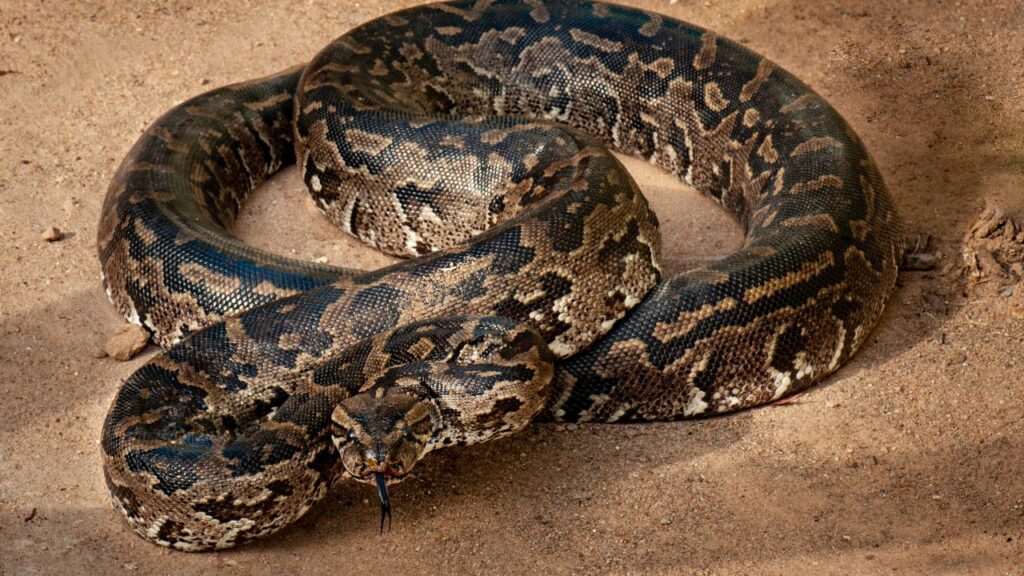
Meet the African Rock Python, the heavyweight champion of the snake world. Found across sub-Saharan Africa, this impressive serpent doesn’t just survive—it dominates. From sun-scorched savannas to soggy marshes, the Rock Python can handle it all. Talk about versatility!
This snake is built like a natural superhero: massive, muscular, and capable of taking down prey much larger than itself.
Its strength isn’t just for show—it’s a survival toolkit that allows it to thrive in diverse environments where food and water can be unpredictable. While other animals struggle with climate shifts, the African Rock Python just adapts, stretches, and slithers on, perfectly content in dry grasslands one day and wetlands the next.
Its adaptability goes beyond weather and terrain. This snake’s appetite is legendary, allowing it to consume prey ranging from birds and small mammals to surprisingly large animals—basically the “all-you-can-eat buffet” of the animal kingdom.
With size, strength, and survival smarts, the African Rock Python is a reminder that evolution favors the flexible, the resilient, and the downright impressive.
Conclusion
Snakes that can survive in extreme environments demonstrate remarkable adaptability and are among the most fascinating species in the animal kingdom. Other snakes like the western diamondback rattlesnake in western North America, to coral snakes, gopher snakes, rosy boas, and green anaconda, these adaptable snakes can blend seamlessly into various habitats such as slow-moving streams, rocky crevices, loose sand, and shifting sands. They are perfectly adapted to survive freezing temperatures, summer heat, moisture fluctuations, and even climate change, relying on strategies like tail positioning, body temperature regulation, and careful choice of surroundings.
Their diet consists of amphibians, other reptiles, and many creatures, while venomous snakes use potent venom or venomous bite to defend themselves and catch prey. These snakes maintain widespread distribution, populations, and docile nature where applicable. Invasive species, aquatic adaptations, and lack rattles in some species illustrate the diversity of survival strategies. By mastering extreme weather, summer, and moisture challenges, these snakes remain predators, avoid predators, and these snakes live in areas where few creatures could persist, showcasing their striking appearance and highly adaptable nature.
