




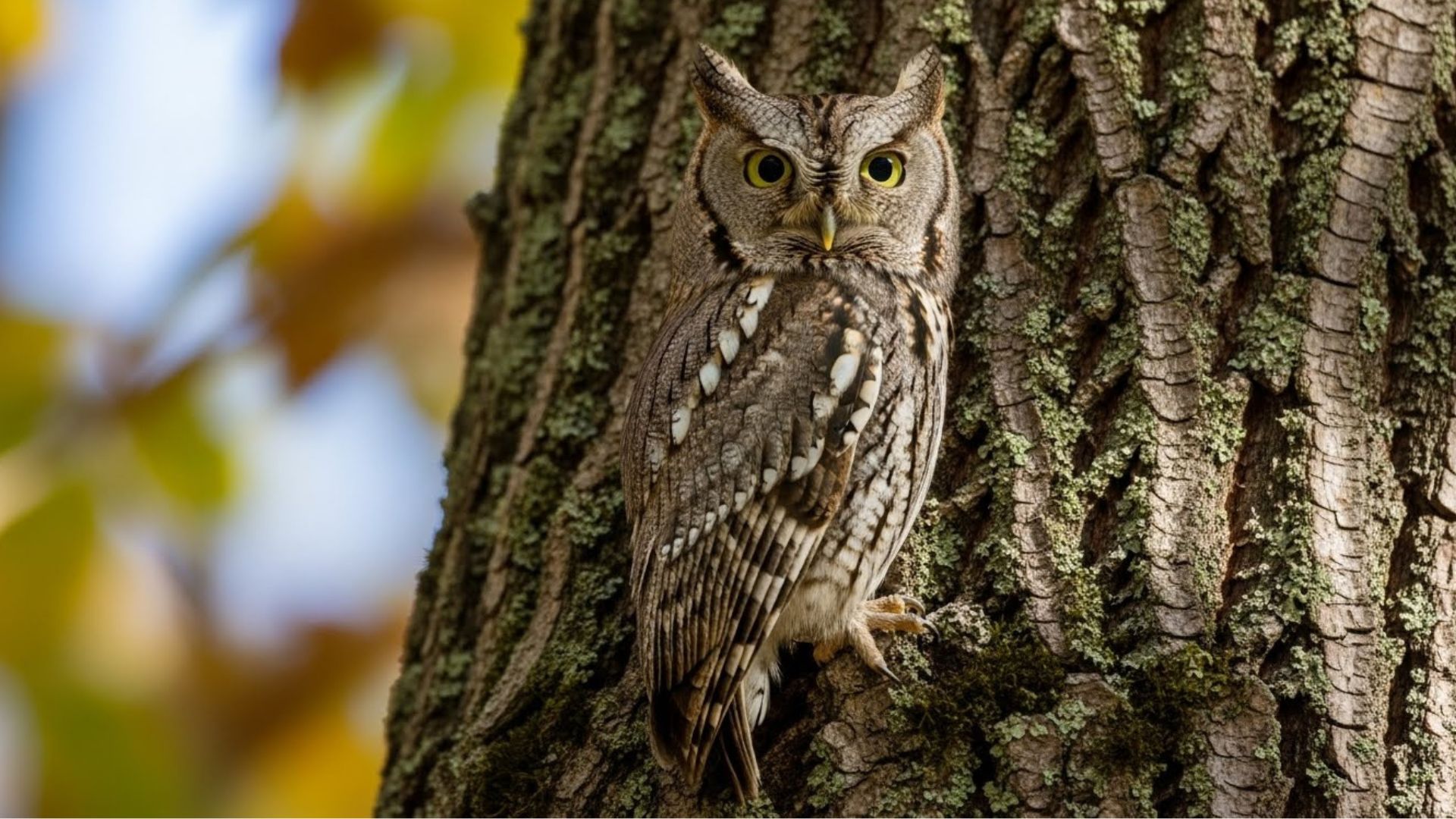
Camouflage is one of nature’s coolest survival tricks, and birds are some of the best at pulling it off. By blending perfectly into their surroundings, they stay safe from predators and get closer to their prey without being noticed.
Over millions of years, birds have developed colors, patterns, and behaviors that make them almost invisible in their habitats—whether that’s dense forests, grassy fields, or rocky cliffs.
What’s amazing is how detailed this disguise can be. Some birds don’t just match the color around them—they mimic textures like bark or leaves, and even use their posture to break up their outline.
Get ready to discover some truly remarkable birds that have mastered the art of disappearing right before your eyes.
Key Takeaways
See how birds like the Common Potoo vanish right before your eyes.
Discover how owls like the Eastern Screech blend perfectly into trees.
Watch the Ptarmigan change color to survive all seasons.
Find out how the Bittern and Woodcock hide in marshes and forests.
Birds That Are Masters of Camouflage
1. Common Potoo
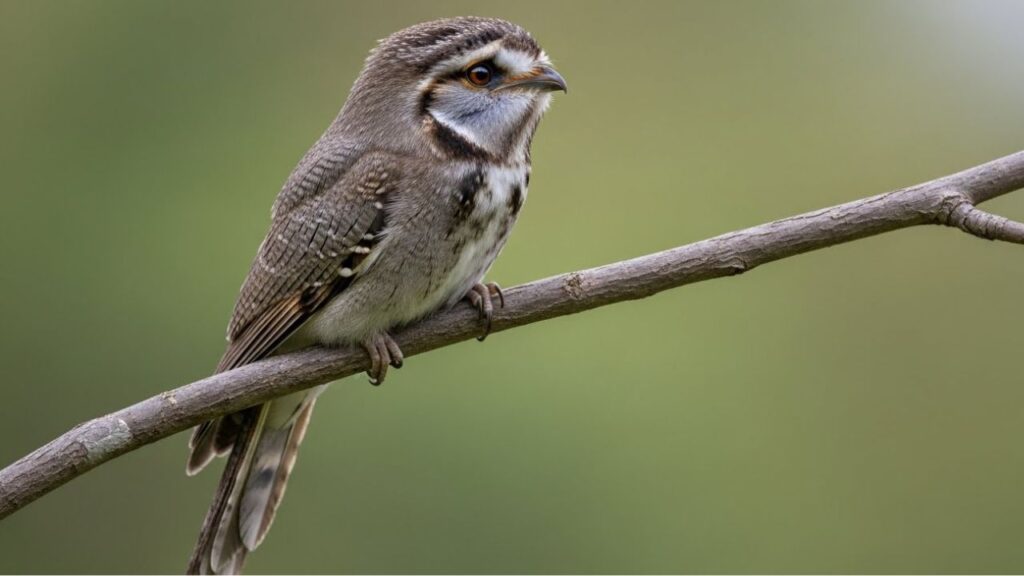
The Common Potoo is a nocturnal bird found in Central and South America, famous for its incredible camouflage. During the day, it perches upright on tree stumps or branches, blending perfectly with its surroundings.
Its feathers are mottled in shades of gray, brown, and black, closely resembling weathered wood covered in lichen and moss. This makes the bird almost invisible to predators and even to people passing by.
What makes the Common Potoo’s camouflage so effective isn’t just its color and pattern, but also its behavior. It stays completely still, even when danger is near, relying on its disguise instead of flying away.
This motionless pose helps it look like part of the tree. Even the chicks share this talent—they look like broken branches from the moment they hatch until they are ready to fly.
Here’s what makes the Common Potoo stand out as a master of camouflage:
It stays completely motionless during the day to avoid detection
At dusk, its large eyes help it spot insects for food during silent, quick flights
2. Eastern Screech Owl
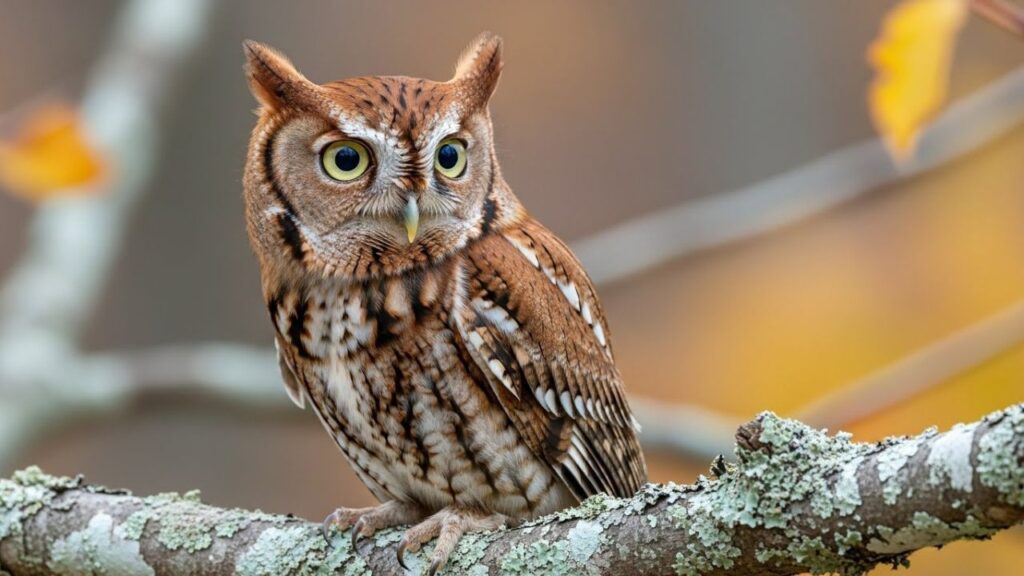
The Eastern Screech Owl is a small, nocturnal bird found mainly east of the Rocky Mountains in the U.S. It is a true master of camouflage, blending perfectly with the bark of trees. This owl comes in two color forms—gray and reddish-brown—which help it match different types of trees in its forest home.
Its feathers are patterned with complex bands and spots that mimic the texture and color of tree bark, making it almost invisible during the day.
When threatened, the Eastern Screech Owl uses a clever “tree-trunk pose.” It stretches its body, pulls its feathers close, and partly closes its eyes to erase shadows that could reveal its presence.
This stillness, combined with its bark-like plumage, helps it hide from predators and sneak up on prey like rodents and small birds. So effective is this disguise that researchers often locate these owls by their soft trilling calls at dusk rather than spotting them visually.
What makes the Eastern Screech Owl a true camouflage expert:
Two color morphs matching different tree types—gray and rufous (reddish-brown)
Unique “tree-trunk pose” to eliminate shadows and blend into the trunk
Mostly found in forests, city parks, and even suburban backyards
Known for soft trills and whinnies instead of harsh screeches
3. Ptarmigan
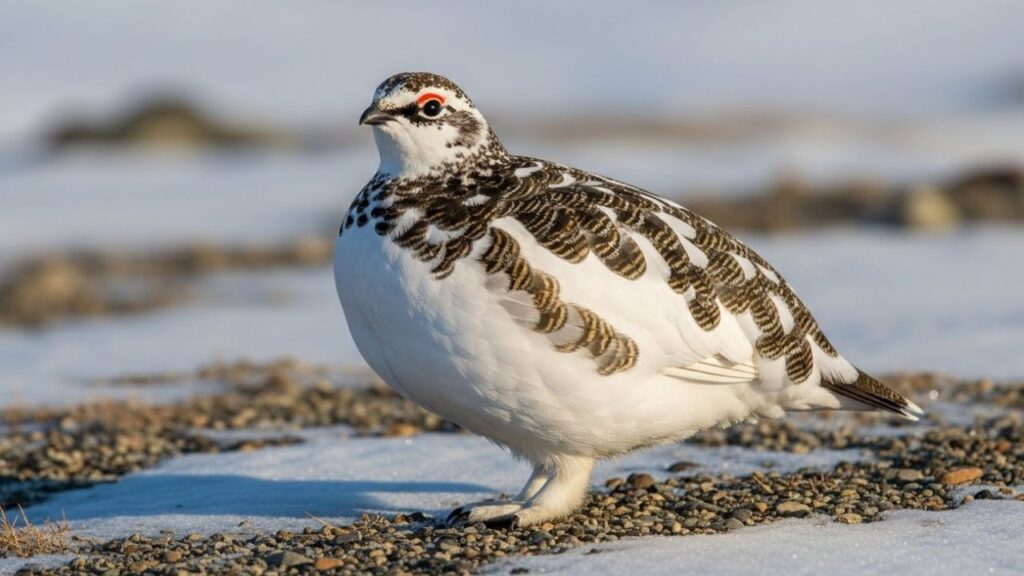
The Willow Ptarmigan is a remarkable bird that lives in cold, subarctic tundra regions like Alaska, Siberia, and parts of northern Europe. What makes this bird a true master of camouflage is its ability to change its plumage with the seasons.
In winter, the Ptarmigan’s feathers turn completely white, blending perfectly with the snowy landscape, according to Suffolk Wildlife Trust. When the snow melts, it molts into mottled brown and gray colors that match the rocky tundra and sparse vegetation of summer.
This seasonal transformation is one of the most impressive camouflage adaptations in the bird world. The timing is very precise, so the bird’s appearance always matches its surroundings, keeping it hidden from predators such as Arctic foxes, wolves, and eagles all year long.
Even the black patches on its tail and around its eyes stay visible, helping with identification while still providing excellent cover.
Key camouflage features of the Willow Ptarmigan include:
Complete color change from white in winter to mottled brown and gray in summer
Feather patterns that mimic rocks, vegetation, and snow, depending on the season
Feathered toes for insulation against cold environments
Resident habits, rarely moving far from breeding sites
Adaptation to extreme cold by shifting habitat slightly when needed
4. American Bittern
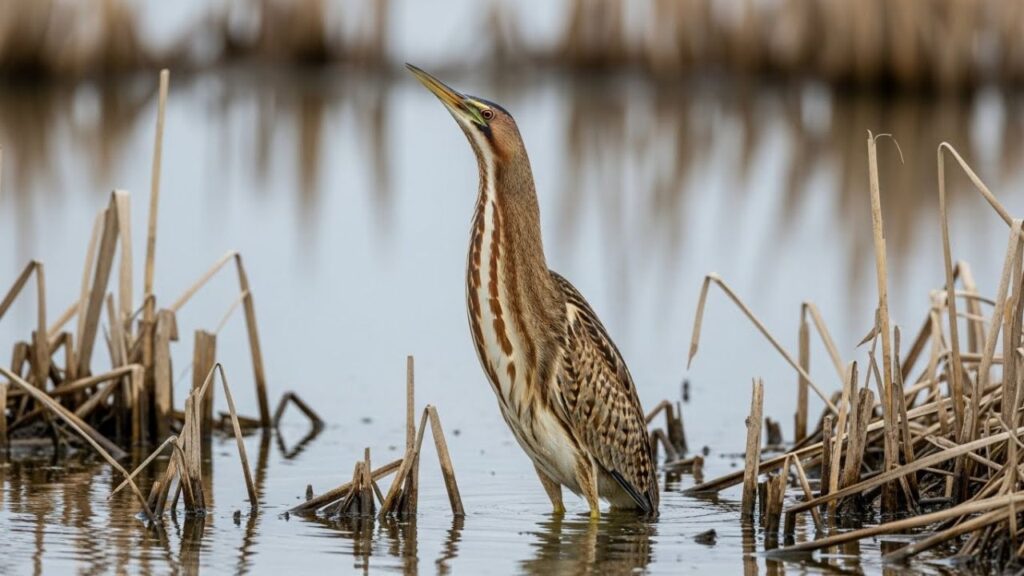
The American Bittern is a shy heron species found in marshes across Central America, the United States, and Canada. It is famous for blending perfectly among tall reeds and grasses.
This bird’s streaked brown and tan feathers look just like the marsh plants, helping it stay hidden from predators and humans alike. Though elusive, its deep, booming call can often be heard echoing across wetlands, especially at dusk or night.
American Bitterns prefer large, quiet freshwater marshes with dense vegetation. They have a thick, compact, and hunched posture that helps break up their outline.
When threatened, they freeze with their bill pointed straight up, perfectly mimicking the vertical reeds around them. This behavior, combined with their striped plumage, makes them almost invisible in their natural habitat.
What makes the American Bittern a camouflage expert:
Streaked brown and tan feathers that mimic marsh reeds
A hunched posture that blends into the vertical lines of grasses
Freezing behavior with the bill pointed upward to avoid detection
Loud booming calls that reveal their presence more than their appearance
Dependence on large, undisturbed wetlands for shelter and survival
5. Tawny Frogmouth
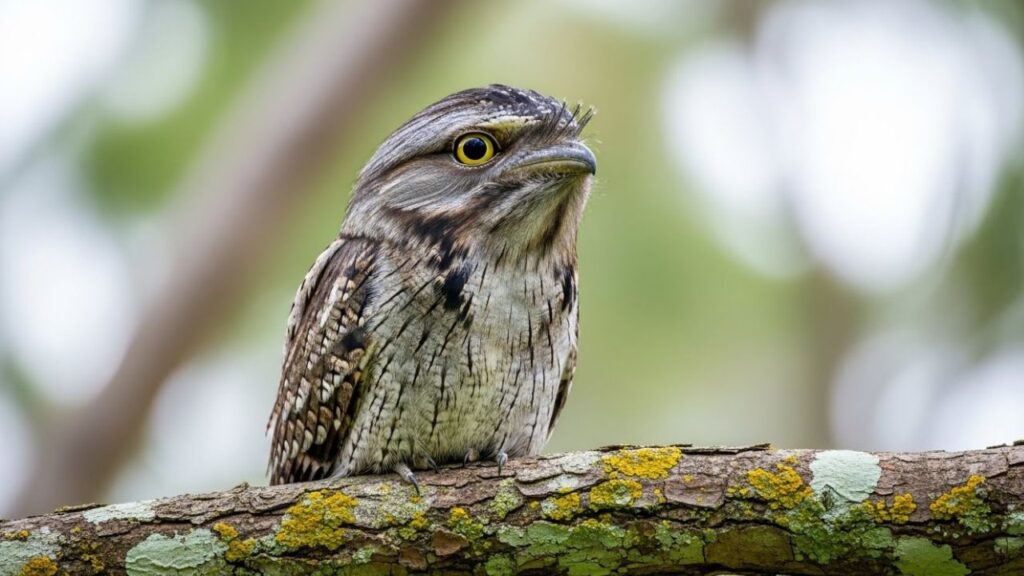
The Tawny Frogmouth is one of Australia’s most skilled masters of camouflage. Often mistaken for a broken tree branch, this nocturnal bird blends perfectly with the bark of the trees it rests on.
Its feathers come in shades from silvery-gray to rusty-brown, matching the colors and textures of tree bark in its environment. When threatened, the bird freezes in a “broken branch posture,” stretching upward, tightening its feathers, and squinting its eyes to look exactly like a part of the tree.
What makes the Tawny Frogmouth’s camouflage so convincing is tiny feather details that resemble lichen or fungi, adding extra realism to its disguise. This bird’s slow, deliberate movements and quiet nature help it remain unseen during the day.
At night, it uses its wide, hooked bill to catch insects, often pouncing silently on prey rather than chasing it in flight. Despite their name and owl-like appearance, Tawny Frogmouths belong to the nightjar family and are more closely related to species like potoos and oilbirds.
Key features of the Tawny Frogmouth’s camouflage include:
Feather patterns and colors that mimic tree bark perfectly
The “broken branch posture” that eliminates shadows and outlines
Small feather projections that look like lichen or fungal growth
Nocturnal habits and quiet, slow movements to avoid detection
Wide, hooked bill used for catching insects with quick pounces
6. American Woodcock
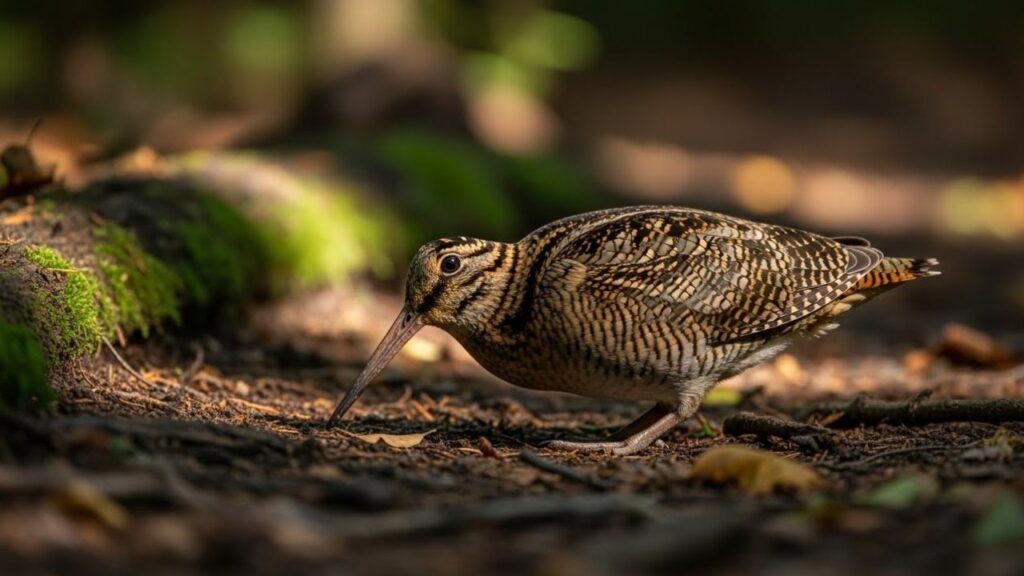
The American Woodcock is a ground-dwelling bird known for its incredible ability to blend into the forest floor.
Its feathers are a mix of russet, brown, and black, creating a pattern that perfectly matches leaf litter and dappled sunlight in eastern North American woodlands. This camouflage helps it stay hidden from predators and humans alike.
CornellLab mentions that one of the woodcock’s most unique features is its large eyes, positioned high and far back on its head. This allows the bird to watch for danger while keeping its long bill buried in the soil, searching for earthworms.
When threatened, the woodcock stays very still, pressing its body against the ground and relying entirely on its camouflaged feathers to avoid detection.
What makes the American Woodcock a master of disguise:
Plumage that breaks up its outline against leaf litter and forest floor shadows
Eyes placed for wide vision while feeding with its bill in the soil
The behavior of freezing motionless instead of flying when alarmed
Dazzling springtime flight displays and loud “peent” calls to attract mates
Prefers young forests and shrubby fields where its camouflage works best
7. Great Gray Owl
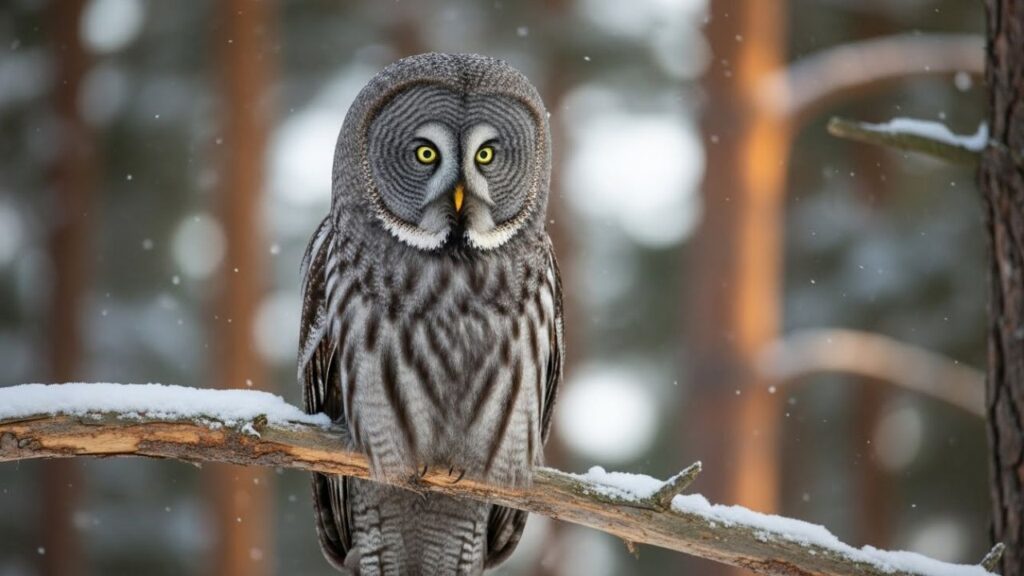
The Great Gray Owl is a striking bird known for its incredible camouflage in dense northern forests. Its mottled gray-brown feathers blend perfectly with the bark of conifer trees, making it almost invisible when perched.
The National Park Service states that this remarkable disguise earned it the nickname “Phantom of the North,” as even experienced birdwatchers often miss spotting this giant owl despite its size.
What sets the Great Gray Owl apart is not just its color but also its facial disk. Unlike other owls, its face helps break up its outline, blending smoothly into the forest background. This camouflage allows the owl to rest quietly during the day, saving energy for hunting tiny rodents at night.
When food is scarce, these owls may move south, giving people a rare chance to see them outside their usual northern homes.
Key features of the Great Gray Owl’s camouflage include:
Mottled gray-brown feathers that mimic tree bark
A facial disk that breaks up its shape against the forest
Thick, fluffy plumage that adds to its disguise
Quiet daytime roosting to avoid detection
Movement southward during low prey years, surprising birdwatchers
Conclusion
Birds that rely on camouflage prove just how important invisibility can be for survival. Whether they hide in a tree cavity, blend into dirt, or disappear among tree tops, their ability to match their surroundings keeps them safe from predators and helps them hunt more effectively. For many of these birds, staying unseen is just as vital as finding food or shelter.
But camouflage also shows how hard and difficult life can be for wild animals. A slight movement, a stretched neck, or an open space in the habitat can expose them to danger. Yet despite these challenges, these birds continue to thrive by using clever colors, patterns, and behaviors that let them vanish right before our eyes.
