




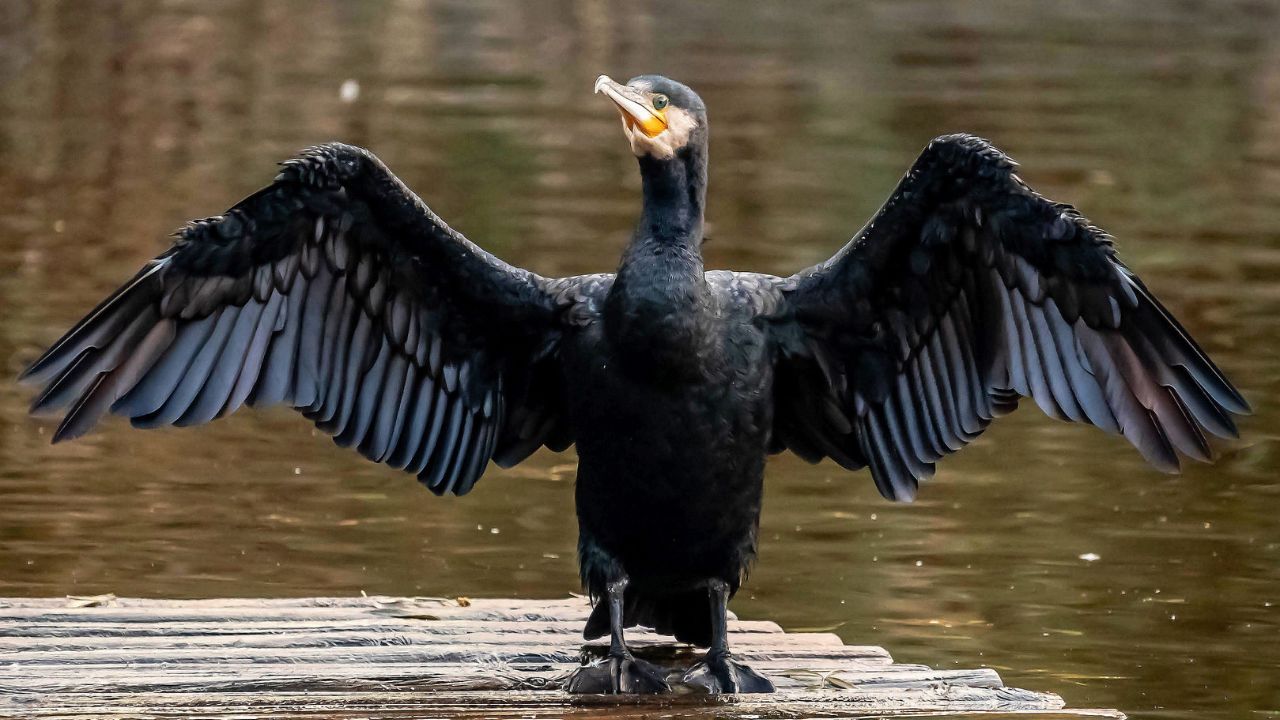
Birds are famous for their wings and the incredible ability to fly. But surprisingly, not all birds actually take to the skies. Some are born with wings yet can’t fly at all.
Instead, these flightless birds have found other amazing ways to survive and thrive—whether it’s running at impressive speeds, swimming like pros, or using their powerful legs to defend themselves.
Over millions of years, evolution has shaped these birds in fascinating ways, showing us that flying isn’t the only way to be extraordinary. In fact, many flightless birds have developed stronger muscles and sharper senses to make up for their grounded lifestyle.
So, even though these birds might not soar through the air, their unique adaptations make them just as remarkable—and you’re about to learn all about eight incredible species born with wings but destined to stay earthbound.
Key Takeaways
See how Ostriches and Cassowaries rule the ground with speed and power.
Meet Kiwi and Weka, masters of clever feeding without flight.
Dive with Penguins and Flightless Cormorants, experts in underwater hunting.
Find out why giving up flying made these birds truly extraordinary.
Birds That Are Born with Wings but Can’t Fly
1. Ostrich

The Ostrich is the largest bird and one of the most impressive flightless species in the world. While it can’t fly, it more than makes up for it with powerful legs built for speed. Living across the open lands of Africa, these birds use their incredible running ability to escape danger and explore vast areas.
Here’s what makes the ostrich truly remarkable:
They can sprint up to 45 miles per hour, making them the fastest-running birds on land.
Their wings aren’t for flying—they help with balance when running and are used to attract mates.
Ostriches have strong legs that can deliver powerful kicks to defend themselves.
With such strength and speed, flying would be unnecessary—and nearly impossible—for these giant birds. Instead, they rely on their legs and clever use of their wings to survive and thrive in the wild.
2. Kiwi
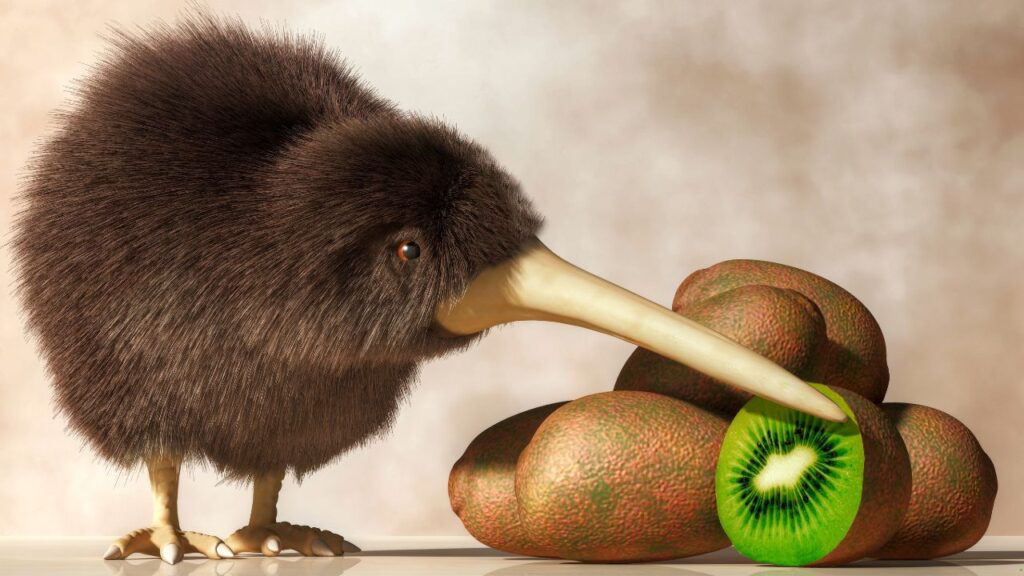
The Kiwi is a unique, flightless bird native to New Zealand. Though it has tiny hidden wings, these are too small to help it fly. Instead, the kiwi relies on its strong legs and keen senses to find food and stay safe. Its feathers are soft and hairlike, blending well with its forest home.
Here’s what makes the kiwi truly special:
Unlike most birds, its nostrils are located at the tip of its long beak, helping it sniff out insects and worms in the dark.
It’s shy and mostly active at night, using its whisker-like feathers to navigate through dense undergrowth.
Instead of building nests, kiwis burrow into the ground where they lay large eggs—some of the biggest in relation to body size anywhere in the bird world.
According to Wildlife Nomads, Kiwis belong to a group called ratites, which includes some of the largest flightless birds. But the kiwi is one of the smallest ratites, perfectly adapted to life without predators for much of its history. Its unusual features and quiet lifestyle make it a true wonder of nature.
3. Cassowary
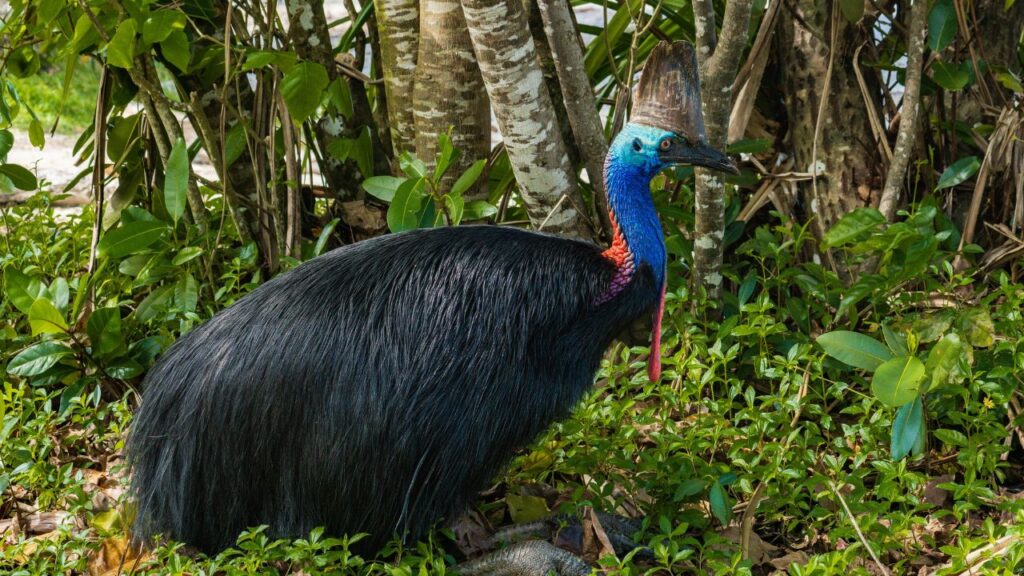
The Cassowary is a powerful flightless bird native to the tropical forests of New Guinea and northeastern Australia.
While it can’t fly, it moves quickly on the ground and is known for its strong legs and impressive jumping ability. This bird’s heavy body and lack of flight muscles keep it earthbound, but it’s far from defenseless.
Here’s what makes the cassowary stand out:
It has a sharp, dagger-like claw on each middle toe that can grow up to 4 inches long. This claw is strong enough to seriously injure predators—or even humans.
The cassowary wears a unique helmet-like casque on its head, made of keratin, which adds to its striking appearance.
Its black, hair-like feathers and colorful wattles make it look like it’s dressed in a natural, fur-like cape.
Though usually shy and wary of people, cassowaries can be dangerous if threatened. Known as one of the world’s most dangerous birds, they use their powerful legs and claws to defend themselves fiercely.
In their rainforest homes, cassowaries use their speed and strength to find food and protect their territory.
4. Penguin

Penguins are famous flightless birds that spend most of their time swimming and diving rather than flying. All 18 species of penguins have wings, but these wings are specially adapted as flippers, helping them glide swiftly underwater to catch fish and avoid predators.
While many think of penguins as Antarctic residents, most live in temperate or even tropical climates, including the Galapagos penguin at the Equator.
What makes penguins truly remarkable:
Their short legs and stocky bodies give them a charming waddle on land.
Penguins are mostly monogamous, often returning to the same mate each breeding season despite large colony sizes.
Both parents share the important job of incubating eggs and feeding chicks with nutrient-rich regurgitated food.
Penguin parenting is impressive. According to Live Science, species like the emperor penguin keep eggs warm by balancing them on their feet under a skin fold. Chicks stay protected and warm under their parents’ care until they grow juvenile feathers.
Some species even gather their young in groups called crèches, adding extra protection from predators and cold weather. These amazing behaviors help penguins survive in some of the harshest environments on Earth.
5. Rhea
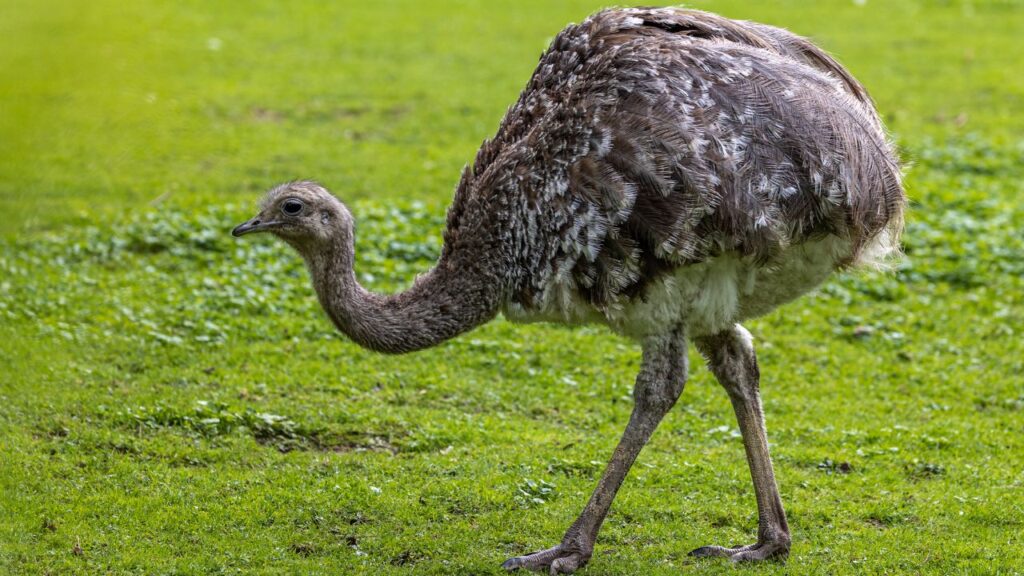
Rheas are large, flightless birds native to the open grasslands and savannas of South America. They belong to a family closely related to ostriches and emus.
There are two main species: the common rhea and Darwin’s rhea. Both are well adapted to life on the ground, relying on speed and strong legs rather than flight to get around.
Here’s what makes rheas stand out:
They live mostly in open areas where they can spot danger from afar and quickly run away.
Their feathers are soft and help them blend into their natural surroundings, from brown and gray tones to lighter underparts.
Rheas use their sharp eyesight and keen senses to find plants, seeds, and insects to eat.
Although they cannot fly, rheas are excellent runners and use their legs to escape predators. Their unique feeding habits allow them to thrive in tough environments, making them fascinating examples of birds that have traded wings for powerful feet.
6. Weka
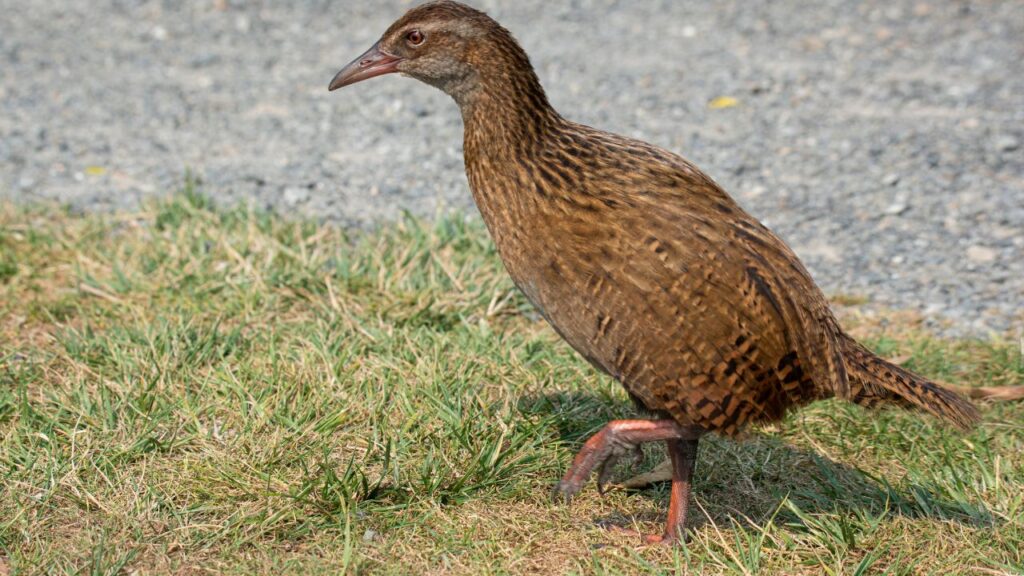
The Weka (Gallirallus Australis) is a flightless bird native to New Zealand, known for its bold and curious nature. Despite its unassuming brown feathers, this bird stands out with a loud call often sung as a duet between males and females.
Britannica says that Weka are attracted to human activity and are famous for their cheeky habit of stealing food, crops, and small objects.
Here’s what makes the weka special:
It is a skilled swimmer and moves easily through forests, wetlands, and even suburban areas.
Weka have strong, sharp bills and sturdy legs, which help them forage for insects, plants, and other food.
They are known for pilfering gardens, poultry food, and even dog bowls, showing off their clever and mischievous side.
Once a vital resource for native Māori and early settlers, the weka has faced population declines due to predators and habitat changes. Yet, these resilient birds still thrive in many parts of New Zealand. Their bold personality and unique feeding habits make encountering a weka a memorable wildlife experience.
7. Flightless cormorant
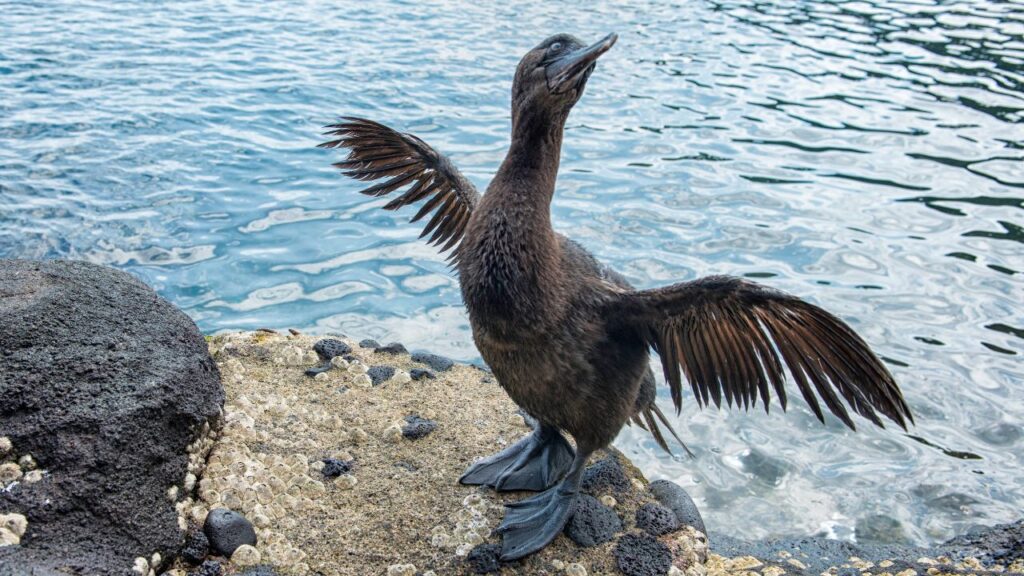
The flightless cormorant is a rare bird found only on two islands in the Galapagos: Fernandina and Isabela. Unlike other cormorants, this bird has lost the ability to fly.
Its wings are much smaller than needed for flight, making it a true island specialist. This unique bird spends most of its time swimming and hunting along rocky shorelines.
What makes the flightless cormorant stand out:
It has stunted wings about one-third the size needed for flying.
Its feathers are black on top and dark brown underneath, with striking turquoise eyes.
With webbed feet and strong swimming skills, it catches fish and marine life in cold waters.
Scientists believe the bird evolved this way because it had few land predators. Those better at swimming survived and passed on their genes. Today, the flightless cormorant is an extraordinary example of how animals adapt to their environment, trading flight for powerful swimming skills.
Conclusion
Flightless birds evolve in fascinating ways to adapt to their native habitat, often in places with few predators. Over many generations, these birds developed unique features like long legs and long necks to survive on the ground and travel long distances.
However, environmental changes and introduced predators have greatly reduced many bird populations, with some, like the famous extinct flightless bird, the Dodo, sadly becoming extinct.
Conservation efforts, including captive breeding programs, are now vital to protect the smallest flightless bird and other vulnerable species from natural predators and ground-based predators.
Many birds in the southern hemisphere face threats from introduced predators that disrupt their small population numbers. Understanding how flightless birds can’t fly yet thrive through convergent evolution helps us appreciate the delicate balance needed to preserve these incredible animals.
There are other bird species as well that cannot fly. These include the Steamer Duck, Campbell Teal, Titicaca Grebe, Inaccessible Island Rail, and Short-Winged Grebe.
