




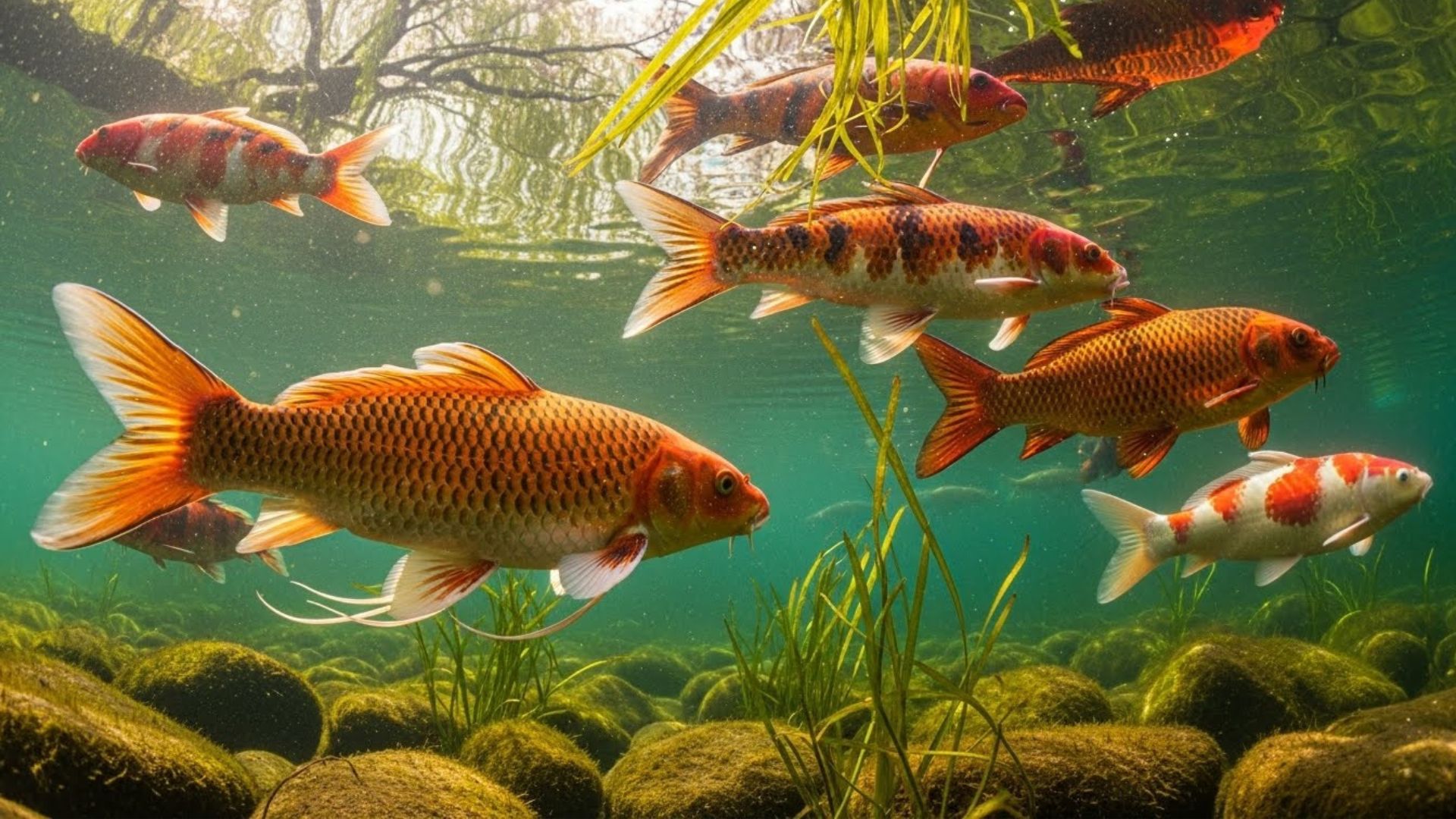
When we think of the passage of time, we often measure it against our own human experience. A century feels like an eternity, a marker of history and profound change. Yet, beneath the waves of the world’s oceans, lakes, and even in our backyard ponds, there are living creatures for whom a century is but a fraction of their existence.
The world of fish is home to some of the most remarkable examples of intense longevity on Earth, with some species possessing lifespans spanning multiple human generations. Their secrets to a long life are deeply entwined with their biology, habitat, and the slow, deliberate pace of their existence.
This journey will take us from the crushing great depths of the Arctic to the tranquil waters of an ornamental garden. We will explore the science behind how these animals defy aging, from the groundbreaking marine research that unlocked the secrets of the longest-living vertebrate to the dedicated care that enables a common pet to live for decades.
These stories are not just about age; they are about adaptation, evolution, and the incredible resilience of life in some of the planet’s most extreme environments.
Let’s dive in and meet the finned Methuselahs of our world.
Fish Known for Their Extreme Longevity
1. Greenland Shark
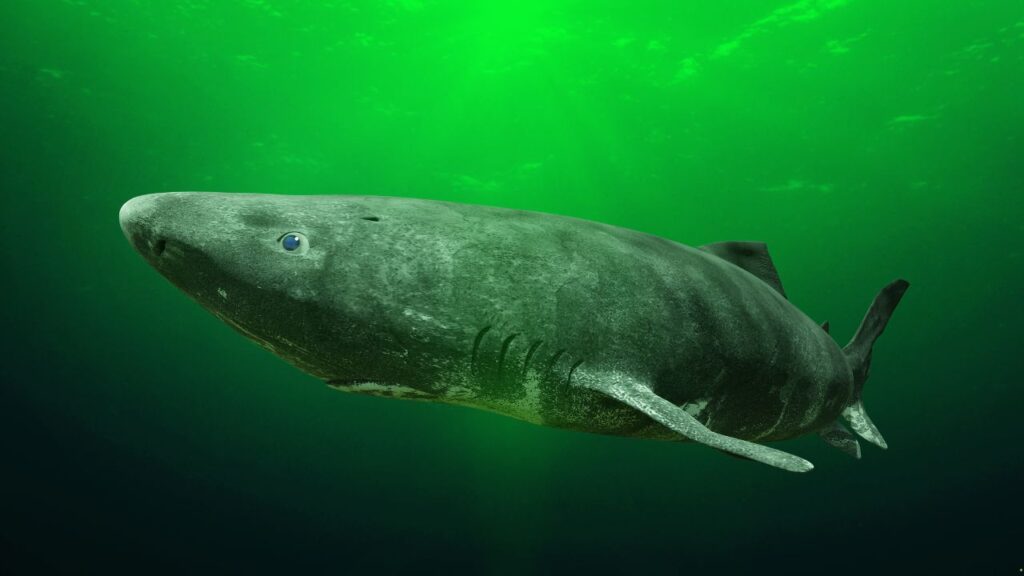
This enigmatic shark species silently navigates the cold waters of the North Atlantic and Arctic oceans, living a life in extreme slow motion.
For centuries, its age remained a complete mystery, but recent scientific breakthroughs have revealed a staggering truth. These sharks are the longest living vertebrates known to humanity, with an estimated lifespan that can reach, and possibly exceed, 500 years.
The key to unlocking this incredible, extreme lifespan came from a groundbreaking 2016 study published in the prestigious journal Science. A research team led by scientists from the University of Copenhagen used a novel technique to radiocarbon-date proteins in the shark’s eye lens.
The team found that the oldest shark in their study was approximately 392 years old, with a potential margin of error suggesting it could be as old as 512. This discovery was a monumental moment in marine science and experimental biology, reshaping our understanding of what is possible for a vertebrate’s life history.
Unfortunately, this late maturity makes the Greenland shark population exceptionally vulnerable. While not typically targeted, they are often accidentally captured as bycatch in commercial overfishing in the North Atlantic.
Effective conservation for this ancient mariner is a significant challenge, requiring a deeper understanding of its distribution, population dynamics, and the mysterious details of its life in the abyssal dark, a place few other species can endure.
2. Koi Fish
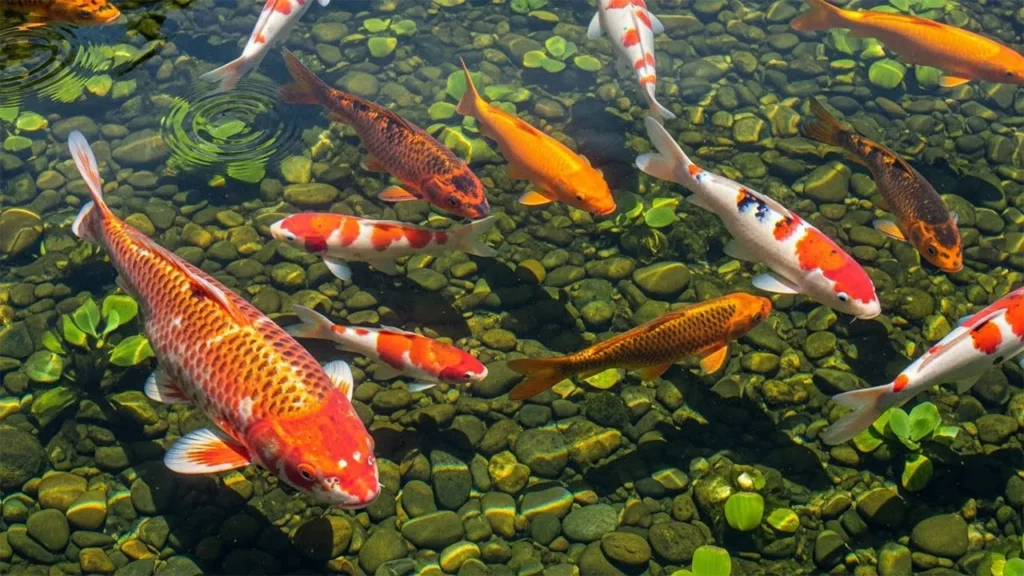
Koi fish, the “living jewels” of aquaculture, are a domesticated variety of the Amur carp.
While the average lifespan of a well-cared-for Koi is a respectable 25 to 40 years, as per PetMD, some individuals have achieved legendary status. The most famous account is of a scarlet Koi named “Hanako,” who was anecdotally reported to have lived for 226 years, her age supposedly determined by counting growth rings on her scales.
While this specific claim is not scientifically verified, biologists have noted that it highlights the remarkable potential for a long lifespan in this family of fish.
The secret to a Koi’s long life lies in a combination of genes and environment. Over centuries of selective breeding, Koi have developed significant genetic diversity, which can contribute to their hardiness.
However, their natural habitat has been replaced by a human-curated one, and it is the quality of this care that truly unlocks their potential. A large, stable pond with pristine water quality, a nutritious and varied diet, and protection from predators and stress are all critical factors.
In Japanese culture, Koi are more than just pets; they are symbols of strength, perseverance, and good fortune. Their ability to live for so long means they are often passed down through generations as family heirlooms.
3. Orange Roughy

Plunging back into the deep waters of the ocean, we encounter the Orange Roughy, a species whose extreme longevity has unfortunately become its most significant liability.
Smithsonian states that this bright reddish-orange fish lives at great depths, typically between 500 and 1,500 meters, in oceans around the world.
For a long time, it was just another deep-sea creature, but research into its biology revealed a startling fact: the Orange Roughy is one of the longest living fish on the planet, with a lifespan commonly exceeding 150 years. Some studies have even suggested an age of over 200 years, placing it in the same league as the rougheye rockfish and other deep-sea Methuselahs.
Similar to the Greenland shark, the Orange Roughy’s long life is a product of its cold, dark, and low-energy environment. Its metabolism is incredibly slow, leading to a very slow growth rate and delayed sexual maturity.
An Orange Roughy does not begin to produce young until it is around 30 years old, an astonishingly late start compared to most commercially harvested fish.
4. Goldfish
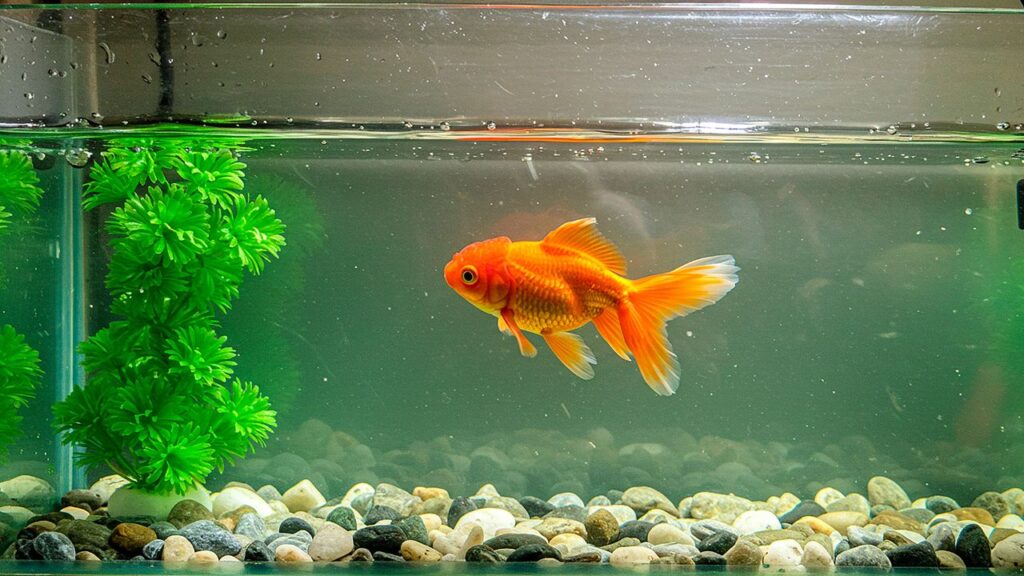
One of the most well-known long-lived fish is also among the most mistreated. The humble goldfish, often seen as a disposable prize at a fair, possesses the genetic blueprint for a remarkably long lifespan.
While the average goldfish kept in a small bowl may only survive for a year or two, this is due to poor habitat, not a biological limitation. When given the proper environment—a large, well-filtered aquarium or a pond—a goldfish can easily live for 10 to 20 years, and the world record holder lived to be 43 years old!
They are hardy animals that, in the right conditions, can grow large—often over a foot long. The tiny fish that started its life in a plastic bag has the potential to become a robust, impressive specimen.
National Geographic says the key is space. A large volume of water dilutes waste, provides oxygen, and allows the fish to exercise, preventing stunting and promoting a healthy, long life. A proper diet and stable water temperatures also play a crucial role.
The dramatic difference between a goldfish’s potential lifespan and its typical lifespan is a powerful lesson in animal husbandry. It highlights how profoundly an animal’s environment affects its well-being and age.
So, the next time you see a goldfish, remember that you are looking at an animal with the potential to be a companion for decades. They are not disposable decorations but complex living creatures with a surprising capacity for a long life.
5. Clown Loach
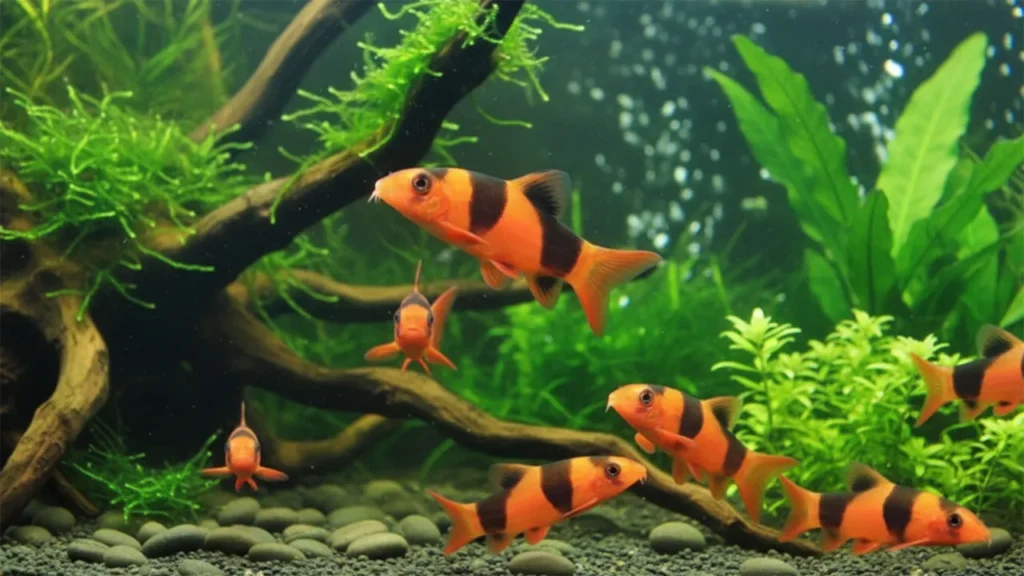
A vibrant and playful favorite in the aquarium hobby, the Clown Loach is another fish with a surprisingly long lifespan.
Native to the rivers of Indonesia (Sumatra and Borneo), these social fish are known for their bright orange and black stripes and their quirky behaviors, like “playing dead” by lying on their sides. While many aquarium fish live for only a few years, a well-cared-for Clown Loach can easily live for 15 to 20 years. This makes them a long-term commitment for any aquarist.
Their longevity is tied to their social nature and specific habitat needs. In their natural habitat, they live in large groups and are accustomed to the seasonal changes of monsoon rivers. Replicating this ecology in an aquarium is key to their health. They require a large tank to accommodate their potential larger size (up to 12 inches) and their need to live in groups of five or more.
A solitary Clown Loach will be stressed and unhealthy. Providing a proper diet, clean water, and plenty of hiding places allows them to thrive and reach a ripe old age.
The reproduction of Clown Loaches is a fascinating aspect of their biology, closely linked to their environment. In the wild, they migrate upstream to spawn in flooded tributaries during the rainy season. This complex process is extremely difficult to replicate in captivity, so the vast majority of Clown Loaches sold in the hobby are caught in the wild as young fish.
6. Firemouth Cichlid

Hailing from the rivers and lagoons of Central America, the Firemouth Cichlid is a popular aquarium species renowned for its fiery red-orange throat, which it flares out to intimidate rivals or attract a mate.
While not reaching the extreme longevity of a Greenland shark, for an easily obtainable aquarium fish, its lifespan is impressive. With proper care, these cichlids can live for 10 to 15 years, becoming long-term residents of a home aquarium. Their hardiness and fascinating behavior make them a rewarding species to keep.
Part of what makes the Firemouth Cichlid so interesting is its complex social behavior and reproductive strategy. They are dedicated parents. A male and female will form a pair bond, clean a spawning site (usually a flat rock), and lay their eggs.
Both parents then fiercely guard the eggs and the resulting fry (young), chasing away any intruders. This high level of parental investment is a hallmark of the cichlid family and contributes to a higher survival rate for their offspring compared to fish that simply scatter their eggs.
The Firemouth Cichlid indicates that even relatively common and accessible fish can possess a noteworthy lifespan. Their care provides a fascinating window into the worlds of animal behavior, parental care, and the specific ecology of their native distribution.
7. Discus
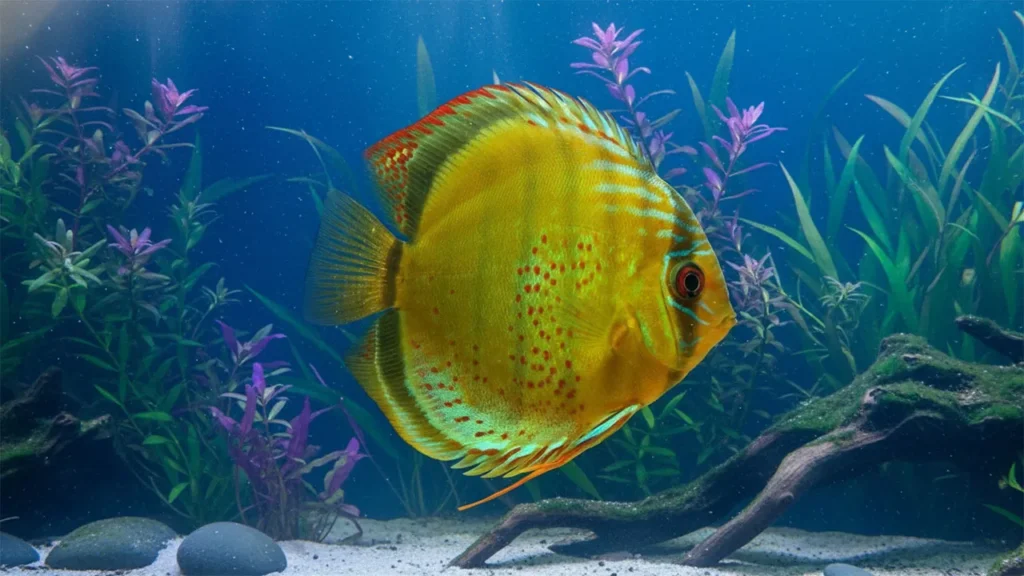
Often called the “King of the Aquarium,” the Discus fish is a genus of cichlids native to the Amazon River basin, known for its majestic, round body and stunning coloration.
Keeping this fish is often seen as the pinnacle challenge for freshwater aquarists due to their specific and demanding care requirements. However, for those who succeed, the reward is a truly magnificent fish that can grace their tank for 10 to 15 years. This long lifespan is a testament to the dedication required to keep them healthy.
The primary challenge in keeping Discus is their need for exceptionally clean, soft, acidic, and warm water, mimicking the “blackwater” conditions of their Amazonian habitat. They are highly susceptible to stress and disease if water parameters fluctuate.
This sensitivity means that only the most diligent keepers can help them achieve their full age potential. Their peaceful but hierarchical social structure also requires them to be kept in groups in a large, stable environment to prevent bullying and stress.
The Discus fish embodies the connection between a demanding environment and the potential for a long life when those demands are met. Their lifespan is a direct reflection of the keeper’s skill and commitment, a living trophy earned through diligence, research, and a deep appreciation for the fish’s delicate biology.
Conclusion
From the abyssal plains of the Arctic Ocean to the carefully tended waters of a living room aquarium, the world of fish offers a breathtaking spectrum of longevity. For some, like the Greenland shark and Orange Roughy, extreme longevity is an adaptation to a cold, dark, and unforgiving world, a life lived at a pace we can barely comprehend.
For others, like the Koi and Goldfish, a long lifespan is a hidden potential, unlocked only by the careful hand of a dedicated human caretaker.
