




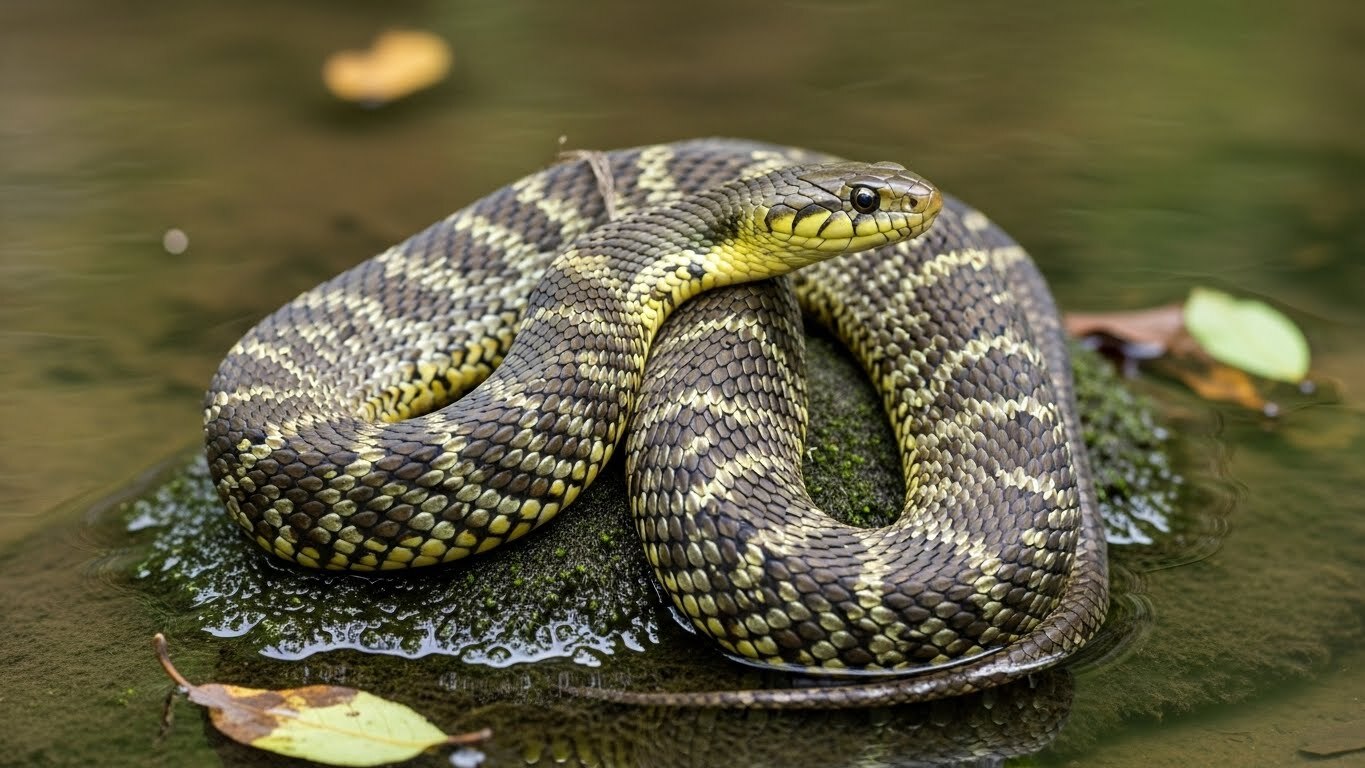
When most people think of snakes, they imagine them slithering silently through grass or forests. But many species have an incredible hidden talent: swimming. These serpents are not only capable in water—they often excel, gliding through rivers, lakes, and even coastal waters with astonishing grace and efficiency.
Water-dwelling snakes have evolved unique adaptations to thrive in aquatic environments. Some have flattened tails that act like paddles, while others can hold their breath for long periods to hunt underwater.
Swimming snakes play important roles in their ecosystems, controlling fish populations and even becoming prey for larger aquatic predators. Observing them in motion highlights the elegance, flexibility, and survival skills that make snakes such fascinating creatures.
Next time you visit a riverbank or coastal area, look closely—you might be witnessing a snake in its natural, water-loving element. These unexpected swimmers challenge everything we think we know about snakes and show that they are far more versatile than most people realize.
Fun Fact: Not all water snakes live in water, and not all swimming snakes are venomous! The yellow-bellied sea snake, for example, can stay submerged for up to 2 hours while hunting fish—making it one of the ocean’s stealthiest predators.
Snakes You Didn’t Know Could Swim
1. Diamondback Water Snake
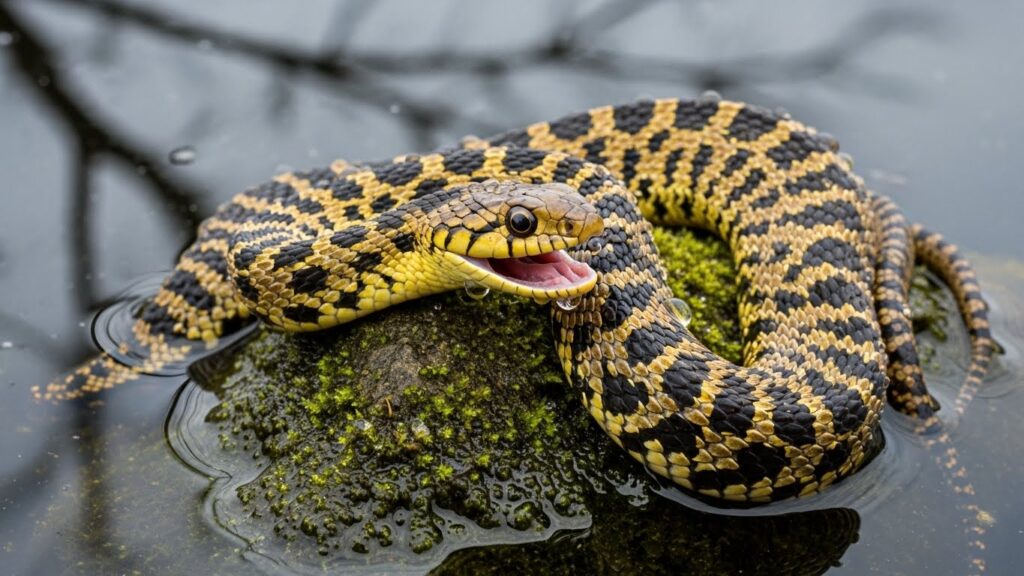
Meet the diamondback water snake—the Houdini of the waterways! Often mistaken for the more dangerous cottonmouth, this snake is a master of disguise but entirely harmless to humans. Think of it as the friendly neighbor who looks intimidating at first glance but just wants to snack on fish and chill in the sun.
These snakes are true aquatic aficionados. Their menu reads like a “seafood and more” buffet: catfish, amphibians, baby turtles, insects, crayfish, even the occasional smaller snake or tiny mammal. And if you get too close for comfort, don’t worry—they won’t bite.
Instead, they release a stinky musk from their anal glands, basically saying, “Back off, buddy!” in the world’s least pleasant perfume. Diamondback water snakes are practically eastern U.S. celebrities, lounging near rivers, ponds, lakes, and any water source that doesn’t mind a slithering guest.
They’re hefty creatures, stretching up to five feet long and capable of producing up to 50 baby snakes in one go—basically the overachievers of the snake world. Their yellow to brown bodies, marked with a chain-link fence pattern of dark diamonds, are perfect camouflage for stealthy swims and surprise ambushes on their unsuspecting prey.
While they’re mostly aquatic, these snakes are known to go on occasional “land vacations” during heavy rains. Don’t be surprised if you spot one far from a pond—they’re just out exploring the neighborhood, maybe hoping for a new fishing hole or just enjoying the fresh puddles.
So next time you’re near a calm riverbank and spot a diamondback water snake, remember: it’s more of a “swim, eat, repeat” kind of snake than a “bite everything in sight” type. And honestly, who can blame it? Water life is way too fun to worry about humans.
2. Concho Water Snake
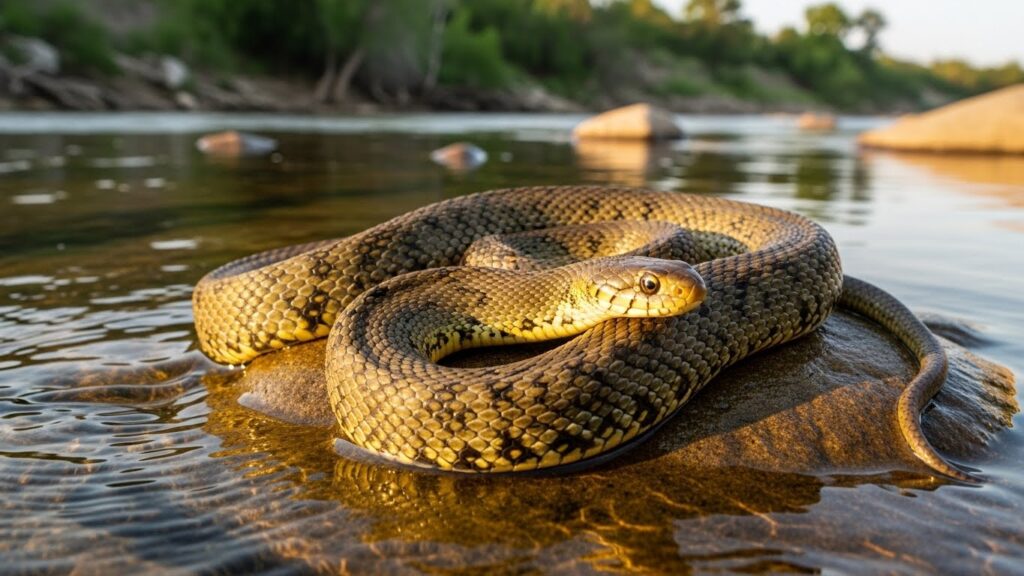
Next up is the Concho water snake, the little river specialist of Central Texas. The Concho water snake (scientific name: Nerodia paucimaculata) is a primarily aquatic, nonvenomous species belonging to the Colubridae family, according to Wikipedia.
These snakes are the introverts of the snake world—picky about where they live, nonvenomous, and mostly keeping to themselves in flowing rivers. Unlike their more social water snake cousins, who hang out in lakes and ponds, Conchos insist on moving water. Have they got standards, okay?
Small but mighty, adult Concho water snakes reach around three feet long—basically the “fun-sized” version of the snake family. Their tan-to-red-brown bodies are adorned with subtle checkerboard markings along their backs, giving them a look that’s both understated and stylish. Think of them as the snakes who show up to the party quietly but still turn heads.
When it comes to food, these snakes are true fish fanatics. Minnows? Yes, please. Small fish? Absolutely. If it swims, it’s on the menu. Their hunting is mostly low-key, gliding through the currents like stealthy underwater ninjas—no drama, just efficient fish-catching action.
Unfortunately, the Concho water snake is facing some real-life drama. Habitat loss, pollution, and fragmented rivers have made them endangered, which means spotting one is a special treat—like finding a rare hidden gem in Central Texas.
So next time you’re exploring a flowing river in Central Texas, keep your eyes peeled. You might just catch a glimpse of this modest, fish-loving, river-dwelling snake doing its graceful thing—reminding us that even the smallest snakes can be pretty extraordinary.
3. Brown Water Snake
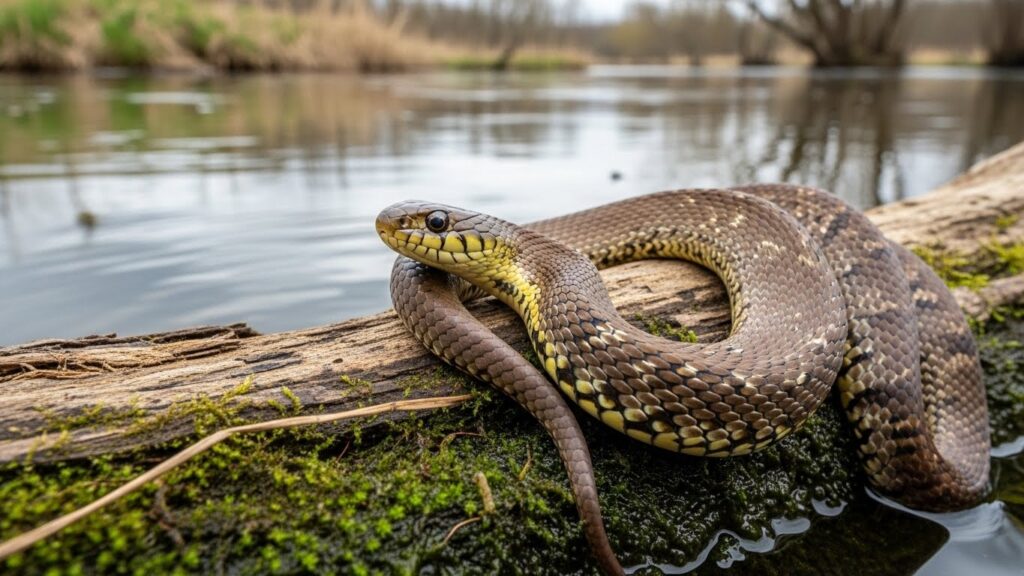
Say hello to the brown water snake, the stealthy swimmer of slow-moving waters. Like the diamondback, these snakes are all about the fish life—especially catfish. If fish had a Yelp review system, the brown water snake would definitely be a five-star critic… and also the main course.
These snakes are on the larger side for water snakes, stretching up to five feet long with thick, sturdy bodies that make them look like the tank versions of the snake world.
And when danger comes knocking? They don’t bother with confrontation—they dive straight into the water with the kind of grace and speed that would make an Olympic swimmer jealous.
Brown water snakes are loyal to their watery homes. You’ll find them hanging out in canals, rivers, and sometimes lakes, always near permanent water sources because, let’s face it, a fish-less diet is not their style.
They’re the ultimate “you are what you eat” kind of snake—mostly fish, mostly water, and mostly minding their own business.
So next time you’re by a calm river or lazy canal, keep an eye out. That smooth, brown slip gliding under the surface? That’s the brown water snake, quietly running its aquatic empire while keeping a safe distance from humans.
4. Plain-Bellied Water Snake
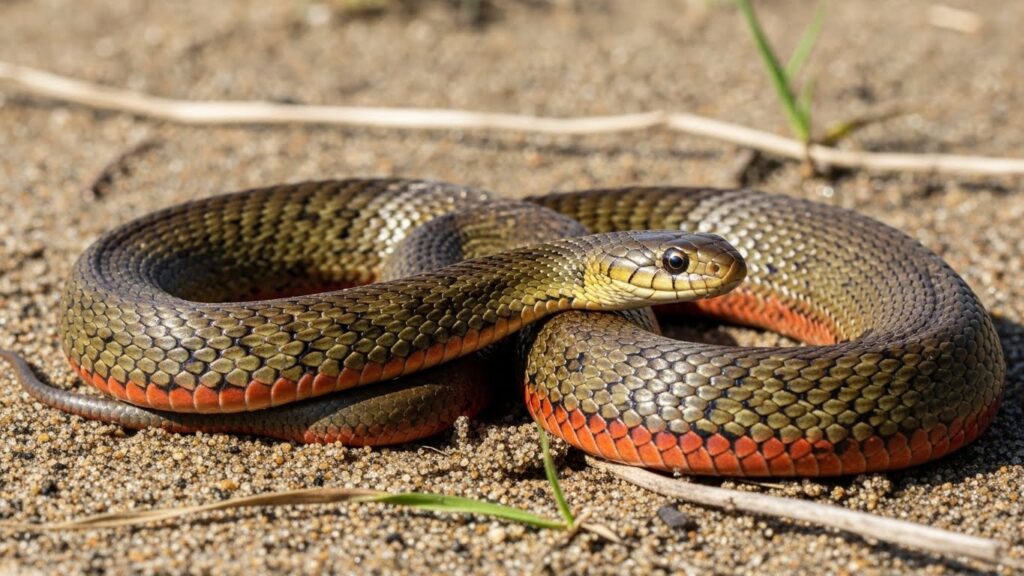
Next up is the plain-bellied water snake, a misunderstood hero of the waterways. These snakes can grow up to four feet long, but sadly, their reputation often precedes them—they’re frequently mistaken for the venomous cottonmouth and meet an untimely end from humans who just don’t know better.
Talk about being judged by your looks! Unlike some of their more aquatic cousins, plain-bellied water snakes have a bit of a land-lover side.
When threatened, they’ll make a graceful escape to dry land, proving that sometimes the best defense is just saying, “Nope, I’m outta here.”
Their diet is the stuff of swampy dreams: salamanders, frogs, toads, fish, and crayfish. Basically, if it hops, swims, or crawls, it’s on the menu.
And for the ladies of the species, life is extra busy—they can give birth to up to 55 little wriggly swimmers at a time. Males, on the other hand, are smaller and less prolific, showing that sometimes size and ambition don’t always match up.
So next time you spot a plain-bellied water snake, remember: it’s not out to get you—it’s just trying to survive, feast, and maybe start a little snake family along the way. And really, who can blame it for wanting to make a quick exit when things get tense?
5. Northern Water Snake
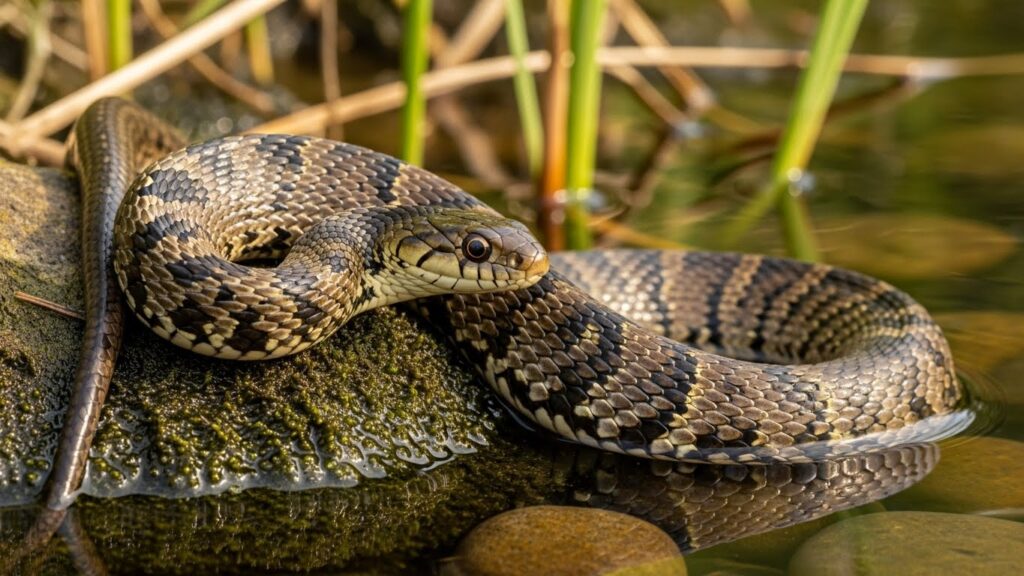
Meet the Northern water snake, the sunbathing semi-aquatic traveler of the eastern U.S. Unlike some of its cousins, it politely skips Florida and the southeastern coast, instead making its home from cozy ponds and rivers to the southern edges of the Great Lakes.
Basically, it’s the snake version of that friend who refuses to go to the crowded beach but loves a quiet lake getaway. These snakes enjoy a diet of amphibians and fish, so don’t be surprised if you catch one sliding silently through the water on a fish-hunting mission.
But they’re not all about aquatic life—they also love basking in the sun, whether that’s on a rock near the water or perched in a branch that hangs over the lake. Think of it as multitasking: soaking up Vitamin D while keeping an eye on dinner.
Northern water snakes range from 2 to 4.5 feet long and sport a yellow-to-gray body marked with darker splotches. Their patterns make them blend perfectly into sun-speckled water edges, ideal for ambushing prey—or avoiding humans who might mistake them for something more dangerous.
So if you’re out near a quiet pond or river and see a snake enjoying a sunbath on a rock, it’s probably a Northern water snake—perfectly harmless, elegantly aquatic, and just doing its thing without bothering anyone.
6. Eastern Indigo Snake
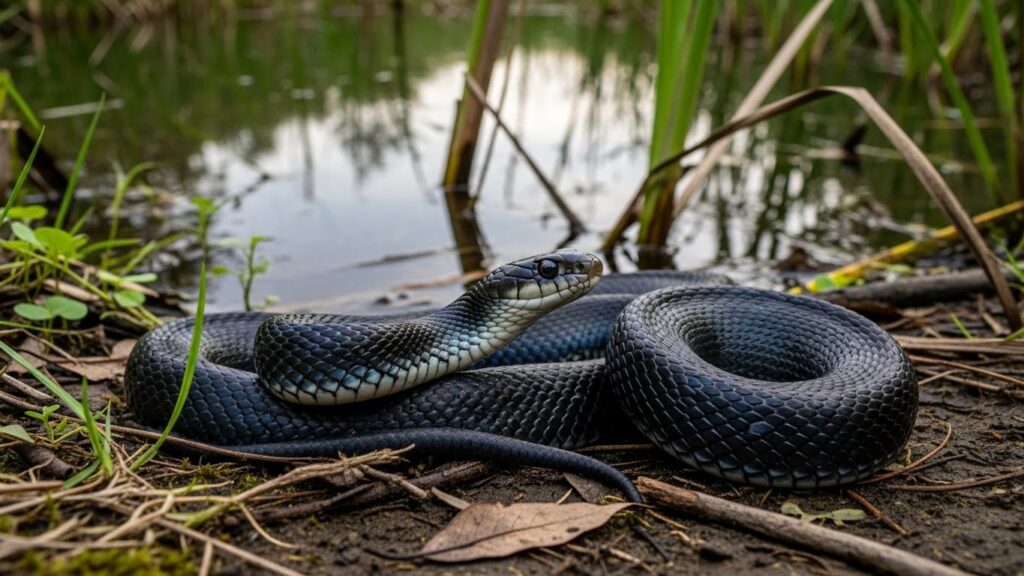
Say hello to the Eastern indigo snake, the gentle giant of the snake world. These sleek, shiny snakes can grow impressively long—sometimes over eight feet—but don’t worry, they’re completely nonvenomous and as docile as a puppy.
Think of them as the friendly neighbor who’s huge, intimidating at first glance, but just wants to wander around and enjoy life. Eastern indigos are true explorers. They’re not picky about water—they’ll happily swim through rivers, slither through wetlands, and even navigate dry land in search of food.
Their diet is varied and adventurous: small mammals, birds, frogs, lizards, and yes, even other snakes (talk about fearless dining!). They’re basically the all-you-can-eat buffet of the southeastern U.S.
One of the coolest things about these snakes? Their glossy, deep-blue-black bodies make them look like they were dipped in midnight ink. It’s like having a luxury sports car of the snake world quietly gliding through the wetlands.
So if you spot an Eastern indigo snake near water or wandering through the woods, take a moment to appreciate this majestic, non-threatening giant. They’re the calm, confident swimmers of the snake realm—elegant, fearless, and surprisingly sociable… at least by snake standards.
7. Rattlesnake
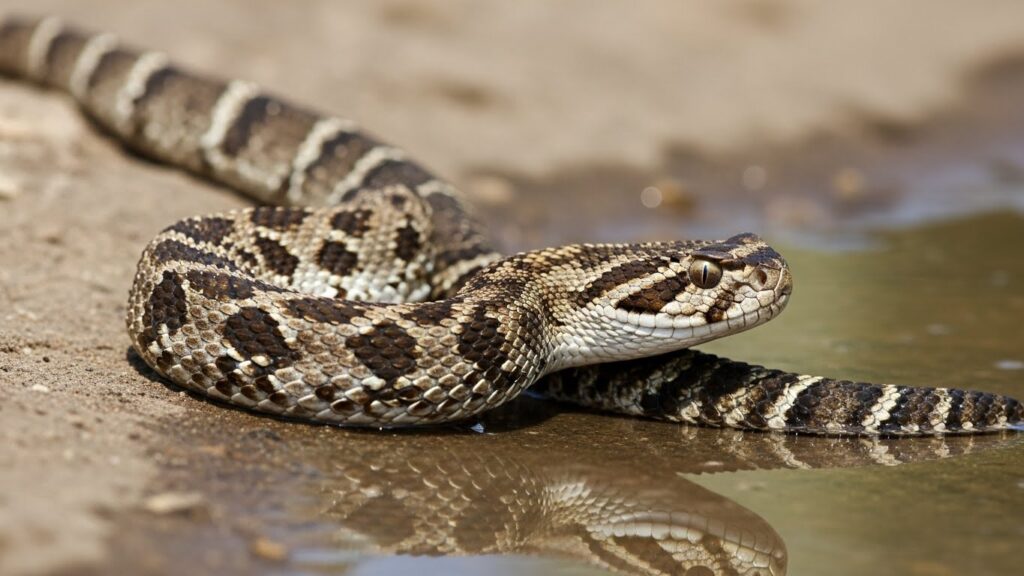
Yes, you read that right—rattlesnakes can swim! These iconic New World pit vipers are usually associated with dry deserts and rocky hills, but don’t let that fool you—they’re surprisingly adept in the water. According to Britannica, think of them as the unexpected swimmers of the snake world, gliding across streams or even lakes when they need to.
Rattlesnakes vary in size from a modest two feet to a jaw-dropping eight feet long. Their menu is just as varied: mice, rats, prairie dogs, gophers, birds, rabbits, lizards, and sometimes even other snakes. Basically, if it moves and isn’t too big, it might become dinner.
They’re most active during spring, summer, and fall, while winter finds them cozying up in communal dens with hundreds of other snakes—basically the ultimate slumber party.
Recognizable by their rattling tails, triangular heads, and impressive retractable fangs, rattlesnakes are masters of both intimidation and survival.
Although they don’t live in water like some of their aquatic cousins, rattlesnakes are fully capable swimmers. So next time you see one near a pond or stream, don’t be shocked—it’s just crossing the “water highway” on its way to the next adventure.
Conclusion
Many harmless water snakes, including rat snakes and most species of nonvenomous snakes, are surprisingly capable of swimming and thrive in swamps or other watery habitats. These snakes swim and tend to climb, develop unique behaviors, and regularly stand or watch their surroundings, while juveniles often tolerate new environments better as they continue to explore. These snakes are fond of freedom and will retreat when threatened, yet they can protect themselves and their group if needed.
Observing their games and interactions provides a variety of insights, and a careful account of their activity shows that these creatures post a fascinating example of adaptability. For those curious, a little extra bonus knowledge is that snakes in the swimming zone can often be noticed, giving pet owners and wildlife watchers a chance to answer the mysteries of their behavior, all while reminding us to cancel assumptions that snakes are only land dwellers.
