




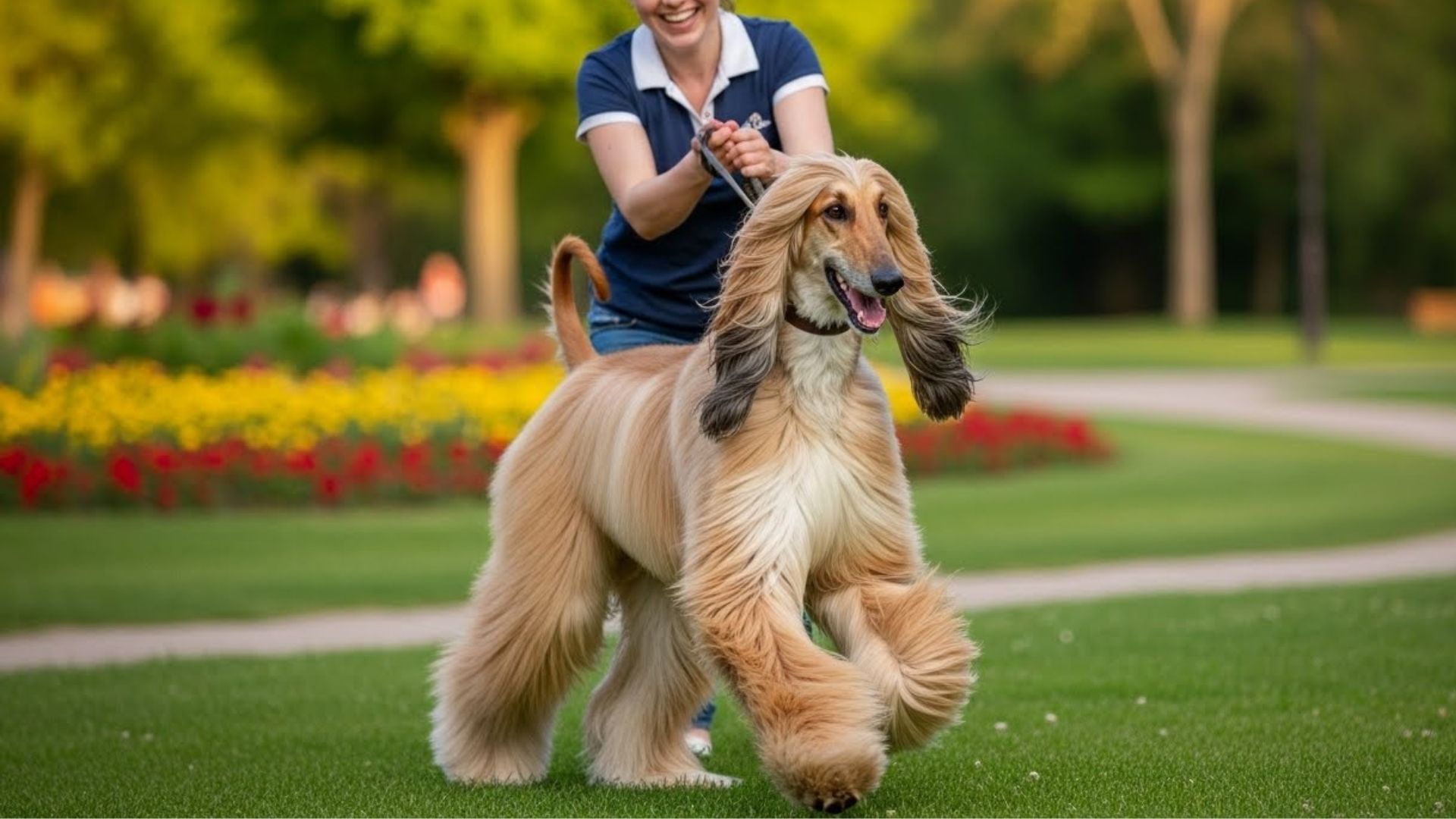
Not all dogs are easy to keep! Some of them require real commitment and a lot of hard work. Owning such dogs with unique grooming needs is a commitment, but the bond you build during those hours of brushing or cord-separating is unmatched.
Plus, they look fabulous. Thanks for reading, and give your dog a belly rub for me!
Today, we are diving deep into the world of dog breeds with unique grooming requirements. We all know that owning a dog is a huge responsibility, but some of these pups are basically high-fashion models who need a glam squad.
While low-maintenance dogs might need a quick wipe-down, the breeds on this list are the divas of the dog park.
Whether you’re into the hairless aesthetic or you want a dog that looks like a mop (in the cutest way possible), I’ve got the tea on what it actually takes to keep these furry friends looking fresh. Let’s get into it!
Dog Breeds with Unique Grooming Requirements
1. Chinese Crested
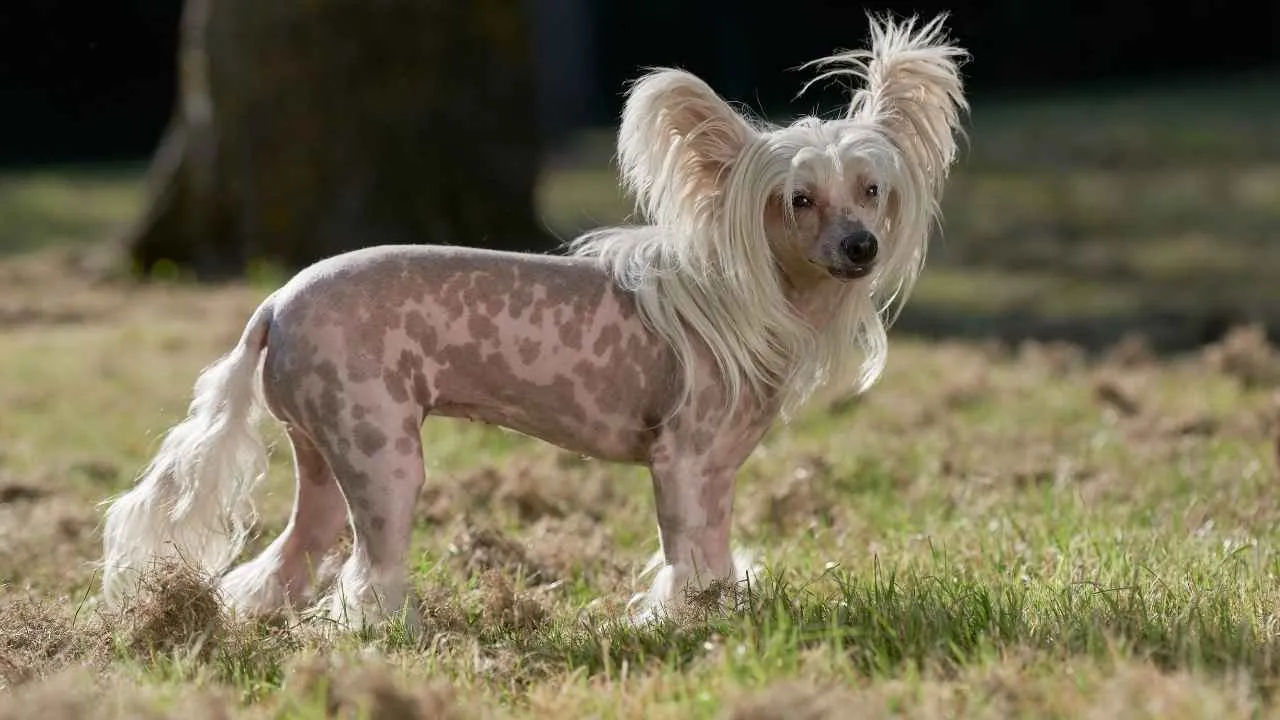
If you’ve ever seen a dog that looks like a tiny punk rocker, this is it.
These little pups come in two varieties: the Hairless (which has hair only on the head, tail, and feet) and the Powderpuff (which has a full, soft coat). The skincare routine for hairless dogs is more complex because they have so much exposed skin; you have to be super careful about skin health.
However, the American Kennel Club mentions that the hairless has its advantages: there is no doggy odor, and for obvious reasons, shedding isn’t much of a problem.
They can literally get acne and sunburns!
Historically, these dogs were used by Chinese sailors to hunt vermin on ships. Imagine a little naked dog chasing rats on a pirate ship—iconic behavior. Because they lack a protective coat, you can’t just skip grooming sessions.
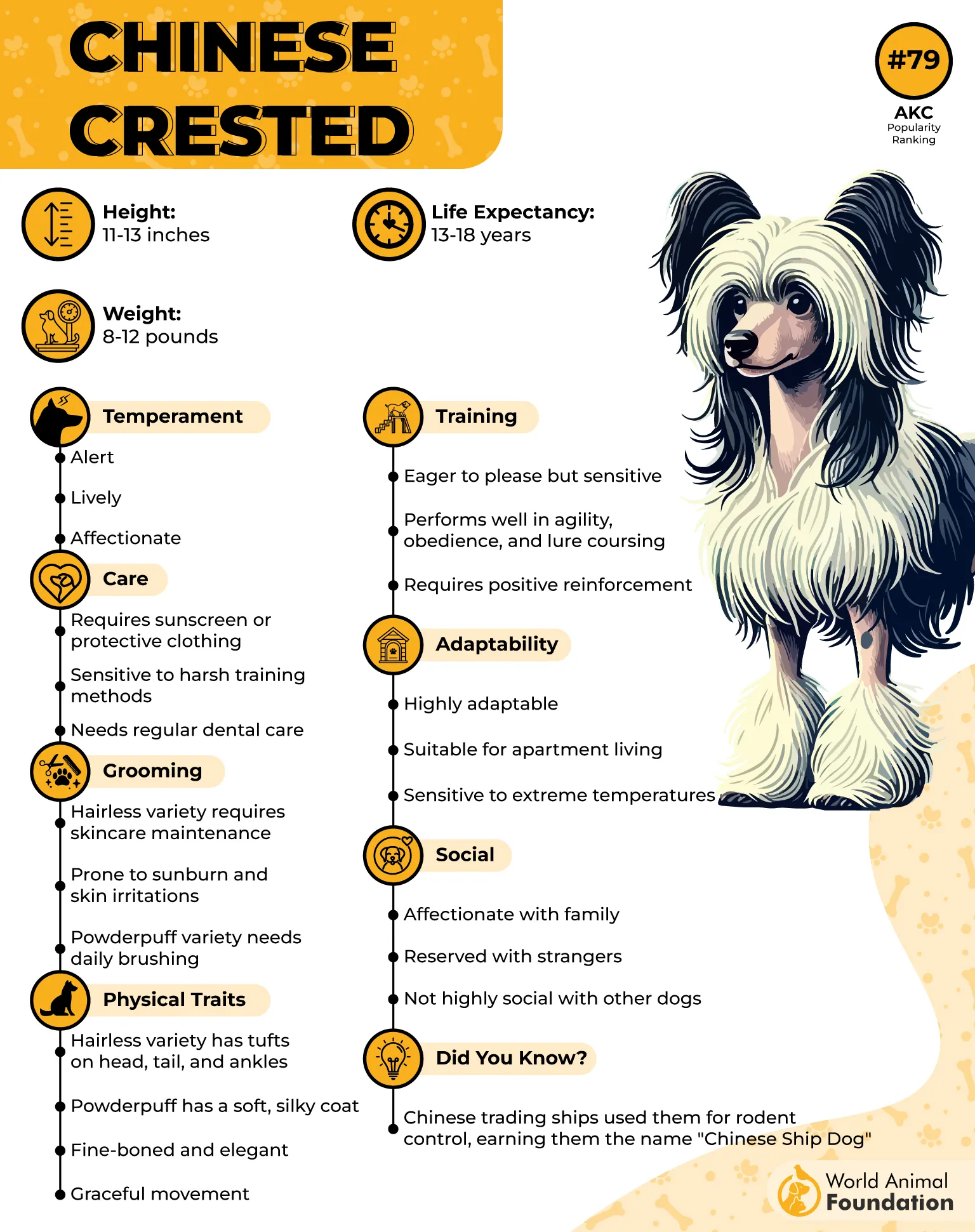
You need to bathe them frequently with high-quality products to keep their pores clean and prevent blackheads. Yes, you heard me right—dog blackheads are a thing.
You also need to apply sunscreen if they are going outside in the summer. It’s giving “high maintenance,” but they are so affectionate, it’s worth it.

For the Powderpuff variety, don’t think you’re off the hook. They have a double coat that is incredibly soft, but it mats instantly if you look at it the wrong way. This coat type requires daily brushing to prevent matting.
2. Afghan Hound
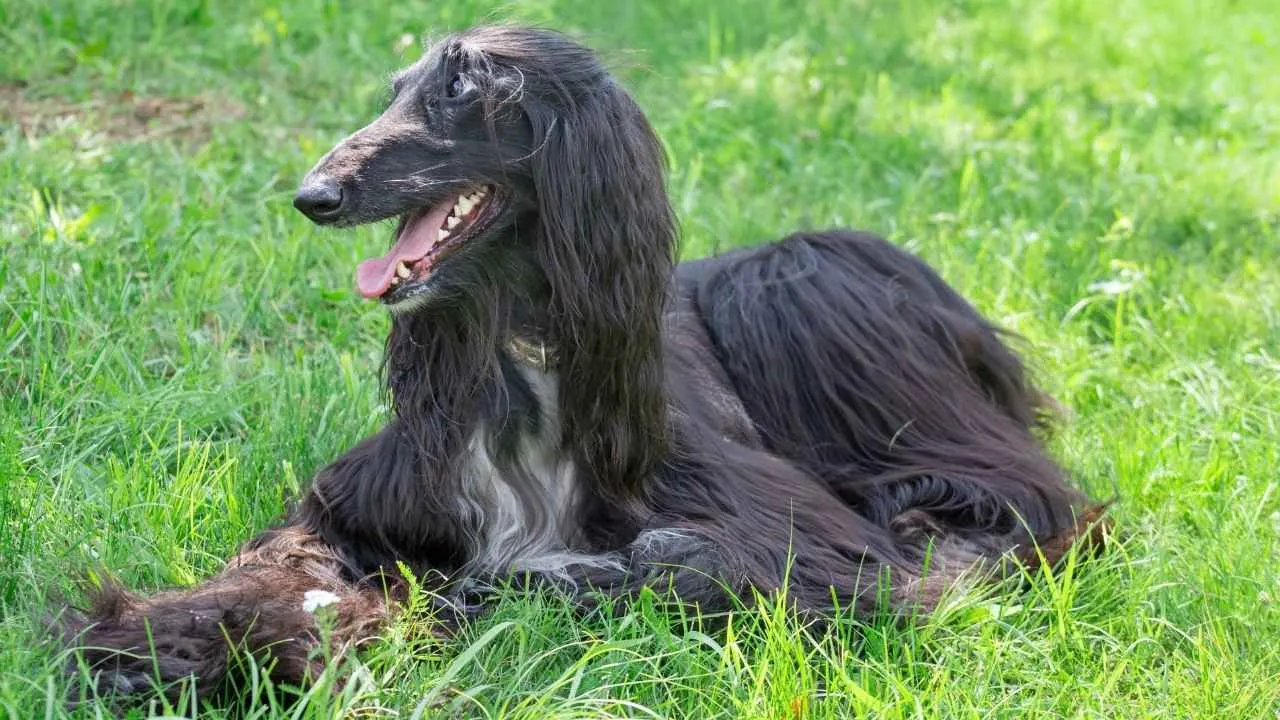
This is an ancient breed from the mountains of Afghanistan, where that long hair actually served a purpose—protecting them from the harsh, cold climate. But today? It’s all about the aesthetic.
Maintaining an Afghan Hound is basically a part-time job. You cannot—I repeat, CANNOT—brush a dry, dirty coat. You will break the hair and ruin the look.
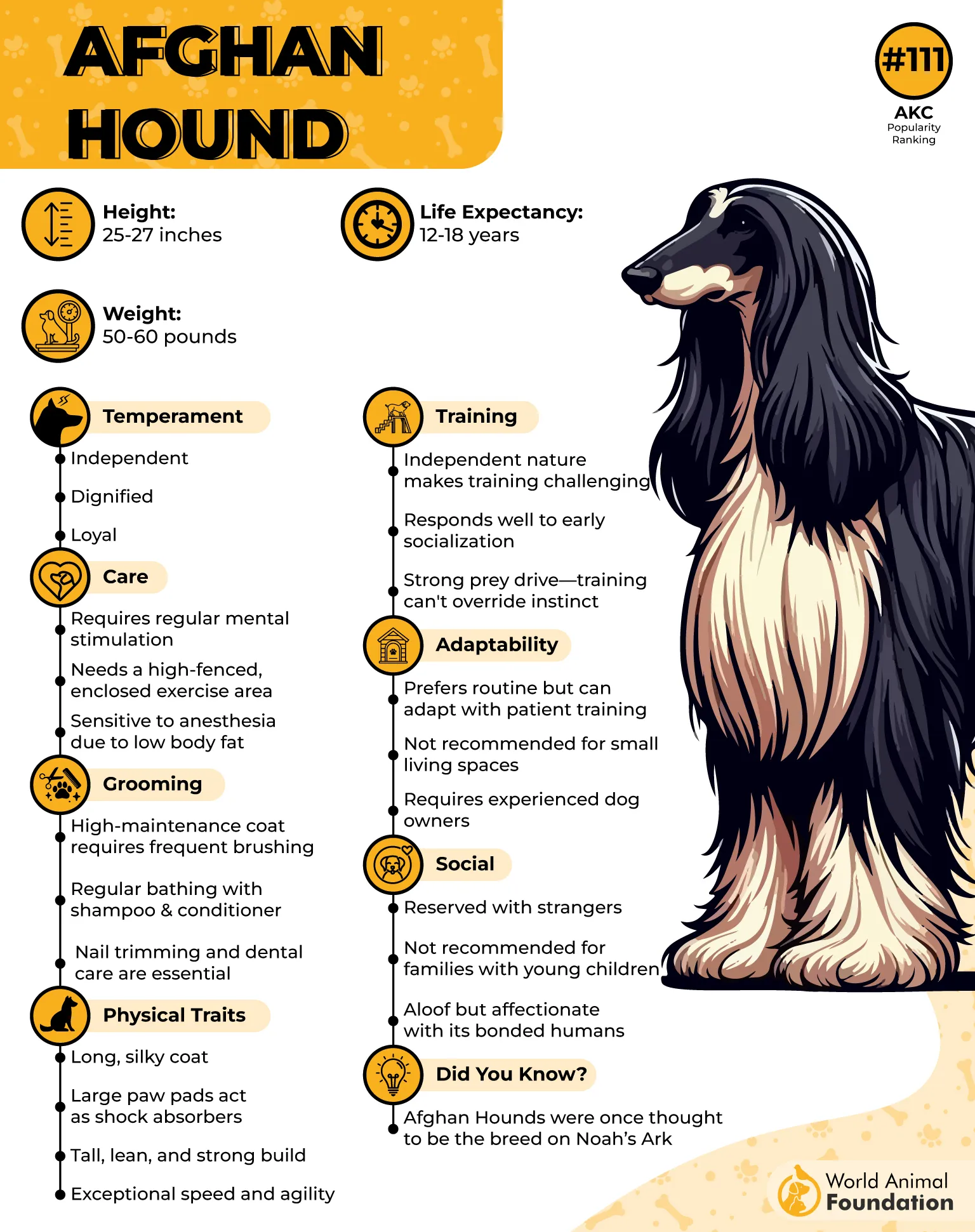
Britannica mentions that the Afghan’s appearance has been described as “aristocratic, with a farseeing expression.”
Professional grooming is almost mandatory here unless you are willing to learn the art of “line brushing.” This involves brushing the hair layer by layer while misting it with conditioner.
It ensures you get down to the skin to prevent tangles without damaging the strands.
If you slack on weekly brushing (and by weekly, I mean hours of brushing), their coat will turn into a felted nightmare.
This is one of those high-maintenance breeds where you really need to be honest with yourself about your free time. But if you pull it off? You have the most majestic creature on the block.
3. Bedlington Terrier
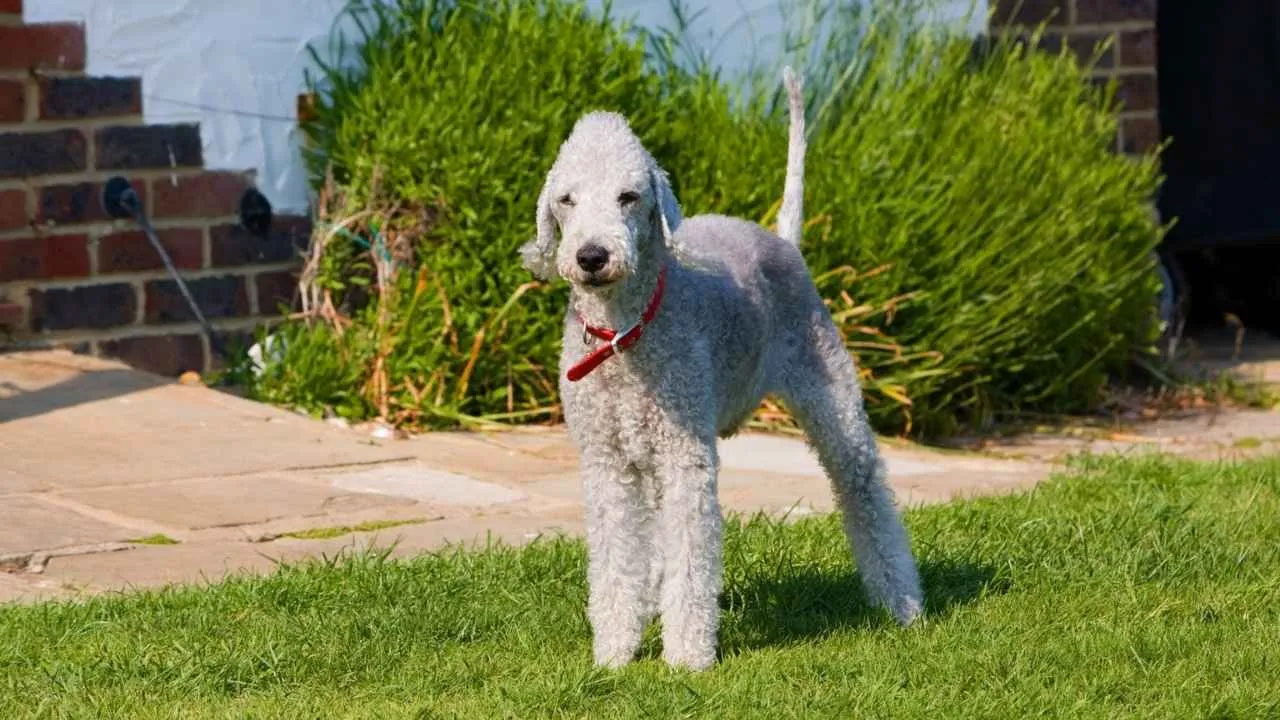
These dogs are famous for their unique silhouette, which includes a roached back, tasseled ears, and a puff of hair on the top of the head.
The Bedlington was originally a working pup in Northumberland mines, used to hunt vermin. Despite looking like a gentle little sheep, they are tough Terriers at heart. Their grooming is super technical. To get that classic look, the coat is sculpted with scissors and clippers.
It’s not just a shave-down; it’s an art form. Most owners rely on professional grooming services every 4 to 6 weeks to keep their pet’s shape right.
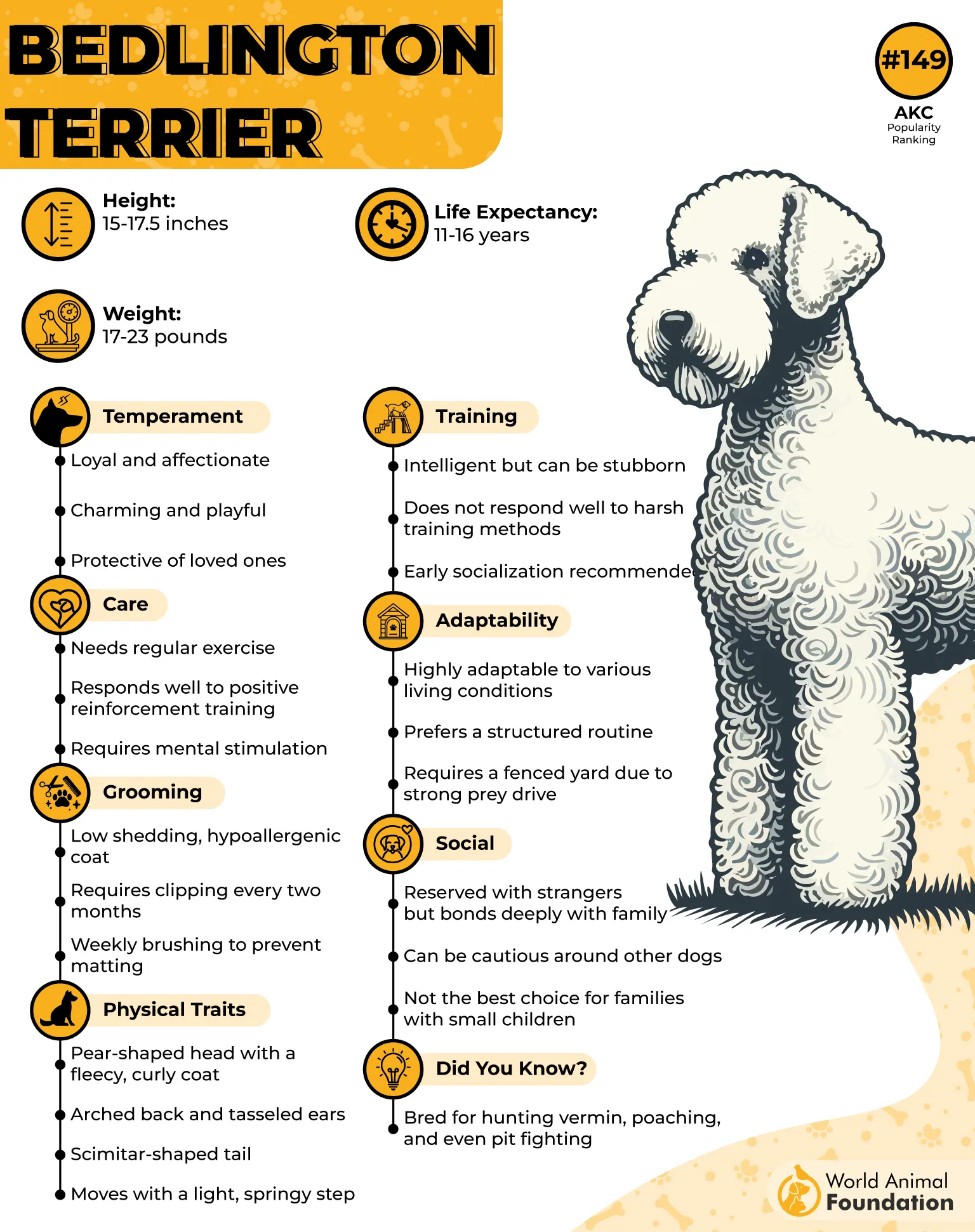
One tricky thing about them is that they don’t shed in the traditional sense. Their curly coat traps the loose hair. This means frequent brushing is key to removing dead hair before it forms a mat.
Also, check their ears! The heavy hair on the ears can block airflow, and trapped moisture can lead to infections. Ear cleaning should be part of your weekly ritual.
Historical Tidbit: They were once known as the “Gypsy Dog” because they were poached by Romany travelers for their hunting skills. Nowadays, they are just excellent couch potatoes who require regular grooming to look their best.
4. Bergamasco Sheepdog
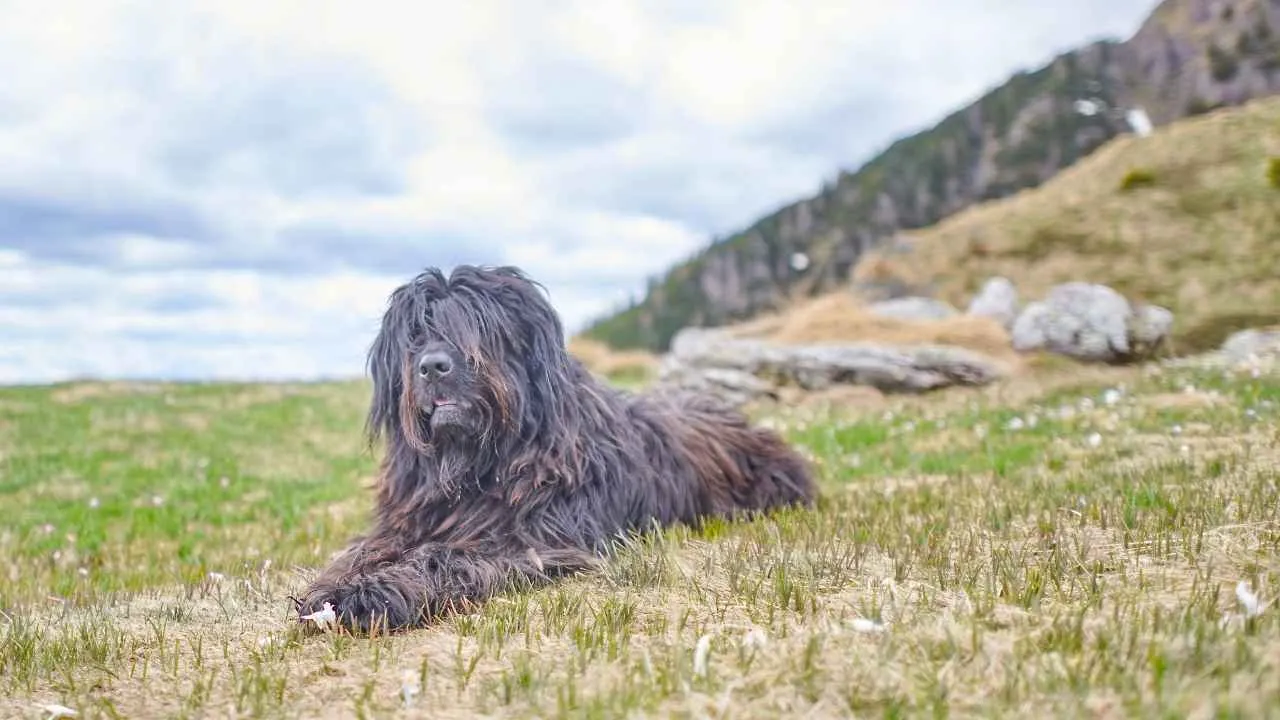
They look like they are wearing a coat made of felt strips. These “flocks” (not cords, that’s different!) are made of three types of hair: a fine, oily undercoat, a long, harsh “goat” hair, and a woolly topcoat.
The coolest thing about the Bergamasco is that this look is actually low maintenance once it is formed. But getting there? That’s the hard part. When they are puppies, they have soft puppy fluff. Around the one-year mark, the flocks start to form, and you have to rip the mats into specific strips manually.
It takes hours and patience. But once the flocks are set, you rarely need to bathe them. In fact, over-bathing can ruin the coat’s texture and strip its natural oils.
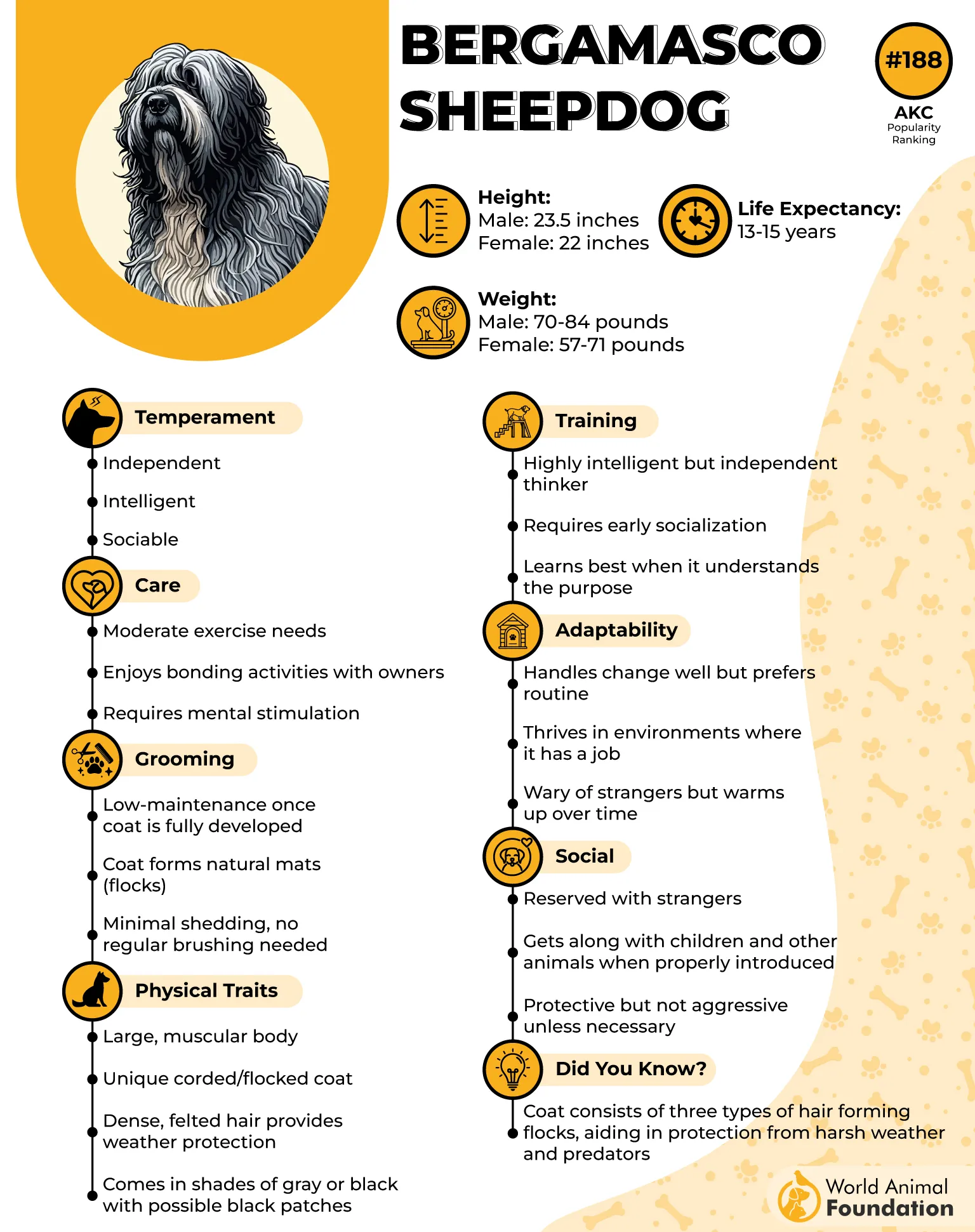
They are ancient herders from the Italian Alps. The mats served as armor against wolf bites and insulation against the cold. Because of this, you don’t really brush them in the traditional sense.
You check the flocks to make sure they aren’t growing together too much. It’s a very unique grooming style that confuses many people.
However, you still need to focus on regular trimming around the face and sanitary areas for hygiene. And don’t forget the paws! You need to trim the hair between the pads to give them traction.
While they don’t need frequent salon grooming sessions, you have to be vigilant about checking their skin beneath those heavy mats for any issues.
5. Puli
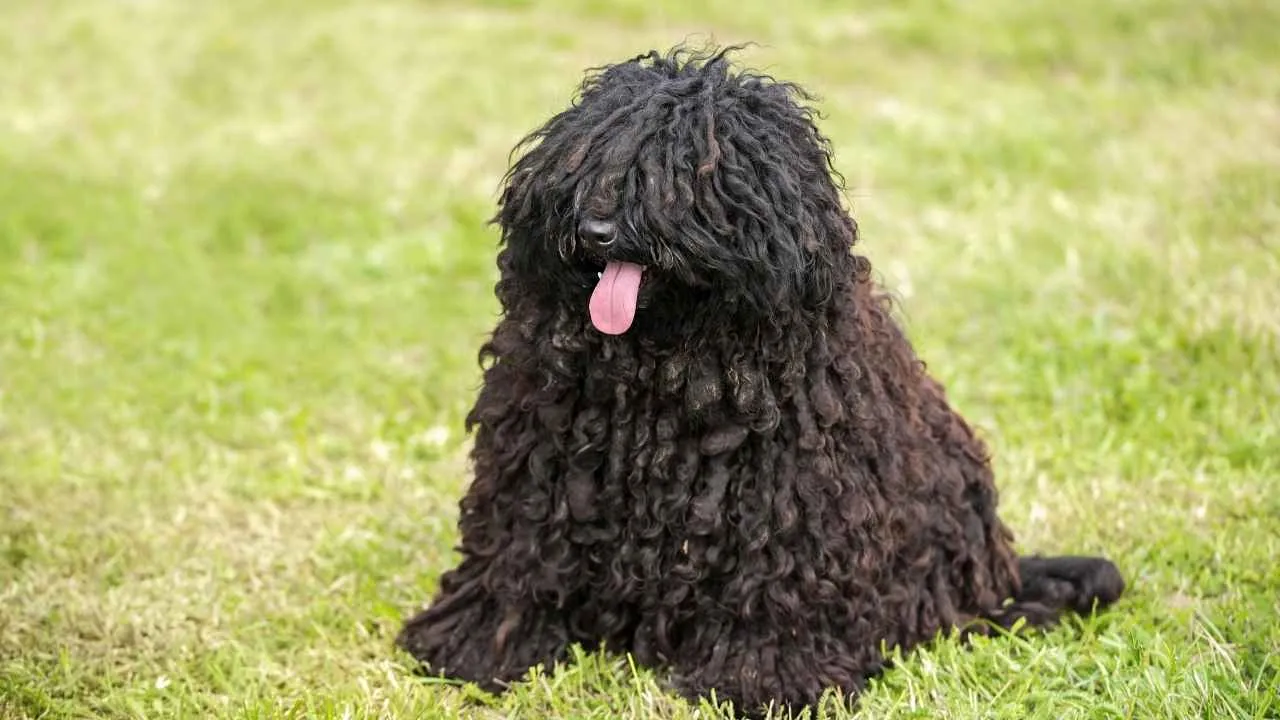
Hailing from Hungary, these energetic herders are famous for their corded coats. Unlike the Bergamasco’s flat flocks, the Puli has tight, round cords that look like dreadlocks. I once saw a Puli running an agility course, and the way the cords bounce is mesmerizing—it’s pure kinetic energy!
Grooming a Puli is a lifestyle choice. You don’t brush a Puli. Ever. If you brush them, you destroy the cords and turn them into a frizzy puffball. Instead, you have to separate the cords by hand, usually while watching Netflix, because it takes forever.
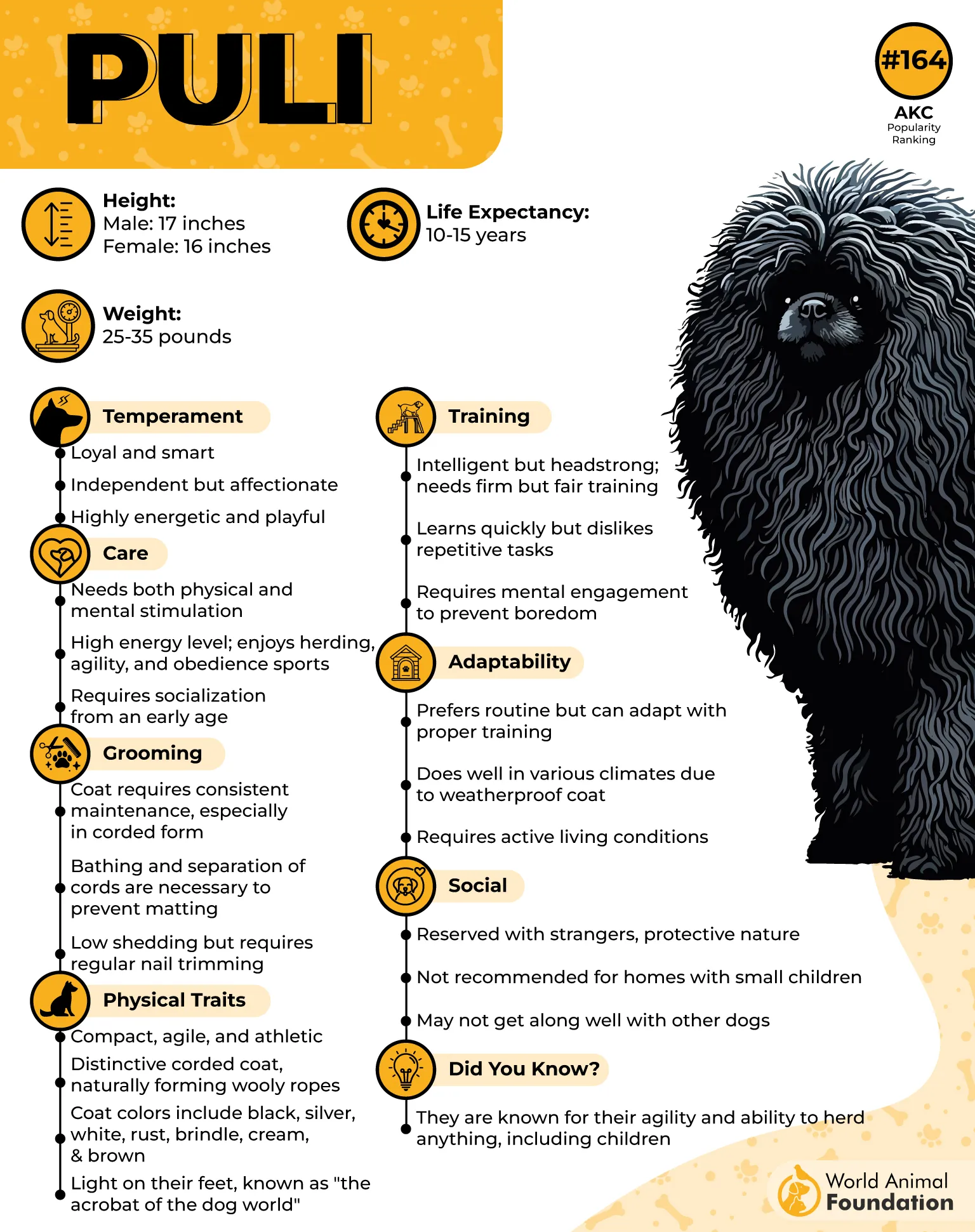
Bathing is a whole ordeal, too. Because the cords are so dense, getting them wet takes time, and drying them? You might need industrial fans. A Puli can take up to 2 days to air-dry properly! If you don’t dry them thoroughly, the cords can mildew. Gross.
Despite the heavy coat, WebMD says they are surprisingly agile and active. They aren’t just for show; they need exercise. And because cords cover their eyes, people often wonder if they can see. They can! But tying the cords into a topknot can improve their well-being and vision.
6. Komondor
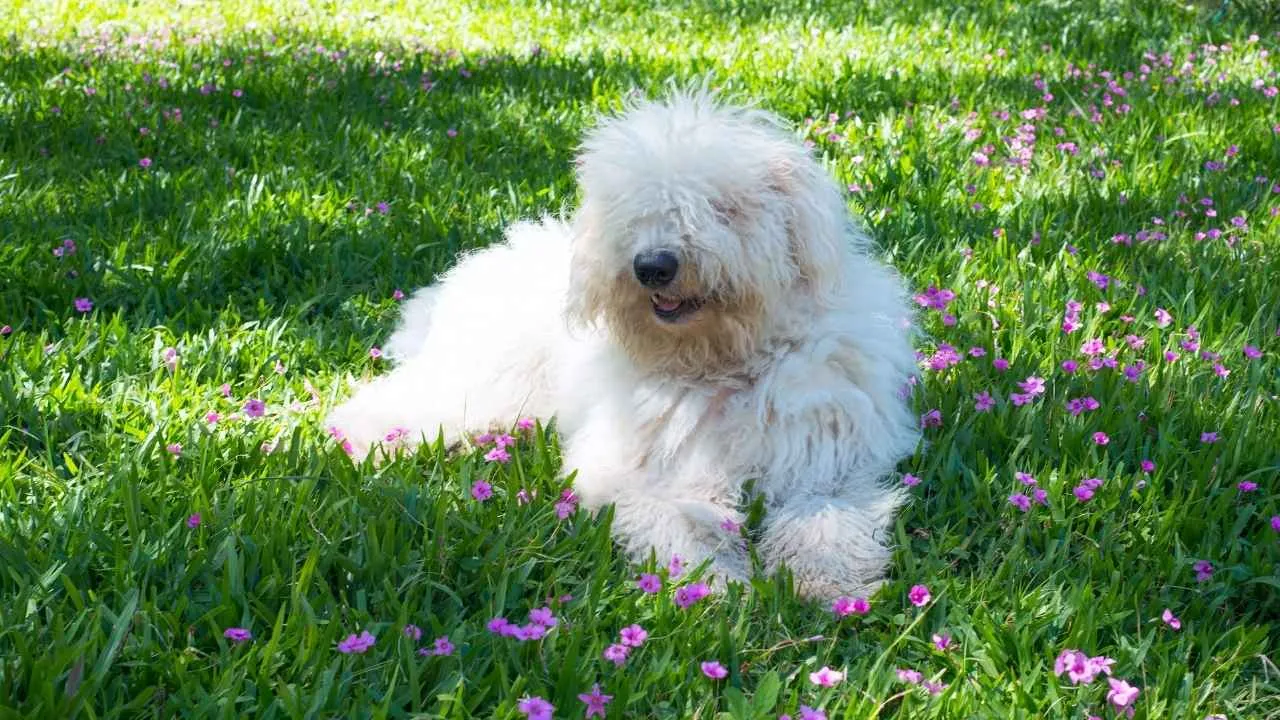
Komondors were bred to blend in with the sheep they protected so they could surprise wolves. Sneaky, right?
The grooming requirements are similar to those of the Puli, but on a much larger scale. The cords start forming around 9 months old, and you have to guide them. Because they are white, they show dirt easily.
But remember the drying issue? You can’t just throw them in the tub every week. Frequent bathing is a logistical nightmare. Most owners spot-clean and only do a full bath when necessary.
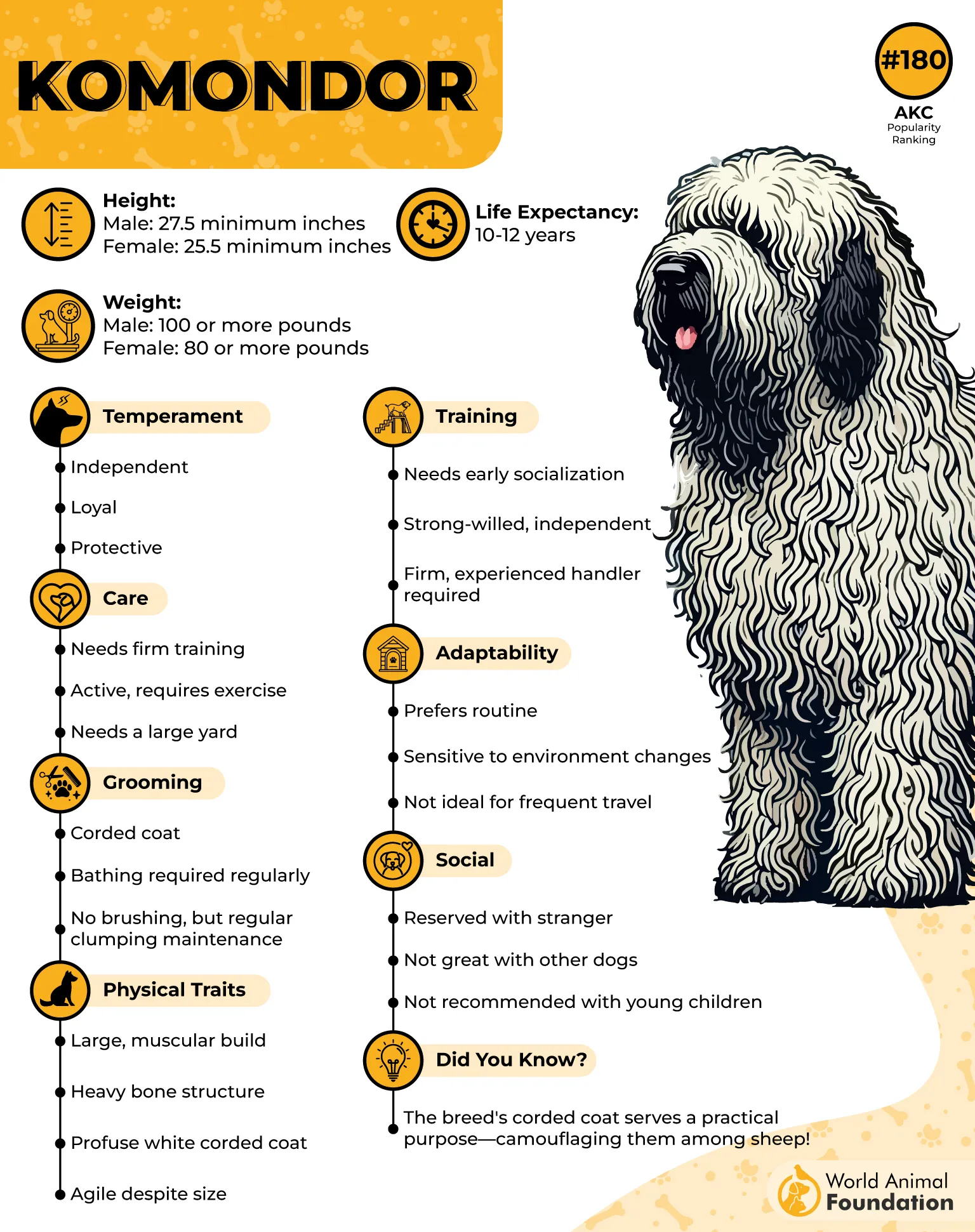
One major tip for Komondor owners: keep the mouth area trimmed. Wet, food-stained cords around the mouth smell terrible and are unsanitary. Also, because they are heavy dogs, joint health is important, so keeping their nails short through regular nail trims helps maintain their posture.
These dogs are not for beginners. They are independent and protective. But if you can handle the grooming process and the temperament, they are incredibly loyal. Just be prepared for everyone on the street to ask you if you are walking a rug. It happens.
7. Xoloitzcuintli
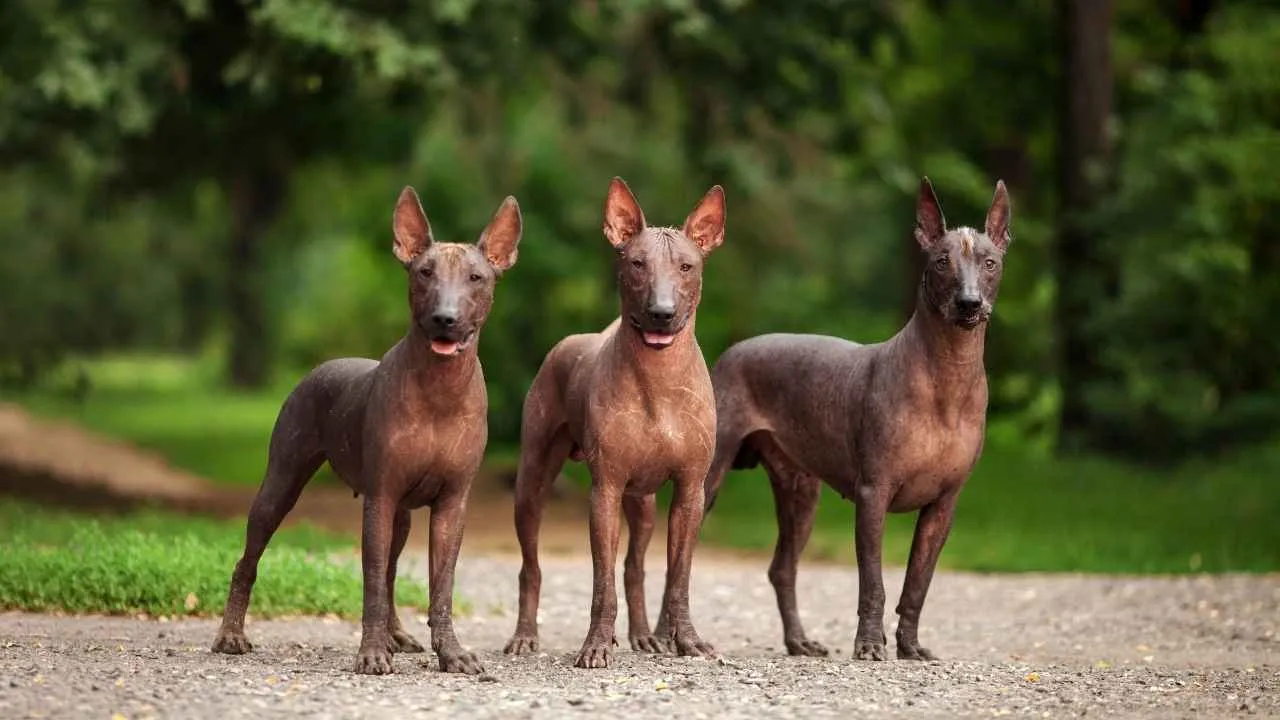
These hairless dogs are ancient—like, Aztec ancient. They were believed to guide souls to the underworld. Spooky, but cool. They come in three sizes: Toy, Miniature, and Standard.
You might think, “Oh, no hair? No grooming!” WRONG. The Xolo has very specific skin needs. Without hair to absorb oils and protect the skin, they are prone to clogged pores and acne.
You need to bathe them regularly with a gentle cleanser to remove dirt and excess oil. But don’t overdo it, or you’ll dry out their skin. It’s a delicate balance.
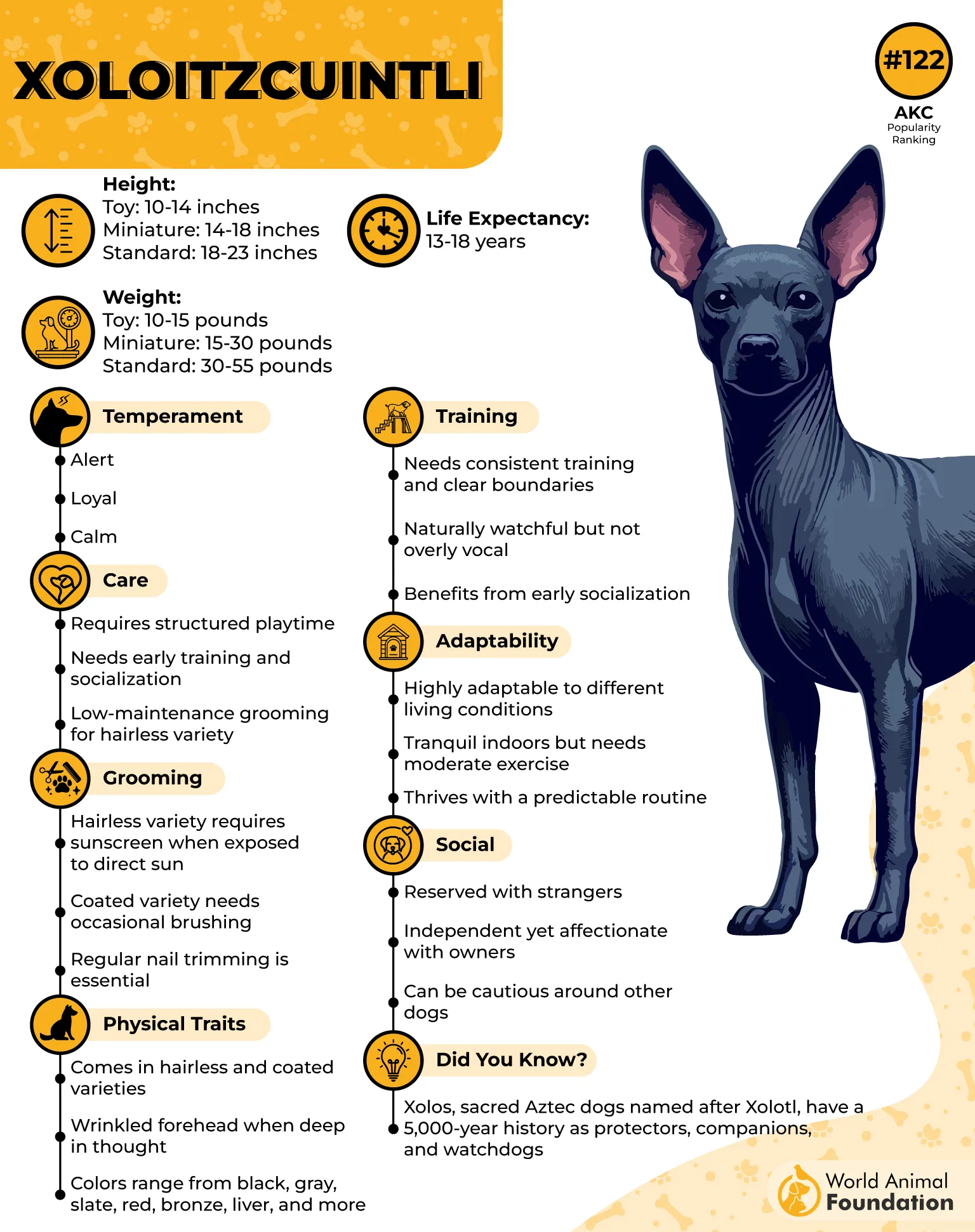
After the bath, you need a good moisturizer. Think of their skin like human skin. If it’s dry outside, they need lotion. If it’s sunny, they need dog-safe sunscreen. They are basically naked, so they are vulnerable to scratches and cuts when playing.
Interestingly, some Xolos are born with a short coat (the coated variety). They have smooth coats that require much less maintenance, just a quick brush to remove loose hair. But the hairless ones are the icons.
Conclusion
So, there you have it! Seven dog breeds that prove beauty is pain… or at least, beauty is a lot of work. Whether you are dealing with the dense undercoat of a double-coated breed or the sensitive skin of a hairless one, proper grooming is essential for your dog’s overall health.
It’s not just about looks. Regular brushing distributes natural oils, nail trimming saves your floors and their joints, and checking ears prevents nasty infections.
Even if you have a Shih Tzu or a Cocker Spaniel with floppy ears, or a Siberian Husky that sheds seasonally, every dog deserves to feel their best.
Don’t be afraid to use the right tools or call in the pros. Professional grooming can be a lifesaver, especially for dense coats or tricky cuts. But doing some of the work at home helps you bond with your pup. Just remember to check for skin irritation, avoid over-bathing, and keep those grooming needs in check.
