




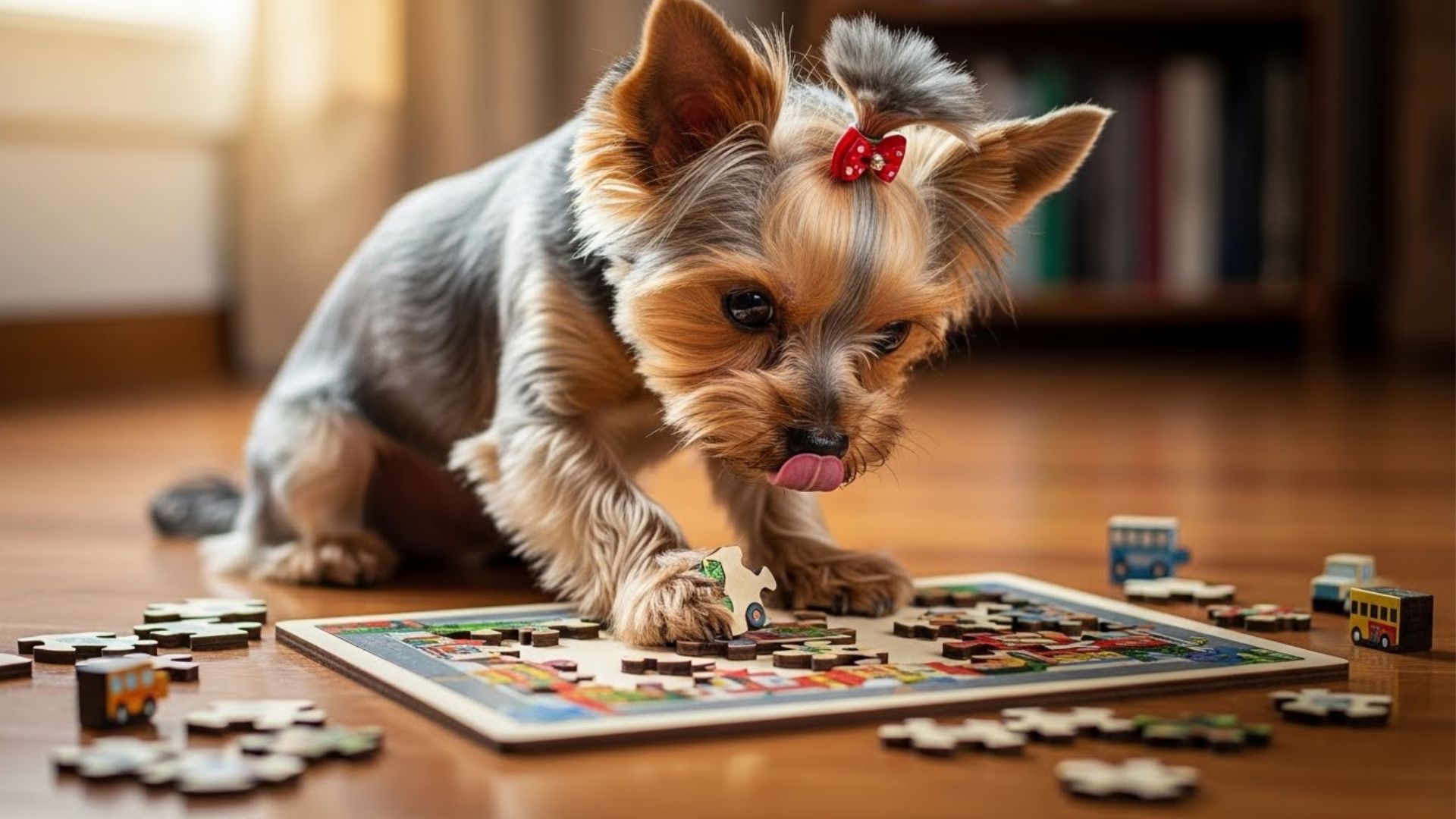
Did you know some teacup-sized dogs can learn tricks fast enough to make puzzle toys look too easy? If you love problem-solving games, you don’t need a big dog to get big brainpower.
Many tiny breeds are curious, people-focused, and quick to pick up patterns, which makes them perfect partners for treat puzzles, hide-and-seek games, and short training sessions that feel like a workout for the mind. The key is choosing a smart, confident dog and then giving that brain a job.
It’s also worth separating marketing from reality. “Teacup” usually means a dog bred smaller than typical for its breed, and an extra-small size can come with fragility and health concerns. That’s why puzzle play should be safe, low-impact, and matched to the dog’s body and attention span.
In this guide, we’ll look at tiny, intelligent breeds often labeled teacup, plus how to keep training fun and gentle.
Intelligent Teacup Dog Breeds For Puzzle Lovers
1. Yorkshire Terrier
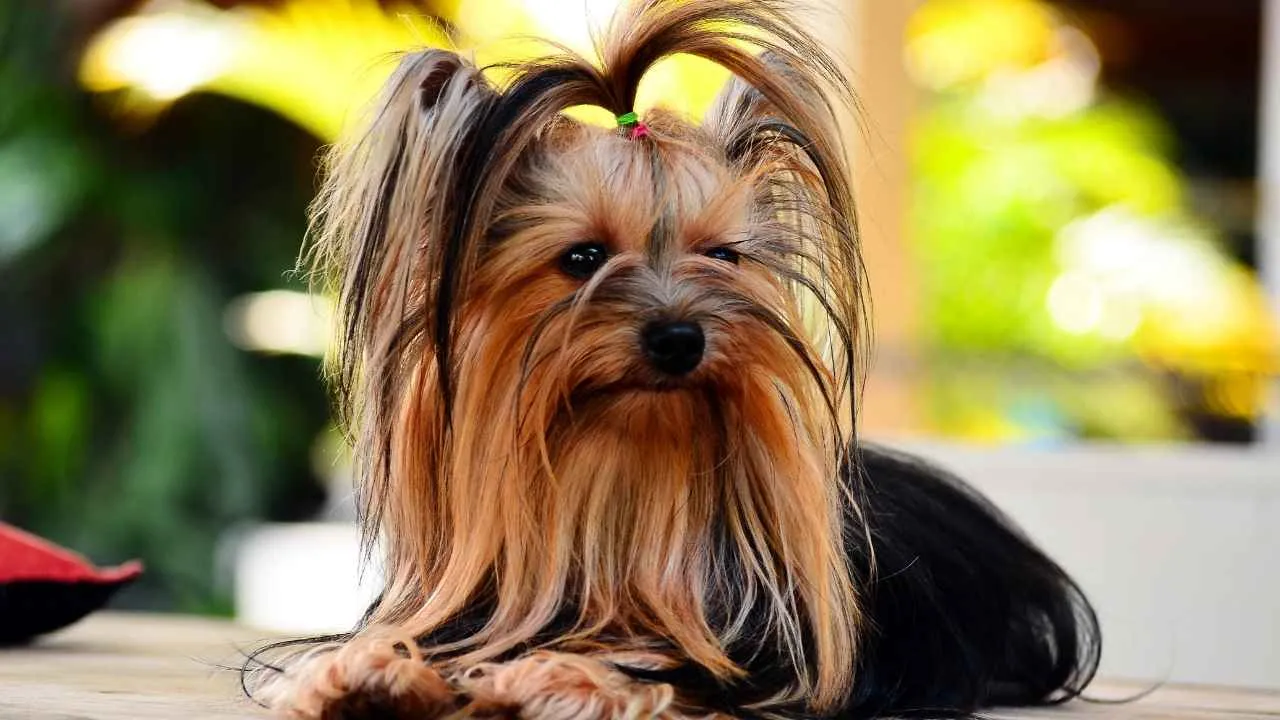
Yorkshire Terriers are a toy breed known for a compact body, confident attitude, and a signature long, silky coat. Breed descriptions often emphasize their terrier boldness, even though they’re small enough to be carried easily.
According to the AKC, grooming is a core part of Yorkie life, especially if the coat is kept long and styled. Many owners prefer a shorter trim for easier upkeep, while still maintaining regular brushing and coat care.
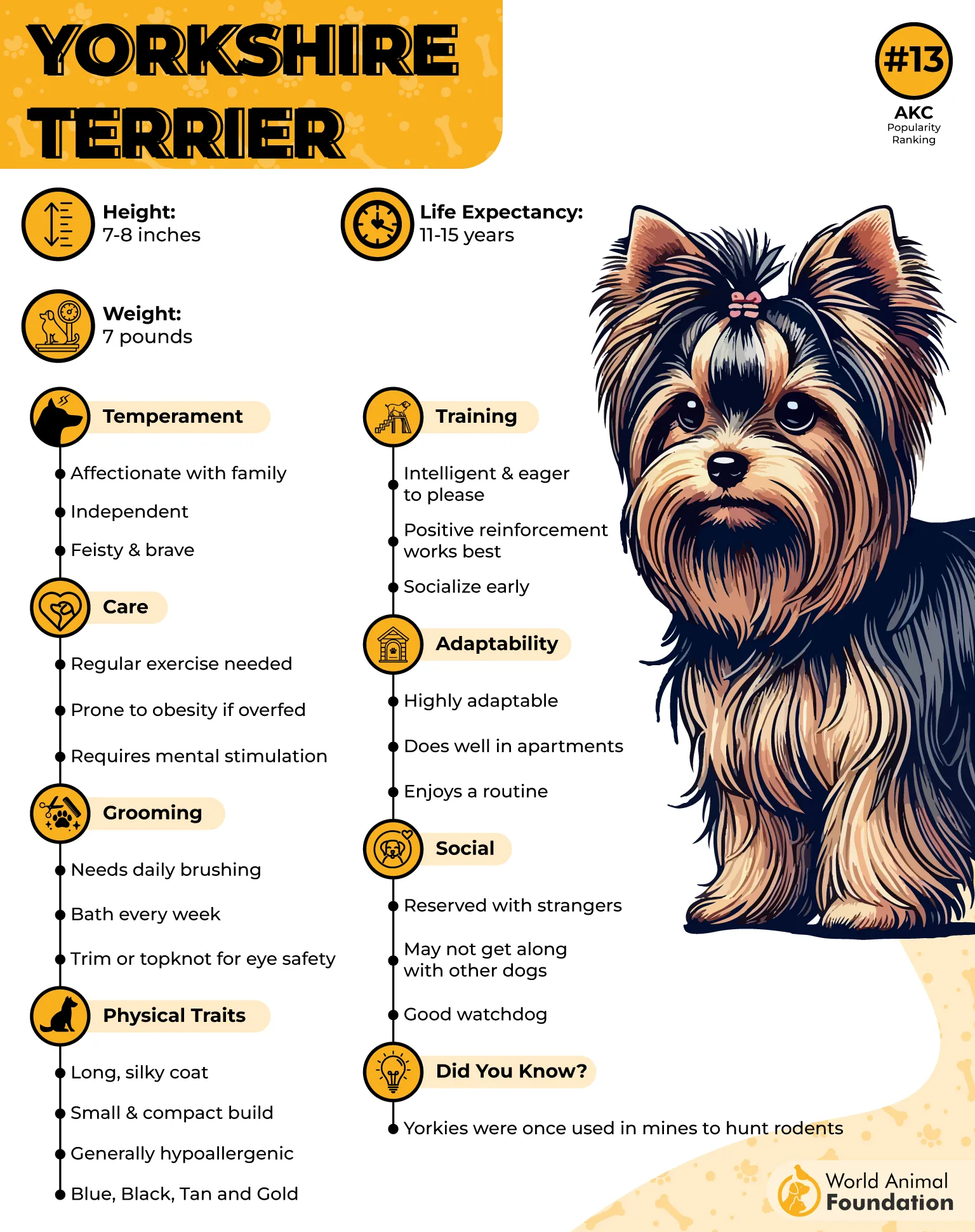
Training tends to work best in short, upbeat sessions because Yorkies are bright and can be independent. With consistent routines and rewards, they often learn household manners quickly and stay engaged with learning games.
Temperament notes commonly describe them as affectionate with their people but alert, with a tendency to bark at new sights and sounds. Early social exposure and calm boundaries help shape a confident, well-mannered companion.
Fun Fact
Yorkshire Terriers were originally developed in England, tied to working terrier roots before becoming popular companions. Their glamorous coat is one reason they became a standout toy breed.
2. Poodle
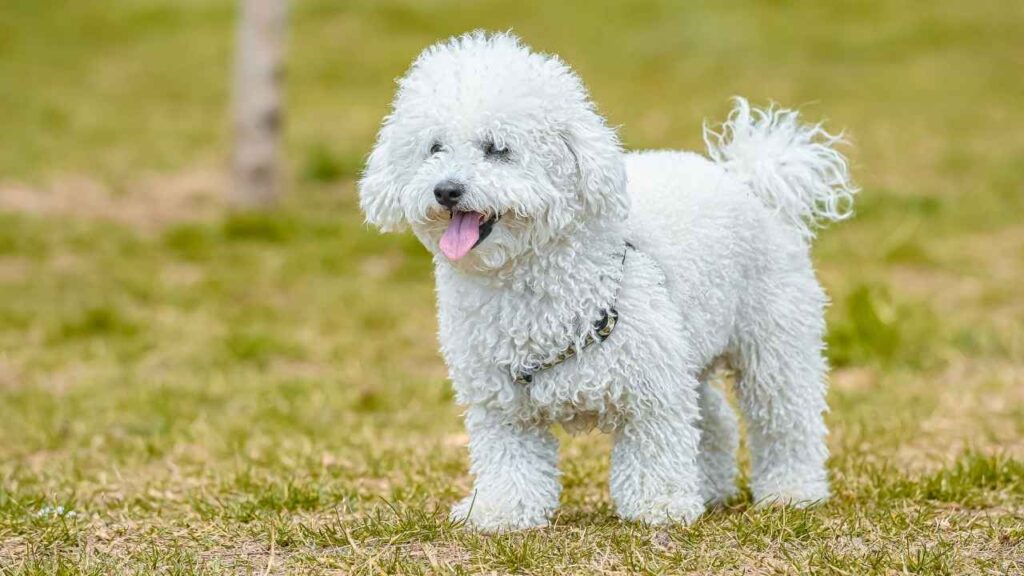
Poodles are widely described as highly intelligent, trainable dogs, and the toy variety brings that brainpower into a smaller package. Breed profiles often highlight their eagerness to learn and their close bond with people.
Their curly coat is low-shedding but requires regular grooming to prevent mats and keep the skin healthy. Many owners rely on routine brushing and professional trims to keep the coat manageable and comfortable.
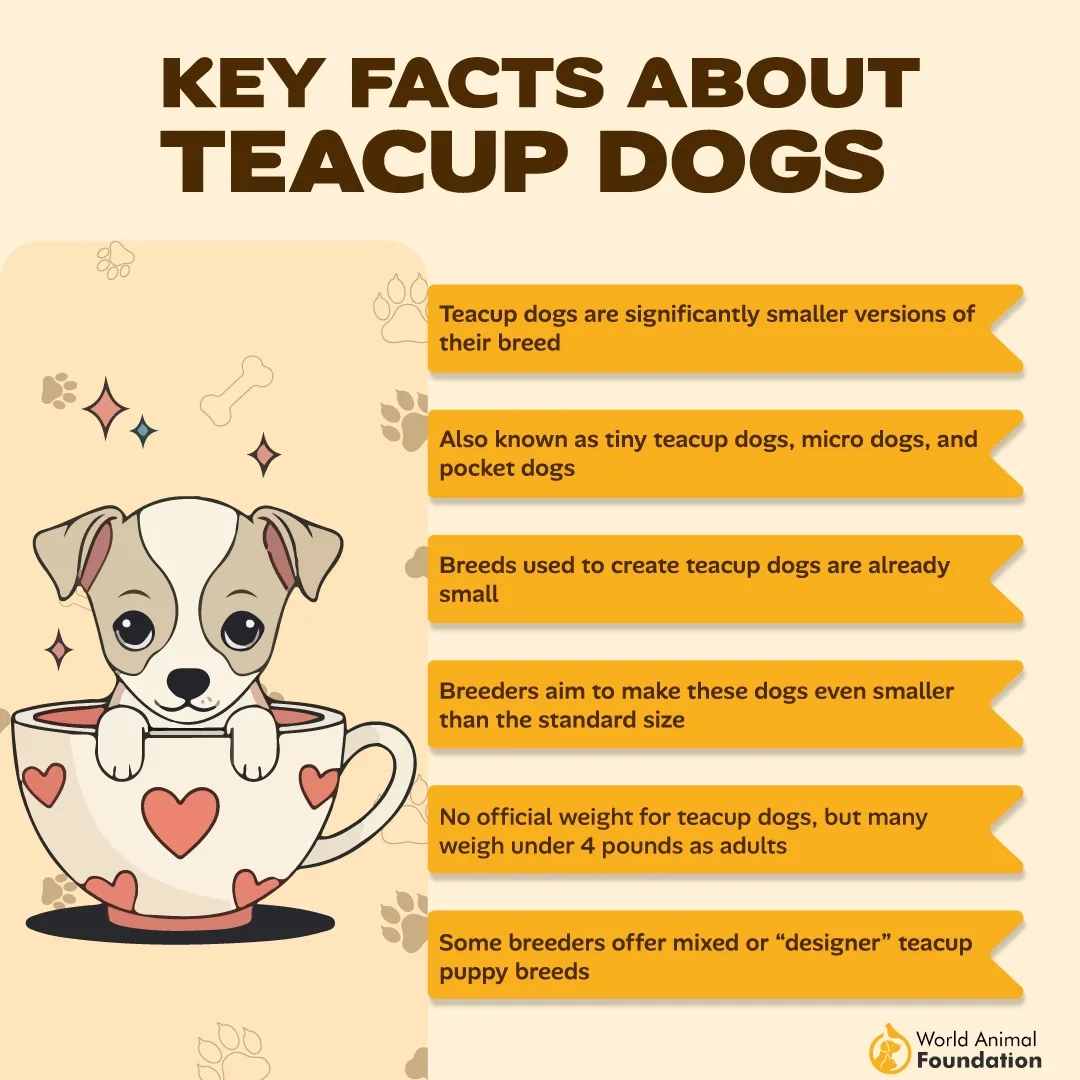
“Teacup” is not a formal breed size category. Several guides caution that extreme mini-sizing can increase health risks, so choosing a healthy dog within normal toy standards is a safer approach.
In daily life, Toy Poodles often thrive on training games, food puzzles, and short bursts of play, as noted by Purina. With steady mental exercise and gentle handling, they can be lively companions that stay focused and responsive.
Fun Fact
Poodles were historically used as water retrievers, and their grooming styles originally had practical purposes. Their reputation for learning quickly is consistent across poodle sizes.
3. Shih Tzu
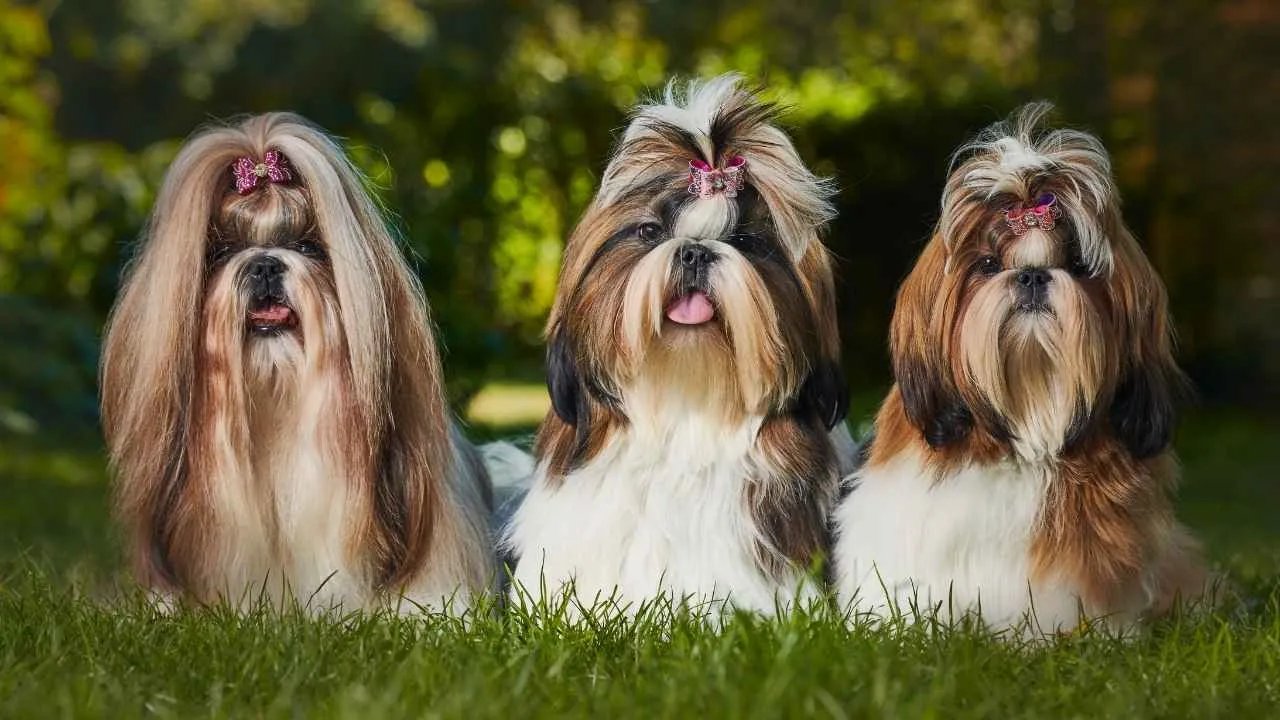
Shih Tzus are small companion dogs often described as affectionate, friendly, and happy to be close to their people. Many care guides also note they can be quite adaptable, fitting well into a range of households.
Their coat can be long and luxurious, which means grooming is a regular task if you want to avoid tangles. Pet-focused resources often mention that some owners choose shorter trims to simplify day-to-day maintenance.
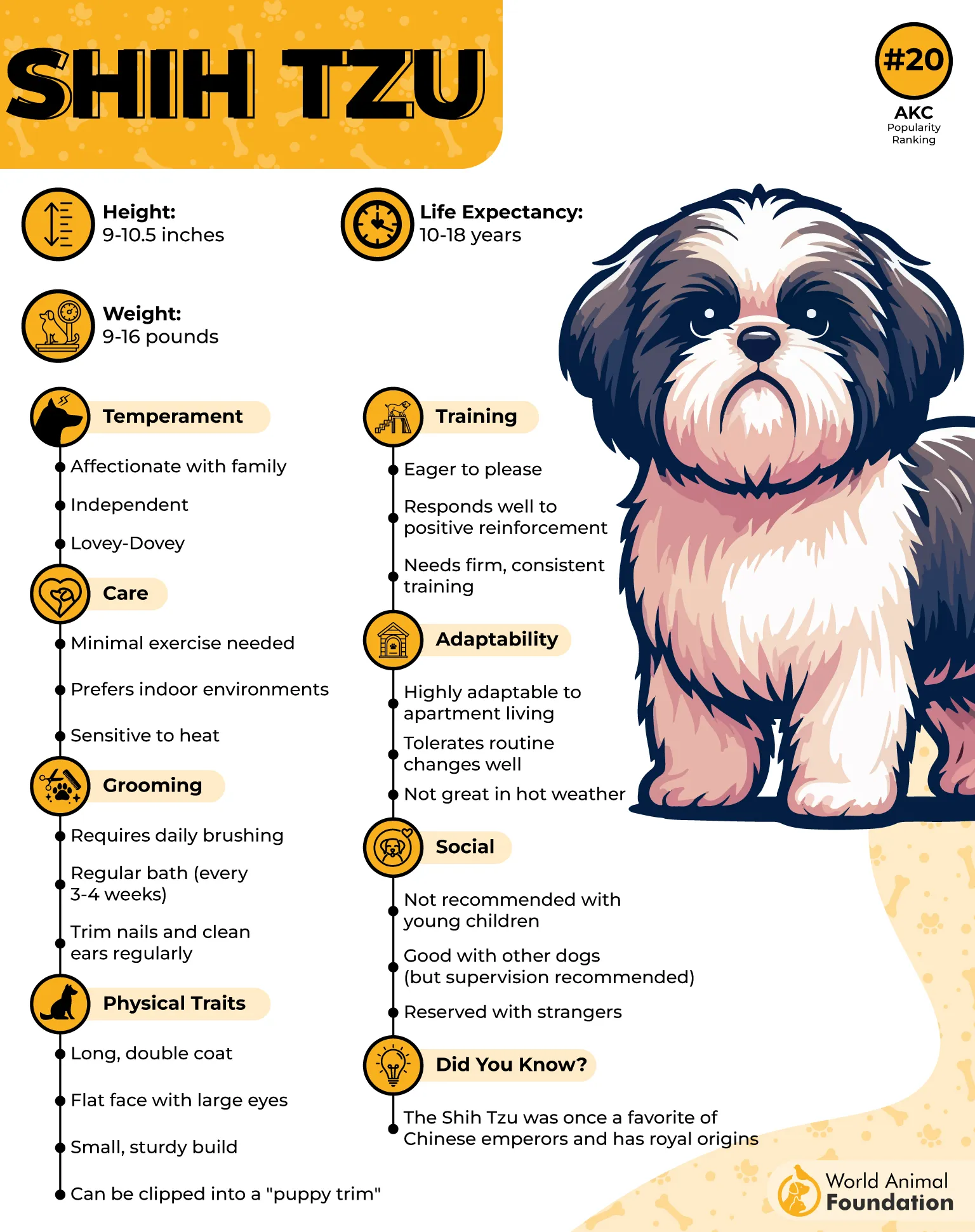
PetMD states that training is usually most successful when it stays gentle, patient, and reward-based. Shih Tzus can have a stubborn streak, so consistency helps them understand routines and expectations without turning sessions into a tug-of-war.
Because of their short muzzle, some guidance discusses being mindful during hot weather and avoiding overexertion. A calm schedule with play, short walks, and brain games can suit them well.
Fun Fact
The Shih Tzu’s name is often translated as “lion dog.” The breed has a long history as a treasured companion.
4. Maltese
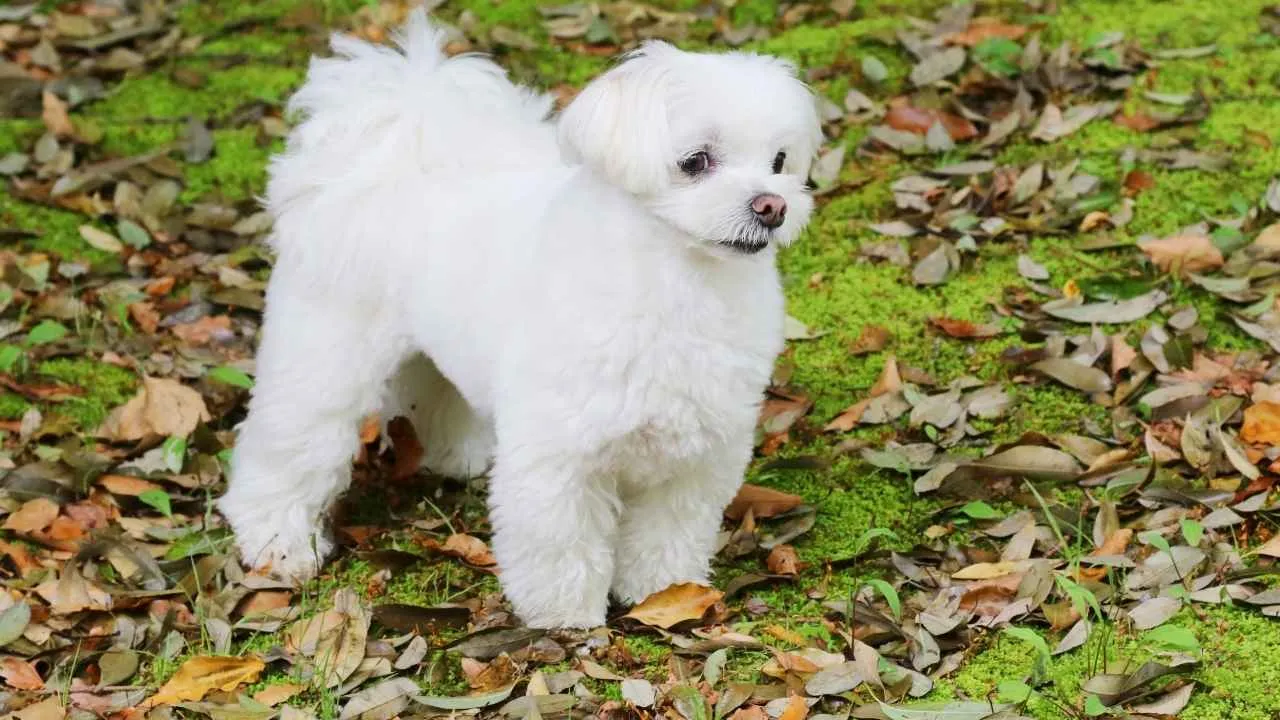
The Maltese is a toy breed known for a long white coat and a classic companion-dog personality. Historical descriptions often emphasize that the breed has been prized for centuries, which helped shape its role as a close household companion.
Coat care is a major part of Maltese ownership, since long hair can mat easily without routine brushing. Many owners choose a shorter cut for convenience, but regular grooming is still important for comfort and cleanliness.
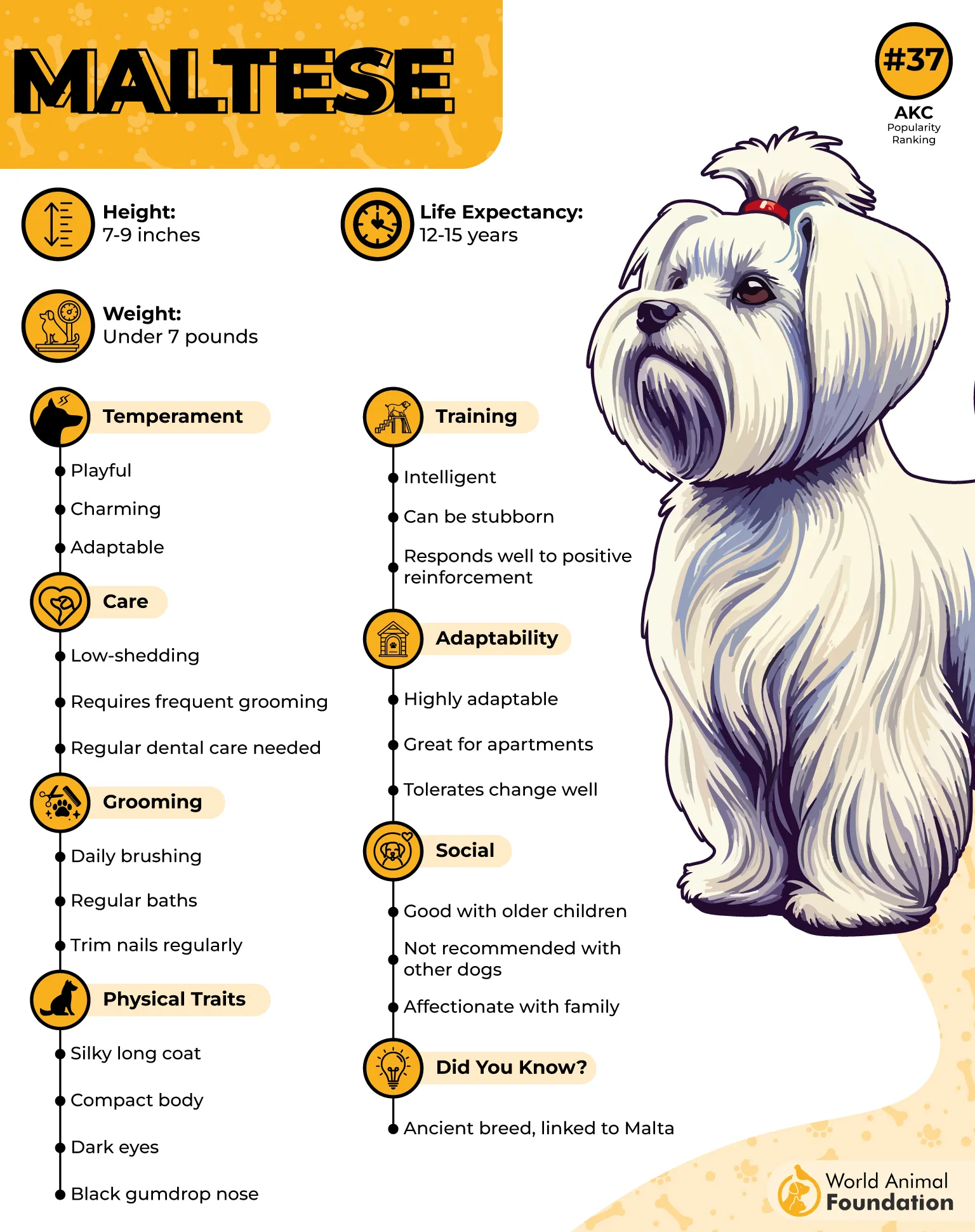
Temperament notes often describe Maltese as lively, affectionate, and people-oriented. They can be confident for their size and may bark at unfamiliar sounds, which makes early manners training useful.
Because they’re small, safety and handling matter, especially around rough play or accidental falls. With patient training and steady routines, they often become cheerful lap companions who enjoy learning little tricks and games.
Fun Fact
The Maltese dogs have been associated with the Mediterranean region for a very long time. Its long history as a companion dog is one reason it appears so often in historical writing.
5. Pomeranian
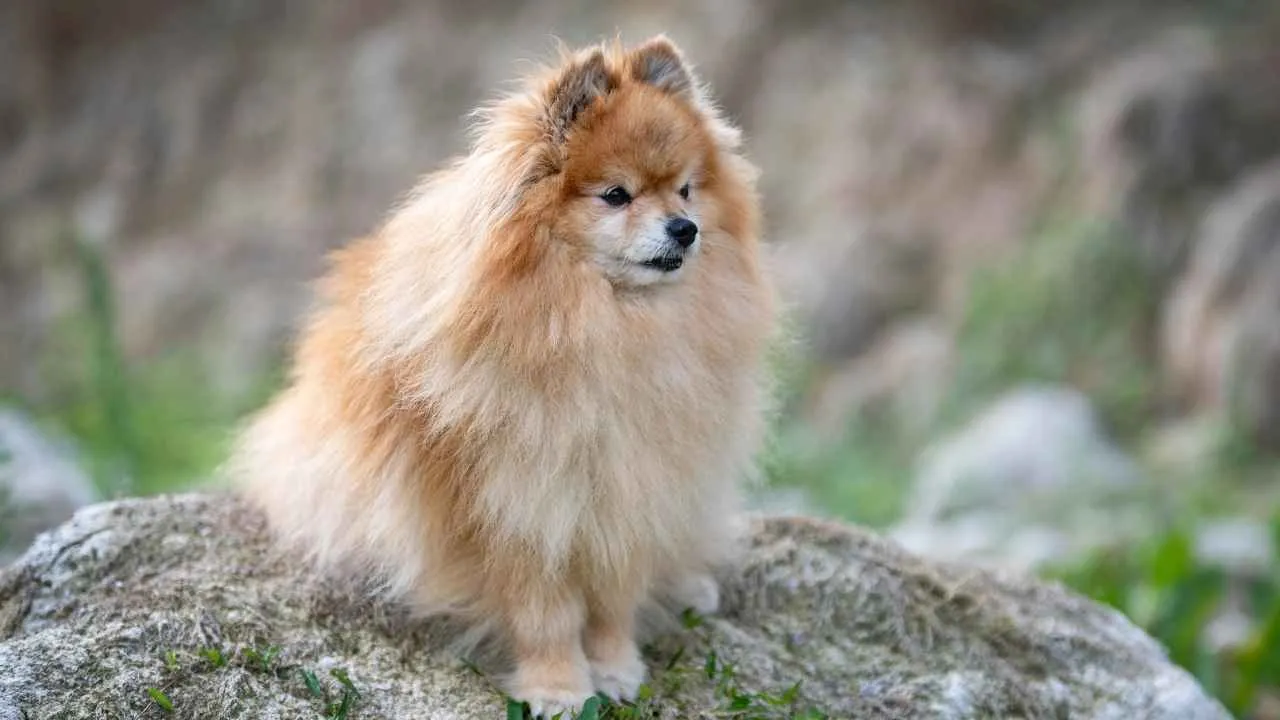
Pomeranians are small Spitz-type dogs known for a thick double coat, a foxlike face, and a confident attitude that often feels larger than life. They are lively companions who enjoy being involved in whatever their person is doing.
Their fluffy coat is iconic, but it comes with regular upkeep, including frequent brushing to manage shedding and tangles. Many owners keep a consistent grooming routine so the coat stays comfortable and the skin stays healthy.
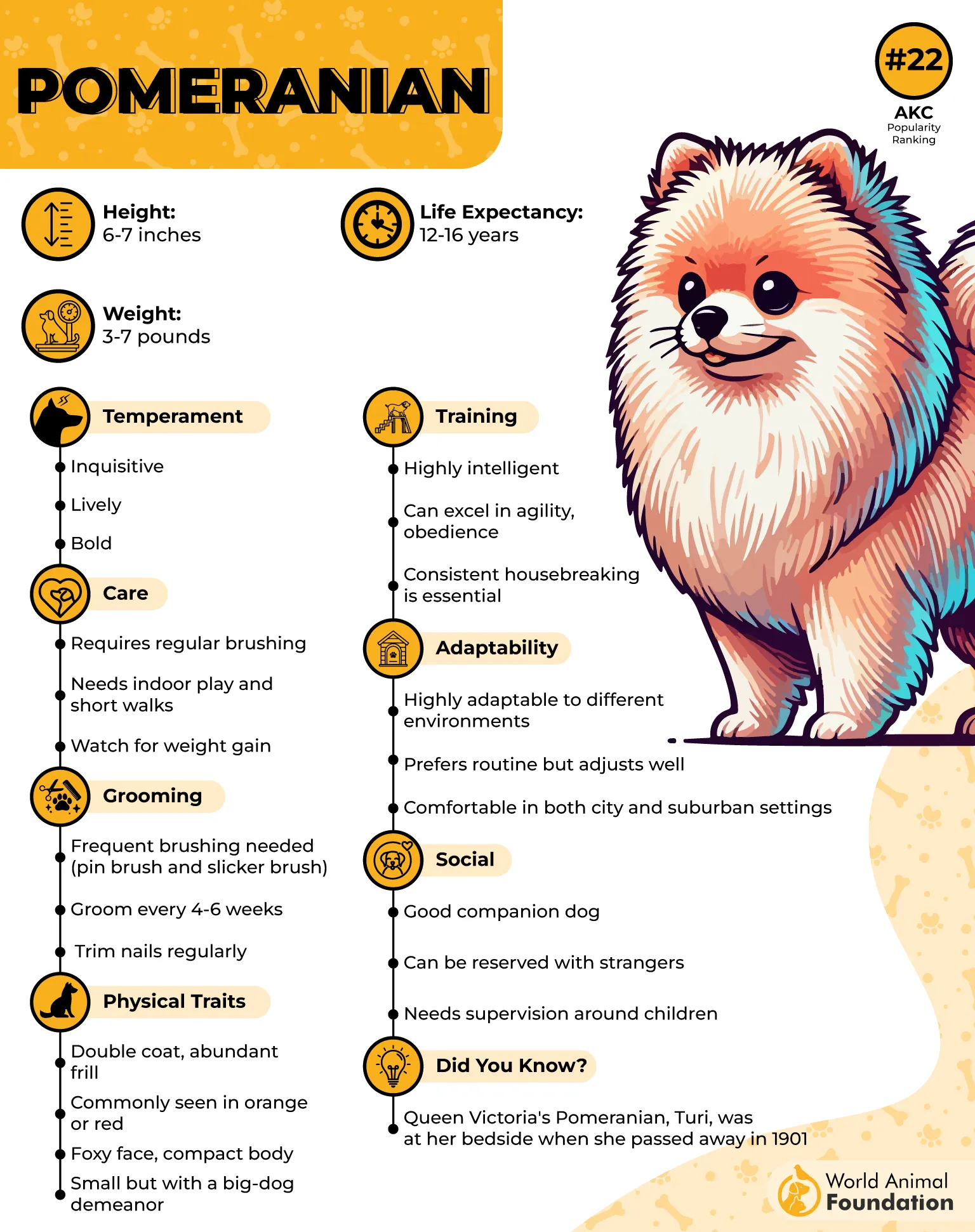
In training, Pomeranians tend to do best with short, upbeat sessions that reward focus and reduce barking habits. Their quickness and curiosity can make puzzle toys and “find it” games a great match, especially when you keep challenges simple and safe.
Some teacup discussions include Pomeranians, but extremely tiny sizing can increase fragility and health concerns. A healthy, well-bred Pom within normal size expectations is generally a better choice for long-term comfort and confidence.
Fun Fact
Pomeranians are part of the Spitz family, which is why they carry that plush coat and proud tail curl. Their tiny frame often surprises people once they learn the breed’s working-dog ancestry.
6. Papillon
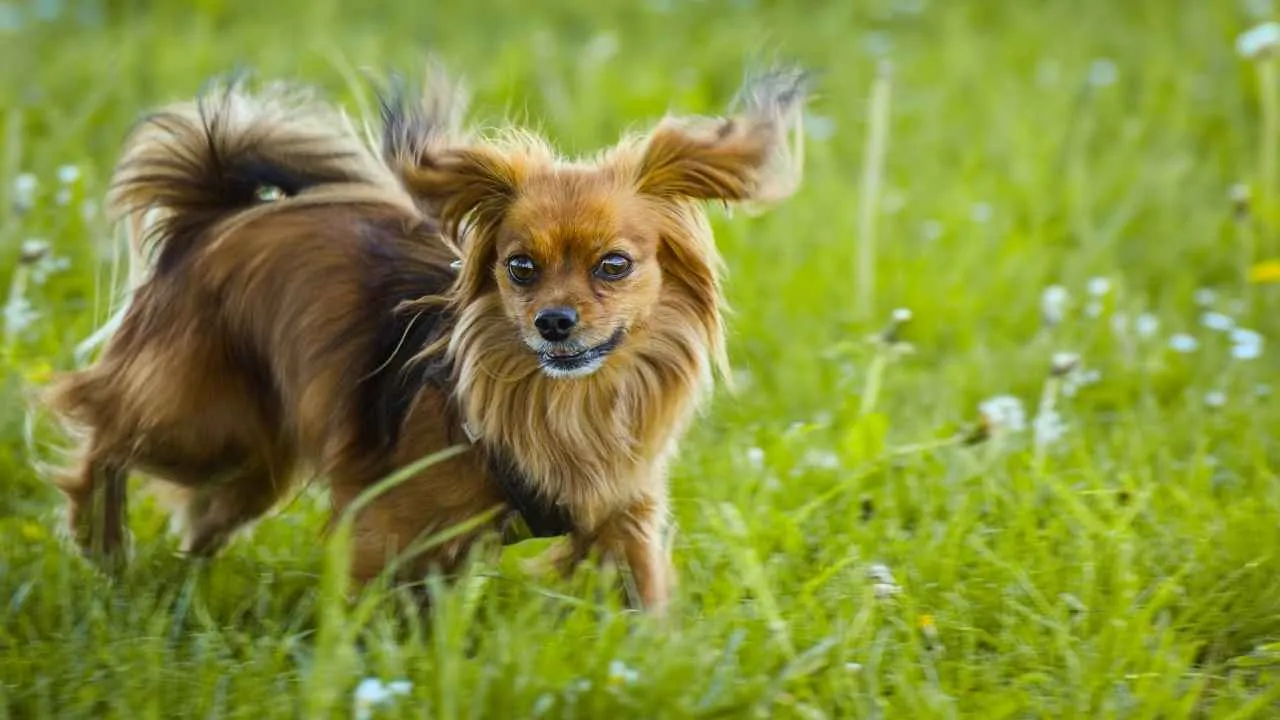
Papillons are toy-sized dogs famous for their fringed ears that resemble butterfly wings. Many descriptions also highlight a light, athletic build and a bright expression that matches their energetic mind.
Papillons are often described as alert, friendly, and highly responsive to training. They tend to enjoy learning, so puzzle feeders and trick training can feel like their favorite kind of play.
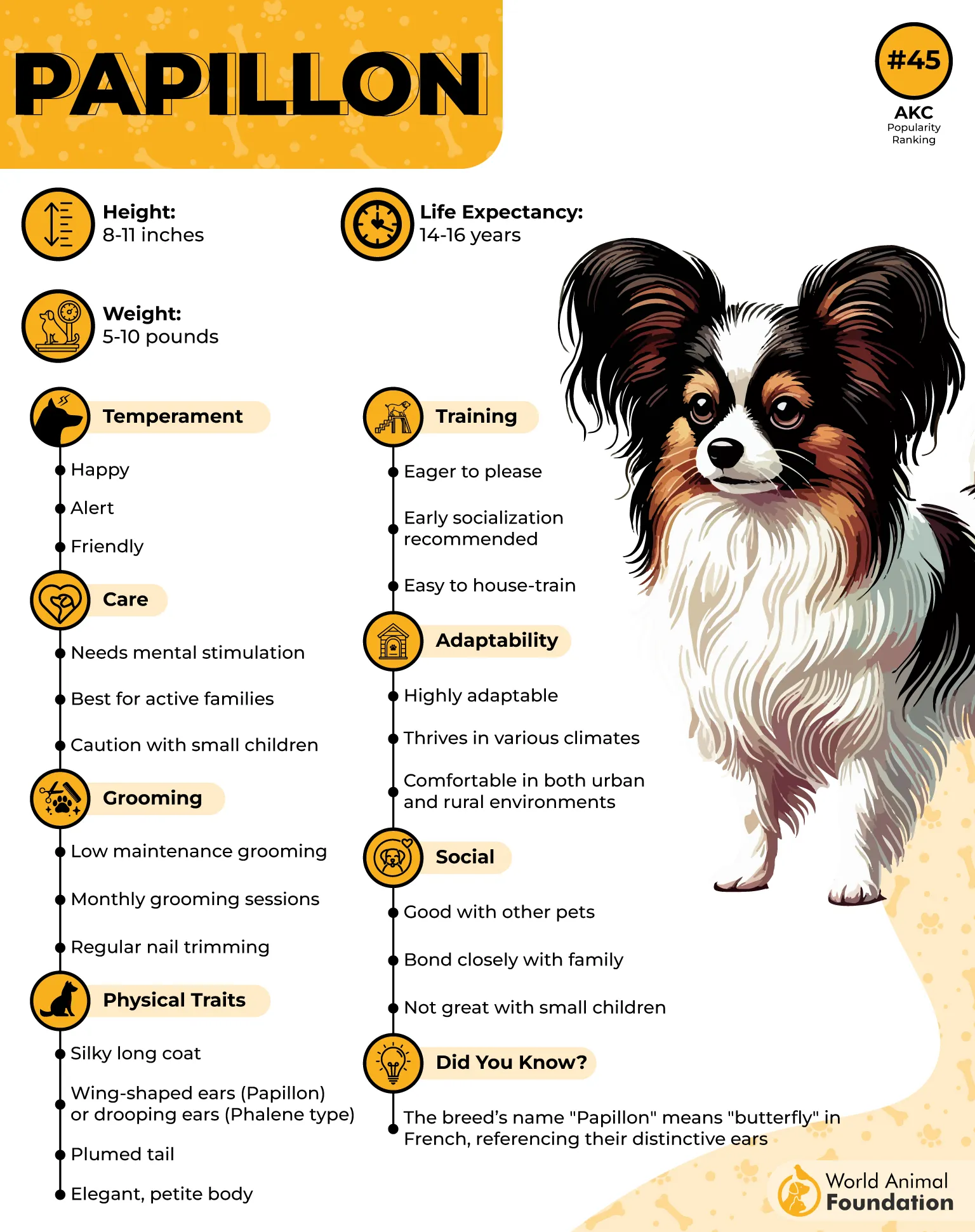
Even though they’re small, Papillons can be surprisingly sporty and enjoy regular activity. A balance of walks, indoor games, and short training sessions helps them stay satisfied without turning them into a nonstop motion machine.
Because they’re fine-boned, careful handling matters, especially around rough play or big jumps. When their environment is safe and structured, they often become confident little companions who love engaging with their people.
Fun Fact
The Papillon’s name means “butterfly” in French, inspired by those signature ears. There is also a drop-eared variety known as the Phalene, named after a moth.
7. Havanese
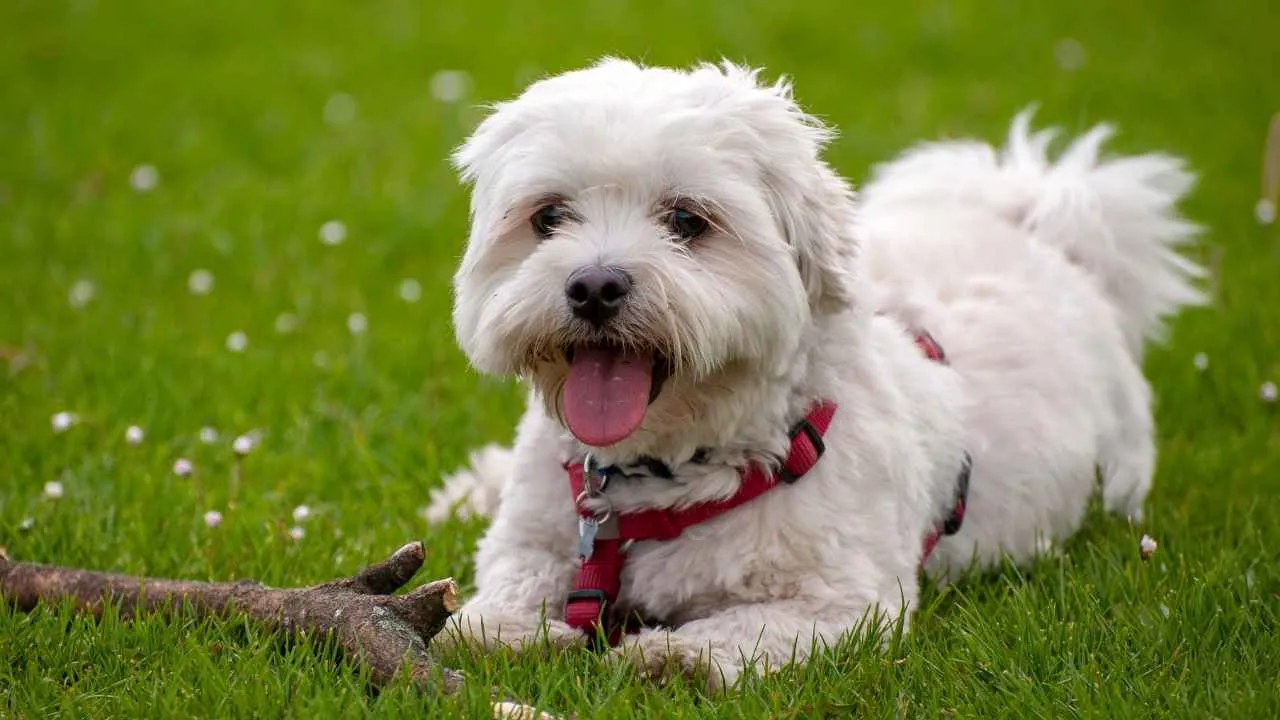
Havanese are small companion dogs often described as cheerful, social, and people-focused. Many breed guides emphasize their adaptable nature, which can make them comfortable in different home setups as long as they get attention.
They typically enjoy learning and can respond well to reward-based training that stays fun and consistent. Because they like interaction, brain games, and gentle puzzles often work best when the owner participates rather than leaving the dog to figure everything out alone.
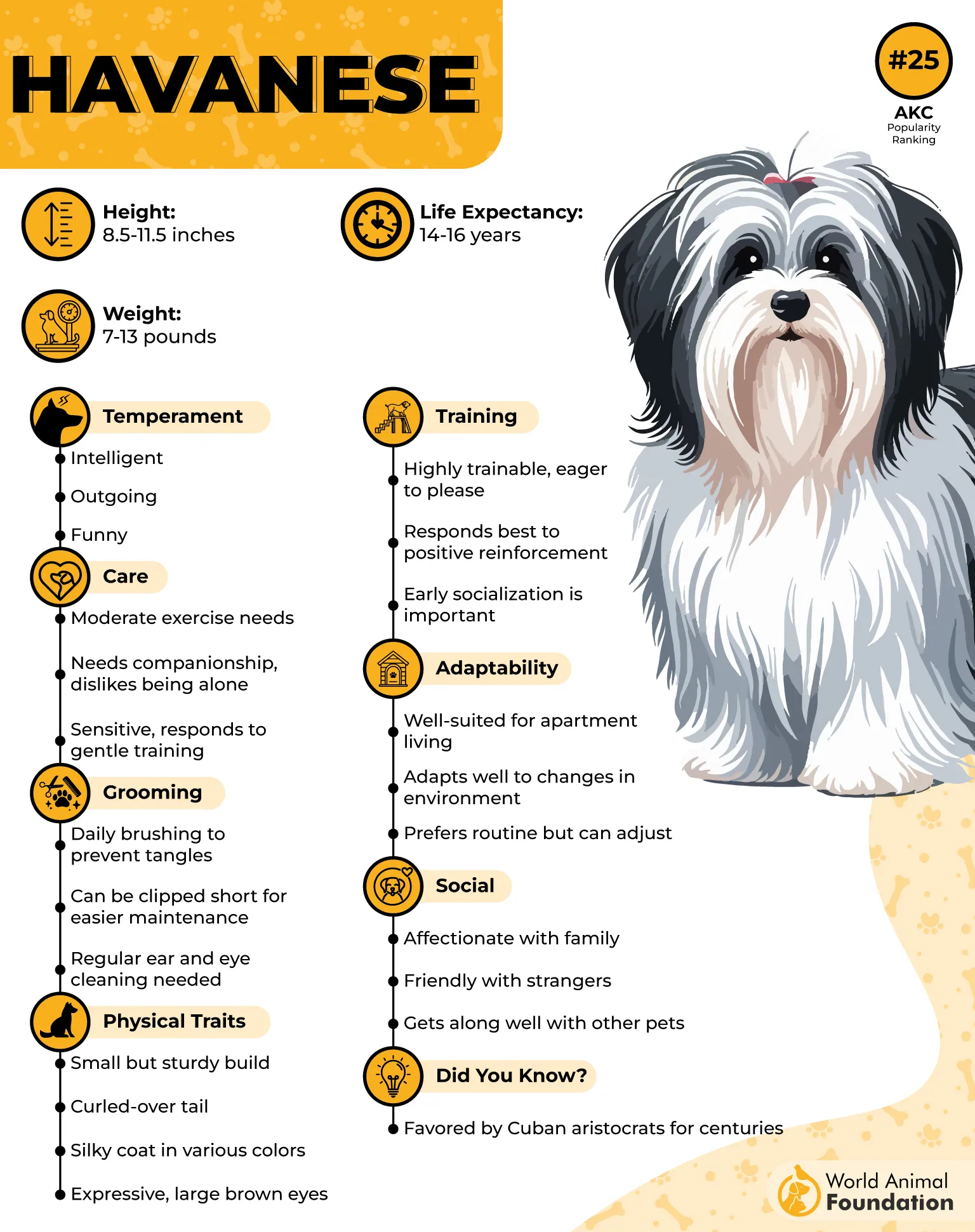
Coat care is part of the package, since Havanese have a long, silky coat that benefits from regular brushing. Some owners choose a shorter trim to reduce maintenance while still keeping the dog comfortable and tidy.
They’re frequently described as affectionate and friendly with familiar people, which can make them great companions for daily routines. With steady training and predictable habits, they often develop into confident little dogs who enjoy being included.
Fun Fact
The Havanese is commonly described as the national dog of Cuba. Its long history as a companion breed helped shape the friendly personality many owners love today.
Conclusion
If you love solving puzzles, the best fit is often an intelligent dog with an eager-to-please nature and a focus on mental stimulation. Many intelligent dog breeds in the toy dogs group are quick learners with bold personalities, proving that a small stature can still deliver exceptional intelligence.
With positive reinforcement, proper training, these pint-sized geniuses pick up fun tricks, making them excellent companions for pet parents who enjoy interactive games.
Their playful and friendly nature can also make a small dog a great family dog and a loving companion among family pets, especially for active families who like a bit of high energy.
Other dog breeds, such as Border Collies, German Shepherds, Golden Retrievers, Rat Terriers, and Brussels Griffons, also rank among the smartest dog breeds in the dog world, including herding dogs originally bred for herding livestock, and even some service dogs.
