




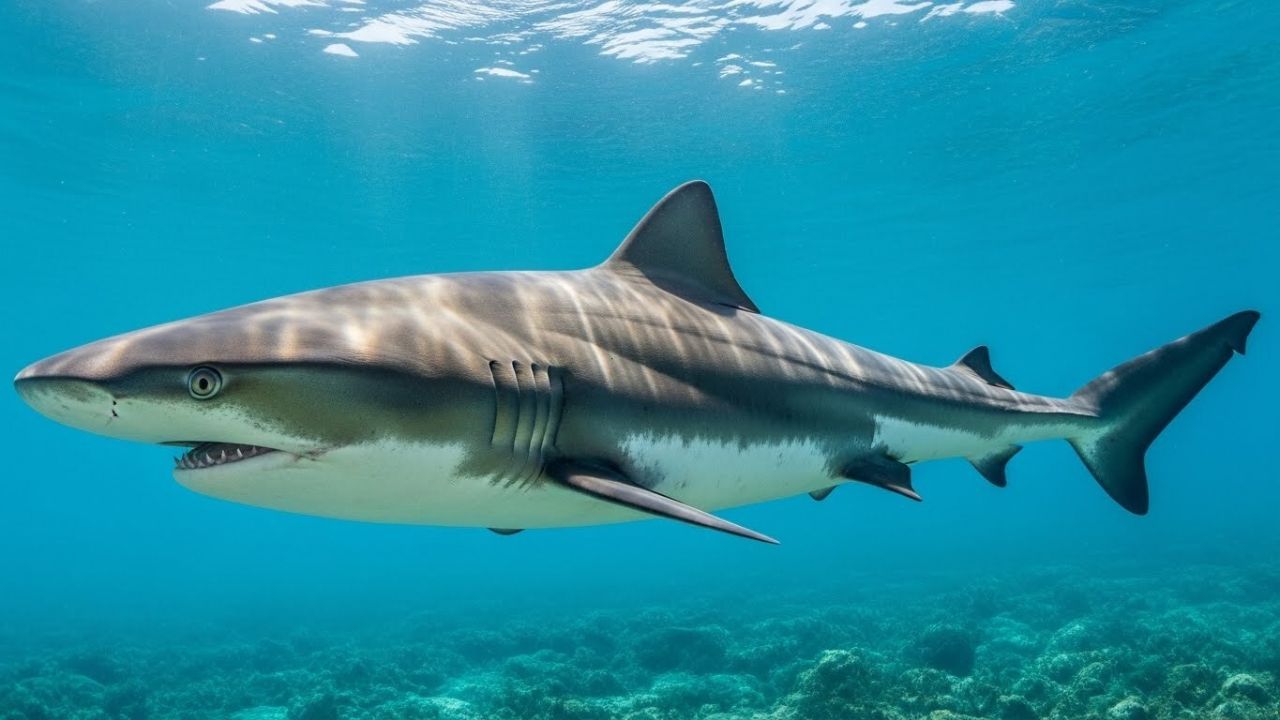
When we think about long life, humans often come to mind, but in the natural world, some animals easily surpass us, living for well over a century. These extraordinary creatures are living examples of resilience and adaptation, surviving in oceans, rivers, and remote lands for generations.
From ancient reptiles to deep-sea dwellers, their longevity often holds secrets about slow metabolisms, unique genetics, and environments that favor endurance. Some live quietly, hidden in icy waters, while others are revered cultural symbols in human societies.
Studying these remarkable animals not only deepens our understanding of biology but also offers clues about aging and survival.
Exploring the lives of these centenarians of the animal kingdom reveals just how diverse and awe-inspiring nature’s timeline can truly be.
Amazing Animals That Live More Than 100 Years
1. Hydra
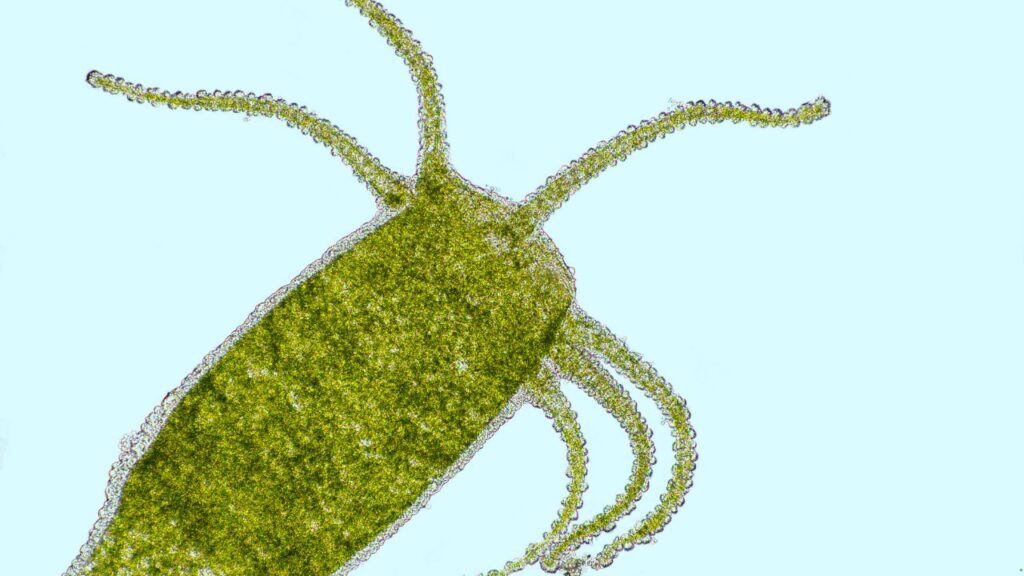
Hydra is a tiny freshwater creature, often just a few millimeters long, but it carries one of nature’s greatest secrets: it doesn’t seem to age. Unlike most animals, which eventually slow down and weaken, Hydra maintains its vitality thanks to continuous cell renewal.
This regeneration happens because Hydra’s body is filled with stem cells that can divide and replace damaged parts indefinitely. In fact, if cut into pieces, each fragment can regrow into a new Hydra. That incredible resilience makes them one of the most studied organisms in biology.
Scientists are fascinated by Hydra because understanding how it regenerates could unlock secrets about human aging and medicine. Imagine if we could learn how to heal like Hydra does!
Key Facts About Hydra
- Lives in freshwater ponds and lakes
- Capable of indefinite regeneration
- Shows negligible signs of aging
- Studied for insights into stem cells and longevity
Though small and often overlooked, Hydra represents one of the most astonishing biological mysteries. It’s not just an animal—it’s a living clue to the possibility of defying age itself.
2. Turritopsis Dohrnii
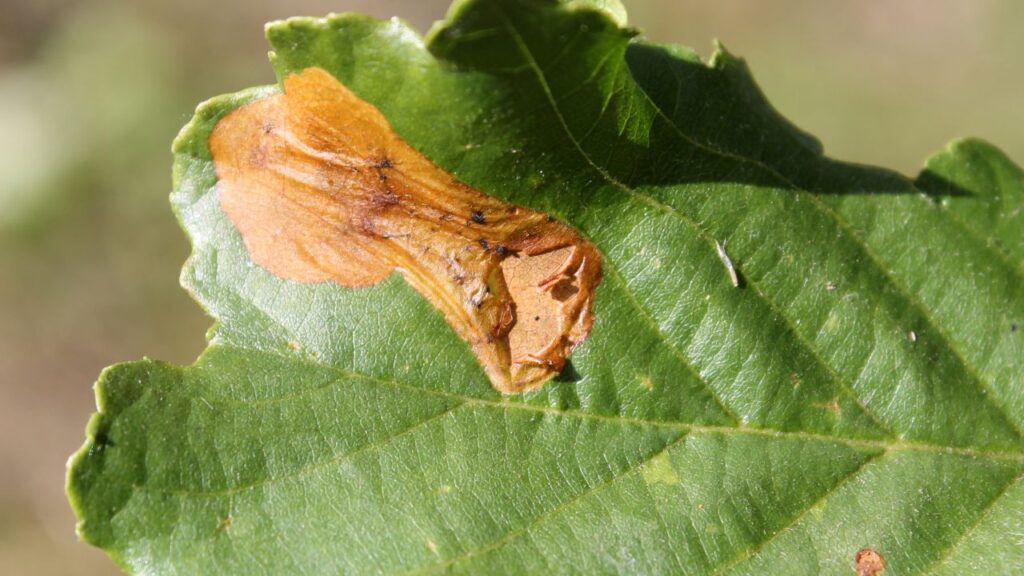
Meet Turritopsis dohrnii, the jellyfish that may never truly die. Known as the “immortal jellyfish,” it has the astounding ability to reverse its life cycle, turning back into a juvenile polyp instead of aging and dying.
This process, called transdifferentiation, allows its cells to transform into other types, essentially giving it the power to reset its biological clock. In theory, this cycle can continue forever, making it biologically immortal.
Of course, immortality comes with limits. The jellyfish can still be eaten by predators or succumb to disease, but its natural ability to cheat aging makes it one of the most unique species in the world.
Highlights of Turritopsis Dohrnii
- Native to warm Mediterranean waters, now spreading globally
- Can revert from adult back to its polyp stage
- Symbol of biological immortality
- Studied by scientists for clues about aging and cellular repair
Tiny and transparent, this jellyfish is almost invisible in the ocean, yet it carries one of life’s greatest superpowers—the potential to live forever.
3. Glass Sponge
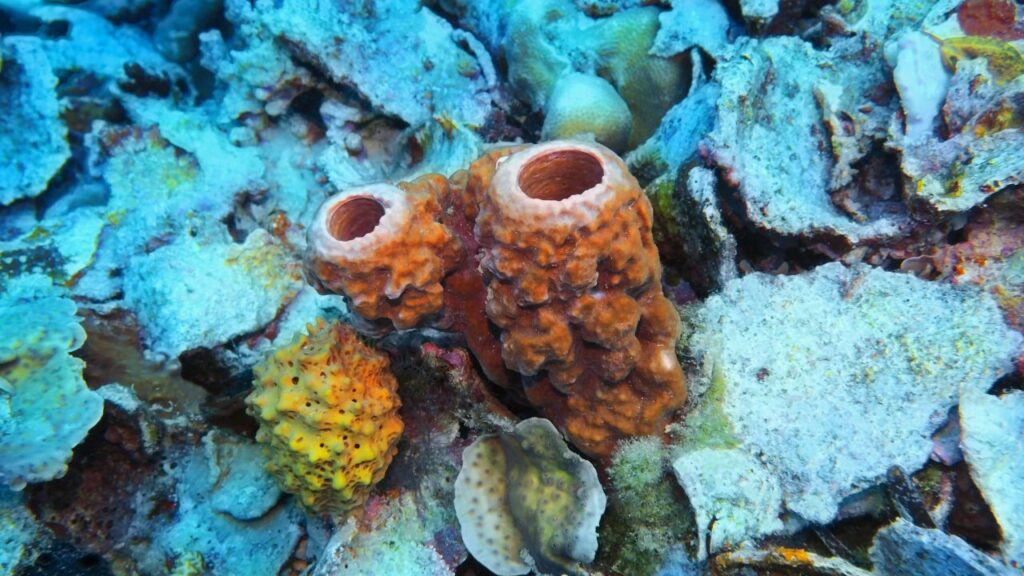
Hidden in the dark, icy depths of the ocean are glass sponges, animals whose delicate, glass-like skeletons hide an extraordinary truth—they can live for thousands of years. Some species have been estimated to survive for over 10,000 years, making them among the longest-living animals on Earth.
According to NOAA, their bodies are built from silica, the same material used in glass, which gives them their shimmering lattice-like structures. Despite looking fragile, these sponges are remarkably durable and can withstand immense ocean pressures.
Glass sponges are not only survivors but also ecosystem engineers. Their intricate skeletons provide shelter for countless marine species, while they quietly filter massive amounts of seawater to feed.
Key Facts About Glass Sponges
- Can live for millennia (10,000+ years)
- Skeletons are made of silica
- Found in deep, cold ocean waters
- Provide habitat for other marine life
They are true timekeepers of the deep sea, existing quietly for millennia while human civilizations rise and fall. In their silent endurance, glass sponges remind us of nature’s astonishing patience and strength.
4. Black Coral
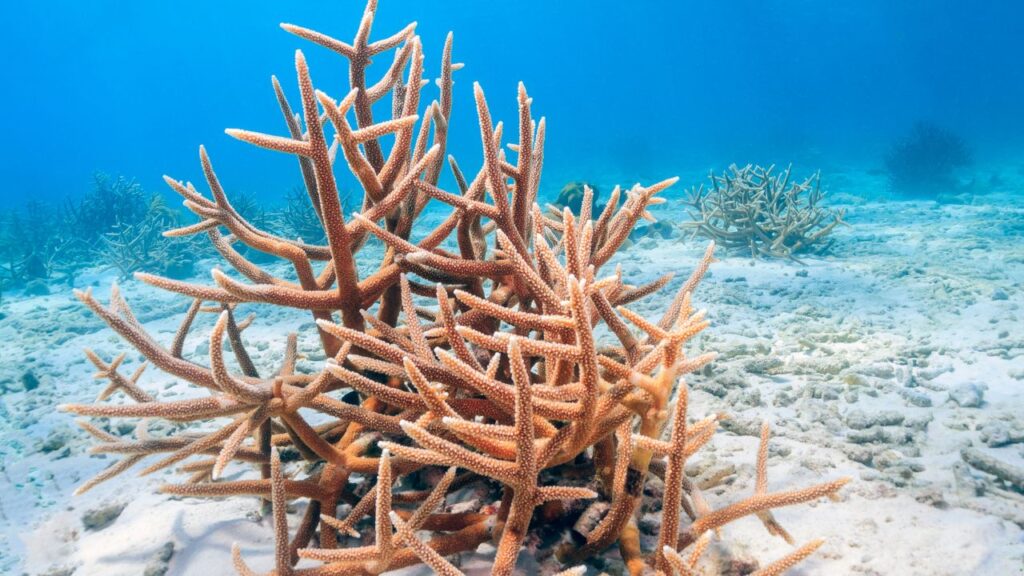
Black corals may look delicate, but they are among the oldest living animals on Earth. Unlike shallow-water corals that form colorful reefs, black corals grow in the deep sea, often thousands of feet below the surface.
These slow-growing corals can live for over 4,000 years, making them natural record-keepers of the ocean, as mentioned by Ocean.
Their skeletons are black and tree-like, providing shelter for countless marine species. Despite their name, the living tissue of black coral is often white or brightly colored, creating a striking contrast.
Scientists study black coral growth rings, similar to tree rings, to learn about ancient ocean conditions, currents, and climate changes.
Key Facts About Black Coral
- Can live for thousands of years
- Found in deep, dark ocean waters
- Skeletons are jet black, with colorful tissue covering them
- Provide habitat for deep-sea organisms
Black corals are like underwater forests, silently thriving in the dark, hidden from human eyes yet shaping ocean ecosystems for millennia.
5. Ocean Quahog Clams
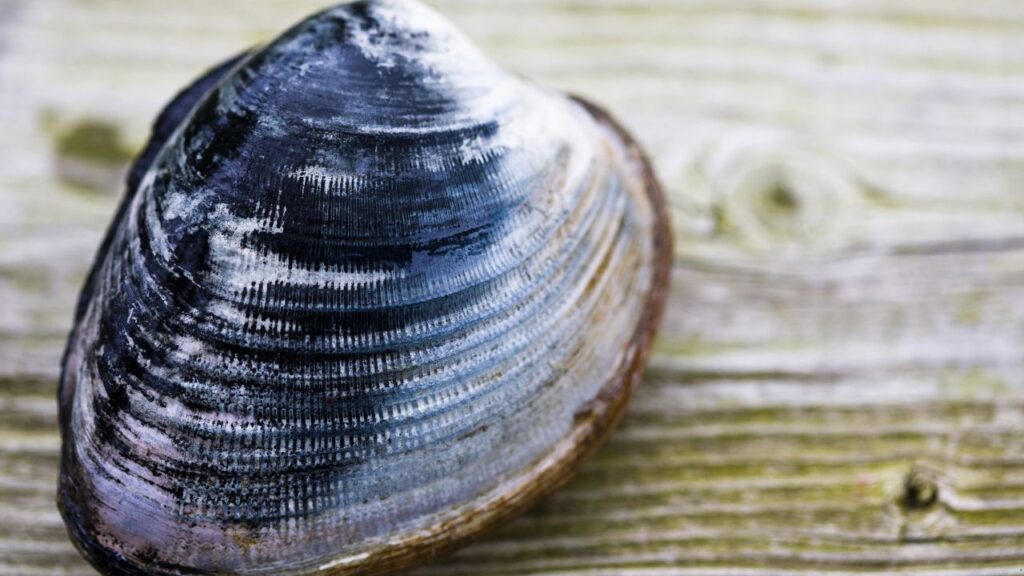
At first glance, the ocean quahog may look like an ordinary clam, but it holds the record as one of the longest-living animals on the planet.
Some individuals have been discovered to live for more than 500 years. In fact, one famous quahog, nicknamed Ming, lived to be 507 years old before researchers accidentally ended its life, as noted by Wikipedia.
These clams grow slowly in cold North Atlantic waters, filtering plankton and contributing to marine ecosystems. Their shells carry annual growth lines, much like tree rings, which scientists use to study historical ocean temperatures and climate patterns.
Highlights of Ocean Quahogs
- Lifespan: 400–500+ years
- Found in the cold waters of the North Atlantic
- Shells record past ocean conditions
- Among the longest-living non-colonial animals
The ocean quahog is more than just a clam; it’s a living archive, preserving centuries of Earth’s environmental history in its shell.
6. Greenland Shark
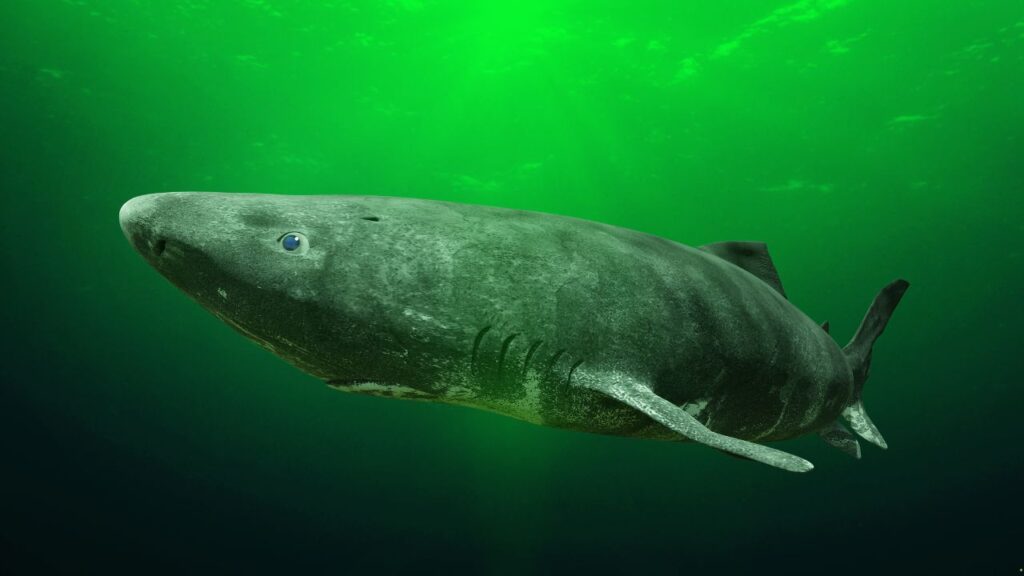
The Greenland shark is a slow-moving giant of the deep Arctic waters and holds the title of the longest-living vertebrate known to science. Studies suggest these sharks can live for 250 to 500 years, with some estimates placing the oldest individuals at nearly 400 years old, as mentioned by Britannica.
Greenland sharks grow incredibly slowly, just about one centimeter per year. They don’t even reach maturity until around 150 years of age. Their longevity is thought to be linked to the frigid, stable environments they inhabit, which slow down their metabolism.
Key Facts About Greenland Sharks
- Estimated lifespan: 250–500 years
- Longest-living vertebrate ever discovered
- Found in Arctic and North Atlantic waters
- Reach maturity around 150 years old
Despite their size (they can grow over 20 feet long), Greenland sharks are elusive and rarely seen. They are living symbols of endurance, swimming quietly in icy waters while generations of humans come and go.
The Guardian mentions that the 400-year-old Greenland shark is the oldest vertebrate animal.
7. Tubeworms
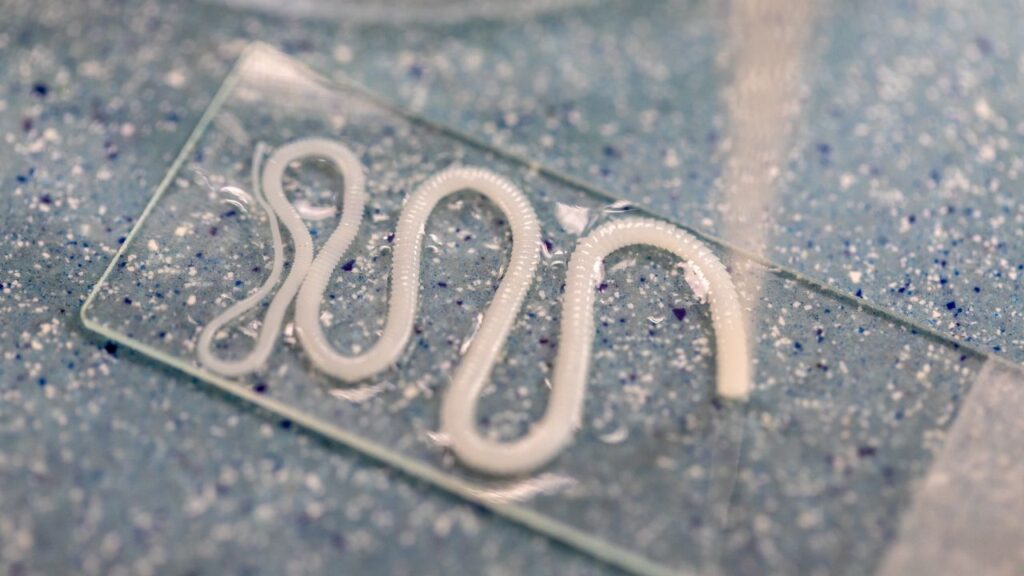
Deep-sea tubeworms are extraordinary creatures that thrive in some of the harshest environments on Earth—hydrothermal vents and cold seeps thousands of meters underwater. Some species, like Lamellibrachia luymesi, can live for 250 years or more, making them among the longest-living invertebrates.
Guinness World Records mentions the tubeworm called Lamellibrachia, which survives by digesting seeps of oil leaking from the sea floor, can live between 170 and 250 years.
Instead of mouths or digestive systems, tubeworms rely on symbiotic bacteria housed in their bodies to convert toxic chemicals into nutrients. As per the BARI Organization, this unique adaptation allows them to survive where few other creatures cannot.
Highlights of Tubeworms
- Lifespan: Up to 250 years
- Found at hydrothermal vents and cold seeps
- Lack a mouth or stomach—rely on bacteria for nutrition
- Can grow several feet long
These eerie, tube-like animals create colonies around vent systems, supporting entire ecosystems in otherwise lifeless environments. Their resilience and longevity show just how adaptable life can be in Earth’s most extreme habitats.
Conclusion
The world’s longest-living animals remind us just how diverse and resilient life can be. From the Hydra that can potentially live forever to the glass sponges that are living fossils of the deep ocean, these creatures challenge our understanding of aging and longevity. Yet, the list doesn’t stop here.
Other animals, such as red sea urchins of the Pacific coast, which can reach a remarkable age of 200 years, or the freshwater pearl mussels found from British Columbia to the north Atlantic Ocean, also boast maximum lifespans far beyond human life.
On land, the Galápagos and Aldabra giant tortoises, celebrated in places like the Australian Zoo, hold the title of the oldest living land animals, with individuals surpassing 180 years. The bowhead whale, one of the great marine mammals of the Arctic oceans, can live for more than two centuries, while koi fish, Asian elephants, and even certain species of gold coral and giant barrel sponges join the ranks of nature’s longest-living species.
These creatures, whether on the ocean floor, in the Mediterranean Sea, or shaped by the last Ice Age, illustrate how slow growth rates and long periods of stability allow them to achieve maximum longevity, earning a place among Earth’s oldest animals.
