




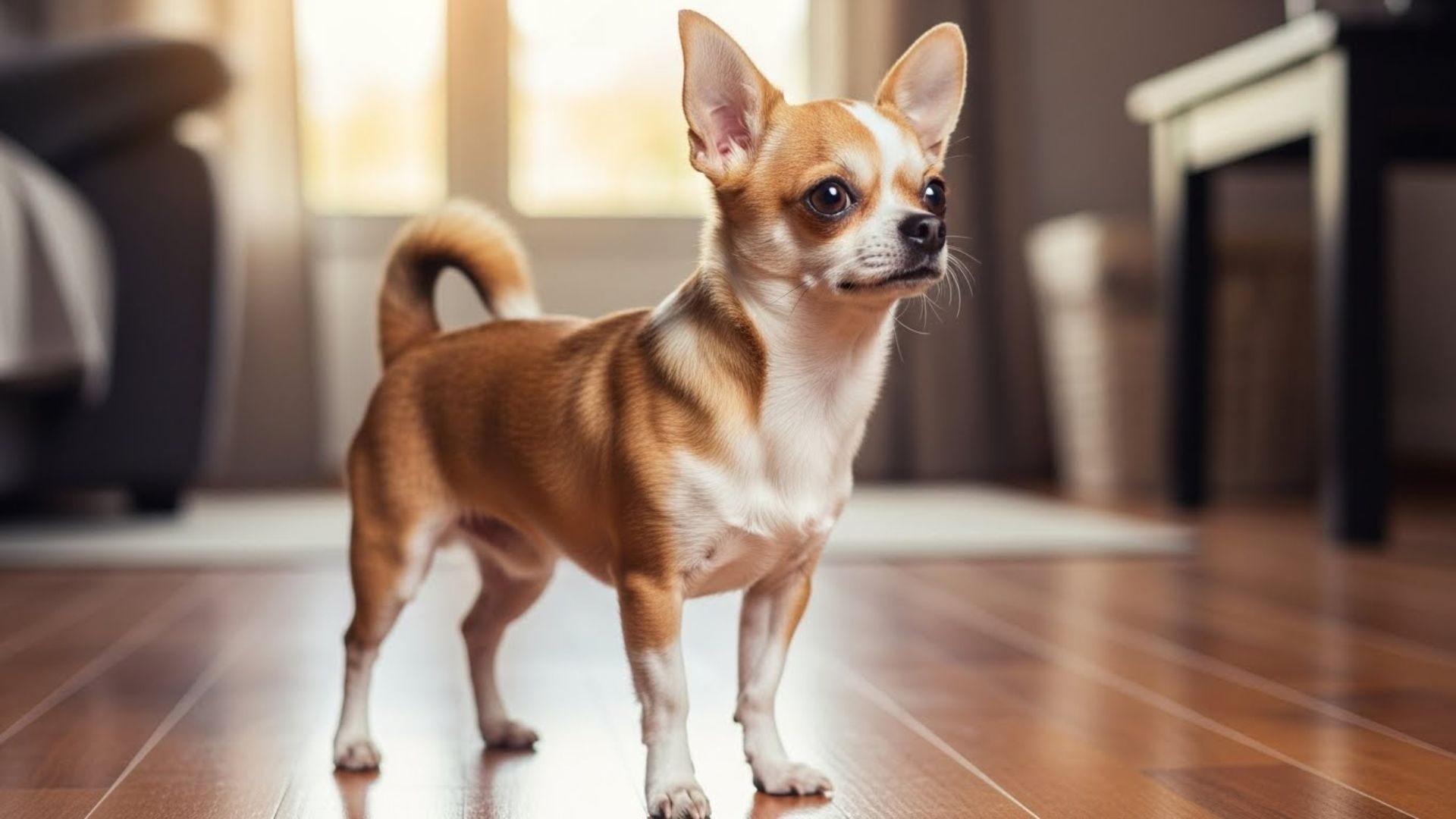
Did you know some dogs stay “pocket-sized” for life, even after the puppy fluff phase disappears? Tiny dog breeds that maintain their small size aren’t just cute; they’re built for compact living, easy carrying, and lower space needs compared with larger dogs.
That said, small does not mean simple. Many tiny breeds are bold, smart, and surprisingly athletic, and their care can include specific grooming, dental routines, and safety habits to protect fragile frames. They can also be excellent companions for apartments, frequent travelers, and anyone who wants a dog that fits neatly into daily routines without needing a big yard.
In this article, we’ll highlight truly small-staying breeds, what “tiny” typically means in adult weight and height, and the practical things to consider before bringing one home. If you love the idea of a lifelong little sidekick, choosing the right breed makes all the difference.
Tiny Dog Breeds That Maintain Their Small Size
1. Chihuahua
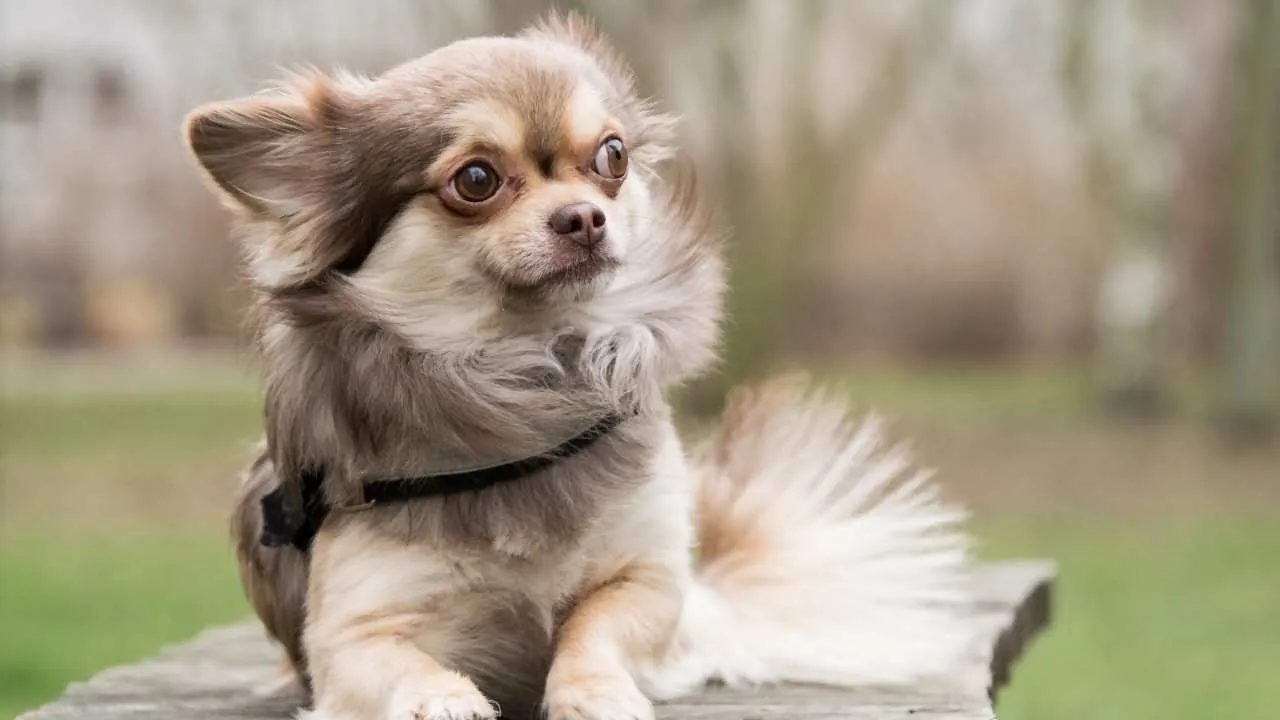
Chihuahuas are a compact toy breed known for an alert expression and a confident, terrier-like attitude. Breed standards commonly describe them as graceful, quick-moving, and small enough that adult weight should not exceed six pounds.
Their size makes them easy to carry, but it also means daily handling needs to be gentle and safety-minded. Many “tiny dog” guides also note that ultra-small, “teacup” marketing can come with added fragility and health concerns compared with dogs kept within a normal breed standard.
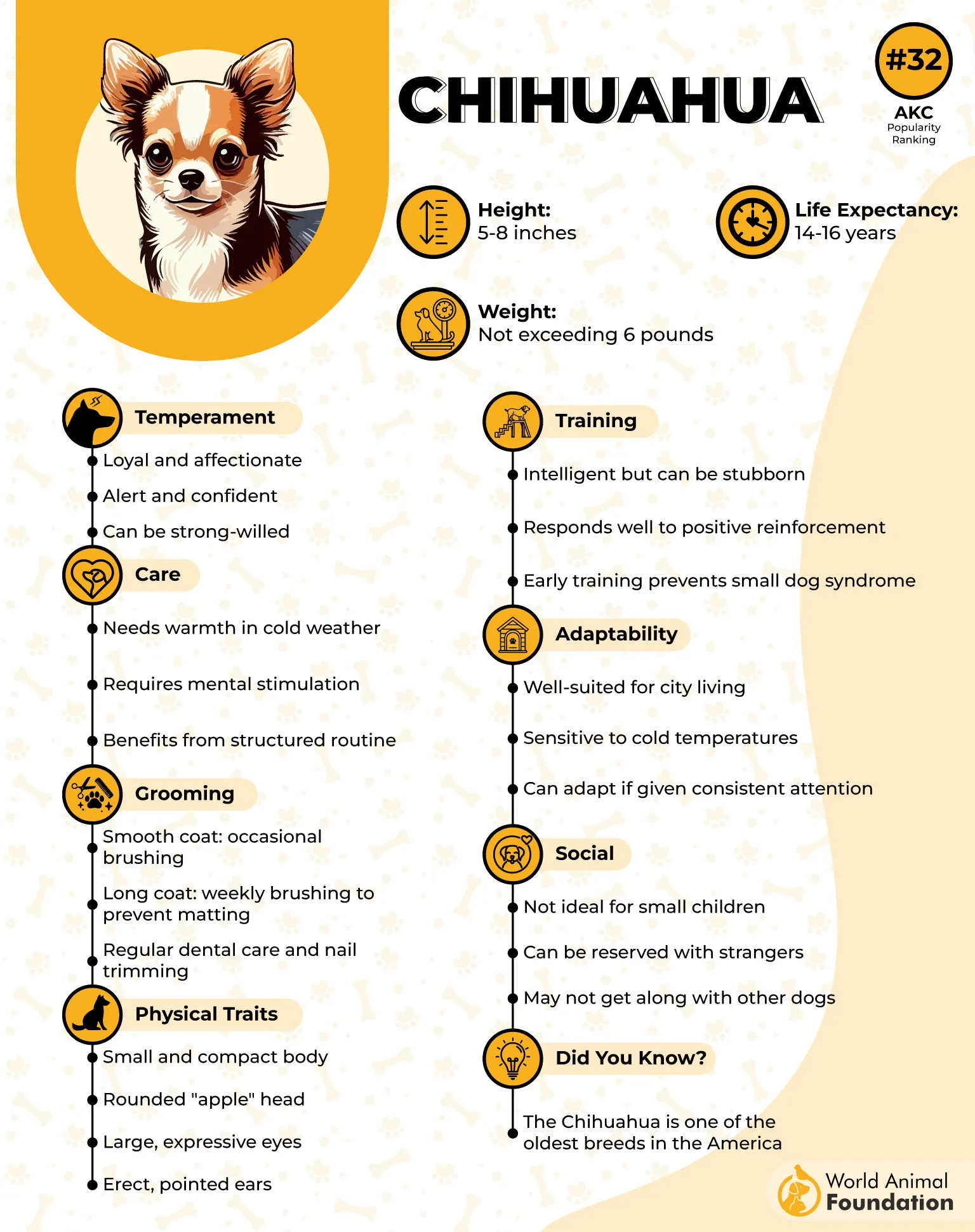
Chihuahuas come in both smooth-coat and long-coat varieties, so grooming needs depend on coat type. Even with a small body, they still benefit from routine exercise, short training sessions, and predictable boundaries.
Temperament-wise, they’re often described as devoted to their favorite person and quick to sound an alarm. With early socialization and calm training, they can be lively companions who stay small without feeling delicate in spirit, as noted by the AKC.
Fun Fact
The breed standard describes the Chihuahua as “saucy” in expression and temperament. Any Chihuahua over six pounds is a disqualification in the show ring.
2. Pomeranian
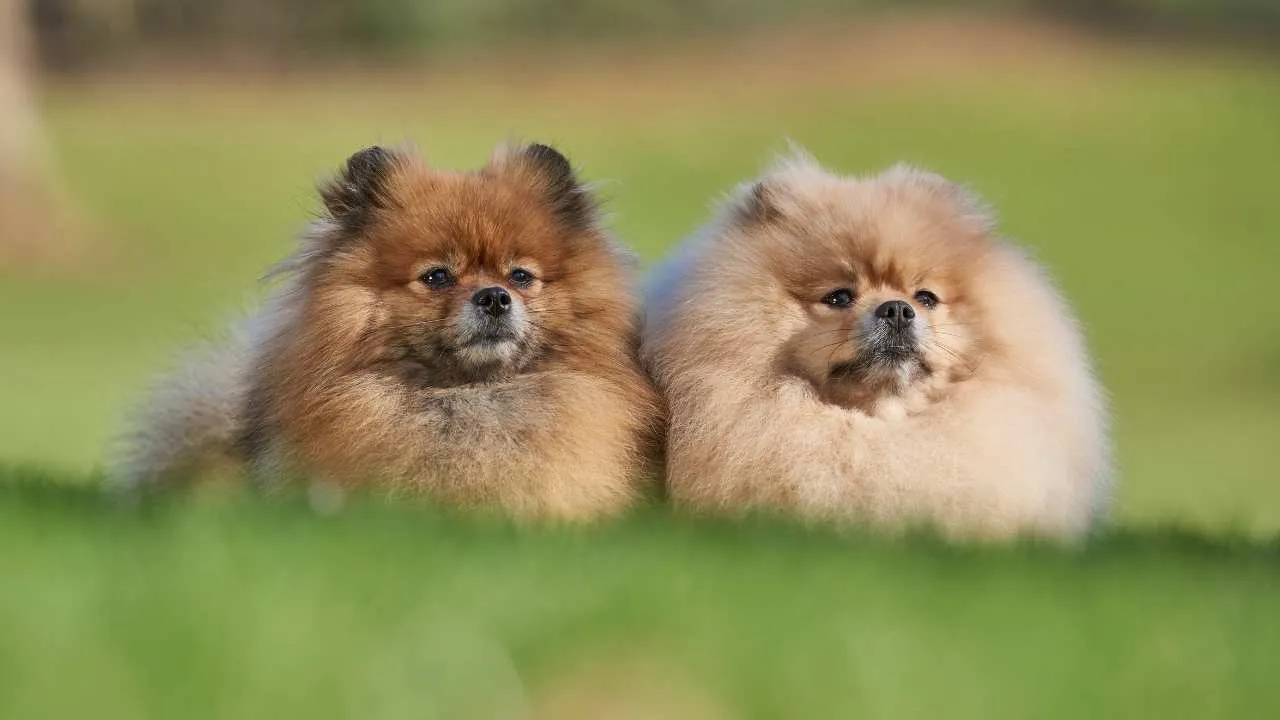
Pomeranians are small spitz-type dogs famous for a fluffy double coat and a confident “bigger than me” personality. Many breed profiles describe them as spunky, attention-loving companions that can do well with families, singles, and older adults.
Their coat is a major feature, and care guides often stress frequent brushing and regular grooming to prevent tangles and keep the coat healthy. Some sources also mention that trims can make brushing easier while still keeping the classic Pom look.
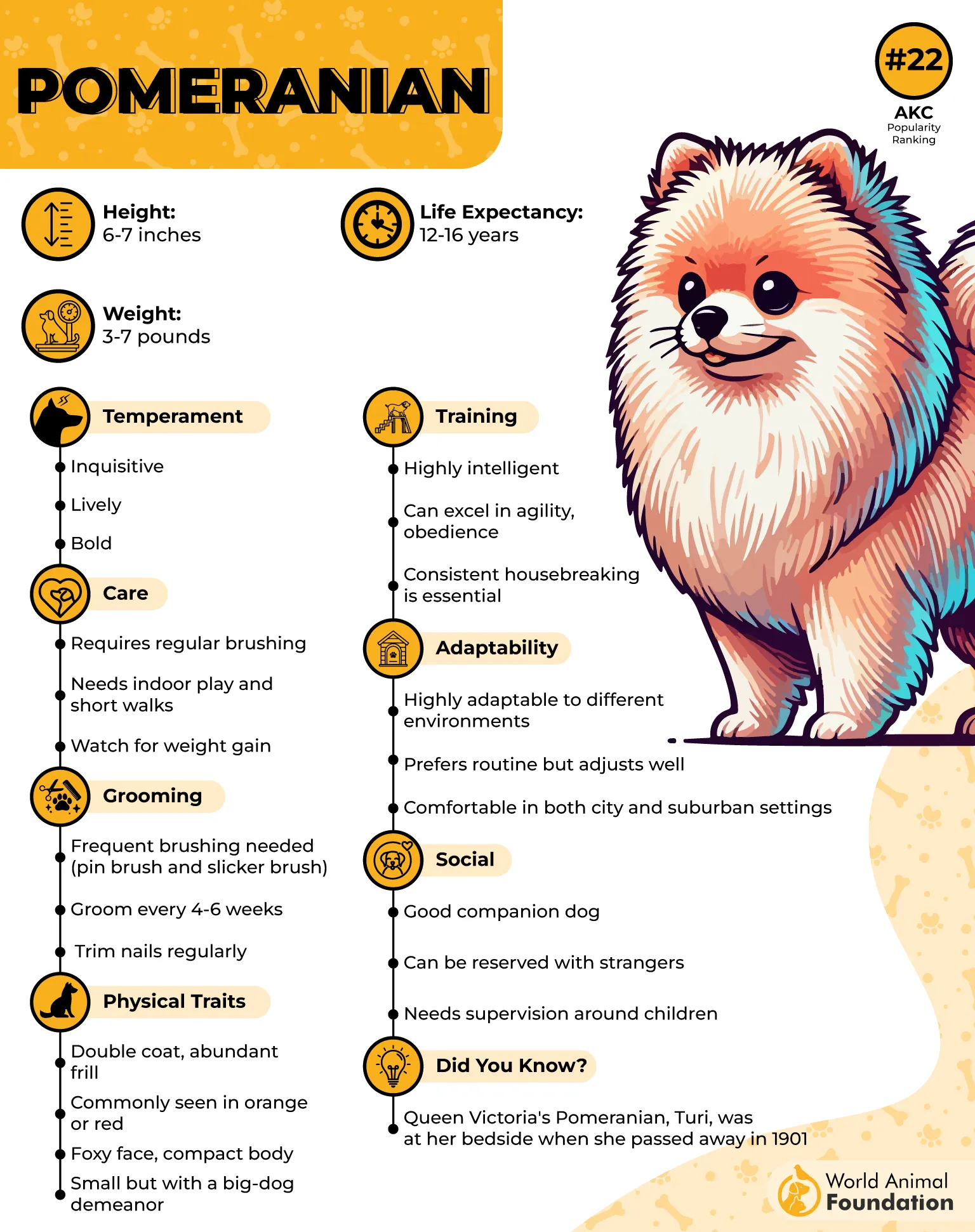
According to PetMD, Pomeranians usually do not require extensive outdoor activity, but they still enjoy play and interactive time. Training is often most successful when it’s upbeat and consistent, especially if you want to manage barking and build polite habits.
Many “teacup dog” articles also place Pomeranians on lists of tiny breeds, while warning that breeding for extreme miniaturization can increase health risks. Sticking to a healthy size range and choosing responsible breeding practices helps protect long-term well-being.
Fun Fact
Pomeranians are part of the spitz family, and their thick coat and neck ruff reflect that heritage. Despite their tiny frame, they’re often described as carrying themselves like much larger dogs.
3. Yorkshire Terrier
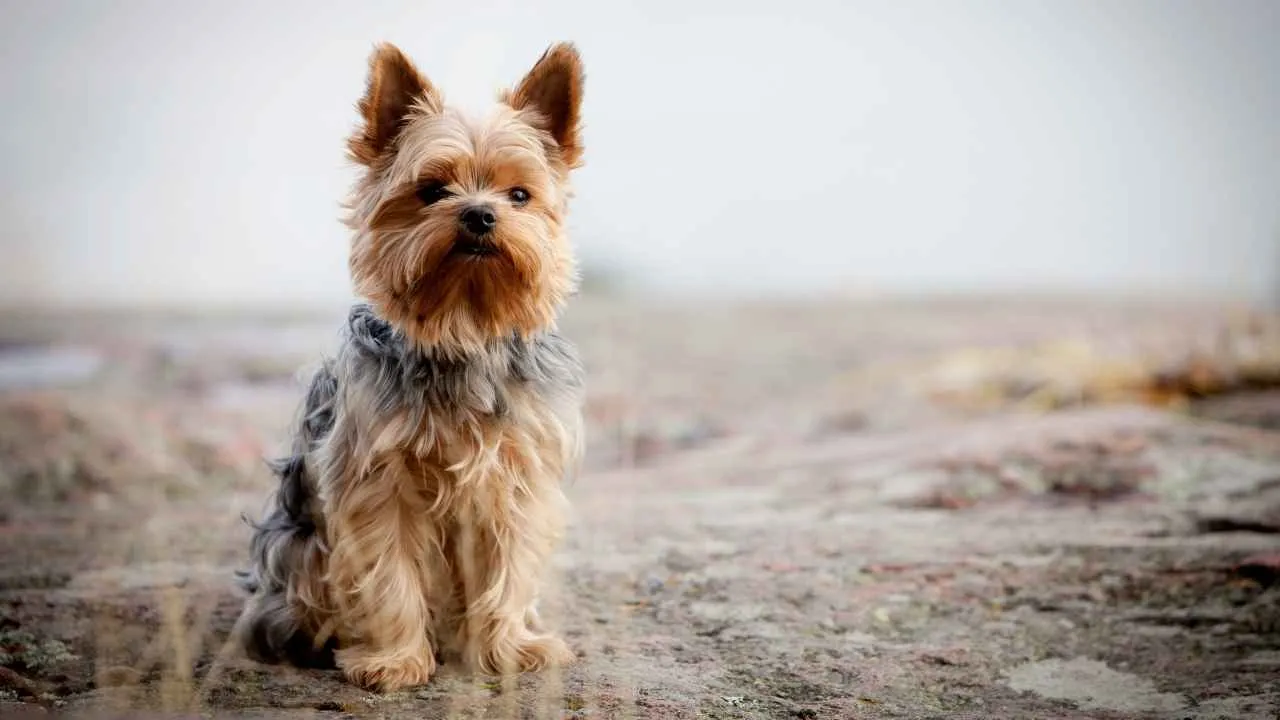
The Yorkshire Terrier was developed in the mid-1800s in Yorkshire and Lancashire, shaped by terrier types brought by Scottish weavers who migrated to the area. It became a toy-sized dog with classic terrier confidence and a strong attachment to its people.
As per Britannica, the Yorkie’s long, silky coat and refined appearance come with regular grooming expectations. Owners who prefer lower maintenance often keep the coat trimmed shorter, but grooming still remains part of routine care.
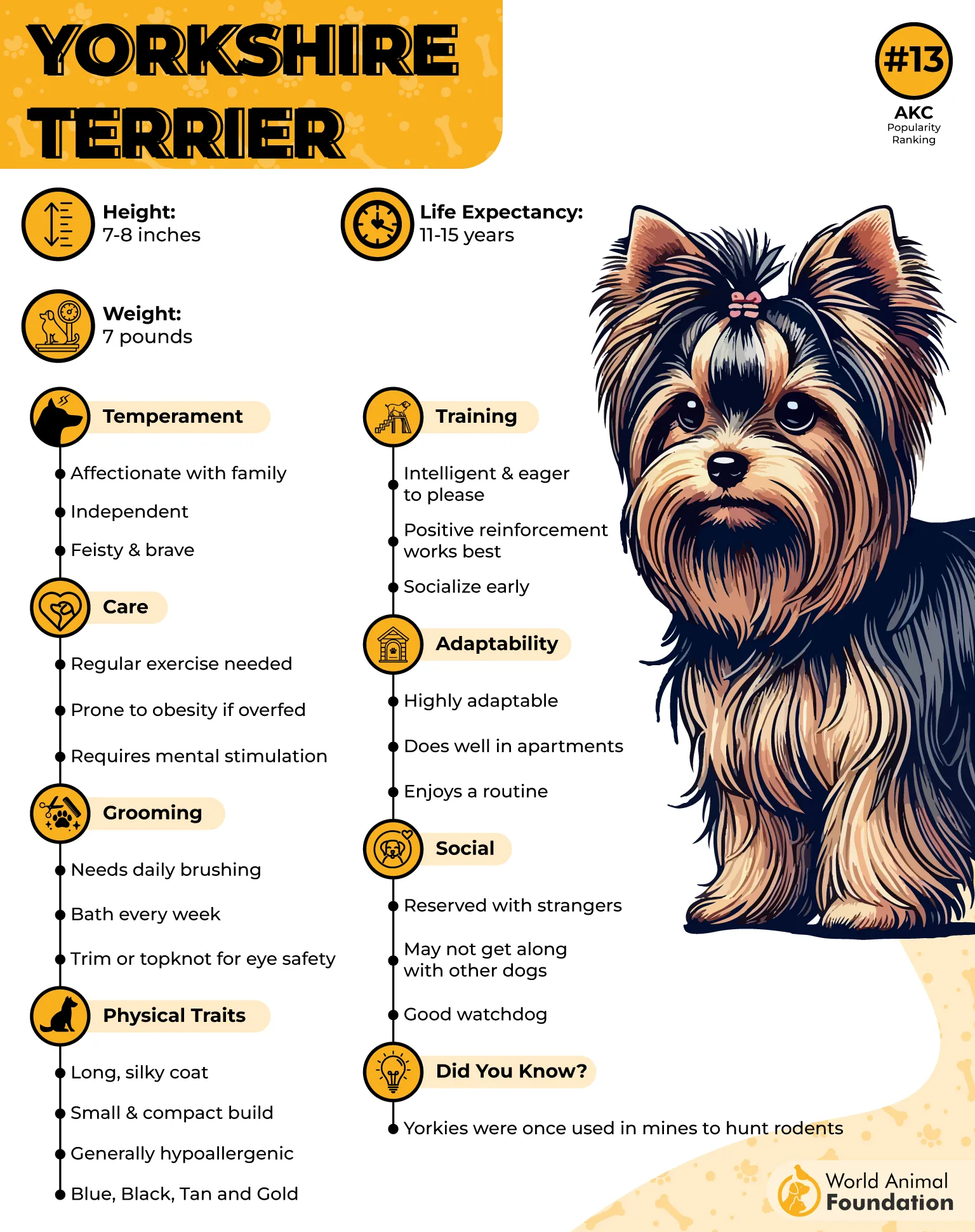
Even as a tiny dog breed, the Yorkshire Terrier is often portrayed as bold, alert, and energetic. That mix can make training rewarding, especially when you use short, positive sessions that build manners without turning into power struggles.
“Teacup” discussions frequently mention Yorkies, but also caution that smaller-than-standard dogs can be more fragile and prone to complications. For a stable, small adult size, resources commonly recommend choosing a healthy dog that aligns with normal breed expectations.
Fun Fact
Yorkshire Terriers were developed during England’s industrial era, originally connected to working-class communities. Their rise from practical terrier roots to glamorous companion status is part of their enduring appeal.
4. Maltese
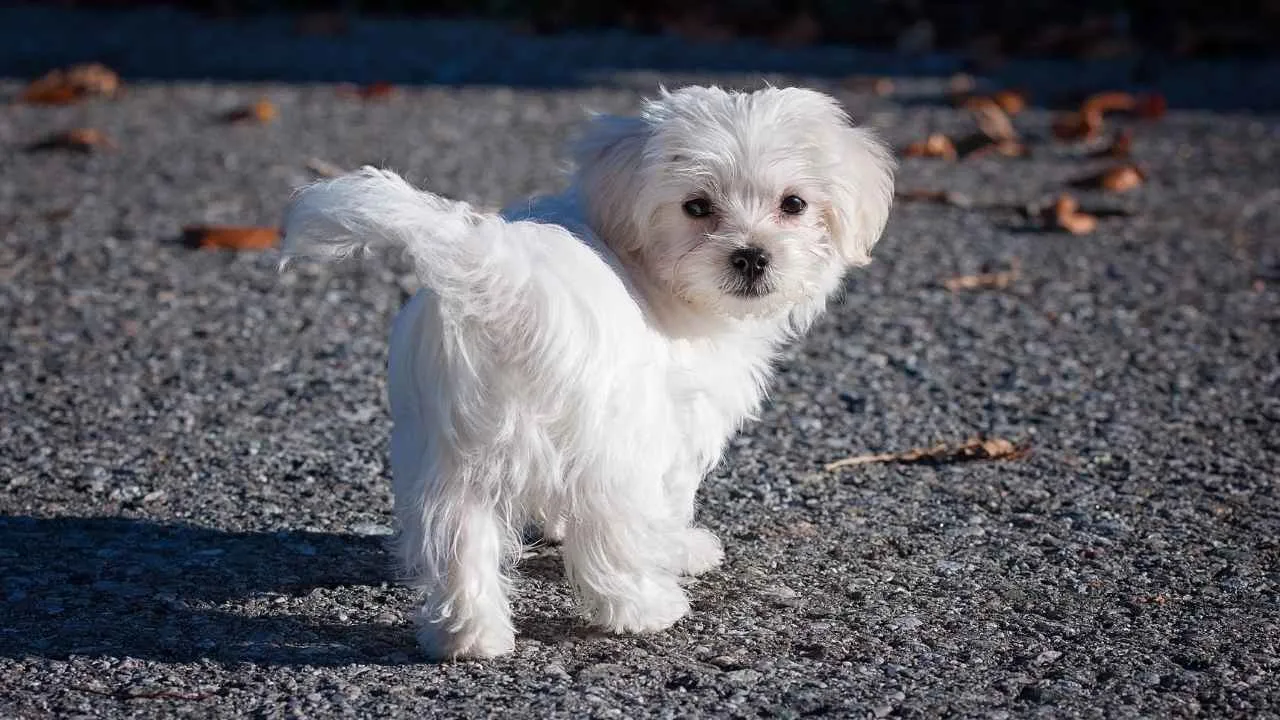
The Maltese is a toy breed with a long history, often described as spending centuries as a cherished companion dog. Many breed profiles highlight their gentle charm and close bond with people, which is a big reason they remain a favorite among tiny dog breeds.
Their signature look is a long, white coat that requires regular grooming to stay clean and free of tangles. Owners often commit to frequent brushing and routine maintenance, especially around the face, where staining and buildup can be more noticeable.
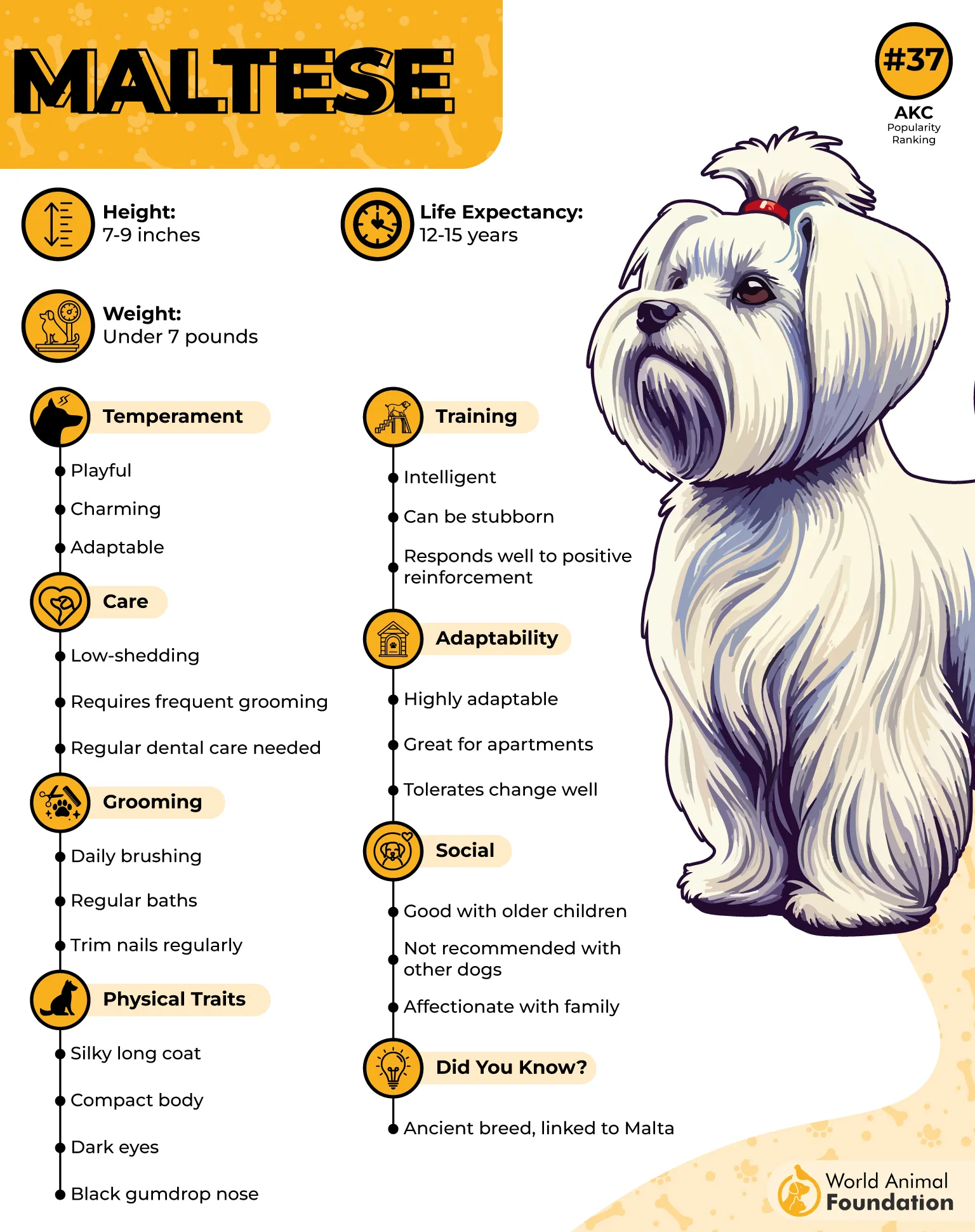
Maltese are commonly described as lively and affectionate rather than intensely athletic. Short walks and playful indoor activities often suit them well, while training tends to work best when it’s patient, upbeat, and reward-based.
They’re often included in “teacup dog breeds” lists, but those same guides warn that pushing for extreme smallness can increase health and safety concerns. A responsibly bred Maltese that stays within normal toy-breed size is typically a safer long-term choice.
Fun Fact
Some breed histories describe the Maltese as a lap companion for more than 25 centuries. Legends and historical references have linked the breed with ancient Mediterranean culture for generations.
5. Poodle
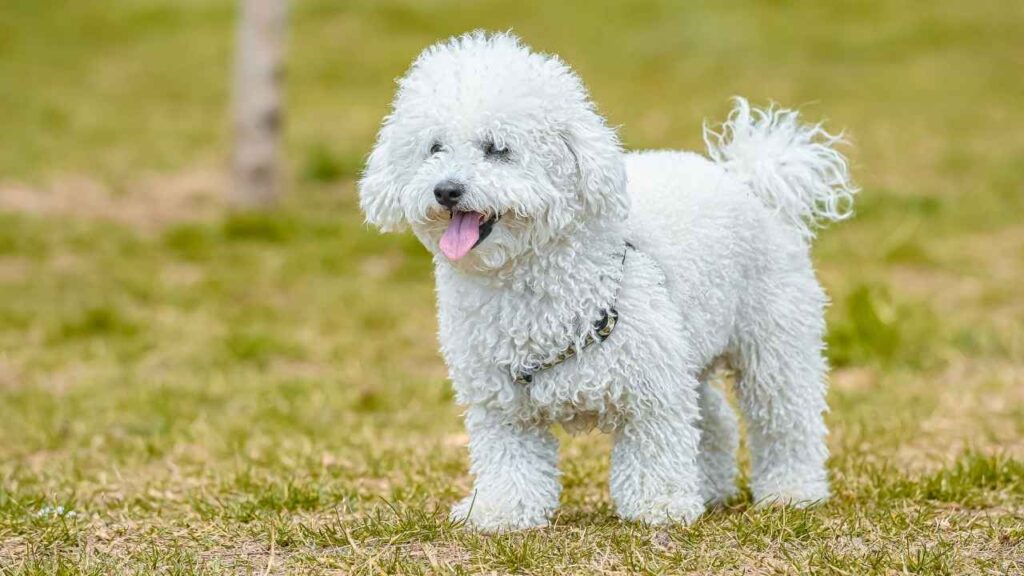
Poodles come in multiple size varieties, and the toy-sized Poodle is the one most closely associated with staying truly tiny as an adult. Breed resources commonly describe Poodles as bright, trainable, and people-oriented, with a reputation for quick learning.
Their curly coat is low-shedding but not low-maintenance, so regular grooming is part of life with a Poodle. Trimming schedules, brushing, and coat care routines are often emphasized in care guides to prevent mats and keep skin healthy.
Many “teacup” articles talk about ultra-small Poodles, while also warning that “teacup” is not a formal breed category and can be associated with higher health risks. Several sources recommend choosing a small dog that meets normal breed standards rather than chasing extreme mini size.
Temperament-wise, Poodles are often described as alert and adaptable, thriving on interaction and learning. Short training sessions, play, and enrichment can keep a tiny Poodle satisfied without requiring hours of outdoor exercise.
Fun Fact
Poodles have a long history connected to performance and trainability, and their intelligence is a defining trait across all sizes. Their iconic grooming styles originally had practical roots tied to function, not fashion.
6. Papillon
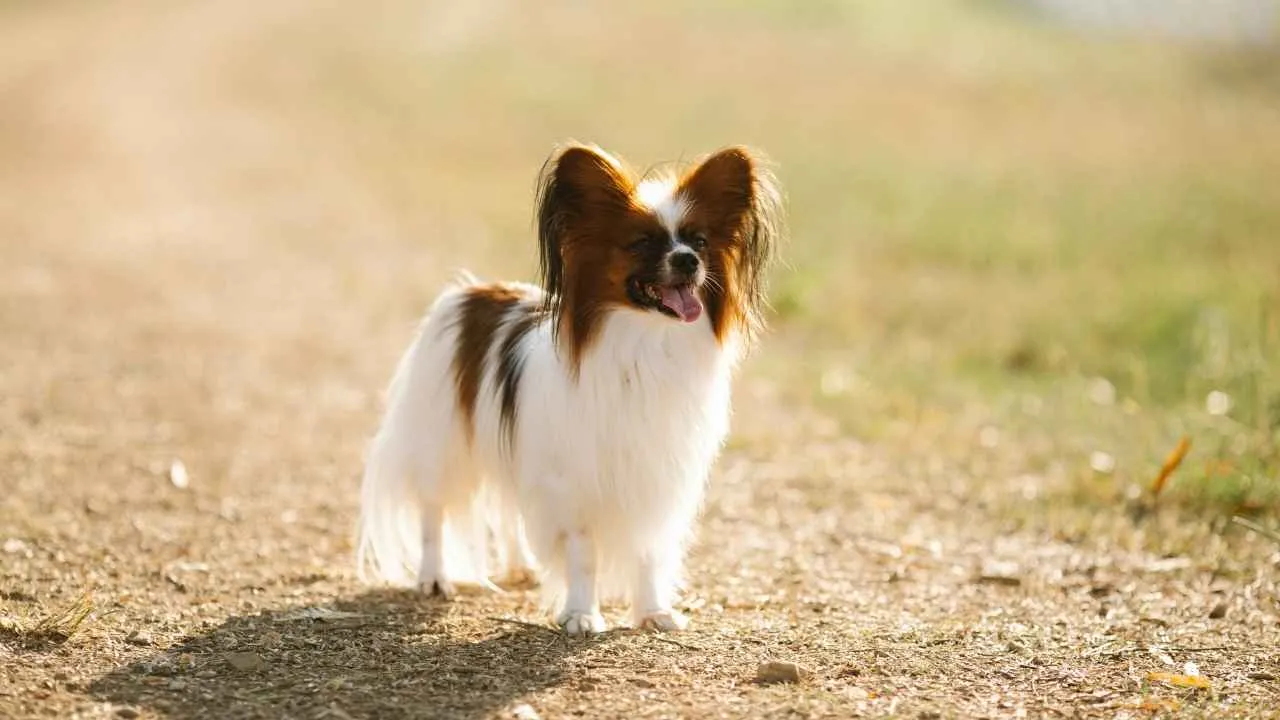
Papillons are one of those small dog breeds that look delicate but move with real athletic sparkle. Their signature look is the fringed, butterfly-like ears, which give them a light, elegant silhouette even when they’re bouncing around the living room.
Despite the dainty frame, they have a bright mind and a lively attitude and make great family pets. They’re often highly trainable, which makes short sessions at home surprisingly productive.
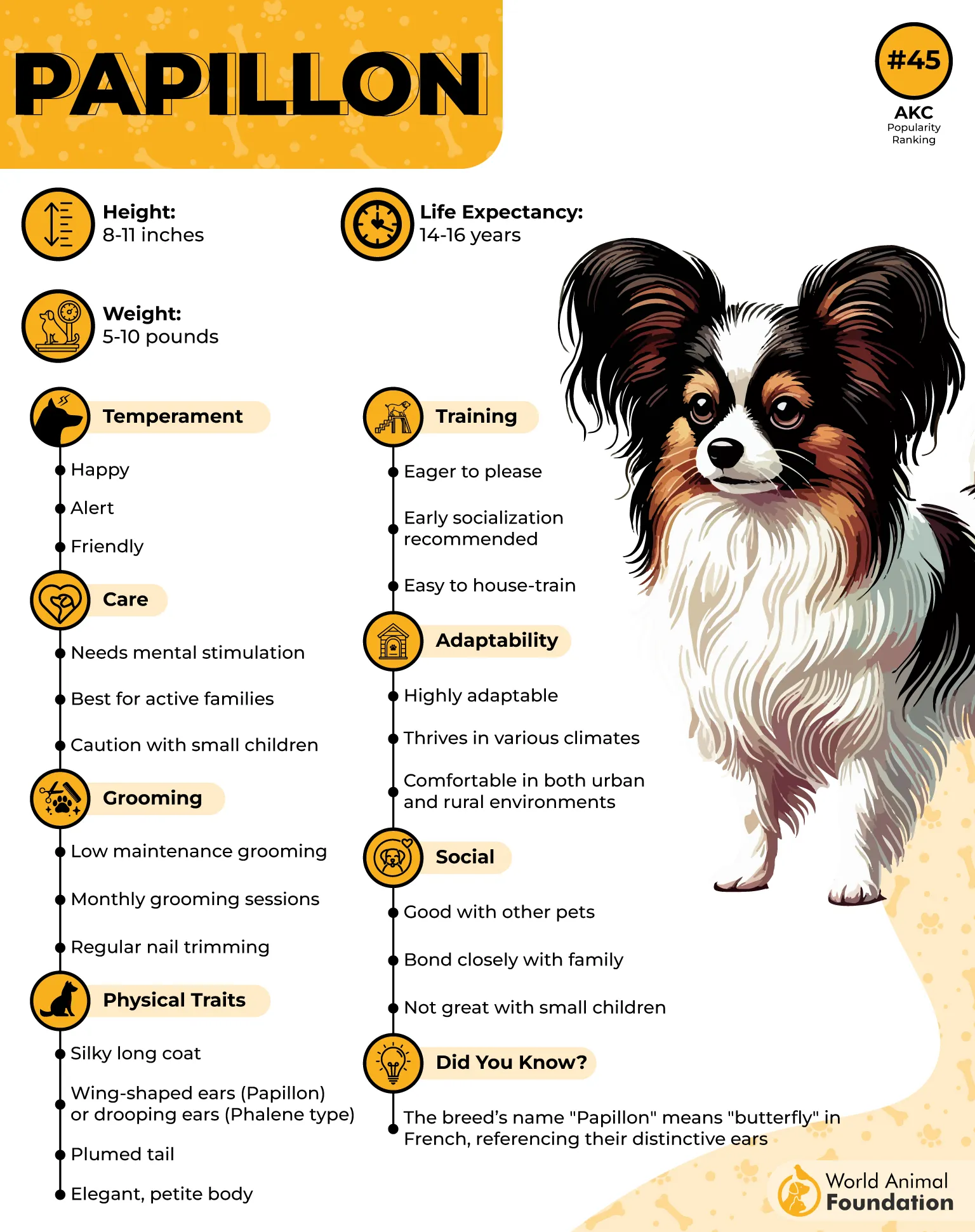
Care-wise, they tend to fit well into small spaces as long as they get daily engagement. A mix of walks and indoor play usually keeps them content without requiring a huge yard.
They’re frequently mentioned in “teacup” discussions, but responsible guidance stresses health over extreme mini-sizing. Choosing a reputable breeder helps keep structure, temperament, and long-term well-being on track.
Fun Fact
Papillons have been popular companion dogs for a very long time and are often linked to European royal courts. Their ear fringe is not just cute, it’s one of the breed’s most defining features.
7. Shih Tzu
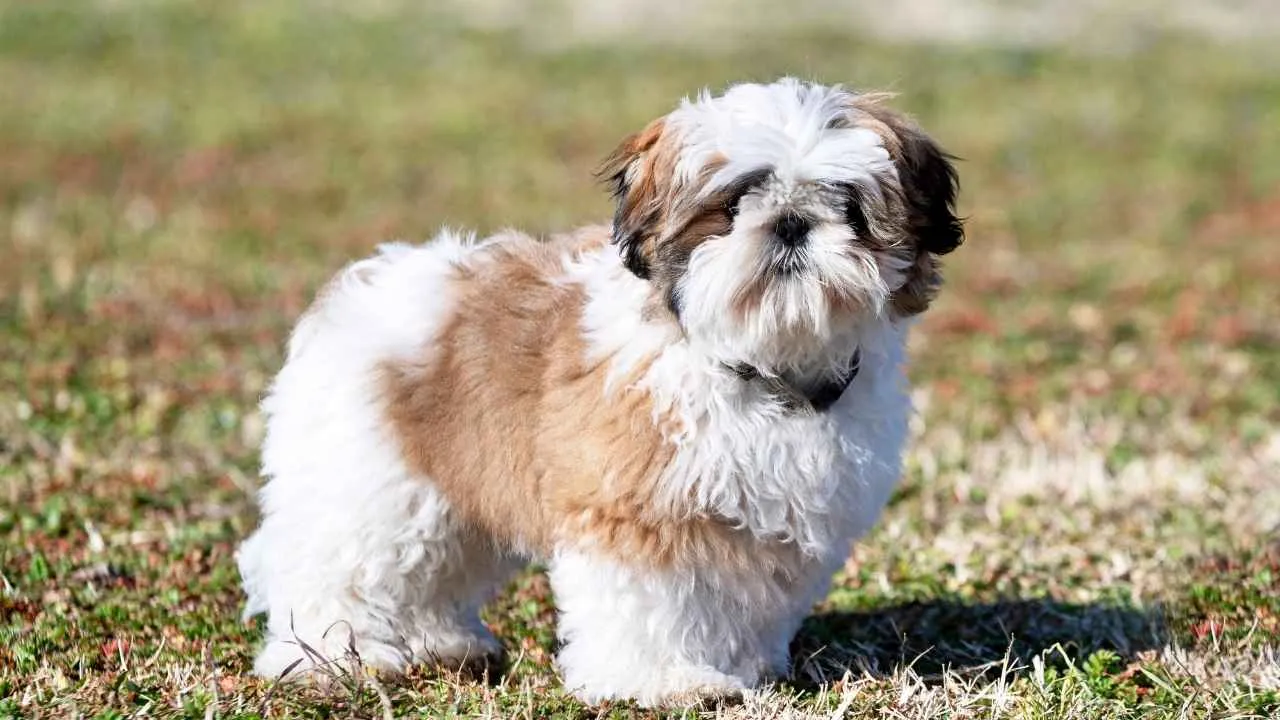
The Shih Tzu is a great family dog known for a friendly, people-centered personality. Breed history sources often connect them with ancient China, where they were prized as palace dogs and kept close as treasured companions.
Their long coat is gorgeous but comes with steady upkeep, especially if it’s kept full-length. Many owners prefer a practical trim while still maintaining that unmistakable Shih Tzu look.
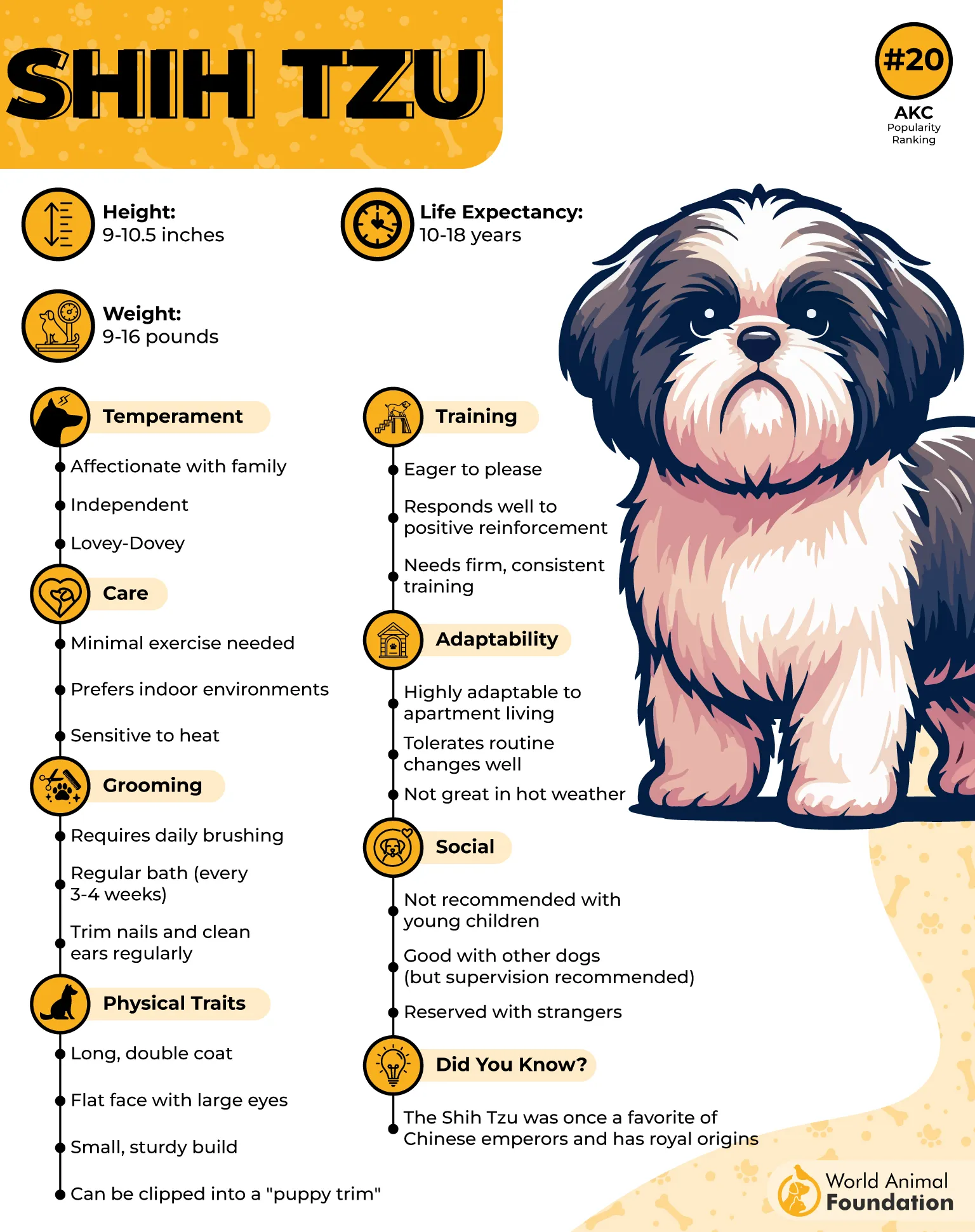
This breed is commonly described as happy with moderate activity rather than nonstop action. They often make excellent lap dogs, content with short walks and a comfortable routine at home.
You’ll see the breed included in teacup-style lists, but the same discussions warn that pushing for extreme smallness can increase risk. A healthy Shih Tzu that stays within normal size expectations is typically the safest choice.
Fun Fact
The name “Shih Tzu” is often translated as “lion dog.” Traditional grooming styles were designed to echo that lion-like appearance.
8. Brussels Griffon
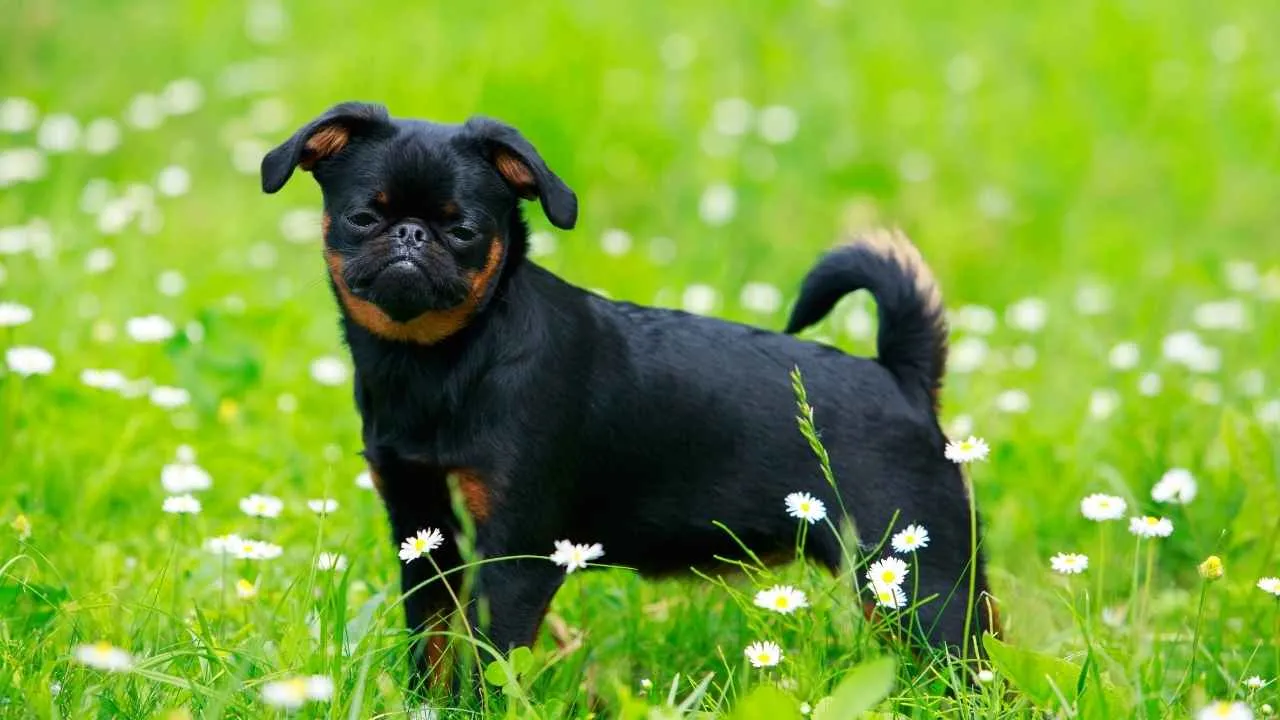
Brussels Griffons are tiny dogs with a face that seems to hold a full conversation. They’re often described as having a huge personality, especially for a small breed that can fit easily into everyday routines.
Many profiles emphasize how strongly they bond with their favorite person and how much they enjoy being included. That closeness is charming, but some owners need to plan around separation anxiety when schedules get long.
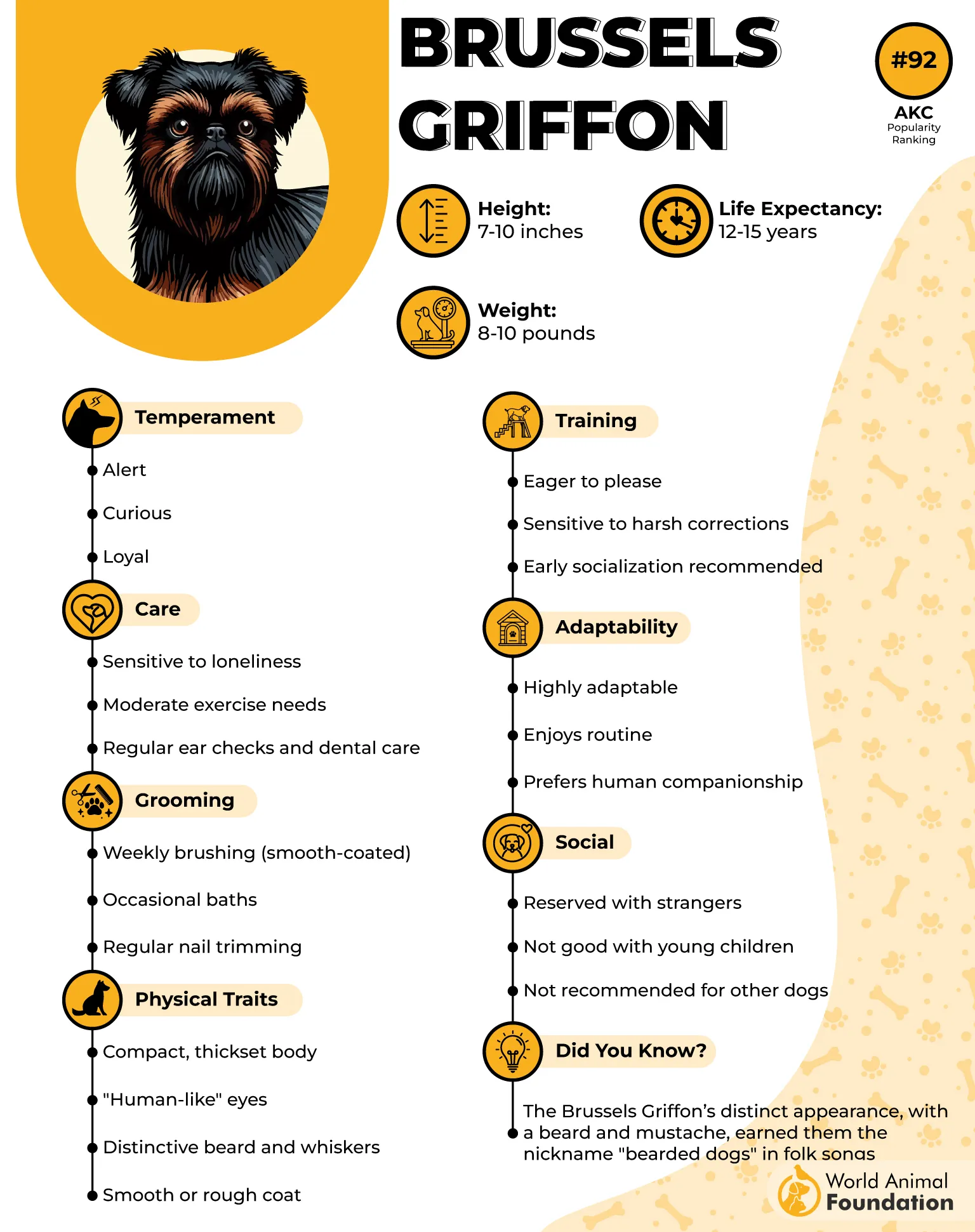
Their grooming needs depend on coat type, since they can be rough-coated or smooth-coated. Even with a small body, they do best with gentle structure and daily interaction.
They’re sometimes mentioned in teacup dog discussions, but responsible advice still points back to health, not marketing. Keeping expectations realistic and prioritizing temperament helps these little dogs thrive.
Fun Fact
Brussels Griffons became widely recognizable to many people through movies and pop culture. Their expressive face is a big reason they’re so memorable.
9. Japanese Chin
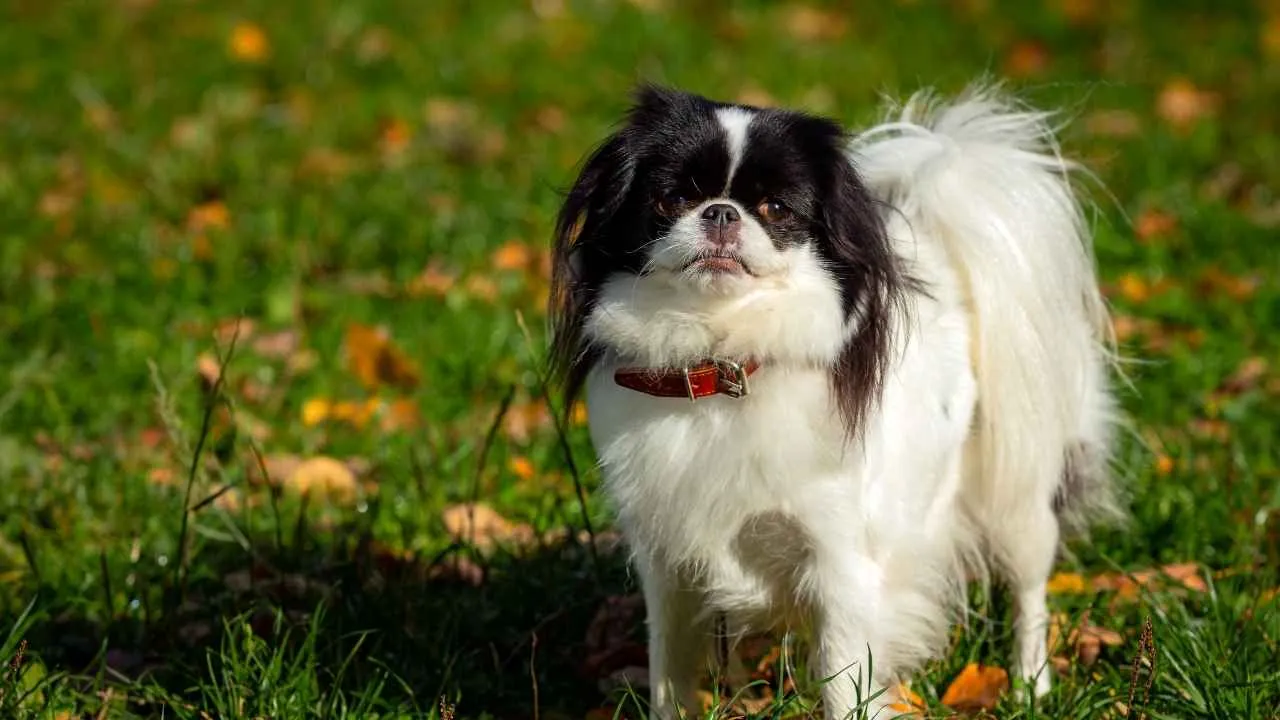
The Japanese Chin is a small companion dog often described as refined, calm, and catlike in its habits. Many breed guides highlight a sense of regal dignity, even though they’re perfectly happy relaxing on the sofa.
They’re usually comfortable in quieter homes and can adapt to apartment routines without needing constant motion. Their activity needs are often met with short walks and playtime, rather than long workouts.
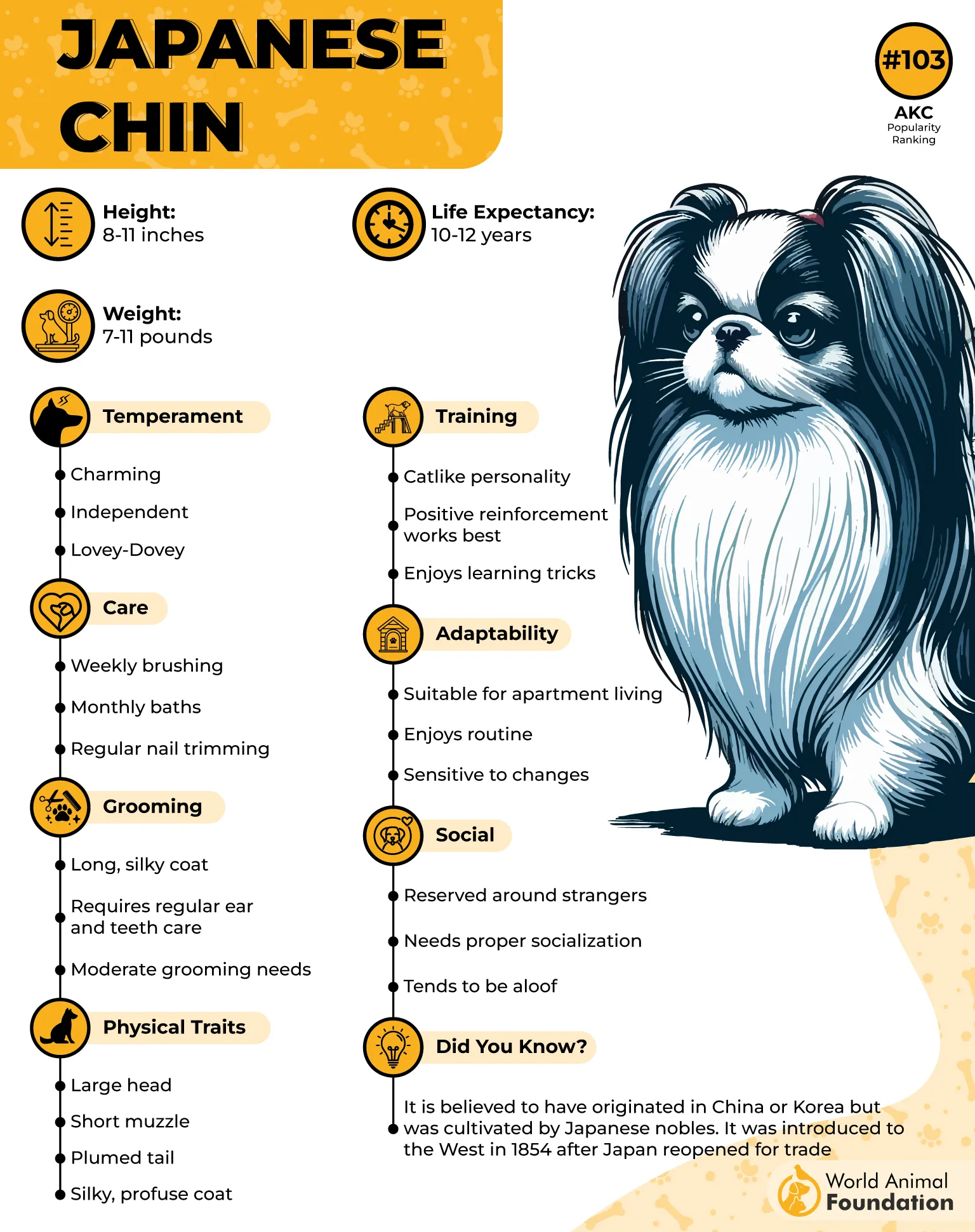
Coat care is part of life with this breed, since they have a silky coat that benefits from regular brushing. They can also be sensitive, so calm handling and patient training tend to work best.
Like many tiny breeds, they show up in teacup-style lists, but healthy breeding remains the priority. Focusing on sound structure helps ensure they stay adorable without sacrificing well-being.
Fun Fact
Japanese Chin have been cherished as companions for centuries and were often associated with nobility. Their distinctive look and gentle manner helped them remain popular across generations.
Conclusion
Tiny toy dogs can stay small forever, but the ideal dog is the one whose needs match your routine, not the one with the tiniest label. Many are AKC recognized, and with support from a reputable breeder plus steady handling from an early age, they can become great pets that live calmly with children, other dogs, and other pets. Some are excellent watchdogs, while others prefer being a quiet lap warmer.
Pay attention to the dog’s healthy average weight, since “teacup” claims encourage risky breeding by American breeders.
Other dog breeds such as Cavalier King Charles Spaniel, Toy Poodles, Italian Greyhound, Boston Terriers, Miniature Pinscher (Min Pins), Toy Manchester Terrier, Biewer Terrier, Teacup Yorkies and Chinese crested are also popular options.
