




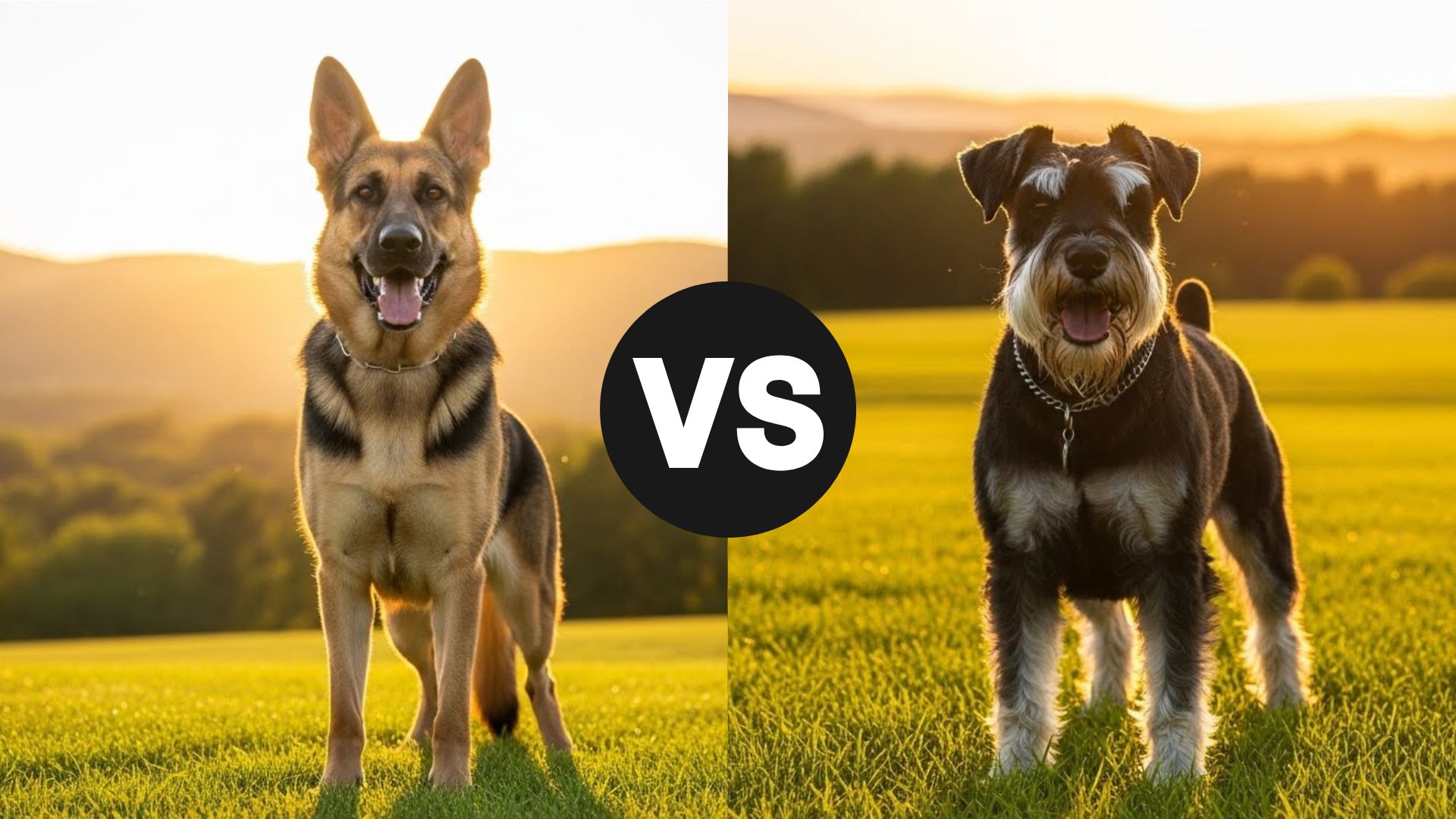
Have you ever wondered why two amazing dogs can feel so different, even when both are loyal, loving, and full of life?
When people compare the German Shepherd and the Miniature Schnauzer, they often think about size. But the real difference goes much deeper. It’s about the kind of energy they bring into a home, the way they enjoy daily life, and the type of bond they form with their families.
As noted by the American Kennel Club in their guide on caring for large-breed dogs, bigger working breeds like German Shepherds need careful exercise and steady structure because their bodies develop slowly and their minds remain active throughout the day. This helps explain why German Shepherds thrive in homes that can match their strength, focus, and drive.
In contrast, a PetMD guide on dog lifespans notes that smaller breeds tend to live longer and adapt well to indoor spaces, thanks to their size and moderate energy levels. That is one reason Miniature Schnauzers make excellent companions for families seeking a cheerful, adaptable dog.
Both breeds bring joy, loyalty, and love. The real question is which one fits the life you envision sharing with a dog.
German Shepherd vs. Miniature Schnauzer
When comparing a German Shepherd and a Miniature Schnauzer, the differences are clear at first glance. The German Shepherd is a large, strong, and intelligent breed, known for its work with other dogs, livestock, and even in police or rescue dog roles.
In contrast, the Miniature Schnauzer is a small, lively, and playful dog that adapts well to home life and gets along easily with other pets. While the shepherd vs Miniature Schnauzer debate often focuses on size, it also highlights their contrasting energy levels, personality, and daily care needs.
Both breeds bring unique joy to families, whether it’s the German Shepherd’s protective nature or the Miniature Schnauzer’s affectionate, spirited charm.
Origins & Purpose
German Shepherd
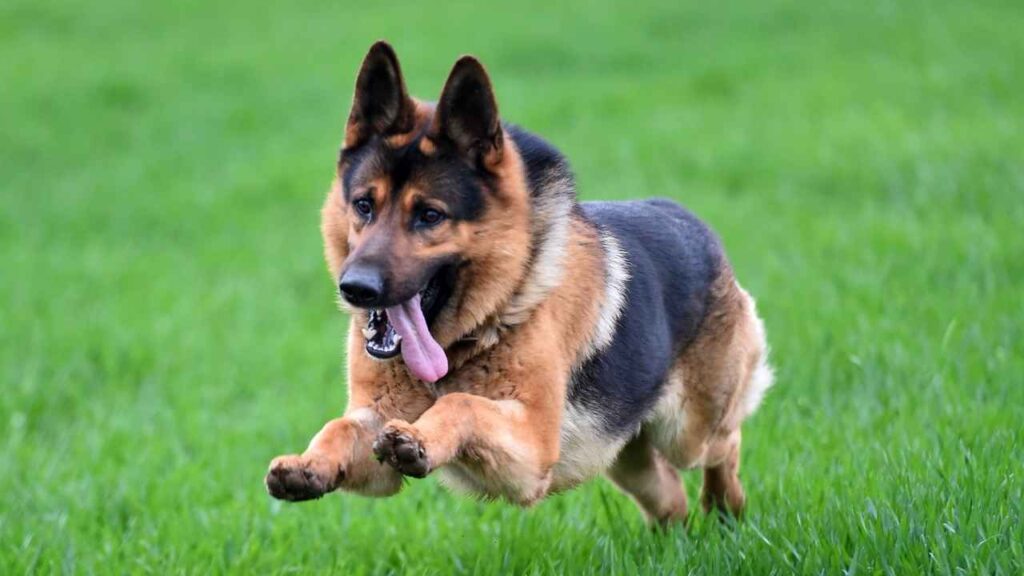
The German Shepherd comes from Germany, where it was developed in the late 19th century. Originally, these dogs were bred to protect livestock and help farmers manage their flocks. Over time, their strength, intelligence, and eagerness to learn made them ideal for many types of work.
Today, German Shepherds are often used as rescue dogs, police dogs, or service animals because of their loyalty and protective instincts. Their history shows a breed designed for both brains and brawn, and their natural intelligence makes them quick learners who respond well to training.
According to the American Kennel Club, German Shepherds were specifically developed to combine intelligence, strength, and obedience to help with farming and protection tasks.
Miniature Schnauzer
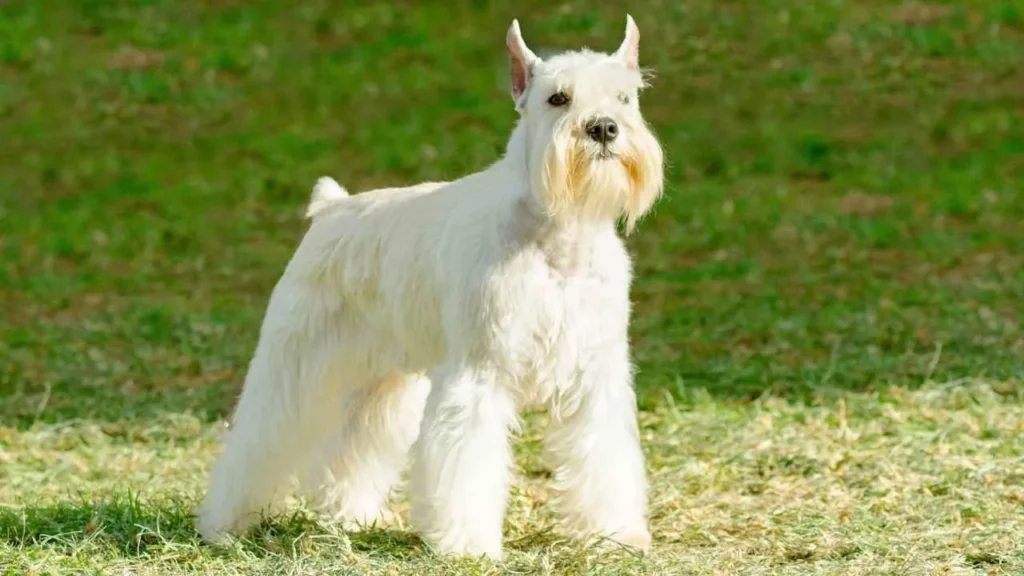
The Miniature Schnauzer also originates from Germany. Part of the terrier family, these dogs were bred to guard farms and hunt small pests like rats. Despite their smaller size, they are remarkably smart, friendly, and playful, making them excellent companions for families.
Their keen sense of alertness helped farmers protect their property, while their cheerful personality ensures they are good with people. As noted by Britannica, the Miniature Schnauzer’s combination of intelligence, adaptability, and spirited personality has made it a popular small breed worldwide.
Size & Physical Build
German Shepherd
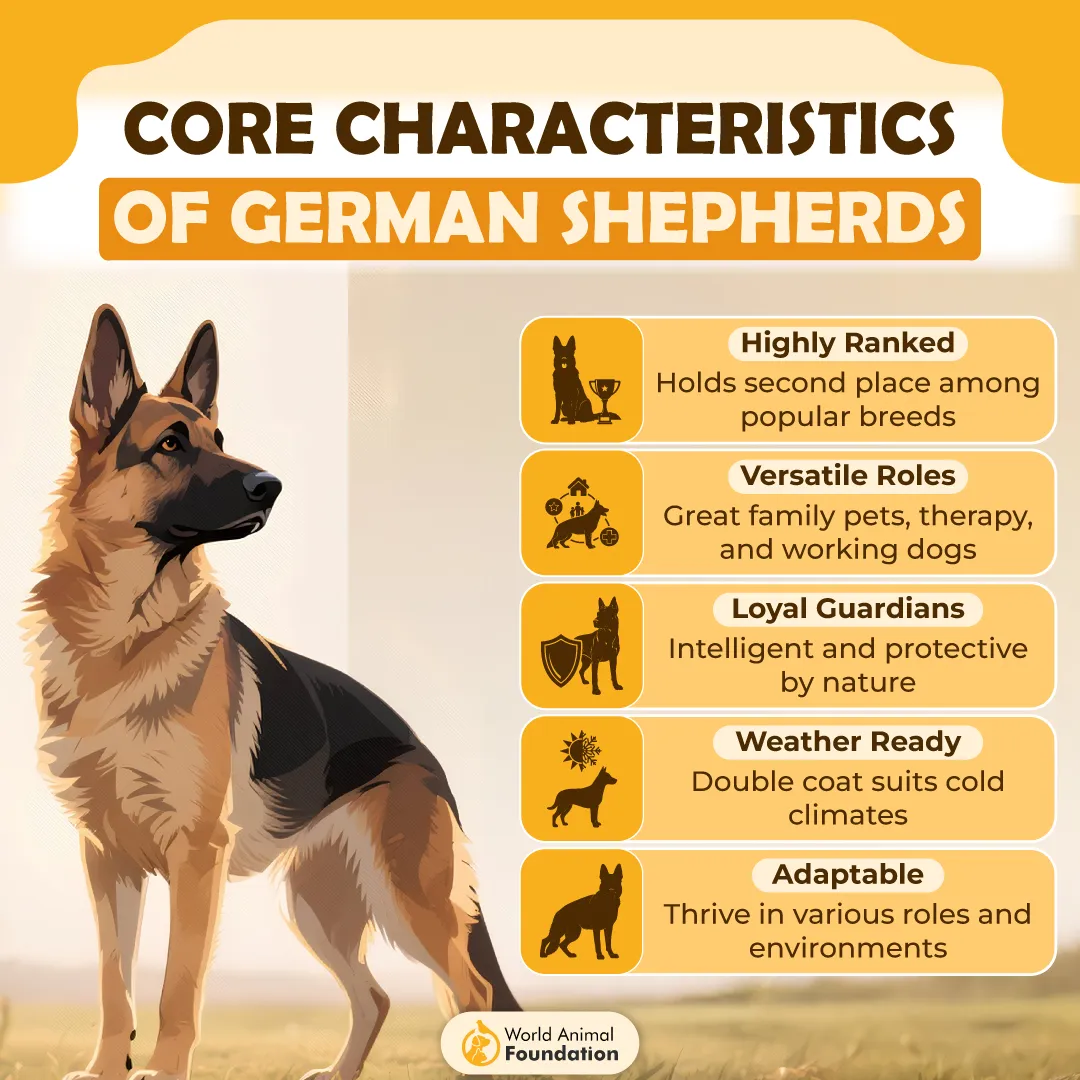
German Shepherds are large, powerful dogs with a well-balanced body and strong structure. Adult males typically weigh between 65–90 pounds, while females usually weigh slightly less. Their athletic build allows them to excel in work, sports, and outdoor activities.
These dogs have a strong jaw and notable bite force, which reflects their protective instincts and working heritage. Their double coat is dense and weather-resistant, offering protection in many environments. The German Shepherd’s size and strength make it a versatile dog for families, police work, and rescue missions.
Miniature Schnauzer
In contrast, the Miniature Schnauzer is a small, compact dog with a sturdy yet lightweight structure. Adult males generally weigh 13–18 pounds, and females are slightly lighter. Their wiry coat is distinctive and low-shedding, often described as soft yet dense, making grooming easier than with larger breeds.
Despite their small size, they are remarkably alert and energetic, carrying themselves with confidence. The Miniature Schnauzer’s compact body and wiry coat make it well-suited for indoor living and family companionship.
The difference between the German Shepherd’s strong, large frame and the Miniature Schnauzer’s small, agile body highlights how size affects activity, home space, and care requirements. Families should consider both structure and coats when deciding which breed fits their lifestyle.
Temperament & Personality
German Shepherd
German Shepherds are loyal, alert, and protective dogs. They form strong bonds with their owners and take their role as family guardians seriously. These dogs are smart and respond well to training, but early socialization is important.
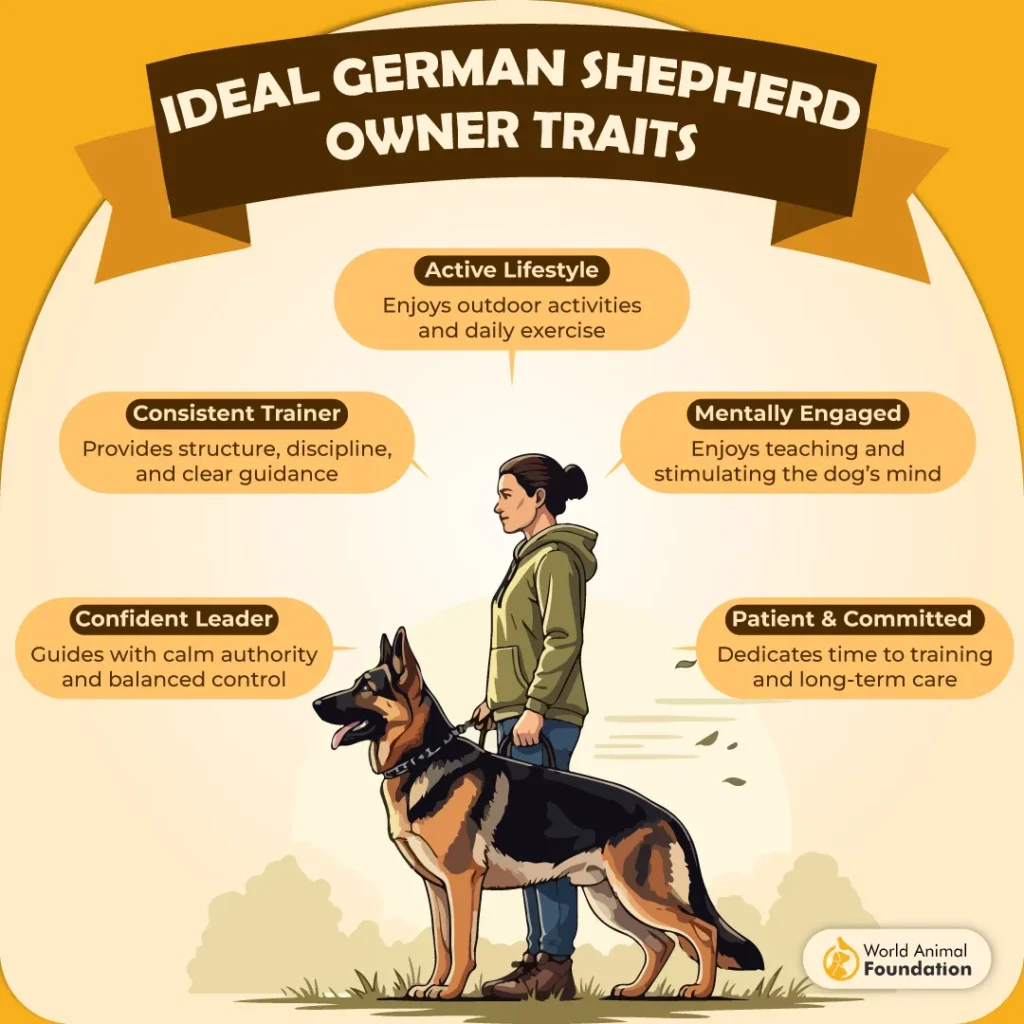
Exposing them to strangers, children, and other animals helps them become well-rounded companions. Generally, German Shepherds are friendly when properly introduced, but their natural instincts make them watchful and cautious in new situations.
According to Purina, German Shepherds are known for their courage and loyalty, making them excellent working dogs as well as devoted family members.
Miniature Schnauzer
Miniature Schnauzers are energetic, fun, and affectionate dogs. They enjoy being around children, friends, and family members. Their playful nature makes them lively companions, and they often have a charming, spirited personality.
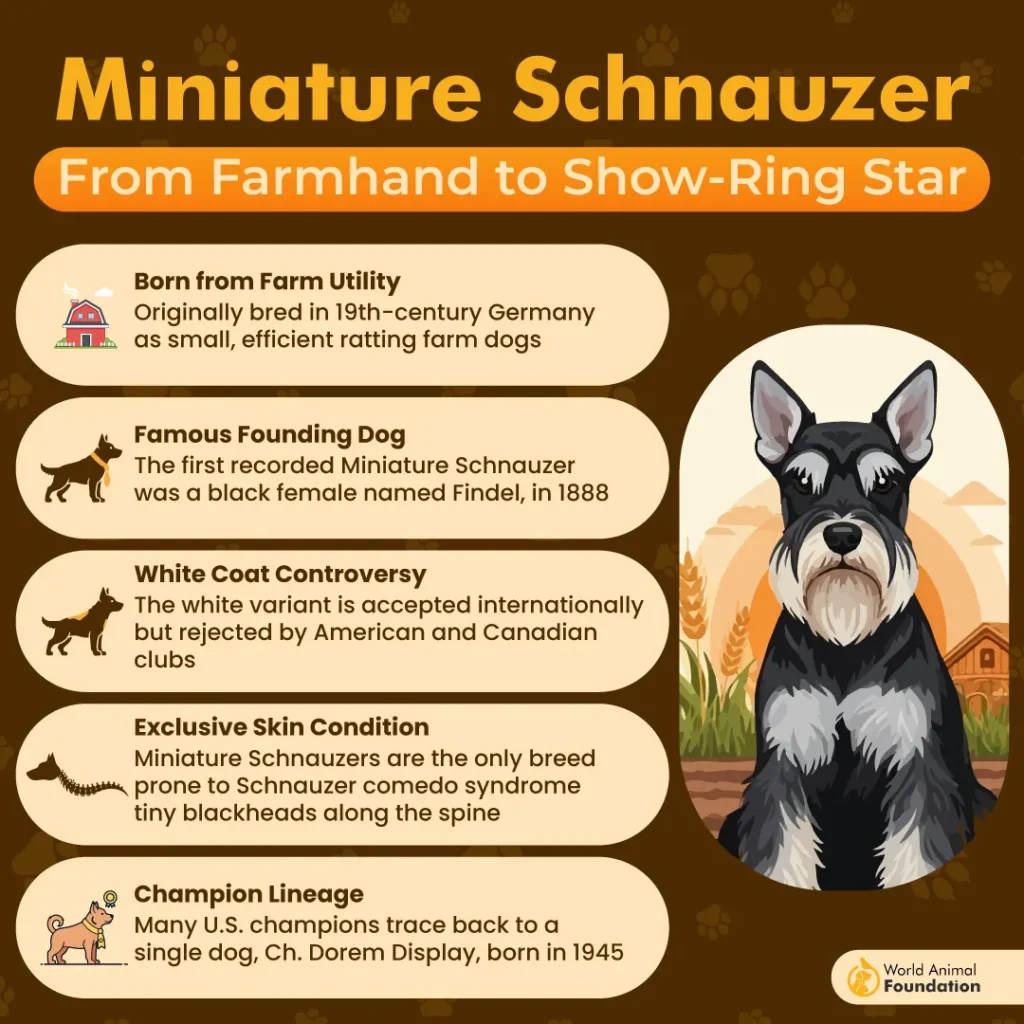
These puppies are alert and make excellent little watchdogs, but their small size means they can be noisy if not trained. Miniature Schnauzers are intelligent and adaptable, thriving in both apartments and houses while providing loving companionship.
Wikipedia also highlights that their personality combines both boldness and friendliness, which makes them excellent family pets
Both dogs have unique personalities and temperaments, so understanding their differences is key to finding the right fit for your home. German Shepherds offer protection and loyalty, while Miniature Schnauzers bring energy and affection.
Exercise Needs & Energy Levels
German Shepherd
German Shepherds are highly energetic dogs that need plenty of daily exercise to stay healthy and happy. A mix of long walks, fetch, and structured activity helps keep both their body and minds engaged.
Without enough physical and mental stimulation, they can become bored and may develop behavior issues. German Shepherds also enjoy playful sessions that challenge their intelligence, such as obedience training or problem-solving games.
Ideally, they need at least one to two hours of physical activity every day to maintain their strong, athletic body and alert mind. Their high energy levels make them perfect companions for active owners who enjoy spending time outdoors.
Miniature Schnauzer
Miniature Schnauzers have moderate energy, making them well-suited for indoor life while still enjoying outdoor activity. They need daily exercise, including short walks and playful sessions, to prevent restlessness.
Despite their small size, they are alert and lively, often showing bursts of energy during games or interactive play. Regular exercise helps them stay healthy and maintain a positive temperament. Spending time with them in active play also strengthens the bond between dog and owner.
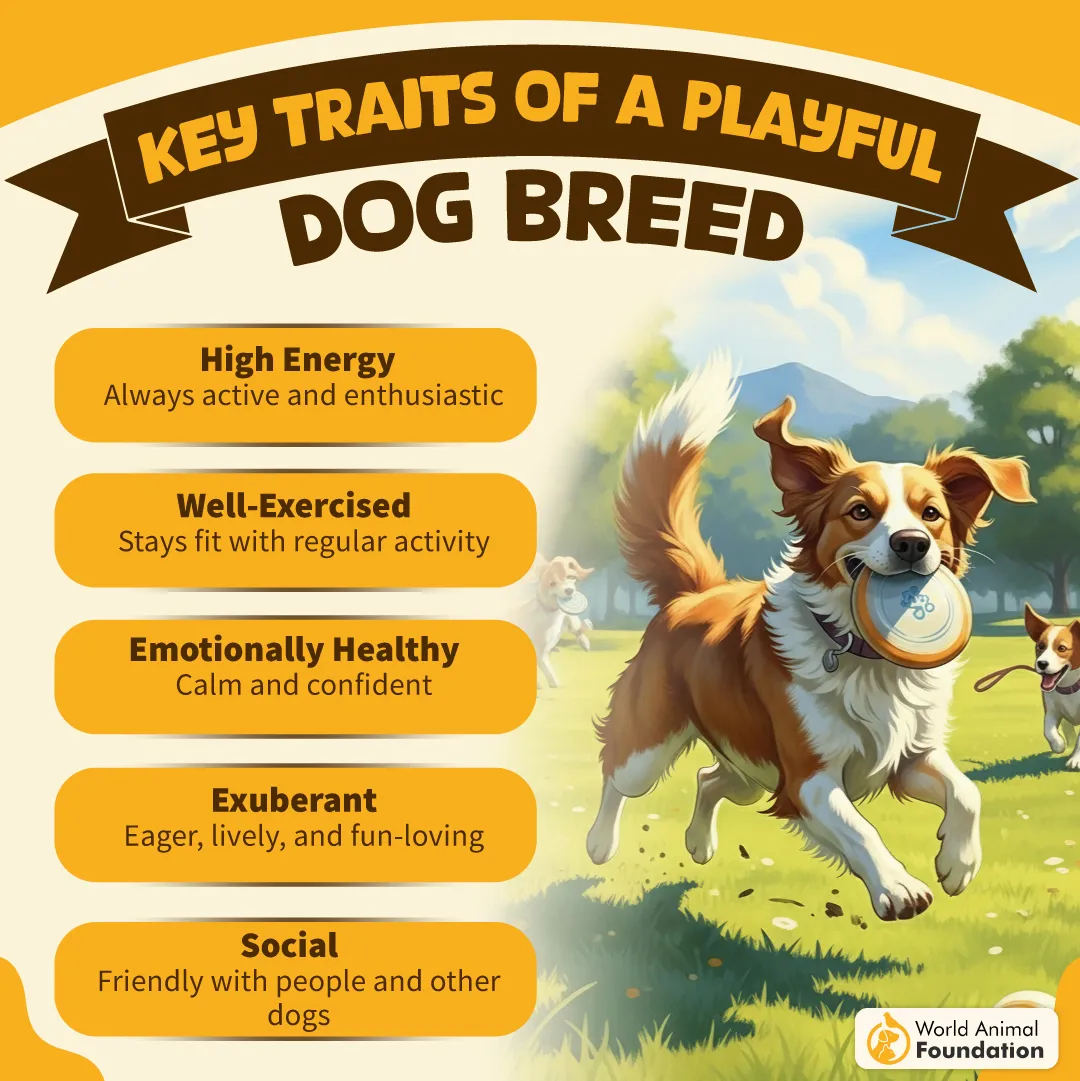
While less demanding than a German Shepherd, the Miniature Schnauzer still thrives when given daily sessions of movement and engagement.
Training & Intelligence
German Shepherd
German Shepherds are famous for their high intelligence. They learn commands quickly and can adapt to many types of work, from guarding livestock to assisting in police or rescue dog roles. Their temperament is loyal and attentive, which makes training easier when done consistently.
They respond best to firm but kind training, especially when it involves both mental and physical challenges. German Shepherds also need attention from their owners and thrive in homes that provide guidance and structure.
Their ability to adapt to different environments and tasks makes them one of the most trainable dog breeds in the world.
Miniature Schnauzer
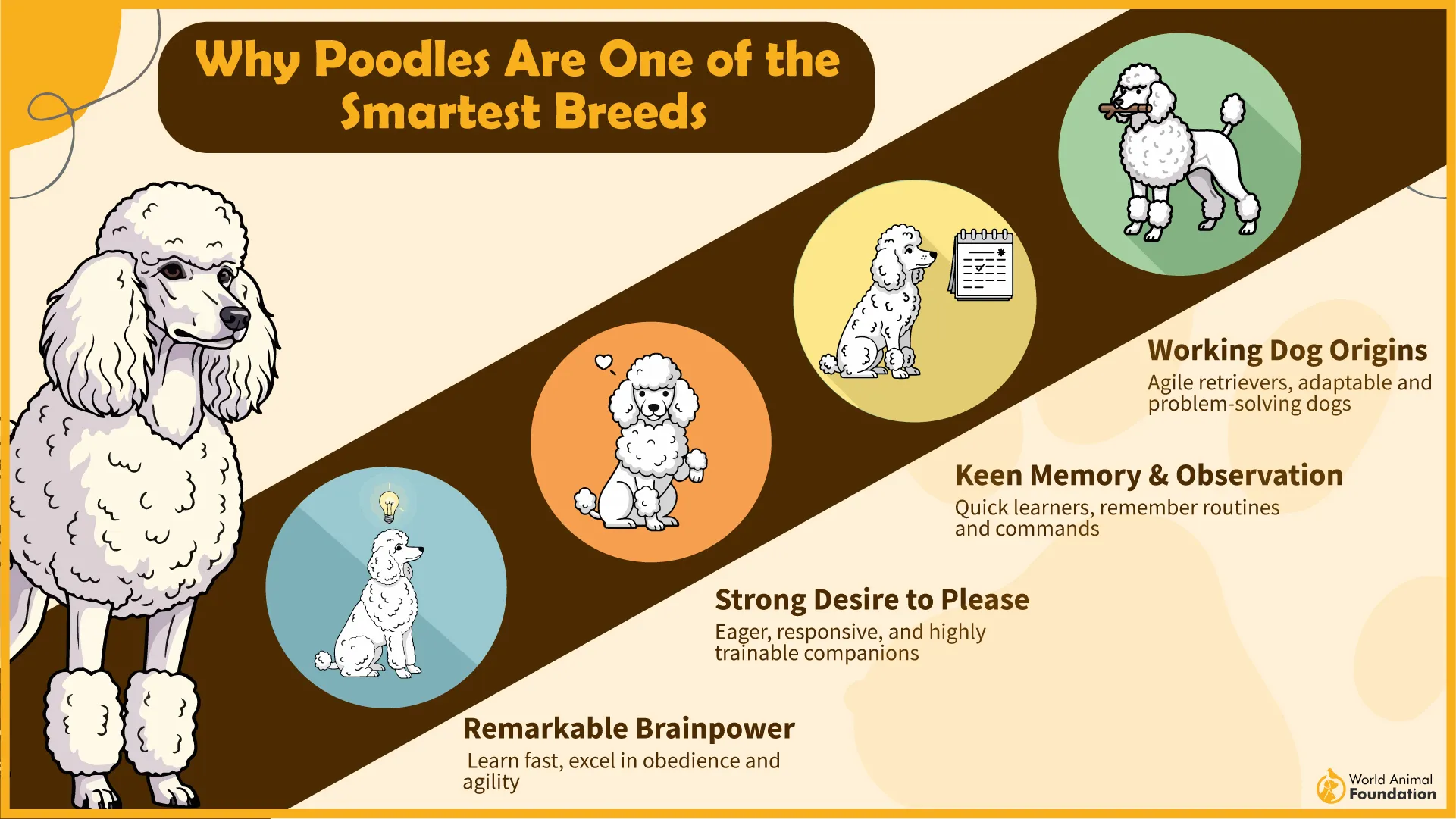
Miniature Schnauzers are also very smart and eager to learn, but they can be a bit stubborn. Short, daily training sessions are ideal to keep them engaged without overwhelming them. Positive reinforcement with treats and praise works best.
They enjoy learning tricks and commands, which helps keep their minds sharp and their temperament friendly. Consistent short training routines improve obedience and reduce unwanted behaviors in small breeds like the Miniature Schnauzer.
Their intelligence makes them adaptable companions who can thrive in both small homes and active families.
Coat Grooming & Care
German Shepherd
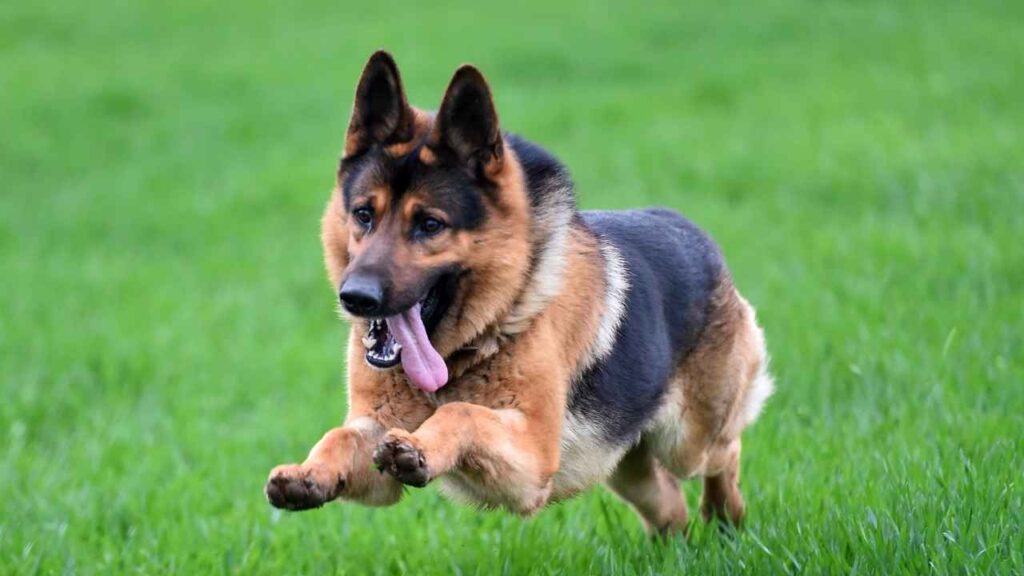
German Shepherds have a thick double coat that protects them in all weather conditions. Their outer coat is dense and slightly harsh, while the undercoat is soft and insulating. They shed year-round, with heavier shedding during seasonal changes.
Regular brushing helps reduce loose hair and keeps their coat healthy. Occasional bathing is recommended, but over-bathing can strip natural oils from their coats, causing problems such as dry skin. Consistent grooming not only keeps a German Shepherd looking good but also helps monitor their overall health issues.
Miniature Schnauzer
Miniature Schnauzers have a wiry, dense coat that is low-shedding and great for individuals with mild allergies. Their fur is silky to the touch but requires regular grooming sessions to prevent matting. Routine trimming and bathing keep their coats clean and healthy, while also maintaining their distinctive look.
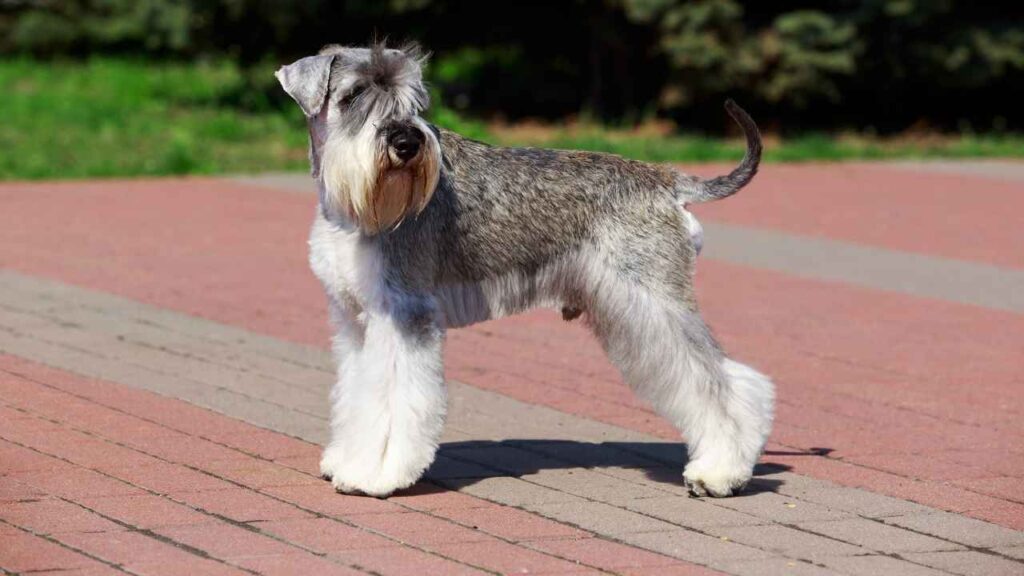
Their grooming needs are easy to manage if done consistently. Regular care strengthens the bond between the handler and the dog and prevents skin or coat problems.
Both breeds have different grooming demands. German Shepherds need more brushing due to shedding, while Miniature Schnauzers need more structured grooming for their wiry coats. Understanding their needs ensures your dog stays healthy and happy.
Adaptability & Flexibility
German Shepherd
German Shepherds are highly intelligent and need purpose to stay happy. They thrive in homes where they have space to move and tasks to complete. Leaving them alone for long periods can lead to boredom or unwanted behavior.
They adapt to changes in routine, but only if given proper supervised guidance and consistent training. Families should consider their need for mental stimulation and activity before choosing a German Shepherd. Providing structure and clear routines helps these dogs adjust to new environments while maintaining their calm and loyal nature.
Miniature Schnauzer
Miniature Schnauzers are much more flexible when it comes to living spaces. They can easily adapt to small homes or apartments and handle changes in daily routine without stress. While they enjoy outdoor play, their moderate energy allows them to stay content indoors.
They still need interaction and supervision, but they are less likely than larger breeds to become anxious if left alone for short periods. Miniature Schnauzers adjust well to family life and make a versatile choice for many households.
The main difference is clear: German Shepherds need a home that can accommodate their energy and tasks, while Miniature Schnauzers are more adaptable to smaller spaces and lifestyle changes, depending on the family’s routine.
Health & Lifespan
German Shepherd
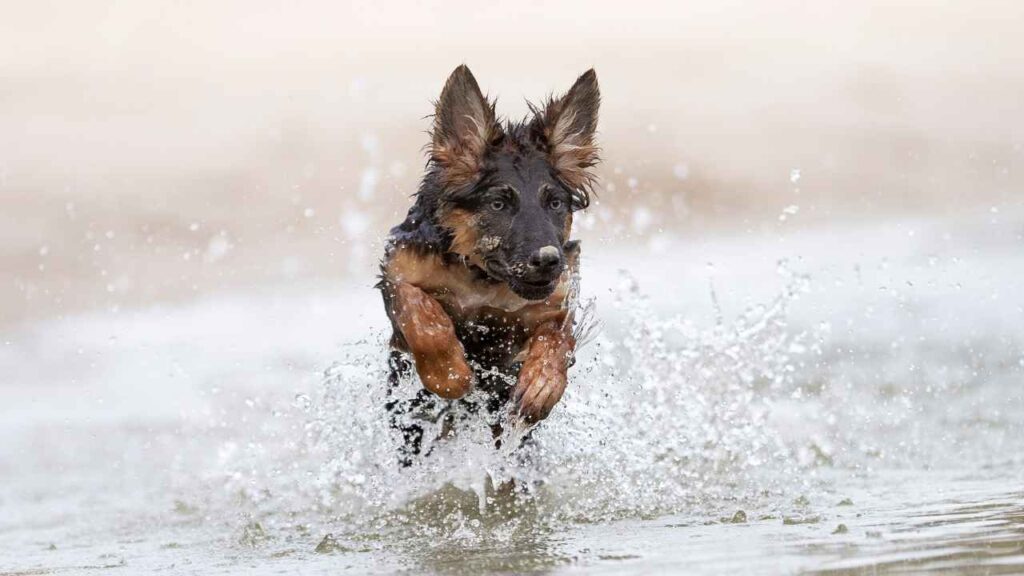
German Shepherds are generally strong dogs, but they are prone to certain health issues like hip dysplasia, elbow problems, and some genetic conditions. Regular check-ups with a vet can help detect problems early. Maintaining a balanced diet and proper guidance is crucial for keeping them healthy.
Their average lifespan is typically 9–13 years, although genetics and lifestyle can influence this. German Shepherds benefit from proactive health monitoring and structured care to reduce the risk of serious conditions.
Miniature Schnauzer
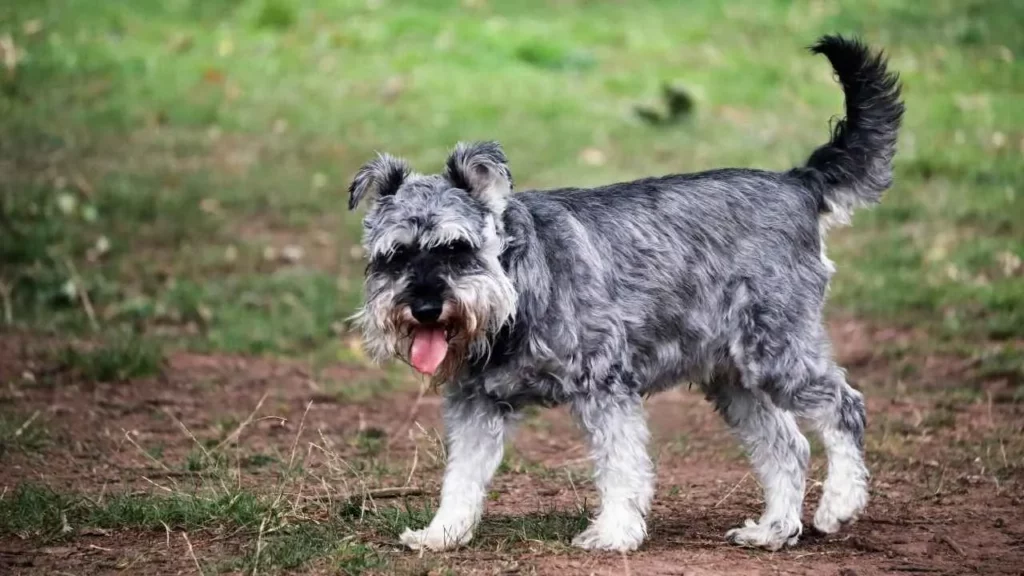
Miniature Schnauzers have a generally healthy constitution, but they can develop issues such as pancreatitis, skin allergies, and urinary stones. Because they are small, they are prone to weight gain if diet control and daily exercise are neglected.
Regular visits to the vet ensure early detection of potential problems, helping them live a longer, happier life. Their average lifespan ranges from 12–15 years. Proper nutrition, routine check-ups, and preventive care help Miniature Schnauzers maintain excellent health.
Understanding the health differences between these breeds allows families to provide the best care, manage risks, and enjoy a longer, happier life with their dog.
German Shepherd vs. Miniature Schnauzer: Which One is the Best Choice for You?
Choosing between a German Shepherd and a Miniature Schnauzer comes down to your lifestyle and daily routine. German Shepherds are typically best suited for high-activity families or owners who can provide plenty of outdoor exercise and mental stimulation.
They need a home with enough space to move and thrive, and they respond well to training that challenges their intelligence. Families with children, other dogs, or cats can enjoy a loyal companion in a German Shepherd, but supervision and consistent guidance are key.
On the other hand, Miniature Schnauzers are ideal for moderate-activity households. They adapt easily to smaller homes or apartments and require less strenuous exercise. Their grooming needs are manageable, and their cheerful personality allows them to become close friends with children, other dogs, or other animals.
With proper attention, training, and playtime, they make an excellent choice for owners seeking a lively but flexible companion. Ultimately, the choice comes down to how much time, space, and energy you can devote to your dog.
If you enjoy active outdoor adventures and structured routines, a German Shepherd is a good match. If you want a spirited, adaptable dog who thrives in smaller spaces, a Miniature Schnauzer is an excellent choice. Understanding your lifestyle and the needs of each breed helps you make a thoughtful decision, ensuring a happy life for both owners and the dog.
Conclusion
Choosing the right dog can be exciting but tricky.
Are you ready for a small or large companion?
Do you have time for daily exercise and training?
German Shepherds are smart, protective, and full of energy, perfect for active owners. Miniature Schnauzers are playful, friendly, and adaptable, ideal for home life and families with children or other animals. Both breeds bring love, attention, and joy into your life.
Which breed fits your lifestyle best?
Consider their size, coats, health, and personality. With the right care, socialization, and sessions of fun, your dog will become a loyal friend for years. Are you ready to welcome a loving companion into your home?
