




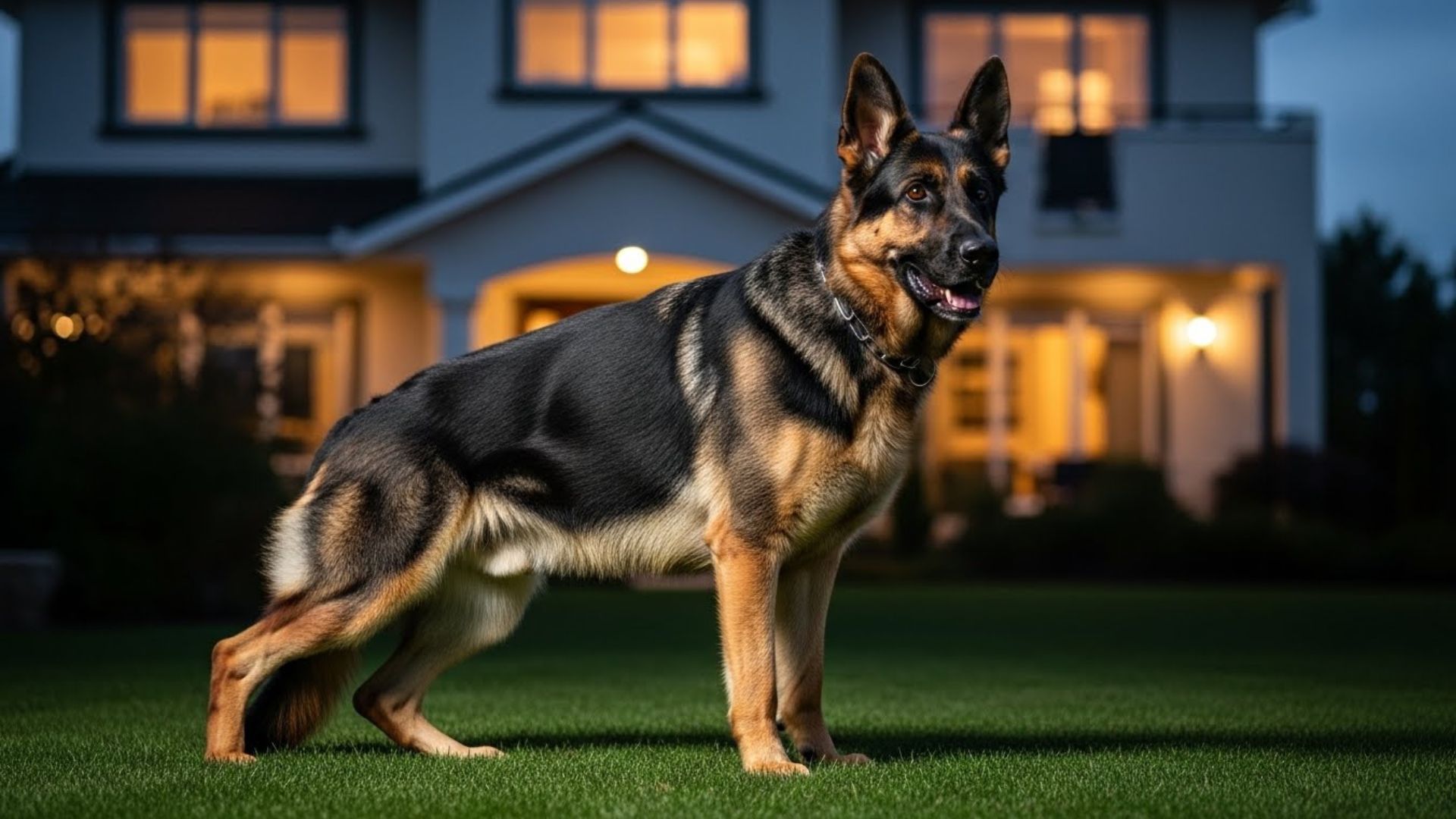
Some dogs seem built for one job: keep watch. With alert senses, confident temperaments, and fierce devotion to their people, true guard dog breeds bring a rare mix of companionship and security—making them a powerful presence in any home.
Of course, protection isn’t just about size or a scary bark. Breed standards exist to describe the ideal traits of recognized breeds, and for guardians, those traits often include steadiness under pressure, natural suspicion of threats, and the ability to listen and respond to a handler. The best protectors are controlled, not chaotic.
In this guide, we’ll look at guard dog breeds known for ultimate home security, plus the qualities that matter most in daily life: trainability, socialization needs, and how well a dog fits into your household routine. Because the right guardian doesn’t just look intimidating—they make you feel safe, supported, and never alone.
Guard Dog Breeds for Ultimate Home Security
1. German Shepherd
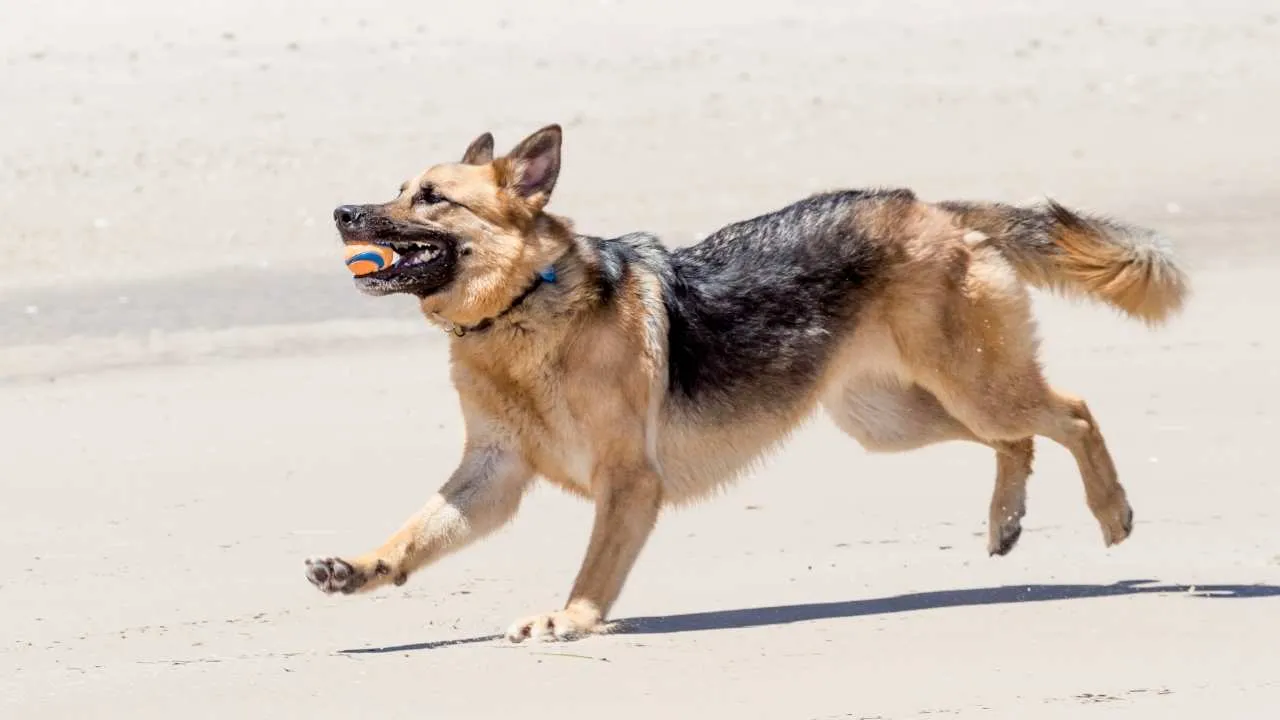
The German Shepherd Dog is often called the GSD or simply the German Shepherd. The AKC states that the German Shepherd Dog is widely viewed as one of the best all-around working breeds, known for being large, agile, and muscular, with a noble temperament and exceptional intelligence.
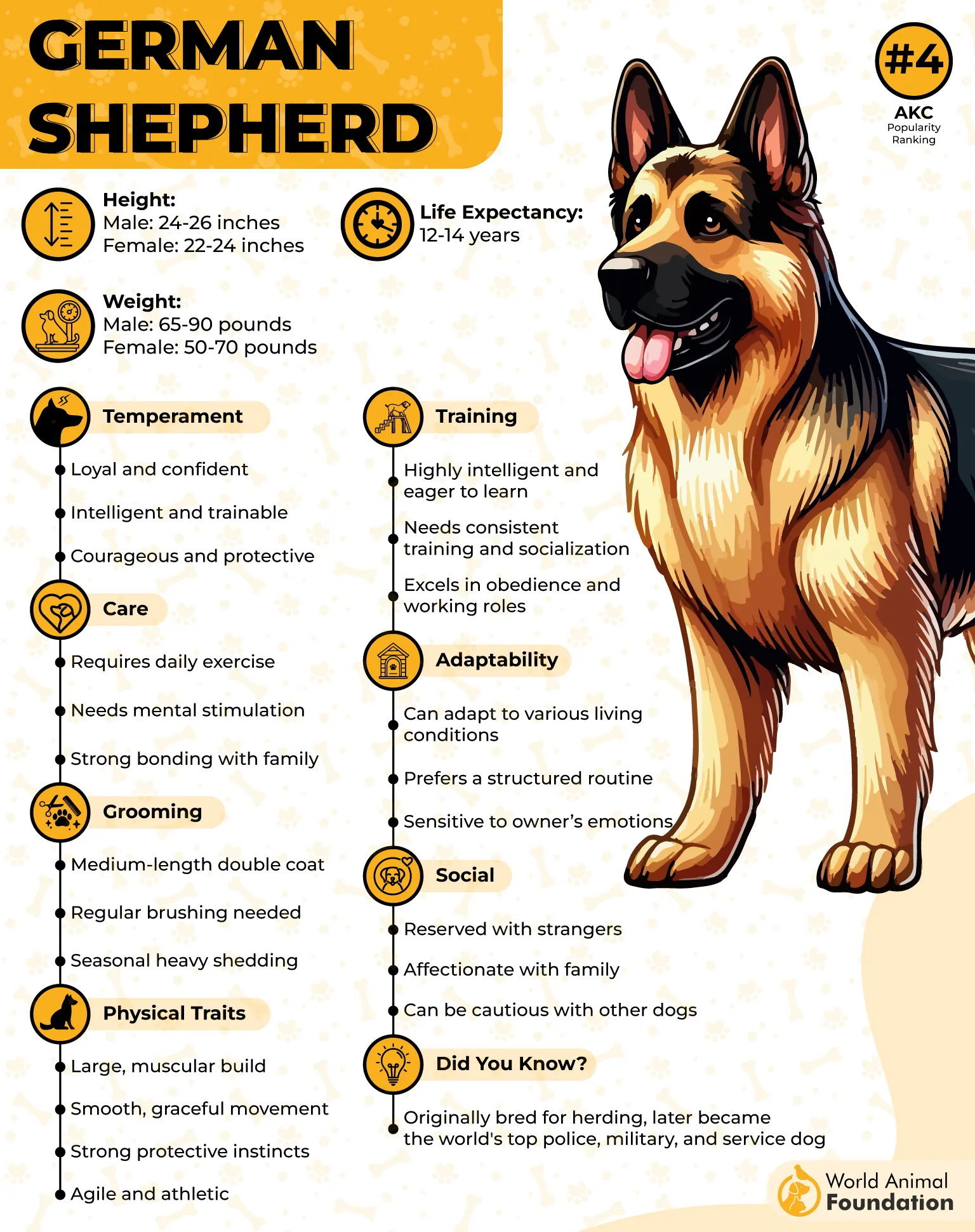
What makes them elite for home security is their character: loyal, confident, and courageous, with a natural readiness to protect the people they love. They tend to be reserved with strangers rather than instantly friendly, which helps them stay alert instead of being overly social.
Training is where they truly shine. German Shepherds learn commands quickly and respond best to positive reinforcement and clear boundaries—ideal for structured guard work. Early socialization is crucial so that protectiveness doesn’t become over-guarding of family or territory.
Fact: In one ranking of breeds most likely to bark as watchdogs, German Shepherds placed second.
2. Rottweiler
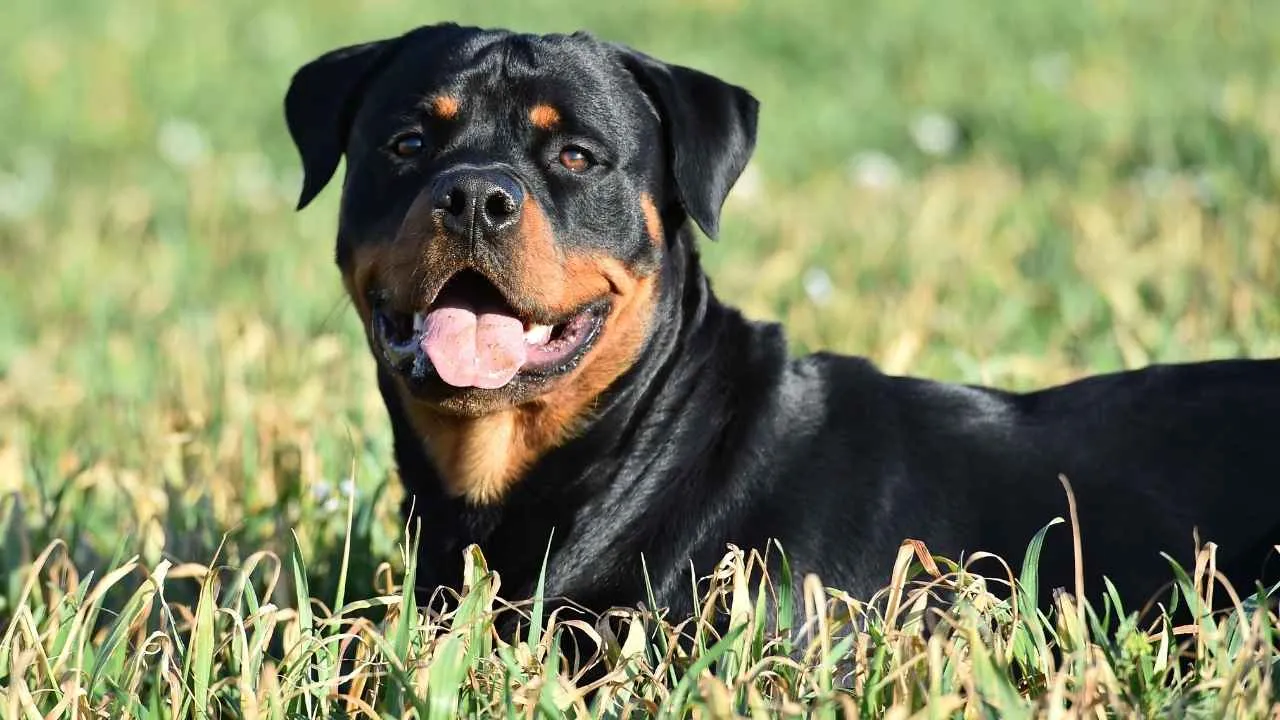
Rottweilers—often called Rotties—are powerful, confident dogs built for protection and close family bonds. Their muscular frame and steady presence can make them a standout choice in a “serious home security” lineup.
PetMD states that Rottweilers are a large breed characterized by a broad head, short coat, and wide-set eyes.
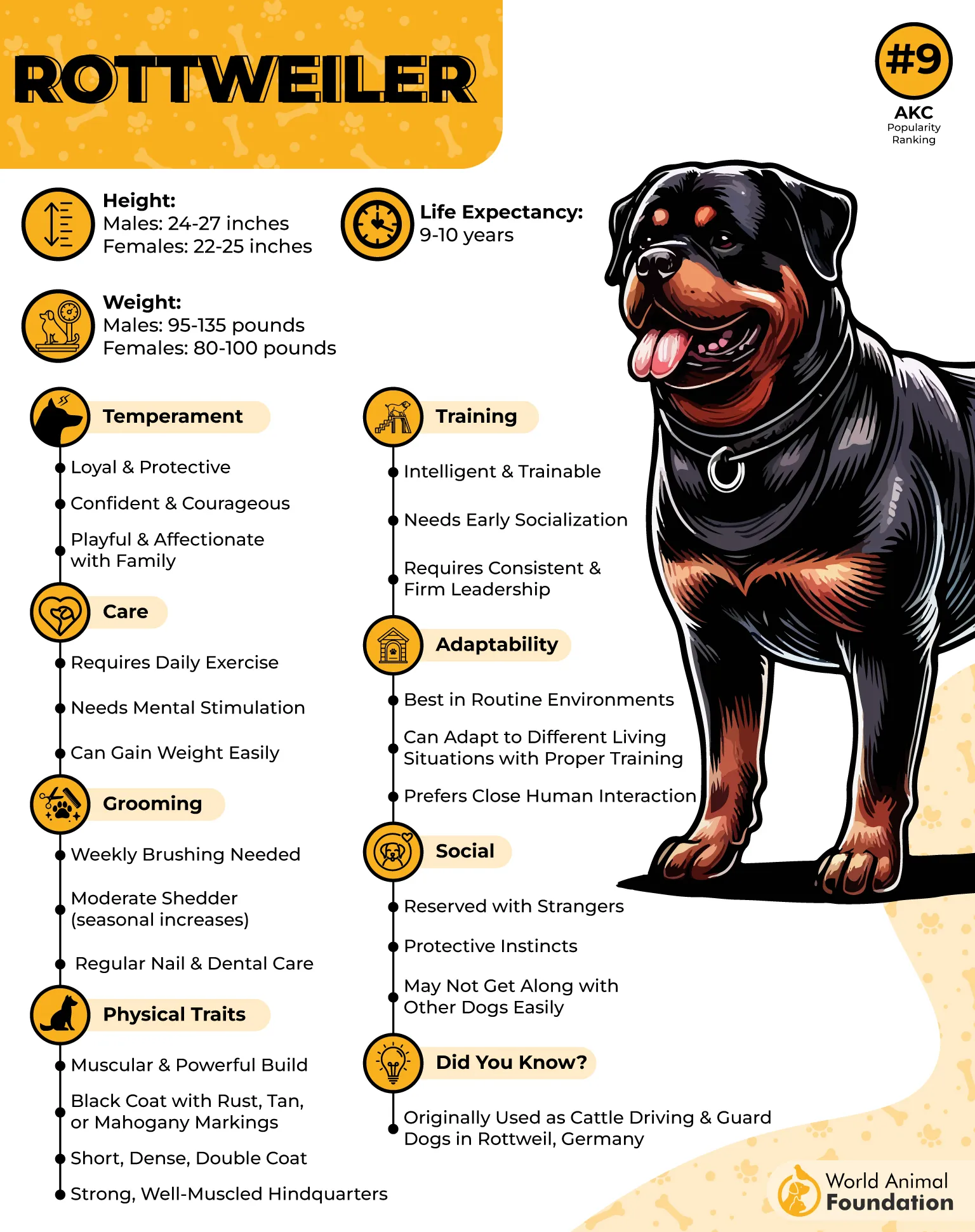
What makes them effective protectors isn’t just strength—it’s judgment. Rottweilers are quick to read a situation, stay calm under pressure, and respond decisively when something feels off. With the right guidance, they can be affectionate household companions while remaining naturally reserved around unfamiliar people.
One common mistake is skipping early structure. Without consistent rules and positive, steady training, a Rottie may decide that everyone is a threat, which can create unnecessary stress at home. Early socialization helps them learn the difference between normal visitors and true red flags.
For best results, start obedience work young, introduce new people and situations thoughtfully, and keep reinforcing calm, reliable behaviors—so their guarding instincts become an asset, not a liability.
Fact: Rottweilers are among the most popular dogs in the United States.
3. Cane Corso
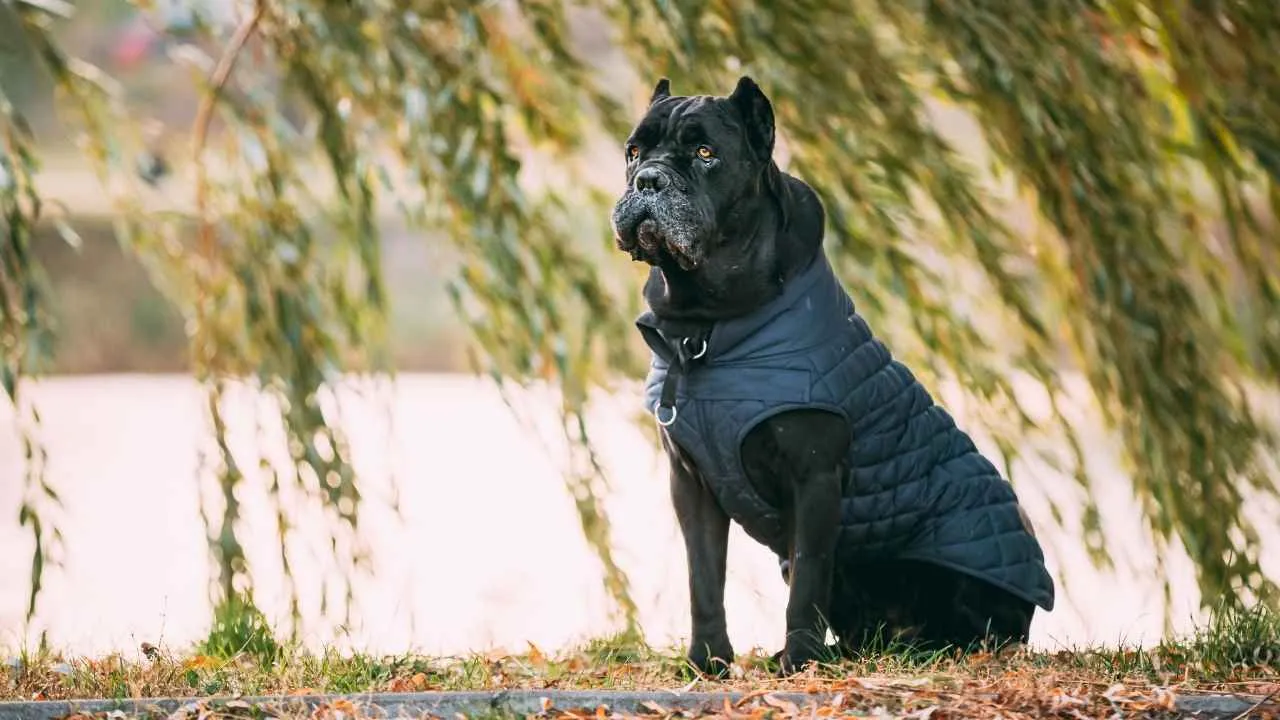
Also called the Italian Mastiff (and often simply “Corso”), the Cane Corso is a confident, noble-looking guardian with roots tracing back to ancient Rome—its name is even linked to the idea of a “bodyguard dog.” WebMD notes that Cane Corsos are intelligent companions that can be a great fit for families.
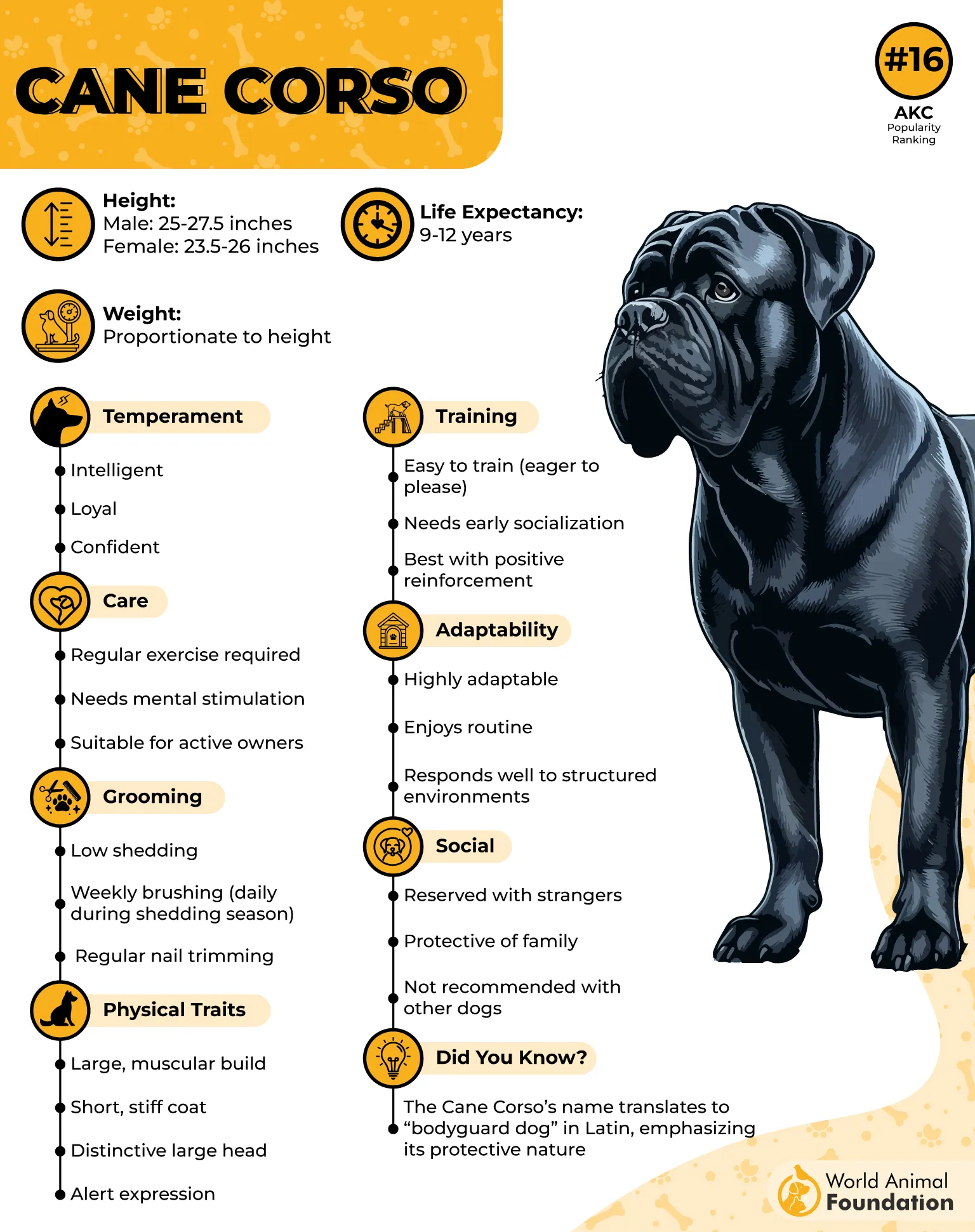
Built for protection, this large, muscular breed pairs an alert expression with a short, stiff coat and an imposing silhouette that can discourage trouble before it starts. For ultimate home security, that natural deterrent factor is a big part of the Corso’s appeal.
With the right guidance, Corsi can be devoted family protectors—watchful, loyal, and eager to work alongside their people. The key is early socialization and consistent, positive-reinforcement training so their assertive, take-charge instincts don’t run the household.
In family settings, they often bond tightly and may do best with older children simply due to size and strength.
4. Great Dane
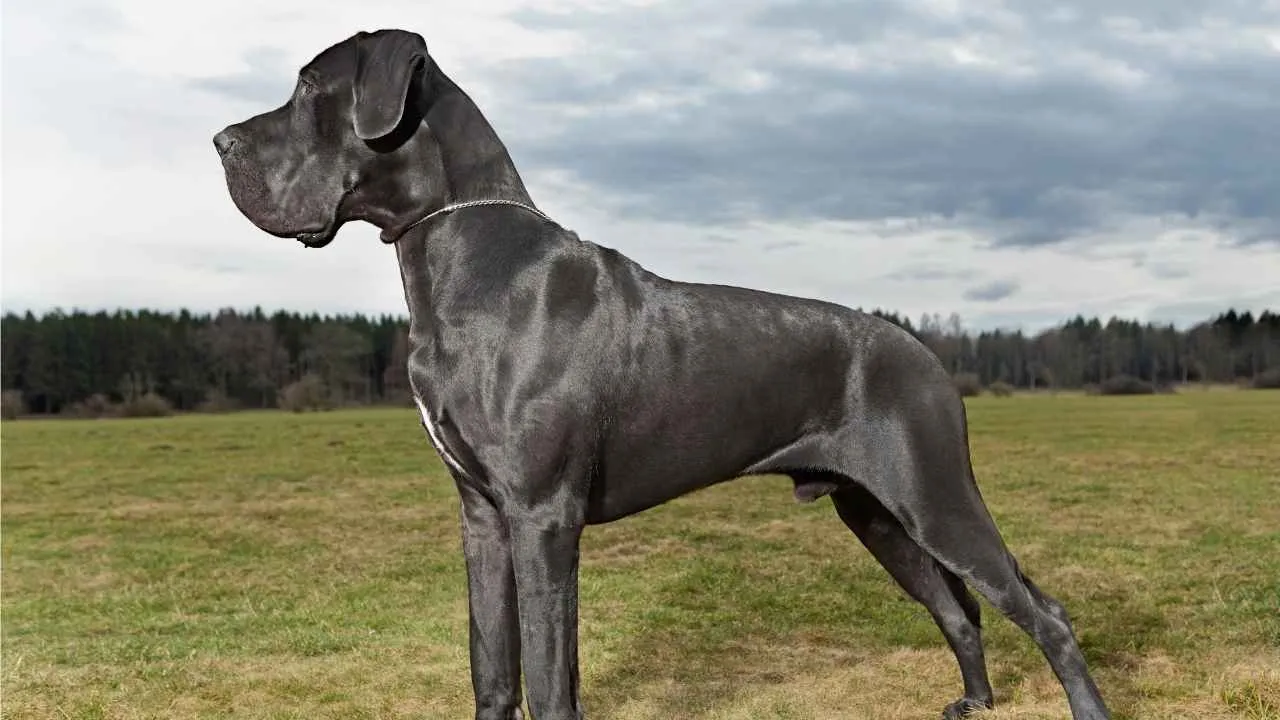
Great Danes—often nicknamed the “Apollo of Dogs”—are towering, elegant giants with an intimidating look that fits a home-security role at first glance. Even though they’re widely seen as gentle giants, their sheer presence can make strangers think twice.
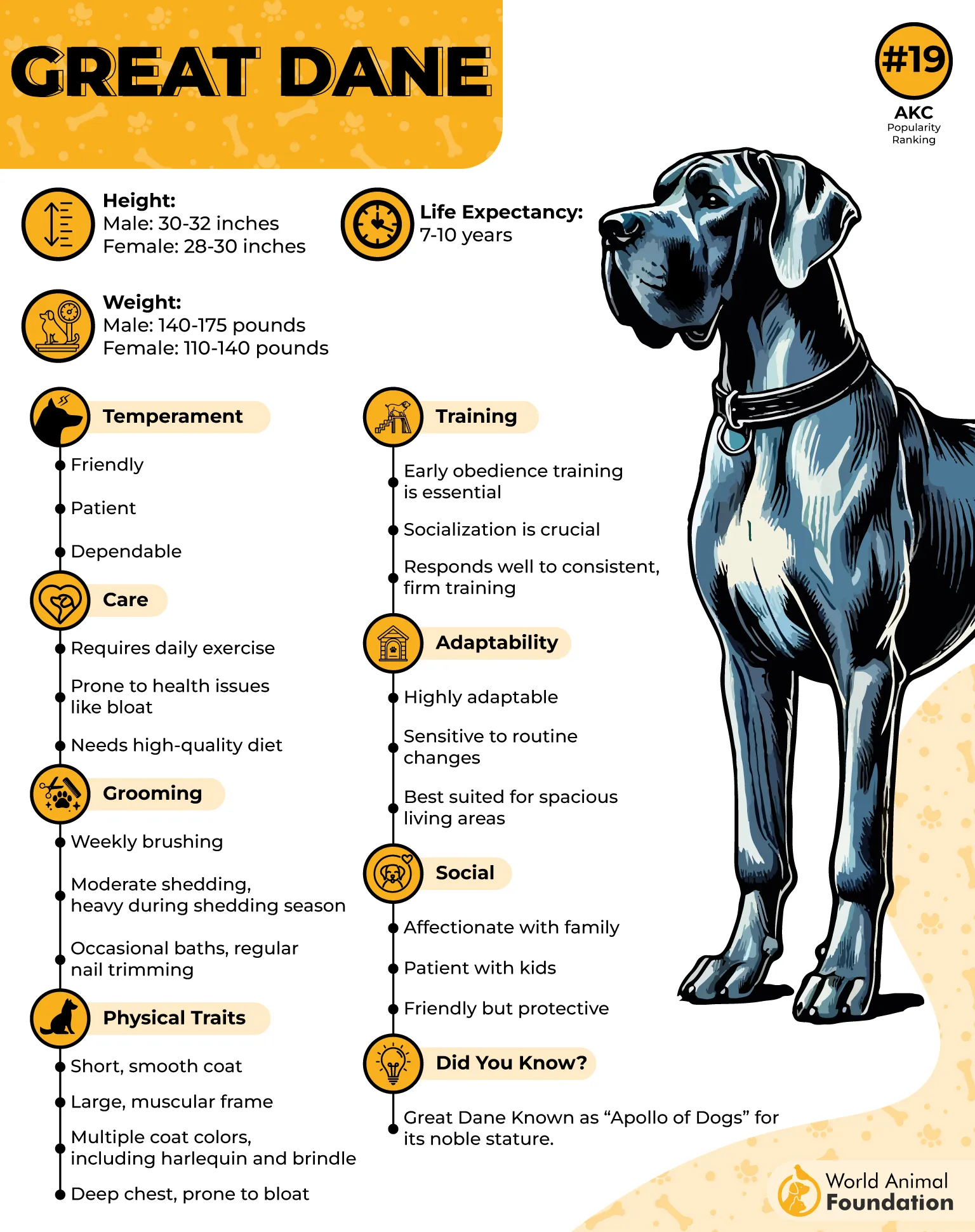
For first-time owners, the biggest mistake is relying on size alone. Danes are people-oriented and eager to please, so consistent, confident training can turn that natural alertness into reliable household manners instead of pushy behavior. Early socialization matters, too, because an unsocialized giant can become overly territorial—hard to manage when a full-grown dog can physically overpower an adult.
As a deterrent, they shine: a massive silhouette paired with a powerful bark can discourage many trespassers before anyone reaches the door. But “easygoing” doesn’t mean “no work”—set clear boundaries early, practice calm greetings with visitors, and reinforce obedience so your dog knows when to relax and when to stand watch.
5. Doberman Pinscher
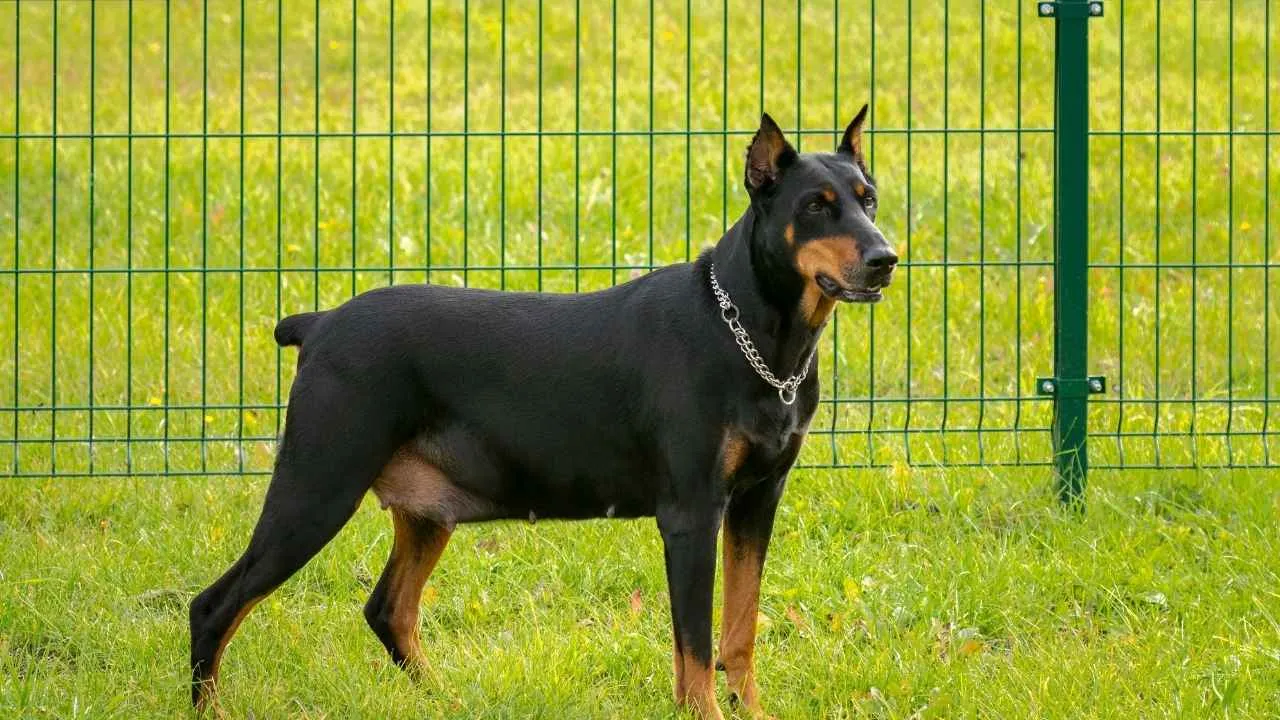
The Doberman Pinscher (often called the Dobie) is a sleek, athletic protection dog known for a wedge-shaped head, rust markings, and a fearless, watchful presence—exactly the kind of partner people picture for ultimate home security.
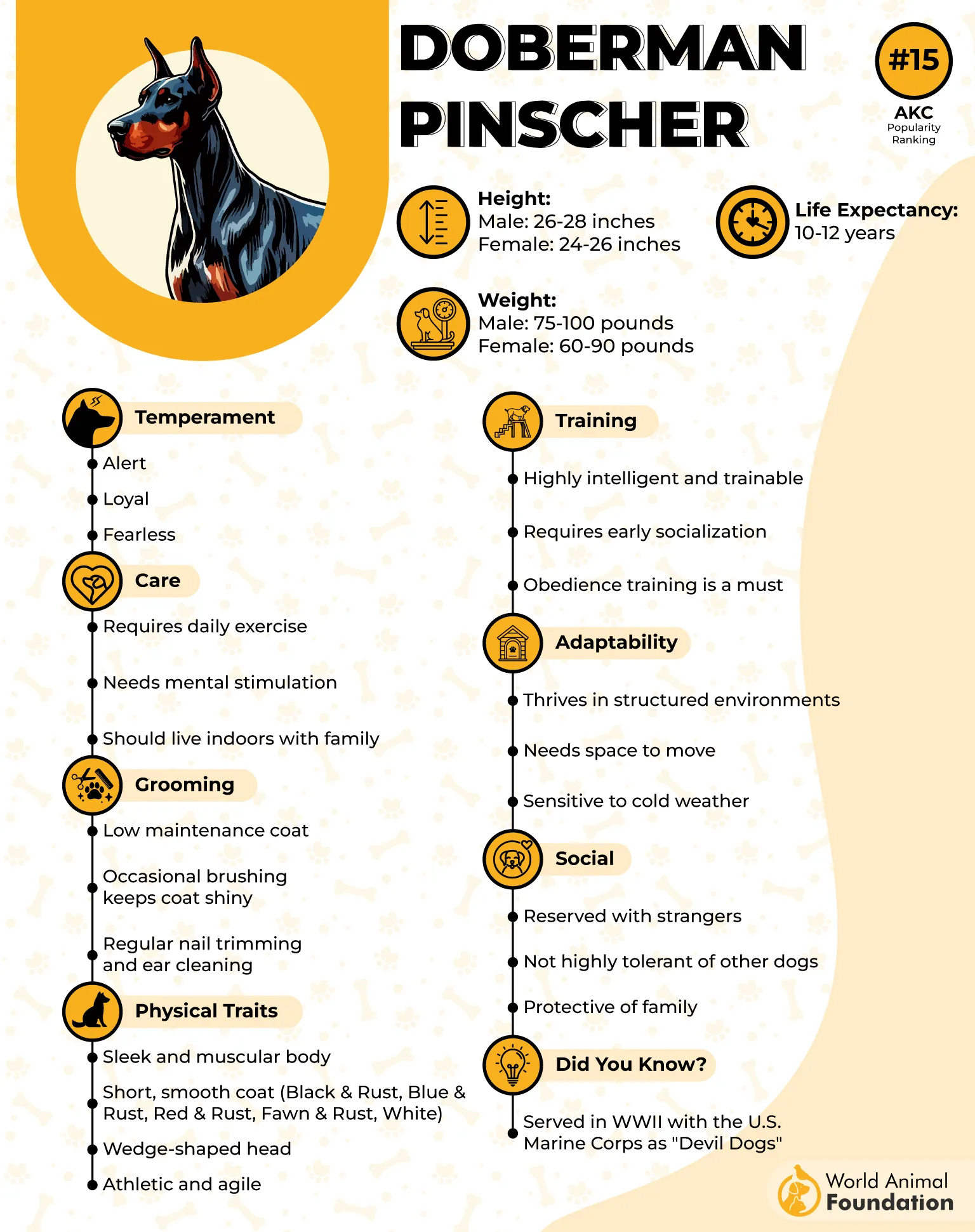
What makes them stand out as a guard dog isn’t just power, but brains. Dobermans are among the smartest breeds, and their loyalty to family members runs deep—so they’ll stay alert on “patrol,” then settle in as an affectionate housemate when the home is calm.
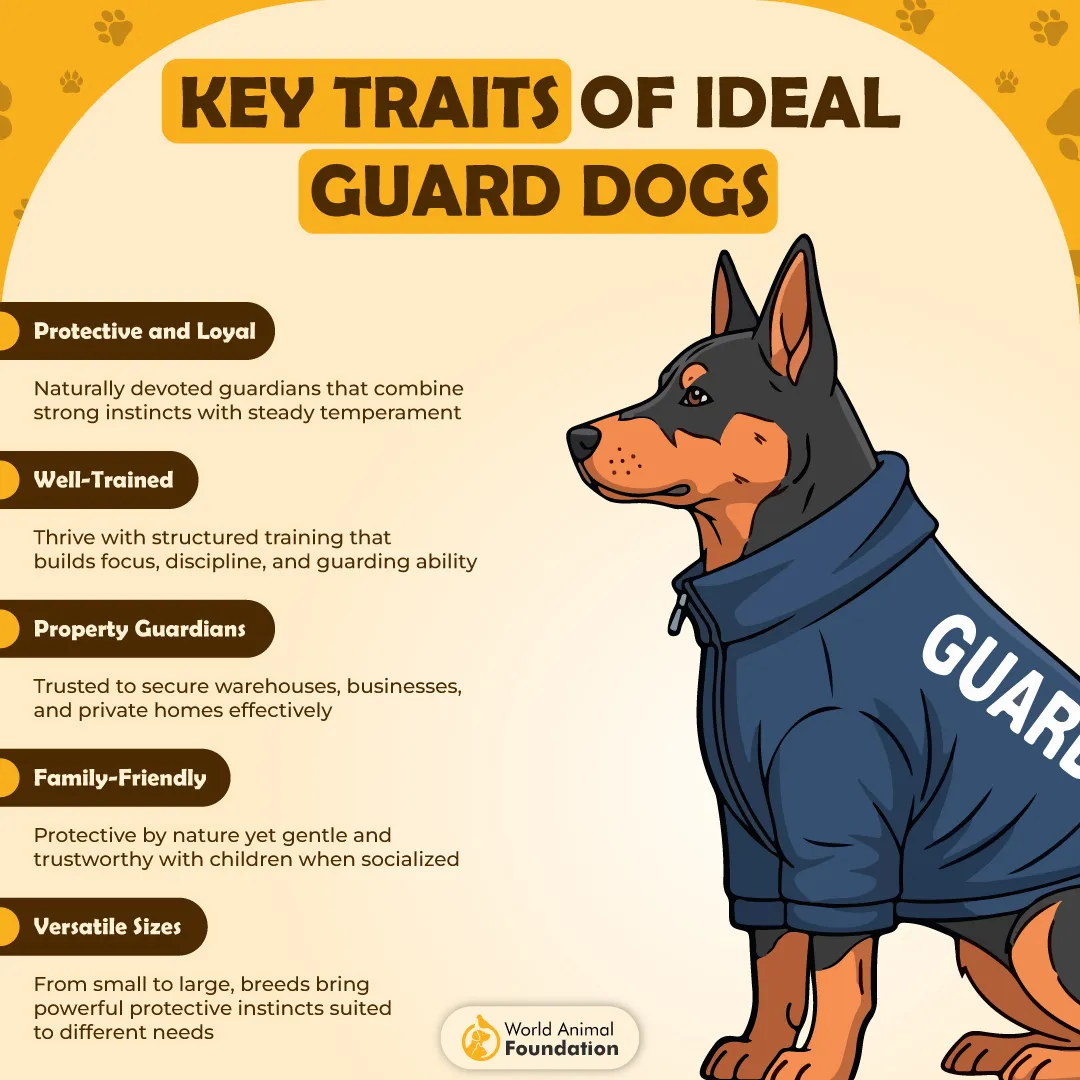
To channel that protective instinct into control, start early with structured socialization and obedience. Keep rules consistent, reward the behaviors you want, and build reliable basics like leash manners and clear commands so vigilance doesn’t turn into overreacting.
6. Rhodesian Ridgeback

Rhodesian Ridgeback—sometimes called the African Lion Hound—is instantly recognized by the ridge of hair running backward along its spine. Bred in Africa to face dangerous game, this athletic, confident dog can bring serious presence to a home-security plan.
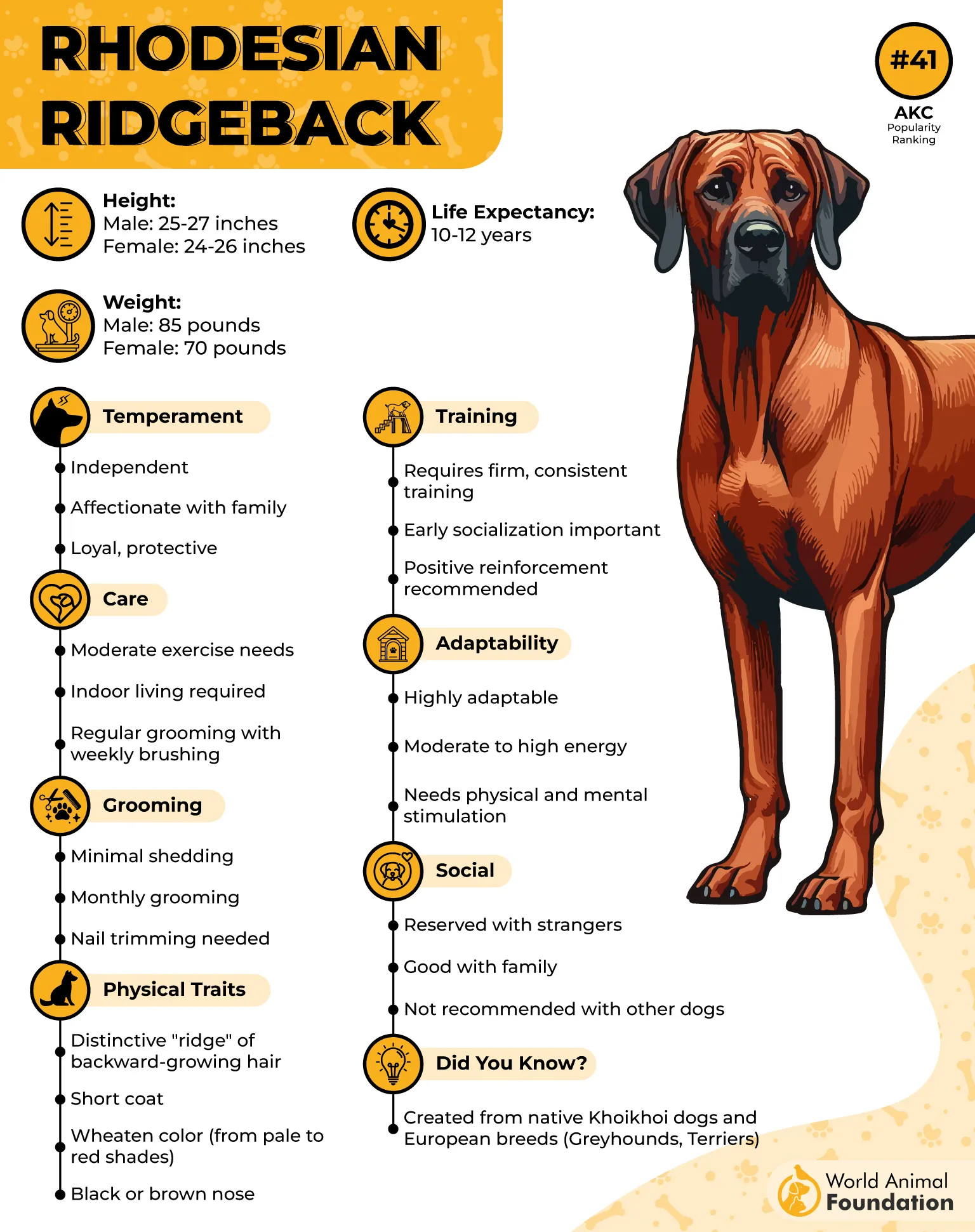
For “ultimate home security,” channel their bravery with structure. Ridgebacks do best with early obedience training, clear household rules, and consistent socialization so their natural watchfulness stays focused on real threats—not everyday visitors.
Because they’re sharp and active, daily exercise and brain work aren’t optional. Plan on long walks, jogging, scent games, fetch, or dog sports like agility or tracking to curb boredom and prevent unwanted behaviors inside the house.
Puppies need special care: keep play sessions shorter and controlled until about 18–24 months, when growing joints are less injury-prone, and ask your veterinarian for a safe routine. Fact: Rhodesian Ridgebacks typically need at least 2 hours of exercise per day.
7. Dalmatian
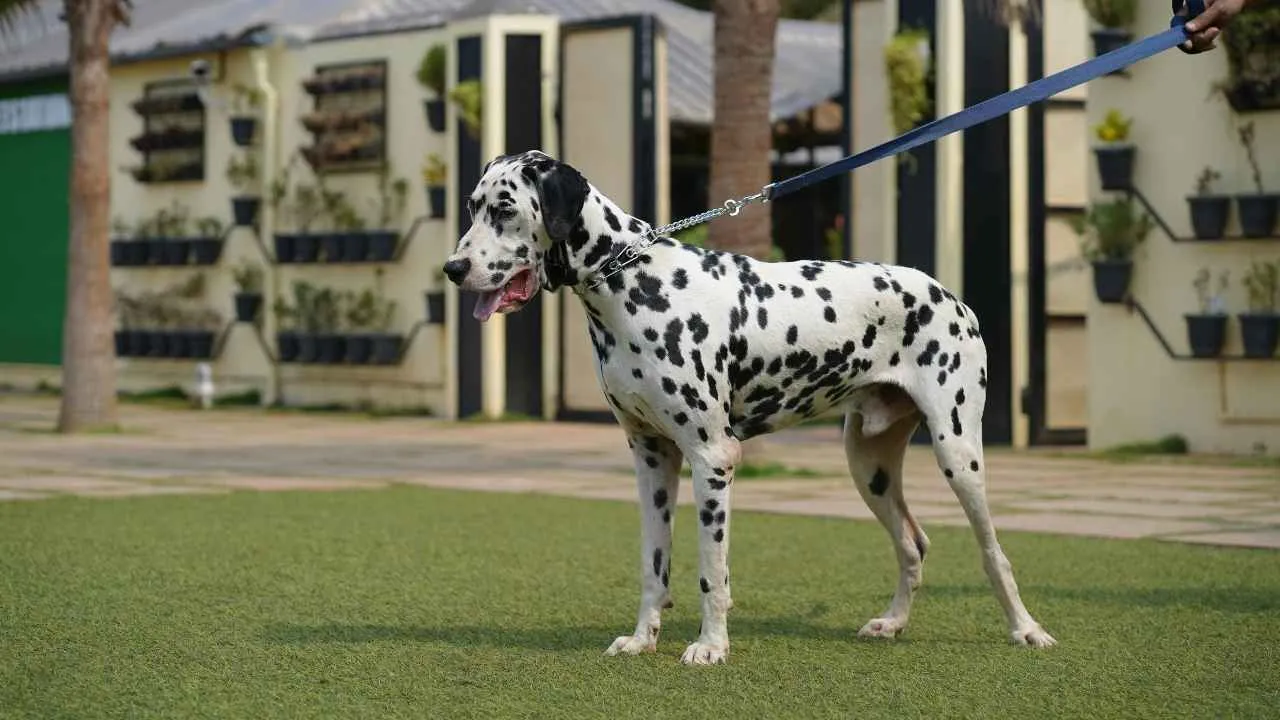
The Dalmatian—aka the Dal, Firehouse Dog, English Coach Dog, or Carriage Dog—is instantly recognizable for its white coat marked with black or liver spots. Athletic and bright, this “citizen of the world” was built to trot for miles and stay alert, which explains why it’s long been trusted as a sentinel-type companion.
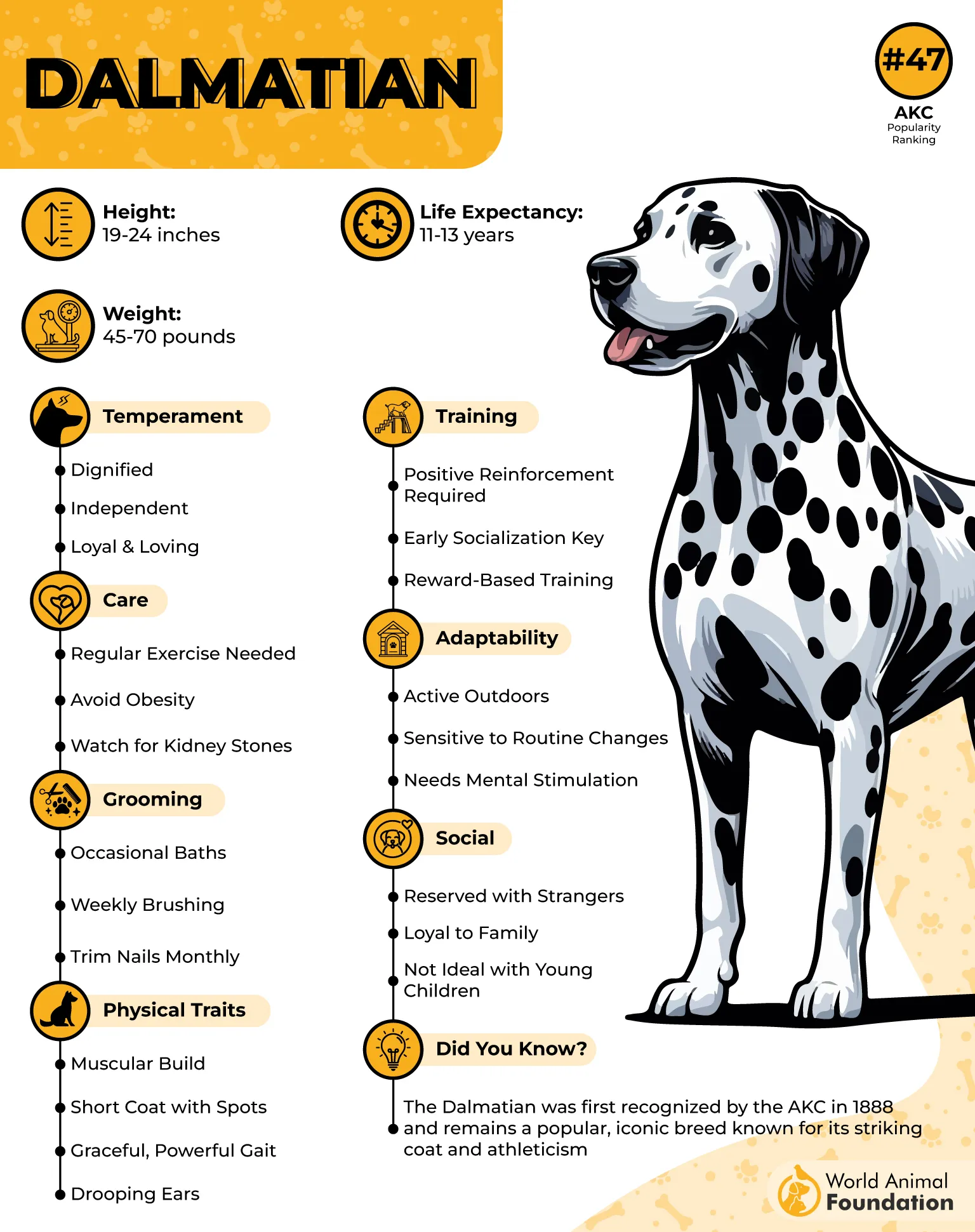
For ultimate home security, Dalmatians bring a natural watchdog edge: they can be reserved with strangers, quick to notice unfamiliar activity, and confident enough to hold their ground. They tend to bond tightly with their people, making them loyal house dogs that take their “job” seriously when something feels off.
The biggest mistake families make is underestimating their exercise needs. A bored Dal can become destructive, so pair daily runs, hikes, or bike outings with early obedience work and clear boundaries to prevent them from trying to take charge.
Just like choosing any guard dog breeds, match the Dal’s stamina to your lifestyle—because it takes a lot to truly tire one out. Fact: Dalmatian puppies are born without spots; the markings start showing up around two weeks old.
Conclusion
Protective dog breeds bring peace of mind to the home and family, pairing a watchful presence with a natural instinct to respond to normal and threatening situations.
From the gamekeeper’s night dog to modern picks like the Belgian Malinois and Staffordshire Bull Terrier, many were originally bred for demanding work, which is why they can be excellent guard dogs with a loud bark and a protective nature.
Still, the best guard dogs aren’t “born finished.” Proper training, early training, and consistent training—starting at a young age—shape a great guard dog into a safe family life companion. Dog owners should prioritize basic obedience training, mental stimulation, and regular exercise, especially with an energetic breed, independent dogs, and any large or powerful dog.
With the right plan, even first-time dog owners can raise great family pets that live well with other dogs, other animals, and other pets—while still ranking among popular guard dog breeds and even the smartest dog breeds, whether they have a thick coat or a war dog legacy.
