




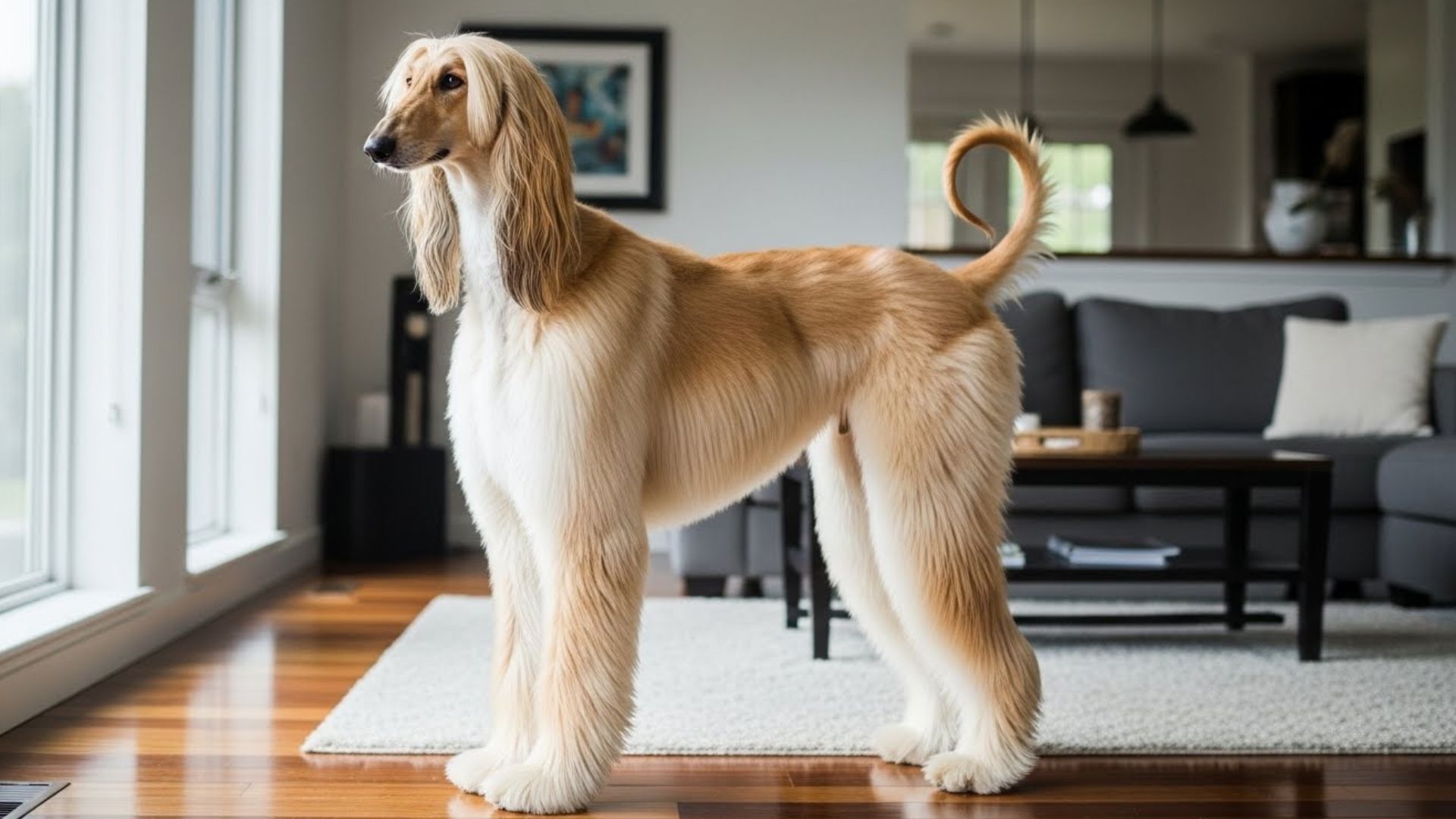
A pristine couch, dark clothes that stay dark, and fewer tumbleweeds of fur drifting across the floor—low-shedding dogs can make “clean home” goals feel way more realistic. Still, it helps to know what “little shedding” truly means: it’s often about coat type and routine care, not a magically fur-free life.
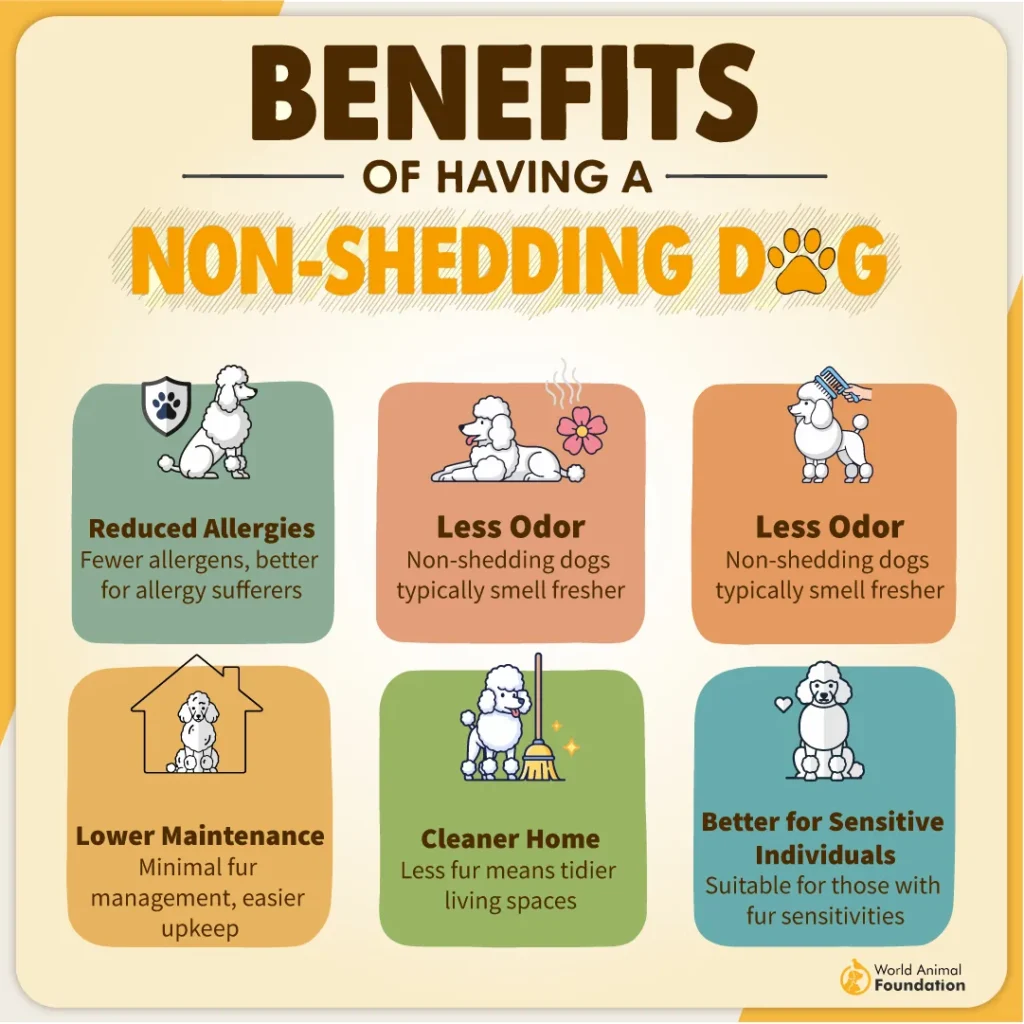
If you’re hoping for a “hypoallergenic dog,” there’s an important catch—no breed is completely allergy-proof. Dogs produce proteins (often carried in saliva, urine, and skin flakes called dander), and when shedding happens, that dander can spread through your home. How you react depends on your own immune system, and it can vary from breed to breed.
In general, breeds labeled “hypoallergenic” tend to have single-layer coats and shed less, while many double-coated dogs shed heavily as part of how their protective coats work. In this guide, we’ll look at beautiful breeds—both well-known and a few under-the-radar options, including small dogs—that are often easier to live with if you prefer a tidier space.
Dog Breeds With Little Shedding: Ideal for Clean Homes
1. Afghan Hound
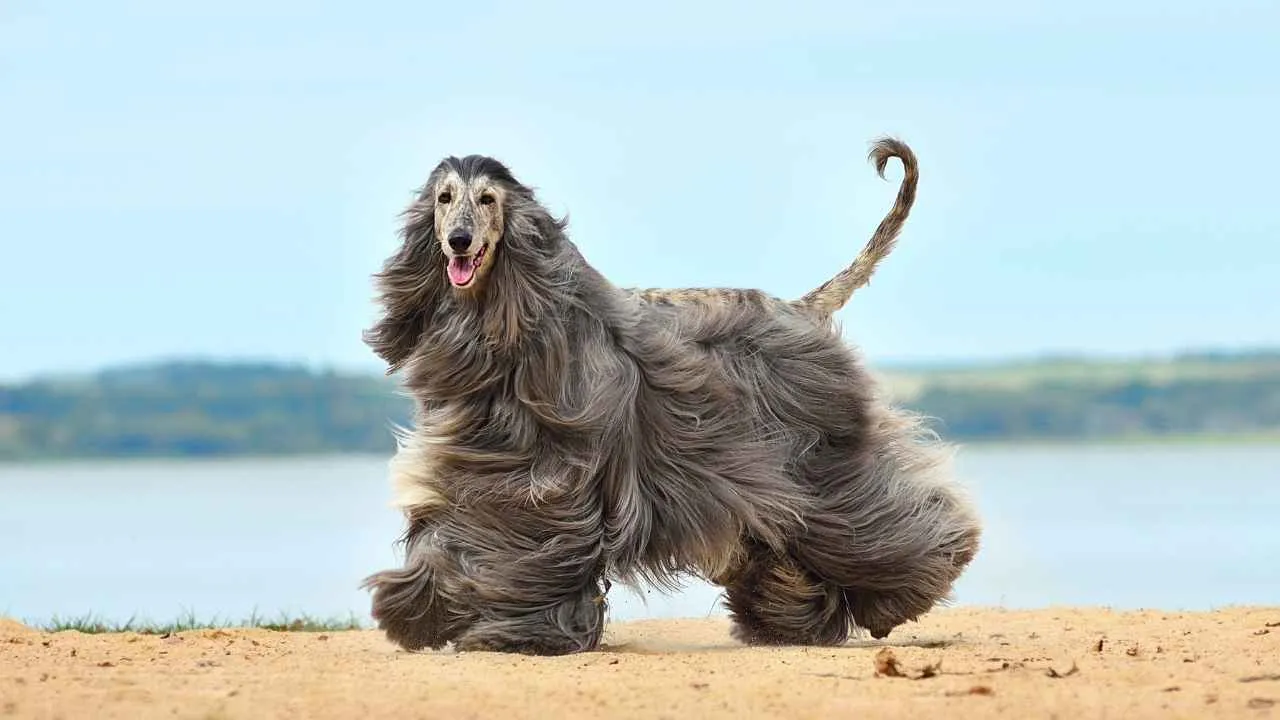
The Afghan Hound—sometimes called the “Afghan”—is a striking sighthound with an aristocratic vibe, long limbs, and a flowing, silky coat that turns heads. Often dignified (and occasionally goofy), this breed is known for loyalty wrapped in a very glamorous package.
The AKC states that the Afghan Hound is one of the most striking breeds, known for its dignified, aloof attitude and refined, aristocratic beauty.
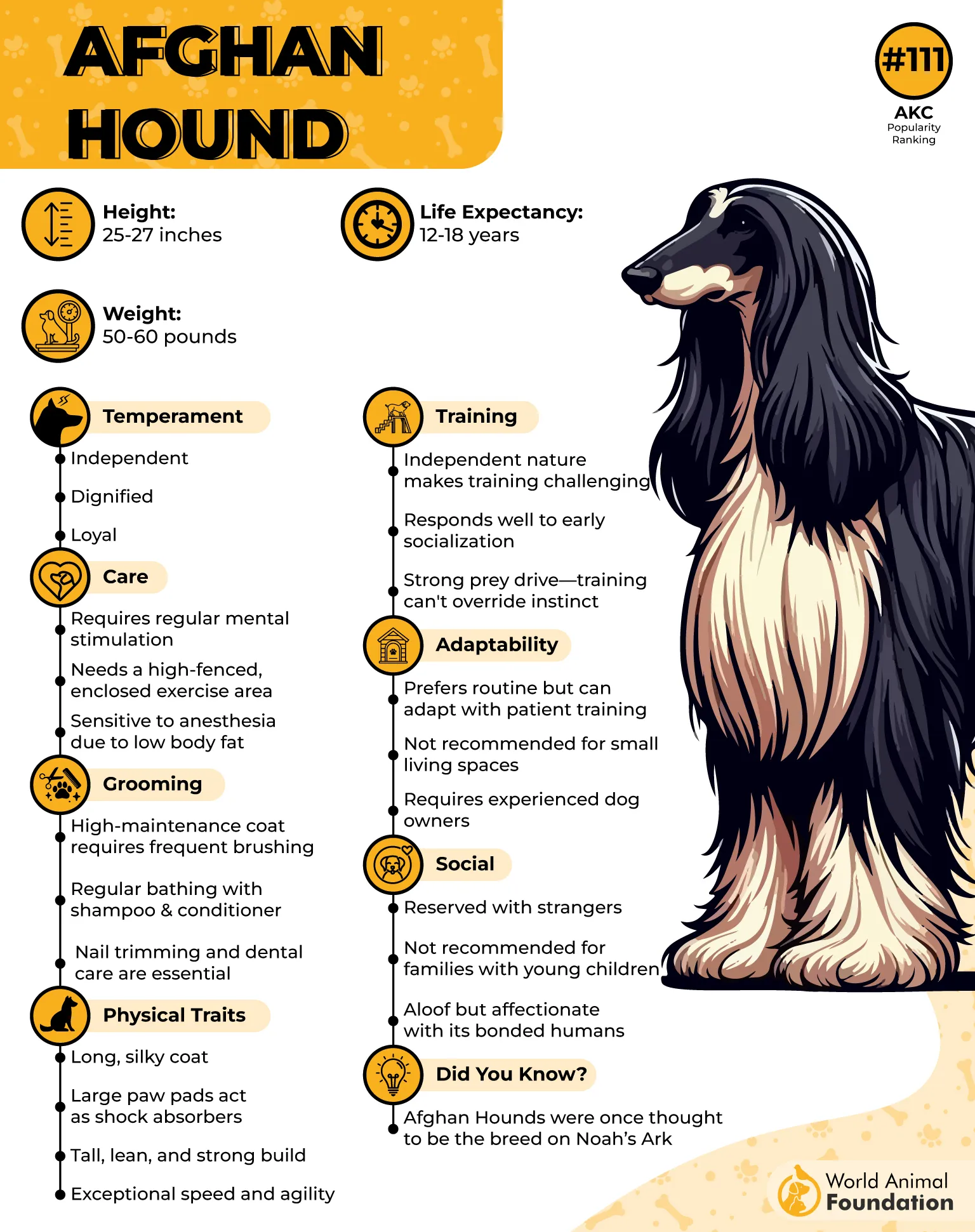
When people talk about dogs with little shedding, it helps to understand coat type: hair that grows continuously and is maintained with bathing and brushing tends to release less loose fur into your home than many shedding-prone coats. The Afghan’s single, long “hair-like” coat can fit that cleaner-home goal—but only if you keep up with the upkeep.
Afghans were shaped by harsh, mountainous climates, and their thick coat originally served as practical protection, not just decoration. Their athletic build also means they still need regular movement and mental engagement, even if they act aloof indoors.
🎧 Dogcast
Episode 29 — If Dogs Could Talk — Dogs Explain Dreams, Twitching, and Night Zoomies.
If you don’t hear sound, tap the button above to enable audio.
2. Shih Tzu
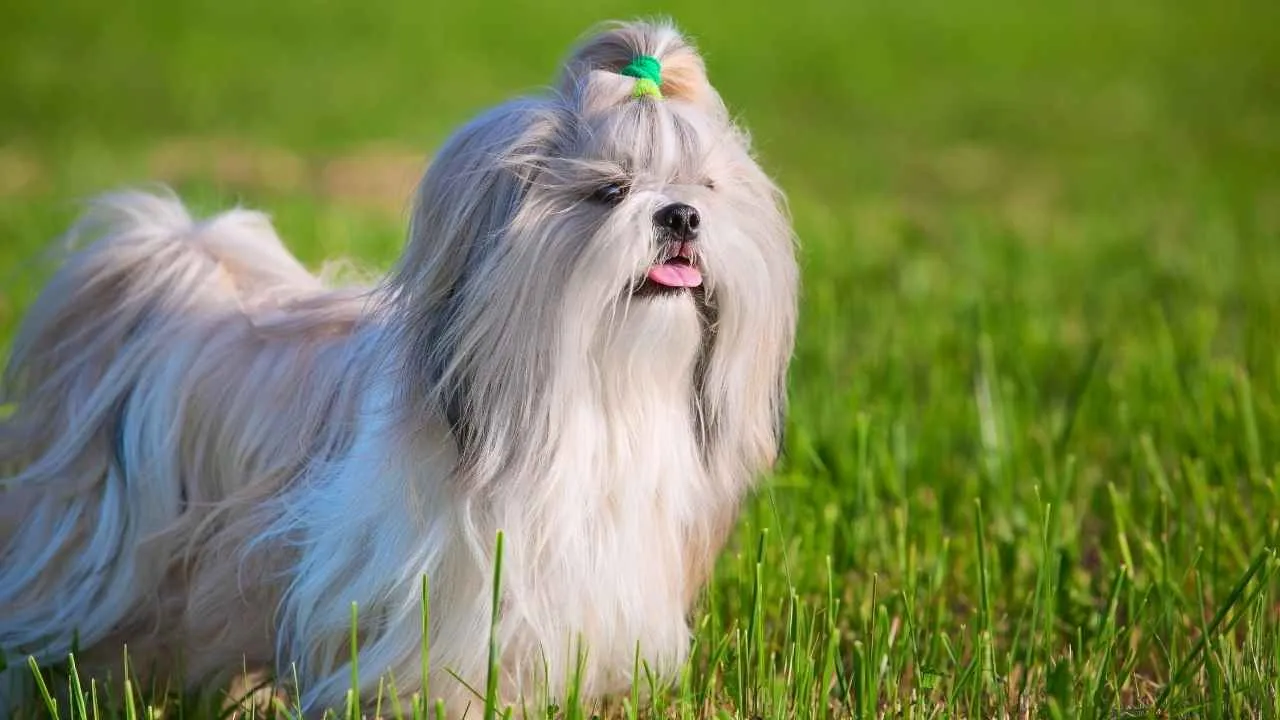
Also called the “Lion Dog” (and sometimes spelled Shi Tsu), the Shih Tzu was bred in China—likely with roots in Tibet—to be a devoted companion that stays close to its people. PetMD says that the Shih Tzu is a Tibetan toy breed that was bred specifically to be a cuddly companion.
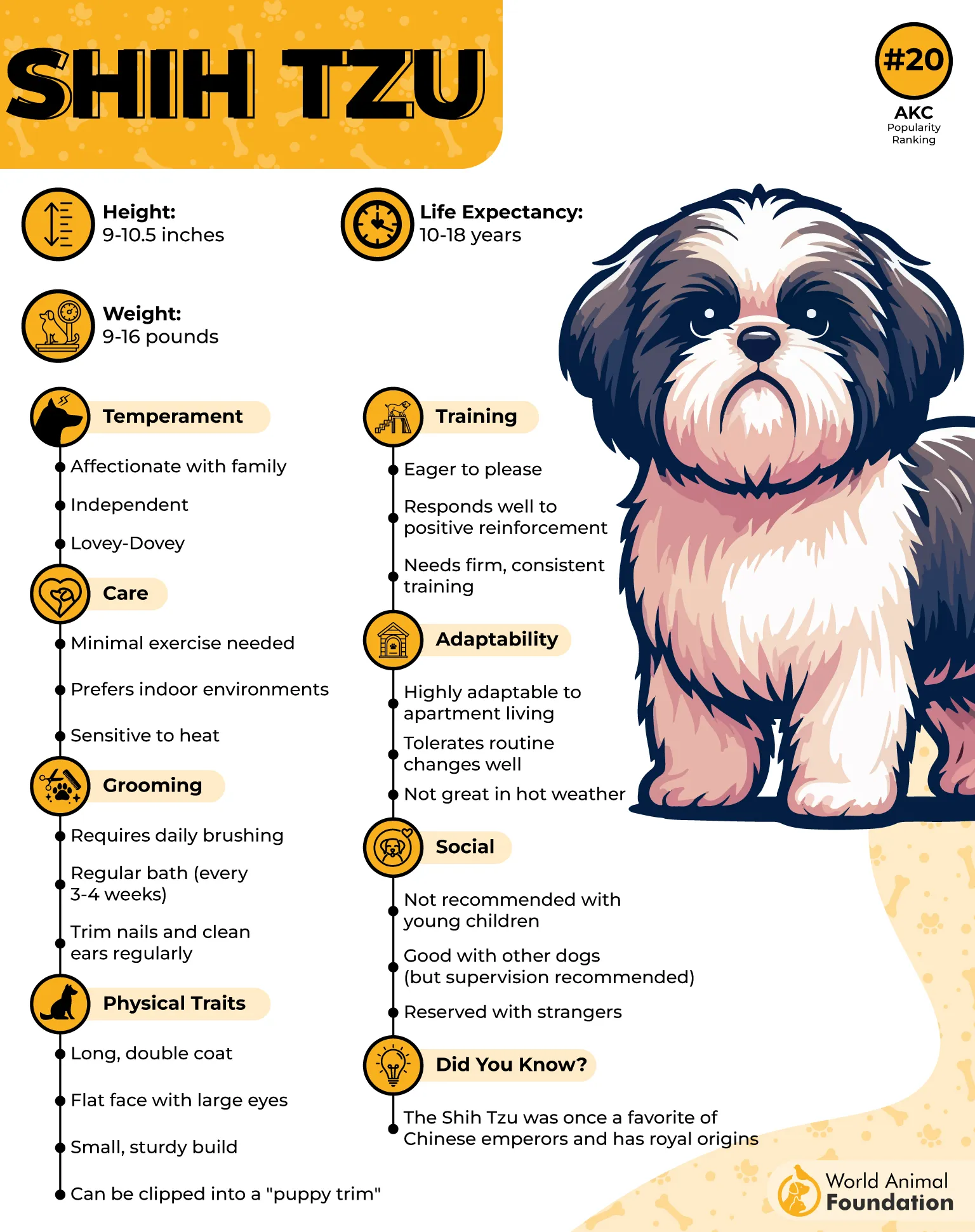
For clean homes, this breed is a helpful pick because Shih Tzus tend to shed very little, so there’s typically less fur drifting across floors than with many other dogs. That said, low-shedding isn’t the same as truly “no hair,” and sensitivity varies from person to person.
Where the Shih Tzu really earns its keep is in coat management: its hair keeps growing, so regular brushing (or a kept-short trim) helps prevent tangles and limits loose hair on furniture. A consistent routine also keeps that long coat looking polished instead of puffy and messy.
One more thing, indoor pet parents love: they’re famously happy as lap companions, but their coat needs attention to stay neat. Fact: Shih Tzus are low-shedding dogs, but their long coat still needs regular brushing to reduce loose hair around the home.
3. American Hairless Terrier
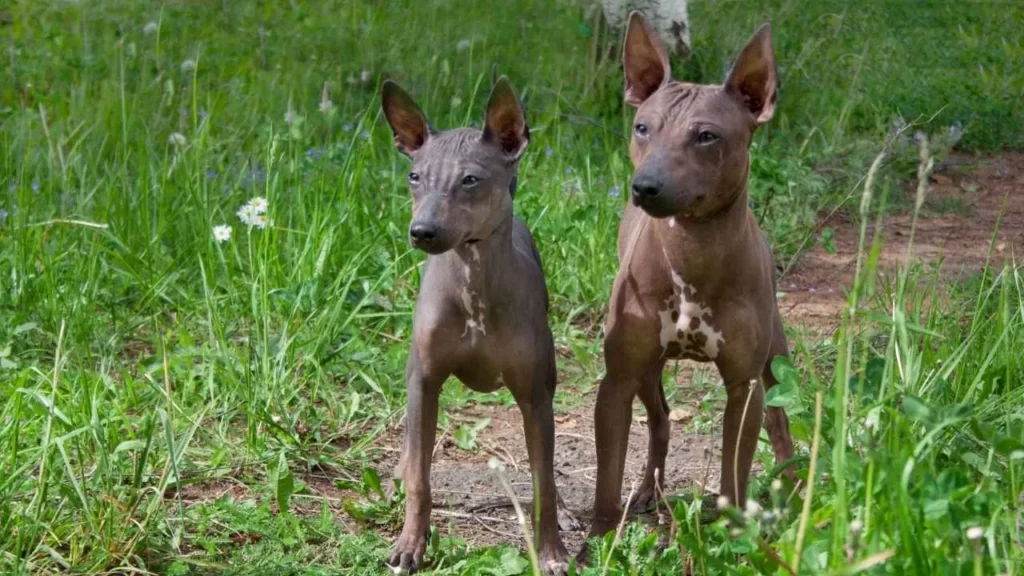
The American Hairless Terrier (often called the AHT) is a Louisiana-born terrier that comes in hairless and coated varieties, both known for grit and curiosity.
It’s a small, athletic companion with a friendly vibe—ideal when you want a cleaner home without giving up personality. WebMD notes that American Hairless Terriers are alert dogs with a playful temperament.

For apartments, this breed shines because “little shedding” can feel like a superpower in tight spaces. The hairless variety is about as hypoallergenic as a dog can be, and even the coated type keeps things simple with a short, shiny jacket.
Energy-wise, plan for daily play and brain games—these dogs are intelligent, eager to learn, and often excel in agility sports. Keep training upbeat and consistent, and you’ll have a responsive little watchdog who’s still affectionate with the household.
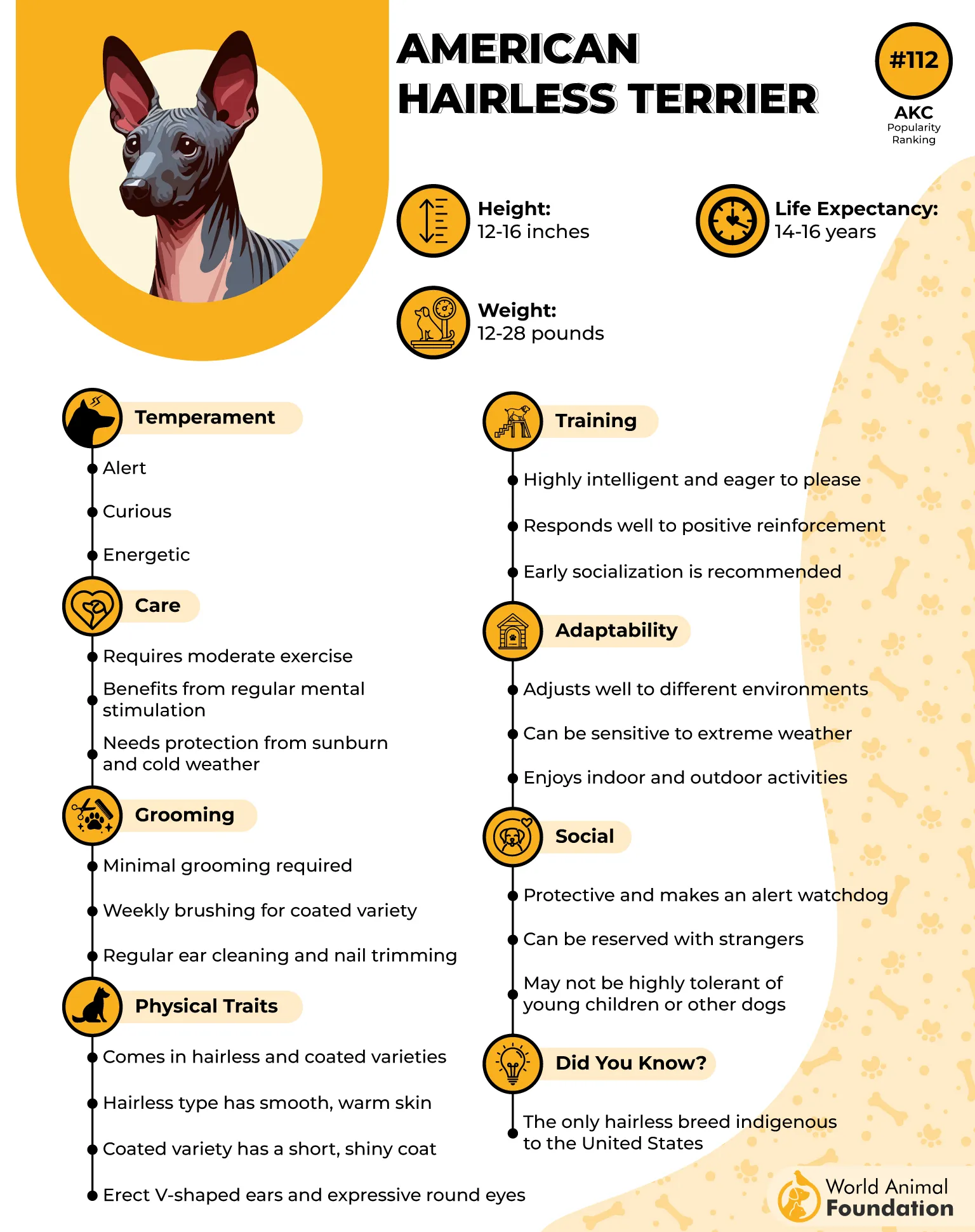
Indoor living does require extra care: hairlessness brings sun and cold sensitivity, so think dog-safe sunscreen, warm layers, and smart timing for walks.
4. Scottish Terrier
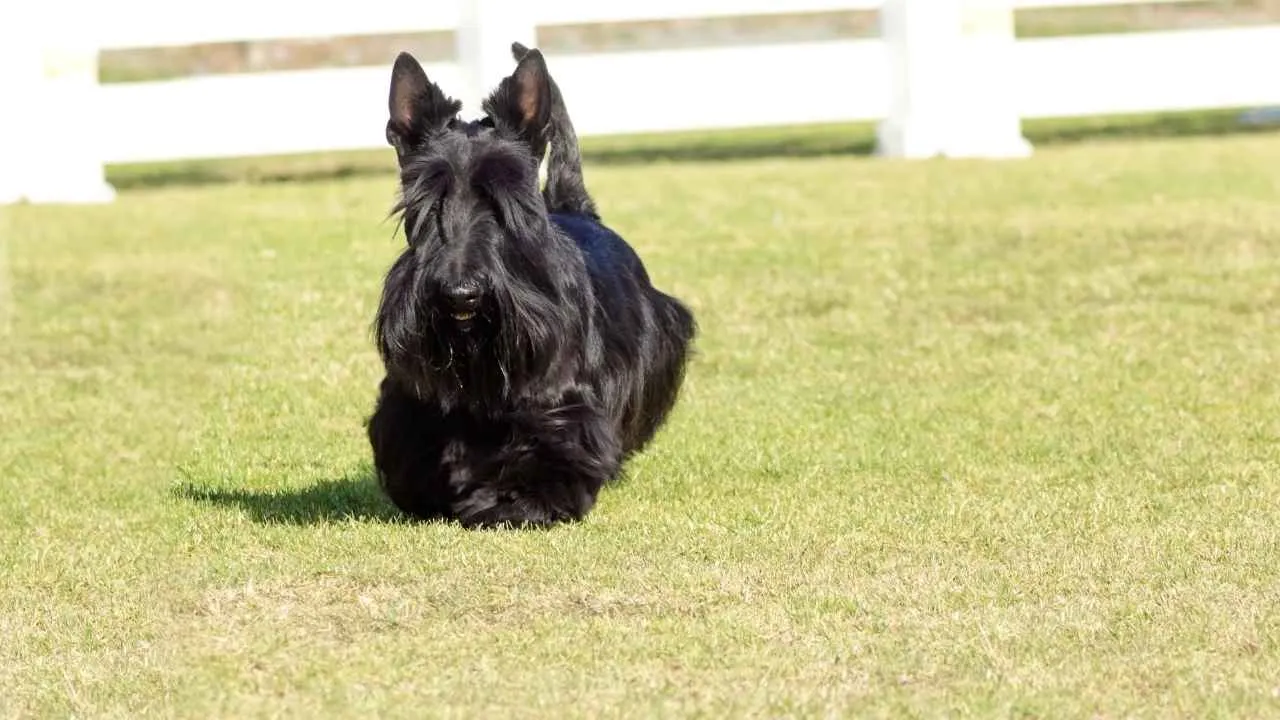
The Scottish Terrier—often called the Scottie and nicknamed the “Diehard”—is a compact, confident terrier with a dignified, almost human-like attitude. That iconic look includes a short, sturdy frame, upright ears, bright eyes, and signature beard “furnishings.”
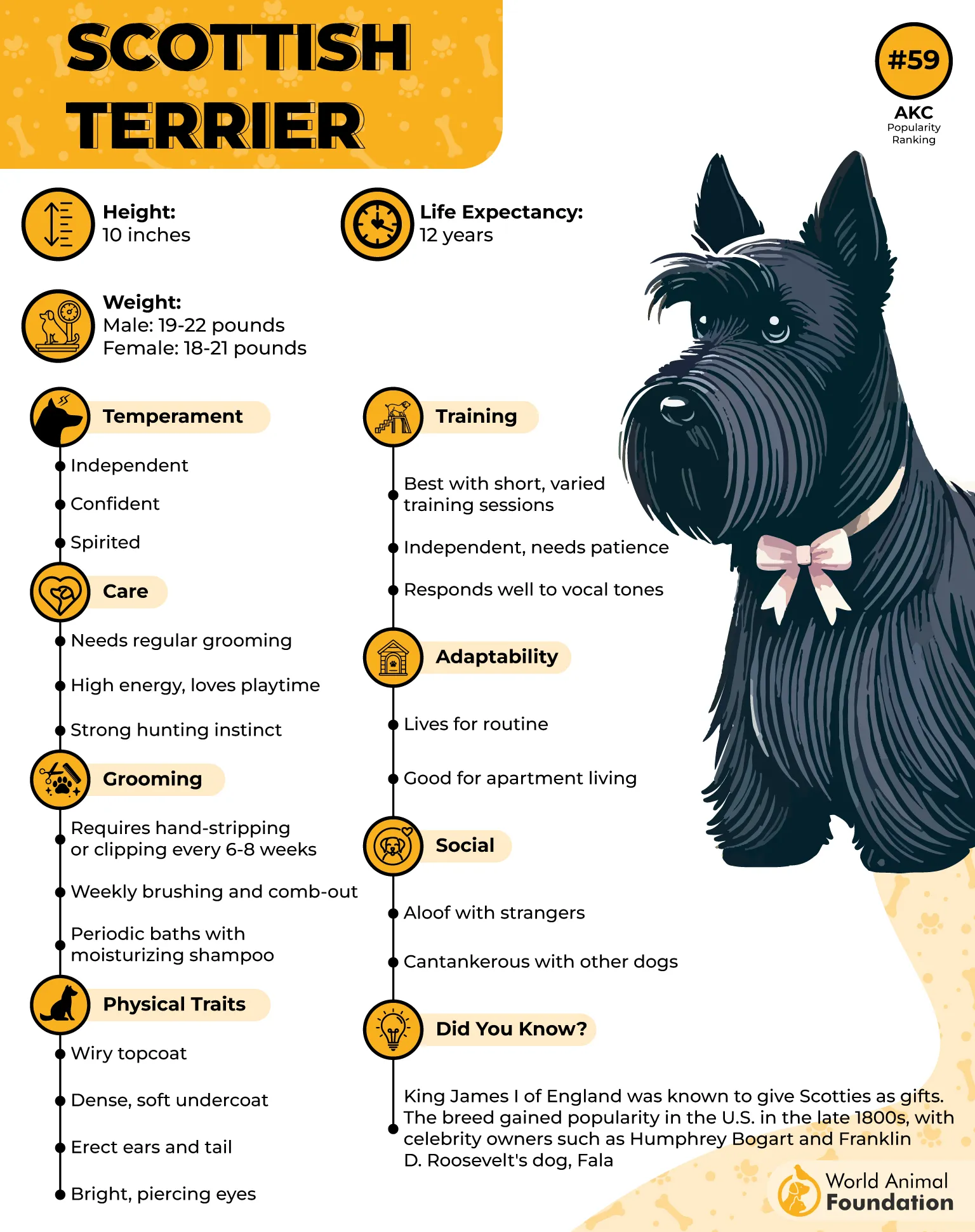
For clean homes, Scotties bring a big advantage: a wiry topcoat paired with a soft, dense undercoat that helps contain loose hair better than many shedding-prone breeds.
Keep the coat tidy with routine brushing and occasional professional coat care, and you’ll manage stray hair without turning your living room into a fur zone.
Indoors, their independence can read as “low-key,” but they still need brisk walks and playful sessions to prevent boredom. A common owner mistake is skipping enrichment—this terrier thrives on purposeful activity and short, upbeat training.
They’re naturally alert and can be standoffish with strangers, which makes them strong watchdogs, but early socialization helps curb spats with other dogs and chasing neighborhood cats.
Fact: The Scottish Terrier’s perseverance earned the breed the nickname “the Diehard.”
5. Lhasa Apso
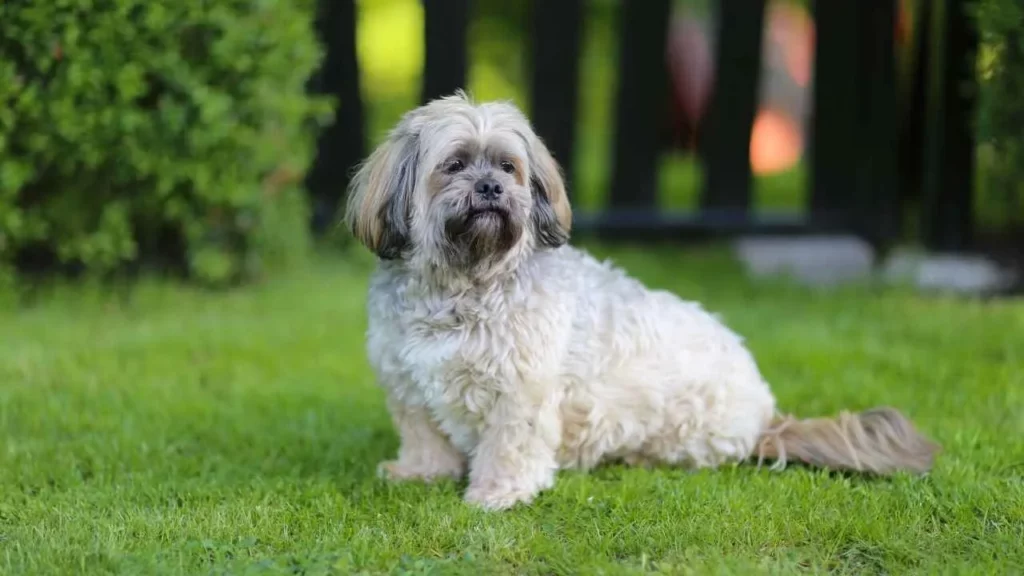
The Lhasa Apso—also called the “bearded lion dog,” with Apso meaning “longhaired dog”—was prized as a sentinel in Tibetan palaces and Buddhist monasteries, not a heavy-shedding house pet. That hair-like coat can help with tidy floors, but it’s still a commitment.
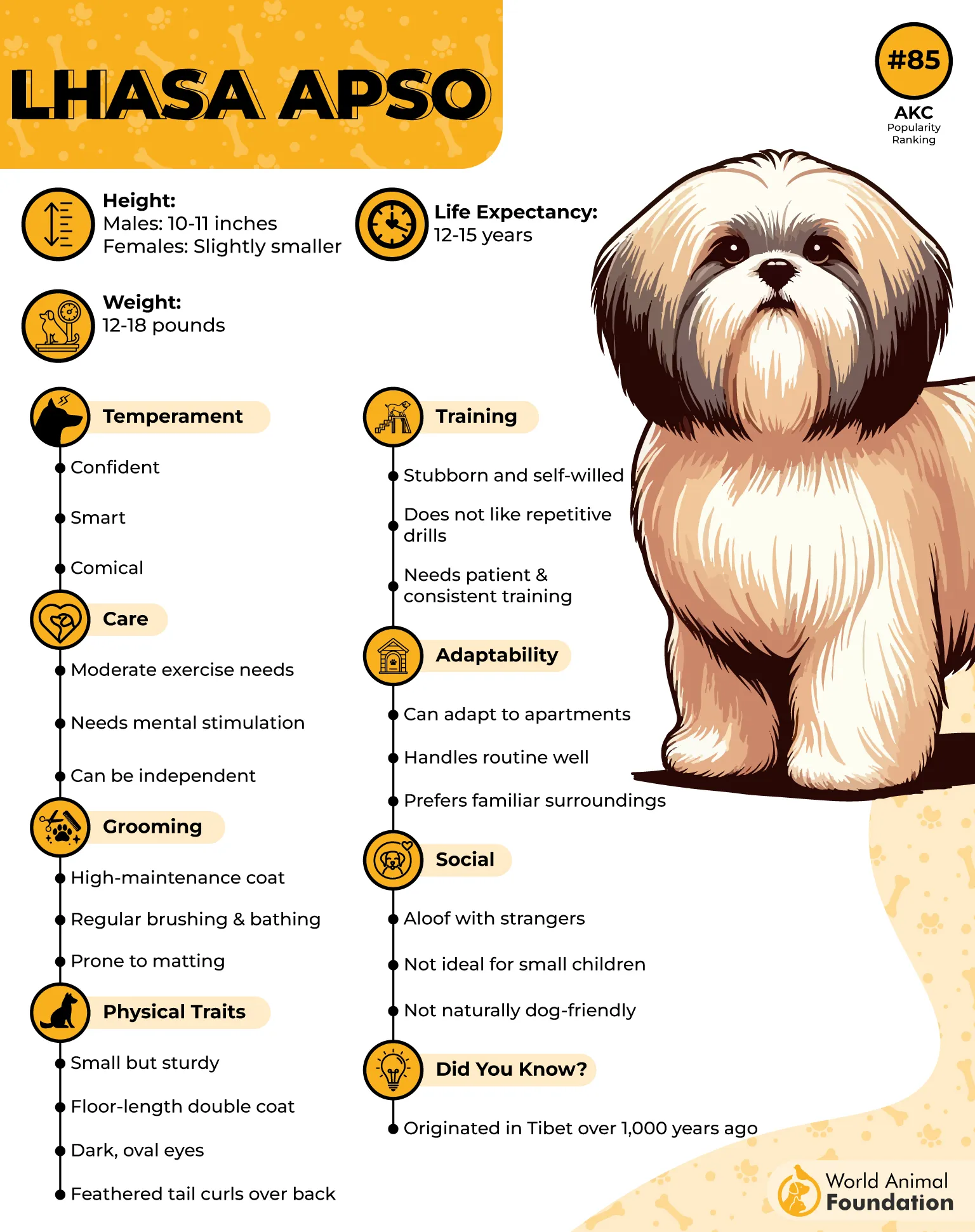
For clean homes, the big win is controlling loose strands before they land on furniture. Many low-shedding owners either brush daily to keep the long coat sleek or choose a shorter trim and brush a couple of times per week to prevent tangles and mats.
Don’t skip coat care: use a coated metal pin brush, work in layers through the dense coat, and mist with detangling spray to reduce breakage. Regular bathing (every four to six weeks) and gentle drying help keep the coat silky and cleaner indoors.
Indoor grooming also protects health—hairy ears can trap moisture, so weekly checks matter to help prevent ear infections.
Fact: Lhasa is Tibet’s sacred city, and “Apso” translates to “longhaired dog.”
6. Bichon Frise
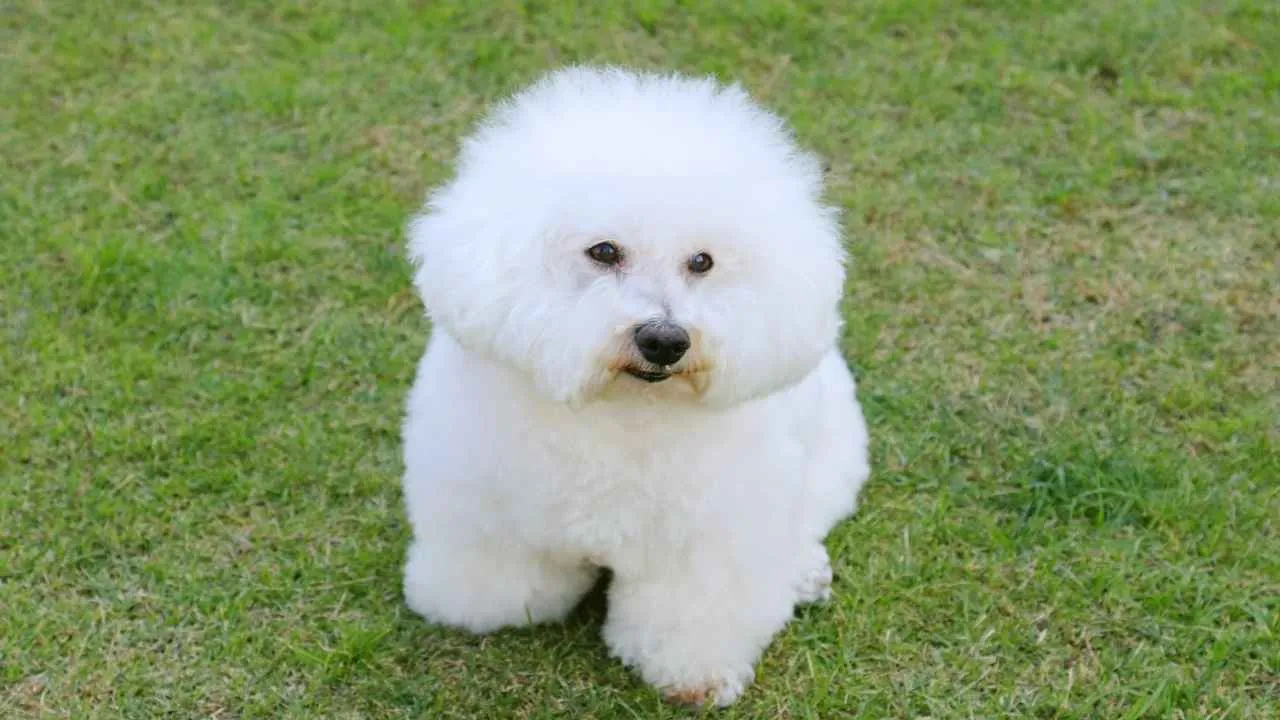
The Bichon Frise (often simply called the Bichon) is a small, sturdy “personality dog” famous for its plush white look and dark, button-like eyes. Instead of heavy shedding, its coat keeps growing—one reason many clean-home owners and allergy sufferers consider it.
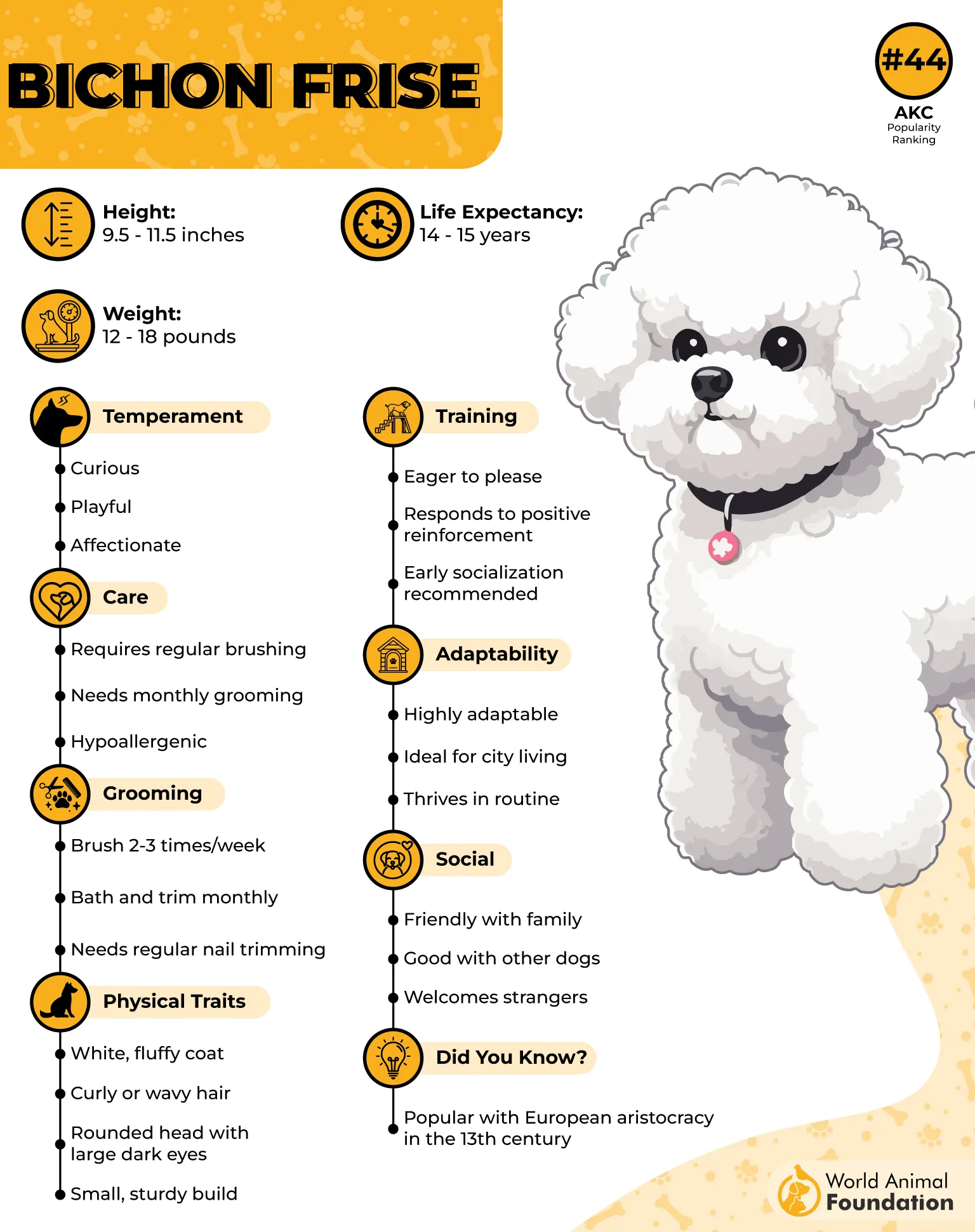
For a tidier house, focus on coat care, not vacuuming. Regular brushing helps prevent tangles that trap dirt, and routine bathing plus scheduled trims keep that crisp white coat looking fresh without leaving fluff everywhere.
Bichons thrive on people, so a bored dog can create messes fast. A short daily play session, a few easy training reps, and rotating toys can curb attention-seeking habits like chewing or indoor accidents.
Quick clean-home tip: wipe paws after walks and keep a washable throw on favorite nap spots.
Fact: A Bichon’s hair grows continuously rather than shedding, which can mean less dander for allergy sufferers.
7. Maltese
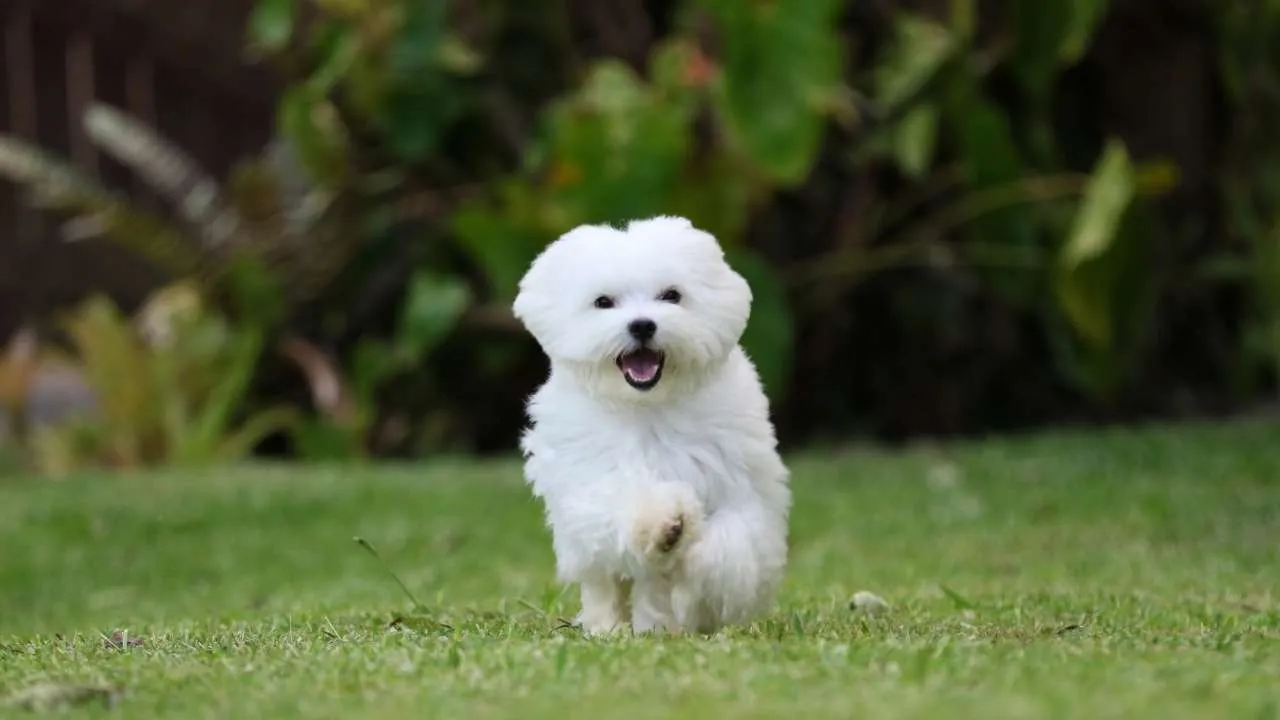
The Maltese—often nicknamed “Ye Ancient Dogge of Malta”—is a toy-sized charmer famous for its glamorous, all-white, single silky coat that reads more like hair than fur. That low-shedding reputation can be a win for neat freaks who want a tidy home without constant vacuuming.
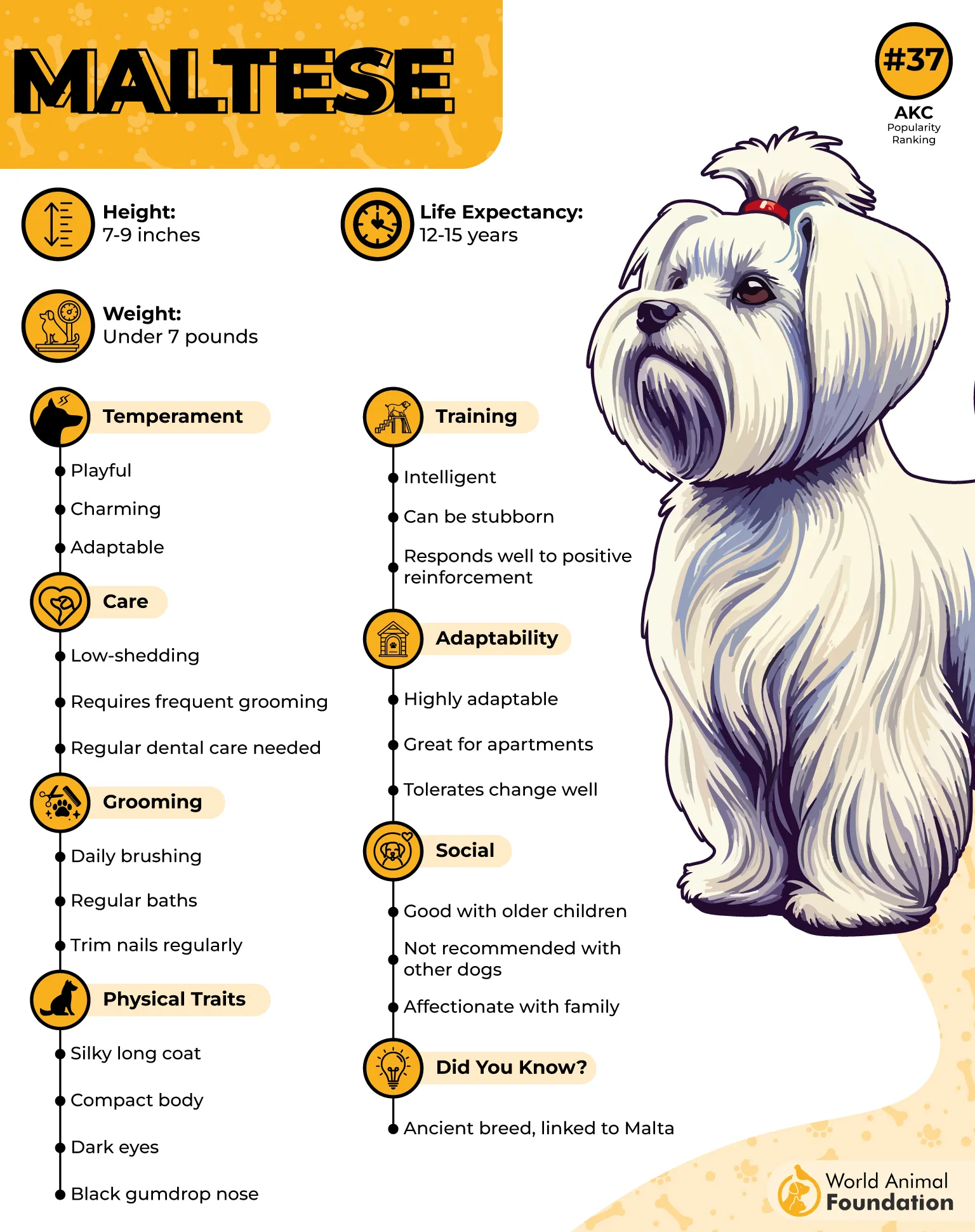
That said, “little shedding” doesn’t mean “no upkeep.” To keep the coat looking clean and flowing (instead of tangling), plan for consistent brushing and routine grooming—especially if you love the classic long-coat look.
Because they’re affectionate lap companions, Maltese tend to do best with people who can offer steady attention, gentle training, and a predictable schedule. They can be a great fit for many households, but they’re not ideal if they’ll be left alone for long stretches.
Fact: A responsible breeder or seller should never release Maltese puppies before they’re eight weeks old.
Conclusion
Low-shedding dog breeds can feel like the ideal dog for a clean home, especially if you want a dog that doesn’t shed much dog hair into your personal space. Many owners choose low-shedding breeds and hypoallergenic dog breeds because dogs produce dander that can trigger allergic reactions and worsen dog allergies, even when the dog’s coat sheds minimally.
Still, a low-shedding coat isn’t “no work.” Non-shedding dog breeds may carry dead hair that needs regular grooming, occasional brushing, or frequent brushing with a slicker brush to prevent matting and keep coats healthy on track.
Whether it’s a curly coat, silky hair that resembles human hair, a short coat, smooth coat, or a silky white coat, smart grooming tips—like daily brushing, twice weekly brushing, a puppy cut, a damp cloth wipe-down for doggy odor, and regular professional grooming—help keep a dog’s coat tidy and low maintenance.
Breeds often mentioned include Yorkshire Terrier, Portuguese Water Dog, Miniature Schnauzer, West Highland White Terrier, and even a hairless breed like Chinese Crested.
🐕 Low-Shedding Dog Breeds Quiz
✨ Which breed has a long, flowing single coat that sheds very little?
🐶 Which toy breed sheds very little but needs regular brushing?
🏠 Which breed can be nearly hypoallergenic in its hairless variety?
🧼 Which breed was a Tibetan palace sentinel and needs steady coat care?
🐩 Which breed has a continuously growing coat instead of heavy shedding?
