




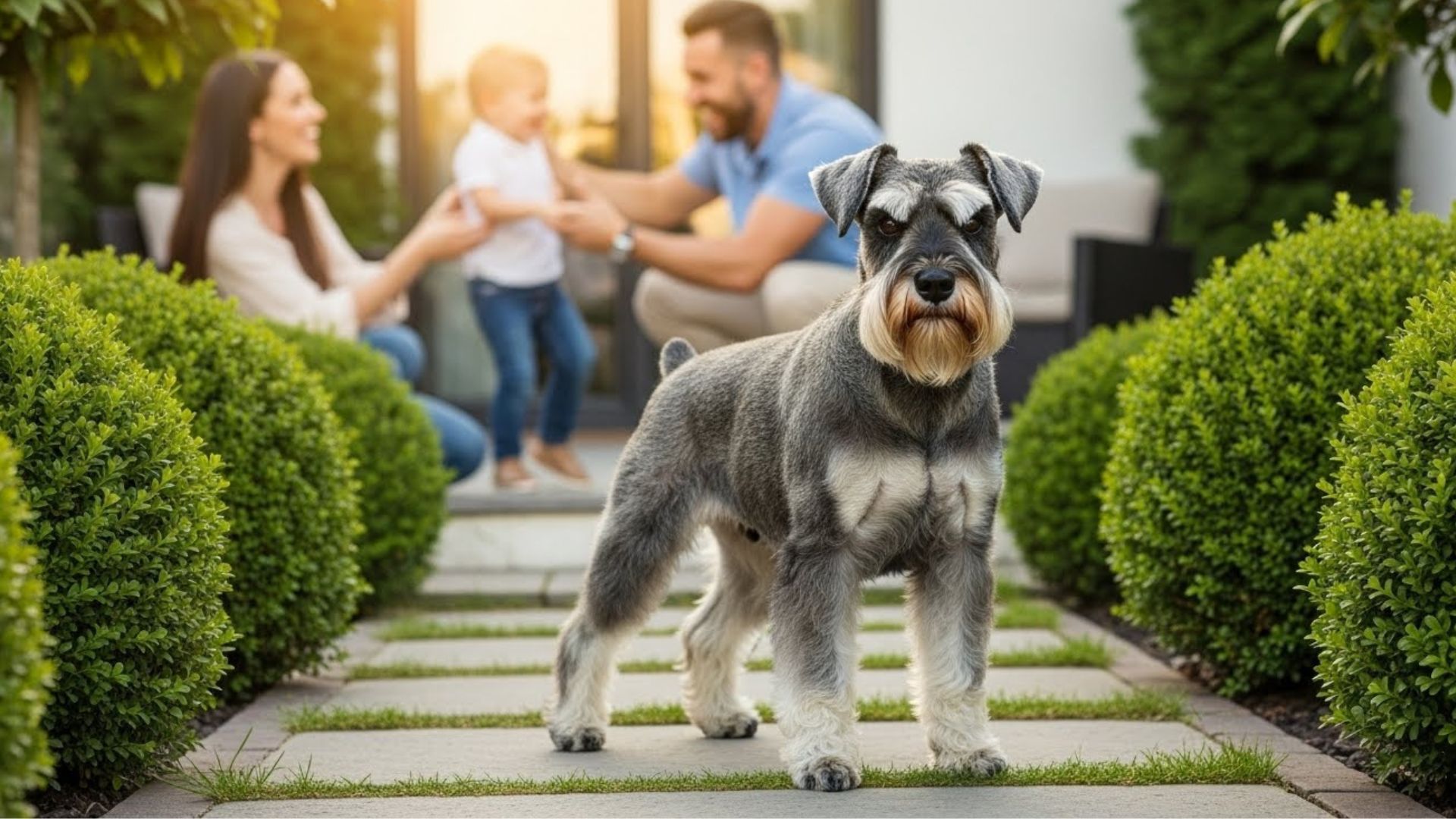
Small dogs can absolutely help protect a family home—sometimes better than you’d expect. The best small watchdogs don’t rely on size; they rely on awareness, confidence, and the kind of loyalty that makes them notice everything.
In apartments, condos, and smaller houses, that “early warning system” matters just as much as physical strength.
We’re used to imagining security as something big and intimidating: a powerful silhouette at the door, a deep bark filling the hallway. But protection isn’t only about looking tough. It’s about being alert when something feels off, staying close to the people they love, and sounding the alarm before trouble gets near.
That’s where many small dog breeds shine. They’re fast, bold, and often underestimated, which can be an advantage in real life. Still, not every small dog is naturally protective, and even the best need guidance.
In this article, we’ll break down the small dog breeds most suited to a protective family home—and the traits, training, and everyday habits that help them become confident, reliable companions.
Best Small Dog Breeds for a Protective Family Home
1. Miniature Schnauzer
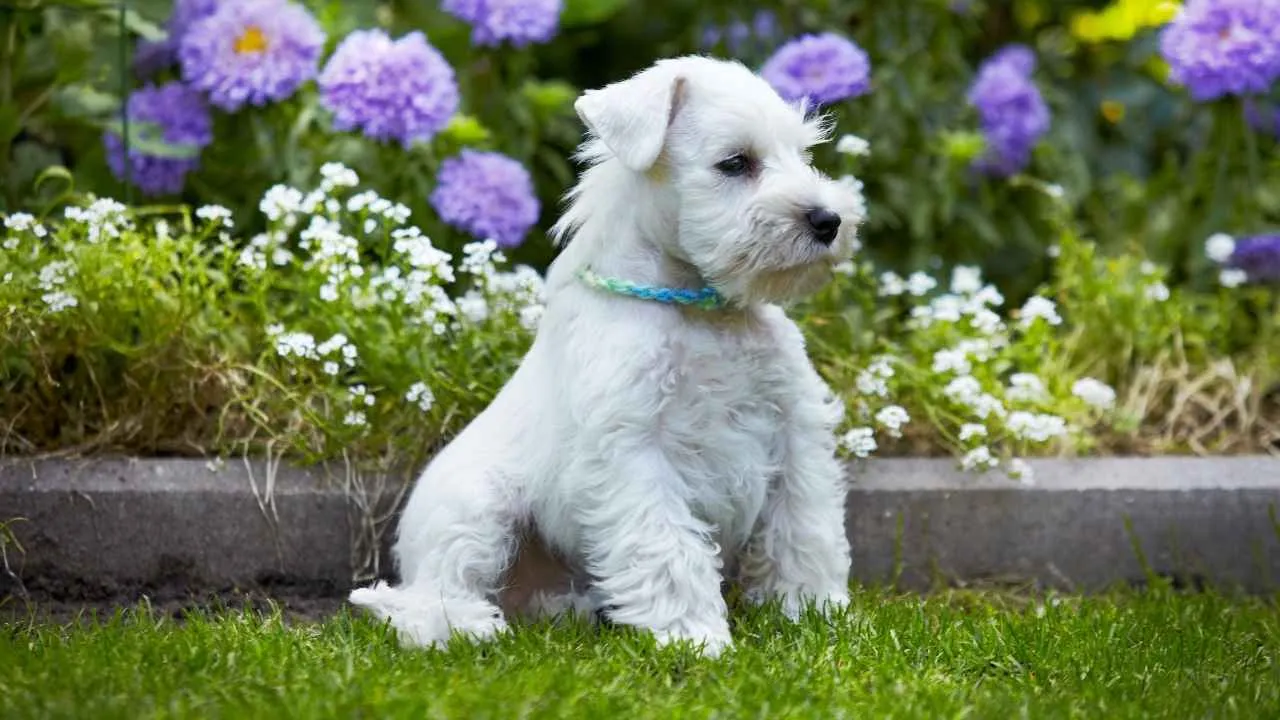
The Miniature Schnauzer (often called a “Mini Schnauzer”) is instantly recognized by its bold eyebrows, signature beard, and sturdy little build.
The AKC states that the Miniature Schnauzer, the smallest of the three Schnauzer breeds, is typically healthy, long-lived, and known for shedding very little. Friendly, smart, and fearless, this small dog breed is known for being low-shedding.
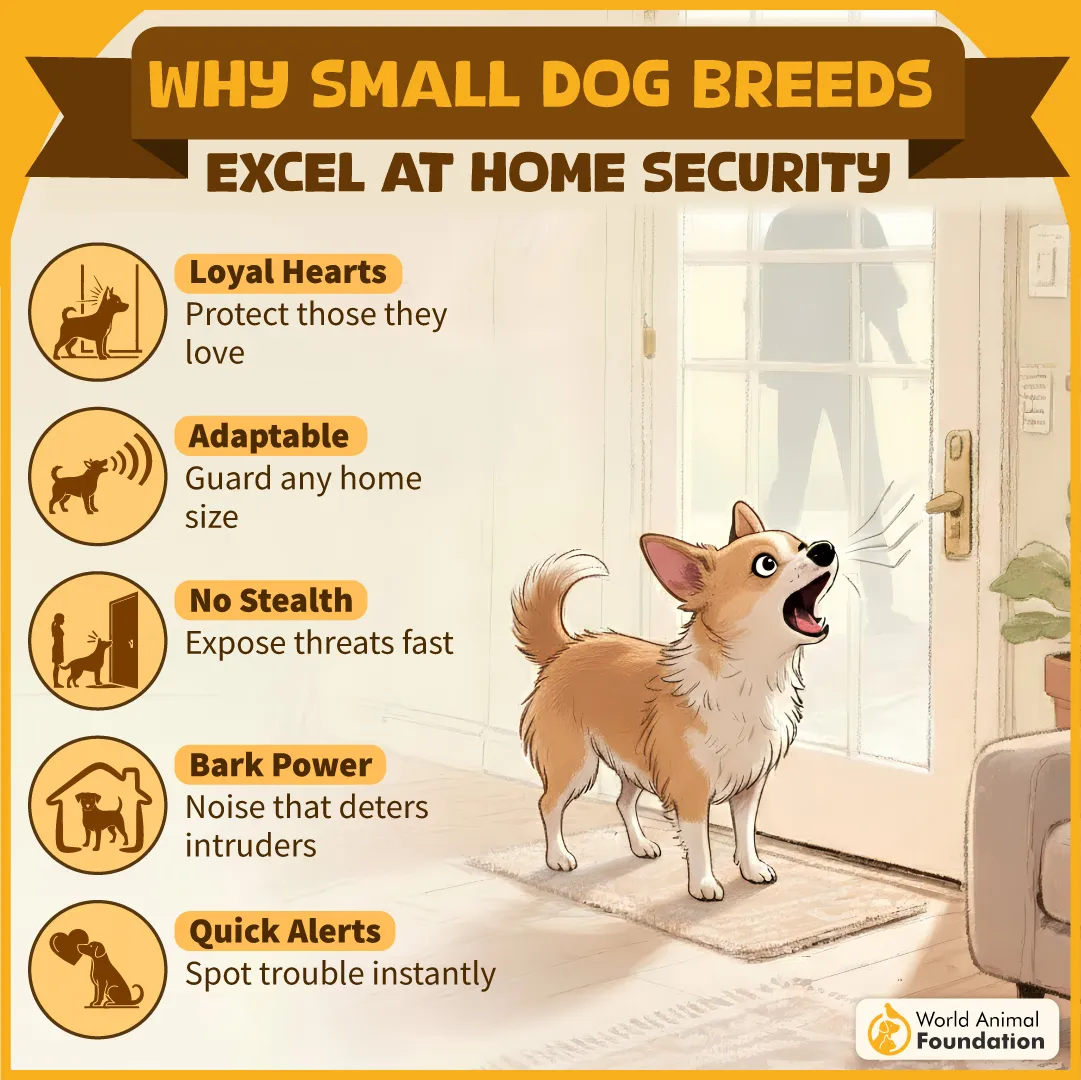
What makes a small dog “protective” isn’t size—it’s awareness, confidence, and the willingness to speak up. Minis are naturally alert and highly vocal, so they’re quick to flag unfamiliar sounds, visitors, and anything “off” around the home.
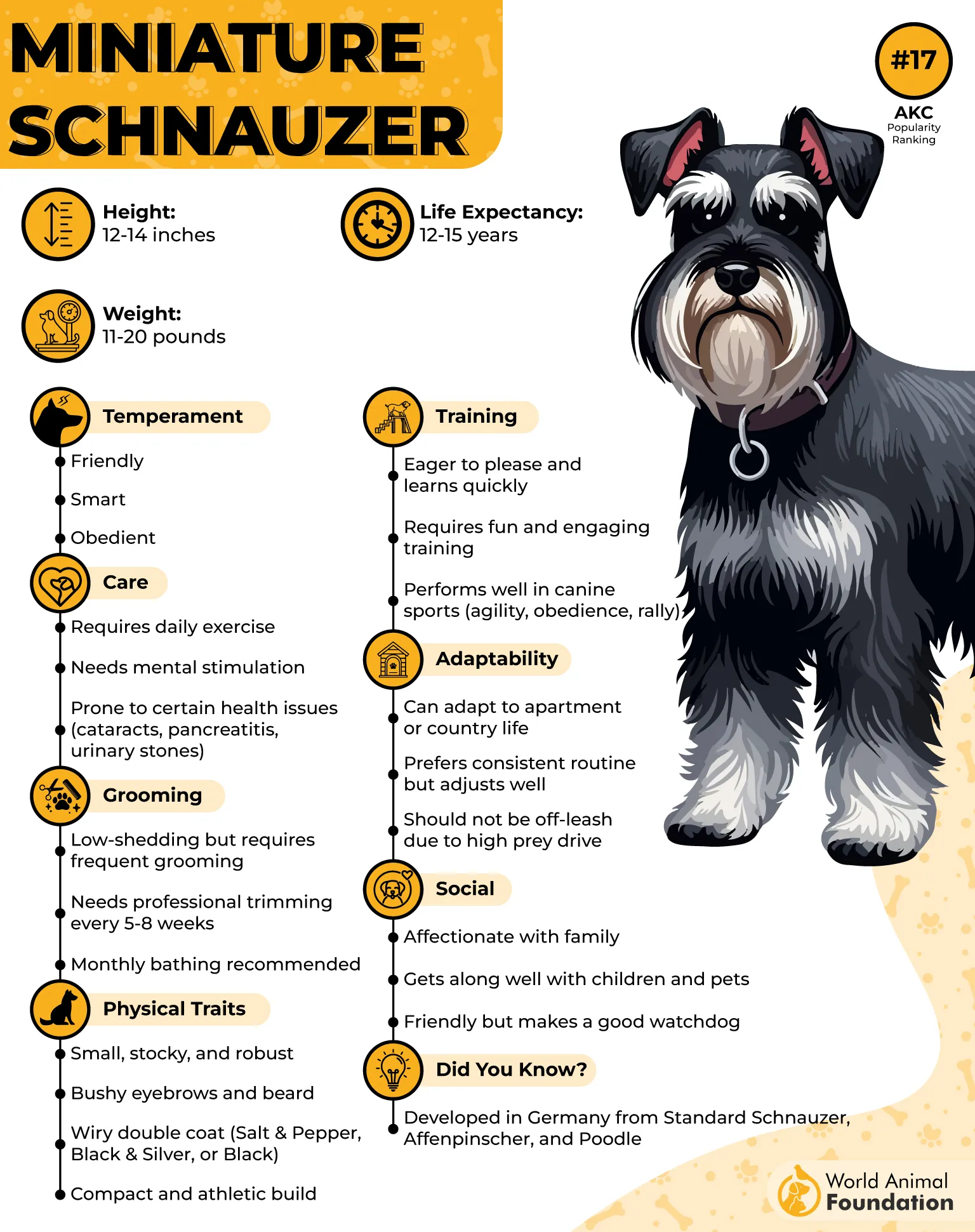
Because they’re such fast learners, channel that watchdog drive early with structure: reward calm “quiet” cues, practice controlled greetings, and add short mental challenges (scent games, puzzle feeders) so their brains stay busy instead of on patrol 24/7.
In family settings, they tend to bond deeply and do well with kids and other pets when socialized young, balancing tough little watchdog energy without needing to be aggressive.
2. Tibetan Spaniel
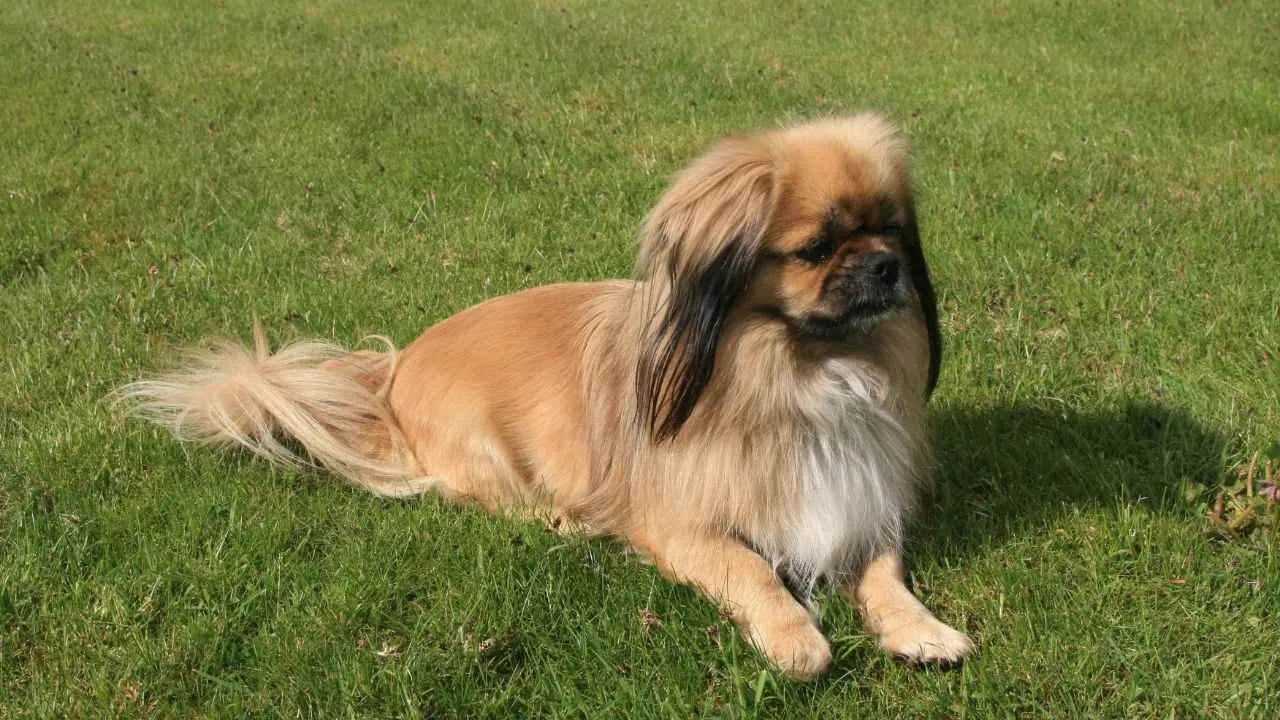
Often called the Tibbie, the Tibetan Spaniel is a small, flat-faced sentinel breed with a silky coat, a little “lion’s mane,” and a plumed tail that curls over the back.
Despite the name, it isn’t a spaniel in the Western sense—it’s closer in type to other classic Asian companion guardians. PetMD notes that the Tibetan Spaniel—sometimes called the Tibbie—is a small, spirited breed with a distinctive history.
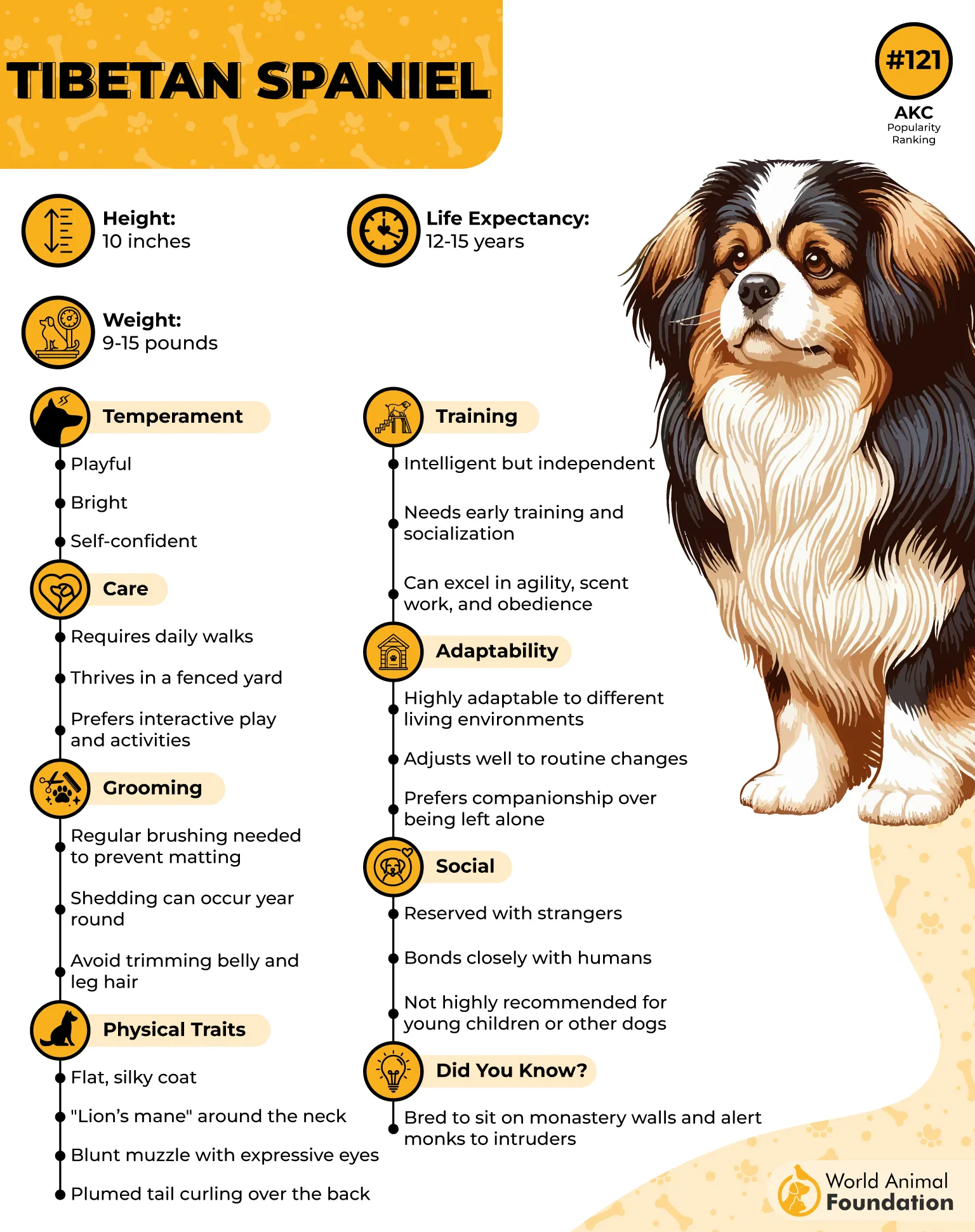
For a protective family home, this is more watchdog than guard dog: they won’t charge an intruder, but they will notice anything unusual and sound the alarm fast. That natural “early warning system” instinct comes from their original job, keeping lookout on monastery walls.
Common mistakes are treating alert barking like “bad behavior” instead of training it. Teach a quiet cue, reward calm checks-ins, and practice friendly introductions so your Tibbie learns what’s normal versus truly suspicious.
They’re smart and independent, so keep training short and upbeat, plus add quick walks and outdoor peeks to satisfy their need to monitor the world.
Fact: Tibetan Spaniels were bred to watch monastery walls and alert Tibetan monks to anything “off.”
3. Pomeranian
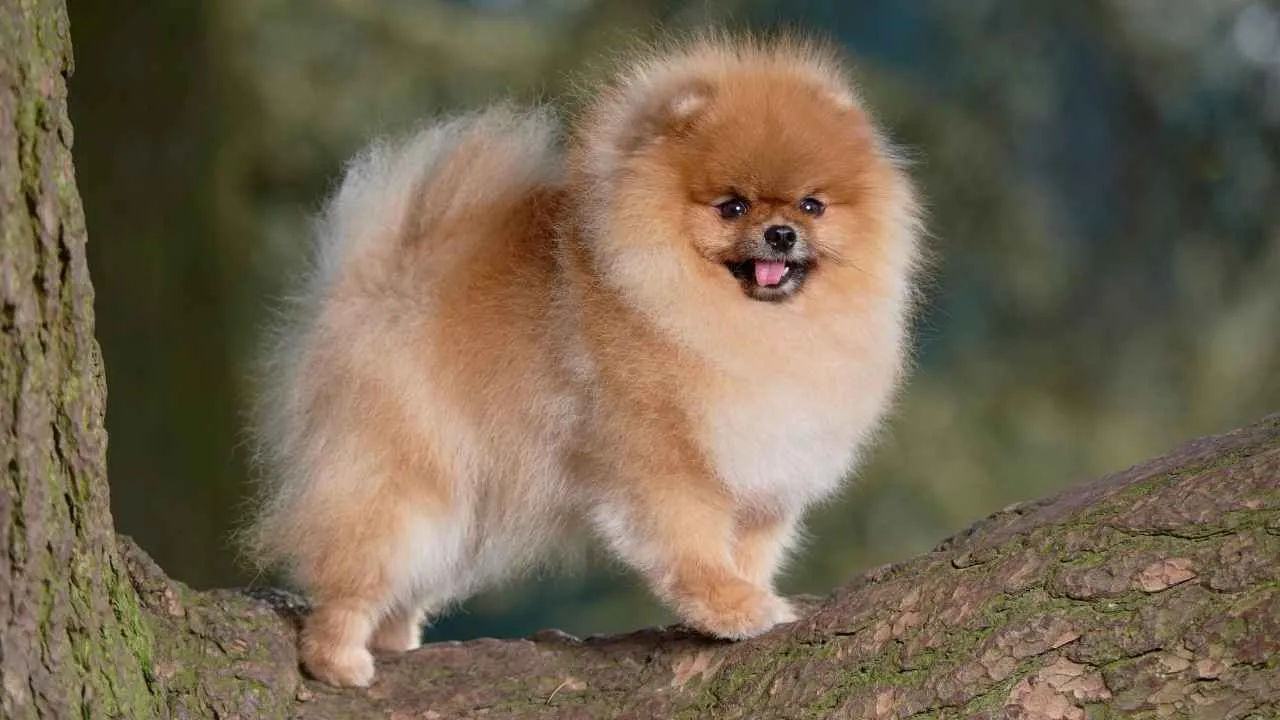
The Pomeranian—often nicknamed the Pom—is a toy-sized “big personality” dog famous for its smiling, foxlike face and showy double coat. WebMD states that Pomeranians are a small breed known for being affectionate, outgoing, and friendly.
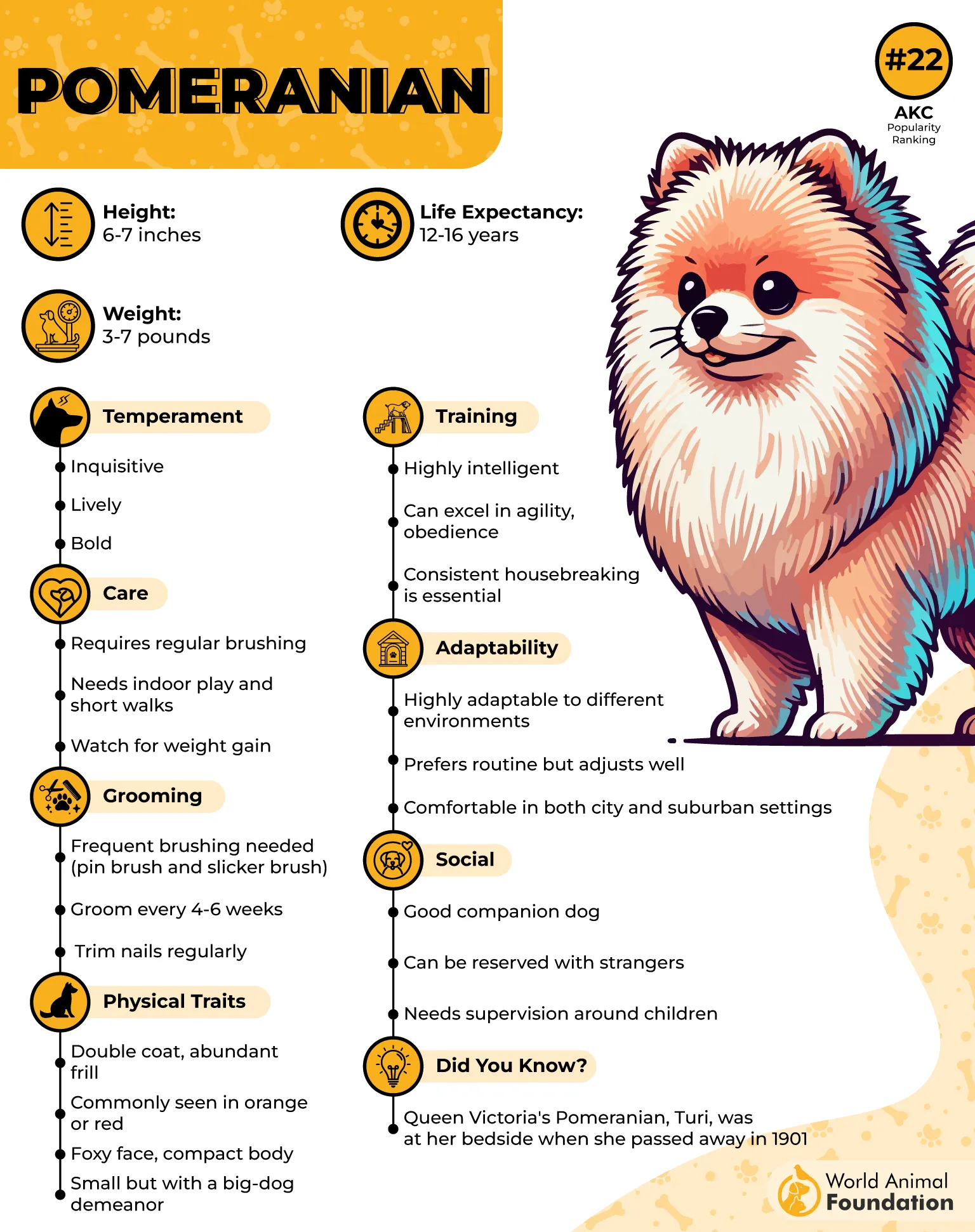
For a protective family home, that bold attitude can be a real asset. Poms are naturally alert, quick to notice anything unfamiliar, and they’ll happily sound the alarm with a sharp bark—making them an excellent watchdog-style companion rather than a physical guard dog.
Because they’re smart and eager to engage, they respond well to consistent training and clear house rules. Focus on “quiet” cues, polite door greetings, and calm introductions so their fearless streak doesn’t turn into nonstop noise or bossy behavior.
Coat care matters for comfort and cleanliness indoors: regular brushing helps manage their abundant double coat and keeps that signature ruff looking its best.
4. Miniature Pinscher
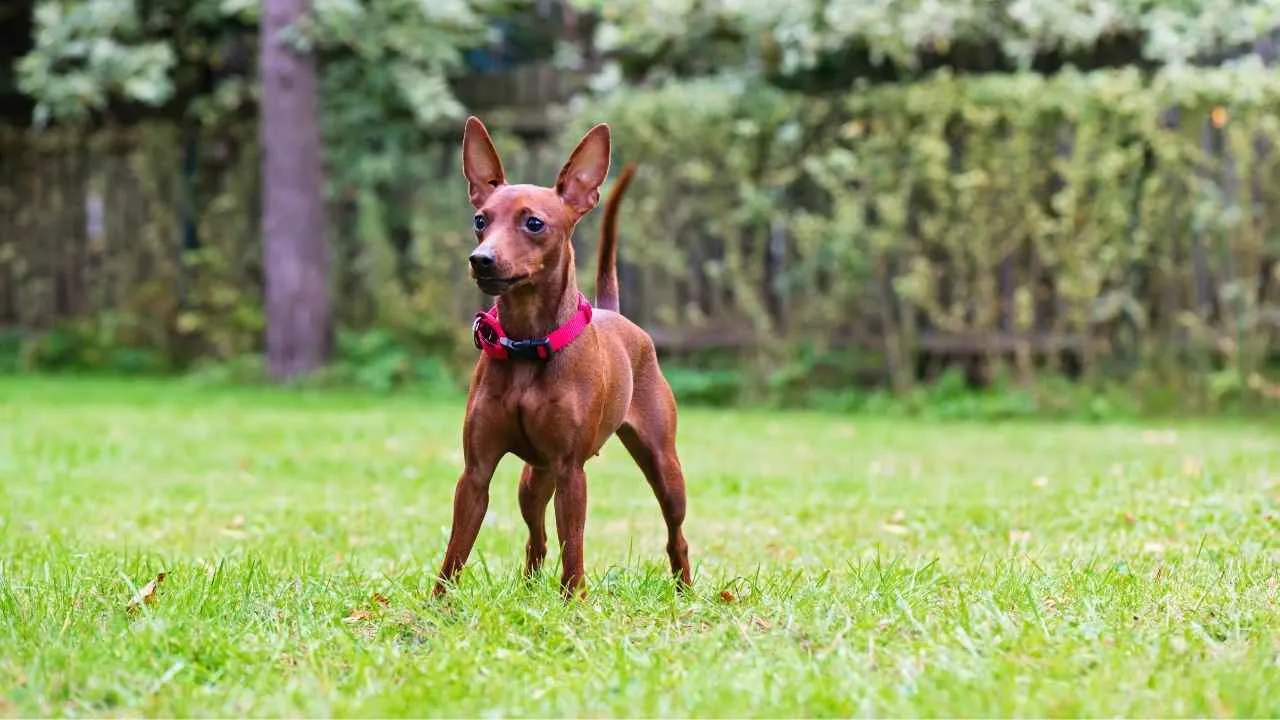
The Miniature Pinscher—often called the Min Pin or the “King of Toys”—is a leggy, fearless little watchdog with a sleek, shiny coat and a signature high-stepping “hackney” gait. Originally developed in Germany, this toy-sized dynamo carries himself like a much bigger protector.
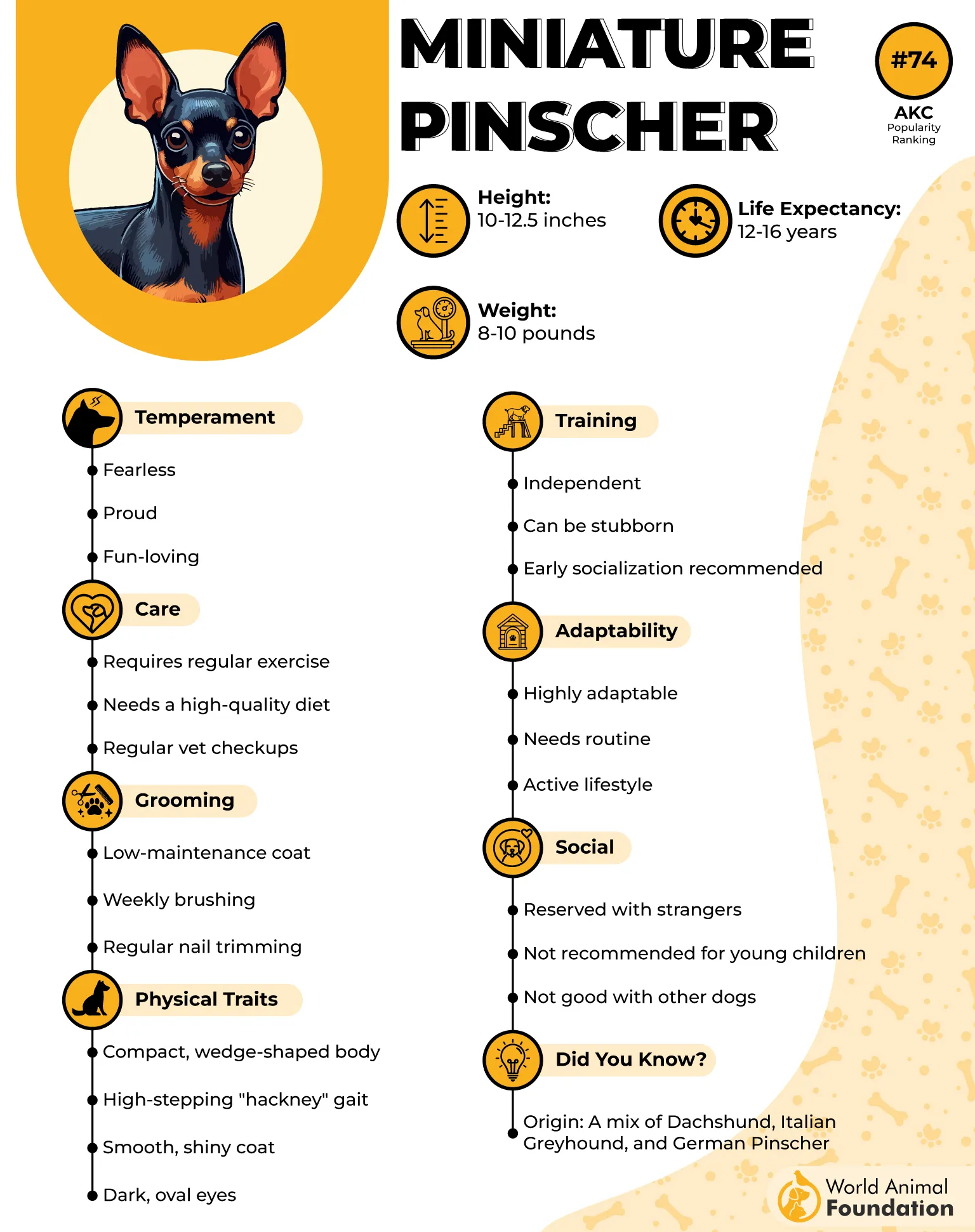
For a protective family home, Min Pins shine as early-warning systems. They’re naturally alert, quick to notice anything “off,” and confident enough to challenge unfamiliar visitors—sometimes loudly—so teaching a reliable “quiet” cue is essential for harmony.
Indoor owners often make the mistake of under-exercising them. Daily walks, short games, and puzzle toys help burn energy and prevent nuisance behaviors like constant barking or mischief. Because they’re smart (and can be stubborn), keep training upbeat and consistent.
Their short coat is easy to manage with occasional brushing, but don’t skip checkups—like other dog breeds, Miniature Pinschers can develop health issues.
Fact: The breed is known for its bold, insistent bark when confronting intruders.
5. Cairn Terrier
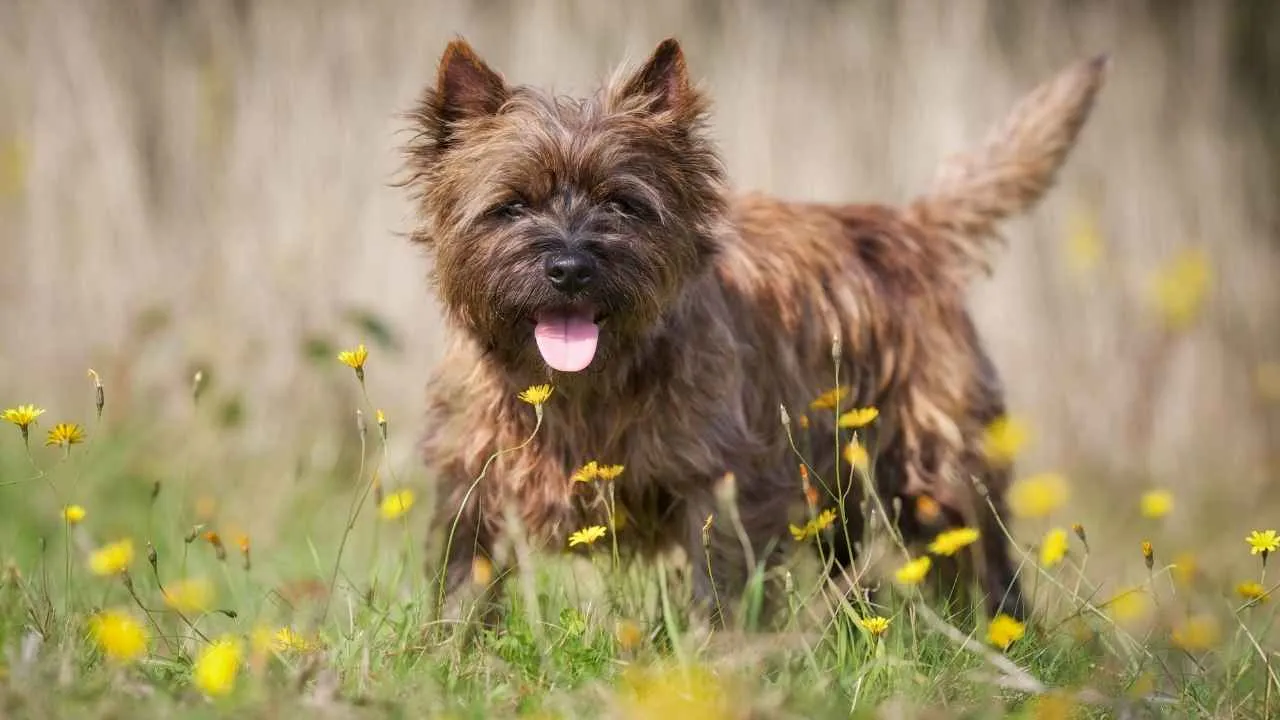
Often called a “Cairn,” the Cairn Terrier is a small, shaggy Scottish earthdog originally bred to bolt foxes and other small prey from rocky dens. With bright, intelligence-filled eyes and a tough little frame, they bring big watchdog energy to a protective family home.
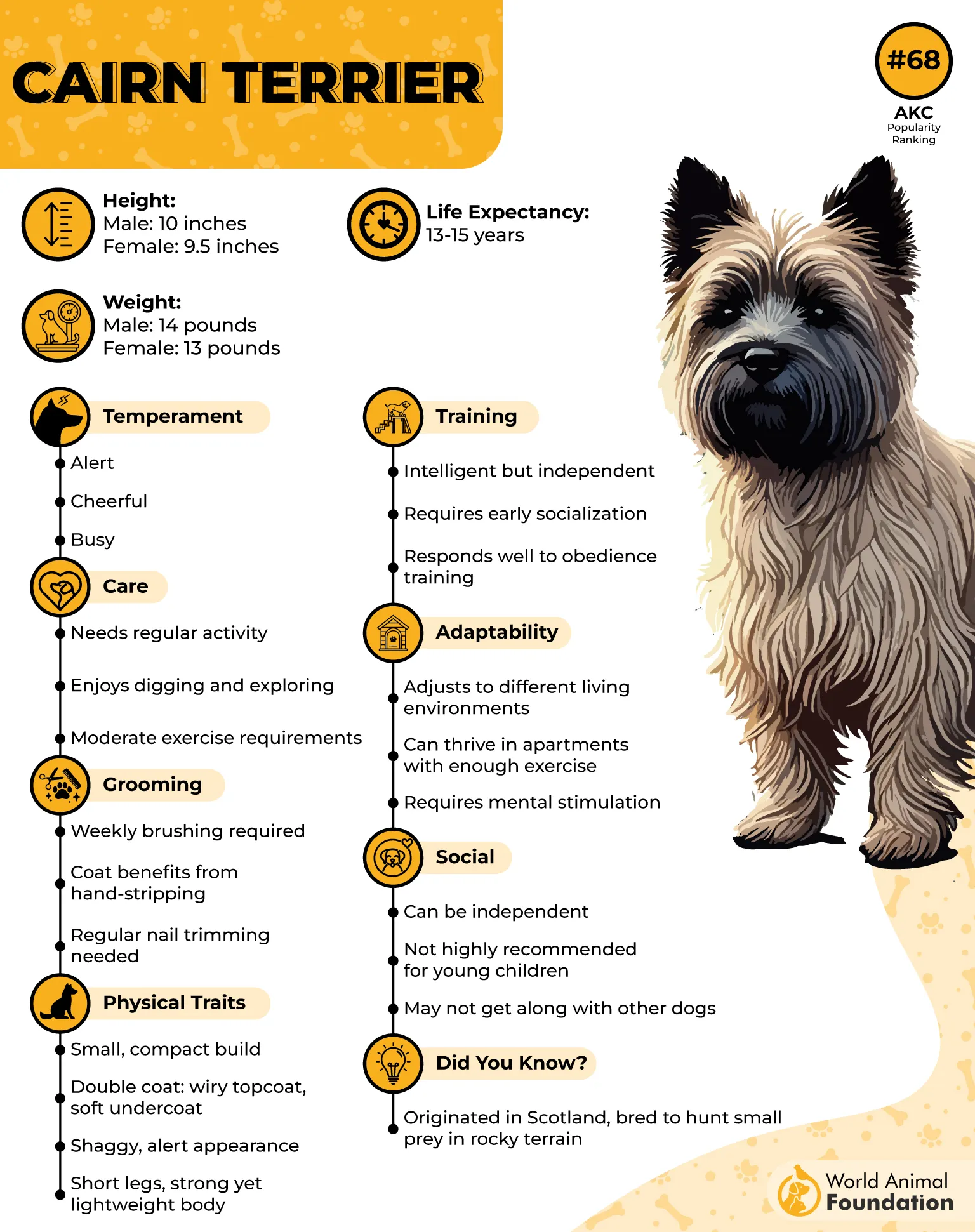
To build protection without aggression, focus on channeling their natural alertness into calm routines. Start with “quiet,” “place,” and polite greetings so barking becomes a signal—not a habit. Because Cairns can be independent thinkers, clear rules and consistent follow-through matter more than harsh corrections.
Keep training upbeat and short. Praise, treats, and quick games help them stay engaged, while early socialization teaches them to read situations confidently instead of reacting first. They thrive on close family contact, which also helps prevent bossy, possessive habits.
Don’t skip enrichment: daily exercise and puzzle-style mental stimulation reduce mischief like digging or boundary-testing.
Fact: Cairn Terriers have a harsh, wiry double coat with a softer underlayer.
6. Australian Terrier
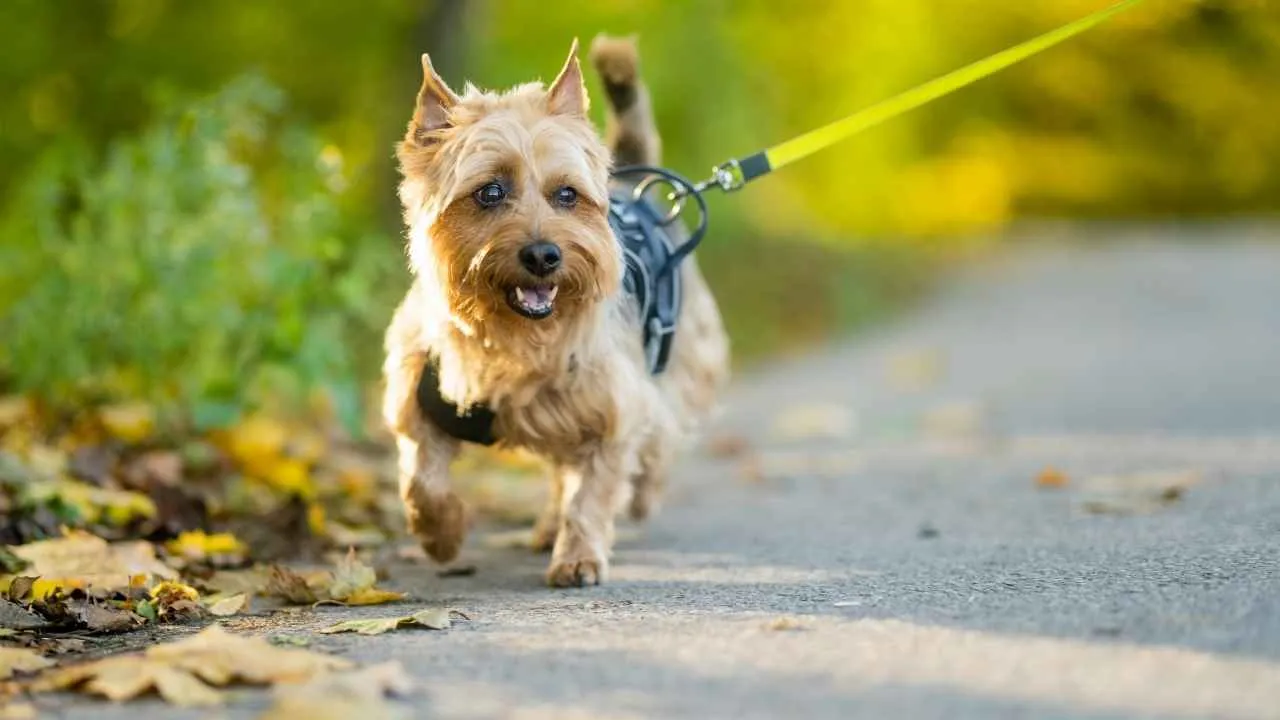
Also called the Aussie Terrier, the Australian Terrier is a small, hardy watchdog originally developed in Australia from British terrier stock. Recognized first as the Rough Coated Terrier (1850) and renamed in 1892, it’s known for pricked ears, a tough, dense coat, and a bold “big-dog” attitude.
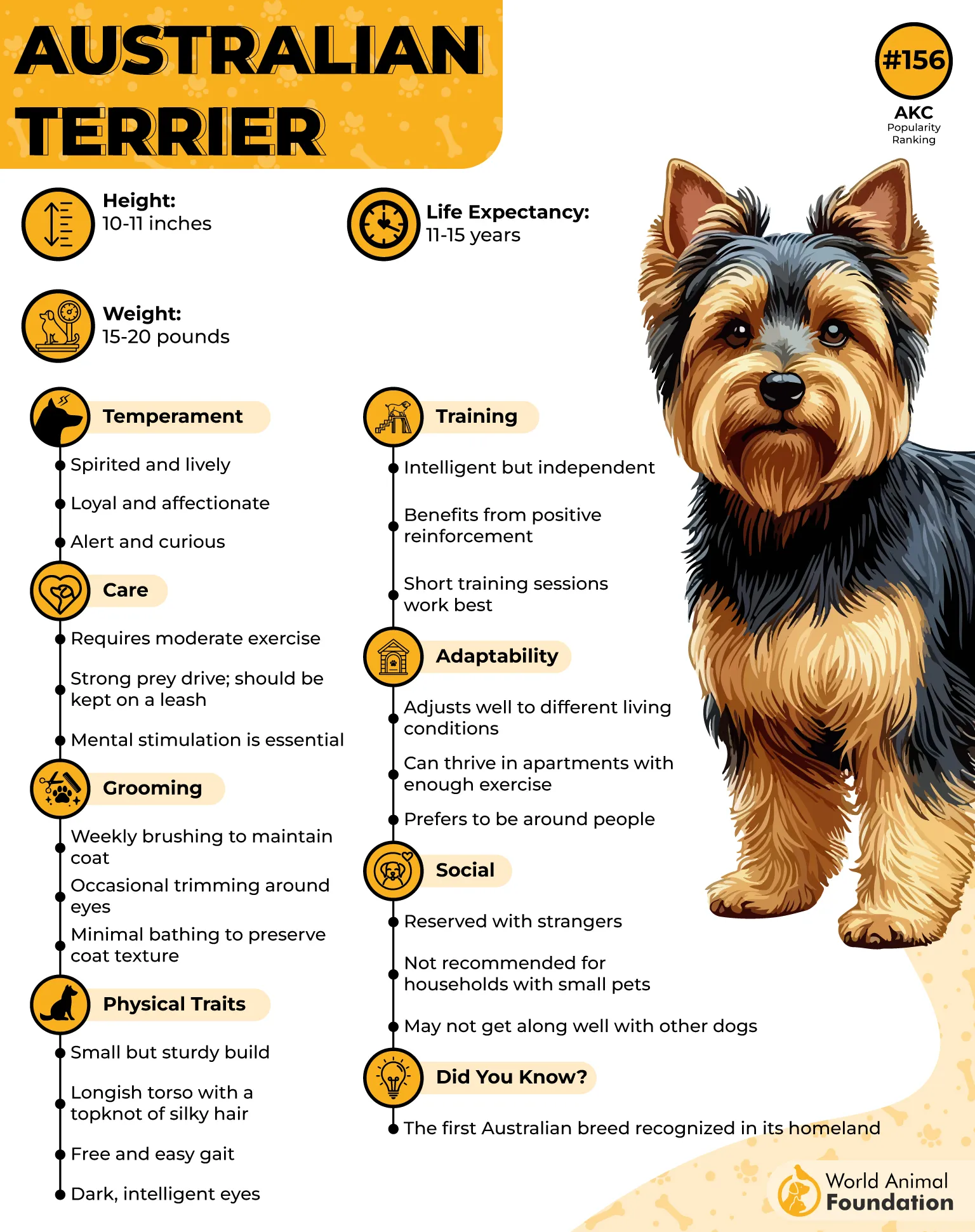
For a protective family home, this breed brings classic terrier vigilance—quick to notice odd sounds, confident around the yard, and eager to stay close to its people. Their “true blue” loyalty can make them reassuring little guardians when properly socialized.
Lifestyle-wise, they fit both farm and city living, even in tighter spaces, as long as they get regular outdoor time. Channel their curiosity with training games and boundaries, because they love to explore and will chase small critters if given the chance.
Maintenance is straightforward: weekly brushing and occasional baths, plus extra daily brushing when the coat drops twice a year; keep up with nail trims and vet-recommended vaccines.
Fact: The breed was renamed the Australian Terrier in 1892.
7. Dachshund

The Dachshund—also called the Doxie, Dachsie, “Weiner Dog,” “Hot Dog,” Sausage Dog, or Badger Dog—is a long-backed, short-legged hound with a bold stare and an even bolder attitude.
Bred in Germany as a “badger Hound,” this compact pup comes in standard and miniature sizes, with smooth, wirehaired, or longhaired coats in many colors and patterns.
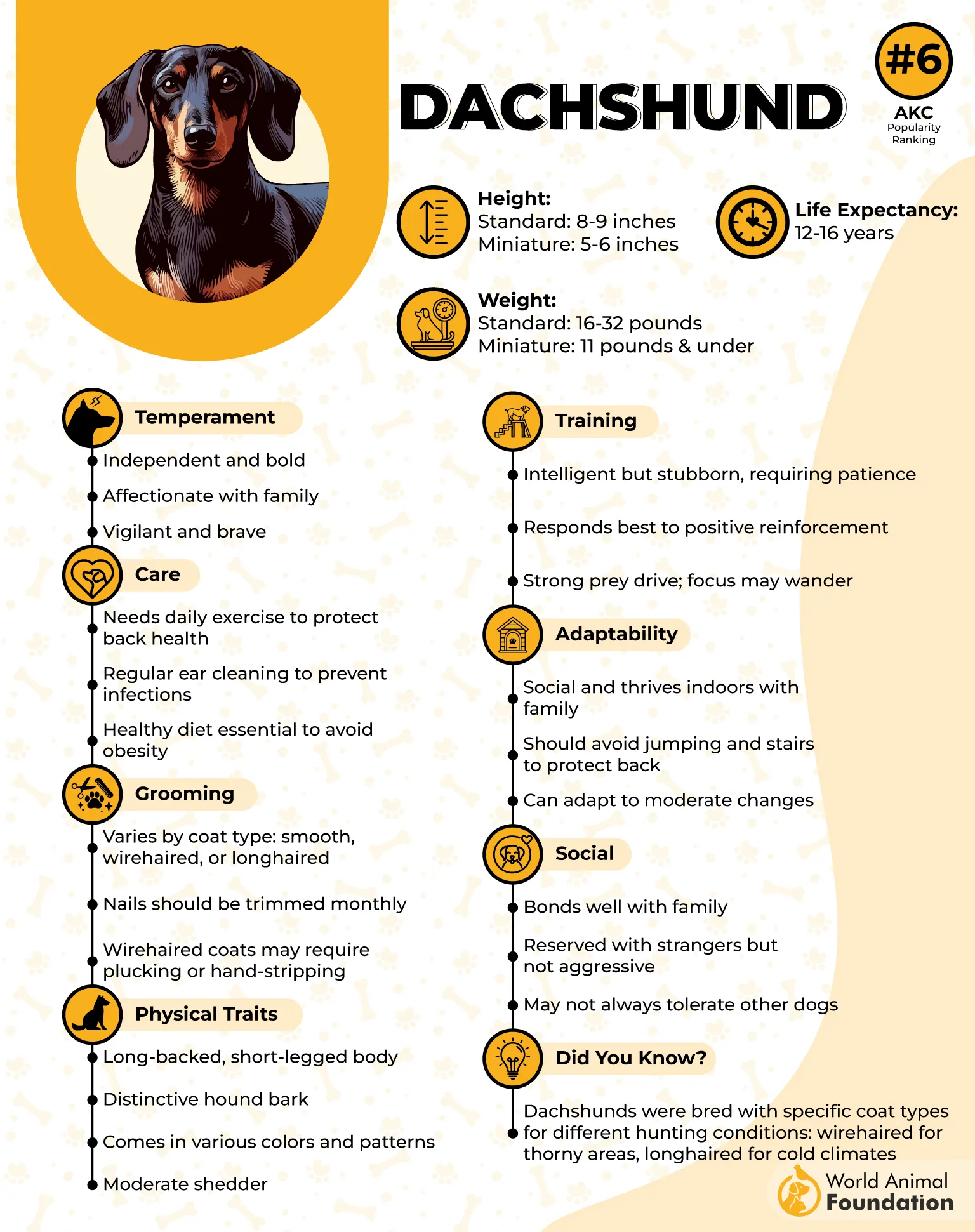
For a protective family home, their biggest asset is vigilance. Dachshunds are smart, watchful, and confident enough to throw a big-dog bark at anything that feels “off,” making them excellent watchdogs even in small spaces.
Indoor manners matter, though. Start early with calm greetings, doorbell practice, and reward-based cues so that alert barking doesn’t become nonstop noise—especially if you live close to neighbors.
Because they were developed to work independently, they can be stubborn. Keep training short and fun, offer mental games, and aim for steady consistency so their courage stays focused on protecting, not pushing boundaries.
Conclusion
Small protectors can be a big win for a family home. The best picks pair an alert nature, a loud bark, and a protective nature with good manners around family members—especially small children—so pet parents get peace of mind without constant chaos.
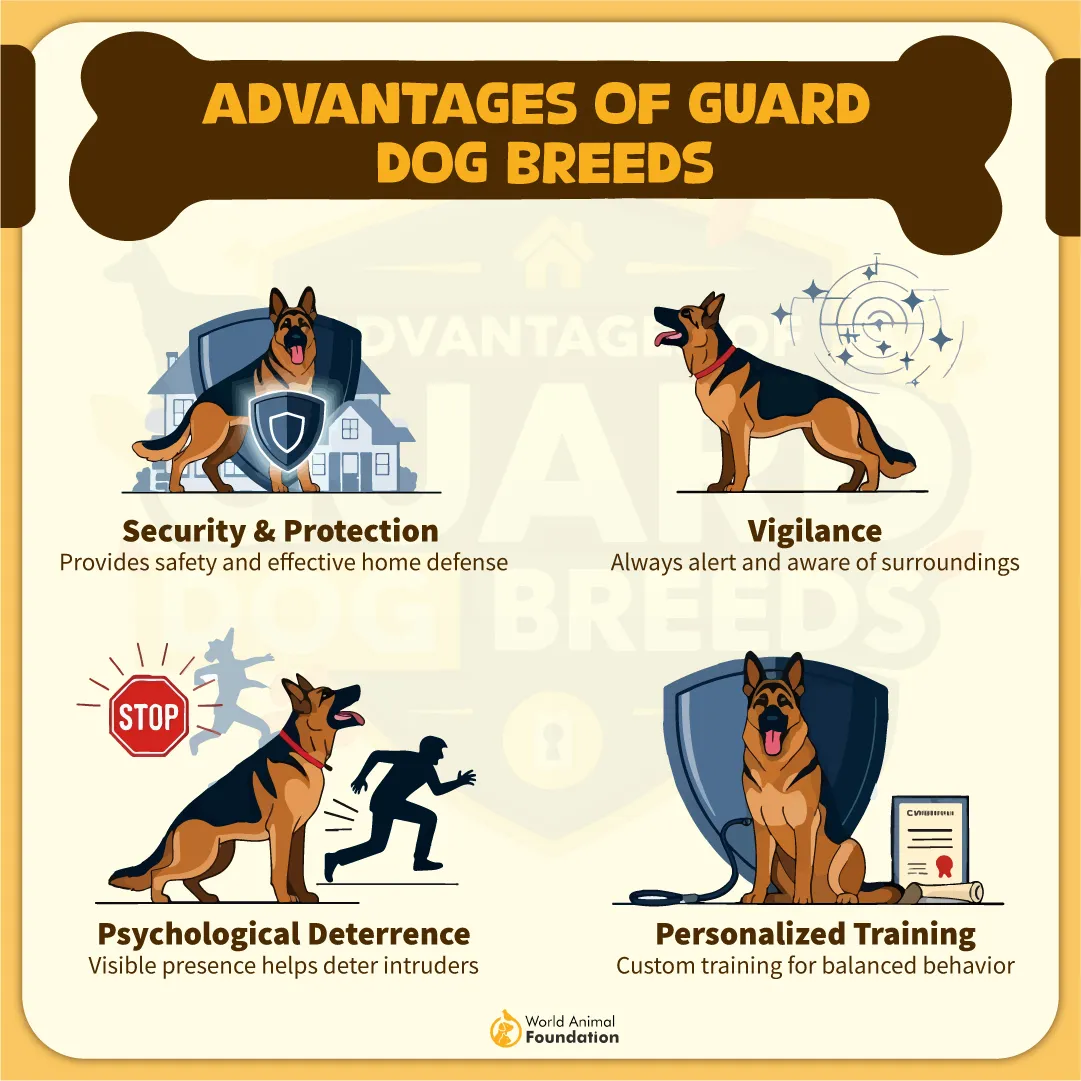
With proper training and socialization, even little dogs can be excellent guard dogs that help deter intruders while still being a loving family dog.
Still, no list of guard dog breeds is one-size-fits-all. Some families prefer small purebreds like the Scottish Terrier, while others do great with mixed breeds that are fiercely loyal and incredibly loyal once bonded.
And if your needs lean more “serious security,” larger protective dogs—like the German Shepherd, Belgian Malinois, Cane Corso, or Doberman Pinscher—may be a better match, while companions like the French Bulldog or Italian Greyhounds can add charm but aren’t always a good guard dog.
