




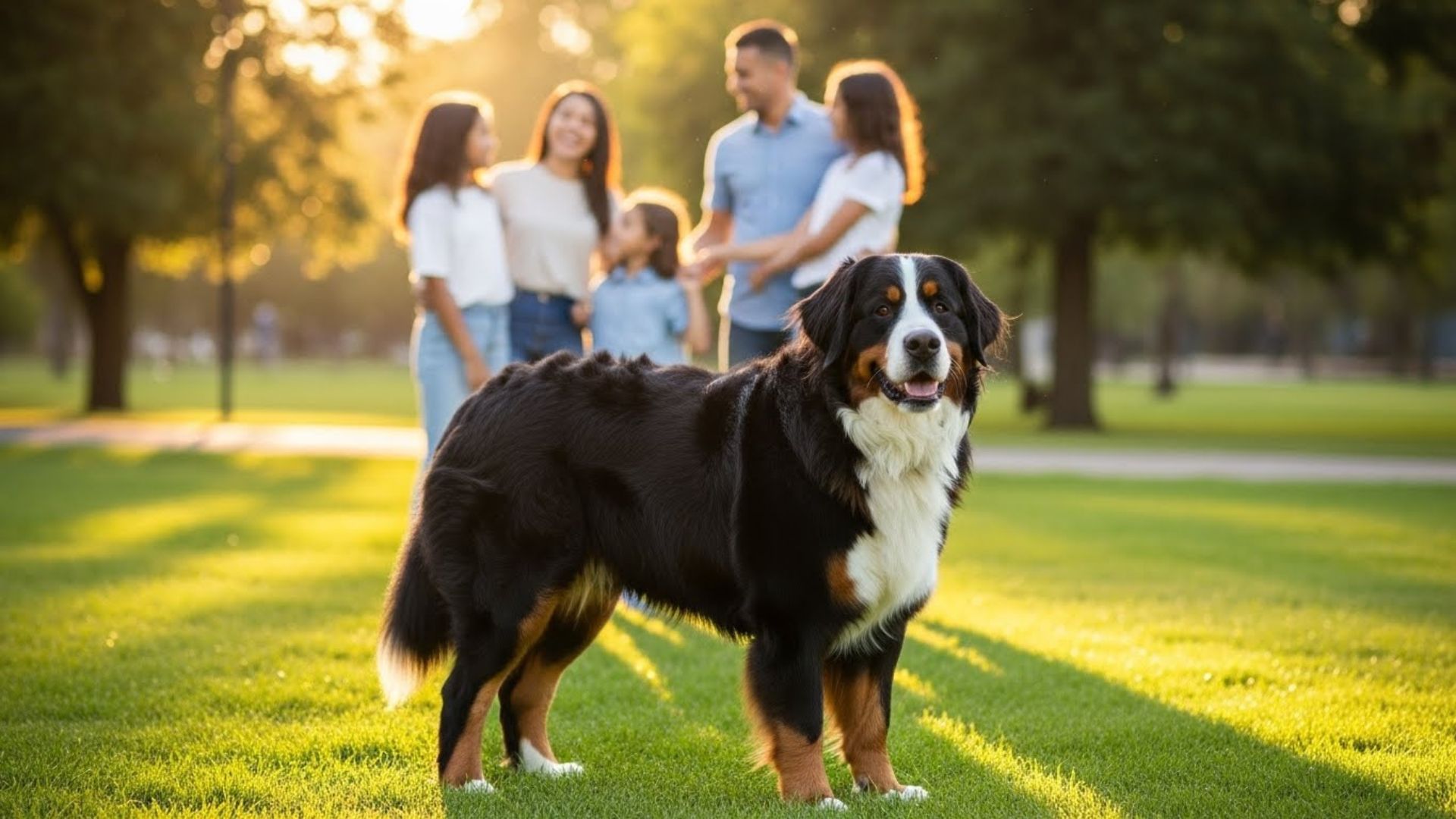
Did you know that the largest dog breed in the world holds the record for being taller than an adult human? With their gentle nature and massive size, big dogs are not just giants in stature but also in heart.
These lovable giants make the perfect family companions, combining loyalty with a serene, affectionate demeanor. Despite their imposing appearance, many of these breeds are known for being surprisingly calm and gentle with children.
While their size can be intimidating at first glance, their loving temperament quickly wins over anyone they meet. They have an instinct to protect and care for their families, making them ideal guardians and cuddly companions.
These large dog breeds offer endless affection. With their giant hearts, they’re a constant source of love and comfort for families. If you’re seeking a companion with both size and warmth, these big-hearted dogs are sure to steal your heart.
Massive Dog Breeds for Families Seeking a Big Heart
1. Bernese Mountain Dog
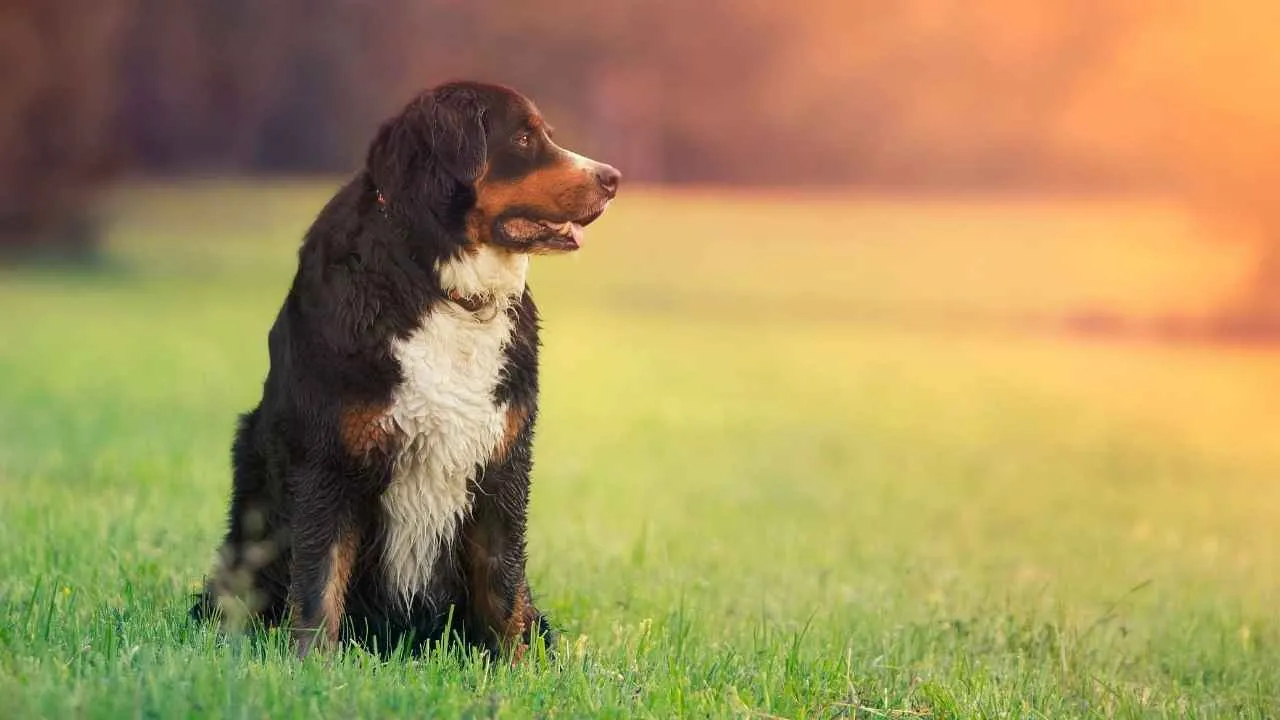
The Bernese Mountain Dog is a stunning, large breed known for its impressive tri-colored coat and gentle demeanor. With a thick, wavy coat that features black, white, and rust colors, this breed radiates warmth and elegance.
Their fur not only keeps them cozy in cold weather but also requires regular grooming to maintain its beauty.
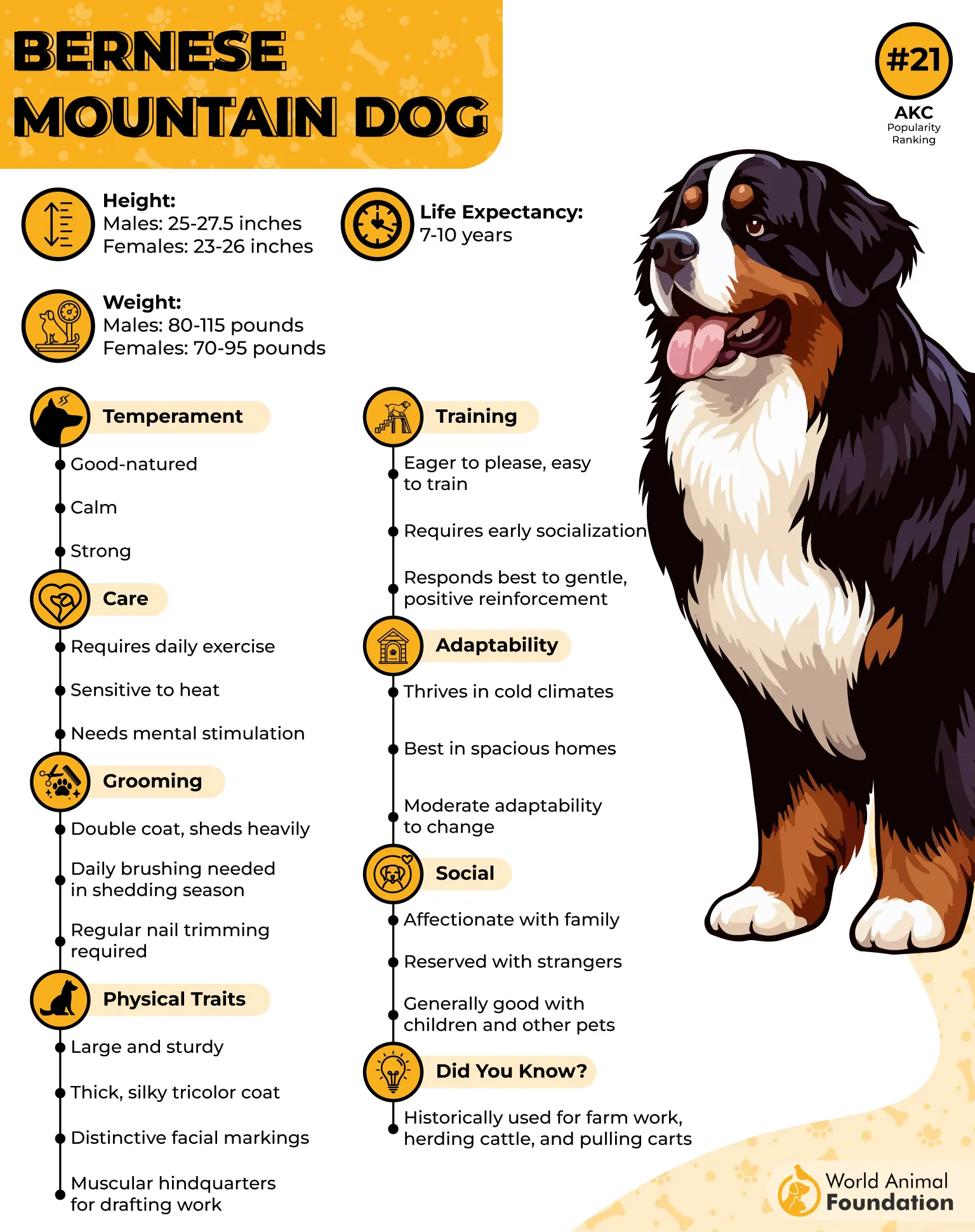
A gentle giant by nature, the Bernese Mountain Dog is loyal and patient, making them an excellent family companion. Their calm temperament allows them to get along with children and other pets, making them an ideal addition to a family home.
While they are natural protectors, they are not overly aggressive and generally prefer to calmly observe rather than confront.
- Bathing: Bathe when necessary, but avoid frequent bathing to prevent coat dryness.
- Grooming: Brush their thick coat weekly to prevent matting.
- Diet: Provide high-quality, balanced food to support their size and activity level.
- Exercise Needs: Regular exercise is important, but avoid over-exerting them due to their large frame.
- Training and Socialization: Start early with socialization and positive reinforcement. They respond well to consistent, calm training methods.
- Best Training Methods: Positive reinforcement with treats or praise works best for this sensitive breed.
The Bernese Mountain Dog is known for its loving nature and strong attachment to its family. They are often described as affectionate and enjoy spending quality time with their loved ones, including cuddles on the couch.
Health Concerns and Final Thoughts
AKC claims that common health concerns for the Bernese Mountain Dog include hip dysplasia and heart conditions. Regular vet check-ups are essential, along with maintaining a healthy weight.
Overall, this breed’s devotion and affectionate nature make them an ideal choice for families seeking a loving, large-hearted companion.
2. Newfoundland
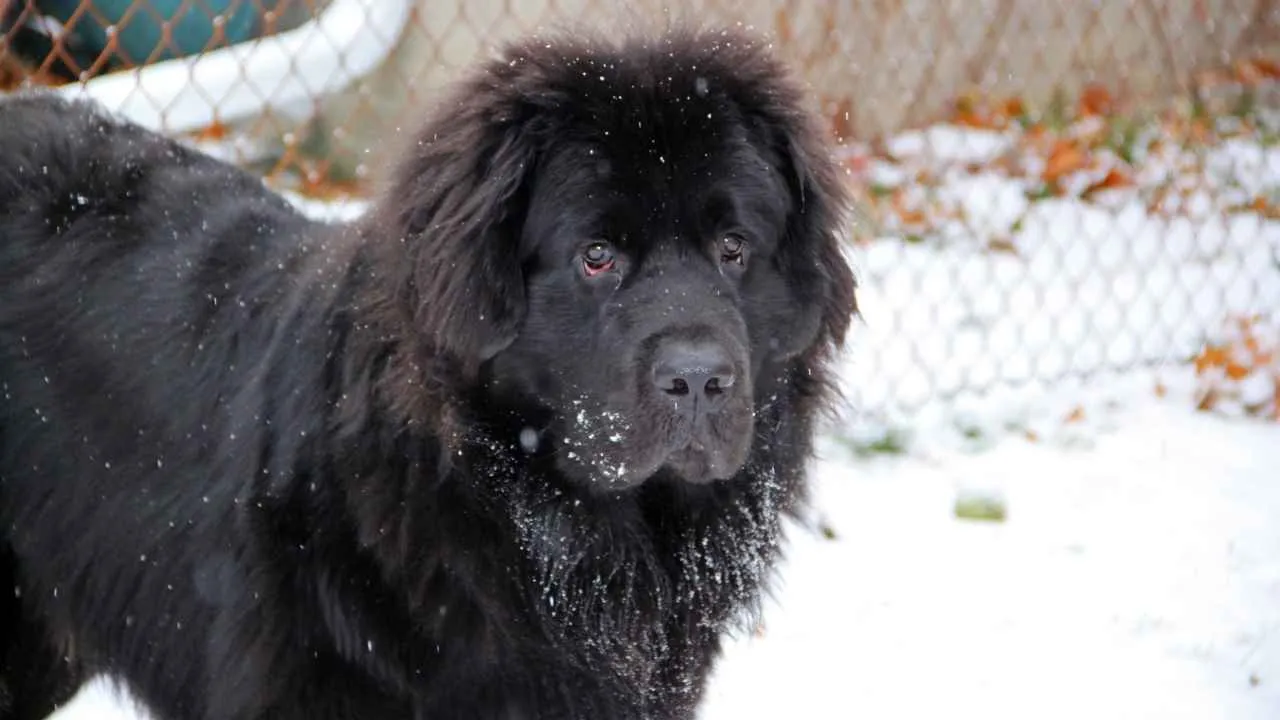
The Newfoundland is a massive, robust breed with a sweet nature that is unmatched. Covered in a thick, water-resistant double coat, their fur comes in colors ranging from black to brown, gray, and Landseer (white with black patches), reveals Britannica.
This breed is built to handle cold climates, and their waterproof coat makes them excellent swimmers.
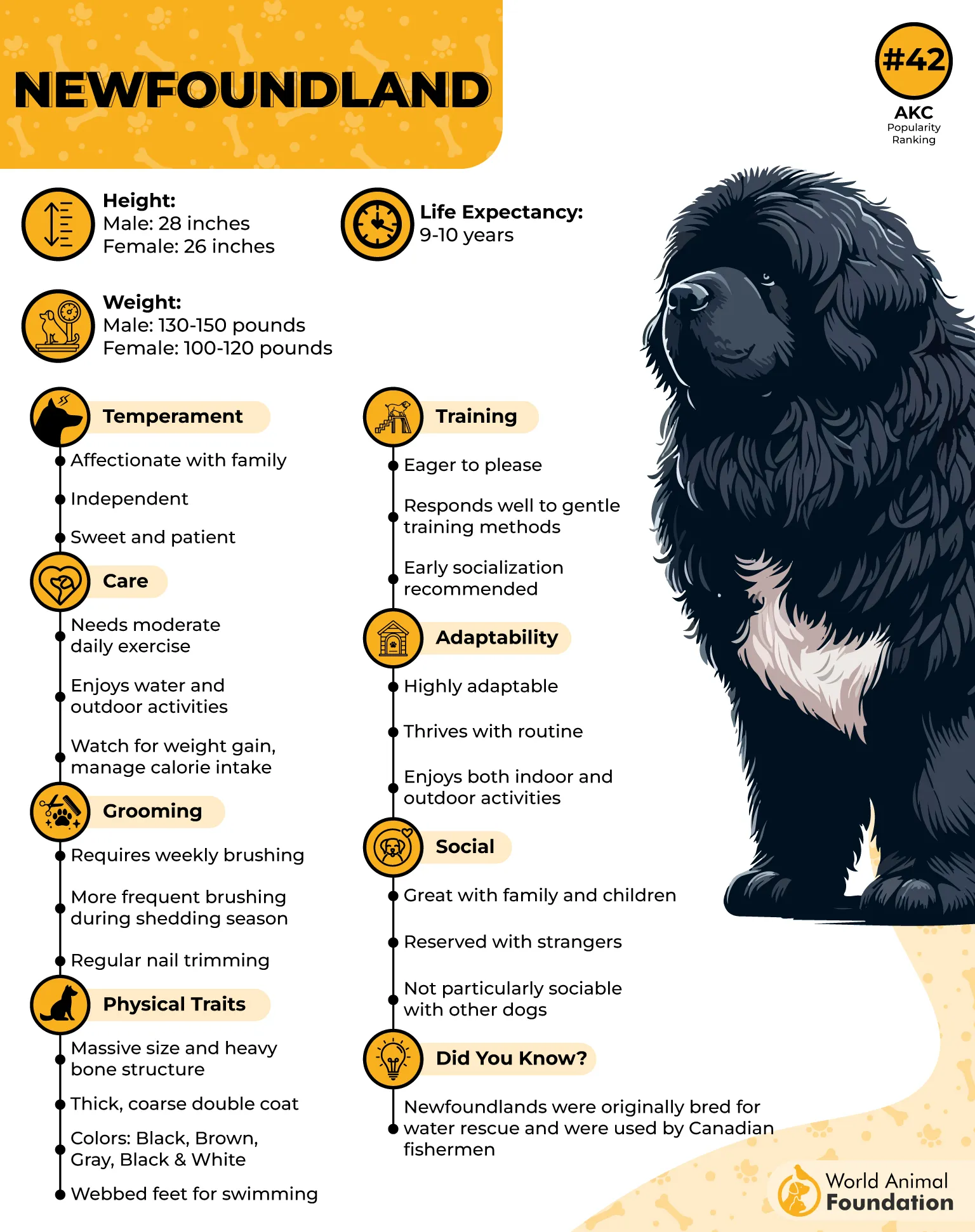
Gentle yet protective, Newfoundlands are often referred to as “gentle giants.” They have a calm and patient demeanor, making them perfect for families with children.
Their natural swimming ability and protective instincts make them an excellent choice for those living near water or who enjoy outdoor activities.
- Bathing: Their dense coat requires occasional bathing to keep it clean and healthy.
- Grooming: Weekly brushing is necessary to prevent tangles and mats.
- Diet: A nutritious diet rich in protein supports their energy levels and weight management.
- Exercise Needs: Newfoundlands love outdoor activities and benefit from regular, moderate exercise.
- Training and Socialization: They are intelligent but can be a bit independent, so early training and socialization are important.
- Best Training Methods: Reward-based training with patience works well with this breed.
Newfoundlands are known for their deep affection and loyalty to their family. Their calm nature and gentle demeanor make them one of the most loving dogs, always ready to provide comfort and companionship.
Health Concerns and Final Thoughts
Newfoundlands are prone to hip dysplasia, heart issues, and other joint problems due to their large size. Regular health screenings and a careful exercise regimen will help keep them in the best shape.
With their loving nature and protective instincts, they are perfect for families seeking a calm, devoted companion.
3. Great Dane
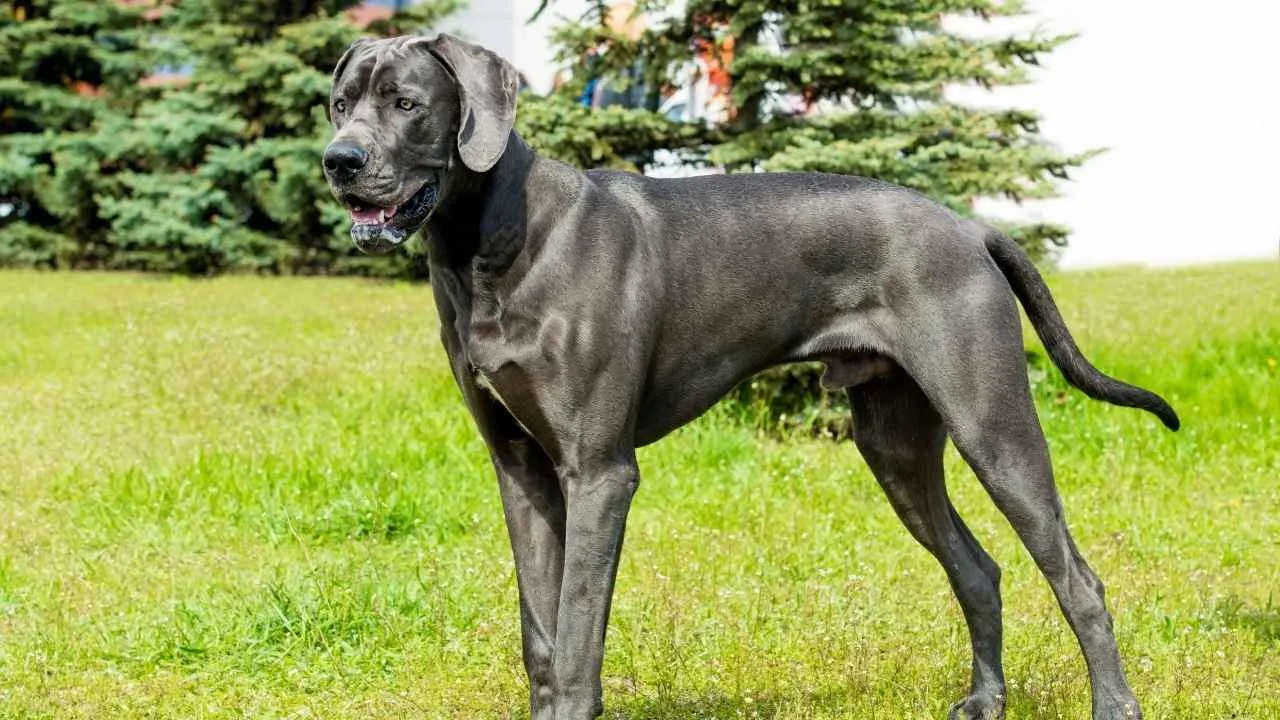
The Great Dane is one of the tallest dog breeds, with an imposing presence and a heart to match. Known for their massive size and sleek coat, they come in various colors, including fawn, brindle, blue, and black. Their short coat is easy to maintain, but their sheer size requires extra attention.
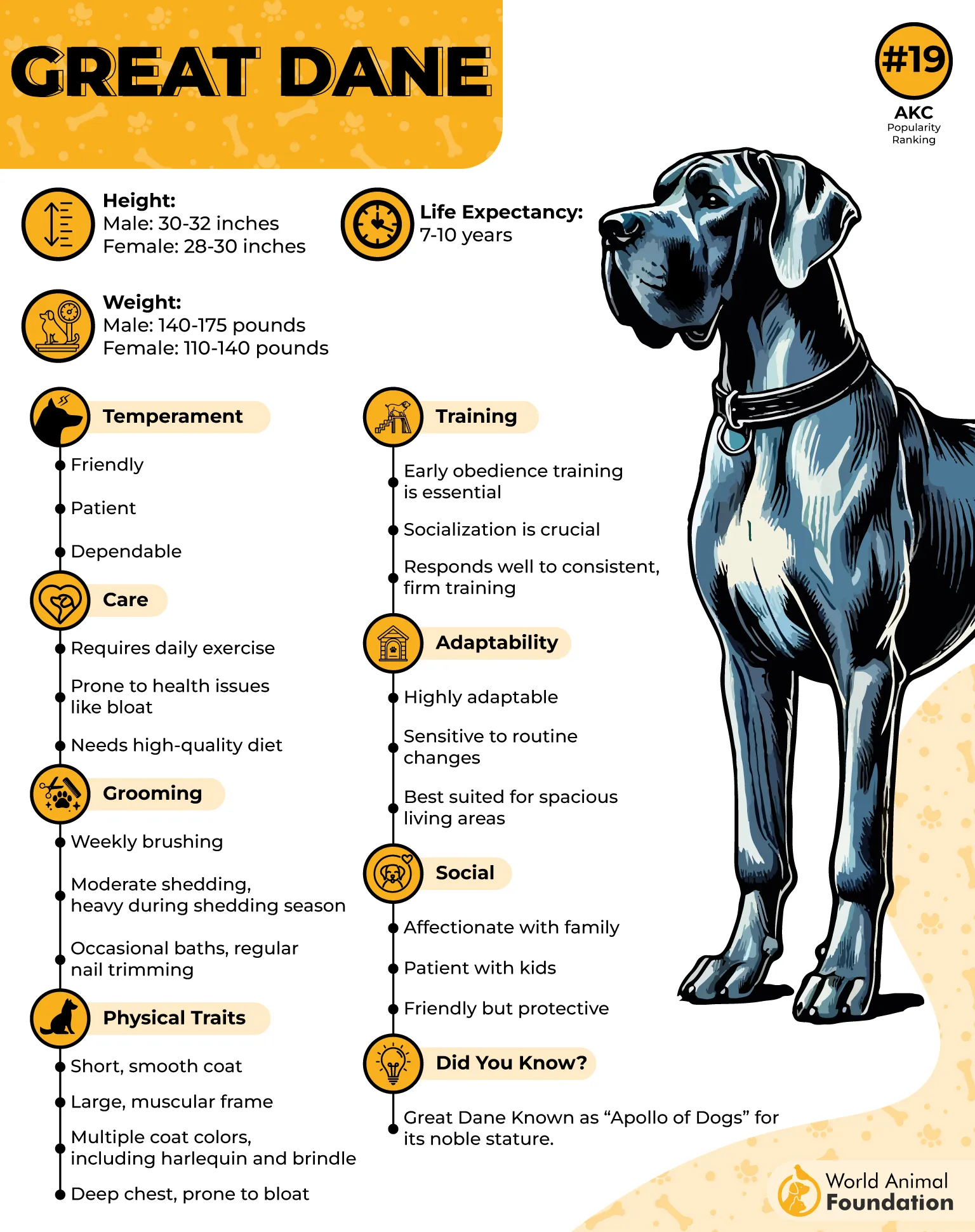
Despite their imposing stature, Great Danes are famously affectionate and gentle. They are often described as “gentle giants” and are wonderful with children and other pets. They thrive in calm, structured households where they can be part of the family dynamic.
- Bathing: Bathing once every couple of months is typically sufficient.
- Grooming: Their short coat requires minimal grooming, though brushing weekly can help with shedding.
- Diet: High-quality, nutrient-dense food helps maintain their large frame.
- Exercise Needs: Moderate exercise is sufficient; avoid excessive strain due to their size.
- Training and Socialization: Due to their size, early training and socialization are crucial to prevent behavioral issues.
- Best Training Methods: Positive reinforcement and consistency are key, as Great Danes are sensitive and eager to please.
PetMD explains that Great Danes are incredibly affectionate, often seeking cuddles despite their massive size. Their loving nature and desire to be close to their family make them the perfect companions for those who enjoy a larger dog with a big heart.
Health Concerns and Final Thoughts
Great Danes are prone to joint problems, heart conditions, and bloat. Regular check-ups and careful monitoring of their diet and exercise can help manage these risks. Their affectionate nature and gentle temperament make them an excellent choice for families who want a loving, large companion.
4. Leonberger
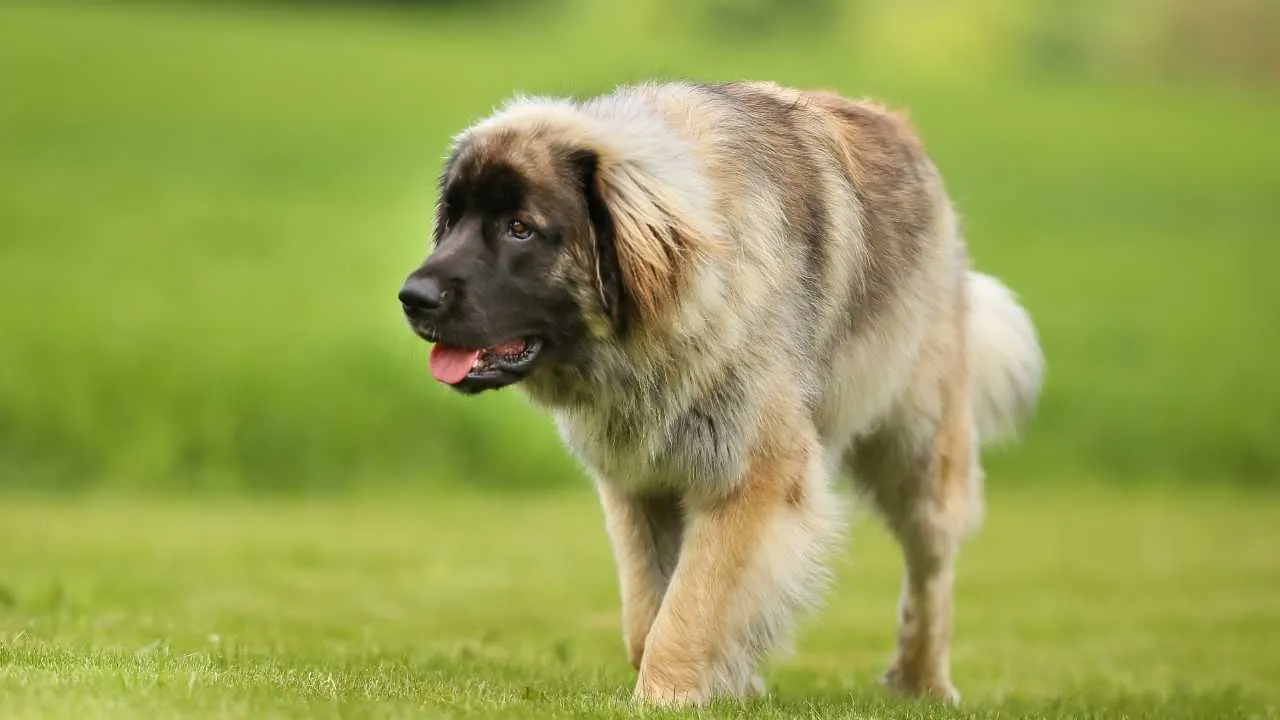
The Leonberger is a giant breed that combines strength and grace, often compared to a lion due to its impressive mane-like fur. Their thick double coat comes in a variety of colors, such as golden, red, and sandy, which only adds to their regal appearance.
Their luxurious coat requires regular grooming to stay in top condition.
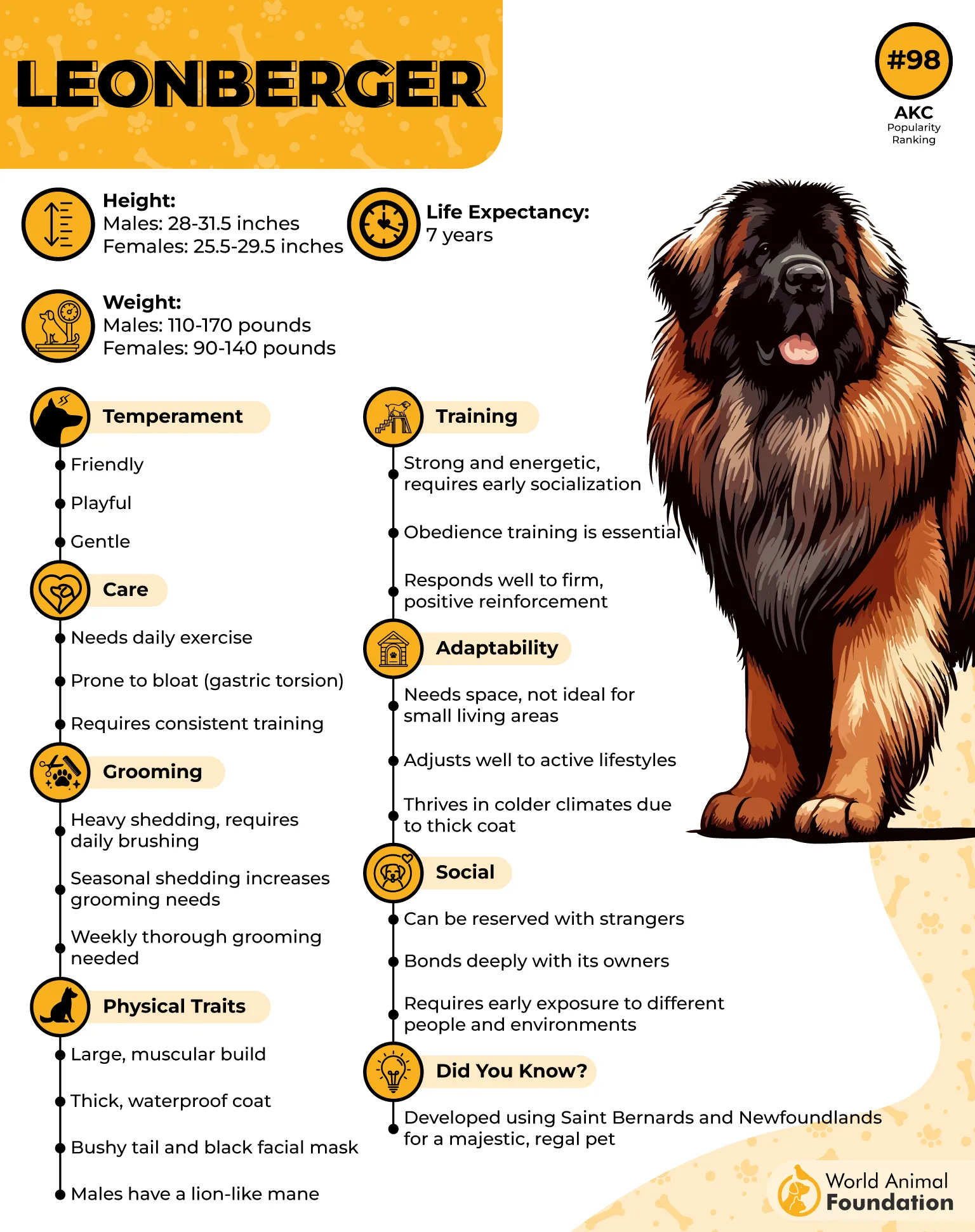
Leonbergers are calm, friendly, and gentle, making them ideal for families with children. They are patient and tolerant, adapting well to different living environments. This breed enjoys being a part of the family and thrives on human interaction.
- Bathing: Bathe when necessary, but avoid over-bathing to protect their coat’s natural oils.
- Grooming: Regular brushing is essential, especially during shedding season.
- Diet: A well-balanced diet is crucial to maintain their large body.
- Exercise Needs: They require moderate exercise to maintain a healthy weight and muscle tone.
- Training and Socialization: Early socialization is key to ensuring they develop good manners.
- Best Training Methods: Positive reinforcement and clear, consistent commands work best for this breed.
Known for their sweet and loving nature, Leonbergers form strong bonds with their families. They are incredibly affectionate and will often follow you around, seeking attention and companionship.
Health Concerns and Final Thoughts
Leonbergers are susceptible to hip dysplasia and other joint issues. Their large size also makes them prone to heart conditions. Regular veterinary check-ups and maintaining a healthy lifestyle can help ensure a long, happy life for this gentle giant.
5. Bullmastiff
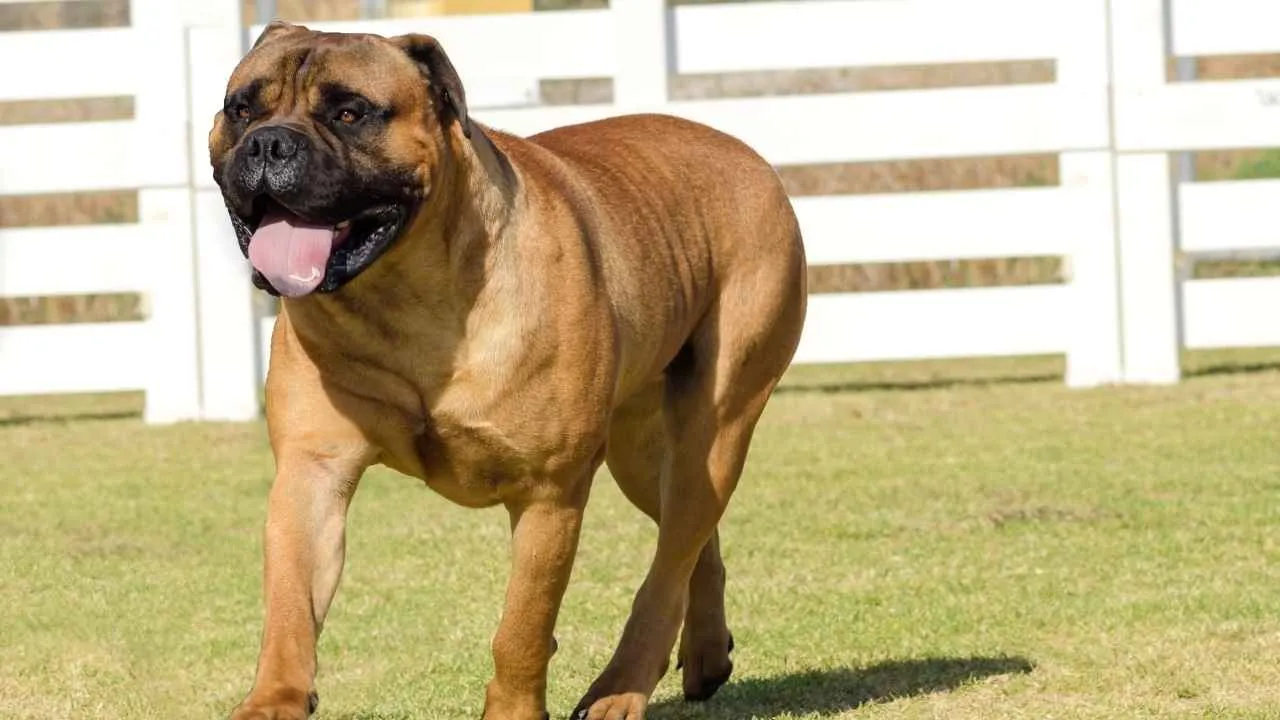
The Bullmastiff is a strong, muscular breed known for its protective instincts and calm demeanor. Their short, dense coat comes in shades of fawn, brindle, and red, which complements their powerful build. Their grooming needs are minimal, but they do shed year-round.
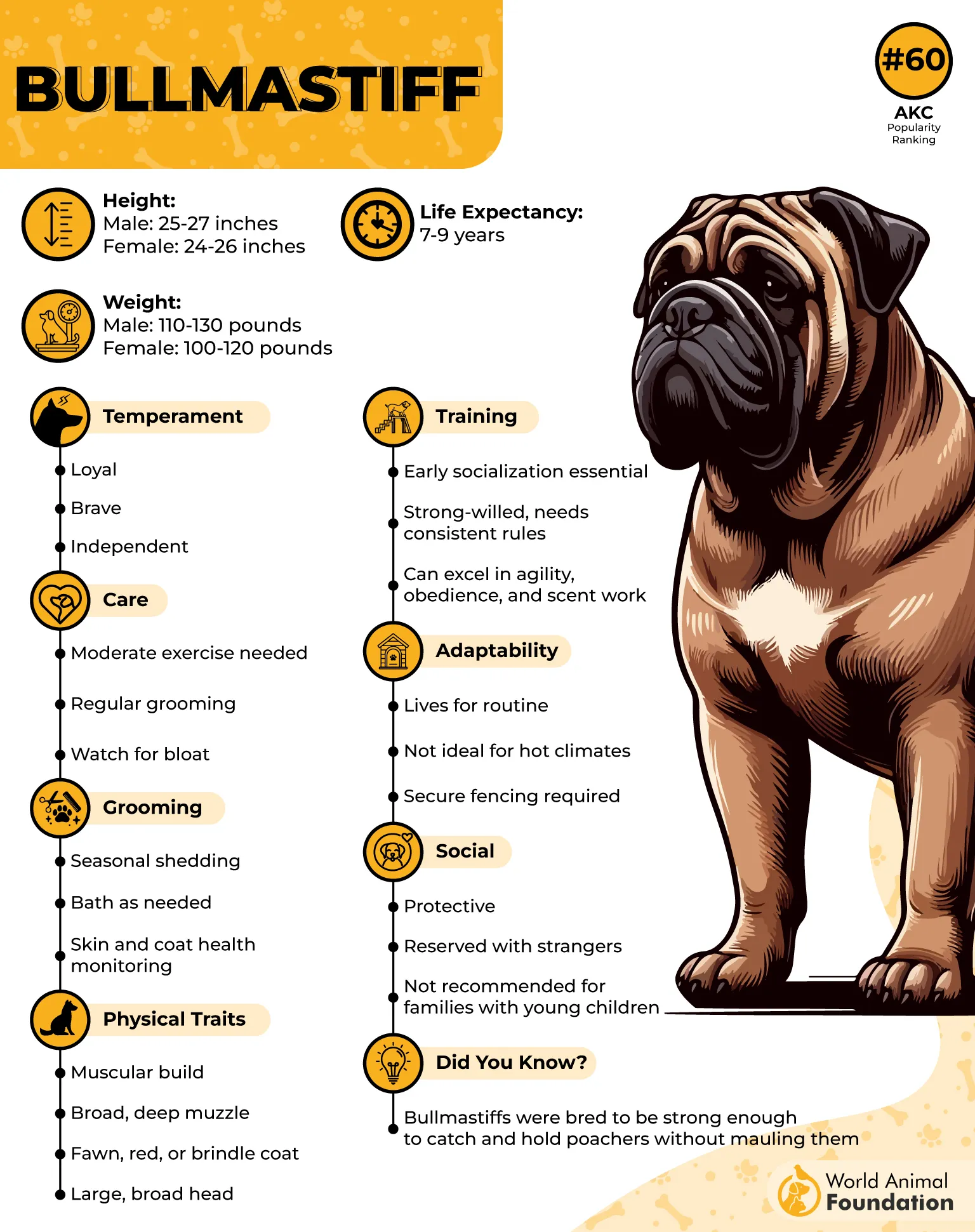
Bullmastiffs are natural protectors, making them ideal for families seeking a guard dog with a loving heart. While they may appear intimidating, they are known for their calm and affectionate nature, especially with children. They are loyal and enjoy spending time with their families.
- Bathing: Occasional baths will keep their coat healthy, but they don’t require frequent washing.
- Grooming: Regular brushing helps manage shedding.
- Diet: A high-quality diet supports their muscular frame and energy levels.
- Exercise Needs: Bullmastiffs enjoy a moderate amount of daily exercise but are generally not overly energetic.
- Training and Socialization: Due to their protective nature, early training is essential to ensure they are well-behaved.
- Best Training Methods: Consistent, firm, and positive training methods work best for this intelligent breed.
Bullmastiffs are known for their loyalty and affection toward their families. They form deep bonds with their owners and are particularly known for their gentle behavior around children.
Health Concerns and Final Thoughts
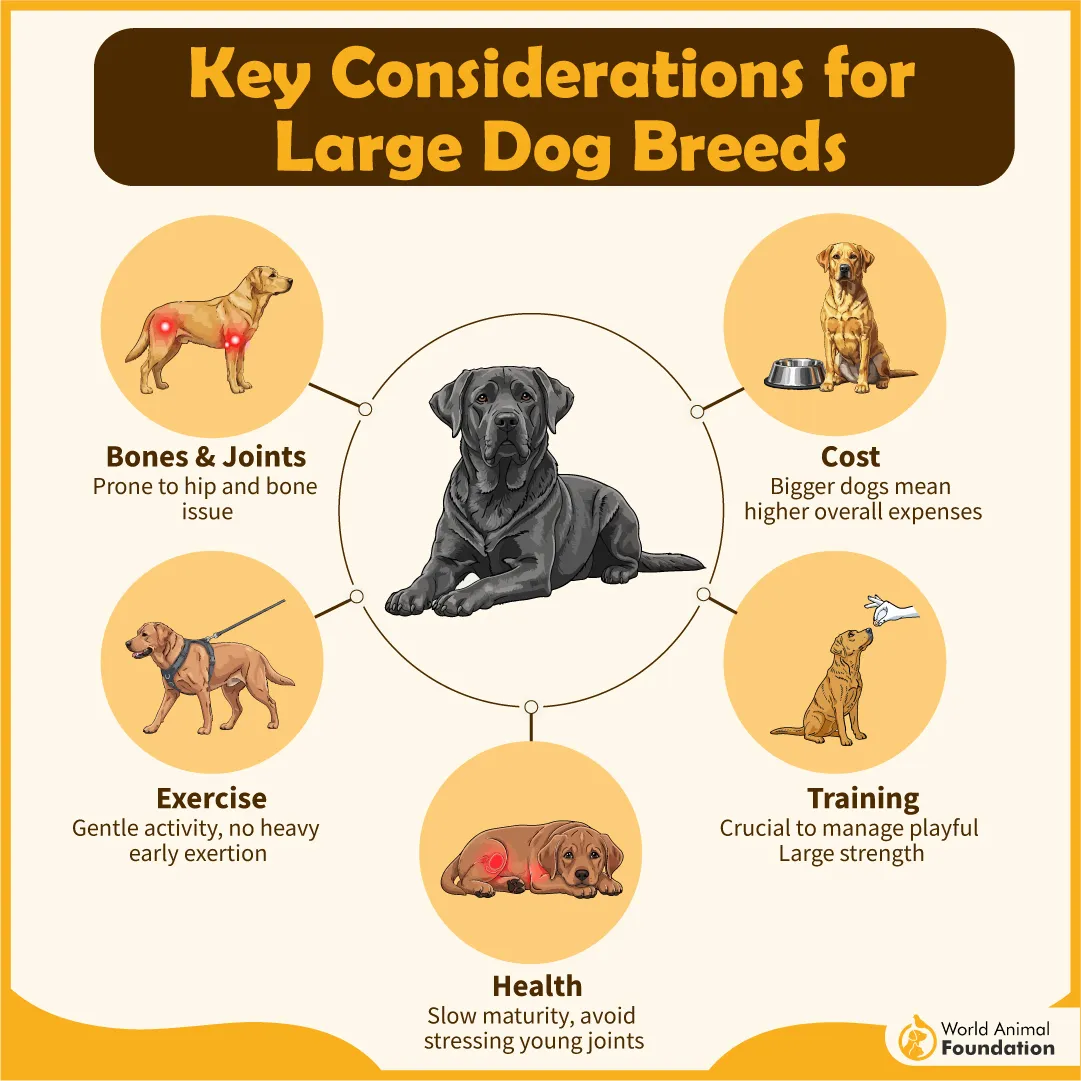
Bullmastiffs are prone to hip dysplasia, heart issues, and respiratory problems due to their large size. Regular vet visits and proper weight management are key. Their gentle nature and protective instincts make them a wonderful family companion.
6. Cane Corso
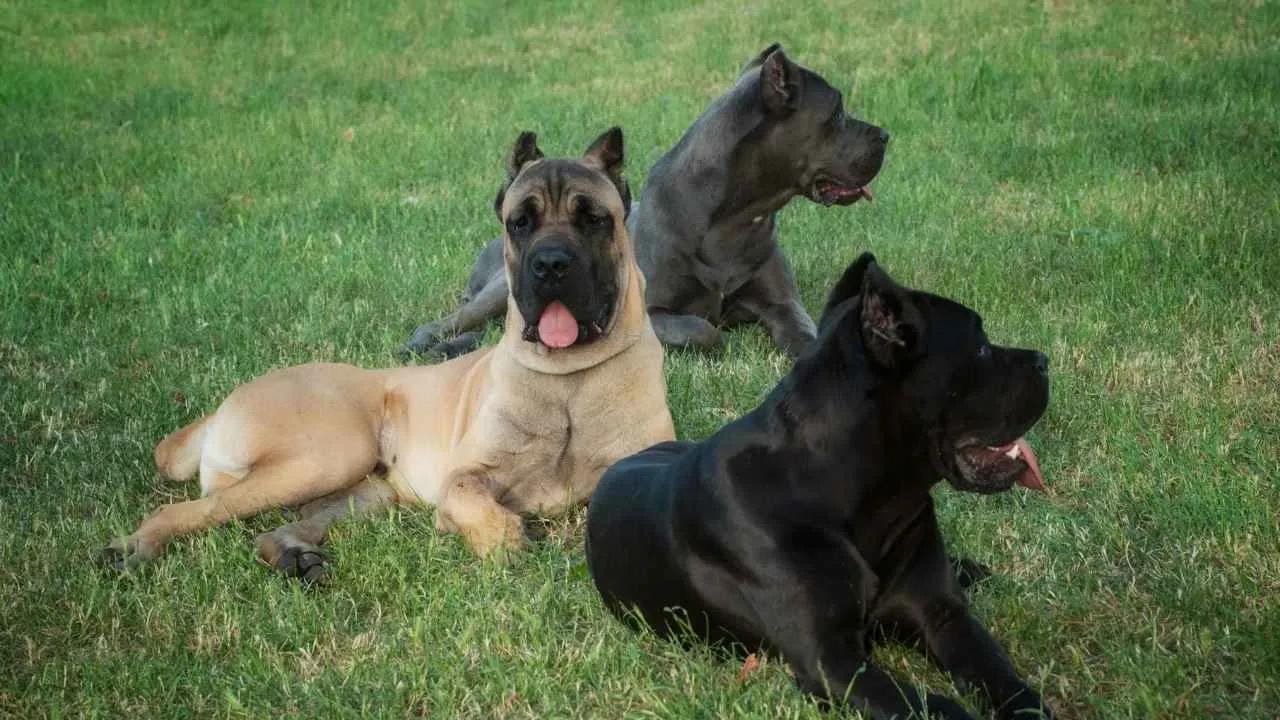
The Cane Corso is an impressive, muscular breed with a strong presence. Their short, dense coat comes in various colors, including black, gray, fawn, and red. Although they require minimal grooming, their strong build and muscular frame require attention to diet and exercise.
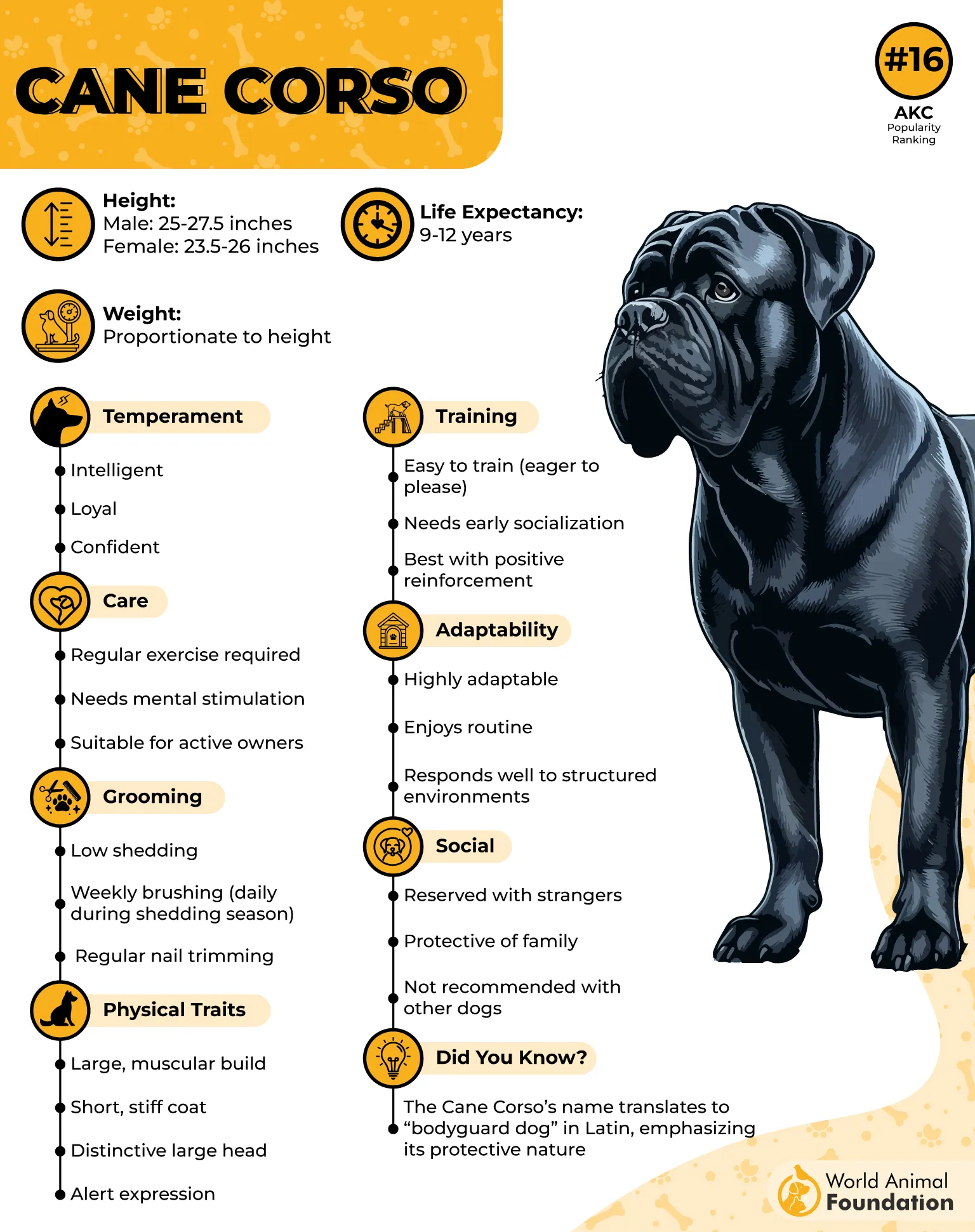
Known for their intelligence and loyalty, Cane Corsos are protective yet affectionate towards their families. While they are naturally protective, they are not overly aggressive and are generally calm around children when properly trained and socialized.
- Bathing: Bathe as needed to maintain coat health, but avoid excessive washing.
- Grooming: Minimal grooming is needed; just a brush once a week.
- Diet: A high-protein, balanced diet supports their active lifestyle and muscular build.
- Exercise Needs: Cane Corsos need regular, moderate exercise to maintain muscle tone and energy levels.
- Training and Socialization: Early socialization and consistent training are essential to prevent overprotectiveness.
- Best Training Methods: Positive reinforcement paired with firm leadership works well for this breed.
The Cane Corso is known for its deep attachment to its family. Their loyalty and love are unmatched, and they often form strong bonds with each member of the household.
Health Concerns and Final Thoughts
Cane Corsos are prone to hip dysplasia and certain heart conditions. Regular check-ups and a healthy lifestyle are crucial. Their loving and protective nature makes them an excellent choice for families seeking both security and companionship.
7. Mastiff
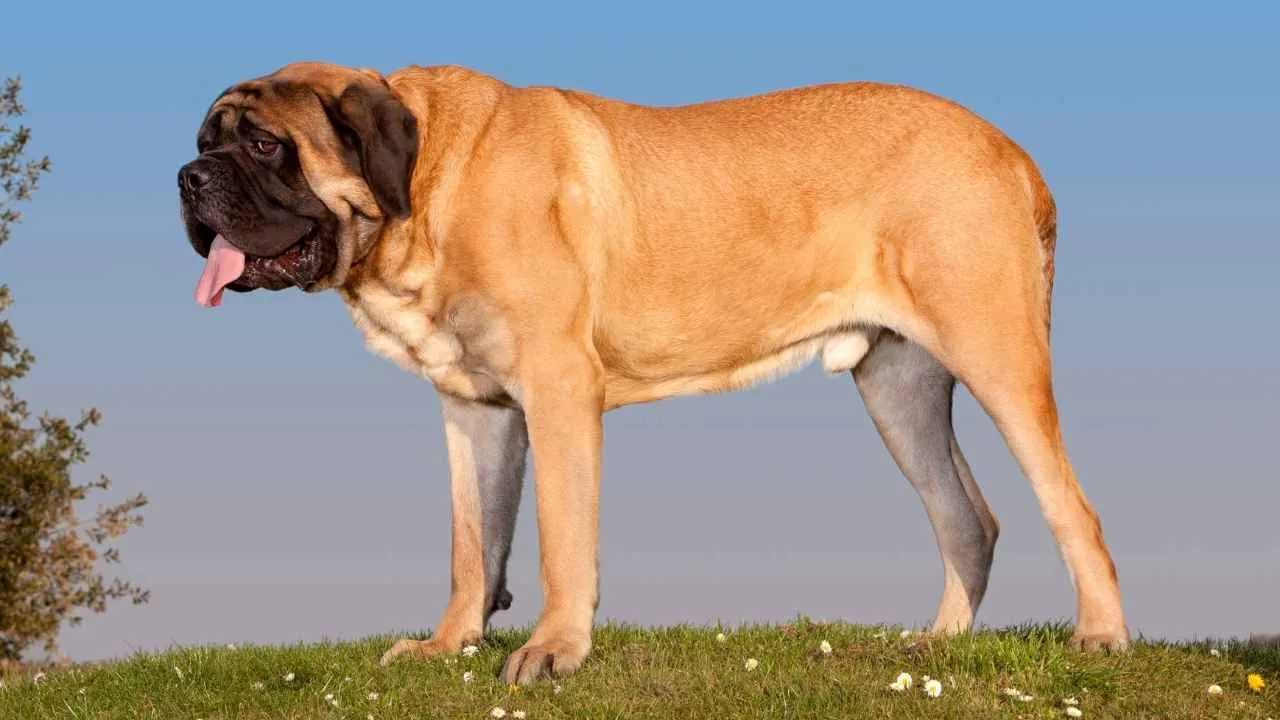
The Mastiff is a massive breed with a gentle disposition and a thick, short coat. Their coat comes in various colors, including fawn, brindle, and apricot, which adds to their imposing yet regal appearance. Grooming is relatively easy, but their size means that they require regular care.
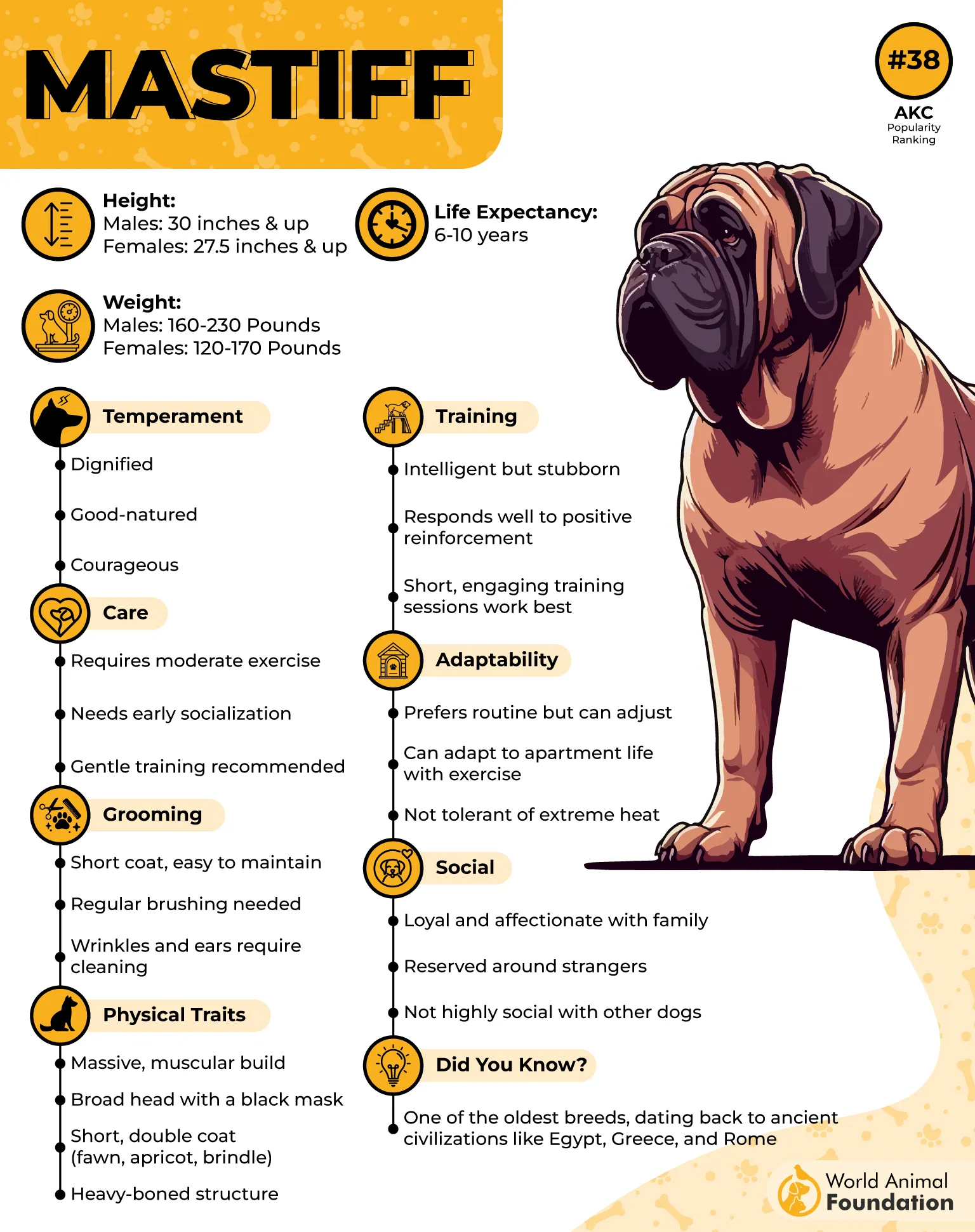
Despite their large size, Mastiffs are incredibly affectionate and gentle, making them wonderful family pets. They are calm and relaxed, often described as “couch potatoes” due to their love for lounging. However, they are also protective, making them excellent watchdogs.
- Bathing: Occasional baths are enough for this breed.
- Grooming: Regular brushing helps to manage shedding and keep their coat healthy.
- Diet: A nutrient-rich diet is important to maintain their size and energy.
- Exercise Needs: Moderate exercise is sufficient to keep them healthy and active.
- Training and Socialization: Early socialization is crucial to prevent territorial behavior.
- Best Training Methods: Positive reinforcement works well for this breed, as they are sensitive to harsh training methods.
Mastiffs are known for their deep affection and strong bonds with their families. They often show their love through gentle nudges and quiet companionship.
Health Concerns and Final Thoughts
Mastiffs are prone to joint issues, heart problems, and bloat. Regular vet visits and maintaining a healthy weight are important for their well-being. Their affectionate nature and protective instincts make them ideal companions for families who want both love and security.
Conclusion
Giant dog breeds like Bernese Mountain Dogs and Great Pyrenees are loving, loyal, and perfect for families seeking a big-hearted companion. Whether it’s the gentle Saint Bernard or the playful Labrador Retriever, these dogs bring tons of joy to any home.
They thrive with outdoor adventures, daily walks, and proper training, making them ideal for active families with ample space. With the right care, these dogs will become incredibly loyal and loving members of your family!
