




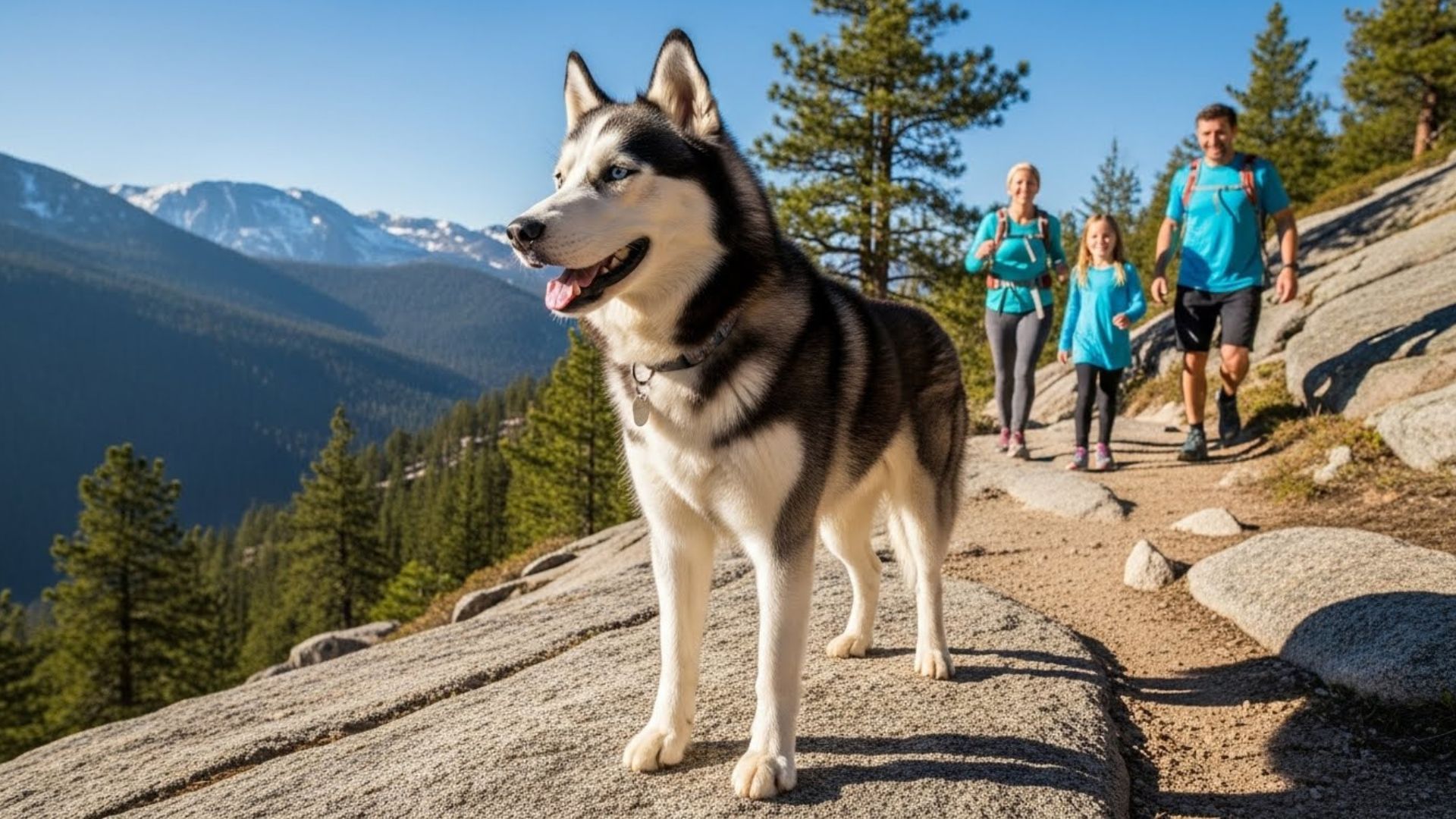
If your weekends are packed with trail runs, sunrise hikes, and park workouts, the right dog can turn every outing into a shared adventure.
Some breeds were initially bred to work all day alongside humans—pulling sleds, pointing birds, or herding livestock—so they naturally thrive in homes where physical activity is a thing.
These active dogs aren’t just about speed; they also need mental and physical stimulation to stay happy and balanced. This guide highlights high-energy breeds that are an excellent match for active families.
Whether you’re exploring a medium-sized dog for agility training or a large breed made for endurance, you’ll find a breed that loves to engage, explore, and enjoy outdoor adventures with you.
Pro tip before we start: Enough exercise means both physical stimulation and mental work. Mix long walks or runs with problem-solving games, obedience, and obstacle courses to keep your dog’s brain as satisfied as their muscles.
Let’s meet the best dog breeds for an active lifestyle.
Dog Breeds for Active Families Seeking a Workout Buddy
1. Siberian Husky
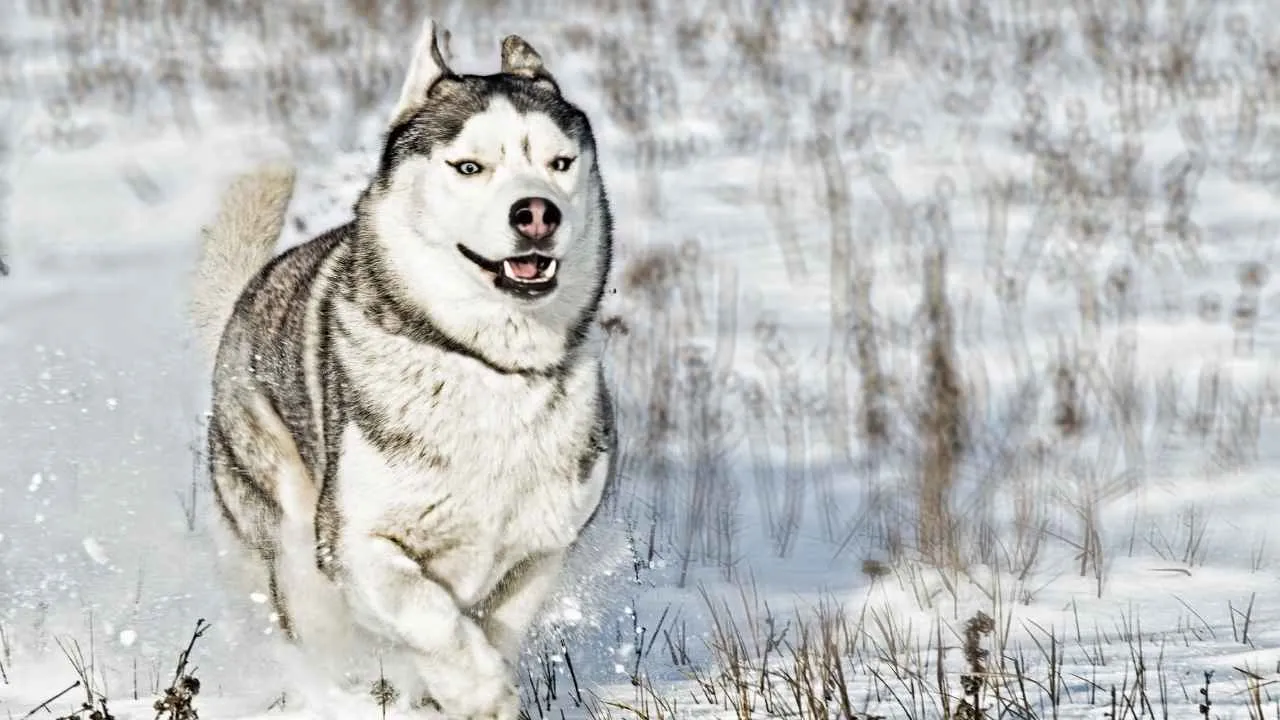
Siberian Huskies are the archetype of athletic, cold-weather working dogs.
Built for endurance and stamina, they’re natural long-distance runners and stellar partners for jogging, canicross, skijoring, and trail runs—especially in cool temperatures. If you like to hike, camp, or explore year-round, this dog can happily accompany you.
Training this dog takes patience. They’re highly intelligent but independent, with a dash of stubbornness. Keep sessions short, fun, and reward-based.
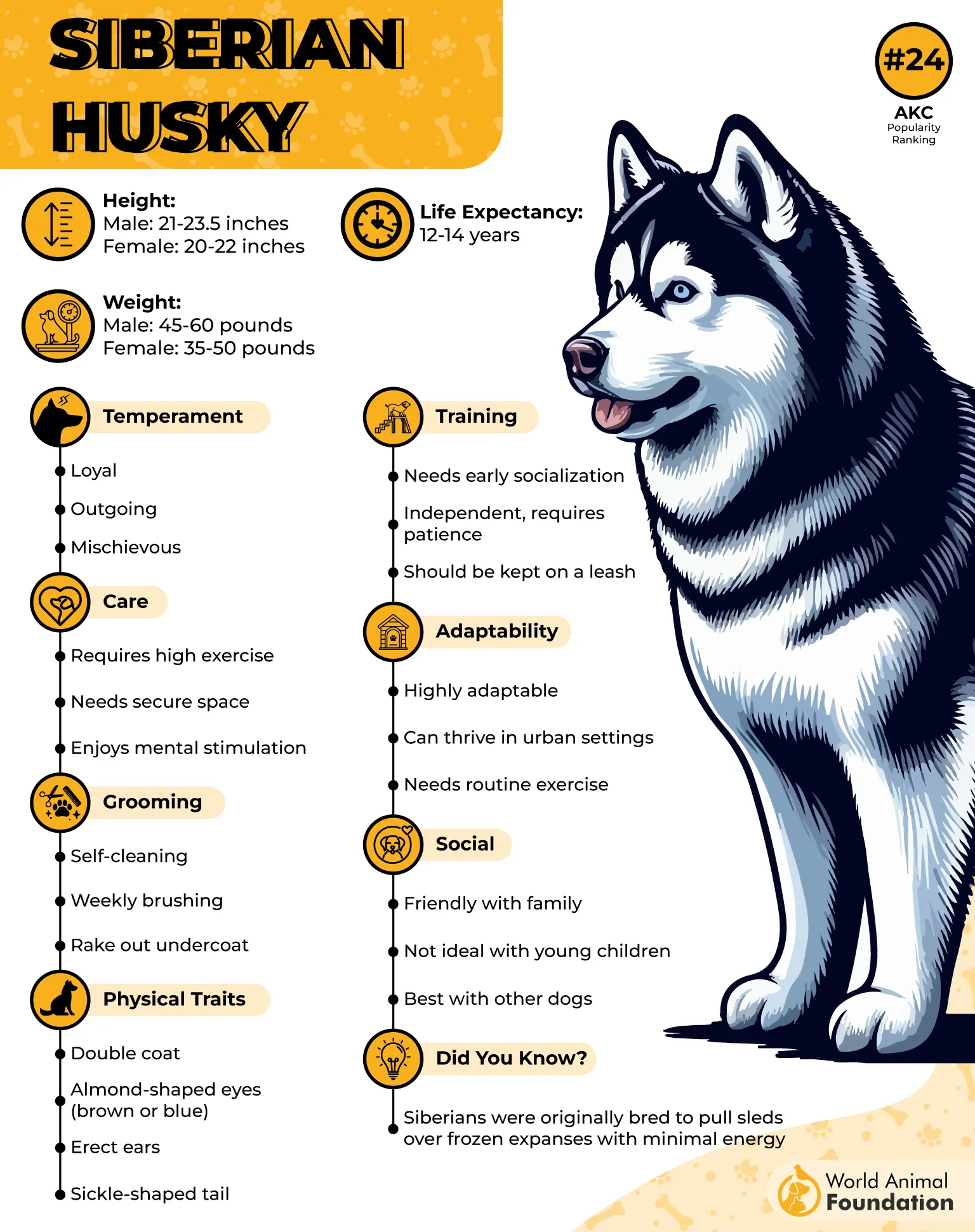
A rock-solid recall is essential; off-leash reliability is challenging due to strong prey drive, so practice in secure areas and double down on impulse-control games. Nose work and cart-pulling are great outlets.
Daily needs are serious: plan for 1–2 hours of vigorous exercise, split between running, hiking, and structured play like fetch or flirt-pole.
Add puzzle feeders and scent games for mental stimulation. In warm weather, exercise early or late, provide water breaks, and consider cooling gear—they have a thick double coat and can overheat.
Fit for: Experienced owners who love outdoor activities and consistency in activity. If your household enjoys teamwork and routine, Siberian Huskies can be fantastic companions with immense energy to share.
2. German Shorthaired Pointer
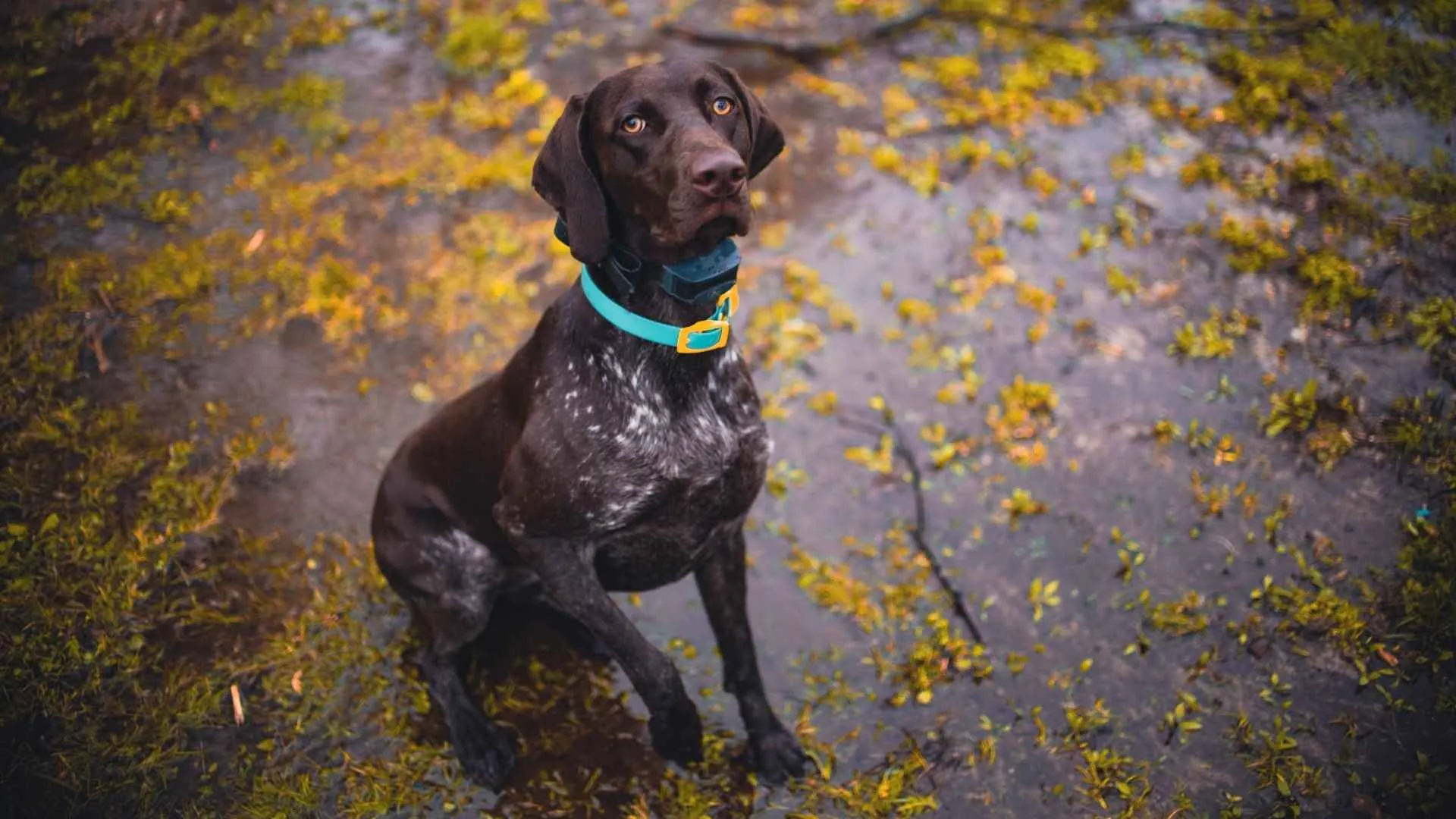
German Shorthaired Pointers (GSPs) are dynamic, versatile athletes.
Initially bred for multipurpose hunting, they excel at long-distance running, hiking, swimming, and field games, as mentioned by Wikipedia. Expect a dog that’s keen to engage and “go” whenever you are—these pups love a job and bond closely with their people.
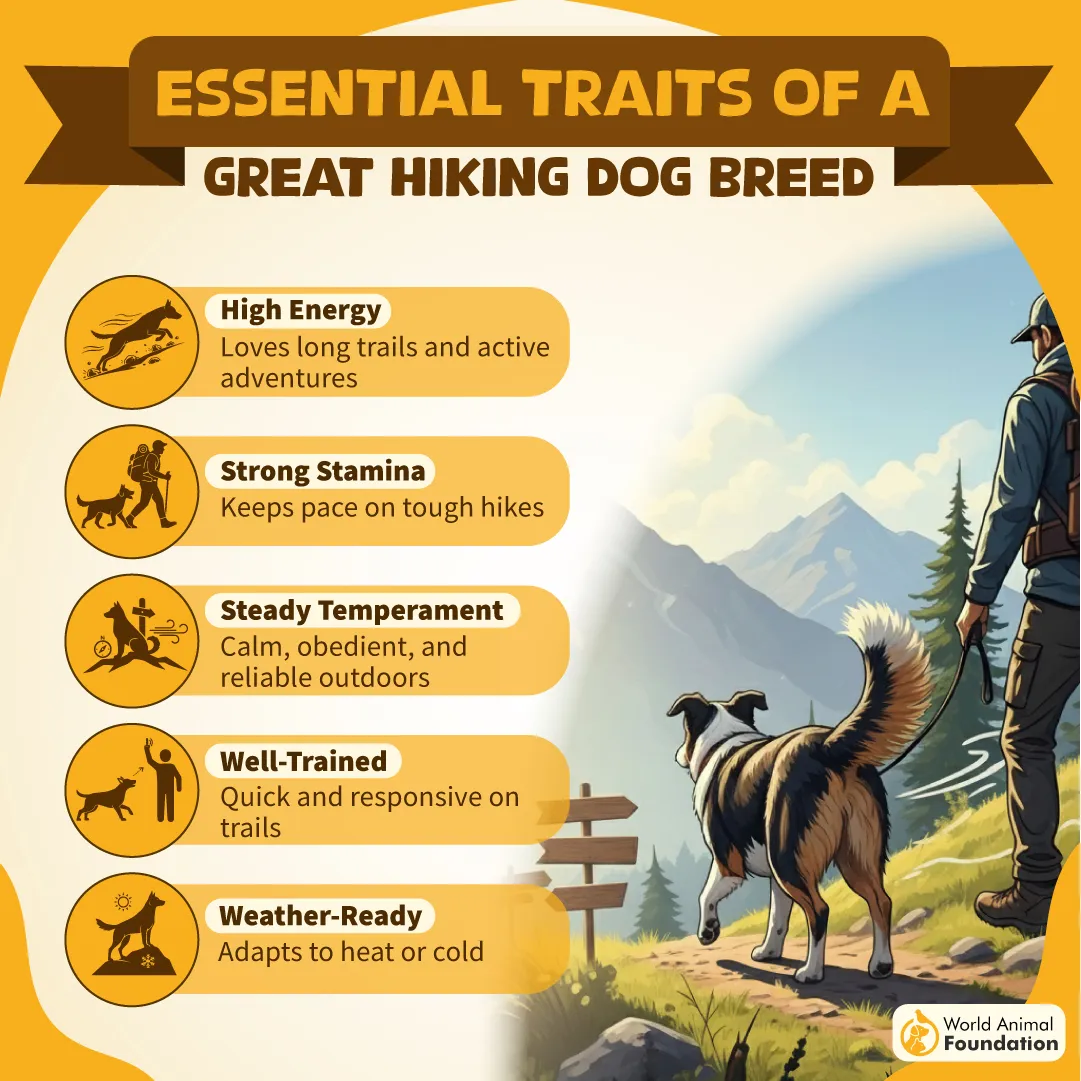
Training is rewarding with a GSP. They’re highly trainable and responsive to clear, consistent guidance. Keep sessions upbeat and varied: drills in retrieving, agility, obedience, and tracking will keep their minds buzzing. Many homes rotate activities through the week to balance excitement and focus.
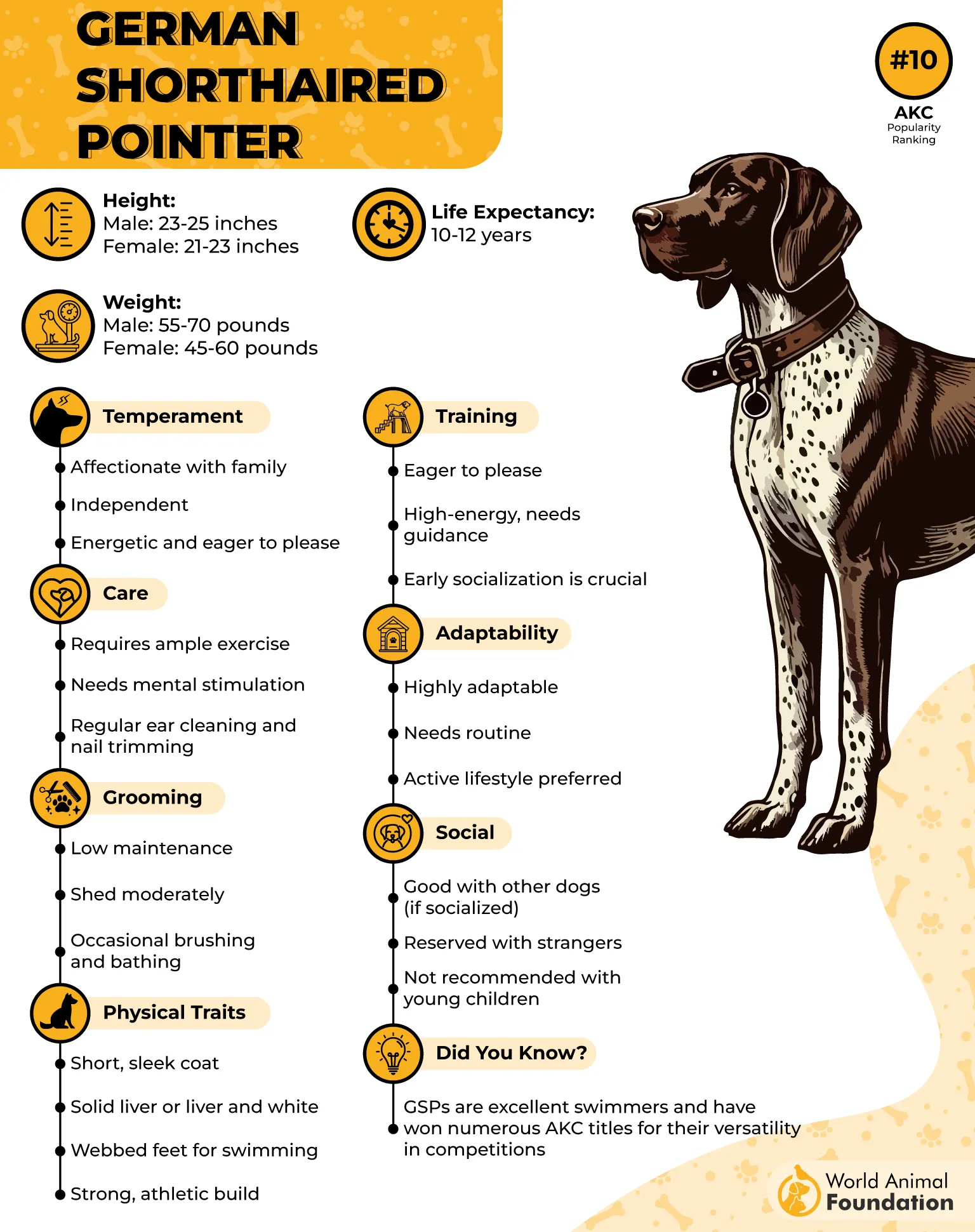
Aim for 1–2 hours of daily vigorous exercise. Mix road or trail runs with water work—many Pointers adore a good swim. On rest days, add enrichment activities such as scatter feeding, hide-and-seek, and platform training. Without a robust plan, a GSP can get antsy and destructive.
Fit for: Busy households who want a partner for running, hiking, and structured play. German Shorthaired Pointers are an outstanding match for owners who enjoy outdoor adventures and want a dog that’s both athletic and affectionate.
3. Weimaraner
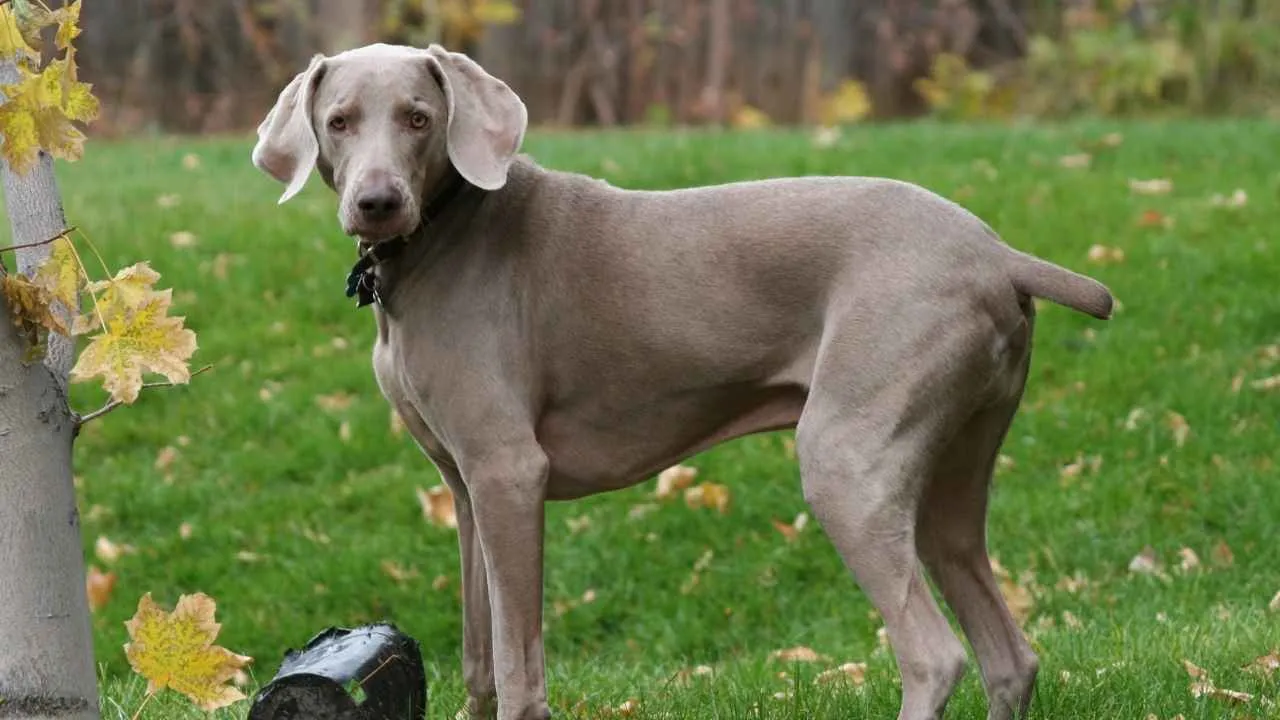
Weimaraners are sleek, energetic, and loyal—true shadow dogs that want to spend their day with you.
Built for speed and endurance, they shine in running, hiking, and advanced obedience. They’re also affectionate with kids and love to be included in all family plans.
Training a Weim is fun if you keep it dynamic. They’re intelligent and sensitive, thriving on positive reinforcement and clear boundaries. Add recall games, steadiness drills, and scent work to channel their drive. They bond intensely and desire lots of companionship—solo backyard time won’t cut it.
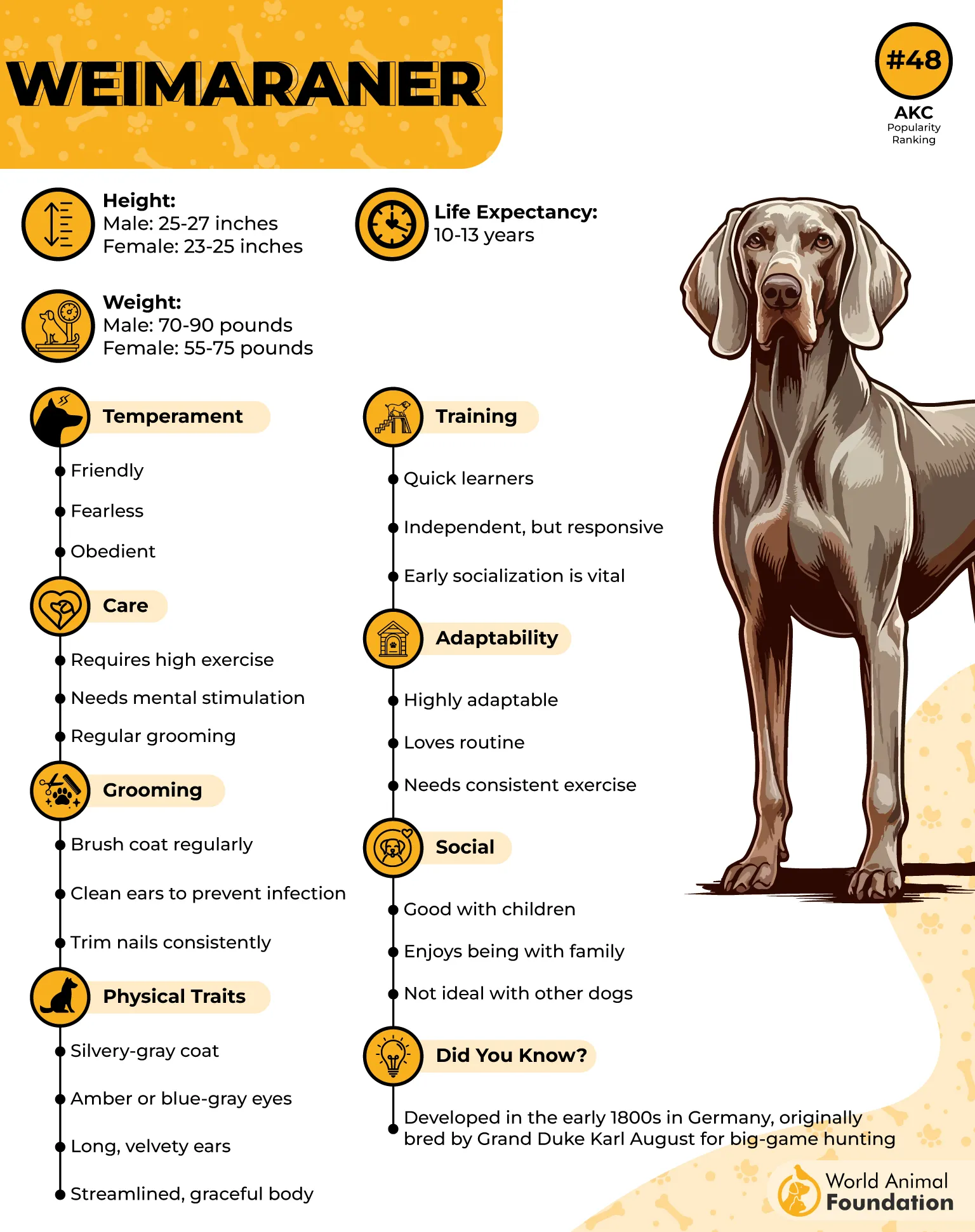
Exercise needs are high: count on 90–120 minutes daily, with a mix of cardio and brain games. They can be vocal and prone to separation anxiety if under-stimulated, so integrate them into errands, patio hangs, and neighborhood walk-and-talks.
Fit for: Adventure-forward families with time and space. Weimaraners are great for owners who love long walks in any weather and want a dog that’s enthusiastic, intelligent, and family-focused.
4. Vizsla
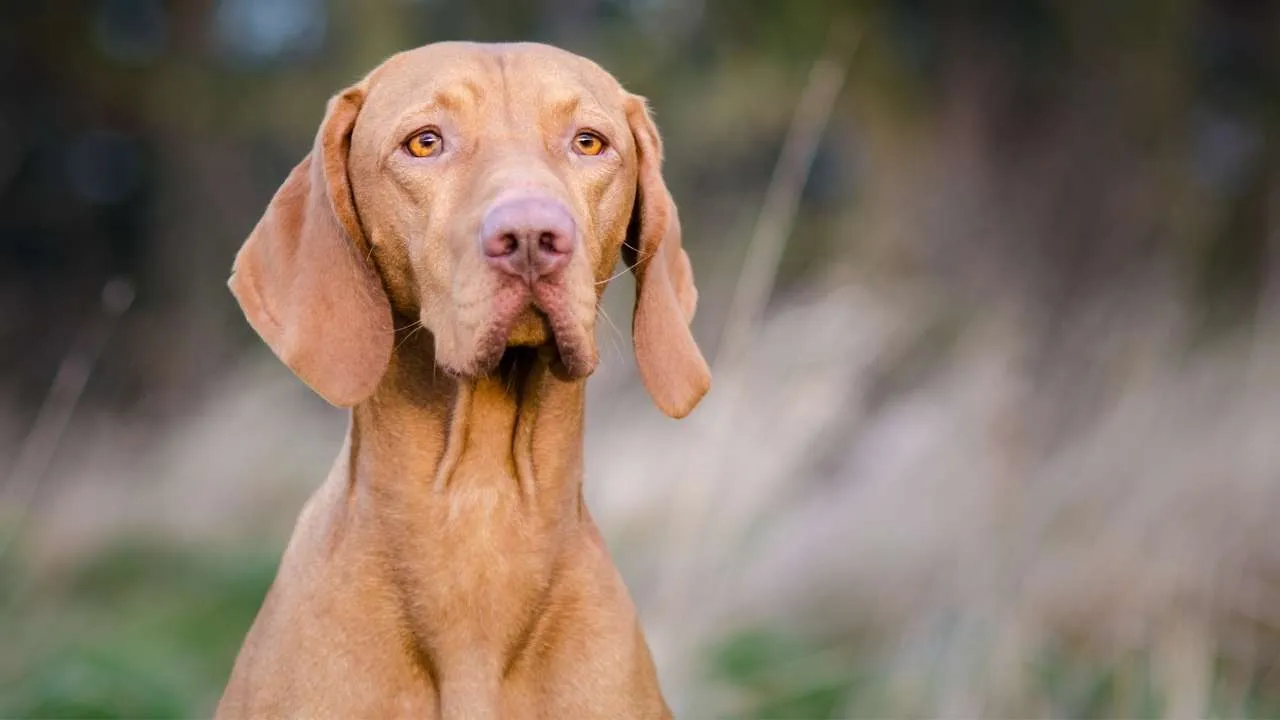
The Vizsla is a velcro athlete—lively, loving, and always ready.
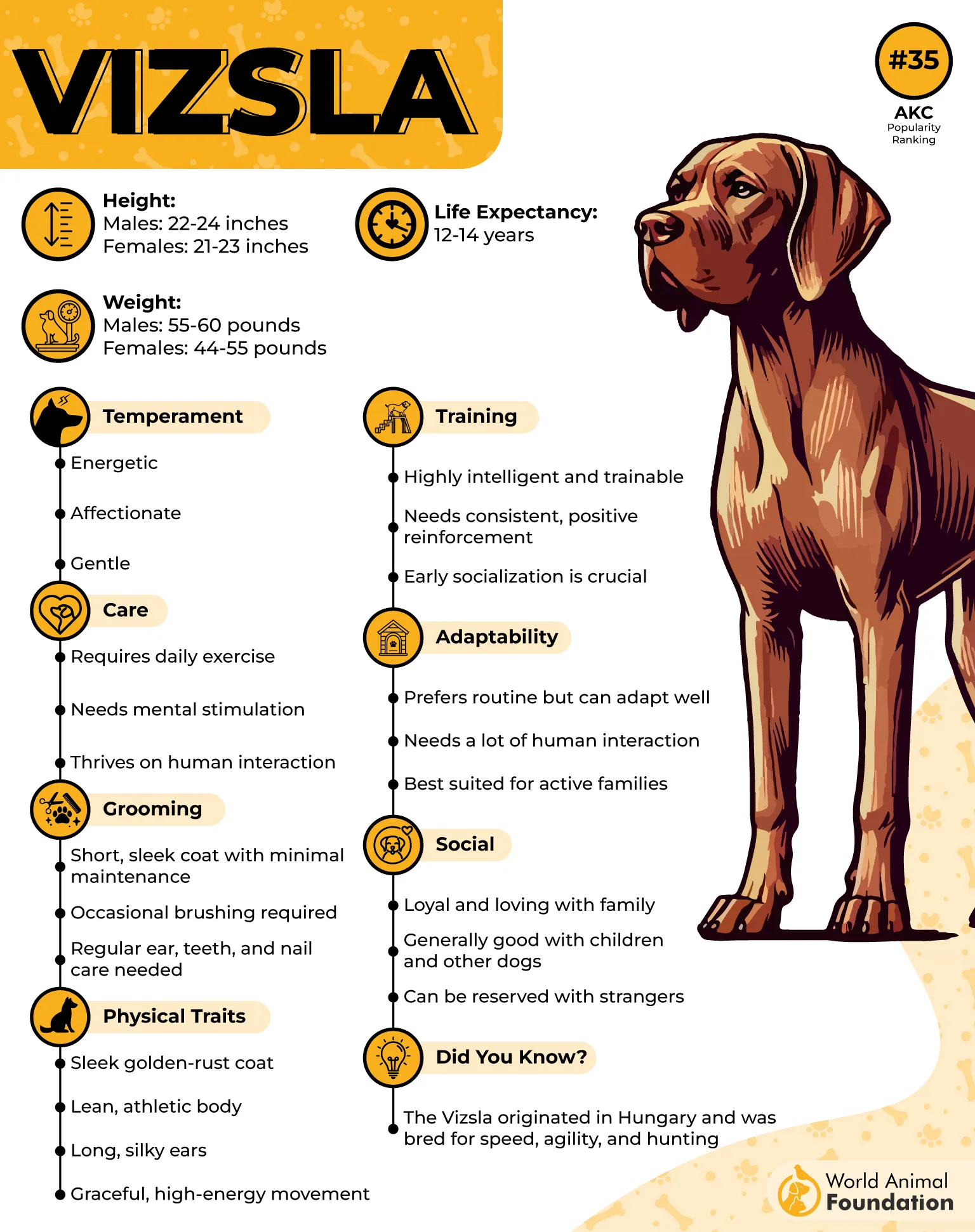
These Hungarian Pointers are built for speed and agility, making superb partners for running, hiking, retrieving, and even swim sessions. They’re playful and social, often thriving in homes with kids and energetic routines.
Training is a joy: AKC mentions Vizslas are eager and learn quickly, but they need consistency and variety to avoid boredom. Rotate activities—recall work, and scent games—to keep things fresh.
Note that young dogs shouldn’t run long distances until growth plates close (around 18 months); stick to softer trails and shorter jogs until then.
Daily plan: About two hours of combined physical and mental work. Mix brisk workout intervals with decompression walks and trick sessions. They’re highly affectionate and prefer to be near humans, so include them in your day.
Fit for: Families who want a highly intelligent, highly trainable partner that’s as cuddly on the couch as they are athletic on the trail. The Vizsla is a perfect fit for owners who love to move and connect.
5. Australian Shepherd
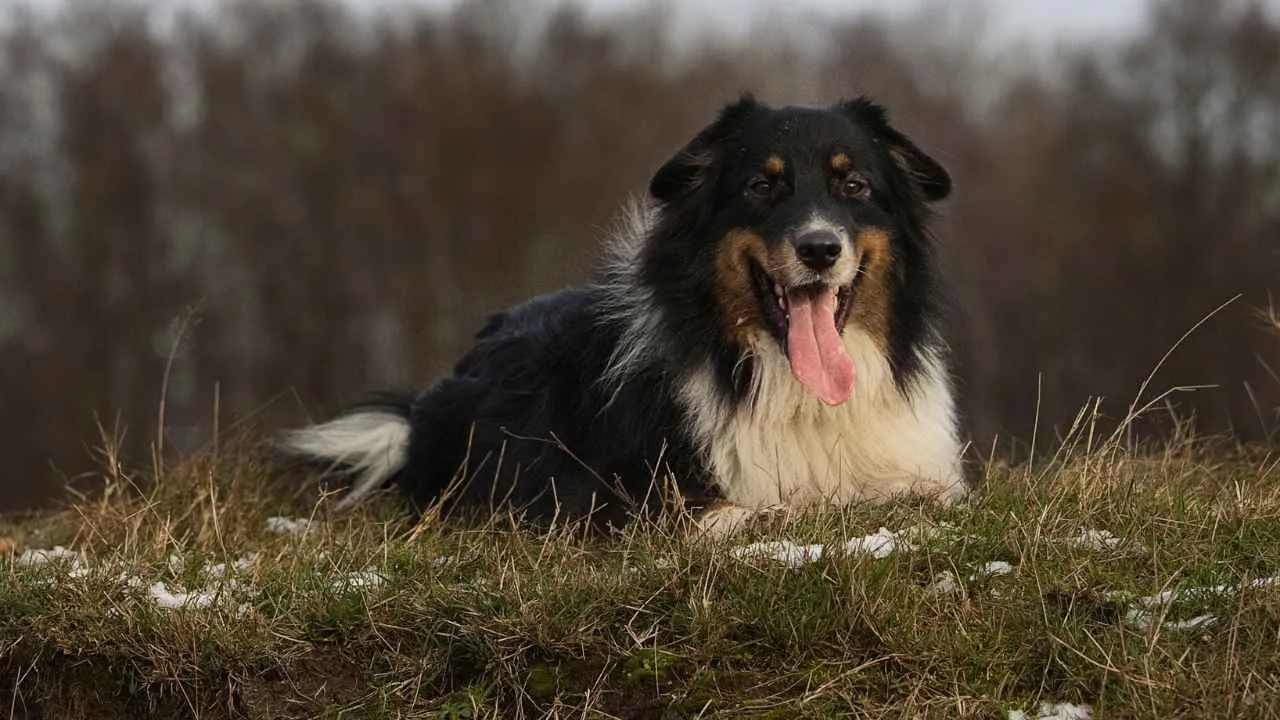
Australian Shepherds are agile herding dynamos with brains to spare.
They’re medium-sized dogs that crave activity and problem-solving, making them standouts in disc, rally, and trick activities. Expect a playful, people-oriented companion who loves to learn and help.
Training is important and fun—teach jobs like carrying a pack, finding the kids, or tidying toys. Aussies thrive when they have structure and clear expectations. Without outlets, they’ll invent their own “work,” like herding the family or rearranging the backyard.
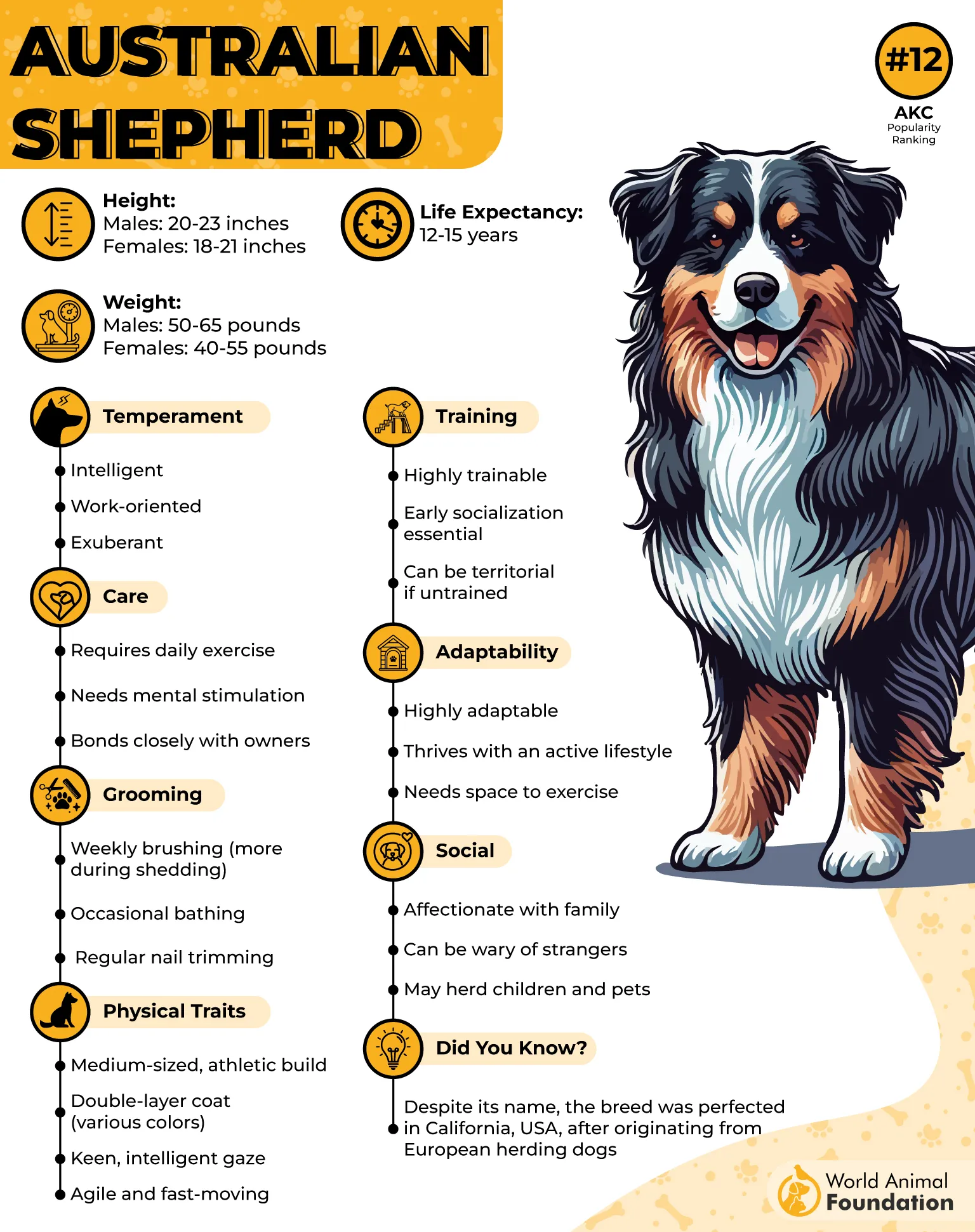
Exercise targets: Plan for at least two hours daily, including running, fetch, and mental puzzles. Add decompression walks to balance their energy. Grooming is moderate; regular brushing keeps their coat healthy.
Fit for: Active homes dedicated to activity and participation. Australian Shepherds excel when they can engage their minds and bodies daily and be part of the family’s routine.
6. Dalmatian
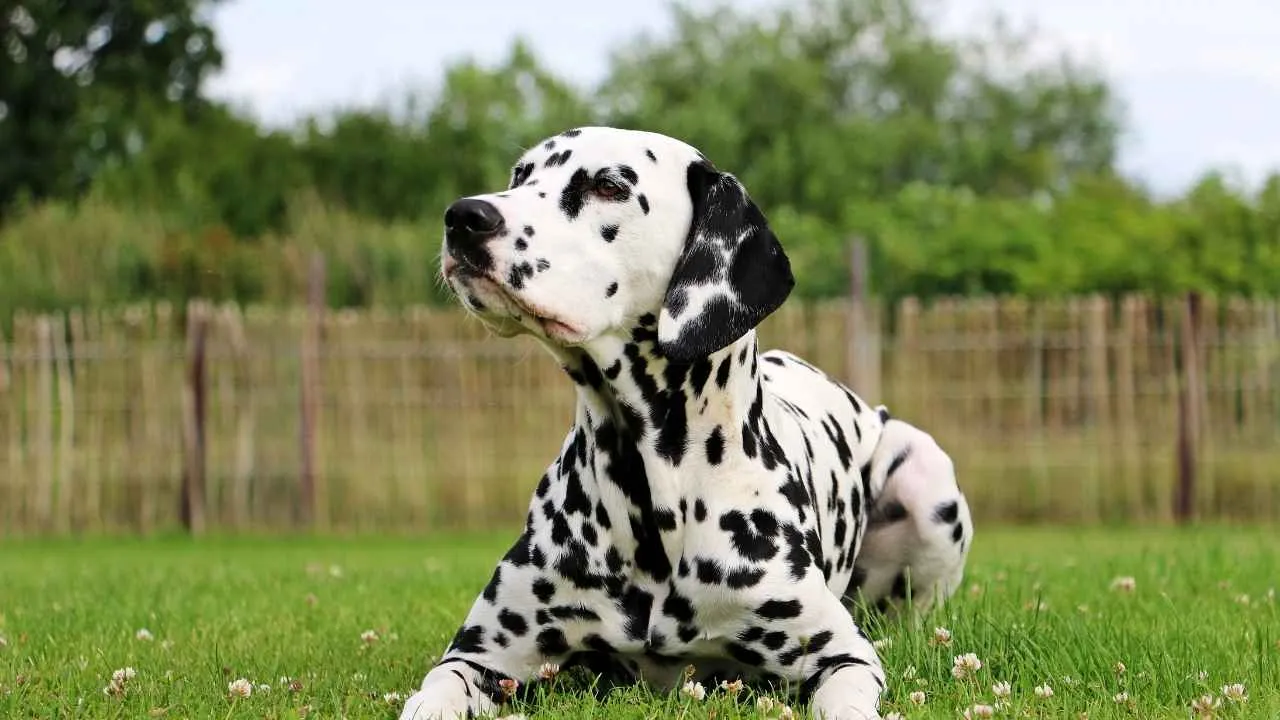
Dalmatians are historic road dogs—bred to trot beside carriages for miles—so endurance is in their DNA.
They love to run, hike, and join cycling sessions on safe routes. Expect a social, energetic companion that bonds hard with their people.
Training goes best with variety and patience, as per PetMD. Dalmatians are intelligent and enthusiastic; channel that into obedience and scent games. They can be boisterous, so supervise around small children to avoid accidental bumps.
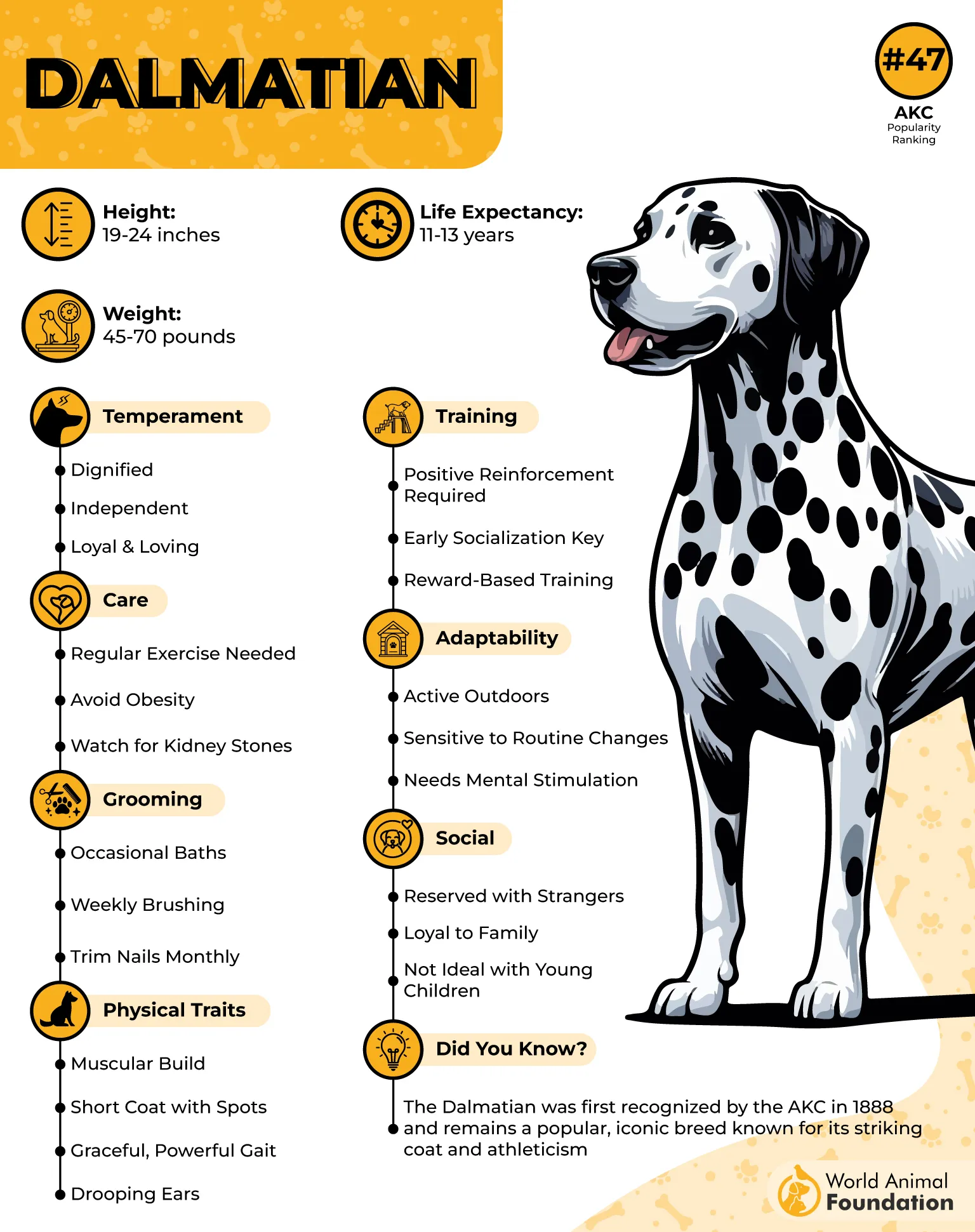
They prefer lots of together time and may be prone to separation anxiety if left alone too long.
Dalmatians need about 1.5–2 hours of daily exercise to stay healthy and balanced. Mix steady-state runs with intervals, plus recovery walks. Keep an eye on hydration and heat, and consider joint-friendly surfaces for repetitive miles.
Fit for: Dynamic households that want a durable running buddy and a social dog who likes to be included in daily plans.
7. Belgian Malinois
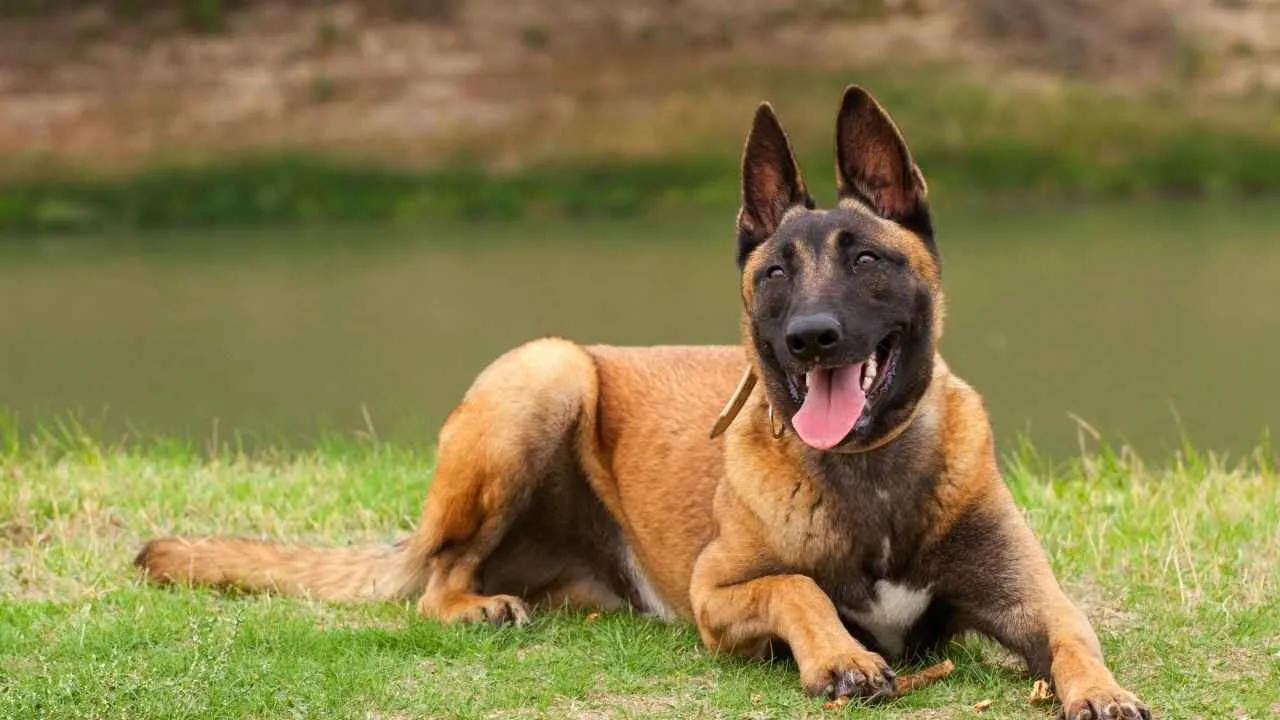
The Belgian Malinois is pure determination in canine form.
Athletic, focused, and endlessly energetic, they thrive when given serious work. They’re famous in protection sports and service roles, but with the right structure and socialization, they can be devoted household companions.
Training is non-negotiable and daily. Plan obedience, bite-sport alternatives (tug with rules), and scent work. Clear leadership, predictable routines, and early exposure to people and environments help them channel intensity.
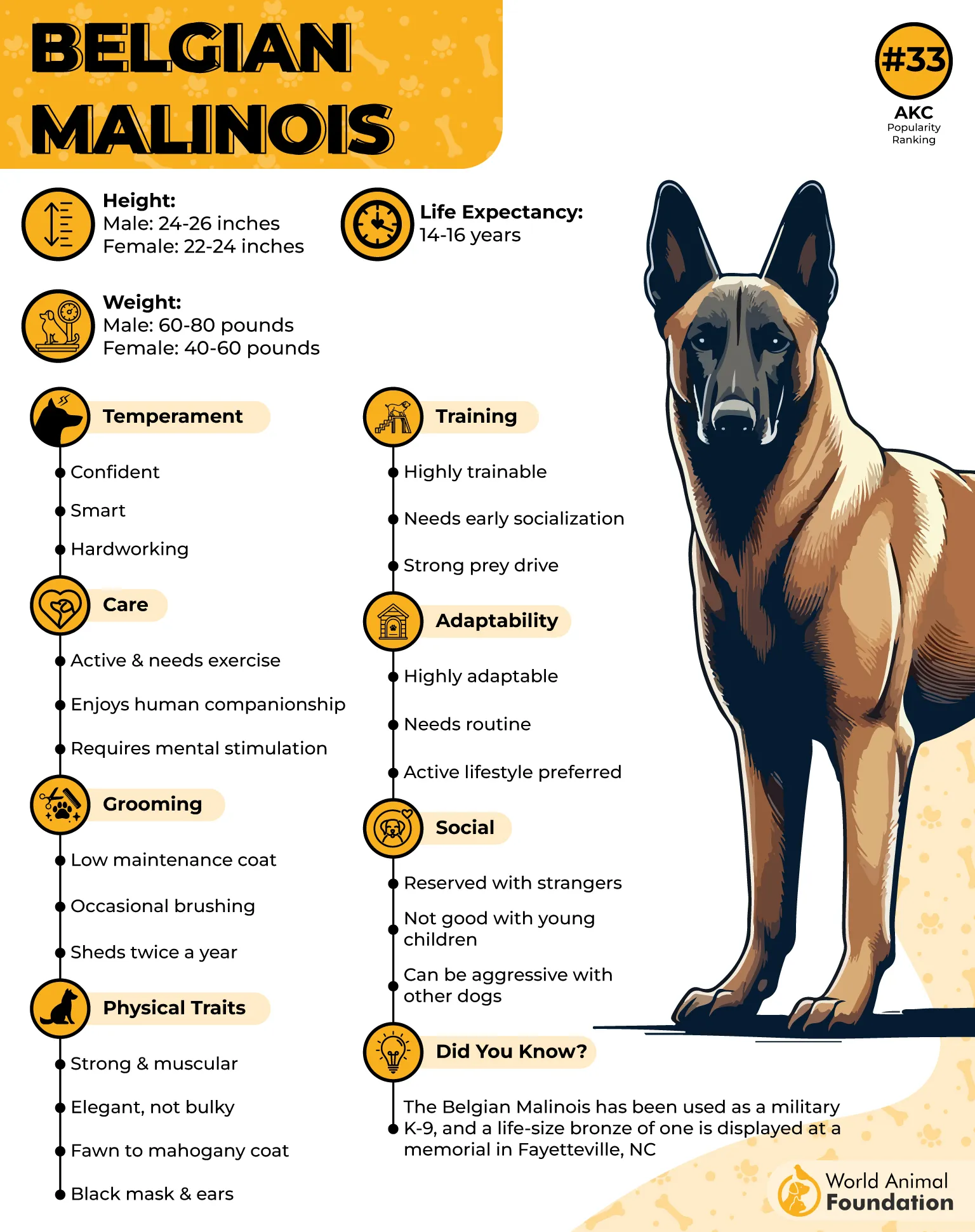
Without proper outlets, behavior can spiral—this is a breed for owners ready to invest time and thought into training.
Exercise: 2+ hours of purposeful activity plus targeted mental work. Alternate high-arousal tasks (sprints) with focus tasks (heeling, place work) and decompression walks.
Age matters: Protect growing joints. Keep structured running low-impact until your puppy is physically mature.
Fit for: Highly energetic, experienced owners who want to immerse themselves in structured sports and provide consistent training. When well-guided, Malinois are excellent companions with unmatched athleticism.
8. Jack Russell Terrier
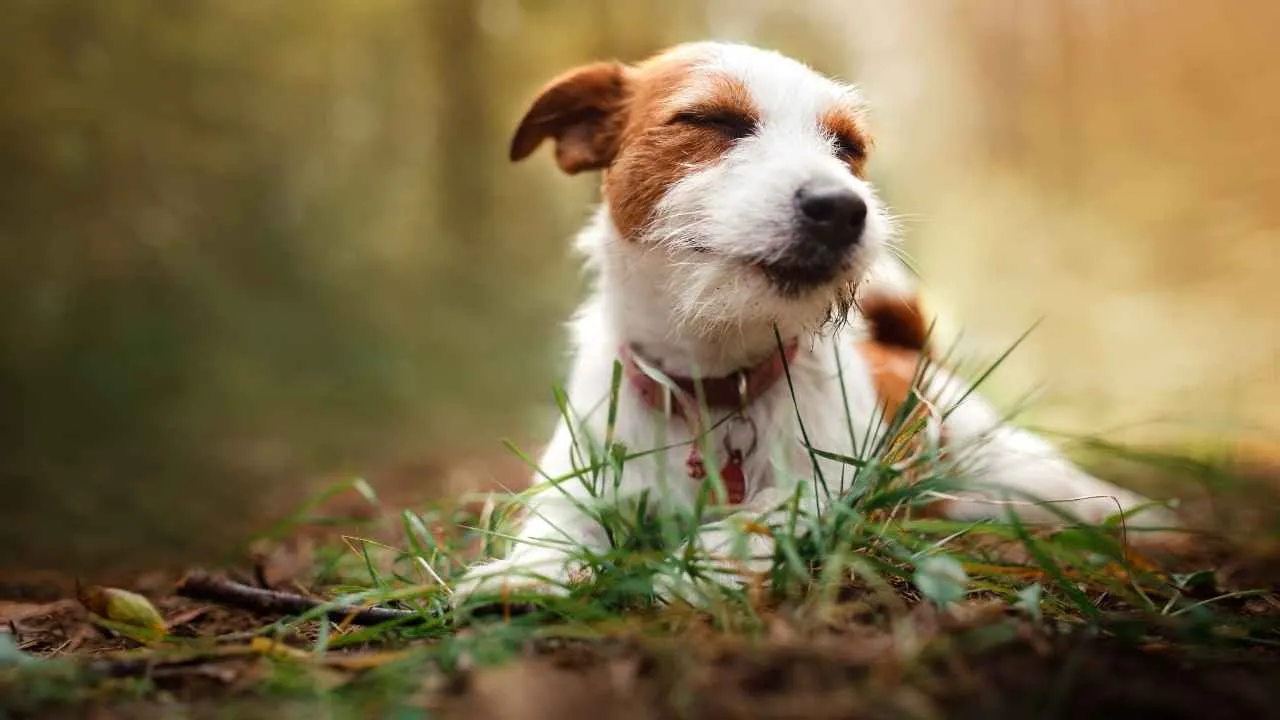
Small dog, big engine. Jack Russell Terriers pack energetic spirit into a compact frame, making them feisty partners for hiking and beginner agility.
They’re cheeky, confident, and often pick a favorite person—expect lively companionship.
Training must be upbeat and precise. JRTs are smart and independent; they use games, quick repetitions, and clear boundaries.
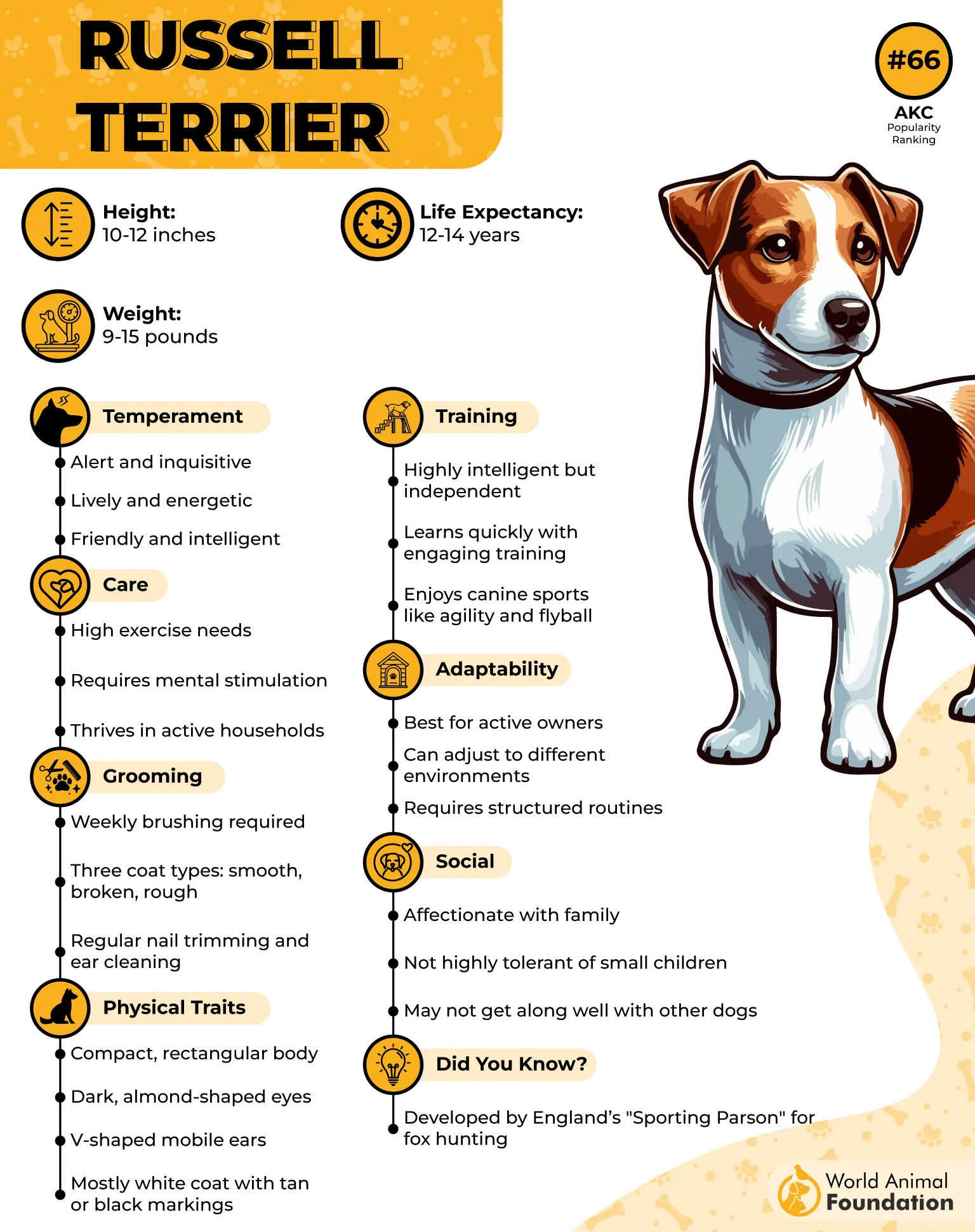
Activity goal: At least an hour of robust activity daily plus enrichment. Rotate ball-chasing, tug, and sniffaris. Early socialization helps them coexist smoothly with children and other pets.
Fit for: Active families seeking a smaller athlete with a big personality. Jack Russell terriers are great for owners who want a portable, adventurous buddy.
9. English Springer Spaniel
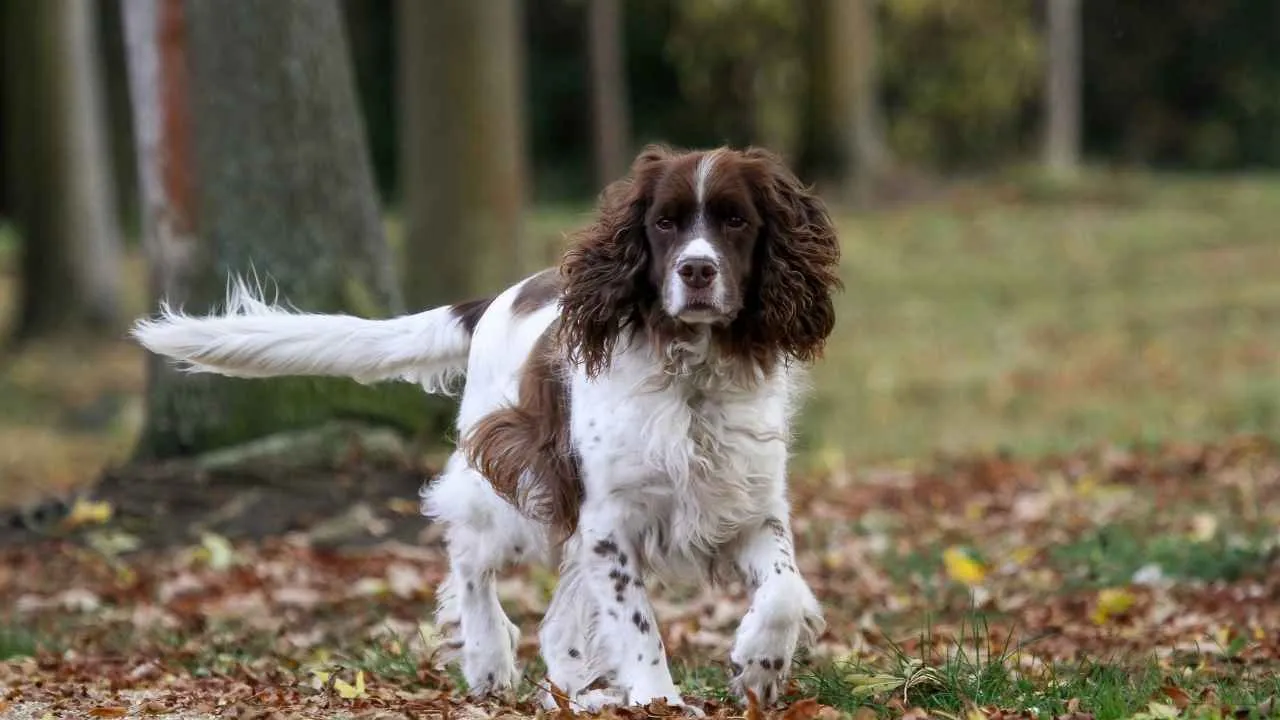
Springers are enthusiastic, people-focused sporting dogs who love to work and play.
They’re natural fits for long walks, energetic fetch sessions, and water retrieves. Their friendly temperament makes them excellent with children and eager to join any family outing.
Training with Springers is smooth—they’re responsive and love praise. Keep them busy with field games, recall drills, and canine sports like flyball or dock diving. Teach a reliable settle cue so they can switch off inside.
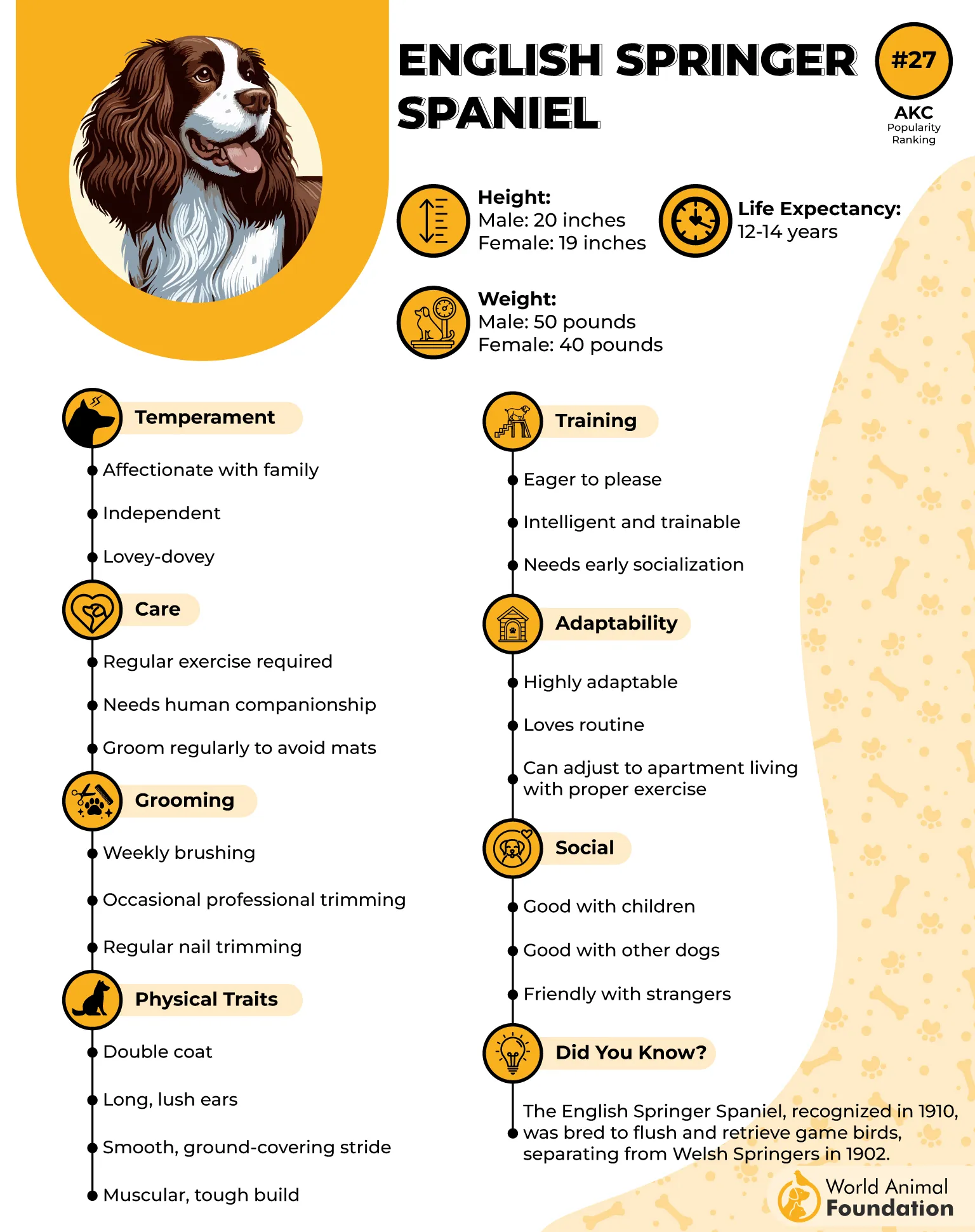
Plan for about two hours of activity daily, balancing cardio, sniffing, and skill work. Mental games—shell games, hidden-toy searches—help prevent over-arousal. Regular grooming keeps their feathered coat tidy after muddy adventures.
Fit for: Families wanting a cheerful, versatile partner that’s game for anything and sweet at home.
Conclusion
Choosing a canine workout buddy is about matching energy, temperament, and training goals with your family’s lifestyle.
Huskies bring icy endurance, GSPs and Weims deliver versatile athleticism, Vizslas add cuddly speed, Aussies bring herding smarts, Dalmatians offer road-ready stamina, Malinois bring laser focus, JRTs pack portable punch, and Springers balance field drive with family charm.
With thoughtful training, varied activities, and consistent mental stimulation, these breeds will thrive—and your active lifestyle will only get better with a loyal partner at your side.
