




Bringing a dog home is not just about having fun companionship; you also need to provide them with proper care and attention to ensure they spend healthy lives. Dogs have always been the greatest companions to humans, and owners develop an unbreakable connection with them, which is hard to forget.
We have gathered 7 dog breeds with a low life expectancy have have many health concerns that must be catered to. The average lifespan of dogs is between 11 to 12.5 years. It may be less or more depending on the breeding practices, health issues, and various other factors.
Some dog breeds have a long life expectancy, and some have heartbreakingly shorter lives that can leave a dent in your life.
Here’s a guide for you to explore whether these dog breeds are the right choice for you, whether they are fit for your lifestyle, and how you can make their lives easier with your unlimited love and care.
Dog Breeds With Reduced Lifespans: Are They Right For You?
1. Saint Bernard
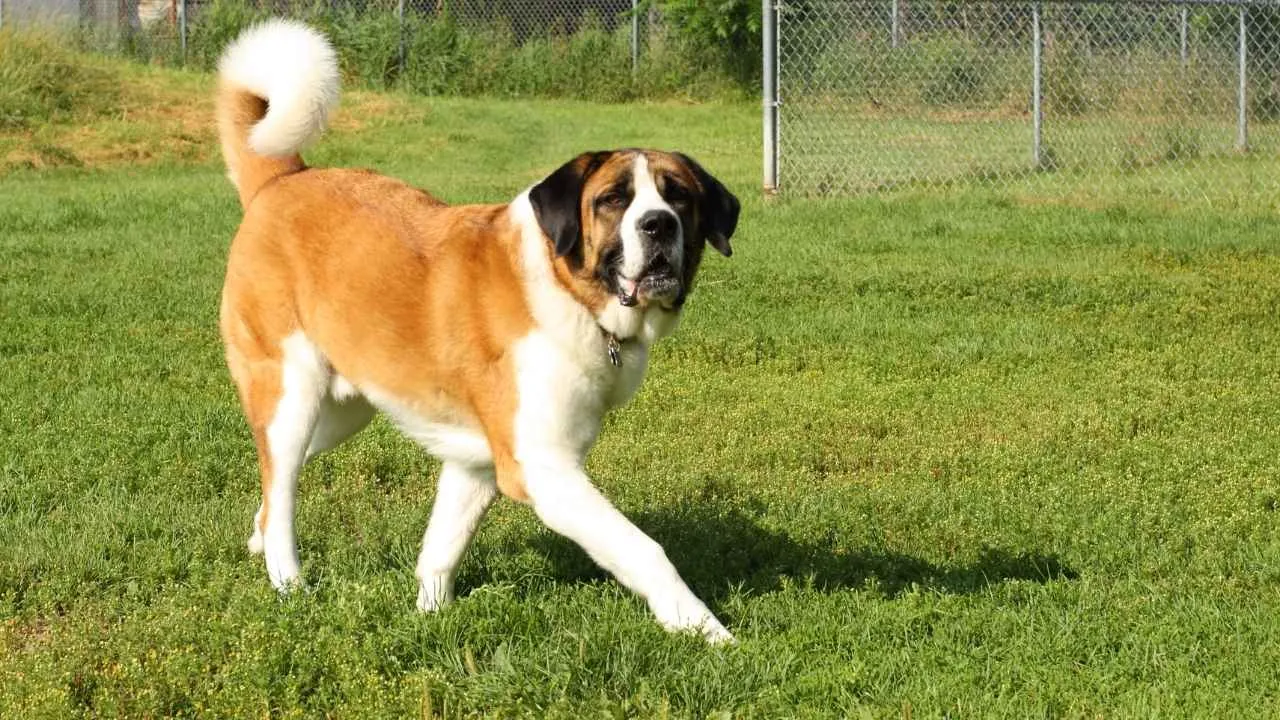
Known to be the rescue dogs from the Alps, the Saint Bernard is a gentle giant who has expressive eyes and a calm and loving nature. These dogs are famous for their loyal, patient, and affectionate nature, especially around kids. Despite being large dogs, they have a heart of gold and thrive on human companionship.
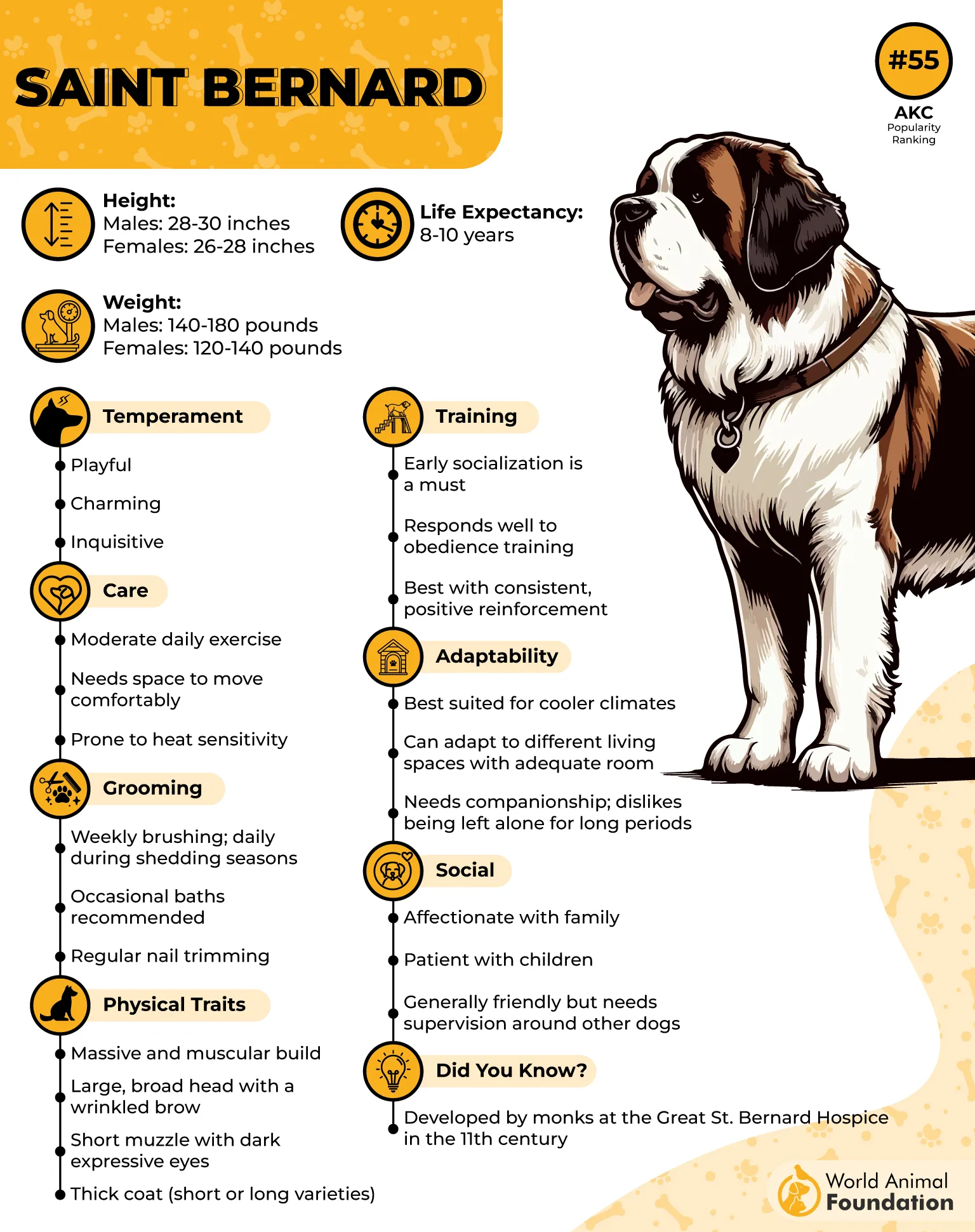
Being the most excellent emotional companions, these large dogs have relatively shorter lives. This reduced lifespan is mainly because of their large size, which puts a strain on their heart, joints, and internal organs. These large breeds are prone to genetic health issues such as hip and elbow dysplasia, heart diseases, and bone cancer.
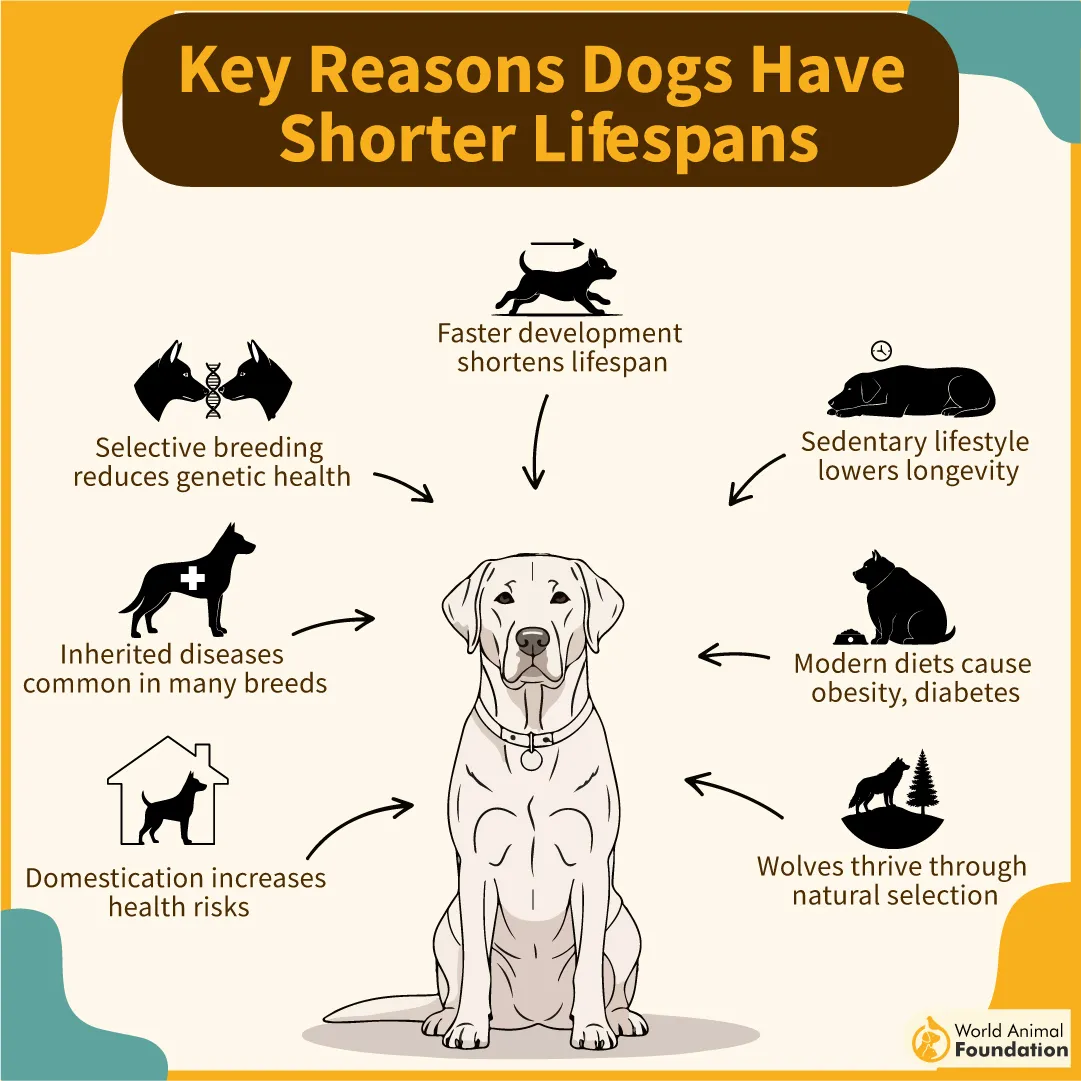
Their lifespan may be shorter, but with proper care and attention, you can improve the quality and length of their life. Owners must be focused on providing them with high-quality food filled with nutrients, supplements for their joint health, and ensuring that they do not engage in extensive exercise sessions, especially during early development. Regular veterinarian checkups are recommended to ensure no symptoms are missed.
2. Great Danes
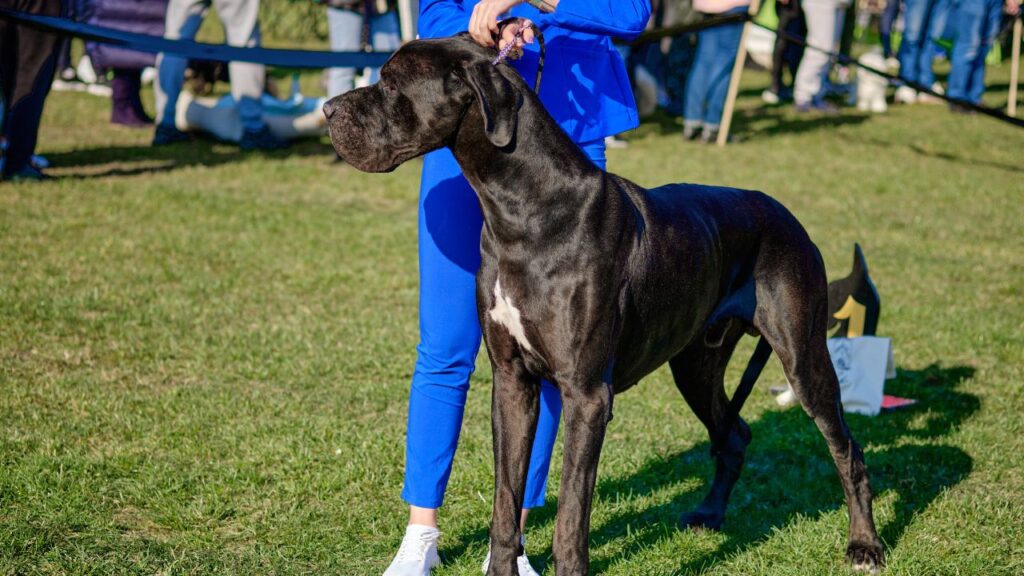
Known to be one of the tallest dog breeds from the canine world, Great Danes are famous for their long legs, and it is a true treat to watch these pups run around. These gentle giants have an imposing size, are affectionate and sweet in nature. They are friendly, patient, and love being around their family. They bond closely with their pet parents and do not like being left alone for long.
Just like Saints, Great Danes also go through some serious health concerns because of being a giant breed. Their rapid growth puts a strain on their heart, bones, and joints. The most common health problems found in these large dogs are cardiomyopathy, hip dysplasia, arthritis, and bloating. According to PetMD, bloating is one of the most common causes of death in these pets.
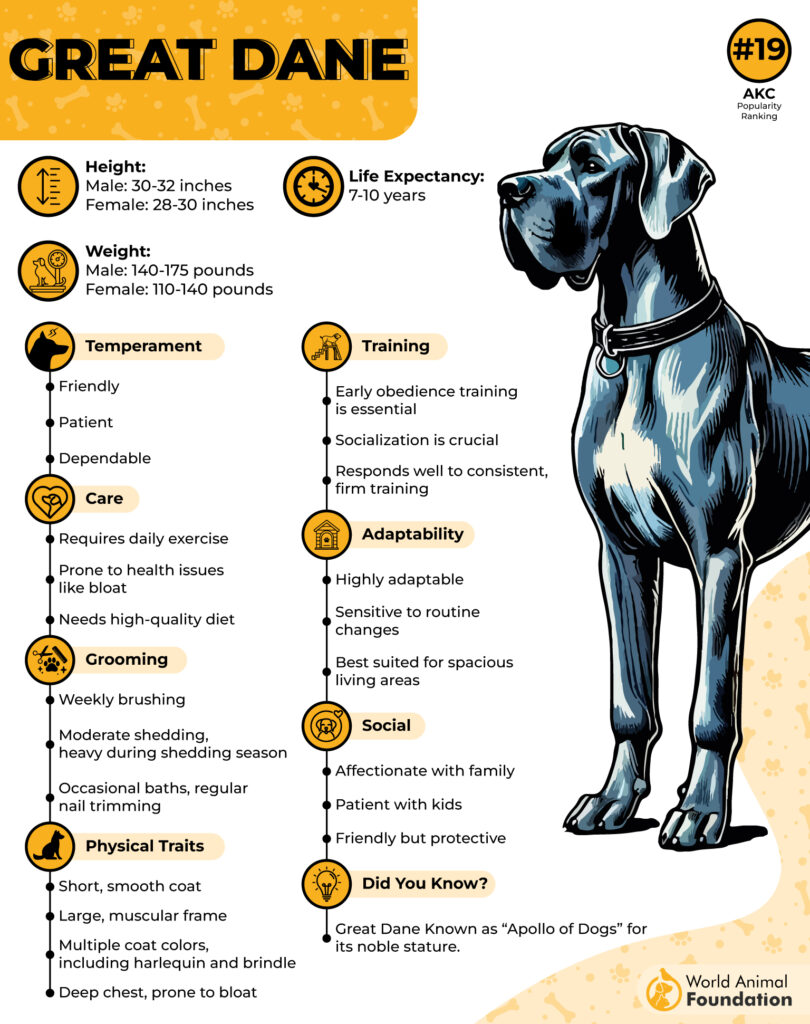
Dog owners must provide responsible care to these dogs to improve their lives. They may have a short lifespan, but that does not mean they don’t get to enjoy life. These dogs must be provided with a joint supplement to support their growth. You must maintain a healthy weight for these dogs as it helps to reduce strain on their heart and other organs.
3. Bernese Mountain Dog
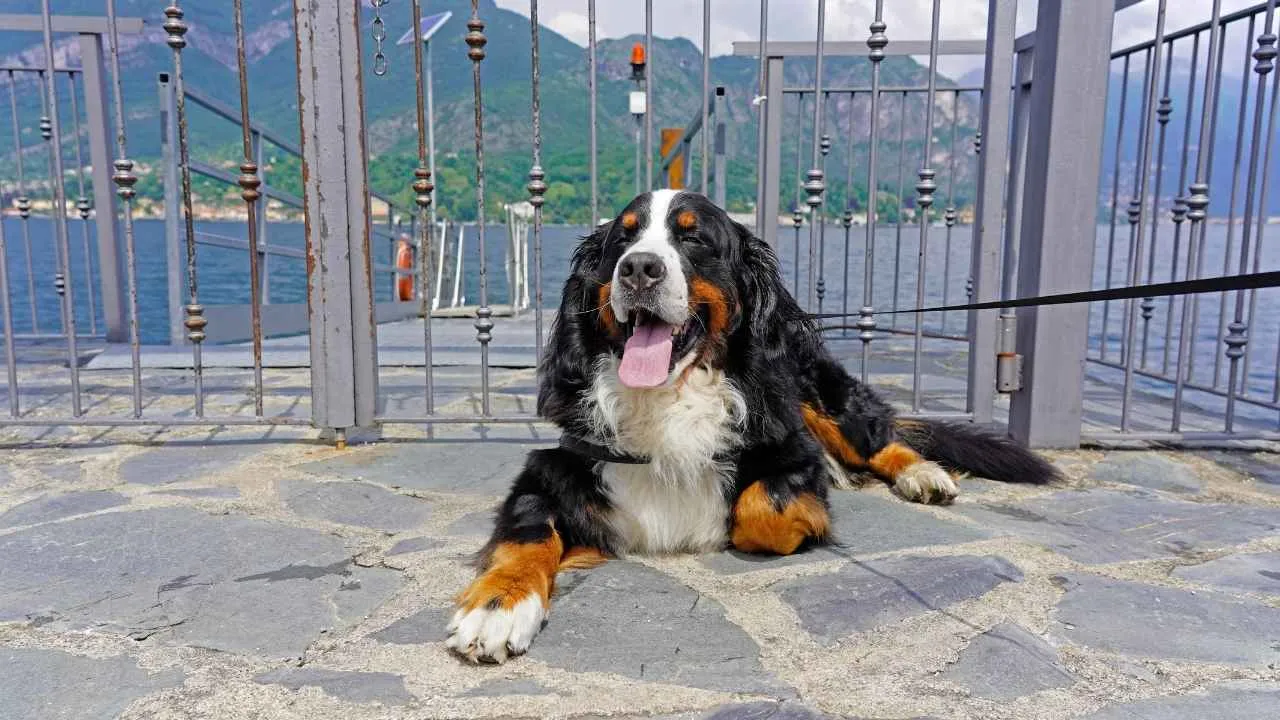
Originally bred to pull carts and protect farms from predators, Bernese mountain dogs are large breeds with an affectionate, playful, and gentle demeanor. These are low-energy dogs compared to others, but a balanced schedule of physical activity must be included in their routine to keep them healthy and satisfied. You can use our ‘Dog exercise calculator” for planning:
Dog Exercise Needs Calculator
Invalid input. Please enter a valid age and breed.
According to Britannica, these dogs are not long-lived, with a short lifespan of 7-10 years. These large dogs are susceptible to genetic diseases like cancer, heart problems, and other autoimmune disorders. Because of genetic diversity and different breeding practices, their lifespan is getting better, and they are becoming less prone to life-threatening diseases.
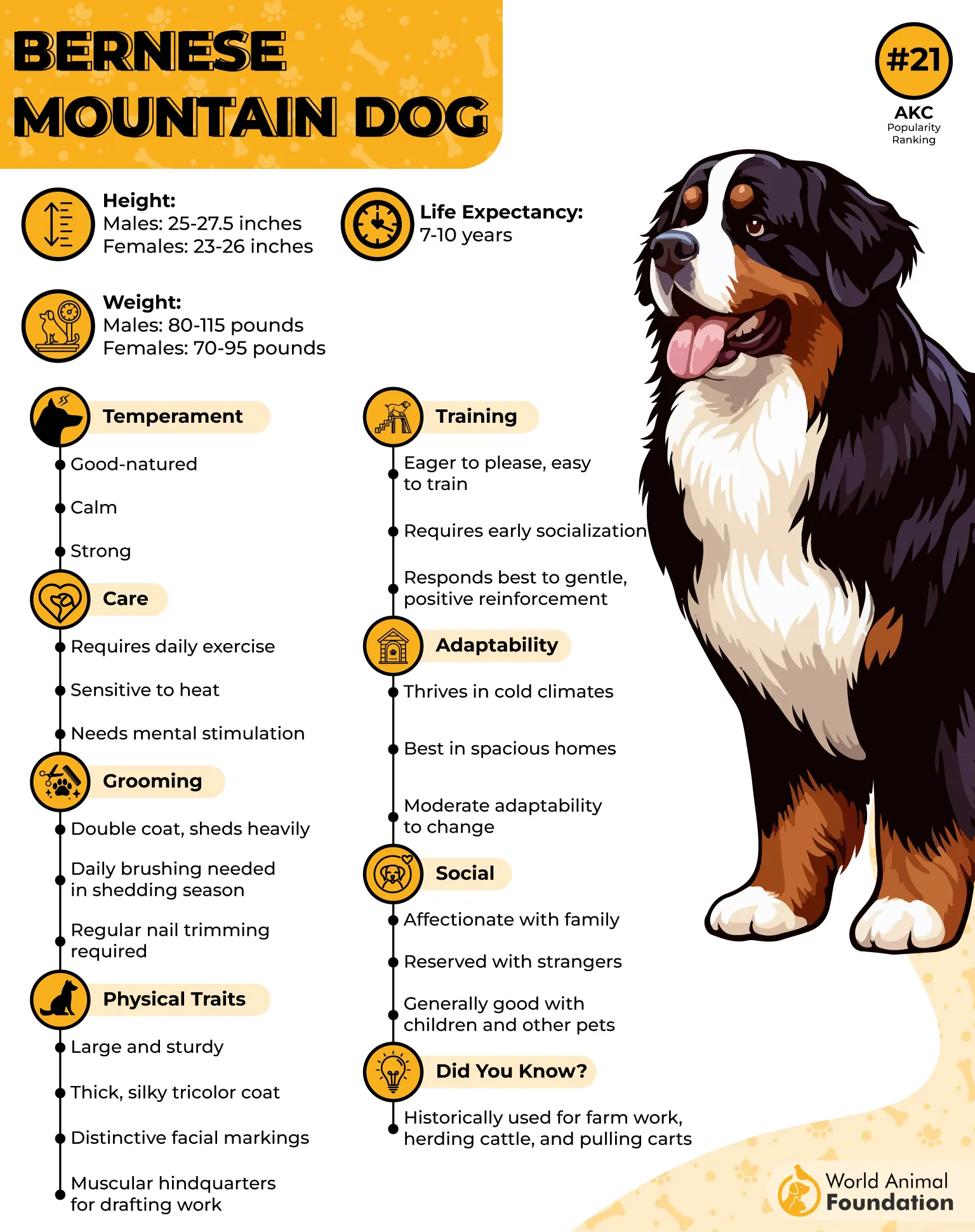
Because of being easily susceptible to various health issues, these pups must be provided with proper nutrition to maintain a healthy status, along with health supplements that promote proper joint growth.
Regular veterinarian visits are recommended to screen them for cancers and heart diseases to help with early detection. These dogs thrive in a loving home and are sure to form great bonds in a short amount of time.
4. Bulldog

Known for their wrinkled face, muscular build, and a calm and affectionate personality, Bulldogs are the most gentle, loving, and people-pleasing pups you will ever find. Bulldogs are not high-energy pups and prefer staying indoors rather than going out for play sessions. They are the perfect choice for people living in apartments or smaller homes, and because of their laid-back nature, they form strong bonds easily.
This four-legged friend is known to be brachycephalic, meaning they have a flat face, which makes them prone to breathing problems. This puts a lot of strain on their heart and lungs. These small dogs do benefit from regular exercise, but you need to make sure to keep their body temperatures normal, as they can not tolerate a lot of heat.
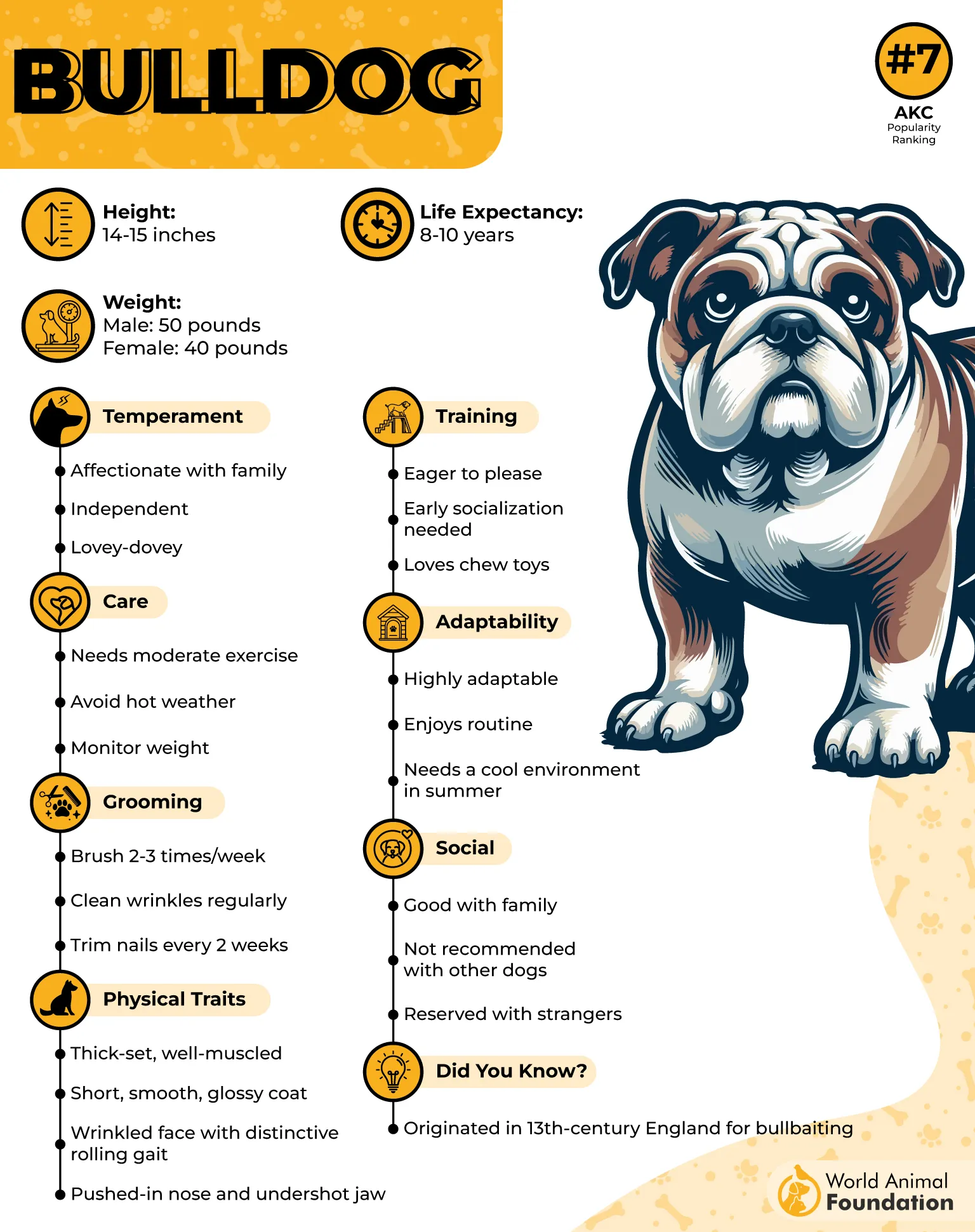
These pups are not noisy at all, which makes them great for shared spaces, but you might find them snoring or snorting because of their flat face. These pups have skin folds, which is why proper care should be given to keep their skin and coat clean to prevent infections.
5. Leonberger
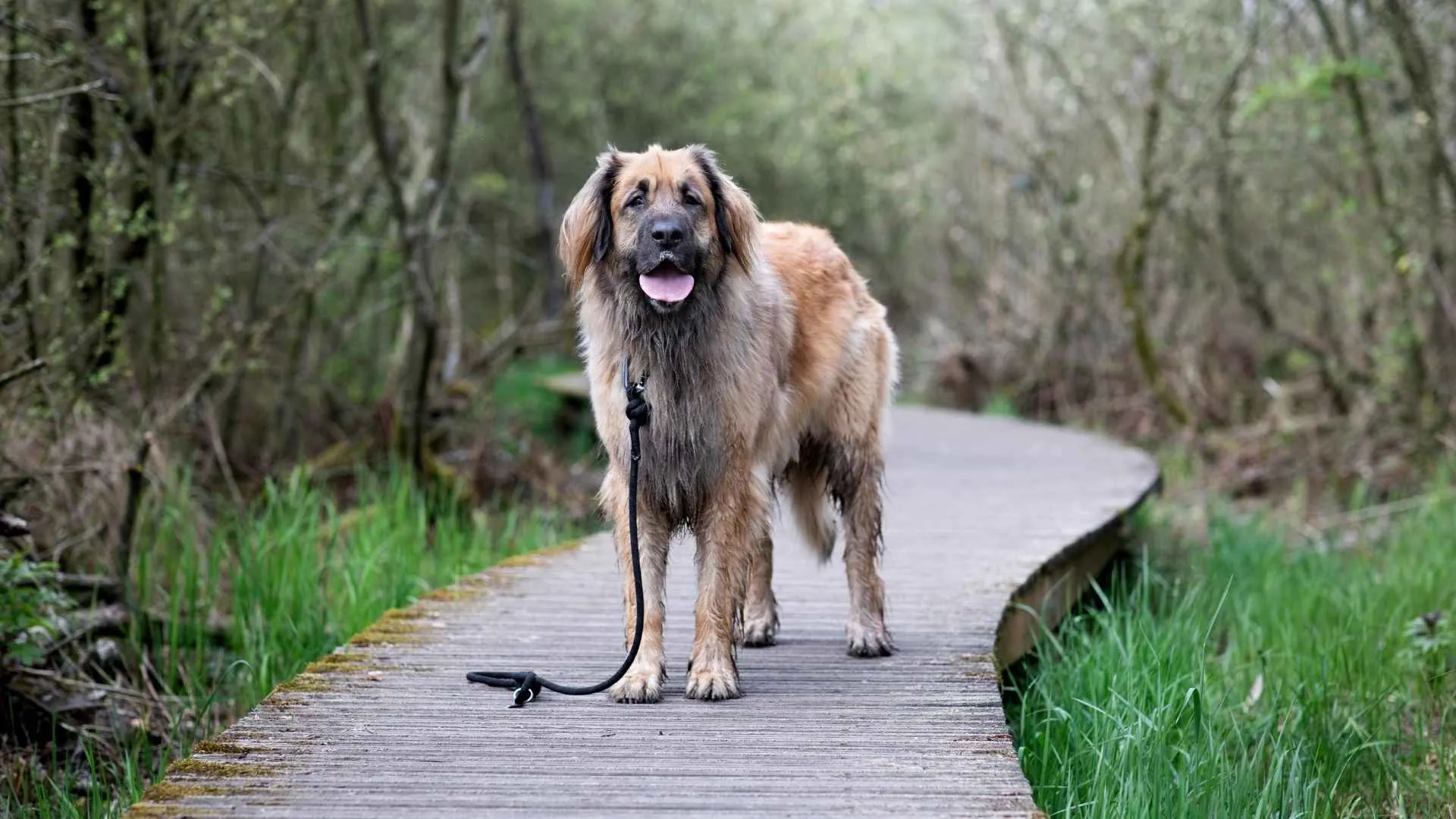
A large breed dog that is calm and quiet, Leonbergers are active dogs who prefer both physical activity and mental stimulation to maintain their health status and fulfil their energy needs. According to Hill’s Pet, these dogs are intelligent, which makes training them extremely easy.
They may be stubborn and aggressive around strangers, which is why providing them with proper training and socialization is essential from an early age.
This furry friend has a lifespan of 7-10 years, which is again shorter than other dogs. These pups may develop hip and elbow dysplasia, heart diseases, and bloating. Cancer is one of the most common causes of their death in their senior years, making their lifespan limited.
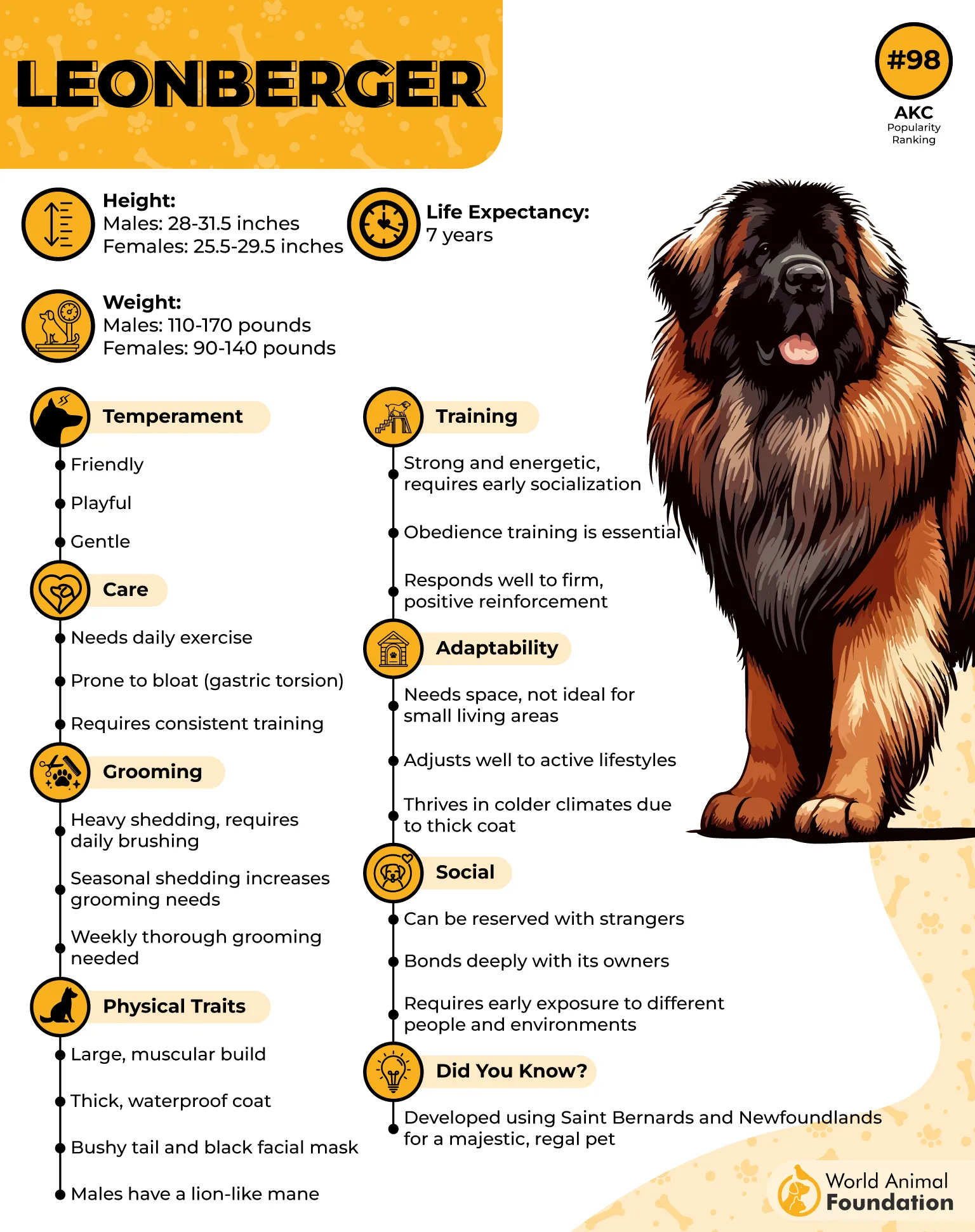
Routine vet checkups are essential to detect any symptoms so that they can be provided with proper care and attention. These pups should be given highly nutritious meals that must be divided into smaller portions, and a short walk is recommended after to prevent bloating. This breed thrives on emotional connections and must not be left alone for a long time.
6. Rottweiler
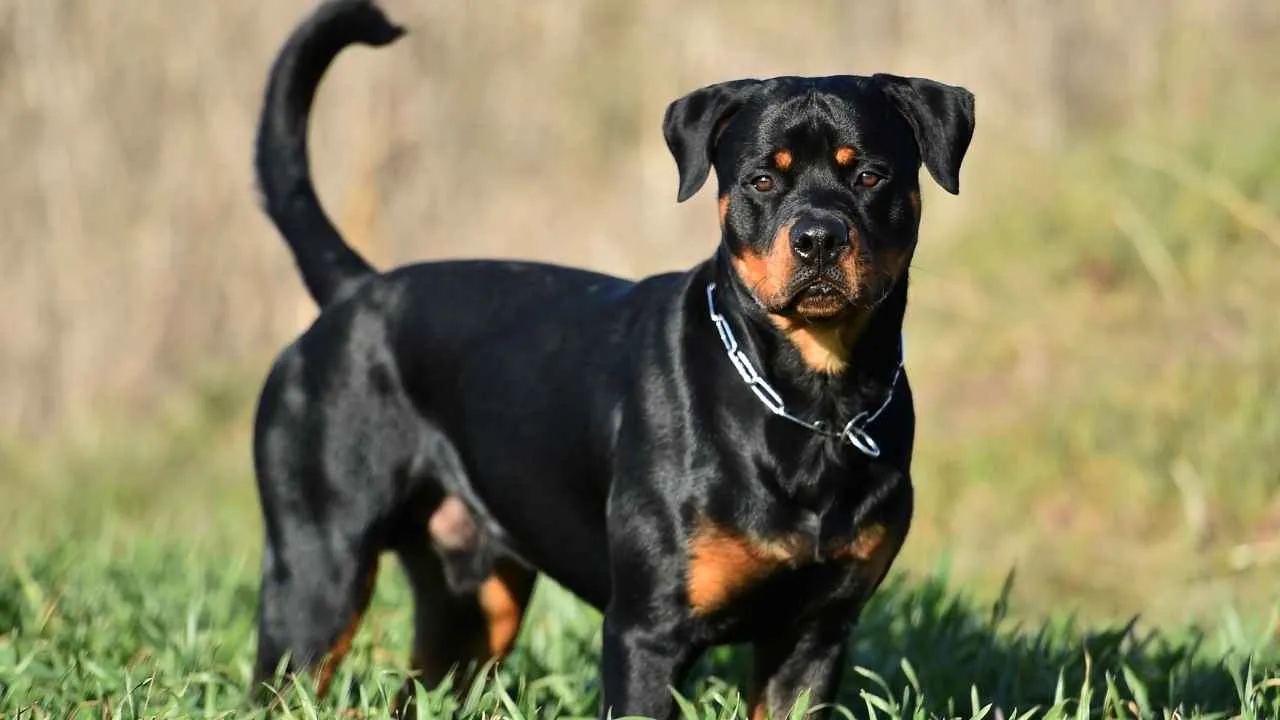
A dog with an imposing size but a short lifespan, Rottweilers are large dogs with a broad head who belong to the working group of the canine world. These dogs are the most popular breed in the US.
If provided proper care, these dogs live up to 10 years. Caring for a Rottie involves knowing about their nutrition, health, and grooming, and exercise needs to ensure they live a happy and satisfied life.
Rotties need at least 60 minutes of exercise every day, along with proper physical and mental stimulation. Without proper exercise, these pups tend to get bored and may tend to show unwanted behavior. Though they are natural clowns, but only with their dog owners and act totally aloof and reserved around strangers.
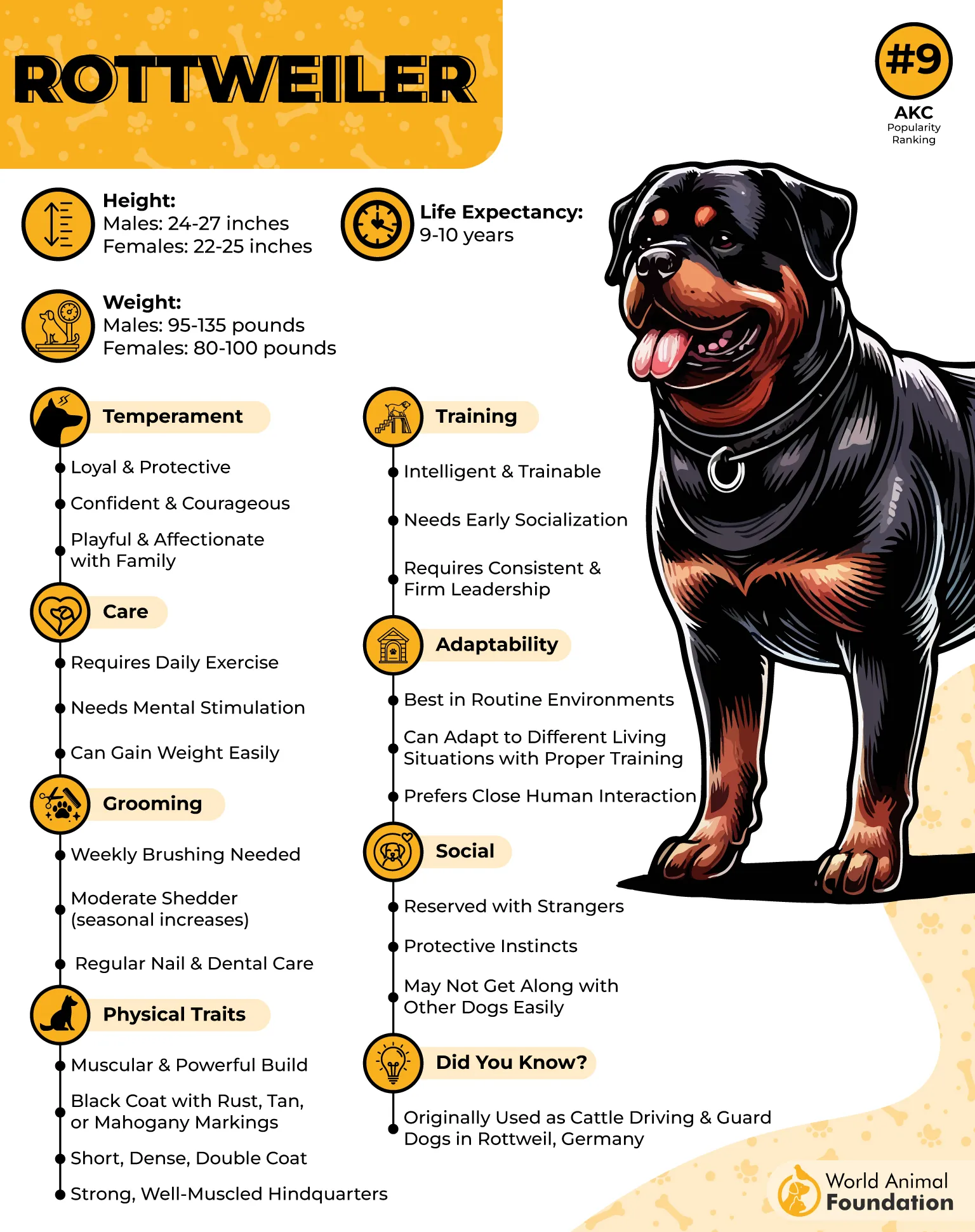
Rotties are prone to obesity, which is why owners must focus on providing them quality food. They must be fed according to their age to improve the dog’s lifespan. These dogs are not prone to any skin infections, but if you see any symptoms, you must immediately contact a vet for a checkup.
7. Broholmer
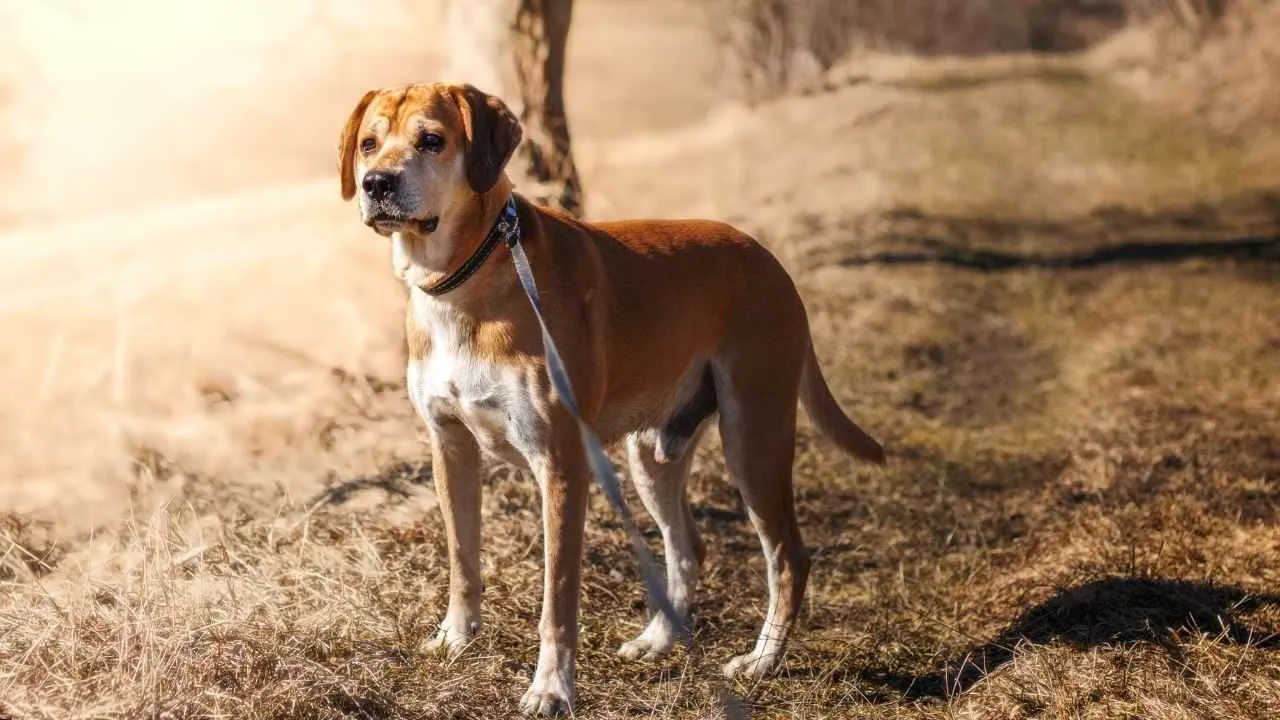
A large breed dog with a loud bark and a confident walk. Broholmer are intelligent, loyal, and alert, and love unlimited cuddles and get along well with children and other dogs in the house. They are way of strangers but affectionate with their own family members. They may be stubborn and willful at times, but with proper training and socialization, this can be corrected.
With a short lifespan of 8-10 years, their large size is the one factor to blame for it. Their size puts a constant strain on their heart and internal organs, leading to faster aging. They are prone to arthritis, hip and elbow dysplasia, bloating, etc. These dogs get older must faster as compared to smaller dogs.
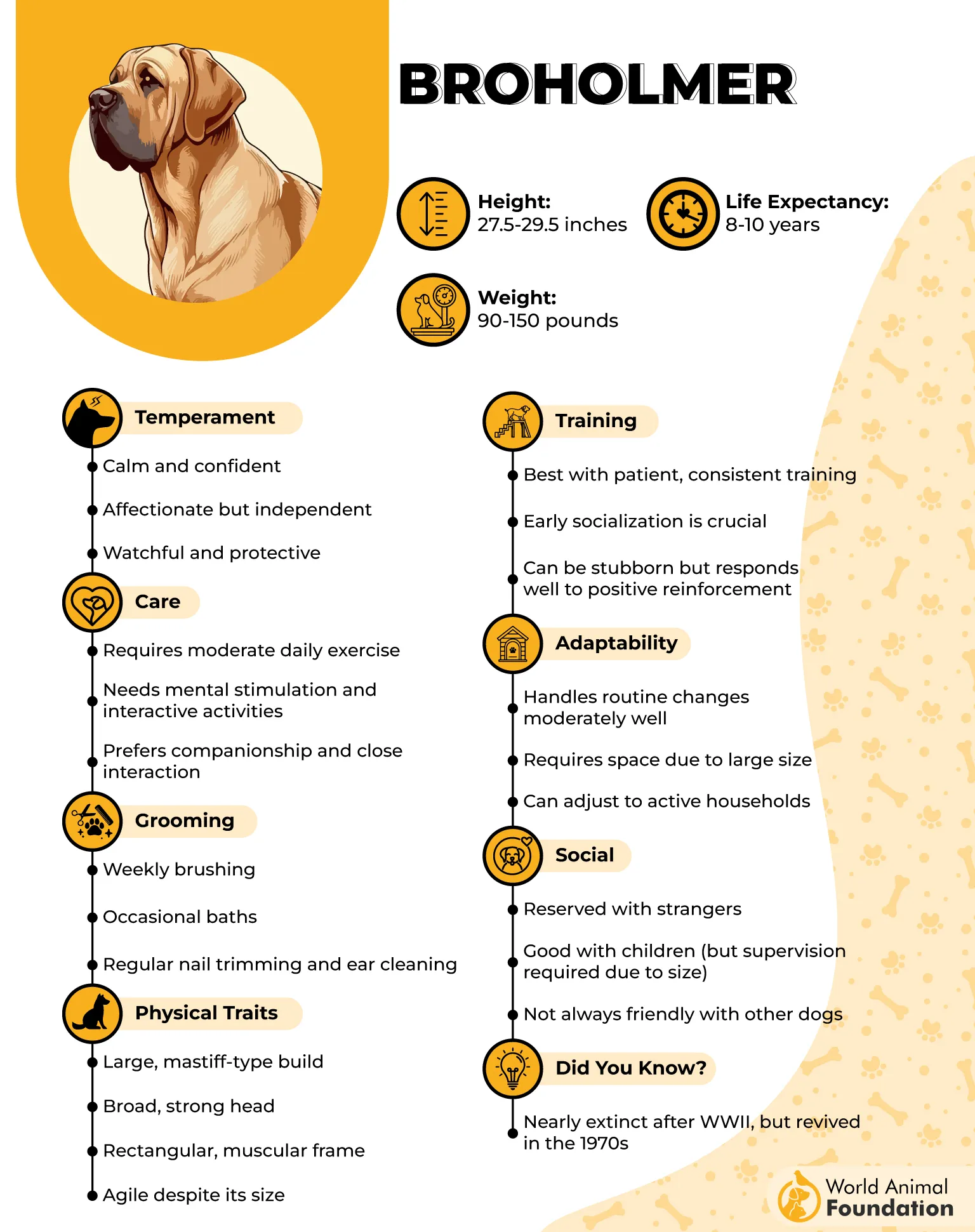
With good care and plenty of love and affection, these pups can live a beautiful life even in the short years these dogs are given. These dogs must be provided with proper nutrition that helps to maintain their health and prevent obesity.
Conclusion
These dog breeds may not be your long-lived companions, but the time they spend with you is truly the best. They make a huge space for themselves in their heart in their short lifespan and fill your lives with love, loyalty, and unforgettable memories.
With these dogs comes a lot of responsibility, so if you’re ready to provide these dogs with the attention they need and the care they require, these are the right dog breeds for you. As responsible owners, you must focus on how you can make their quality of life better with your love and companionship.
