




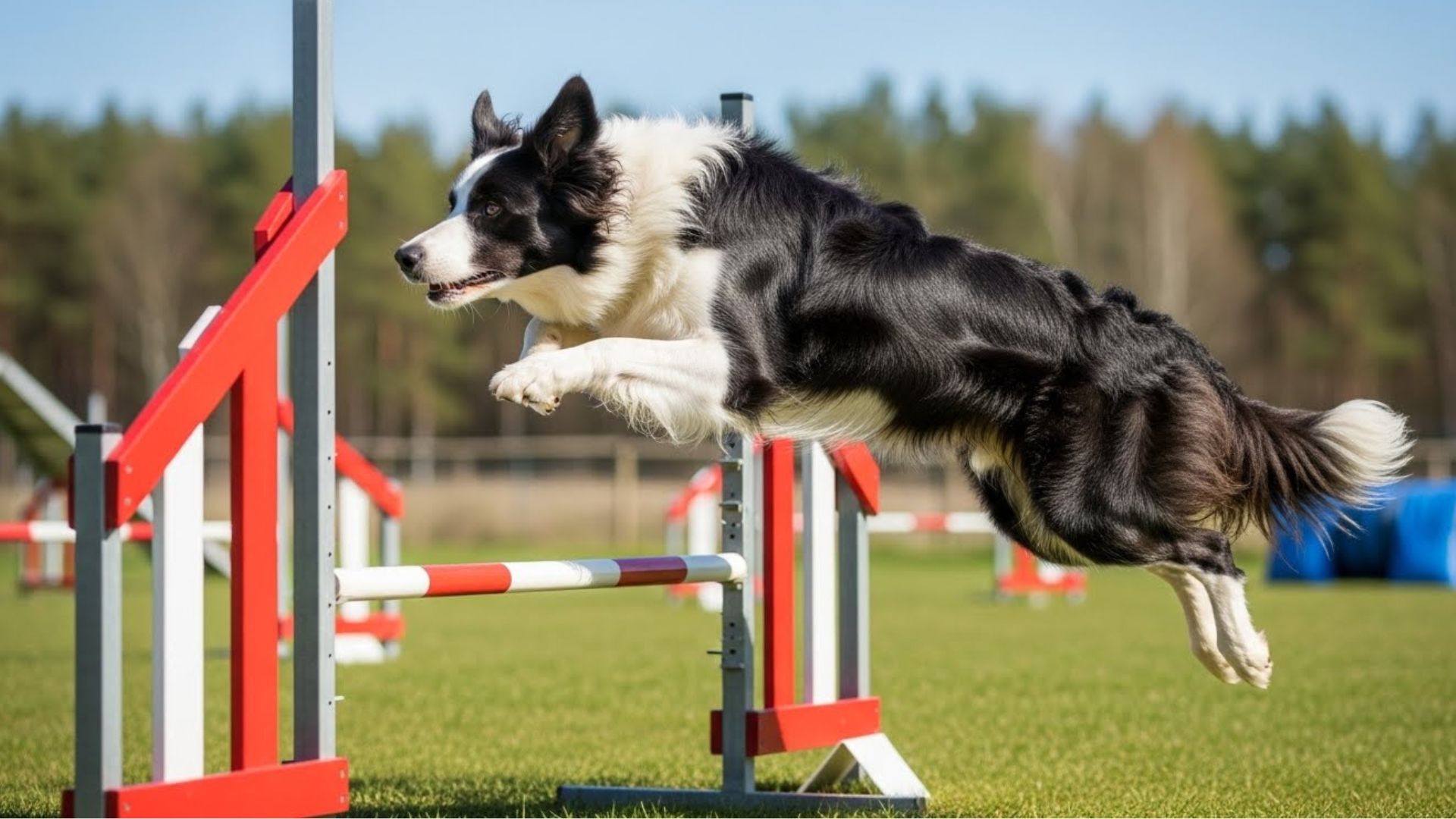
Some dogs don’t just learn commands—they read routines, anticipate what you’ll do next, and solve little “puzzles” around the house with shocking ease. That’s the magic behind dog intelligence: a blend of quick learning, strong memory, and the kind of focus that turns training into teamwork.
Of course, most dog owners swear their pup is the smartest on the block—and honestly, they’re not always wrong. Many dogs show real brainpower in everyday moments, like recognizing when it’s dinnertime, reacting to the sound of a leash, or picking up new habits after only a few repetitions.
In this guide, we’ll explore standout breeds celebrated for their sharp minds, athletic ability, and devotion to their people. This list draws inspiration from research-based rankings and practical observations of how dogs learn, work, and bond—so you can find a brilliant companion whose talents match your lifestyle.
Dog Breeds Known for Their Intelligence and Skills
1. Border Collie
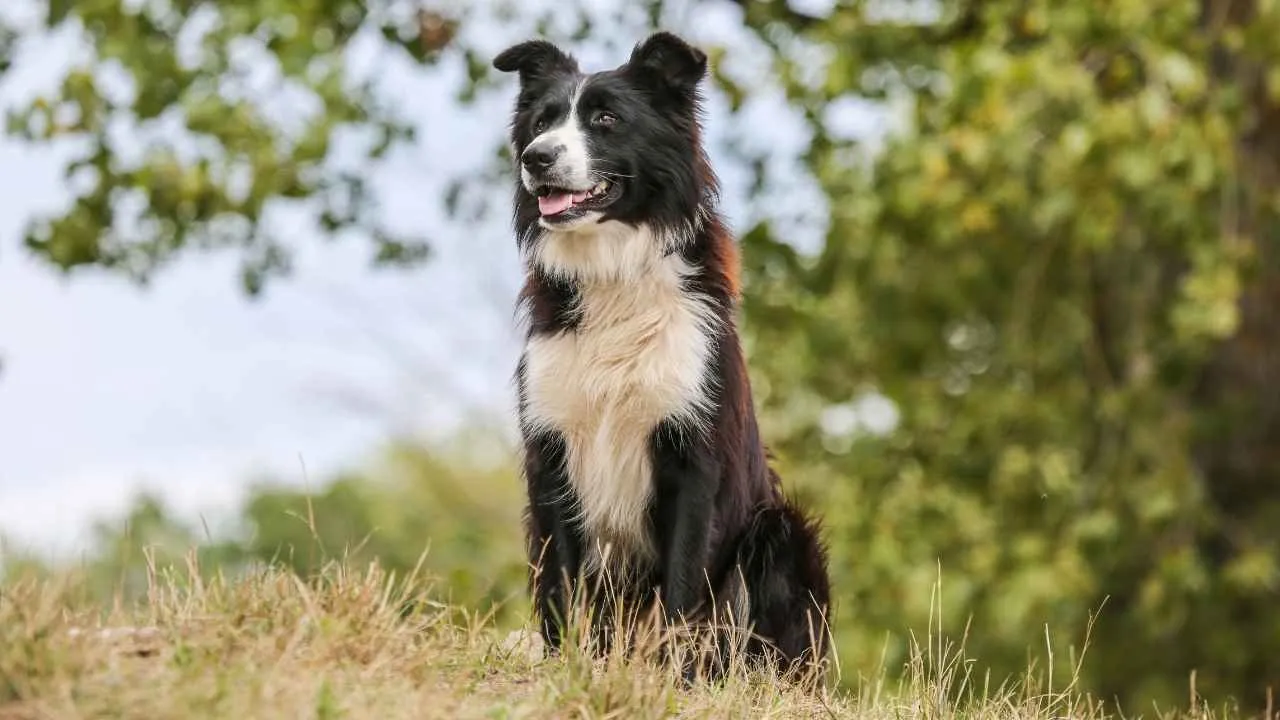
Border Collies—often called the “world’s best herding dog”—are agile, athletic workers famous for that iconic, intense stare and laser focus. This people-oriented herder is so tuned in, they may even try to “manage” the household by nudging everyone into place.
The AKC states that the Border Collie is an exceptionally intelligent and hard-working breed—so driven, in fact, that it may be too much for owners who don’t have the time, energy, or resources to keep it properly occupied.
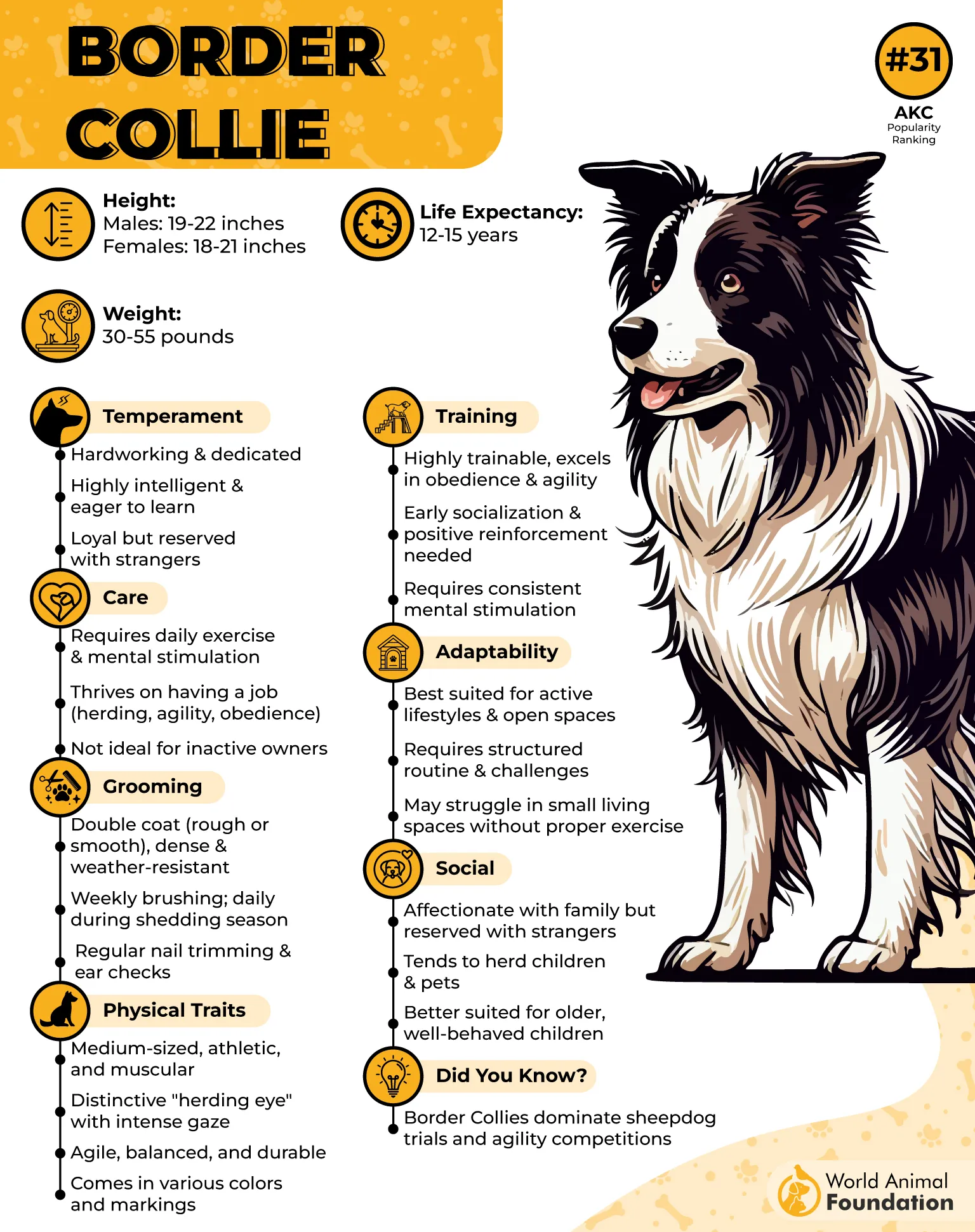
When we talk about canine intelligence, Border Collies show it in multiple ways: they learn fast, retain cues, and apply what they know in real time. That’s the difference between simply obeying and truly thinking—the kind of brainpower that shines in complex tasks and rapid problem-solving.
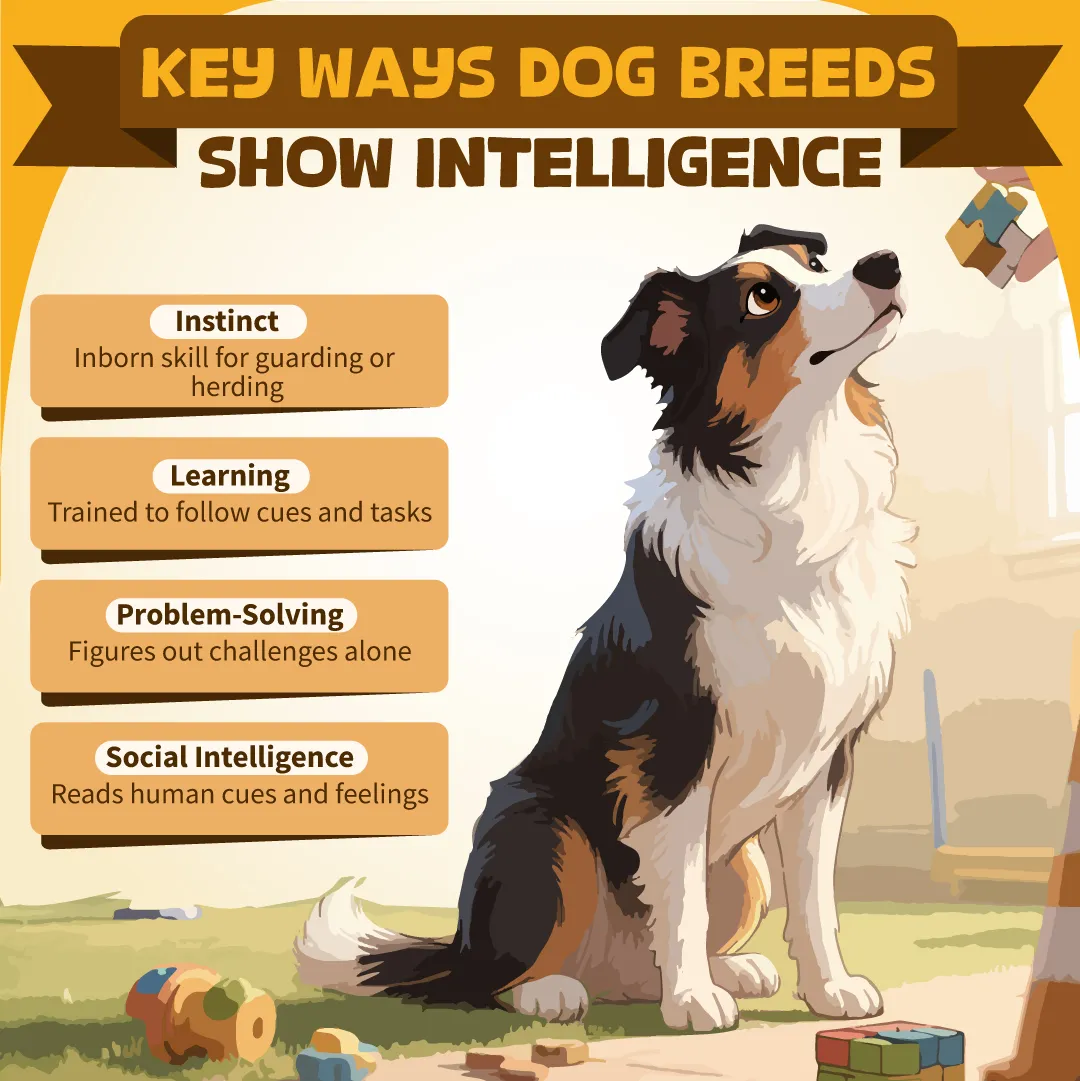
Their skills also reveal why “smart” isn’t always “easy.” A bored Border Collie can turn into a one-dog demolition crew, because mental stimulation is as necessary as exercise. Give them jobs—training games, advanced cues, agility-style challenges—and they’ll happily overachieve.
In fact, Border Collies are often described as quick-as-lightning learners, and it’s estimated they’re the only dog breed able to recognize over 1,000 nouns.
2. Poodle
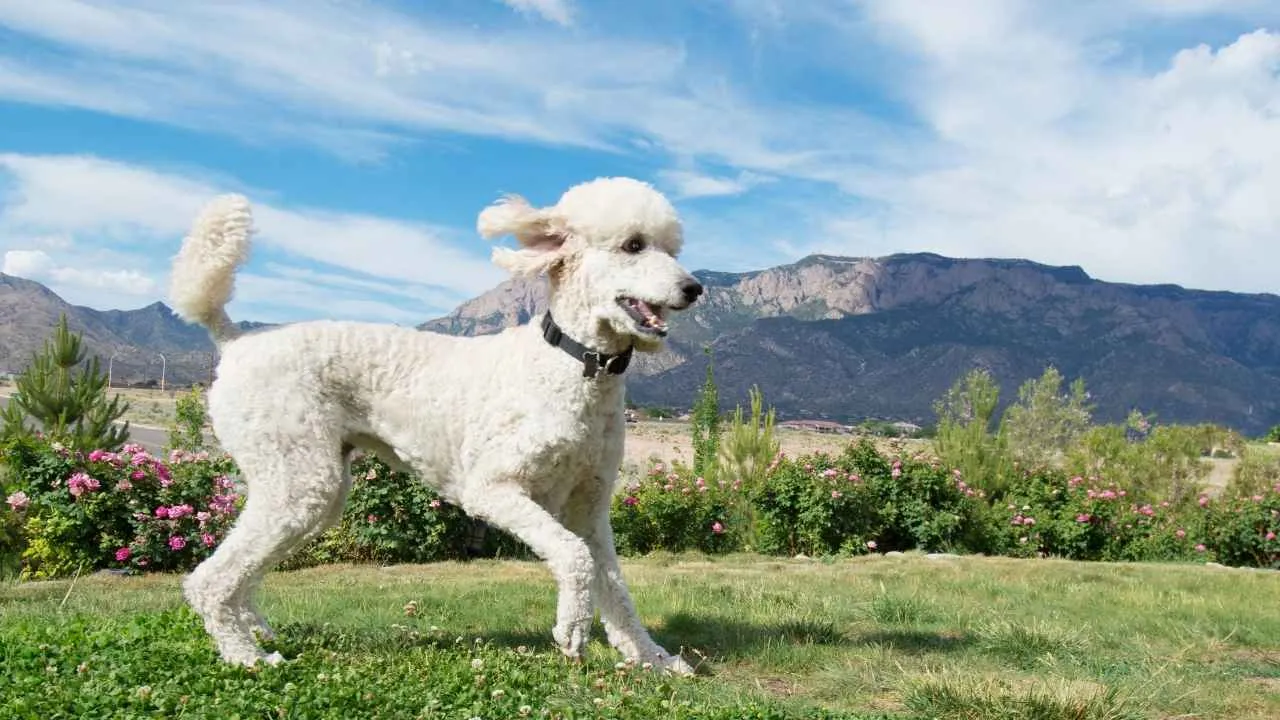
Poodles—also called Standard, Miniature, and Toy Poodles—are elegant, curly-coated dogs famous for being whip-smart and highly adaptable.
PetMD states that Standard Poodles are intelligent, athletic water dogs that were originally bred to retrieve waterfowl during hunts. Behind the fancy look is a true working brain: fast to learn, quick to read patterns, and always ready for the next challenge.
A big part of their skill comes from genetics: they’re consistently ranked among the smartest breeds, with strong problem-solving ability and the versatility to shine in obedience and agility. But those natural gifts really pop when an owner gives them structured outlets and clear rules.
Training is where nurture meets nature. With explicit, consistent instruction, Poodles tend to pick things up rapidly and stay eager to please—especially when you mix mental work with physical activity. Without that balance, their intelligence can turn into “creative” behavior and selective hearing.
They’re also social, fun-loving, and often hypoallergenic, but many owners are surprised that a Poodle can be stubborn and look for loopholes if expectations aren’t consistent.
Fact: Poodles are widely ranked among the top smartest dog breeds in the world.
3. German Shepherd
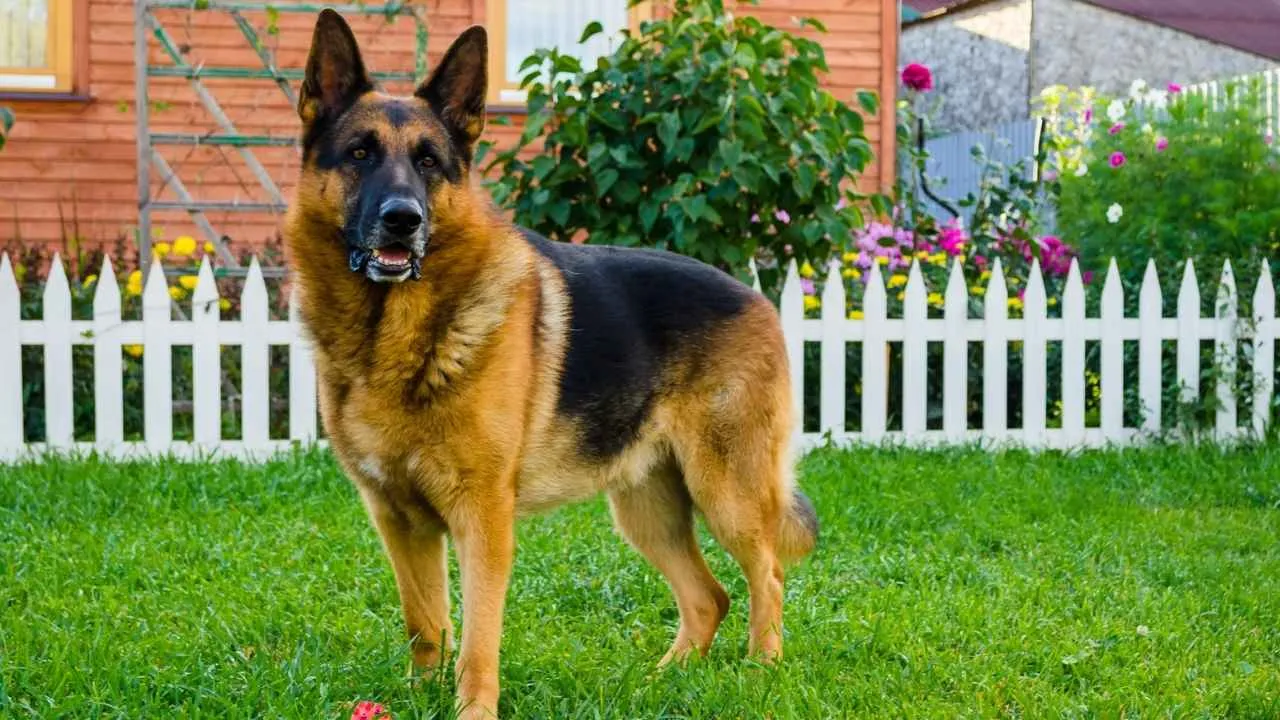
The German Shepherd Dog—often called the GSD—is a world-famous herding breed with a bold, steady presence and a serious “on duty” mindset.
Britannica states that the German Shepherd is a working breed developed in Germany from traditional herding and farm dogs. Known as a stalwart service dog, this courageous companion is quick to assess situations and can tell friend from foe with impressive clarity.
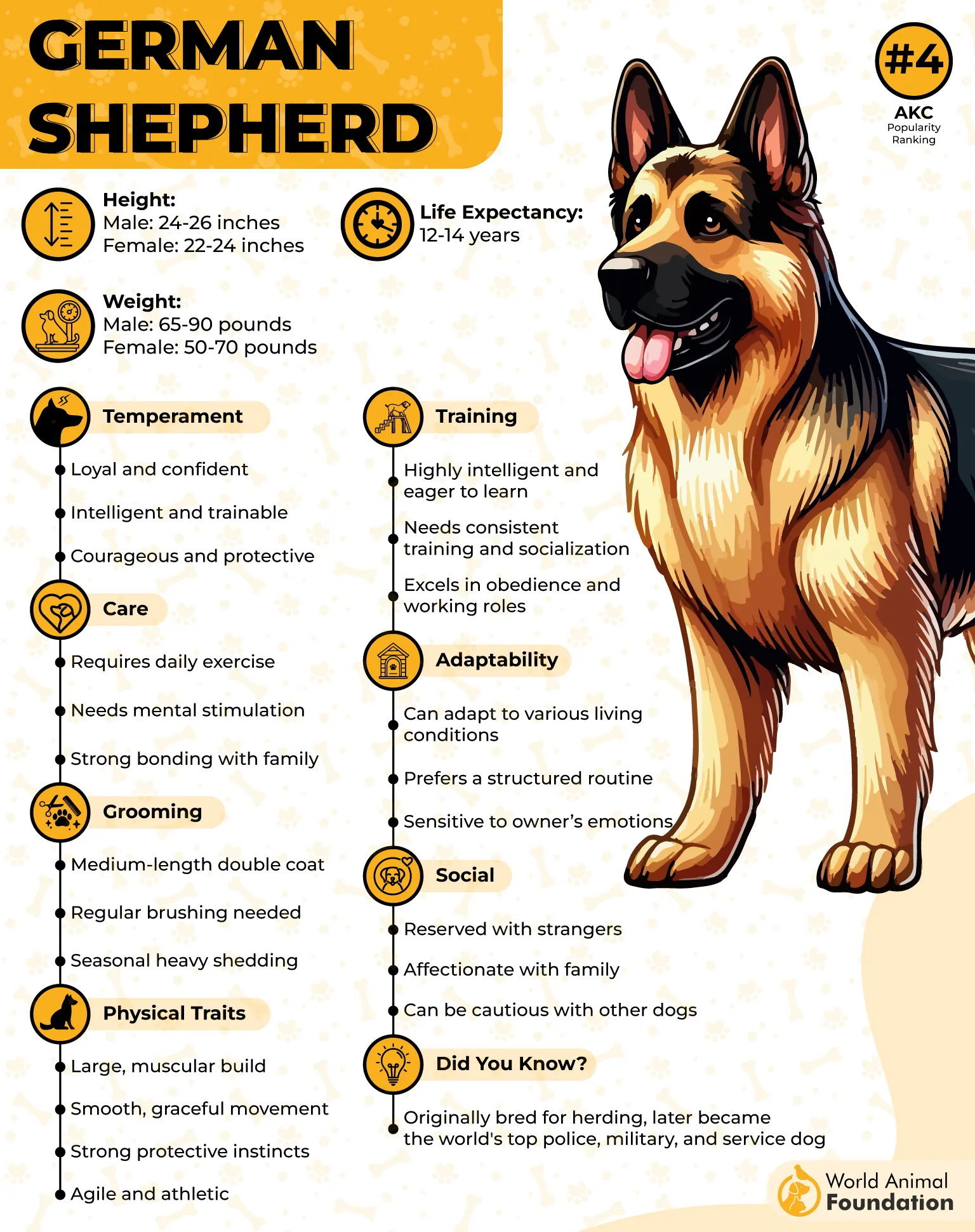
When it comes to adaptive intelligence, German Shepherds shine as true problem-solvers. They learn fast, love structure, and thrive when their brains are engaged—whether that’s mastering obedience cues or connecting patterns during training games.
Because they’re driven and eager to please, they respond best to confident handlers using consistent, reward-based methods like treats, praise, and play. Give them clear boundaries, and they’ll pour that work ethic into advanced skills such as agility and tracking.
Early socialization matters just as much as training, helping them stay calm and capable in new environments around people, animals, and unfamiliar situations.
Fact: German Shepherds need regular tasks to stay content.
4. Golden Retriever
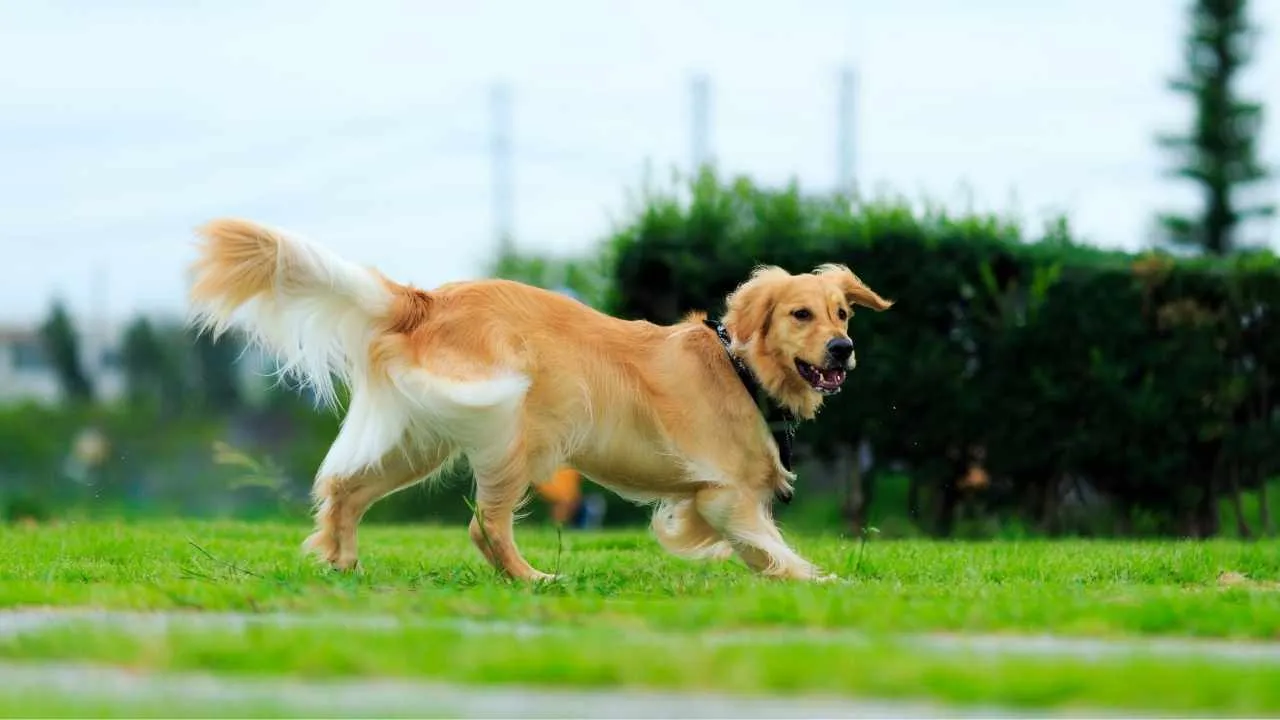
The Golden Retriever—often called a “Golden”—is a Sporting Group classic known for a sunny temperament, a strong build, and a signature double coat that’s long and feathered. It was originally bred for gentle retrieving, which still shows in how carefully they carry objects.
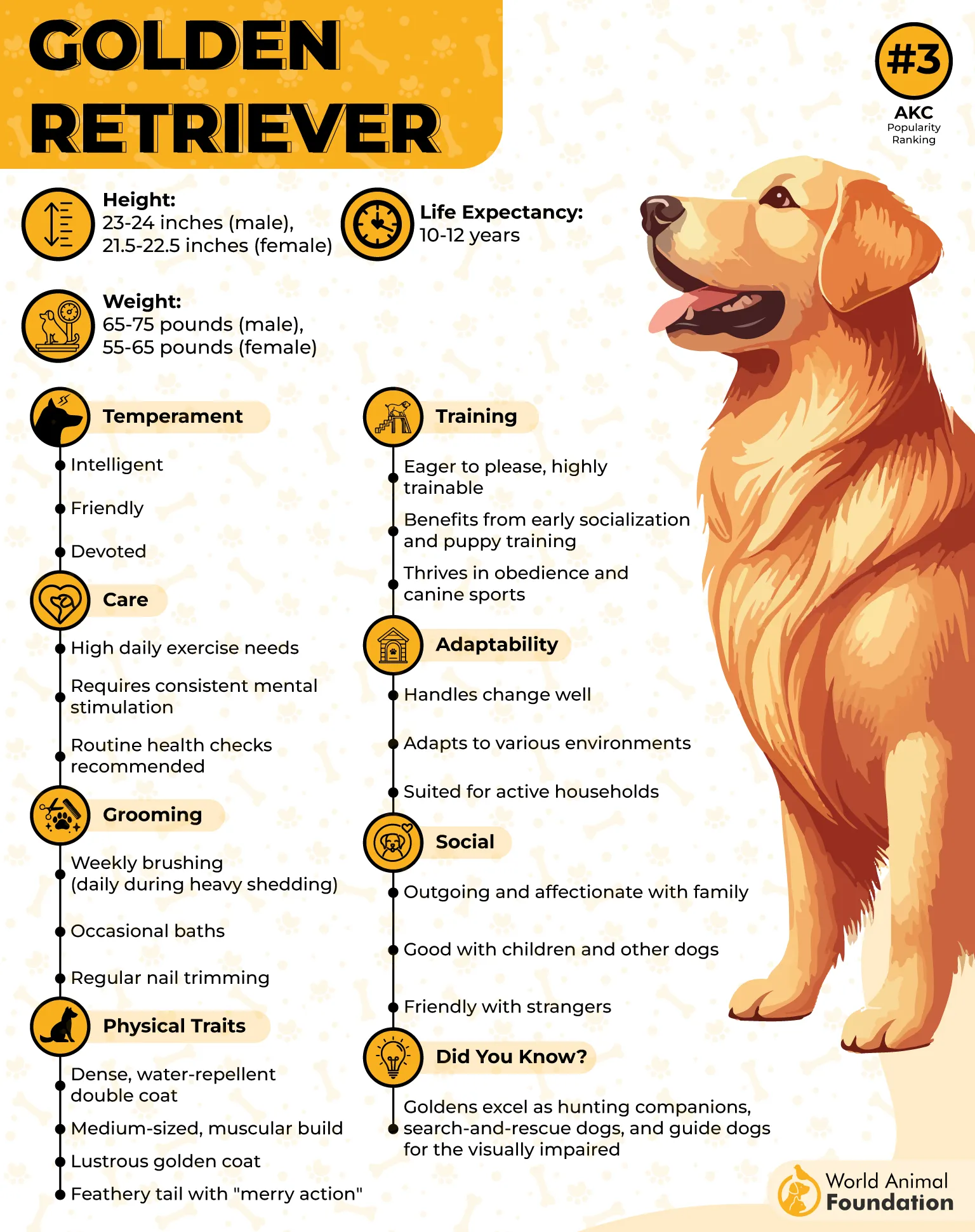
What makes Goldens stand out in intelligence-and-skills lists is their “task-first” mindset. They pick up routines fast, remember multi-step cues, and genuinely enjoy working with people—the kind of trainability that shines in obedience work and structured practice.
They’re also famous working partners, thriving as therapy, support, and guide dogs where calm focus matters more than flash. Those roles reward consistency, problem-solving, and reliable memory—traits the breed repeatedly delivers.
Because they’re so people-oriented, they do best when training is positive, regular, and purposeful—short sessions, real-world jobs, and plenty of praise keep their brains busy and their manners sharp.
Fact: Golden Retrievers can learn practical tasks like fetching medication and reliably follow multi-step commands.
5. Doberman Pinscher
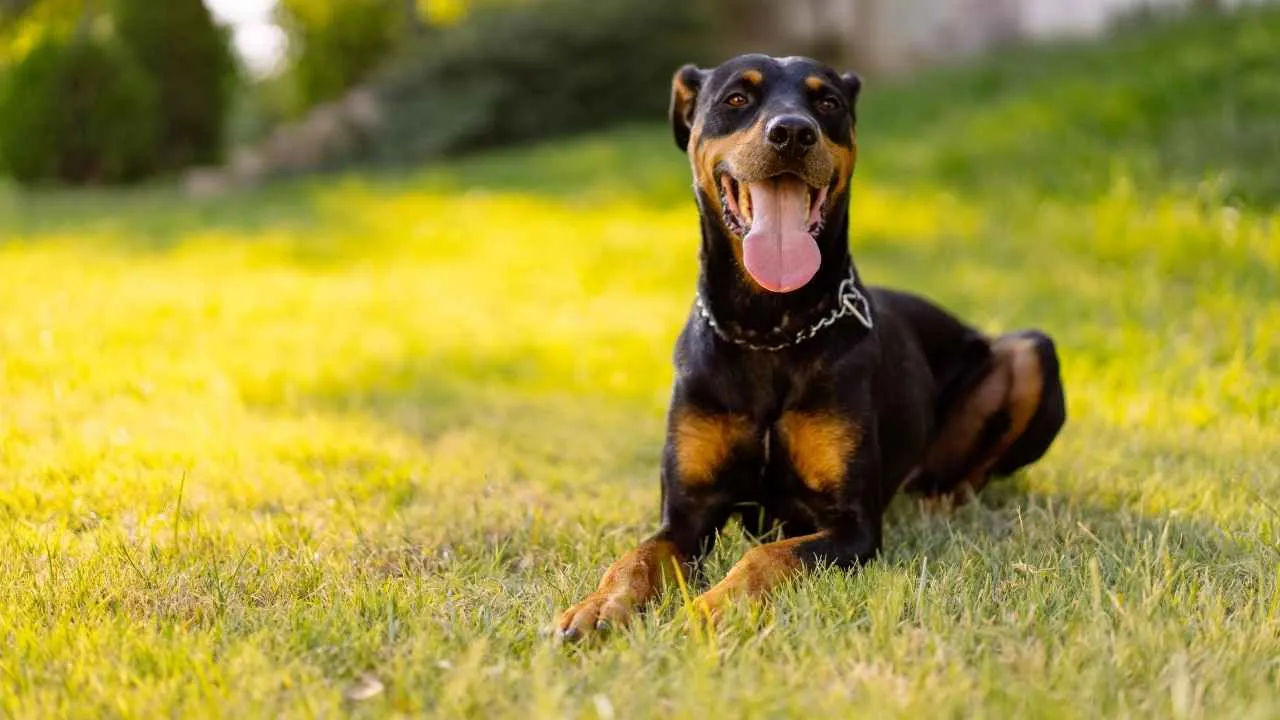
The Doberman Pinscher (often called the Dobie) is a sleek, black-and-tan working breed developed by Louis Dobermann to be a fearless protector. Sharp-eyed and athletic, this dog is famous for reading situations fast and responding with purpose.
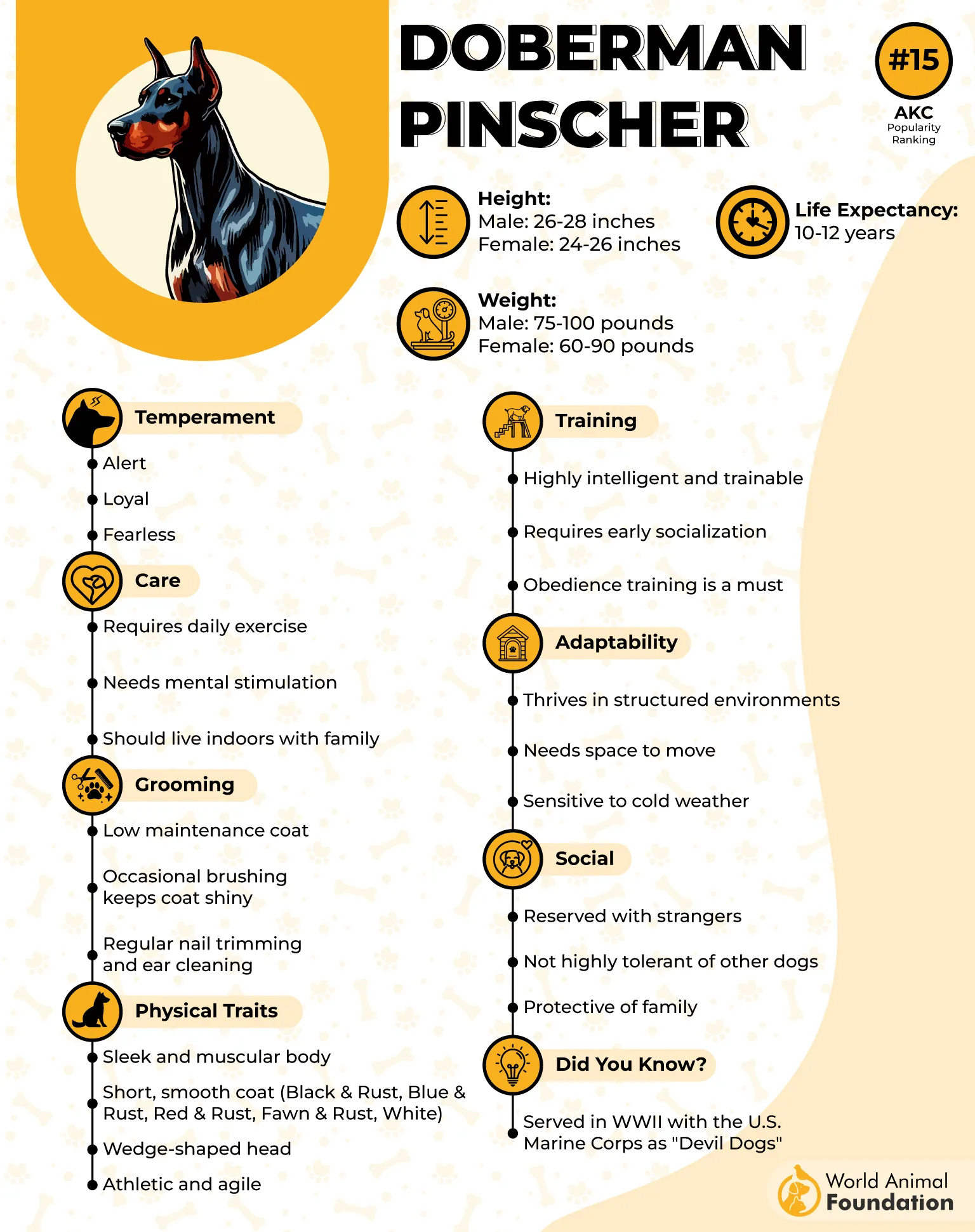
When people talk about canine “geniuses,” Dobermans belong in the conversation. They’re highly perceptive, learn commands quickly, and thrive in structured training where focus and control matter most—think challenging obedience and advanced skill work.
That brain needs a job, though. Dobermans do best with an active routine that includes daily physical outlets plus mental stimulation; without it, they’ll create their own fun, which can turn into destructive behavior.
Because they’re intensely loyal, early socialization and consistent guidance help them stay confident around new people. And with a strong prey drive, they’re safest on leash or in securely fenced areas—especially in homes with small animals.
Fact: Doberman Pinschers can be wary of strangers, so early, consistent training and socialization are essential.
6. Shetland Sheepdog
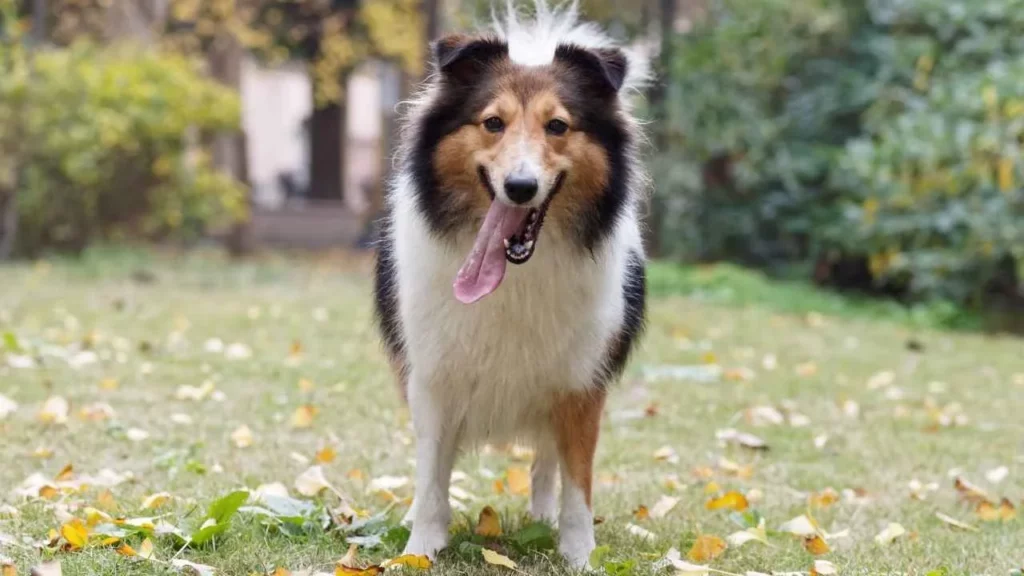
Often called the Sheltie (or Shetland Collie), the Shetland Sheepdog is a “Collie-in-miniature” known for being a brainy, people-loving herder.
For owners who want a skilled, sporty partner, Shelties bring speed, precision, and a serious desire to work. They thrive on about an hour of daily exercise, especially when you mix in training games that tap their instinct to gather and guide.
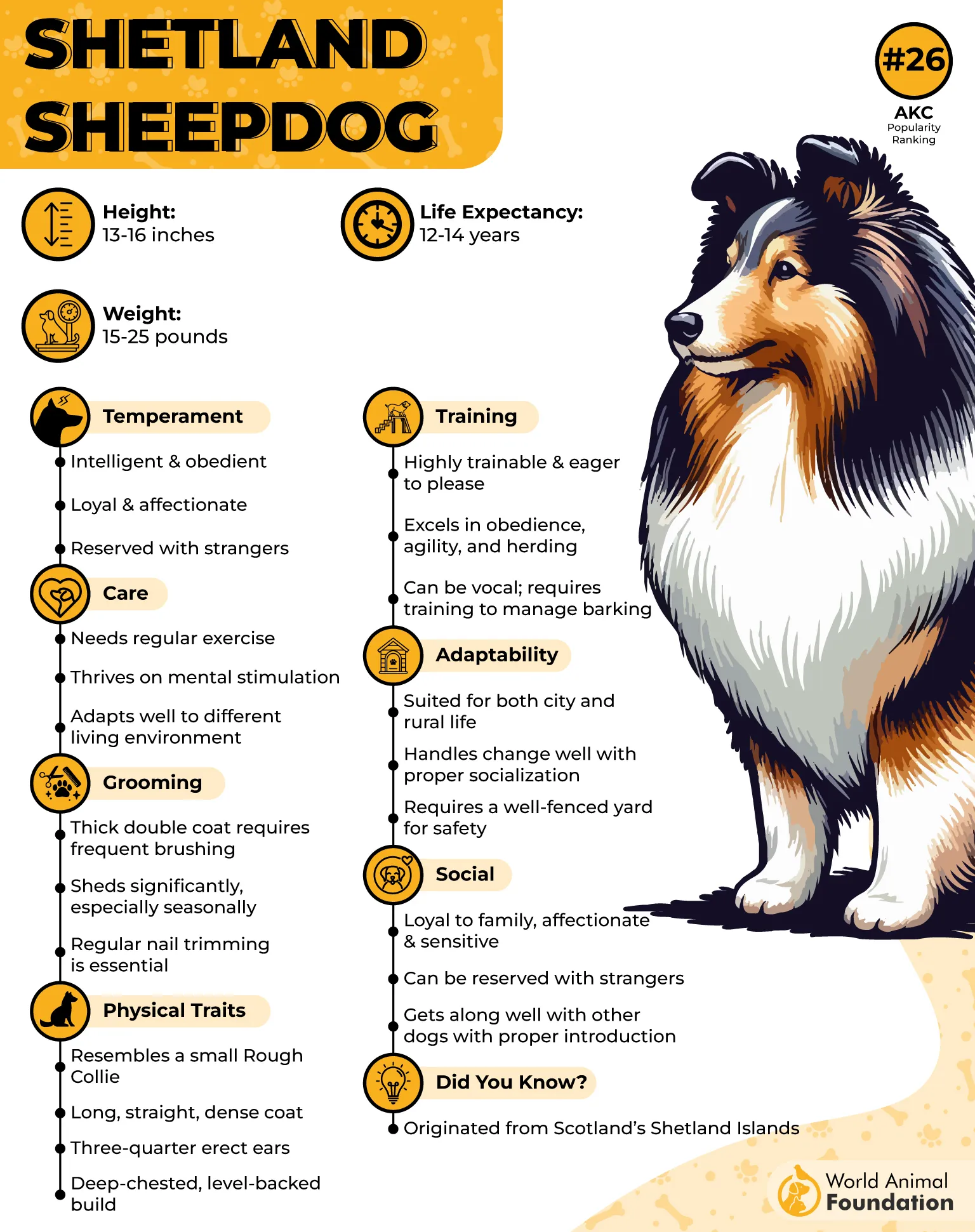
This is where their intelligence really shines: Shelties love challenges like obedience and agility, and they’re famous for reacting quickly and accurately to cues. Keep sessions upbeat, and be mindful in hot weather—many Shelties are heat-sensitive and shouldn’t be pushed too hard.
Puppies need gentler outlets: short play bursts, light mental stimulation, and limited impact to protect growing joints.
Fact: Shelties excel in dog sports and should avoid overexertion in hot weather.
7. Labrador Retriever

The Labrador Retriever—often called the Lab—is a Sporting Group classic known for its friendly nature, athletic build, and natural love of water. Don’t let the goofy grin fool you: this breed pairs instinctive smarts with strong adaptive intelligence and a serious work ethic.
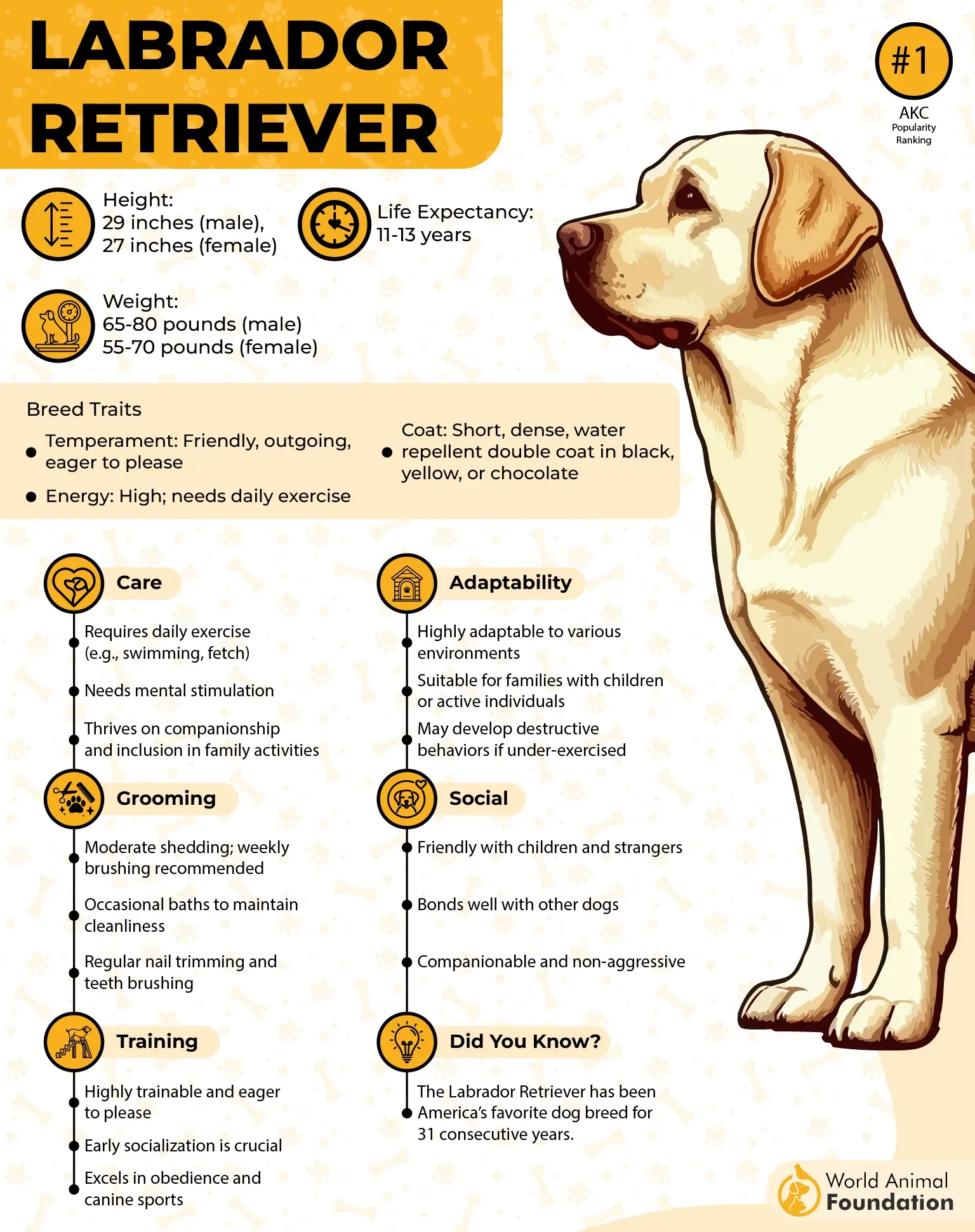
That brain-and-heart combo is exactly why Labs excel as search-and-rescue and detection specialists. They’re eager to please, highly obedient, and typically pick up new tasks fast—making them a solid match for first-time dog ownership and families who want a capable, trainable partner.
In working roles, Labradors thrive on structure: consistent obedience training, mentally engaging games, and real “jobs” like tracking, retrieving, or problem-solving drills. Give them outlets for their energy, and they’ll stay focused, confident, and ready to respond when it matters.
A key working-dog trait: Labradors were bred to retrieve on land and water, and they’re helped in swimming by fully webbed paws, an otter-like tail, and a waterproof coat.
8. Papillon
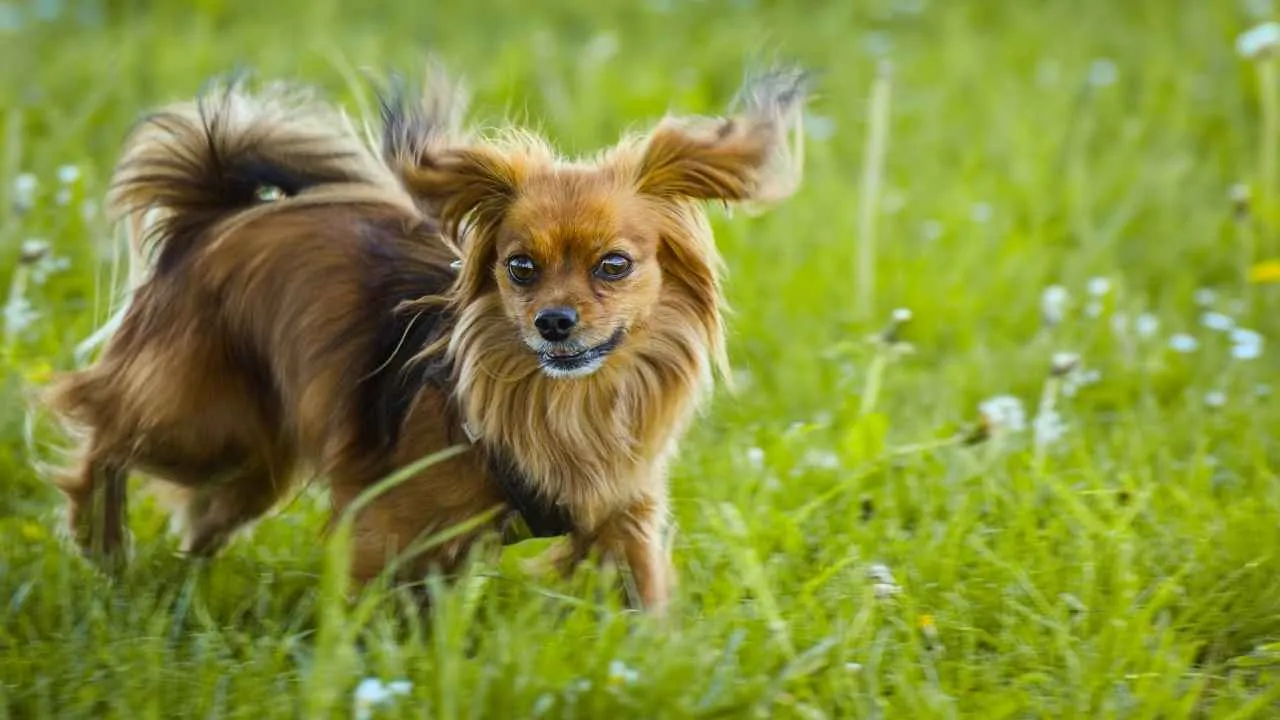
Often called the “butterfly dog” (Papillon is French for butterfly), this Toy Group standout is famous for its wing-shaped ears and bright, alert expression. Don’t let the delicate look fool you—Papillons are quick-thinking little athletes with a confident streak.
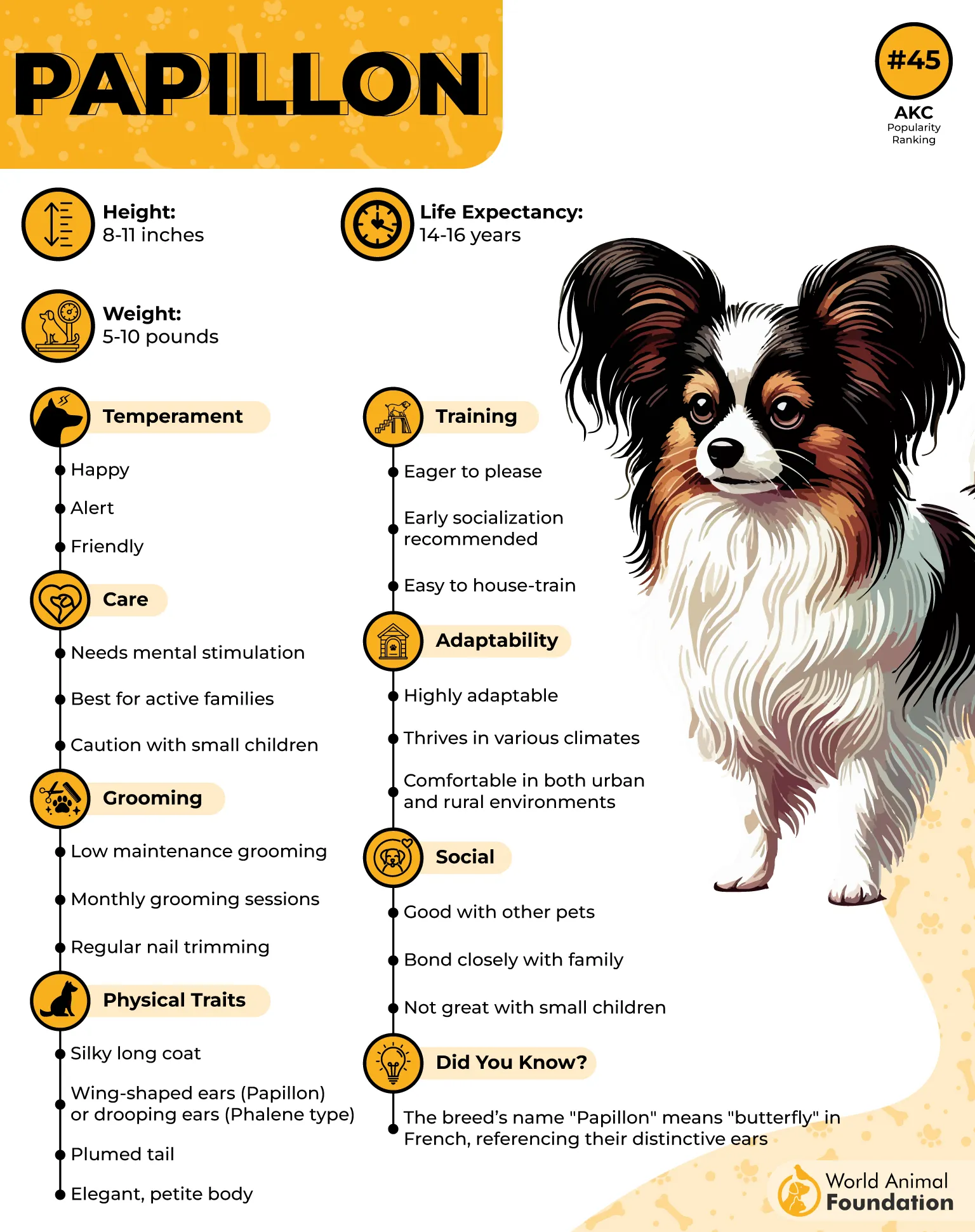
If you want a brainy companion that fits a busy routine, this breed checks the box. Papillons are perceptive and fast to catch patterns, so they thrive with short, upbeat training sessions that reward focus and speed.
They’re also a smart pick for active households that enjoy teaching skills. With their natural drive and agility-friendly build, Papillons often shine in obedience work and fast-paced activities that keep their minds engaged.
For families, their energy comes with real loyalty: they’re playful, affectionate, and can do well with children when given structure and consistent boundaries.
Fact: The Papillon is the only Toy Group member mentioned in the provided list.
9. Rottweiler
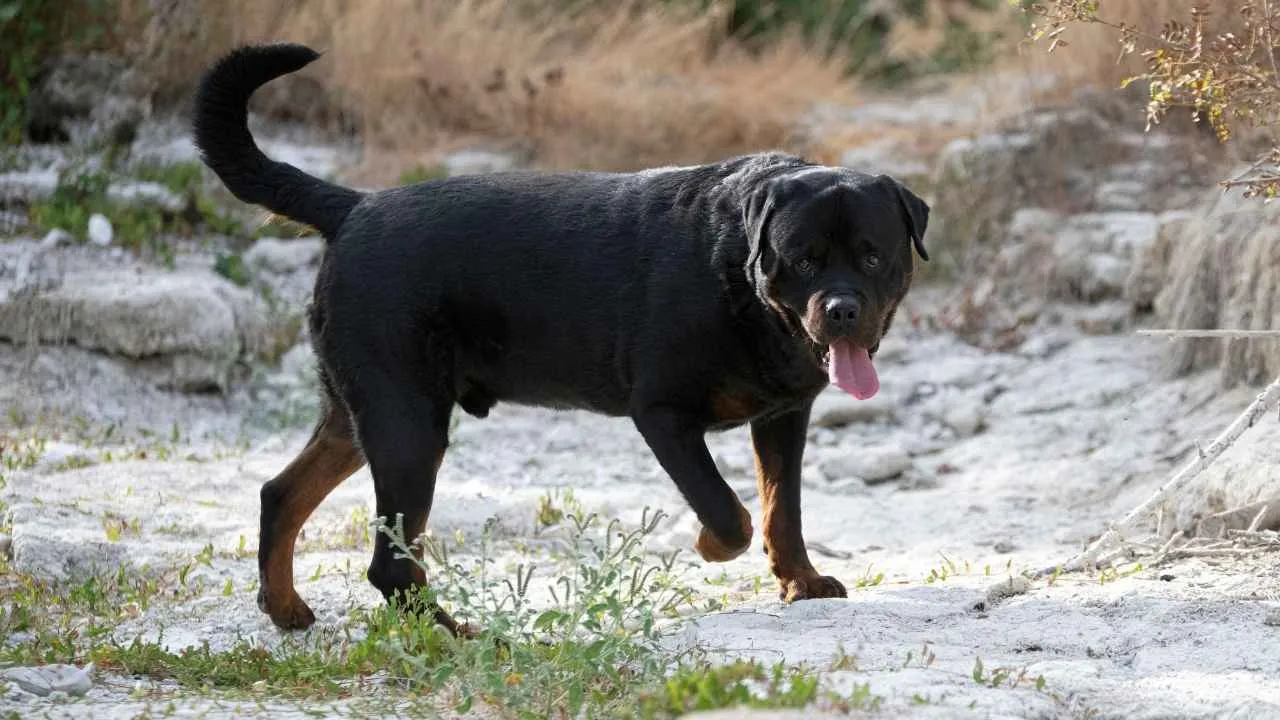
The Rottweiler—often called the Rottie—is a rugged Working Group breed with ancient Roman roots and a powerhouse build that can look both lovable and intimidating. Behind that muscle, though, is a “big thinker” known for serious brainpower and a natural guardian mindset.
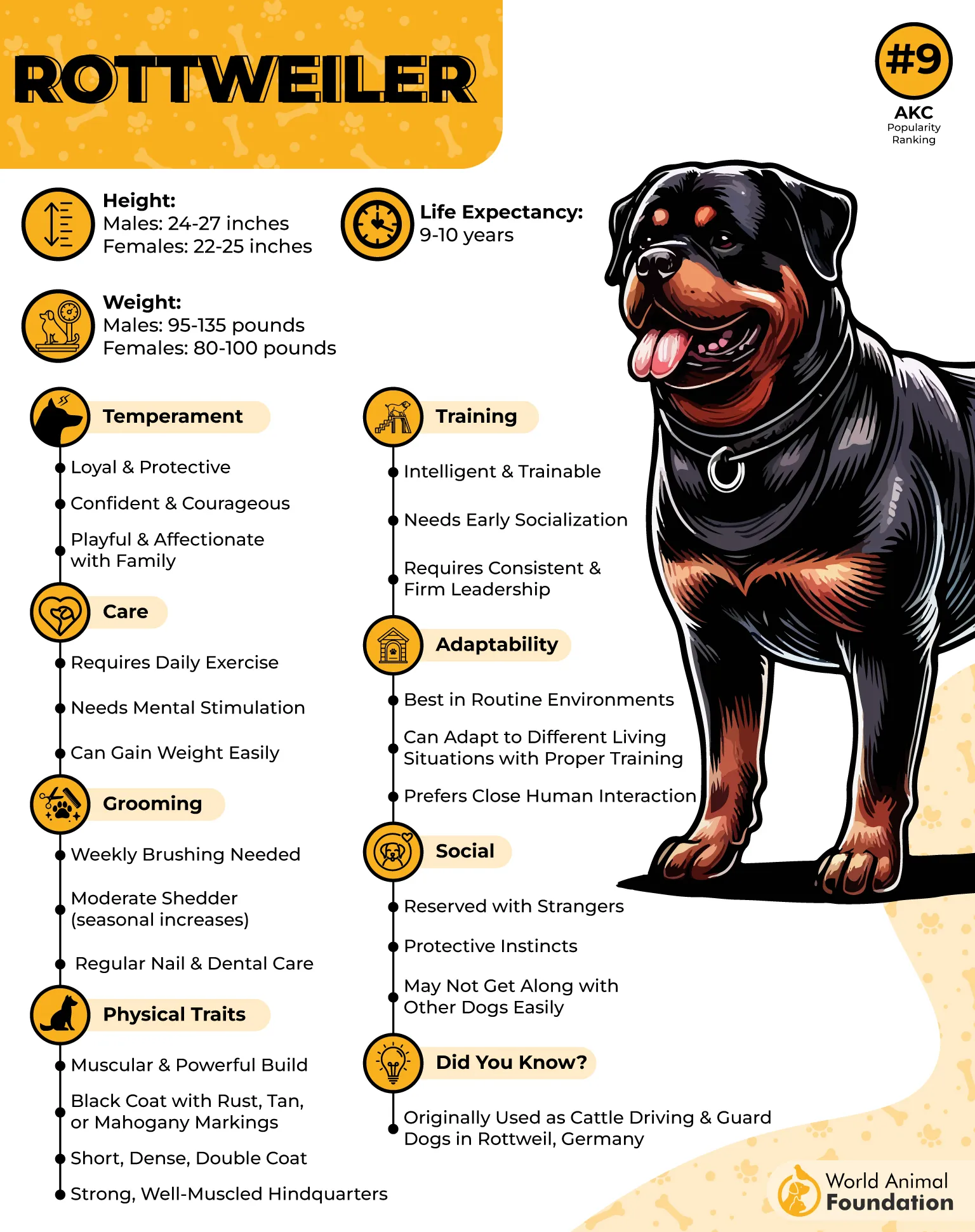
For an owner who wants intelligence with purpose, Rottweilers shine because they learn quickly and take direction well when the rules are clear. Their confidence and problem-solving ability can make advanced skills—structured obedience, controlled protection work, and steady household manners—feel more achievable with the right approach.
To bring out a Rottie’s full potential, focus on consistent, firm, fair training and early socialization so they don’t label “everyone” as a threat. Teach calm neutrality around visitors, dogs, and everyday events by rewarding focus, reinforcing reliable cues, and practicing guidance in gradually tougher situations.
Fact: Rottweilers are commonly ranked as the 9th most intelligent dog breed.
Conclusion
Dog breeds known for their intelligence and skills shine because they blend instinctive intelligence with real-world usefulness.
In the dog world, intelligent breeds with problem-solving skills are widely recognized for learning new commands fast, staying highly trainable, and thriving on mental challenges like puzzle toys—making them excellent companions and capable family pets for pet parents, including some first-time owners.
With positive reinforcement and proper training, you can train dogs for obedience competitions, obedience trials, plus demanding roles like search and rescue missions, therapy work as therapy dogs, and even herding livestock in the herding group.
Popular breeds range from toy sizes to versatile dogs with boundless energy—think a Belgian Malinois—or steadier options like a Miniature Schnauzer; many breeds are highly food motivated and driven by a strong desire to work, which helps make them easy to train.
