




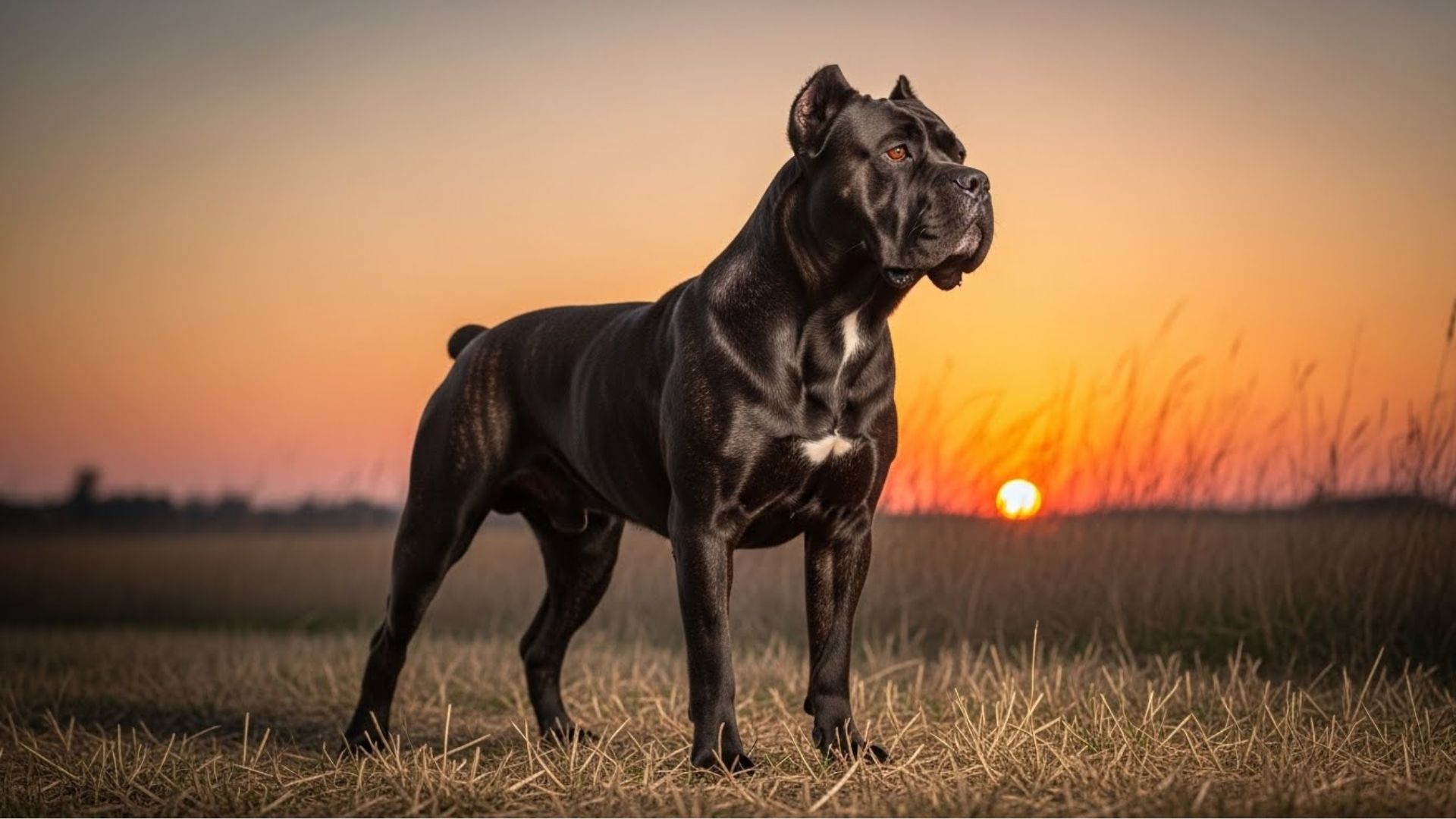
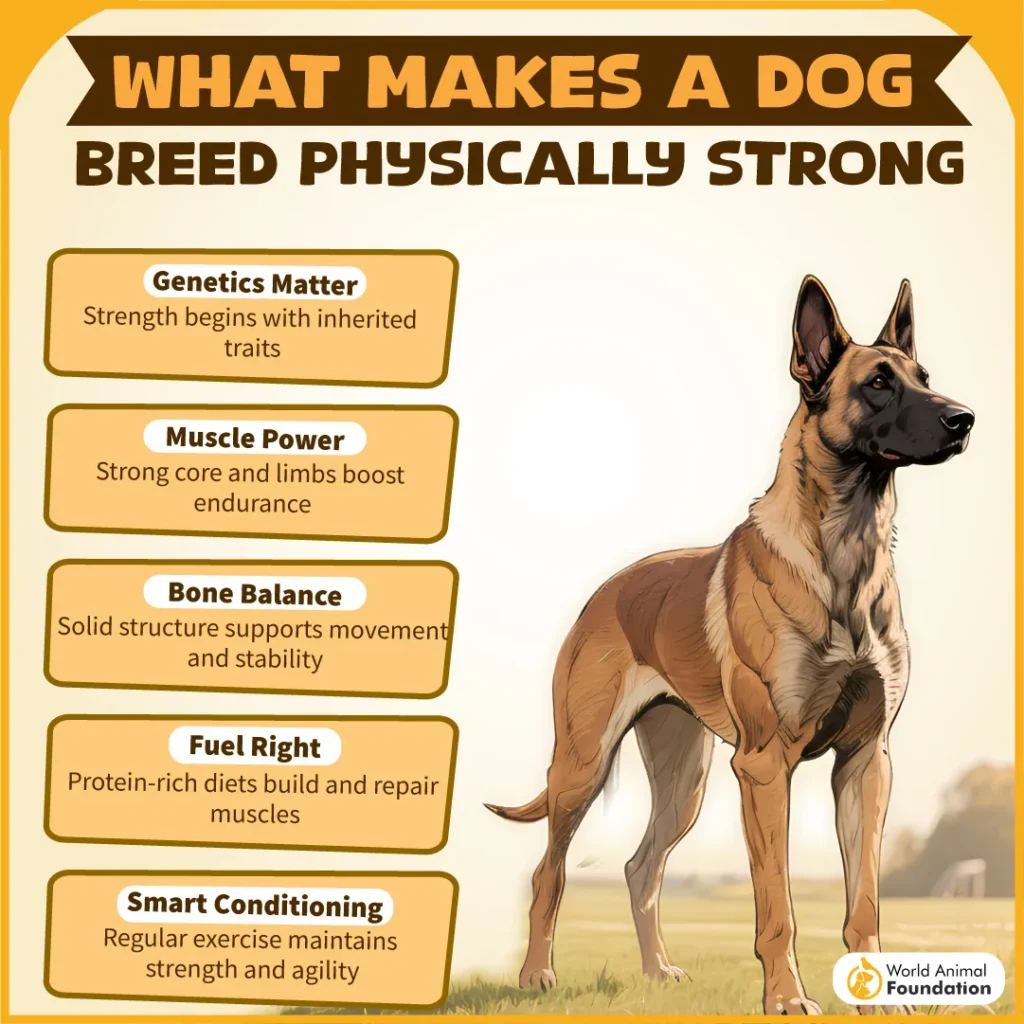
Some dogs aren’t just companions—they’re remarkable examples of natural power and athletic design. Their strength tells a story of purpose, heritage, and instinct shaped over generations.
These highly capable canines have been trusted partners in demanding roles, from protection to rescue work. Their physical abilities aren’t just impressive—they’re deeply functional.
Yet strength alone doesn’t define them. These dogs combine power with intelligence, loyalty, and a willingness to work closely with their human families.
Understanding their capabilities helps us appreciate their needs, from proper training to responsible ownership. Power must always be paired with guidance and respect.
In this guide, we explore what makes these dogs so exceptional and how their abilities shine in the modern world. Their strength is admirable, but their partnership is truly inspiring.
Dog Breeds Possessing Significant Physical Capabilities
1. Cane Corso
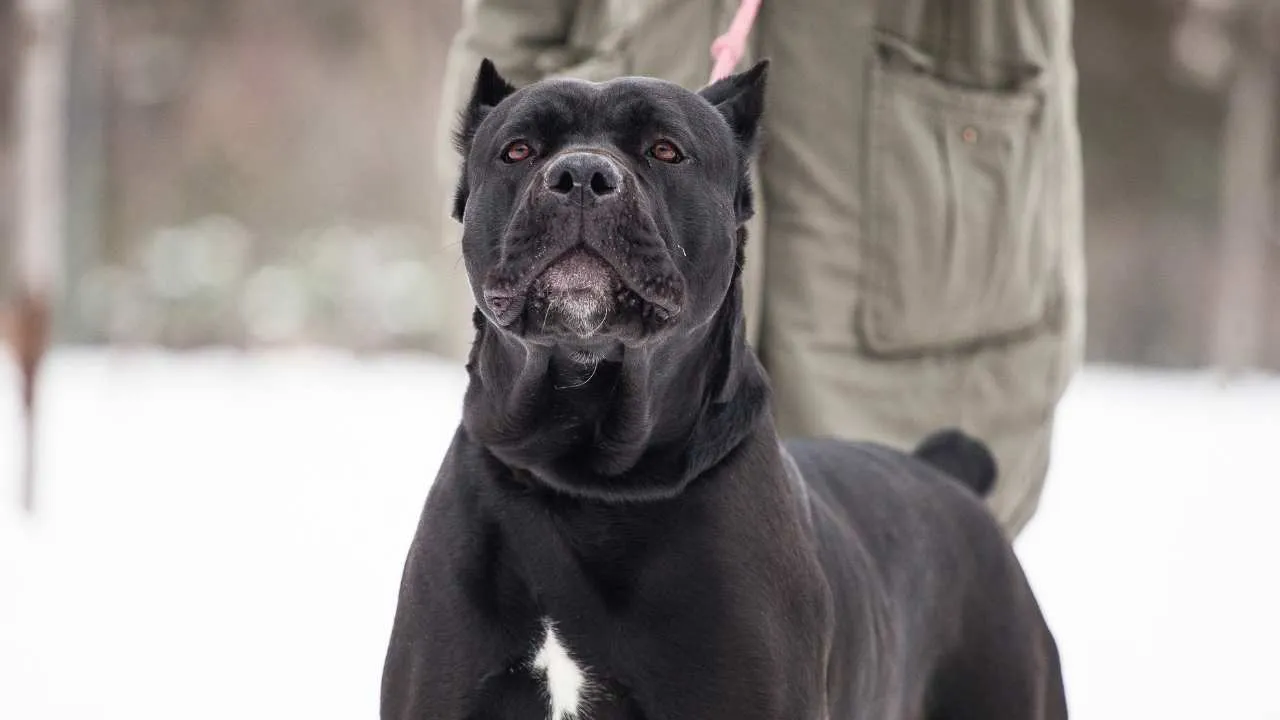
The Cane Corso stands out for its large, sculpted frame and purposeful strength, giving it an unmistakable working-dog presence.
Its calm, observant temperament adds a thoughtful layer to its physical power, making it a focused companion with excellent self-control. This combination of physical ability and steady confidence creates a balanced guardian with impressive versatility.
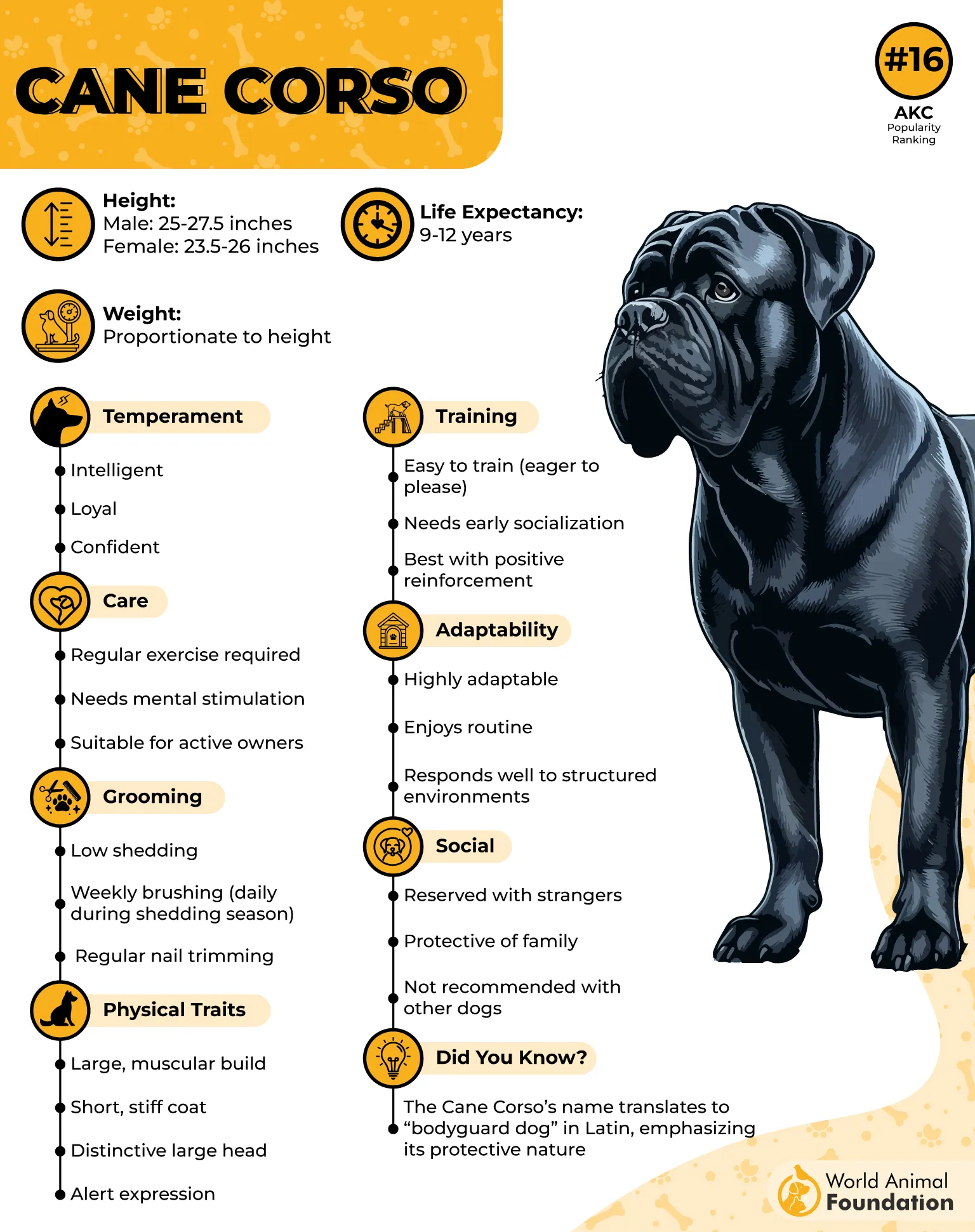
A Cane Corso thrives with structured activity that taps into its endurance and natural drive. It benefits from daily movement, thoughtful leadership, and a lifestyle where routine gives purpose to its energy. Long walks, controlled play, and low-impact conditioning keep this breed grounded and fulfilled.
Structured Training: Building reliable obedience through steady reinforcement.
Confidence Work: Introducing varied environments to promote composure.
Task Engagement: Using jobs such as carrying a backpack or practicing controlled guarding drills.
Mental Puzzles: Incorporating scent-based activities and advanced commands.
Respect for Power: Handling with steady rules and calm authority.
Healthy Boundaries: Providing guidance that channels strength productively.
Ethical Stewardship: Understanding the breed’s capabilities and using them responsibly.
Health for the Cane Corso centers on joint care, cardiovascular conditioning, and preventing weight gain that stresses its frame. With attentive veterinary monitoring, the breed maintains strong longevity. Routine care and early screening ensure continued quality of life.
AKC reveals that originally bred and developed for Italian farm and estate work, the Cane Corso excelled as a protector and multipurpose worker. As one of the strongest dog breeds, it suits owners who appreciate confident breeds and are committed to structured leadership.
2. Dogo Argentino
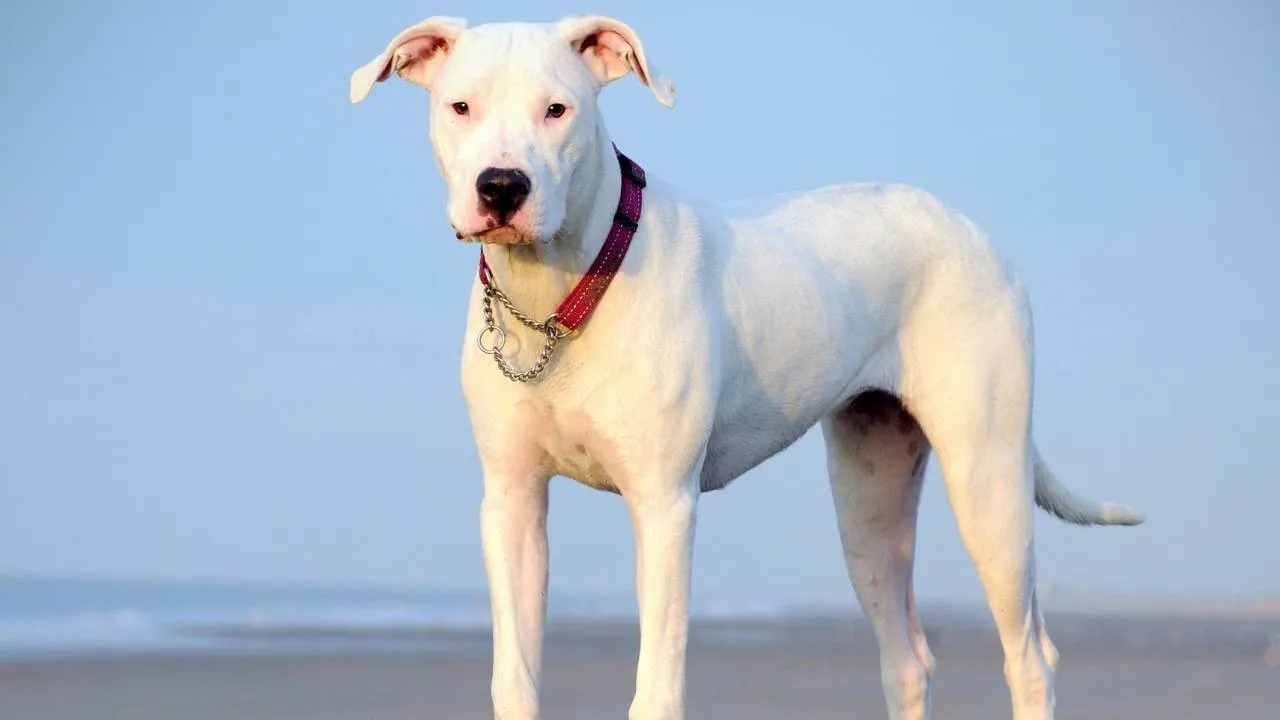
The Dogo Argentino is known for its powerful athletic build, long strides, and impressive stamina, giving it exceptional field performance. Its temperament blends courage with a steady, affectionate nature, forming a loyal partnership with its family. This breed’s energy feels purposeful, guided by drive and clarity rather than chaos.
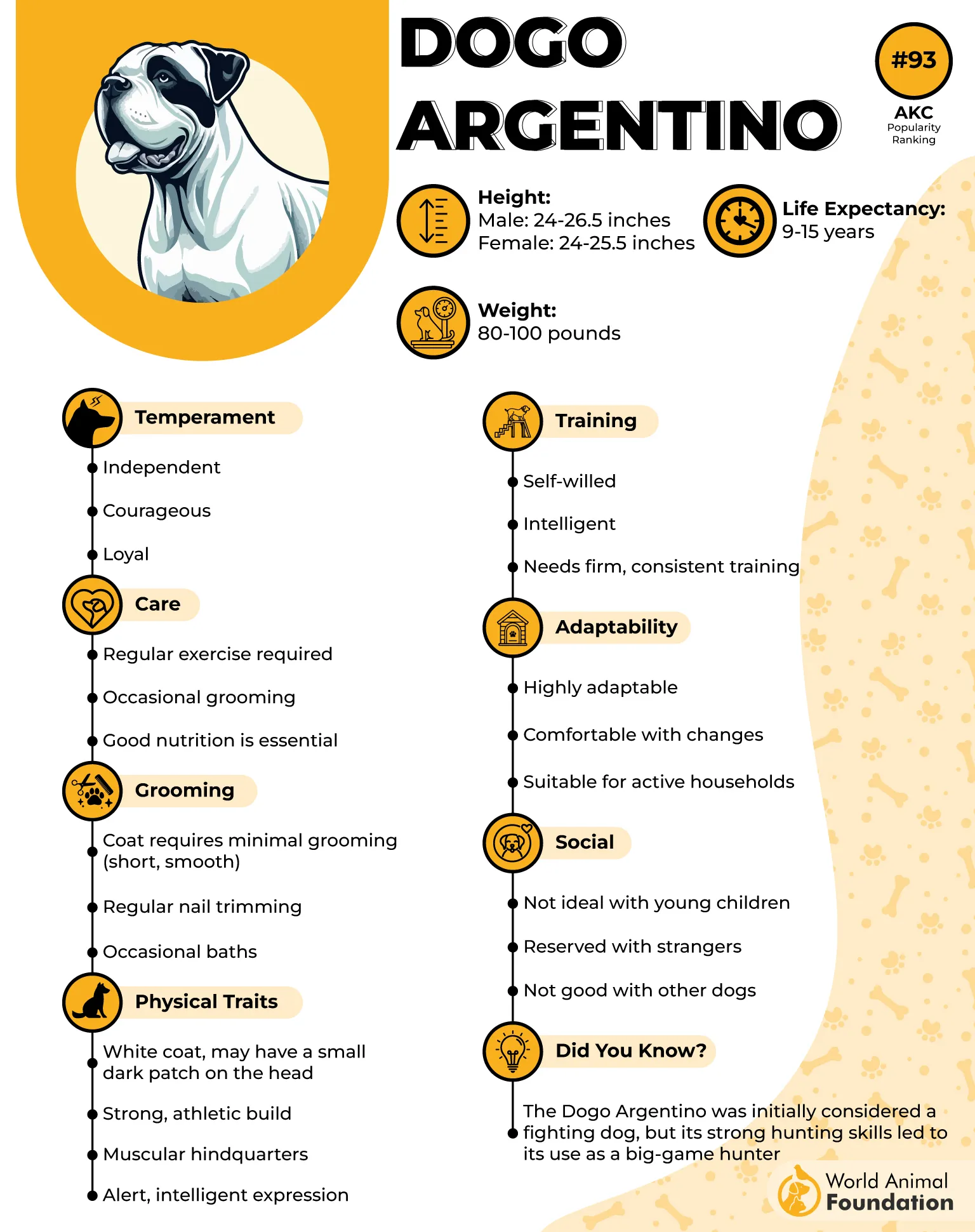
Britannica suggests that daily physical outlets support the Dogo Argentino’s active disposition and muscular performance. It benefits from rigorous activity balanced with ample time to decompress at home. A combination of endurance challenges and skill-based play helps refine its natural abilities.
Endurance Training: Jogging, tracking, and long-distance hiking.
Advanced Obedience: Practicing impulse control and consistent recall.
Working Tasks: Encouraging search games and scent trails.
Skill Puzzles: Rotating problem-solving toys to maintain sharp thinking.
Power Awareness: Teaching controlled greetings and calm behavior in public.
Responsible Handling: Using structured routines to guide its strength.
Positive Leadership: Encouraging cooperation over dominance.
Health considerations include monitoring hearing, skin condition, and joint health as the breed develops. Strong musculature benefits from balanced nutrition and controlled growth in young dogs. With attentive preventive care, the Dogo Argentino enjoys a vigorous life.
Created in Argentina for big-game tracking, the breed was shaped through careful selection for strength and stamina. It fits best with experienced owners who enjoy active lifestyles and appreciate a driven working dog.
3. Rottweiler
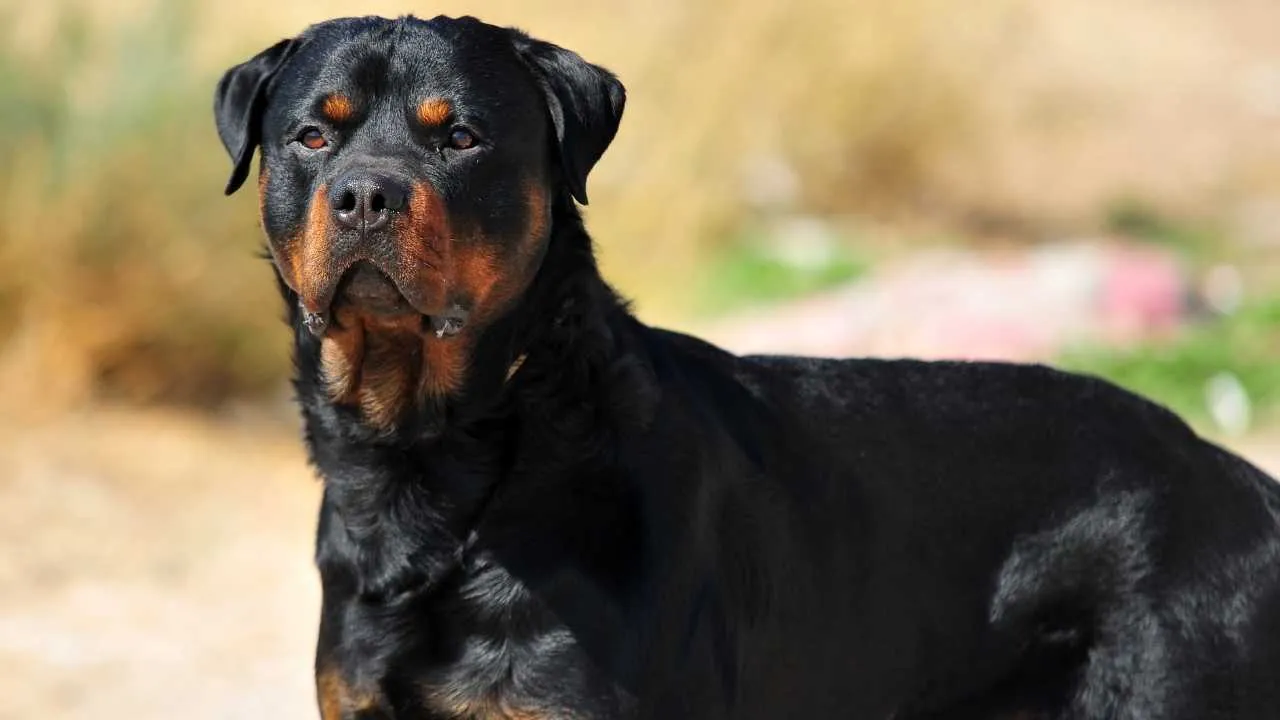
A Rottweiler carries impressive bulk and natural muscular density, giving it a powerful silhouette grounded in strength.
Yet at the core of this physical presence is a thoughtful, sensitive temperament that reads situations carefully. This combination of strength and emotional awareness makes the Rottweiler a steady, engaged partner.
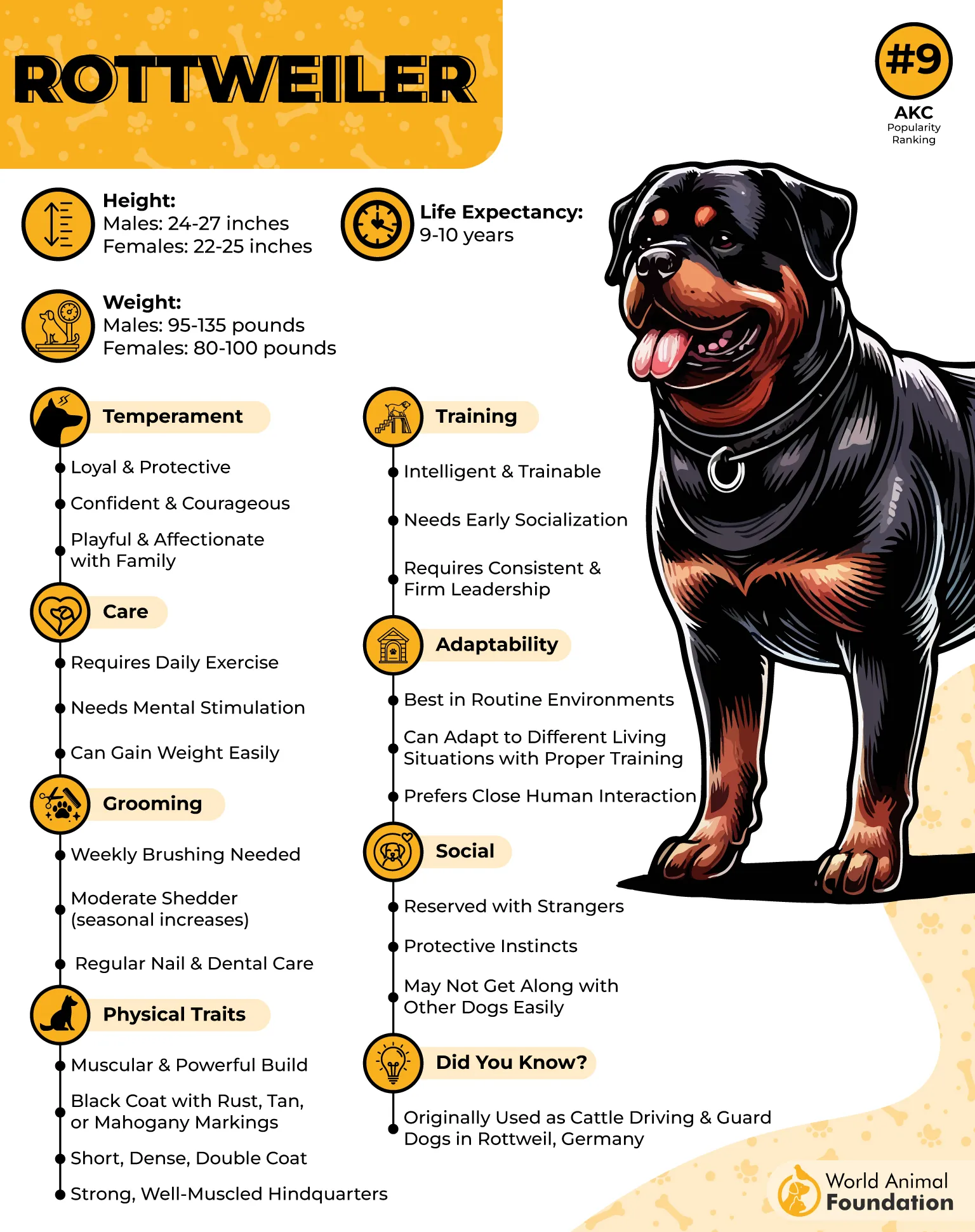
Its lifestyle should include purposeful exercise, focusing on joint-friendly conditioning and controlled movement. Moderate endurance sessions and structured play offer both stimulation and balance. A routine that mixes work and relaxation supports a healthy mindset.
Precision Obedience: Reinforcing consistent cues and calm focus.
Strength-Based Tasks: Controlled pulling or resistance games.
Tracking Games: Activating natural scenting abilities.
Environmental Challenges: Introducing varied surfaces and obstacles.
Calm Leadership: Guiding behavior through predictability.
Safe Social Exposure: Practicing controlled interactions.
Ethical Management: Respecting the breed’s strength in all settings.
PDSA suggests that Rottweilers benefit from monitoring hip, elbow, and cardiac health throughout life. Regular exercise maintains muscle tone and mobility, while mindful nutrition helps prevent unnecessary strain. With routine vet care, the breed enjoys solid longevity.
Rooted in ancient Roman drover ancestry, the Rottweiler later became known for work with butchers and guarding roles. It suits owners who value structure, kindness, and confident handling.
4. Doberman Pinscher
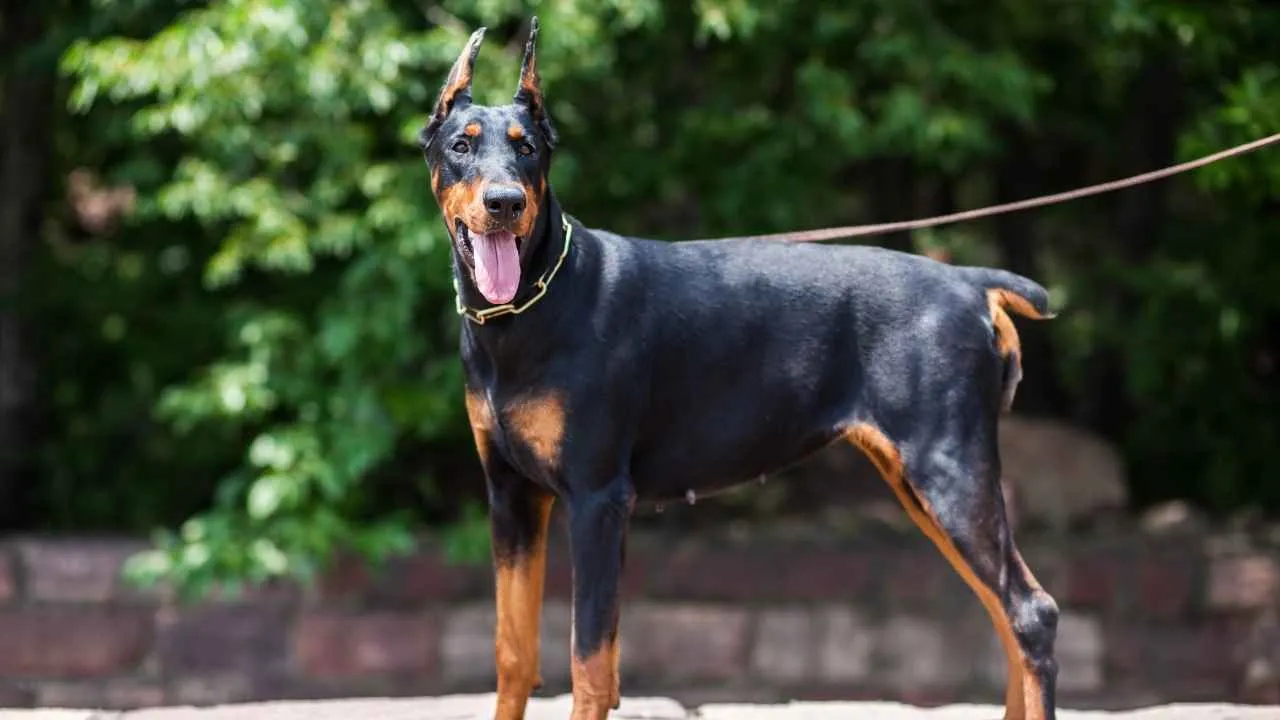
The Doberman Pinscher possesses a sleek, athletic frame built for speed, precision, and endurance. Its alert, affectionate nature adds warmth to its physical drive, creating a dog that works closely with its family. This harmony of athleticism and sensitivity defines the modern Doberman.
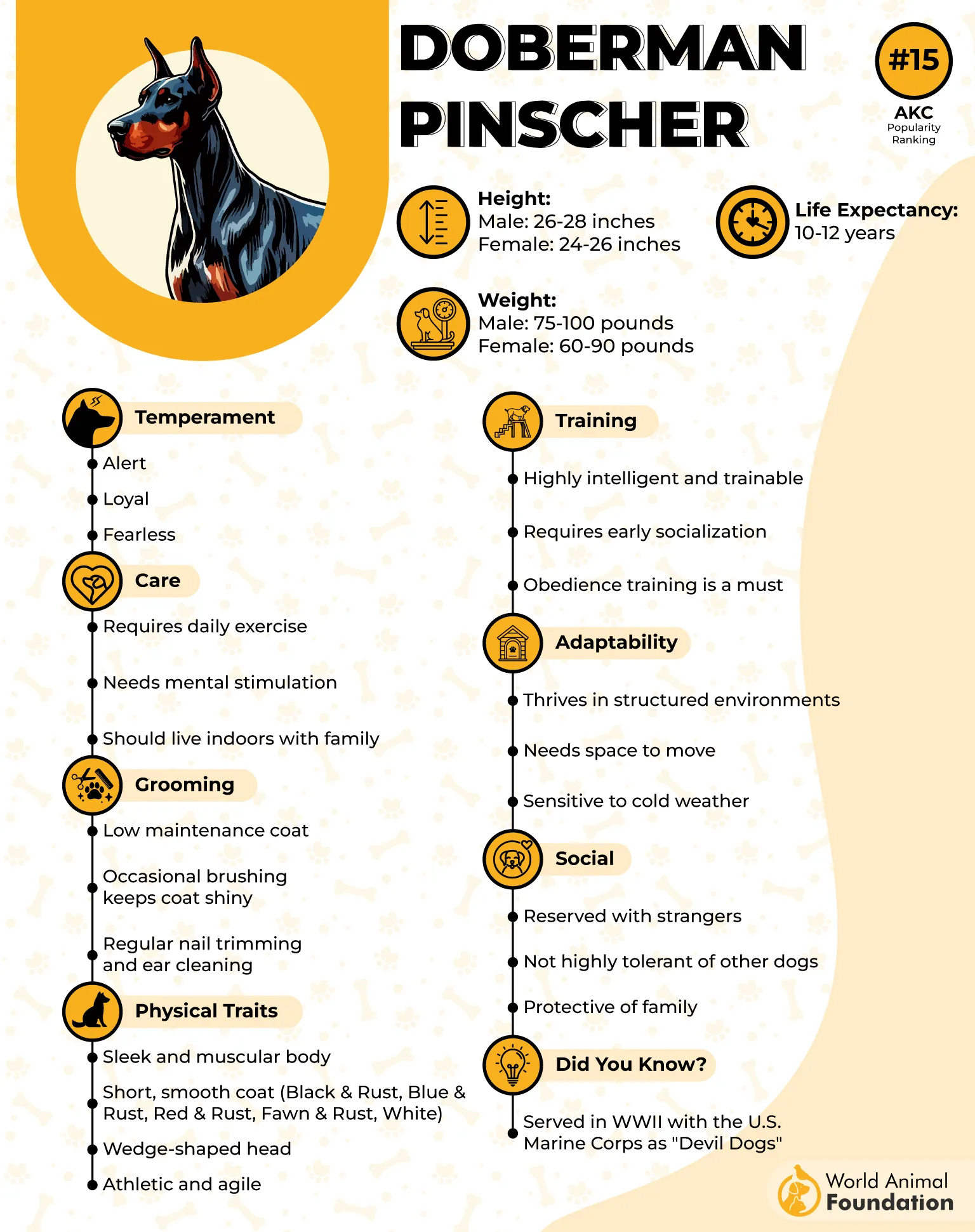
Daily activity for a Doberman should include agility, brisk movement, and mentally stimulating sessions. The breed appreciates structured routines that allow it to excel while preventing restlessness. Balanced exercise keeps both body and mind sharp.
Focused Obedience: Practicing tight heeling and quick-response commands.
Agility Drills: Using jumps, tunnels, and weave poles.
Interactive Work: Including fetch variations and search cues.
Mind Games: Teaching complex multi-step tasks.
Thoughtful Handling: Ensuring clear communication.
Environmental Guidance: Introducing new settings with patience.
Positive Relationship Building: Reinforcing trust in every activity.
Health care centers on monitoring cardiac health, maintaining lean muscle, and supporting joint longevity. Regular vet visits help ensure early detection of potential concerns. High-quality nutrition and balanced exercise contribute to long-term vitality.
Originally developed by Louis Dobermann as a protective companion, the breed became valued for its quick learning and reliable working ability. It fits owners who enjoy active engagement and appreciate a loyal, intelligent partner.
5. German Shepherd
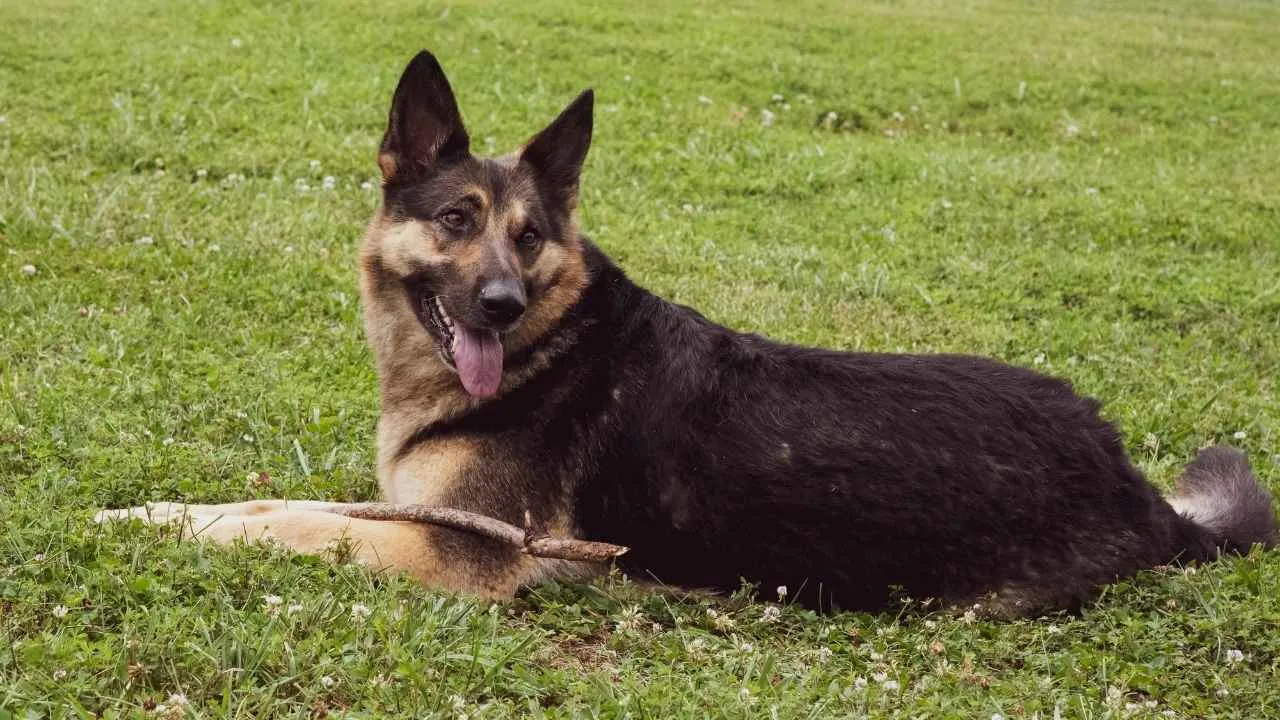
The German Shepherd combines firm musculature with agile movement, making it one of the most versatile working dogs in the world.
Its temperament is marked by steady loyalty and a natural ability to assess its surroundings. This mix of athleticism and judgment has made this the most intelligent dog breed a reliable companion in many demanding roles.
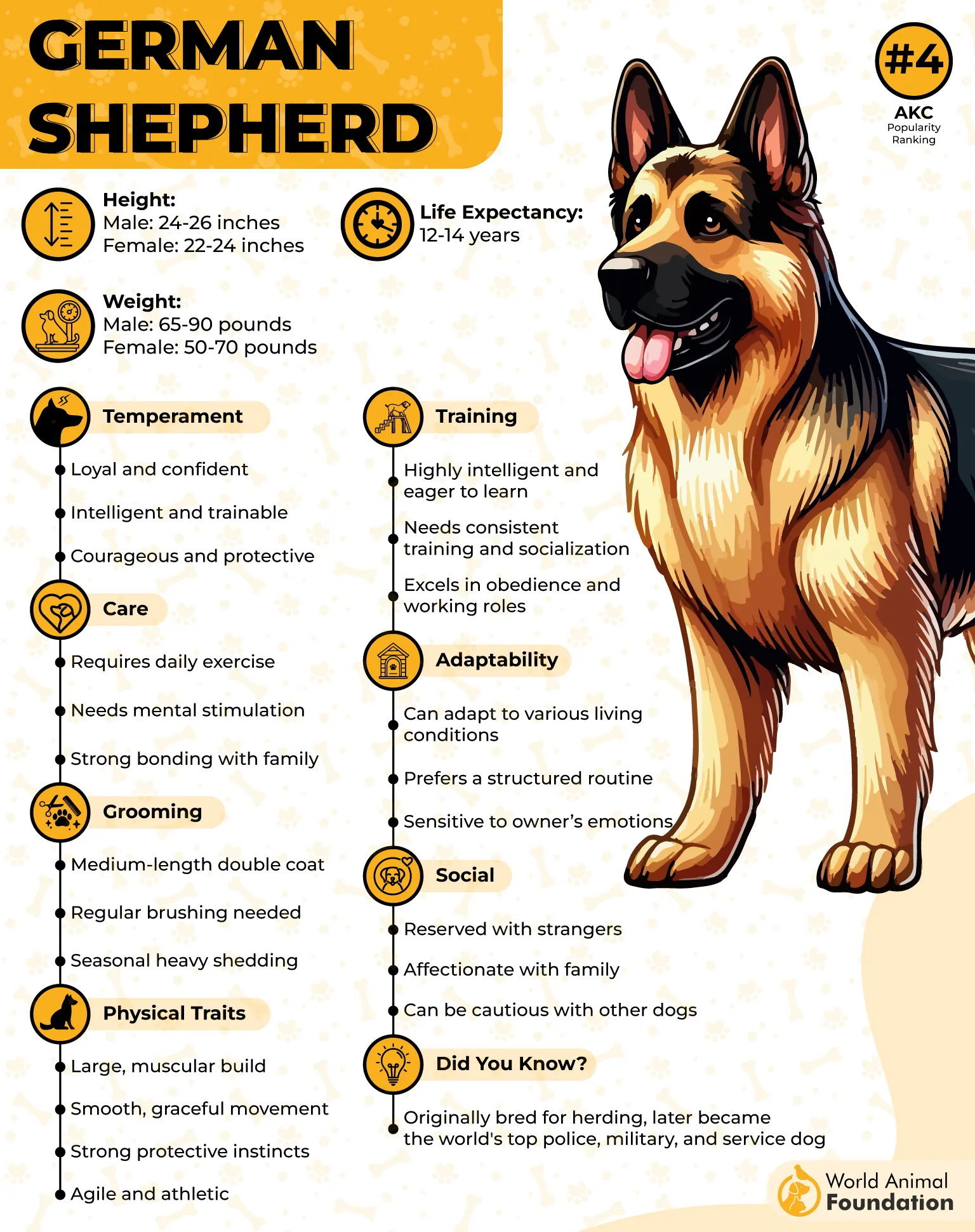
A structured daily routine helps the German Shepherd channel its high energy effectively. Activities that challenge both body and mind support its overall well-being. Endurance tasks mixed with technical skill work provide ideal stimulation.
Task-Oriented Training: Learning complex commands and sequences.
Tracking and Search Work: Engaging natural scenting instincts.
Movement Drills: Practicing controlled trotting or obstacle navigation.
Cognitive Games: Integrating advanced puzzles and scent bins.
Guided Socialization: Encouraging polite interactions.
Strength Awareness: Reinforcing calm behavior in stimulating environments.
Responsible Interaction: Modeling safe engagement with people and pets.
Health care should prioritize hip and elbow monitoring, digestive stability, and maintaining muscle tone through consistent conditioning. Preventive care helps preserve long-term mobility. Balanced nutrition supports sustained performance.
Originating in Germany for herding and versatile service work, this herding dog breed built its reputation through intelligence and focus. It suits owners who enjoy interactive training and appreciate a dog that thrives on purpose.
6. American Pit Bull Terrier

The American Pit Bull Terrier is known for its compact strength, impressive agility, and quick acceleration. Its temperament blends enthusiasm, affection, and determination, forming a dog with both physical capability and emotional warmth. This balance gives the breed surprising adaptability in various roles.
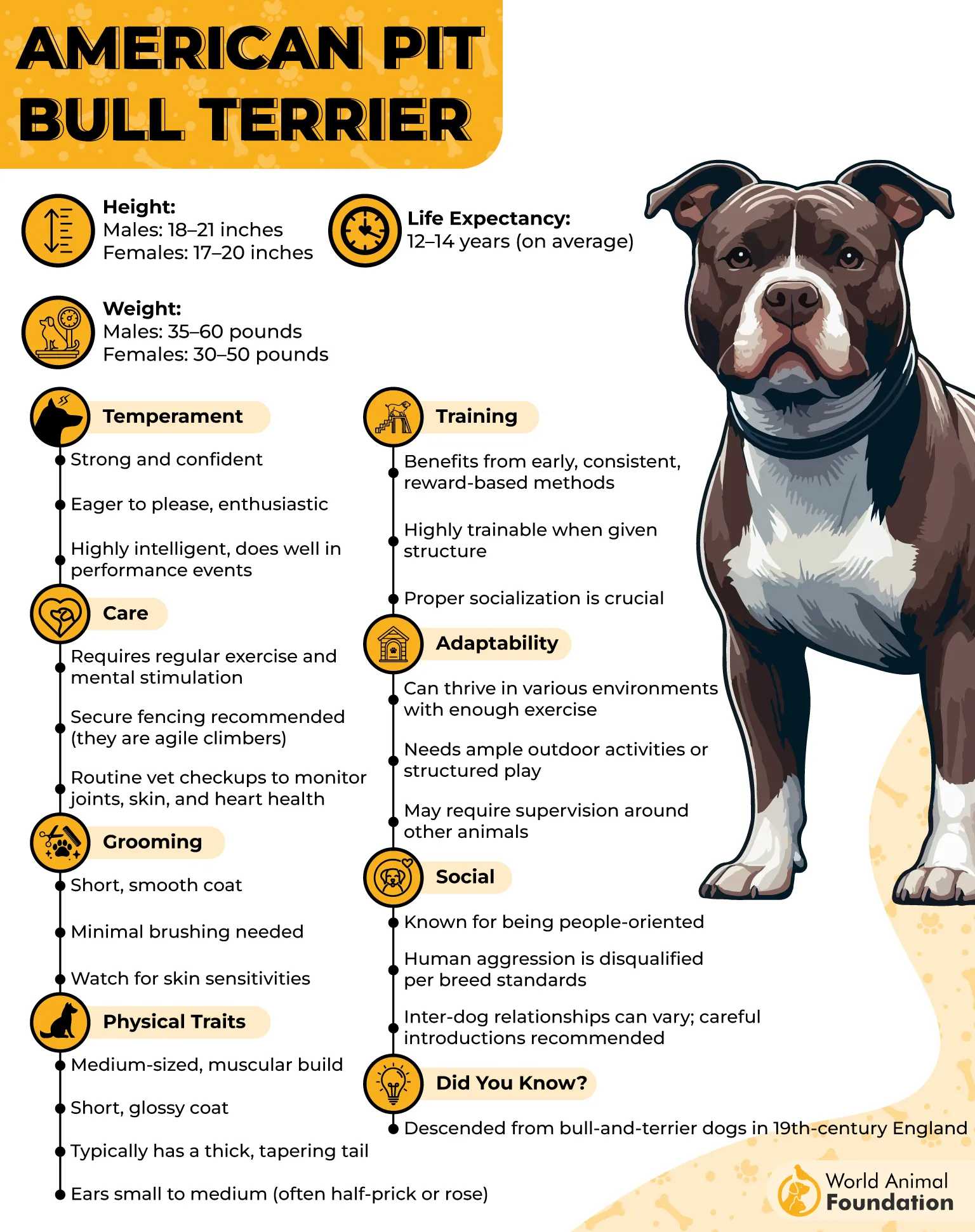
A Pit Bull thrives on structured outlets for energy, including high-intensity play and controlled endurance work. It benefits from variety in its routine to keep activity enjoyable. A lifestyle that mixes athletic fun with calming downtime works well for this breed.
Precision Obedience: Building strong impulse control.
Engagement Games: Tug, fetch, and recall-based challenges.
Scent Activities: Using hidden treats or tracking paths.
Skill Introductions: Teaching trick sequences that require focus.
Power Accountability: Practicing controlled greetings.
Positive Direction: Using structured boundaries to guide enthusiasm.
Responsible Presentation: Modeling good behavior in public settings.
Health considerations include maintaining joint health, supporting skin conditions, and watching for potential allergies. Regular vet visits help monitor muscular development and overall wellness. Balanced nutrition supports healthy energy levels.
Developed in the United States from working terrier ancestry, the breed became known for loyalty and tenacity. It fits owners who value consistent engagement, athletic play, and building a strong relationship through training.
7. Boxer

The Boxer carries a strong, athletic frame paired with buoyant energy that shows in its expressive movement. It’s lively, people-oriented temperament brings warmth to its naturally powerful build. This blend of enthusiasm and physical talent makes the Boxer an engaging companion.
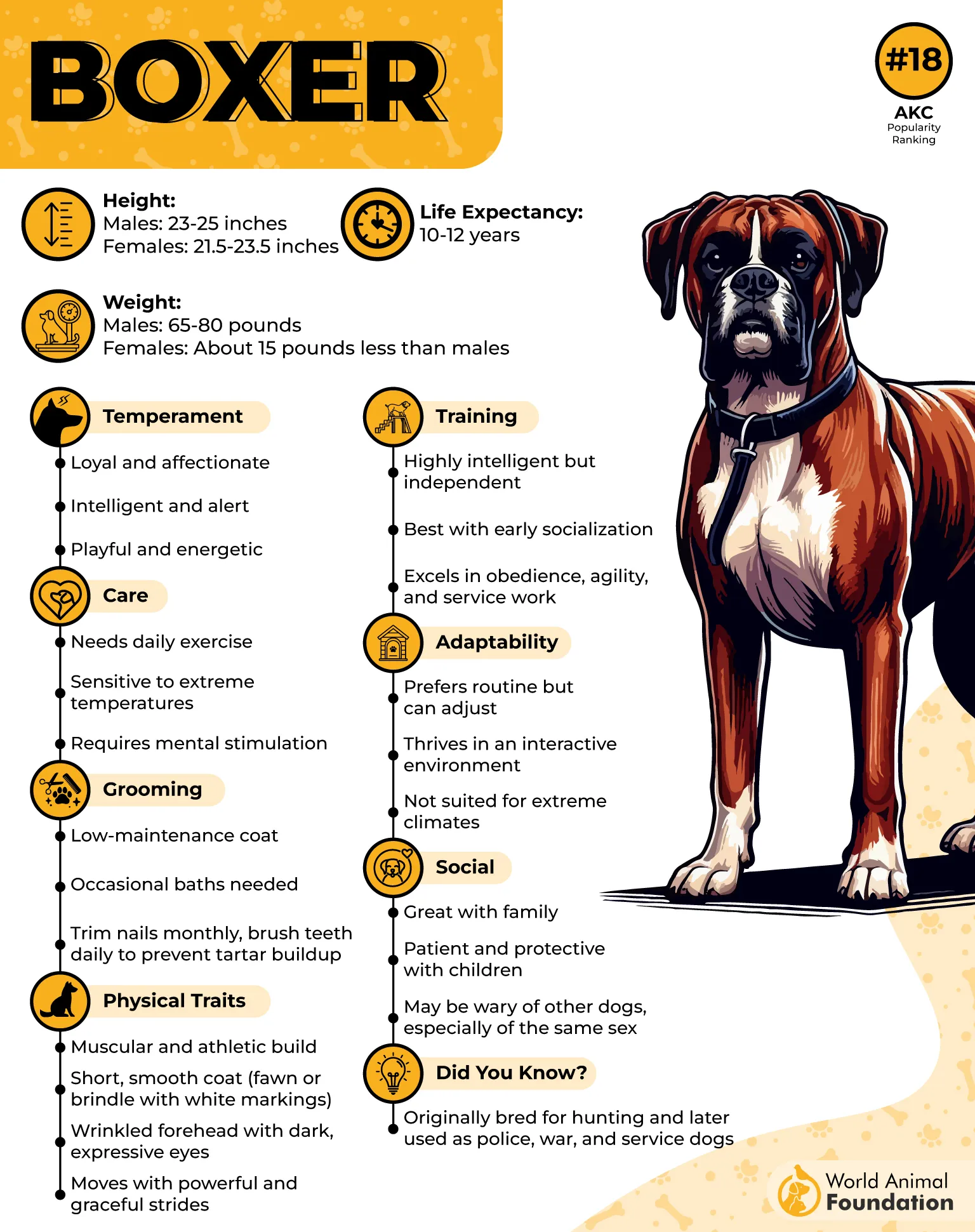
Daily exercise should include playful activity, controlled running, and varied movement that stimulates the mind. A Boxer’s lively spirit thrives in environments where fun and structure coexist. Gentle conditioning helps support its energetic nature.
Play-Based Training: Using games that reward focus.
Impulse Work: Reinforcing calm behavior during excitement.
Scent Exploration: Encouraging curiosity through nose-based tasks.
Balance Drills: Teaching coordination with simple obstacles.
Energy Management: Guiding high spirits with structure.
Positive Supervision: Ensuring interactions remain safe.
Strength Appreciation: Recognizing the breed’s athletic potential responsibly.
Health care often includes monitoring cardiac health, supporting joint mobility, and maintaining a fit body condition. Routine checkups and early screening help preserve long-term wellness. Balanced diets and controlled exercise benefit the breed’s vitality.
Originating in Germany as a versatile working and companion dog, the Boxer earned recognition for agility, loyalty, and expressive charm. This energetic dog suits owners who enjoy active lifestyles and appreciate a dog that brings both joy and athletic ability into the home.
Conclusion
The canine world is full of powerful pups, and other breeds like the Siberian Husky, Jack Russell terrier, Border Collie, Australian Cattle Dogs, Alaskan Malamute, and Saint Bernard bring their own impressive abilities to the spotlight. From pulling sleds to leading rescue missions, these active breeds prove that strength can be paired with sharp minds and gentle demeanor.
With consistent training, early socialization, and plenty of mental and physical activity, even the world’s strongest dogs become well-behaved companions. Puzzle toys, structured play, and everyday adventures help them shine as loyal family members.
Ready to meet your next furry friend or explore more strong, smart dogs? Dive into our dog guides and keep discovering amazing breeds.
