




Petite dog breeds that stay small forever hit that perfect sweet spot for dog lovers: compact canine vibes, apartment-friendly energy, and personalities much bigger.
Whether you want a cuddly companion for cozy nights, a highly trainable companion dog for weekend dog sports, or a Spitz-type energetic fluffball that turns every coffee run into a photo op, little dogs deliver.
We’re spotlighting toy breeds and other small dog breeds that remain delightfully mini from puppyhood through senior years—plus fun facts, historical tidbits, and real-talk care notes. We’ll weave in how each small companion dog compares with other dogs and even drop in icons like Queen Victoria and the American Kennel Club along the way.
Reminder: This is for fun and education, not medical advice. Always talk to your vet if you have questions about your pet’s condition.
Petite Dog Breeds That Stay Small Forever
1. Chihuahua
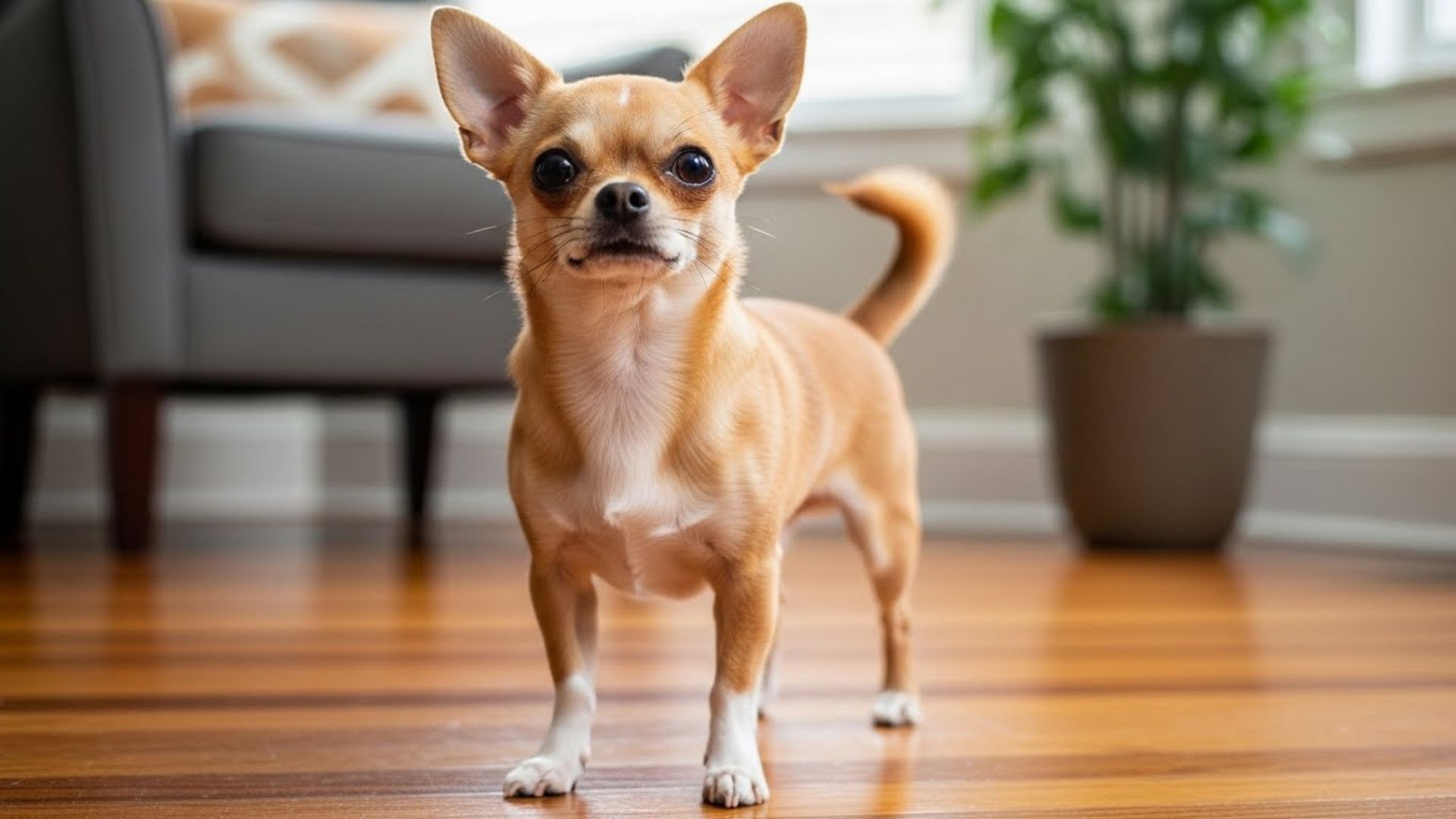
The Chihuahua is the world’s smallest dog breed with maximum attitude, minimum square footage.
Compact and confident, they’re perfect for city living and the ultimate lap dogs for marathon streaming sessions.
Genetics play a big part in their size—scientists link the Insulin-like Growth Factor 1 (IGF1) gene to smaller body size in dog breeds, and selective breeding made the Chihuahua the diminutive breed we know today.
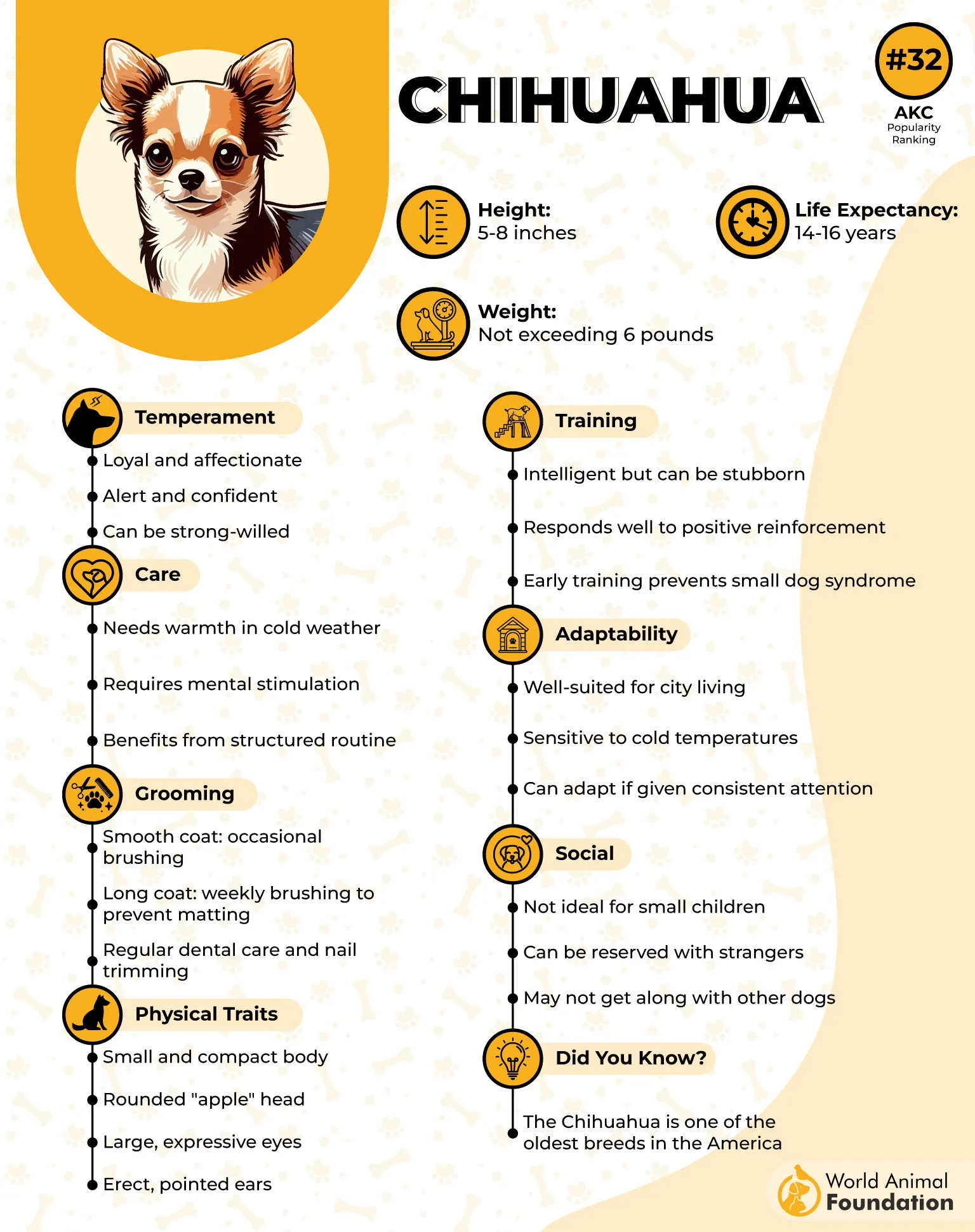
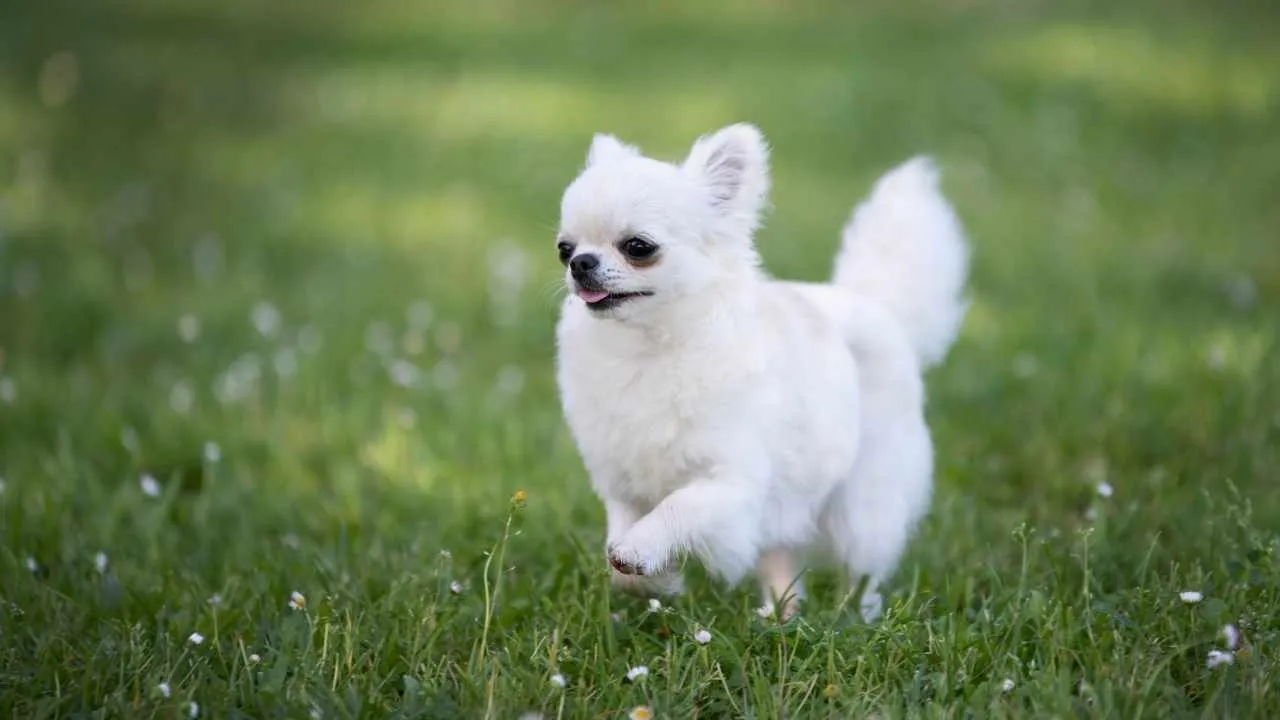
They reach full size at about 9–12 months, then live long lives where they still act like they’re the biggest presence in the room.
Yes, there are “teacup” versions. Teacup breeding isn’t a separate breed standard and can pose additional health risks. Responsible breeders and animal advocates generally discourage it. If you want tiny, a standard Chihuahua already checks the small dog box without compromising health as much.

Chihuahuas thrive on enrichment. Despite their cute little body, they’re energetic and curious, with playful personalities that make training sessions pop. Keep them warm—these toy dogs can shiver in cold weather—layer a cozy harness for walks and consider a sweater if the temp drops.
They’re too small for roughhousing with kids or larger dogs and need gentle handling.
2. Pomeranian
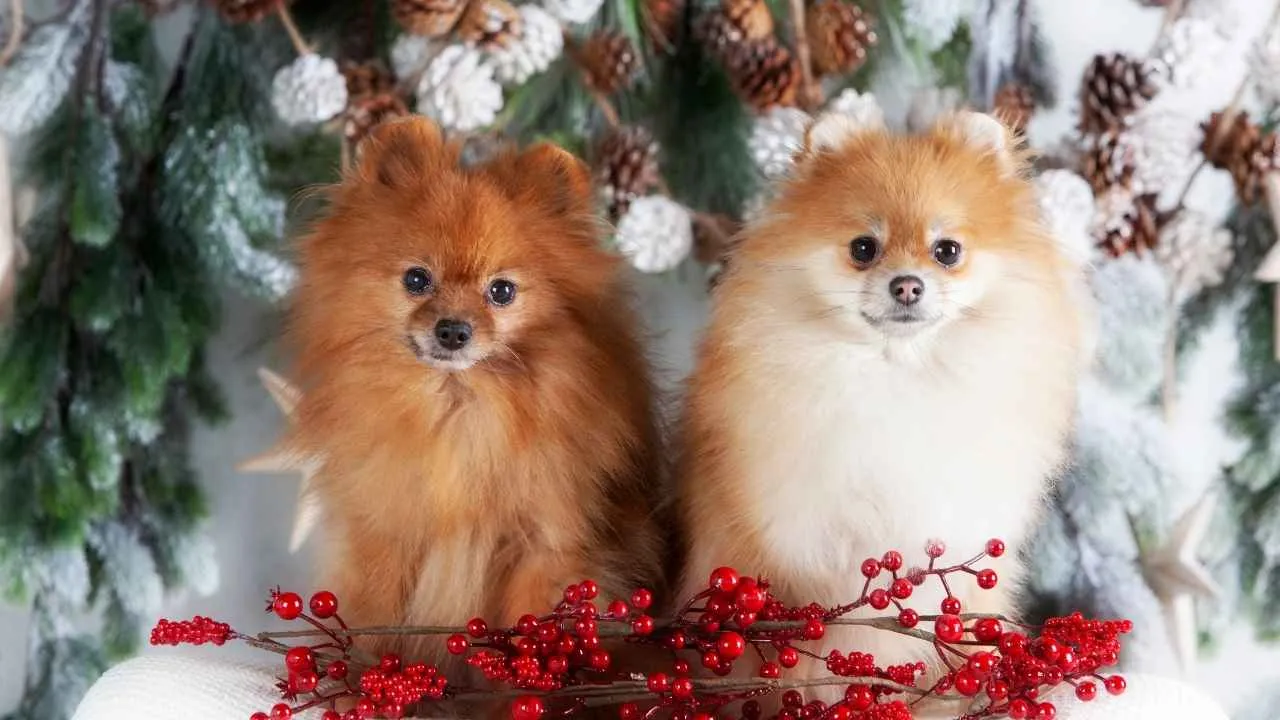
If “living pom-pom” were a job title, the Pomeranian would be hired.
Bred from larger Spitz dogs, they gained significant clout thanks to Pomeranian royal patronage—Queen Victoria adored them and helped popularize smaller sizes.
Today’s Poms are a Spitz-type, energetic package: 3–7 pounds, reaching full size by 7–10 months. They come in a rainbow of coats—tri-color, sable, brindle, merle, white, black, you name it.
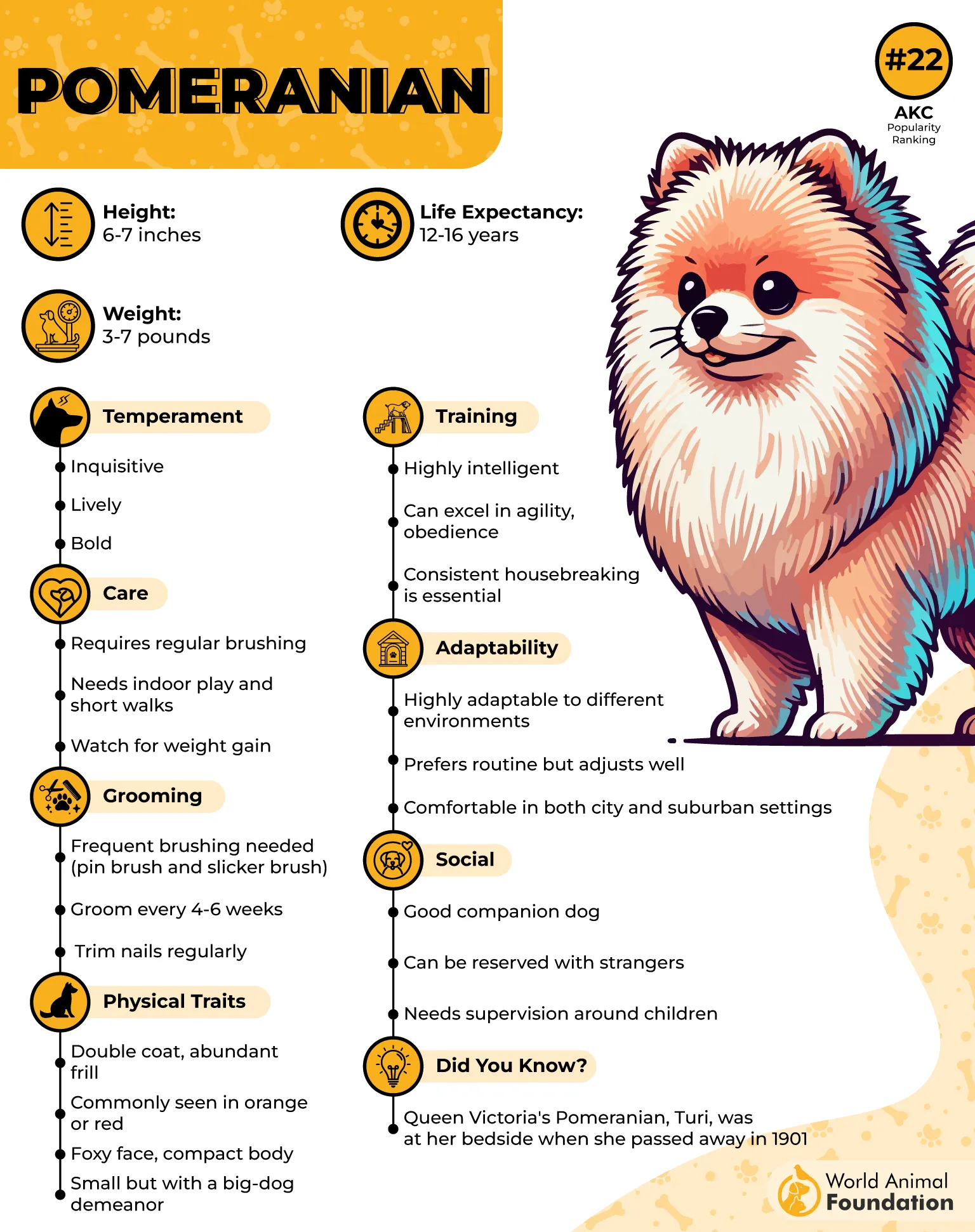
Pomeranians are loud in the best way: sassy, spunky, and confident enough to think they can take on larger dogs. That swagger translates into good watchdog traits—expect a bark to alert you—but pair that with positive training so they don’t audition as full-time sirens.
They’re highly intelligent and easily trained, making them great family dogs when socialized.
You may see micro or “teacup” Poms marketed online, but it’s not a separate breed and can indicate unethical breeding practices. Stick to reputable breeders who follow the AKC breed standard. Your Pom will still be delightfully tiny without avoidable health issues.
Grooming is part of the lifestyle. Their double coat needs regular brushing to avoid matting and keep that fluff cloud camera-ready.
3. Yorkshire Terrier
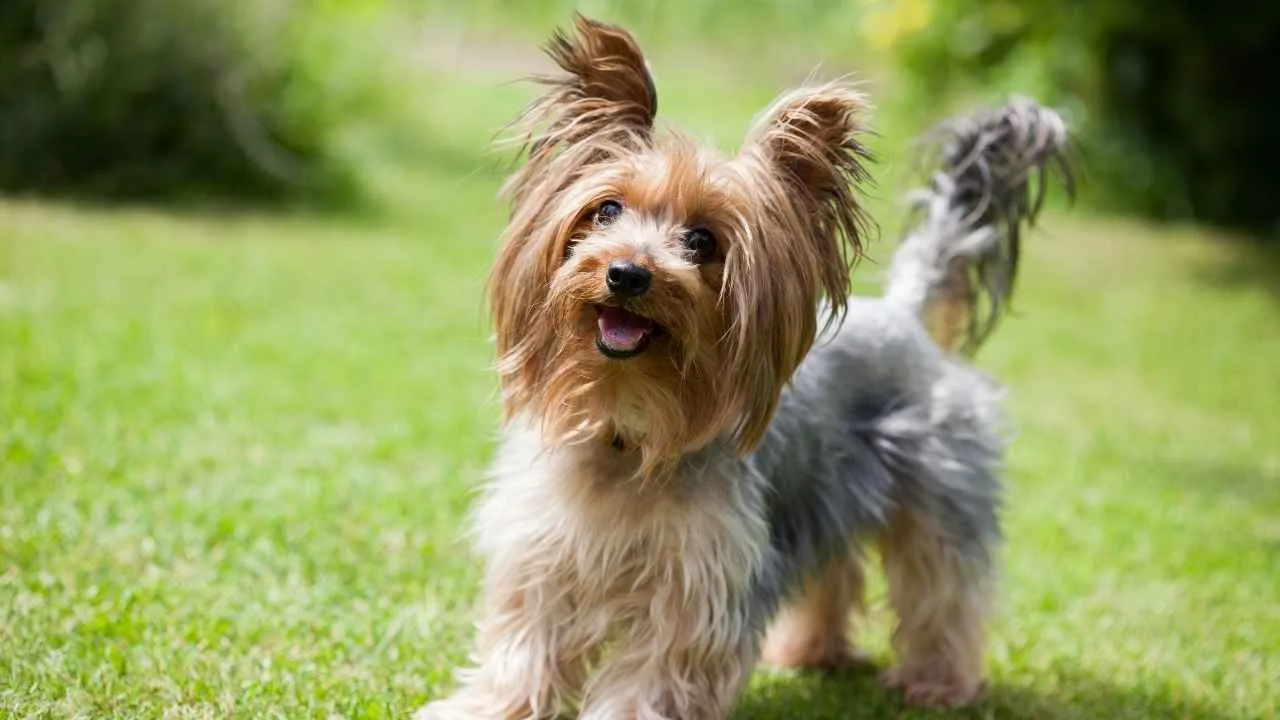
A Yorkshire Terrier weighs up to 7 pounds—but nobody told them. They think they’re the biggest and bravest canines in the dog world.
They’re firecrackers: spirited, courageous, and cheeky. This dog, explicitly bred in England in the 19th century to hunt rodents in mills, was initially bred for work before becoming an iconic companion dog. Think: just a Yorkshire Terrier, but with main character confidence.
Yorkies have long, silky hair—often compared to human hair—that is hypoallergenic, making them a strong pick if you’re searching for a hypoallergenic dog.
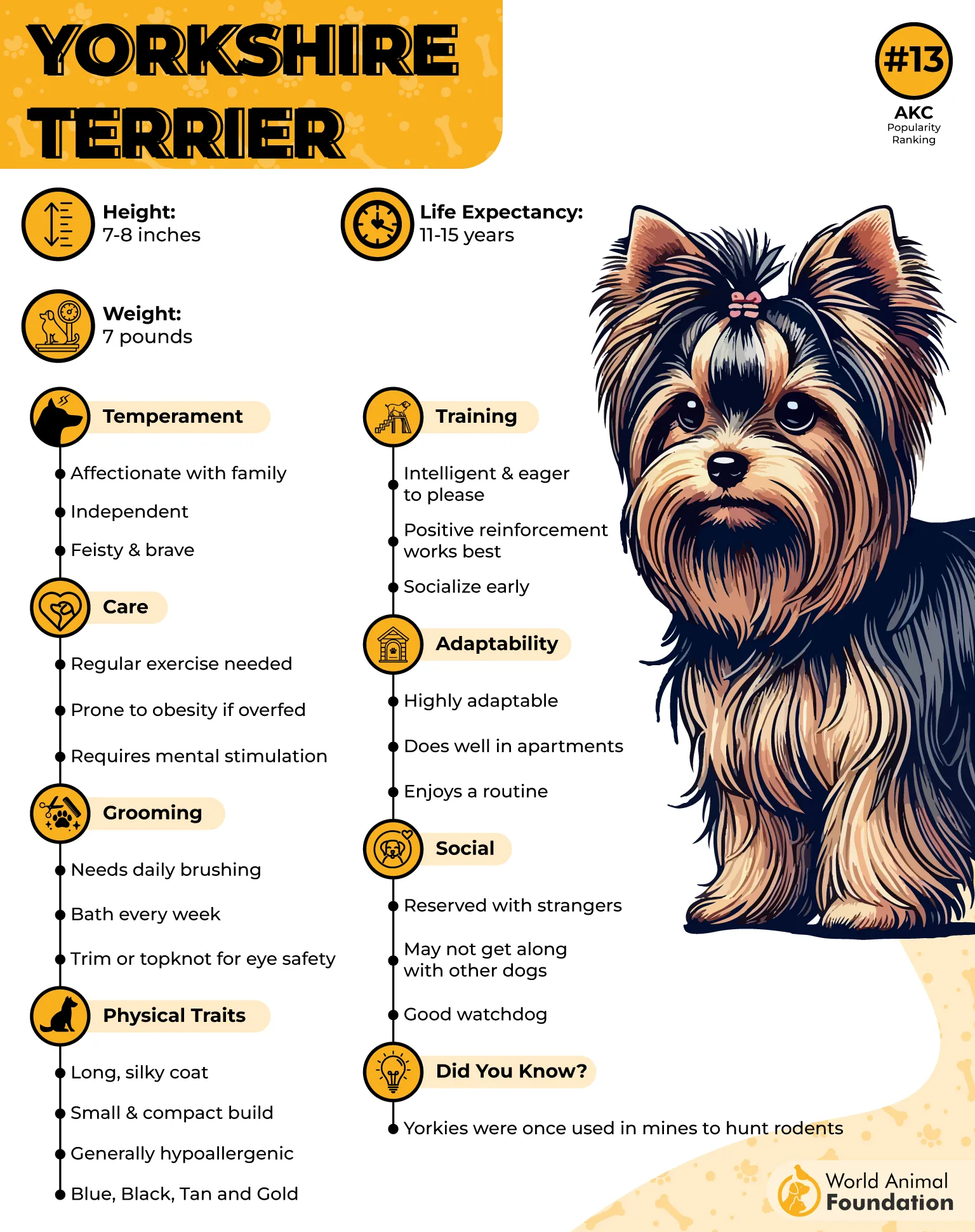
The smooth coat demands upkeep: regular brushing, trims, and grooming sessions to prevent tangles. Rock a topknot or keep it in a puppy cut for lower maintenance.
Training matters. In a Yorkie’s mind, they’re lion-sized; they may challenge larger dogs, which can be risky. Their high prey drive means they’re not always ideal roommates for other pets like guinea pigs or small rodents.
Fun fact: The Yorkie’s glam era made them fashion icons. From city sidewalks to celeb handbags, they’ve become one of the most recognized toy breeds worldwide.
If you’ve ever Googled teacup Yorkie, remember: smaller isn’t always better—focus on healthy lines and an average weight within breed guidelines.
4. Maltese
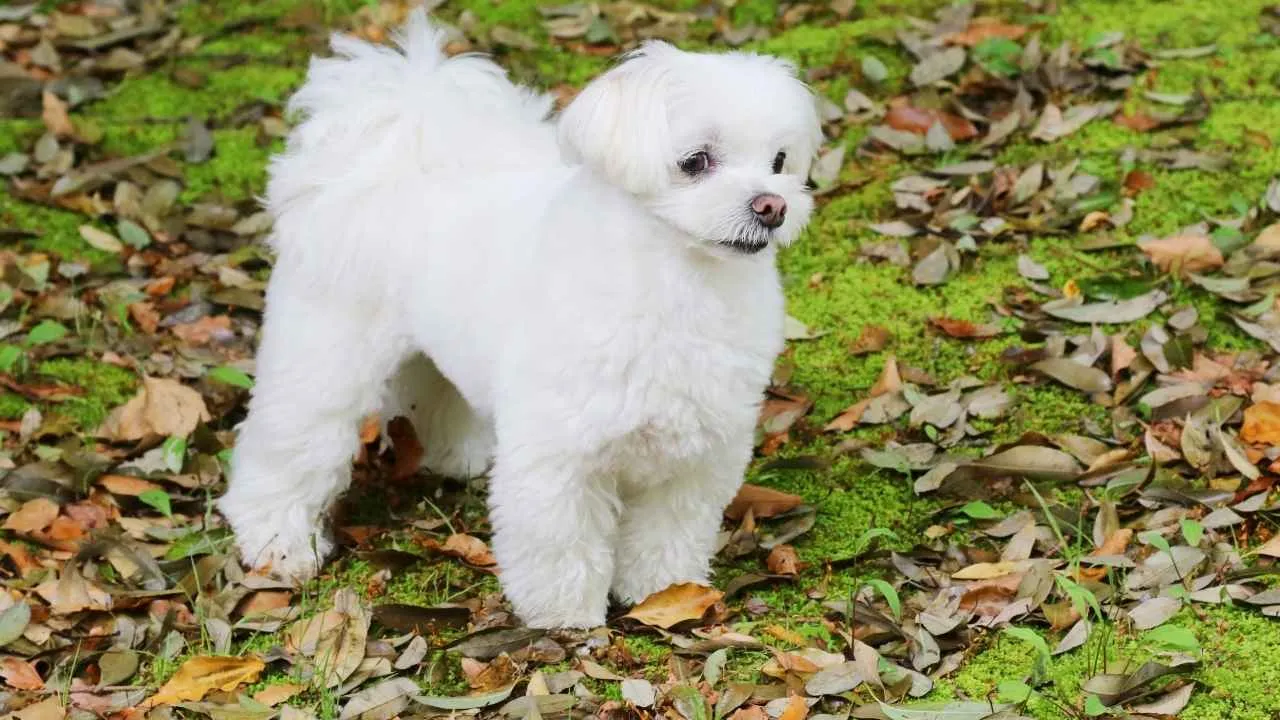
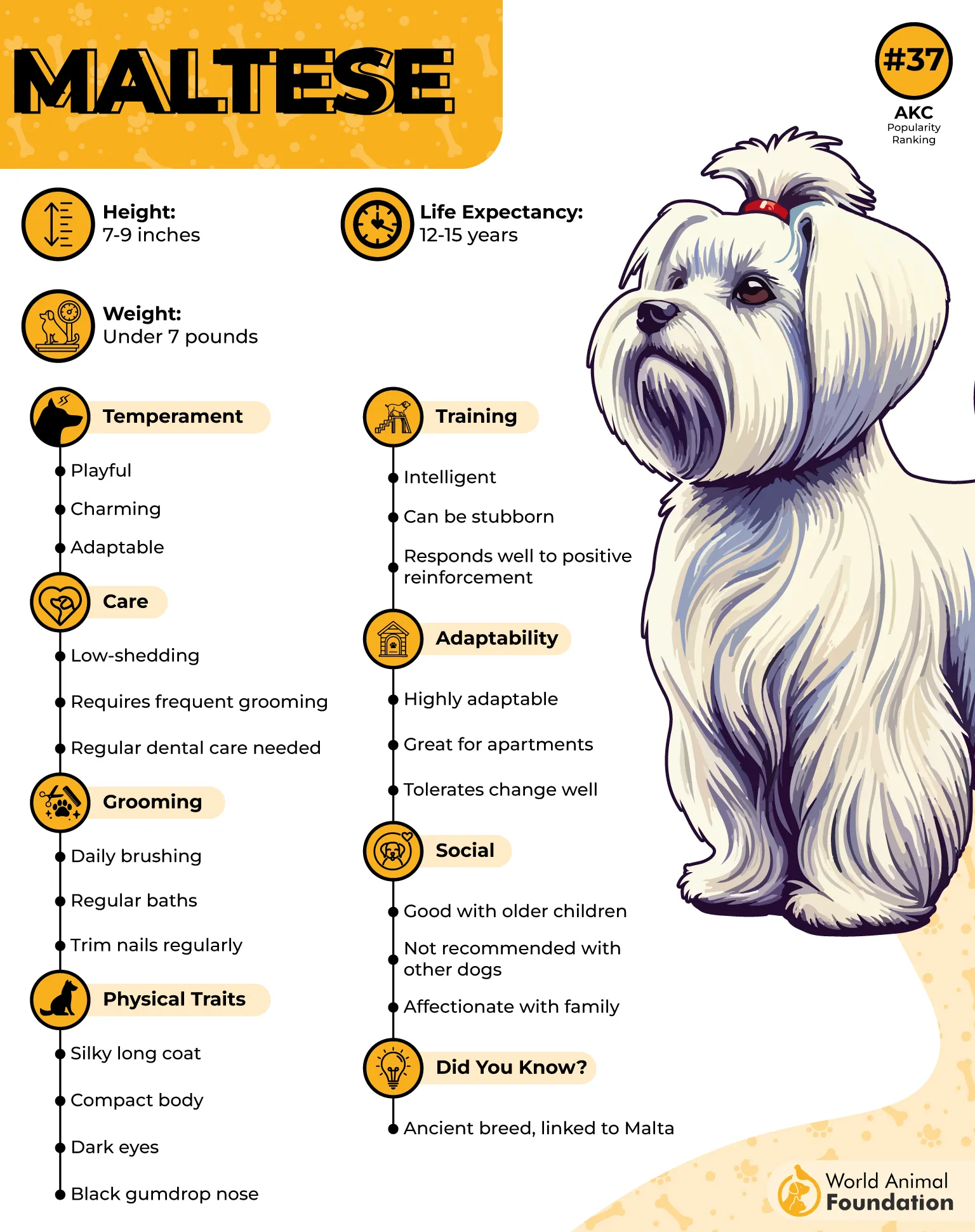
The Maltese is the definition of a dog’s delightfully dainty appearance: a small breed, often under seven pounds, with a long coat that flows like couture.
Under all that silk is a compact body that’s almost square in profile. They’re gentle and affectionate companions, yet surprisingly bold—sometimes irrationally brash with larger canines. Tiny? Yes. Timid? Not really.
Their petite frame makes them ideal for apartments and travel, but also means careful handling to avoid injury. They’re the classic lap puppies—thriving on cuddles and attention—and can be a cuddly companion for work-from-home humans.
They may be challenging to housebreak; crate training, consistency, and patience are your best friends.
Grooming is a lifestyle. That straight, silky coat needs regular brushing to prevent mats, plus routine baths and trims. You can keep the long show coat if you’re committed, or opt for a stylish shorter cut. Either way, a Maltese is a walking aesthetic—perfect for matching bows and pastel harnesses.
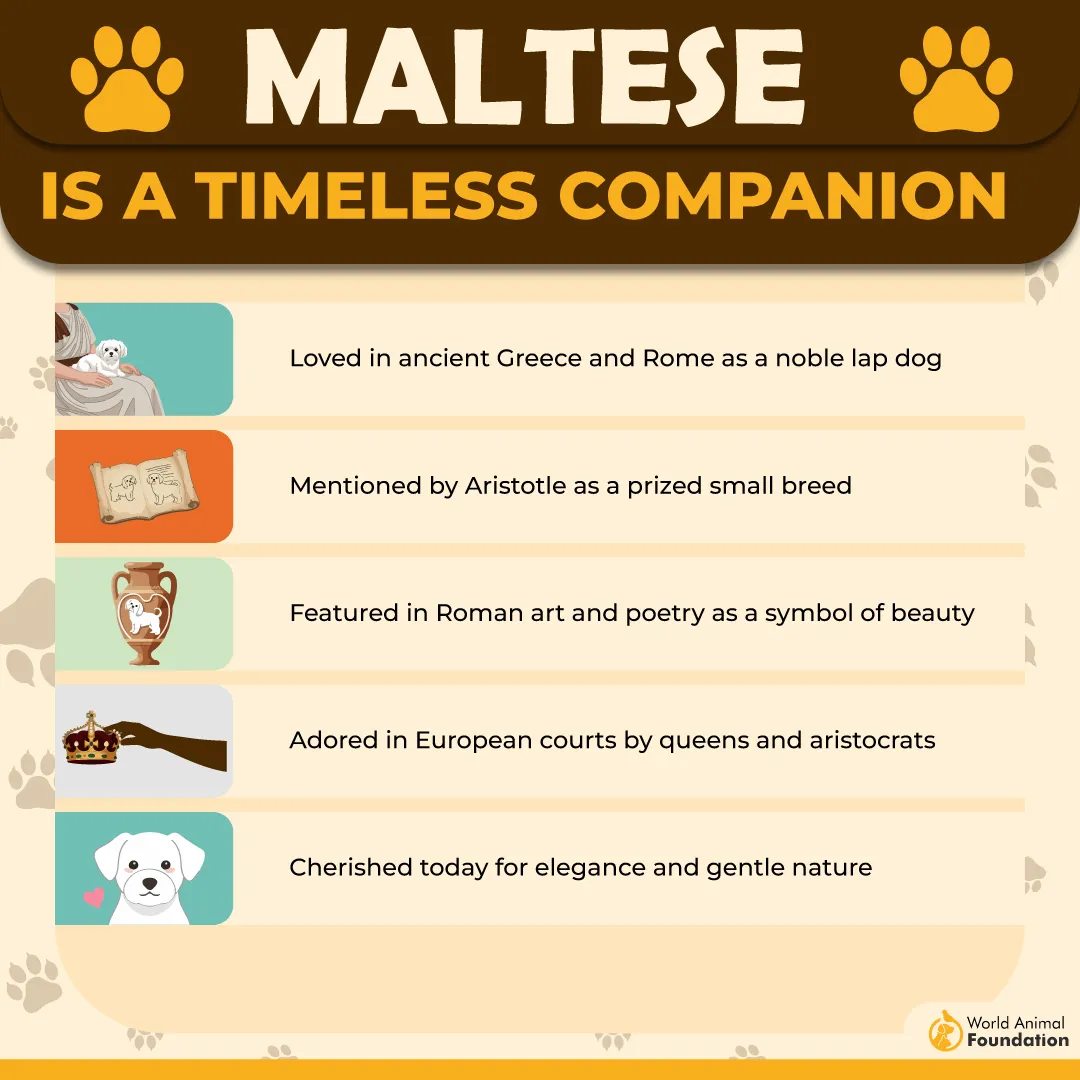
Historically, the Maltese has ancient roots in the Mediterranean and the bichon family lineage, prized as companion dogs long before “influencer dog” was a phrase. Today, they’re still incredibly affectionate, adaptable, and great family pets when socialized.
If you love a clean aesthetic and a loving shadow, this small dog is it.
5. Toy Poodle
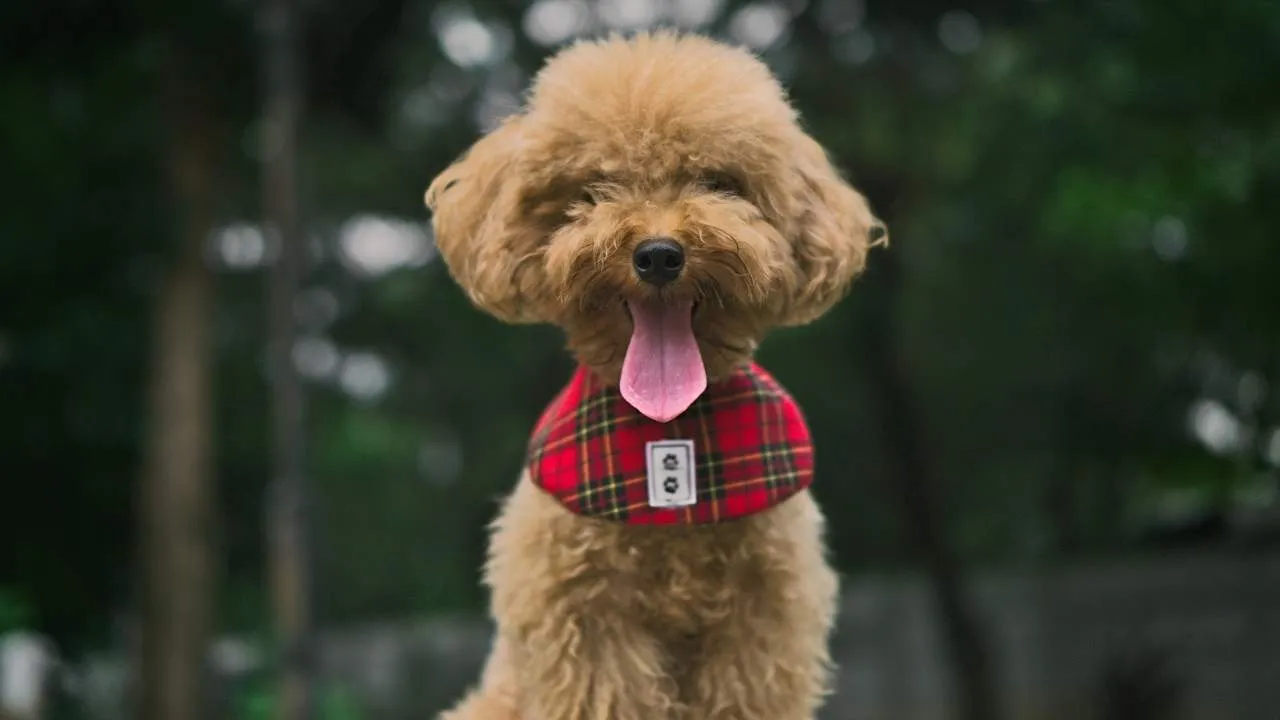
The Toy Poodle is an intelligent breed that closely resembles its larger cousins in brains and beauty—just distilled into a chic, tiny frame.
Toy Poodles typically weigh 4–6 pounds, bred down from Standards and Minis to be the ultimate companion. They’re one of Germany’s most popular house pets and are adored worldwide for their high trainability.
Poodles are famous swimmers; their coats evolved for swimming and will curl if left to grow naturally. For daily life, most Toy Poodles sport a practical trim. Hypoallergenic coat? Check. Brainiac levels of smarts? Double check.
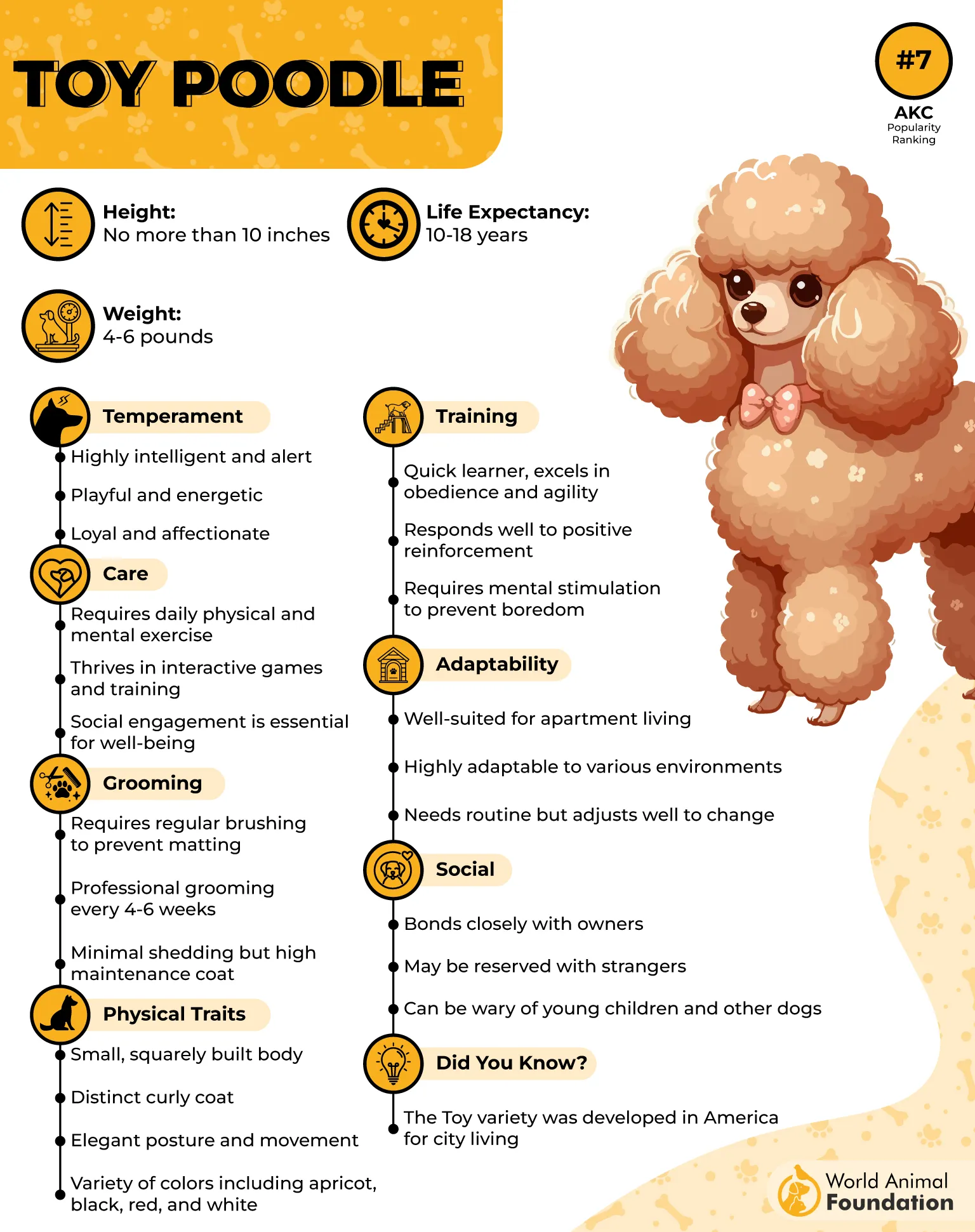
They pick up commands quickly, excel at trick training, and bring a lot of energy to dog sports designed for small pups.
Because of their delicate size, protect them from falls and rough play. Keep exercise balanced—short walks, puzzle toys, and training games satisfy their curious temperament. A balanced diet and regular vet care help maintain a healthy average weight.
Fun fact: Poodles come in three sizes per the American Kennel Club—Standard, Miniature, and Toy. The Toy packs the same elegance and wit into a handbag-friendly silhouette. If “smart, stylish, trainable” is your checklist, add them to your breeds that stay small mood board.
6. Papillon
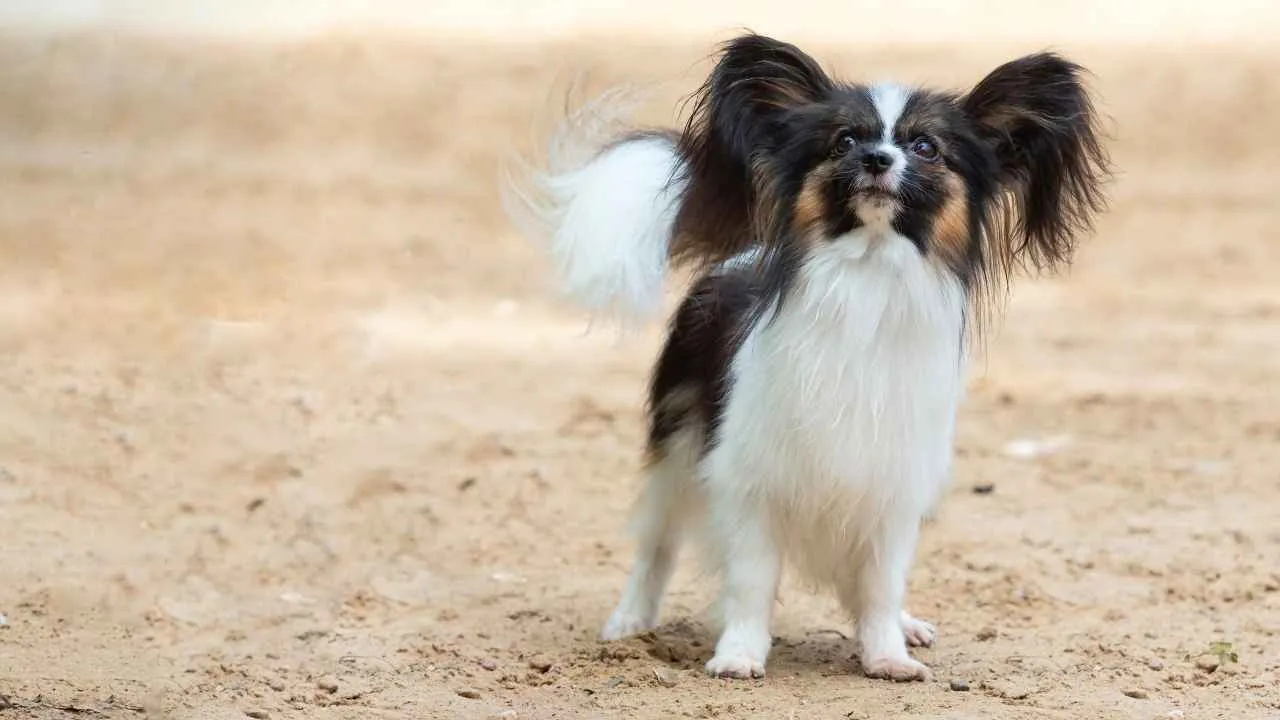
The Papillon—aka the butterfly dog, thanks to its signature winged ears—is small but mighty: 5–10 pounds, 8–11 inches tall, and endlessly cheerful.
AKC claims they’re lively, amusing, and low-shedding, with a fluffy coat that’s surprisingly easy to groom. Add daily activity and some basic ear care, and you’ve got a photogenic bestie with stamina.
Papillons typically reach full height around eight months and finish filling out by one year. Like many toy breeds, house training can be a challenge—schedule frequent potty breaks, keep it positive, and you’ll get there. Their protective streak can make them possessive of their humans, so socialize them early.
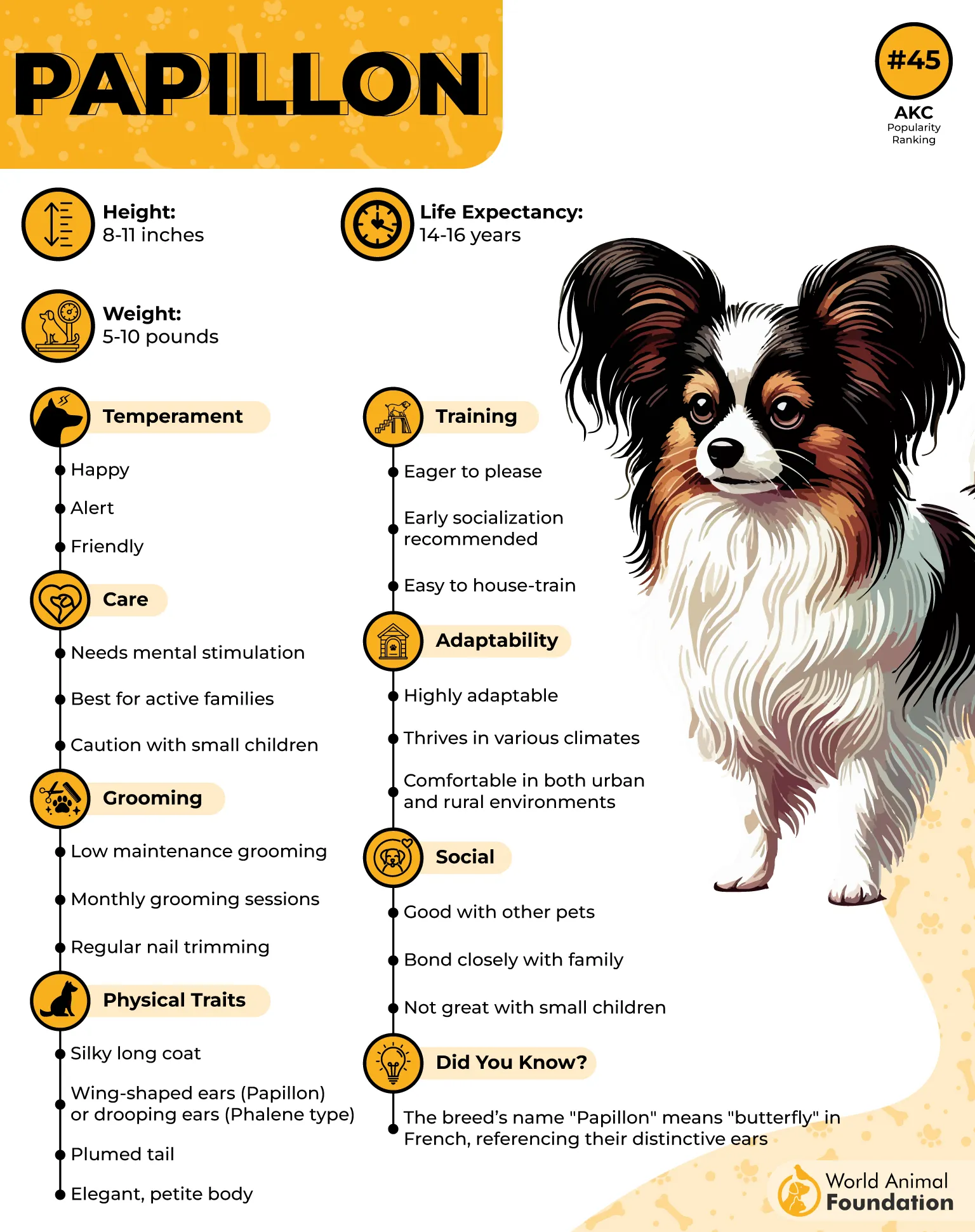
These compact charmers are adaptable—great in apartments or houses, in warm or chilly climates—with the right wardrobe. They’re happy, friendly, and whip-smart, making them great candidates for tricks and agility. If you want a small dog that loves indoor play, this is your pick.
History tidbit: Papillons have been painted alongside royals and nobles for centuries. Their refined look and quick learning made them salon stars long before TikTok. Today, they’re still excellent companion dogs with a side of stage-ready charisma.
7. Shih Tzu
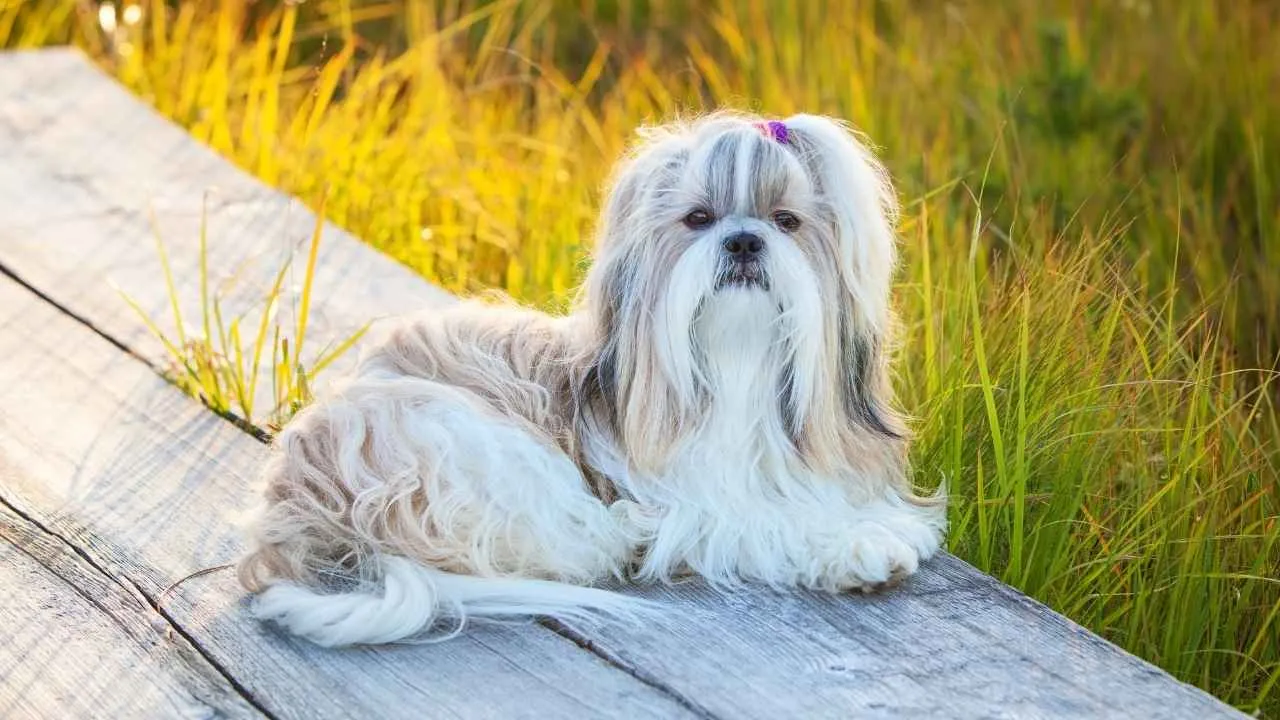
The Shih Tzu brings imperial energy—literally. Officially, the national dog of Tibet, in lore and adoration in Chinese courts, was initially bred as a royal companion.
Today, they’re 9–10.5 inches tall and 9–16 pounds: small enough for city life, sturdy enough for family fun. They’re friendly, affectionate companions with a zen vibe.
That long coat is their signature: silky hair, button eyes, curled tail. Grooming is non-negotiable—routine brushing, baths, and trims keep them comfy and camera-ready. They’re bright and bold despite their size and can be good watchdogs in spirit, even if they’re not exactly fighting dogs in reality.
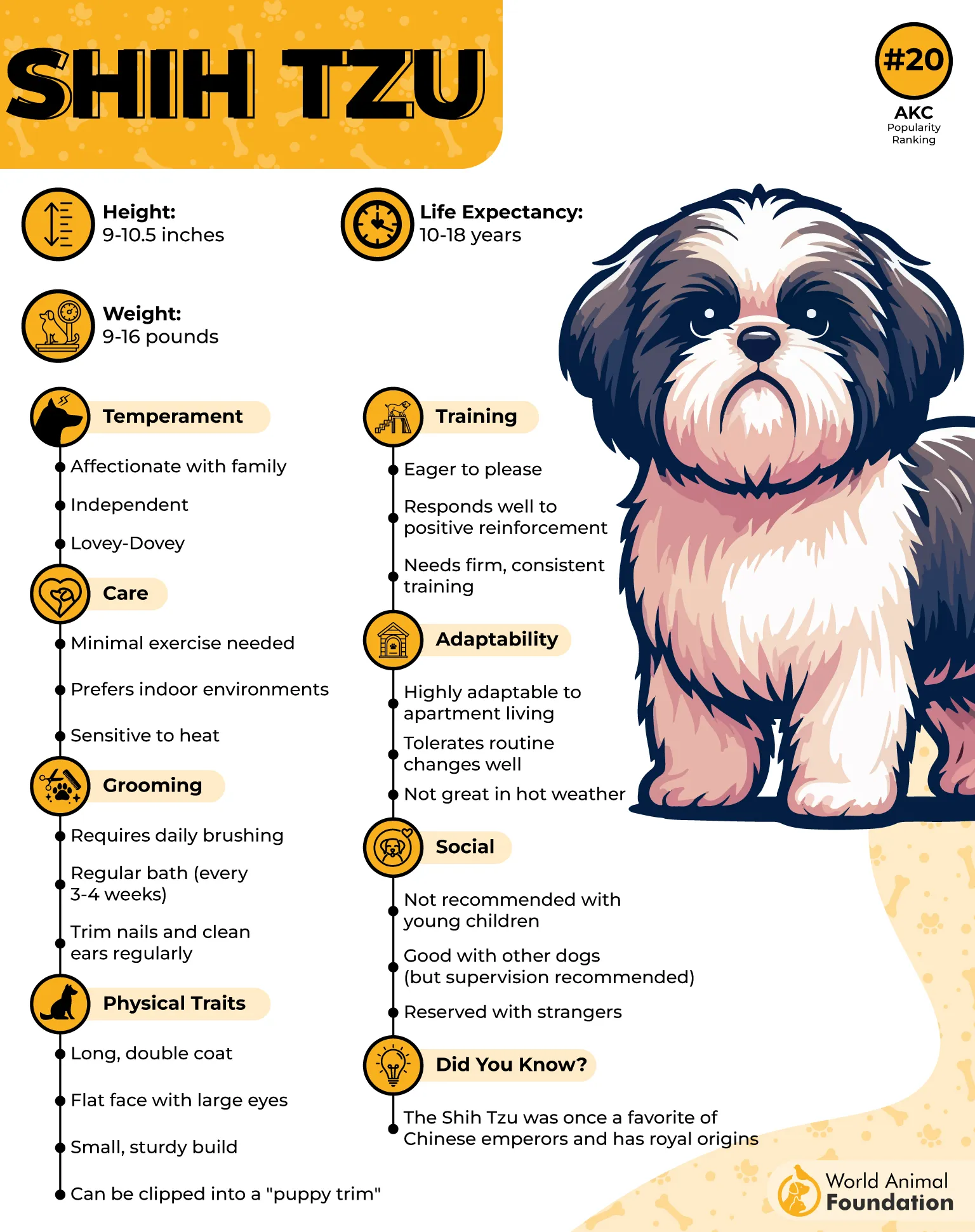
They thrive on human time, as per PDSA: incredibly affectionate, outgoing, and joyful. Early socialization helps them vibe with other dogs and other pets, though they’re usually laid-back lap dogs at heart. They need regular walks and play, but are not high-octane or energetic.
Fun fact: While some sellers push “teacup” Shih Tzus, these are not official breeds. Breeding below the breed standard can bring health issues. Stick to reputable sources that follow AKC guidelines to ensure the best companion experience.
8. Japanese Chin
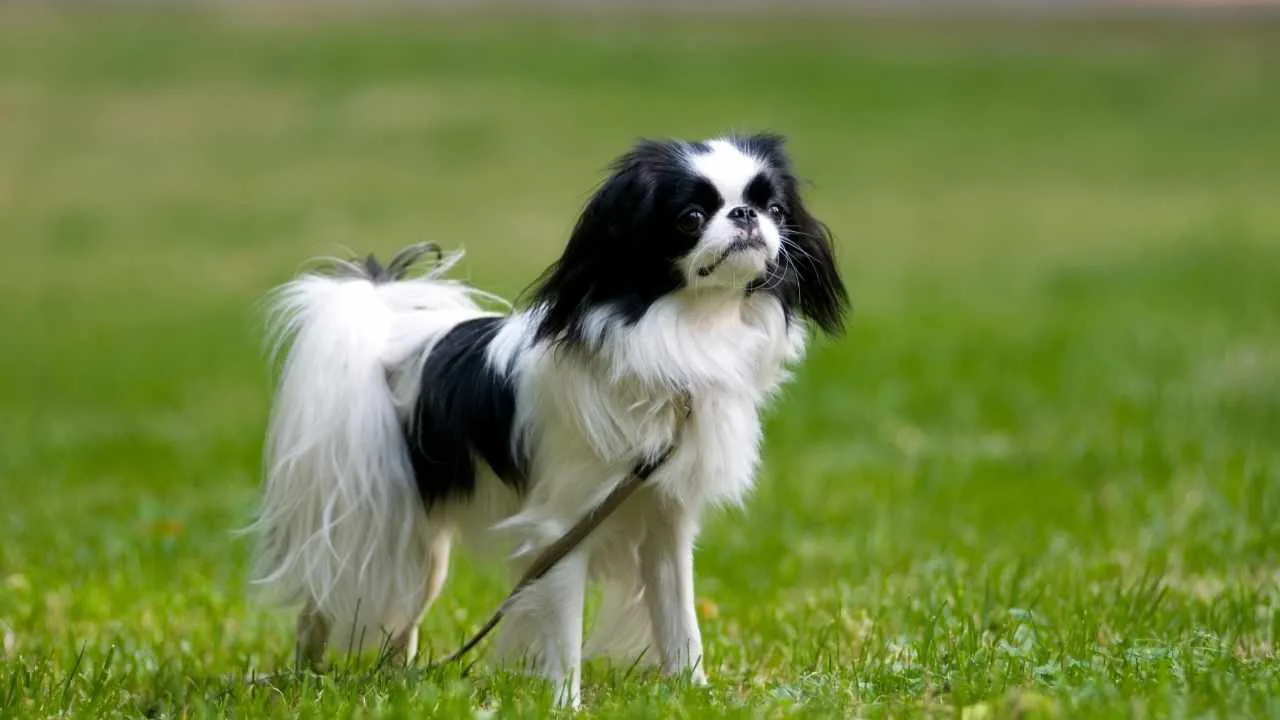
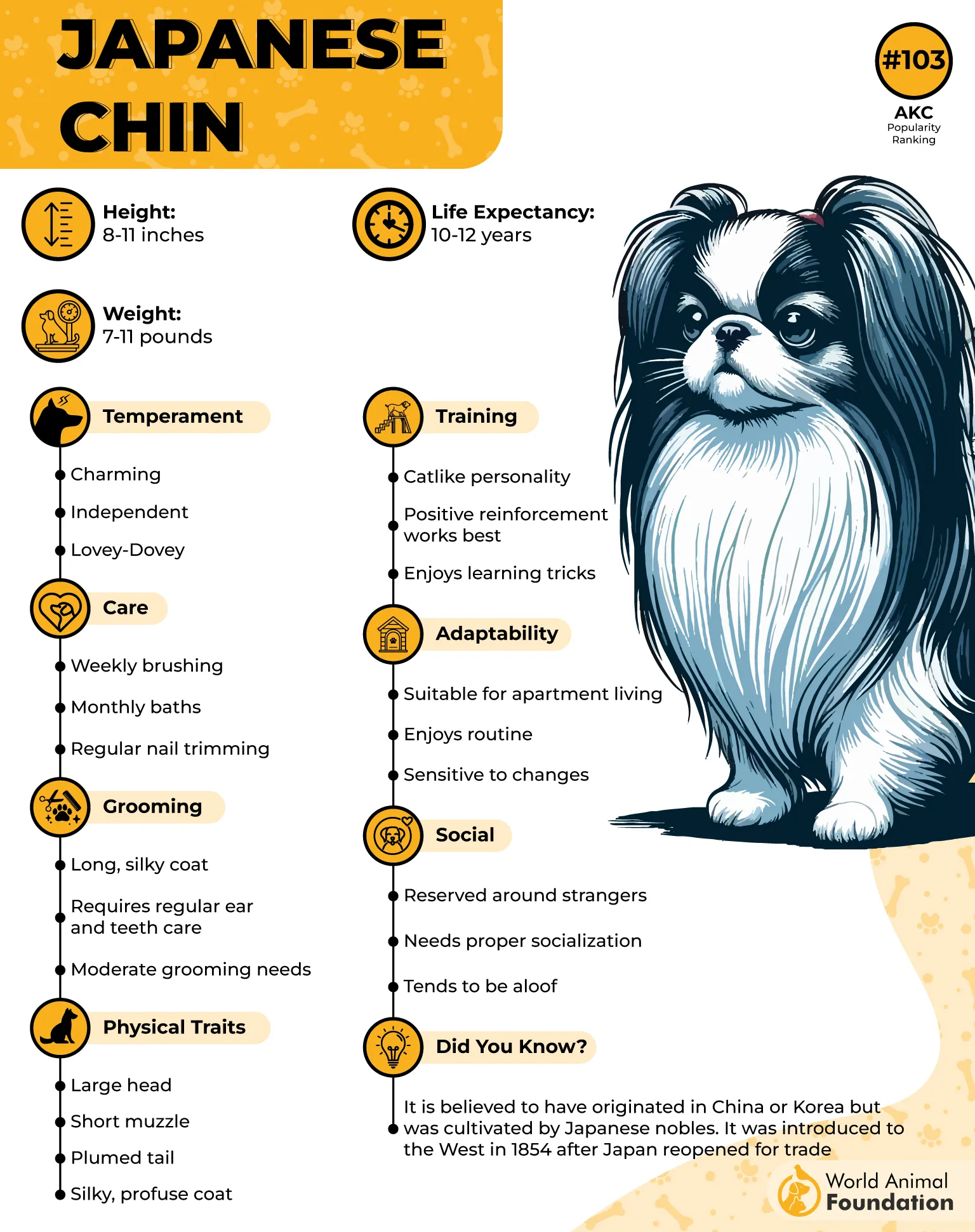
The Japanese Chin is a gentle aristocrat in a tiny tux—velvety coat, broad head, short muzzle, and those wide-set, soulful eyes.
They’re made for indoor life and cuddle marathons. They’re playful indoors—think dramatic zoomies down hallways—and sweetly devoted.
Chins are typically fully grown by 12 months. They’re moderately active, perfect for apartments, and love short play sessions. Use a harness instead of a collar; their necks are delicate.
Some are sensitive to corn, so a corn-free diet can help—always consult your vet for personalized advice.
Like many toy breeds, they can be prone to patellar luxation and heart murmurs. Regular veterinary care is key. Early socialization helps them be amiable with visitors and other animals, which they generally are.
Historical vibe check: These companion dogs were prized by Japanese and Chinese nobility. Think elegant lap ornaments turned affectionate roommates. Keep them supervised around small children—they’re tiny and should be handled gently.
9. Brussels Griffon
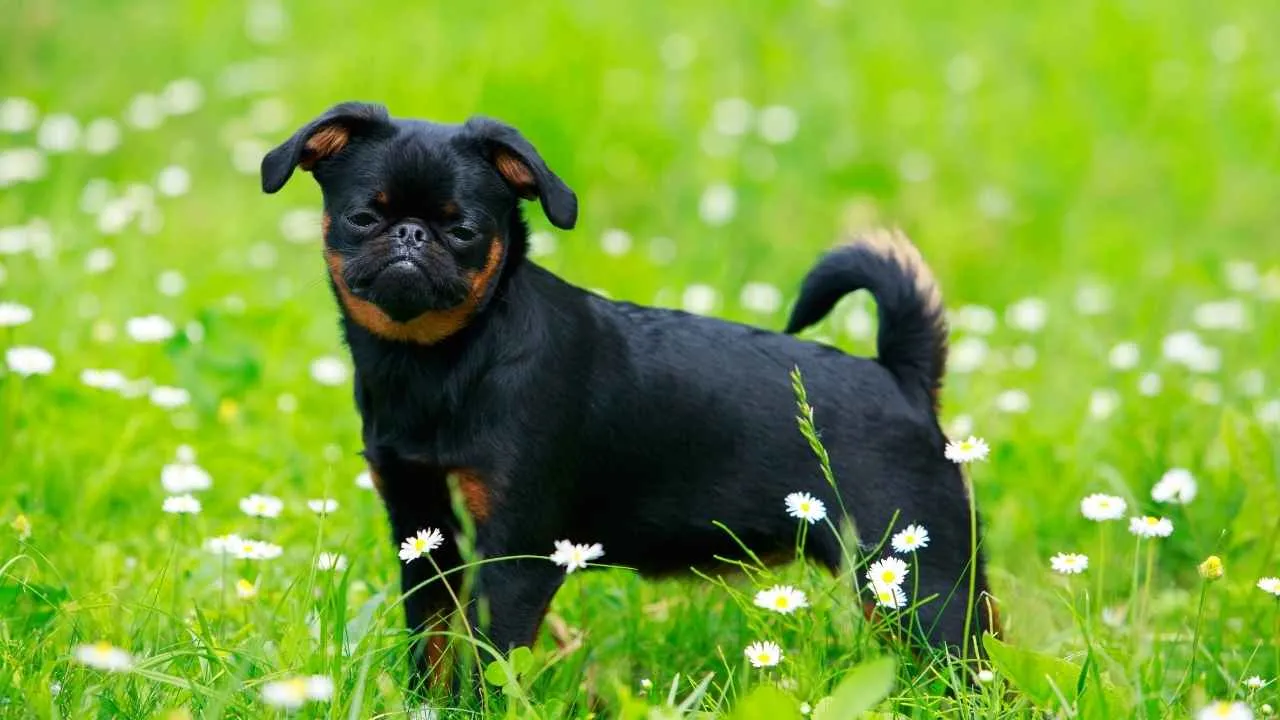
Meet the little black devil dog in legend—aka the Brussels Griffon—a small wire-haired charmer with an expressive, almost childlike face.
They’re compact comedians with a loyal streak. They make excellent watchdogs thanks to their alertness, but aren’t guard dogs given their size.
HillsPet says Griffs are generally healthy and have a lifespan of 12–15 years. They bond hard and love shadowing their humans room to room; leave them alone too often, and you may hear about it. Training and enrichment keep vocal habits in check and channel that energy into fun.
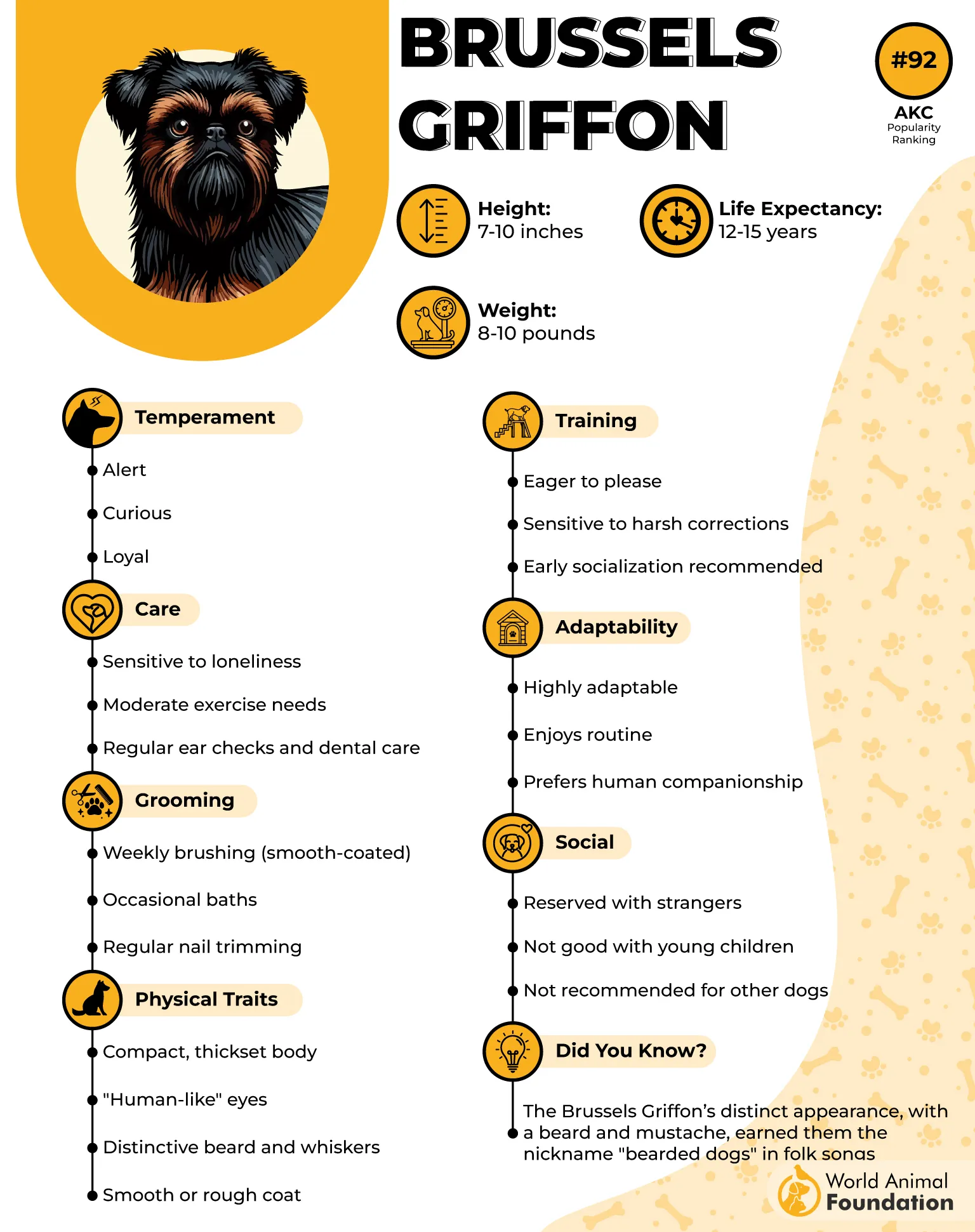
Apartment-friendly? Absolutely. They’re energetic without needing a backyard and thrive with daily walks and play. Their curious temperament makes them great for trick training and even some small-scale dog sports. Socialize early so they’re comfortable around other dogs and pets.
History tidbit: This relatively new breed (as a standardized companion) has deep roots in Belgium, where small Terrier-like dogs were kept to track rodents. Today’s Brussels Griffon is more cuddle than chase, but the sass remains—and that face could launch a thousand memes.
Conclusion
If your heart beats faster for small dog breeds that remain small forever, you’ve got options—each with a signature vibe. Want a compact canine with maximal brains? Toy Poodles. A fluffy Spitz with main-character energy? Pomeranian.
A silky glam icon that can hunt rodents in their origin story? Yorkshire Terrier. A regal cloud with cuddle credentials? Maltese or Shih Tzu. A butterfly dog with agility dreams? Papillon. An aristocratic, inside-jokes-only bestie? Japanese Chin. A meme-ready muppet with loyalty in spades? Brussels Griffon.
Small dog breeds bring big joy. They fit modern life, travel well, and deliver companion energy at scale. Whether you’re all-in on lap dogs or want a small dog with the spirit of a lion, these dog breeds are proof that size is just a number.
Follow responsible breeding practices, prioritize health over hype, and choose the personality that clicks with your lifestyle. That’s the perfect dog.
