




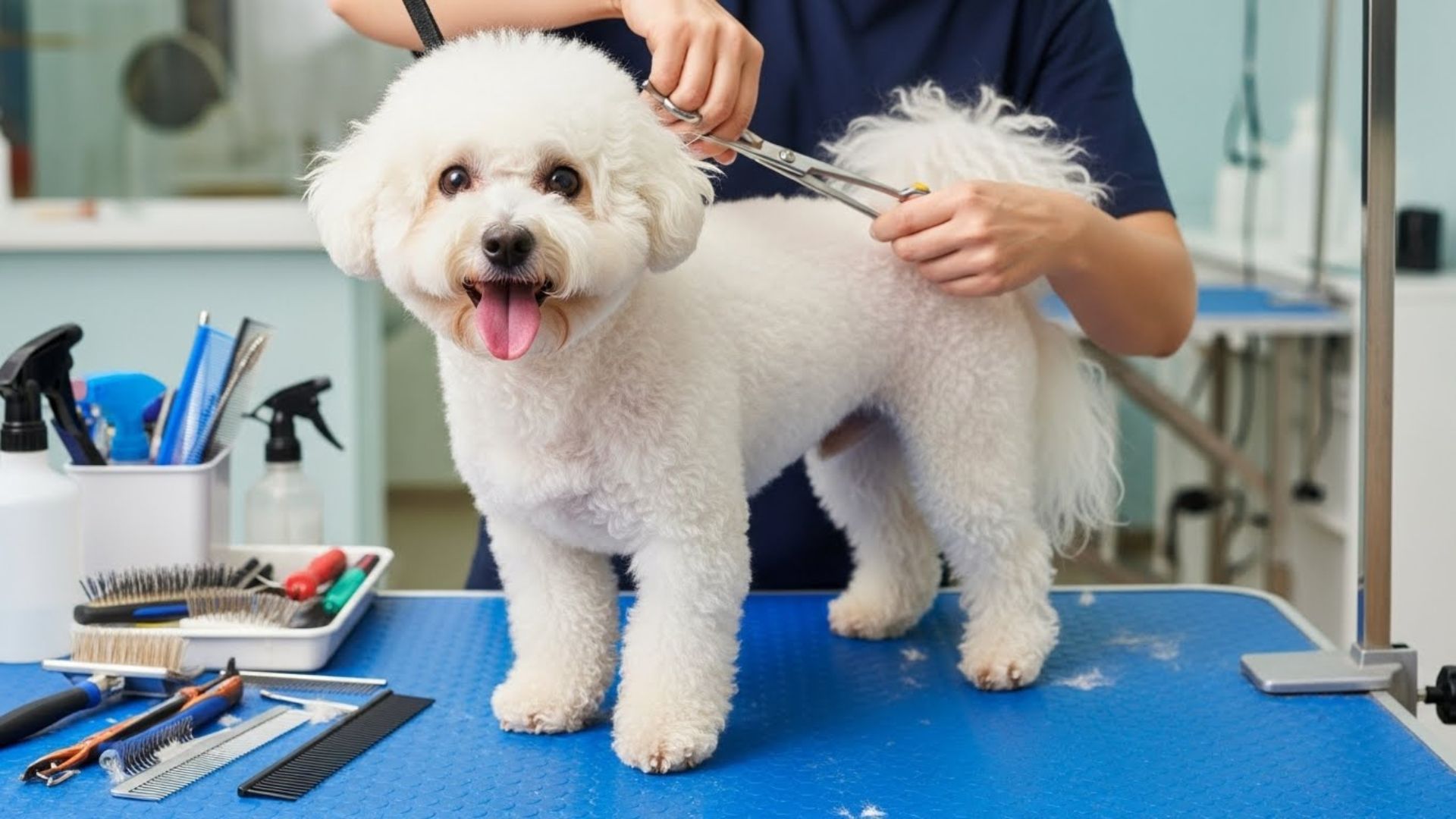
Routine grooming is more than upkeep. It is a form of care that strengthens the bond between a dog and the person who loves them.
Some dogs carry coats that change through the seasons, collecting tangles, loose hair, and dust that settle deep within the layers. Others grow fur that needs shaping, cleaning, lifting, and smoothing so the skin underneath can breathe without discomfort.
Grooming becomes a ritual of patience and presence. You learn the rhythm of their body, the spots they lean into, the places they resist, and the sigh they release when they finally relax. These dogs depend on consistent grooming routines not only for appearance but for comfort and well-being.
As you explore this article, expect to meet coats that need commitment, textures that demand technique, and grooming habits that turn responsibility into connection.
Key Takeaways
- Dogs with high-maintenance coats show off their personality through texture, movement, and shine.
- Bichon Frises and Poodles need daily attention to keep their curls and fluff in top shape, revealing their playful charm.
- Afghan Hounds and Old English Sheepdogs carry elegance in every strand, demanding steady hands and gentle care.
- By the end, you’ll see which breeds transform grooming from a chore into moments of connection you won’t want to skip.
Dog Breeds Where Routine Grooming is a Must-Do Task
1. Bichon Frise
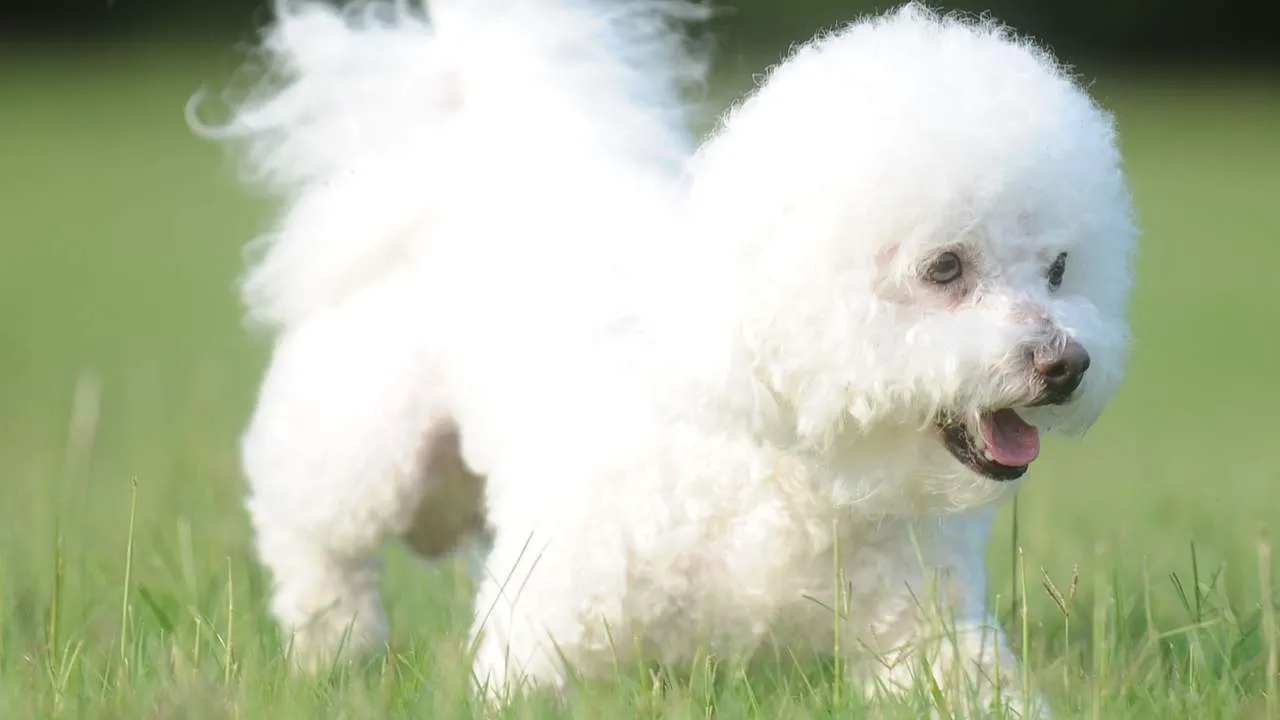
The Bichon Frise is known for its bright expression and playful spirit, which makes its appearance a major part of its charm. That soft, cloud-like coat is what gives the breed its signature appeal. Keeping that coat in shape becomes a routine task for anyone who brings this little entertainer home.
Coat That Needs Constant Care
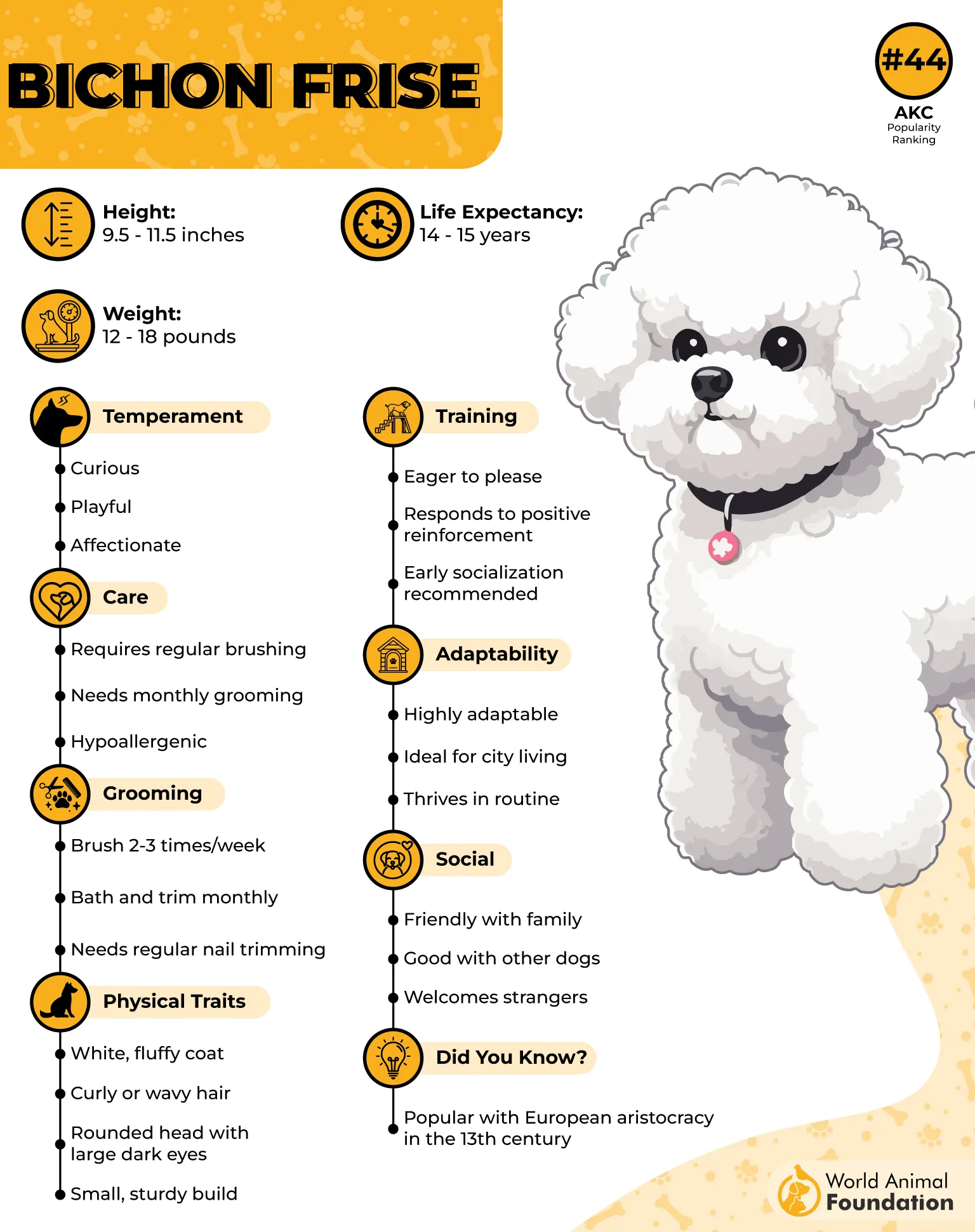
Their fluffy double coat traps loose hair instead of dropping it around the house, which means mats can form quickly without regular upkeep, as written in the AKC.
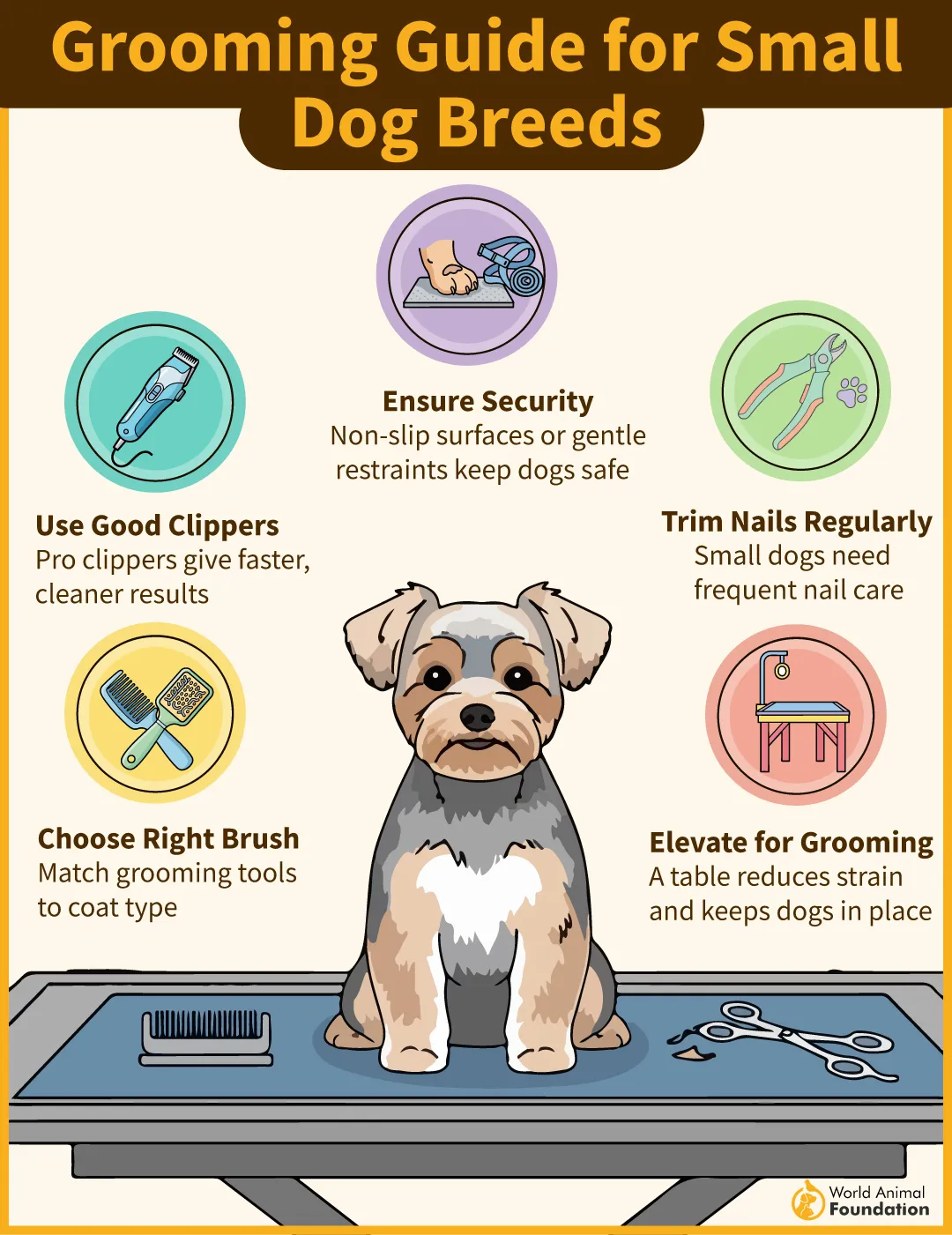
These steps keep the dog’s coat healthy and in its best shape:
- Brushing is needed several times a week.
- Monthly baths and trims help maintain their rounded, clean look.
- Four to six-week grooming sessions prevent heavy matting.
Grooming Habits Shape Their Look
Daily maintenance keeps their coat smooth, but it also preserves the lively expression they are so well known for. The breed’s texture holds its shape when cared for properly, making grooming essential rather than optional. Their minimal shedding can mislead pet owners until they realize the coat catches everything inside.
Small Dog, Steady Routine
Nails grow quickly on this breed, so nail trimming becomes part of the grooming rhythm as well. Frequent brushing not only protects the coat but also loosens any shed hair that would otherwise clump at the roots. Regular upkeep supports their cheerful appearance day after day.
2. Puli
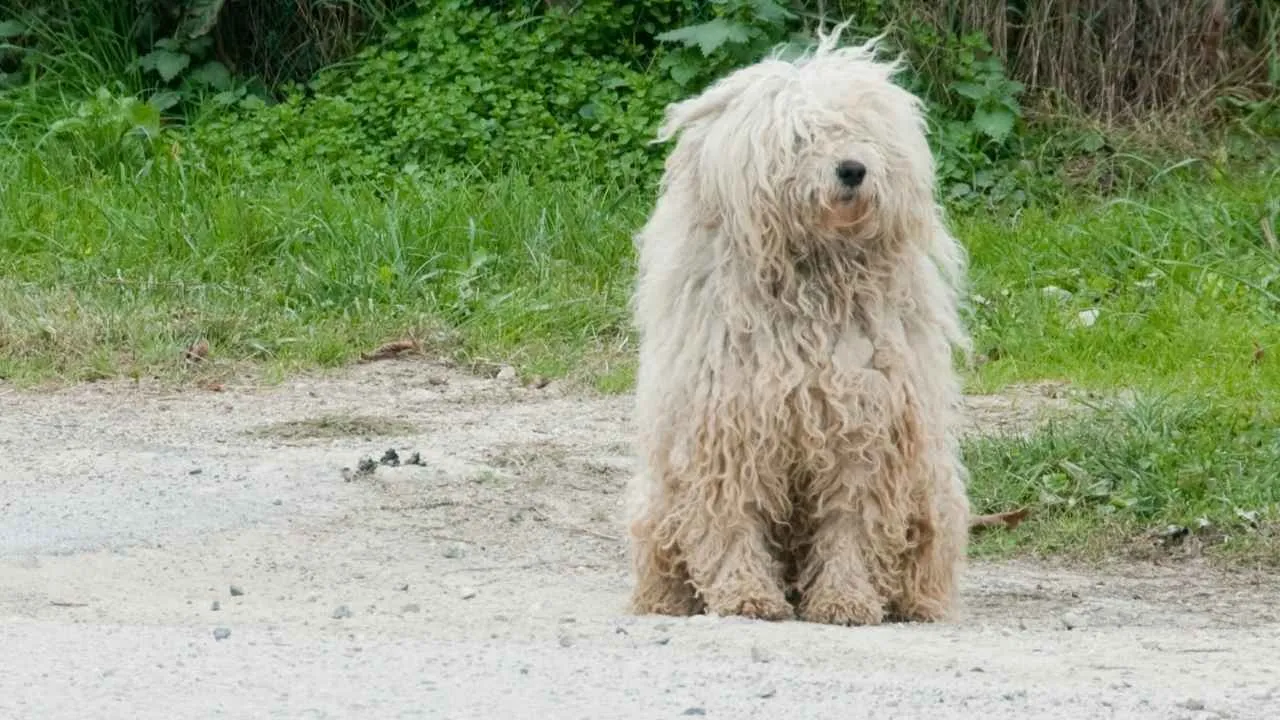
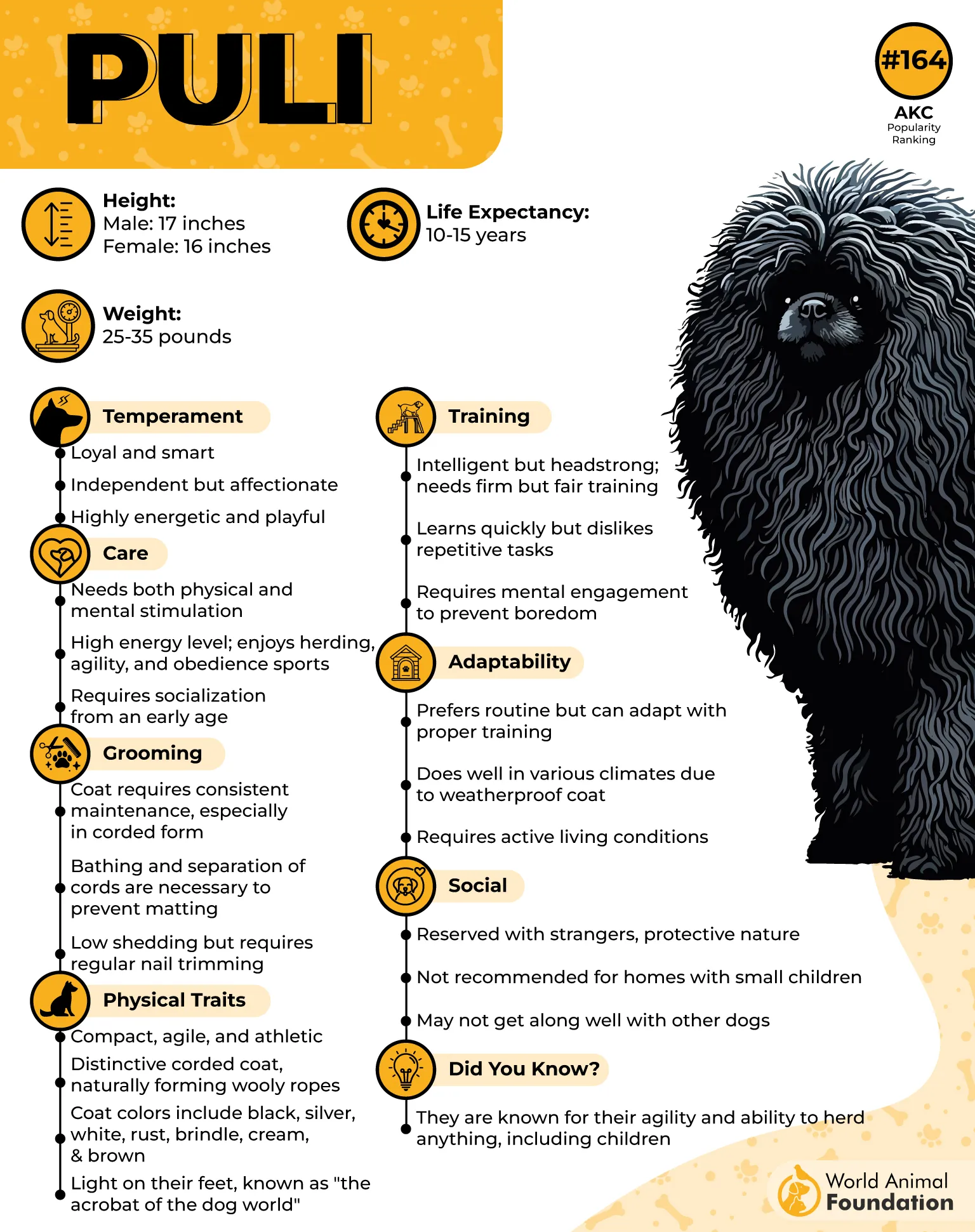
The Puli’s lively nature shows right away, as this small herder moves with a quick and confident rhythm. Its coat becomes the highlight once the soft puppy fluff gives way to a thicker texture. As the undercoat develops, the hair begins forming natural clusters that later turn into cords.
Daily Coat Management
Called a corded breed for a reason, the Puli needs steady hands and regular sessions to shape those cords the right way. When the coat starts clumping near the skin, owners must gently pull the forming strands apart with their fingers.
A quick note before diving into the steps.
- Separate new clumps early
- Keep cords from merging
- Check for trapped debris
Ongoing Grooming Rhythm
The work continues for months as the cords tighten and settle. Routine separation keeps the coat healthy and prevents large mats from forming, as per PetMD. Bathing becomes easier once the cords are fully defined, but drying still requires patience and consistency.
Extra Care Considerations
Beneath the coat’s dramatic look is a breed that depends heavily on steady grooming habits. Light maintenance starts in puppyhood with baths, ear checks, and nail care. The real commitment begins once the coat transitions into its adult texture, which demands regular attention.
3. Komondor
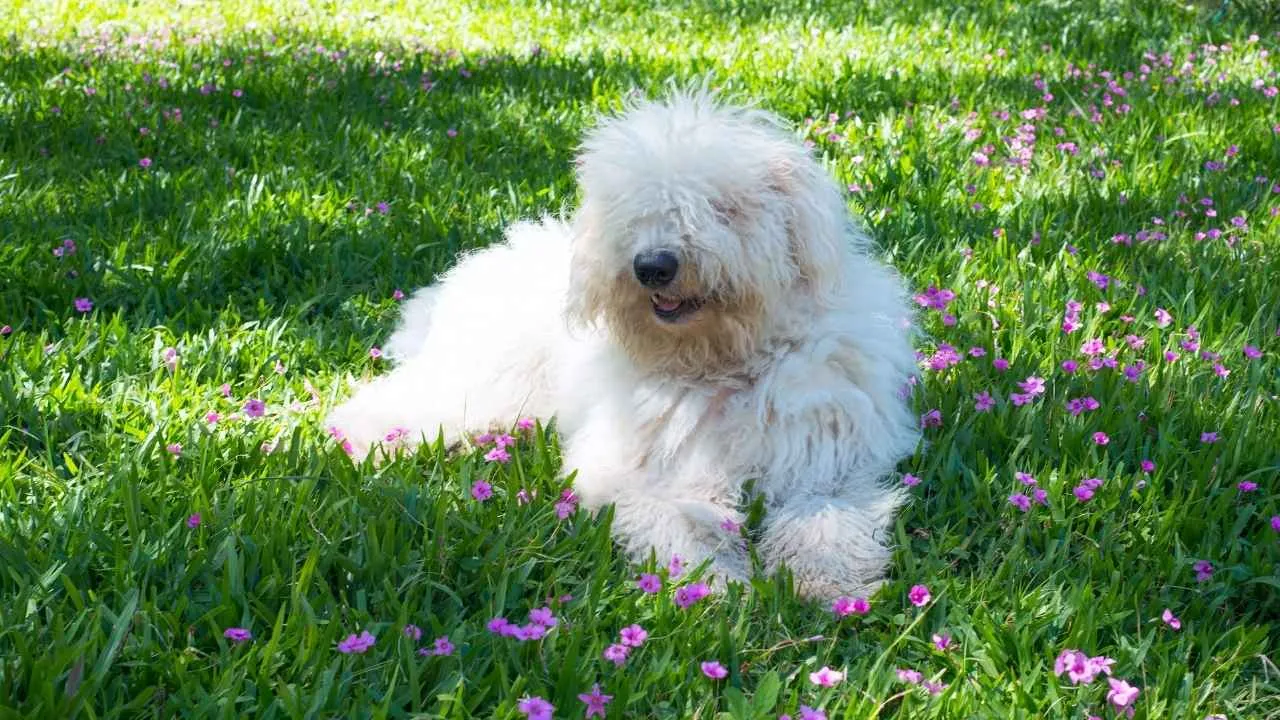
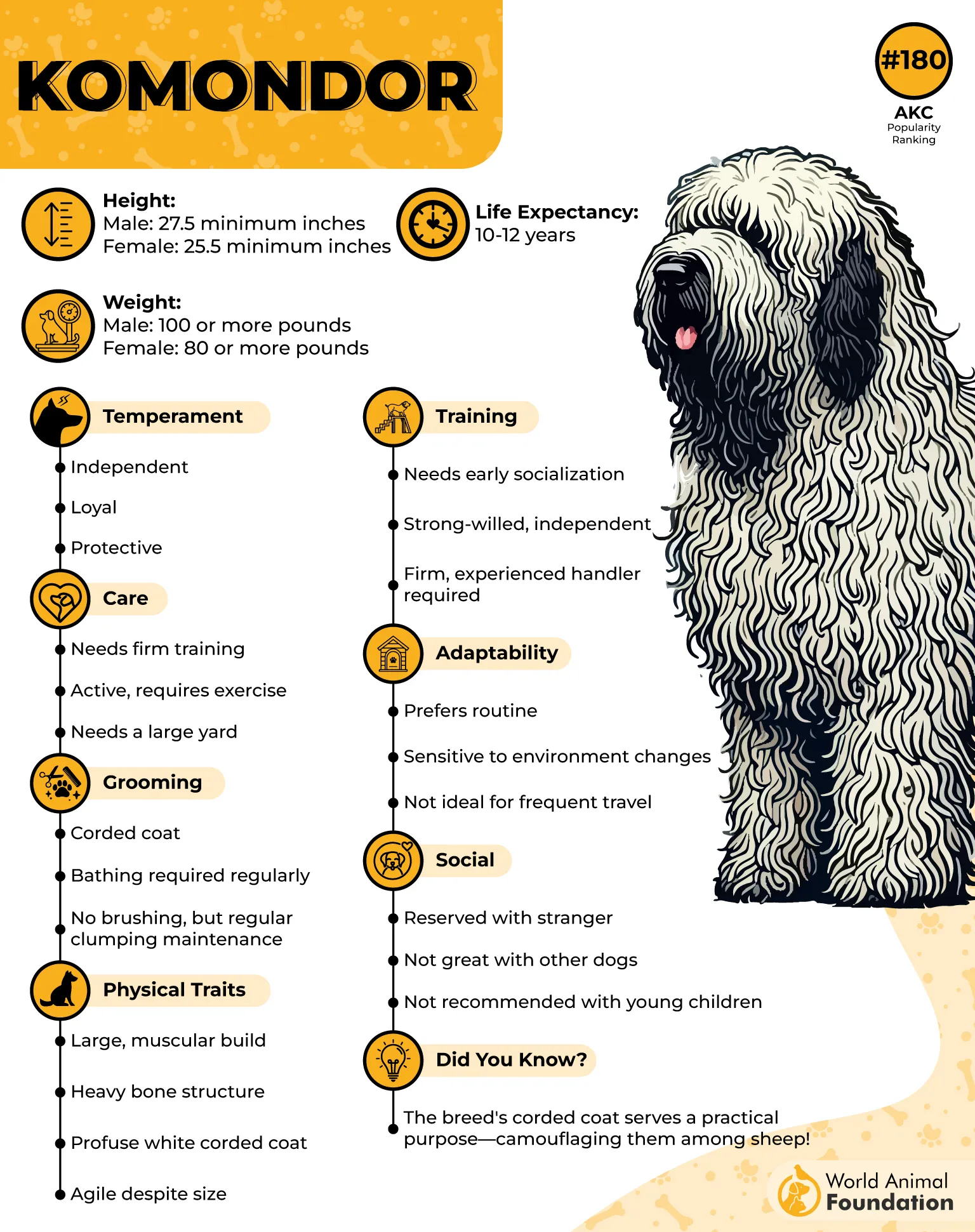
The Komondor stands out with its heavy, corded white coat, giving it an unmistakable presence. Beneath those cords lies a powerful, muscular dog built for protection and endurance. Their alertness blends with quiet confidence, showing strength without unnecessary noise.
Coat Care Demands Attention
Maintaining the corded coat takes patience and routine, as improper care can lead to odor or matting. Starting at 9–10 months, clumps are separated to form neat cords. Regular washing and careful drying keep the coat healthy and functional.
Here’s how to manage their cords effectively:
- Split new cords as they form
- Rinse thoroughly to remove all shampoo
- Dry completely to prevent odor
Instincts Shaped by Independence
Komondors are naturally protective, relying on instinct to assess threats and guard territory, as stated in Royal Canin. Their intelligence allows them to adapt without constant direction, making them self-reliant yet responsive. Observing small changes in the environment helps them react appropriately.
Strength and Grooming in Balance
Physical power combines with the need for careful coat management, which makes daily attention essential. Early introduction to grooming ensures comfort and cleanliness. Their unique combination of size, independence, and corded hair defines the breed’s character and care needs.
4. Afghan Hound
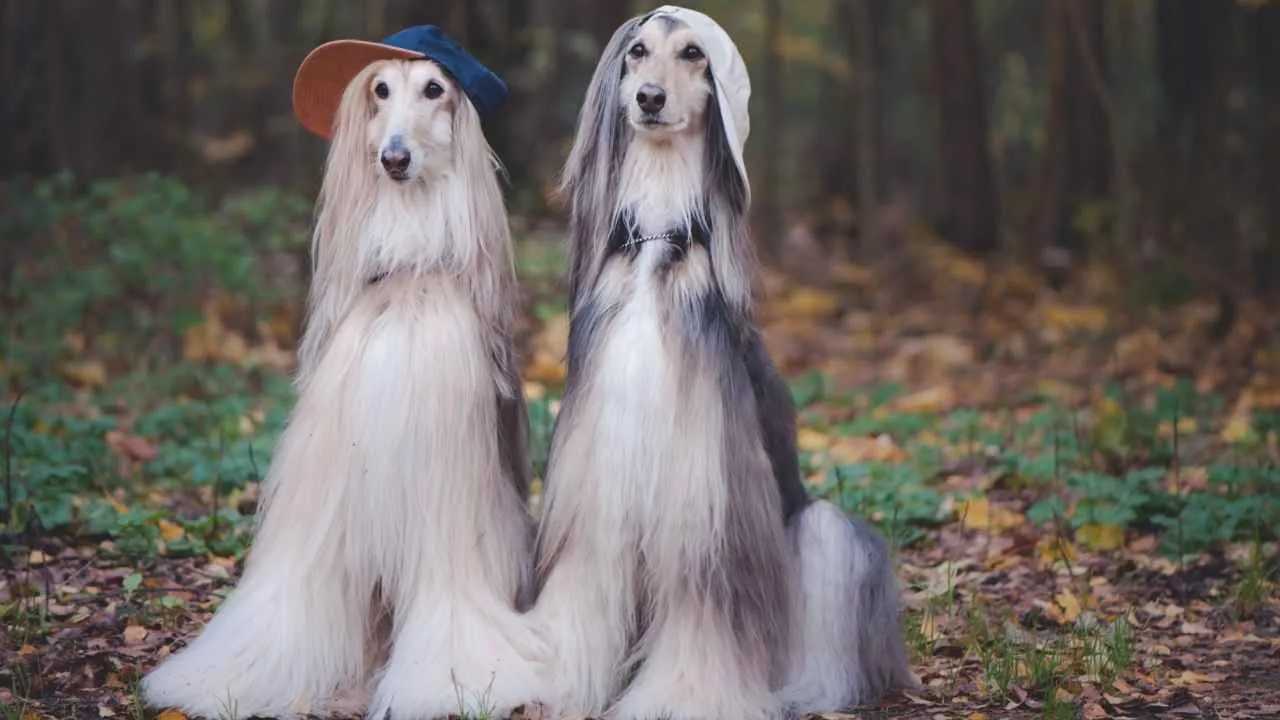
Afghan Hounds are known for their flowing, silky coats that move like liquid when they run. Their elegance can be deceptive, hiding the effort required to maintain such a long coat. Regular grooming is essential to prevent tangles and keep the coat shining.
Maintenance That Demands Attention
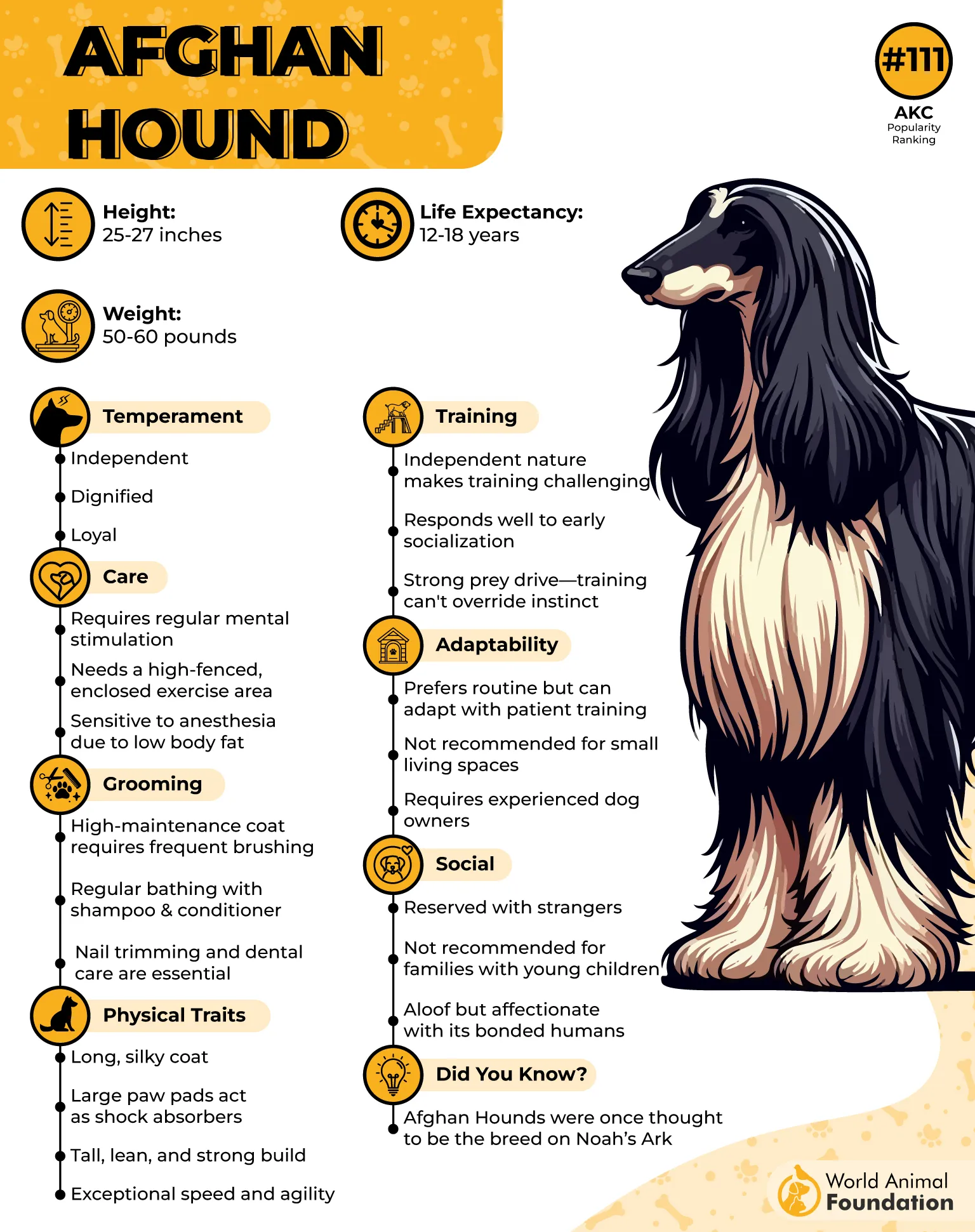
Brushing and cleaning become daily priorities for this breed, especially as the coat grows longer with age. Their unique hair texture requires patience and proper technique to stay healthy. Consistency ensures the coat does not mat or trap debris.
Care essentials to keep the coat flawless:
- Daily brushing for tangles and knots
- Regular bathing with conditioner
- Nails trimmed and teeth brushed frequently
Coat Challenges and Practical Tips
Long hair can catch dirt or debris during walks, so Afghans often need more frequent cleaning. Grooming sessions are not just cosmetic but also prevent skin irritations and maintain comfort. Tools like wide-tooth combs and slicker brushes are highly recommended.
Beauty Requires Routine
Even short-haired puppies quickly grow coats that need attention. Starting grooming habits early teaches patience and helps the dog remain comfortable with handling. This breed exemplifies how routine care is part of maintaining both health and elegance.
5. Poodle
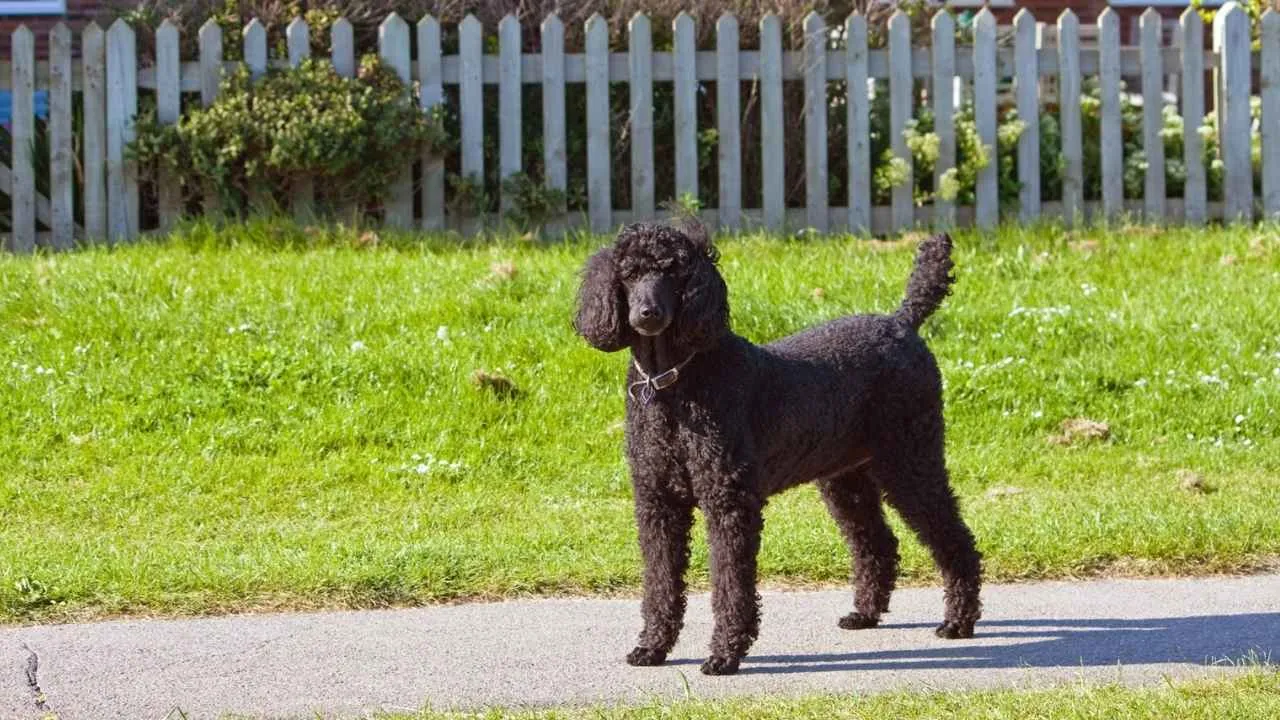
Poodles are instantly recognizable for their dense, curly coat that demands attention to prevent tangles. Beneath the refined appearance lies a lively, agile dog that moves with precision and athleticism. Their coat requires daily brushing unless kept in a short, practical trim.
Coat Care That Can’t Be Ignored
Maintaining a full Poodle coat involves brushing down to the skin to prevent mats, which can otherwise lead to shaving and regrowth. Proper grooming also keeps the coat low-allergen and soft. Consistent care ensures their curls remain healthy and functional.
Quick grooming reminders:
- Comb thoroughly to reach roots
- Trim nails every few weeks
- Schedule professional grooming every 4–6 weeks
Strength Meets Flexibility
Poodles can adapt to various lifestyles, but their coat does not forgive neglect. Even playful activity can cause mats if the fur is not brushed regularly. This combination of energy and coat maintenance makes routine grooming essential for every Poodle.
Routine as Part of Daily Life
Daily brushing and periodic trimming turn grooming into a structured habit that benefits both dog and caretaker. Neglect can quickly undo weeks of work, as the coat grows continuously and mats easily. Regular attention ensures the Poodle’s appearance and comfort remain at their best.
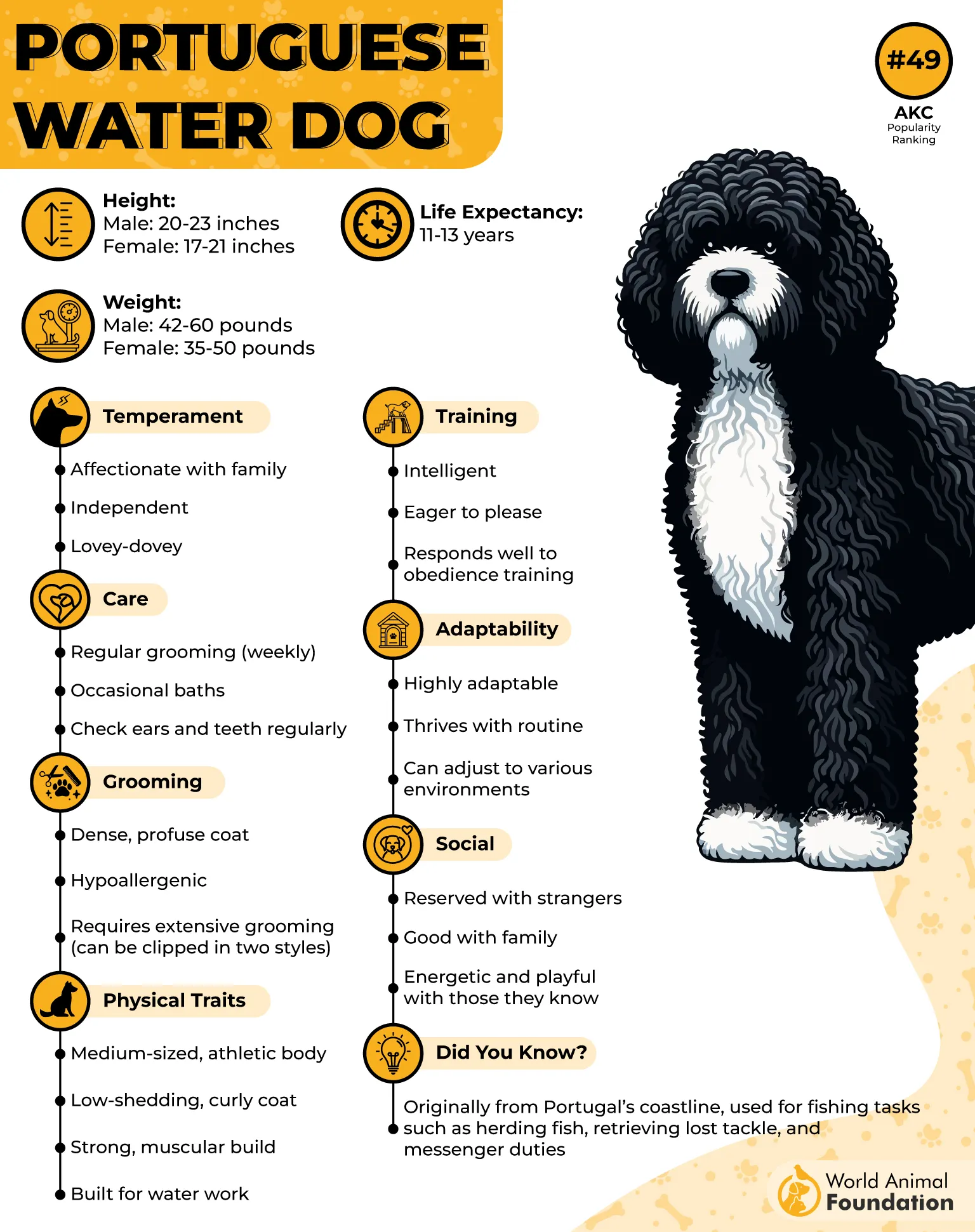
6. Portuguese Water Dog
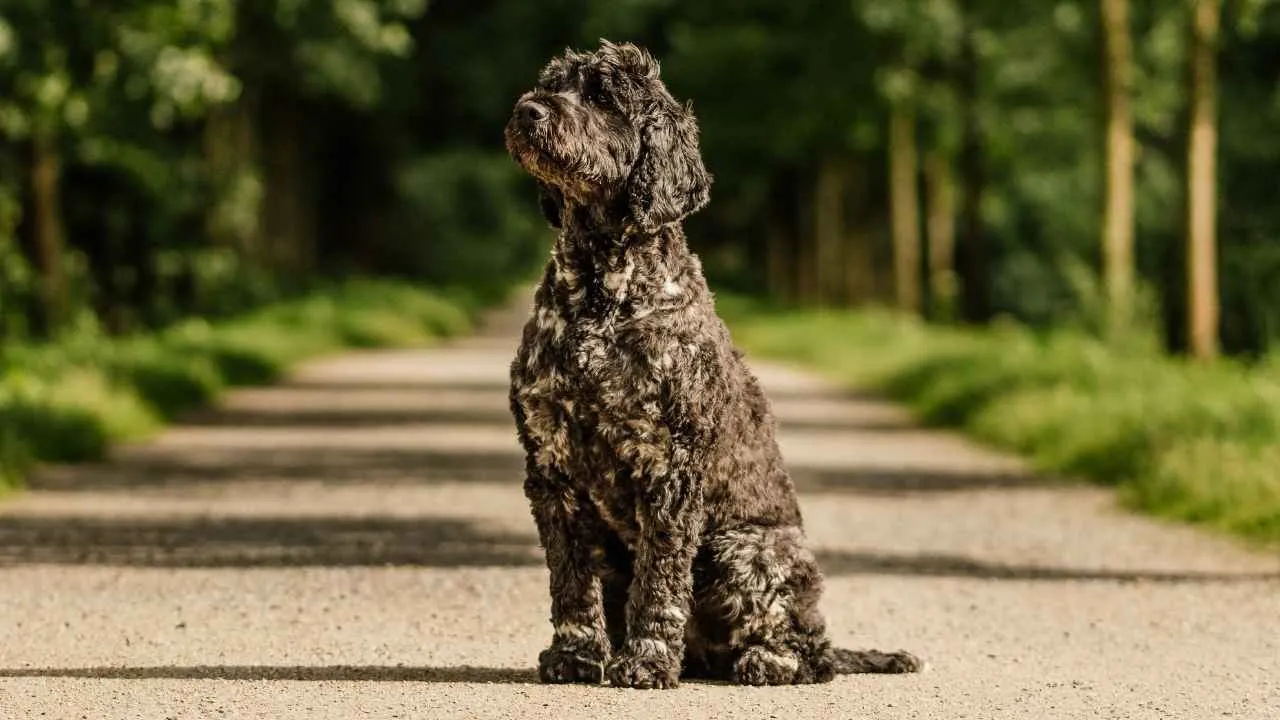
Portuguese Water Dogs show their intelligence through active engagement and sharp attention to tasks. Their tight, curly coat hints at their past as skilled water companions. Grooming becomes essential to keep this dense coat in good condition.
Grooming Needs Explained
A PWD’s coat ranges from tight curls to looser waves, requiring regular care to prevent tangles and mats. Maintaining cleanliness ensures the dog remains comfortable and healthy. Quick attention to coat issues also helps avoid skin irritation.
To maintain their coat effectively:
- Brush multiple times per week
- Schedule professional trims as needed
- Bathe occasionally to maintain cleanliness
Versatile and Athletic
These dogs are built for water work, showing endurance and coordination in physical activities. Their energy level and curiosity make them responsive to training and learning new tasks. Proper grooming supports both comfort and performance in daily routines.
Coat Styles and Care Options
The PWD can be clipped in a lion or retriever style, each requiring consistent upkeep. Choosing a clip type influences the frequency and method of grooming sessions. Regular attention preserves the coat’s texture and helps prevent skin problems.
7. Yorkshire Terrier
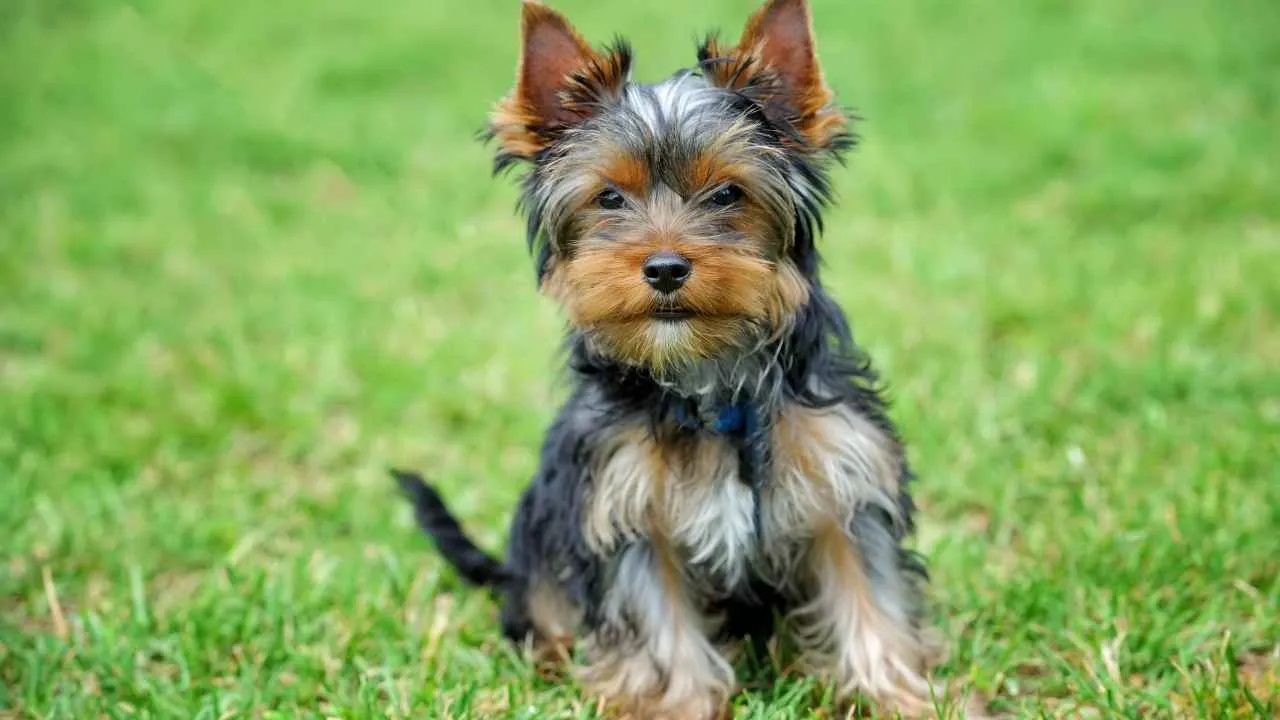
Yorkshire Terriers pack a spirited, feisty temperament into a compact frame, showing confidence beyond their size. Their energetic nature means they move and explore constantly, which makes keeping their coat free of tangles even more important.
Routine Grooming is Non-Negotiable
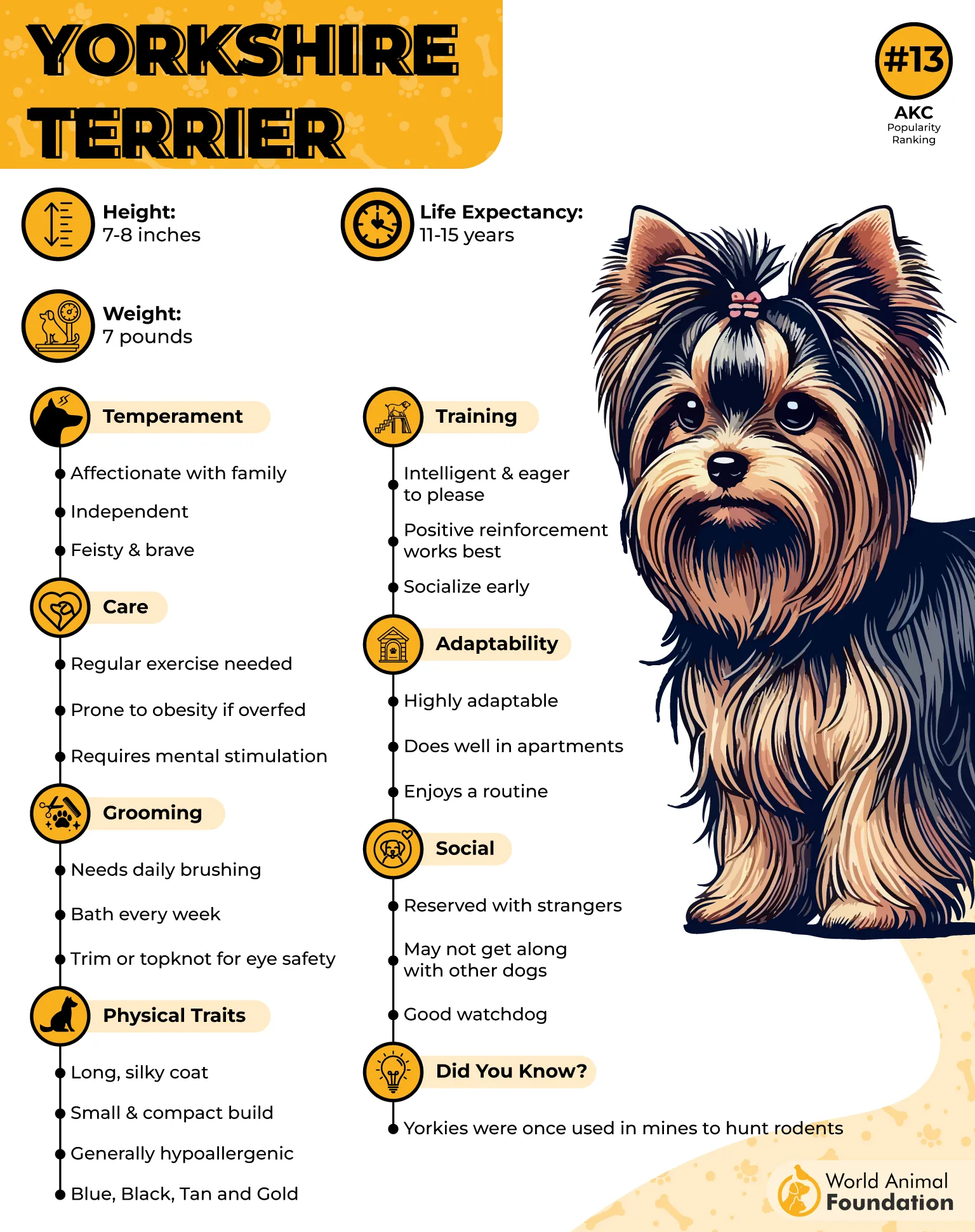
Daily attention prevents tangles and keeps their coat smooth and healthy. Yorkies are prone to matting, which can cause skin irritation or discomfort if ignored. Grooming also provides a chance to check for any minor health concerns early.
Quick grooming essentials include:
- Trim hair around the eyes to prevent irritation
- Brush coat daily to avoid knots
- Clean ears weekly to prevent infection
Bathing and Coat Care
A gentle bath once a week removes dirt and maintains shine without stripping natural oils. Using mild shampoo protects their delicate coat while keeping the hair manageable. Regular brushing after baths ensures the hair stays tangle-free and glossy.
Attention to Details
Their tiny size makes them sensitive to debris and skin issues, so frequent inspection is crucial. Trimming nails and checking teeth complement coat care, supporting overall well-being. Keeping these routines consistent helps them stay healthy and lively every day.
8. Shih Tzu
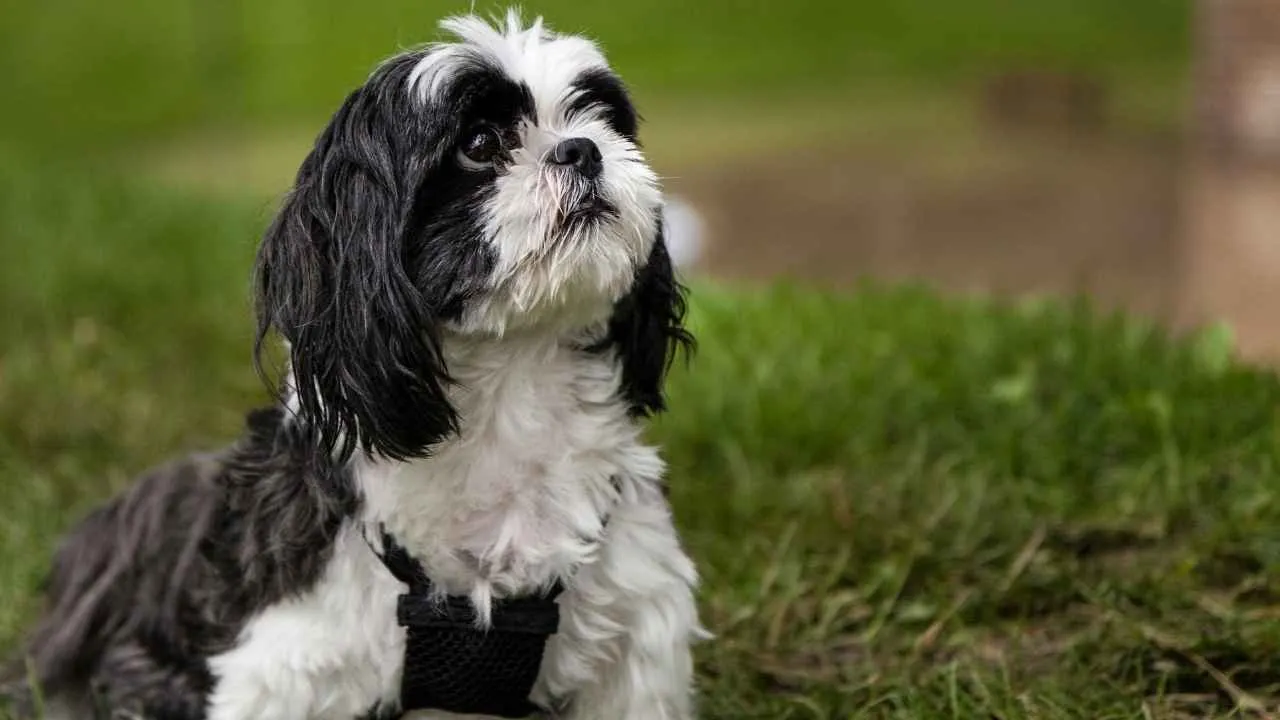
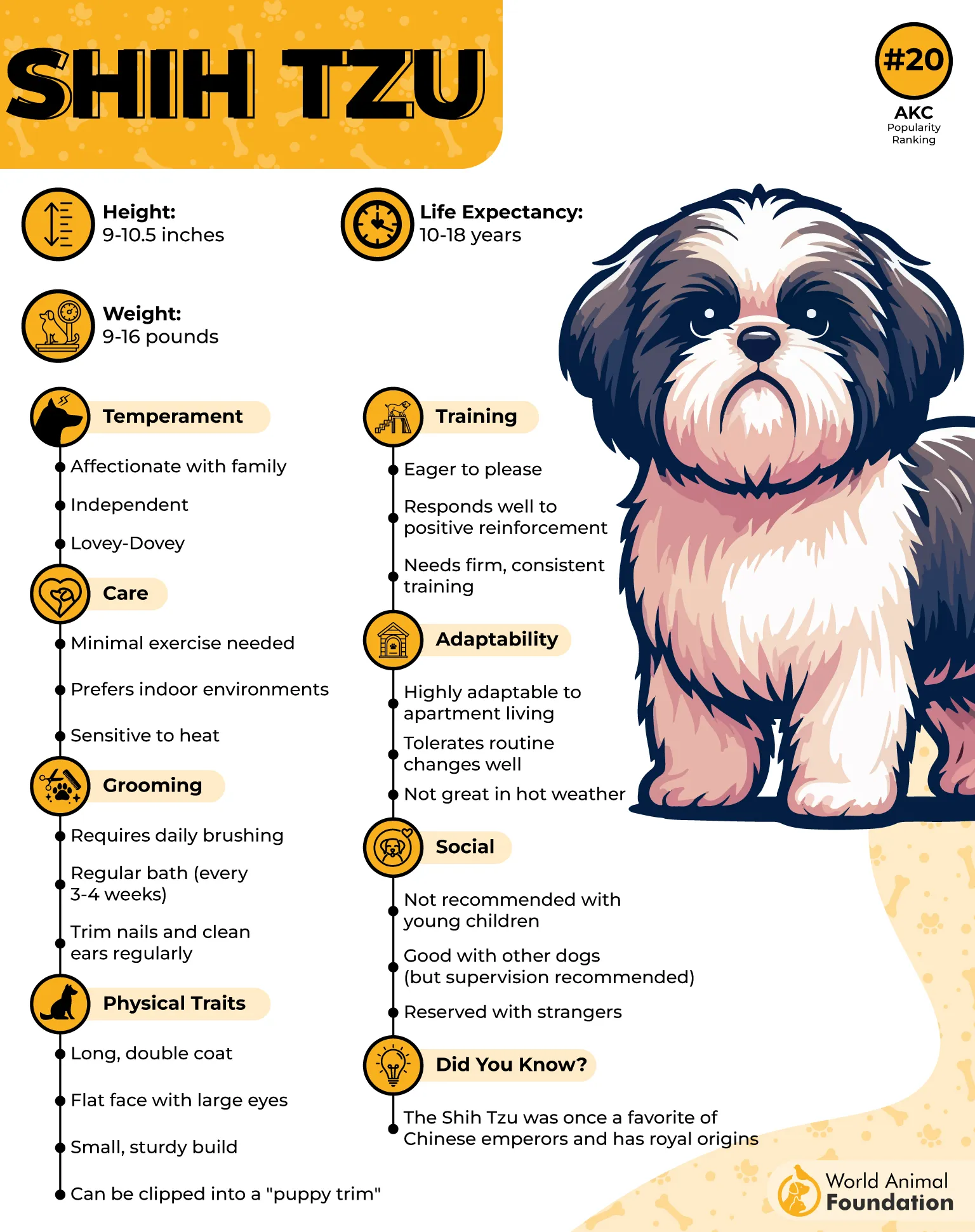
Shih Tzus are instantly recognizable for their flowing hair that falls like a curtain over their face. Their soft, dense coat demands attention and care to prevent tangles and matting. This grooming need makes them a perfect example of breeds where daily maintenance is essential.
Daily Care Keeps Them Comfortable
Keeping a Shih Tzu’s coat clean involves more than brushing; it requires careful layering to reach the skin and a gentle combing routine. Regular bathing every three to four weeks helps maintain shine and prevents buildup.
Small tasks that protect their coat and health:
- Comb the topknot and mustache daily
- Gently wipe the corners of the eyes
- Trim nails and clean ears weekly
Attention to Detail Prevents Problems
Hair near the eyes should be tied up or trimmed to avoid irritation. Using a soft-bristled brush ensures the delicate coat isn’t damaged. These small adjustments make a big difference in keeping the dog comfortable and looking its best.
Maintenance Blends With Style
Professional trims can simplify upkeep while maintaining the breed’s signature look. “Puppy cuts” are a practical option for easier daily care. Consistent grooming supports both the dog’s health and the elegant appearance this breed is known for.
9. Old English Sheepdog
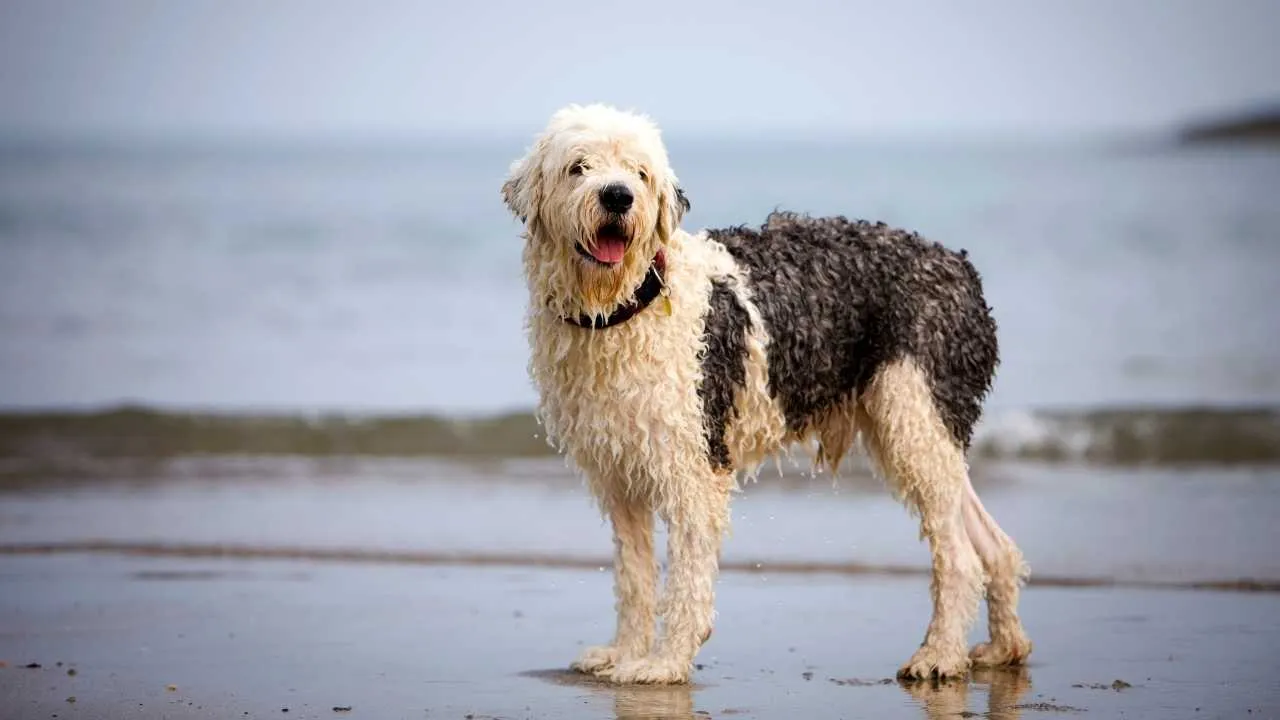
Old English Sheepdogs are lively and curious, moving with surprising agility beneath their thick fur. Their energetic personality means they get into dirt, debris, and tangles quickly. This makes routine grooming essential to keep both coat and skin healthy.
Grooming Demands That Can’t Be Skipped
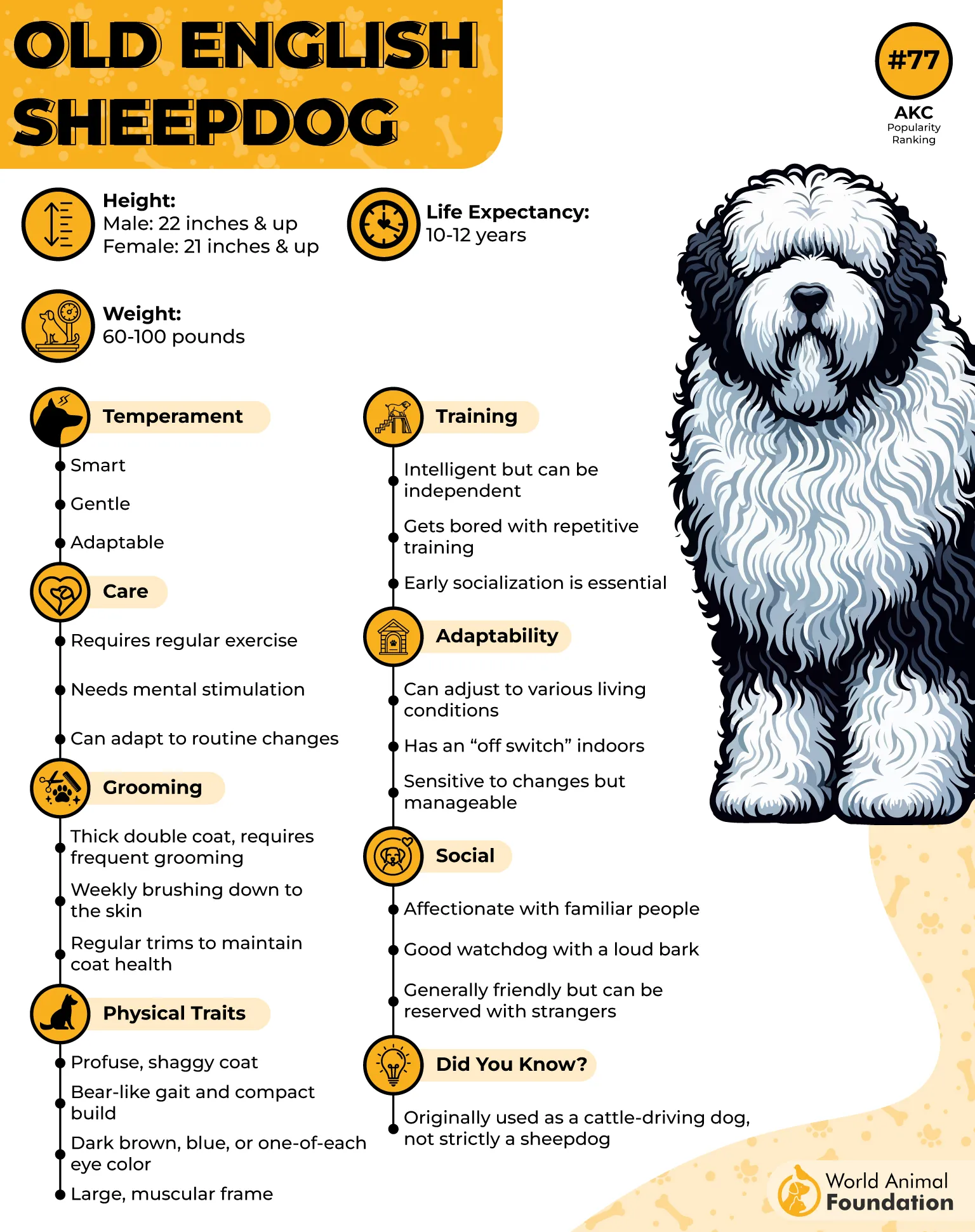
The double coat grows dense and prone to mats, requiring weekly brushing to prevent discomfort. Regular attention keeps the coat free of knots and debris. Grooming also ensures the skin remains clean and irritation-free.
Key areas to focus on during care:
- Clipping the feet to reduce dirt accumulation
- Frequent “puppy trims” for easier maintenance
- Regular nail trimming for comfort and mobility
Strength Hidden Beneath the Fluff
Beneath the flowing coat, these dogs are strong and agile, capable of playful bursts. Knots and mats can restrict movement if neglected, so attention is critical. A well-maintained coat supports their natural agility and comfort.
Consistency Equals Comfort
Routine grooming promotes a healthier, more active dog while preventing long-term coat issues. Establishing regular care habits keeps mats and tangles at bay. Each grooming session ensures the dog’s well-being while maintaining their iconic look.
Conclusion
Caring for dogs that rely on frequent grooming becomes a rhythm that shapes daily life. Many high-maintenance breeds carry a coat type that needs steady hands and quiet patience. These-haired breeds depend on routines that keep them comfortable and free of tangles. Learning simple grooming techniques builds confidence and helps you understand what your dog needs.
A professional groomer can step in when deeper care is required, giving structure to your grooming appointments throughout the year. With time, these moments turn into connections, reminding you that good care is not a task but a form of attention.
