




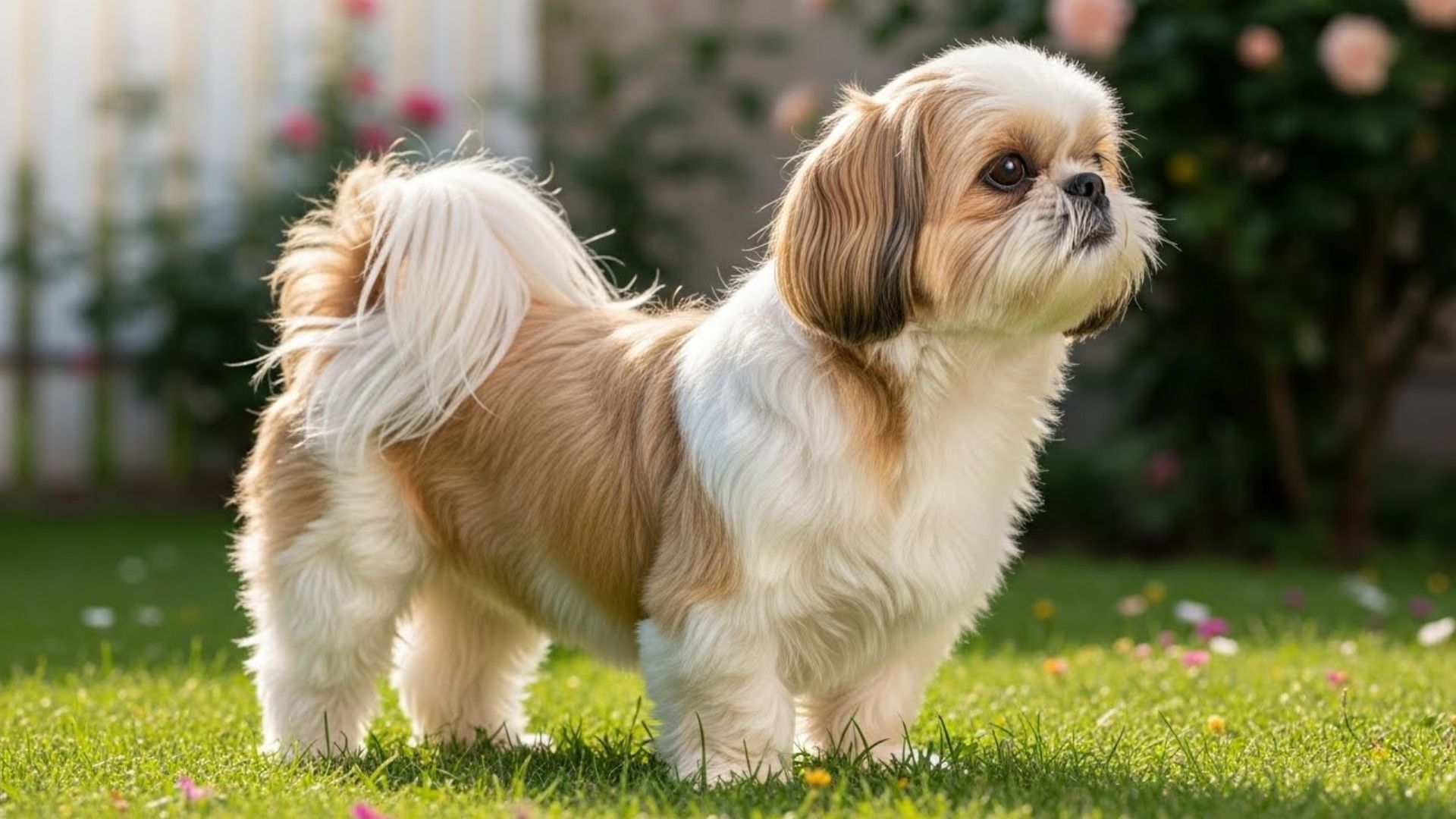
Small dogs may not look intimidating, but they’ve been guarding homes and hearts for centuries. With sharp senses, quick reactions, and bold personalities, these pint-sized pups often act as an extra set of eyes and ears—alerting pet parents the moment something feels “off.”
It’s also worth knowing the difference between a watchdog and a guard dog. A watchdog’s main job is sounding the alarm through barking and awareness, while true guard dogs are bred to confront threats. Interestingly, “Guard Dog” is a genetic breed group, yet plenty of loyal, protective companions outside that group still excel at watchful behavior.
In this guide, we’ll highlight the top 10 small dog breeds known for loyalty and protective instincts, plus what to expect from their temperament, training needs, and daily care.
And along the way, we’ll keep breed standard in mind—the official ideal description used to evaluate a breed—so you can choose a small watchdog that truly fits your lifestyle and space.
Small Dog Breeds – Loyal and Protective Watchdogs
1. French Bulldog
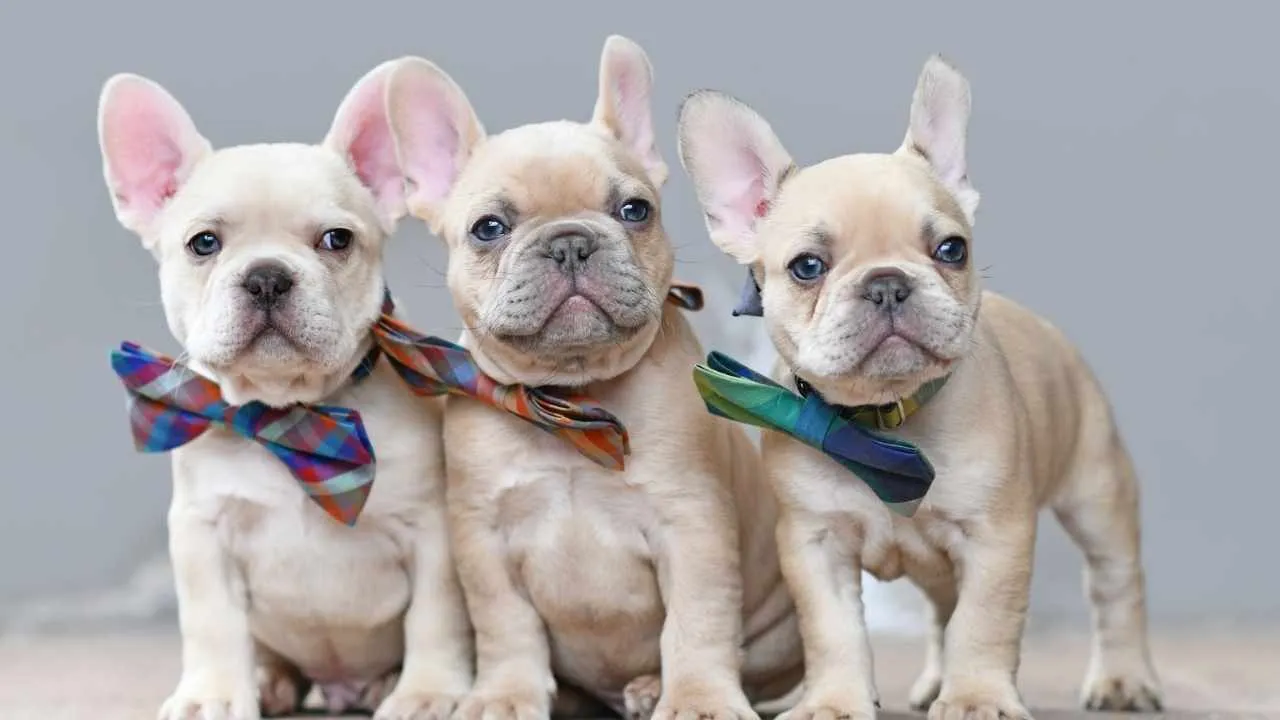
The French Bulldog—often called the Frenchie—is a compact, nonsporting companion with signature bat ears, a square head, and an even, people-loving temperament. Popular with city dwellers, this small dog is playful, adaptable, and happiest close to its humans.
The AKC states that the French Bulldog, known for its distinctive bat ears and steady temperament, is among the world’s most popular small dog breeds—especially for people living in cities.
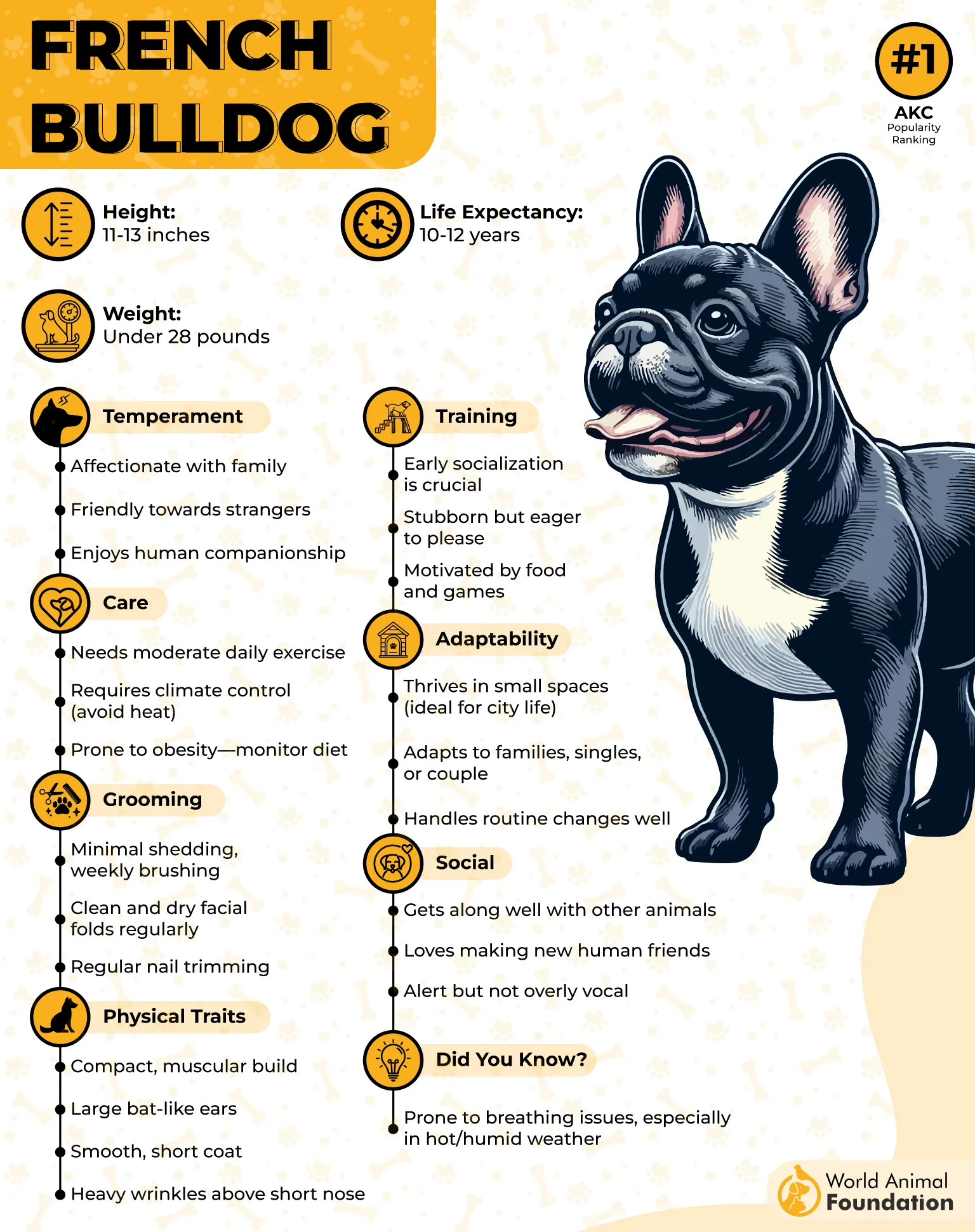
For “Why Small Dogs Make Great Watchdogs?”, Frenchies are a perfect example: they’re not typically big barkers, but they stay tuned in. That quiet confidence means they’re more likely to notice unusual sounds, unfamiliar faces, or a strange dog and respond with alert body language (and sometimes a warning growl).
Their exercise needs are modest, so apartment life can work well when paired with daily leash walks and short play sessions. Because they’re brachycephalic (short-nosed), they need sensible routines—avoid overheating, skip intense workouts in hot weather, and be extra cautious around water since many French Bulldogs aren’t strong swimmers.
Fact: A champion French Bulldog was aboard the Titanic with its owner, Robert Williams Daniel; Daniel survived, but the dog did not.
2. Dachshund
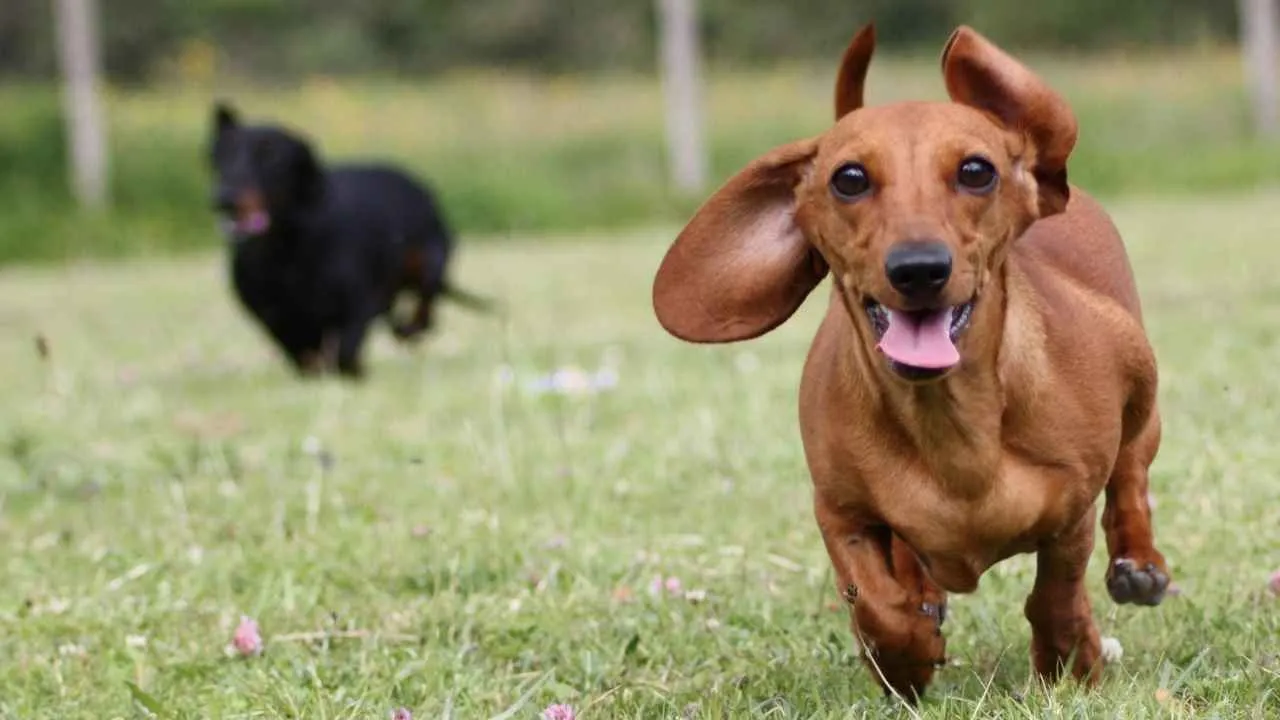
The Dachshund is often called the “wiener dog” or “sausage dog”. Whether you choose a smooth, wirehaired, or longhaired coat, this small hound brings a big presence into the home.
PetMD says that Dachshunds—often called Doxies—are known for their long, low silhouette, short yet muscular legs, and a brave, energetic temperament, along with their constantly watchful nature.
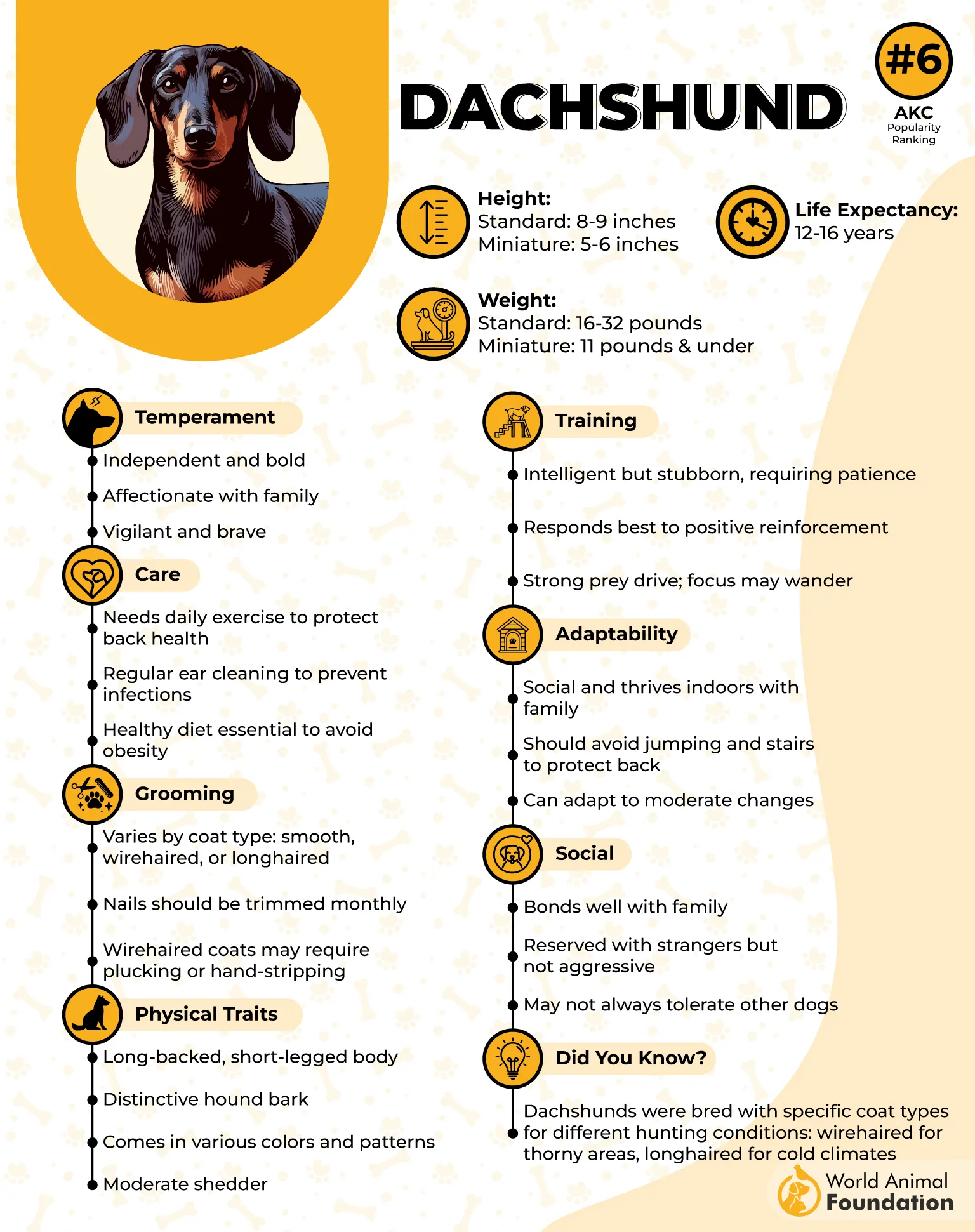
That boldness comes from history: Dachshunds were originally bred to hunt badgers, which explains their fearless attitude and willingness to stand their ground. In a watchdog role, they’re naturally vigilant and quick to announce unfamiliar sounds with a bark that’s much bigger than their size.
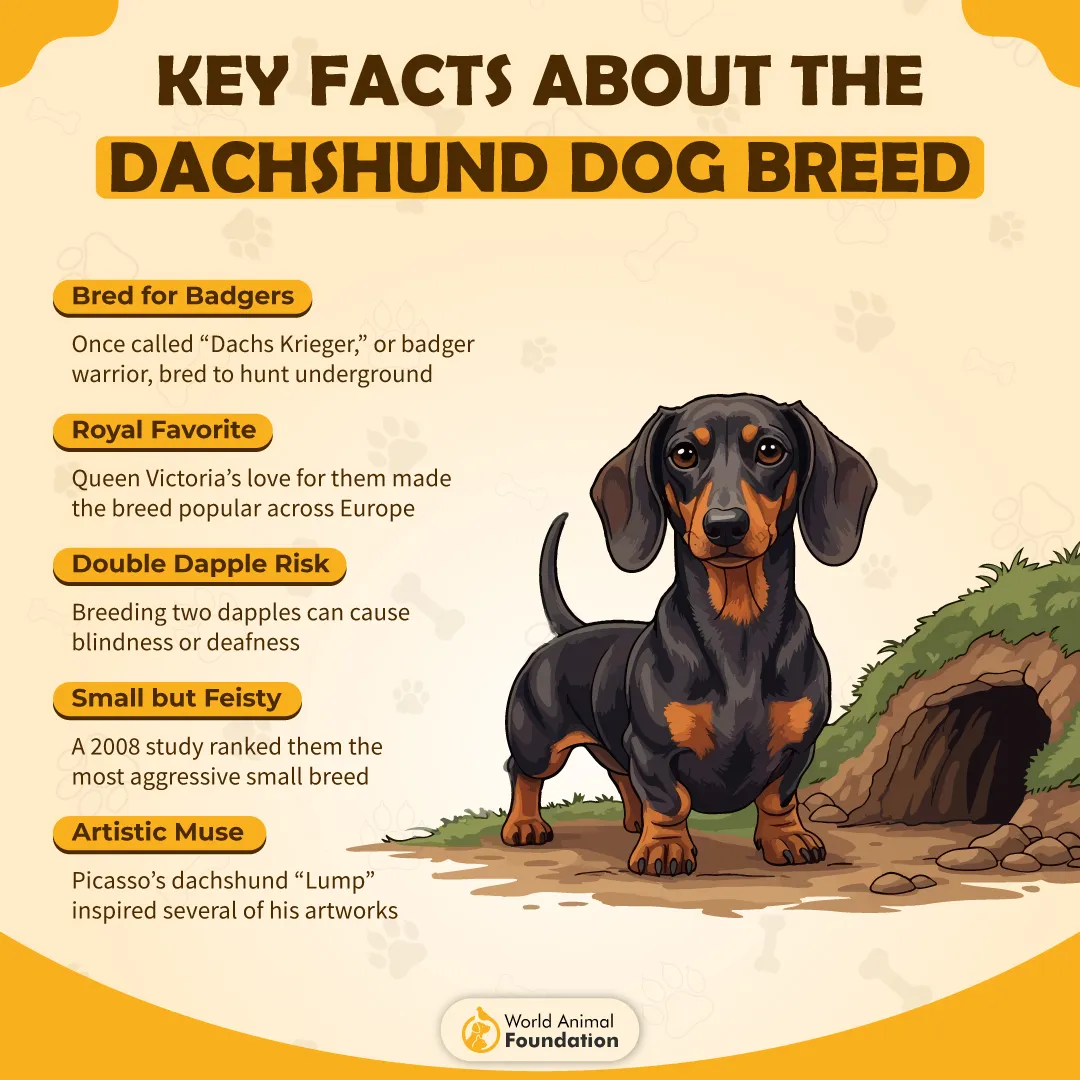
In a small breed, “loyal and protective” often looks like strong attachment to favorite humans, intense awareness of “their” space, and some suspicion toward strangers or other dogs. Early socialization, clear boundaries, and positive, repeatable training keep that protective streak from tipping into bossy behavior.
Fact: Dachshunds come in two sizes—standard (usually 16–32 pounds) and miniature (11 pounds or under).
3. Jack Russell Terrier
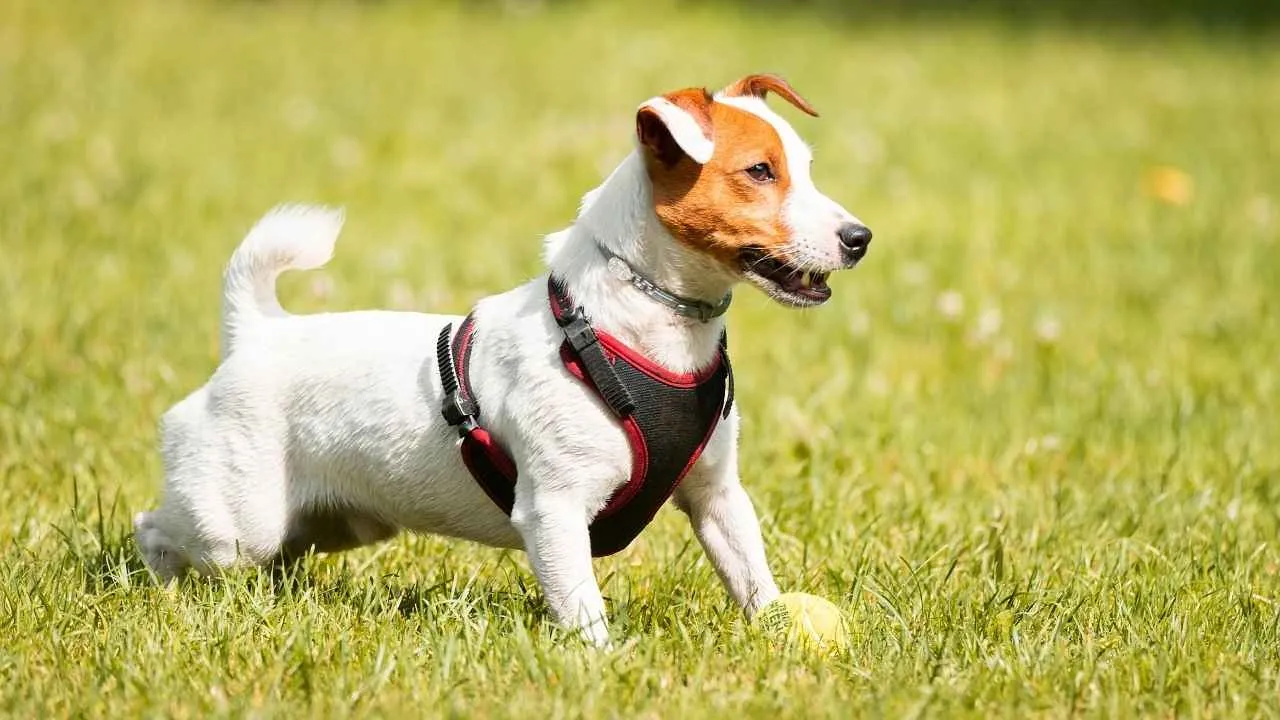
The Jack Russell Terrier—often grouped with the Russell Terrier and Parson Russell Terrier due to shared roots—is a small, lively fox-working dog known for boldness, brains, and nonstop spark.
Compact but fearless, this terrier carries itself like it owns the room, which is exactly why people love it as a pint-size watchdog. Hills Pet notes that Russell Terriers are confident dogs that love getting plenty of exercise.
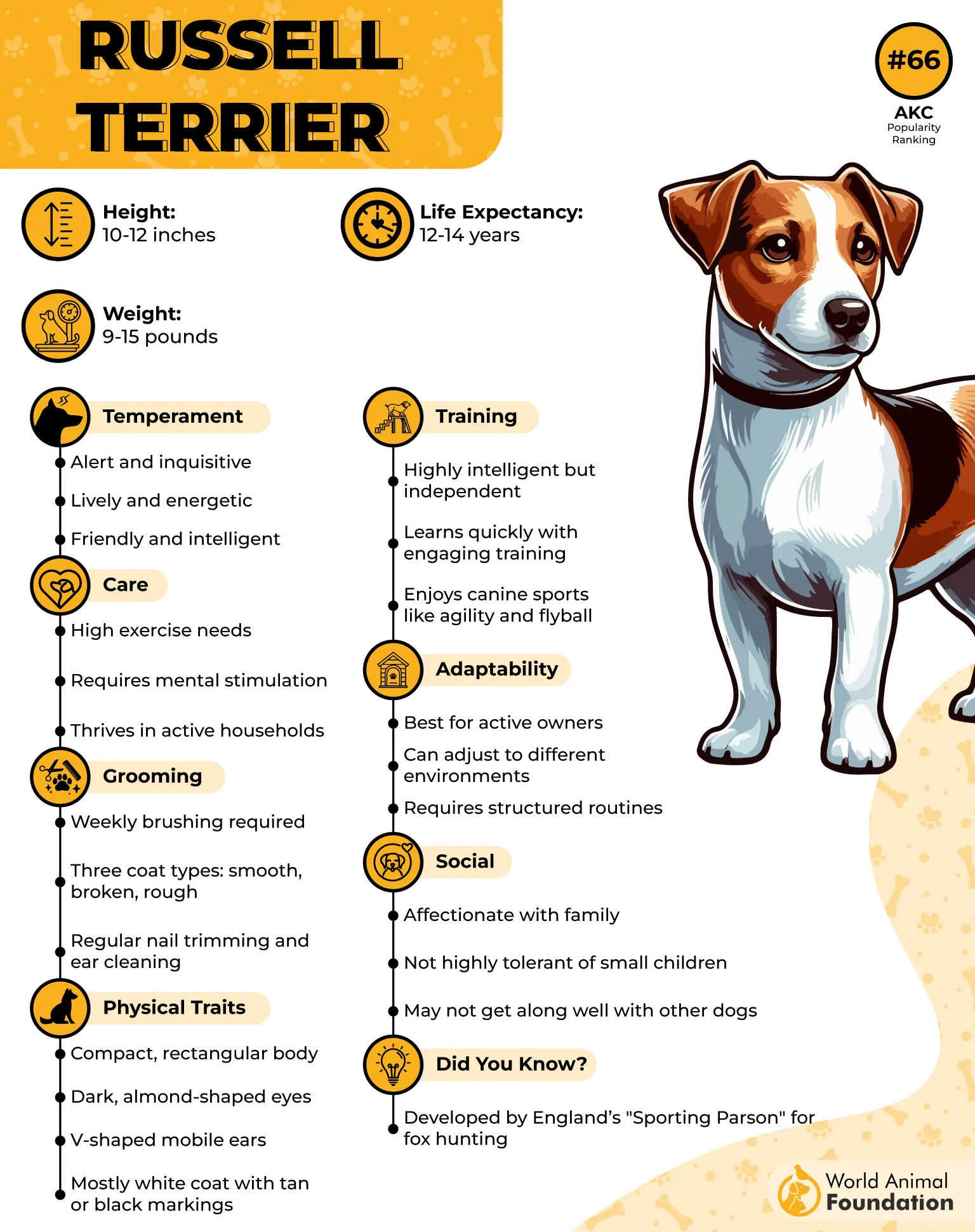
For watchdog traits, few small breeds match a Jack Russell’s alertness. Originally bred to hunt foxes and flush them from underground, they rely on sharp hearing and quick reactions—so they notice unusual sounds fast and signal them even faster.
That confidence can become “too much of a good thing” without bark control and structure. Consistent rules, short training drills, and rewarding calm behavior help channel their vigilance into a reliable alarm system instead of constant noise.
They can be great with kids in the right home, but they do best when given daily outlets for energy and a clear job—because an under-stimulated Jack Russell will invent one.
Fact: The JRTCA (founded in 1976) maintains its own registry and has historically declined AKC recognition to preserve traditional working characteristics.
4. Miniature Schnauzer
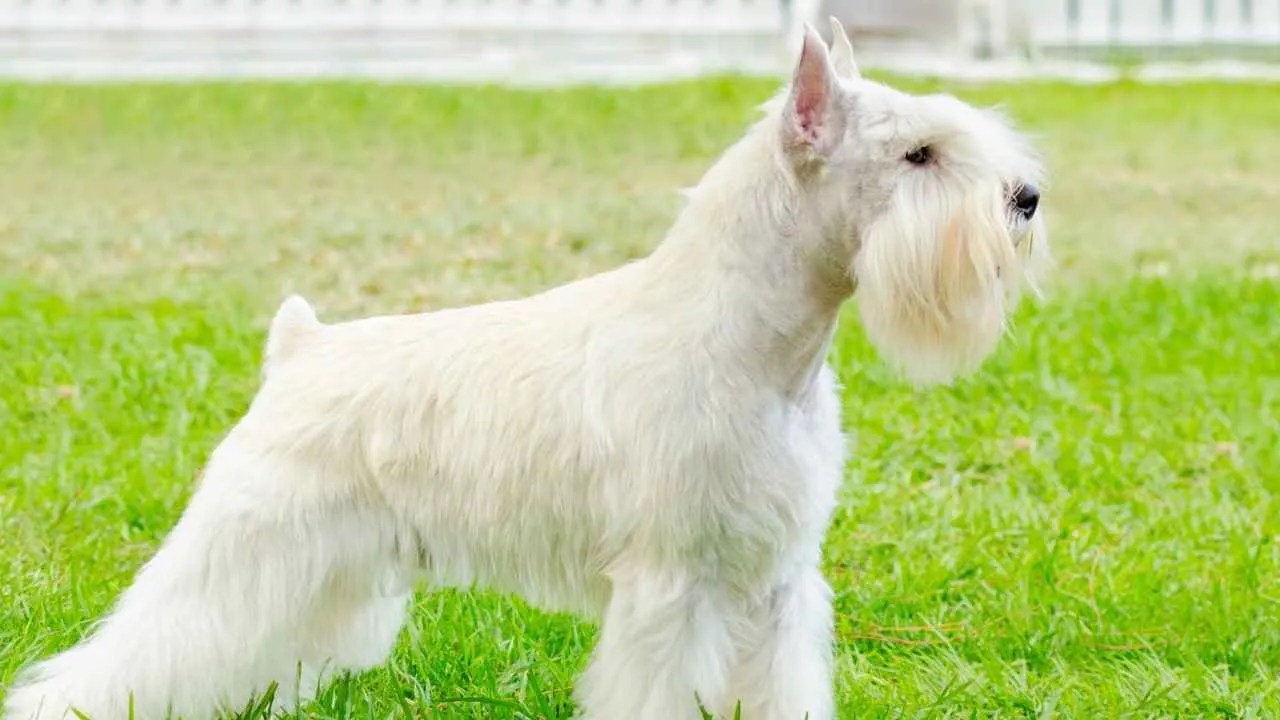
The Miniature Schnauzer (often called the Mini Schnauzer) is a small, sturdy German breed, instantly recognized by its bushy eyebrows and bristly beard. Though compact, it’s famous for being one of those small-but-mighty watchdog types with a confident, “I’ve got this” attitude.
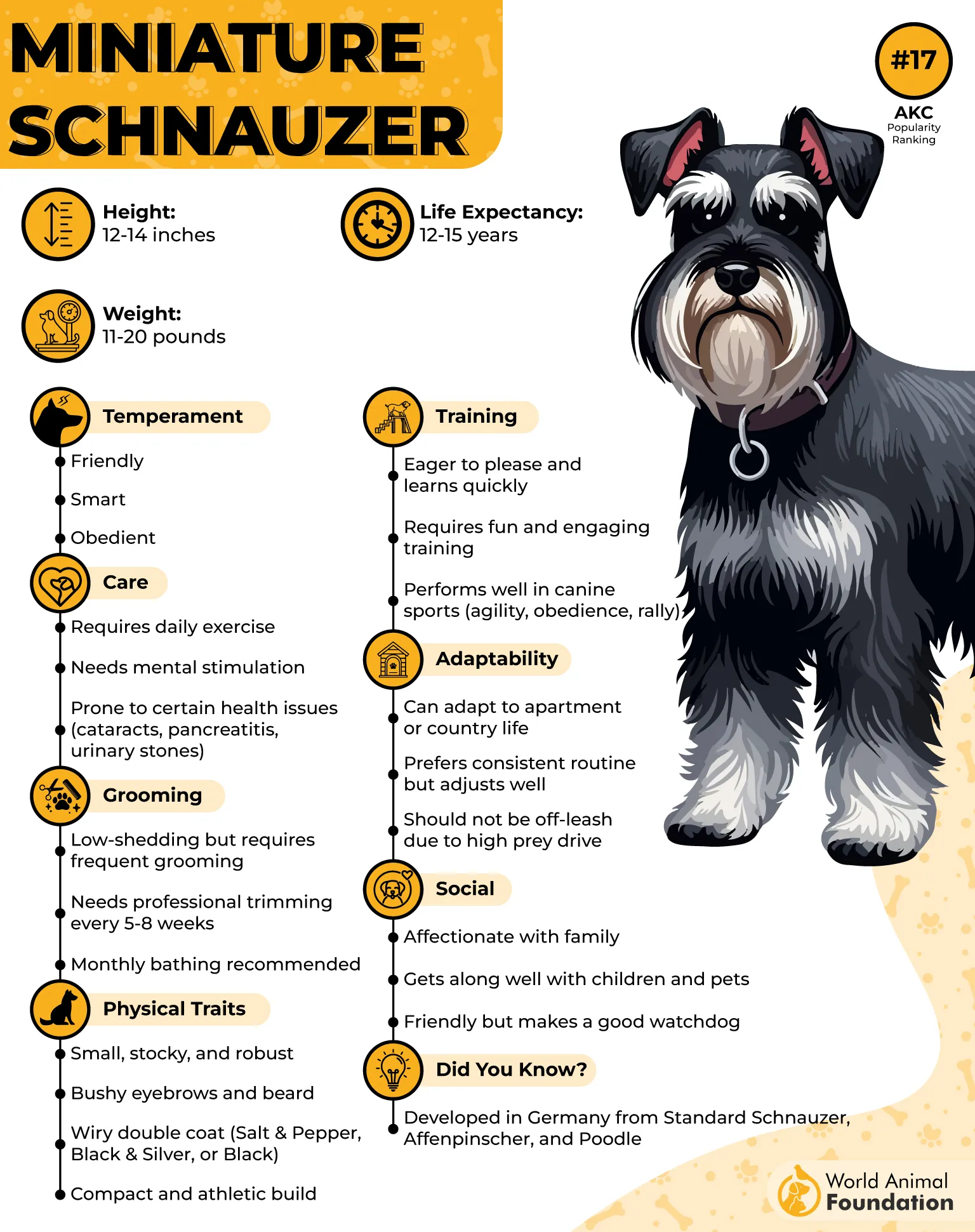
Originally bred down from larger Schnauzers, these dogs worked as farm helpers—especially as ratters—and they still carry that fearless, on-alert mindset. Their bright, trainable nature makes them easier to shape into a polite protector than many other vocal little breeds.
For home security, the Miniature Schnauzer’s biggest strength is vigilance: they notice unfamiliar sounds fast and aren’t shy about sounding the alarm. Pair that natural alertness with consistent boundaries, and you get a loyal, reliable early-warning system.
They’re also typically gentle with kids and strongly family-oriented, but supervision matters with very young children, so play doesn’t get too rough.
5. Shih Tzu
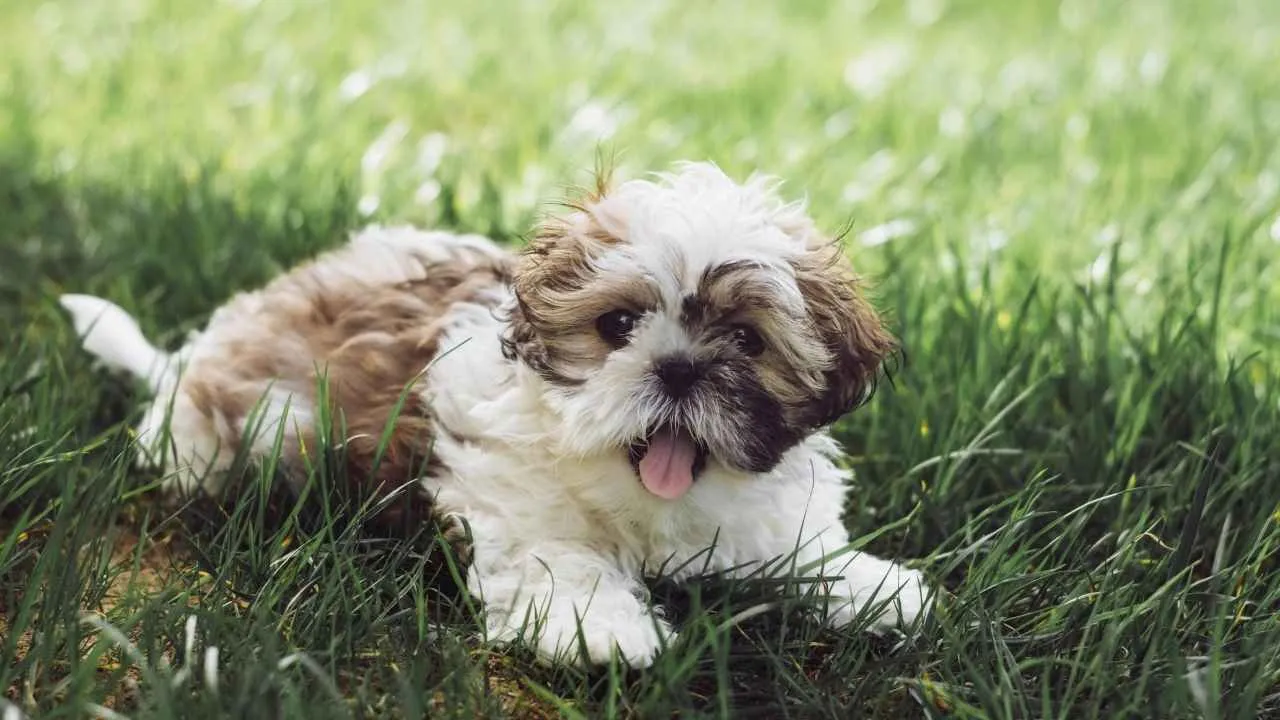
The Shih Tzu—also called the “Lion Dog”—is a toy breed with roots in Chinese royal palaces, developed from ancient Sino-Tibetan lines linked to the Lhasa Apso and Pekingese. Small, charming, and people-focused, they often carry themselves like tiny royalty.
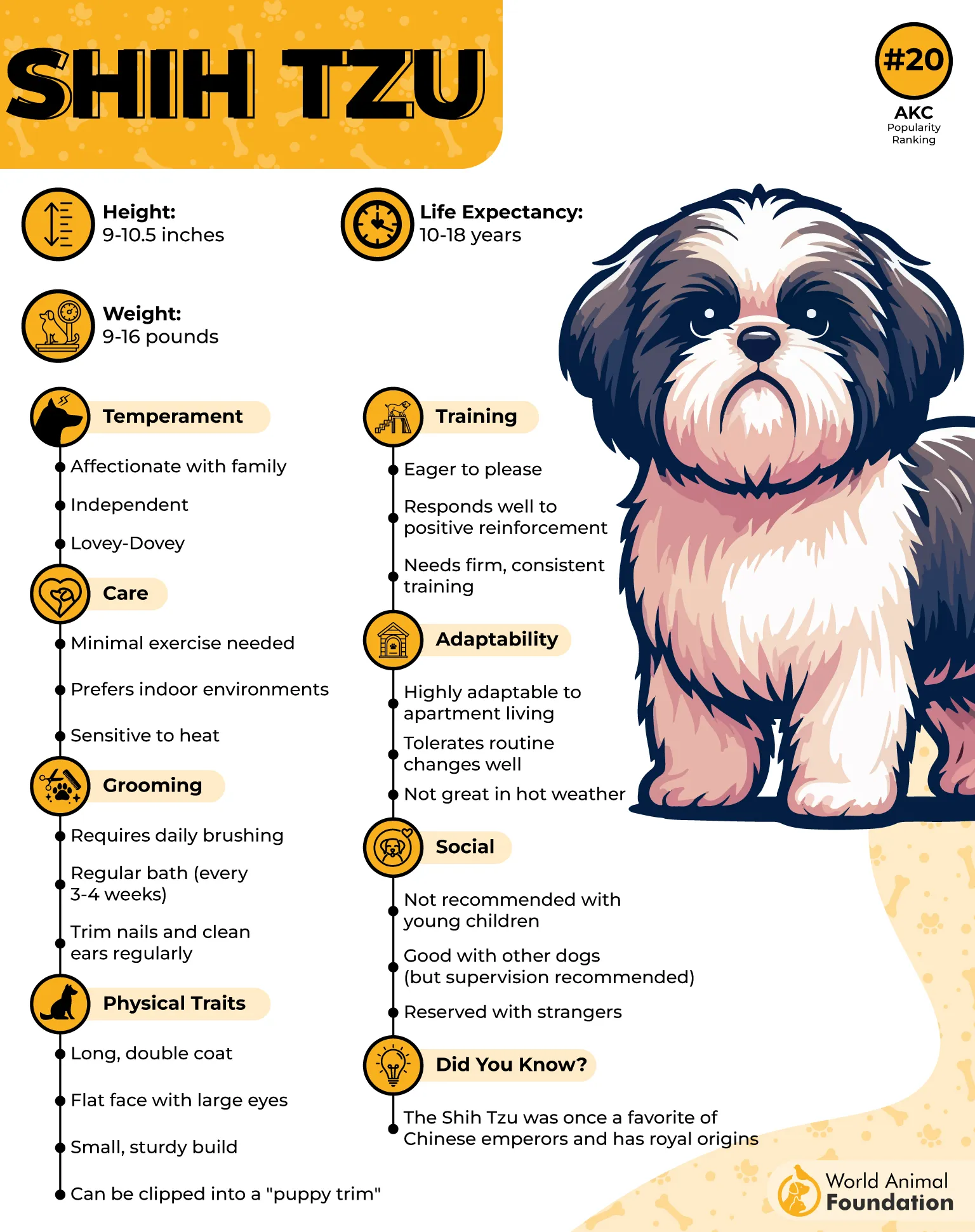
As watchdogs, Shih Tzus can be surprisingly aware of unfamiliar sounds and quick to alert, even if they’re more “alarm system” than true guard. Their confident, playful nature makes them bold enough to speak up, especially when someone approaches their home or routine.
Training Tips: How to Build Protection Without Aggression? Start early and keep sessions short, upbeat, and consistent. Reward calm behavior around visitors, teach a reliable “quiet” cue, and avoid harsh corrections—this breed does best with praise, treats, and patient repetition.
Fact: Shih Tzus entered the AKC Stud Book in 1969.
6. Chihuahua
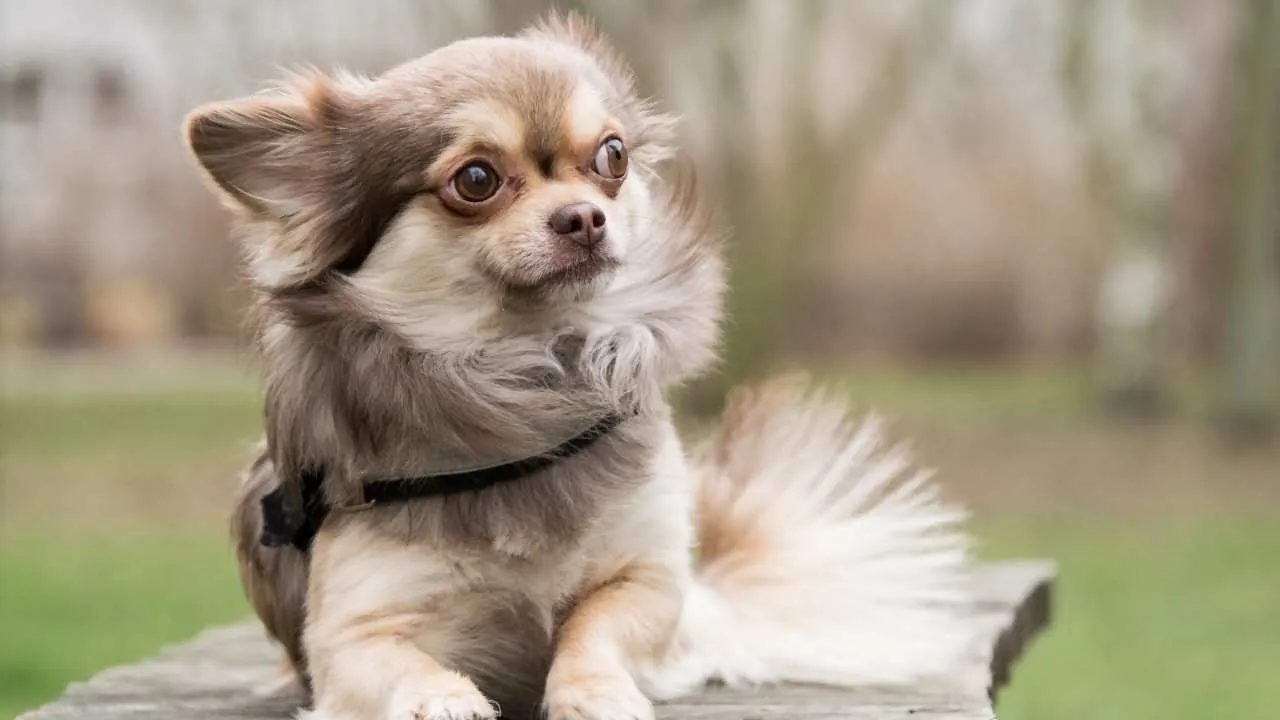
Chihuahua (Chi, “Techichi” ancestor) may be toy-sized, but this tiny watchdog has a huge presence. Often weighing no more than 6 pounds, they’re famously feisty, alert, and deeply devoted to their people—traits that make them quick to sound the alarm.
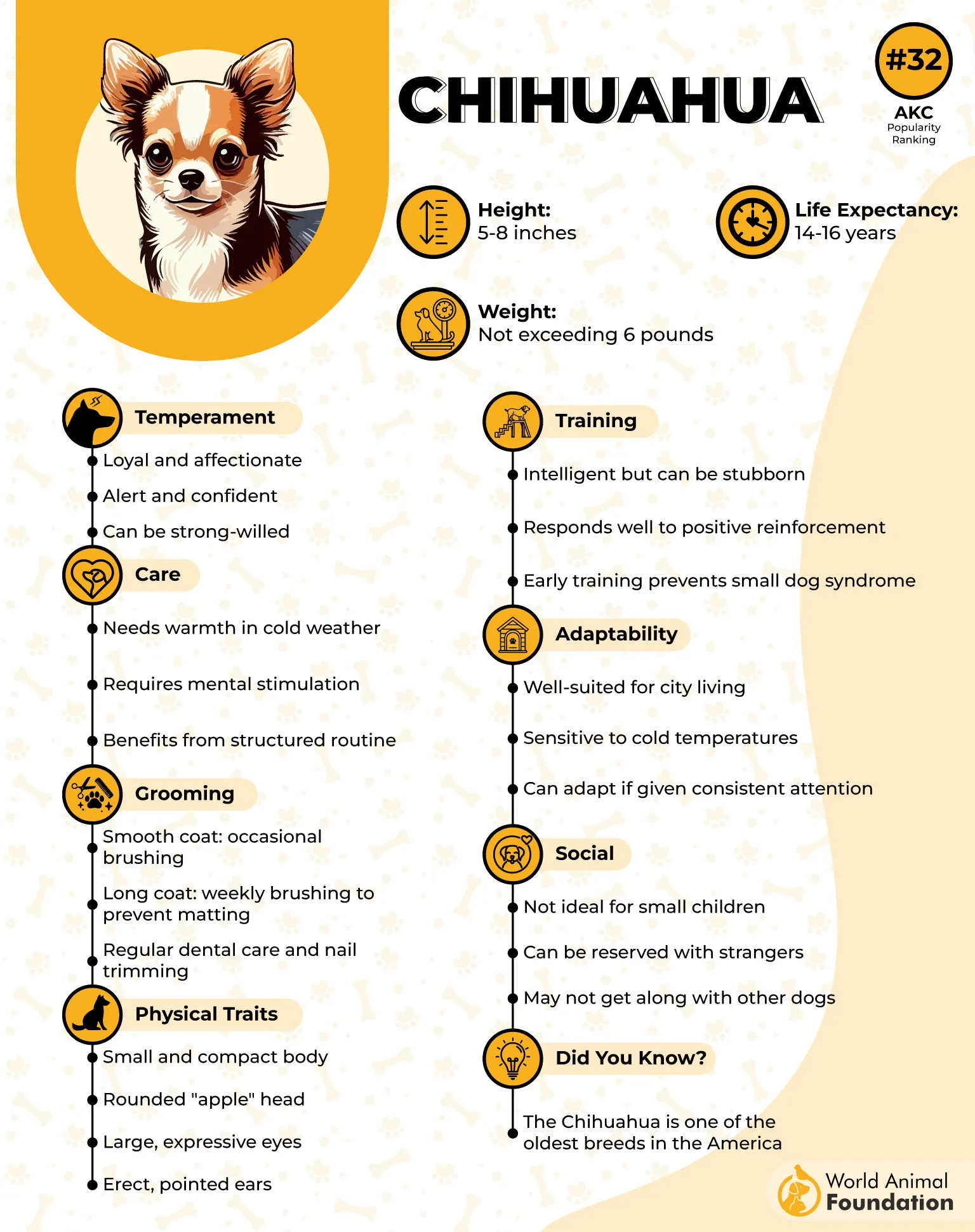
As loyal and watchful companions, Chihuahuas tend to bark fast and often, sometimes in a high-pitched, persistent way that can discourage unwanted visitors. That bold “I’ve got this” attitude is part of why they’re often seen as excellent small-house guard dogs.
Socialization Matters: Preventing Fear-Biting and Over-Guarding? Start early exposure to friendly strangers, calm dogs, and everyday noises so their protective streak doesn’t turn into over-guarding. Keep training short and upbeat, reward quiet moments, and practice “place” or “leave it” to reduce reactive barking.
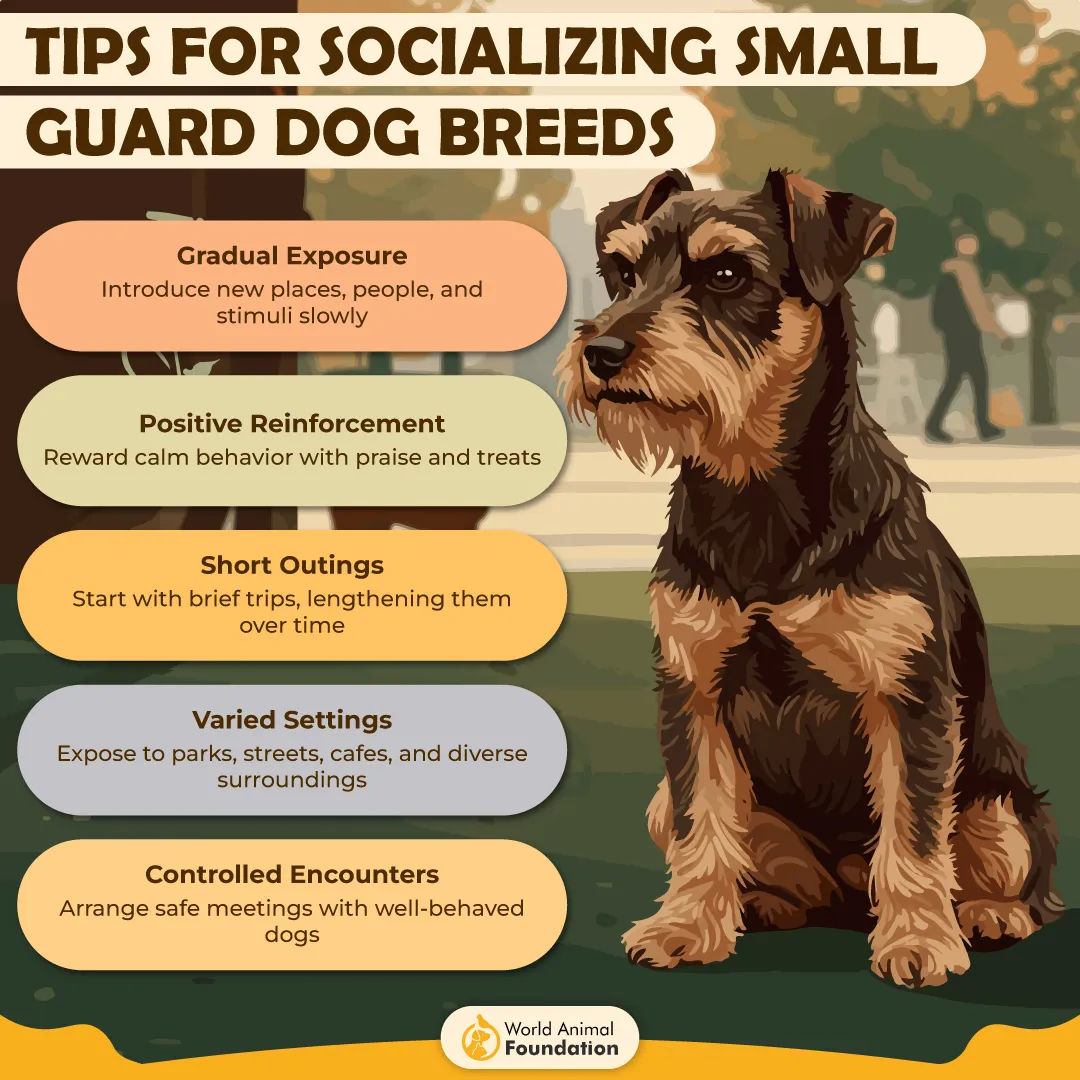
If resource guarding pops up (food, beds, crates), manage it safely—feed dogs separately, remove bowls after meals, and avoid high-value chews around other pets.
Fun fact: The first AKC-registered Chihuahua was a dog named Beppie in 1908.
7. Cairn Terrier
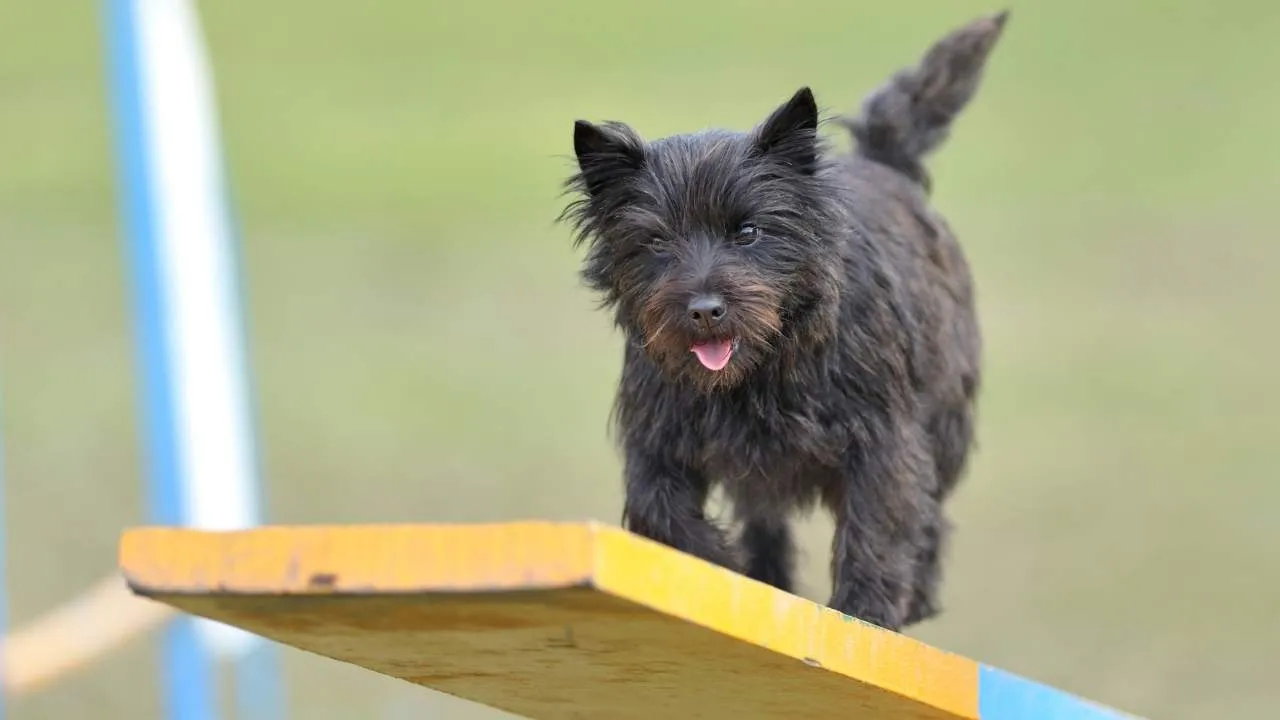
The Cairn Terrier—often described as a classic “earthdog”—hails from Scotland’s rugged Highlands and was originally bred to dig out foxes and other small quarry. Small, shaggy, and bright-eyed, it’s a sturdy little companion with that unmistakable terrier confidence and “ready for anything” attitude.
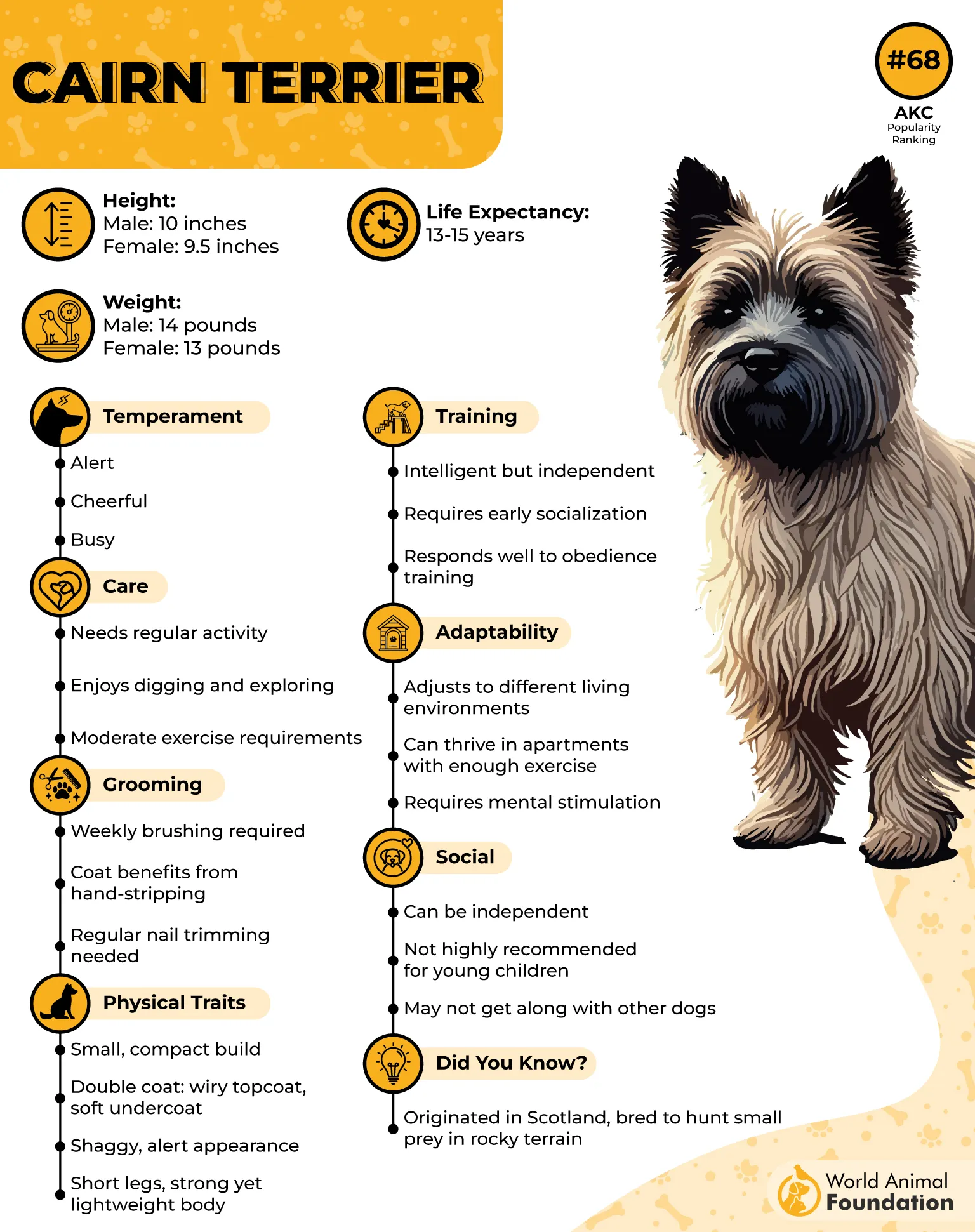
As a loyal watchdog, the Cairn is naturally alert and quick to announce new sights and sounds, which can be a real perk for pet parents who want an early-warning system. They’re social and affectionate with their people, but their independent streak means they do best with clear routines and close family contact.
For Managing Barking: Teaching a Reliable “Quiet” Command, start by rewarding calm moments, then pair “quiet” with a treat the instant barking stops—even for a second. Keep sessions short, stay consistent, and add daily mental stimulation (games, brief training bursts) so they’re less likely to “invent” noisy jobs.
Fact: Cairn Terriers have a harsh, wiry double coat with a softer underlayer.
8. Pekingese
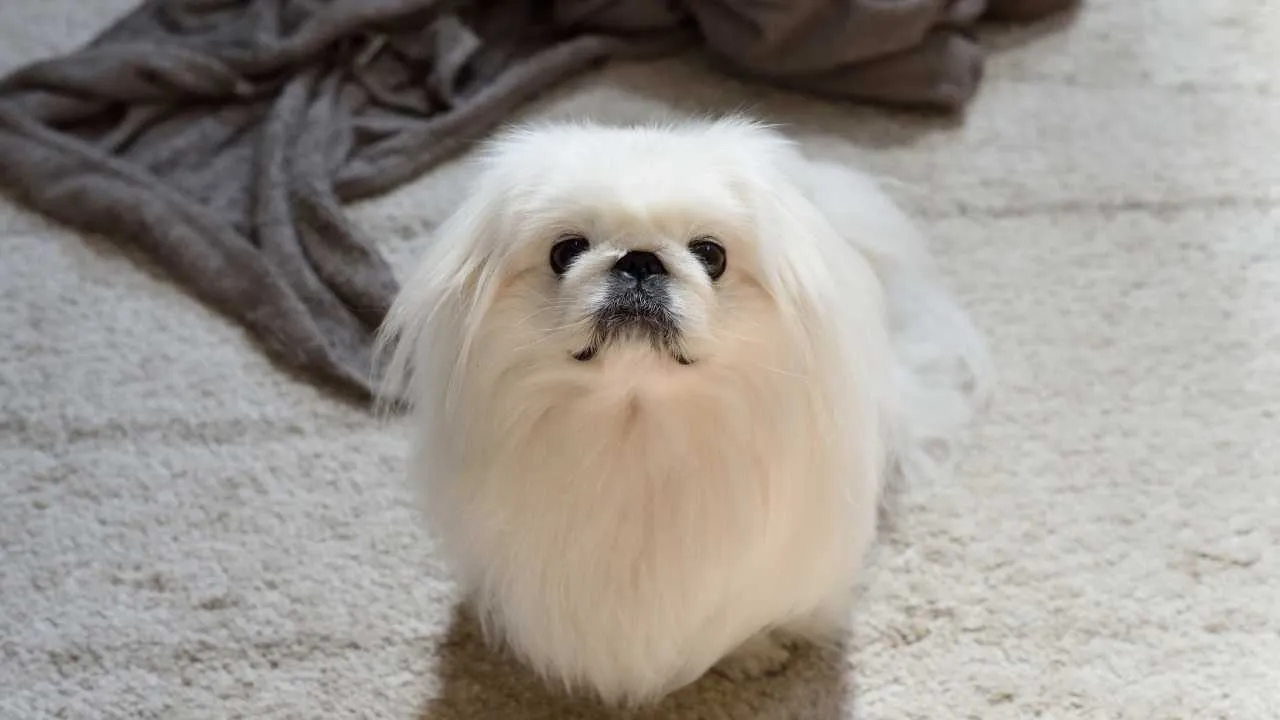
The Pekingese—often called the “Peke”—is a compact toy companion once kept by ancient Chinese royalty, prized for a regal vibe and a bold, lion-like look. With a flat face, big dark eyes, a thick “mane,” and a distinctive rolling gait, this little dog carries itself like palace security on patrol.
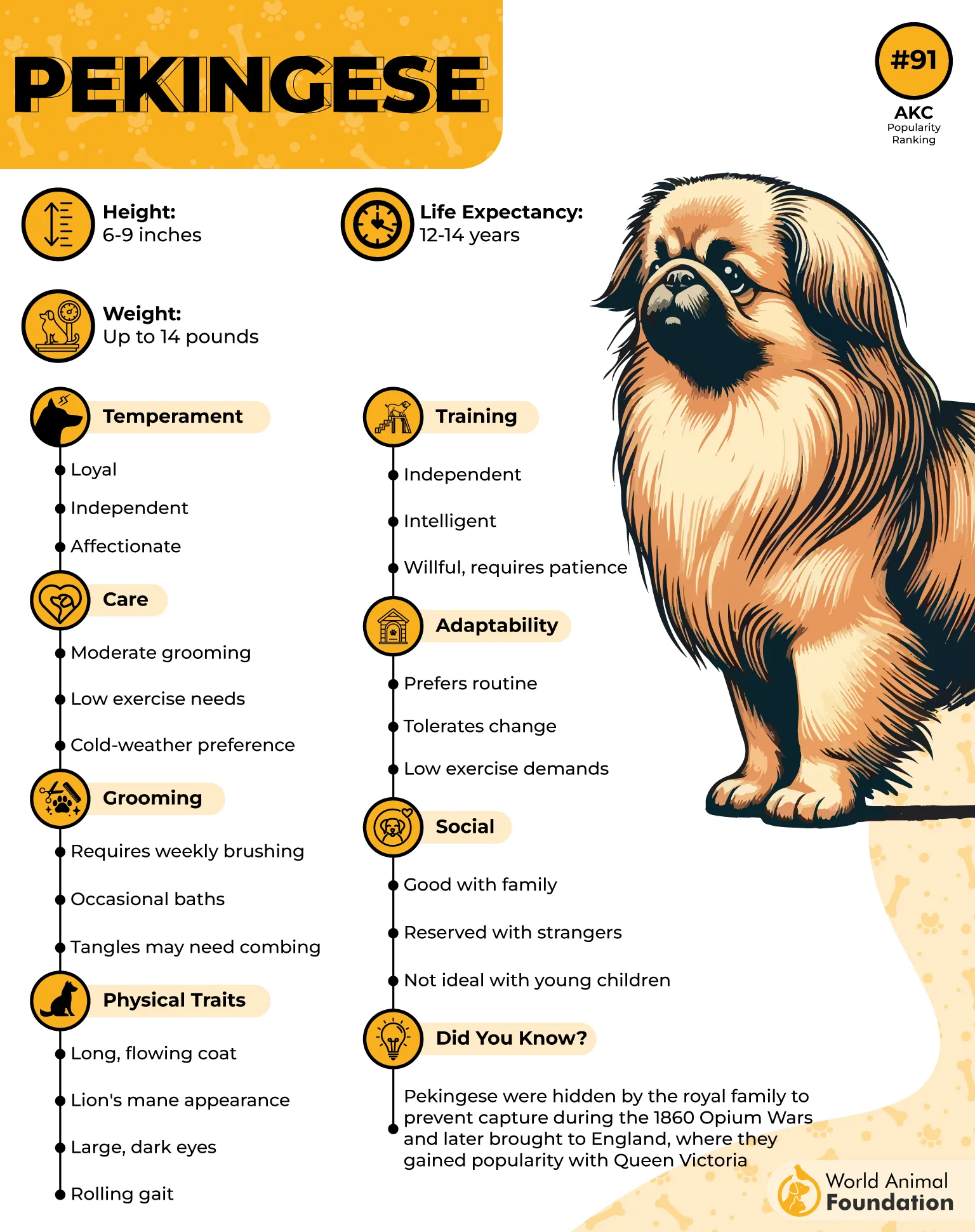
If you want a small watchdog for home life, the Peke’s natural alertness and tight bond with a favorite person can be a great match. They’re confident and “opinionated,” so they tend to notice new sounds fast and take their role seriously.
To make that loyalty work for you, keep training gentle, consistent, and rewards-based—especially around visitors. Early socialization helps them stay calm and polite, instead of acting suspiciously with unfamiliar people.
For families, they can tolerate kids, but they don’t enjoy roughhousing, so respectful handling matters.
9. Pomeranian
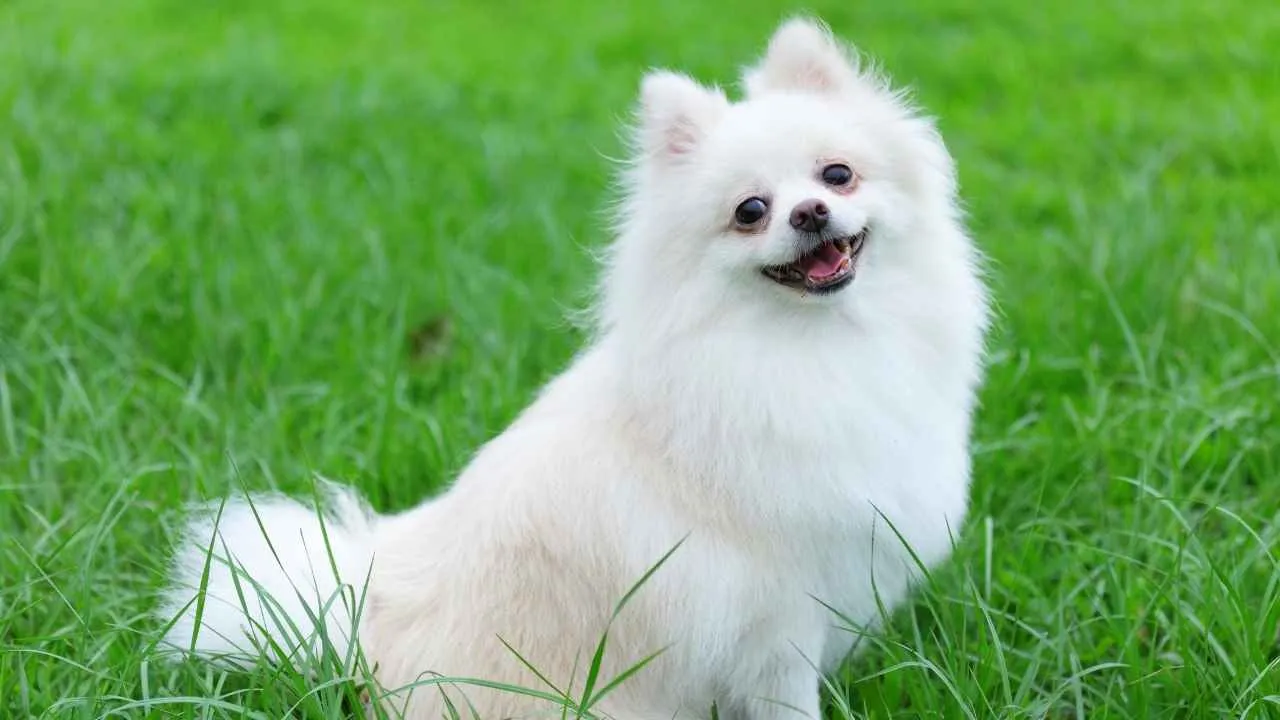
The Pomeranian—often called the Pom—is a spitz-type toy companion dog with a foxy smile, plush double coat, and a “big dog” attitude in a tiny frame. Outgoing, curious, and confident, they love being the center of attention and tend to pick one favorite person to shadow.
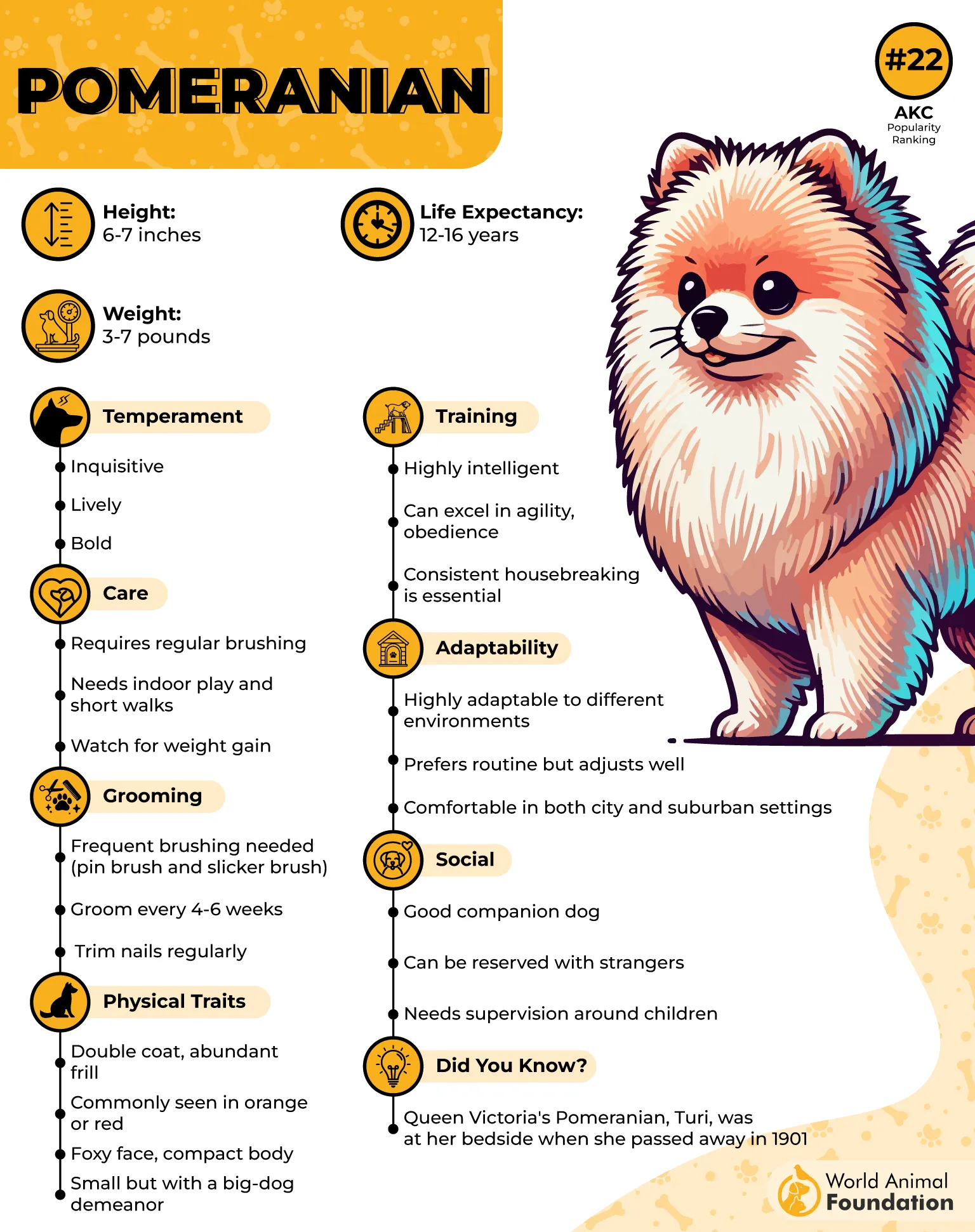
As watchdogs, Poms shine: they’re naturally alert, protective, and famously vocal, so you may not see a threat, but you’ll definitely hear the warning. Because their cuteness can lead to “small dog syndrome,” clear boundaries and early socialization matter as much as affection.
For apartments vs. houses, they’re flexible. Their moderate exercise needs can be met with indoor play and short walks, making them comfortable in city living as well as the suburbs—provided they’re trained and not left bored.
10. Miniature Pinscher
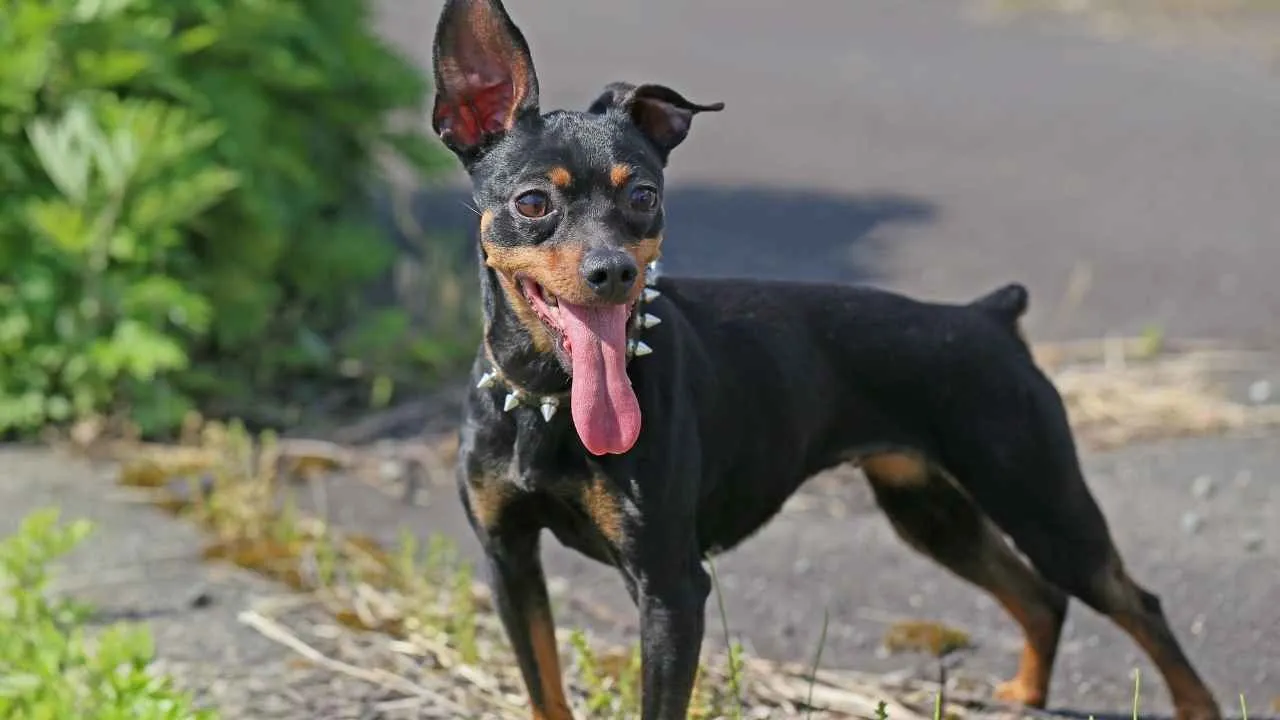
The Miniature Pinscher—often called the Min Pin or the “King of Toys”—packs a big-dog attitude into a sleek, compact frame. Known for a proud, fearless vibe and a signature high-stepping “hackney” gait, this toy breed looks fancy but thinks like a watchdog.
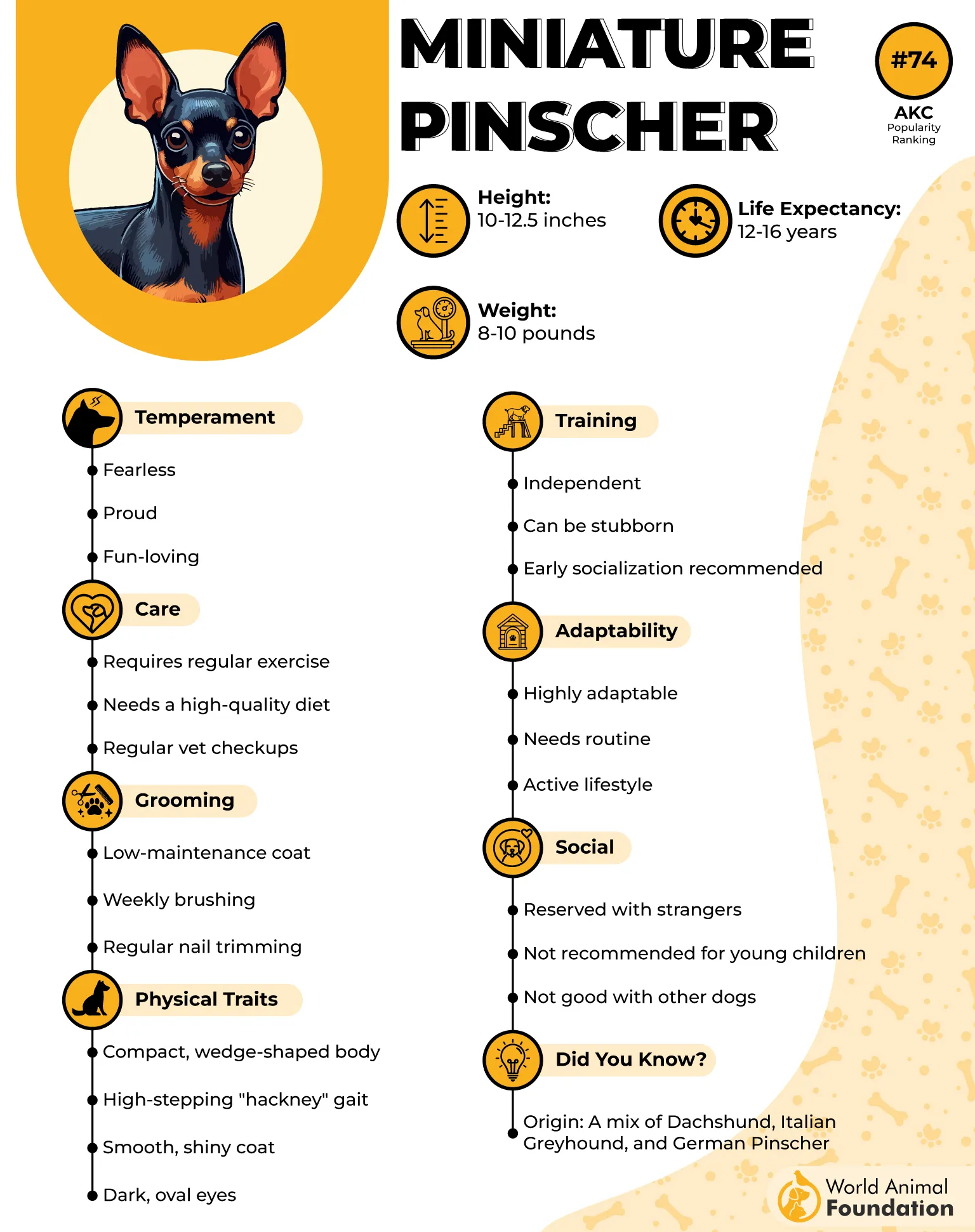
As a loyal sentinel, Min Pins are brave and curious, which can translate to barking at every new sound or visitor. That’s great for early warnings, but it can be tough for apartment living unless you set clear rules early.
Because they’re smart (and famously stubborn), they benefit from consistent training and daily outlets: walks, fetch-style games, agility, and puzzle toys. Without that structure, guarding behavior and nervous energy can show up fast.
Grooming is the easy part: their very short, shiny coat needs only basic brushing and sheds minimally.
Conclusion
Small dog breeds can be mighty watchdogs, and many terrier breeds prove it with an alert attitude and a loud bark that warns you fast. In a small-sized package, these pups often act fiercely loyal, bond closely with their people, and stay watchful of strangers—especially when properly trained with clear rules and consistent routines.
To find the particular breed that fits your home, think about coat and temperament, too. Some lap dogs have short fur and simple upkeep, while others are non-shedding options like a Miniature Poodle. You might also prefer a strong-willed classic like the Scottish Terrier.
And if you share your space with other animals or you’re bringing home a puppy, early socialization matters—just like the companion dogs once kept close by Buddhist monks.
