




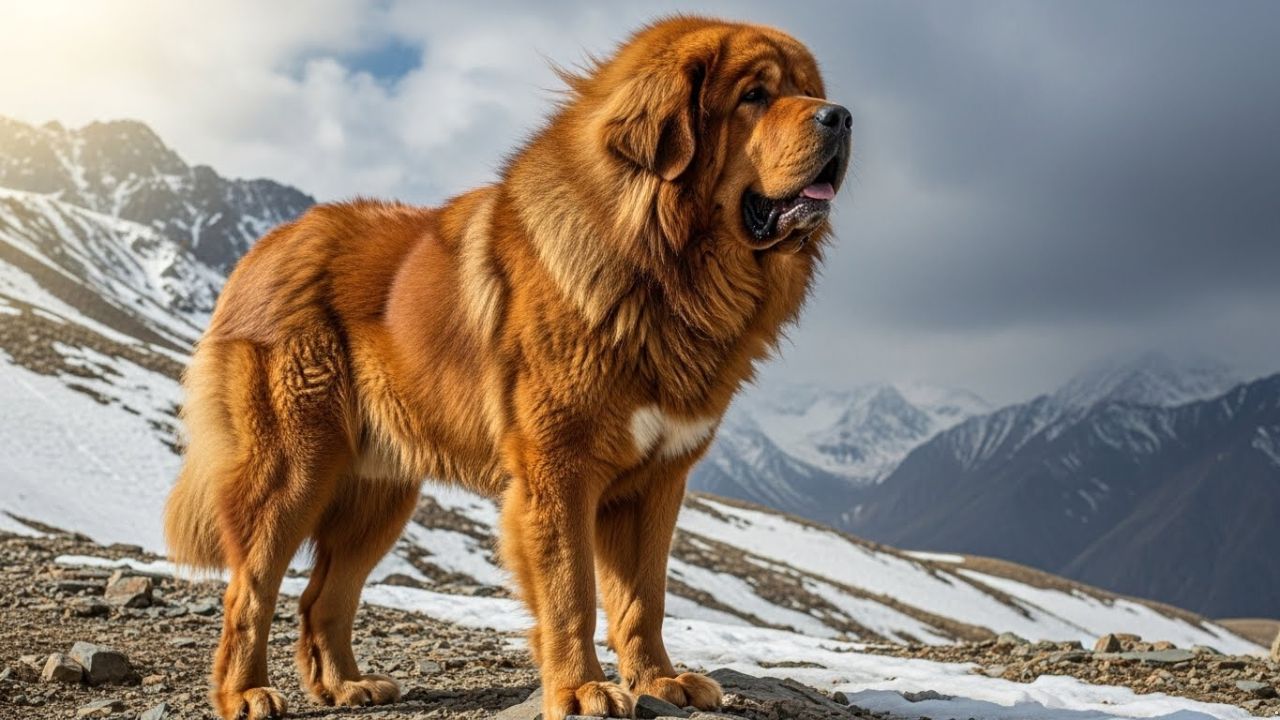
Giant dogs have a way of making life feel bigger—bigger laughs, bigger cuddles, and yes, bigger footprints around the house. If you’re drawn to the “wow” factor of an oversized canine companion, you’re not alone. But along with the charm comes real-life planning: space, daily routines, and the kind of care that matches a larger body and an even larger personality.
In this guide, we’re spotlighting 8 rare and impressive giant dog breeds that stand out not just for their size, but for the stories they carry. Many of these gentle powerhouses were shaped by purpose—guarding, working, and living closely alongside people—so their presence often feels both protective and intensely loyal.
You’ll also see why some giants are described like living landmarks, with heavy bones, massive paws, and faces full of wrinkles and character—almost fortress-like in their build. If you’re considering welcoming one home, you’ll find what makes these breeds special, plus the key lifestyle considerations pet parents should know before committing.
Discover Eight Rare and Impressive Giant Dog Breeds
1. Neapolitan Mastiff
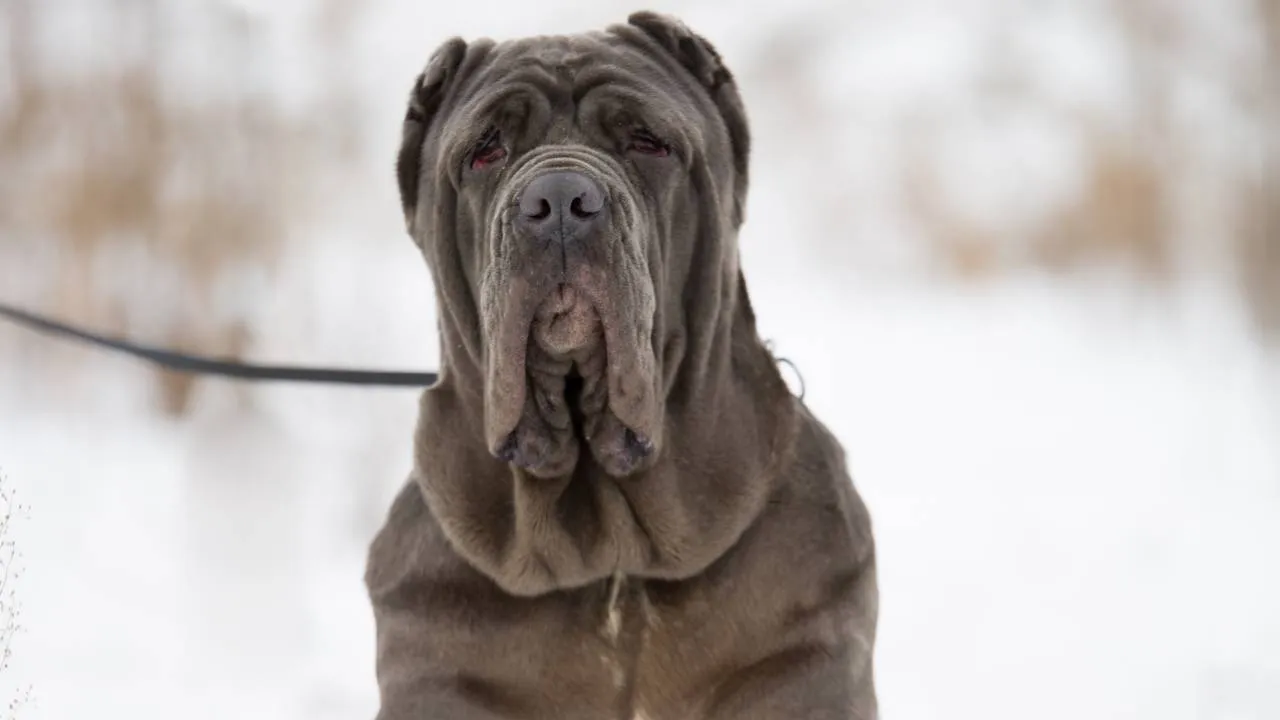
The Neapolitan Mastiff—often called the Neo—is Italy’s wrinkly powerhouse, a giant working dog famous for its muscular build, short shiny coat, and long, floppy jowls. It’s sometimes described as the Mastiff’s slightly smaller Italian cousin, but it still holds its own among rare, impressive giants.
The AKC states that the Neapolitan Mastiff is a massive, powerful guardian whose striking appearance has been deterring intruders since the era of ancient Rome.
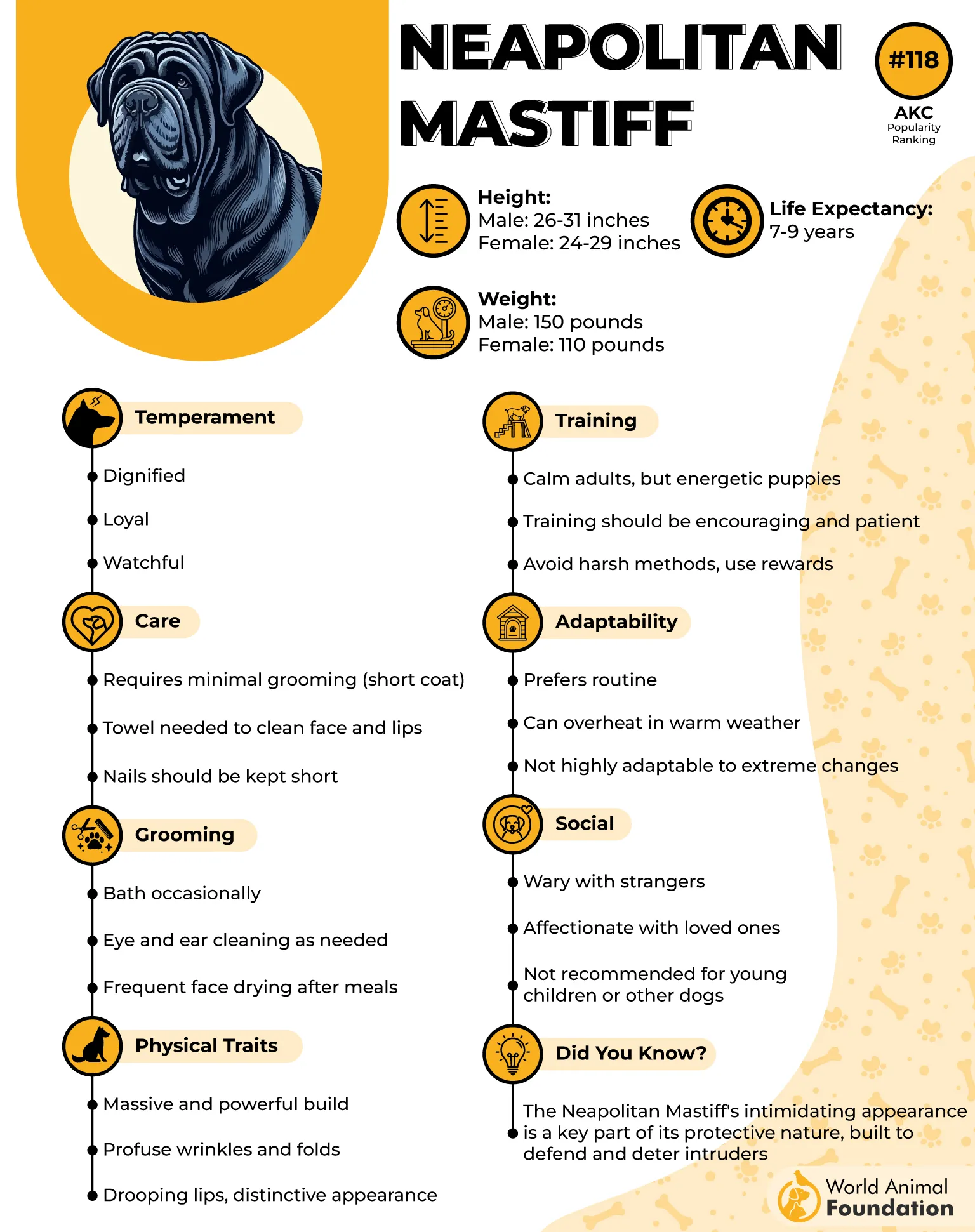
What makes a “giant” breed isn’t just height—it’s overall mass, presence, and strength, and the Neo delivers all three. Despite that intimidating silhouette, many are easygoing “couch potatoes” who prefer lounging, then heading out for steady, controlled walks to stay fit.
That signature loose skin comes with extra care. Pet parents should wipe and clean between facial folds to help with hygiene, along with routine upkeep for drool and short fur.
They’re also known for being deeply loyal and naturally protective, making them both a family companion and a serious guardian when it counts.
2. Scottish Deerhound
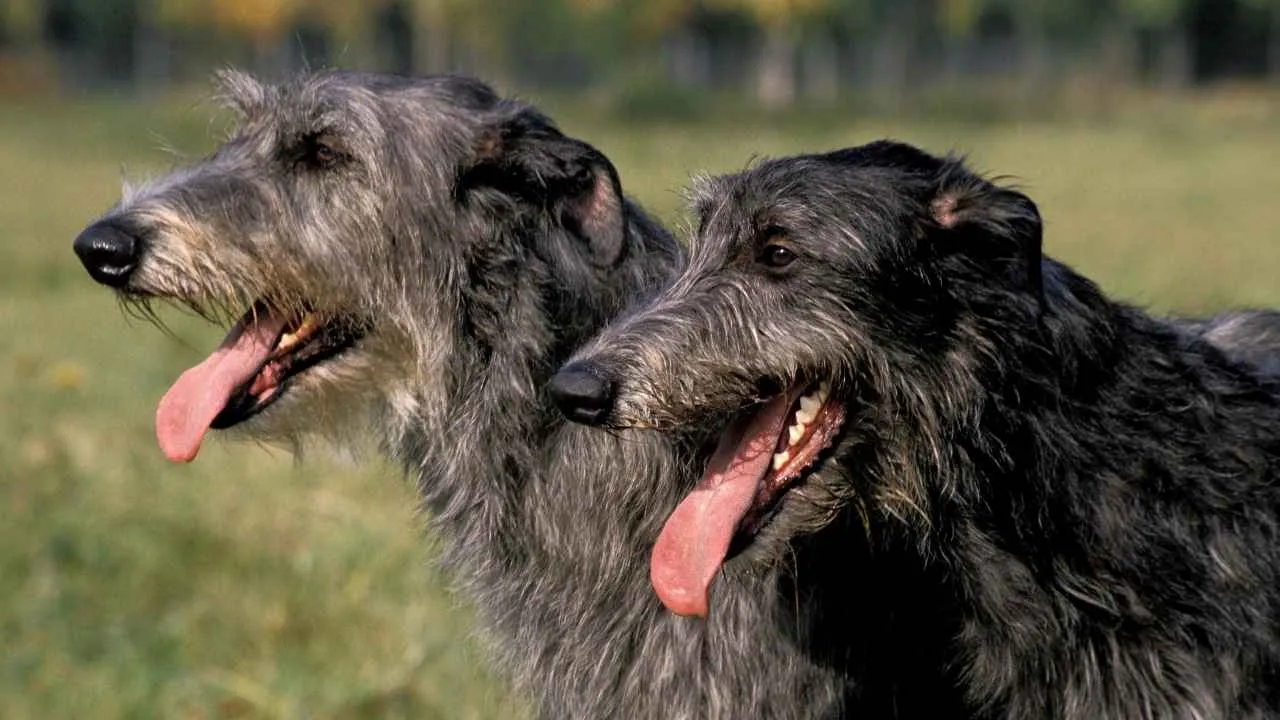
The Scottish Deerhound—sometimes affectionately compared to a scruffy, big-boned Greyhound—is an ancient, rare breed wrapped in equal parts legend and dignity.
PetMD states that the Scottish Deerhound is a tall, elegant, statuesque breed that originated in Scotland.
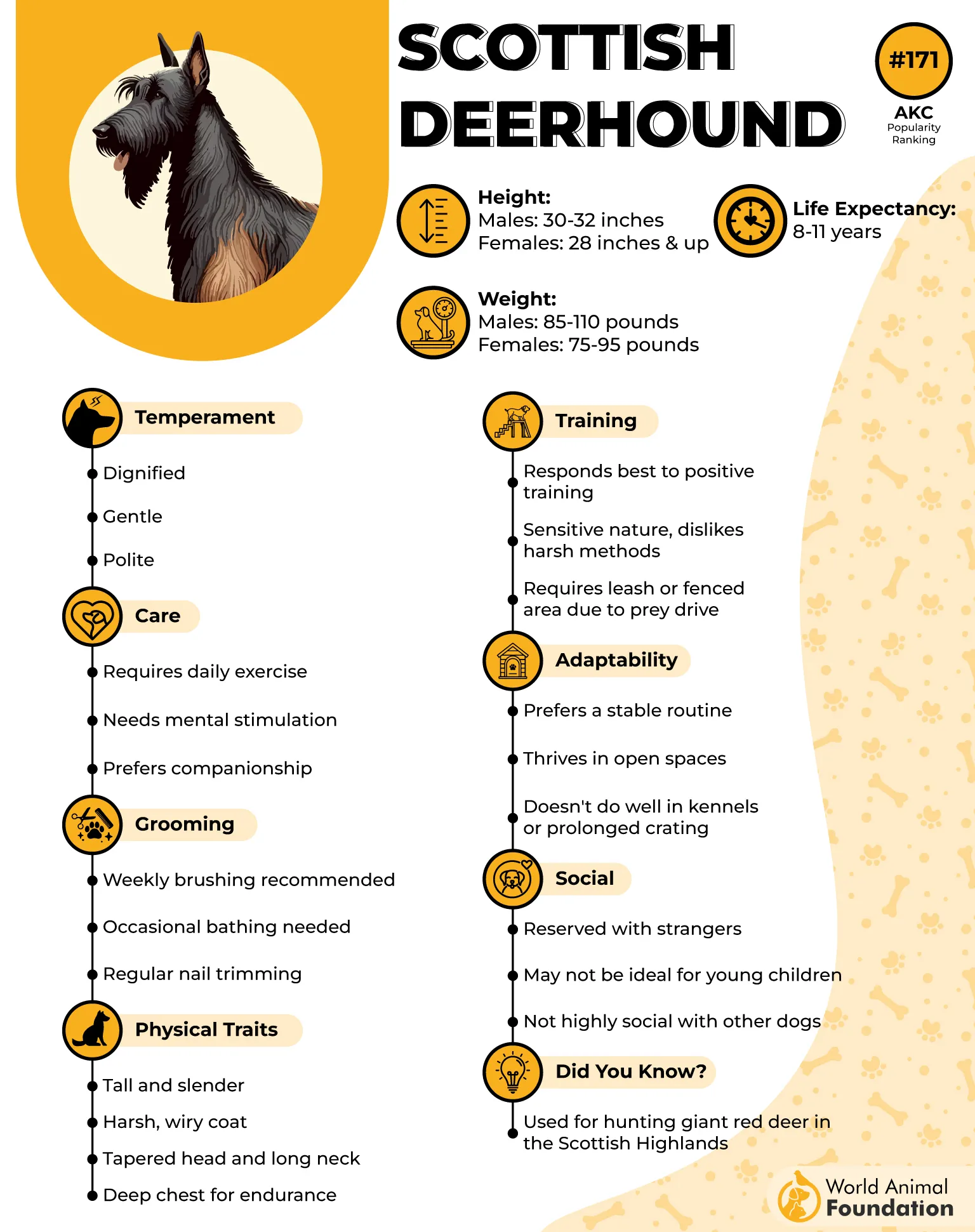
When it comes to temperament & trainability, many giant breeds share a calm, people-focused vibe—and the Deerhound fits right in. They’re often described as gentle and friendly, happiest when they can alternate outdoor time with long, lazy lounging sessions near their favorite humans.
Because they’re generally easygoing, training tends to go best with patient, steady routines and early manners work. Like other giants, they respond well to respectful handling rather than harsh corrections, especially once they’ve matured into their “professional napper” phase.
Socialization still matters, particularly around other pets and children, and their prey drive means extra caution with smaller animals (especially outdoors). Fact: Scottish Deerhounds have an average life expectancy of 7–9 years.
3. Tibetan Mastiff
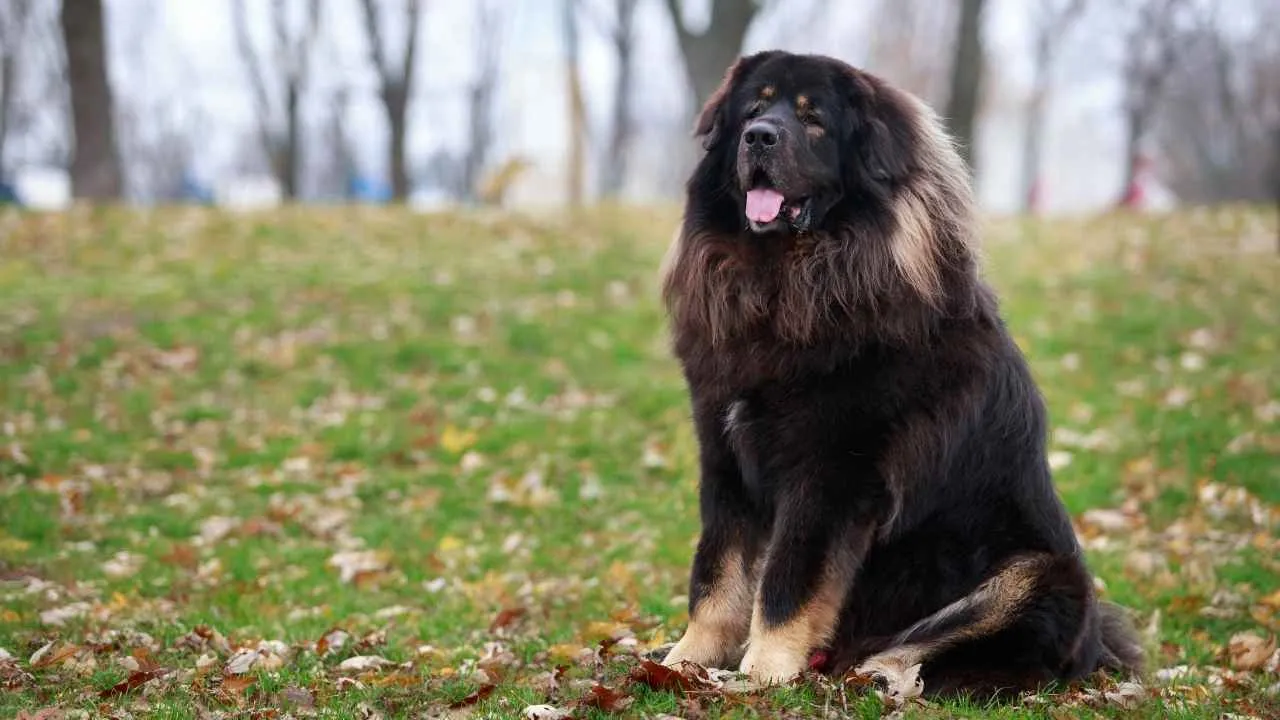
The Tibetan Mastiff (often called the Do-Khyi) is an ancient, rare breed known for its lion-like ruff, massive frame, and calm, watchful presence. WebMD reports that they are loyal and strong dogs.
Originally bred as a guardian, this intelligent giant still prefers having a “job,” even if it’s simply patrolling the yard.
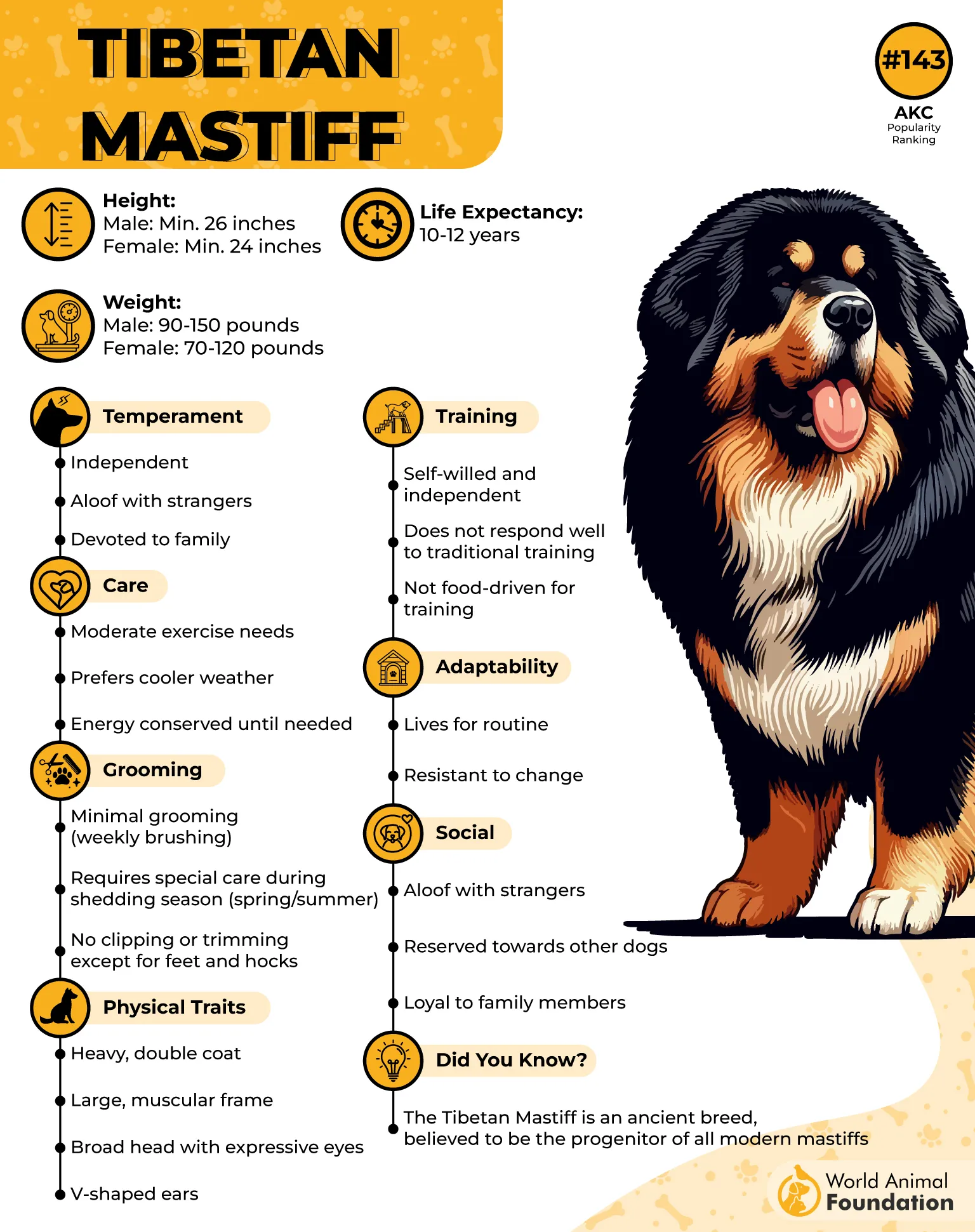
Because their thick double coat makes them look even bigger, this breed is better suited to cooler climates and can overheat in warm weather. They also tend to be independent thinkers, so early structure and consistent routines matter as much as affection.
Like many giants, pet parents should plan for common big-dog concerns such as hip or elbow dysplasia, plus regular checkups for thyroid and eye health. Some lines have additional issues reported, including PRA, cataracts, and smaller ear canals that can be prone to infection.
4. Bloodhound
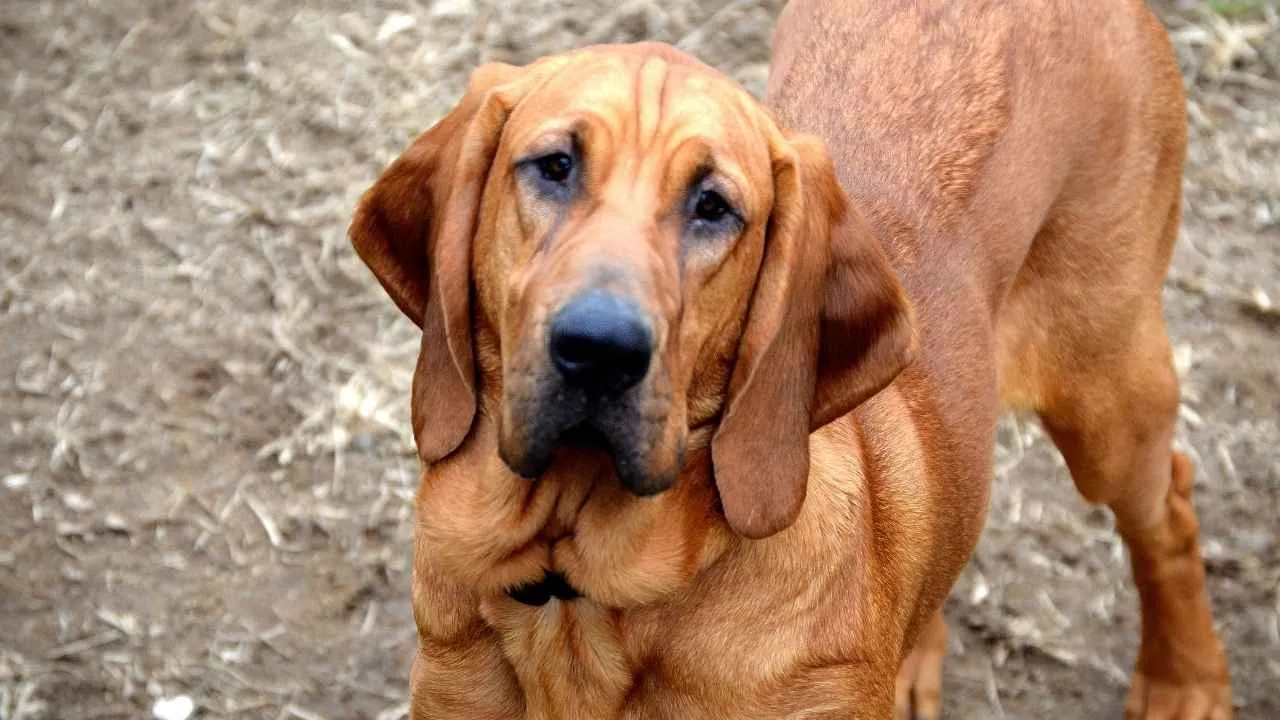
The Bloodhound—often called the St. Hubert Hound—is one of the dog world’s most unforgettable giants, known for a droopy, noble face, long floppy ears, and a deep, echoing howl.
When it comes to feeding, exercise, and space requirements, plan for a home setup rather than apartment living. A fenced yard helps, and daily routines should include scent-based games to satisfy that legendary nose and keep boredom in check.
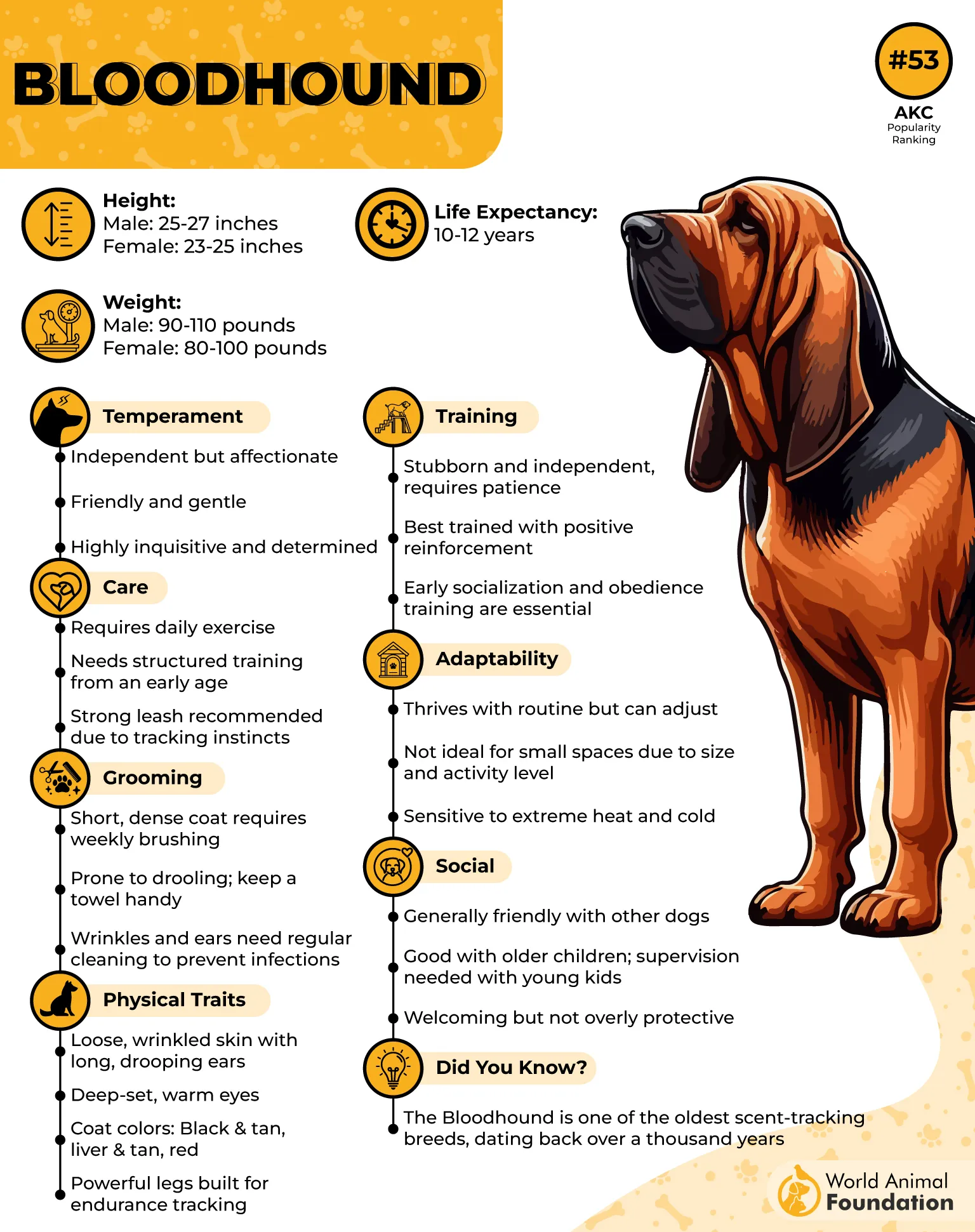
Exercise matters, but it has to be smart: adults do best with steady activity and mental work, while puppies need shorter outings to protect growing joints. Consistent training is key—this breed will notice loopholes fast.
Grooming is fairly simple with occasional brushing, but ears and eyes need regular checks, and many will drool after meals or exertion—keep a towel handy. Fact: Most Bloodhounds need 1–2 hours of exercise per day to stay mentally and physically satisfied.
5. Leonberger
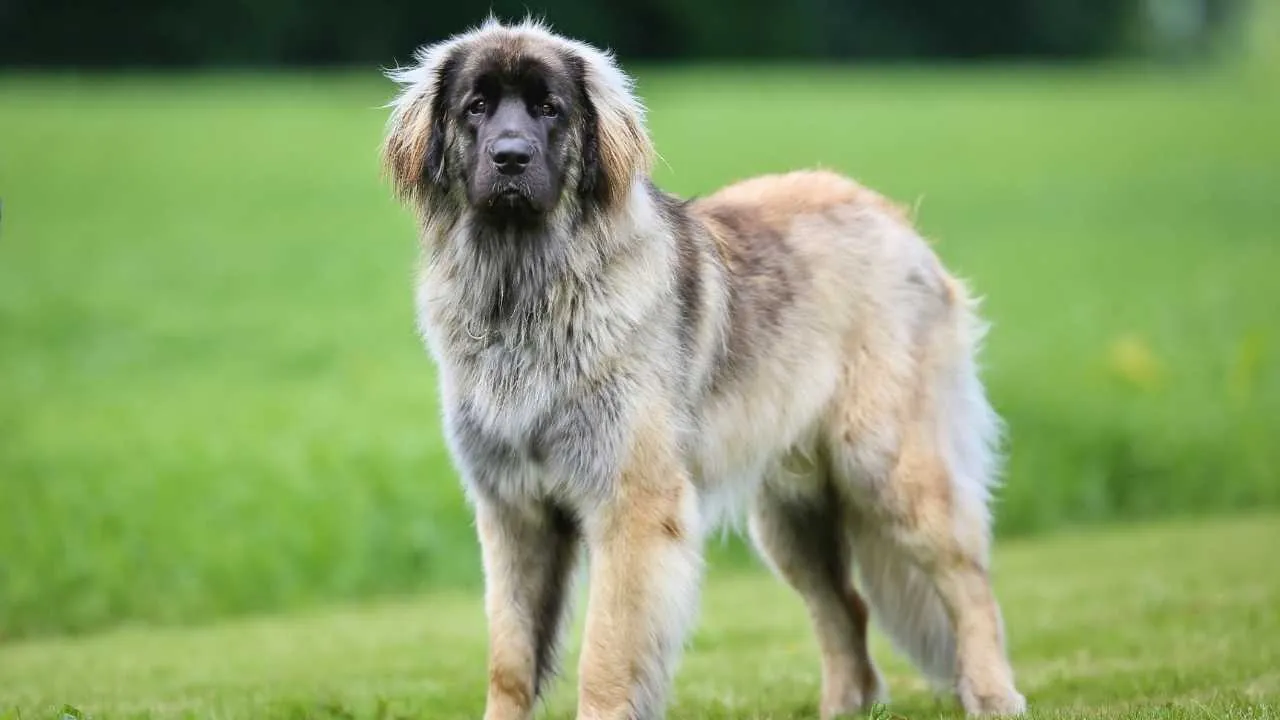
The Leonberger (often called a “Leo”) is a rare, majestic giant known for its muscular build and calm, affectionate vibe. This working dog likes having a job to focus on, but it’s just as content being a couch-sized cuddle buddy with its people.
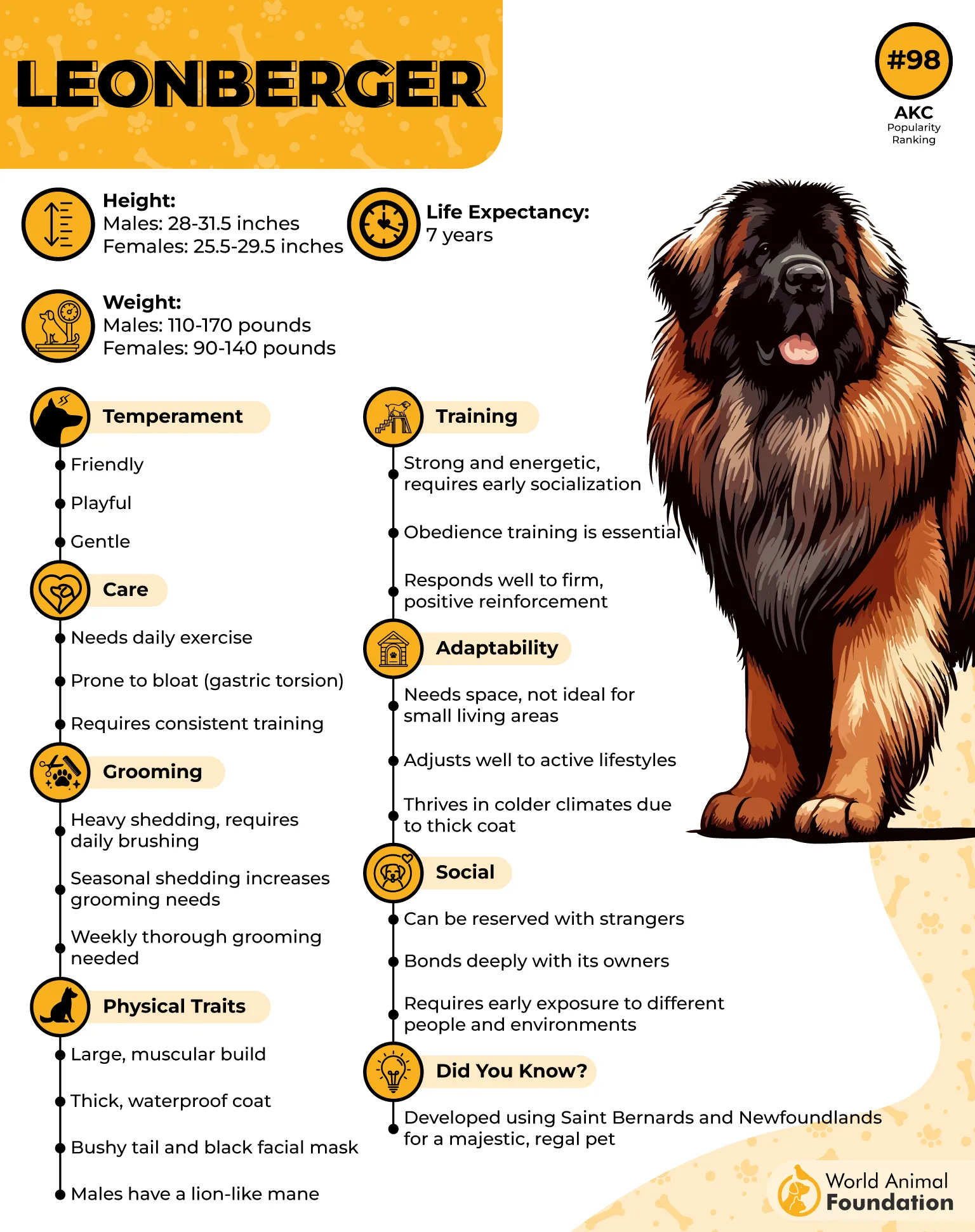
One standout trait is how sexually dimorphic the breed is—males can look noticeably different from females, including a bold, lion-like mane around the neck. That thick, water-resistant double coat is part of the Leonberger’s signature “wow” factor.
Grooming and Shedding: What to Expect? Expect steady upkeep. Leonbergers shed moderately year-round and “blow” coat heavily about twice a year, so brushing 2–3 times weekly (and daily during heavy sheds) helps remove loose hair and prevent mats. Baths are usually only needed when dirty, roughly every 6–8 weeks.
They can be prone to joint problems, heart disease, and ear infections, so routine care matters. Fact: Leonbergers have an average life expectancy of around 7 years.
6. Black Russian Terrier
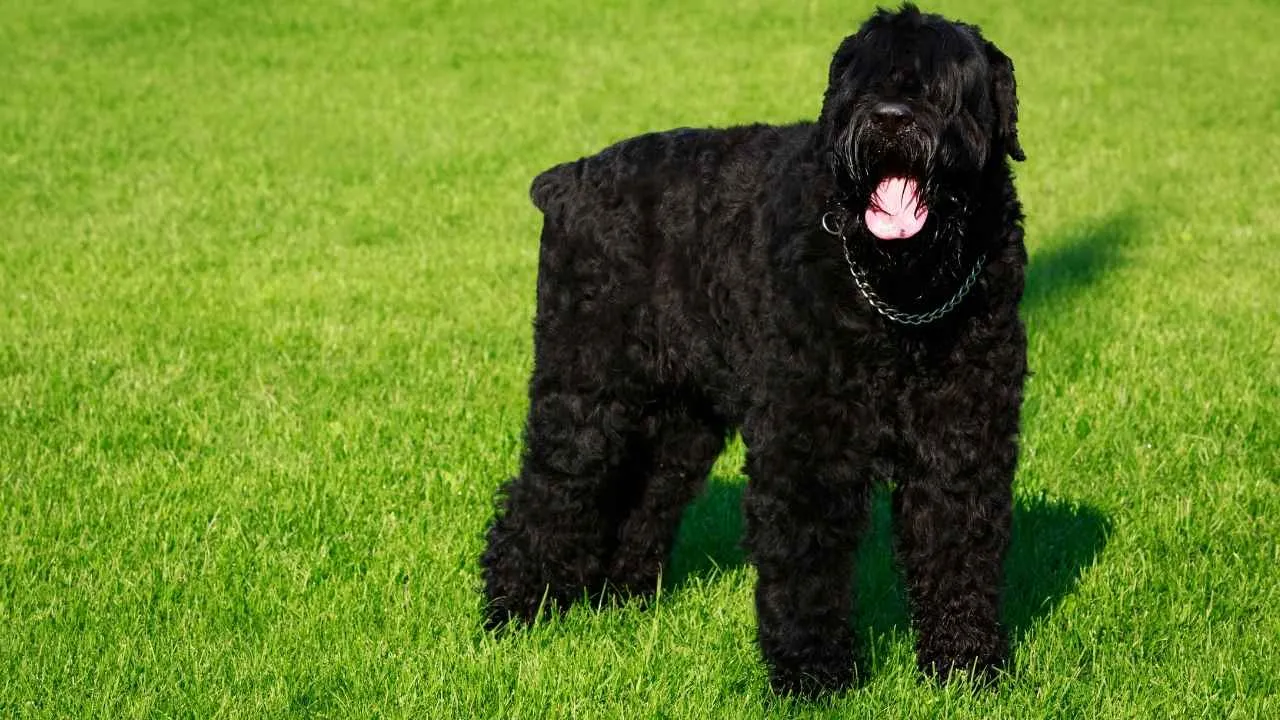
The Black Russian Terrier—often called the BRT or “Stalin’s dog” (Sobaka Stalina)—is a rare, bearded giant built for serious work. Despite the “terrier” label, this is no tiny lapdog; it’s a powerful, courageous guardian originally developed for military and police duties.
For families, the BRT can be a steady protector with a surprisingly gentle side around children, especially with early socialization. They may act wary or standoffish with unfamiliar faces at first, but they often warm up once they learn a new person is truly welcome.
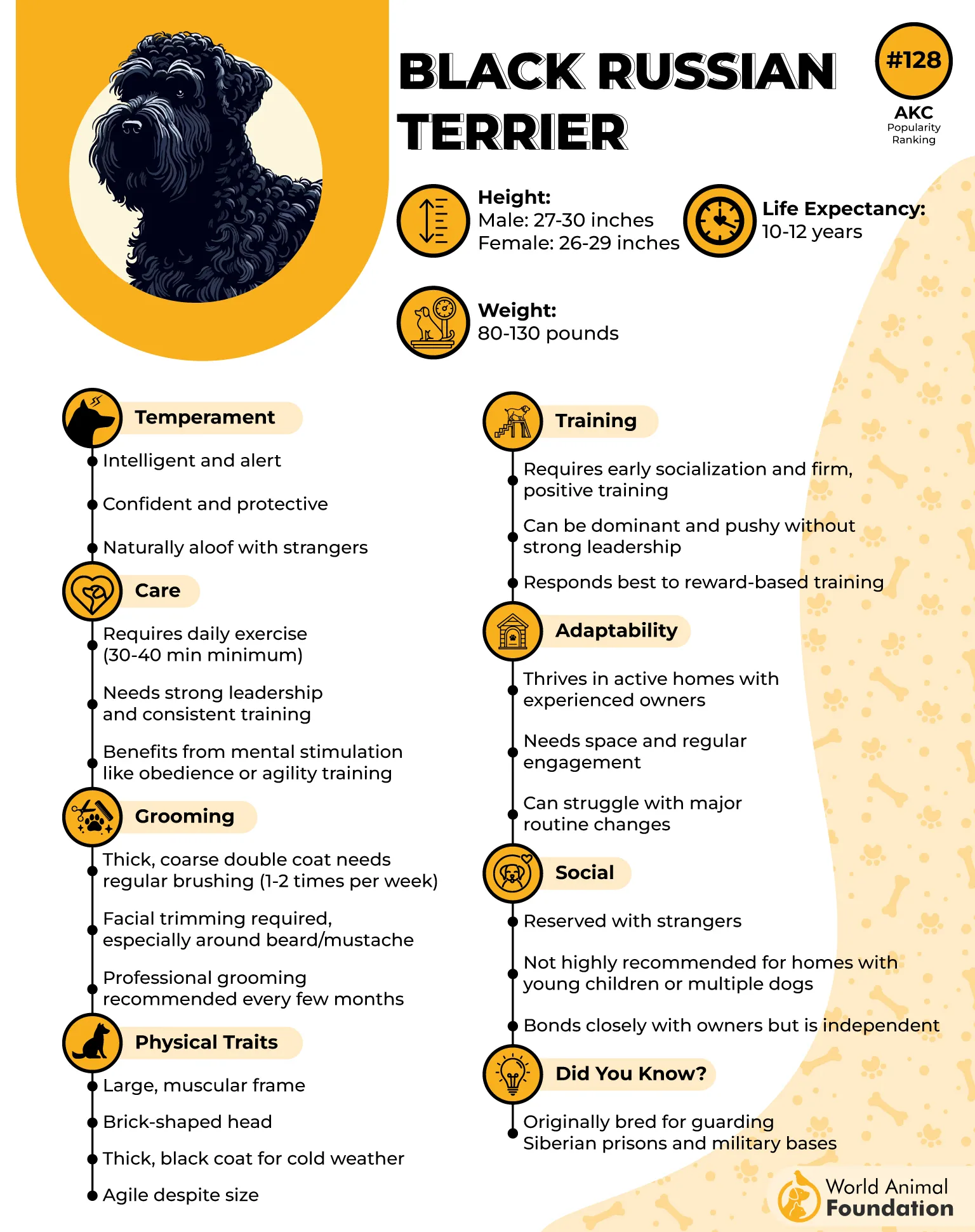
This isn’t a casual, first-time-owner breed. Blackies thrive with firm, consistent training, clear boundaries, and a real “job,” plus plenty of human interaction—without it, boredom can turn destructive. They’re typically more active outdoors than in the house, and they do best living closely with their people, not isolated in a kennel.
7. Dogue de Bordeaux
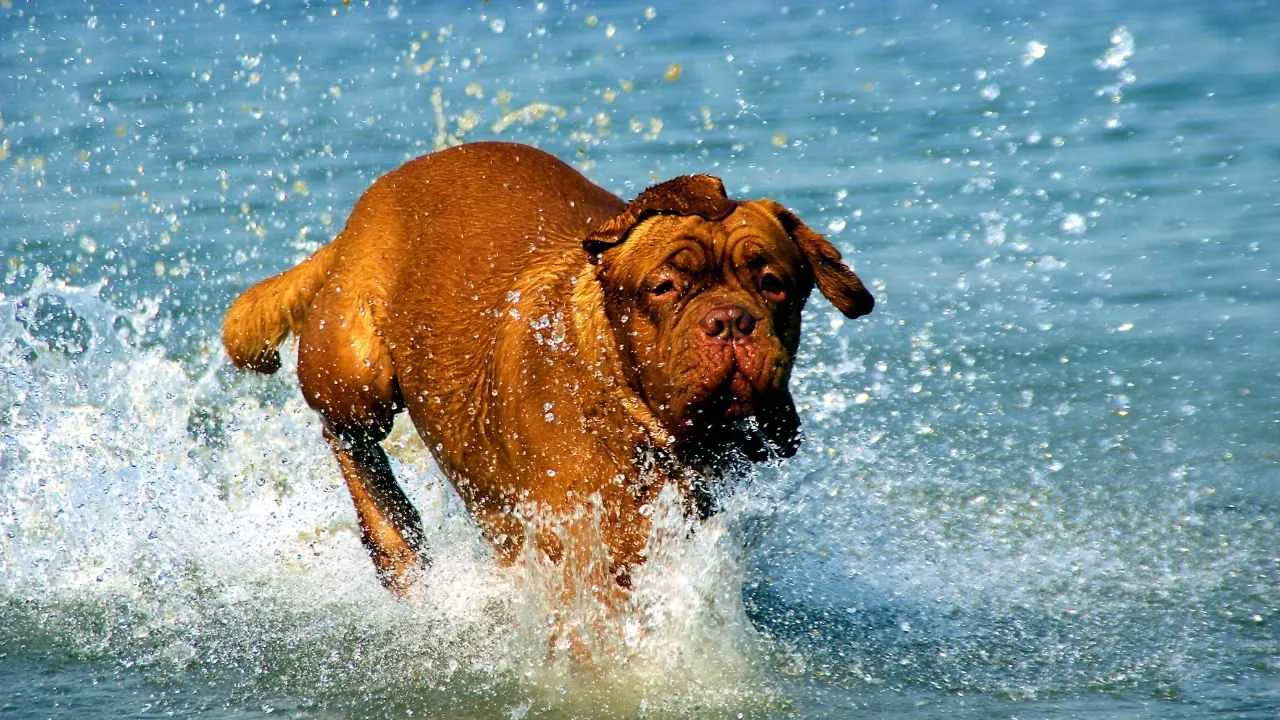
The Dogue de Bordeaux, often called the French Mastiff, is a rare French giant with a massive head, wrinkled face, and a calm, watchful presence. Built for work and protection, this muscular, stocky breed is also famously affectionate with its people.
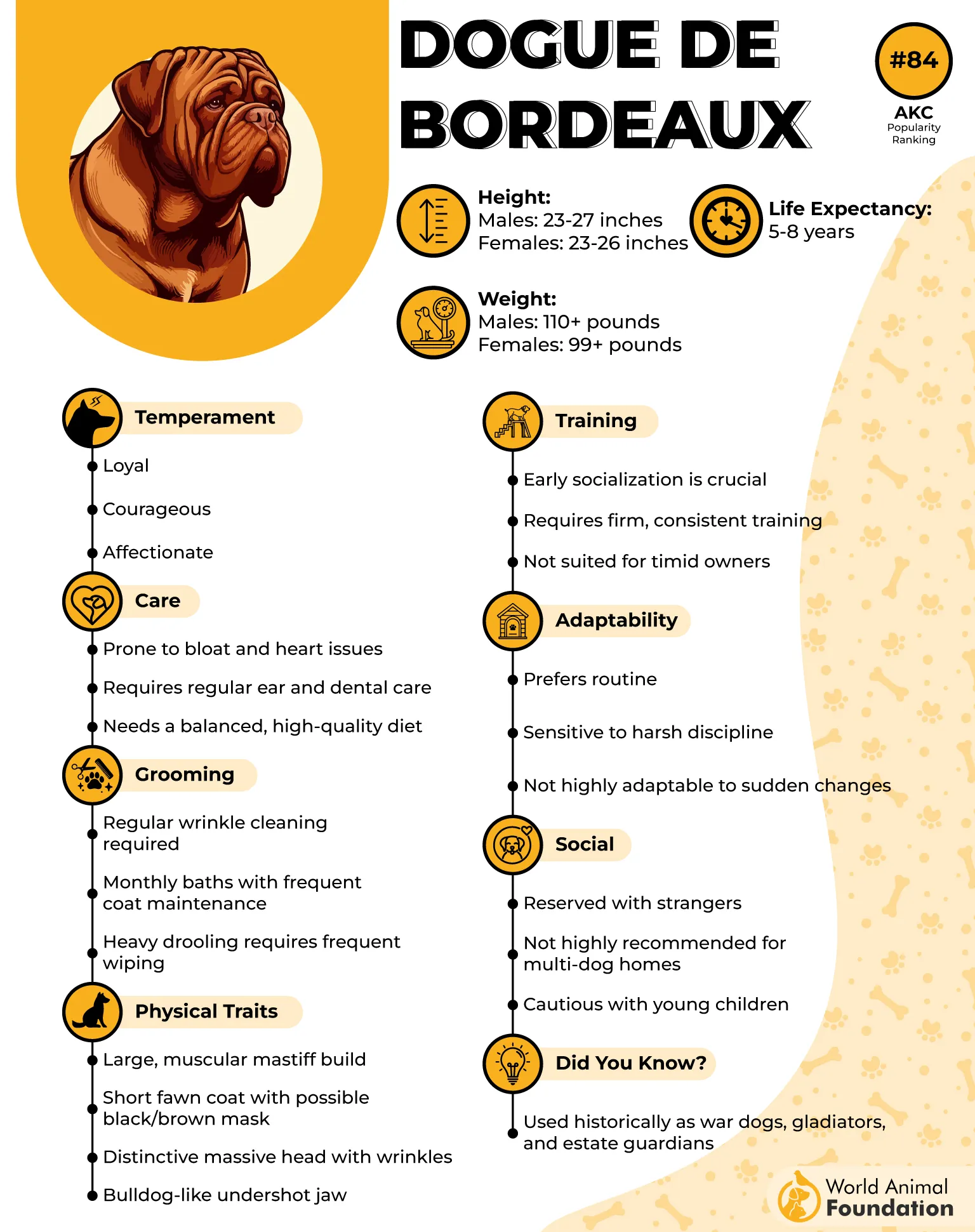
For families who want an impressive giant that’s quieter than hyper, the Dogue can be a steady housemate—so long as you’re ready for a big-body routine. Their short, soft coat is fairly simple, but their drool is not: keep towels and grooming wipes handy.
Because drool can sit in facial folds, consistent cleaning matters for comfort and to help prevent skin irritation or infection. Pair that care with patient, consistent training, since the breed can have an independent streak despite being highly loyal.
8. Irish Wolfhound
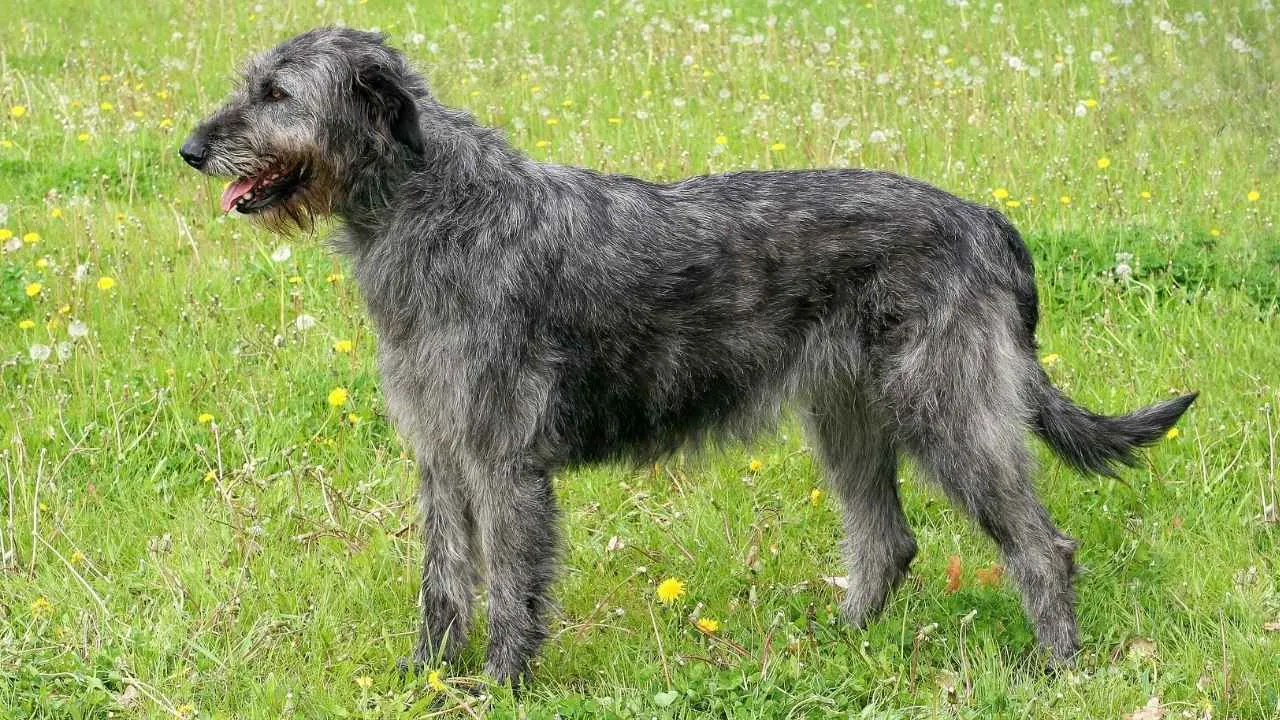
The Irish Wolfhound (also called the Wolfhound) is a somewhat rare, gentle giant famous for commanding height, a rugged build, and a surprisingly soft, sensitive spirit—one reason it’s featured among standout giants in the dog world.
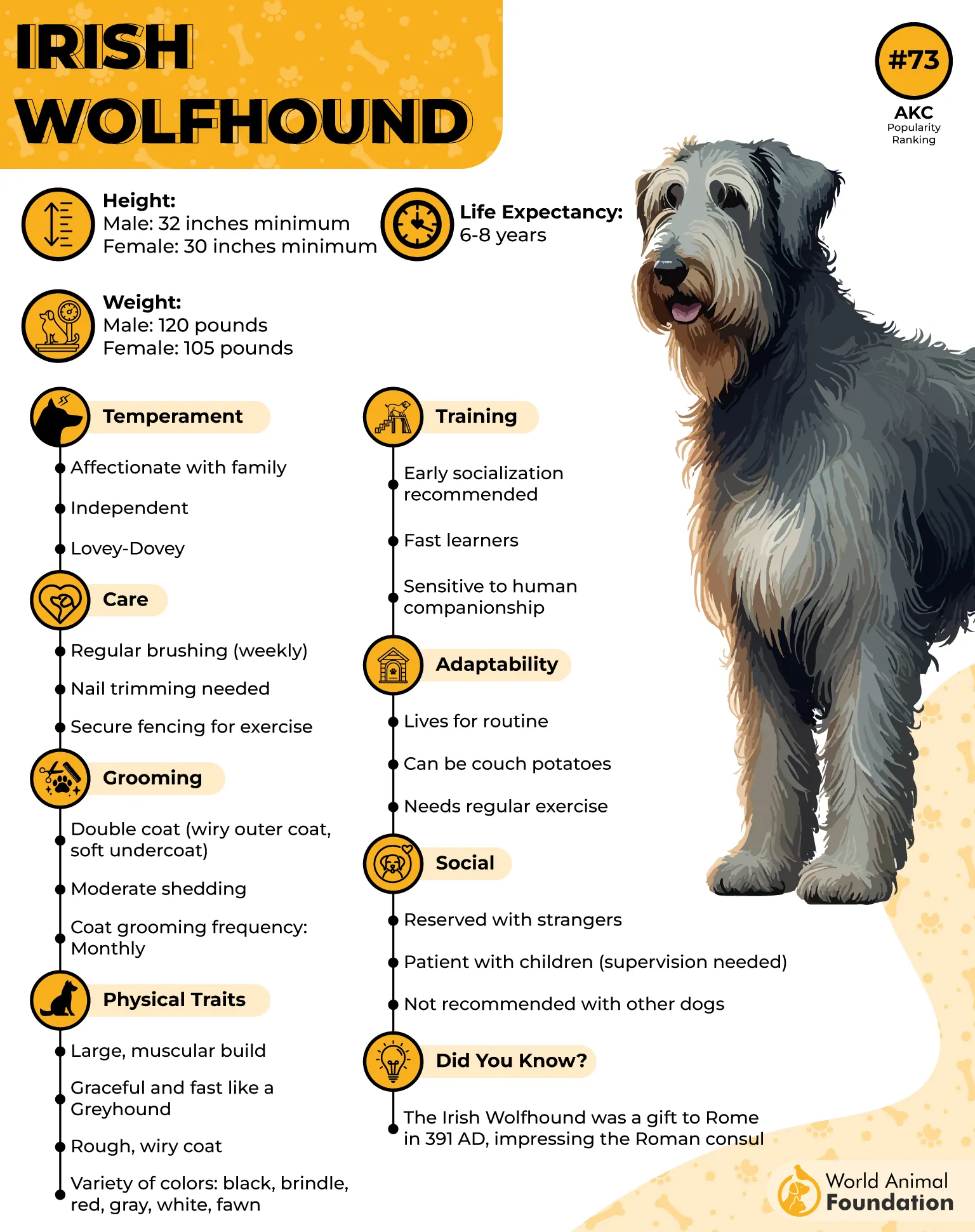
Part of what makes rare giant breeds so fascinating is their “living legend” presence, and the Wolfhound delivers: many stand 30+ inches tall, giving them an imposing silhouette without an aggressive vibe. Their calm, introverted nature often means they’re not house-wreckers, but they do bond deeply with their people.

That devotion comes with responsibility. Because they can become down or destructive if left alone too long, consistent companionship and positive reinforcement training (think clicker + treats) fits them best. They’re also best for owners prepared for big-dog realities like space, careful handling, and structured routines.
Fact: Irish Wolfhounds have a relatively short lifespan of 6–8 years and can be prone to hip dysplasia and life-threatening GDV (bloat).
Conclusion
Giant companions can be breathtaking to live with, and the biggest dog breeds often leave a lasting impression thanks to their long history, long legs, and a giant head that turns heads.
While the largest dog breeds can be a gentle breed with a gentle nature and gentle disposition, potential pet parents should plan for a larger living space, a fenced-in yard, daily exercise, and mental stimulation—especially if tight spaces are your reality. With proper care and support from veterinary medicine, many large-breed dogs become great pets and excellent companions.
Still, the best giant dog breeds aren’t “one-size-fits-all.” Some dogs thrive as a capable guard dog or steady guard dog around other dogs, while others are simply companion animals that dogs love being near. Coat needs vary too—think dense coat vs short coat, plus weekly brushing or weekly brushing with webbed feet cleanup.
And because health issues can pop up, compare other breeds like the great dane, saint bernard, bernese mountain dog, and even doberman pinscher—whether you want hunting small game instincts or incredibly loyal, extremely loyal devotion.
