




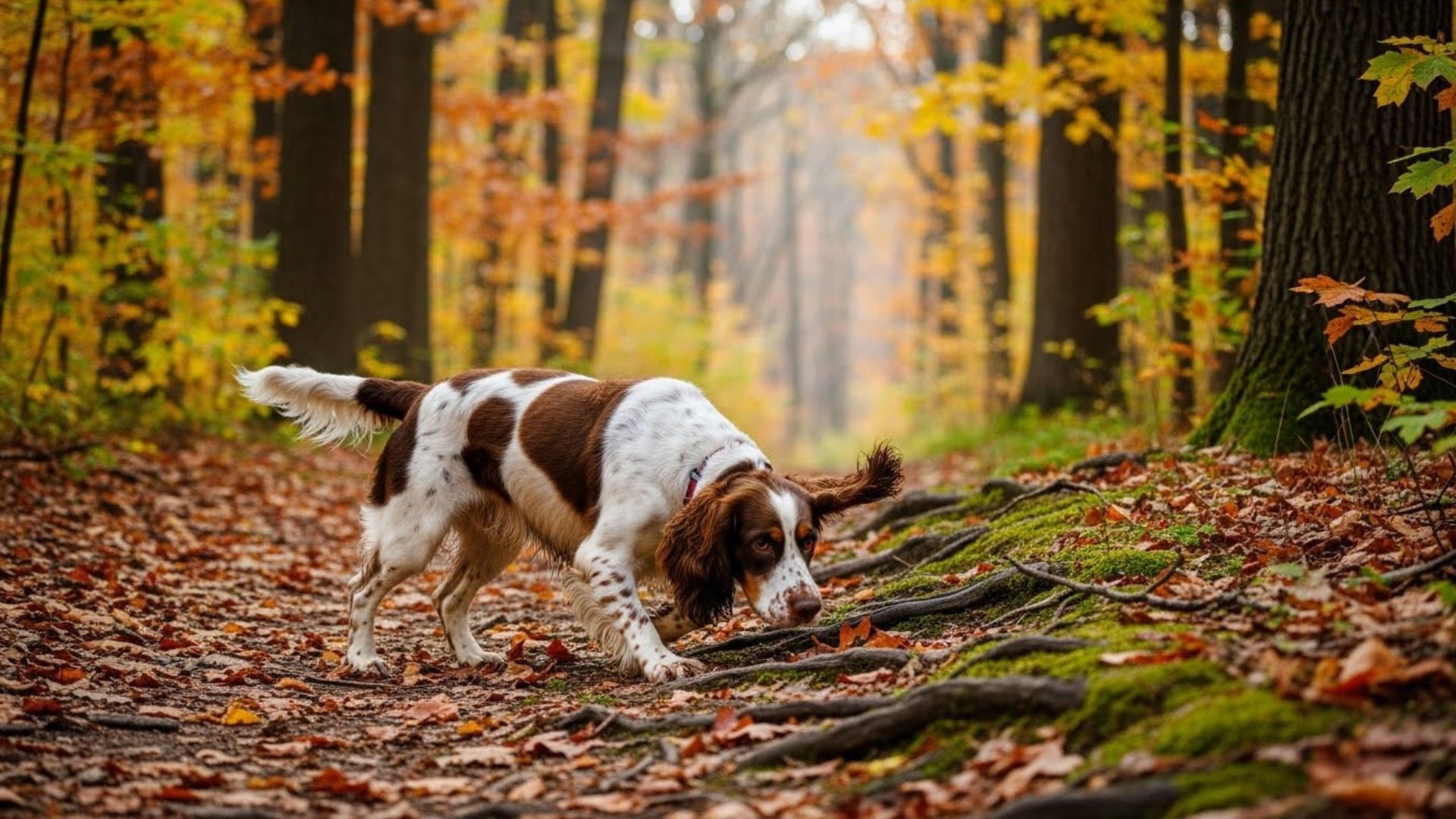
For thousands of years, humans have relied on dogs as partners in the hunt, forming one of the most enduring and powerful collaborations in history. These remarkable animals have sharpened our senses, supported our survival, and helped shape the bond that still defines our relationship today.
Their ability to read human cues, track subtle scents, and work tirelessly alongside us is more than instinct—it’s a shared legacy built over millennia.
Trail-tracking dogs, in particular, highlight the very best of this ancient partnership. With exceptional noses, sharp focus, and a natural drive to work, they navigate forests, fields, and rugged terrain with unmatched precision.
Whether following the faintest scent trail, flushing game from cover, or tirelessly signaling the presence of hidden prey, these dogs bring a level of skill and passion that hunters have depended on for generations.
In this guide, we explore the most capable breeds for trail tracking—dogs known for their stamina, intelligence, and unwavering determination.
Best Hunting Dog Breeds for Trail Tracking
1. German Wirehaired Pointer
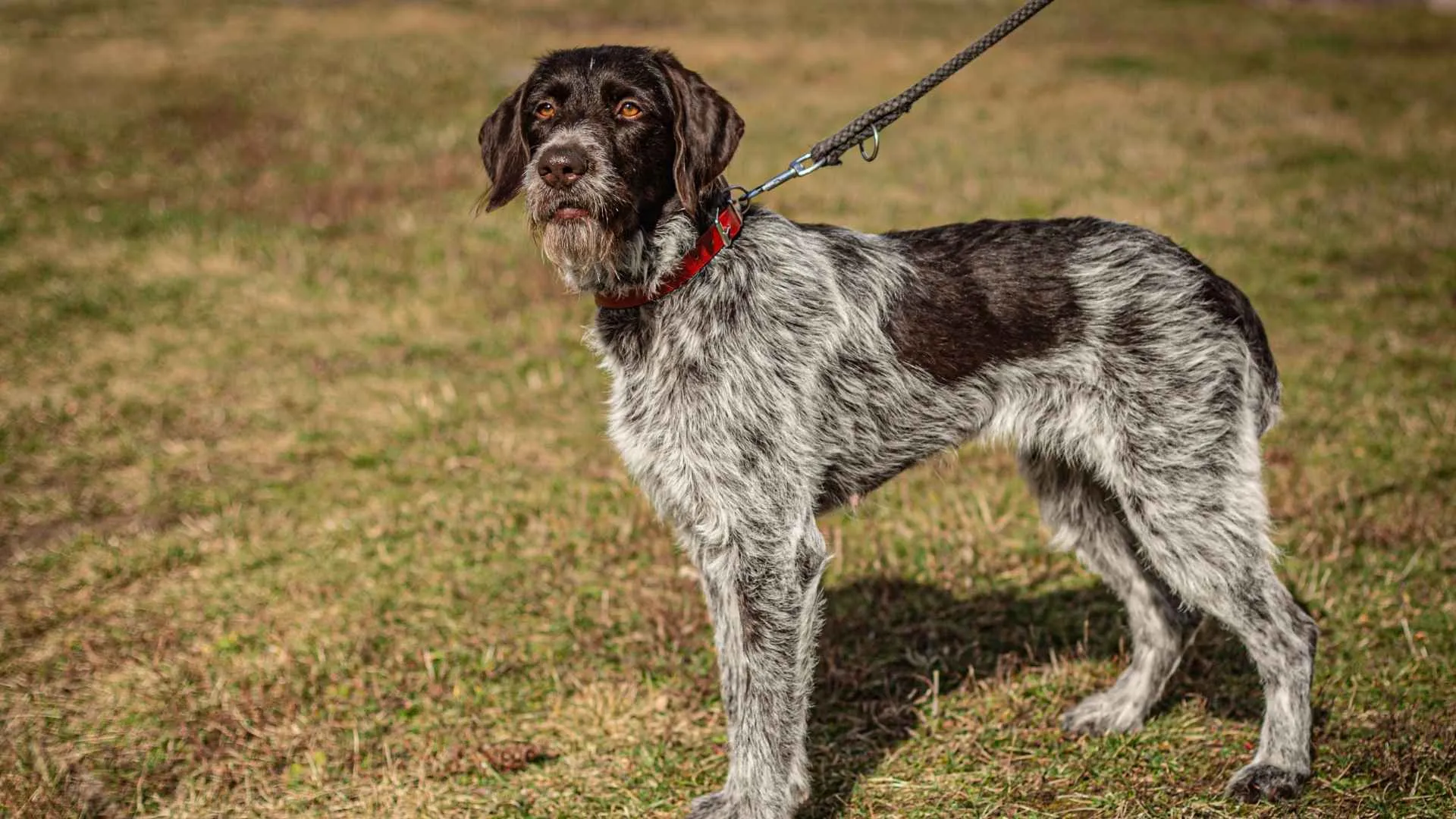
The German Wirehaired Pointer—also known as the GWP or Deutsch Drahthaar in its European form—is a rugged, medium-sized hunter built for grit and versatility.
The AKC states that the German Wirehaired Pointer, known for its durable, weather-resistant coat and enthusiastic work ethic, is a versatile and sturdy gundog that thrives on active outdoor pursuits.
For tracking, the GWP’s wiry coat acts like natural armor, allowing it to push through dense cover, thorny brush, and wet terrain without slowing down. Its ability to work upland birds, retrieve waterfowl, and follow wounded game showcases the versatility that defines an exceptional trail-tracking dog.
This breed’s strong prey drive and dependable nose allow it to follow complex scent trails, whether airborne or ground-based. GWPs are also known for their endurance, making them reliable partners on long hunts that demand focus and stamina.
Purpose-bred to track, point, retrieve, and even guard, the German Wirehaired Pointer excels when paired with an owner who appreciates its drive and willingness to take on demanding hunting tasks.
Fun fact: Early breeders intentionally crossed griffons, hounds, poodles, and shorthairs to create this multifunctional tracking dog.
2. English Springer Spaniel
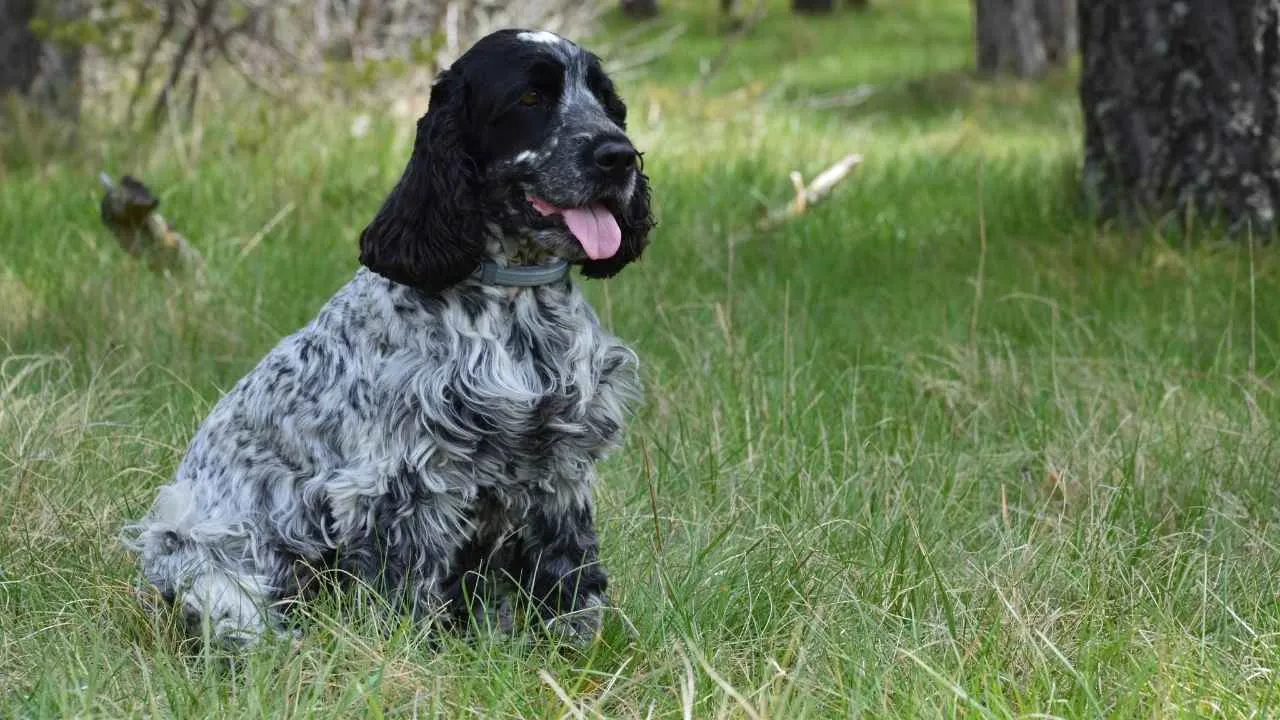
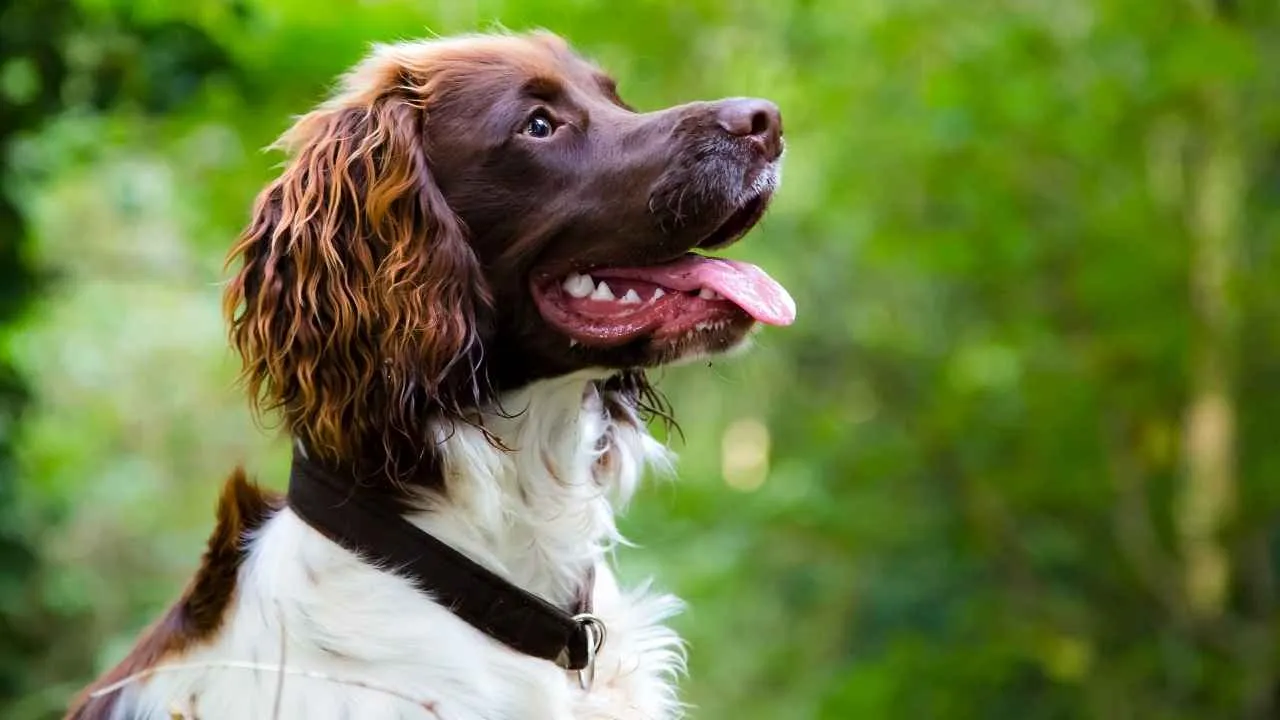
The English Springer Spaniel—also known simply as the Springer—is a cheerful, athletic gundog prized for its versatility in the field. PetMD notes that the term “springer” for the English Springer Spaniel was first introduced in 1902.
Traditionally used to flush and retrieve game, this medium-sized breed combines beauty, intelligence, and boundless enthusiasm, making it a favorite among hunters across the country.
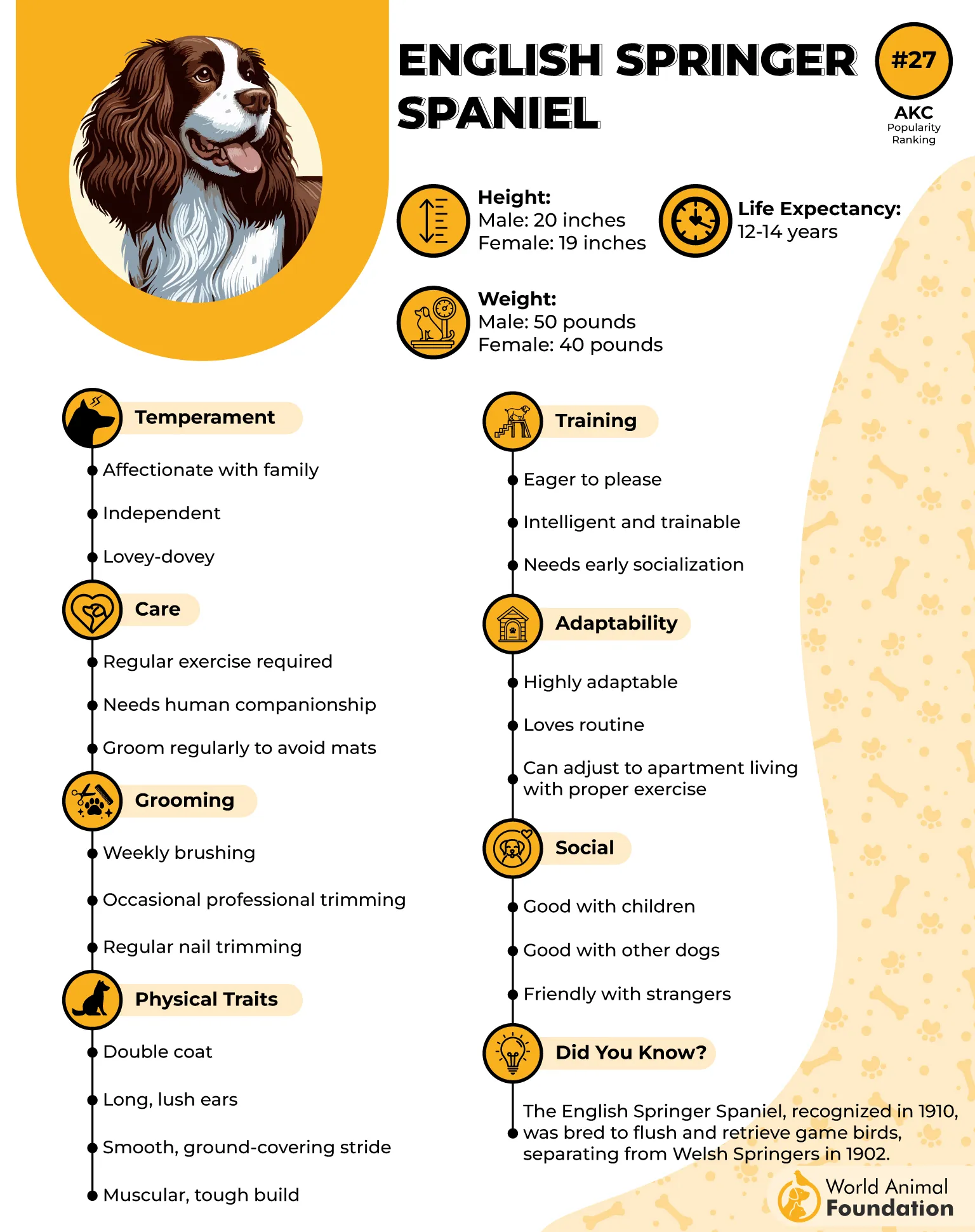
For trail tracking, Springers shine thanks to their sharp noses and tireless work ethic. Their natural ability to stay focused on scent, paired with impressive stamina, allows them to navigate dense cover while keeping pace with fast-moving quarry. Hunters value their eagerness to please, which makes structured training sessions both productive and enjoyable.
Their weather-resistant, feathered coat not only adds to their elegant appearance but also protects them during long days outdoors. And while they’re energetic on the hunt, Springers are affectionate, people-oriented dogs at home, making them reliable companions for active families who enjoy time in the field.
With a lifespan of 12–14 years and a history rooted in gundog traditions, the English Springer Spaniel remains one of the most trusted and enthusiastic partners for flushing and tracking game.
3. Irish Water Spaniel
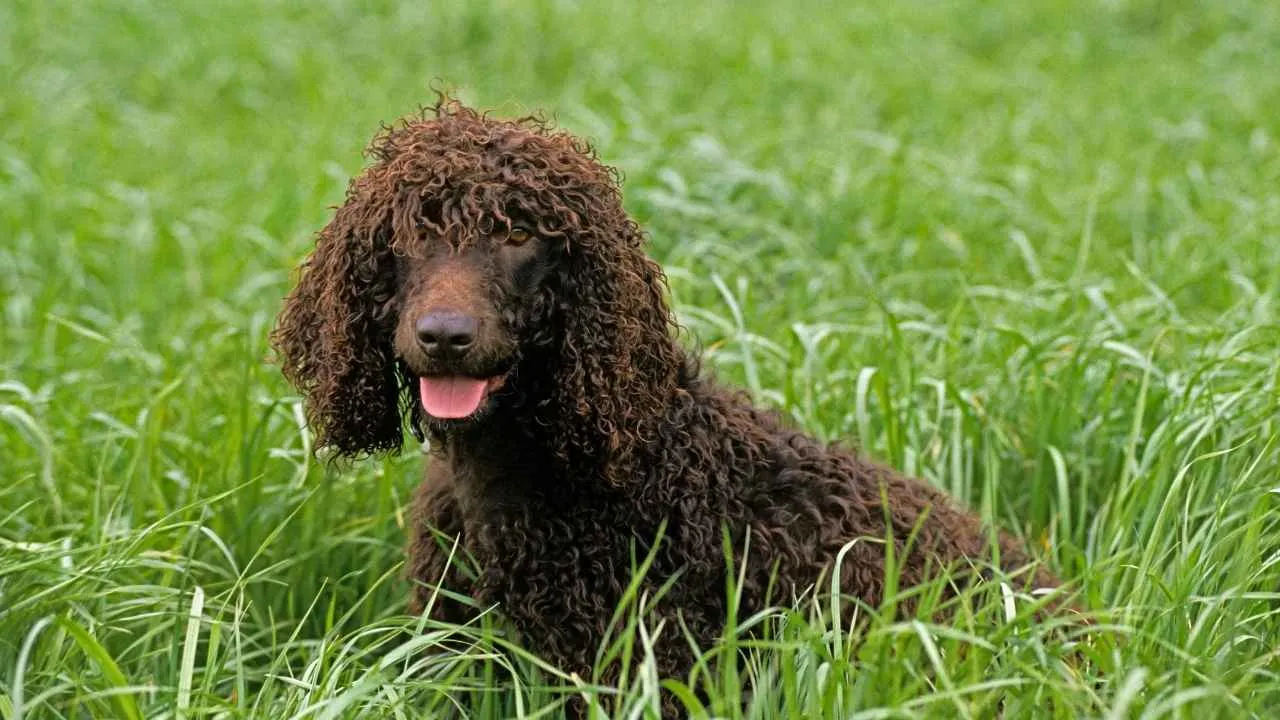
The Irish Water Spaniel—often called the “Whiptail” for its smooth, tapering tail—is the tallest of the spaniel breeds and instantly recognizable by its tight curls and domed head.
WebMD states that Irish Water Spaniels are playful dogs and make an excellent choice for families. Originally developed as a versatile gundog, this rare breed combines power, intelligence, and an eager work ethic, making it a standout in both field and water environments.
For hunters seeking a dog with remarkable tracking ability, this spaniel excels at covering ground while staying within range, flushing birds from dense cover with confidence. Its exceptional nose makes it a reliable partner for locating upland game, while its steady temperament allows it to work calmly beside a handler.
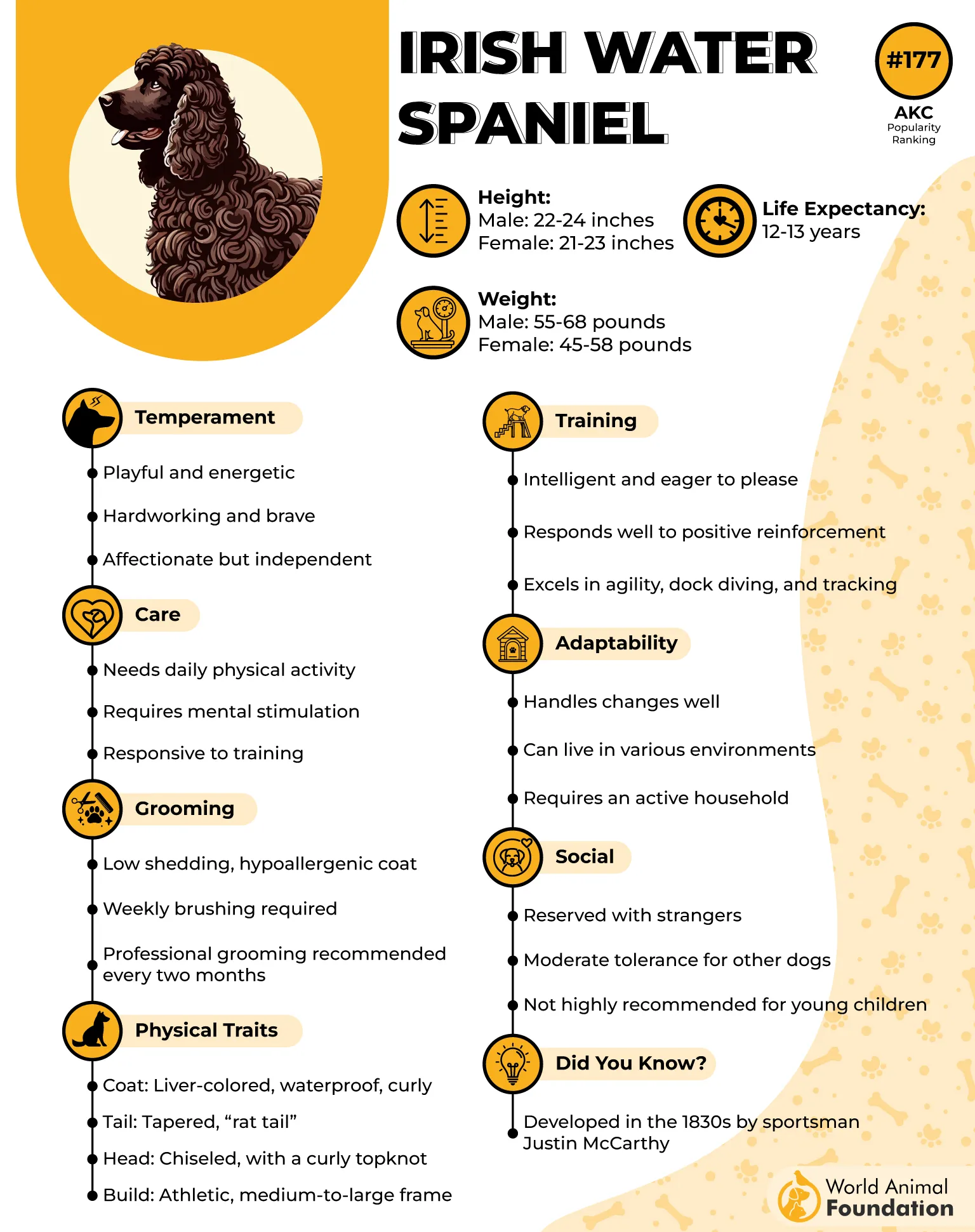
As a tracking and trailing companion, the Irish Water Spaniel shines in wet, rugged terrain thanks to its naturally water-repellent coat. Its athleticism and willingness to retrieve across long distances further enhance its usefulness during demanding hunts.
This breed’s curiosity and clownish charm bring levity to long hunting days, yet it remains focused and determined when following scent trails.
Fun fact: The Irish Water Spaniel is still one of the rarest breeds recognized by the American Kennel Club.
4. Boykin Spaniel
The Boykin Spaniel—often called the “little brown dog” of South Carolina—originated in the early 20th century as a blend of American Water Spaniels, Pointers, and Retrievers.
Compact, energetic, and eager to work, this breed was designed to excel in marshes, fields, and tight hunting environments where larger dogs may struggle.
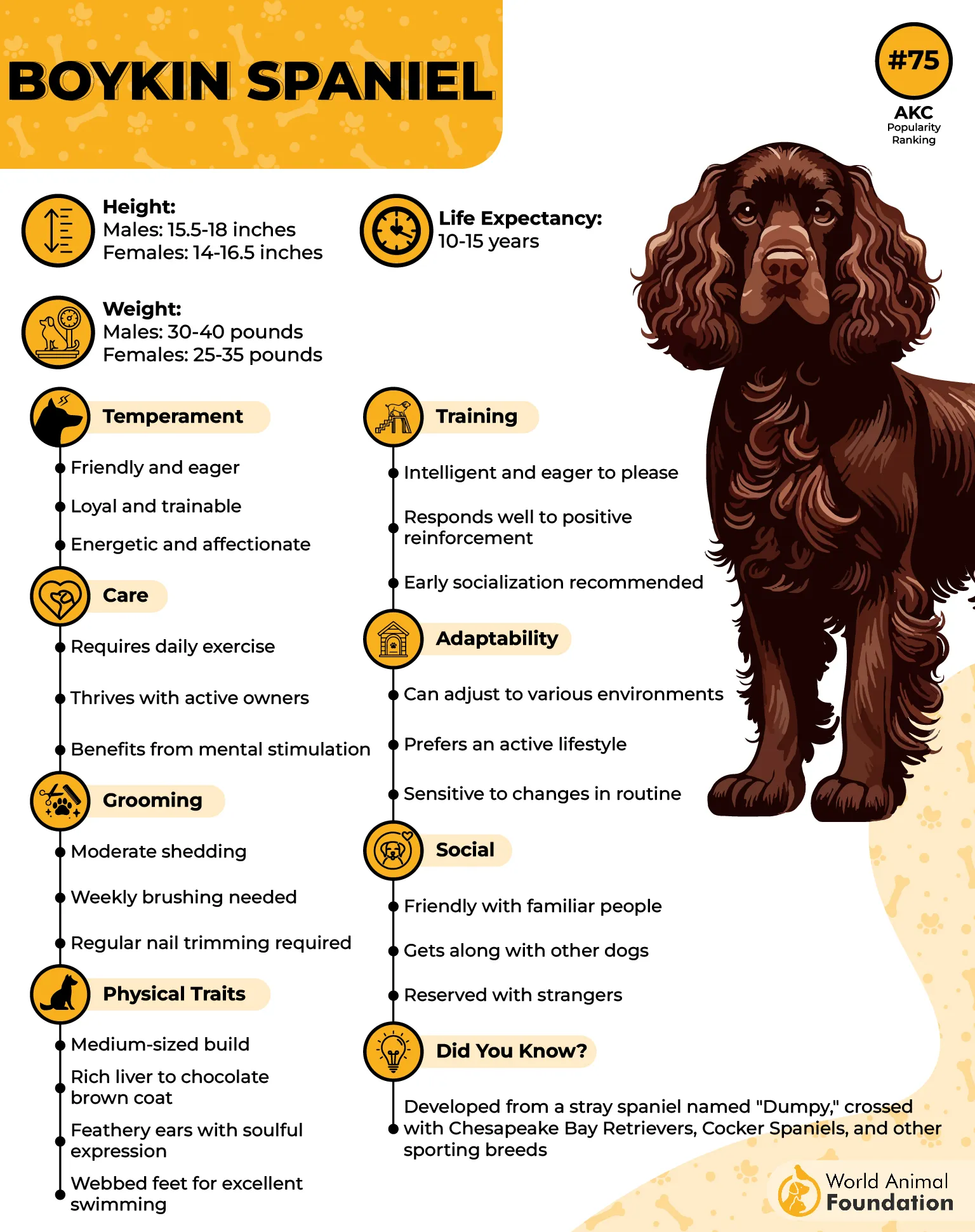
Boykins bring exceptional drive and focus. Their ability to follow upland game birds such as grouse, quail, and pheasants makes them a reliable choice for hunters needing a versatile sporting partner. Their smaller size also allows them to maneuver through dense cover while staying close to the scent line.
These athletic dogs thrive on activity and require ample exercise to keep their minds sharp and instincts honed. Their stamina, even in warmer climates, makes them ideal for long days on the trail. With proper conditioning, they handle both flushing and retrieval tasks confidently.
Despite their field talent, Boykins transition easily into family life, offering a friendly temperament and a strong desire to please. Their medium-length coat needs weekly brushing to stay neat—an easy trade-off for a dog originally prized for handling ground trails from boats and brush with equal skill.
5. Labrador Retriever
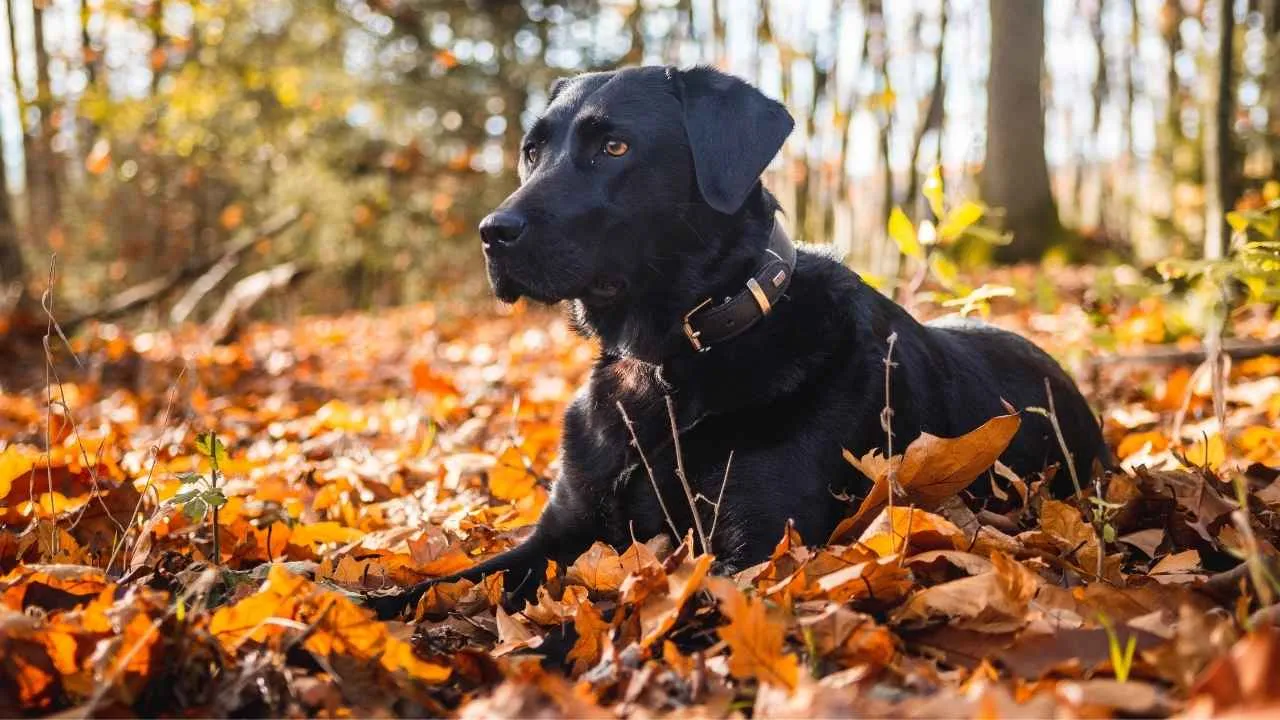
The Labrador Retriever—often simply called the Lab—is a versatile sporting breed known for its sturdy build, dense double coat, and dependable temperament.
Originally developed in Newfoundland and later refined for work in the field, Labs are recognized for their intelligence, enthusiasm, and natural retrieving instincts.
Labradors excel thanks to their strong noses and ability to work confidently on land and in water. Their short, water-resistant coat keeps them protected in wet and cold conditions, making them reliable partners for retrieving game in challenging environments.
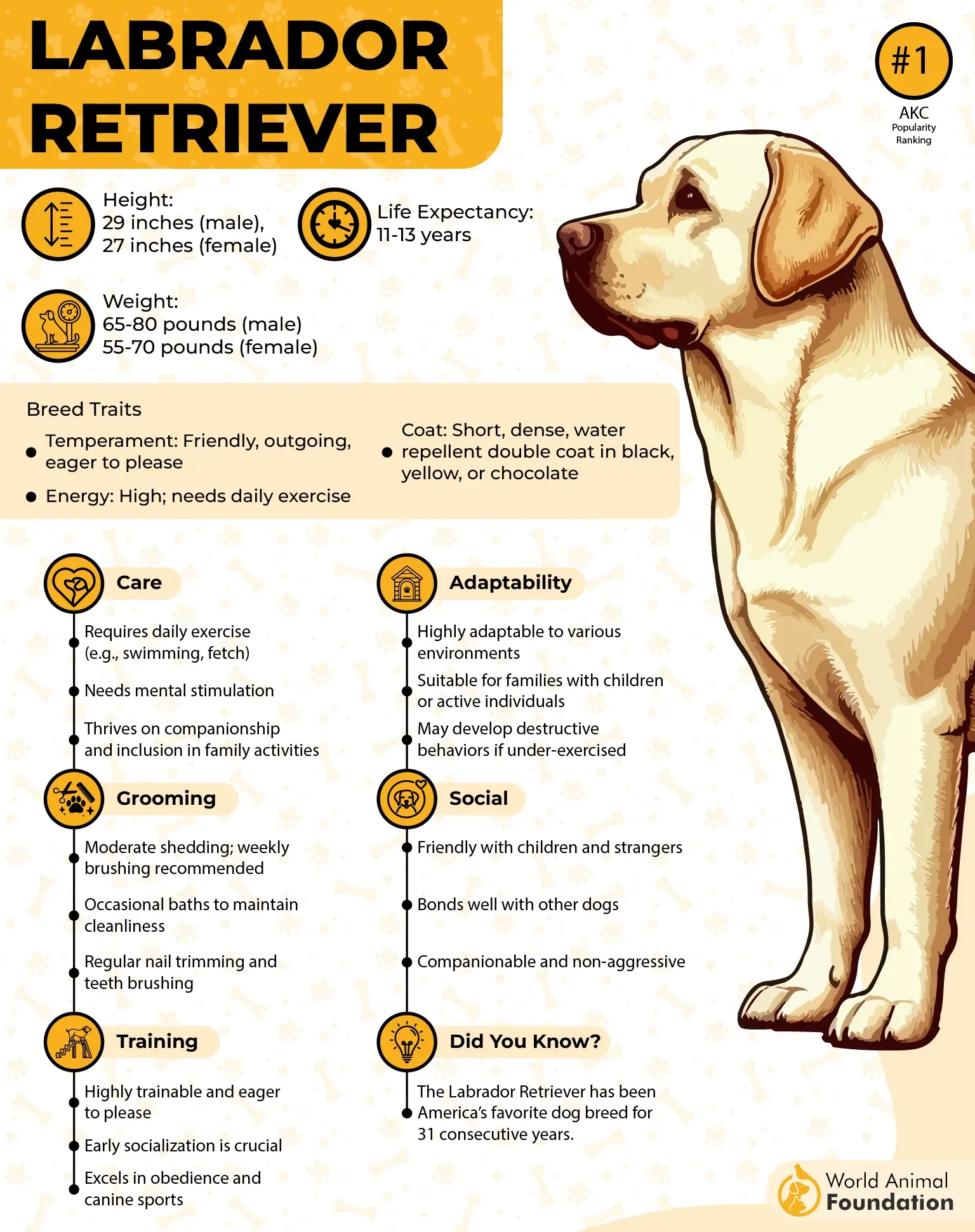
Their eagerness to please also makes them highly trainable, allowing hunters to develop advanced tracking and retrieving skills with consistency and positive reinforcement. With high endurance and a keen drive, Labs are well-suited for long days in the field following scent trails or recovering downed birds.
Outside of hunting, their friendly nature and steady disposition make them wonderful companions at home, easily transitioning from hardworking field dogs to gentle family pets.
Fun fact: The Lab’s signature “otter tail” and waterproof coat are distinctive features recognized in major kennel standards.
6. Treeing Walker Coonhound
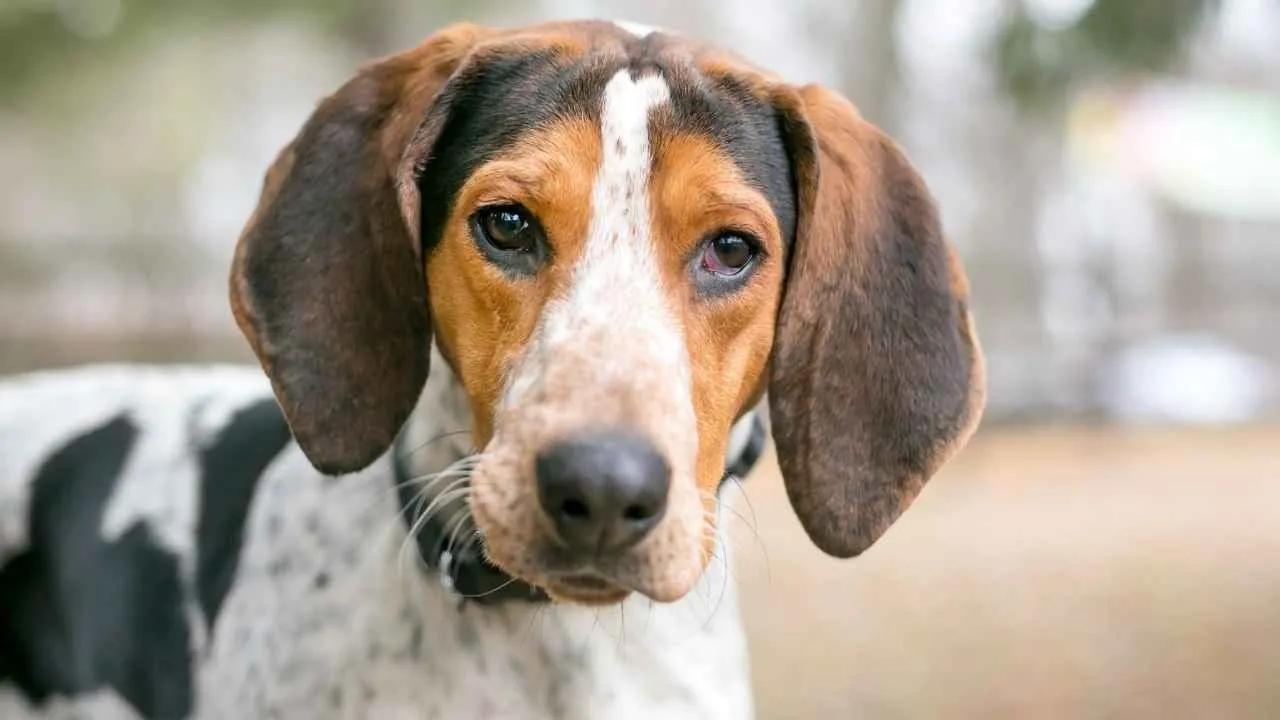
The Treeing Walker Coonhound—often called the Walker or TWC—is a powerful, agile scent hound known for its tri-color coat, long ears, and unmistakable voice.
Descended from early English Foxhounds and refined in America, this breed was developed for tireless pursuit through dense forests and rugged terrain.
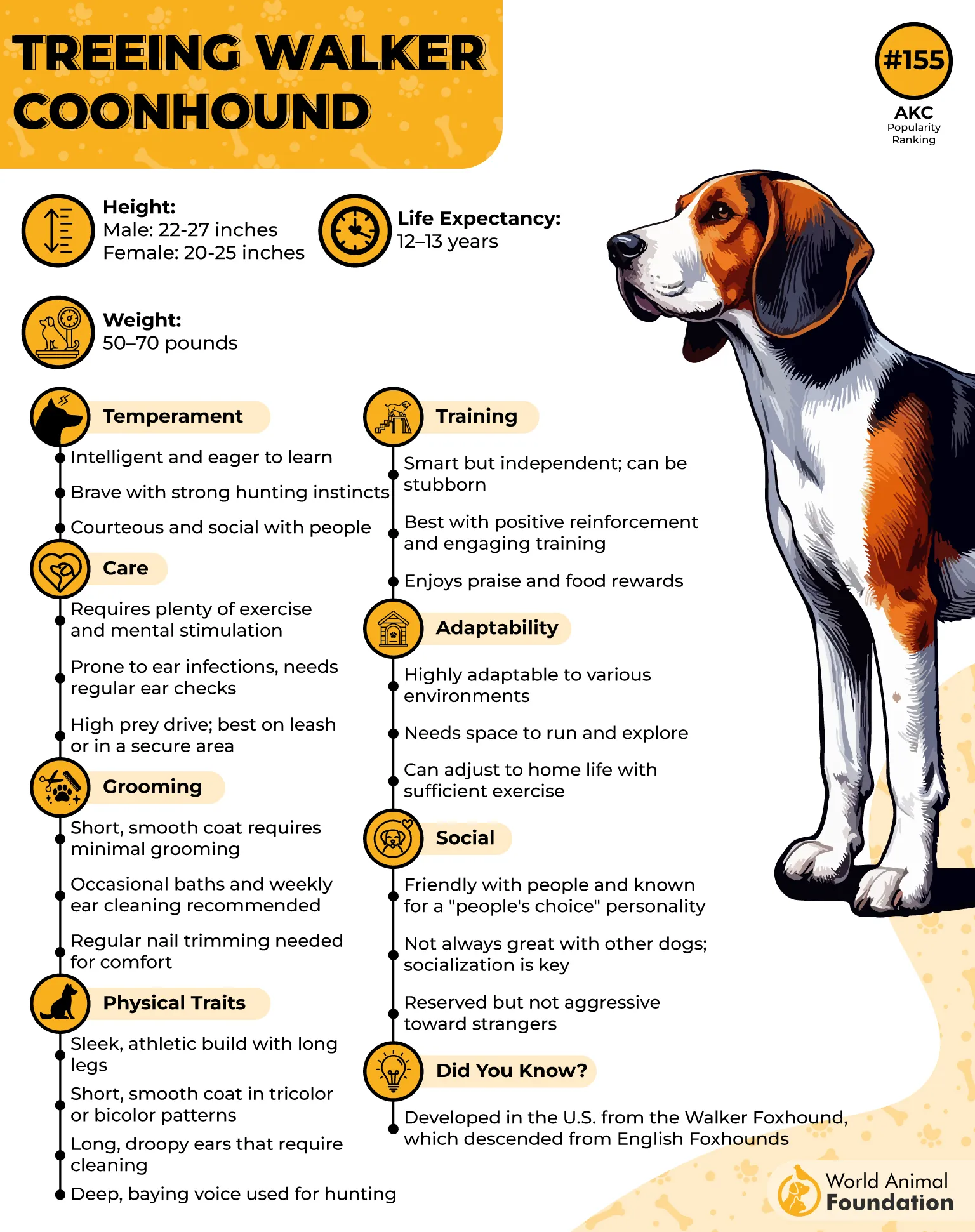
For hunters seeking a dog that excels in long tracking sessions, Walkers are exceptional. Their sharp sense of smell and quick speed allow them to trail game efficiently, making them ideal for challenging environments where endurance is essential. As trail specialists, they confidently navigate briars, steep slopes, and thick brush without hesitation.
Treeing Walker Coonhounds also thrive in active working households where daily physical and mental engagement is a priority. Their stamina and determination make them especially suited for hunters who spend long days in the field or require a dog that can chase quarry up trees and hold position until help arrives.
At home, TWCs balance their intense work ethic with a laid-back, affectionate nature—though their signature bark remains part of the package.
Fun fact: This breed was not officially recognized by the American Kennel Club until 2012, despite being a longtime favorite among raccoon hunters.
7. Pharaoh Hound
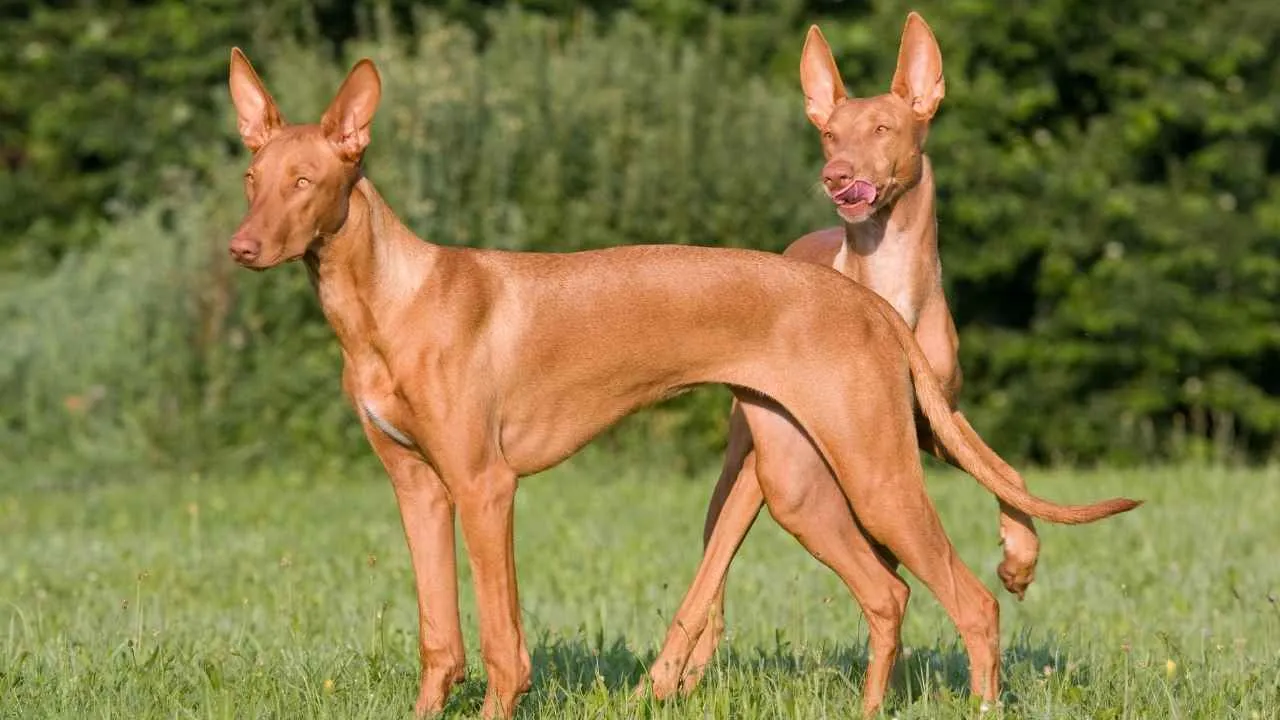
Also known as the national dog of Malta, the Pharaoh Hound is a sleek, agile sighthound famed for its speed and sharp instincts. This medium-sized hunter blends power, elegance, and keen awareness, making it an excellent partner for tracking fast-moving game in open terrain.
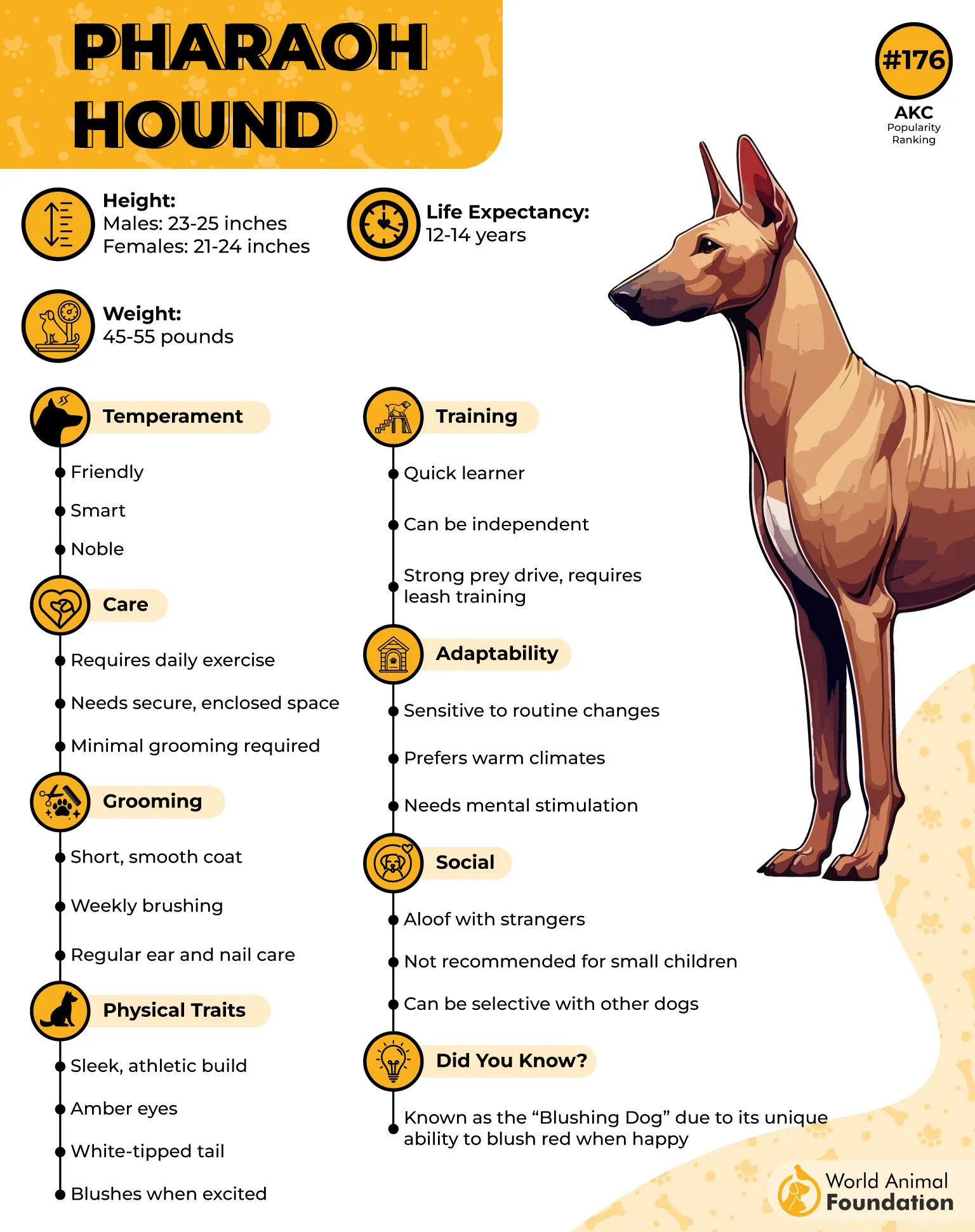
Because they rely heavily on sight, sound, and scent, Pharaoh Hounds excel at trailing and pursuing small game. Their upright ears, finely sculpted head, and effortless stride help them detect and follow movement with precision—traits invaluable for hunters seeking a swift, responsive tracking dog.
Training a Pharaoh Hound requires creativity and patience, as this breed is highly intelligent yet independent. Turning lessons into games and using rewards such as treats or toys keeps them engaged and strengthens recall—an essential skill for a dog with a strong prey drive.
Early training should emphasize impulse control and reliable recall, especially since these hounds will chase almost anything that catches their eye. With consistent, positive reinforcement, they can become focused and trustworthy partners on the trail.
Fun fact: Pharaoh Hounds traditionally hunted alongside ferrets to help corner rabbits.
8. Norwegian Elkhound
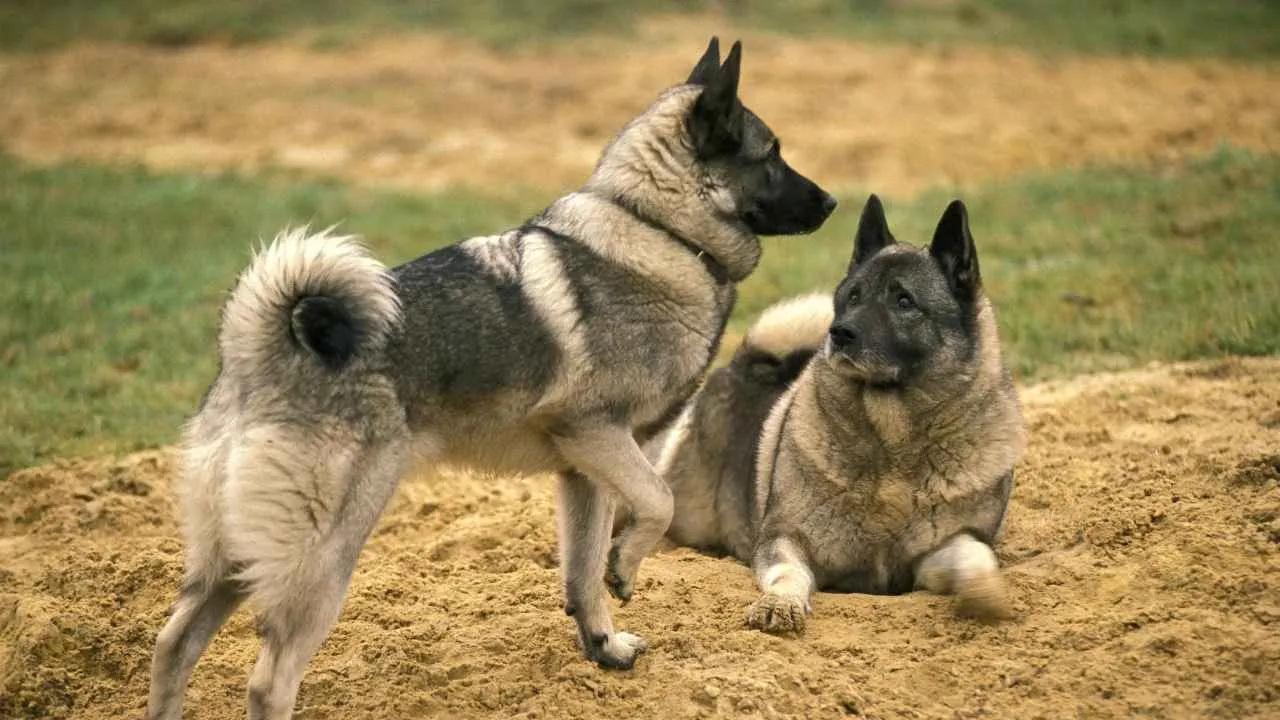
The Norwegian Elkhound—also called the Norsk Elghund—is an ancient hunting breed known for its rugged build, wolf-like features, and remarkable endurance.
Its sharp nose and bold temperament make it exceptionally suited for trail tracking, especially when navigating rocky ground or dense forests. Because this breed naturally follows scent with determination, handlers must stay attentive to avoid losing control of the chase.
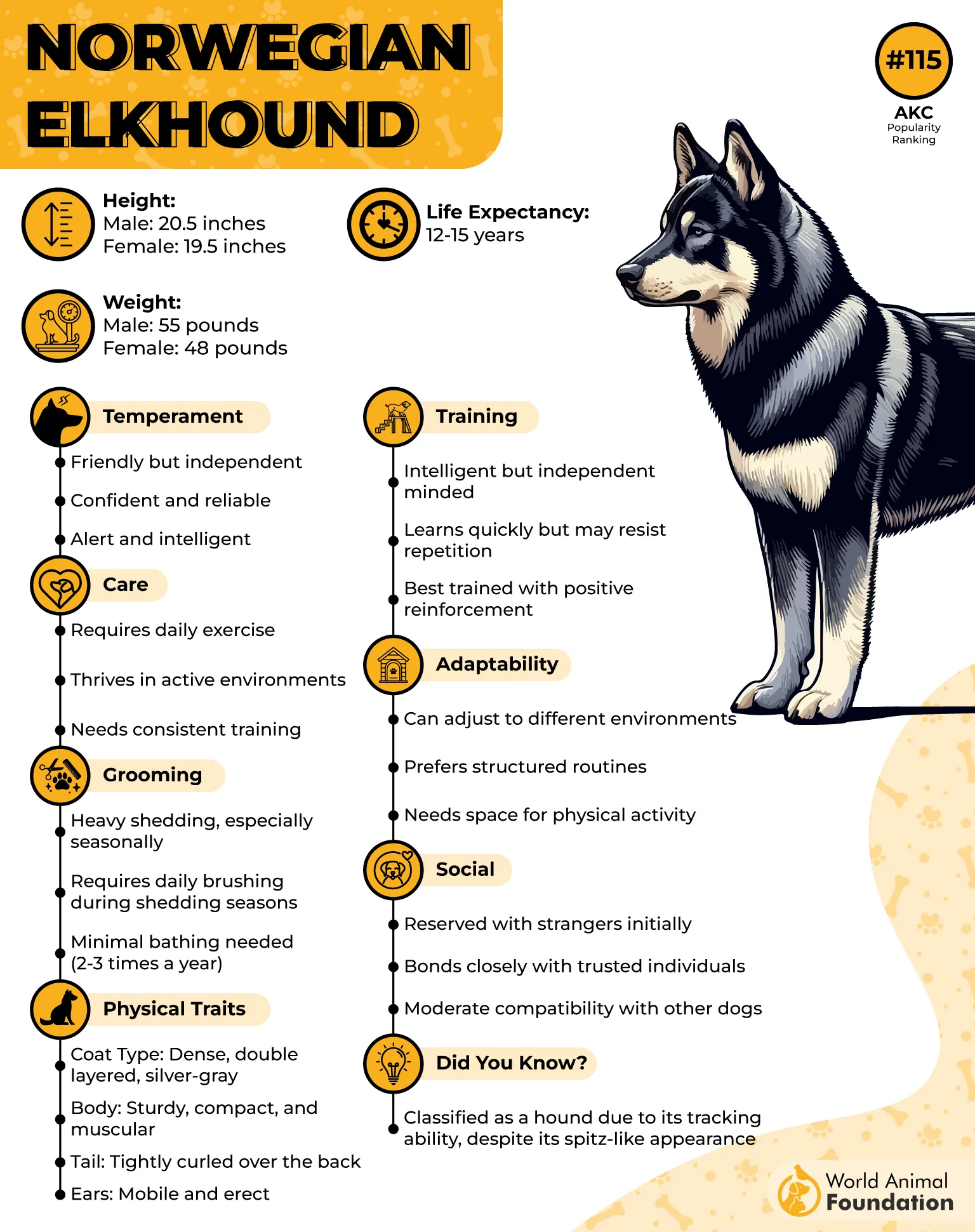
As a high-energy working dog, the Norwegian Elkhound needs structured training and plenty of physical and mental outlets. One common mistake is underestimating their drive—without consistent guidance, they may wander, overwork themselves, or ignore commands in pursuit of a trail.
Another frequent error is expecting young puppies to perform like adult tracking dogs. Because their developing joints are vulnerable, training sessions should focus on controlled play rather than long, strenuous tracking exercises until they mature. Interestingly, this breed has been used for centuries to locate and hold moose at bay until hunters could arrive.
9. Karelian Bear Dog
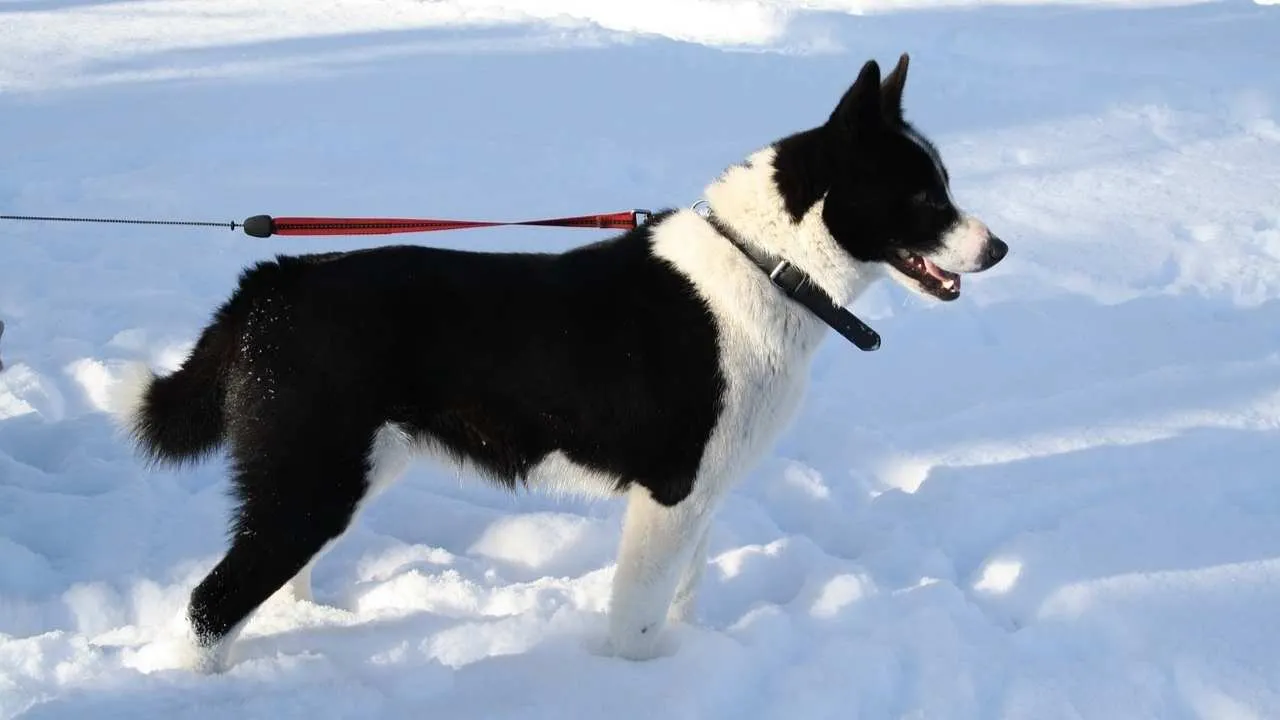
The Karelian Bear Dog—also known simply as the KBD—is a medium-sized spitz breed built for rugged work and stealthy hunting. Known for its bold nature and primitive instincts, this dog was historically valued for its ability to confront large predators with confidence and precision.
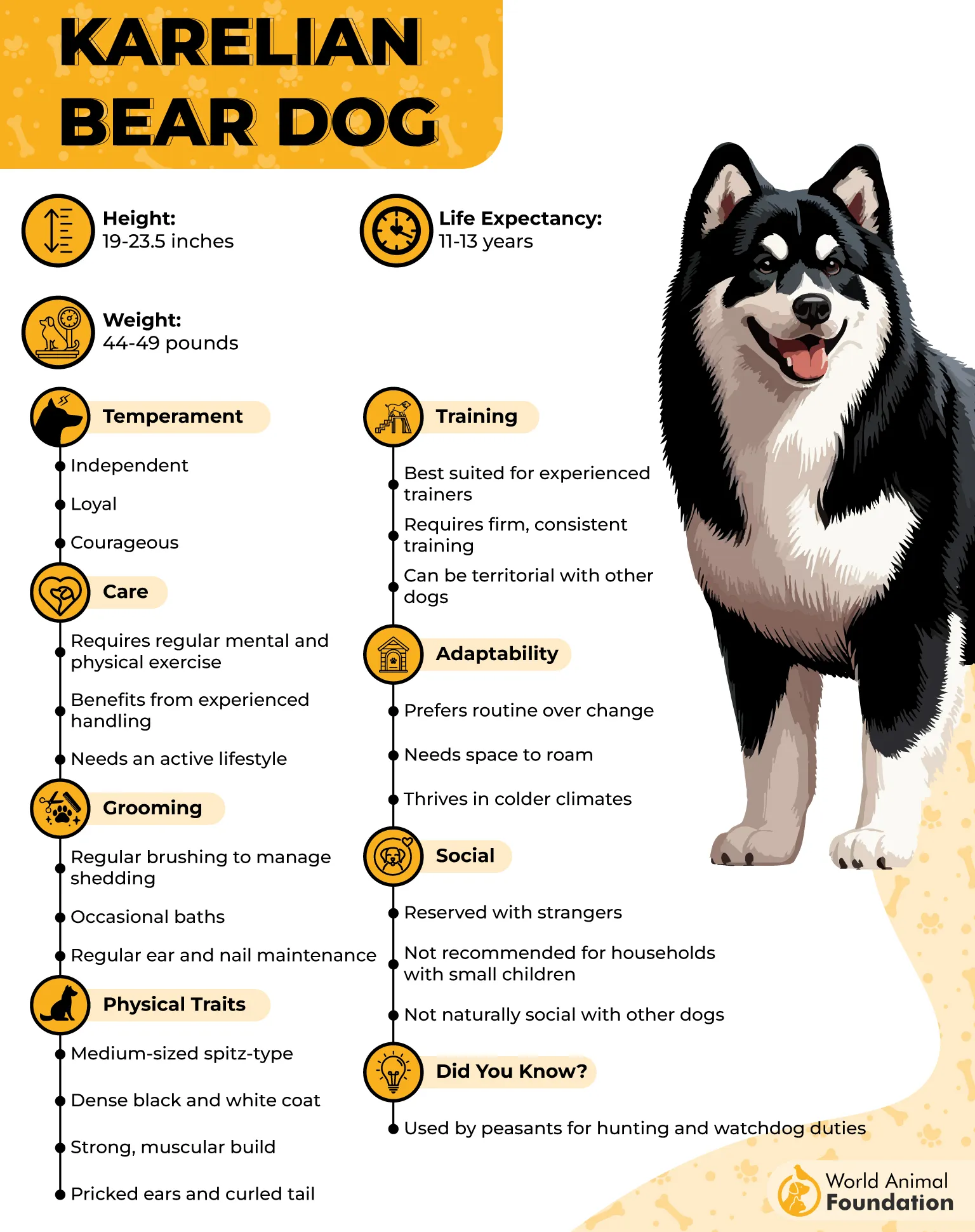
For hunters seeking a trail-tracking companion capable of handling formidable game, this breed offers exceptional courage and focus. Its silent pursuit style allows it to follow tracks undetected, barking only when prey is located—an advantage for those who prefer a controlled, efficient hunting style.
Because they work independently and think for themselves, Karelian Bear Dogs fit best with hunters who want a partner that can track confidently without constant direction. Their stamina and resilience make them especially suited for harsh climates and demanding terrain found in backcountry hunts.
Proper socialization and consistent training are essential, as their strong instincts and wariness of strangers require a knowledgeable handler.
Fact: This breed was originally developed to hunt large predators such as bears and cougars, a role it still performs with remarkable skill.
Conclusion
Choosing among the best hunting dog breeds for trail tracking ultimately comes down to understanding how each breed’s instincts, stamina, and scenting ability enhance your time in the field.
Whether you need a partner for deer hunting, a dog skilled at tracking wounded game, or a versatile helper that can hunt birds, the right match can transform every hunting trip into a more successful and rewarding experience.
Breeds known for blood tracking, pursuing big game, or assisting with recovering wounded game excel when paired with proper training and an environment that nurtures their natural abilities.
Many trail-tracking breeds also shine at home. From the dependable Black Mouth Cur to the adaptable Catahoula Leopard Dog, these dogs often double as a great family dog and loyal protector.
Even classic bird dogs and multipurpose breeds like the German Shorthaired Pointer or Golden Retriever make wonderful, loyal companions, capable of balancing work with affection.
Whether you’re pursuing wild boar, trailing wounded animals, or managing small animals on your land, each breed characteristic plays a vital role. With commitment and the right guidance, your tracking partner will enrich both the hunt and your life beyond the field.
