




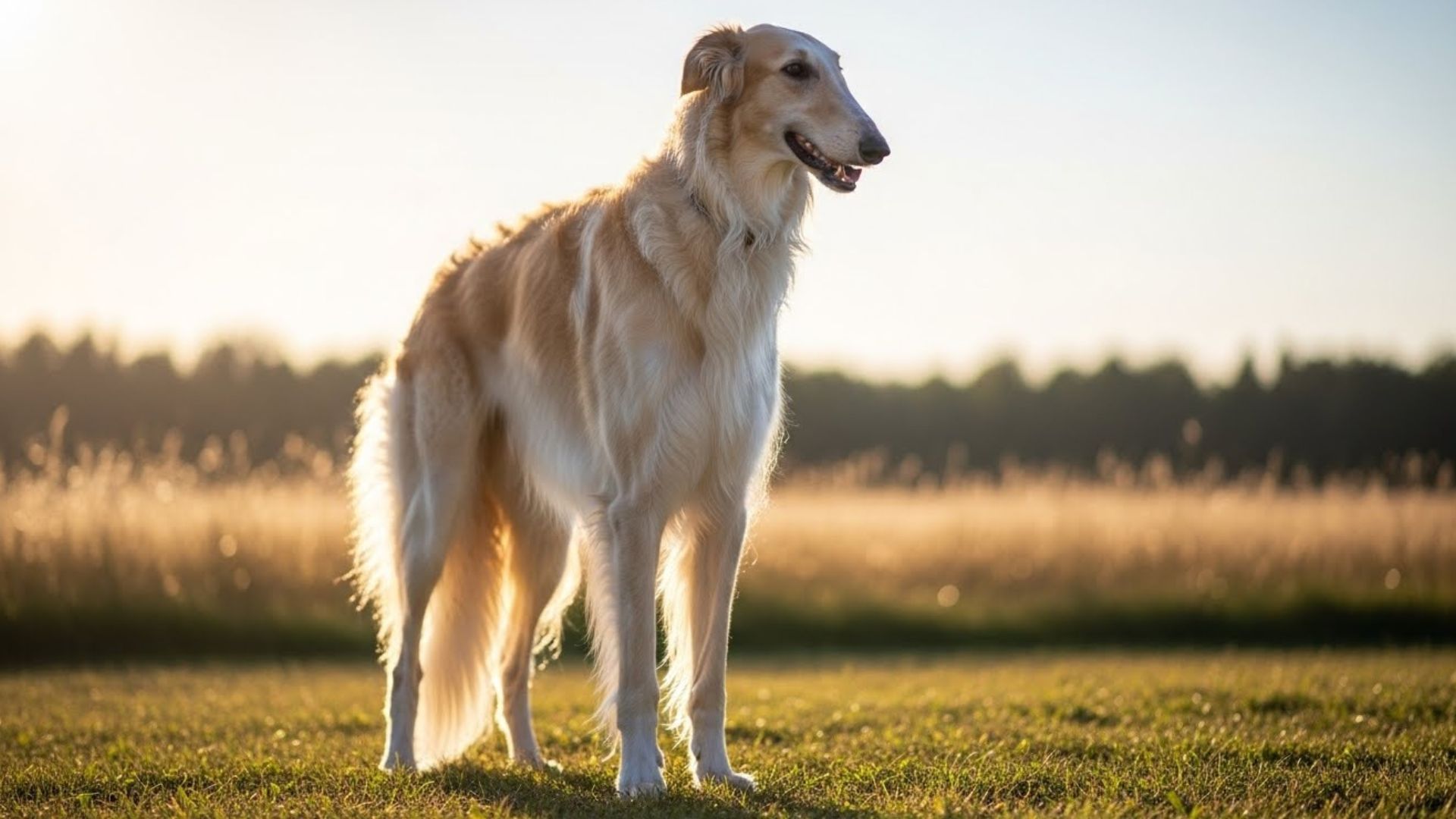
At first glance, a long-nosed dog might appear delicate, as if its narrow features speak only of refinement. Yet the truth is the opposite.
The length of the nose supports strength, endurance, and a remarkable scent-processing ability. The shape that looks elegant also helps regulate airflow during intense activity and steadies breathing during extended movement. It becomes clear that the nose is not just an aesthetic hallmark but a powerful functional design.
Long-nosed dogs often carry a calm sharpness in their expression, the kind that reflects alert scent perception and steady awareness. Their faces tell a story of purpose, shaped by centuries of natural need rather than modern preference. The contrast between appearance and capability is what makes them so intriguing.
Continue deeper into this article to discover how this structure developed, what advantages it creates, and why long-nosed dogs remain a category defined by both beauty and ability.
Key Takeaways
Elegance and function meet in dogs with long noses, each breed crafted for precision and endurance.
Borzois and Greyhounds carry their calm awareness from home to open space, their muzzles aiding sight and scent alike.
Salukis and Afghan Hounds respond instantly to movement, while Whippets and Ibizan Hounds combine speed, focus, and curiosity.
Dobermans add intelligence and protective instincts, proving these long-snouted breeds are as capable as they are captivating.
Dog Breeds Known for Long Noses
1. Borzoi
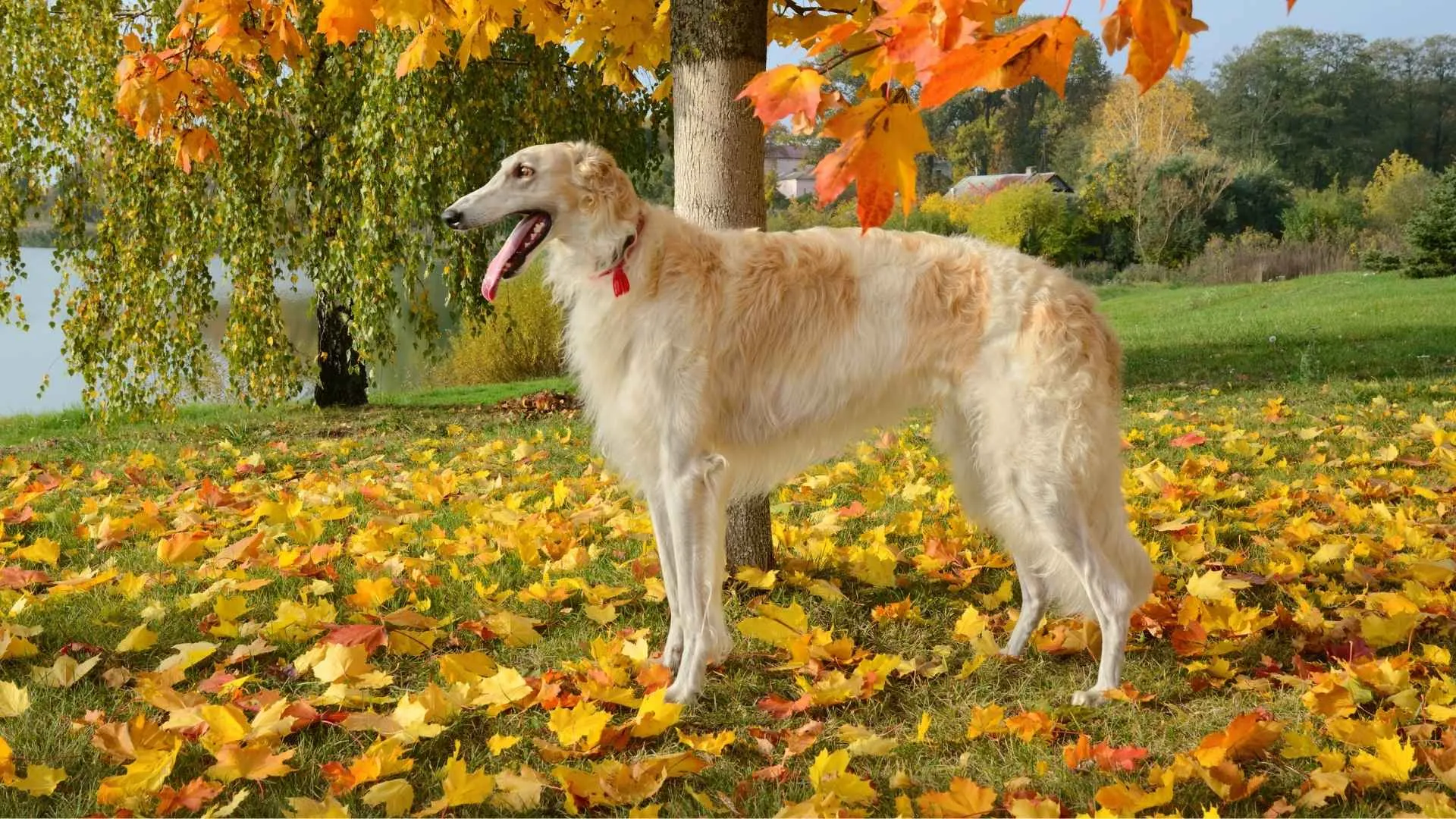
Their relaxed nature is often the first thing people notice, and this stillness highlights the long, narrow muzzle that defines the breed. The Borzoi’s famous nose can reach impressive lengths, with one well-documented dog measuring over twelve inches.
A Nose Built for Precision Shape
Their elongated face is not just for looks, since it supports a spacious nasal cavity and refined visual alignment. This structure has long fascinated breed enthusiasts who value the blend of grace and function.
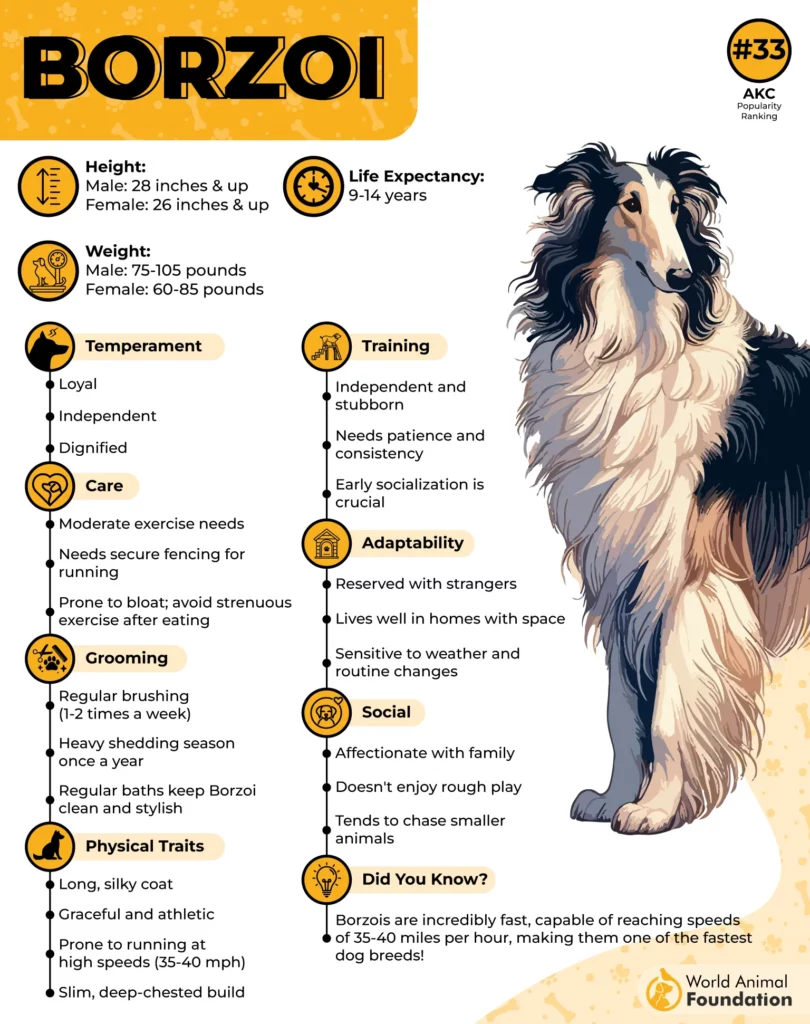
A closer look helps explain why they hold a strong place among long-nosed breeds:
A streamlined skull that keeps the muzzle narrow
A surprising sensitivity to distant movement
An ability to fix attention on targets across open space
Quiet Indoors, Fast Outdoors
Most Borzoi settle easily at home, often stretching out like a curtain of silk on the nearest couch. Their speed shows itself only in quick bursts outside, where that long nose and sharp eyesight work together. A yard with secure boundaries is important because their chase instinct reacts faster than most people expect.
2. Greyhound
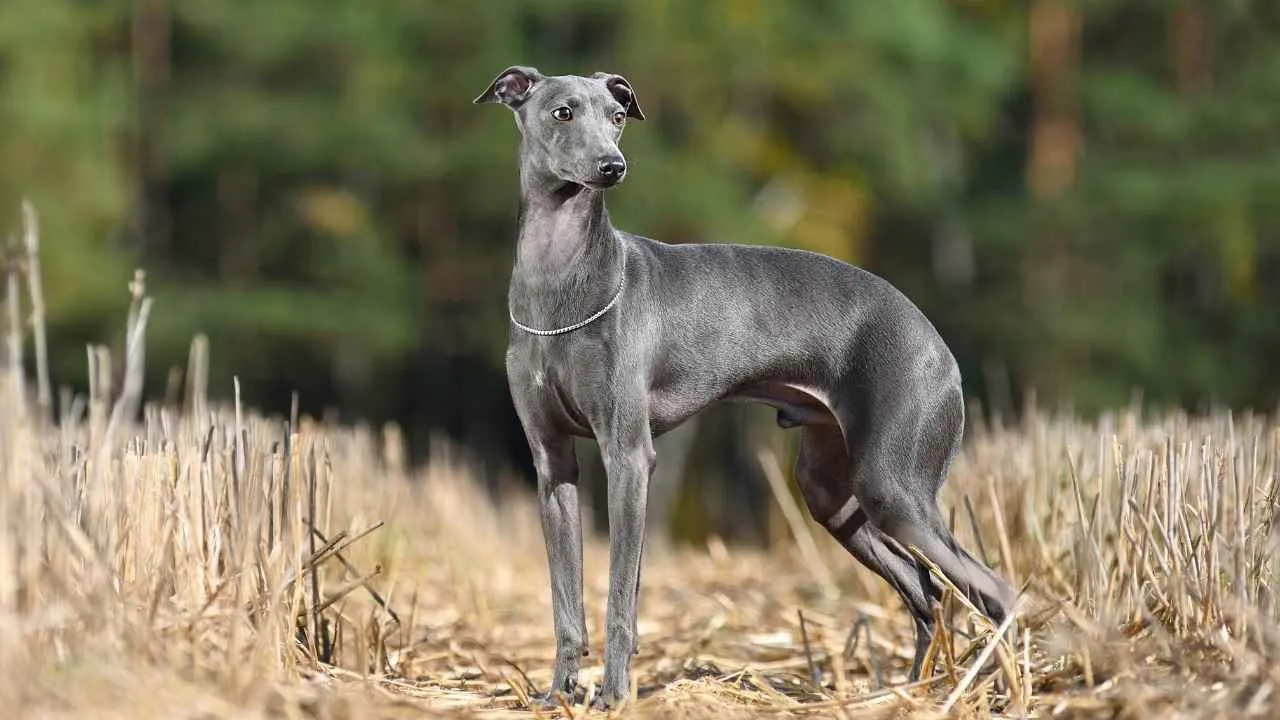
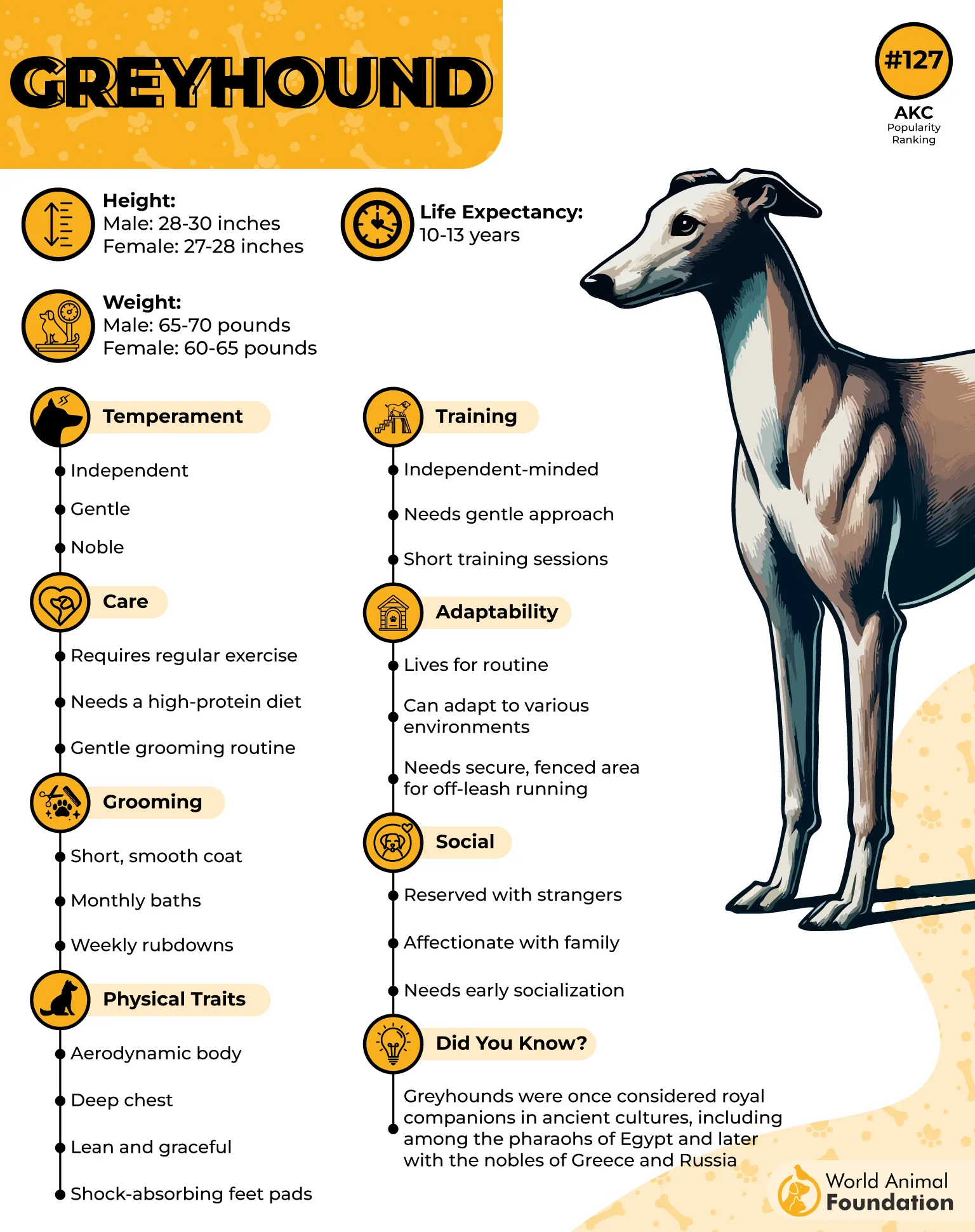
Their long, narrow face shows how well this breed is shaped for clean airflow during fast runs, giving the Greyhound its famous efficiency. Even with that athletic frame, they settle indoors with surprising ease and spend long stretches resting, as the AKC claims.
Calm Precision in a Lean Body
Their gentle nature makes them easy to guide, especially when you create predictable routines. The long nose also aids their quick scan of the environment, helping them respond with clarity instead of tension.
The following are the reasons why this breed stands out:
A natural ability to move quietly without stress
A long muzzle that supports their racing heritage
A steady response to structured guidance
Instincts That Need Managed Freedom
Their chase drive is a well-known trait, so unfenced areas require caution to prevent them from bolting after movement. Because of this instinct, early introductions to smaller pets matter for safe interactions. Their long nose also sharpens how they process scent during these quick reactions.
3. Saluki
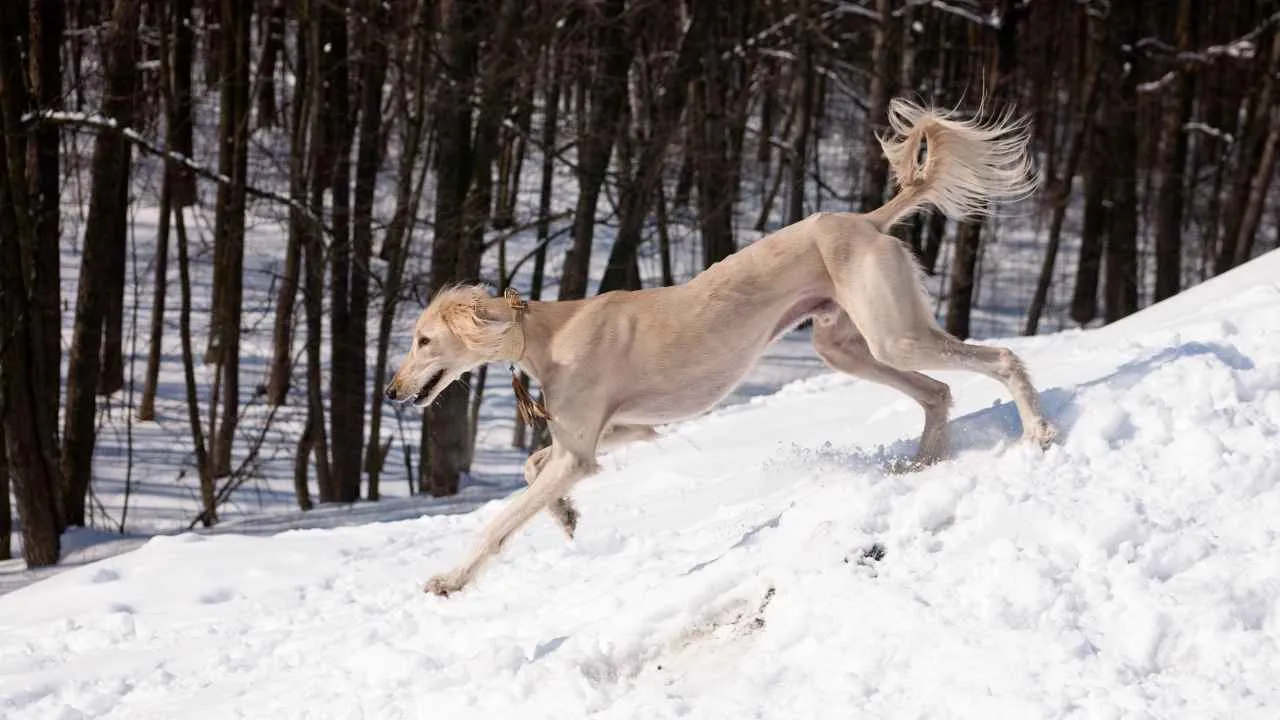
Grace appears naturally in the way a Saluki moves, and that elegance fits the look of a true long-nosed dog. Their slim muzzle helps them lock onto motion at surprising distances, which explains their famous focus during high-speed chases.
Built for Distance and Fast Decisions
Their long frame and light footwork allow them to reach impressive speed without losing balance. A Saluki stays mentally switched on when the world around them becomes active, which is why fenced areas are important for safe training.
Here is a quick look at what defines this sighthound’s working style:
Quick bursts of speed when spotting movement
Steady concentration even in busy spaces
A natural ability to map surroundings while running
Independent Thinking with Subtle Warmth
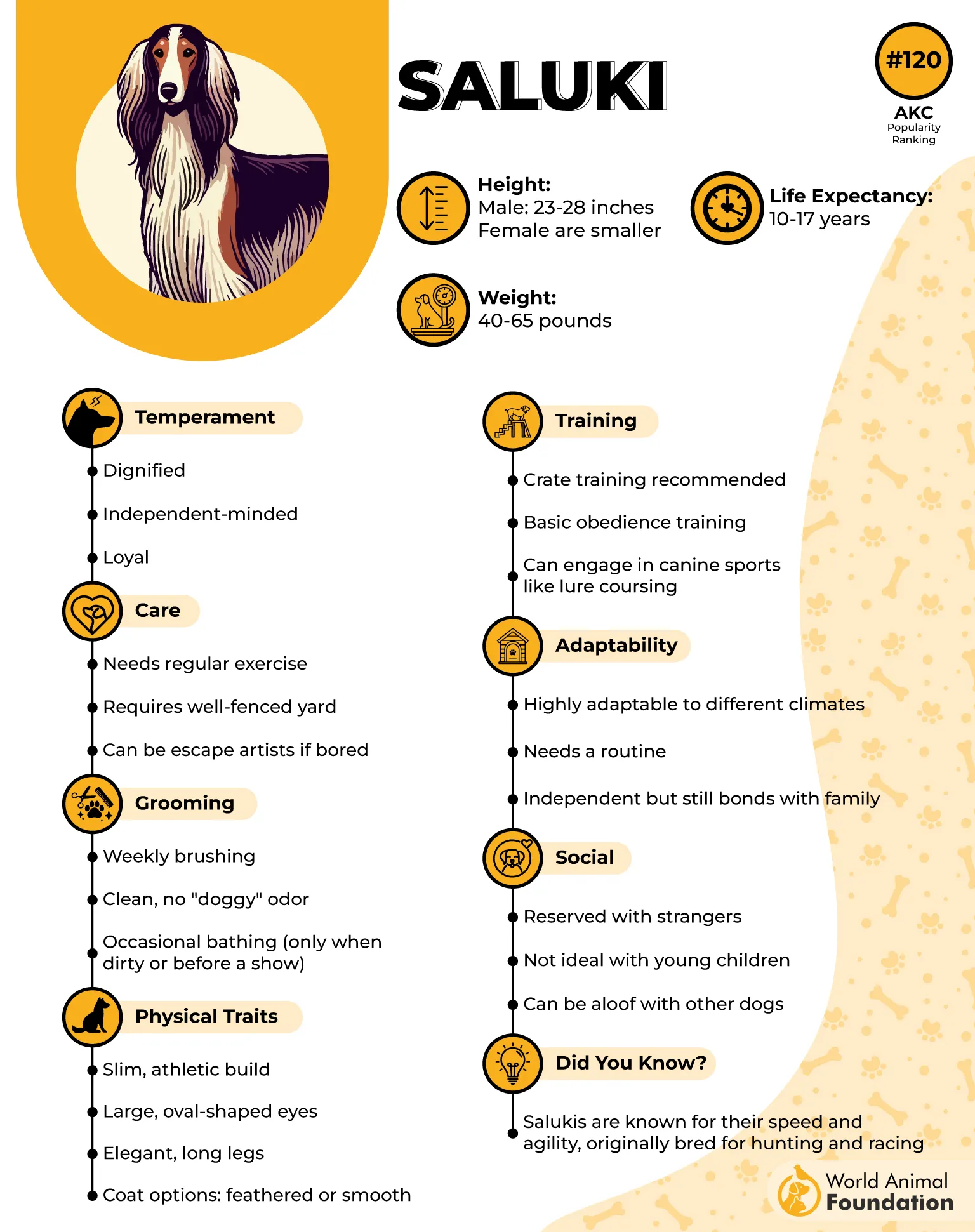
A Saluki tends to study a moment before reacting, making them different from many other dogs that respond instantly. As per Orvis, their prey drive is strong, so open areas without fencing are not the best match for them. Still, their loyalty grows quietly once they trust their home environment.
4. Afghan Hound
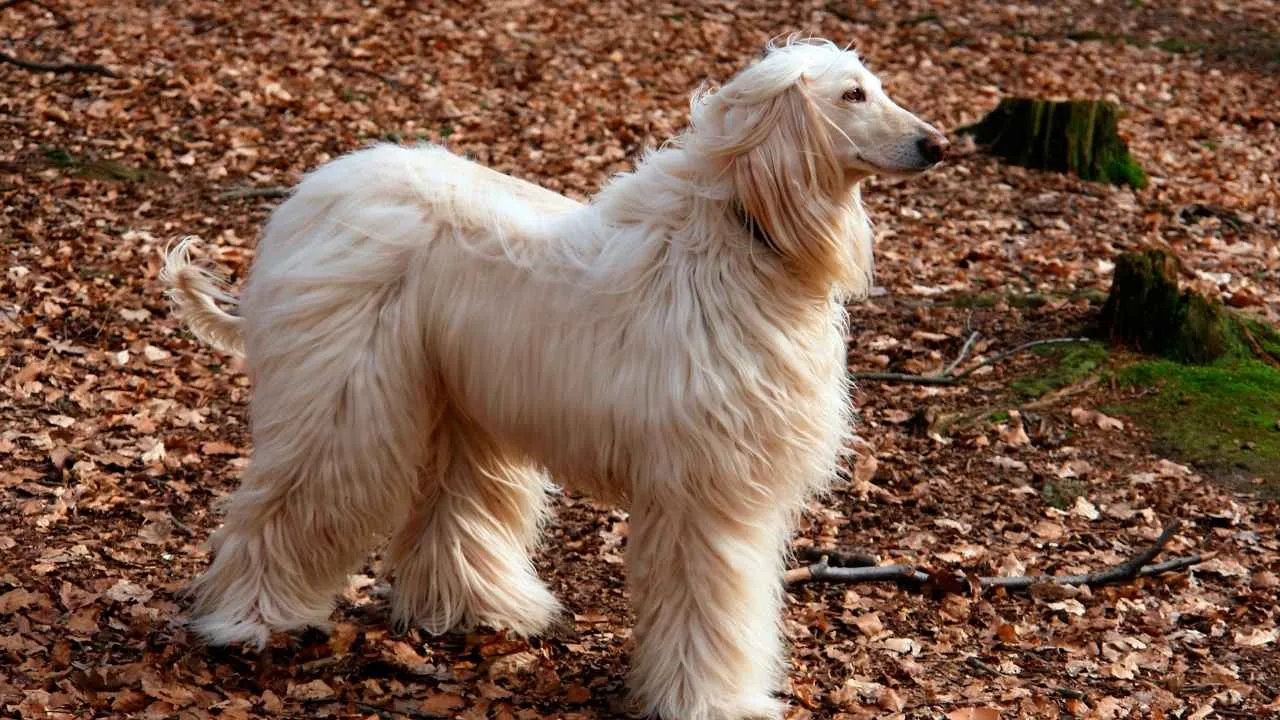
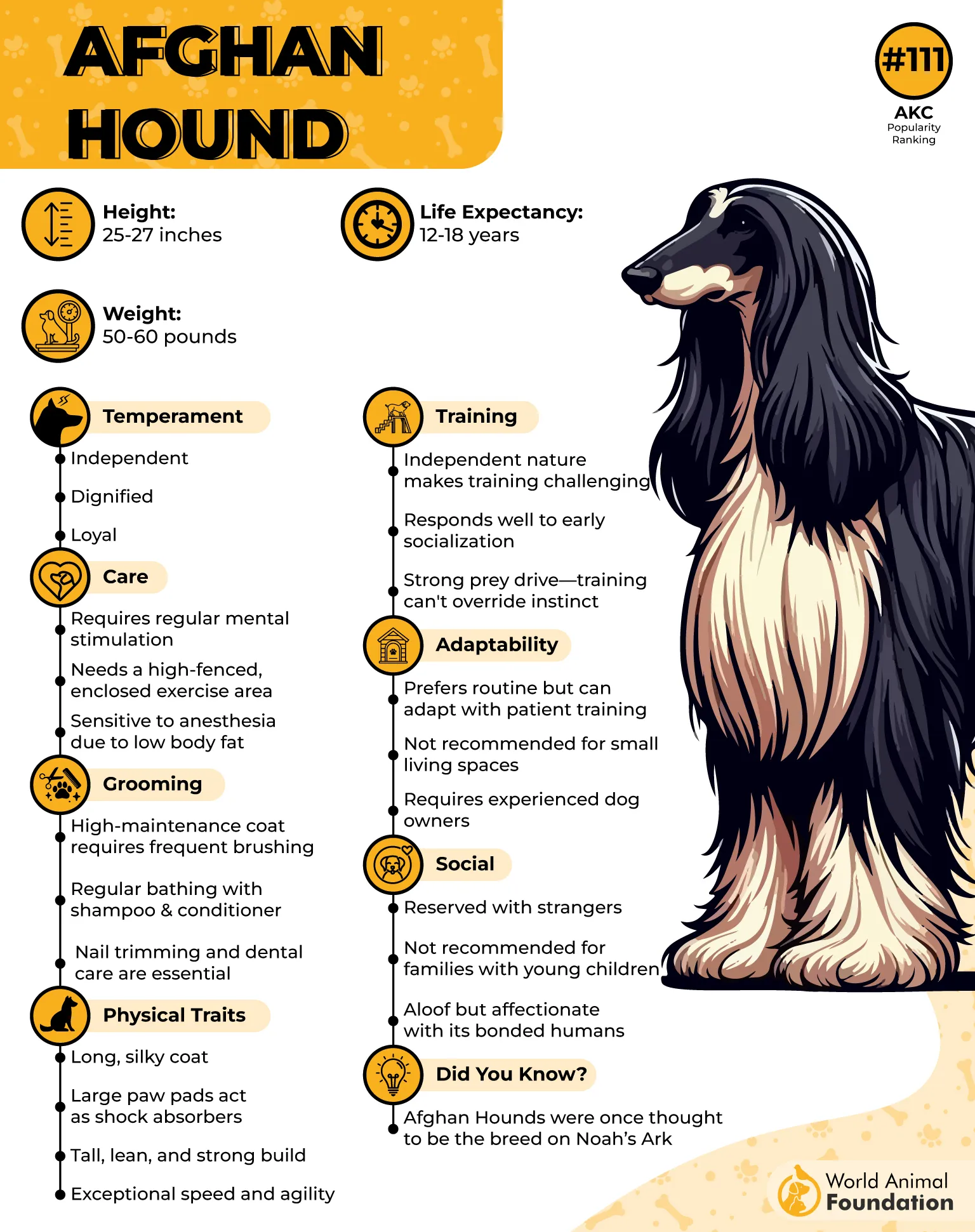
Their flowing coat often steals attention first, but the long, refined muzzle is what places the Afghan Hound among the classic long snouted dogs. This elongated shape worked well for a breed originally bred for fast pursuit, helping them judge distance with impressive accuracy.
Built for Swift Reactions
Their lean frame and alert posture give them a natural readiness that suits active households. Afghans stay light on their feet and respond with sharp bursts of speed when something sparks their interest. This is where their long nose plays a practical role.
Their distinct profile is highlighted by these points:
A narrow skull that complements the extended muzzle
Strong sight-driven instincts that activate instantly
Quick recovery after energetic movement
A Personality That Chooses Its Moments
An Afghan can be warm and playful when the mood feels right, then quietly observant the rest of the time. Their calm nature indoors contrasts with their strong prey instinct outdoors, so early introductions to other pets tend to make daily life smoother.
5. Whippet
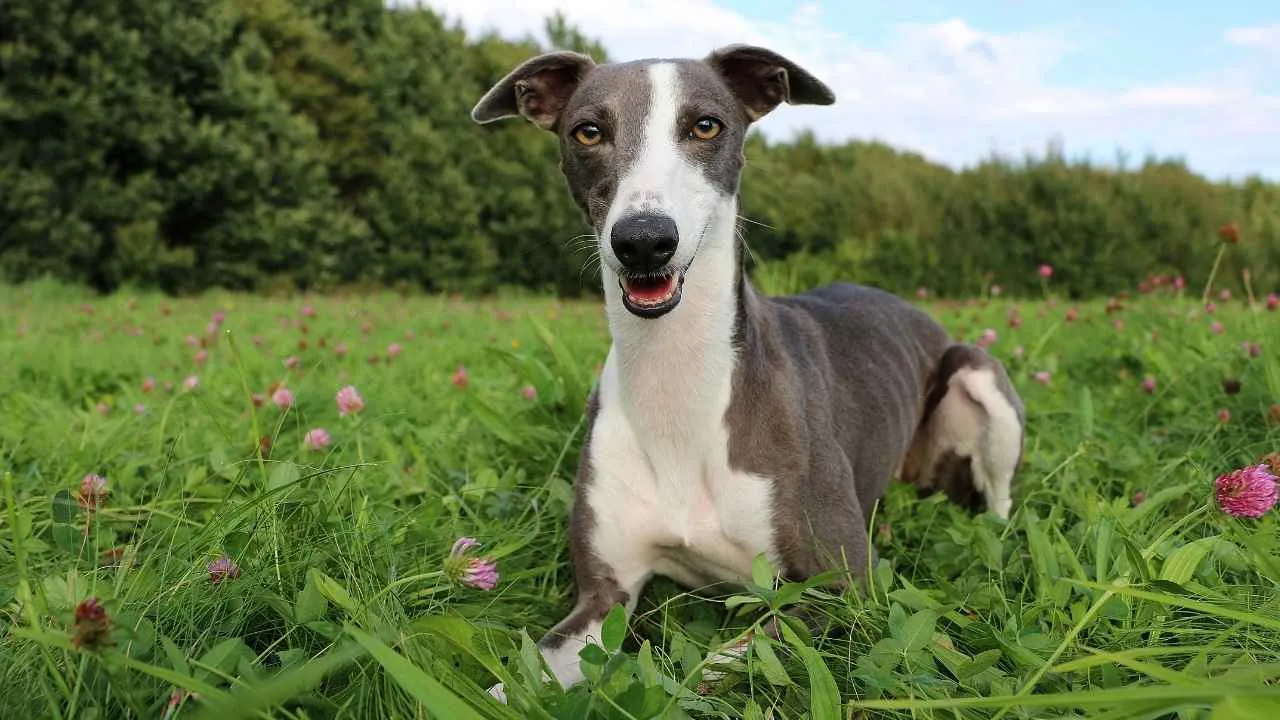
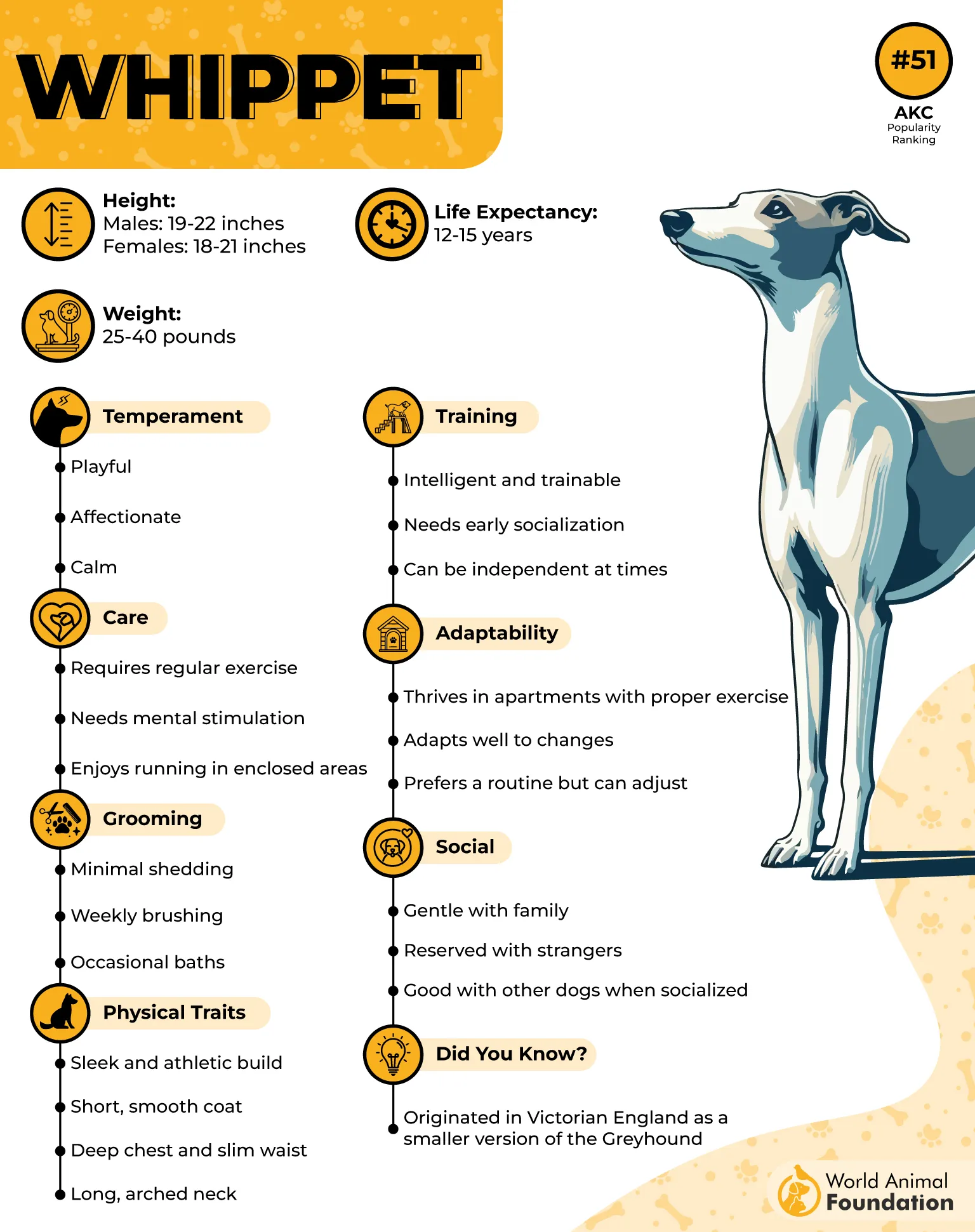
Whippets are sleek athletes whose long noses give them a sharp focus when spotting movement from afar. Their slim frame is built for speed, making them expert sprinters who excel in chasing fast-moving targets. Pet parents often note how their agility pairs with a gentle and playful temperament indoors.
Energy Channelled Through Play
This breed responds best when their athletic instincts are engaged through interactive games or structured exercise. A Whippet that knows the rhythm of play develops sharper attention and stronger bonds with its humans.
The following points highlight how their nature supports their quick reflexes:
Short bursts of running bring out peak performance
Quick learning during fetch or chase games
Prey instincts remain sharp, requiring supervision around small animals
Affectionate Yet Alert
Whippets are affectionate dogs that form tight connections with their families while maintaining a keen awareness of their surroundings. Their long noses aid in subtle cues that alert them to changes in the environment. This combination makes them both playful companions and attentive observers in the household.
6. Ibizan Hound
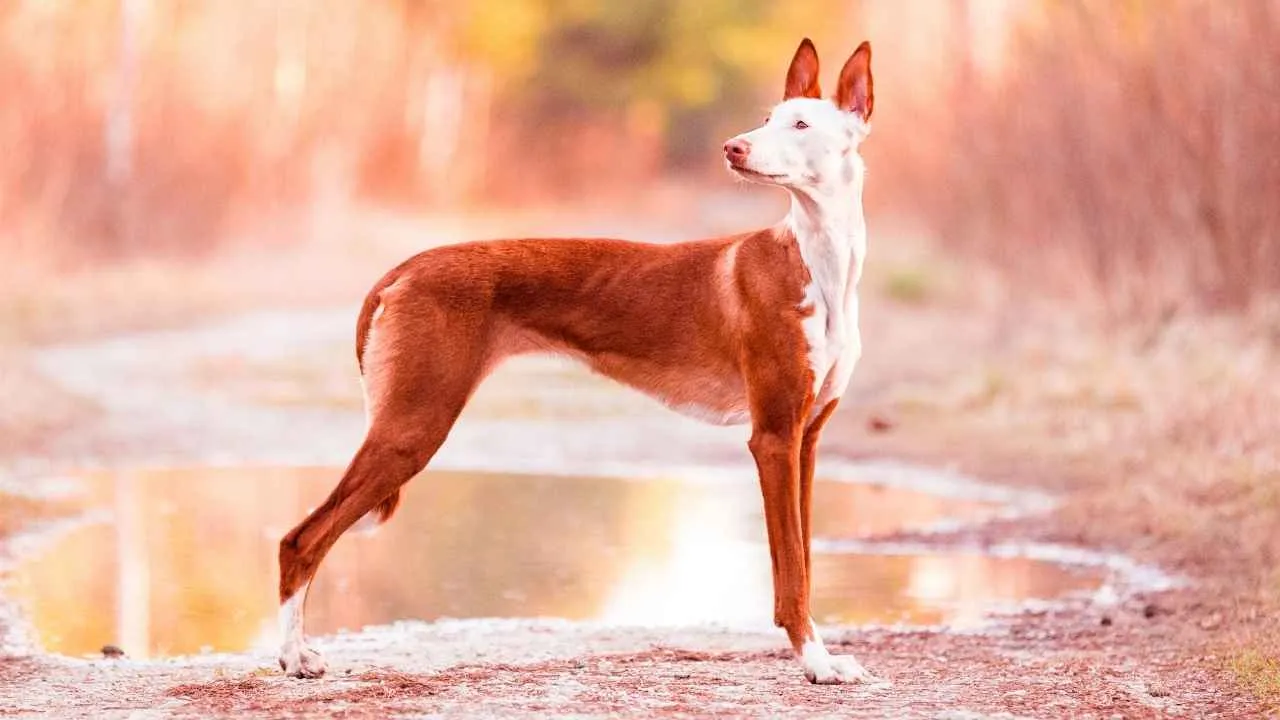
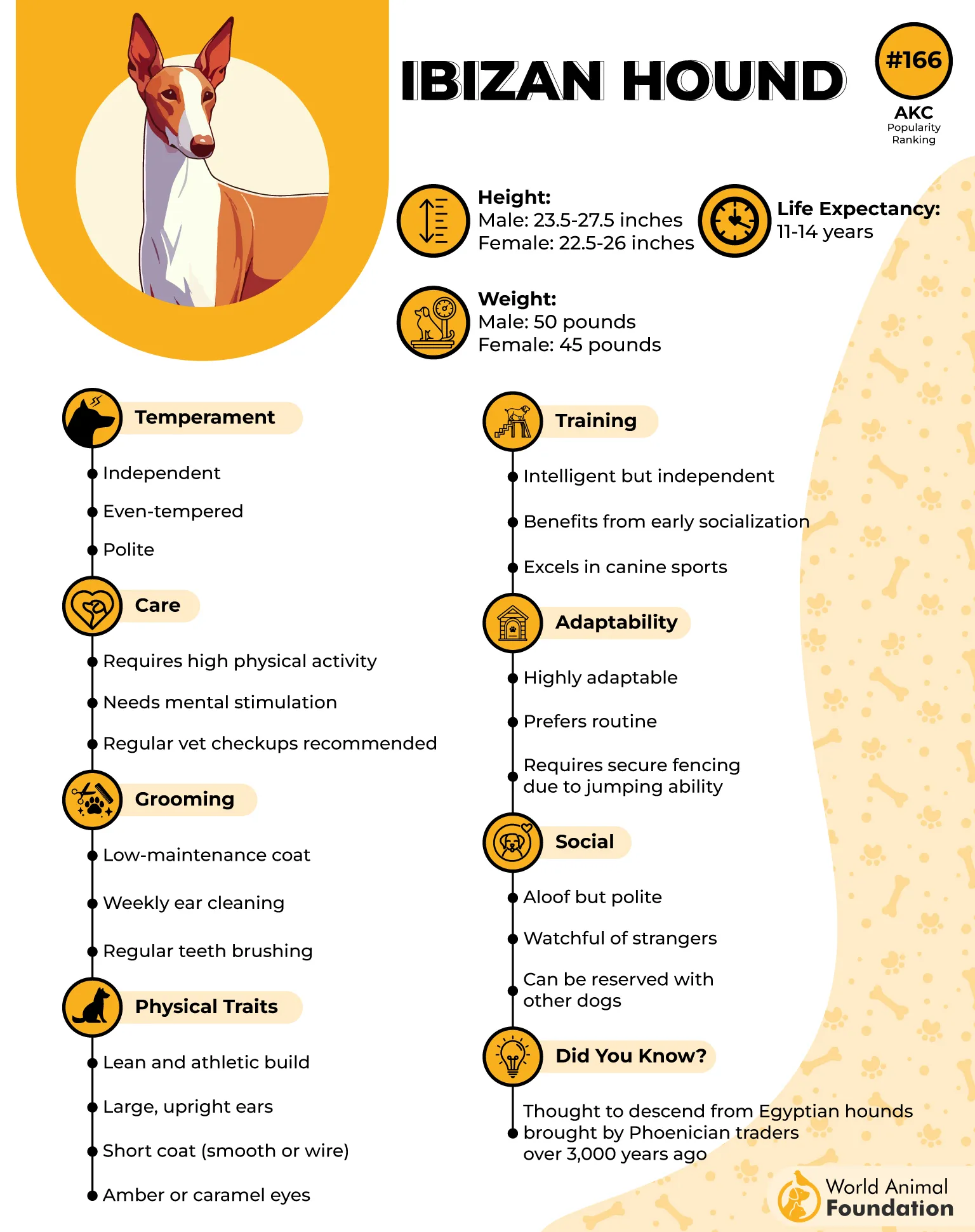
Long legs and a lean build give the Ibizan Hound an effortless grace when moving. Their long nose is not just a distinctive feature but a precise tool for tracking scents across open terrain. This combination of sight and scent makes them sharp and attentive during outdoor activities.
Intelligence That Demands Engagement
These dogs thrive when challenged with tasks that exercise both body and mind, as per the AKC. Their energy and curiosity turn everyday walks into dynamic adventures. This is reflected in how they approach new activities with eagerness.
Their versatile abilities are often seen in these activities:
Quick adaptation to different dog sports
Strong problem-solving skills with puzzle toys
Focused attention during training sessions
Alertness With a Gentle Touch
Ibizan Hounds notice subtle movements and changes in their surroundings, which complements their tracking instincts. They balance alertness with a soft temperament, showing affection without unnecessary intensity. Their attentiveness allows them to respond promptly while staying approachable and friendly.
7. Doberman Pinscher
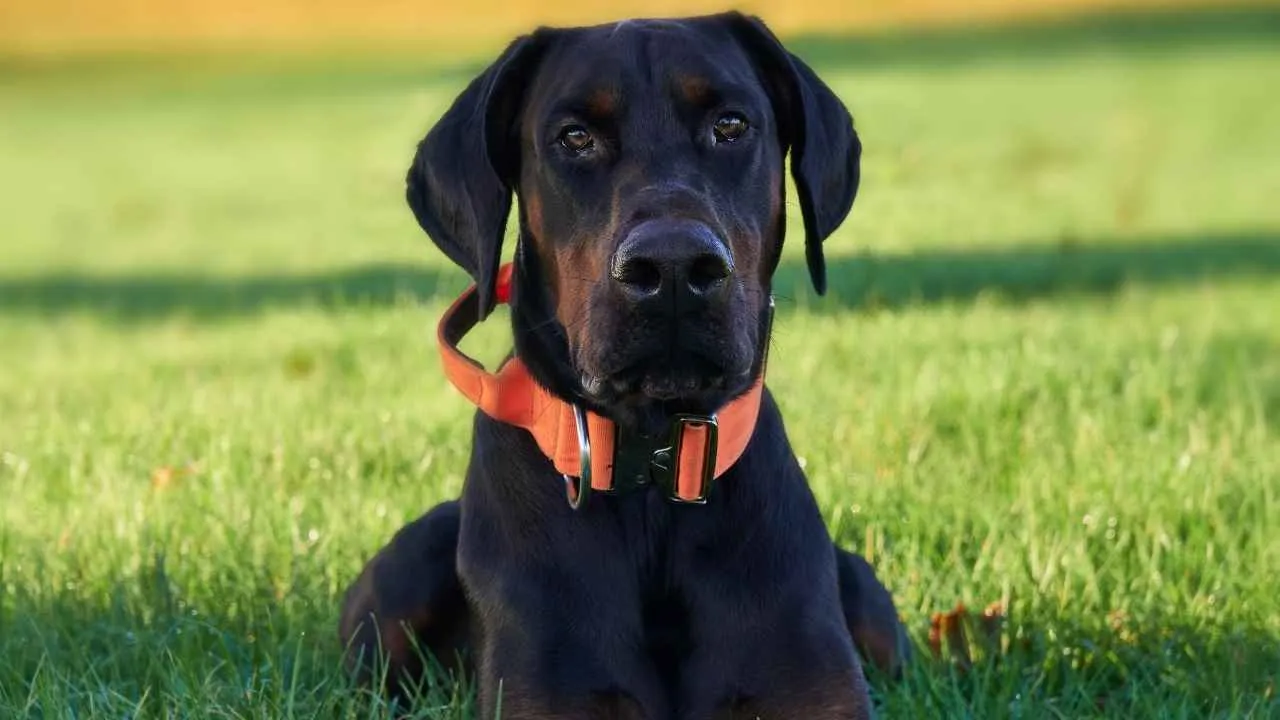
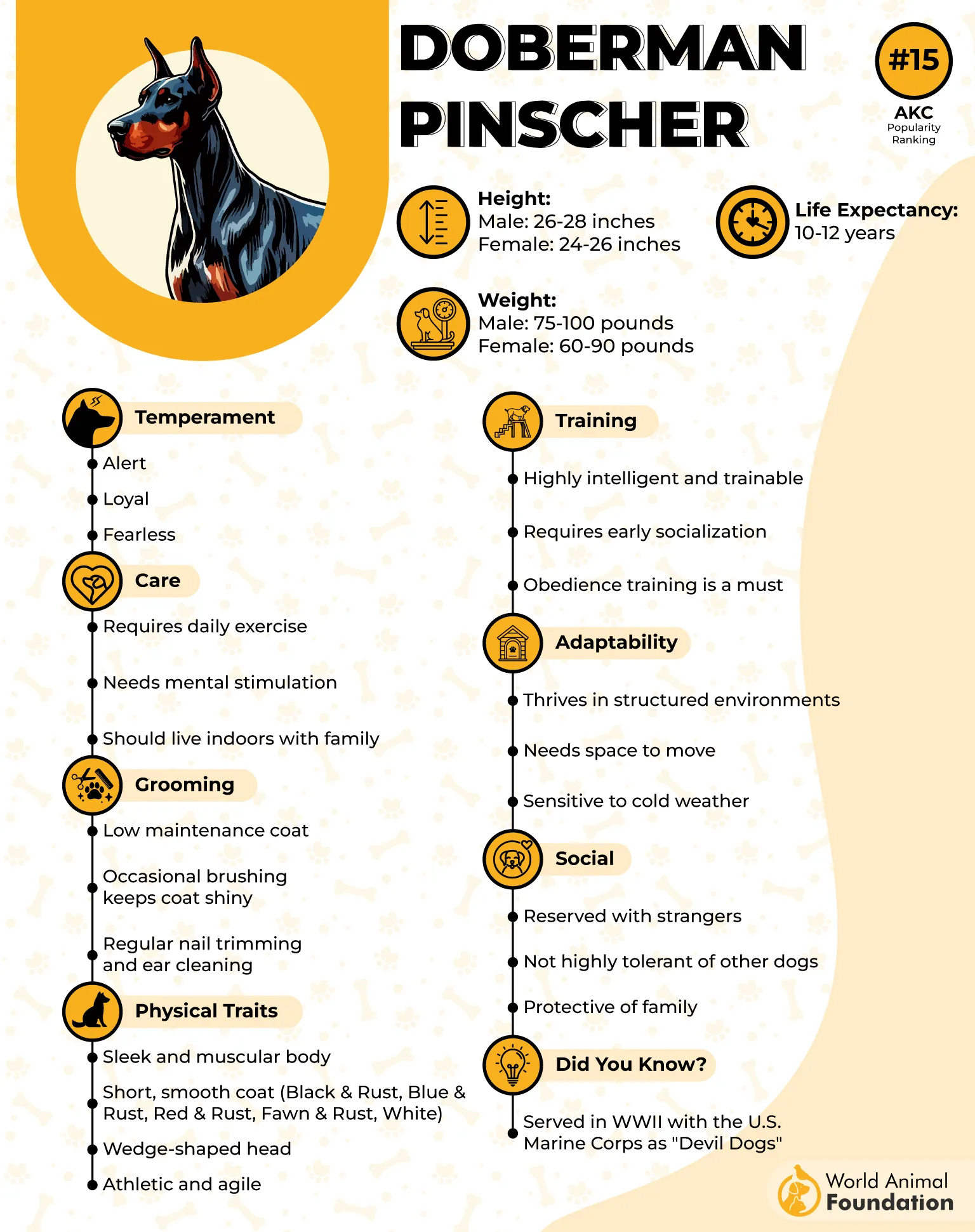
Dobermans often impress with their sleek agility and focused presence in every situation. Their long noses enhance their keen senses, which allow them to detect subtle changes in their surroundings. These traits combine to make a dog that can serve as both companion and guardian effectively.
Intelligence That Responds to Guidance
Their sharp minds and eagerness to learn make them highly trainable and reliable when expectations are clear. Structured routines bring out their best behavior and focus.
Their intelligence shows up clearly through these behaviors:
Quick adaptation to commands
Protective instincts that remain steady
Sensory awareness for early detection
Strength Tempered With Discipline
Dobermans maintain calm composure while evaluating situations, which makes their actions measured and deliberate. Their energy matches their mental sharpness, allowing them to act efficiently without unnecessary effort. This balance is a hallmark of dogs used in professional security roles.
Conclusion
Long-nosed dogs show how function shapes beauty, and this category includes both familiar types and the occasional rare breed that carries history with quiet strength. An old dog breed with feathered ears or pointy ears may look refined, yet their structure supports an incredible sense that guides every movement.
Many long-snouted dogs also have low body fat, which helps them stay light and fast. Some even work as guard dogs when trained with steady routines. Their steady focus deepens when they bond with favorite humans, creating a connection that fits them like a true dog suit of purpose.
