




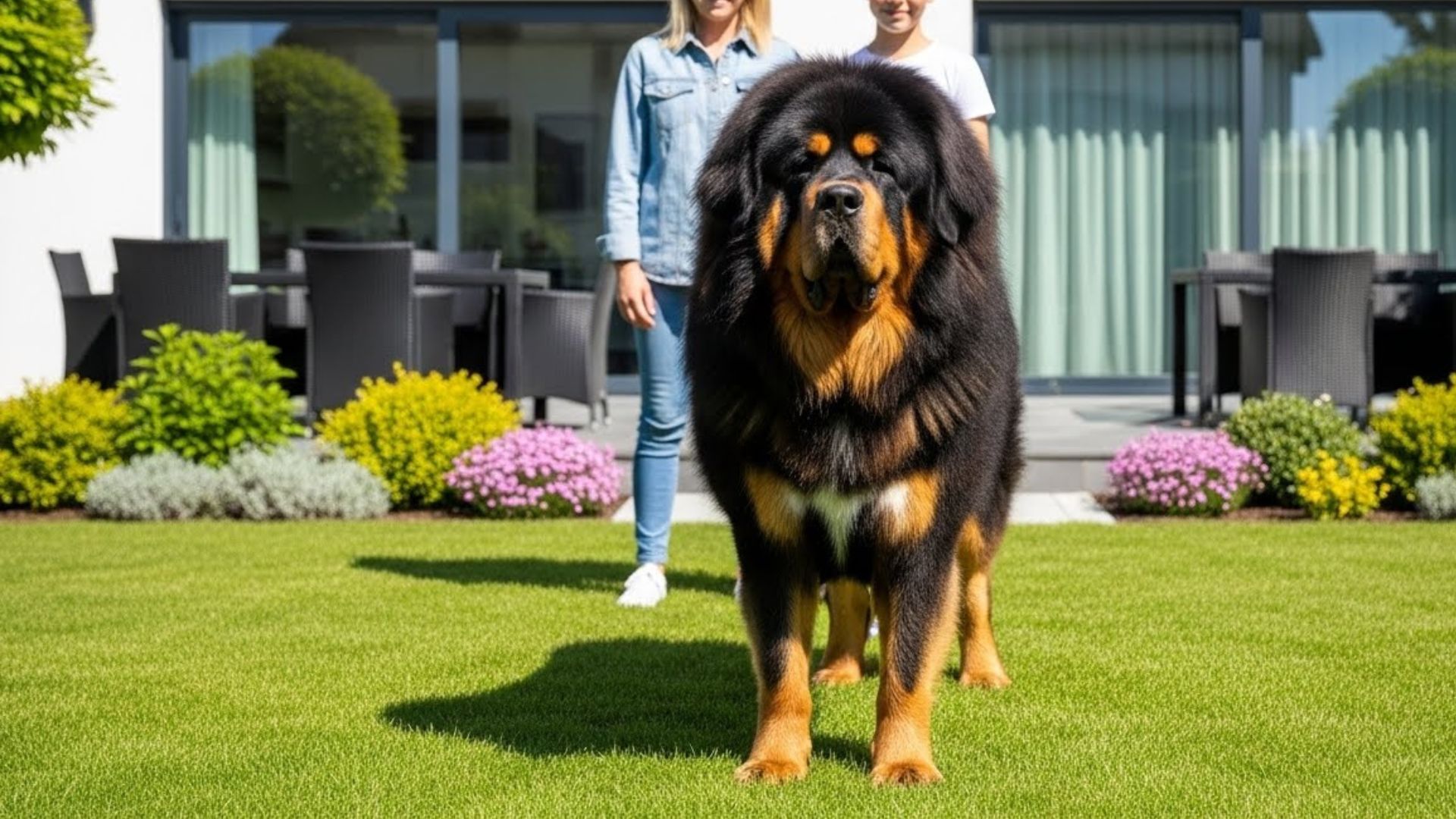
Looking for a loyal protector who brings both comfort and confidence to your home? You’re in the right place. Some dogs don’t just guard your space—they become part of the family story.
Large, giant, and tall breeds stand out not only for their size, but for their steady tempers and impressive awareness. These dogs are built for both companionship and security. Their history and instincts make them naturally reliable guardians.
Families often choose these towering companions for their calm behavior and strong loyalty. With proper training, they become gentle, dependable partners. Their presence alone often brings a sense of safety.
While their size might seem intimidating, many of these dogs are remarkably affectionate. They enjoy routines, bonding time, and a peaceful home environment. Their gentle nature shines brightest with patient, responsible care.
In this guide, we’ll explore what makes these giants such valuable family protectors and great guard dogs. You’ll learn their strengths, needs, and ideal home setups. Let’s begin.
Giant Guard Dog Breeds for Families
1. Tibetan Mastiff
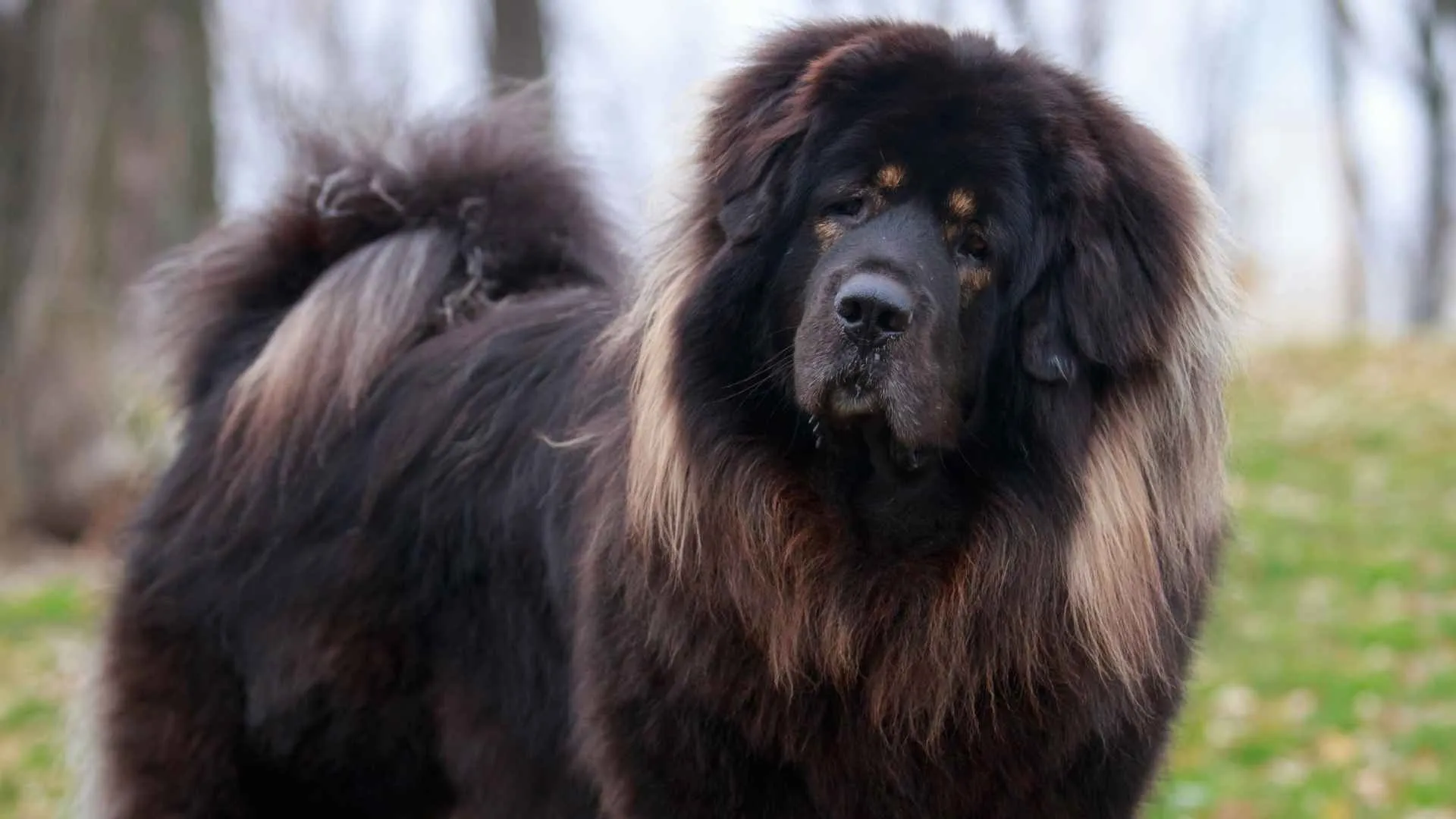
The Tibetan Mastiff brings a mix of regal confidence and family devotion that feels ancient, almost mystical.
This dog bonds strongly with its household, showing affection in a calm, steady way rather than through constant cuddles. Homes that appreciate an independent thinker and have space for a slow, observant giant will enjoy this powerful guardian.
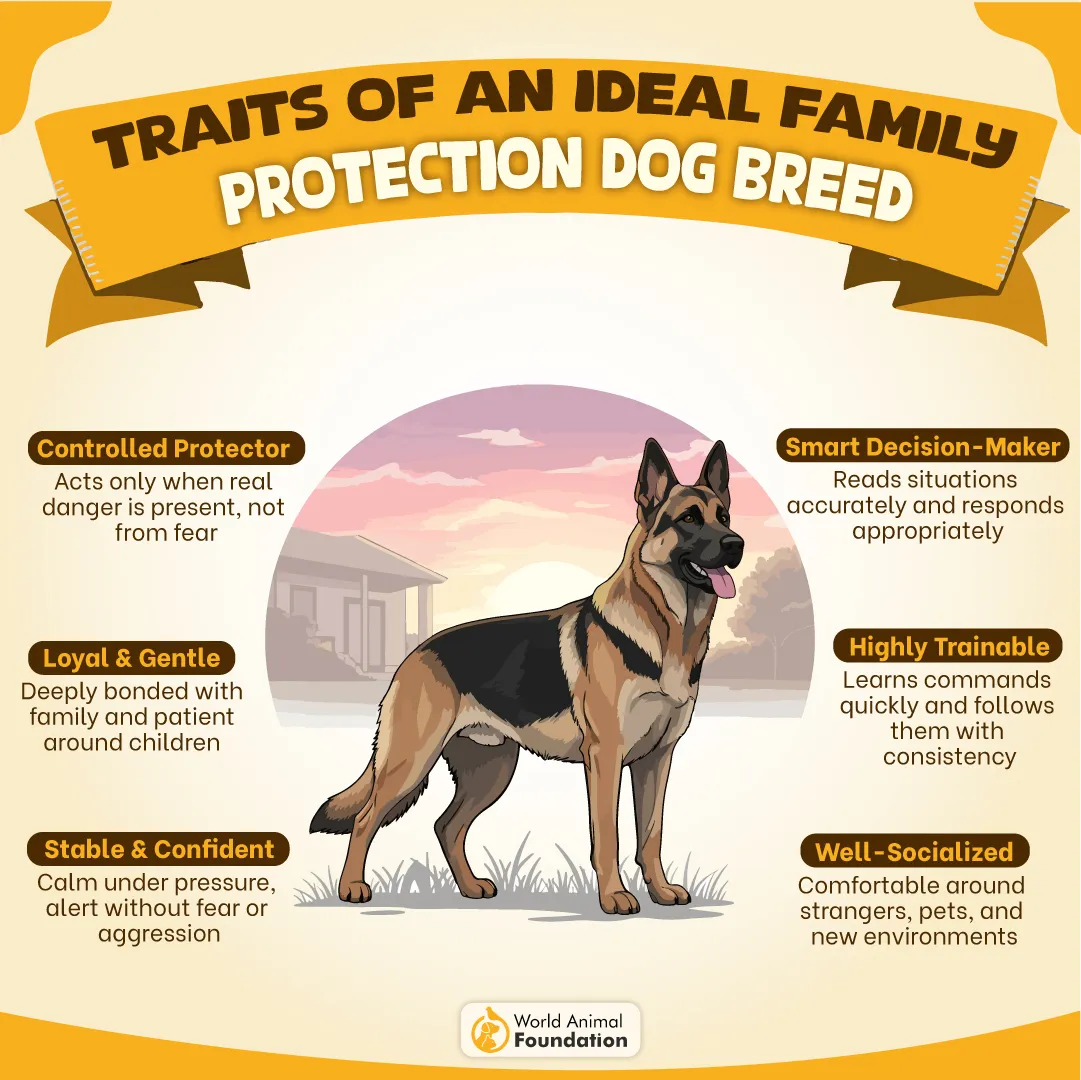
With roots in Himalayan villages, its guarding instincts run deep and quiet. The Tibetan Mastiff analyzes every visitor with the seriousness of a medieval castle sentry. At night, it shifts into full alert mode, patrolling its territory with unmistakable authority.
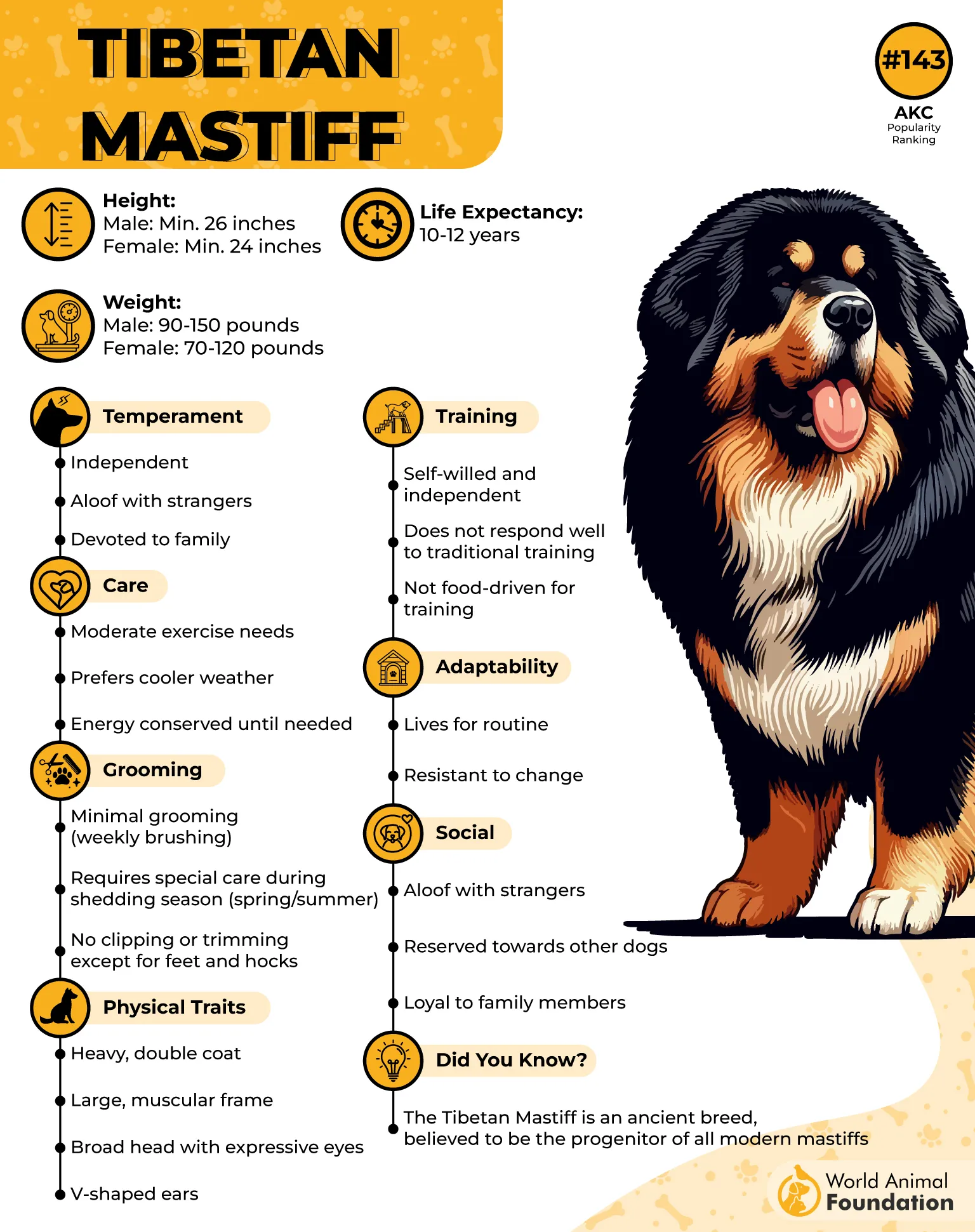
Mental Stimulation, Training & Socialization Requirements
• Moderate daily walks, ideally at varied times
• Puzzle toys and scent games to match its thoughtful nature
• Consistent, confident training from day one
• Early introductions to visitors, animals, and busy environments
Grooming & Upkeep
• Weekly brushing, heavy seasonal shedding
• Strong undercoat that requires careful detangling
• Occasional baths during coat blow periods
PetMD explains that healthcare for this breed focuses on joint protection, weight control, and screening for thyroid and eye issues. Regular checkups help keep their sturdy frame functioning well into adulthood.
For peak performance, the Tibetan Mastiff thrives in cooler climates, secure yards, and calm households that allow it to roam and observe. Large outdoor spaces, solid fencing, and a low-humidity environment help this majestic guardian feel in its element.
2. Great Pyrenees
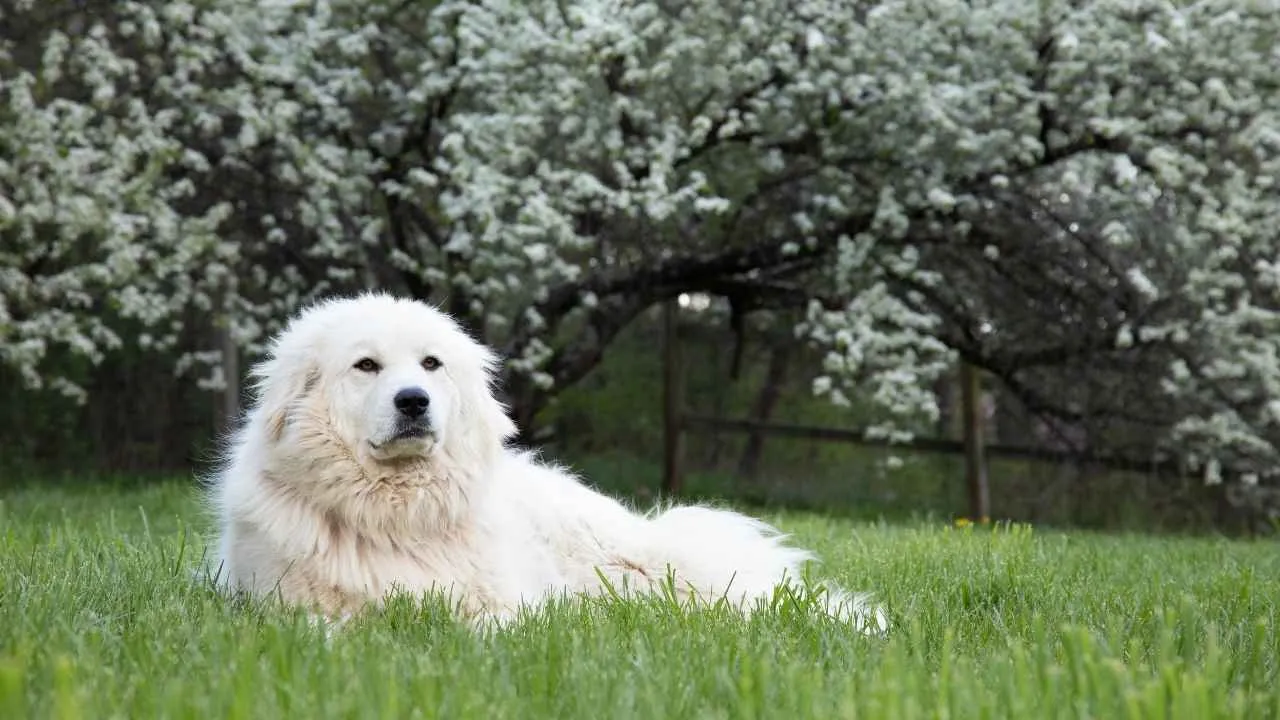
The Great Pyrenees is the gentle philosopher of giant family guardians, calm with children and impressively patient around the home.
Families who enjoy peaceful evenings and a dog that prefers supervising to roughhousing will find this breed wonderfully reliable. It fits best in homes that understand its calm independence and need for purposeful companionship.
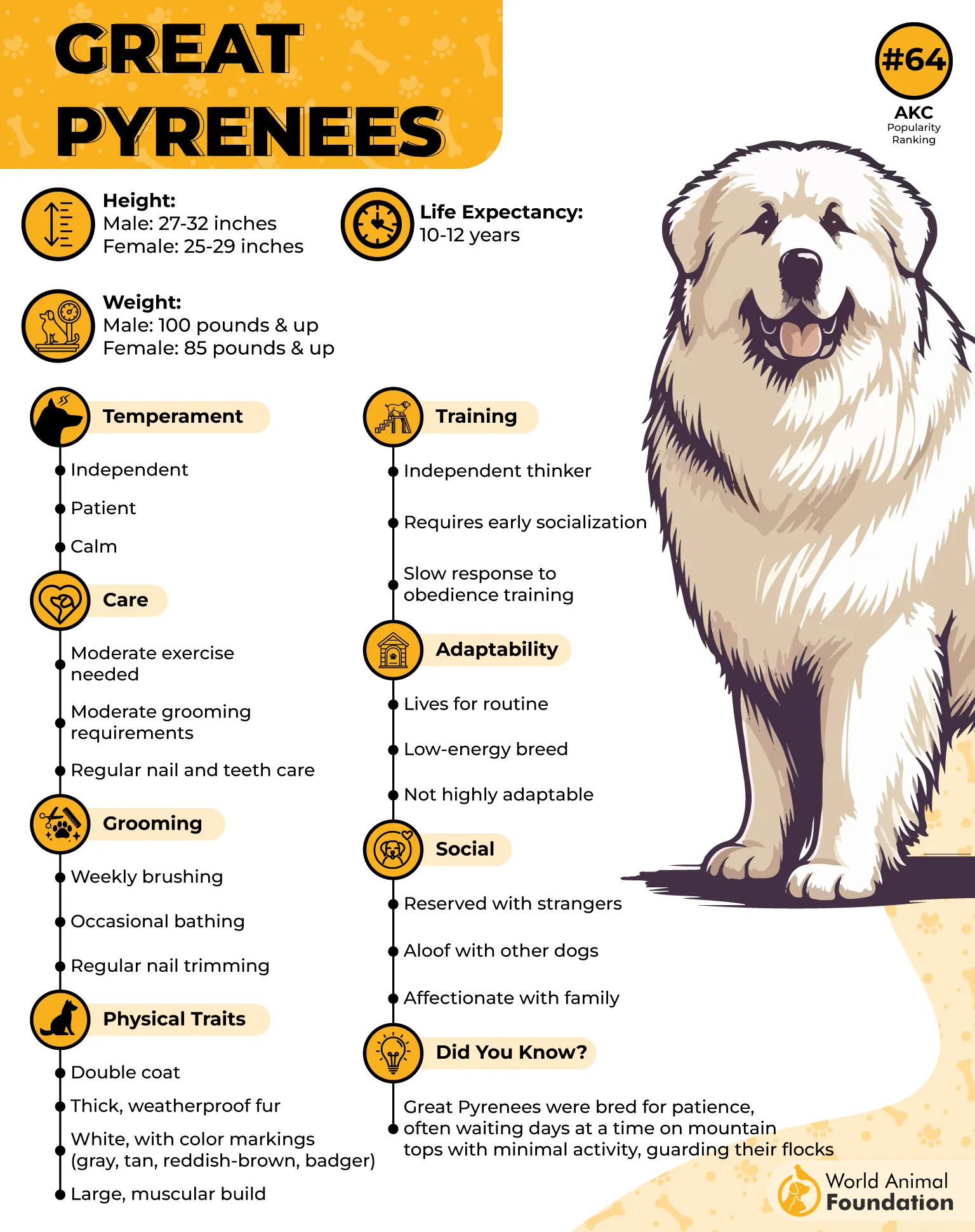
This breed’s guarding instincts developed from protecting livestock in vast mountain regions. The Pyrenees scans its surroundings with a careful, measured expression, making decisions with surprising maturity. Its deep bark, used sparingly but effectively, carries across the yard like a hillside alarm system.
Mental Stimulation, Training & Socialization Requirements
• Long, steady walks tailored to its relaxed pace
• Outdoor observation time, allowing it to use its natural awareness
• Gentle, positive training with repetition
• Exposure to new sights and sounds to shape balanced judgement
Grooming & Upkeep
• Regular brushing to manage its thick, weatherproof coat
• Extra attention during seasonal shedding
• Occasional trimming around problem areas
WebMD suggests that preventive care centers on hip and elbow monitoring, bloat awareness, and maintaining a lean frame. Routine veterinary care supports this breed’s longevity and its impressive working stamina.
Environmental success for the Great Pyrenees comes from cool temperatures, large fenced yards, and low-stress households. It shines in homes with outdoor access, quiet nights, and a layout that lets it guard like the mountain sentinel it was born to be.
3. Mastiff

The Mastiff is the calm heavyweight of family guardians, known for lounging like a tired sumo wrestler and rising only when duty calls. Its sweet loyalty toward household members makes it a surprisingly affectionate companion for families seeking both gentleness and protection.
This breed fits best in relaxed homes that enjoy a mellow giant with a big heart and a bigger snore.
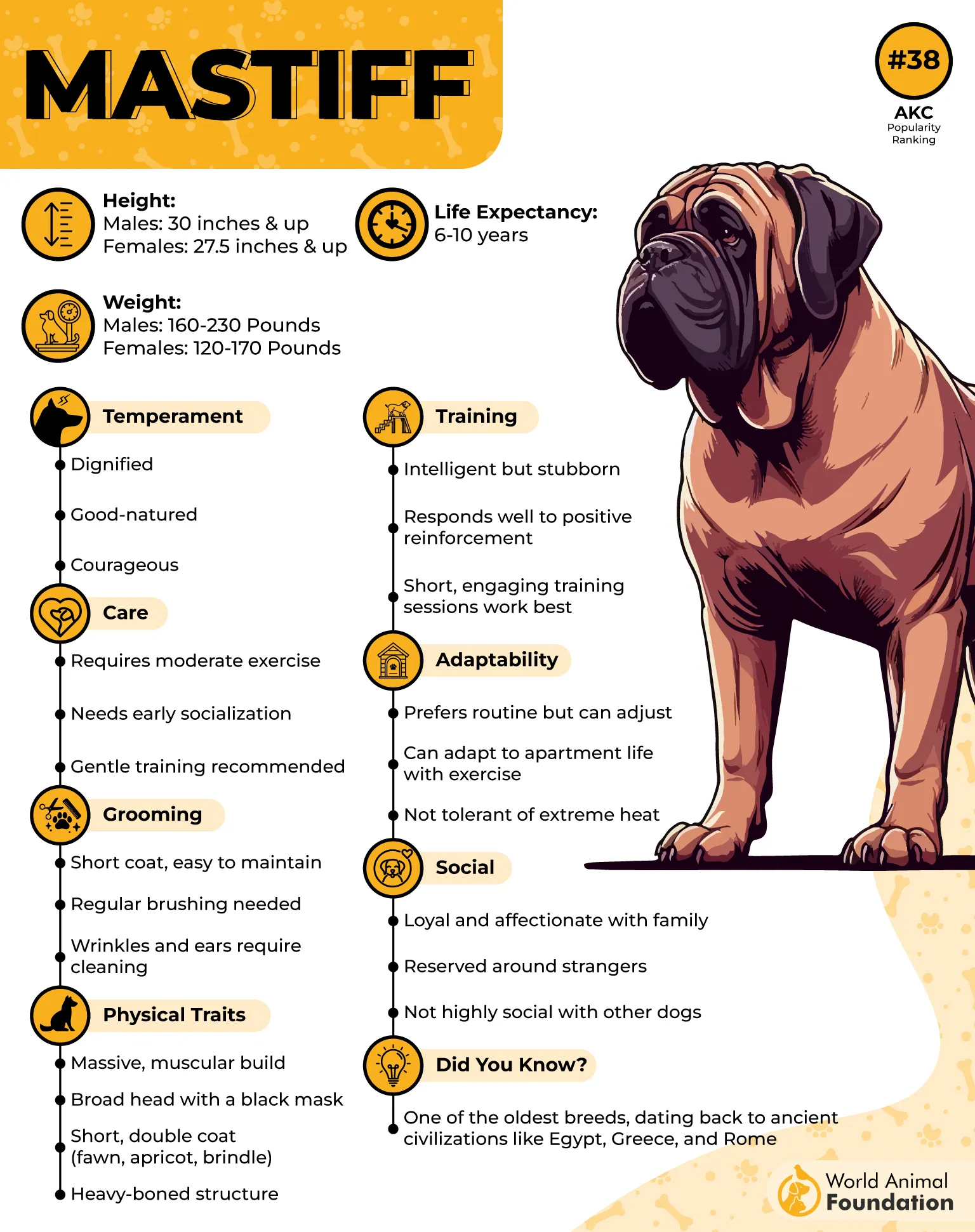
As the most protective dog breeds, the Mastiff relies on size, presence, and impressive composure. It doesn’t rush into action; instead, it assesses threats with slow, careful deliberation. When needed, though, its deep bark and imposing stature end any discussion with remarkable speed.
Mental Stimulation, Training & Socialization Requirements
• Short, daily walks to keep joints healthy
• Light enrichment activities such as frozen treats and slow sniff walks
• Training that focuses on manners and impulse control
• Social time to maintain confidence in new environments
Grooming & Upkeep
• Minimal brushing, moderate shedding
• Facial wrinkle cleaning
• Regular dental and nail care
Preventive care for Mastiffs includes joint screening, cardiac monitoring, and careful portion control. Maintaining a steady weight is especially important to protect their strong but vulnerable frame.
To thrive, the Mastiff benefits from temperate climates, padded sleeping spaces, and a home layout that supports its slow-paced lifestyle. A fenced yard for leisurely strolling and a cool indoor environment will help this guardian stay comfortable and confident.
4. Leonberger
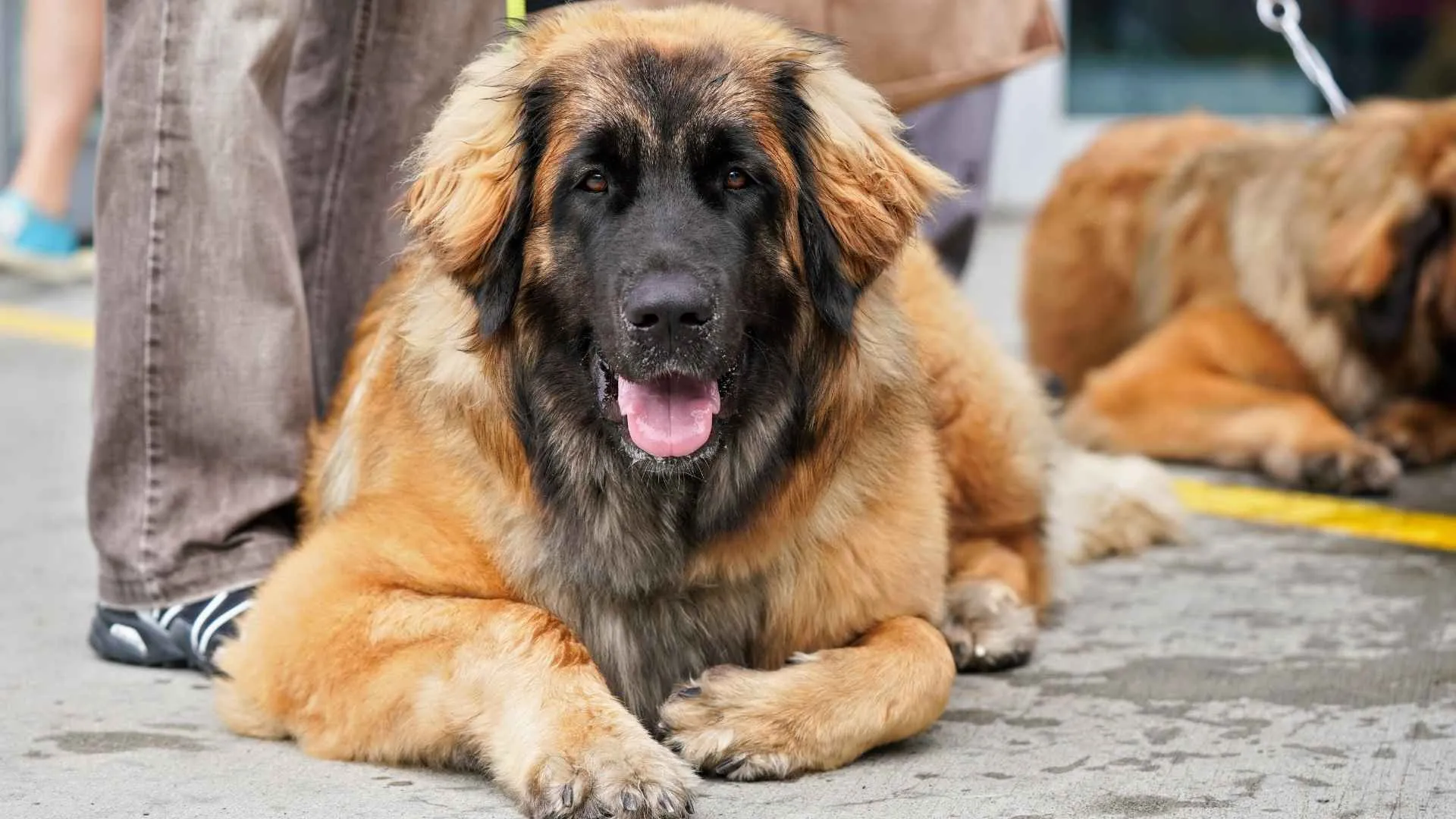
The Leonberger blends refinement with friendliness, fitting beautifully into families that appreciate a lively yet well-mannered giant.
It brings a joyful energy that makes children laugh and a thoughtful calmness that reassures adults. Homes that enjoy interactive, social dogs will enjoy this cheerful guardian.
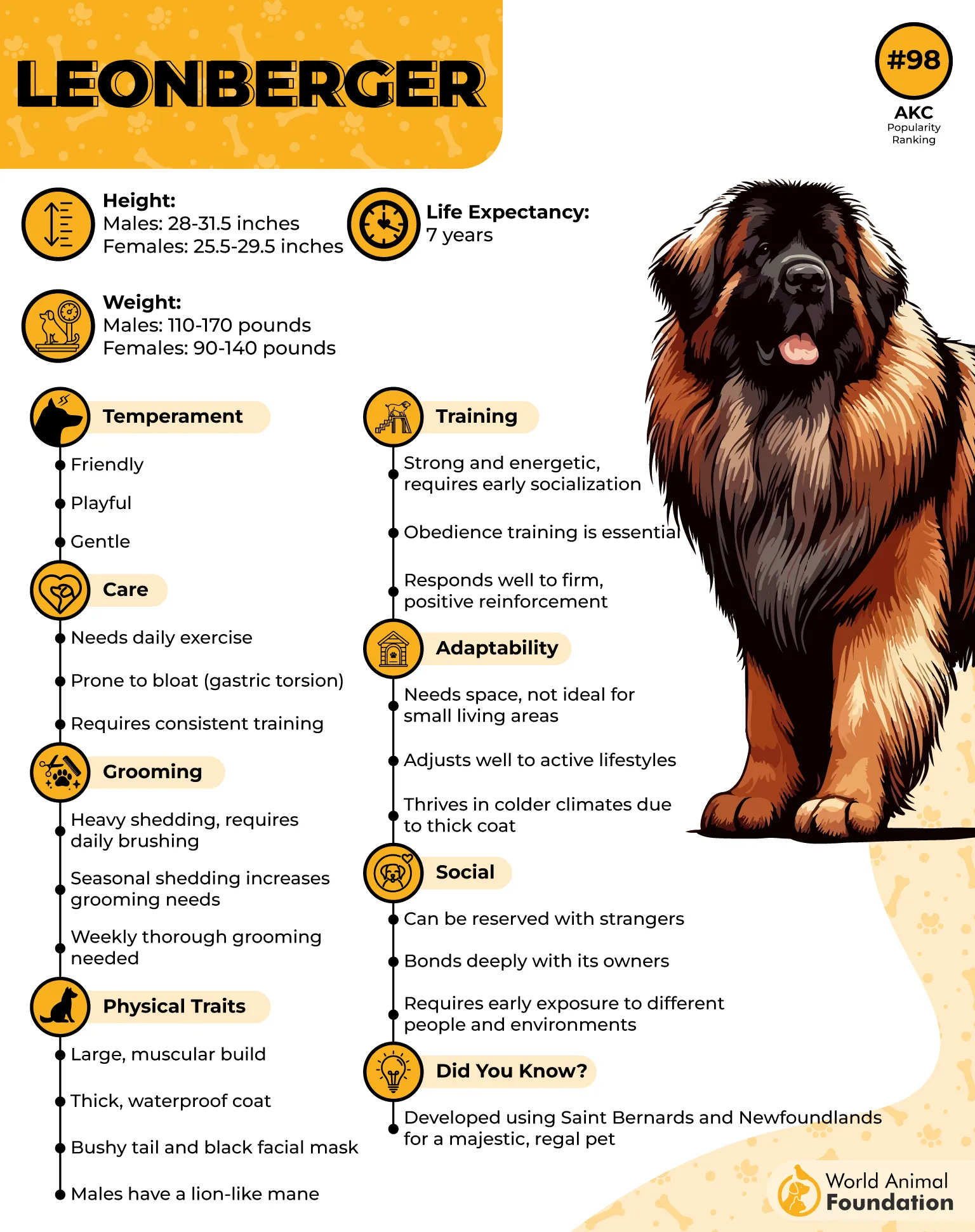
Its guarding instinct is subtle yet dependable—more like a confident lifeguard than a strict security officer. The Leonberger stands between family and perceived danger with a poised presence. Its expressive gaze and deep voice make intruders think twice without escalating situations.
Mental Stimulation, Training & Socialization Requirements
• Swimming sessions, long walks, or gentle hiking
• Learning games that involve problem-solving
• Obedience work with positive reinforcement
• Regular outings to maintain social ease
Grooming & Upkeep
• Frequent brushing to manage its luxurious coat
• Ear checks and drying after water activities
• Routine trim around feathered areas
Preventive care involves hip and elbow monitoring, heart checks, and maintaining strong muscle tone. Early detection and consistent veterinary care support the longevity of this athletic giant.
AKC notes that for ideal environmental conditions, the Leonberger thrives in homes with cool climates, water access, and spacious yards. Secure boundaries, shaded rest areas, and an active household ensure this breed stays both content and beautifully balanced.
5. Great Dane
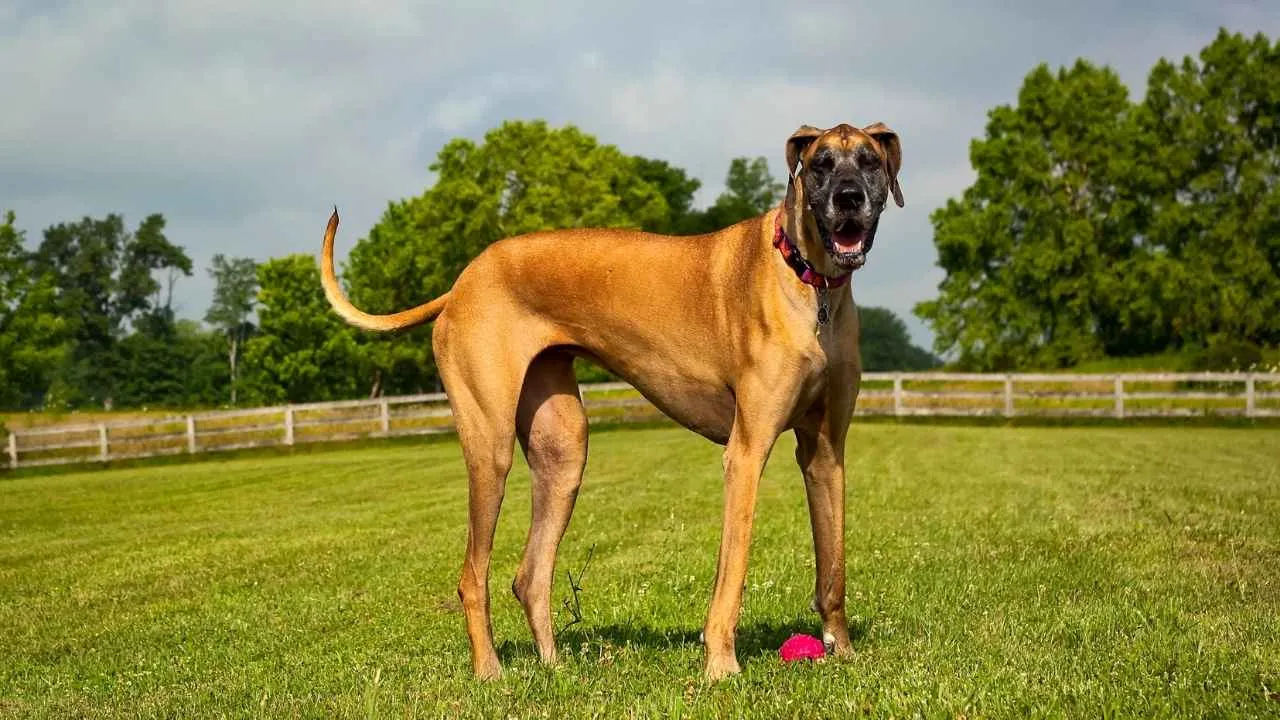
The Great Dane is the tall, couch-hogging comedian of the guardian world, pairing elegance with surprising goofiness.
Around families, it radiates warmth and likes to stay close, often forgetting its enormous size. Homes that enjoy affectionate giants and have room for long legs will appreciate this gentle protector.
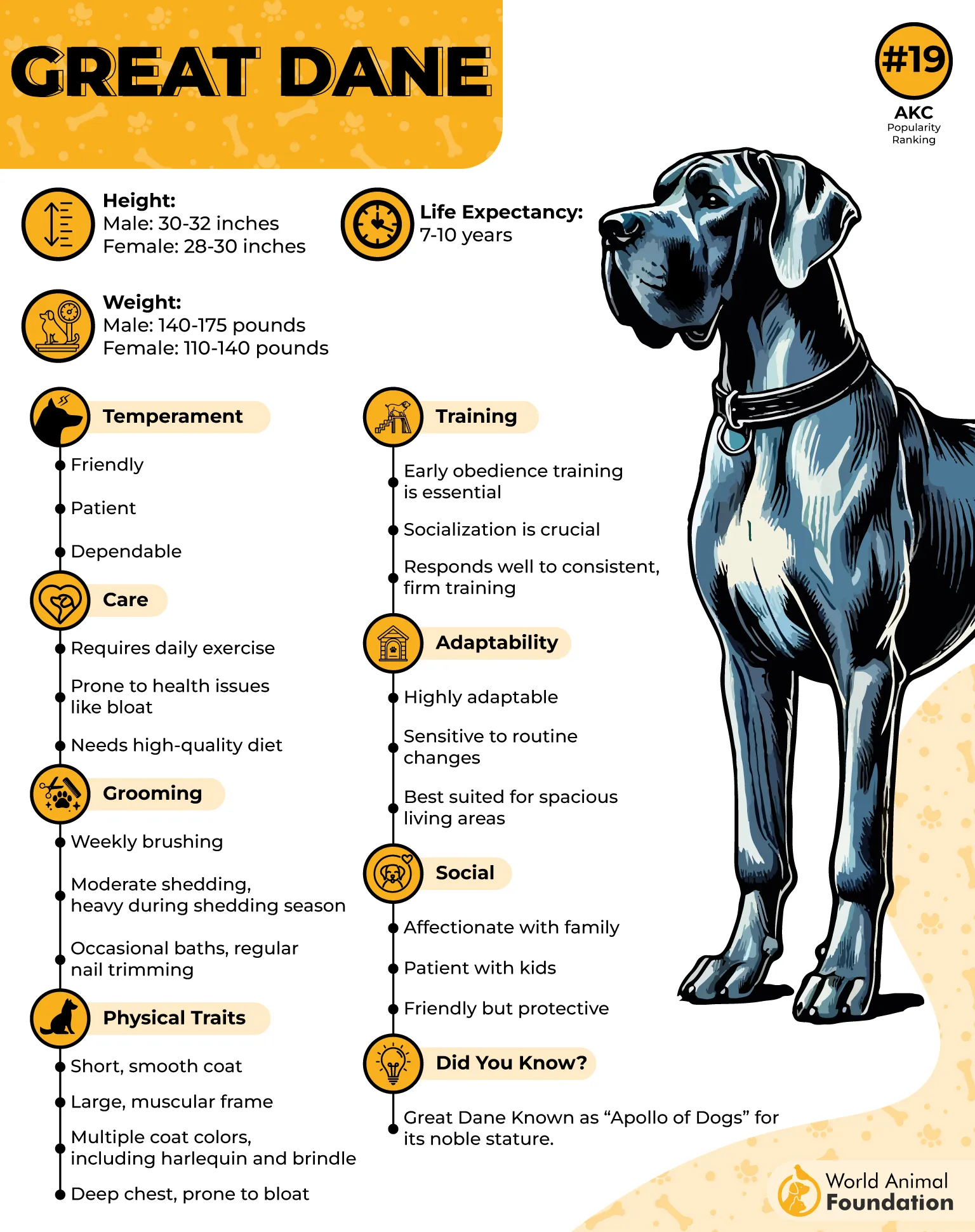
As a watchdog, the Great Dane uses height and awareness rather than aggression. It alerts quickly, watches attentively, and steps forward with unmistakable presence when something feels off. Its confidence makes it a reassuring partner in households wanting a dependable guardian.
Mental Stimulation, Training & Socialization Requirements
• Regular walks with controlled pacing
• Interactive toys that engage coordination
• Early, consistent training to shape polite behaviors
• Exposure to varied environments to build adaptable confidence
Grooming & Upkeep
• Low-maintenance coat with light brushing
• Nail trimming for joint safety
• Occasional baths due to sensitive skin
Preventive care focuses on cardiac health, joint support, and monitoring for bloat. Slow feeding, high-quality nutrition, and scheduled checkups help maintain this breed’s athletic frame.
The Great Dane excels in homes with open indoor space, soft bedding, and mild climates. A tall fence and calm surroundings allow it to stretch, relax, and guard with its natural grace.
6. Newfoundland
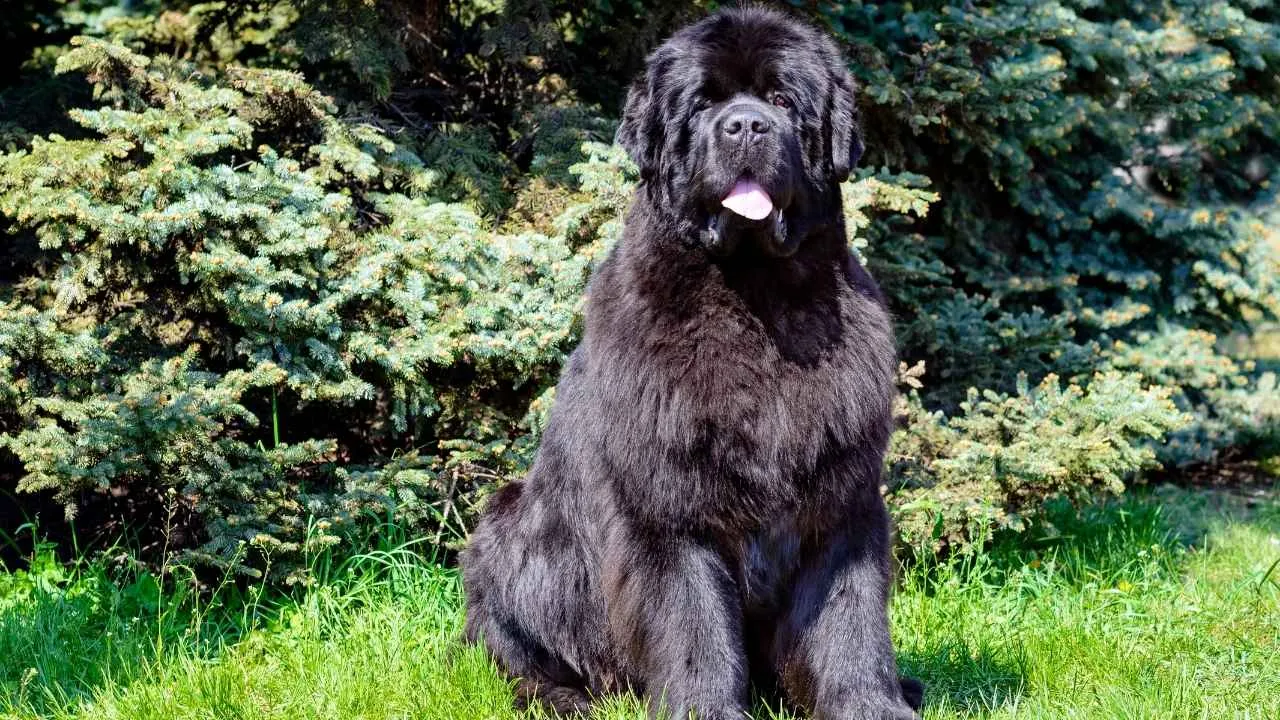
The Newfoundland is the giant family lifeguard, famous for gentle manners and a nurturing personality. It thrives in homes that enjoy affectionate, calm companionship and appreciate dogs that prefer cuddles over chaos.
Families with kids often find this breed to be an incredibly steady and comforting presence.
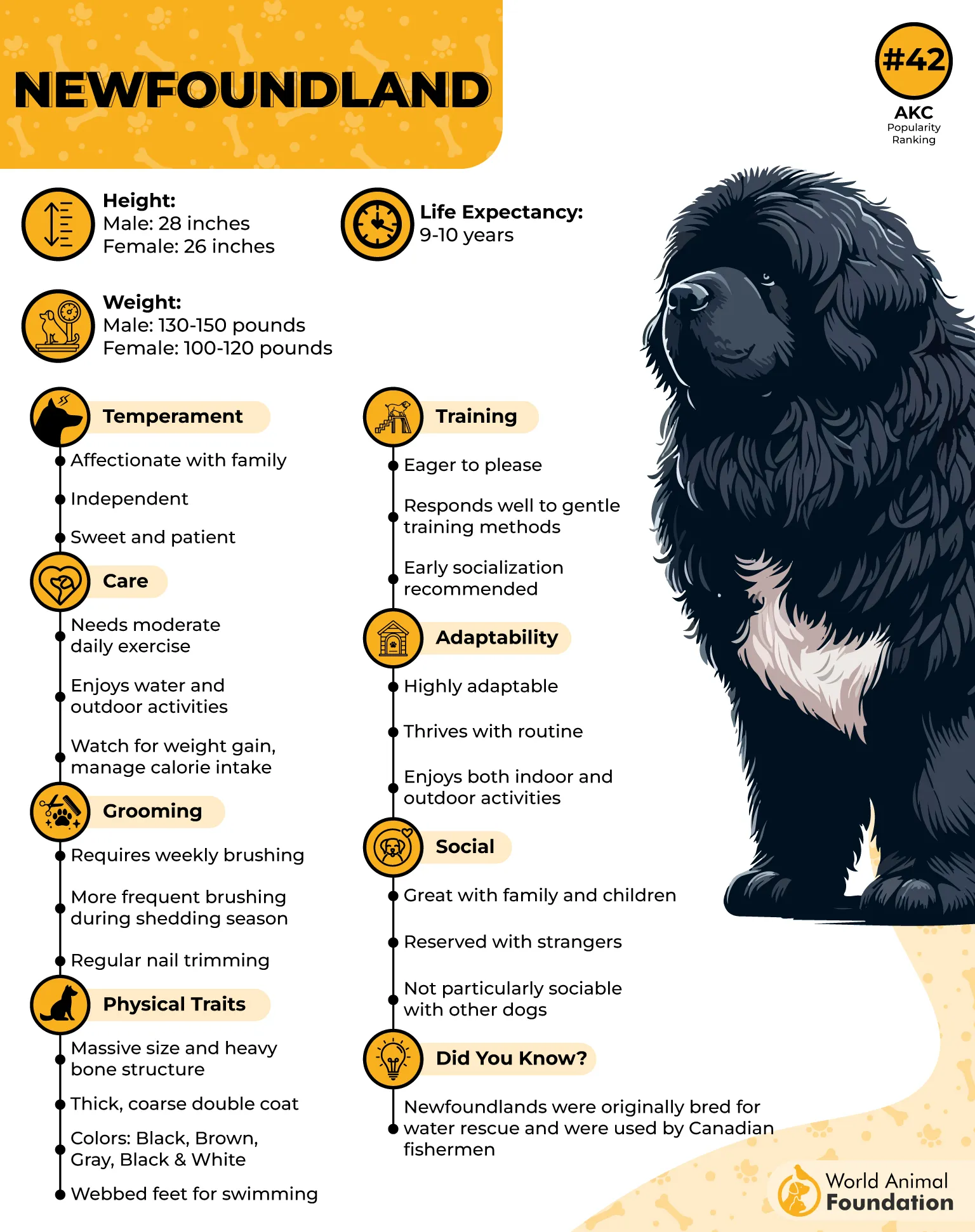
Newfoundlands guard through loyalty rather than intensity. Their instinct leans toward protection from accidents or danger, making them excellent home companions. Their deep voice provides an effective deterrent when needed.
Mental Stimulation, Training & Socialization Requirements
• Swimming sessions, slow walks, and water play
• Scent games and memory-based puzzles
• Soft, positive training that encourages cooperation
• Interaction with neighbors and pets to maintain social ease
Grooming & Upkeep
• Heavy coat care with frequent brushing
• Ear checks due to water activity
• Seasonal shedding management
Preventive care includes monitoring heart health, joint conditions, and maintaining a healthy weight. Regular vet visits and controlled activity help these giants age gracefully.
Environmental needs focus on cool climates, spacious yards, and shaded areas. Access to water, secure fencing, and comfortable indoor resting spaces help Newfoundlands stay happy and balanced.
7. Saint Bernard
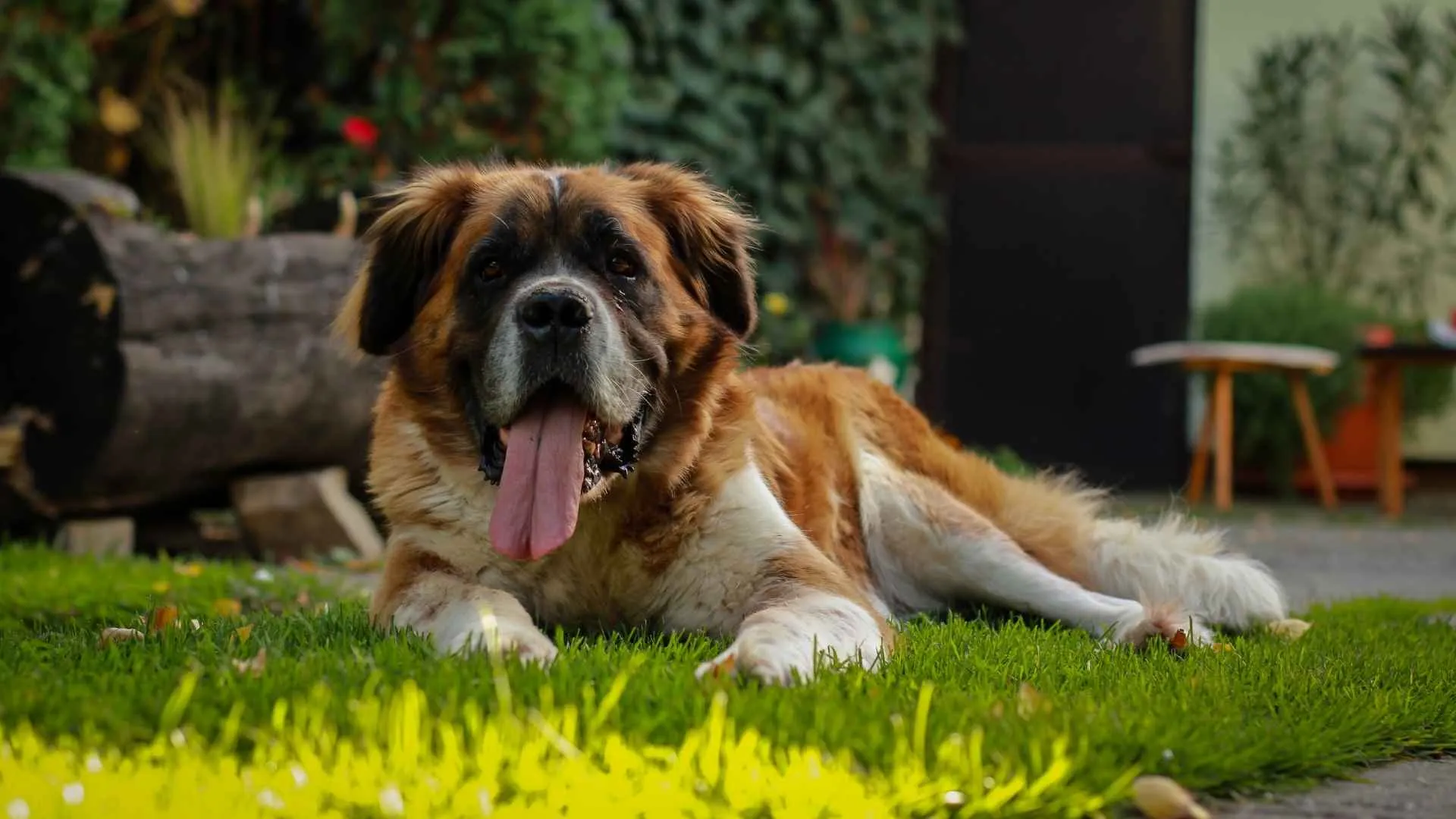
The Saint Bernard is the warm-hearted mountain hero of family guardians, known for its sweet expression and calm loyalty.
Around children, it shows remarkable gentleness, turning into a patient giant that watches over the household with genuine affection. Homes that enjoy steady companionship and love a touch of drooly charm will adore this breed.
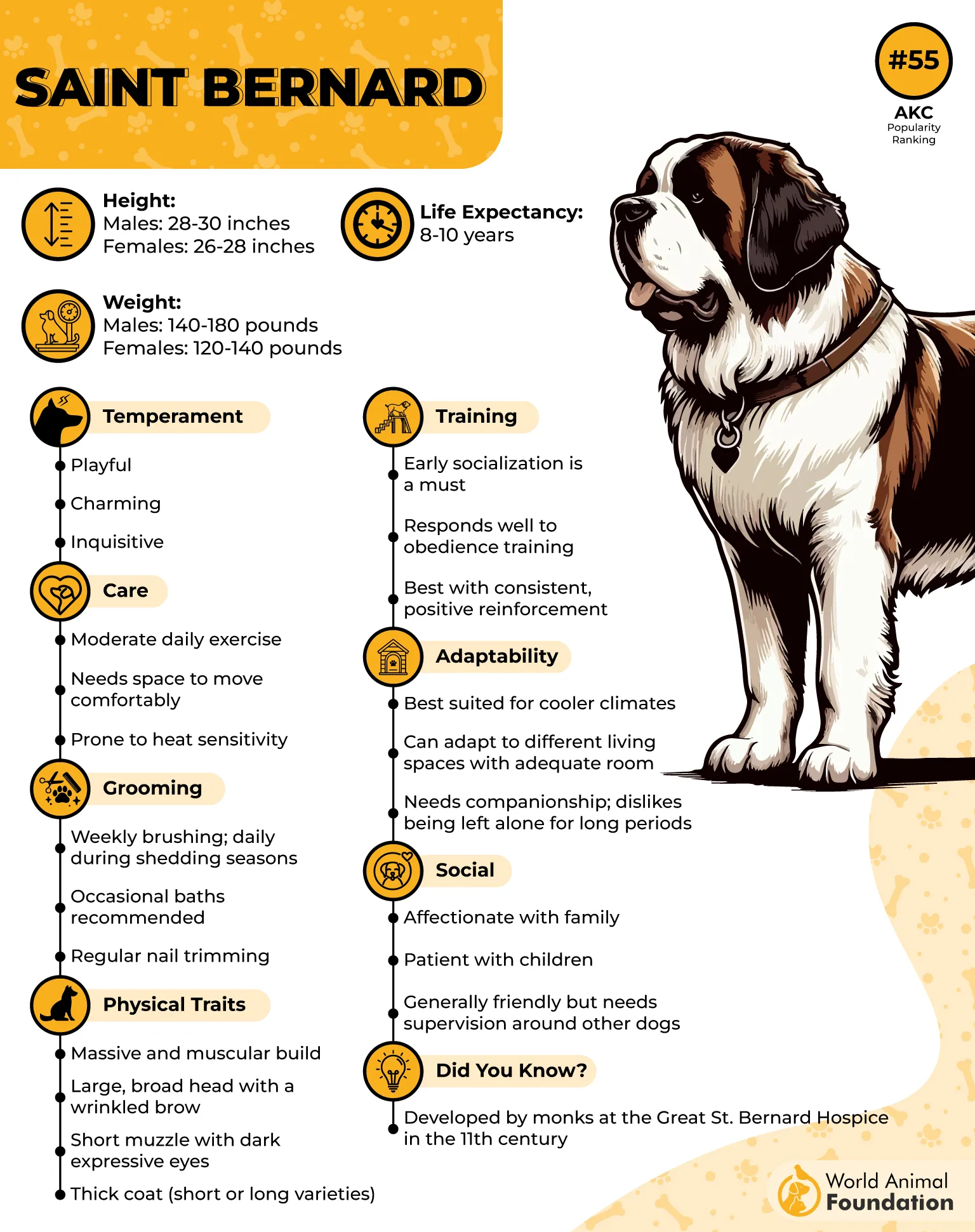
As a protector, the Saint Bernard brings a mix of vigilance and level-headed judgment. It stands tall when sensing a threat, relying on its size and calm authority. Its booming bark makes a strong statement at the right moments.
Mental Stimulation, Training & Socialization Requirements
• Moderate daily walks with breaks
• Simple enrichment tasks like nose work
• Patient training with consistent cues
• Social outings to maintain confidence
Grooming & Upkeep
• Regular brushing to manage thick fur
• Drool cleanup and facial hygiene
• Routine coat checks during warm seasons
Preventive care centers on monitoring joints, heart health, and seasonal heat sensitivity. Good nutrition and attentive veterinary care support the Saint Bernard’s impressive frame.
This breed thrives in cool environments, open yards, and quiet households that allow plenty of rest between activities. Shade, secure outdoor space, and climate-controlled indoor areas help this iconic guardian flourish.
Conclusion
Giant guardians offer a calm demeanor, impressive size, and a protective nature that make them excellent guard dogs for family life. With proper care and early socialization, they grow into well-adjusted companions who build deep bonds with family members.
Breeds not covered here—like German Shepherds, Cane Corsos, Giant Schnauzers, Doberman Pinschers, and Belgian Malinois—also rank among the best guard dog breeds, known for sharp instincts, muscular build, and effective protection in police and military roles.
If you’re considering a protective dog, start early training and proper guidance from a young age. Want help choosing the right breed? I’m here for you.
