




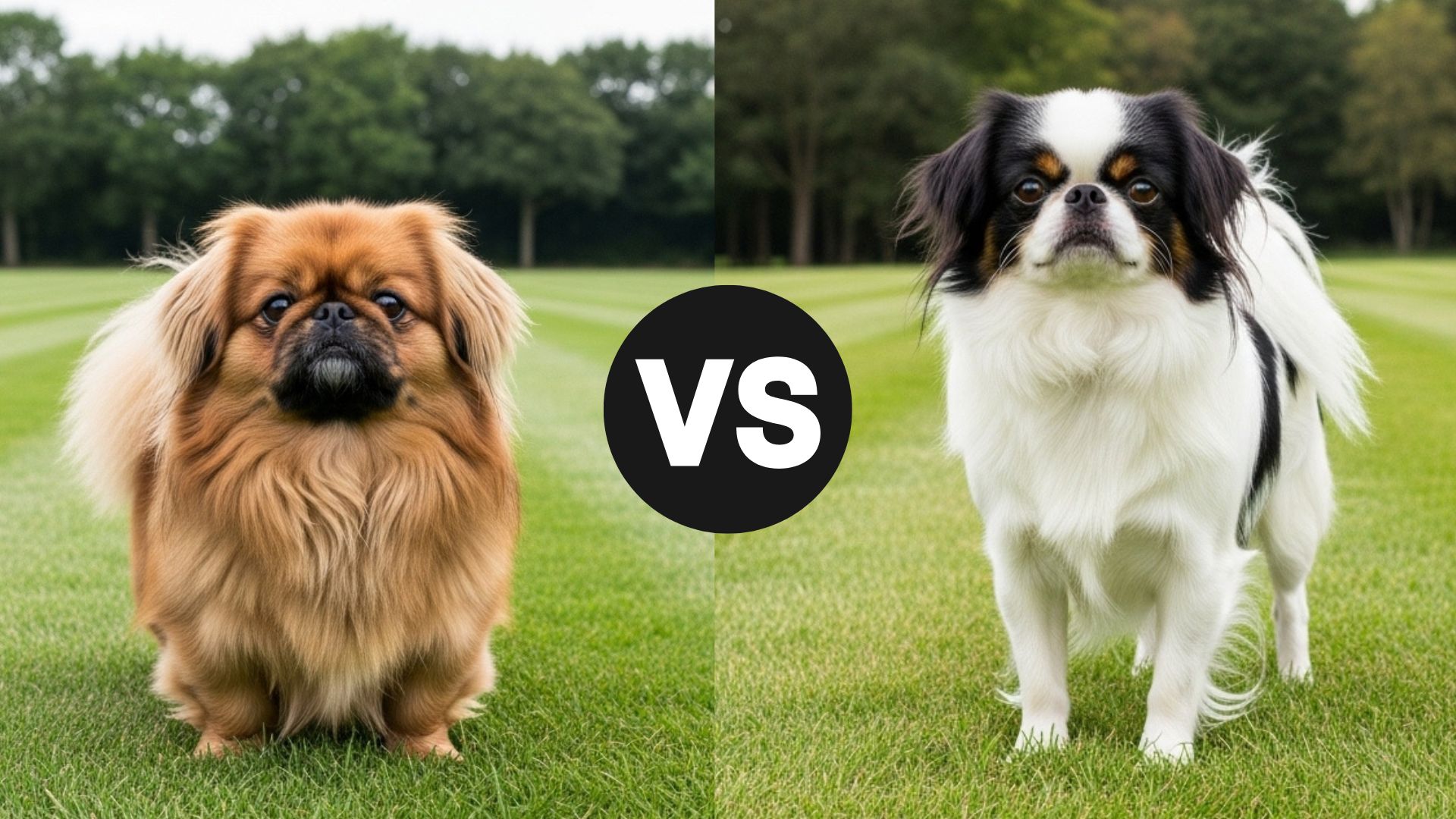
Are you trying to decide between a Pekingese and a Japanese Chin for your next playful companion?
Both of these toy dog breeds are small, charming, and beloved for their affectionate personalities. However, they have distinct histories, appearances, and temperaments that make each breed unique.
Beyond looks and history, both breeds have distinctive personalities, health considerations, and grooming needs. Whether you value a stately, independent companion or a graceful, lively friend, understanding the differences in size, temperament, exercise requirements, and care is essential.
Let’s dive into the details so you can choose the breed that perfectly fits your family and lifestyle.
Pekingese vs Japanese Chin: Key Differences, Temperament & Guide
Overview
Although both the Pekingese and Japanese Chin are small dogs, they have distinct personalities and care needs.
Both feature the iconic flat face, large expressive eyes, and a charming presence that makes them stand out among dogs.
The Pekingese tends to be more independent, proud, and loyal, while the Japanese Chin is playful, graceful, and often craves social interaction with people and other pets.
Their grooming requirements also differ: the Pekingese has a lion-like mane needing more attention, whereas the Japanese Chin’s smooth coat is easier to manage.
These two dogs may look similar, but their behavior and grooming needs differ greatly.
To understand their differences better, let’s compare them one trait at a time.
Size & Weight
When comparing Japanese Chin vs Pekingese, size is one of the first noticeable differences. While both are compact companions, the Pekingese is sturdier, and the Japanese Chin is taller and more agile.
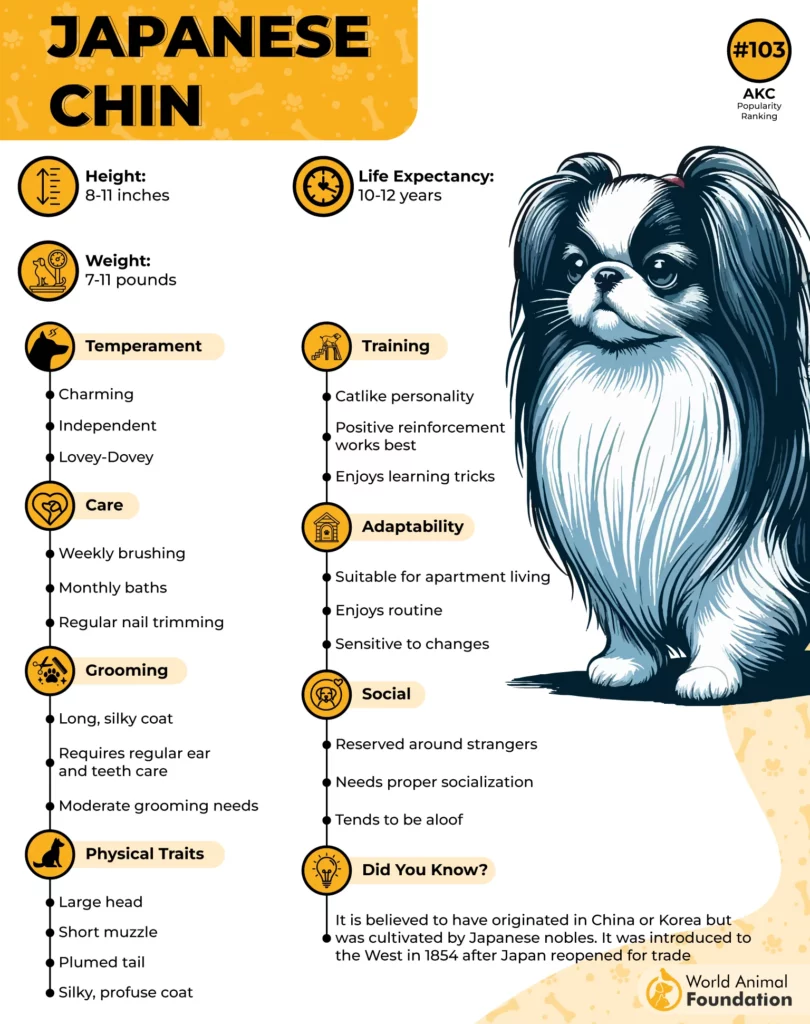
The Japanese Chin is generally taller, standing around 8 to 11 inches tall at the shoulders and weighing between 7 and 11 pounds. Their body length is typically proportionate to their height, giving them a graceful and elegant appearance.
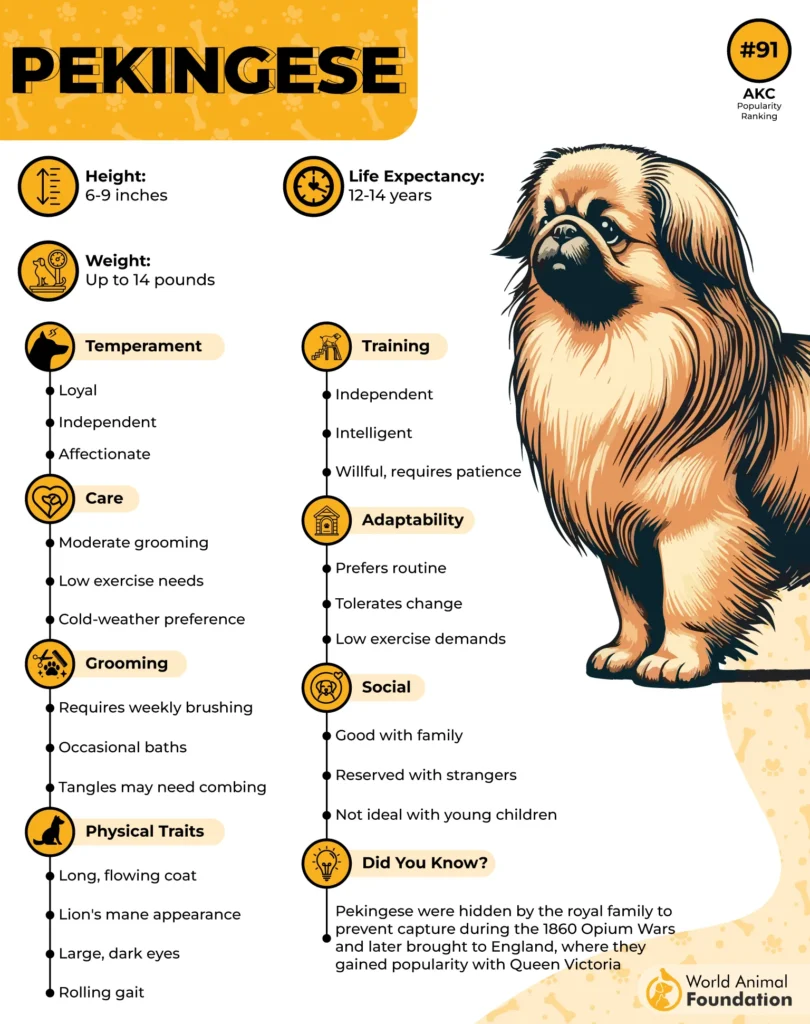
The Pekingese, in contrast, is shorter but sturdier, measuring approximately 6 to 9 inches in height and weighing 7 to 14 pounds. Its compact frame and broad chest give it a strong, royal appearance, often described as having a lion-like stance.
While both breeds are small, the Pekingese tends to be heavier, and the Japanese Chin slightly taller, which can influence how they move and play.
Understanding these size differences helps owners prepare for housing, exercise needs, and daily care, ensuring each dog thrives in the right environment.
Coat & Colours
One of the most striking differences between the Japanese Chin vs Pekingese is their coats.
The Japanese Chin is recognized for its silky, straight, and long coat, which lends it an elegant and refined appearance. Its ears, neck, thighs, and tail are covered with feathery hair, while the face, head, and front legs have shorter hair.
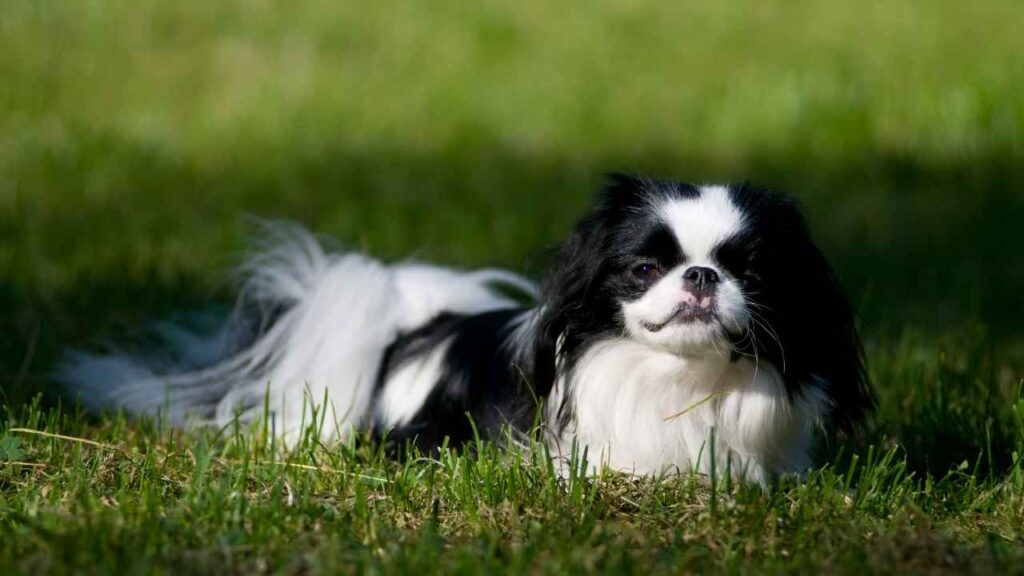
Japanese Chins come in a variety of colors, including black and white, red and white, lemon and white, sable and white, black tan and white, and white and black. Despite its long hair, grooming is fairly easy — a weekly brushing and a monthly bath usually keep the coat smooth and healthy.
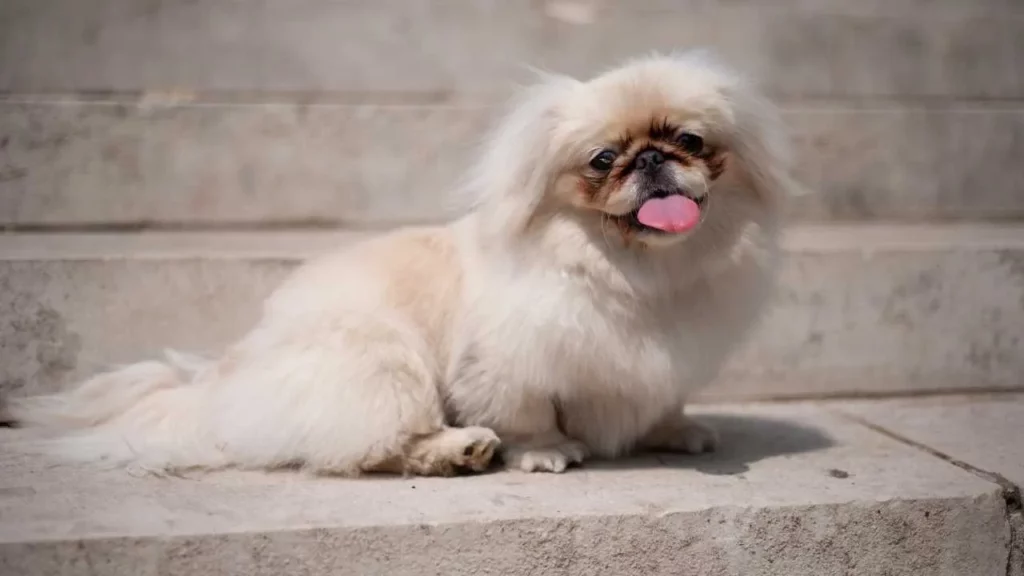
The Pekingese, on the other hand, has a double coat with a soft undercoat and a coarse top coat. Its heart-shaped drooping ears and lion-like mane around the neck give it a regal appearance. Pekingese come in many colors, such as fawn, red, red brindle, cream, black, red sable, gray, biscuit, and white, among others.
Their long, straight coat requires more attention, needing brushing and detangling two to three times a week to avoid mats and tangles. Seasonal shedding can also be significant, so regular care is essential for a healthy, beautiful coat.
Understanding these coat differences helps potential owners plan for grooming routines, maintenance, and lifestyle adjustments, ensuring their dog stays comfortable and looks its best.
Temperament & Trainability
When it comes to Japanese Chin Vs Pekingese, their personalities are quite different.
The Pekingese is an independent, proud, and fiercely loyal breed. According to the American Kennel Club, it often forms strong attachments to its family but prefers calm households and may do best with older children who understand gentle handling.
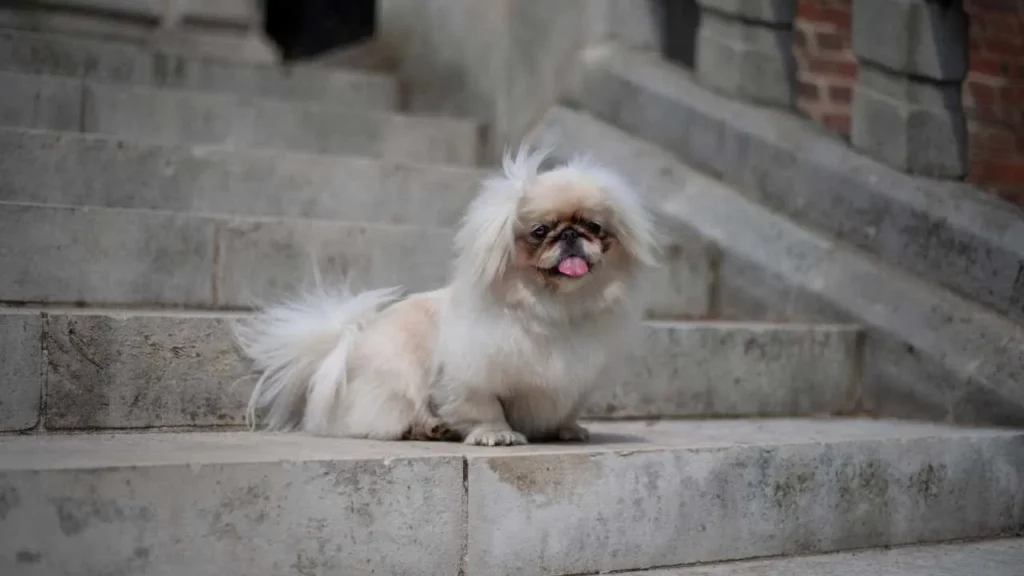
Pekingese dogs can be a bit stubborn, so gentle training from an early age and consistent guidance are essential to help them learn house training and basic commands.
As noted by PetMD, the Japanese Chin is a playful and affectionate breed that thrives on social interaction with both humans and other pets. This breed tends to be more outgoing and enjoys forming strong bonds with its owners.
While Japanese Chins are easier to train than Pekingese, they also benefit from mental stimulation, positive reinforcement, and a consistent routine to stay happy and well-behaved.
Both breeds respond best to patient, gentle training techniques. Rewarding good behavior and avoiding harsh corrections helps toy breeds develop confidence and a loving bond with their family.
Once you understand their temperaments, the next step is to assess how their physical activity needs and lifestyle adaptability align with your home.
Exercise Needs & Adaptability
Although both the Pekingese and Japanese Chin are small dog breeds, they still need regular activity to stay healthy and happy. A moderate physical activity routine, such as short daily walks or indoor play sessions, helps prevent boredom and keeps their energy levels balanced.
The Pekingese, with its flat face and short, broad muzzle, can overheat more easily and may struggle during vigorous activity. Owners should monitor them closely in warm weather and avoid long walks in the heat.
Dogs with short noses are prone to breathing issues and other respiratory system problems, so keeping them cool and comfortable is essential.
In contrast, the Japanese Chin is slightly taller and more agile, making it adaptable to apartment living and active family households, as noted by Britannica. They enjoy interacting with people and other pets, and a few short play sessions each day are usually enough to meet their physical activity needs.
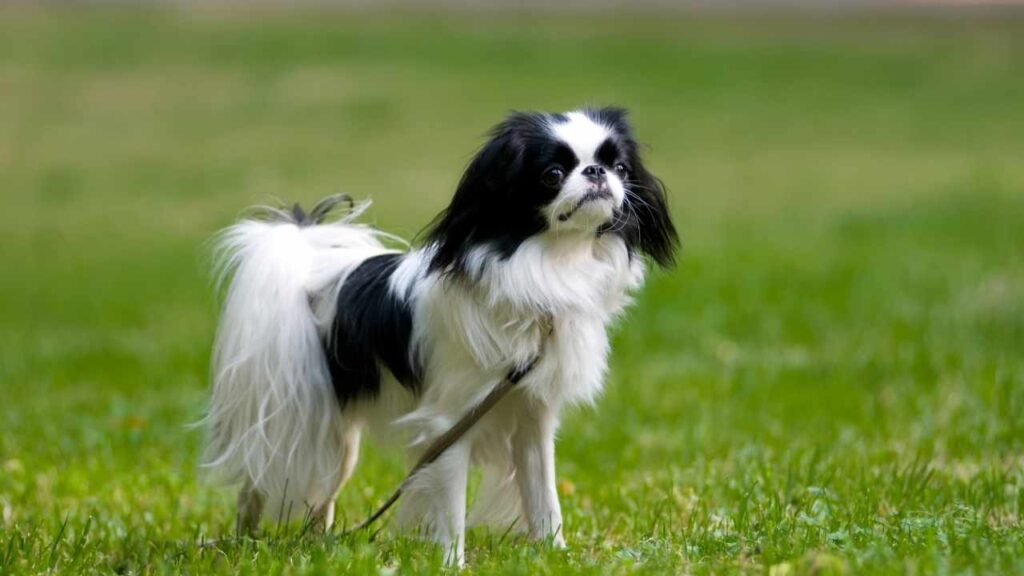
By providing a consistent exercise routine suited to each breed, owners can ensure their dogs remain happy, healthy, and well-adjusted.
Health & Lifespan
Both the Pekingese and Japanese Chin are generally long-lived, often reaching 12 to 15 years with proper care and attention. However, each breed faces health challenges that you need to be aware of.
WebMD mentions that the Pekingese is prone to flat face-related issues, such as breathing difficulties and overheating. They may also develop heart murmurs, luxating patellas, or eye problems due to their large, prominent eyes.
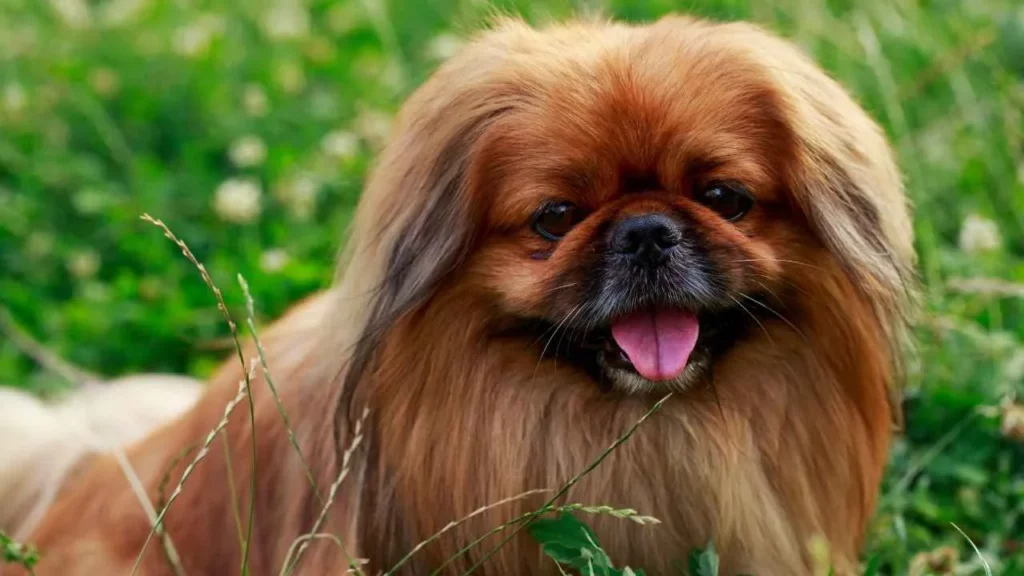
Regular veterinary care and monitoring for early signs of discomfort can help prevent serious complications.
The Chin is known for its delicate structure, which can sometimes lead to joint issues or respiratory problems if not properly cared for. They are generally more resilient than Pekingese but still benefit from routine checkups and preventive health screenings.
Responsible owners should seek reputable breeders who screen for genetic conditions, including progressive retinal atrophy, and provide information about the puppy’s parents.
Maintaining a healthy weight, a balanced diet, and regular exercise contributes significantly to the overall health and lifespan of both breeds.
Grooming & Shedding
Caring for a Pekingese or a Chin involves more than just brushing their fur.
The Peke has a dense double coat with a prominent mane, requiring careful attention to prevent tangles, especially around the neck, chest, and tail. Regular and higher grooming sessions help remove loose hair, prevent matting, and maintain their skin’s health.
The Chin, while having a long, silky coat, sheds less heavily and is easier to manage. Weekly brushing keeps the fur smooth and reduces hair buildup around the ears and thighs, especially during seasonal changes.
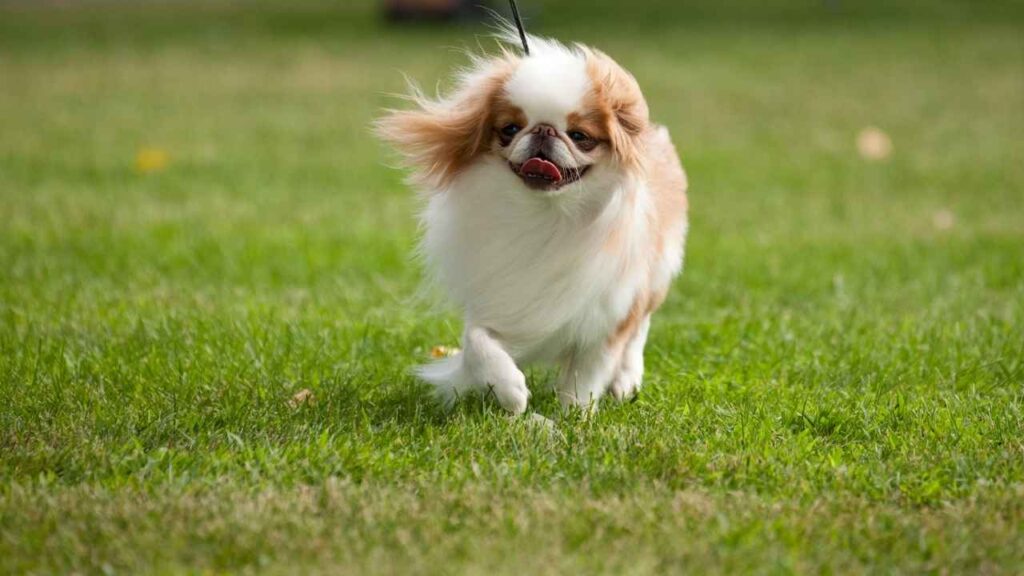
Bathing both breeds every few weeks helps maintain coat shine and hygiene, while trimming nails and cleaning facial folds supports overall health.
Using the right tools, such as a slicker brush for Pekingese and a soft-bristled brush for Japanese Chin, ensures grooming is both comfortable and practical. Maintaining a careful grooming routine prevents skin problems and keeps these dog breeds looking their best.
Historical Origins & Background
The history of the Pekingese truly begins in the palaces of ancient China. For centuries, these dogs were virtually royalty‑only pets, bred to live in the imperial courts and even carried in the sleeves of royal robes.
The Peke was kept exclusively by the imperial family and was regarded as sacred. Legend goes that Buddhist monks considered the dog a miniature version of a lion. The Pekingese only entered Western awareness in the 19th century when a few were taken to England during the looting of the Old Summer Palace.
On the other hand, the Chin (also called the Japanese Spaniel) has its roots in Asia as well, but with a slightly different path. Though the breed likely originated in China, it was later introduced to Japan and elevated to a cherished companion of the Japanese aristocracy.
Historical records indicate that these dogs were given as gifts to Japanese royalty and later exported to Europe and America in the mid-1800s.
Their noble background is still visible today in their elegant posture and refined temperament. Together, these histories explain many of their traits: the Pekingese’s proud bearing and independent nature reflect its imperial past, while the Chin’s elegance and strong bond with humans echo its role as a lap‑dog of nobility.
Suitability for Different Households
Choosing between a Pekingese and a Japanese Chin often comes down to your home environment and lifestyle.
The Chin is ideal for smaller living spaces like apartments because of its moderate exercise needs and gentle nature. They enjoy the company of other dogs and cats, making them a great choice for multi-pet households.
The Pekingese, by contrast, prefers a quieter environment and is best suited for homes with older children who understand how to handle a small but proud dog. They thrive on attention but appreciate calm surroundings where they can relax.
Both breeds are known to form strong bonds with their owners and may experience separation anxiety if left alone for long periods. If you have a busy schedule, arranging for a pet sitter or a family member to provide social interaction is recommended.
Ultimately, both the Peke and Chin flourish in a loving home with owners committed to their emotional and physical well-being.
Conclusion
When it comes to Japanese Chin vs. Pekingese, both breeds offer unique charm and companionship, but your choice ultimately depends on your lifestyle and household needs. Both breeds are affectionate, intelligent, and long-lived, making them wonderful dog breeds for the right owners.
The Pekingese is proud, independent, and regal, and has a slightly heavier build. They thrive in calm homes and form deep bonds with their families, making them ideal for owners who appreciate a loyal and dignified companion.
The Chin, on the other hand, is playful, graceful, and social. Its silky coat, gentle demeanor, and adaptability make it well-suited for families with other pets or smaller living spaces. They enjoy human interaction and form strong bonds while being easier to groom and train than the Pekingese.
By understanding their differences in size, coat, temperament, exercise, health, and household suitability, you can choose the dog that perfectly complements your life.
Whether it’s the majestic Peke or the elegant Chin, both deserve a loving home and attentive care.
