




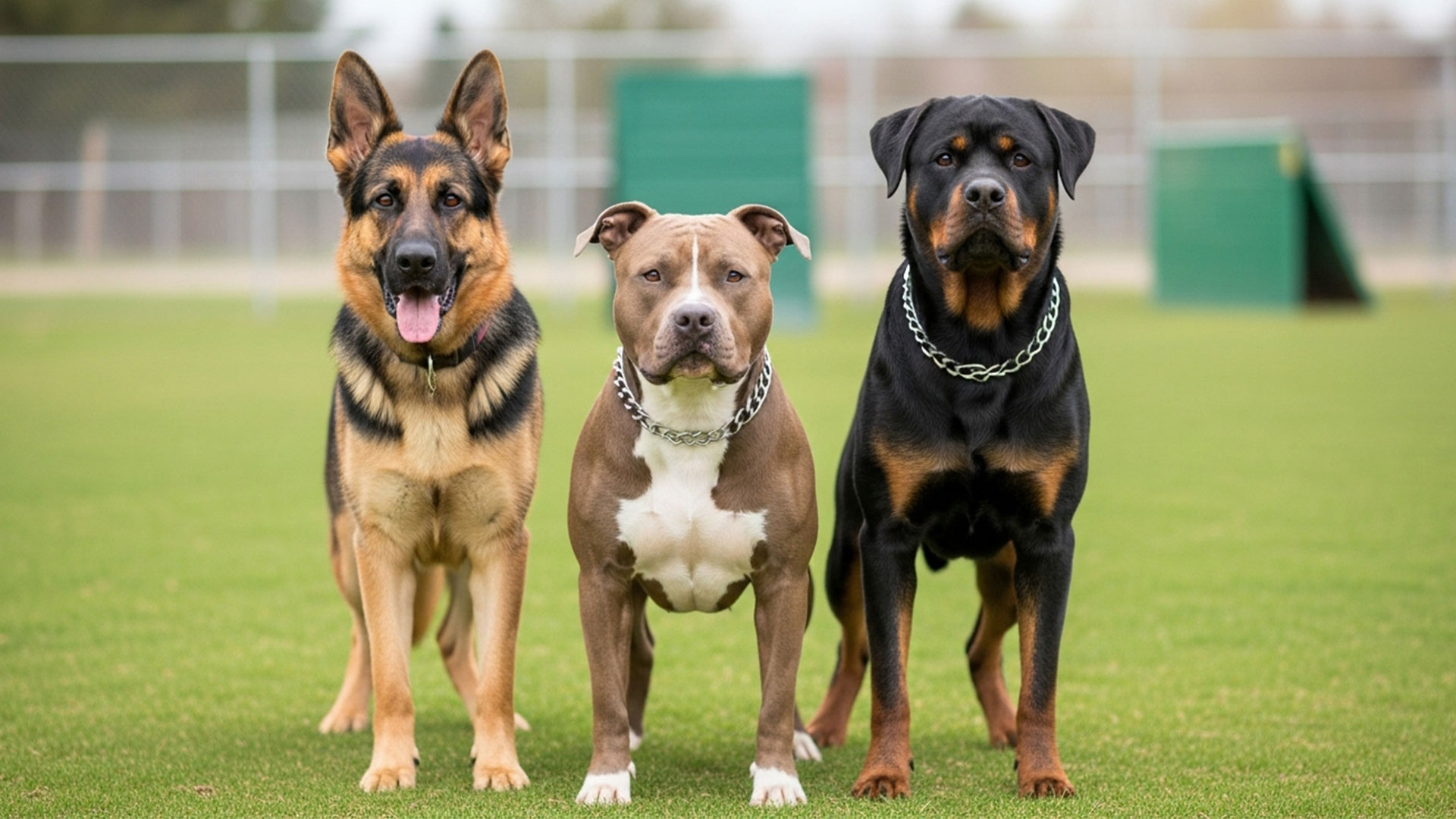
Have you ever wondered why some dogs—despite looking calm and cuddly—end up in the news for severe dog bite injuries? Or why are certain breeds frequently involved in dog attack cases compared to others?
Dog bites are more common than many realize, and while most dogs are gentle companions, bite incidents can happen when least expected. Sometimes, it’s due to a lack of proper training. Other times, it’s because the dog feels threatened or stressed.
Understanding dog bite statistics can help prevent tragic outcomes, including fatal bites and significant medical bills. Instead of blaming a dangerous dog breed, it’s crucial to recognize the deeper issue: a dog’s behavior is shaped by its environment, care, and socialization.
Before labeling any breed as “most dangerous,” let’s explore why some dogs are more likely to bite—and how responsible dog ownership and consistent training can make all the difference.
Most Popular Dog Breeds With Bite Risk
1. German Shepherd

German Shepherds are admired for their intelligence, loyalty, and striking appearance. Often chosen as working dogs in police and military roles, their strong protective instincts and desire to guard make them valuable assets—but also potentially risky in a family setting.
Without proper training or socialization, these instincts can lead to defensive and even aggressive behavior toward unfamiliar people.

Bite Risk and Behavior
German Shepherds regularly appear in dog bite statistics due to their powerful build and territorial nature. Their bites can cause severe injuries, including puncture wounds and nerve damage, especially in situations where they feel threatened or tasked to defend.
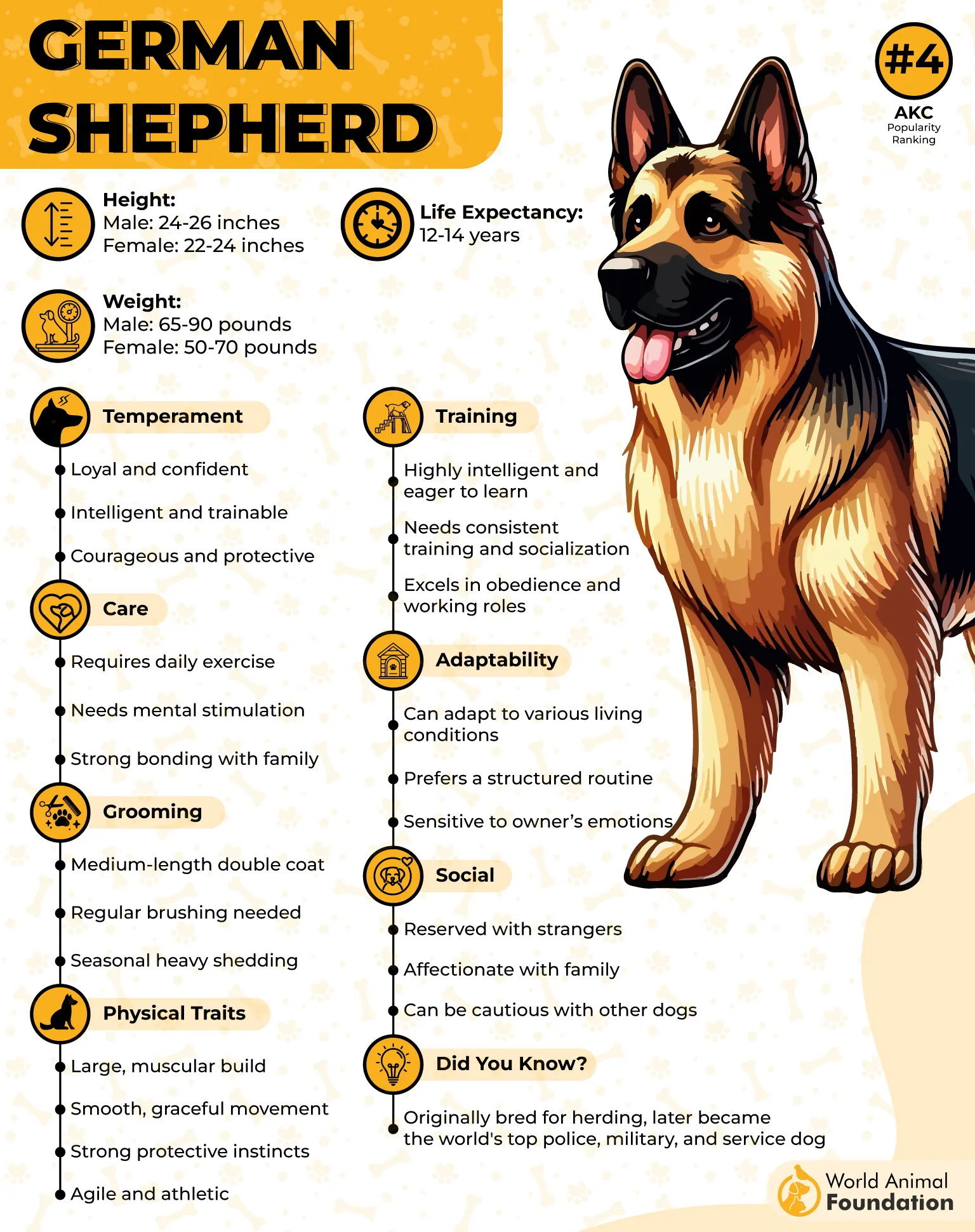
According to PMC, German Shepherds are frequently involved in documented dog bite cases across the U.S., often ranking among the top breeds likely to bite.
Proper training, early socialization, and consistent mental stimulation are essential in preventing aggressive behavior. With responsible ownership, this highly intelligent breed can become a gentle guardian instead of a potential threat.
2. Pit Bull

Pit Bull-type dogs are often at the center of dog bite statistics and discussions around dangerous breeds. This group includes several strong, muscular dogs like American Pit Bull Terriers and American Staffordshire Terriers.
Their power, coupled with their determination, can make their bites more severe compared to many other breeds. In fact, AVMA notes that Pitbull-type dogs account for a significant share of severe dog bite injuries and even fatal dog attacks in the U.S.
Bite Risk and Factors
Despite their reputation, Pit Bulls are not inherently aggressive. Many dog bite incidents involving Pit Bulls stem from irresponsible ownership—such as poor training, lack of socialization, or intentional neglect.
Some communities have even implemented breed-specific legislation due to the frequency of Pit Bull bites and the severity of the injuries they can cause.
Pit Bulls can be gentle and loving in the right environment. However, because their bites can inflict serious injuries, responsible ownership, proper training, and secure handling are essential for safely managing this frequently involved breed.
3. Rottweiler

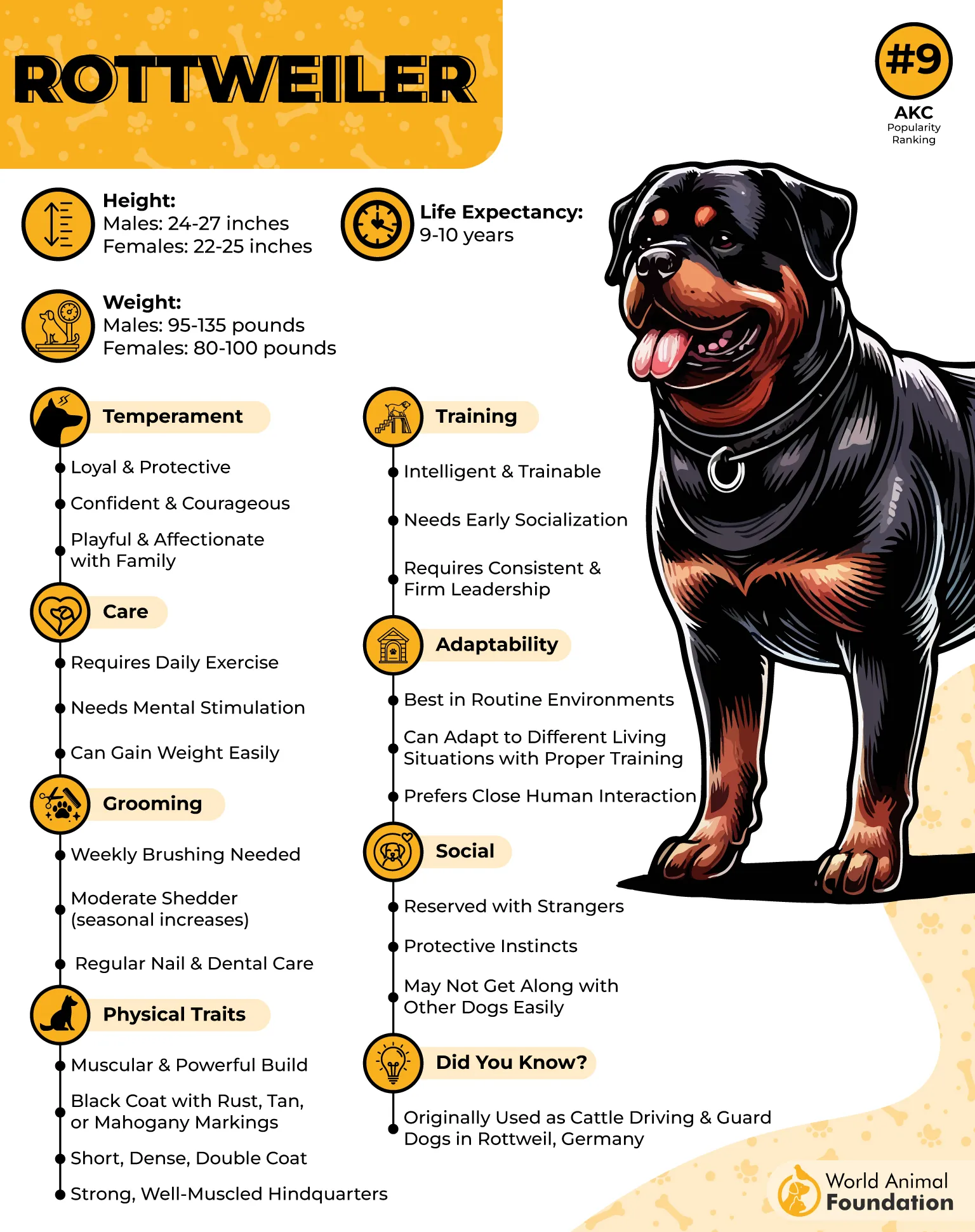
Rottweilers are powerful, large dogs with a strong guarding instinct, making them popular choices for protection and security roles. However, their strength and territorial nature also place them among the top breeds involved in severe bite incidents.
According to PubMed, Rottweilers were the second most frequently implicated breed in fatal dog attacks between 1979 and 1998. Their size and forceful bite can cause life-threatening injuries when not properly managed.
Bite Risk and Responsibility
Despite their reputation, Rottweilers are not inherently aggressive. They’re often loyal, affectionate, and calm in stable environments. Problems arise when owners fail to provide consistent training or proper socialization.
With proper training, socialization, and responsible ownership, Rottweilers can be gentle family protectors. The key is clear leadership, early obedience training, and constant supervision around unfamiliar people.
4. Siberian Husky

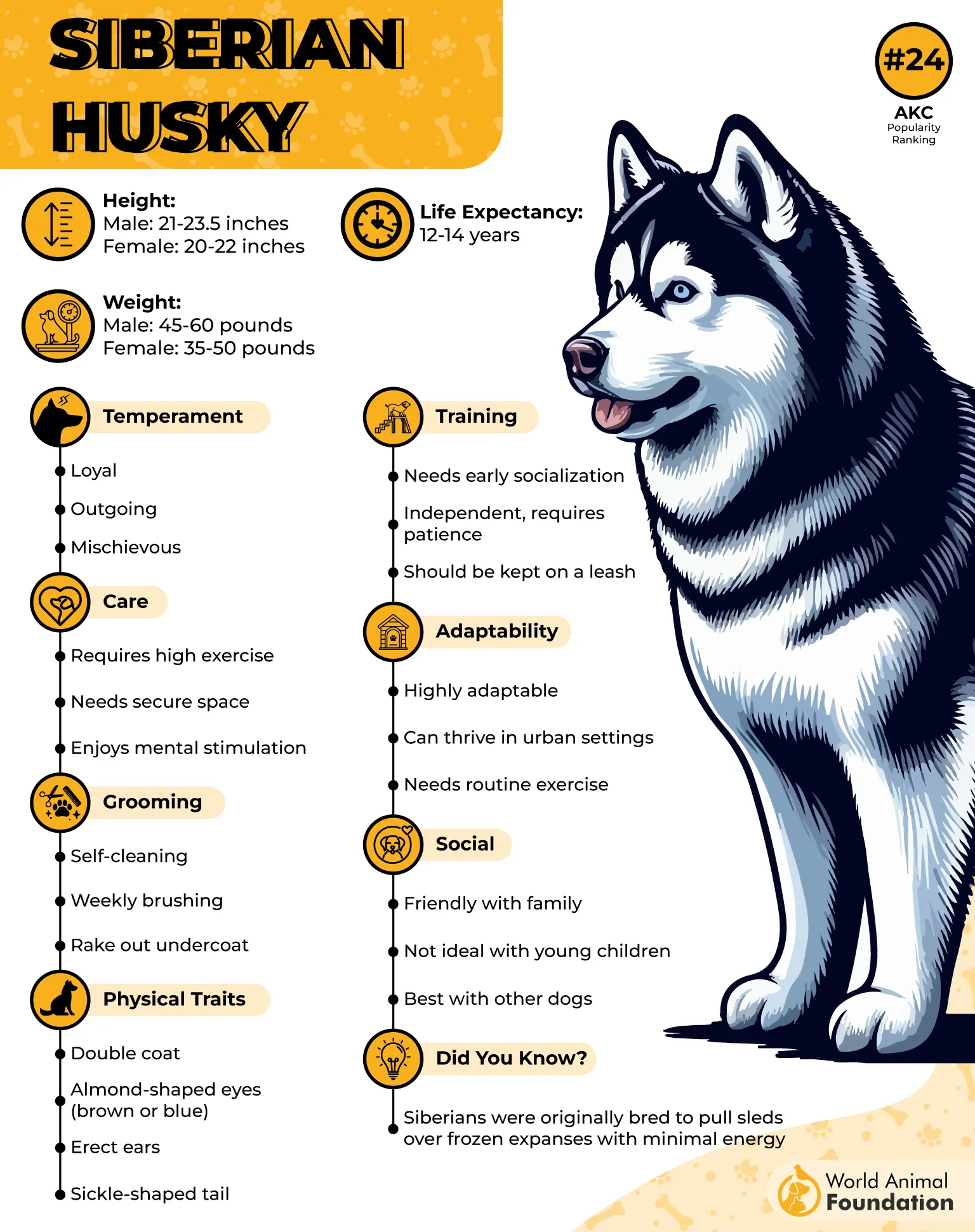
Siberian Huskies are known for their striking looks, stamina, and playful personality. While not typically aggressive toward humans, they’re still included on lists of popular dog breeds involved in bite incidents—mostly due to their high energy and independent nature.
According to DogsBite.org, in the U.S., Huskies were linked to at least one fatality in 2019. Regionally, their bite risk is often tied to how popular they are: for instance, Huskies appear more frequently in bite data in Canada simply because they are more common there.
Bite Risk and Behavior
Huskies may show aggression toward other dogs if not properly socialized, and their need for physical and mental stimulation can lead to destructive or undesirable behavior. Early training is key—starting as puppies helps curb unwanted habits before they develop into adulthood, as per PetMD.
Teaching leash manners is crucial, as Huskies tend to run off when given the chance. Owners should also work on reducing excessive barking or howling.
With consistent training and responsible ownership, Huskies can grow into affectionate, gentle companions rather than bite risks.
5. Doberman Pinscher

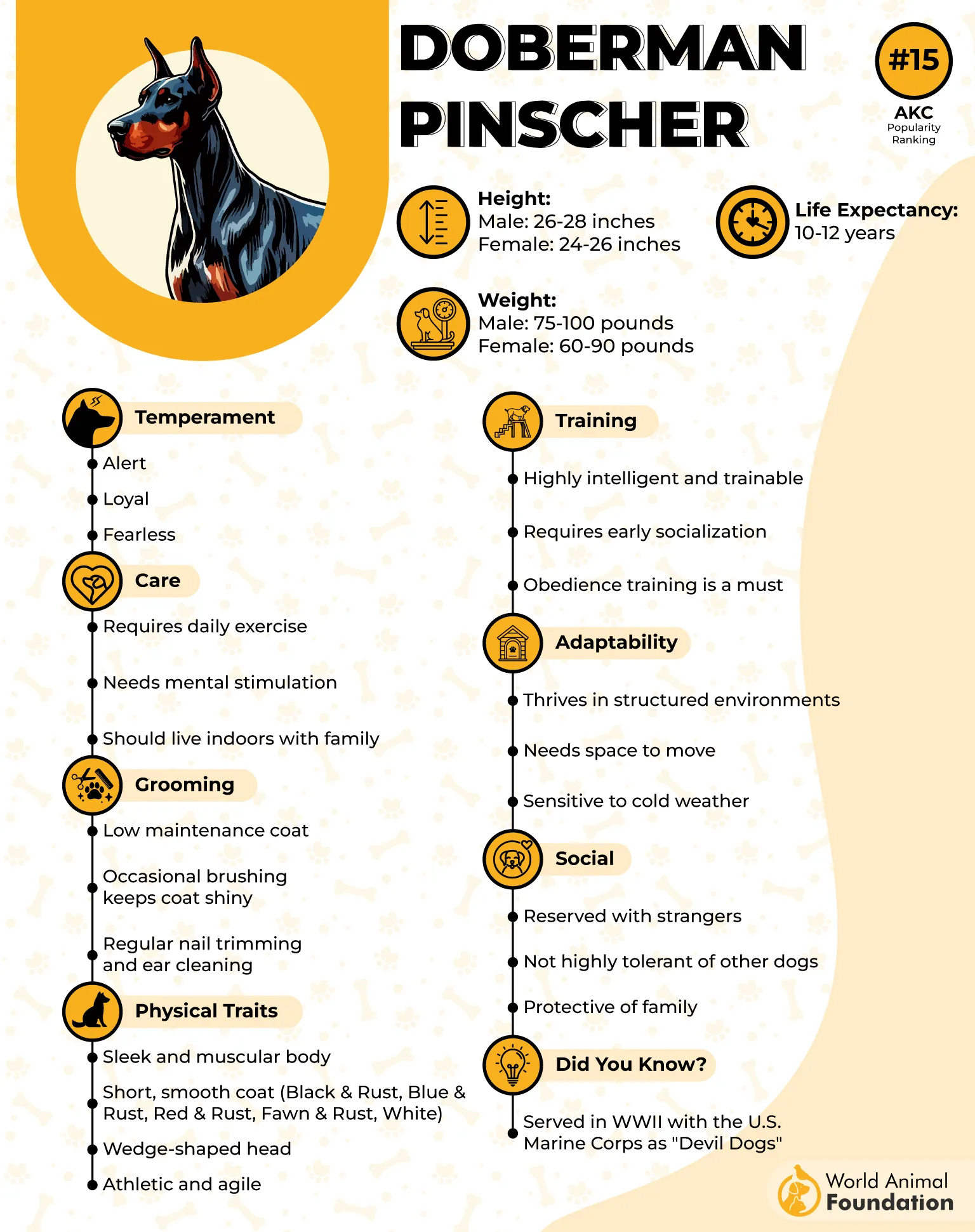
Doberman Pinschers are renowned for their loyalty, intelligence, and sleek, muscular appearance. Originally bred as guard dogs, they possess strong protective instincts and a natural wariness around strangers.
This combination makes them popular choices in security and police work—yet it also places them among the breeds most frequently linked to bite risks.
Bite Risk and Temperament
Dobermans are attentive and defensive by nature. If they sense a threat to their family, they may respond quickly—and forcefully.
With their powerful jaws, a bite from an untrained Doberman can cause serious injury. However, these dogs can be exceptionally gentle and affectionate when raised in a nurturing environment.
Proper training and socialization are key. A well-trained Doberman learns to differentiate between true danger and everyday interaction. With consistent guidance, they can be loyal companions rather than aggressive liabilities.
6. Chow Chow

Despite their teddy bear looks and regal posture, Chow Chows are often considered one of the riskier breeds when it comes to biting. This ancient Chinese breed is known for its strong-willed, territorial nature and can be wary of strangers, as per the AKC.
In multiple studies, Chow Chows consistently rank among the breeds most frequently involved in bite incidents. Even the CDC has recorded fatal cases, including a 1995 incident where a Chow Chow tragically killed a newborn in Pennsylvania.

Why Are Chow Chows Considered Risky?
Chows were bred as guard and hunting dogs—traits that remain today. They’re protective, independent, and may react aggressively if they feel threatened, especially if not properly socialized.

Their muscular build and powerful jaws mean that any bite can be quite serious. Due to their bite history, many insurance companies place them on restricted breed lists.
With experienced handling, early socialization, and firm training, Chow Chows can become loyal companions. But for many, they’re a breed best admired from afar.
7. Labrador Retriever

Labrador Retrievers are often seen as gentle family dogs, but their high numbers make them statistically present in bite reports.
As America’s most popular breed, Labs are frequently involved in minor bite incidents—usually stemming from overexcitement rather than aggression. Their playful nature can result in nipping, especially in untrained or energetic young dogs.
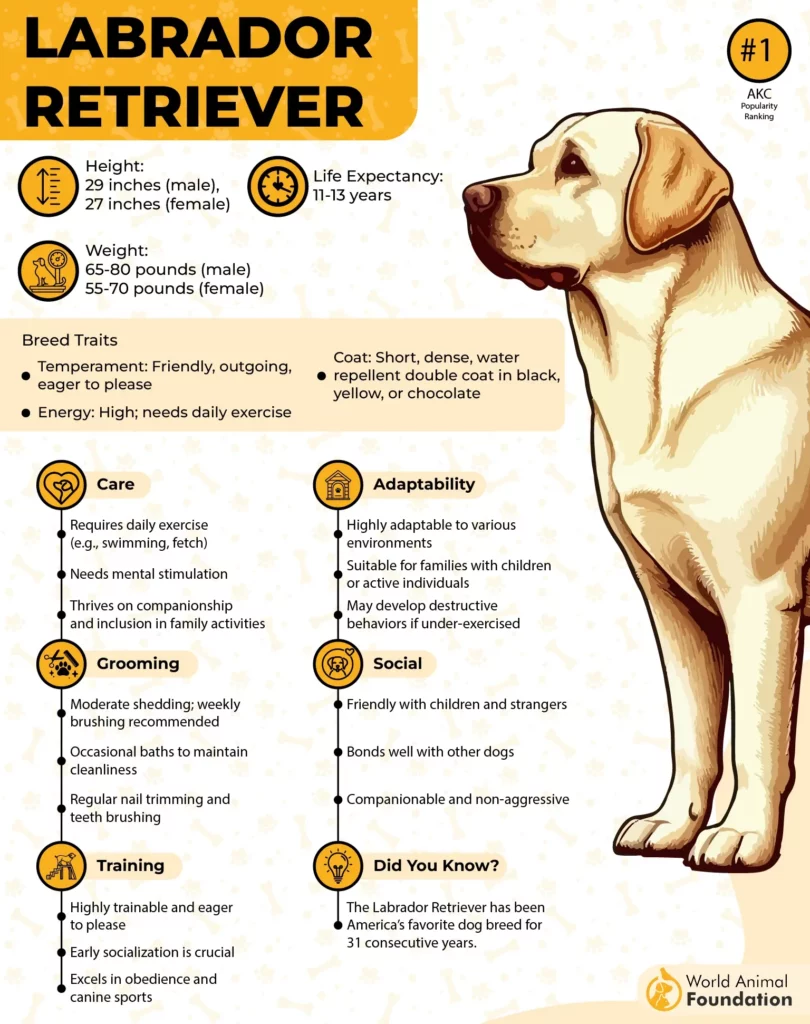
As per WebMD, despite this, Labradors are generally friendly and non-aggressive. With the right training and socialization, they remain one of the safest and most loyal pets.
Why Labradors Bite
Labs may bite when overly excited, under-stimulated, or improperly trained. Lack of exercise can lead to frustration and rough play. Teaching obedience, ensuring enough physical activity, and early socialization can significantly reduce bite risks.
Conclusion
While some dog breeds are more commonly associated with bite incidents, it’s important to remember that no dog is inherently “dangerous” by nature. Factors such as training, socialization, environment, and responsible ownership play a much larger role in shaping a dog’s behavior than breed alone.
Breeds like Pit Bulls, Rottweilers, Huskies, Dobermans, Chow Chows, and even family-friendly Labs have all appeared in bite statistics—but in most cases, these incidents could have been prevented with proper care and supervision.
Whether you’re a current dog owner or considering adopting one, the key is understanding your dog’s needs, behavior, and triggers.
Early training, consistent boundaries, and respectful interactions are essential in raising a safe and well-adjusted pet. Ultimately, responsible ownership—not breed stigma—is the best defense against dog bites.
