




Choosing the right dog breed isn’t just about looks or popularity—it’s about compatibility with your lifestyle. Many people fall in love with a breed’s appearance or reputation without realizing the unique challenges that come with it. The truth is, some of the most prominent dog breeds may not be the best fit for busy households, city living, or inexperienced owners.
For instance, breeds originally bred for herding, guarding, or hunting often require more mental stimulation and exercise than most owners can provide. When their energy and instincts aren’t properly channeled, dogs tend to develop destructive habits, separation anxiety, or behavioral issues. Factors like early socialization, consistent training, and proper diet play a crucial role in shaping a dog’s behavior.
This article isn’t about labeling dogs as “bad,” but about awareness. By understanding which breeds demand time, space, and commitment, potential owners can make informed choices—ensuring both pet and family live in harmony rather than frustration.
Prominent Dog Breeds to Avoid
1. Siberian Husky
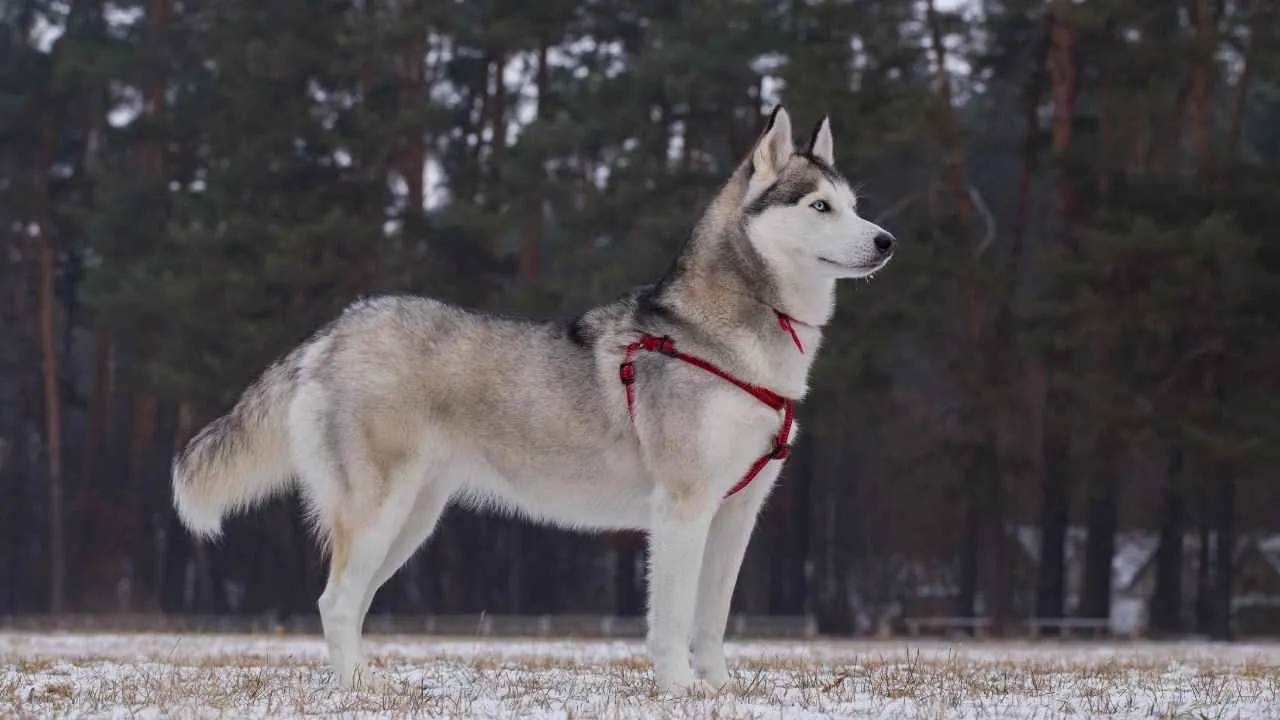
Also known simply as the Husky, the Siberian Husky is a striking breed recognized for its wolf-like appearance, icy blue or multicolored eyes, and thick double coat.
According to the American Kennel Club, the Siberian Husky is a medium-sized, thickly coated sled dog bred for endurance and teamwork.
What makes Huskies challenging to own is their boundless energy and independent mindset. They require extensive mental and physical stimulation—without it, they become restless and destructive. Many frustrated owners report chewing, digging, or escape attempts, behaviors stemming from boredom and lack of purpose.
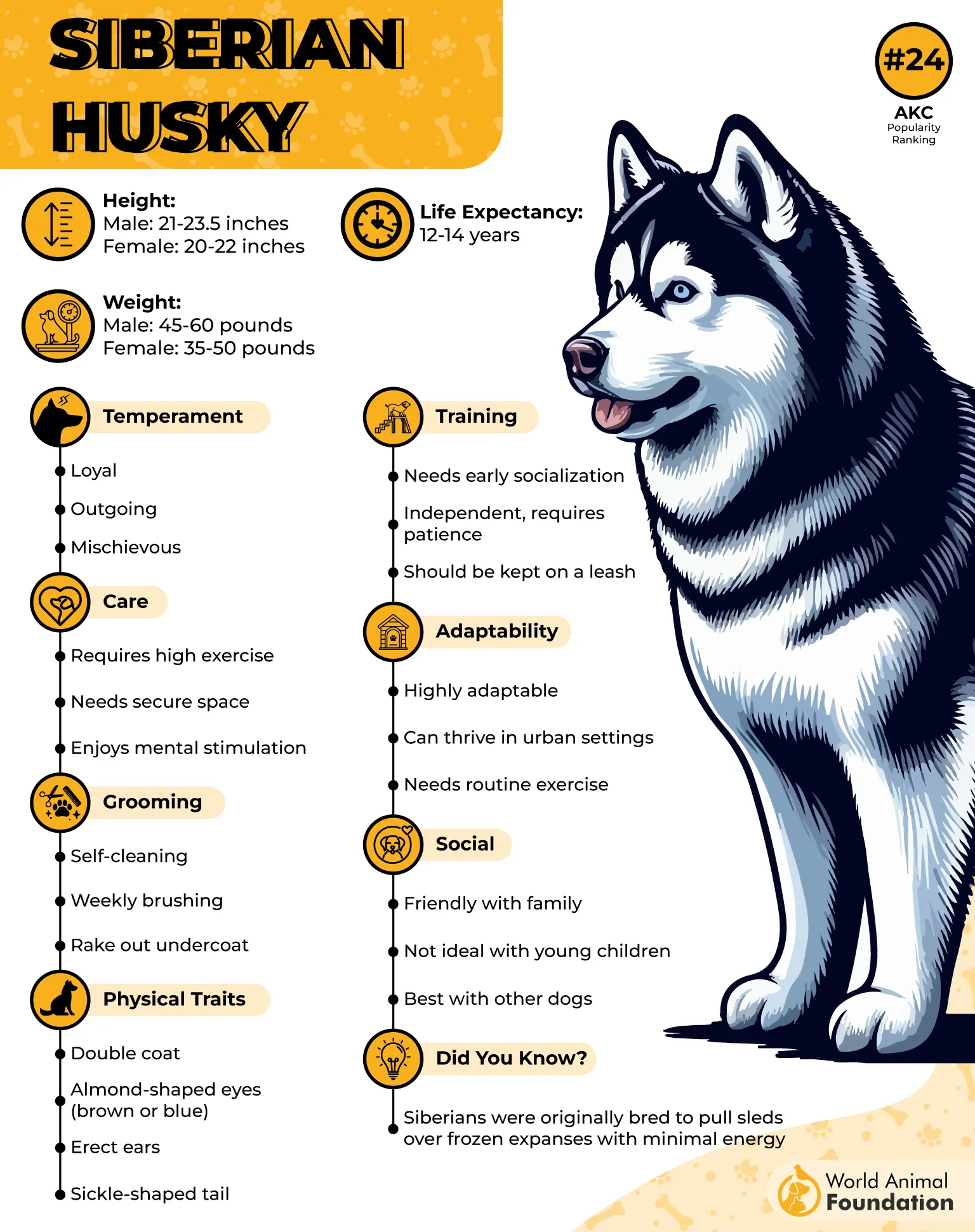
Their prey drive can also be a concern, as small other animals like cats or rabbits often trigger their instincts. Additionally, Huskies are infamous escape artists, capable of jumping fences or digging under gates in pursuit of adventure.
A fascinating fact: due to their pack heritage, Siberian Huskies can suffer from separation anxiety, often howling or whining when left alone—making them ill-suited for households where they spend long hours without companionship.
2. German Shepherd
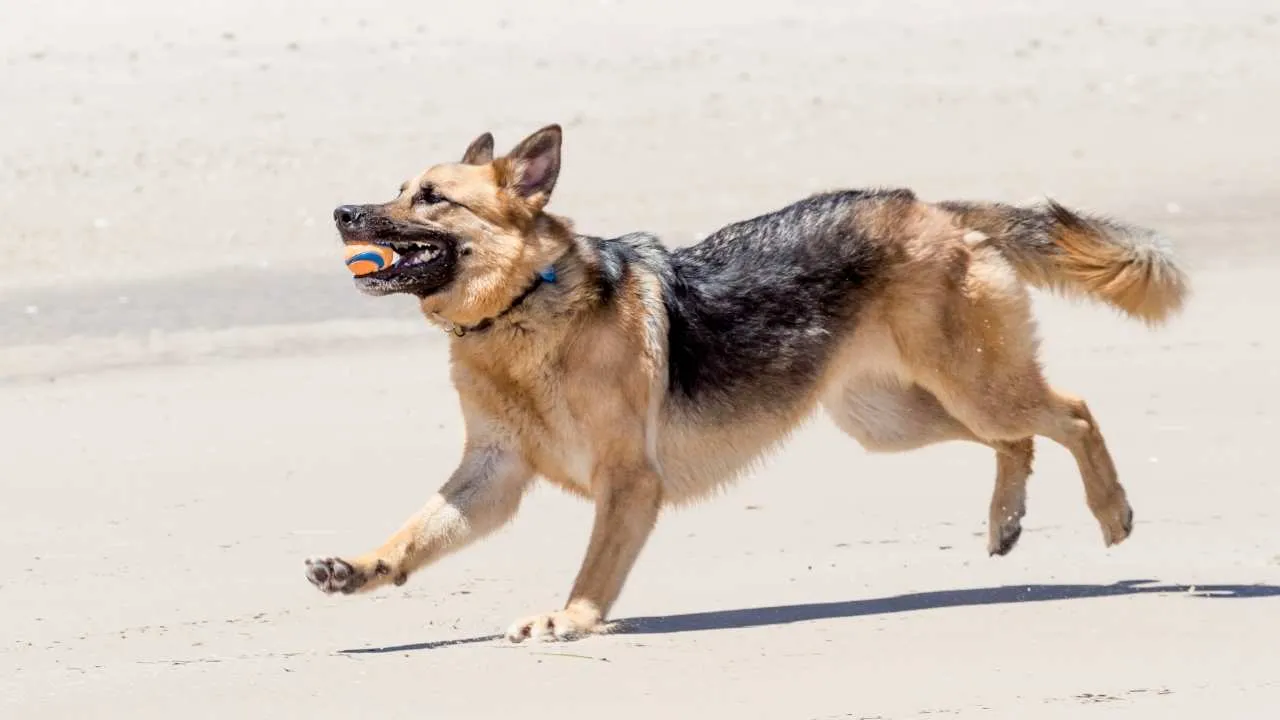
Also known as the Alsatian, the German Shepherd is one of the most recognizable breeds in the world. According to PetMD, the German Shepherd is a large, agile, and muscular breed known for its exceptional intelligence and loyalty—qualities that have made it one of the most popular dog breeds in the United States.
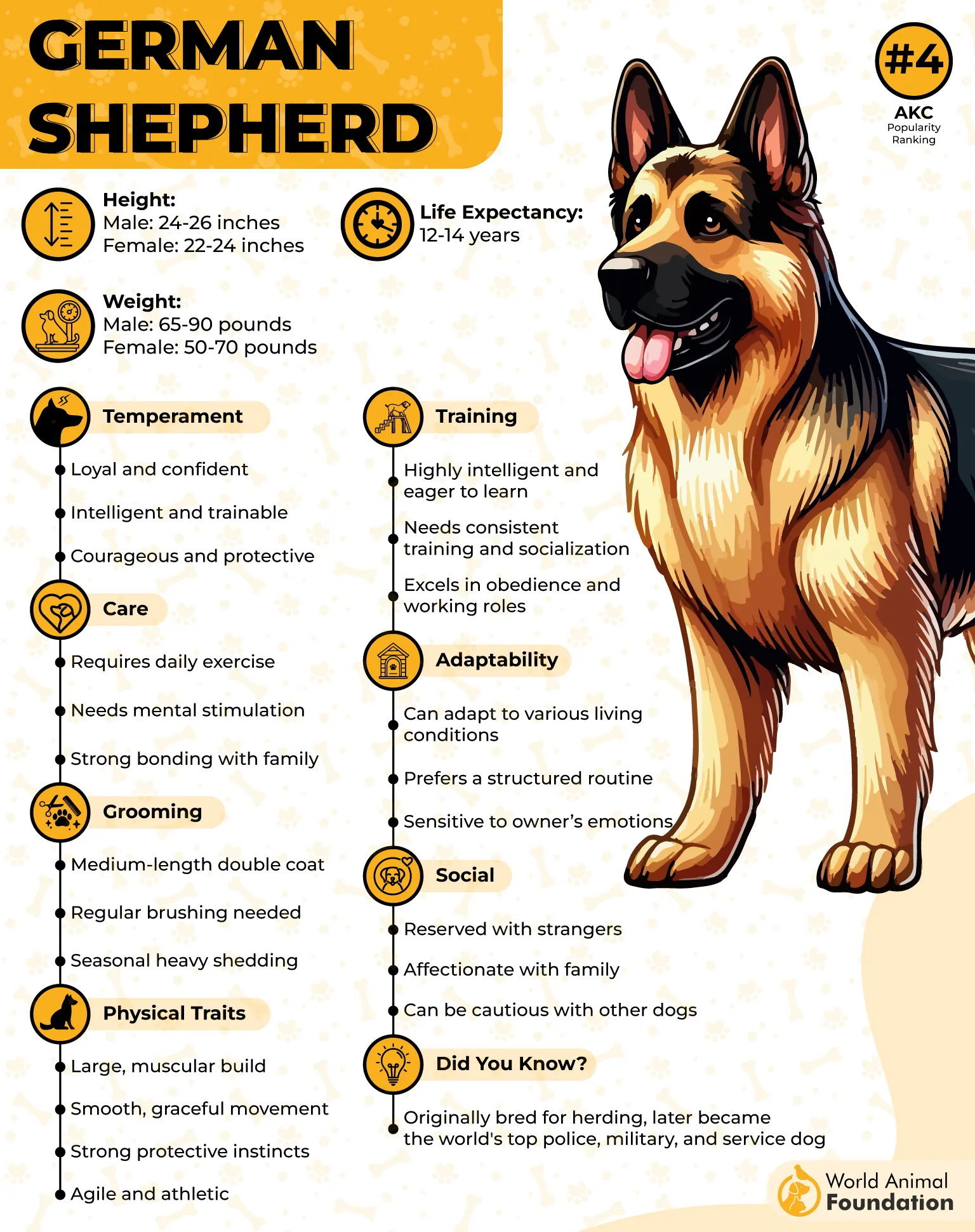
However, their protective instincts can be a double-edged sword. Without proper training and early socialization, these dogs can become overly territorial or even aggressive toward other dogs and strangers.
Because of their sharp intelligence and high energy, they require mental challenges and purposeful activities to stay balanced.
For inexperienced owners, managing such a powerful breed can be overwhelming. German Shepherds thrive under consistent leadership from confident handlers who understand how to channel their drive into positive behavior through obedience and structure.
A fascinating fact: German Shepherds are among the most commonly used police and military dogs worldwide, known for their courage, loyalty, and unmatched ability to learn complex commands quickly.
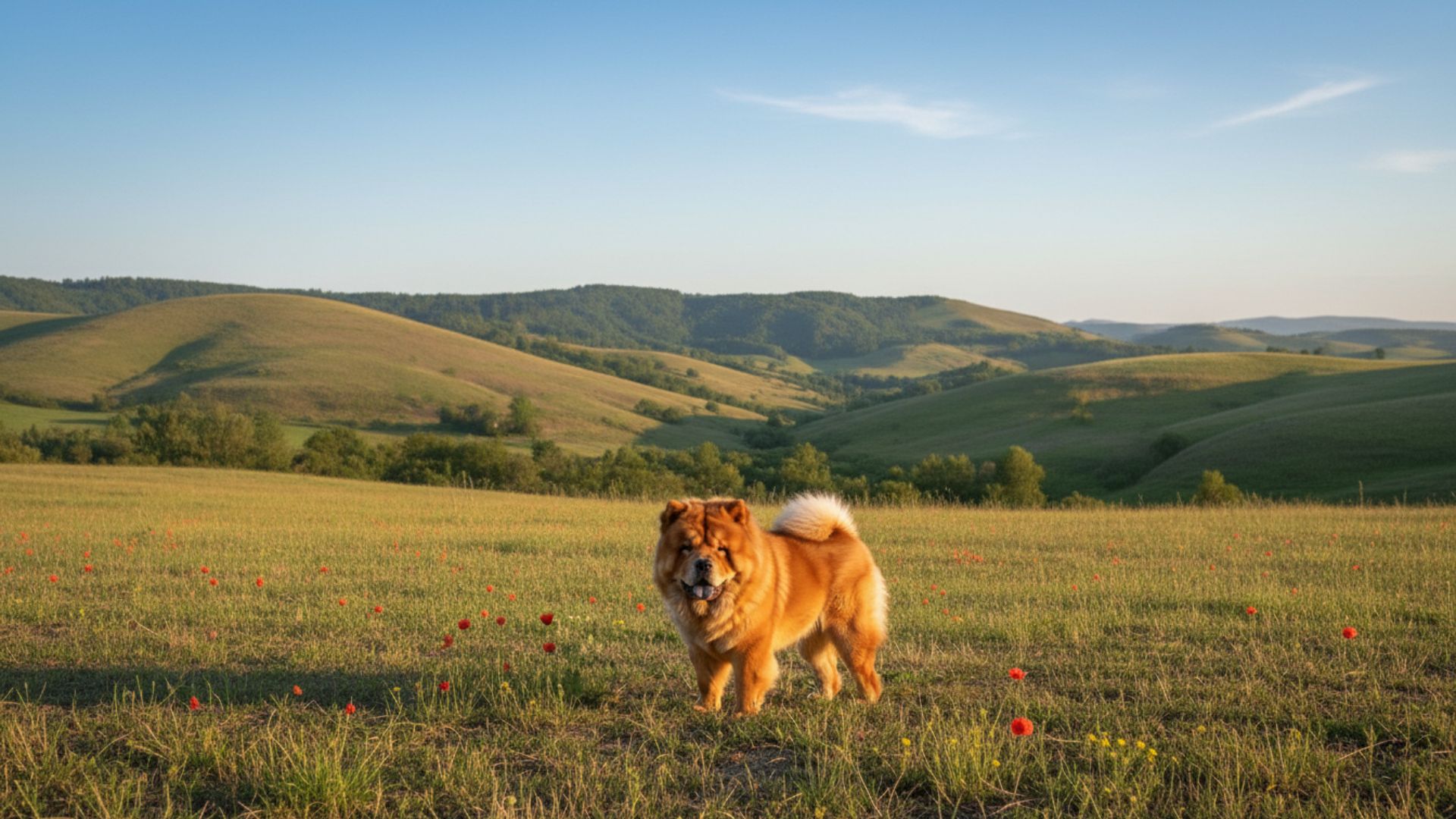
3. Chow Chow
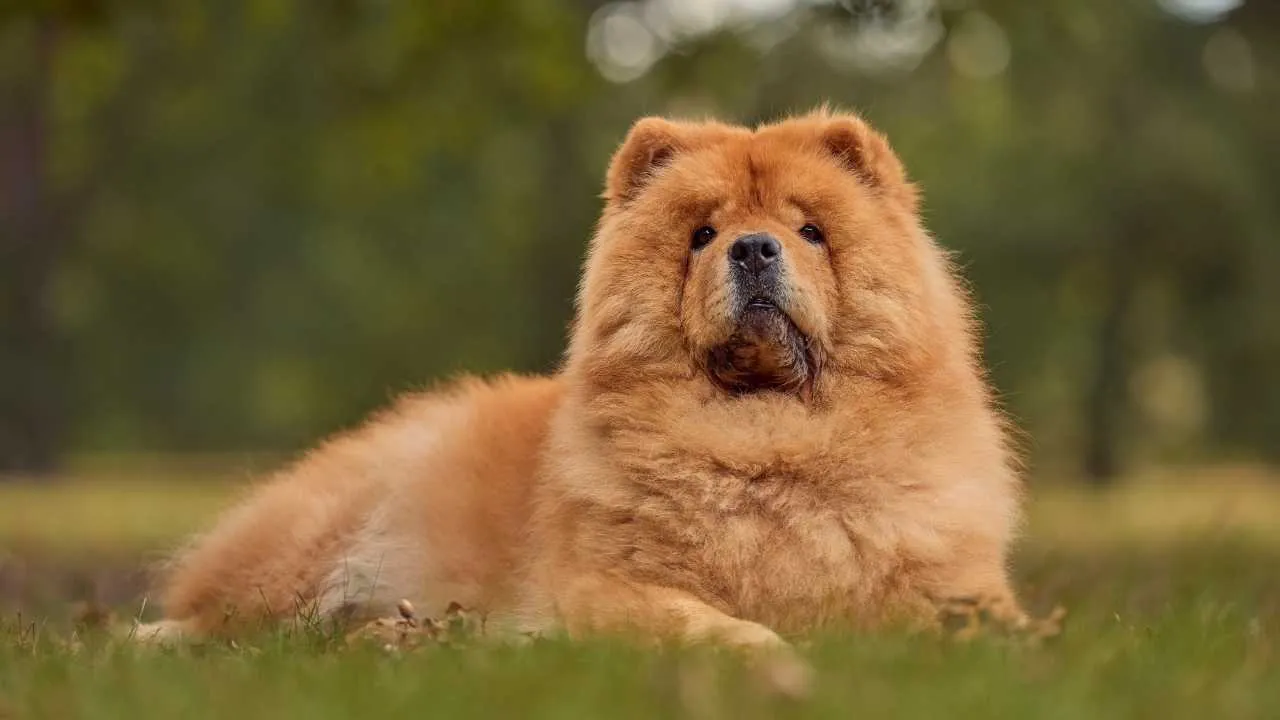
Also known as the Songshi Quan (“puffy-lion dog”) in China, the Chow Chow is one of the world’s oldest and most distinctive breeds. According to WebMD, the Chow Chow is an independent, medium-sized breed recognized for its dignified personality and distinctive appearance.
With its lion-like mane, deep-set eyes, and proud stance, it exudes dignity and independence. Beneath its plush exterior lies a strong-willed personality, often misunderstood by inexperienced owners.
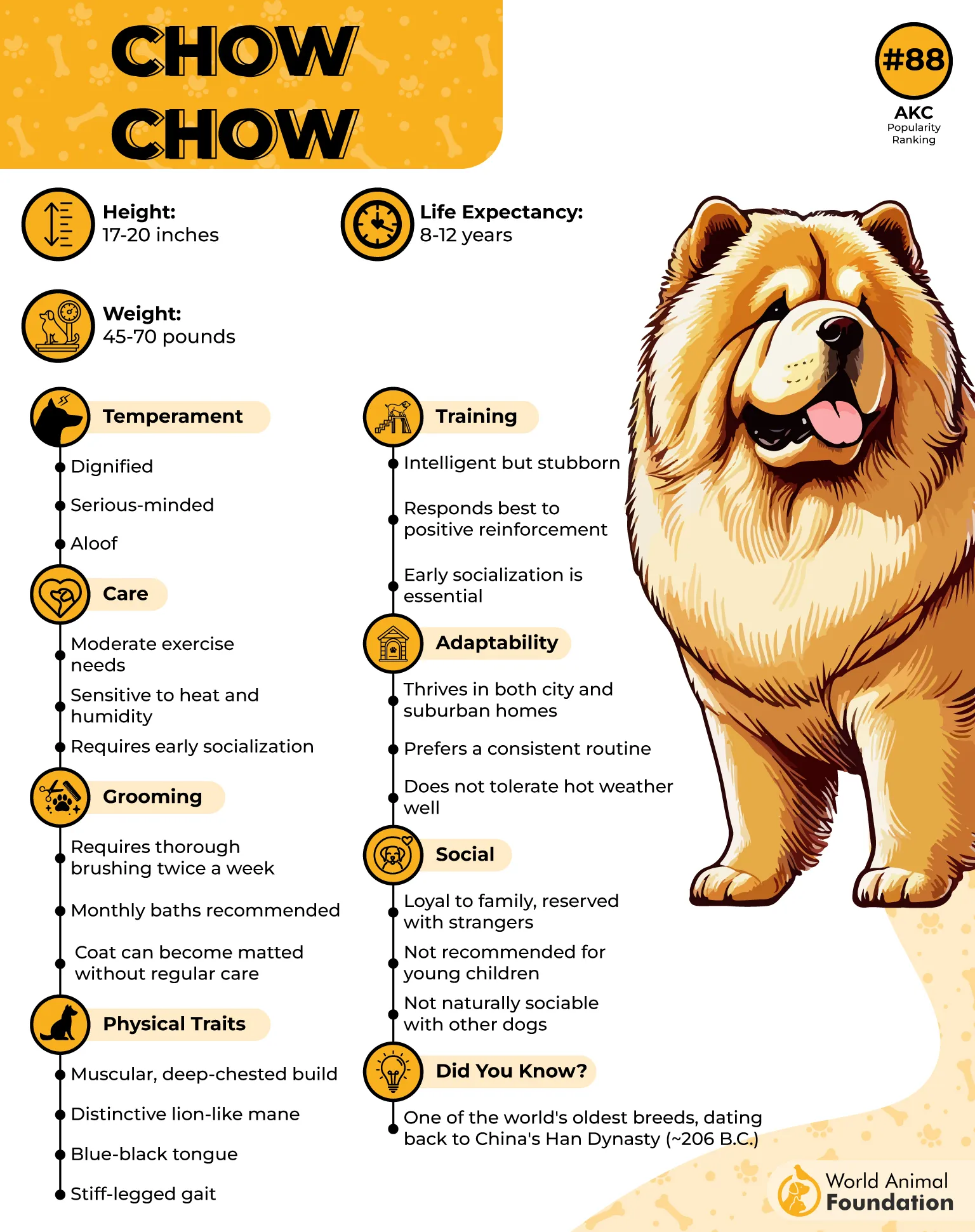
For busy individuals, the Chow Chow’s temperament can pose challenges. These dogs are naturally aloof, territorial, and independent, requiring consistent training and early socialization to prevent defensive or aggressive behavior.
Without patient guidance, they may not adapt well to environments with frequent guests, other dogs, or unpredictable schedules.
Their grooming demands also make them less ideal for those with limited time. Their thick double coat—whether rough or smooth—needs brushing multiple times a week, and even daily during shedding seasons. Skipping this can lead to severe matting and skin irritation.
Interestingly, despite their serious expression, Chow Chows are incredibly clean dogs—fastidious about personal hygiene, often compared to cats for their meticulous grooming habits.
4. Rottweiler
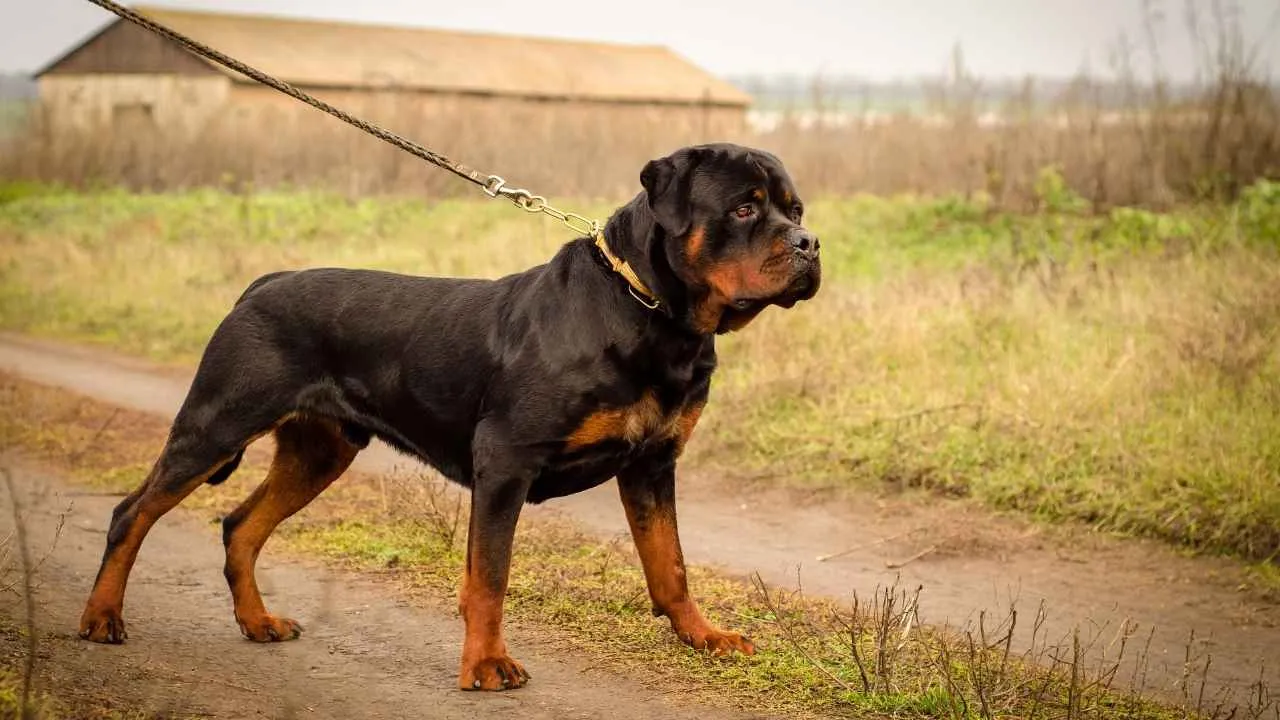
Also known as the Rottie, the Rottweiler is a powerful, muscular breed that traces its roots back to the herding and drover dogs of Ancient Rome. Beneath their commanding presence lies a dog that, when properly trained, can be both affectionate and fiercely protective.
However, Rottweilers demand a structured lifestyle with consistent training and leadership. Their natural guarding instinct means they can be territorial and suspicious of strangers, requiring early socialization to prevent aggressive tendencies.
Without proper boundaries and daily activity, their protective drive can quickly become problematic in busy neighborhoods or for first-time owners.
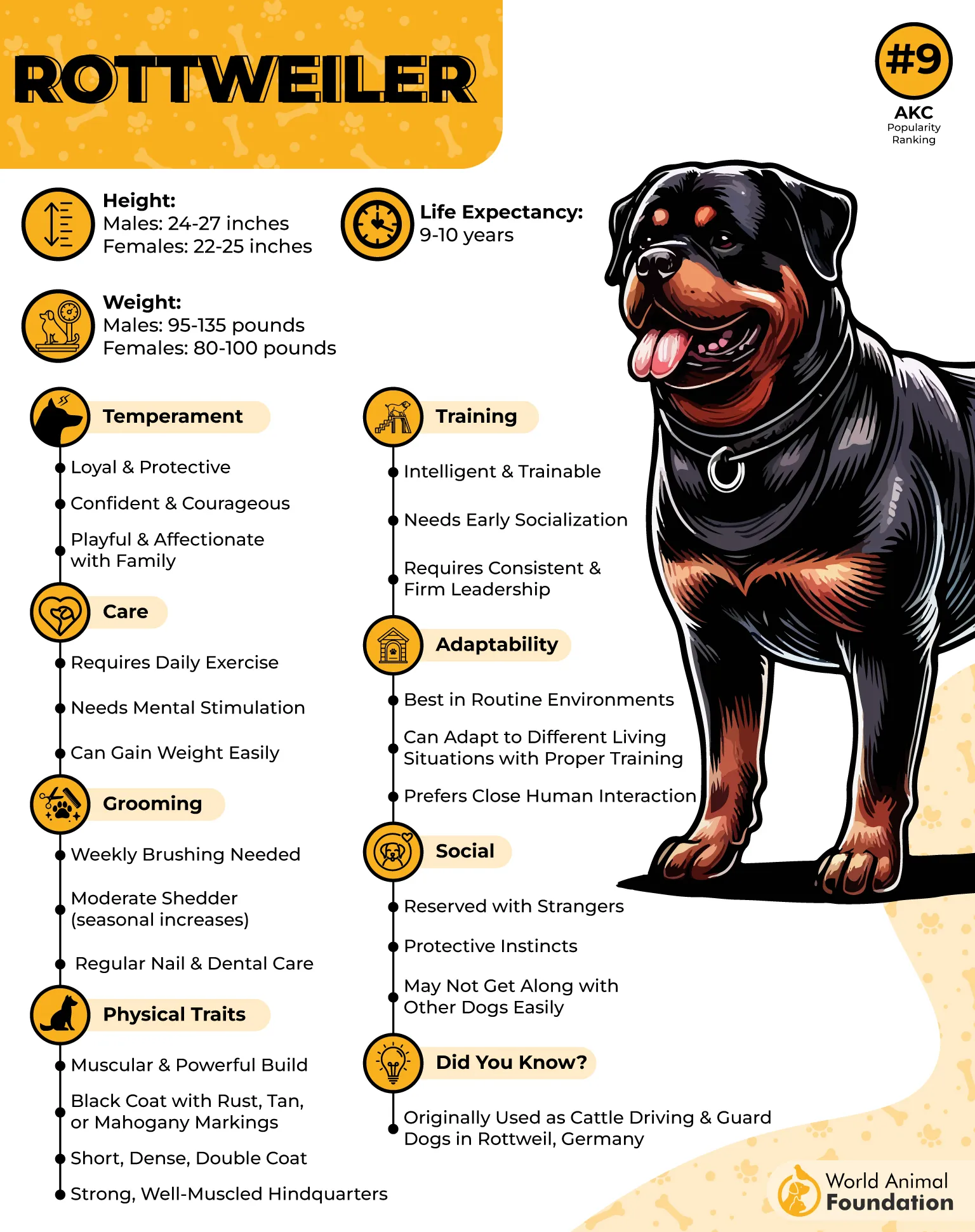
This breed thrives with active, experienced owners who can provide at least an hour of physical and mental stimulation daily. Regular walks, obedience sessions, and interactive play are essential to keep them focused and calm.
Fact: According to a CDC study, Rottweilers were responsible for the most fatal attacks during 1995-96, making them one of the most dangerous dog breeds on record when improperly trained.
5. Doberman Pinscher
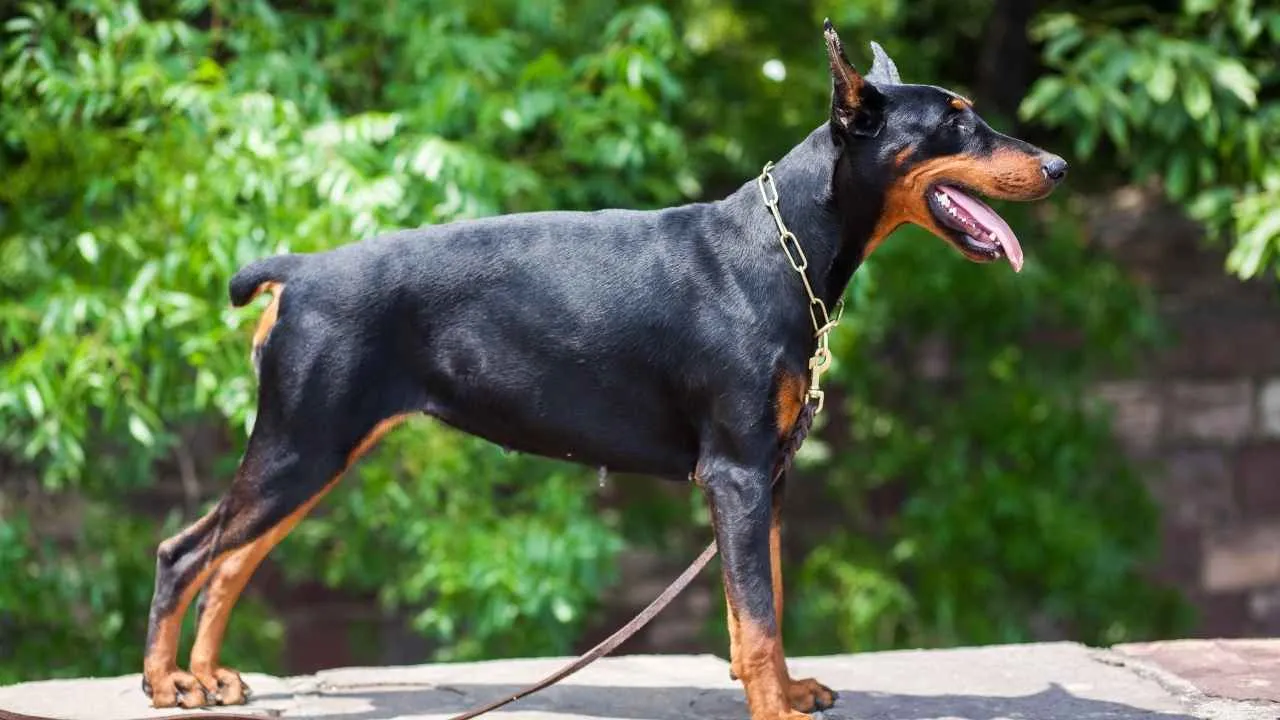
Also known simply as the Doberman, the Doberman Pinscher is a sleek, muscular, and highly intelligent breed originally developed in Germany for guarding and protection.
Recognized for their alert expression, athletic build, and unmatched loyalty, Dobermans are both striking and strong-willed—qualities that make them excellent working dogs but sometimes challenging household pets.
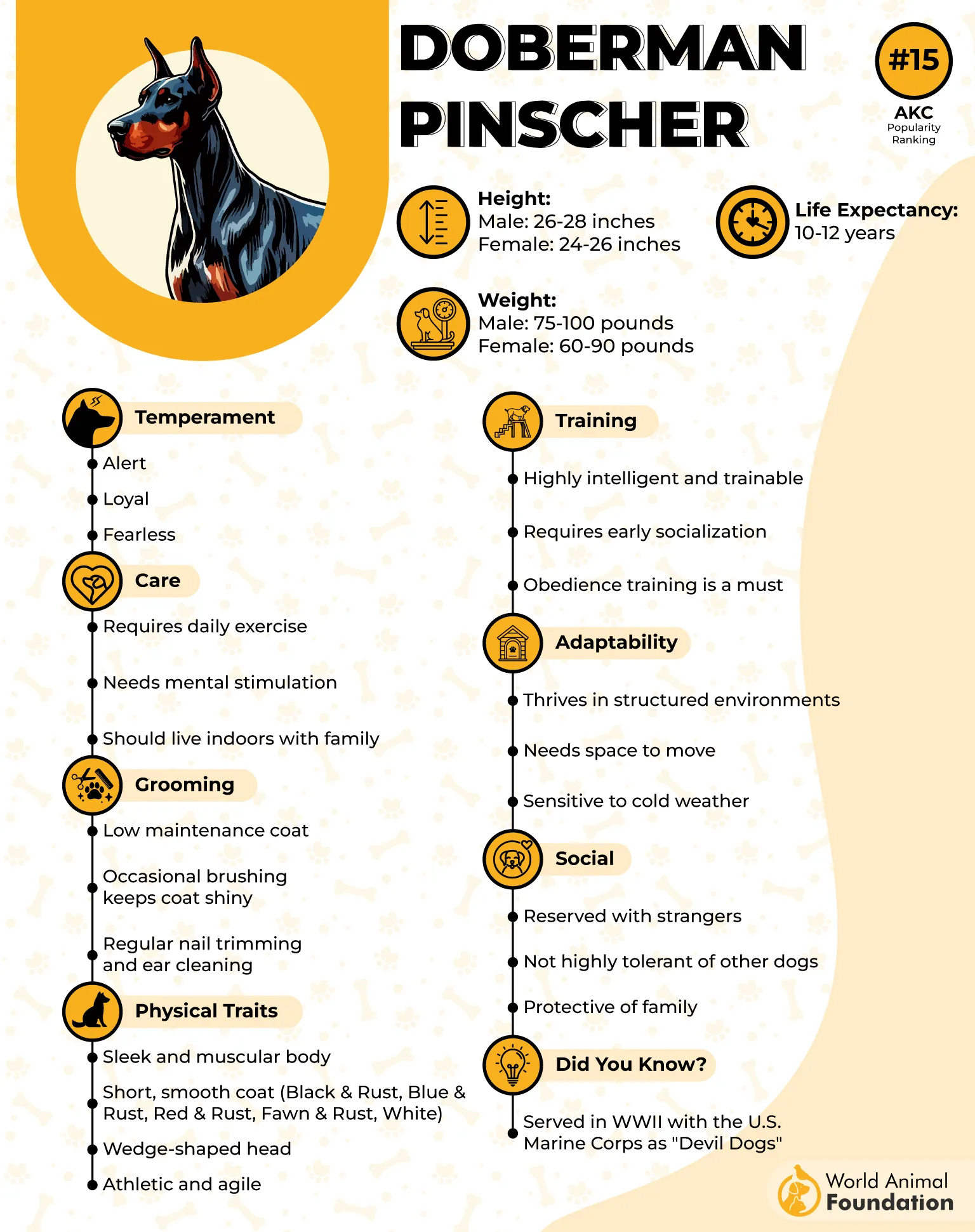
This large, high-energy breed was originally bred to protect property, meaning they thrive in environments where they have space to move and tasks to perform.
In small homes or apartments, Dobermans may struggle due to their constant need for mental and physical stimulation. Without ample exercise, they can become restless, vocal, or even destructive.
Their protective instincts can also become problematic in confined spaces where other dogs or strangers frequently enter. Early training and socialization are crucial to prevent overprotective behaviors and anxiety-driven reactions.
A fascinating fact: the Doberman’s bite strength is estimated at around 600 pounds of pressure, one of the most powerful among domestic dog breeds—showcasing both their potential and the responsibility that comes with owning such a formidable companion.
6. Akita
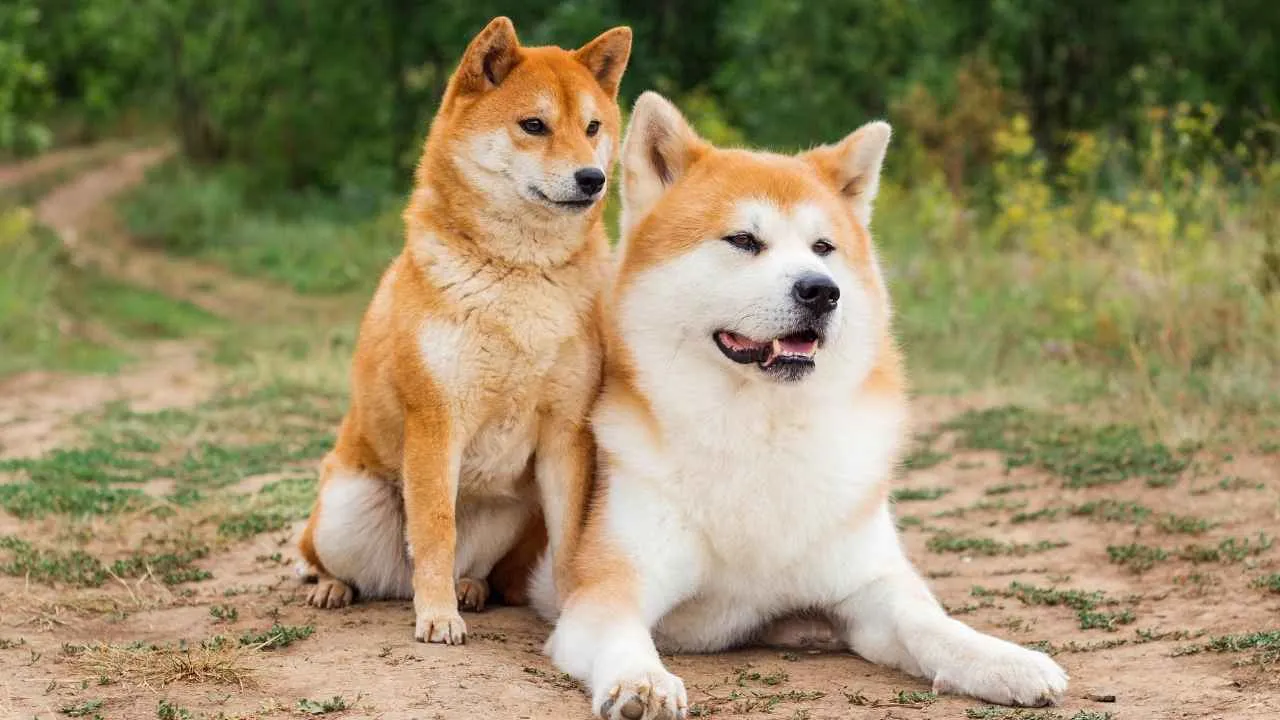
Also known simply as the Akita dog, this majestic spitz-type breed hails from Japan and is admired for its dignified stance, thick double coat, and deep-set eyes that reflect both intelligence and loyalty.
Akitas are known for their independent and strong-willed personalities, which can easily be misunderstood. Their quiet confidence and protective instincts often lead outsiders to mistake their calm demeanor for aggression.
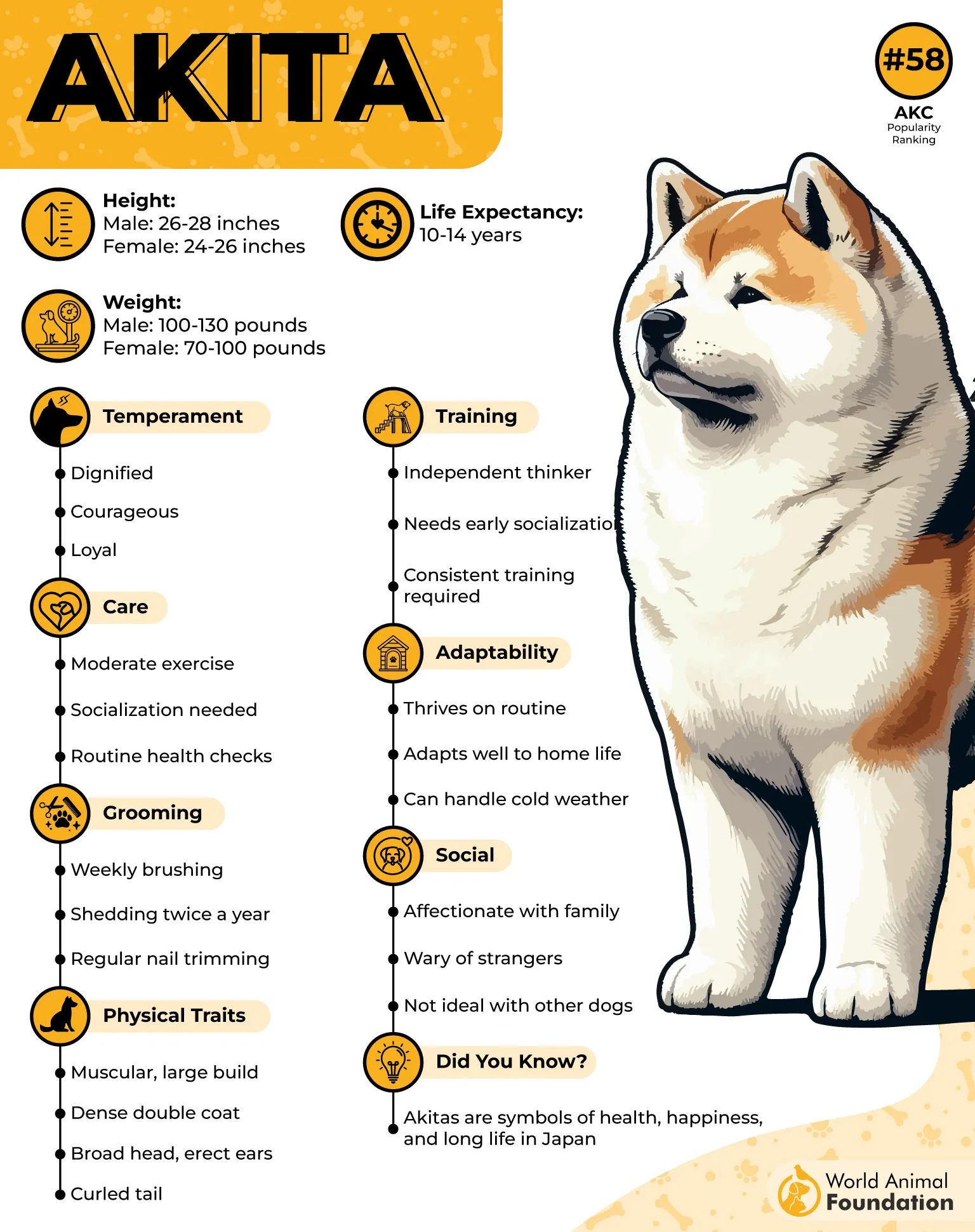
In reality, they are deeply loyal dogs who bond closely with one household and show unwavering affection to those they trust.
However, this breed’s protective nature can manifest as aloofness or dominance toward other dogs, particularly those of the same sex. Without early socialization and consistent guidance, their independence may lead to misinterpretation or overprotectiveness.
A fascinating fact: The Akita’s DNA is among the closest to the wolf, linking its alertness and courage to its ancient lineage.
7. Border Collie
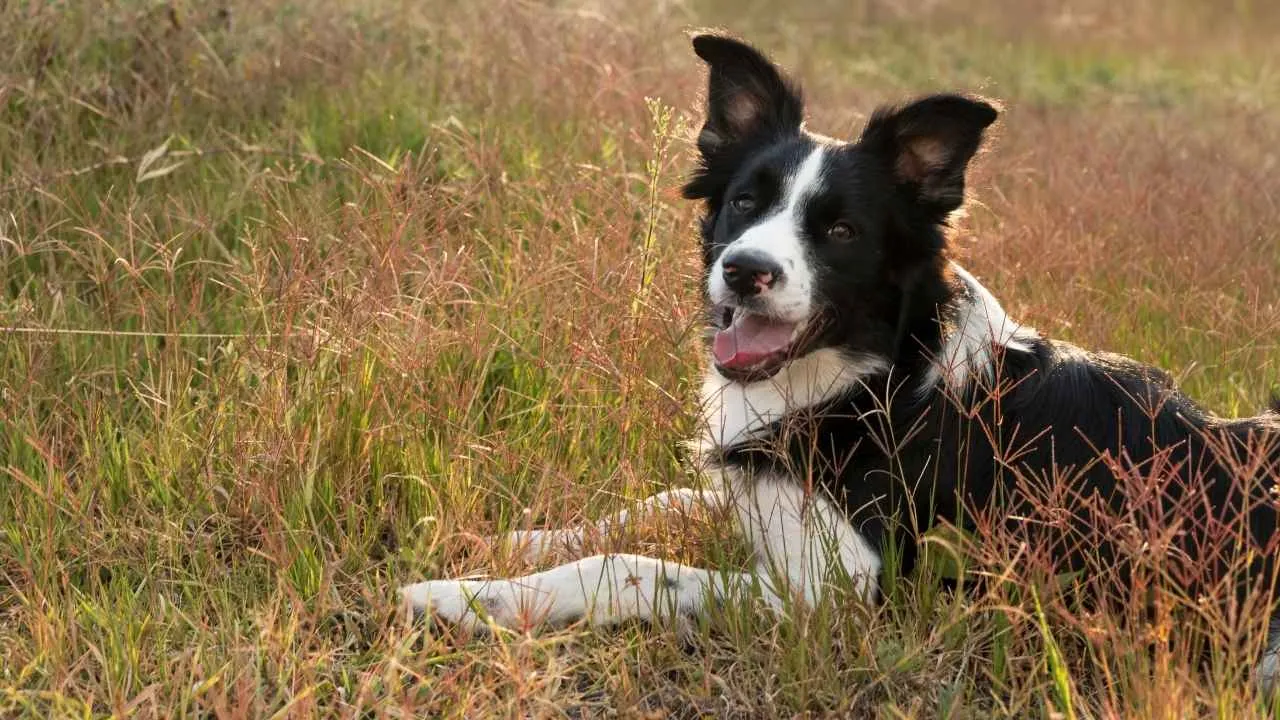
Also known as one of the world’s most intelligent and energetic herding dogs, the Border Collie is a highly skilled working breed originating from the United Kingdom. Medium-sized, agile, and sharp-eyed, these dogs were bred to control livestock with focus and speed.
Early socialization is absolutely essential for Border Collies. Without it, their strong herding instincts can turn into unwanted behaviors like nipping, chasing, or barking excessively. Because they’re so alert and sensitive, they can also become anxious or overprotective without consistent exposure to new people and environments.
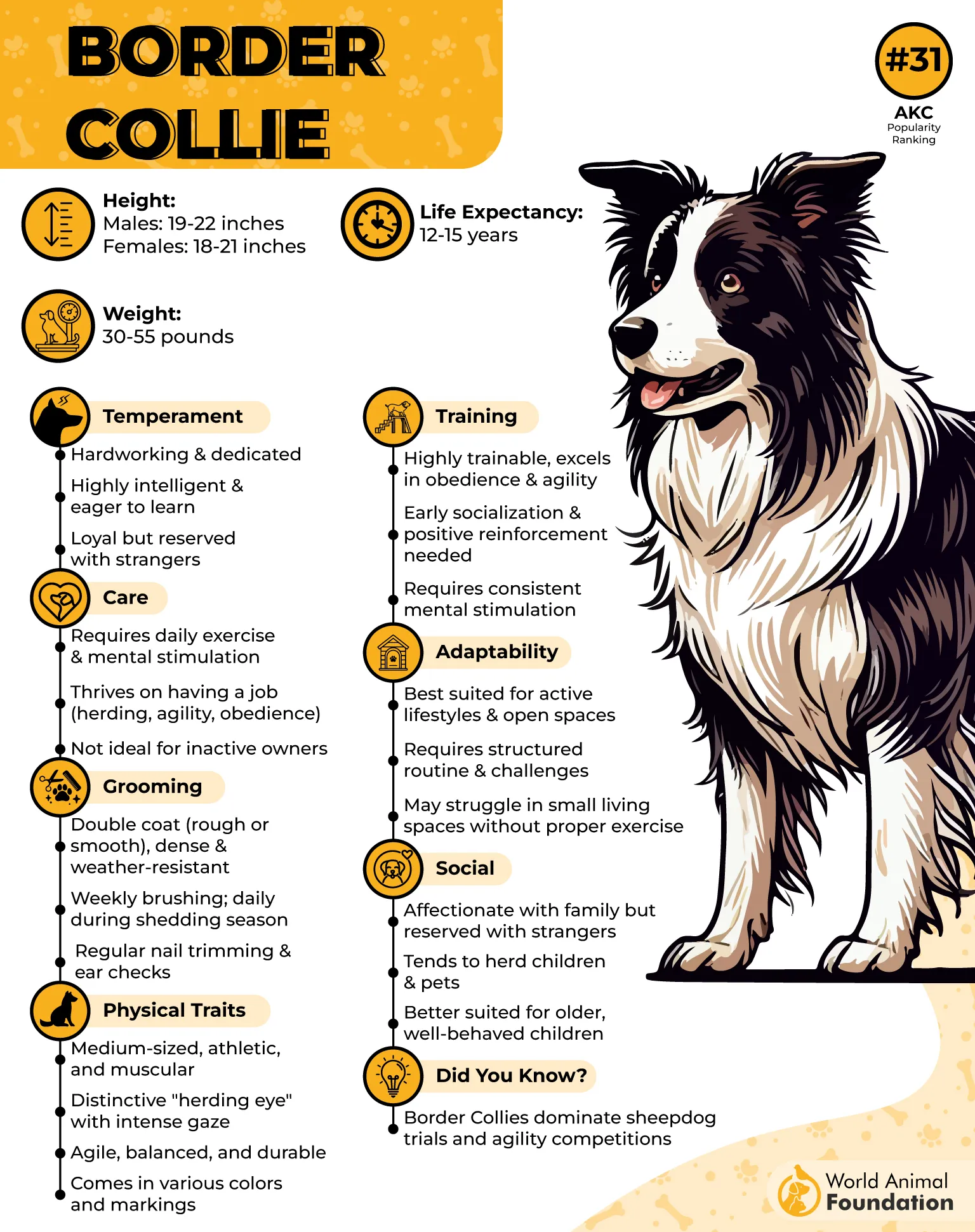
These dogs require constant mental and physical stimulation, whether through agility courses, advanced obedience, or daily problem-solving games. Without challenges, they can grow restless and destructive, often inventing their own “jobs” around the house.
A fascinating fact: the Border Collie holds the record for being one of the smartest dog breeds—capable of understanding hundreds of words and commands, making them both brilliant and demanding companions.
8. Cane Corso
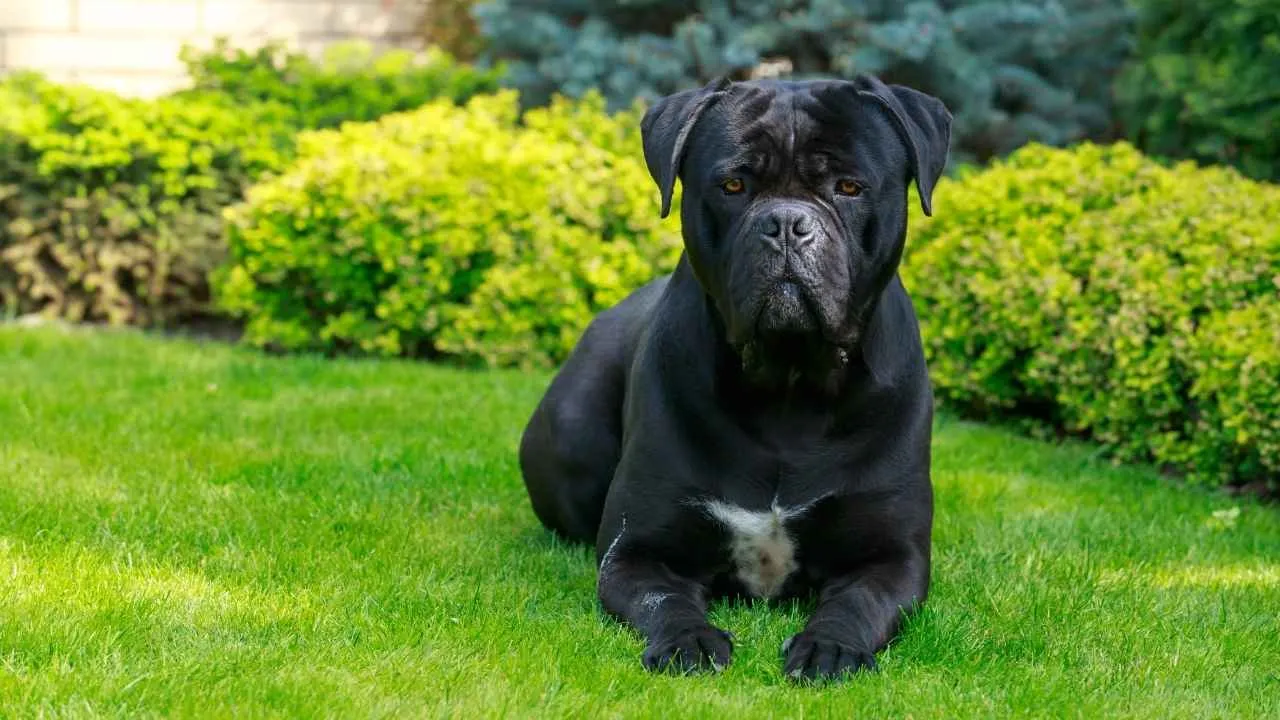
Also known as the Italian Mastiff, the Cane Corso is a large, muscular guardian breed with ancient Roman roots. Originally bred to protect livestock and property, the Cane Corso possesses both physical power and intense protective instincts.
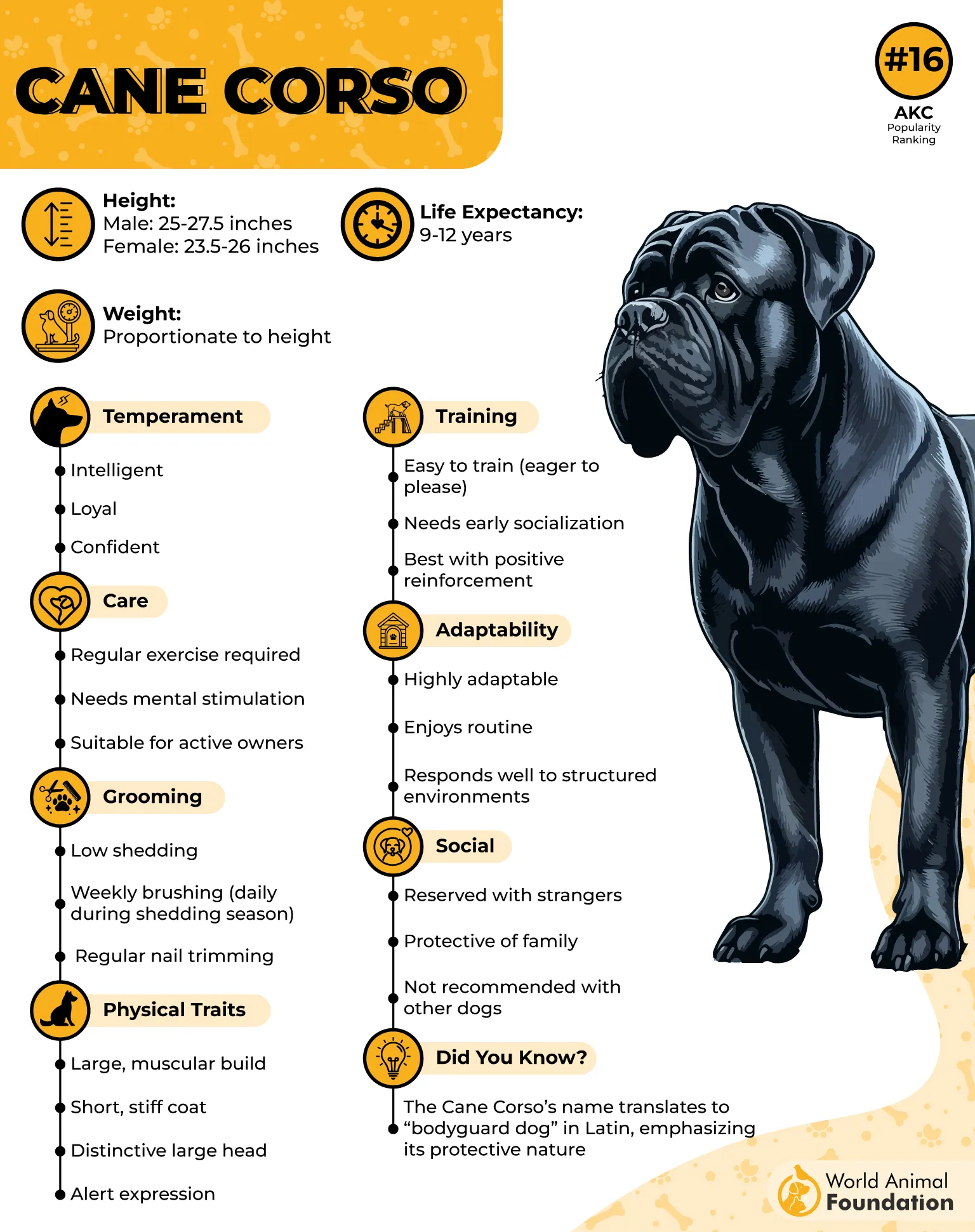
Prospective owners should think twice before choosing this breed if they lack experience with dominant or strong-willed dogs.
The Cane Corso’s intelligence and independence require firm leadership and proper training from an early age. Without consistent guidance, these dogs may develop behavioral issues or become overly protective around other dogs or strangers.
Their loyalty and sensitivity can make them excellent companions, but they need structure, socialization, and mental engagement to thrive. A secure environment and an owner who understands canine behavior are essential.
Fun fact: Descended from ancient Roman war dogs, the Cane Corso once served as a fearless battlefield companion—proof of its enduring courage and protective spirit.
9. Alaskan Malamute
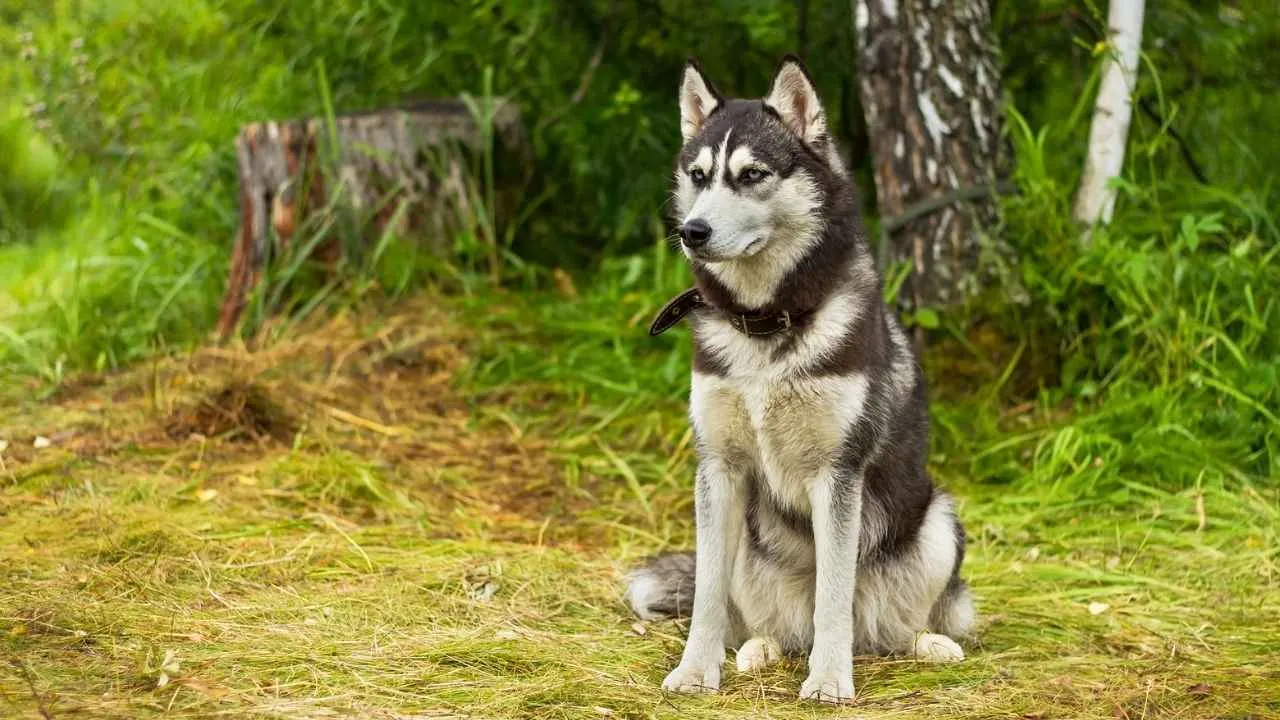
Also known as the “Mally,” the Alaskan Malamute is a powerful Arctic breed originally bred for hauling heavy sleds across long, icy distances. Its dense double coat, plumed tail, and wolf-like appearance make it striking but also demanding when it comes to care and control.
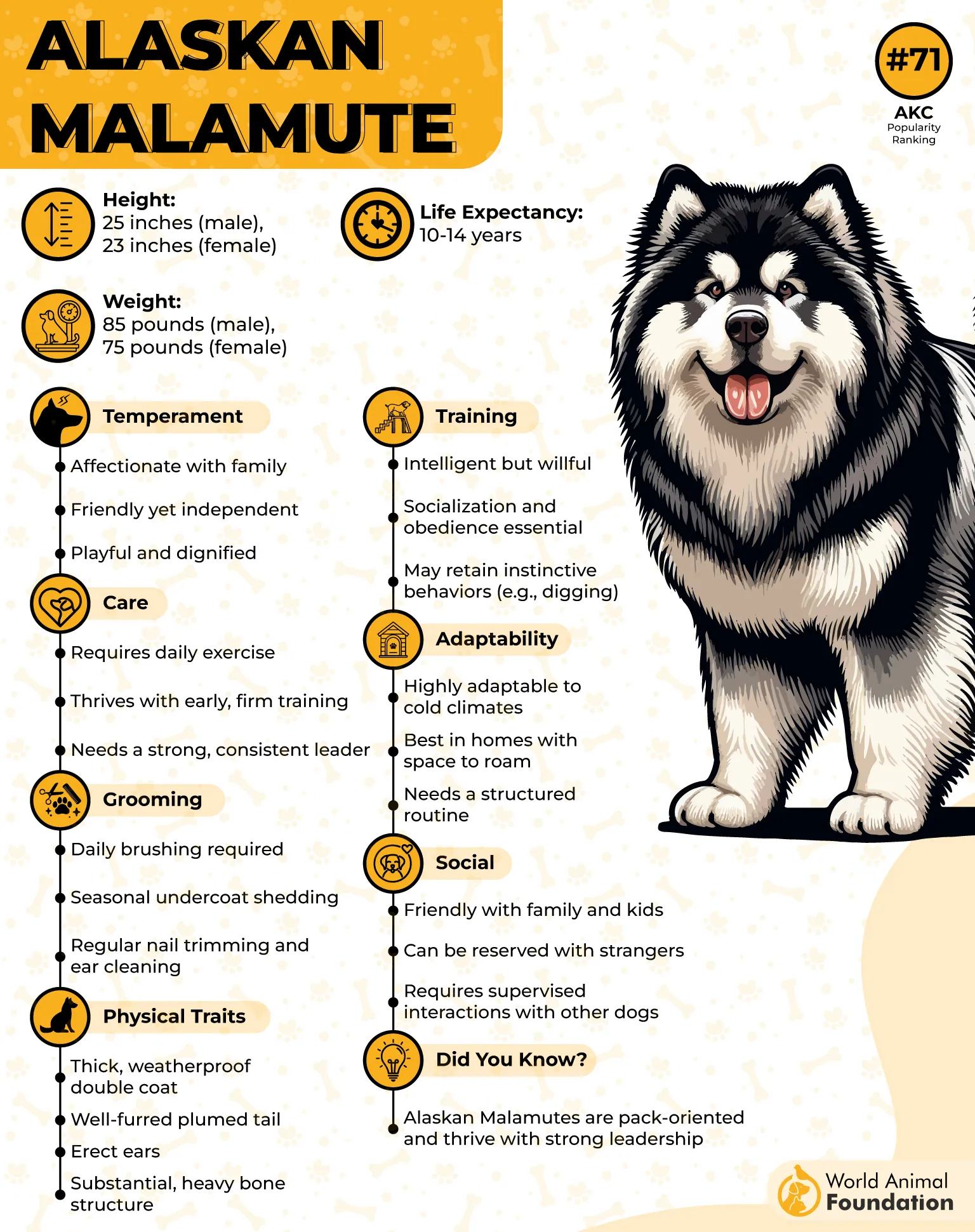
Despite their beauty, Malamutes are not ideal for first-time dog owners. Their independent and strong-willed nature requires an experienced handler who can establish leadership with consistency and confidence. Without proper training, they may develop stubborn behaviors and test authority.

They also possess a high prey drive and tend to be territorial, making them poor companions for smaller animals or other dogs of the same sex. Their lack of recall means they should never be allowed to roam off-leash.
Interesting fact: Alaskan Malamutes, while generally healthy, can suffer from unique conditions like day blindness—a genetic sensitivity to bright light—along with hip dysplasia and thyroid issues.
Conclusion
Choosing the right breed is crucial for pet owners, especially new owners searching for their first dog. While most dogs can make wonderful pets with proper care, certain breeds require constant stimulation, training, and an active lifestyle that not every pet home can provide.
Breeds like pit bulls or Belgian Malinois, though loyal and intelligent, may display aggression issues or destructive behaviors if not handled by experienced dog lovers. Similarly, brachycephalic breeds such as French Bulldogs face serious health problems that can lead to lifelong health issues.
However, it’s important to remember that even the so-called “worst dog breeds” can thrive with the right environment. A well-behaved Australian Shepherd, for instance, can become a well-known member of any family dog circle.
Other breeds like the Golden Retriever remain favorites for those who’ve loved pets all their lives. Ultimately, understanding energy level, potential health problems, and temperament helps ensure both pet dogs and owners enjoy a happy, balanced bond.
