




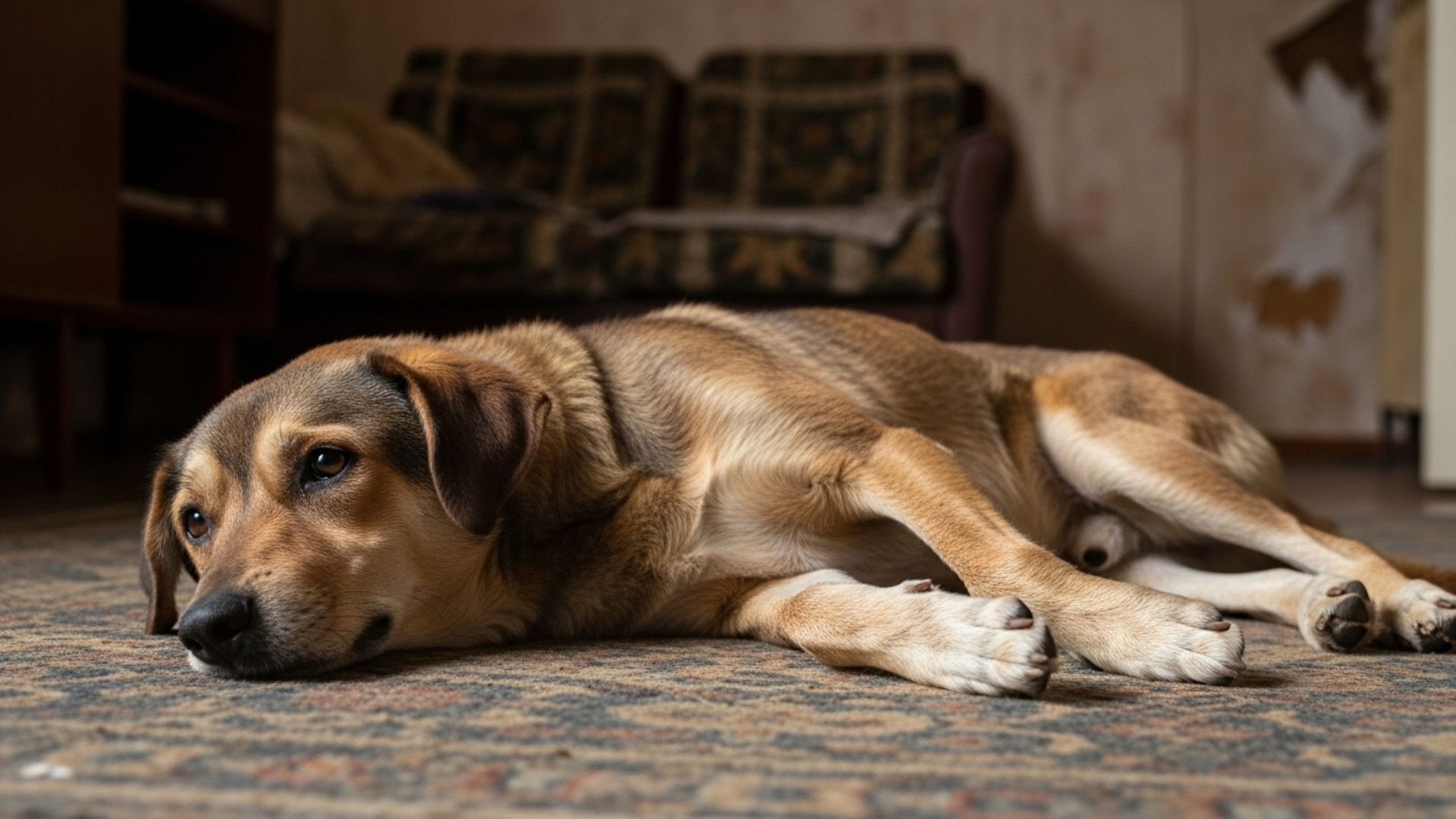
Some dogs melt our hearts not just with their wagging tails, but with the special care they need. These pups remind us that love often comes with a little extra responsibility—and a whole lot of reward.
Behind every adorable face lies a story of resilience and devotion. Some loyal breeds face more health hurdles than others, but their spirit and affection shine brighter than any challenge.
As dog lovers, we know that every bark, cuddle, and sloppy kiss is worth the effort. Giving extra care isn’t a burden—it’s an act of love that deepens the bond we share.
From daily checkups to gentle grooming routines, these affectionate dogs teach us patience, empathy, and unconditional love. Their needs may be greater, but so are the joys they bring.
Join us as we explore the world of these tender-hearted companions—because sometimes, the most fragile hearts give the strongest love.
Best Unhealthy Dog Breeds Requiring Extra Care
1. French Bulldog
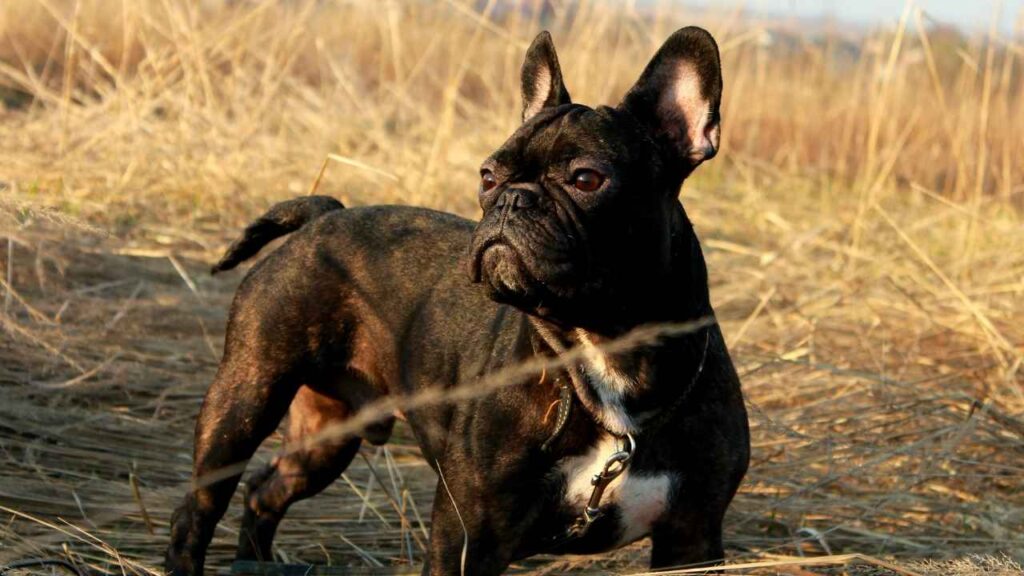
Small in size yet massive in personality, the French Bulldog is the picture of charm and devotion. Originally bred in 19th-century France as a companion for lace makers, this compact dog’s bat-like ears and endearing expressions make it a favorite among urban dwellers. They thrive on affection and human company, easily turning any quiet home into a joyful sanctuary.
Known for their playful yet relaxed temperament, Frenchies form deep bonds with their families. They adore snuggling and will often follow their owners from room to room. However, they can be sensitive to tone and require gentle guidance during training, says PDSA.

Common Health Conditions & Their Root Causes
• Brachycephalic Airway Syndrome (short snout restricting airflow)
• Skin allergies and fold dermatitis (trapped moisture)
• Spinal deformities (compact bone structure)
• Heat sensitivity (inefficient temperature regulation)
Specialized Care & Daily Management Tips
• Maintain a cool environment to prevent overheating
• Clean facial folds regularly to avoid infections
• Provide balanced, portion-controlled meals to reduce weight stress
• Schedule vet visits every 6–8 months for respiratory assessments
A French Bulldog’s labored breathing, wheezing, or sudden lethargy should never be ignored. Also, be alert to excessive scratching or patches of hair loss, as they may signal early skin irritation.
Frenchies are wonderful companions for those who appreciate calm affection and quiet loyalty. Their minimal exercise needs make them perfect apartment dogs, though they crave constant love and attention. They reward care with endless warmth and soulful companionship.
2. English Bulldog
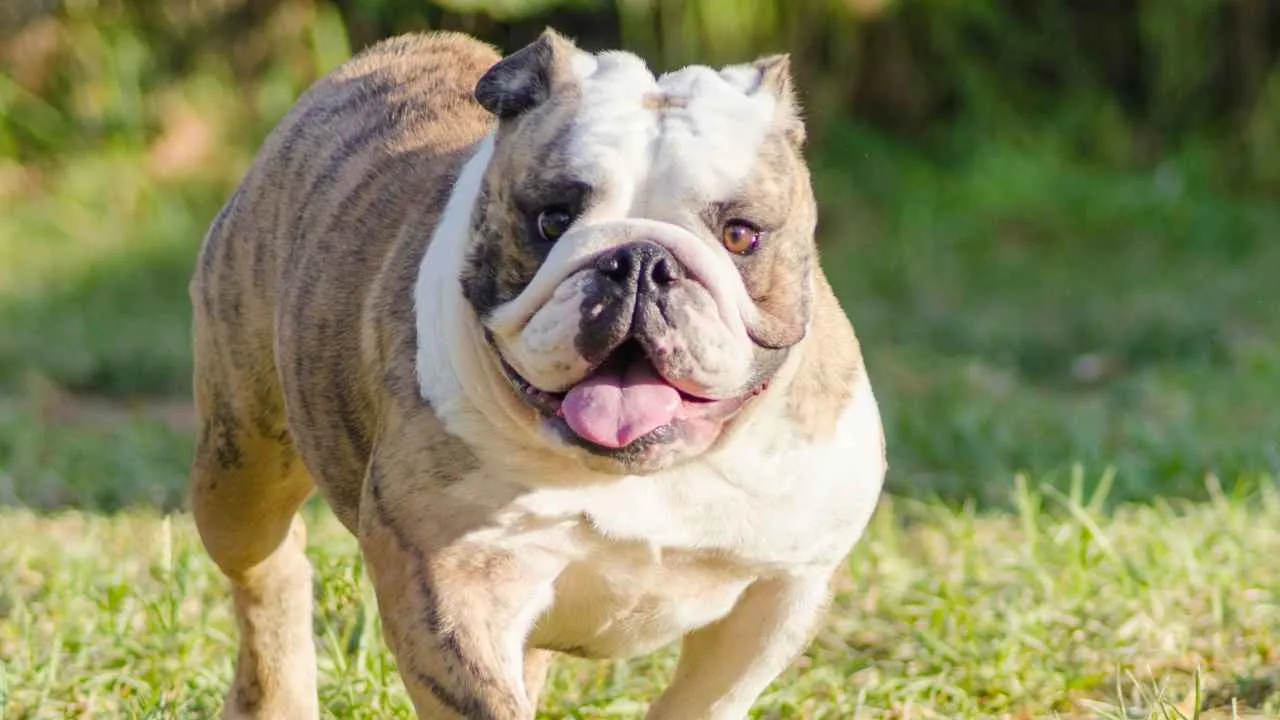
Sturdy, wrinkled, and irresistibly loyal, the English Bulldog radiates courage and tenderness in equal measure.
Once bred for bull-baiting in England, modern Bulldogs have transformed into affectionate, low-energy companions with a soft spot for family life. Their slow waddle and unmistakable underbite hide hearts full of love and devotion.
Hills Pet explains that they are gentle with children, patient with other pets, and happiest when lounging beside their favorite person.
This breed loves attention but doesn’t demand excessive activity—perfect for laid-back homes. Their affectionate nature, however, comes with a stubborn streak that requires consistency and patience in training.
Common Health Conditions & Their Root Causes
• Brachycephalic Airway Syndrome (restricted nasal passage)
• Hip dysplasia (heavy frame on short legs)
• Skin infections (fold moisture)
• Heart and breathing problems (short muzzle anatomy)
Specialized Care & Daily Management Tips
• Limit outdoor activity in hot weather to prevent overheating
• Wipe skin folds daily to avoid infections
• Use a harness instead of a collar for safer walks
• Feed low-fat meals to maintain joint health
Early warning signs include snorting, difficulty breathing, or discolored gums. Persistent limping or reluctance to move may suggest joint discomfort. Regular vet care and weight monitoring can extend their life and comfort.
Living with an English Bulldog means embracing lazy cuddles and unwavering loyalty. Their soft-hearted personality compensates for their health challenges. Every wrinkle, snore, and sigh reflects the gentle soul of a breed that loves deeply and lives fully.
3. Pug
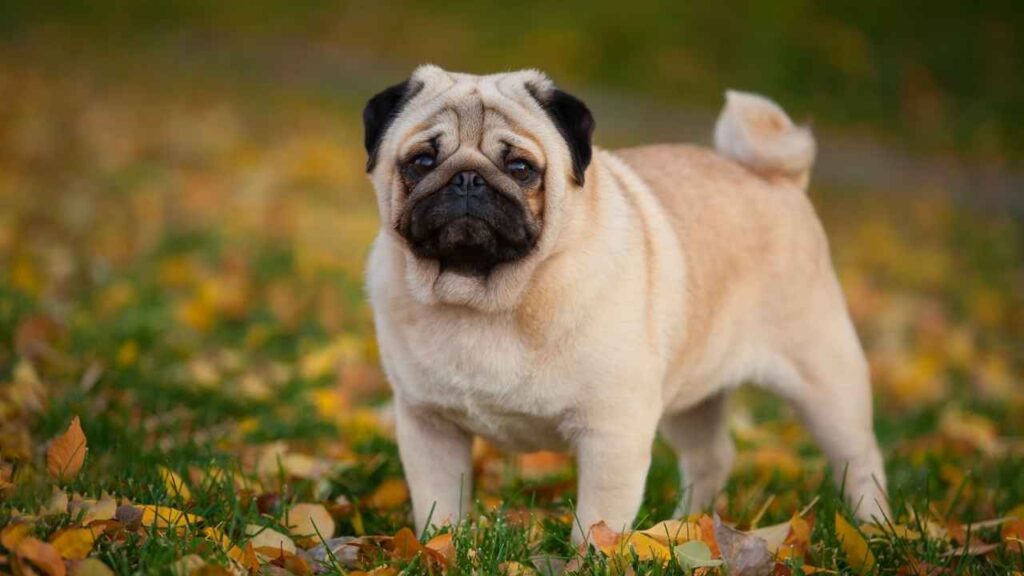
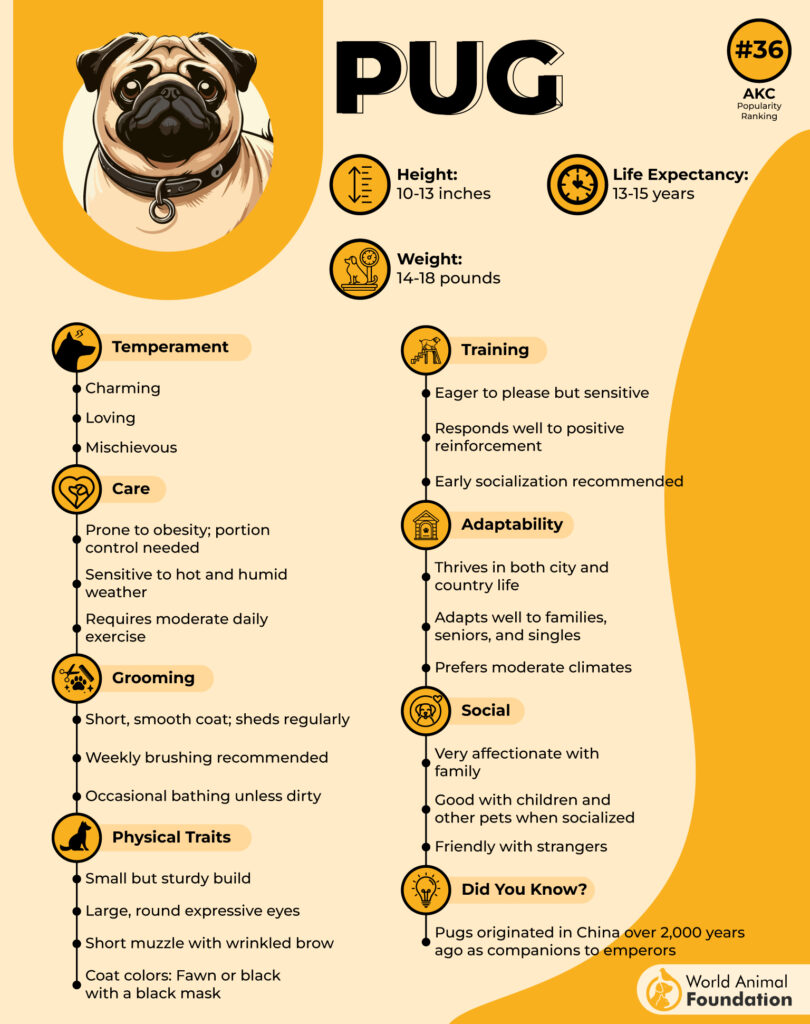
Compact, cheerful, and endlessly amusing, the Pug is a master of joy in a small package. Britannica adds that originating in ancient China and beloved by royalty, this breed is built for companionship.
With a curly tail and soulful eyes, Pugs thrive on humor, affection, and attention, often acting as the family clown.
They are deeply people-oriented, following their owners like shadows. Their affection knows no bounds, but they are prone to emotional sensitivity and can become anxious if left alone for long periods. Calm reassurance and routine help them feel secure and content.
Common Health Conditions & Their Root Causes
• Respiratory distress (flat facial structure)
• Eye ulcers and proptosis (prominent eyes)
• Obesity (slow metabolism)
• Skin fold irritation (facial wrinkles)
Specialized Care & Daily Management Tips
• Keep them in cool environments with good airflow
• Clean eyes gently and monitor for redness
• Provide small, frequent meals to manage weight
• Use a harness for walks to protect their airway
Early warning signs include heavy panting, wheezing, or bulging eyes. A sudden change in appetite or energy may indicate underlying respiratory or digestive stress. Regular vet checks help prevent serious complications.
Living with a Pug means living with constant entertainment and affection. Their charm and adaptability make them ideal indoor companions. Though they need attentive care, their expressive faces and playful spirit bring daily laughter and unconditional love.
4. Cavalier King Charles Spaniel

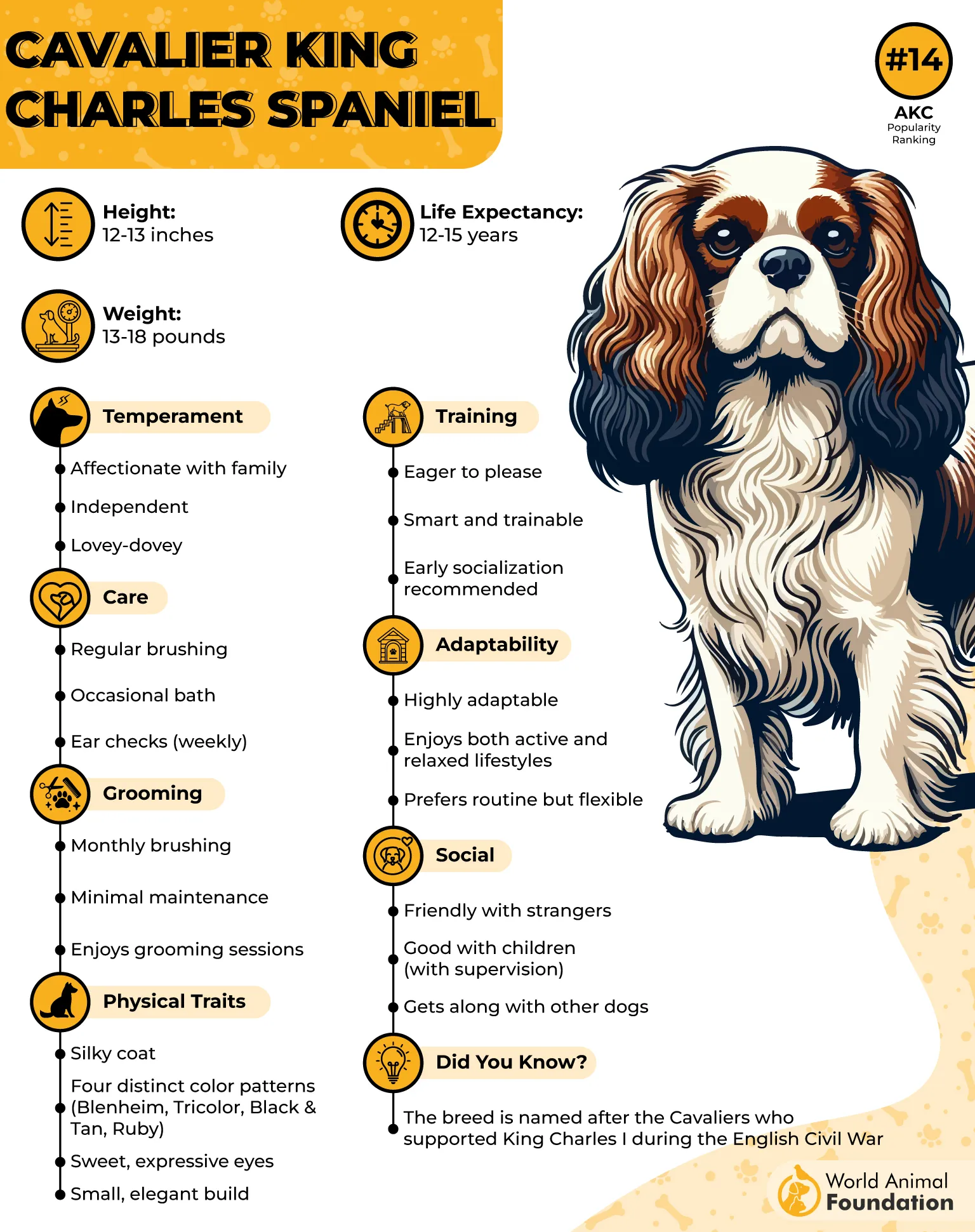
Elegant, affectionate, and graceful, the Cavalier King Charles Spaniel is a royal-hearted breed with a sweet disposition.
Originating from 17th-century England, they were bred as lapdogs for nobles and have retained their gentle nature and refined manners. Their feathered ears and expressive eyes reveal a constant eagerness to please.
Social and warm, Cavaliers adore companionship and struggle with solitude. They excel in family settings, bringing a soothing presence to every household. Their intuitive nature allows them to sense moods, making them wonderful emotional support companions.
Common Health Conditions & Their Root Causes
• Mitral valve disease (genetic heart condition)
• Syringomyelia (spinal cord malformation)
• Ear infections (long, floppy ears)
• Eye disorders (cataracts and retinal issues)
Specialized Care & Daily Management Tips
• Schedule annual heart screenings
• Brush coat several times a week to prevent mats
• Keep ears clean and dry after bathing
• Moderate exercise to protect the spine
Watch for coughing, fainting, or head scratching near the neck. These can indicate early heart or neurological issues. Timely intervention greatly improves their comfort and longevity.
Cavaliers bring beauty, serenity, and companionship to any home. Their gentle temperament and loving spirit turn routine care into a labor of love. They remind every owner that empathy and time are the truest gifts in dog care.
5. German Shepherd
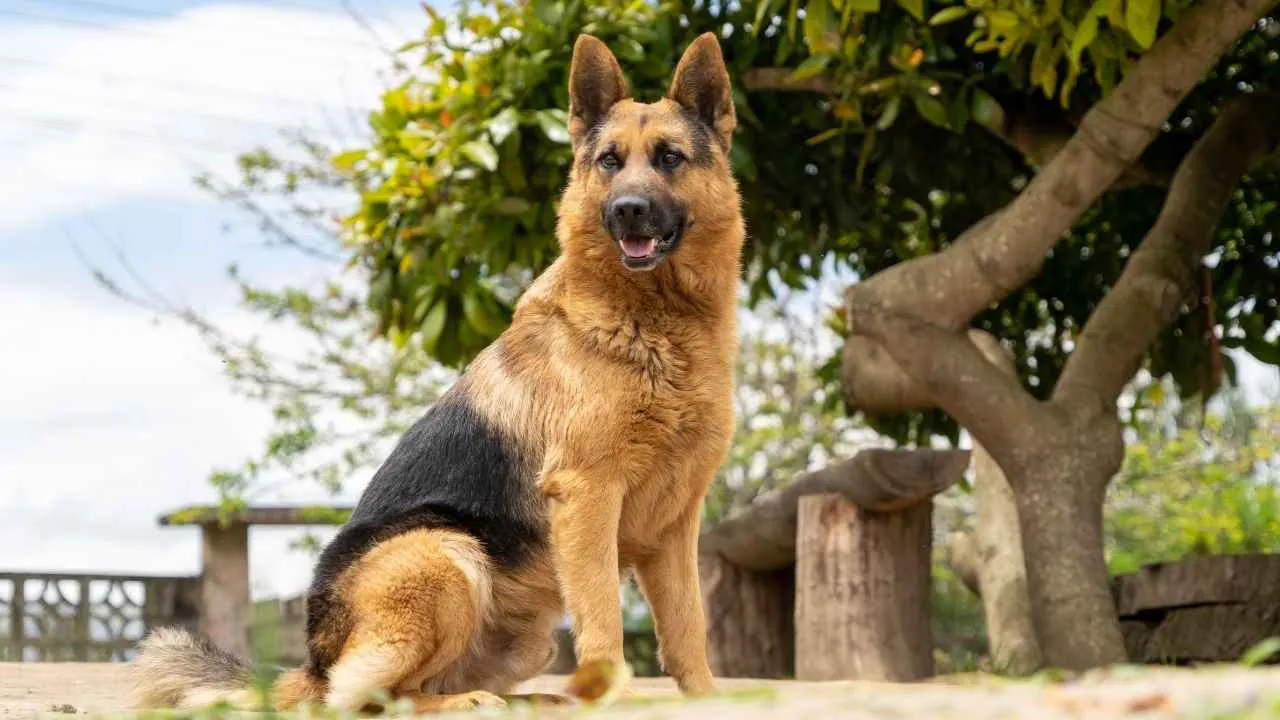
The German Shepherd embodies intelligence, loyalty, and grace. Developed in late 19th-century Germany for herding and guarding, this breed is a symbol of discipline and devotion. Their sharp mind and noble stances make them dependable family protectors and working partners.
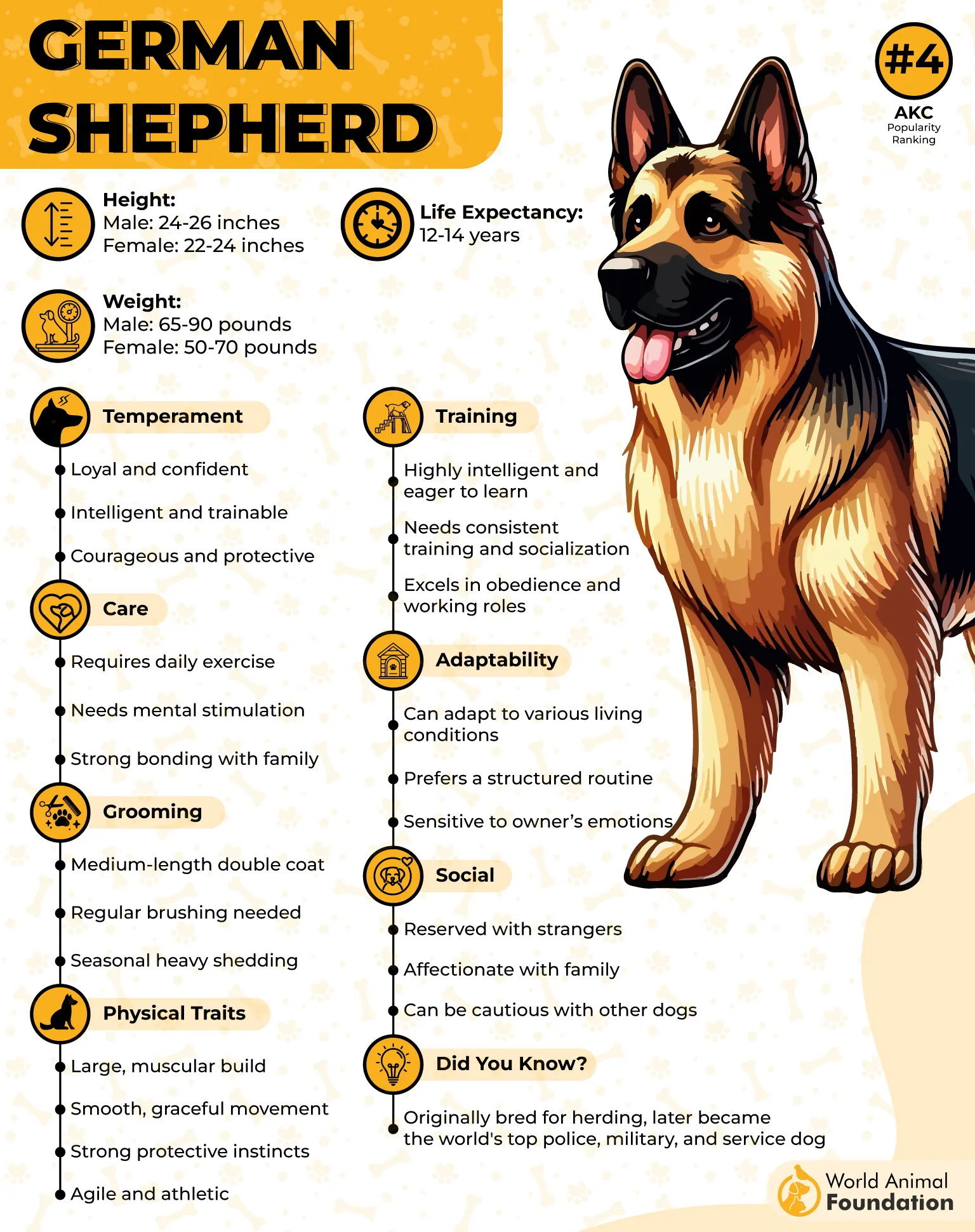
They thrive on structure and purpose, forming deep attachments to their handlers. Active, alert, and sensitive, they flourish when mentally stimulated and physically challenged. A lack of engagement can lead to restlessness or anxiety.
Common Health Conditions & Their Root Causes
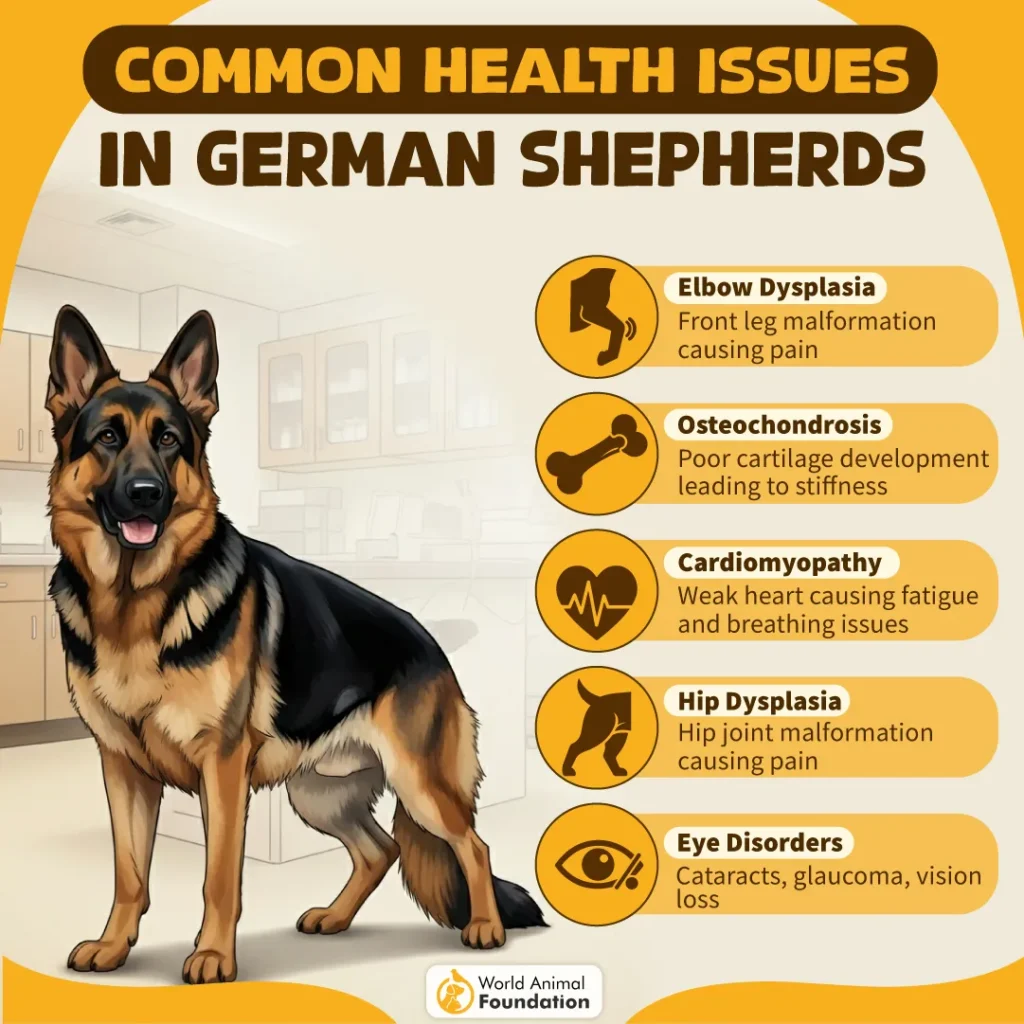
• Hip and elbow dysplasia (rapid growth and heavy frame)
• Degenerative myelopathy (spinal nerve degeneration)
• Digestive issues (sensitive gut)
• Allergies (environmental and dietary)
Specialized Care & Daily Management Tips
• Provide joint supplements and low-impact exercise
• Train regularly with mental challenges
• Keep a balanced, protein-rich diet
• Schedule annual orthopedic exams
Warning signs like limping, dragging back legs, or digestive distress warrant immediate attention. Subtle shifts in gait or posture can reveal early joint problems.
German Shepherds are hardworking, loyal companions who reward dedication with unmatched devotion. They are happiest when they have a role in the household. Their courage, intelligence, and protective instinct make every effort to maintain their health worthwhile.
6. Dachshund

Playful, bold, and spirited, the Dachshund is a long-bodied dog with a big personality. Originally bred in Germany to hunt badgers, their distinctive frame and curious nature make them adventurous companions. Their loyalty is fierce, and their alert bark belies their small stature.
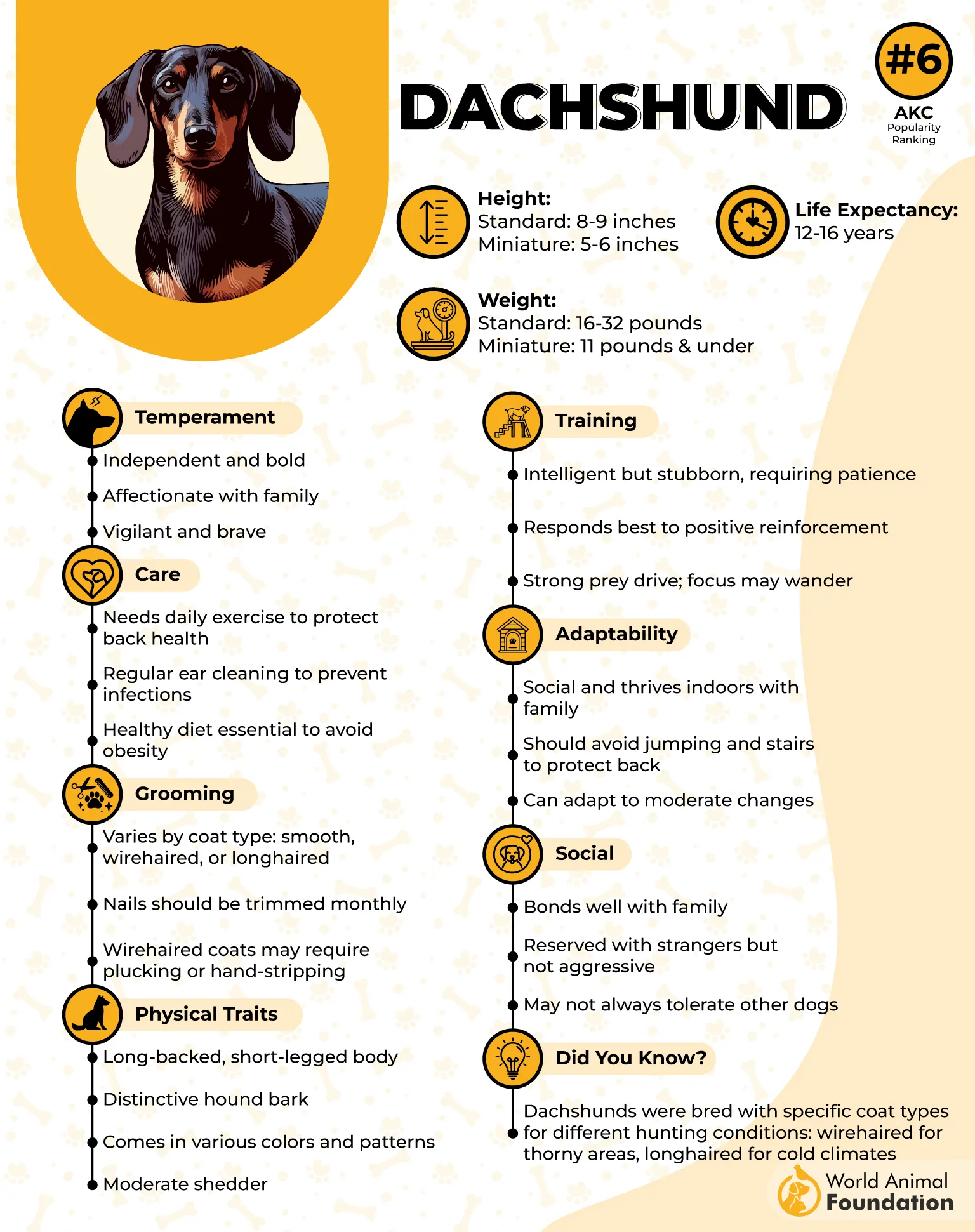
Dachshunds form tight family bonds and thrive on interaction. They are independent thinkers, which can make training both fun and challenging. Their cleverness and charm keep their families entertained daily.
Common Health Conditions & Their Root Causes
• Intervertebral disc disease (elongated spine)
• Obesity (short limbs, reduced mobility)
• Dental issues (small jaw structure)
• Skin allergies (genetic predisposition)
Specialized Care & Daily Management Tips
• Avoid stairs and high jumps to protect the back
• Maintain ideal weight with portion control
• Provide puzzle toys to keep their mind active
• Regular dental cleanings to prevent decay
Watch for difficulty standing, reluctance to jump, or yelps when touched on the back. Quick veterinary attention can prevent permanent spinal damage.
Dachshunds are lively, loyal, and brimming with personality. Their bravery and affectionate hearts outweigh their size and health hurdles. With mindful care, they fill homes with laughter and endless devotion.
7. Shar Pei

The Shar Pei, known for its deep wrinkles and noble expression, carries an air of ancient wisdom. Originating from China as a guardian and farm dog, this breed stands out for its distinctive skin folds and independent nature. Beneath their stoic exterior lies a loyal companion who bonds deeply with family.
They are intelligent yet reserved, preferring calm environments over chaos. Shar Peis are protective but not aggressive when socialized properly. Early training and consistent affection bring out their best qualities.
Common Health Conditions & Their Root Causes
• Skin infections (fold moisture retention)
• Entropion (inward-turning eyelids)
• Hip dysplasia (genetic structure)
• Shar Pei fever (immune-related condition)
Specialized Care & Daily Management Tips
• Clean and dry skin folds daily
• Use vet-approved wipes for sensitive areas
• Keep diet high in omega-3 for skin health
• Schedule regular eye and joint checks
Red, itchy patches or swelling around the muzzle are early signs of infection. Repeated fever or joint stiffness also needs prompt care.
Shar Peis offer steadfast companionship to those who understand their quiet dignity. Their calm loyalty enriches every household that values gentleness and respect. Caring for them becomes an act of devotion rewarded by serene, enduring affection.
FAQs
What does it mean when a dog breed is considered “unhealthy”?
An “unhealthy” dog breed is one that’s genetically predisposed to certain health problems or structural issues. These may include respiratory issues, heart disease, spinal problems, or mobility challenges resulting from selective breeding. Such breeds often need careful monitoring, routine vet visits, and lifelong management to maintain a healthy lifestyle.
Can unhealthy dog breeds still live long and happy lives?
Yes, absolutely. With responsible breeding practices, a balanced diet, and regular veterinary check-ups, most unhealthy dog breeds can enjoy a fulfilling and active life. Early detection of health concerns and consistent care can significantly improve their comfort and longevity.
What kind of care do high-risk dog breeds typically need?
High-risk or brachycephalic breeds often require tailored diets, temperature regulation, gentle exercise, and frequent health screenings. Pet owners should recognize early signs of distress, invest in pet insurance, and work closely with veterinarians to prevent serious health problems and promote long-term well-being.
Conclusion
Caring for dogs with health problems means love, patience, and awareness. Even the most unhealthy dog breeds can live a healthy life when pet owners focus on balanced diets, a healthy weight, and routine vet visits.
Other breeds like Labrador Retrievers, Cocker Spaniels, and Shih Tzus also face genetic conditions, mobility issues, and heart disease that need careful monitoring and regular veterinary check-ups. Brachycephalic breeds such as Pugs often struggle in hot or humid conditions and need extra care.
By supporting responsible breeding practices and working closely with vets, pet owners can manage common health concerns and give every dog the chance to thrive.
