




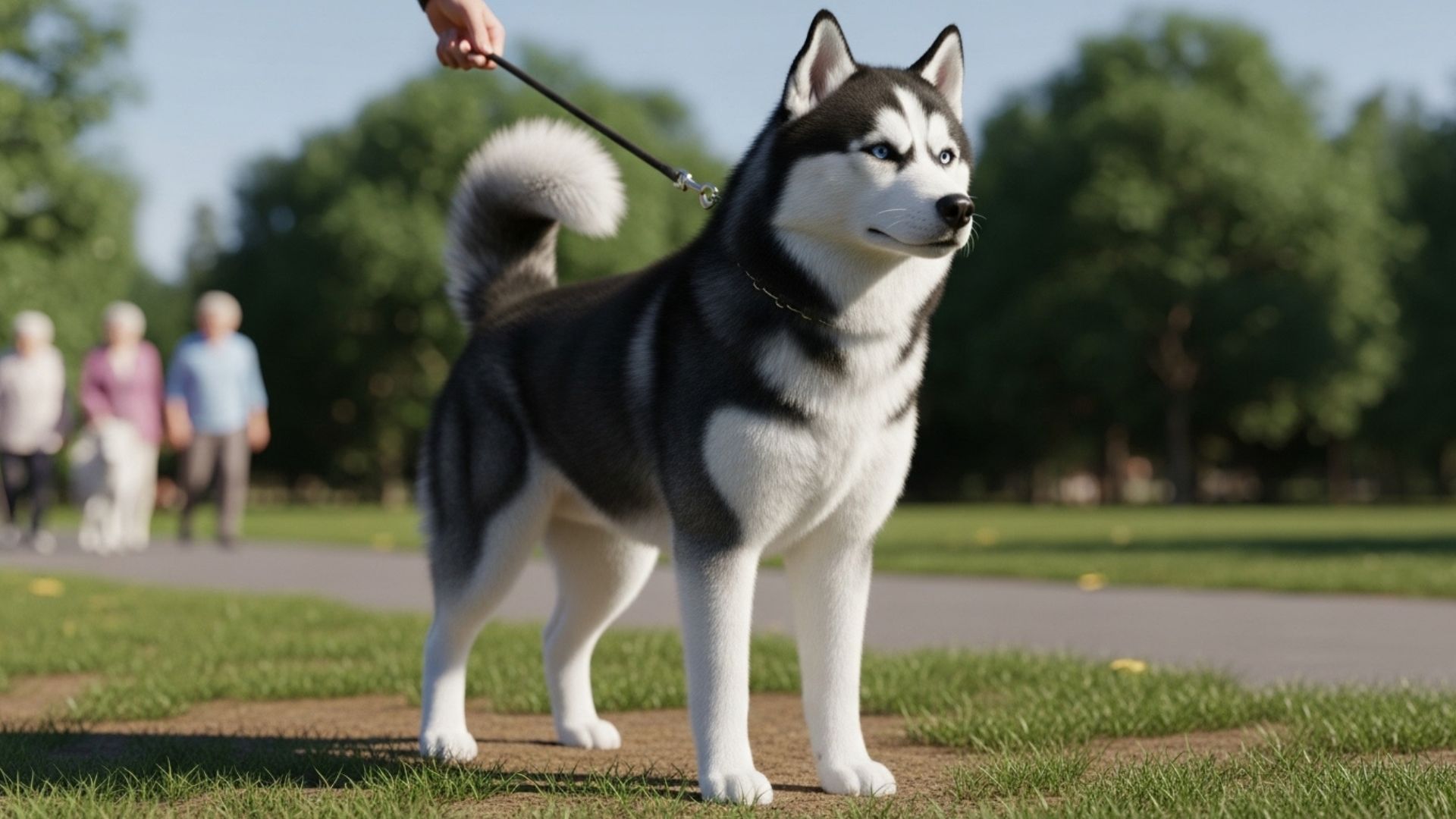
Elderly people often tend to feel lonely and bored. Adopting a dog can provide loving companionship in one’s senior years. However, dogs also require your time and energy, like all other pets. Therefore, if you are a senior pet parent, it is very important to choose a breed that matches your lifestyle.
You also need to consider your physical abilities before bringing a furry friend home. For instance, a very active pooch that requires plenty of exercise may not be a good fit for you. Similarly, large and muscular dogs may accidentally knock down frail elderly people.
Grooming needs and health issues are also important considerations. Some breeds may require extensive grooming, which can be an added expense and physically demanding. Others are predisposed to certain health problems, due to which they may require frequent vet visits.
Here are some dog breeds to avoid with elderly family members.
Dog Breeds To Avoid With Elderly Family Members
1. Border Collie
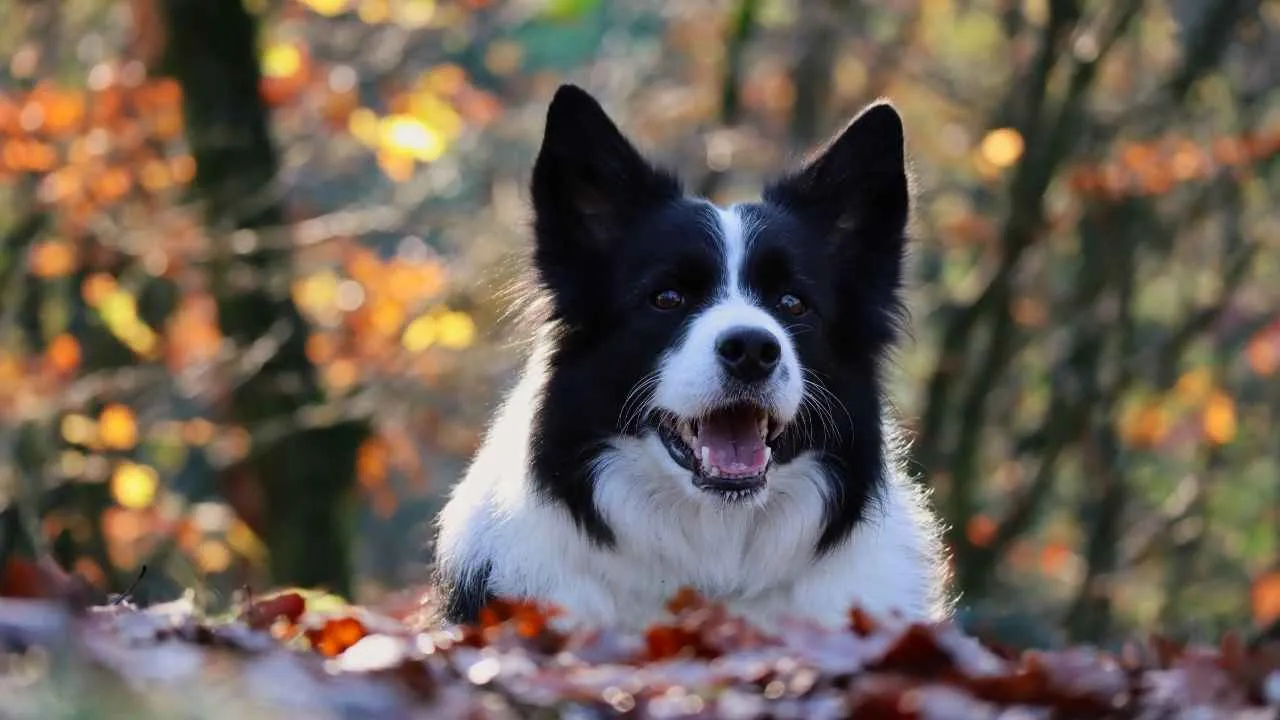
Originally bred as herding dogs, Border Collies are the most intelligent dogs on Earth. These active dogs require plenty of regular exercise for physical and mental stimulation. Keeping them busy is a constant responsibility that may be a bit challenging for elderly owners.
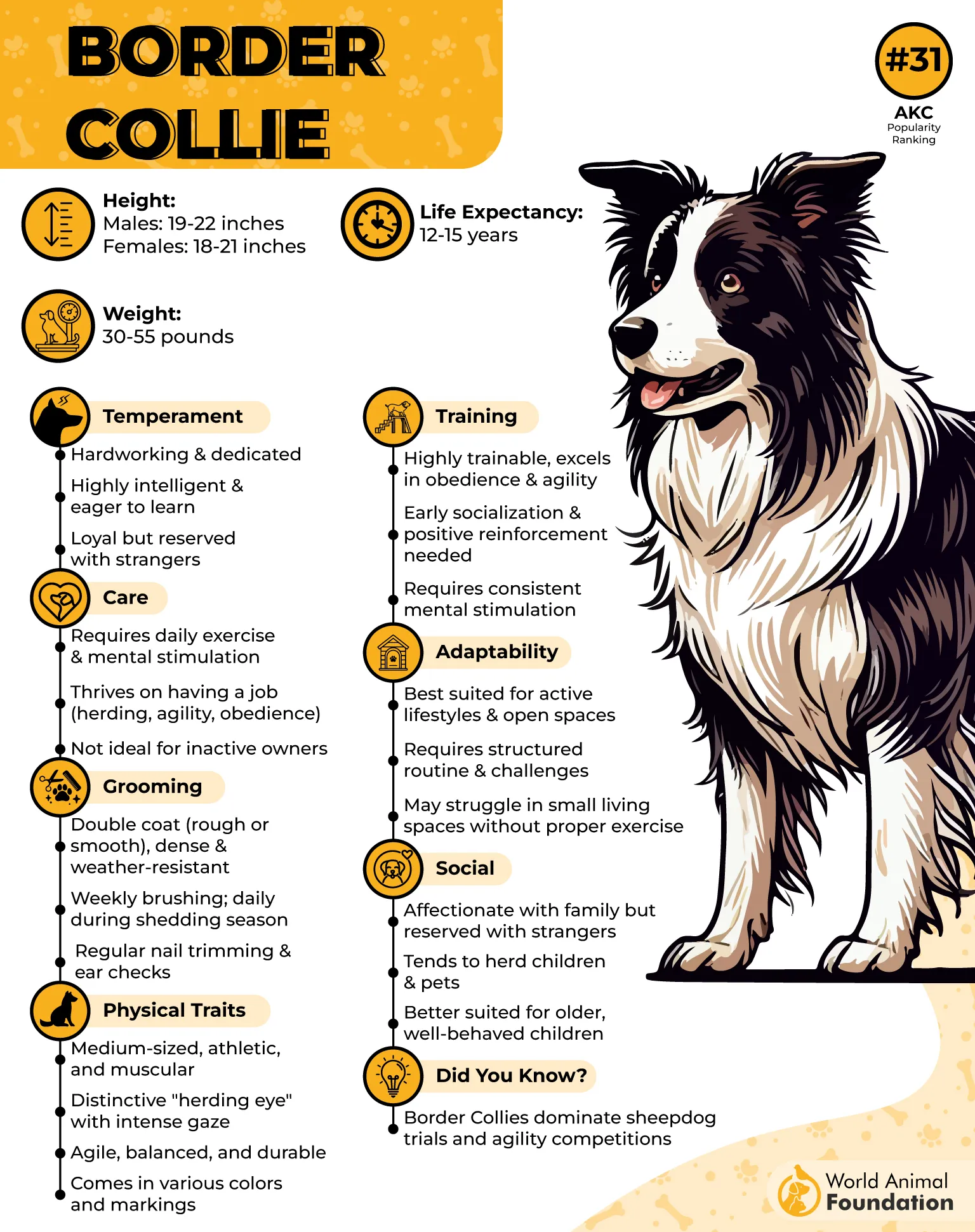
Border Collies are better suited for active families. Also, these fluffy dogs shed a lot, especially during seasonal changes. So, their owners need to put in a lot of effort in grooming and maintenance. Border Collies have natural herding instincts.
They make excellent watchdogs thanks to their keen focus and alert nature. These medium-sized dogs get along nicely with children and other pets. Border Collies need plenty of space to run around due to which they are not well-suited for apartment or smaller living spaces.
2. Australian Shepherd
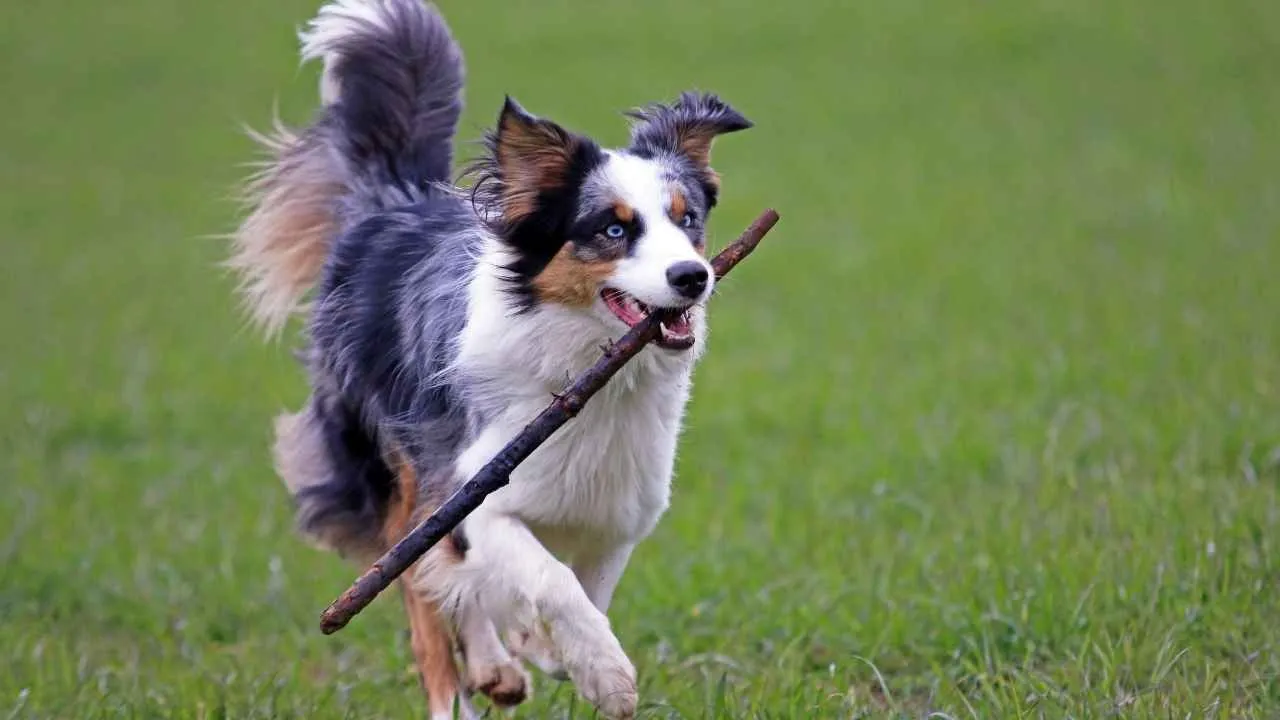
Like Border Collies, Australian Shepherd is also a herding breed that are known for being very active. They thrive on routine, responsibility, and tasks that can keep them busy throughout the day. Aussies are not a good choice for elderly family members because they require lots of exercise.
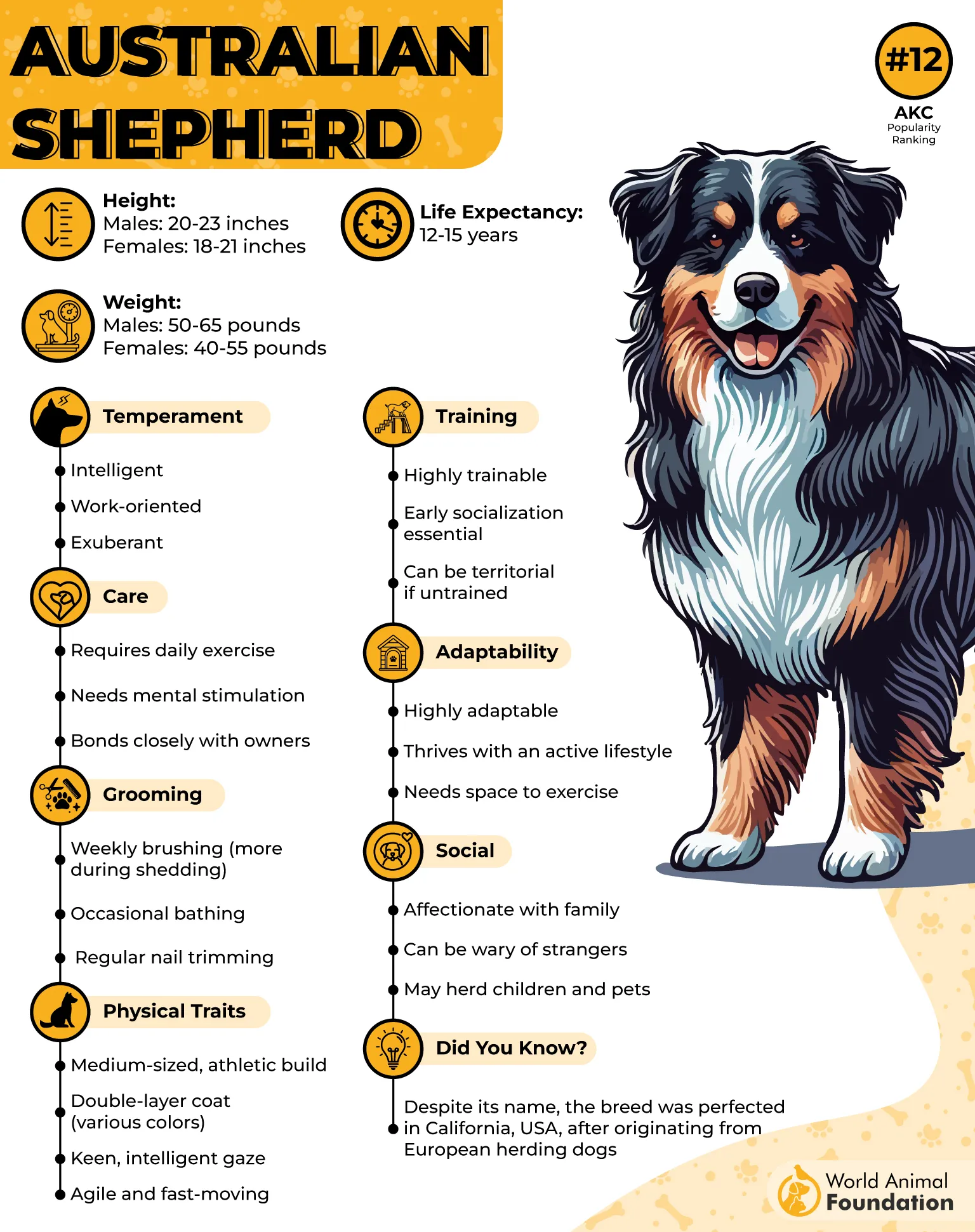
These athletic dogs need about one or two hours of vigorous exercise, which a senior citizen may find difficult to provide. Australian Shepherd requires lots of maintenance, especially during the first two years of life.
Aussies have a beautiful coat that comes in unique colors and patterns. The coat needs to be brushed at least once a week and sheds heavily, making the breed unsuitable for seniors allergic to pet dander.
Aussies are famous for their eagerness to please, obedience, and trainability. To bring this dog breed into a senior’s home, you need a young person to give it attention and energy.
3. Siberian Husky
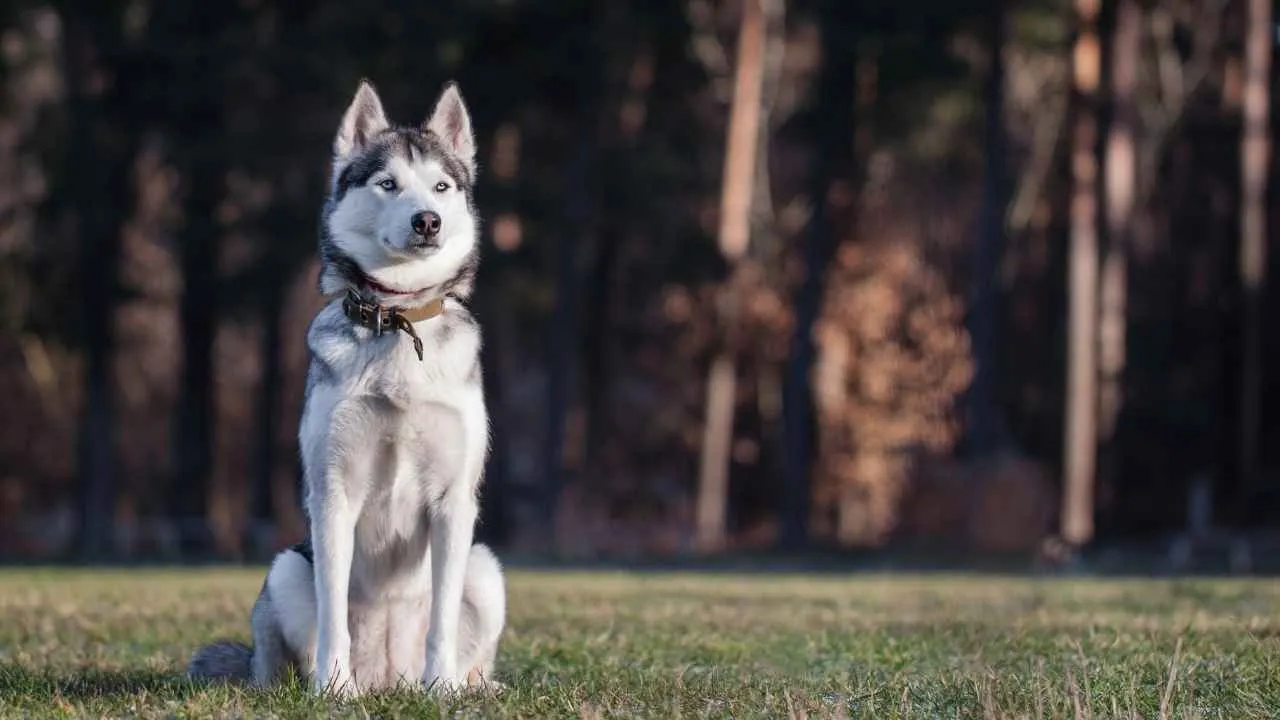
Having a striking appearance and independent nature, Siberian Huskies are loyal companions. They have a protective nature and are quite friendly to their family members. Their thick coat enables them to work in harsh environments, but sheds heavily.
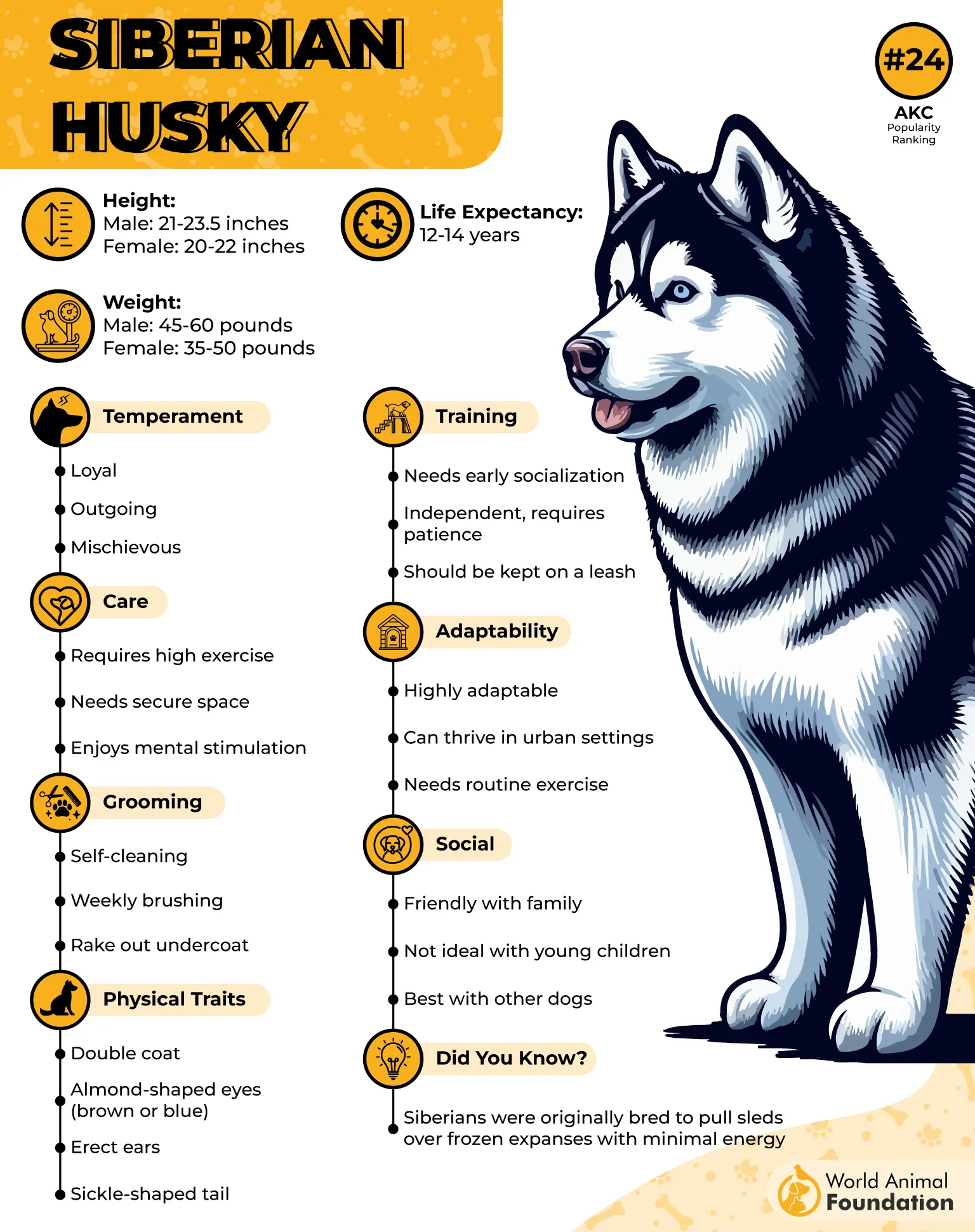
Dander from their coat can cause respiratory issues in senior citizens who usually have a weakened immune system. Additionally, the fur requires regular grooming, which may demand lots of time.
Huskies require a fair amount of playtime and are unhappy without proper exercise and mental stimulation.
Siberian Huskies are super energetic. It is difficult to contain exuberant energy, so they require lots of physical activity and mental enrichment. Therefore, senior citizens may be overwhelmed by the needs of this breed. Husky is the best dog breed for owners leading an active lifestyle.
4. Dalmatian
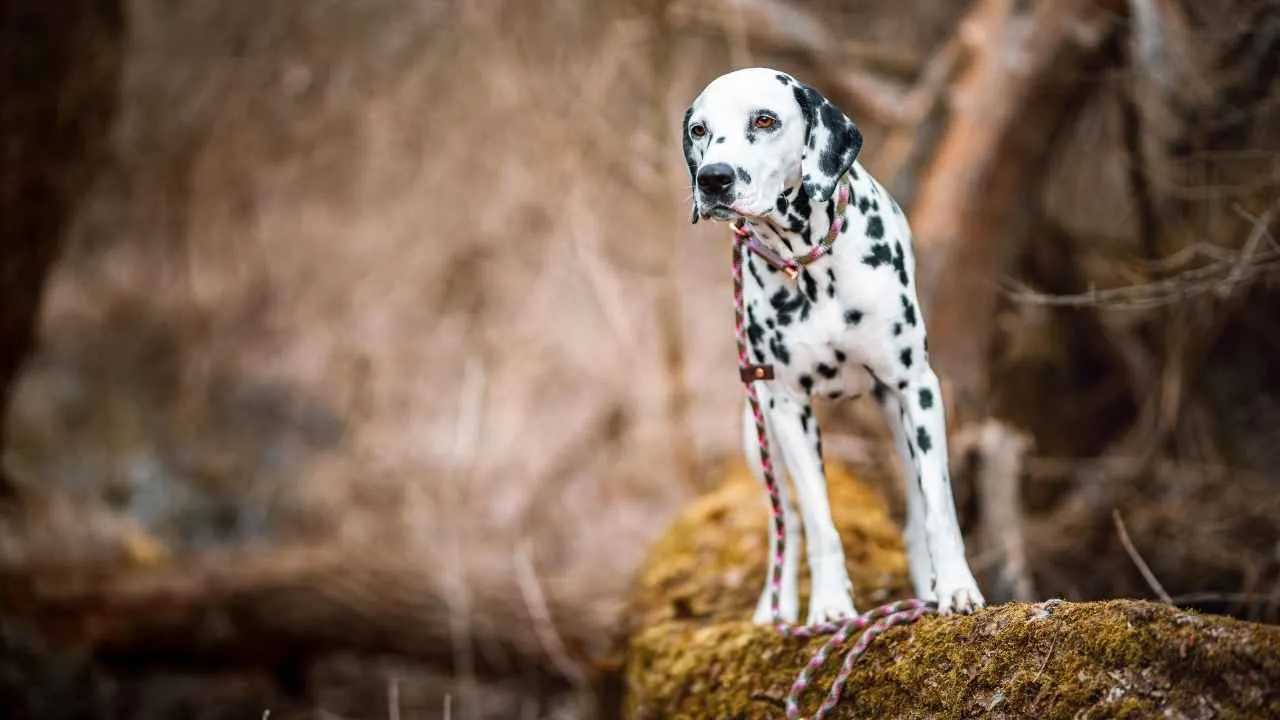
The Dalmatian is a relatively large dog breed that used to guard stables at night. Today, they make popular family pets thanks to their outgoing and playful temperament. Dalmatians may not be the ideal breed for seniors looking into pet ownership.
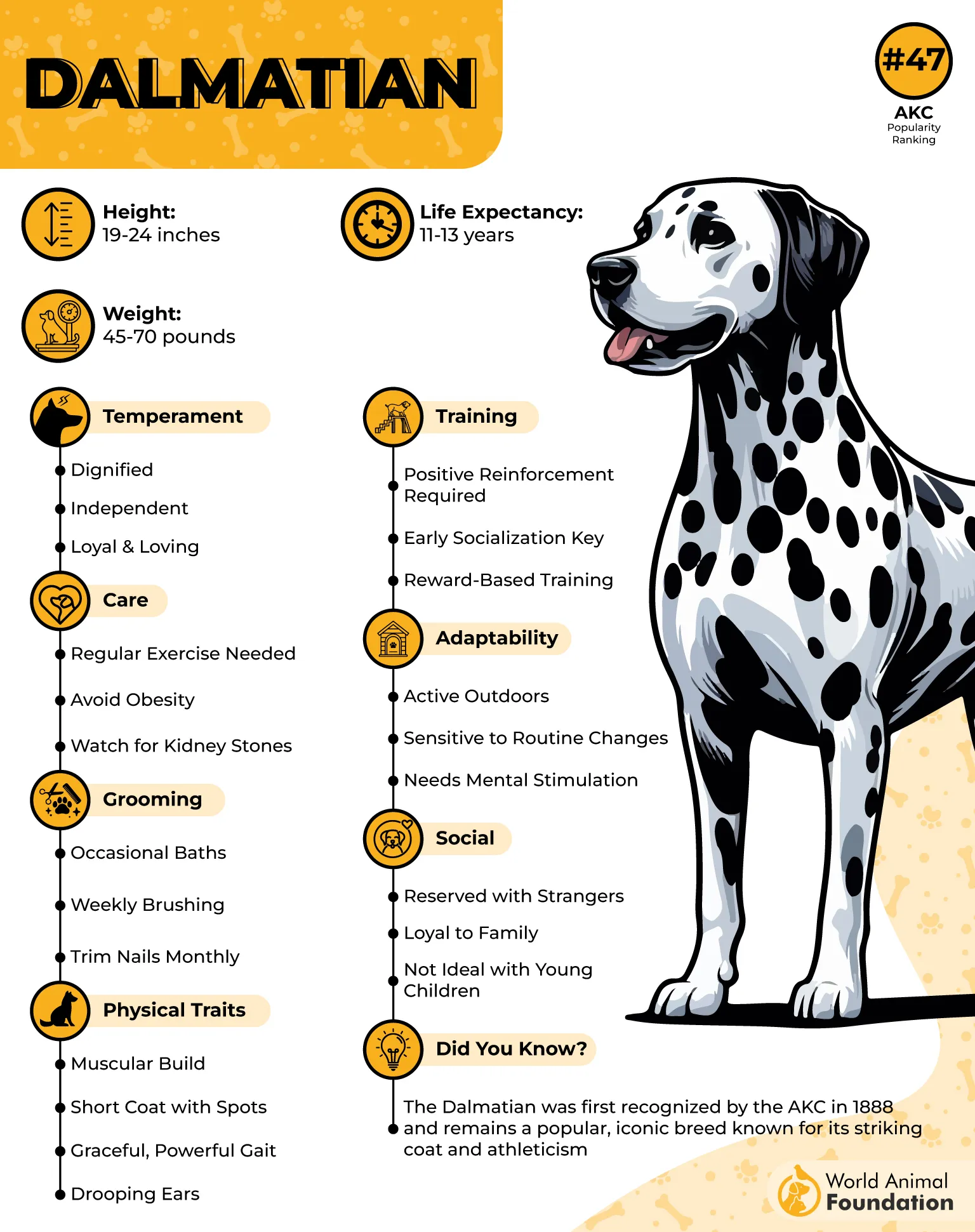
They have a strong independent streak, so they may be hard to train. Additionally, Dalmatians are very high-energy dogs per the AKC. These outdoorsy canines require lots of activity that may overwhelm seniors. They can become destructive if they do not get enough exercise and mental stimulation.
Dalmatians shed all year round, so their maintenance level is on the high side, especially for older individuals. They are motivated to please but have the potential to exhibit aggressive behavior and can be unpredictable, so they are not a good fit for seniors.
5. German Shepherd
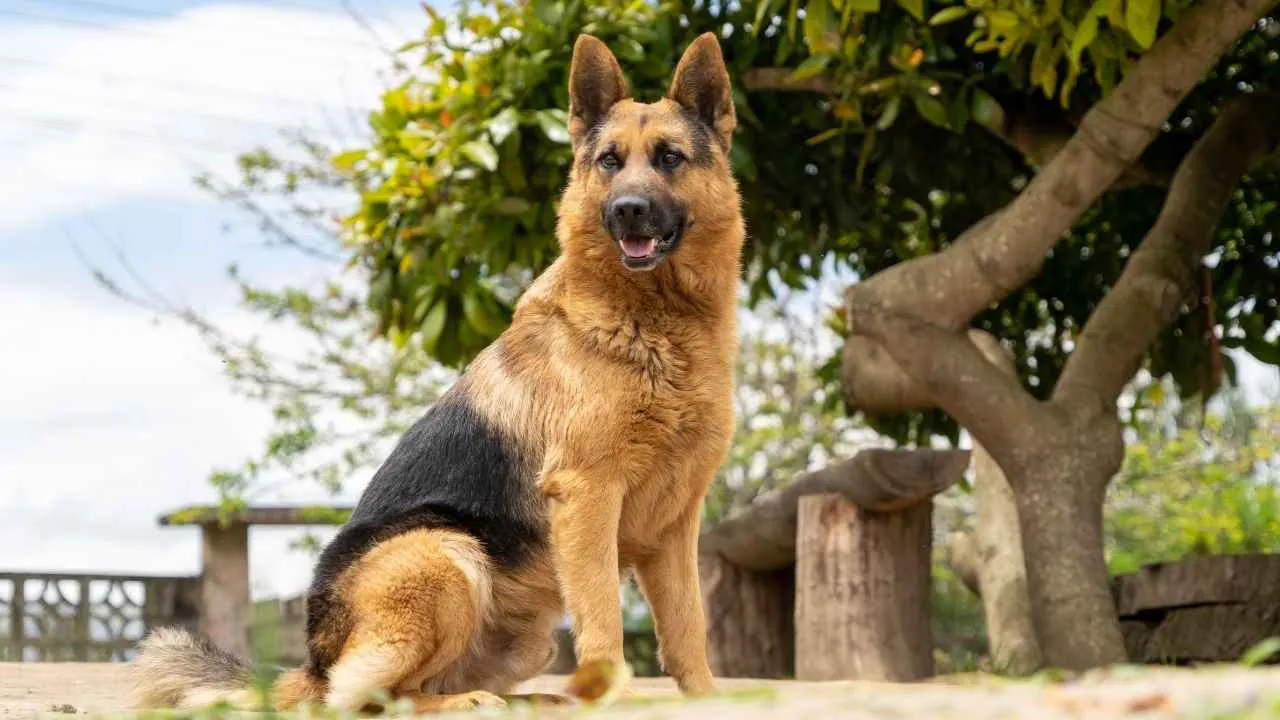
German Shepherds are intelligent and loyal guard dogs having a protective nature. Their active and athletic personality means they require lots of physical stimulation and mental enrichment to stay healthy.
One of the large dog breeds, German Shepherds’ high energy levels and extensive exercise needs may overwhelm elderly persons. These pooches make a better fit for active pet owners. Due to their protective streak, German Shepherds require proper training and socialization from a young age.

Another reason why the German Shepherd is the worst dog breed for seniors is that it sheds heavily. Pet hair carries dander that may spread dust, mites, pollen, and more. These things may cause allergic reactions in senior citizens.
6. Jack Russell Terrier
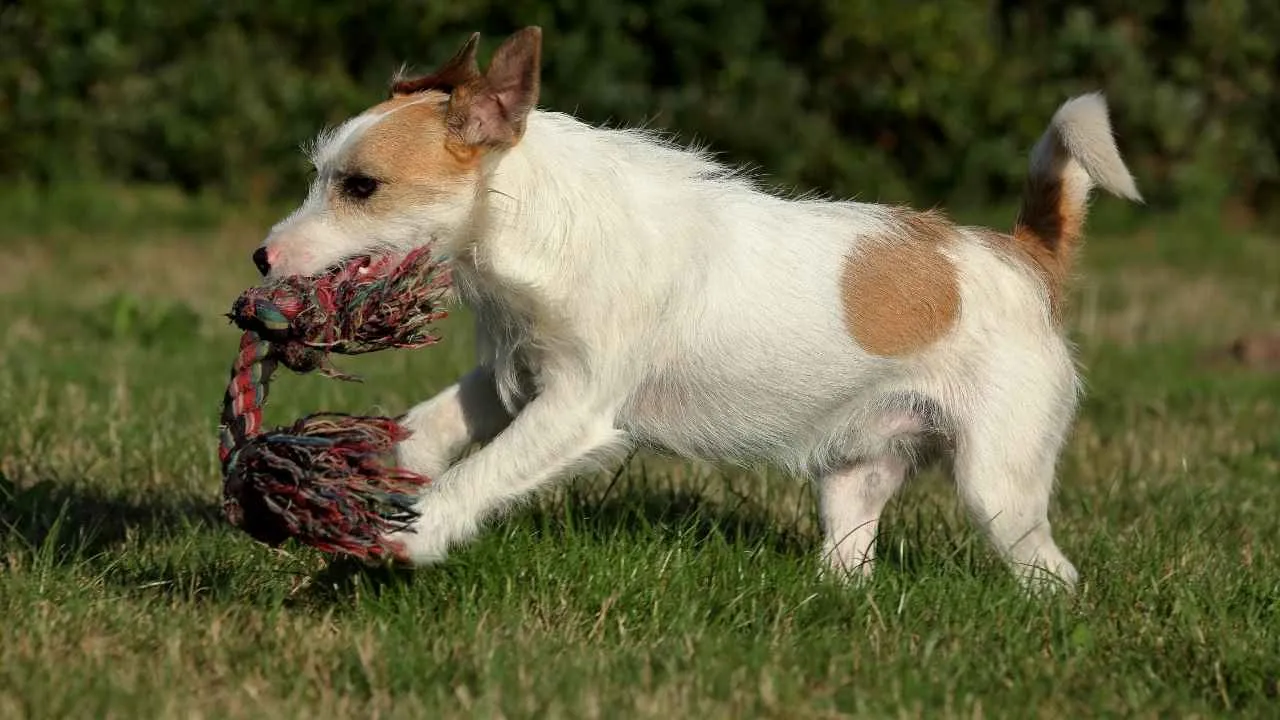
Originally bred as hunting dogs, Russell Terriers are peppy little dogs, constantly on the move. Despite their manageable size, they have huge personalities and often act unruly. They have natural hunting instincts and require lots of space to run and play.
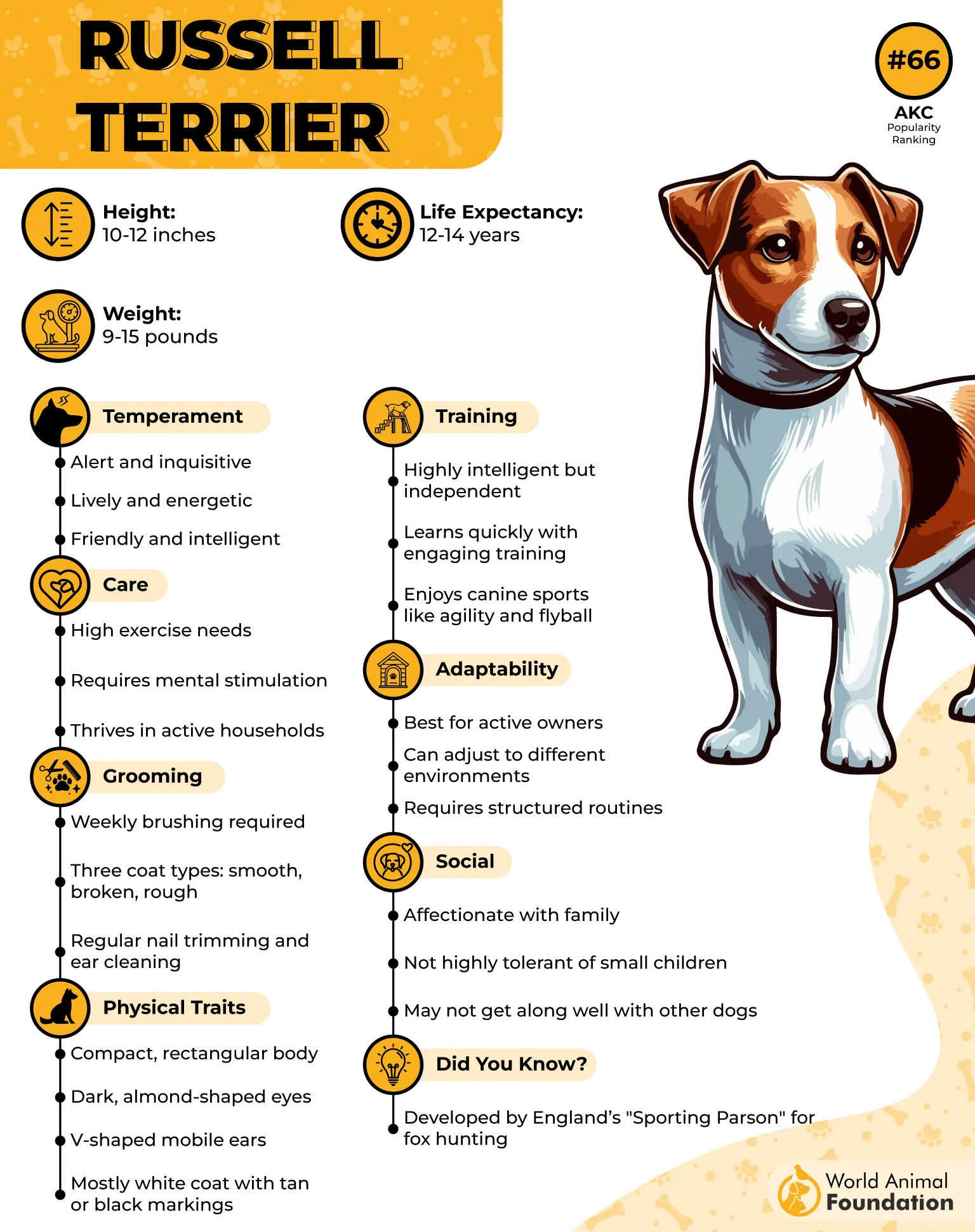
That is why Jack Russell Terriers are not suitable for seniors living in apartments. They are also one of the worst dog breeds for the elderly due to their high energy levels. Their intense nature may be a bit overwhelming to handle for senior citizens.
Also, Jack Russell Terriers are challenging to train, including at potty time. They need a consistent owner who can make them follow strict schedules and rigorous consistency. These active dogs need plenty of activity for their physical and mental health.
7. Akita
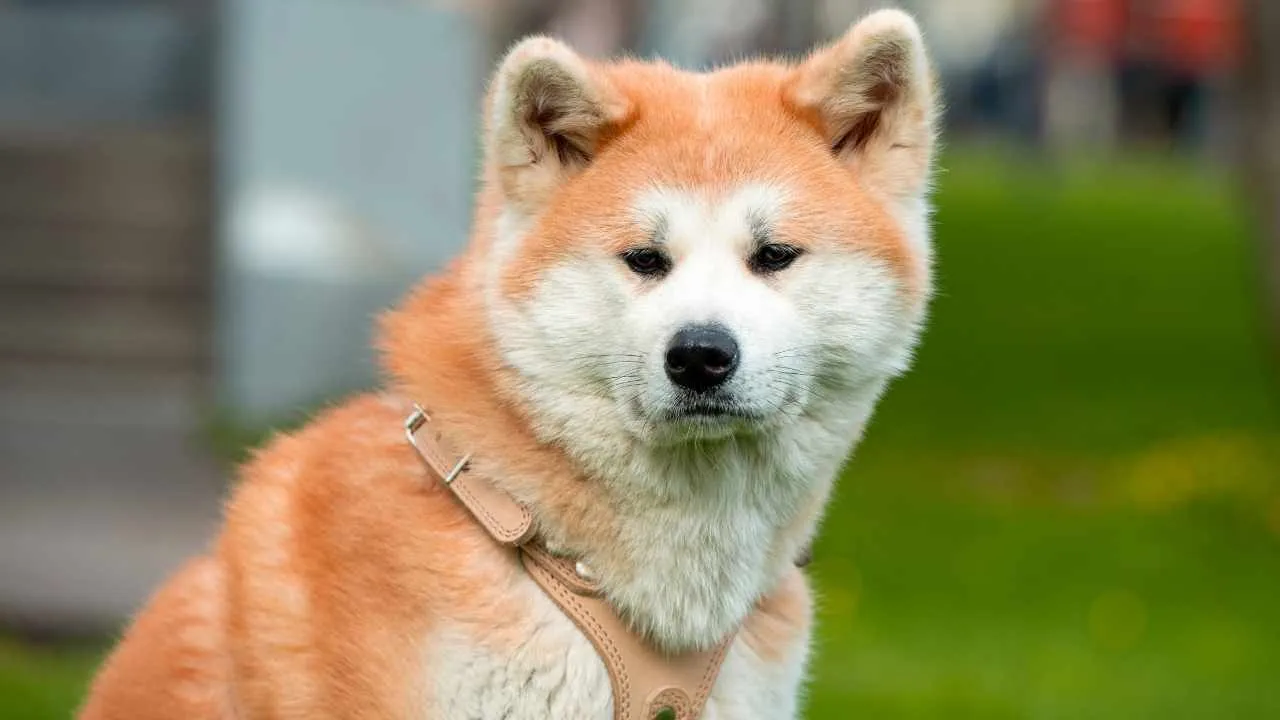
Akita is a large breed hailing from Japan. It was originally bred to hunt elk, boar, and even small bears. They are aloof towards strangers, due to which you may think they are a good guard dog breed for seniors, but that is not true.
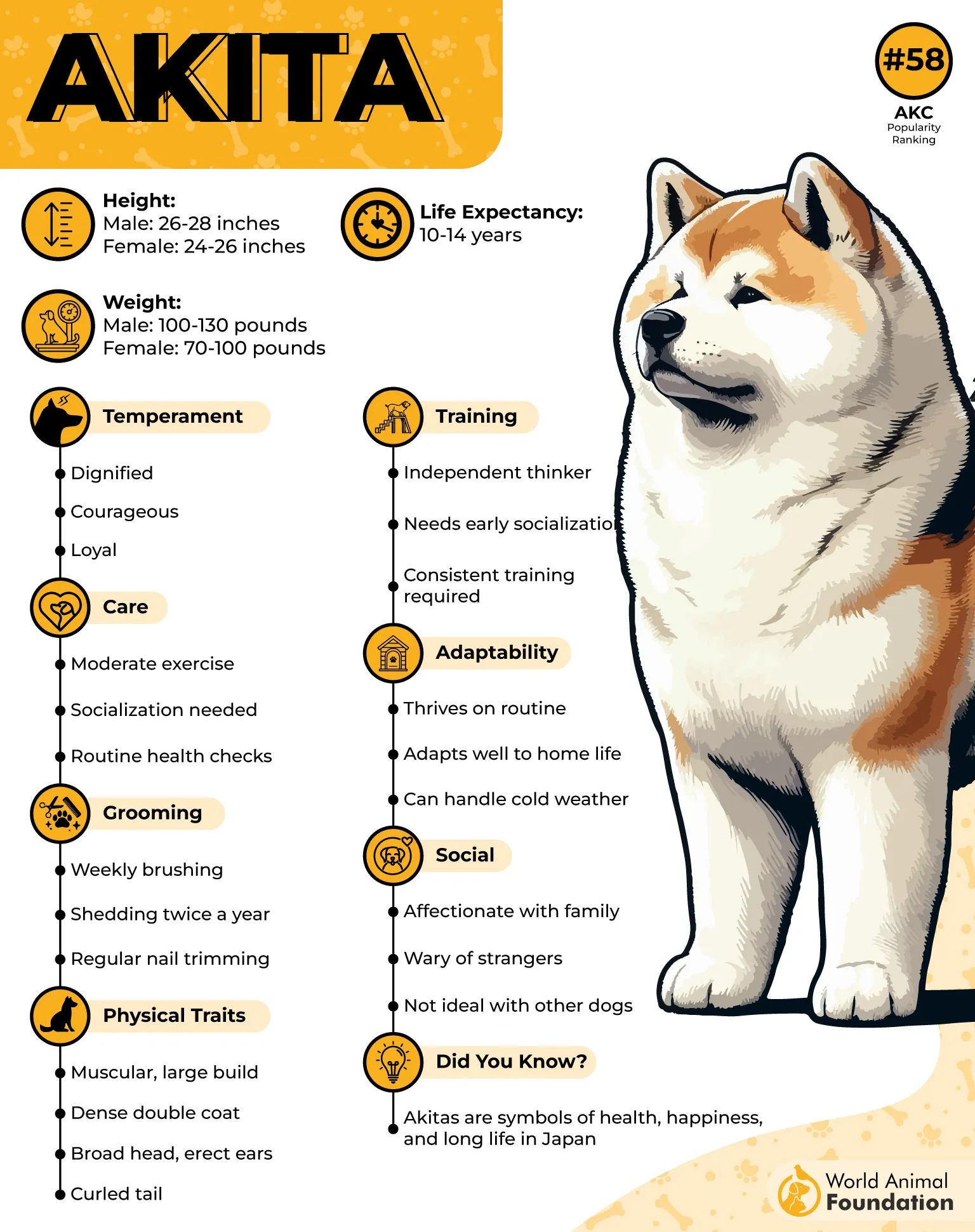
Their large size and incredible strength make them one of the worst dog breeds for senior owners. Akita is a high-energy breed, so it requires lots of exercise to stay mentally and physically healthy. Elderly individuals may struggle to provide adequate activity for this pooch.
This Spitz-type dog breed has a strong-willed nature because they were bred to work independently, explains PetMD. Consistent training and early socialization are required to turn these dogs into well-behaved pups.
8. Chow Chow
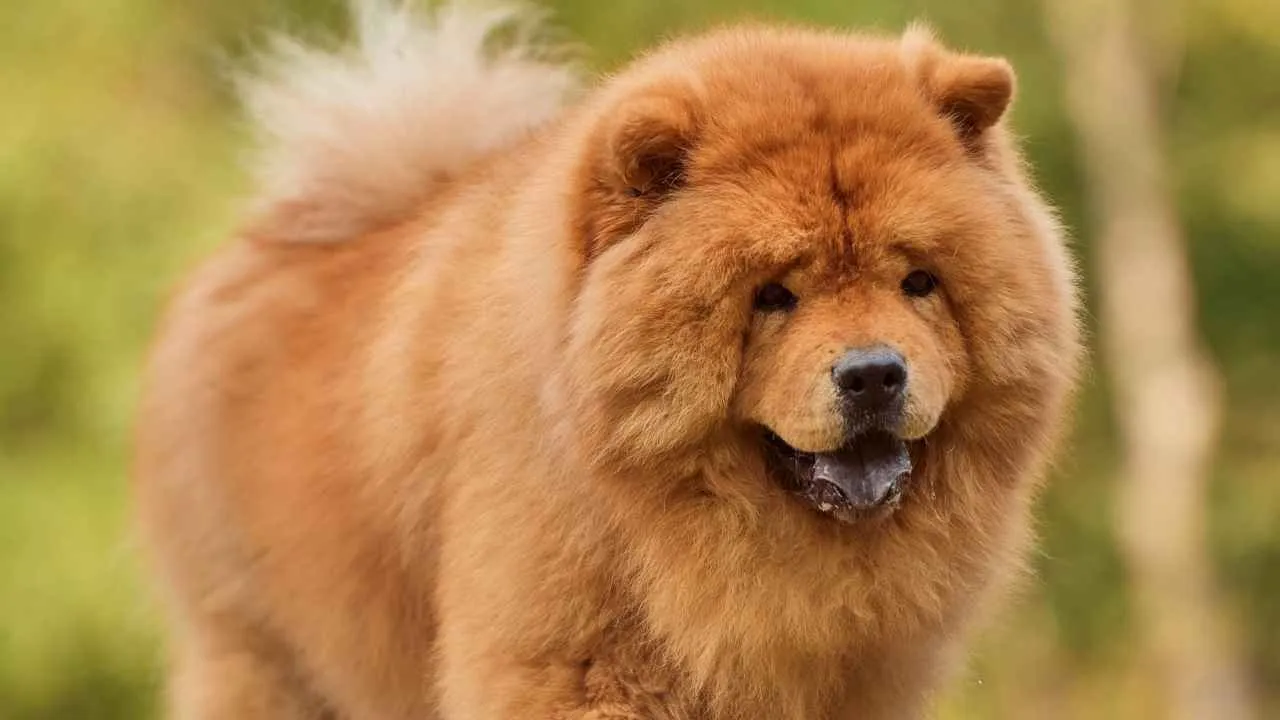
Recognized by their lion-like manes, Chow Chows were used as hunters, guard dogs, and companions in the Han dynasty. This ancient dog breed is medium-sized, but it is surprisingly powerful. They make loving and affectionate pets, but are not suitable for the elderly.
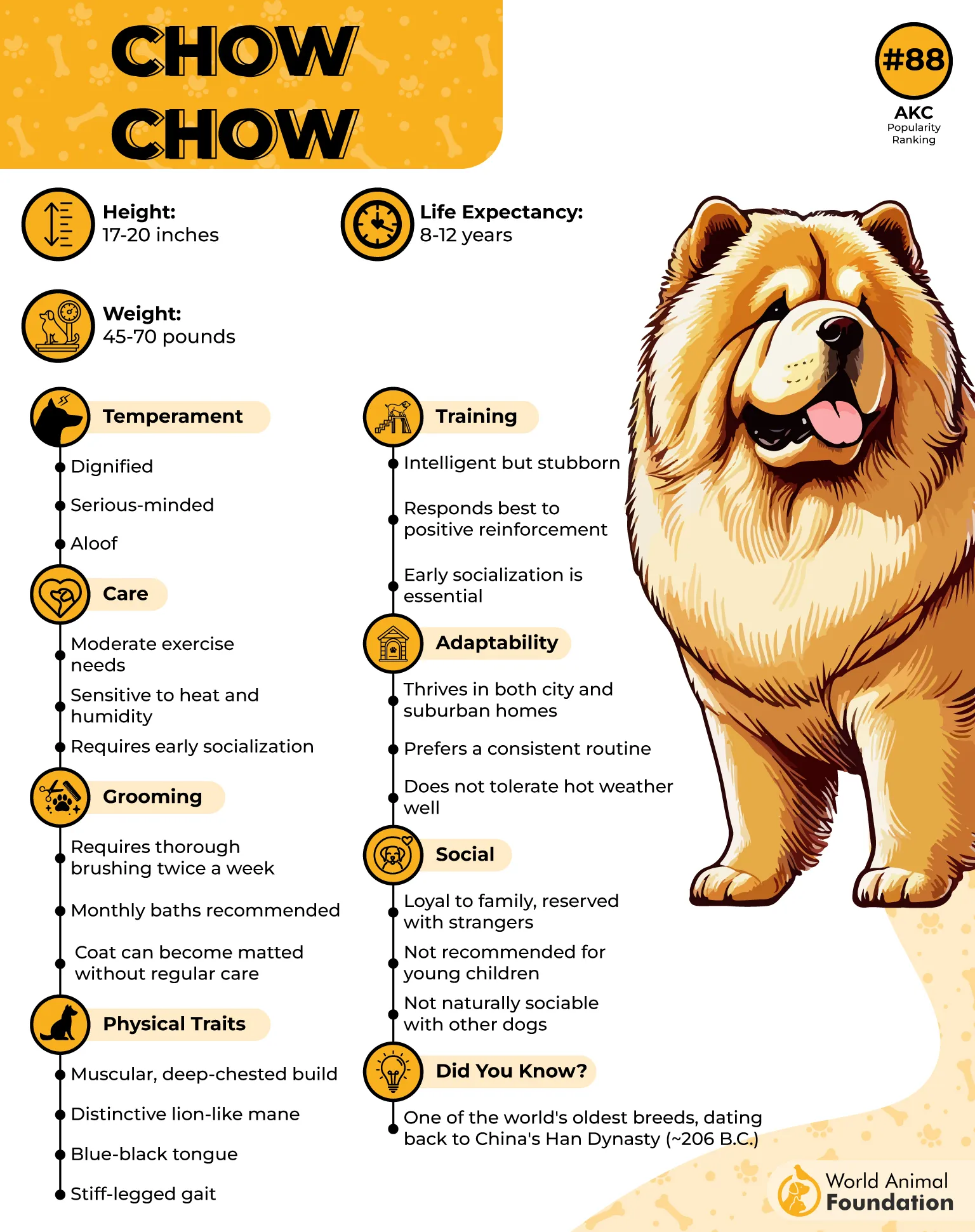
Some people describe Chow Chow’s temperament as “complicated” because they tend to be finicky. They love to be active and require multiple walks every day to stay happy and healthy, which may be a difficult task for senior owners.
Chow Chows also have high maintenance needs as their coats need to be brushed two to three times a week and must be bathed at least once a month. Their stubbornness, exercise needs, and maintenance needs make them unsuitable for elderly family members.
9. Rottweiler
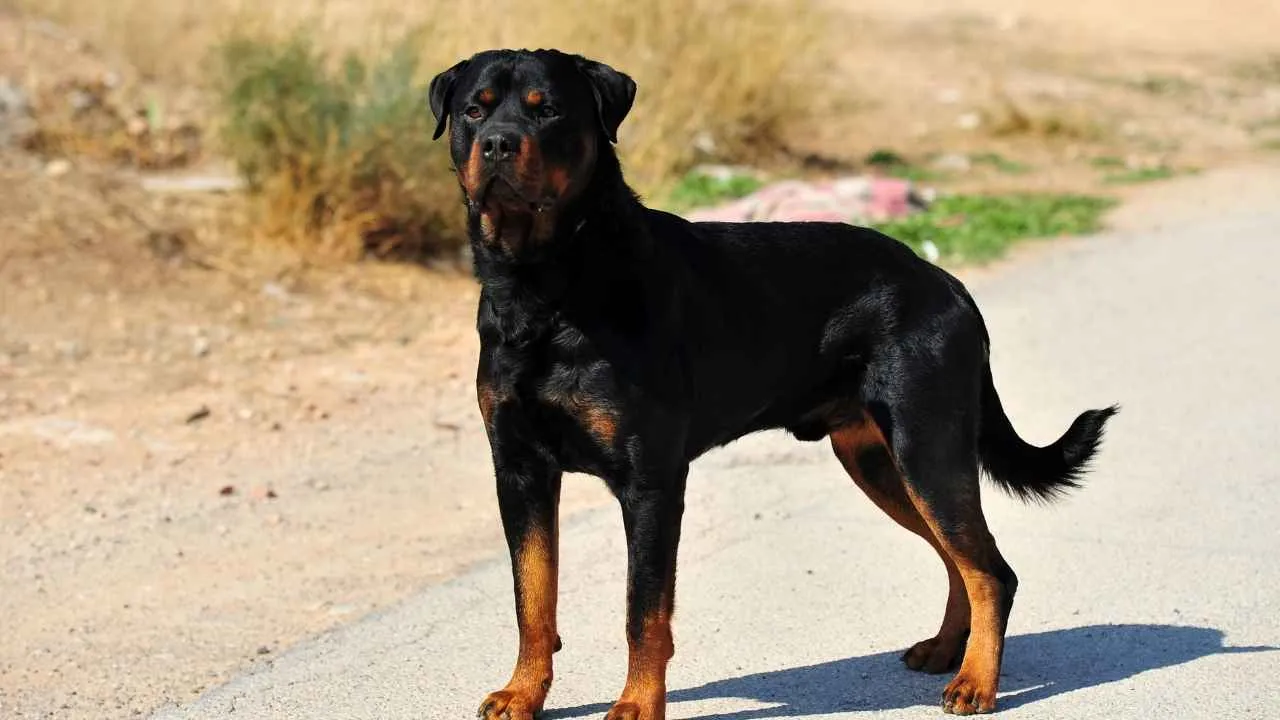
Rottweilers are strong dogs who make loyal guardians and enjoy spending time with their people. Although they have simple grooming needs, but are quite athletic. PetPlan recommends at least two hours of daily exercise for these active fellows.
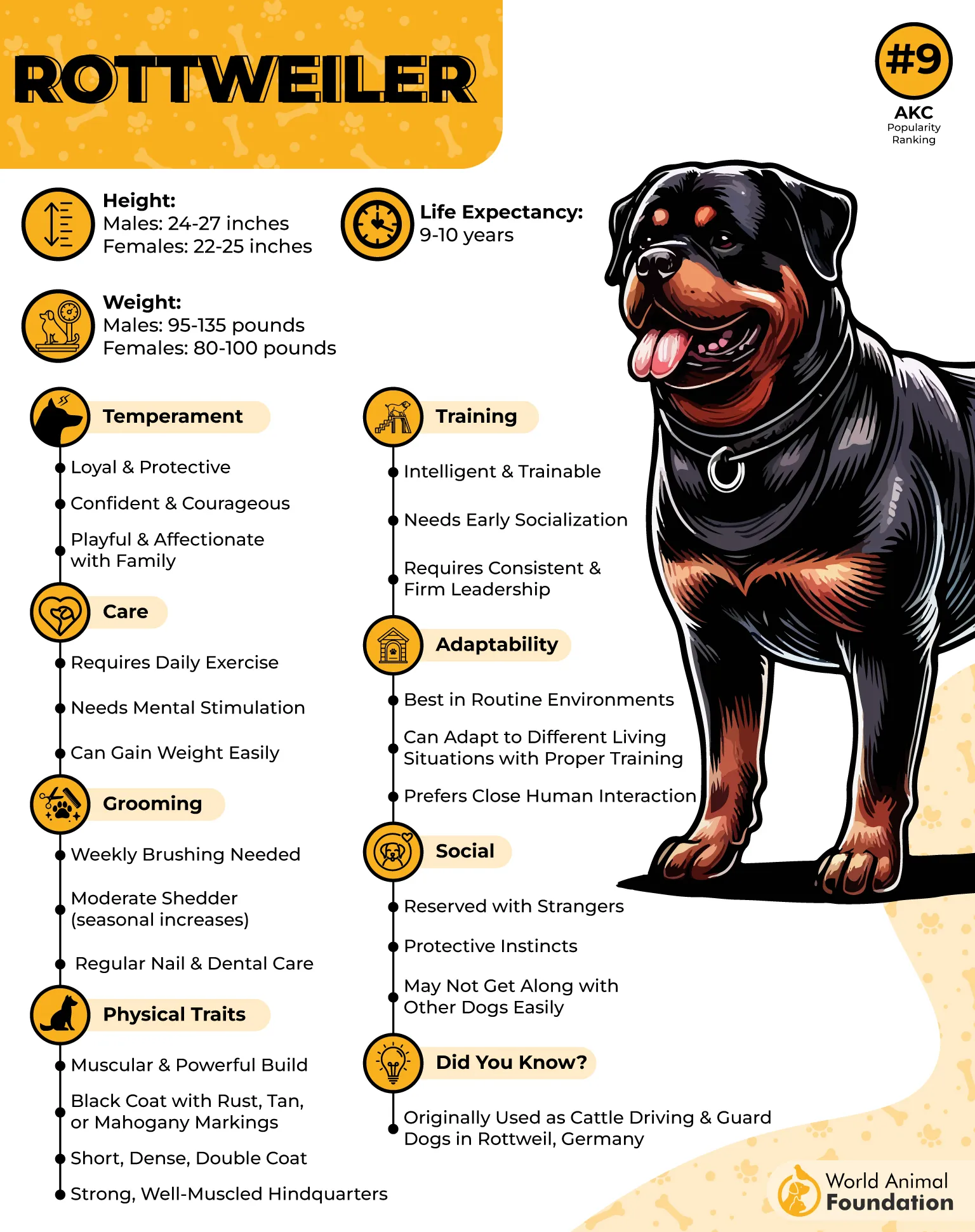
Rottweilers are intelligent dogs who excel in obedience training, but are not a good choice for senior owners. This is because of their exercise needs, impressive strength, and large size. Rottweilers would rather thrive in an active household.
They enjoy activities like walking and swimming. Rottweilers are very smart and easy to train dogs having an aim to please their owners. They need to spend plenty of quality time with their owners, which may become a challenge for seniors, especially those with a sedentary lifestyle.
10. Doberman Pinscher
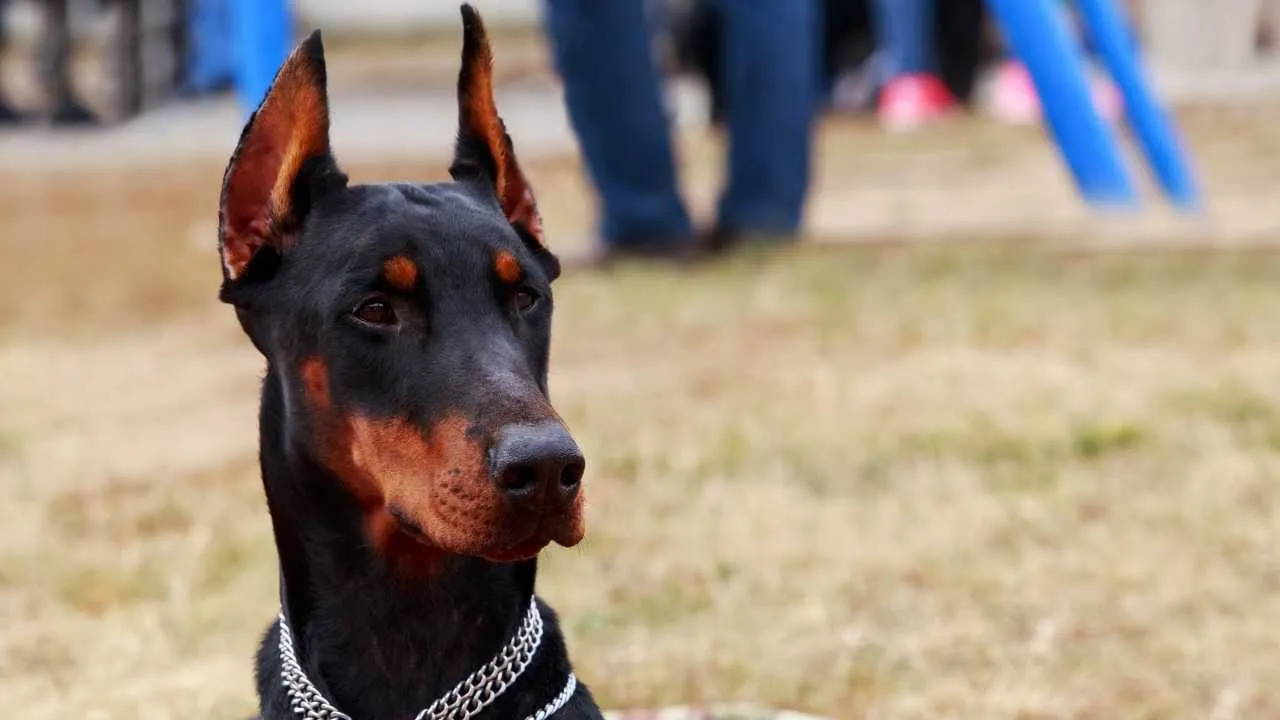
The Doberman Pinscher is a sleek and agile dog that has been serving as a guard dog for centuries. Their muscular build and immense strength make them unsuitable for senior owners. Dobermans are very active dogs loaded with energy.
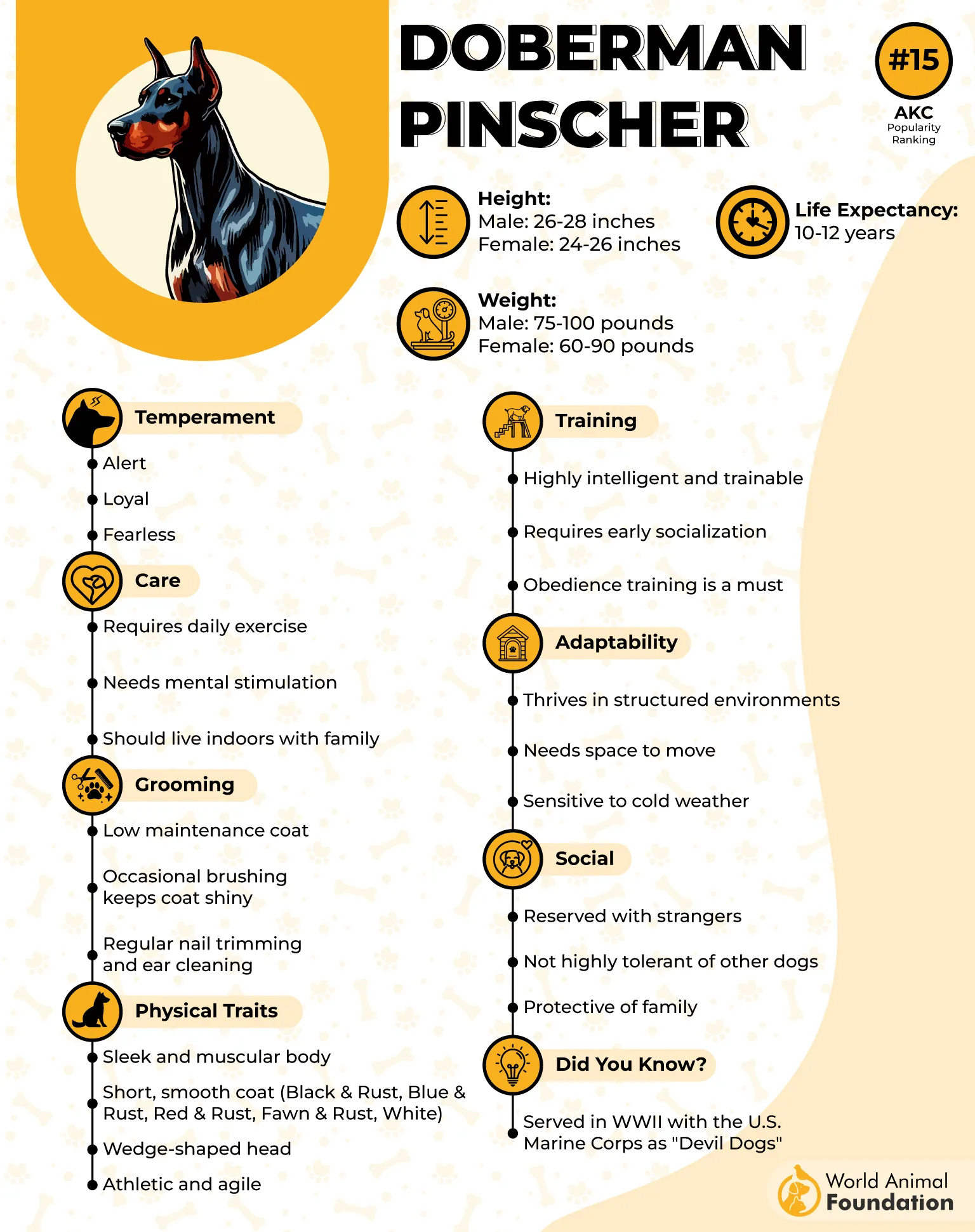
They need plenty of daily exercise for physical and mental enrichment, which elderly family members may find hard to provide. Doberman owners need to be very active and capable of playing with them for hours.
Dobermans should be trained properly so that they do not become unmanageable. They are very intelligent and eager to please, dogs who learn quickly. So, training is not difficult, but consistency is the key in this regard.
Conclusion
Dogs make wonderful companions for elderly family members; however, you need to opt for a breed that matches their lifestyle. Active dog breeds that require lots of daily exercise and mental enrichment are not a good choice for senior persons.
Similarly, they should also avoid dog breeds that are incredibly strong or have extensive training or grooming needs. In fact, calm and laid-back pooches with moderate exercise and grooming needs are ideal for elderly people.
