




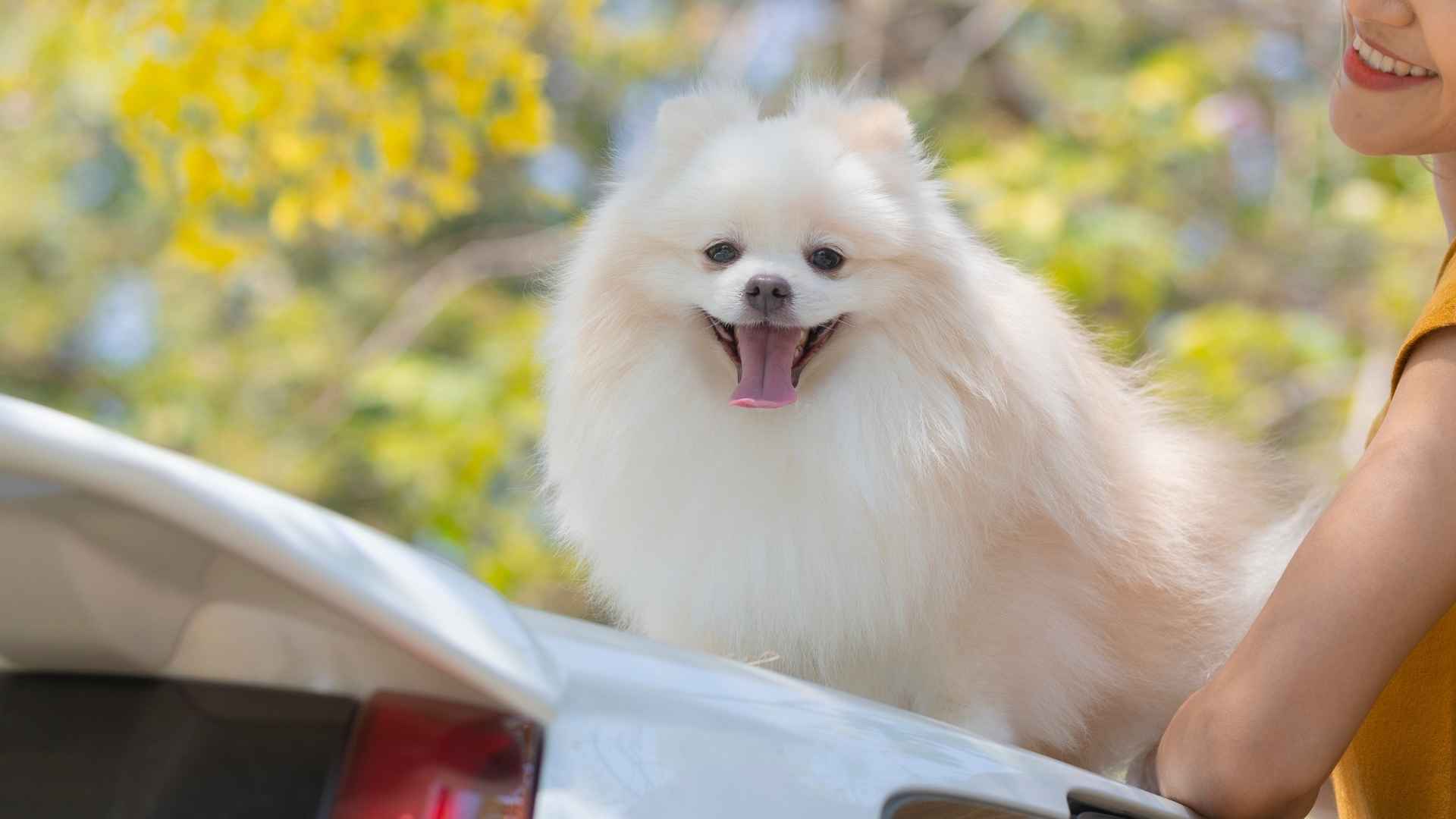
Did you know some dogs are practically tuned for shoulder-season adventures? Autumn’s cooler temps, quieter trails, and harvest-town patios make it prime time to roam with a four-legged co-pilot.
The right breed can hike in brisk air, settle under a café table, hop into a cabin, and handle travel hiccups with calm. The wrong fit can turn a dreamy road trip into detours for anxious paws and muddy car seats.
This guide spotlights breeds that travel well in fall, focusing on traits that matter: weather-ready coats that shrug off drizzle, compact frames that fit city hotels, stamina for leaf-littered trails, low-shed grooming for rentals, and steady, sociable temperaments for markets and trains.
You’ll also get quick checks for car comfort and energy needs, so you can match a dog’s rhythm to your route. Ready to find a trail companion who loves crunchy leaves as much as you do?
Best Dog Breeds For Autumn Travel
1. Beagle
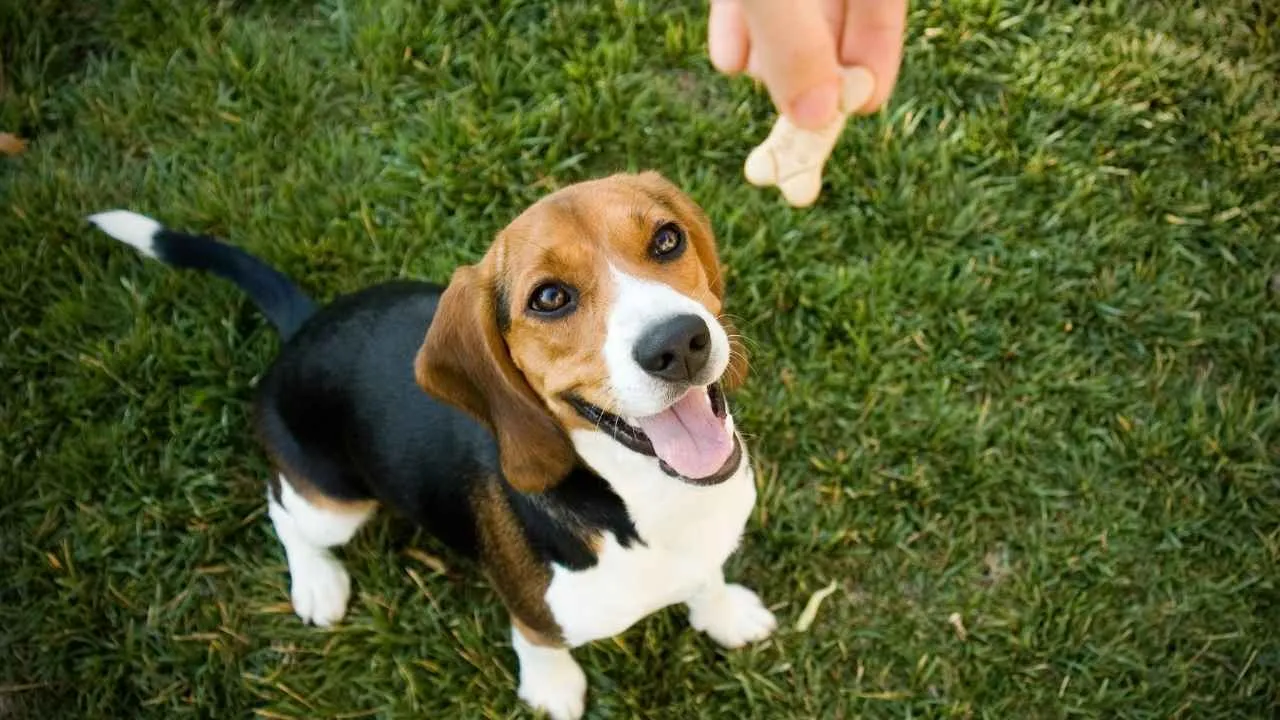
Beagles pack a lot of personality into a sturdy, compact frame with a thick, easy-care coat and the classic white-tipped tail bred to stay visible when their nose is down. They’re cheerful, agreeable, and energetic companions that were developed as determined small-game hounds.
Smart yet independent, Beagles are famously guided by scent, which can make training a test of consistency and patience. They’re gentle family dogs, often good with kids and other dogs, though they’re more watchdog than guard dog.
Expect some baying and stubborn moments when an interesting smell wins their attention.
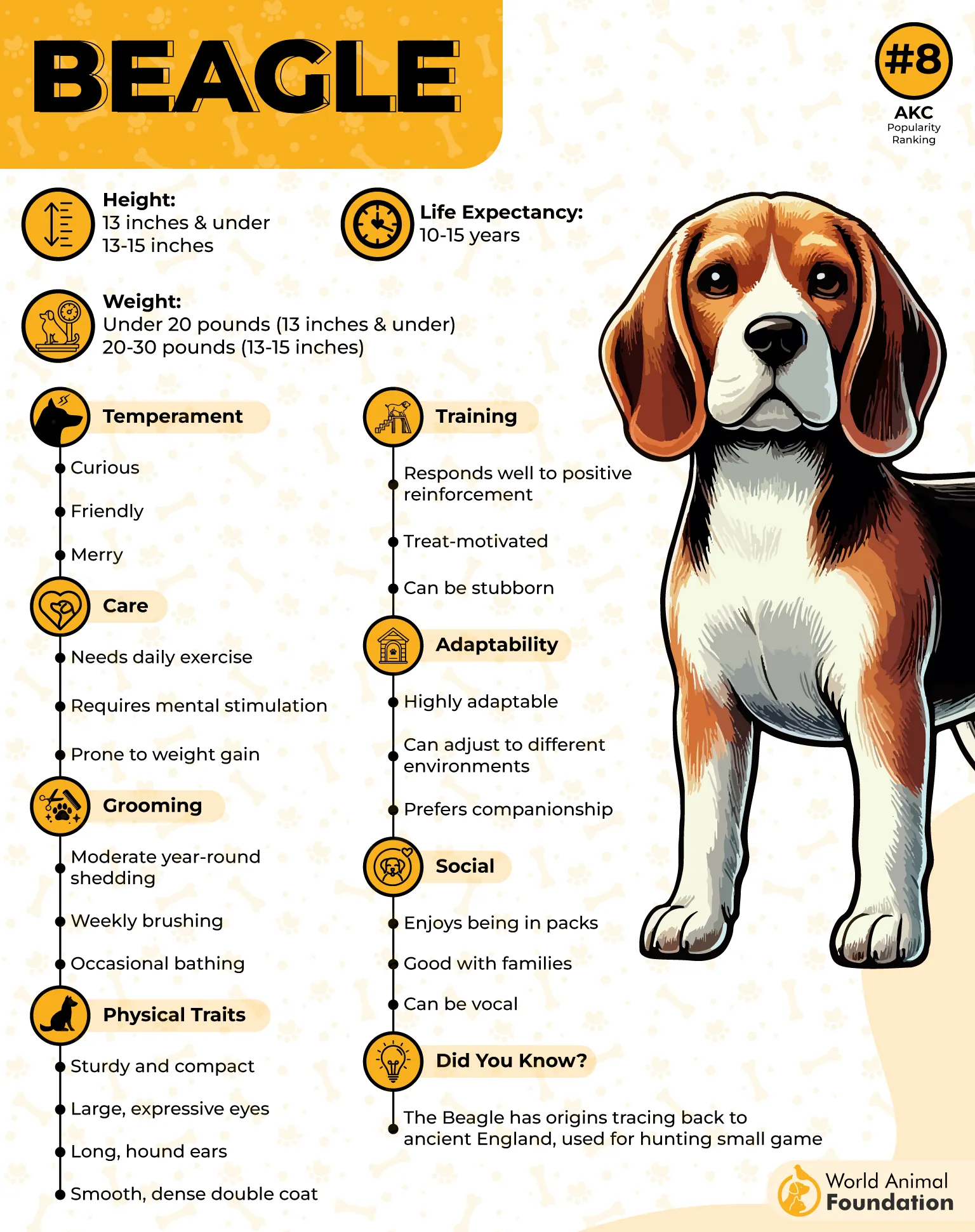
Built for the hunt, Beagles have notable endurance for their size. Well-conditioned dogs can tackle hikes up to about 10 miles, but a leash is usually wise once those instincts kick in. Because they love food, regular exercise also helps keep weight in check.
As travel partners, Beagles are adaptable and friendly, which makes meeting new people and dogs easy on the road. Keep your leash around new distractions since once a scent is caught, wandering and a chorus of Beagle howls can follow.

Their sociable nature makes them fun companions at parks and patios.
Orvis notes that a securely fenced yard and supervision help curb roaming and escape attempts from this curious hound. They’re apartment-capable if they get ample outdoor time, but they don’t love long stretches alone.
Weekly brushing and routine ear cleaning help keep their low-maintenance coat and long ears in good shape.
Fun Fact
Beagles almost always sport a white-tipped tail, a trait bred so hunters could spot them in brush. When they strike scent, they’ll often announce it with a distinctive bay.
2. Labrador Retriever
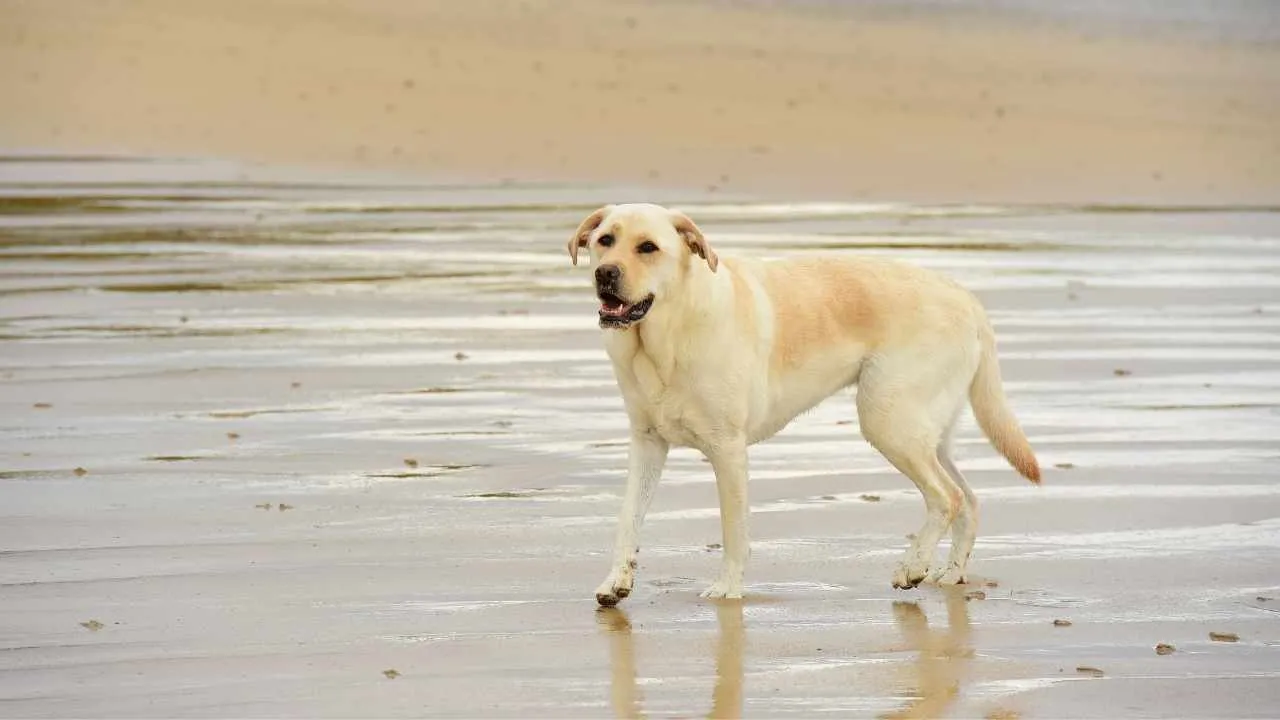
Labs are medium to large sporting dogs with a strong build and a water-repellent double coat in yellow, black, or chocolate. They’re among the most popular breeds thanks to a friendly, outgoing temperament.
Their history and structure make them excellent family companions who thrive outdoors.
A high-energy working heritage means Labradors need plenty of daily activity. A practical benchmark is about an hour of exercise for healthy adults, with many Labs also loving swims and games that tap their retrieving instincts. Puppies need gentler plans that scale with age to avoid overexertion.
For travel, Labs shine as easygoing road-trip partners. They’re outgoing and eager to please, great in cars, and generally quick to train for new routines, though their size rules out small carriers. Expect a dog that enjoys hiking breaks and friendly encounters along the way.
According to PetMD, Labs are prone to ear infections due to floppy ears and frequent swimming, and the breed can face orthopedic issues like hip or elbow dysplasia. Average lifespan runs about 11 to 13 years with good care. Regular ear care and vet-guided prevention help keep them comfortable.
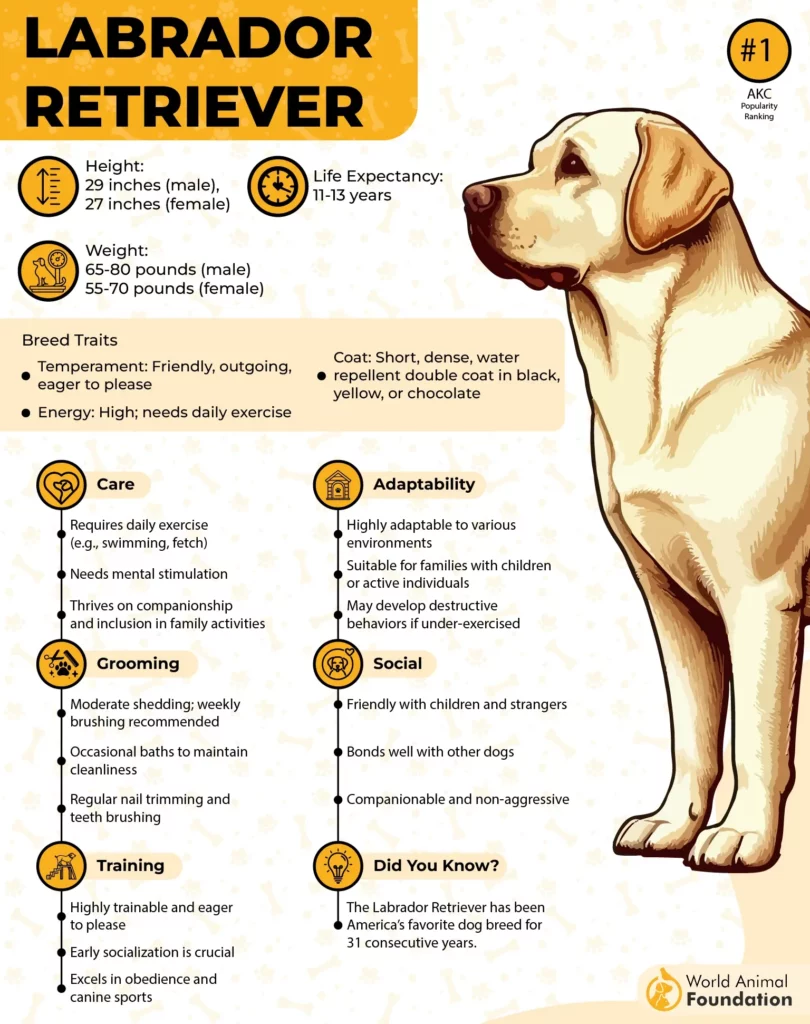
Social by nature, Labradors tend to be affectionate with people, children, and other dogs. Their double coat sheds heavily, so frequent brushing is part of the routine. If you enjoy an active lifestyle and don’t mind some fur, a Lab fits right in.
Fun Fact
Labradors trace their working roots to assisting fishermen before becoming famed retrievers on land. That watery past helps explain why so many Labs happily dive in at every chance.
3. Golden Retriever

Bred in 19th-century Scotland as a gundog and water retriever, the Golden is a strong swimmer with a long, feathered golden coat. Friendly, gentle, and eager to work, they make beloved family companions.
Goldens need at least an hour of vigorous daily exercise and relish games of fetch. They’re good partners for hiking and cool-weather jogging, and most love to swim, though owners should guard against overexertion. Mental challenges like field work or agility keep them content.
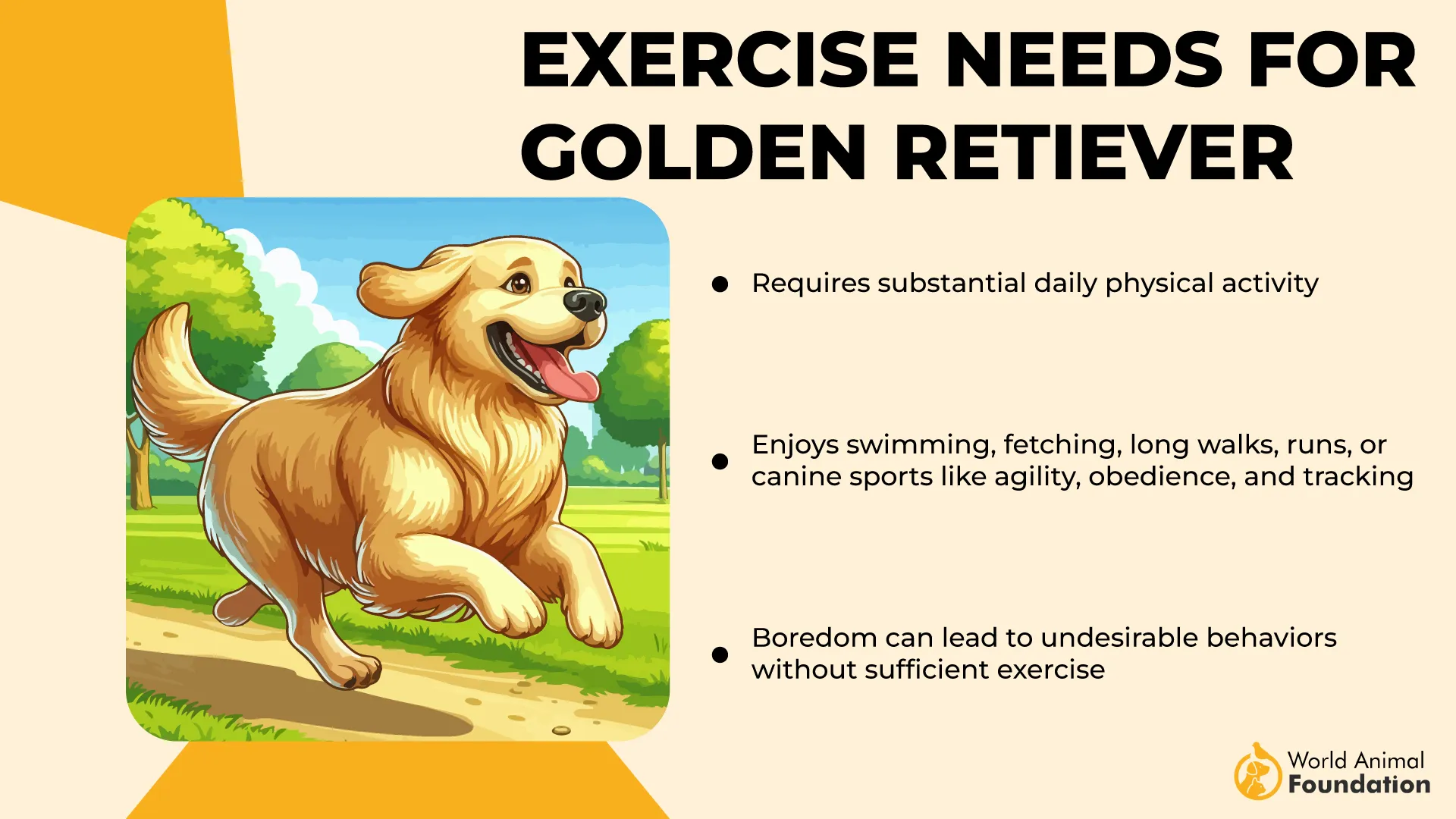
As travel partners, Goldens are playful, energetic, and well-suited to family road trips. They’re calm, affectionate dogs who enjoy participating in whatever you do, from beaches to wooded trails. Plan for shedding and pack a brush.
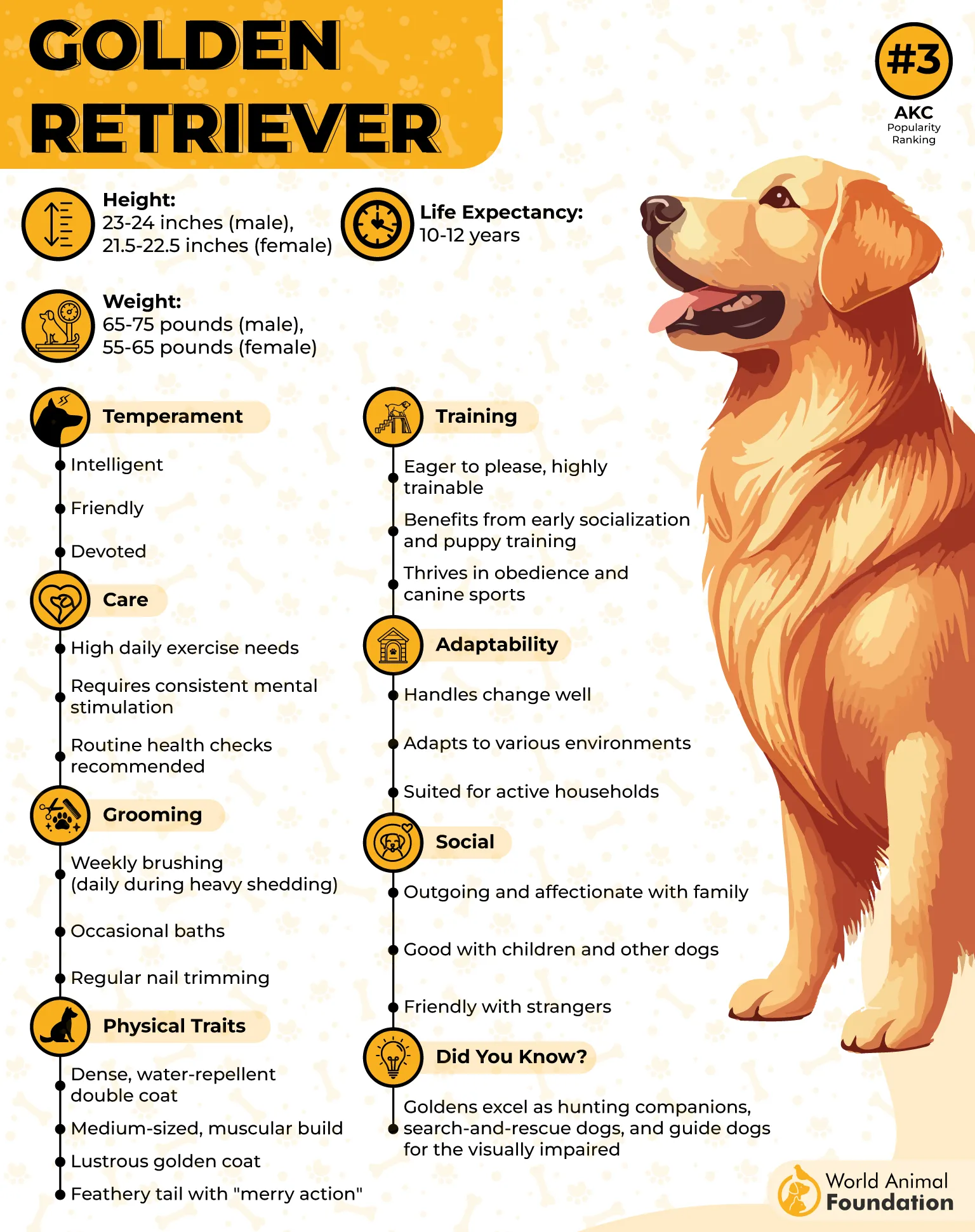
On the trail, many Goldens prove to be tireless hiking companions with a real love of water. Wait until they’re fully grown before taking on strenuous distances, then bring water and keep an eye on footing and energy. Their cheerful stamina makes long walks a joy.
Training is usually a pleasure with this breed’s eagerness to please and high obedience scores. Early on, some can be distractible and may pull without leash work, so consistent basics pay off. With guidance, their versatility shines in sports and everyday life.
Fun Fact
All Golden Retrievers trace back to an 1868 litter at Guisachan House in the Scottish Highlands. The line later became one of America’s most popular breeds.
4. Border Collie
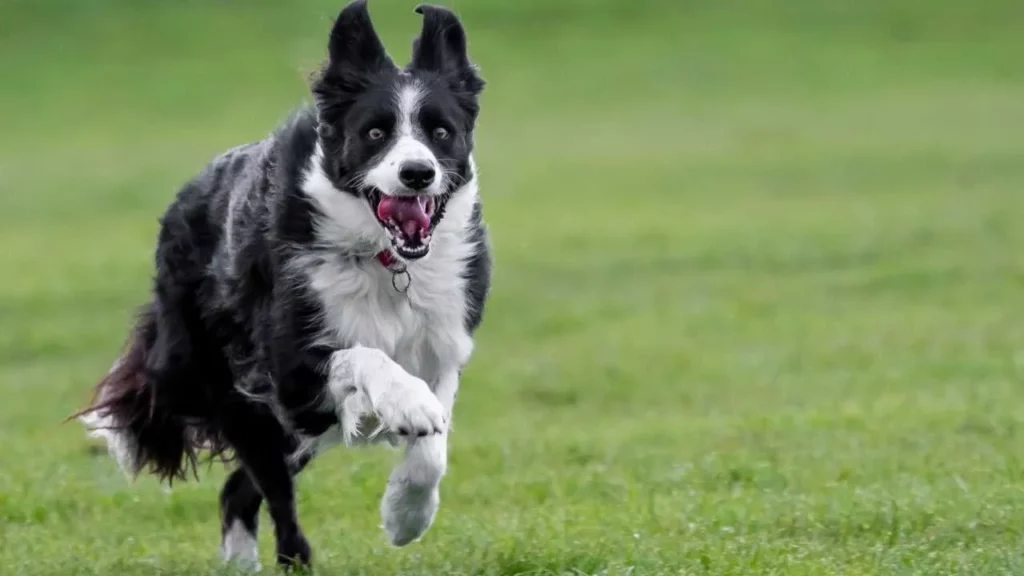
Border Collies pair a medium, athletic build with a dense, weather-resistant double coat that can be short or medium in length. Their famed “eye” gives intense focus when working with stock.
They’re among the most intelligent and trainable breeds and come with bottomless energy. That brilliance and drive demand daily mental and physical work, which can be a lot for first-time owners. Given structure and challenge, they excel and bond closely with their people.
Expect a very energetic dog that needs more than a quick stroll, often thriving with jobs like herding or fetch. Hill’s Pet notes exercise needs over 40 minutes daily and emphasizes their love of running. Without activity and company, they can become unhappy and destructive.
Athletically, Border Collies dominate agility and are standouts in search-and-rescue and other working roles. Their speed, stamina, and responsiveness make them superb adventure partners. Even casual sport outlets keep this driven herder satisfied.
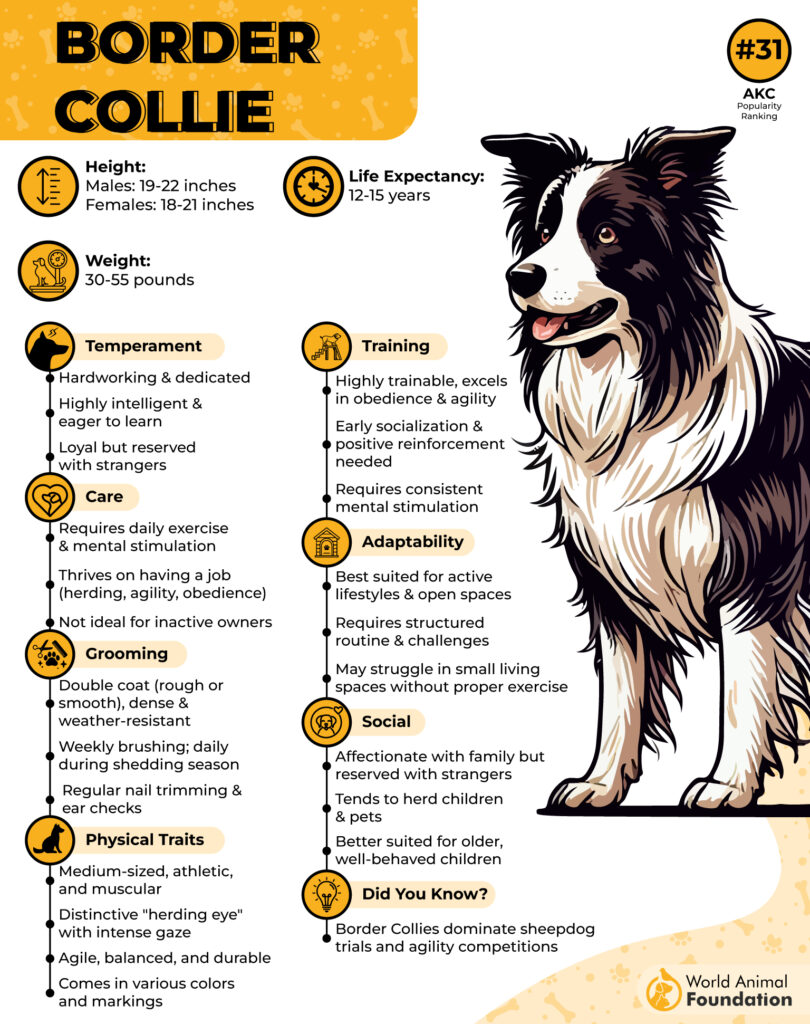
Outdoors, a secure play area is important because a bored Border Collie will invent “projects,” from barking to finding escape routes. The coat is hardy for long outside stints, but apartment living can be tough without ample outlets. Plan at least an hour of varied exercise each day.
Fun Fact
Border Collies are strong swimmers, and some even work in water search and rescue. That versatility mirrors their broader reputation for “being able to do almost anything.”
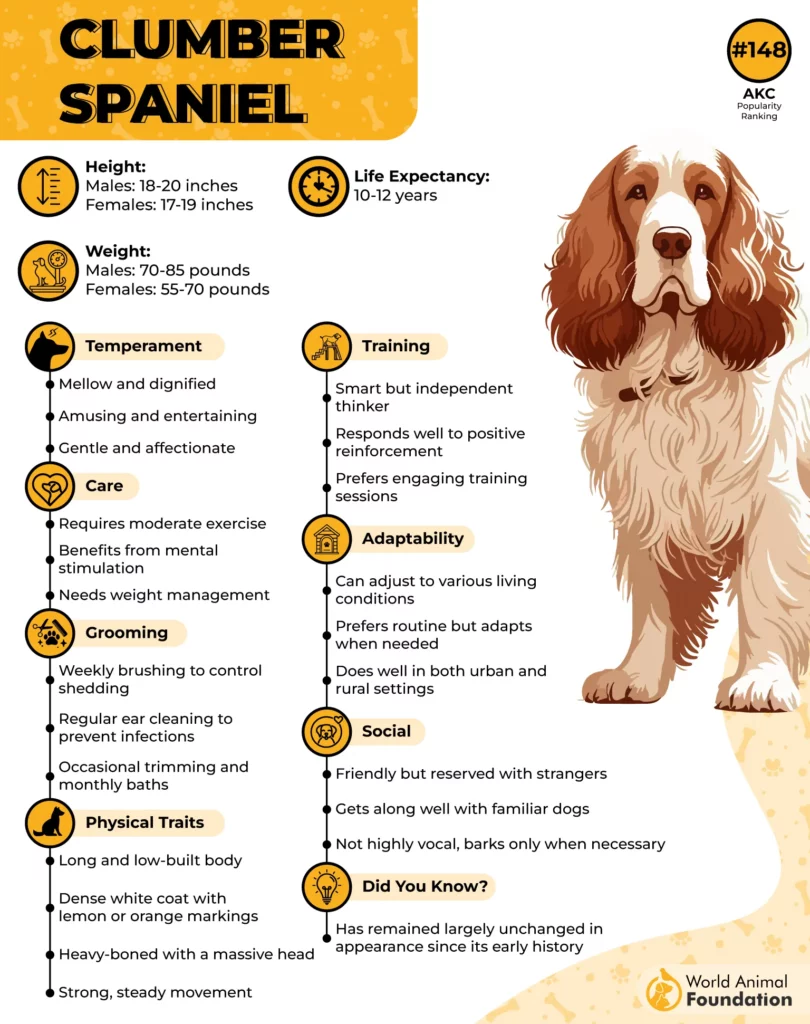
The Clumber Spaniel is the largest of the spaniel family, bred in England for flushing game from thick brush. It’s a heavy-boned, powerful dog with a broad head, deep chest, and soft expression. Despite its strength, it’s known for a calm and affectionate personality.
5. Clumber Spaniel
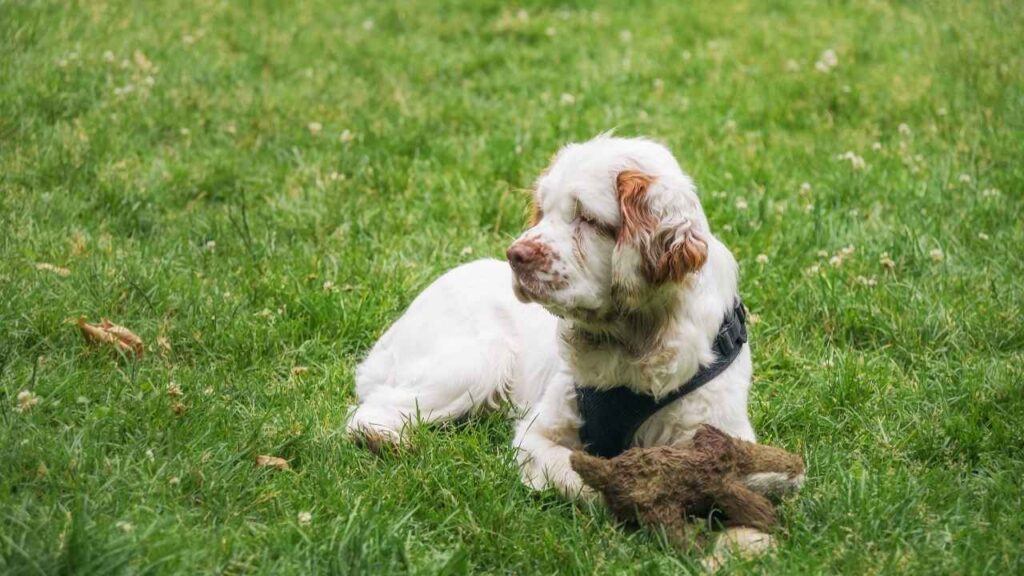
This breed moves with a slow but determined gait, making it ideal for hunters who prefer a steady companion. Their excellent scenting ability and patience make them reliable workers in the field. Indoors, they’re relaxed and affectionate, often choosing a cozy spot near their people.
Clumbers thrive in households where they can share daily activities. They get along well with children and other pets but can be shy with strangers until properly socialized. Consistent training works best with calm encouragement rather than harsh corrections.
Their dense, soft coat sheds year-round and requires regular brushing to prevent mats. They also drool occasionally, so a towel may become a household staple. Routine care for ears, teeth, and weight helps prevent common health issues such as hip dysplasia.
Moderate walks and relaxed playtime keep a Clumber happy. They’re not built for speed but rather endurance, making them great hiking or park companions in cool weather. Their easygoing spirit makes them a perfect fit for slower-paced families or travelers.
Fun Fact
The Clumber Spaniel was named after Clumber Park in Nottinghamshire, where the Duke of Newcastle’s gamekeepers first developed the breed in the 18th century. It was also one of the earliest breeds recognized by England’s Kennel Club.
6. Cocker Spaniel
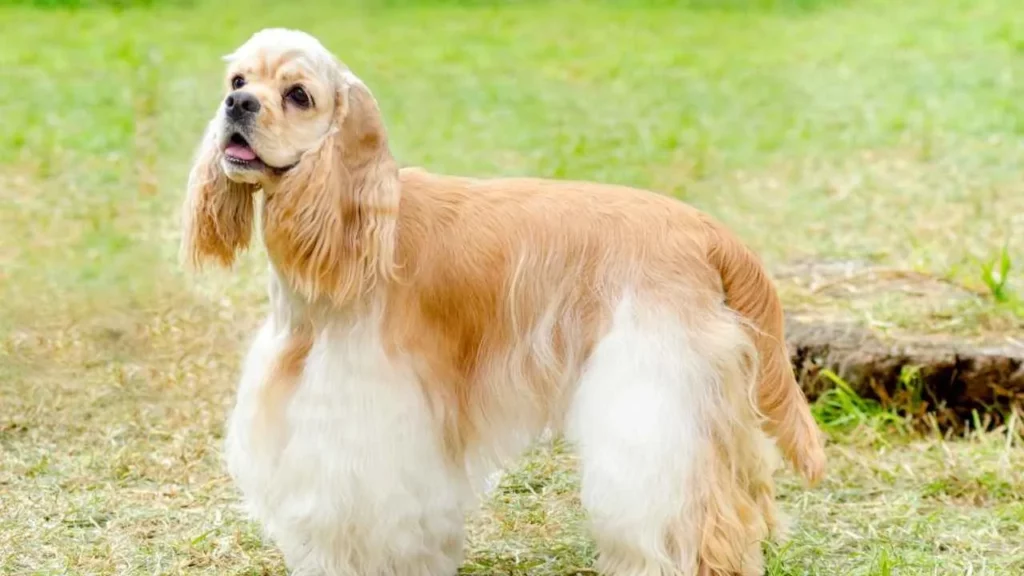
The Cocker Spaniel is a cheerful, medium-sized sporting dog known for its soft, wavy coat and long, feathered ears. Originally bred for hunting woodcock, it’s energetic and curious yet gentle enough to thrive as a family pet. Its expressive eyes and wagging tail often win hearts instantly.
Cocker Spaniels are adaptable and happy in both active and relaxed homes. They love companionship and do best when included in family routines. Without company, they may become lonely or vocal, so they suit owners who can spend time with them daily.
Regular grooming is a must for this breed’s silky coat. Brushing several times a week and trimming every few months keeps tangles at bay. Routine ear cleaning helps prevent infections common in floppy-eared dogs.
Their intelligence and eagerness to please make training enjoyable. Positive reinforcement brings out their best, whether learning basic commands or performing in dog sports like agility. Short bursts of activity and gentle play satisfy their high spirits.
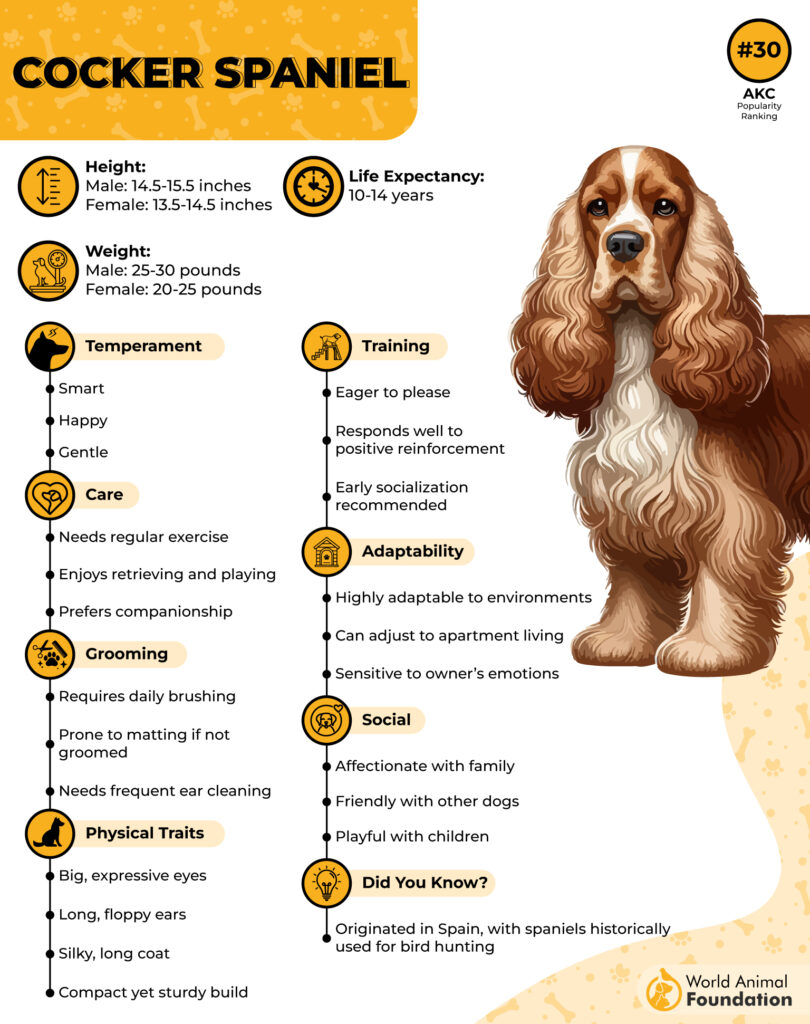
Cockers are wonderful travel companions thanks to their friendly, social personalities. They enjoy car rides and outdoor adventures, provided they have time to rest afterward. Their balanced temperament makes them equally happy exploring or snuggling.
Fun Fact
The American Cocker Spaniel became the most popular breed in the United States during the mid-20th century, beloved for its sweet nature and movie-star looks.
7. Samoyed
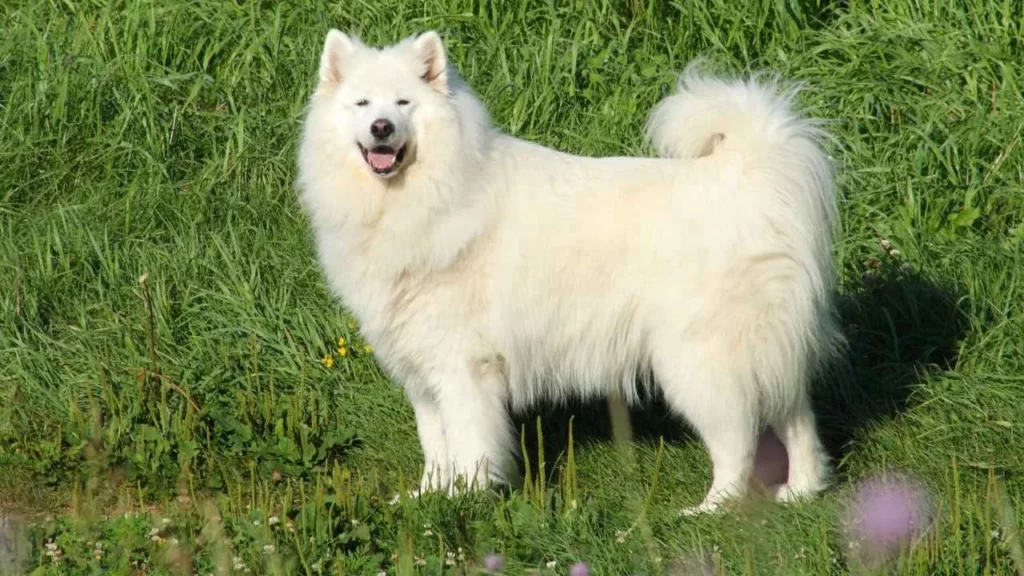
The Samoyed is a majestic, fluffy white dog originally bred by nomadic Siberian tribes to herd reindeer and pull sleds. Known for its “Sammy smile,” this breed combines strength, intelligence, and a joyful spirit. Its dense double coat protects it from extreme cold.
Samoyeds are social and thrive on being part of family life. They dislike solitude and prefer to stay near people, often shadowing their owners throughout the day. Their warm personalities make them excellent companions for both adults and children.
Energetic and athletic, Samoyeds love running, hiking, and participating in winter sports. They need consistent exercise to stay happy and healthy. Without enough activity, they may resort to mischief or excessive barking.

Their thick coats shed heavily, especially during seasonal changes. Frequent brushing helps control loose fur and keeps the coat healthy. Regular grooming also reduces the risk of skin irritation under the heavy undercoat.
With proper care and attention, Samoyeds make loyal, affectionate family dogs. Their combination of elegance and playfulness adds charm to any home. They’re especially suited for cool climates where their energy and coat shine.
Fun Fact
In Siberia, Samoyeds often slept beside their owners to keep them warm during freezing nights, earning a reputation as living “fur blankets.”
FAQs
Why is autumn a great season to travel with dogs?
Autumn brings cooler weather and fewer crowds, making outdoor activities more comfortable for both you and your furry friend. The changing scenery also gives dogs a chance to explore new environments without the summer heat.
Are there low-maintenance dog breeds for autumn travel?
Yes, certain breeds with a short coat or that require minimal exercise, such as French Bulldogs, Boston Terriers, or Toy Poodles, are great for relaxed autumn trips. They prefer shorter walks and cozy stays, making them excellent travel companions for hotel rooms, small spaces, or sightseeing over hiking.
How can I prepare my dog for autumn road trips?
Start by keeping a consistent schedule and packing essentials like food, water, and familiar toys to reduce separation anxiety. Gradually introduce your pup to longer rides, and ensure they’re secure and comfortable in the car for extended periods of time.
Conclusion
Autumn travel with dogs offers a perfect balance of adventure and comfort. Popular dog breeds like Beagles, Golden Retrievers, and Border Collies thrive in cool weather thanks to their active, loyal, and intelligent temperaments.
Many large dogs with a thick double coat, such as Samoyeds or Labradors, enjoy outdoor activities and make great hiking partners.
Meanwhile, small breed pups like Cocker Spaniels are easily adaptable to hotel rooms or rural areas and suit families seeking an easygoing travel lifestyle.
Whether you prefer agile dogs that love trails or low-energy companions that require minimal exercise, every individual dog can enjoy exploring new environments.
Other dog breeds, such as Yorkshire Terriers, French Bulldogs, Boston Terriers, German Shepherds, Portuguese Water Dogs, German Shorthaired Pointers, Dachshunds (sausage dogs), Siberian Huskies, and Pembroke Welsh Corgis, also make excellent travel companions for adventurous owners.
